

Clinical and biomarker changes of Alzheimer's disease in adults with Down syndrome: a cross-sectional study
Open accessThe DOI matches its Crossref record; 36 of the 37 references it cites were found in a registry or an index.
Abstract
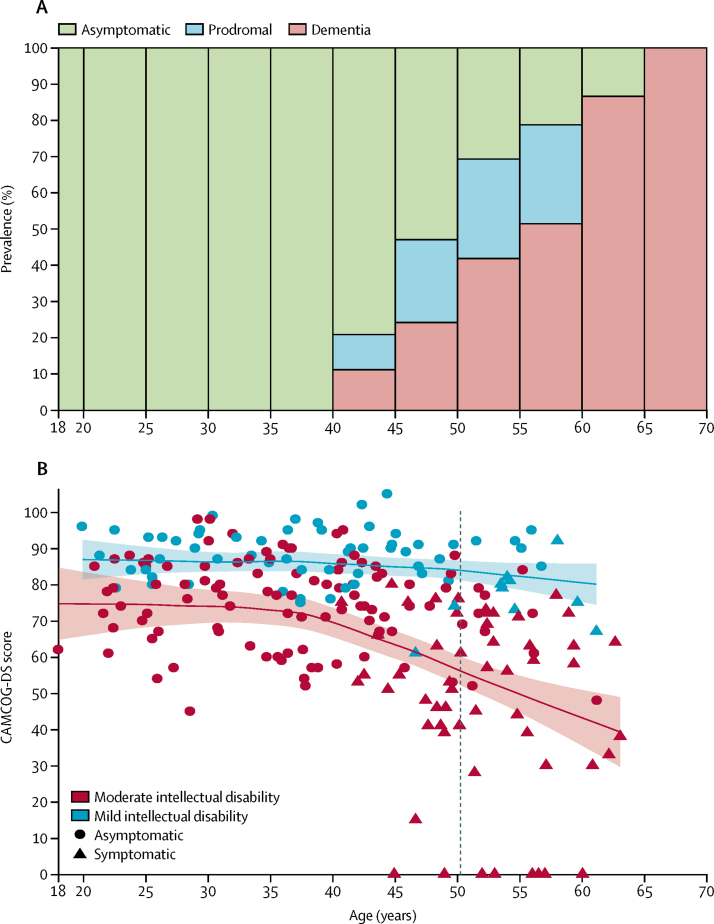
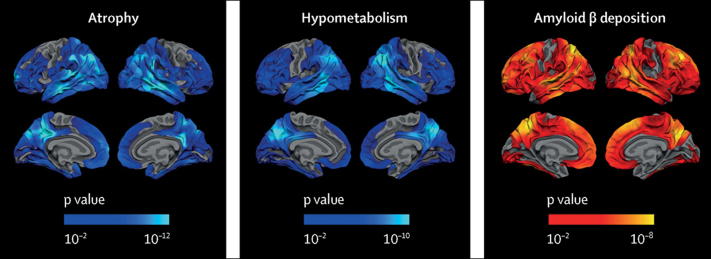
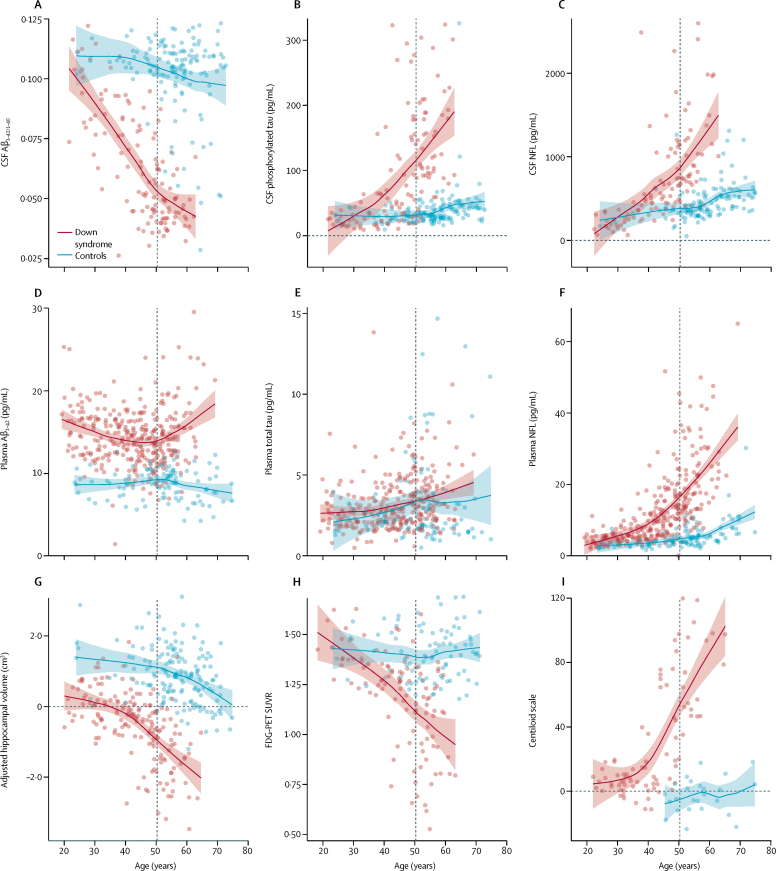
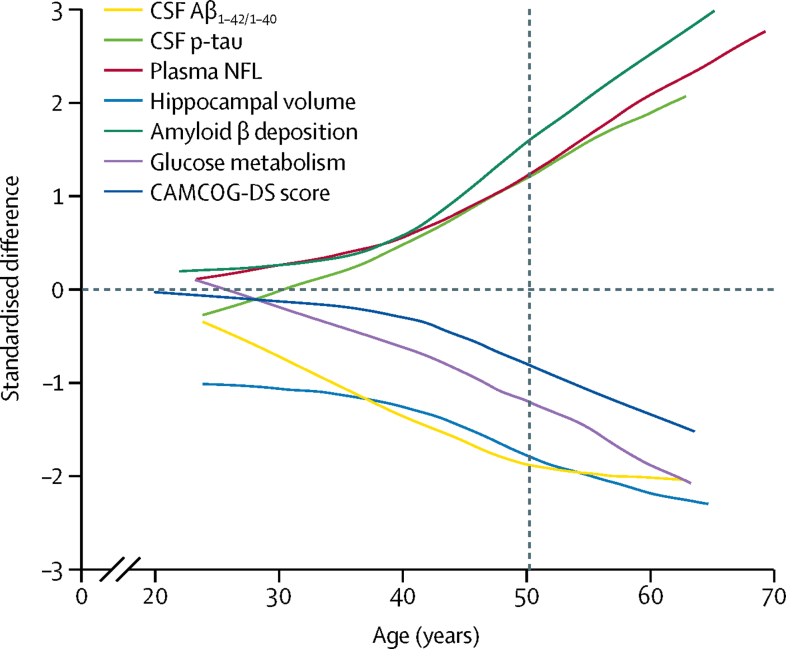
Background Alzheimer's disease and its complications are the leading cause of death in adults with Down syndrome. Studies have assessed Alzheimer's disease in individuals with Down syndrome, but the natural history of biomarker changes in Down syndrome has not been established. We characterised the order and timing of changes in biomarkers of Alzheimer's disease in a population of adults with Down syndrome. Methods We did a dual-centre cross-sectional study of adults with Down syndrome recruited through a population-based health plan in Barcelona (Spain) and through services for people with intellectual disabilities in Cambridge (UK). Cognitive impairment in participants with Down syndrome was classified with the Cambridge Cognitive Examination for Older Adults with Down Syndrome (CAMCOG-DS). Only participants with mild or moderate disability were included who had at least one of the following Alzheimer's disease measures: apolipoprotein E allele carrier status; plasma concentrations of amyloid β peptides 1–42 and 1–40 and their ratio (Aβ 1–42/1–40 ), total tau protein, and neurofilament light chain (NFL); tau phosphorylated at threonine 181 (p-tau), and NFL in cerebrospinal fluid (CSF); and one or more of PET with 18 F-fluorodeoxyglucose, PET with amyloid tracers, and MRI. Cognitively healthy euploid controls aged up to 75 years who had no biomarker abnormalities were recruited from the Sant Pau Initiative on Neurodegeneration. We used a first-order locally estimated scatterplot smoothing curve to determine the order and age at onset of the biomarker changes, and the lowest ages at the divergence with 95% CIs are also reported where appropriate. Findings Between Feb 1, 2013, and June 28, 2019 (Barcelona), and between June 1, 2009, and Dec 31, 2014 (Cambridge), we included 388 participants with Down syndrome (257 [66%] asymptomatic, 48 [12%] with prodromal Alzheimer's disease, and 83 [21%] with Alzheimer's disease dementia) and 242 euploid controls. CSF Aβ 1–42/1–40 and plasma NFL values changed in individuals with Down syndrome as early as the third decade of life, and amyloid PET uptake changed in the fourth decade. 18 F-fluorodeoxyglucose PET and CSF p-tau changes occurred later in the fourth decade of life, followed by hippocampal atrophy and changes in cognition in the fifth decade of life. Prodromal Alzheimer's disease was diagnosed at a median age of 50·2 years (IQR 47·5–54·1), and Alzheimer's disease dementia at 53·7 years (49·5–57·2). Symptomatic Alzheimer's disease prevalence increased with age in individuals with Down syndrome, reaching 90–100% in the seventh decade of life. Interpretation Alzheimer's disease in individuals with Down syndrome has a long preclinical phase in which biomarkers follow a predictable order of changes over more than two decades. The similarities with sporadic and autosomal dominant Alzheimer's disease and the prevalence of Down syndrome make this population a suitable target for Alzheimer's disease preventive treatments. Funding Instituto de Salud Carlos III, Fundació Bancaria La Caixa, Fundació La Marató de TV3, Medical Research Council, and National Institutes of Health.
Overview
The claims and statistics of this paper haven’t been checked yet.
Free: it reads the open-access text and checks the first 5 claims that cite a source we can check. Create a free account to check every claim.
Integrity signals
Registry
Cites
Statistics
Figures
Verification
Claims the paper makes
The claims and statistics of this paper haven’t been checked yet.
Free: it reads the open-access text and checks the first 5 claims that cite a source we can check. Create a free account to check every claim.
Claims other papers make about this one
Each is checked against this paper’s own text: does it say what the citing paper says it does?
The cited source says what the claim attributes to it.
In the citing paper
“Studies suggest that the brain changes of Alzheimer's disease in people with Down syndrome are more common than these percentages indicate.92,93”
From 2023 Alzheimer's disease facts and figures (2023) · cites this paper as [92]
Experimental — accuracy not yet measuredThe cited source says what the claim attributes to it.
In the citing paper
“Emerging research suggests that Alzheimer's brain changes in people with Down syndrome may be even more common than these percentages indicate.”
From 2024 Alzheimer's disease facts and figures (2024) · cites this paper as [99]
Self-check
Percentages, sums and reported differences re-computed from the paper’s own numbers.
The self-check needs the paper’s full text.
Citations
Cites
Diagnostic and Statistical Manual of Mental Disorders
Williams, J. B. W., & First, M. (2013) · Encyclopedia of Social Work · doi:10.1093/acrefore/9780199975839.013.104 · Cited by 109,519
NIA‐AA Research Framework: Toward a biological definition of Alzheimer's disease
Jack, C. R., Bennett, D. A., Blennow, K., Carrillo, M. C., Dunn, B., Haeberlein, S. B., Holtzman, D. M., Jagust, W., Jessen, F., Karlawish, J., et al. (2018) · Alzheimer's & Dementia · doi:10.1016/j.jalz.2018.02.018 · Cited by 10,537
Measuring the thickness of the human cerebral cortex from magnetic resonance images
Fischl, B., & Dale, A. M. (2000) · Proceedings of the National Academy of Sciences · doi:10.1073/pnas.200033797 · Cited by 5,818
Clinical and biomarker changes in dominantly inherited Alzheimer's disease
Bateman, R. J., Xiong, C., Benzinger, T. L. S., Fagan, A. M., Goate, A., Fox, N. C., Marcus, D. S., Cairns, N. J., Xie, X., Blazey, T. M., et al. (2012) · New England Journal of Medicine · doi:10.1056/nejmoa1202753 · Cited by 3,814
Advancing research diagnostic criteria for Alzheimer's disease: the IWG-2 criteria
Dubois, B., Feldman, H. H., Jacova, C., Hampel, H., Molinuevo, J. L., Blennow, K., DeKosky, S. T., Gauthier, S., Selkoe, D., Bateman, R., et al. (2014) · The Lancet Neurology · doi:10.1016/s1474-4422(14)70090-0 · Cited by 3,321
The Centiloid Project: standardizing quantitative amyloid plaque estimation by PET
Klunk, W. E., Koeppe, R. A., Price, J. C., Benzinger, T. L., Devous, M. D., Jagust, W. J., Johnson, K. A., Mathis, C. A., Minhas, D., Pontecorvo, M. J., et al. (2015) · Alzheimer's & Dementia · doi:10.1016/j.jalz.2014.07.003 · Cited by 1,348
Occurrence of neuropathological changes and dementia of Alzheimer’s disease in Down’s syndrome
Wisniewski, K. E., Wisniewski, H. M., & Wen, G. Y. (1985) · Annals of Neurology · doi:10.1002/ana.410170310 · Cited by 1,159
Jack, C. R., Lowe, V. J., Weigand, S. D., Wiste, H. J., Senjem, M. L., Knopman, D. S., Shiung, M. M., Gunter, J. L., Boeve, B. F., Kemp, B. J., et al. (2009) · Brain · doi:10.1093/brain/awp062 · Cited by 1,099
Associations between cognitive, functional, and FDG-PET measures of decline in AD and MCI
Landau, S. M., Harvey, D., Madison, C. M., Koeppe, R. A., Reiman, E. M., Foster, N. L., Weiner, M. W., & Jagust, W. J. (2011) · Neurobiology of Aging · doi:10.1016/j.neurobiolaging.2009.07.002 · Cited by 750
Amyloid deposition, hypometabolism, and longitudinal cognitive decline
Landau, S. M., Mintun, M. A., Joshi, A. D., Koeppe, R. A., Petersen, R. C., Aisen, P. S., Weiner, M. W., Jagust, W. J., & Initiative, F. T. A. D. N. (2012) · Annals of Neurology · doi:10.1002/ana.23650 · Cited by 727
Cited by
Items 201–300 of 373
Tiny Toes to Tau Tangles: Down's Syndrome and Its Association With Alzheimer's Disease
Puttagunta, S. M., Islam, R., Kundu, S., Jha, S. B., Rivera, A. P., Monar, G. V. F., Islam, H., & Sange, I. (2022) · Cureus · doi:10.7759/cureus.22125 · Cited by 6
“Around the fourth decade, they observed amyloid PET uptake [37].”
BackgroundMethodInfluentialLi, C., Liu, K., Zhu, J., & Zhu, F. (2023) · Immunity & Ageing · doi:10.1186/s12979-023-00366-4 · Cited by 7
“In sporadic AD patients, the levels of plasma Aβ1-42 were decreased significantly [34], however, plasma Aβ142 levels were increased significantly 15 years in dominantly inherited AD and Down syndrome before the onset of symptoms compared with normal people [35, 36].”
BackgroundChao, S., Lin, W., Lu, C.-H., Wu, H., Liu, H., & Hu, C. (2024) · Journal of Alzheimer s Disease · doi:10.3233/jad-240690 · Cited by 6
Koetsier, J., Eijssen, L., Schurgers, L. J., Curfs, L., Reutelingsperger, C. P. M., & Sangani, N. B. (2025) · Communications Biology · doi:10.1038/s42003-025-08330-2 · Cited by 5
Rosas, H. D., Mercaldo, N. D., Hasimoglu, Y. G., Petersen, M. E., Lewis, L. R., Lai, F., Powell, D. K., Dhungana, A., Demir, A., Keater, D., et al. (2024) · Alzheimer s & Dementia Diagnosis Assessment & Disease Monitoring · doi:10.1002/dad2.70023 · Cited by 5
Views of parents of children with Down syndrome on Alzheimer’s disease vaccination
Batbold, S., Cummings, G., Riggan, K. A., Michie, M., & Allyse, M. A. (2023) · Journal of Intellectual Disabilities · doi:10.1177/17446295231177787 · Cited by 5
“By 40, nearly all adults with DS show the typical amyloid plaques and neuro fi brillary tangles of AD on neuropathology (Lott and Head, 2019), as well the predictable course of biomarker changes seen in AD development (Fortea et al., 2020).”
Ohno, M. (2024) · Journal of Alzheimer s Disease · doi:10.3233/jad-231451 · Cited by 5
“…treatment with lower-dose anti-A (cid:2) agents including BACE1 inhibitors is expected to favor greater benefits given a long preclinical stage of the AD continuum where A (cid:2) accumulation commences decades before obvious cognitive symptoms in both sporadic and genetic forms of AD [18–20] (Fig.”
Johansson, C., Þórðardóttir, S., Laffita‐Mesa, J. M., Pannee, J., Rodriguez‐Vieitez, E., Zetterberg, H., Blennow, K., & Graff, C. (2024) · Alzheimer s Research & Therapy · doi:10.1186/s13195-024-01574-w · Cited by 4
BACE1 at the crossroads of a vicious circle between Alzheimer’s disease and diabetes mellitus
Ohno, M. (2025) · Frontiers in Dementia · doi:10.3389/frdem.2025.1730524 · Cited by 5
Development of Alzheimer’s disease in Down syndrome
García, O. A., Domínguez-de-la-Cruz, E., Luna-Martínez, I. G., Garnett-Carbajal, J. A., & Villegas-Piña, J. A. (2025) · Exploration of neuroscience · doi:10.37349/en.2025.1006104 · Cited by 4
Down syndrome and a presenilin 2 variant: dual genetic risk of Alzheimer’s disease
Ogg, J. D., Postupna, N. O., Gibbons, L. E., Ariza, J., Xiao, M., Fonseca, L. M., Jayadev, S., Keene, C. D., Bird, T. D., & Latimer, C. S. (2025) · Acta Neuropathologica · doi:10.1007/s00401-025-02931-1 · Cited by 4
“Most individuals with DS develop plaques by the age of 40, and even asymptomatic adults with DS often have abundant diffuse Aβ plaques identified at autopsy [9, 10, 36].”
Voxel‐based dysconnectomic brain morphometry with computed tomography in Down syndrome
Moreno, B. S., Zhang, L., Mateo, G., Moldenhauer, F., Brudfors, M., Ashburner, J., Nachev, P., de Asúa, D. R., & Strange, B. A. (2023) · Annals of Clinical and Translational Neurology · doi:10.1002/acn3.51940 · Cited by 4
“15 Finally, other state-of-the-art neuroimaging tools, such as amyloid-or tau-based PET, are costly and not widely available outside of research initiatives in many health care systems.”
BackgroundUnique Pathology in the Locus Coeruleus of Individuals with Down Syndrome
Saternos, H., Hamlett, E. D., Guzman, S. J., Head, E., Granholm, A., & Ledreux, A. (2024) · Journal of Alzheimer s Disease · doi:10.3233/jad-240043 · Cited by 4
“…with diffuse A (cid:2) plaques and pTau pathology occurring early in the disease progression and becoming prominent in all brain areas in their 50 s. 8 , 9 16 – 18 In the non-DS population, 95% of AD cases are sporadic and correlate with late-onset AD (LOAD), withsymptomsappearingafter65yearsofage.”
Towards the Discovery of Down Syndrome Brain Biomarkers Using Generative Models
Malé, J., Fortea, J., Aranha, M. R., Heuzé, Y., Martínez‐Abadías, N., & Sevillano, X. (2025) · Lecture notes in computer science · doi:10.1007/978-3-031-91721-9_13 · Cited by 5
Self-citationPieper, A. A., & Paul, B. D. (2025) · Neurotherapeutics · doi:10.1016/j.neurot.2025.e00757 · Cited by 4
“Individuals with DS also have markedly increased risk of Alzheimer's disease (AD), and DS is recognized as a genetic cause for AD [7,8].”
Dragonieri, S., Carpagnano, G. E., & Caccamese, S. (2022) · Nature and Science of Sleep · doi:10.2147/nss.s350350 · Cited by 4
Multifactorial glial responses and their contributions to Alzheimer's disease continuum
Hijioka, M., Manabe, T., & Saito, T. (2023) · Clinical and Experimental Neuroimmunology · doi:10.1111/cen3.12745 · Cited by 4
“AD, because the trisomy of chromosome 21 produces an extra copy of the APP gene.(69,70) The highest T cell infiltration was recorded in those”
BackgroundDekker, A. D., Ulgiati, A. M., Groen, H., Boxelaar, V. A., Sacco, S., Falquero, S., Carfì, A., Paola, A. D., Benejam, B., Valldeneu, S., et al. (2021) · Journal of Alzheimer s Disease · doi:10.3233/jad-219007 · Cited by 4
Self-citationArranz, J., Zhu, N., Rubio‐Guerra, S., Rodríguez‐Baz, Í., Carmona‐Iragui, M., Barroeta, I., Illán‐Gala, I., Santos‐Santos, M., Fortea, J., Lleó, A., et al. (2023) · medRxiv · doi:10.1101/2023.04.20.23288852 · Cited by 5
Self-citationKoenig, K. A., & Bhattacharyya, P. K. (2024) · Brain Sciences · doi:10.3390/brainsci14121241 · Cited by 3
Idris, M., Saini, F., Ivain, P., Baksh, R. A., Bianchi, L. A., Pape, S. E., Zetterberg, H., Wijeratne, P. A., & Strydom, A. (2025) · Alzheimer s & Dementia · doi:10.1002/alz.70446 · Cited by 3
Vaqué‐Alcázar, L., Videla, L., Benejam, B., Soriano, L. D. H., Barroeta, I., Fernandez, S., Rodríguez‐Baz, Í., Arriola‐Infante, J. E., Arranz, J., Maure‐Blesa, L., et al. (2025) · Alzheimer s & Dementia · doi:10.1002/alz.70447 · Cited by 3
Self-citationKhan, F. F., Kim, J., Kim, J.-I., & Kwon, G. (2026) · Frontiers in Aging Neuroscience · doi:10.3389/fnagi.2026.1730265 · Cited by 3
“Fortea et al. (2020) characterized the natural history of biomarker progression in Down syndrome, identifying hippocampal atrophy as a late marker preceded by amyloid and tau abnormalities.”
Rataj-Baniowska, M., Mumford, P., Prestia, F., Stephan, P., Beament, M., Birling, M., Lanzillotta, C., Ciafardini, L., Barone, E., Lau, G., et al. (2026) · Alzheimer s & Dementia · doi:10.1002/alz.71498 · Cited by 3
Causes of mortality among adults with Down syndrome before and after the COVID‐19 pandemic in Spain
Moreno, B. S., Adán‐Lirola, L., Rubio‐Serrano, J., & de Asúa, D. R. (2023) · Journal of Intellectual Disability Research · doi:10.1111/jir.13096 · Cited by 4
Ptomey, L. T., Barton, K. N., Swinford, E., Bodde, A. E., George, A. M., Gorczyca, A. M., Niedens, M., Sprague, S. C., Yeager, A. L., Helsel, B. C., et al. (2024) · Journal of Applied Research in Intellectual Disabilities · doi:10.1111/jar.13239 · Cited by 4
Huang, T., Lam, X.-J., Lim, C.-T., Jusoh, N., Fakurazi, S., Cheah, P.-S., & Ling, K. (2024) · Journal of Intellectual Disabilities · doi:10.1177/17446295241299160 · Cited by 3
Krinsky‐McHale, S. J., Kovacs, C. M., Lee, J. H., Listwan, T. A., Pang, D. I., Schupf, N., Tycko, B., Zigman, W. B., & Silverman, W. P. (2025) · Alzheimer s & Dementia Diagnosis Assessment & Disease Monitoring · doi:10.1002/dad2.70076 · Cited by 3
Clina, J. G., Danon, J. C., Helsel, B. C., Lepping, R. J., Martin, L. E., Sherman, J. R., Brucks, M. G., Donnelly, J. E., & Ptomey, L. T. (2025) · Alzheimer s & Dementia · doi:10.1002/alz.70297 · Cited by 3
PET imaging in Down syndrome and Alzheimer's disease
Handen, B. L., & Christian, B. T. (2021) · Elsevier eBooks · doi:10.1016/b978-0-12-818845-3.00013-x · Cited by 5
Walaszek, A., Albrecht, T., LeCaire, T. J., Sayavedra, N., Schroeder, M., Krainer, J., Prichett, G., Wilcenski, M., Endicott, S., Russmann, S., et al. (2022) · Alzheimer s & Dementia Translational Research & Clinical Interventions · doi:10.1002/trc2.12345 · Cited by 4
“Limitations of our study include: (1) the lack of a control group prevented us from testing hypotheses about the effectiveness of the educational intervention; (2) all outcome measures were selfreport; that is, we did not collect outcomes necessary to demonstrate increased skills in the detection of cognitive decline;…”
ResultA pathway linking pulse pressure to dementia in adults with Down syndrome
Rizvi, B. M., Lao, P. J., Sathishkumar, M. T., Taylor, L., Queder, N., McMillan, L. C., Edwards, N. C., Keator, D. B., Doran, E. W., Hom, C. L., et al. (2024) · Brain Communications · doi:10.1093/braincomms/fcae157 · Cited by 4
Ptomey, L. T., Donnelly, J. E., Burns, J. M., Morris, J. K., Hartley, S. L., Martin, L. E., Choi, I., Lee, P., Li, Y., Hunt, S. L., et al. (2025) · Alzheimer s & Dementia · doi:10.1002/alz.70219 · Cited by 3
Lioudyno, M., Sevrioukov, E. A., Olivarria, G. M., Hitchcock, L., Javonillo, D. I., Campos, S. M., Rivera, I., Wright, S. T., Head, E., Fortea, J., et al. (2025) · Acta Neuropathologica · doi:10.1007/s00401-025-02895-2 · Cited by 3
“Among those are AD neuropathology [48, 49, 136], interferon system hyperactivity [28, 50, 76, 105, 122, 134], and immune deregulation, all of which compromise the ability of resident cells of the CNS to mount an effective immune response upon viral infection.”
Self-citationAging with a disability: A call for research, policy, and practice
Mitra, M., & Turk, M. A. (2025) · Disability and health journal · doi:10.1016/j.dhjo.2025.101781 · Cited by 3
The Alzheimer disease continuum : findings from monogenic Alzheimer disease
Johansson, C. (2025) · doi:10.69622/28639856 · Cited by 4
Hamlett, E. D., Aguilar, L. F., Handen, B. L., Potier, M., Granholm, A., Sherman, S. L., Puig, M. V., Santoro, J. D., Carmona‐Iragui, M., Rebillat, A., et al. (2022) · Molecular Syndromology · doi:10.1159/000526021 · Cited by 2
Self-citationAguilar, L. F., Hamlett, E. D., Araya, P., Barone, E., Bhattacharyya, A., Carmona‐Iragui, M., Chan, L. F., Christian, B. T., Costa, A. C. S., Costanzo, F., et al. (2025) · NeuroMolecular Medicine · doi:10.1007/s12017-024-08824-y · Cited by 2
“…plasma) and imaging (MRI, PET) biomarkers of amyloidosis, tau pathology, and neurode-generation and how they have shown excellent diagnostic performance in distinguishing symptomatic AD in adults with DS using data from the DABNI cohort (Carmona-Iragui et al., 2021; Fortea et al., 2018a, 2020).”
Self-citationMitchell, J., Threlfall, A., Sloan, K. R., Smyth, L., Beresford‐Webb, J., Walpert, M., Pető, T., MacGillivray, T., Holland, A. J., Lengyel, I., et al. (2025) · Alzheimer s & Dementia · doi:10.1002/alz.70228 · Cited by 2
Self-citationPtomey, L. T., Helsel, B. C., Washburn, R. A., Montgomery, R. N., Krebill, R., Danon, J. C., Sherman, J. R., Forsha, D. E., Bodde, A. E., Szabo‐Reed, A. N., et al. (2025) · Alzheimer s & Dementia Translational Research & Clinical Interventions · doi:10.1002/trc2.70115 · Cited by 2
Cross‐Sectional FDG in Down Syndrome and Autosomal Dominant Alzheimer's Disease
Abdelmoity, O., Wisch, J. K., Kennedy, J. T., Goyal, M. S., Vlassenko, A. G., Flores, S. E., Handen, B. L., Head, E., Keator, D. B., Rafii, M. S., et al. (2025) · Annals of Neurology · doi:10.1002/ana.78002 · Cited by 3
Self-citationThe joint association of obesity and physical activity on cognitive function in Down syndrome
Clina, J. G., Helsel, B. C., Hartley, S. L., Fleming, V., Handen, B. L., Christian, B., Head, E., Mapstone, M. E., Hom, C. L., Burns, J. M., et al. (2025) · Journal of Alzheimer s Disease · doi:10.1177/13872877251386474 · Cited by 2
“All adults with DS will develop Alzheimer ’ s disease (AD) associated neuropathology 3,4 with AD being the leading cause of death in this population.”
Neuropsychiatric symptoms and emerging dementia in people with Down syndrome and older adults
Magana‐Ramirez, C. M., Gillen, D. L., Hom, C. L., Jaimes, L., Chilukuri, S. S., McMahon, N., Lin, C. E., Kuhlman, R., Hu, T., Head, E., et al. (2025) · Alzheimer s & Dementia · doi:10.1002/alz.70871 · Cited by 2
Shateri, A., & Tahan, M. (2025) · International Journal of Molecular Sciences · doi:10.3390/ijms262412001 · Cited by 2
“This increased risk is due to the presence of an extra copy of chromosome 21 in these individuals, which contains the gene for amyloid precursor protein (APP), leading to increased production and accumulation of amyloid-beta and increased risk of Alzheimer’s disease at relatively younger ages [13].”
InfluentialFactors impacting survival in individuals with Down syndrome‐associated Alzheimer's disease
Benejam, B., McCarron, M., Carmona‐Iragui, M., Dunne, P., Maure‐Blesa, L., Altuna, M., Arranz, J., Barroeta, I., Bejanin, A., Soriano, L. D. H., et al. (2026) · Alzheimer s & Dementia · doi:10.1002/alz.71156 · Cited by 3
Self-citationCSF and plasma tau biomarkers in the Down syndrome–Alzheimer’s disease continuum
Arranz, J., Lantero‐Rodriguez, J., Braun-Wohlfahrt, L. S., Vaqué‐Alcázar, L., Rodríguez‐Baz, Í., Kac, P. R., Arslan, B., Maure‐Blesa, L., Pertierra, L., Videla, L., et al. (2026) · EBioMedicine · doi:10.1016/j.ebiom.2026.106370 · Cited by 2
“5,7,8,36 This initiative was developed through a collaboration between the Catalan Down Syndrome Foundation and Sant Pau Hospital.”
Self-citationValle‐Tamayo, N., Aranha, M. R., Pérez‐González, R., Serrano‐Requena, S., Videla, L., Barroeta, I., Benejam, B., Chiva‐Blanch, G., Jiménez, A., Busciglio, J. A., et al. (2025) · Alzheimer s & Dementia · doi:10.1002/alz.70137 · Cited by 2
“26 In summary, our findings reveal that proNGF levels measured in NDEVs progressively increase along the AD continuum in individuals with DS, and directly correlate with biomarkers of neuronal injury in CSF and plasma, as well as with episodic memory performance.”
InfluentialSelf-citationSalivary lactoferrin levels in Down Syndrome: a case-control study
Antequera, D., Sande, L., García, E. V., Romualdi, D., Carrero, L., Municio, C., Diz, P., & Carro, E. (2025) · Brain Behavior & Immunity - Health · doi:10.1016/j.bbih.2025.100999 · Cited by 2
Biomarkers in Clinical Trials of Alzheimer Disease: An Overview
de Oliveira, F. F., Castilhos, R. M., Coutinho, A. M., Andrade, A. C., Kim, Y. J., Nabizadeh, F., Porto, F. H. D. G., & dos Santos, G. A. A. (2025) · Springer eBooks · doi:10.1007/978-3-031-80849-4_14 · Cited by 2
Nerve Growth Factor Compromise in Down Syndrome
Carmo, S. D., Kannel, B., & Cuello, A. C. (2021) · Frontiers in Aging Neuroscience · doi:10.3389/fnagi.2021.719507 · Cited by 2
“Recently, a comprehensive revision of the order and changes in AD biomarkers in adults with DS has been communicated by Fortea and collaborators (Fortea et al., 2020).”
BackgroundFluid biomarkers for Alzheimer's disease in Down syndrome: Current status and novel trends
Iulita, M. F., Granholm, A., Carmona‐Iragui, M., Hamlett, E. D., Fortea, J., & Ledreux, A. (2021) · Elsevier eBooks · doi:10.1016/b978-0-12-818845-3.00010-4 · Cited by 3
Self-citationRodriguez, E., García‐Alba, J., Buxó, M., Novell, R., & Esteba-Castillo, S. (2022) · International Journal of Environmental Research and Public Health · doi:10.3390/ijerph191710780 · Cited by 3
“Furthermore, declines in CAMCOG-DS scores are more evident in people with moderate ID [56], and adults with Klinefelter syndrome with higher values in intelligence tests performed better in working memory and executive functions [67].”
BackgroundBoersma, E. N. M. M., & von Scheibler (2023) · Research Publications (Maastricht University) · doi:10.26481/dis.20231114eb · Cited by 2
Sun, C., Thomas, R. W., Stringer, C. A., Galani, K., Ho, L., Sun, N., Renfro, A., Wright, S. T., Firenze, R. M., Tsai, L., et al. (2026) · bioRxiv (Cold Spring Harbor Laboratory) · doi:10.64898/2026.04.17.719050 · Cited by 2
“Alzheimer-related pathology in DS is known to emerge decades before clinical onset and follows a trajectory similar to autosomal dominant AD, with early involvement of limbic regions and later spread to neocortical areas 28,29 .”
"Sleeping Disorders Among Children with Down Syndrome: A Cross Sectional Study"
Alkawari, H. (2021) · Advances in Dentistry & Oral Health · doi:10.19080/adoh.2021.14.555899 · Cited by 1
AbouElhassan, K. M., Sarhan, H. A., Hussein, A. K., Taye, A., & Safwat, M. A. (2022) · Journal of advanced Biomedical and Pharmaceutical Sciences · doi:10.21608/jabps.2022.150175.1162 · Cited by 3
Current Treatment Approaches for Alzheimer’s Disease and Possible Drug Targets
Ranjan, A., Shukla, S., & Singh, S. (2024) · Current Drug Therapy · doi:10.2174/0115748855307998240529063710 · Cited by 1
The cholinotrophic system in Down syndrome
Mufson, E. J., & Perez, S. E. (2025) · Handbook of clinical neurology · doi:10.1016/b978-0-443-19088-9.00017-2 · Cited by 1
Fallon, M., & McGlinchey, E. (2025) · Springer eBooks · doi:10.1007/978-3-031-94529-8_19 · Cited by 1
The impact of congenital heart disease on the timing of Alzheimer's disease in Down syndrome
Clina, J. G., Helsel, B. C., Hartley, S. L., White, D. A., Fleming, V., Handen, B. L., Christian, B. T., Head, E., Mapstone, M., Hom, C. L., et al. (2026) · Alzheimer s & Dementia Diagnosis Assessment & Disease Monitoring · doi:10.1002/dad2.70257 · Cited by 1
Self-citationMorcillo-Nieto, A. O., Aranha, M. R., Maure‐Blesa, L., Rodríguez‐Baz, Í., Arriola‐Infante, J. E., Franquesa‐Mullerat, M., Zsadanyi, S. E., Vaqué‐Alcázar, L., Parra, J. A., Zhao, Z., et al. (2026) · Alzheimer s & Dementia · doi:10.1002/alz.71157 · Cited by 1
Self-citationGrasso, M., Fidilio, A., L’Episcopo, F., Recupero, M., Barone, C., Lovino, M., Alboni, S., Bacalini, M. G., Caruso, G., Greco, D., et al. (2026) · NeuroMolecular Medicine · doi:10.1007/s12017-025-08901-w · Cited by 1
“AD in DS has a long preclinical phase, starting very early in their lifespan, during which, biomarkers such as cerebrospinal fluid (CSF) Aβ1–42/1–40 and plasma neurofilament light change predictably over more than two decades (Fortea et al., 2020).”
Santoro, J., Jafarpour, S., Rezvan, P., Khoshnood, M. M., Vogel, B. N., Nguyen, L., Kazerooni, L., Spinazzi, N., Anadani, N., Fisher, K. S., et al. (2026) · Neurological Therapeutics · doi:10.1007/s40120-026-00906-2 · Cited by 2
Wagemann, O., Götz, C., Wlasich, E., Sandkühler, K., Prix, C., Stockbauer, A., Marth, L., Jäck, A., Halbgebauer, S., Tumani, H., et al. (2026) · Alzheimer s & Dementia · doi:10.1002/alz.71296 · Cited by 1
Neurological complications associated with Down syndrome
Murugesan, L., Cithambaram, S. P., Gunasekaran, A., Abidharini, J. D., Philomenathan, A. P. J., & Arumugam, V. A. (2026) · Brain Science and Child Development · doi:10.1016/j.bscd.2026.100008 · Cited by 1
Giménez, S., Vaqué‐Alcázar, L., Clos, S., Benejam, B., Carmona‐Iragui, M., Maure‐Blesa, L., Videla, L., Zhu, N., Altuna, M., Arranz, J., et al. (2026) · Alzheimer s & Dementia · doi:10.1002/alz.71409 · Cited by 1
Self-citationLongitudinal Graph Neural Networks for Prognostic Modeling of Alzheimer’s Disease Progression
Ashimgaliyev, M., Zhumadillayeva, А., Mussabek, M., & Qin, P. (2026) · International Conference on Advances in Artificial Intelligence and Machine Learning (AAIML) · doi:10.1109/aaiml67890.2026.11498183 · Cited by 1
“A dedicated longitudinal modeling framework is needed – one that can learn disease trajectories from serial neuroimaging data and thereby improve the prediction of future cognitive decline or conversion to dementia [9].”
McDade, E., Porsteinsson, A., Clifford, D. B., Llibre‐Guerra, J. J., Wang, G., Li, Y., Belyew, S., Mills, S., Santacruz, A., Supnet‐Bell, C., et al. (2026) · npj Dementia · doi:10.1038/s44400-026-00067-x · Cited by 1
Pieperhoff, L., Lorenzini, L., Almeida, F., Tranfa, M., Bollack, A., Arunachalam, P., Masserini, F., Wolz, R., Grootoonk, S., Ritchie, C. W., et al. (2026) · Alzheimer s & Dementia · doi:10.1002/alz.71609 · Cited by 1
Zhang, H., Zhang, Y., Cheng, Y., 柳喬馨, Meng, X., Wang, D., & Li, M. (2026) · Nutritional Neuroscience · doi:10.1080/1028415x.2026.2700765 · Cited by 1
Groeneveld, J., Perlaza, D., Olivé, C., Grangeon, L., Tesi, N., Nicolas, A., Jiang, C., de Rojas, I., Wallon, D., Rousseau, S., et al. (2026) · Alzheimer s & Dementia · doi:10.1002/alz.71738 · Cited by 1
Self-citationQuenez, O., Schramm, C., Cassinari, K., Nicolas, A., Groeneveld, J., Huguet, G., Grenier‐Boley, B., Hulsman, M., Walters, G. B., de Rojas, I., et al. (2026) · The American Journal of Human Genetics · doi:10.1016/j.ajhg.2026.07.013 · Cited by 1
Self-citationContributions of the neurological examination to the diagnosis of dementia in Down syndrome
Lott, I. T., Rosas, H. D., Lai, F., & Zaman, S. H. (2021) · Elsevier eBooks · doi:10.1016/b978-0-12-818845-3.00003-7 · Cited by 1
Self-citationThe Role of Polyphenols in the Treatment of Alzheimer's Disease: Narrative Review
Alattiya, R. H., Tarish, F. K., Hashim, L. L., & Hussain, S. A. (2021) · Al-Rafidain Journal of Medical Sciences · doi:10.54133/ajms.v1i.31 · Cited by 3
Histoire naturelle et diagnostic de la maladie d’Alzheimer
Auriacombe, S., & Lazeras, C. (2022) · Elsevier eBooks · doi:10.1016/b978-2-294-76331-1.00012-4 · Cited by 1
Valente, T. J. M. B. D. S., Dantas, J. M. D. S., Vieira, H. E. E., & Martins, A. E. S. (2022) · Anais da Faculdade de Medicina de Olinda · doi:10.56102/afmo.2022.209 · Cited by 3
Biomarkers of Cognitive Decline and Dementia in Down Syndrome
Pais, M. V., Talib, L. L., & Forlenza, O. V. (2023) · Springer eBooks · doi:10.1007/978-3-031-43356-6_12 · Cited by 1
Down Syndrome—Basque Alzheimer Initiative (DS-BAI): Clinic-Biological Cohort
Altuna, M., Estanga, A., Garrido, A., Saldias, J., Cañada, M., Echeverria, M., Larrea, J. Á., Ayo, P., Fiz, A., Muñoz, M., et al. (2024) · Journal of Clinical Medicine · doi:10.3390/jcm13041139 · Cited by 1
“The prevalence of symptomatic AD is up to 80–90% for the age of 60 years, and the mean age of symptoms of onset is of 50–55 years [8,10].”
BackgroundInfluentialSelf-citationNeuropsychologie du vieillissement normal et des syndromes démentiels
Gil, R. (2024) · Elsevier eBooks · doi:10.1016/b978-2-294-78570-2.00023-x · Cited by 1
Wagemann, O., Brendel, M., Franzmeier, N., Nübling, G., Gnörich, J. S., Zaganjori, M., Prix, C., Stockbauer, A., Wlasich, E., Loosli, S. V., et al. (2025) · Frontiers in Neuroscience · doi:10.3389/fnins.2024.1505999 · Cited by 1
Study of brain perfusion in adults with Down syndrome along the Alzheimer's disease continuum
Franquesa‐Mullerat, M., Morcillo-Nieto, A. O., Arriola‐Infante, J. E., Zsadanyi, S. E., Vaqué‐Alcázar, L., Aranha, M. R., Arranz, J., Rodríguez‐Baz, Í., Maure‐Blesa, L., Videla, L., et al. (2025) · Alzheimer s & Dementia · doi:10.1002/alz.70581 · Cited by 1
Self-citationOreskovic, N. M., Austin, G., Aylward, B., Boer, P., Bricout, V., Cheema, N., Das, A., Fernhall, B., Fleming, R. K., Florez, C., et al. (2025) · American Journal of Medical Genetics Part A · doi:10.1002/ajmg.a.64256 · Cited by 1
“She reviewed that Alzheimer's disease (AD) is the leading cause of death in individuals with Down syndrome (DS) (Fortea et al. 2020; Iulita et al. 2022), and presented evidence indicating that participation in moderate- to-vigorous physical activity (MVPA) may prevent or delay the onset of AD…”
Foye, G., Foye, E., Walter, S., & Ptomey, L. T. (2025) · Alzheimer s & Dementia Behavior & Socioeconomics of Aging · doi:10.1002/bsa3.70040 · Cited by 1
Identification de biomarqueurs sanguins chez des sujets à risque pour la maladie d’Alzheimer
Potier, M. (2021) · Bulletin de l Académie Nationale de Médecine · doi:10.1016/j.banm.2021.02.003 · Cited by 2
Plasma Aβ ratios in autosomal dominant Alzheimer’s disease: the influence of genotypePreprint
O’Connor, A., Pannee, J., Poole, T., Arber, C., Portelius, E., Swift, I. J., Heslegrave, A., Abel, E., Willumsen, N., Rice, H., et al. (2021) · bioRxiv (Cold Spring Harbor Laboratory) · doi:10.1101/2021.02.11.430756 · Cited by 1
Dammer, E. B., Afshar, S., Bian, S., Seyfried, N. T., Levey, A. I., Fortea, J., & Johnson, E. C. B. (2026) · medRxiv · doi:10.64898/2026.02.14.26346321 · Cited by 1
Self-citationLi, C., Liu, K., Zhu, J., & Zhu, F. (2021) · Research Square · doi:10.21203/rs.3.rs-789627/v1
Montoliu‐Gaya, L., Alcolea, D. A., Ashton, N. J., Pegueroles, J., Levin, J., Carmona‐Iragui, M., Lantero‐Rodriguez, J., Karikari, T. K., Barroeta, I., Kac, P. R., et al. (2022) · SSRN Electronic Journal · doi:10.2139/ssrn.4077901
Self-citationBiomarkerverlauf der Alzheimer-Erkrankung bei Patienten mit Down-Syndrom
(2020) · DMW - Deutsche Medizinische Wochenschrift · doi:10.1055/a-1215-8869
Li, C., Liu, K., Zhu, J., & Zhu, F. (2021) · Research Square · doi:10.21203/rs.3.rs-706739/v1
“…marrow cells (BMCs) from APP/PS1 Tg mice into Wt mice, the Aβ 42 from Tg mice plasma or BMCs of Tg mice could signi�cantly increase the plasma Aβ 1−42 levels of Wt mice and enter into Wt mice brain to form cerebral amyloid angiopathy (CAA) and Aβ plaques similar to that of Tg mice brain [40, 41].”
Wu, K., Xu, C., Tian, X., Qiu, G., Liu, W., Guo, Q., Chen, C., Liu, J., Guo, Z., Chen, H., et al. (2022) · SSRN Electronic Journal · doi:10.2139/ssrn.4125474
Alzheimer disease and neuroinflammation in Down syndrome
Ganguly, B. B. (2022) · Elsevier eBooks · doi:10.1016/b978-0-323-90456-8.00014-4
Down-Syndrom und Alzheimer-Demenz
Wallesch, C. (2022) · Fortschritte der Neurologie · Psychiatrie · doi:10.1055/a-1895-6817
Mubeen, H., Masood, A., Zafar, A., Khan, Z. Q., Khan, M. Q., Nisa, A. U., & Naveed, Z. A. (2022) · Research Square · doi:10.21203/rs.3.rs-2060964/v1
Biomarcadores amiloidogênicos na síndrome de Down
Bram, J. M. D. F. (2023) · Digital Library of Theses and Dissertations (Universidade de São Paulo) · doi:10.11606/t.5.2023.tde-20092023-163847 · Cited by 1
Alzheimer-en gaixotasuna Down-en sindromearen barnean
Altuna, M., Estanga, A., Clerigué, M., de Arriba, M., & Saldias, J. (2023) · Osagaiz osasun-zientzien aldizkaria · doi:10.26876/osagaiz.1.2023.478
Self-citationAvaliação de microinfartos corticais em pacientes com síndrome de Down
Aranha, M. R. (2023) · Digital Library of Theses and Dissertations (Universidade de São Paulo) · doi:10.11606/t.5.2023.tde-07032024-125206
COMMUNITY PERCEPTIONS OF EARLY ADULT DOWN SYNDROME A SYSTEMATIC REVIEW
Alhafiz, N., sakinah, W., & Mursidi, A. (2024) · SOSIOEDUKASI JURNAL ILMIAH ILMU PENDIDIKAN DAN SOSIAL · doi:10.36526/sosioedukasi.v13i1.3790
“Interpretation of Alzheimer's disease in individuals with Down syndrome suggests a long preclinical phase, with biomarkers following a predictable pattern of change for more than two decades, making this population an appropriate target for preventive Alzheimer's treatments (Fortea et al., 2020).”
BackgroundKasai, T., Shinomoto, M., Kitani‐Morii, F., Ohmichi, T., Fujino, Y., Kondo, M., Terada, N., Tatebe, H., Tokuda, T., & Mizuno, T. (2024) · Rinsho Shinkeigaku · doi:10.5692/clinicalneurol.cn-001976
Guimarães, M. C. M., de Cerqueira, A. B. F., Santos, B. C. D. O., Custódio, B. G. R., Meneses, B. D. M., de Brito, C. V., Silva, G. T. D. S., Noronha, G. R. M., Queiroz, H. A., Noronha, J. F. M., et al. (2024) · International Journal of Health Science · doi:10.22533/at.ed.1594972405119
Metadata
- Authors
- Fortea, J., Vilaplana, E., Carmona-Iragui, M., Benejam, B., Videla, L., Barroeta, I., Fernández, S., Altuna, M., Pegueroles, J., Montal, V., Valldeneu, S., Giménez, S., González-Ortiz, S., Muñoz, L., Estellés, T., Illán-Gala, I., Belbin, O., Camacho, V., Wilson, L. R., Annus, T., Osorio, R. S., Videla, S., Lehmann, S., Holland, A. J., Alcolea, D., Clarimón, J., Zaman, S. H., Blesa, R., & Lleó, A.
- Affiliations
- Universitat Autònoma de Barcelona (ES)
- Hospital de Sant Pau (ES)
- University of Cambridge (GB)
- NYU Langone Health (US)
- Institut d'Investigació Biomédica de Bellvitge (ES)
- Inserm (FR)
- Corresponding author
- Fortea, Juan
- ORCID
- Fortea, Juan
- Vilaplana, Eduard
- Benejam, Bessy
- Videla, Laura
- Barroeta, Isabel
- Fernández, Susana
- Altuna, Miren
- Pegueroles, Jordi
- Montal, Víctor
- Giménez, Sandra
- Muñoz, Laia
- Belbin, Olivia
- Camacho, Valle
- Wilson, Liam Reese
- Osorio, Ricardo S
- Videla, Sebastián
- Lehmann, Sylvain
- Holland, Anthony J
- Alcolea, Daniel
- Clarimón, Jordi
- Zaman, Shahid H
- Blesa, Rafael
- Lleó, Alberto
- Venue
- The Lancet
- Publisher
- Elsevier BV
- Published
- 2020-06
- Volume
- 395
- Issue
- 10242
- Pages
- 1988-1997
- ISSN
- 0099-5355 (ISSN-L)
- 0140-6736
- PMC
- PMC7322523
- OpenAlex
- W3038008717
- Cited by
- 340
- References
- 37
- Citations by year
- 2026: 43 · 2025: 74 · 2024: 57 · 2023: 43 · 2022: 61 · 2021: 53 · 2020: 9
- FWCI
- 31.31
- Type
- journal article
- Language
- en
- Open access
- hybrid
- doi.org
- Licence
- cc-by-nc-nd
- www.elsevier.com/tdm/userlicense/1.0/ (tdm)
- www.elsevier.com/legal/tdmrep-license (tdm)
- creativecommons.org/licenses/by-nc-nd/4.0/ (vor)
- Locations
- The Lancet (publishedVersion, cc-by-nc-nd)
- PubMed Central (publishedVersion, cc-by-nc-nd)
- PubMed (publishedVersion)
- HAL (submittedVersion, cc-by-nc-nd)
- Dipòsit Digital de Documents de la UAB (Universitat Autònoma de Barcelona) (submittedVersion, cc-by-nc-nd)
- LA Referencia (Red Federada de Repositorios Institucionales de Publicaciones Científicas) (submittedVersion, cc-by-nc-nd)
- Repositori digital de la UPF (Universitat Pompeu Fabra) (submittedVersion, cc-by-nc-nd)
- Apollo (University of Cambridge) (submittedVersion, cc-by-nc-nd)
- Apollo
- Funders
- Fundació la Marató de TV3
- Global Brain Health Institute
- Generalitat de Catalunya
- Centro de Investigación Biomédica en Red sobre Enfermedades Neurodegenerativas
- National Institutes of Health (2013-2016)
- Instituto de Salud Carlos III (2013-2016)
- European Regional Development Fund
- National Institute on Aging (P30AG066512)
- Topics
- Health Sciences › Medicine › Public Health, Environmental and Occupational Health › Down syndrome and intellectual disability research
- Health Sciences › Medicine › Psychiatry and Mental health › Dementia and Cognitive Impairment Research
- Life Sciences › Neuroscience › Cellular and Molecular Neuroscience › Alzheimer's disease research and treatments
- Keywords
- Alzheimer's disease, Down syndrome, biomarkers, natural history (disease), amyloid PET, neurofilament light chain, apolipoprotein E, total tau, cognitive impairment, prodromal Alzheimer's disease, dementia
- MeSH terms
- Adult, Alzheimer Disease, Amyloidosis, Apolipoproteins E, Cross-Sectional Studies, Down Syndrome, United Kingdom, Humans, Magnetic Resonance Imaging, Middle Aged, Spain, Biomarkers, Prevalence, Case-Control Studies, Amyloid beta-Peptides, tau Proteins, Neurofilament Proteins, Fluorodeoxyglucose F18, Positron-Emission Tomography, Cognitive Dysfunction
About these checks
Registry, retraction, Cites and statistics results are computed, not judged, with one exception: a printed reference that no index lists is read once by a model before it counts as a citation error. Claims are extracted by a model and kept only when their quote appears verbatim in the text; each cited source is then checked, with a model’s help, for whether it says what the claim relies on. Those verdicts can be wrong — read the claim’s quote and the cited source before relying on one.
Statistics and arithmetic are recomputed, not judged.
Confidence bands are shown only for fields calibrated on our annotated test set. None is calibrated yet, so no band is shown.
What counts as a claim ›How we measure confidence ›How we check this ›
Are you an author, or do you see a problem with this page? Request a review
Data sources
Bibliographic data: Semantic Scholar, OpenAlex, Crossref.
Contains information from the Semantic Scholar Academic Graph Datasets, made available under the ODC Attribution License (ODC-BY 1.0).
Semantic Scholar’s data is described in: Kinney, R., et al. (2023). The Semantic Scholar Open Data Platform. arXiv:2301.10140.
