

Clinical and biomarker changes of Alzheimer's disease in adults with Down syndrome: a cross-sectional study
Open accessThe DOI matches its Crossref record; 36 of the 37 references it cites were found in a registry or an index.
Abstract
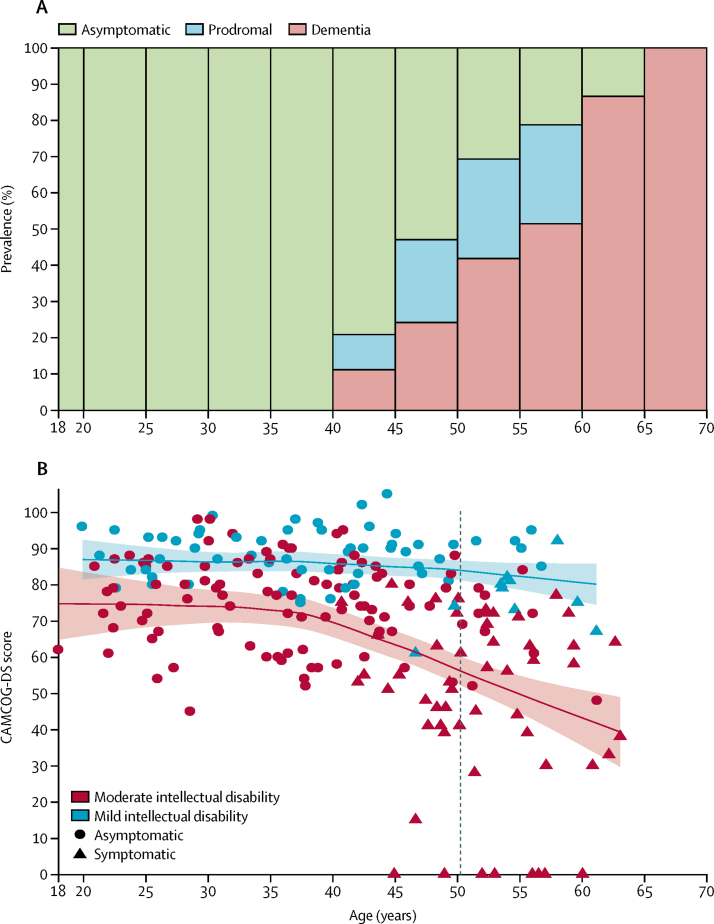
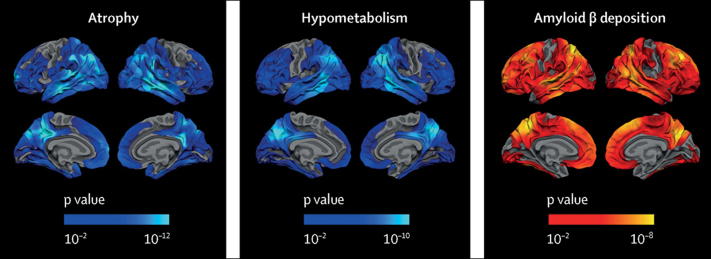
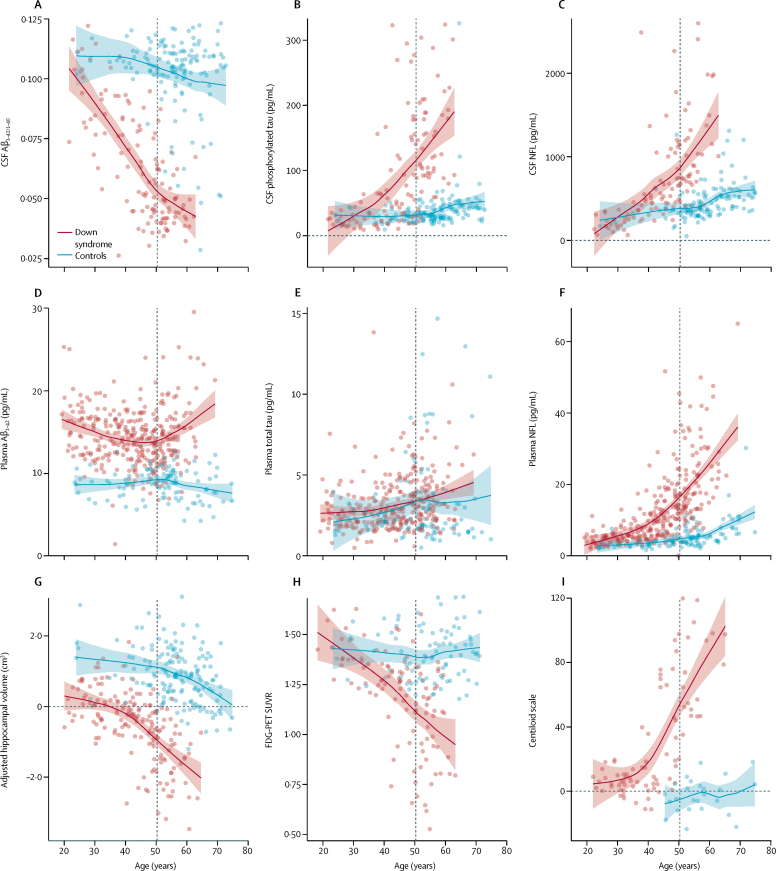
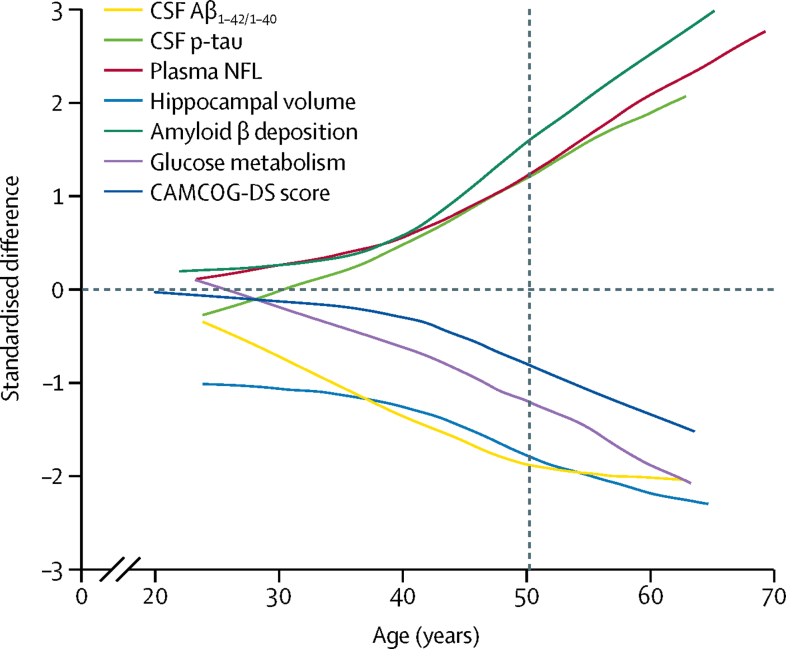
Background Alzheimer's disease and its complications are the leading cause of death in adults with Down syndrome. Studies have assessed Alzheimer's disease in individuals with Down syndrome, but the natural history of biomarker changes in Down syndrome has not been established. We characterised the order and timing of changes in biomarkers of Alzheimer's disease in a population of adults with Down syndrome. Methods We did a dual-centre cross-sectional study of adults with Down syndrome recruited through a population-based health plan in Barcelona (Spain) and through services for people with intellectual disabilities in Cambridge (UK). Cognitive impairment in participants with Down syndrome was classified with the Cambridge Cognitive Examination for Older Adults with Down Syndrome (CAMCOG-DS). Only participants with mild or moderate disability were included who had at least one of the following Alzheimer's disease measures: apolipoprotein E allele carrier status; plasma concentrations of amyloid β peptides 1–42 and 1–40 and their ratio (Aβ 1–42/1–40 ), total tau protein, and neurofilament light chain (NFL); tau phosphorylated at threonine 181 (p-tau), and NFL in cerebrospinal fluid (CSF); and one or more of PET with 18 F-fluorodeoxyglucose, PET with amyloid tracers, and MRI. Cognitively healthy euploid controls aged up to 75 years who had no biomarker abnormalities were recruited from the Sant Pau Initiative on Neurodegeneration. We used a first-order locally estimated scatterplot smoothing curve to determine the order and age at onset of the biomarker changes, and the lowest ages at the divergence with 95% CIs are also reported where appropriate. Findings Between Feb 1, 2013, and June 28, 2019 (Barcelona), and between June 1, 2009, and Dec 31, 2014 (Cambridge), we included 388 participants with Down syndrome (257 [66%] asymptomatic, 48 [12%] with prodromal Alzheimer's disease, and 83 [21%] with Alzheimer's disease dementia) and 242 euploid controls. CSF Aβ 1–42/1–40 and plasma NFL values changed in individuals with Down syndrome as early as the third decade of life, and amyloid PET uptake changed in the fourth decade. 18 F-fluorodeoxyglucose PET and CSF p-tau changes occurred later in the fourth decade of life, followed by hippocampal atrophy and changes in cognition in the fifth decade of life. Prodromal Alzheimer's disease was diagnosed at a median age of 50·2 years (IQR 47·5–54·1), and Alzheimer's disease dementia at 53·7 years (49·5–57·2). Symptomatic Alzheimer's disease prevalence increased with age in individuals with Down syndrome, reaching 90–100% in the seventh decade of life. Interpretation Alzheimer's disease in individuals with Down syndrome has a long preclinical phase in which biomarkers follow a predictable order of changes over more than two decades. The similarities with sporadic and autosomal dominant Alzheimer's disease and the prevalence of Down syndrome make this population a suitable target for Alzheimer's disease preventive treatments. Funding Instituto de Salud Carlos III, Fundació Bancaria La Caixa, Fundació La Marató de TV3, Medical Research Council, and National Institutes of Health.
Overview
The claims and statistics of this paper haven’t been checked yet.
Free: it reads the open-access text and checks the first 5 claims that cite a source we can check. Create a free account to check every claim.
Integrity signals
Registry
Cites
Statistics
Figures
Verification
Claims the paper makes
The claims and statistics of this paper haven’t been checked yet.
Free: it reads the open-access text and checks the first 5 claims that cite a source we can check. Create a free account to check every claim.
Claims other papers make about this one
Each is checked against this paper’s own text: does it say what the citing paper says it does?
The cited source says what the claim attributes to it.
In the citing paper
“Studies suggest that the brain changes of Alzheimer's disease in people with Down syndrome are more common than these percentages indicate.92,93”
From 2023 Alzheimer's disease facts and figures (2023) · cites this paper as [92]
Experimental — accuracy not yet measuredThe cited source says what the claim attributes to it.
In the citing paper
“Emerging research suggests that Alzheimer's brain changes in people with Down syndrome may be even more common than these percentages indicate.”
From 2024 Alzheimer's disease facts and figures (2024) · cites this paper as [99]
Self-check
Percentages, sums and reported differences re-computed from the paper’s own numbers.
The self-check needs the paper’s full text.
Citations
Cites
Diagnostic and Statistical Manual of Mental Disorders
Williams, J. B. W., & First, M. (2013) · Encyclopedia of Social Work · doi:10.1093/acrefore/9780199975839.013.104 · Cited by 109,519
NIA‐AA Research Framework: Toward a biological definition of Alzheimer's disease
Jack, C. R., Bennett, D. A., Blennow, K., Carrillo, M. C., Dunn, B., Haeberlein, S. B., Holtzman, D. M., Jagust, W., Jessen, F., Karlawish, J., et al. (2018) · Alzheimer's & Dementia · doi:10.1016/j.jalz.2018.02.018 · Cited by 10,537
Measuring the thickness of the human cerebral cortex from magnetic resonance images
Fischl, B., & Dale, A. M. (2000) · Proceedings of the National Academy of Sciences · doi:10.1073/pnas.200033797 · Cited by 5,818
Clinical and biomarker changes in dominantly inherited Alzheimer's disease
Bateman, R. J., Xiong, C., Benzinger, T. L. S., Fagan, A. M., Goate, A., Fox, N. C., Marcus, D. S., Cairns, N. J., Xie, X., Blazey, T. M., et al. (2012) · New England Journal of Medicine · doi:10.1056/nejmoa1202753 · Cited by 3,814
Advancing research diagnostic criteria for Alzheimer's disease: the IWG-2 criteria
Dubois, B., Feldman, H. H., Jacova, C., Hampel, H., Molinuevo, J. L., Blennow, K., DeKosky, S. T., Gauthier, S., Selkoe, D., Bateman, R., et al. (2014) · The Lancet Neurology · doi:10.1016/s1474-4422(14)70090-0 · Cited by 3,321
The Centiloid Project: standardizing quantitative amyloid plaque estimation by PET
Klunk, W. E., Koeppe, R. A., Price, J. C., Benzinger, T. L., Devous, M. D., Jagust, W. J., Johnson, K. A., Mathis, C. A., Minhas, D., Pontecorvo, M. J., et al. (2015) · Alzheimer's & Dementia · doi:10.1016/j.jalz.2014.07.003 · Cited by 1,348
Occurrence of neuropathological changes and dementia of Alzheimer’s disease in Down’s syndrome
Wisniewski, K. E., Wisniewski, H. M., & Wen, G. Y. (1985) · Annals of Neurology · doi:10.1002/ana.410170310 · Cited by 1,159
Jack, C. R., Lowe, V. J., Weigand, S. D., Wiste, H. J., Senjem, M. L., Knopman, D. S., Shiung, M. M., Gunter, J. L., Boeve, B. F., Kemp, B. J., et al. (2009) · Brain · doi:10.1093/brain/awp062 · Cited by 1,099
Associations between cognitive, functional, and FDG-PET measures of decline in AD and MCI
Landau, S. M., Harvey, D., Madison, C. M., Koeppe, R. A., Reiman, E. M., Foster, N. L., Weiner, M. W., & Jagust, W. J. (2011) · Neurobiology of Aging · doi:10.1016/j.neurobiolaging.2009.07.002 · Cited by 750
Amyloid deposition, hypometabolism, and longitudinal cognitive decline
Landau, S. M., Mintun, M. A., Joshi, A. D., Koeppe, R. A., Petersen, R. C., Aisen, P. S., Weiner, M. W., Jagust, W. J., & Initiative, F. T. A. D. N. (2012) · Annals of Neurology · doi:10.1002/ana.23650 · Cited by 727
Cited by
2023 Alzheimer's disease facts and figures
(2023) · Alzheimer's & Dementia · doi:10.1002/alz.13016 · Cited by 3,212
2024 Alzheimer's disease facts and figures
(2024) · Alzheimer's & Dementia · doi:10.1002/alz.13809 · Cited by 2,536
2022 Alzheimer's disease facts and figures
(2022) · Alzheimer's & Dementia · doi:10.1002/alz.12638 · Cited by 2,341
Blood-based biomarkers for Alzheimer's disease: towards clinical implementation
Teunissen, C. E., Verberk, I. M. W., Thijssen, E. H., Vermunt, L., Hansson, O., Zetterberg, H., van der Flier, W. M., Mielke, M. M., & del Campo, M. (2022) · The Lancet Neurology · doi:10.1016/s1474-4422(21)00361-6 · Cited by 1,045
“81,82 ,92,93 These findings in genetically determined Alzheimer’s disease support the potential use of plasma pTau181, pTau217, and NfL for diagnostic, prognostic, and disease monitoring purposes very early in the disease course.”
InfluentialAPOE4 homozygosity represents a distinct genetic form of Alzheimer’s disease
Fortea, J., Pegueroles, J., Alcolea, D., Belbin, O., Dols-Icardo, O., Vaqué-Alcázar, L., Videla, L., Gispert, J. D., Suárez-Calvet, M., Johnson, S. C., et al. (2024) · Nature Medicine · doi:10.1038/s41591-024-02931-w · Cited by 369
Self-citationAlzheimer's disease associated with Down syndrome: a genetic form of dementia
Fortea, J., Zaman, S. H., Hartley, S., Rafii, M. S., Head, E., & Carmona-Iragui, M. (2021) · The Lancet Neurology · doi:10.1016/s1474-4422(21)00245-3 · Cited by 357
Self-citationBiomarker modeling of Alzheimer’s disease using PET-based Braak staging
Therriault, J., Pascoal, T. A., Lussier, F. Z., Tissot, C., Chamoun, M., Bezgin, G., Servaes, S., Benedet, A. L., Ashton, N. J., Karikari, T. K., et al. (2022) · Nature Aging · doi:10.1038/s43587-022-00204-0 · Cited by 308
Perluigi, M., Di Domenico, F., & Butterfield, D. A. (2024) · Physiological Reviews · doi:10.1152/physrev.00030.2022 · Cited by 282
Medical Care of Adults With Down Syndrome: A Clinical Guideline
Tsou, A. Y., Bulova, P., Capone, G., Chicoine, B., Gelaro, B., Harville, T. O., Martin, B. A., McGuire, D. E., McKelvey, K. D., Peterson, M., et al. (2020) · JAMA · doi:10.1001/jama.2020.17024 · Cited by 206
Association of Alzheimer Disease With Life Expectancy in People With Down Syndrome
Iulita, M. F., Garzón Chavez, D., Klitgaard Christensen, M., Valle Tamayo, N., Plana-Ripoll, O., Rasmussen, S. A., Roqué Figuls, M., Alcolea, D., Videla, L., Barroeta, I., et al. (2022) · JAMA Network Open · doi:10.1001/jamanetworkopen.2022.12910 · Cited by 195
Self-citationDetection and treatment of Alzheimer’s disease in its preclinical stage
Rafii, M. S., & Aisen, P. S. (2023) · Nature Aging · doi:10.1038/s43587-023-00410-4 · Cited by 160
Reimagining cholinergic therapy for Alzheimer’s disease
Giacobini, E., Cuello, A. C., & Fisher, A. (2022) · Brain · doi:10.1093/brain/awac096 · Cited by 187
Interpretable learning based Dynamic Graph Convolutional Networks for Alzheimer’s Disease analysis
Zhu, Y., Ma, J., Yuan, C., & Zhu, X. (2022) · Information Fusion · doi:10.1016/j.inffus.2021.07.013 · Cited by 178
Pathak, N., Vimal, S. K., Tandon, I., Agrawal, L., Cao, H., & Bhattacharyya, S. (2021) · Metabolic Brain Disease · doi:10.1007/s11011-021-00800-w · Cited by 187
Blood-Based Biomarkers for Alzheimer’s Disease Diagnosis and Progression: An Overview
Varesi, A., Carrara, A., Pires, V. G., Floris, V., Pierella, E., Savioli, G., Prasad, S., Esposito, C., Ricevuti, G., Chirumbolo, S., et al. (2022) · Cells · doi:10.3390/cells11081367 · Cited by 139
“Several studies indicate that AD is highly prevalent in adults with Down syndrome (DS), and, therefore, biomarker discovery in this population is of interest [131,132].”
BackgroundEvolution of neuroinflammation across the lifespan of individuals with Down syndrome
Flores-Aguilar, L., Iulita, M. F., Kovecses, O., Torres, M. D., Levi, S. M., Zhang, Y., Askenazi, M., Wisniewski, T., Busciglio, J., & Cuello, A. C. (2020) · Brain · doi:10.1093/brain/awaa326 · Cited by 138
Opportunities, barriers, and recommendations in Down syndrome research
Hendrix, J. A., Amon, A., Abbeduto, L., Agiovlasitis, S., Alsaied, T., Anderson, H. A., Bain, L. J., Baumer, N., Bhattacharyya, A., Bogunovic, D., et al. (2021) · Translational Science of Rare Diseases · doi:10.3233/trd-200090 · Cited by 100
Self-citationBlood Biomarkers in Neurodegenerative Diseases: Implications for the Clinical Neurologist
Alcolea, D. A., Beeri, M. S., Rojas, J. C., Gardner, R. C., & Lleó, A. (2023) · Neurology · doi:10.1212/wnl.0000000000207193 · Cited by 133
Self-citationMiyoshi, E., Morabito, S., Henningfield, C. M., Das, S., Rahimzadeh, N., Shabestari, S. K., Michael, N., Emerson, N., Reese, F., Shi, Z., et al. (2024) · Nature Genetics · doi:10.1038/s41588-024-01961-x · Cited by 115
“Despite shared features between sporadic AD (sAD) and DSAD 15,16 , there are no single-cell or spatial transcriptomic (ST) studies comparing these populations—pres-ently only one single-cell study of DS brains 17 .”
GnRH replacement rescues cognition in Down syndrome
Manfredi-Lozano, M., Leysen, V., Adamo, M., Paiva, I., Rovera, R., Pignat, J.-M., Timzoura, F. E., Candlish, M., Eddarkaoui, S., Malone, S. A., et al. (2022) · Science · doi:10.1126/science.abq4515 · Cited by 96
An Improved Deep Residual Network Prediction Model for the Early Diagnosis of Alzheimer’s Disease
Sun, H., Wang, A., Wang, W., & Liu, C. (2021) · Sensors · doi:10.3390/s21124182 · Cited by 90
“[33–35].”
Bejanin, A., Iulita, M. F., Vilaplana, E., Carmona-Iragui, M., Benejam, B., Videla, L., Barroeta, I., Fernandez, S., Altuna, M., Pegueroles, J., et al. (2021) · JAMA Neurology · doi:10.1001/jamaneurol.2021.1893 · Cited by 76
“We found that APOE ε4 allele carriers (1) presented an earlier decline in episodic memory and were diagnosed with symptomatic AD a mean of 2 years before noncarriers, (2) exhibited earlier changes in AD biomarkers, and (3) showed differences in the topography of structural and functional brain changes.”
Self-citationDelaby, C., Estellés, T., Zhu, N., Arranz, J., Barroeta, I., Carmona‐Iragui, M., Illán‐Gala, I., Santos‐Santos, M., Altuna, M., Sala, I., et al. (2022) · Alzheimer s Research & Therapy · doi:10.1186/s13195-022-00967-z · Cited by 80
Self-citationLleó, A., Zetterberg, H., Pegueroles, J., Karikari, T. K., Carmona-Iragui, M., Ashton, N. J., Montal, V., Barroeta, I., Lantero-Rodríguez, J., Videla, L., et al. (2021) · Nature Communications · doi:10.1038/s41467-021-24319-x · Cited by 72
Self-citationFagan, A. M., Henson, R. L., Li, Y., Boerwinkle, A. H., Xiong, C., Bateman, R. J., Goate, A., Ances, B. M., Doran, E., Christian, B. T., et al. (2021) · The Lancet Neurology · doi:10.1016/s1474-4422(21)00139-3 · Cited by 70
Detecting retinal cell stress and apoptosis with DARC: Progression from lab to clinic
Cordeiro, M. F., Hill, D., Patel, R. P., Corazza, P., Maddison, J., & Younis, S. (2021) · Progress in Retinal and Eye Research · doi:10.1016/j.preteyeres.2021.100976 · Cited by 70
Use of plasma biomarkers for AT(N) classification of neurodegenerative dementias
Alcolea, D., Delaby, C., Muñoz, L., Torres, S., Estellés, T., Zhu, N., Barroeta, I., Carmona-Iragui, M., Illán-Gala, I., Santos-Santos, M. Á., et al. (2021) · Journal of Neurology, Neurosurgery & Psychiatry · doi:10.1136/jnnp-2021-326603 · Cited by 66
Self-citationIulita, M. F., Bejanin, A., Vilaplana, E., Carmona-Iragui, M., Benejam, B., Videla, L., Barroeta, I., Fernández, S., Altuna, M., Pegueroles, J., et al. (2023) · Brain Communications · doi:10.1093/braincomms/fcad074 · Cited by 68
“Differences in biomarkers between people with Down syndrome and euploid controls were described elsewhere.(25)”
BackgroundMethodInfluentialSelf-citationBenejam, B., Videla, L., Vilaplana, E., Barroeta, I., Carmona‐Iragui, M., Altuna, M., Valldeneu, S., Fernandez, S., Giménez, S., Iulita, F., et al. (2020) · Alzheimer's & Dementia: Diagnosis, Assessment & Disease Monitoring · doi:10.1002/dad2.12047 · Cited by 63
Self-citationCarmona-Iragui, M., Alcolea, D., Barroeta, I., Videla, L., Muñoz, L., Van Pelt, K. L., Schmitt, F. A., Lightner, D. D., Koehl, L. M., Jicha, G., et al. (2021) · The Lancet Neurology · doi:10.1016/s1474-4422(21)00129-0 · Cited by 63
“4,19,20 These discussions included at least two clinicians with longstanding expertise in evaluating dementia in the DS population and included the review of (1) the medical and psychiatric history as well as findings from the neurological exam, (2) informant interviews, and (3) the participant’s…”
InfluentialSelf-citationBiofluid Biomarkers of Alzheimer’s Disease: Progress, Problems, and Perspectives
Huang, S., Wang, Y., & Guo, J. (2022) · Neuroscience Bulletin · doi:10.1007/s12264-022-00836-7 · Cited by 67
“This pattern can also be applied to sporadic and familial AD [149].”
BackgroundMontoliu‐Gaya, L., Alcolea, D. A., Ashton, N. J., Pegueroles, J., Levin, J., Bosch, B., Lantero‐Rodriguez, J., Carmona‐Iragui, M., Wagemann, O., Balasa, M., et al. (2023) · EBioMedicine · doi:10.1016/j.ebiom.2023.104547 · Cited by 62
“3 Therefore, Down syndrome is considered as a form of genetically determined Alzheimer ’ s disease.”
Self-citationCharacterizing the emergence of amyloid and tau burden in Down syndrome
Zammit, M. D., Betthauser, T. J., McVea, A. K., Laymon, C. M., Tudorascu, D. L., Johnson, S. C., Hartley, S. L., Converse, A. K., Minhas, D. S., Zaman, S. H., et al. (2024) · Alzheimer's & Dementia · doi:10.1002/alz.13444 · Cited by 60
Self-citationNeurogenetic disorders across the lifespan: from aberrant development to degeneration
Hickman, R. A., O’Shea, S. A., Mehler, M. F., & Chung, W. K. (2022) · Nature Reviews Neurology · doi:10.1038/s41582-021-00595-5 · Cited by 62
Fluid biomarkers in Alzheimer's disease
Simrén, J., Elmgren, A., Blennow, K., & Zetterberg, H. (2023) · Advances in Clinical Chemistry · doi:10.1016/bs.acc.2022.09.006 · Cited by 58
A Survey of Deep Learning for Alzheimer’s Disease
Zhou, Q., Wang, J., Yu, X., Wang, S., & Zhang, Y. (2023) · Machine Learning and Knowledge Extraction · doi:10.3390/make5020035 · Cited by 71
“Factors associated with AD include age, genetic predisposition [15], Down’s syndrome [16], brain injuries [17], and cardiorespiratory fitness [18–20].”
BackgroundBoerwinkle, A. H., Gordon, B. A., Wisch, J., Flores, S., Henson, R. L., Butt, O. H., McKay, N., Chen, C. D., Benzinger, T. L. S., Fagan, A. M., et al. (2023) · The Lancet Neurology · doi:10.1016/s1474-4422(22)00408-2 · Cited by 55
Self-citationImpact of increased APP gene dose in Down syndrome and the Dp16 mouse model
Sawa, M., Overk, C., Becker, A., Derse, D., Albay, R., Weldy, K., Salehi, A., Beach, T. G., Doran, E., Head, E., et al. (2022) · Alzheimer's & Dementia · doi:10.1002/alz.12463 · Cited by 54
The 2022 Lady Estelle Wolfson lectureship on neurofilaments
Petzold, A. (2022) · Journal of Neurochemistry · doi:10.1111/jnc.15682 · Cited by 56
Rafii, M. S., Sol, O., Mobley, W. C., Delpretti, S., Skotko, B. G., Burke, A. D., Sabbagh, M. N., Yuan, S. H., Rissman, R. A., Pulsifer, M., et al. (2022) · JAMA Neurology · doi:10.1001/jamaneurol.2022.0983 · Cited by 52
Down syndrome and Alzheimer's disease: insights into biomarkers, clinical symptoms, and pathology
Rafii, M. S., Schlachetzki, Z., Barroeta, I., Head, E., Fortea, J., & Ances, B. M. (2025) · The Lancet Neurology · doi:10.1016/s1474-4422(25)00237-6 · Cited by 54
Self-citationBasal Forebrain Cholinergic Neurons: Linking Down Syndrome and Alzheimer’s Disease
Martinez, J. L., Zammit, M. D., West, N. R., Christian, B. T., & Bhattacharyya, A. (2021) · Frontiers in Aging Neuroscience · doi:10.3389/fnagi.2021.703876 · Cited by 55
IGF1 deficiency integrates stunted growth and neurodegeneration in Down syndrome
Araya, P., Kinning, K. T., Coughlan, C., Smith, K. P., Granrath, R. E., Enriquez-Estrada, B. A., Worek, K., Sullivan, K. D., Rachubinski, A. L., Wolter-Warmerdam, K., et al. (2022) · Cell Reports · doi:10.1016/j.celrep.2022.111883 · Cited by 50
Longitudinal Clinical and Cognitive Changes Along the Alzheimer Disease Continuum in Down Syndrome
Videla, L., Benejam, B., Pegueroles, J., Carmona‐Iragui, M., Padilla, C., Fernández, S., Barroeta, I., Altuna, M., Valldeneu, S., Garzón, D., et al. (2022) · JAMA Network Open · doi:10.1001/jamanetworkopen.2022.25573 · Cited by 55
Self-citationLanzillotta, C., Tramutola, A., Di Giacomo, G., Marini, F., Butterfield, D. A., Di Domenico, F., Perluigi, M., & Barone, E. (2021) · Free Radical Biology and Medicine · doi:10.1016/j.freeradbiomed.2021.01.042 · Cited by 47
Blood Biomarkers for Alzheimer’s Disease in Down Syndrome
Montoliu‐Gaya, L., Strydom, A., Blennow, K., Zetterberg, H., & Ashton, N. J. (2021) · Journal of Clinical Medicine · doi:10.3390/jcm10163639 · Cited by 60
“In their longitudinal study, which included PET measurements with FDG PET and amyloid tracers, they showed that the plasma NfL increase occurred almost 10 years before fibrillary Aβ deposition was detectable by PET and was one of the first biomarkers to change by age 28–30 years, more than 20 years before prodromal AD…”
BackgroundResultInfluentialSleep Disorders in Adults with Down Syndrome
Giménez, S., Altuna, M., Blessing, E., Osorio, R. M., & Fortea, J. (2021) · Journal of Clinical Medicine · doi:10.3390/jcm10143012 · Cited by 48
“The lifetime risk for early-onset Alzheimer’s disease is over 90% [11,79].”
BackgroundInfluentialSelf-citationSex differences in the progression of glucose metabolism dysfunction in Alzheimer’s disease
Park, J.-C., Lim, H., Byun, M. S., Yi, D., Byeon, G., Jung, G., Kim, Y. K., Lee, D. Y., Han, S.-H., & Mook-Jung, I. (2023) · Experimental & Molecular Medicine · doi:10.1038/s12276-023-00993-3 · Cited by 38
“This method has been widely used to mimic the longitudinal progression of diseases and reveal biomarker trajectories 24 – 26 .”
Rujeedawa, T., Félez, E. C., Clare, I. C. H., Fortea, J., Strydom, A., Rebillat, A., Coppus, A. M. W., Levin, J., & Zaman, S. H. (2021) · Journal of Clinical Medicine · doi:10.3390/jcm10194582 · Cited by 44
Self-citationAbouElhassan, K. M., Sarhan, H. A., Hussein, A. K., Taye, A., Ahmed, Y. M., & Safwat, M. A. (2022) · International Journal of Nanomedicine · doi:10.2147/ijn.s381353 · Cited by 45
“It is caused due to neurodevelopmental disorders that result from an imbalance between excitatory and inhibitory signaling of the hippocampus and the cerebral cortex.(2) The extracellular precipitation of amyloid-beta (Aβ1-42) and the neurofibrillary tangles of hyper-phosphorylated tau proteins are intellect to”
BackgroundAlzheimer Dementia Among Individuals With Down Syndrome
Rubenstein, E., Tewolde, S., Michals, A. L., Weuve, J., Fortea, J., Fox, M. P., Jimenez, M. P., Scott, A., Tripodis, Y., & Skotko, B. G. (2024) · JAMA Network Open · doi:10.1001/jamanetworkopen.2024.35018 · Cited by 43
Self-citationThe AT(N) framework for Alzheimer's disease in adults with Down syndrome
Rafii, M. S., Ances, B. M., Schupf, N., Krinsky‐McHale, S. J., Mapstone, M., Silverman, W., Lott, I., Klunk, W., Head, E., Christian, B., et al. (2020) · Alzheimer's & Dementia: Diagnosis, Assessment & Disease Monitoring · doi:10.1002/dad2.12062 · Cited by 33
Self-citationBelbin, O., Xiao, M.-F., Xu, D., Carmona-Iragui, M., Pegueroles, J., Benejam, B., Videla, L., Fernández, S., Barroeta, I., Nuñez-Llaves, R., et al. (2020) · Molecular Neurodegeneration · doi:10.1186/s13024-020-00398-0 · Cited by 39
“Based on these findings, CSF NPTX2 can be added to the growing list of biomarkers that show changes similar, both in direction and magnitude, to those described in sporadic or autosomal dominant AD [4, 20, 40].”
BackgroundResultSelf-citationNeurofilaments contribution in clinic: state of the art
Delaby, C., Bousiges, O., Bouvier, D., Fillée, C., Fourier, A., Mondésert, E., Nezry, N., Omar, S., Quadrio, I., Rucheton, B., et al. (2022) · Frontiers in Aging Neuroscience · doi:10.3389/fnagi.2022.1034684 · Cited by 39
Self-citationZhang, Y., Bi, K., Zhou, L., Wang, J., Huang, L., Sun, Y., Peng, G., & Wu, W. (2024) · Degenerative Neurological and Neuromuscular Disease · doi:10.2147/dnnd.s471174 · Cited by 46
“61 While the longitudinal increase of NfL in the MCI stage was insignificant, a notable increase was observed in AD patients compared to controls.”
BackgroundResultWisch, J. K., McKay, N. S., Boerwinkle, A. H., Kennedy, J., Flores, S., Handen, B. L., Christian, B. T., Head, E., Mapstone, M., Rafii, M. S., et al. (2024) · The Lancet Neurology · doi:10.1016/s1474-4422(24)00084-x · Cited by 37
Self-citationHu, Y., Cui, J., Sun, J., Liu, X., Gao, S., Mei, X., Wu, C. J., & Tian, H. (2024) · Journal of Nanobiotechnology · doi:10.1186/s12951-024-02912-8 · Cited by 38
“Alzheimer’s disease (AD) is one of the leading causes of disability and death in elderly people [1].”
BackgroundMethodChen, P., Chen, F., Lei, J., Wang, G., & Zhou, B. (2021) · Frontiers in Pharmacology · doi:10.3389/fphar.2021.768097 · Cited by 57
“Despite the confirmation of pathological features such as extracellular β-amyloid (Aβ) plaques, excessive tau phosphorylation, and abnormal neurofibrillary tangles (NFTs) from the biochemical anatomical results of brain tissue in AD patients, the detailed mechanism of AD is still not completely understood, and effecti…”
BackgroundPerluigi, M., Picca, A., Montanari, E., Calvani, R., Marini, F., Matassa, R., Tramutola, A., Villani, A., Familiari, G., Domenico, F. D., et al. (2022) · Alzheimer's & Dementia · doi:10.1002/alz.12499 · Cited by 35
Hendrix, J. A., Airey, D. C., Britton, A. F., Burke, A. D., Capone, G. T., Chavez, R., Chen, J. M., Chicoine, B. A., Costa, A. C. S., Dage, J. L., et al. (2021) · Journal of Clinical Medicine · doi:10.3390/jcm10091907 · Cited by 38
“This predominant model for LOAD and AD-AD was recently adapted to DS-AD [21,22].”
BackgroundInfluentialThe Nerve Growth Factor Metabolic Pathway Dysregulation as Cause of Alzheimer’s Cholinergic Atrophy
Carmo, S. D., Kannel, B., & Cuello, A. C. (2021) · Cells · doi:10.3390/cells11010016 · Cited by 37
Structure–Activity Relationship in the Leucettine Family of Kinase Inhibitors
Tahtouh, T., Durieu, É., Villiers, B., Bruyère, C., Nguyen, T. L., Fant, X., Ahn, K. H., Khurana, L., Deau, E., Lindberg, M. F., et al. (2021) · Journal of Medicinal Chemistry · doi:10.1021/acs.jmedchem.1c01141 · Cited by 34
Role of tau deposition in early cognitive decline in Down syndrome
Hartley, S. L., Handen, B. L., Tudorascu, D., Lee, L., Cohen, A., Piro‐Gambetti, B., Zammit, M., Klunk, W., Laymon, C., Zaman, S., et al. (2022) · Alzheimer's & Dementia: Diagnosis, Assessment & Disease Monitoring · doi:10.1002/dad2.12256 · Cited by 31
“Clinical AD status categories were (1) cognitively stable; (2) mild cognitive impairment-DS (MCI-DS), indicating mild cognitive declines limited in scope; (3) dementia, indicating marked cognitive decline and decreases in daily functioning; and (4) unable to determine.”
Self-citationAschenbrenner, A. J., Baksh, R. A., Benejam, B., Beresford‐Webb, J., Coppus, A. M. W., Fortea, J., Handen, B. L., Hartley, S. L., Head, E., Jaeger, J., et al. (2021) · Alzheimer s & Dementia Diagnosis Assessment & Disease Monitoring · doi:10.1002/dad2.12184 · Cited by 37
“6mo 151 (79-392) 54 (28-141) 419 (220-1090) 150 (79-389)”
Self-citationDYRK1A Inhibitors and Perspectives for the Treatment of Alzheimer's Disease
de Souza, M. M., Cenci, A. R., Teixeira, K. F., Machado, V., Schülerb, M. C. G. M., Gonçalves, A. E., Dalmagro, A. P., Cazarin, C. A., Ferreira, L. L. G., de Oliveira, A. S., et al. (2022) · Current Medicinal Chemistry · doi:10.2174/0929867329666220620162018 · Cited by 33
Basal forebrain atrophy along the Alzheimer's disease continuum in adults with Down syndrome
Aranha, M. R., Iulita, M. F., Montal, V., Pegueroles, J., Bejanin, A., Vaqué‐Alcázar, L., Grothe, M. J., Carmona‐Iragui, M., Videla, L., Benejam, B., et al. (2023) · Alzheimer s & Dementia · doi:10.1002/alz.12999 · Cited by 31
“001b APOE ε4 carrier 30 (20) 26 (17) 8 (21) 7 (15) .”
Self-citationPlasma amyloid-β ratios in autosomal dominant Alzheimer’s disease: the influence of genotype
O'Connor, A., Pannee, J., Poole, T., Arber, C., Portelius, E., Swift, I. J., Heslegrave, A. J., Abel, E., Willumsen, N., Rice, H., et al. (2021) · Brain · doi:10.1093/brain/awab166 · Cited by 29
“However, post-symptomatic increases in plasma Ab42 have been reported in Down syndrome.(14) It is possible that downstream pathogenic consequences of ADAD, such as cerebral amyloid angiopathy, may interact with, and modify, plasma levels.”
BackgroundDekker, A. D., Ulgiati, A. M., Groen, H., Boxelaar, V. A., Sacco, S., Falquero, S., Carfì, A., Paola, A. D., Benejam, B., Valldeneu, S., et al. (2021) · Journal of Alzheimer s Disease · doi:10.3233/jad-201427 · Cited by 30
Self-citationBurnham, S. C., Iaccarino, L., Pontecorvo, M. J., Fleisher, A., Lu, M., Collins, E. C., & Devous, M. D. (2023) · Brain Communications · doi:10.1093/braincomms/fcad305 · Cited by 36
Schworer, E. K., Zammit, M. D., Wang, J., Handen, B. L., Betthauser, T., Laymon, C. M., Tudorascu, D. L., Cohen, A. D., Zaman, S. H., Ances, B. M., et al. (2024) · The Lancet Neurology · doi:10.1016/s1474-4422(24)00426-5 · Cited by 29
Self-citationThe crucial history of Down syndrome
Zaman, S. H., & Fortea, J. (2022) · The Lancet Neurology · doi:10.1016/s1474-4422(22)00047-3 · Cited by 29
Self-citationValidating blood tests as a possible routine diagnostic assay of Alzheimer’s disease
Kodosaki, E., Zetterberg, H., & Heslegrave, A. (2023) · Expert Review of Molecular Diagnostics · doi:10.1080/14737159.2023.2289553 · Cited by 27
“…to predict future onset of symptoms decades before expected year of onset (22 years for individuals with the presenilin 1 E280A autosomal dominant AD mutation [65], around 20 years for individuals with Down syndrome [66], and 16 years in the Dominantly Inherited Alzheimer Network cohort [67]).”
BackgroundTau proteins in blood as biomarkers of Alzheimer’s disease and other proteinopathies
Verde, F. (2022) · Journal of Neural Transmission · doi:10.1007/s00702-022-02471-y · Cited by 28
Aβ and tau prions feature in the neuropathogenesis of Down syndrome
Condello, C., Maxwell, A. M., Castillo, E., Aoyagi, A., Graff, C., Ingelsson, M., Lannfelt, L., Bird, T. D., Keene, C. D., Seeley, W. W., et al. (2022) · Proceedings of the National Academy of Sciences · doi:10.1073/pnas.2212954119 · Cited by 28
Martini, A. C., Gross, T. J., Head, E., & Mapstone, M. E. (2022) · Neuron · doi:10.1016/j.neuron.2022.04.001 · Cited by 28
Parkinsonism in Genetic Neurodevelopmental Disorders: A Systematic Review
von Scheibler, E. N. M. M., van Eeghen, A. M., de Koning, T. J., Kuijf, M. L., Zinkstok, J., Müller, A. R., van Amelsvoort, T., & Boot, E. (2022) · Movement Disorders Clinical Practice · doi:10.1002/mdc3.13577 · Cited by 26
“Research in Down syndrome has provided important insights into dementia etiology(7) and has facilitated research into disease-modifying treatments.(8,9) Genetic variants associated with GNDs are often identified in childhood, before neurologic symptoms emerge, and long-term follow up of children and adolescents with G…”
BackgroundNeurofibrillary tau depositions emerge with subthreshold cerebral beta-amyloidosis in down syndrome
Zammit, M. D., Tudorascu, D. L., Laymon, C. M., Hartley, S. L., Ellison, P. A., Zaman, S. H., Ances, B. M., Johnson, S. C., Stone, C. K., Sabbagh, M. N., et al. (2021) · NeuroImage Clinical · doi:10.1016/j.nicl.2021.102740 · Cited by 25
Self-citationNeural correlates of episodic memory in adults with Down syndrome and Alzheimer’s disease
Benejam, B., Aranha, M. R., Videla, L., Padilla, C., Valldeneu, S., Fernández, S., Altuna, M., Carmona‐Iragui, M., Barroeta, I., Iulita, M. F., et al. (2022) · Alzheimer s Research & Therapy · doi:10.1186/s13195-022-01064-x · Cited by 25
“Diagnostic categories As in previous studies [6, 20], participants with DS were classified by the neurologists and neuropsychologists who assessed them in a consensus meeting into the following groups: asymptomatic, in those with no clinical or neuropsychological suspicion of AD; prodromal AD, in those who had cogniti…”
MethodSelf-citationCryo-EM structures reveal tau filaments from Down syndrome adopt Alzheimer’s disease fold
Ghosh, U., Tse, E., Yang, H., Shi, M., Caro, C. D., Wang, F., Merz, G. E., Prusiner, S. B., Southworth, D. R., & Condello, C. (2024) · Acta Neuropathologica Communications · doi:10.1186/s40478-024-01806-y · Cited by 25
“While the clinical and bio-marker similarities are now well established between sporadic AD (sAD) that arises in general populations and AD in individuals with DS [8–10], the molecular pathology is less well understood, given the substantial gene dosage changes with trisomy 21.”
BackgroundMaxwell, A. M., Yuan, P., Rivera, B. M., Schaaf, W., Mladinov, M., Prasher, V. P., Robinson, A. C., DeGrado, W. F., & Condello, C. (2021) · Acta Neuropathologica Communications · doi:10.1186/s40478-021-01298-0 · Cited by 23
Lentzen, M., Vairavan, S., Muurling, M., Alepopoulos, V., Atreya, A., Boada, M., de Boer, C., Conde, P., Curcic, J., Frisoni, G. B., et al. (2025) · Alzheimer s Research & Therapy · doi:10.1186/s13195-025-01675-0 · Cited by 24
Chen, X., Zuo, X., Becker, A., Head, E., & Mobley, W. C. (2022) · Alzheimer s & Dementia · doi:10.1002/alz.12835 · Cited by 31
AT(N) biomarker profiles and Alzheimer's disease symptomology in Down syndrome
Hartley, S. L., Handen, B. L., Tudorascu, D. L., Lee, L., Cohen, A. D., Schworer, E. K., Peven, J. C., Zammit, M. D., Klunk, W. E., Laymon, C. M., et al. (2023) · Alzheimer s & Dementia · doi:10.1002/alz.13446 · Cited by 23
“In terms of neuroimaging, positron emission tomography (PET) biomarkers of extracellular A β plaques occur by the fourth and fifth decade of life 11,12 and intracellular neurofibrillary tangles of tau in the fifth decade in DS. 13,14 Studies have also reported magnetic resonance imaging (MRI)-based hippocampal volume…”
BackgroundInfluentialSelf-citationTolar, M., Hey, J. A., Power, A., & Abushakra, S. R. (2024) · International Journal of Molecular Sciences · doi:10.3390/ijms25052727 · Cited by 23
“As a result, A β production is increased in DS, and characteristic AD brain pathology and biomarkers, as well as progressive cognitive impairment, are observed in most individuals with DS by the age of 40 [23,24].”
BackgroundCharacterization of white matter hyperintensities in Down syndrome
Morcillo-Nieto, A. O., Zsadanyi, S. E., Arriola‐Infante, J. E., Carmona‐Iragui, M., Montal, V., Pegueroles, J., Aranha, M. R., Vaqué‐Alcázar, L., Padilla, C., Benejam, B., et al. (2024) · Alzheimer s & Dementia · doi:10.1002/alz.14146 · Cited by 23
Self-citationRodent Modeling of Alzheimer's Disease in Down Syndrome: In vivo and ex vivo Approaches
Farrell, C., Mumford, P., & Wiseman, F. K. (2022) · Frontiers in Neuroscience · doi:10.3389/fnins.2022.909669 · Cited by 22
“As in LOAD, people with DS who carry an E4 allele of APOE have earlier changes to amyloid and clinical AD symptoms (Deb et al., 2000; Prasher et al., 2008; Fortea et al., 2020; Bejanin et al., 2021; Lemere et al., 2021).”
BackgroundLao, P. J., Zimmerman, M. E., Hartley, S. L., Gutierrez, J., Keator, D. B., Igwe, K. C., Laing, K. K., Cotton‐Samuel, D., Sathishkumar, M. T., Moni, F., et al. (2022) · SLEEP Advances · doi:10.1093/sleepadvances/zpac013 · Cited by 25
“Thus, cerebrovascular disease biomarkers should be incorporated into the characterization of AD in adults with DS [3,4,46].”
BackgroundPhenotype and imaging features associated with APP duplications
Grangeon, L., Charbonnier, C., Zaréa, A., Rousseau, S., Rovelet‐Lecrux, A., Bendetowicz, D., Lemaitre, M., Malrain, C., Quillard‐Muraine, M., Cassinari, K., et al. (2023) · Alzheimer s Research & Therapy · doi:10.1186/s13195-023-01172-2 · Cited by 23
“Indeed, in line with the common sharing of an extra copy of the APP gene, located on chromosome 21 and its consequent overexpression [12], EOAD is highly penetrant in DS [38].”
BackgroundAmyloid‐β in Alzheimer's disease: Structure, toxicity, distribution, treatment, and prospects
Yu, Y., Yu, S., Battaglia, G., & Tian, X. (2024) · Ibrain · doi:10.1002/ibra.12155 · Cited by 38
“127 Another study found that although the distribution of PiB – PET signals in the cortex and striatum varied among PSEN1, PSEN2, and APP variants, their CSF A β 42 levels showed similar progression.”
BackgroundPlasma p‐tau212 as a biomarker of sporadic and Down syndrome Alzheimer's disease
Kac, P. R., Alcolea, D. A., Montoliu‐Gaya, L., Fernández, S., Lantero‐Rodriguez, J., Maure‐Blesa, L., González‐Ortiz, F., Benejam, B., Turton, M., Barroeta, I., et al. (2025) · Alzheimer s & Dementia · doi:10.1002/alz.70172 · Cited by 23
Self-citationBlood biomarkers in Down syndrome: Facilitating Alzheimer's disease detection and monitoring
Petersen, M. E., Aguilar, L. F., Head, E., Montoliu‐Gaya, L., Strydom, A., Pape, S. E., Fortea, J., Ashton, N. J., Udeh‐Momoh, C. T., O’Bryant, S. E., et al. (2024) · Alzheimer s & Dementia · doi:10.1002/alz.14364 · Cited by 22
Self-citationTiming of Alzheimer’s Disease by Intellectual Disability Level in Down Syndrome
Hartley, S. L., Fleming, V., Schworer, E. K., Peven, J. C., Handen, B. L., Krinsky‐McHale, S. J., Hom, C. L., Lee, L., Tudorascu, D. L., Laymon, C. M., et al. (2023) · Journal of Alzheimer s Disease · doi:10.3233/jad-230200 · Cited by 22
Self-citationSerum Beta‐Synuclein Is Higher in Down Syndrome and Precedes Rise of pTau181
Oeckl, P., Wagemann, O., Halbgebauer, S., Anderl‐Straub, S., Nübling, G., Prix, C., Loosli, S. V., Wlasich, E., Danek, A., Steinacker, P., et al. (2022) · Annals of Neurology · doi:10.1002/ana.26360 · Cited by 21
“The regression lines of plasma pTau181 levels in HC and DS subjects diverged at the age of 39 years, which is in good agreement with data for plasma and CSF pTau181 from previous reports in DS consistently demonstrating alterations at approximately 40 years of age.(3,4,13) Serum beta-synuclein levels seem to increase…”
InfluentialSexton, C. E., Solis, M., Aharon‐Peretz, J., Alexopoulos, P., Apostolova, L. G., Bayen, É., Birkenhager, B., Cappa, S. F., Constantinidou, F., Fortea, J., et al. (2022) · Alzheimer s & Dementia · doi:10.1002/alz.12588 · Cited by 21
Self-citationBlood circulating miR-28-5p and let-7d-5p associate with premature ageing in Down syndrome
Morsiani, C., Bacalini, M. G., Collura, S., Moreno‐Villanueva, M., Breusing, N., Bürkle, A., Grune, T., Franceschi, C., de Eguileor, M., & Capri, M. (2022) · Mechanisms of Ageing and Development · doi:10.1016/j.mad.2022.111691 · Cited by 20
Czerminski, J. T., King, O. D., & Lawrence, J. B. (2023) · Frontiers in Neuroscience · doi:10.3389/fnins.2022.972201 · Cited by 22
“, 2019), causing increased production of Aβ peptides by cleavage of APP (Lehmann et al., 2018; Fortea et al., 2020).”
BackgroundInfluentialAddressing challenges in health care and research for people with Down syndrome
Fortea, J., McGlinchey, E., Espinosa, J. M., & Rafii, M. S. (2024) · The Lancet · doi:10.1016/s0140-6736(24)00478-1 · Cited by 24
Self-citationDown syndrome biobank consortium: a perspective
Aldecoa, I., Barroeta, I., Carroll, S. L., Fortea, J., Gilmore, A., Ginsberg, S. D., Guzman, S. J., Hamlett, E. D., Head, E., Perez, S. E., et al. (2024) · Alzheimer's & Dementia · doi:10.1002/alz.13692 · Cited by 19
Self-citationDelaby, C., Ladang, A., Martinez‐Yriarte, J., Zecca, C., Logroscino, G., Körtvelyessy, P., Tumani, H., Parchi, P., Quadrio, I., Hart, M., et al. (2025) · Alzheimer s & Dementia · doi:10.1002/alz.70343 · Cited by 22
Self-citationMontoliu‐Gaya, L., Bian, S., Dammer, E. B., Alcolea, D. A., Sauer, M., Martá-Ariza, M., Ashton, N. J., Belbin, O., Fuchs, J., Watson, C. M., et al. (2025) · Nature Communications · doi:10.1038/s41467-025-61054-z · Cited by 20
“…in core AD biomarkers between DSAD and ADAD, DS is associated with neurodevelopmental abnormalities and other conditions, resulting in differences compared to the general population in brain structure 5,6 , immune function 11,12 , and even in standard biochemical and hematological parameters 13 .”
InfluentialSelf-citation
Metadata
- Authors
- Fortea, J., Vilaplana, E., Carmona-Iragui, M., Benejam, B., Videla, L., Barroeta, I., Fernández, S., Altuna, M., Pegueroles, J., Montal, V., Valldeneu, S., Giménez, S., González-Ortiz, S., Muñoz, L., Estellés, T., Illán-Gala, I., Belbin, O., Camacho, V., Wilson, L. R., Annus, T., Osorio, R. S., Videla, S., Lehmann, S., Holland, A. J., Alcolea, D., Clarimón, J., Zaman, S. H., Blesa, R., & Lleó, A.
- Affiliations
- Universitat Autònoma de Barcelona (ES)
- Hospital de Sant Pau (ES)
- University of Cambridge (GB)
- NYU Langone Health (US)
- Institut d'Investigació Biomédica de Bellvitge (ES)
- Inserm (FR)
- Corresponding author
- Fortea, Juan
- ORCID
- Fortea, Juan
- Vilaplana, Eduard
- Benejam, Bessy
- Videla, Laura
- Barroeta, Isabel
- Fernández, Susana
- Altuna, Miren
- Pegueroles, Jordi
- Montal, Víctor
- Giménez, Sandra
- Muñoz, Laia
- Belbin, Olivia
- Camacho, Valle
- Wilson, Liam Reese
- Osorio, Ricardo S
- Videla, Sebastián
- Lehmann, Sylvain
- Holland, Anthony J
- Alcolea, Daniel
- Clarimón, Jordi
- Zaman, Shahid H
- Blesa, Rafael
- Lleó, Alberto
- Venue
- The Lancet
- Publisher
- Elsevier BV
- Published
- 2020-06
- Volume
- 395
- Issue
- 10242
- Pages
- 1988-1997
- ISSN
- 0099-5355 (ISSN-L)
- 0140-6736
- PMC
- PMC7322523
- OpenAlex
- W3038008717
- Cited by
- 340
- References
- 37
- Citations by year
- 2026: 43 · 2025: 74 · 2024: 57 · 2023: 43 · 2022: 61 · 2021: 53 · 2020: 9
- FWCI
- 31.31
- Type
- journal article
- Language
- en
- Open access
- hybrid
- doi.org
- Licence
- cc-by-nc-nd
- www.elsevier.com/tdm/userlicense/1.0/ (tdm)
- www.elsevier.com/legal/tdmrep-license (tdm)
- creativecommons.org/licenses/by-nc-nd/4.0/ (vor)
- Locations
- The Lancet (publishedVersion, cc-by-nc-nd)
- PubMed Central (publishedVersion, cc-by-nc-nd)
- PubMed (publishedVersion)
- HAL (submittedVersion, cc-by-nc-nd)
- Dipòsit Digital de Documents de la UAB (Universitat Autònoma de Barcelona) (submittedVersion, cc-by-nc-nd)
- LA Referencia (Red Federada de Repositorios Institucionales de Publicaciones Científicas) (submittedVersion, cc-by-nc-nd)
- Repositori digital de la UPF (Universitat Pompeu Fabra) (submittedVersion, cc-by-nc-nd)
- Apollo (University of Cambridge) (submittedVersion, cc-by-nc-nd)
- Apollo
- Funders
- Fundació la Marató de TV3
- Global Brain Health Institute
- Generalitat de Catalunya
- Centro de Investigación Biomédica en Red sobre Enfermedades Neurodegenerativas
- National Institutes of Health (2013-2016)
- Instituto de Salud Carlos III (2013-2016)
- European Regional Development Fund
- National Institute on Aging (P30AG066512)
- Topics
- Health Sciences › Medicine › Public Health, Environmental and Occupational Health › Down syndrome and intellectual disability research
- Health Sciences › Medicine › Psychiatry and Mental health › Dementia and Cognitive Impairment Research
- Life Sciences › Neuroscience › Cellular and Molecular Neuroscience › Alzheimer's disease research and treatments
- Keywords
- Alzheimer's disease, Down syndrome, biomarkers, natural history (disease), amyloid PET, neurofilament light chain, apolipoprotein E, total tau, cognitive impairment, prodromal Alzheimer's disease, dementia
- MeSH terms
- Adult, Alzheimer Disease, Amyloidosis, Apolipoproteins E, Cross-Sectional Studies, Down Syndrome, United Kingdom, Humans, Magnetic Resonance Imaging, Middle Aged, Spain, Biomarkers, Prevalence, Case-Control Studies, Amyloid beta-Peptides, tau Proteins, Neurofilament Proteins, Fluorodeoxyglucose F18, Positron-Emission Tomography, Cognitive Dysfunction
About these checks
Registry, retraction, Cites and statistics results are computed, not judged, with one exception: a printed reference that no index lists is read once by a model before it counts as a citation error. Claims are extracted by a model and kept only when their quote appears verbatim in the text; each cited source is then checked, with a model’s help, for whether it says what the claim relies on. Those verdicts can be wrong — read the claim’s quote and the cited source before relying on one.
Statistics and arithmetic are recomputed, not judged.
Confidence bands are shown only for fields calibrated on our annotated test set. None is calibrated yet, so no band is shown.
What counts as a claim ›How we measure confidence ›How we check this ›
Are you an author, or do you see a problem with this page? Request a review
Data sources
Bibliographic data: Semantic Scholar, OpenAlex, Crossref.
Contains information from the Semantic Scholar Academic Graph Datasets, made available under the ODC Attribution License (ODC-BY 1.0).
Semantic Scholar’s data is described in: Kinney, R., et al. (2023). The Semantic Scholar Open Data Platform. arXiv:2301.10140.
