

Global prevalence and burden of depressive and anxiety disorders in 204 countries and territories in 2020 due to the COVID-19 pandemic
Open accessThe DOI matches its Crossref record; 41 of the 42 references it cites were found in a registry or an index; 8 of the 24 sources its claims cite were checked for support.
Abstract
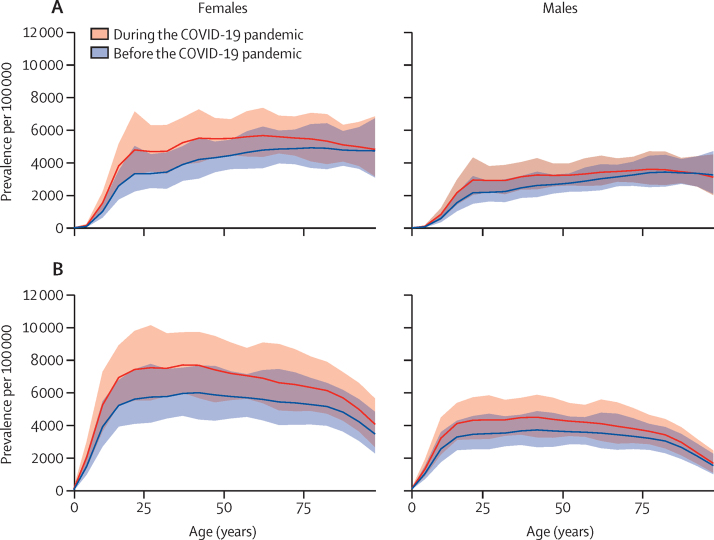
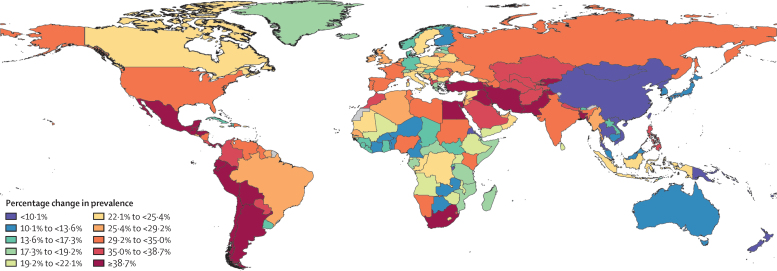
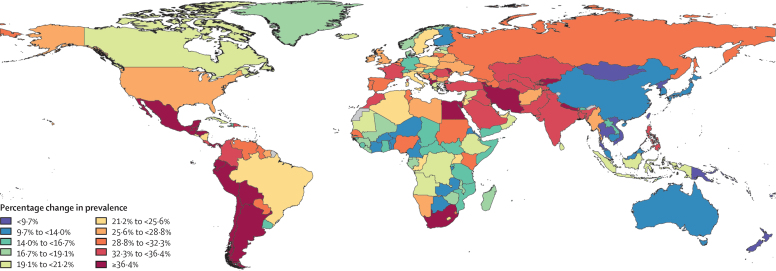
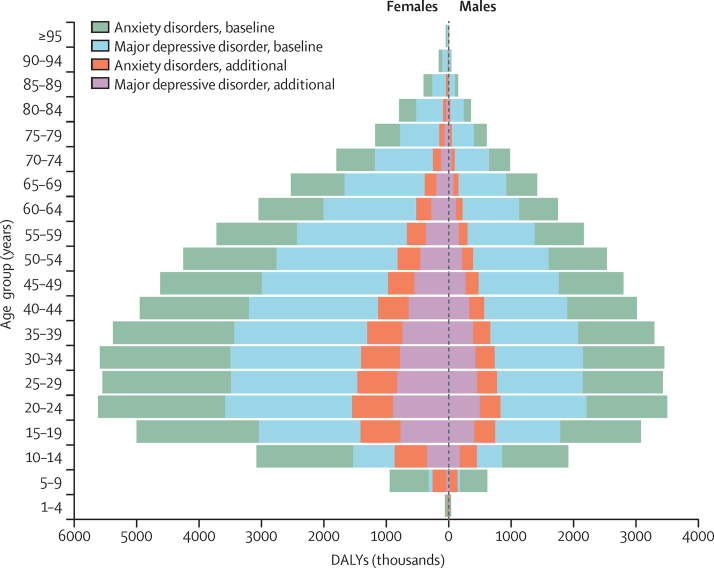
BACKGROUND: Before 2020, mental disorders were leading causes of the global health-related burden, with depressive and anxiety disorders being leading contributors to this burden. The emergence of the COVID-19 pandemic has created an environment where many determinants of poor mental health are exacerbated. The need for up-to-date information on the mental health impacts of COVID-19 in a way that informs health system responses is imperative. In this study, we aimed to quantify the impact of the COVID-19 pandemic on the prevalence and burden of major depressive disorder and anxiety disorders globally in 2020. METHODS: We conducted a systematic review of data reporting the prevalence of major depressive disorder and anxiety disorders during the COVID-19 pandemic and published between Jan 1, 2020, and Jan 29, 2021. We searched PubMed, Google Scholar, preprint servers, grey literature sources, and consulted experts. Eligible studies reported prevalence of depressive or anxiety disorders that were representative of the general population during the COVID-19 pandemic and had a pre-pandemic baseline. We used the assembled data in a meta-regression to estimate change in the prevalence of major depressive disorder and anxiety disorders between pre-pandemic and mid-pandemic (using periods as defined by each study) via COVID-19 impact indicators (human mobility, daily SARS-CoV-2 infection rate, and daily excess mortality rate). We then used this model to estimate the change from pre-pandemic prevalence (estimated using Disease Modelling Meta-Regression version 2.1 [known as DisMod-MR 2.1]) by age, sex, and location. We used final prevalence estimates and disability weights to estimate years lived with disability and disability-adjusted life-years (DALYs) for major depressive disorder and anxiety disorders. FINDINGS: We identified 5683 unique data sources, of which 48 met inclusion criteria (46 studies met criteria for major depressive disorder and 27 for anxiety disorders). Two COVID-19 impact indicators, specifically daily SARS-CoV-2 infection rates and reductions in human mobility, were associated with increased prevalence of major depressive disorder (regression coefficient [B] 0·9 [95% uncertainty interval 0·1 to 1·8; p=0·029] for human mobility, 18·1 [7·9 to 28·3; p=0·0005] for daily SARS-CoV-2 infection) and anxiety disorders (0·9 [0·1 to 1·7; p=0·022] and 13·8 [10·7 to 17·0; p<0·0001]. Females were affected more by the pandemic than males (B 0·1 [0·1 to 0·2; p=0·0001] for major depressive disorder, 0·1 [0·1 to 0·2; p=0·0001] for anxiety disorders) and younger age groups were more affected than older age groups (-0·007 [-0·009 to -0·006; p=0·0001] for major depressive disorder, -0·003 [-0·005 to -0·002; p=0·0001] for anxiety disorders). We estimated that the locations hit hardest by the pandemic in 2020, as measured with decreased human mobility and daily SARS-CoV-2 infection rate, had the greatest increases in prevalence of major depressive disorder and anxiety disorders. We estimated an additional 53·2 million (44·8 to 62·9) cases of major depressive disorder globally (an increase of 27·6% [25·1 to 30·3]) due to the COVID-19 pandemic, such that the total prevalence was 3152·9 cases (2722·5 to 3654·5) per 100 000 population. We also estimated an additional 76·2 million (64·3 to 90·6) cases of anxiety disorders globally (an increase of 25·6% [23·2 to 28·0]), such that the total prevalence was 4802·4 cases (4108·2 to 5588·6) per 100 000 population. Altogether, major depressive disorder caused 49·4 million (33·6 to 68·7) DALYs and anxiety disorders caused 44·5 million (30·2 to 62·5) DALYs globally in 2020. INTERPRETATION: This pandemic has created an increased urgency to strengthen mental health systems in most countries. Mitigation strategies could incorporate ways to promote mental wellbeing and target determinants of poor mental health and interventions to treat those with a mental disorder. Taking no action to address the burden of major depressive disorder and anxiety disorders should not be an option. FUNDING: Queensland Health, National Health and Medical Research Council, and the Bill and Melinda Gates Foundation.
Overview
CoChat Summary
TL;DR
The COVID-19 pandemic was associated with substantial global increases in major depressive disorder and anxiety disorders in 2020, with the largest increases in locations hit hardest by reduced mobility and higher SARS-CoV-2 infection rates. The study estimates an additional 53·2 million major depressive disorder cases and 76·2 million anxiety disorder cases globally in 2020.
Key findings
- Major depressive disorder prevalence rose by an estimated 27·6% (25·1–30·3), an additional 53·2 million (44·8–62·9) cases, to 3152·9 cases (2722·5–3654·5) per 100 000 population.
- Anxiety disorders rose by an estimated 25·6% (23·2–28·0), an additional 76·2 million (64·3–90·6) cases, to 4802·4 cases (4108·2–5588·6) per 100 000 population.
- In 2020, major depressive disorder caused 49·4 million (33·6–68·7) DALYs and anxiety disorders caused 44·5 million (30·2–62·5) DALYs globally.
- Females and younger age groups were more affected than males and older age groups; daily SARS-CoV-2 infection rates and reductions in human mobility were significantly associated with increased prevalence.
Methods
- Systematic review of data published Jan 1, 2020–Jan 29, 2021; 5683 unique sources were identified, and 48 studies met inclusion criteria (46 for major depressive disorder, 27 for anxiety disorders).
- Meta-regression using MR-BRT estimated change in logit prevalence before versus during the pandemic via COVID-19 impact indicators: human mobility, daily SARS-CoV-2 infection rate, and daily excess mortality rate.
- Pre-pandemic prevalence was estimated with DisMod-MR 2.1 by age, sex, and location; final prevalence estimates and disability weights were used to estimate YLDs and DALYs for 204 countries and territories in 2020.
Limitations
- The paper states that human mobility and SARS-CoV-2 infection rates are unlikely to capture the full mental health impact of the pandemic across all countries, and that mobile phone tracking may be inaccurate where subgroups have little or no mobile phone use.
- The paper states that few surveys from low-income and middle-income countries met inclusion criteria, limiting generalisability; it cautions against direct country rankings because of wide uncertainty intervals and data availability.
- The paper states that most surveys used symptom scales estimating probable cases, requiring the assumption that predictive validity remained constant; it also assumed unchanged severity distribution and could not assess how existing cases changed in severity. The text also makes evident that daily excess mortality was not associated with prevalence change after controlling for the other indicators, likely due to high collinearity.
Model-written summary. Check it against the paper before relying on it.
Integrity signals
Registry
Cites
Statistics
Figures
Verification
Claims the paper makes
7 Valid · 1 Not valid · 4 Not checked · 13 Own results and interpretations
The cited sources support only part of this claim — read each source’s verdict below.
In the paper
“The Global Burden of Diseases, Injuries, and Risk Factors Study (GBD) 2019 showed that the two most disabling mental disorders were depressive and anxiety disorders, both ranked among the top 25 leading causes of burden worldwide in 2019.1, 2”
§ Global prevalence and burden of depressive and anxiety disorders in 204 countries and territories in 2020 due to the COVID-19 pandemic > Introduction
What the sources say
- Partly supportedcites [1] GBD 2019 Disease and Injuries Collaborators Global burden of 369 diseases and injuries in 204 countries and territories, 1990–2019: a systematic analysis for the Global Burden of Disease Study 2019 Lancet 396 2020 1204 1222 33069326 PMC7567026 sourceExperimental — accuracy not yet measured
The Results (Global trends; page unavailable) place depressive and anxiety disorders among the top ten causes of DALYs globally for ages 10–24 in 2019, and the Discussion (Main findings; page unavailable) describes mental disorders as major contributors to disability. These passages do not establish that depression and anxiety were the two most disabling mental disorders or that both ranked among the top 25 causes of burden worldwide across all ages. (LLM, conf=0.84)
- Not matchedcites [2] GBD 2019 Mental Disorders Collaborators. Global, regional, and national burden of mental disorders in 204 countries and territories, 1990–2019: a systematic analysis from the Global Burden of Disease Study 2019. Lancet Psychiatry (in press). PMC8776563 35026139
We searched by its title and found no matching paper.
- Partly supported
Every source the paper cites for this claim was checked and supports it.
In the paper
“We used the Preferred Reporting Items for Systematic Reviews and Meta-Analyses (PRISMA) guidelines;9 our PRISMA checklist is in the appendix (pp 28–31), and the search protocol was registered with the International Prospective Register of Systematic Reviews (PROSPERO, CRD42021216590).”
§ Global prevalence and burden of depressive and anxiety disorders in 204 countries and territories in 2020 due to the COVID-19 pandemic > Methods > Data sources
What the sources say
- Supportedcites [9] Page MJ McKenzie JE Bossuyt PM The PRISMA 2020 statement: an updated guideline for reporting systematic reviews BMJ 372 2021 n71 33782057 PMC8005924 source
The citation is attached to the citing authors’ use of PRISMA guidelines, not to their separate statement about PROSPERO registration. The paper’s Abstract identifies PRISMA 2020 as a guideline for reporting systematic reviews and presents its checklist, so it supports the cited identification. (LLM, conf=0.92)
- Supported
The cited sources support only part of this claim — read each source’s verdict below.
In the paper
“The estimation of human mobility, daily SARS-CoV-2 infection rate, and daily excess mortality rate was done by the Institute for Health Metrics and Evaluation (IHME) COVID-19 Forecasting Team and is described in detail elsewhere.13”
§ Global prevalence and burden of depressive and anxiety disorders in 204 countries and territories in 2020 due to the COVID-19 pandemic > Methods > Data sources
What the sources say
- Partly supportedcites [13] Institute for Health Metrics and Evaluation COVID-19 Forecasting Team Modeling COVID-19 scenarios for the United States Nat Med 27 2021 94 105 33097835 PMC7806509 sourceExperimental — accuracy not yet measured
The Data identification and processing section describes a mobility covariate and estimates of total infections by day and state; the Deterministic modeling framework also describes estimated daily infections and deaths. The paper reports daily COVID-19 death rates, however, not daily excess mortality rates, so that part of the attribution is unsupported. (LLM, conf=0.87)
- Partly supported
The cited sources support only part of this claim — read each source’s verdict below.
In the paper
“Both major depressive disorder and anxiety disorders increase the risk of other diseases and suicide.28, 29”
§ Global prevalence and burden of depressive and anxiety disorders in 204 countries and territories in 2020 due to the COVID-19 pandemic > Discussion
What the sources say
- Not checked — no full text of the sourcecites [28] Clarke DM Currie KC Depression, anxiety and their relationship with chronic diseases: a review of the epidemiology, risk and treatment evidence Med J Aust 190 2009 S54 S60 19351294 source
- Partly supportedcites [29] Moitra M Santomauro D Degenhardt L Estimating the risk of suicide associated with mental disorders: a systematic review and meta-regression analysis J Psychiatr Res 137 2021 242 249 33714076 PMC8095367 sourceExperimental — accuracy not yet measured
The Discussion reports that major depressive disorder and anxiety disorders were significantly associated with suicide risk. It also says the analysis was confined to suicide deaths; it does not support the claim that these disorders increase the risk of other diseases. Page numbers were not provided in our copy. (LLM, conf=0.90)
The sources with a verdict support this claim; the rest weren’t checked yet, have no full text we could read, or their verdicts aren’t rated yet.
In the paper
“Women are more likely to be financially disadvantaged during the pandemic due to lower salaries, less savings, and less secure employment than their male counterparts.17, 18, 19”
§ Global prevalence and burden of depressive and anxiety disorders in 204 countries and territories in 2020 due to the COVID-19 pandemic > Discussion
What the sources say
- Not matchedcites [17] UN Policy brief: the impact of COVID-19 on women April 9, 2020 United Nations
Its entry has no title and year that we can search by.
- Not checked — no full text of the sourcecites [18] Wenham C Smith J Davies SE Women are most affected by pandemics - lessons from past outbreaks Nature 583 2020 194 198 32641809 source
- Supportedcites [19] Burki T The indirect impact of COVID-19 on women Lancet Infect Dis 20 2020 904 905 32738239 PMC7836874 source
The passage labelled Abstract states that women earn and save less, hold less secure jobs, and have less capacity than men to absorb economic shocks. It directly supports the claim about greater financial disadvantage during the pandemic. (LLM, conf=0.94)
- Not matched
20 more claims · 3 with their cited sources checked
Create a free account to see all 25 claims and to verify the 1 reference still open.
Claims other papers make about this one
Each is checked against this paper’s own text: does it say what the citing paper says it does?
The source backs part of the claim, not all of it — or backs it for a different population, condition or comparison.
In the citing paper
“The urgency to bridge this gap is further intensified by rising neurological and psychiatric disorders, climate-related stressors and the lingering effects of COVID-19, which disproportionately impact lower-resource environments27,28.”
From Resilience and brain health in global populations (2025) · cites this paper as [27]
Experimental — accuracy not yet measuredThe source backs part of the claim, not all of it — or backs it for a different population, condition or comparison.
In the citing paper
“GBD 2023 incorporated the effects of the COVID-19 pandemic on anxiety disorders and major depressive disorder, which exacerbated the mental health of many around the world, especially women and young people, through loss of employment, increased carer responsibilities, social restrictions, gender-based violence, and disruption to education.7”
From Updated trends in the global prevalence and burden of mental disorders, 1990–2023: a systematic analysis for the Global Burden of Disease Study 2023 (2026) · cites this paper as [7]
Experimental — accuracy not yet measuredThe source backs part of the claim, not all of it — or backs it for a different population, condition or comparison.
In the citing paper
“The non-communicable disease burden was distributed widely across the world's populations, irrespective of age, sex, or socioeconomic circumstance”
From Global incidence, prevalence, years lived with disability (YLDs), disability-adjusted life-years (DALYs), and healthy life expectancy (HALE) for 371 diseases and injuries in 204 countries and territories and 811 subnational locations, 1990–2021: a systematic analysis for the Global Burden of Disease Study 2021 (2024) · cites this paper as [16]
Experimental — accuracy not yet measuredThe source backs part of the claim, not all of it — or backs it for a different population, condition or comparison.
In the citing paper
“The efficacy and cost-effectiveness of treatment options for depressive disorders across low-income, middle-income, and high-income settings have been established by existing research.16”
From Global incidence, prevalence, years lived with disability (YLDs), disability-adjusted life-years (DALYs), and healthy life expectancy (HALE) for 371 diseases and injuries in 204 countries and territories and 811 subnational locations, 1990–2021: a systematic analysis for the Global Burden of Disease Study 2021 (2024) · cites this paper as [16]
Experimental — accuracy not yet measuredThe source backs part of the claim, not all of it — or backs it for a different population, condition or comparison.
In the citing paper
“Additionally, many mental disorders are prevalent during childhood or early adulthood, when other risk factors such as bullying victimisation and childhood maltreatment can occur.16, 42”
From Global incidence, prevalence, years lived with disability (YLDs), disability-adjusted life-years (DALYs), and healthy life expectancy (HALE) for 371 diseases and injuries in 204 countries and territories and 811 subnational locations, 1990–2021: a systematic analysis for the Global Burden of Disease Study 2021 (2024) · cites this paper as [16]
Experimental — accuracy not yet measured
12 more claims about this paper
Create a free account to see every claim other papers make about this one.
Self-check
Percentages, sums and reported differences re-computed from the paper’s own numbers.
Self-check results appear here once an independent check has confirmed them.
Cited works that were retracted
Works this paper cites that were later retracted, from the retraction notices publishers deposit. Major when the notice came out before this paper was published.
A note, not an issue: for example, a cited work that was retracted only after this paper was published, which its authors could not have known.
In the paper
“Emerging evidence suggests people with post-acute sequelae of COVID-19 (sometimes known as long COVID) might develop depressive and anxiety disorder symptoms, 37,38 and so prevalence of long COVID might be a potential indicator in future work.”
Cited work 10.1016/s0140-6736(20)32656-8 · retracted 2023-06-09 · notice 10.1016/s0140-6736(23)01175-3 · this paper published 2021-11
A note, not an issue: for example, a cited work that was retracted only after this paper was published, which its authors could not have known.
In the paper
“39,40 The study that did not report an increased prevalence was conducted in one specific city in Norway (Trondheim) using very small cross-sectional samples.”
Cited work 10.1017/s2045796021000408 · retracted 2023-03-13 · notice 10.1017/s2045796023000082 · this paper published 2021-11
Citations
Cites
2 retracted
RETRACTED: 6-month consequences of COVID-19 in patients discharged from hospital: a cohort study
Huang, C., Huang, L., Wang, Y., Li, X., Ren, L., Gu, X., Kang, L., Guo, L., Liu, M., Zhou, X., et al. (2021) · The Lancet · doi:10.1016/s0140-6736(20)32656-8 · Cited by 4,084 · cited 1×
“Emerging evidence suggests people with post-acute sequelae of COVID-19 (sometimes known as long COVID) might develop depressive and anxiety disorder symptoms, 37,38 and so prevalence of long COVID might be a potential indicator in future work.”
RetractedAyuso-Mateos, J. L., Morillo, D., Haro, J. M., Olaya, B., Lara, E., & Miret, M. (2021) · Epidemiology and Psychiatric Sciences · doi:10.1017/s2045796021000408 · Cited by 53 · cited 1×
“39,40 The study that did not report an increased prevalence was conducted in one specific city in Norway (Trondheim) using very small cross-sectional samples.”
RetractedThe PRISMA 2020 statement: An updated guideline for reporting systematic reviews
Page, M. J., McKenzie, J. E., Bossuyt, P. M., Boutron, I., Hoffmann, T. C., Mulrow, C. D., Shamseer, L., Tetzlaff, J. M., Akl, E. A., Brennan, S. E., et al. (2021) · BMJ · doi:10.1136/bmj.n71 · Cited by 108,283
Vos, T., Lim, S. S., Abbafati, C., Abbas, K. M., Abbasi, M., Abbasifard, M., Abbasi-Kangevari, M., Abbastabar, H., Abd-Allah, F., Abdelalim, A., et al. (2020) · The Lancet · doi:10.1016/s0140-6736(20)30925-9 · Cited by 19,358
Self-citationThe PRISMA 2020 statement: an updated guideline for reporting systematic reviews
Page, M. J., McKenzie, J., Bossuyt, P., Boutron, I., Hoffmann, T., mulrow, C., Shamseer, L., Tetzlaff, J., Akl, E., Brennan, S. E., et al. (2020) · doi:10.31222/osf.io/v7gm2_v1 · Cited by 8,090
The PRISMA 2020 statement: an updated guideline for reporting systematic reviews
Page, M. J., McKenzie, J., Bossuyt, P., Boutron, I., Hoffmann, T., mulrow, C., Shamseer, L., Tetzlaff, J., Akl, E., Brennan, S. E., et al. (2020) · doi:10.31222/osf.io/v7gm2 · Cited by 5,177
Taquet, M., Geddes, J. R., Husain, M., Luciano, S., & Harrison, P. J. (2021) · The Lancet Psychiatry · doi:10.1016/s2215-0366(21)00084-5 · Cited by 2,189
How mental health care should change as a consequence of the COVID-19 pandemic
Moreno, C., Wykes, T., Galderisi, S., Nordentoft, M., Crossley, N., Jones, N., Cannon, M., Correll, C. U., Byrne, L., Carr, S., et al. (2020) · The Lancet Psychiatry · doi:10.1016/s2215-0366(20)30307-2 · Cited by 1,840 · cited 3×
“36 They should consider public health messaging about the mental health impacts of COVID-19, how individuals can best manage their mental health, and well defined pathways to assessment and service access.”
Guidelines for accurate and transparent health estimates reporting: the GATHER statement
Stevens, G. A., Alkema, L., Black, R. E., Boerma, J. T., Collins, G. S., Ezzati, M., Grove, J. T., Hogan, D. R., Hogan, M. C., Horton, R., et al. (2016) · The Lancet · doi:10.1016/s0140-6736(16)30388-9 · Cited by 1,798
Self-citation
Research works printed but not linked: 1
- Flaxman AD Vos T Murray CJL An integrative metaregression framework for descriptive epidemiology 1st edn. 2015 University of Washington Press Seattle, WA
Cited by
Items 5,101–5,200 of 5,424
Wei, S., Li, Y., Choi, E. P. H., & Wong, W. C. W. (2026) · BMC Psychology · doi:10.1186/s40359-026-04641-z
“The COVID-19 pandemic resulted in significant challenges and caused a global mental health crisis [1].”
Li, Y., Yang, Y. L., Zhu, H., Yuan, L., Niu, S. Y., Zhang, M. R., & Jin, Z. (2026) · Research Square · doi:10.21203/rs.3.rs-9235484/v1
Shomik, M. S., Hossain, A. T., Hossain, S., Rahman, M. H., Manna, R. M., Islam, S. H., Ara, T., Mamun, M. A. A., Islam, M. S., Jabeen, I., et al. (2026) · BMC Health Services Research · doi:10.1186/s12913-026-14655-3
“Thus, various mental health problems have been acknowledged as a consequential issue in low-income countries including Bangladesh [6], where National Mental Health Survey 2018-19 showed around 20 million people suffered from different types of mental disorders.”
Determination of Antidepressant Potential of Plant Leaf
Eftimov, M., Gancheva, S., & Stoeva-Grigorova, S. S. (2026) · Methods and protocols in food science · doi:10.1007/978-1-0716-5226-8_23
Zou, J., Liu, L., Ren, Y., & Zhi, X. (2026) · Mental health and physical activity · doi:10.1016/j.mhpa.2026.100775
Population distribution of psychological distress in Australia: age, sex and severity patterns
Chen, H., & Manu, E. K. (2026) · Journal of Affective Disorders Reports · doi:10.1016/j.jadr.2026.101069
Exercise, cognition, and affective disorders
Tapia-de-Jesús, A., Buenrostro-Jáuregui, M. H., Ayala-Guzmán, C. I., & Mata-Luévanos, J. (2026) · Frontiers in Sports and Active Living · doi:10.3389/fspor.2026.1801197
Rodríguez-Mora, A., Navarro, J. I., Gómez-Domínguez, M., et al. (2026) · Open Research Europe · doi:10.12688/openreseurope.23442.1
Zhong, W., Zhang, G., & Tang, X. (2026) · doi:10.2196/preprints.99503
Luitel, N. P., Pudasaini, K., Lamichhane, B., Gautam, K., & Jordans, M. J. D. (2026) · PLoS ONE · doi:10.1371/journal.pone.0347605
Rahaman, M., & Ghosh, S. (2026) · In Silico Pharmacology · doi:10.1007/s40203-026-00640-5
“Some people develop phobias because of their connection to environmental triggers (Johns et al. 2022, Santomauro et al. 2021).”
Kapasa, R. L., Grenon, C., Berbiche, D., Gouin, J., Vena, J. E., & Vasiliadis, H. (2026) · Journal of Affective Disorders · doi:10.1016/j.jad.2026.121945
Chen, Y., Zhao, T., Li, C., Meng, H., & Qiao, H. (2026) · Research Square · doi:10.21203/rs.3.rs-9403469/v1
Shamas, H., Ragi, M.-E. E., Zeid, B. A., DeJong, J., & McCall, S. J. (2026) · BMJ Open · doi:10.1136/bmjopen-2025-101258
Borikar, S. P., Chavan, M. S., Jain, S. P., Lokwani, D. K., & Tapre, D. N. (2026) · Naunyn-Schmiedeberg s Archives of Pharmacology · doi:10.1007/s00210-026-05352-3 · Cited by 1
“…impact on health as well as worsening of various neuro-humoral diseases such as anxiety, depression, epilepsy, chronic obstructive pulmonary disease (COPD), polycystic ovary syndrome (PCOS), and especially type 2 diabetes (Antoniuk et al. 2019; Santomauro et al. 2021; Seighali et al. 2024).”
Benzi, I. M. A., Tona, A. L., Zarbo, C., Carone, N., Liotti, M., Smeriglio, R., Compare, A., Nuovo, S. D., Lazzari, D., Camussi, E., et al. (2026) · Community Mental Health Journal · doi:10.1007/s10597-026-01657-y
Zhu, C., Hu, R., Du, W., Ye, Y., Mu, Q., Chen, Y., Xu, Y., Zhang, K., & Lu, S. (2026) · BMC Psychiatry · doi:10.1186/s12888-026-08169-9
“Major depressive disorder (MDD) is among the most prevalent and disabling psychiatric illnesses world-wide, and the number of patients continues to rise [1, 2].”
Dingao, R., & Batein, D. K. (2026) · Sahelian Journal of Responsible One Health · doi:10.4081/sjroh.2026.630
Changes in hair cortisol among Brazilian adolescents before and during the COVID-19 pandemic
Luciana, T.-R., Carpena, M. X., Maruyama, J. M., González, A., Bar, A. J., Santos, I. S., Oliveira, I. O., Tormen, A., Schuch, J. B., Matijasevich, A., et al. (2026) · Scientific Reports · doi:10.21203/rs.3.rs-9436198/v1
Urfa, O., & Titov, N. (2026) · Psychiatric Quarterly · doi:10.1007/s11126-026-10283-6 · Cited by 1
Huang, W., Wu, Y., Shen, Y., Song, H., Chen, Y., Lin, R., Wang, Y., & Yang, X. H. (2026) · Healthcare · doi:10.3390/healthcare14101325 · Cited by 1
“This represents an alarming increase of about 25.6% compared to pre-pandemic levels [1].”
InfluentialHomocysteine and cognitive function in depression: a systematic review and meta-analysis
Liu, X., Liu, Q., Xu, J., & Wu, J. (2026) · Frontiers in Psychiatry · doi:10.3389/fpsyt.2026.1798998 · Cited by 1
Kouakou, C. R. C., Mbaiamnodji, S. T., Guay, S., Ouellet, F., & Poder, T. G. (2026) · Archives of Public Health · doi:10.1186/s13690-026-01945-9
García-Huércano, C., Cerón, S. C., Morejón, A. R., Martínez-Vispo, C., Sánchez‐Aguadero, N., Tamayo‐Morales, O., & Moreno-Peral, P. (2026) · Frontiers in Digital Health · doi:10.3389/fdgth.2026.1746430
Amiri, S., & Khan, M. A. (2026) · Archives of Women s Mental Health · doi:10.1007/s00737-026-01717-y
“COVID-19 had a great impact on depression, so the cases of MDD increased sharply (Kup-cova et al. 2023; Santomauro et al. 2021).”
Barreto, M., Frazão, C., Almeida, M., Girão, A. V., de Oliveira, M. A. L., & Lopes., I. (2026) · Environmental Chemistry and Ecotoxicology · doi:10.1016/j.enceco.2026.05.010
Lundberg, R. (2026) · Defence and Peace Economics · doi:10.1080/10242694.2026.2669150
Lee, J., Kang, J.-Y., Lee, W.-Y., Gu, J.-Y., Woo, T.-W., & Son, C.-G. (2026) · Translational Psychiatry · doi:10.1038/s41398-026-04092-5
“Its prevalence has steadily increased over the past few decades, making it a leading cause of disability worldwide [2] Although antidepressants are prescribed widely, about 50% of patients with MDD do not respond to fi rst-line antidepressants, and one-third remain unresponsive even after adding a…”
Fear Generalization in Adolescent Anxiety Disorders: A MEG Study
Roesmann, K., Junghöfer, M., Kleinhölting, P., Straube, T., & Wessing, I. (2026) · Depression and Anxiety · doi:10.1155/da/2699511
“Anxiety disorders (ADs) are among the most prevalent mental disorders [1, 2] and frequently begin during childhood and adolescence [3 – 5].”
Boutry, C., Phillips, Knight, C., Holmes, J. A., Patel, P., Morriss, R. K., das Nair, R., Douglas, E., Bolton, C. E., Guo, B., et al. (2026) · BMJ Open · doi:10.1136/bmjopen-2025-109740
“This may reflect recruitment during the pandemic when national lock-down measures disrupted people’s lives, resulting in high anxiety levels 56 57 in addition to disease-specific uncertainties.”
Social Isolation and Depression
Sunzeri, J. J. (2026) · Springer eBooks · doi:10.1007/978-3-032-14465-2_11
Shan, D. (2026) · Research Square · doi:10.21203/rs.3.rs-9724901/v1
Wei, L., Zhang, L., Wang, C., Long, Z., Song, L., Li, X., Liu, Q., & Wang, W. (2026) · BMC Public Health · doi:10.1186/s12889-026-27494-y
“Santomauro et al. used global modeling to confirm that the prevalence of major depressive disorder increased by 27.6% in 2020 due to the pandemic [4].”
InfluentialLixia, L. I. N., He, Q., Su, H., Qin, L., Pan, M., Wei, G., Wang, T., Li, L., Lin, L., 蔡慧倩, et al. (2026) · Neurochemical Research · doi:10.1007/s11064-026-04789-5
Divergent trajectories of psychological distress during the prolonged COVID-19 pandemic in Japan
Okuyama, J., Seto, S., Okuyama, T., Fukuda, Y., Egawa, S., & Imamura, F. (2026) · Scientific Reports · doi:10.1038/s41598-026-53289-7
Poquet, D., Gal, C. L., Hincker, P., Béghin, L., Deplanque, D., Subtil, D., Sion, O., Cavalli, B., Vanhoutte, L., Jacobsen, V., et al. (2026) · medRxiv · doi:10.64898/2026.05.14.26353230
Paleopathology Meets Public Health: Deep-Time Syndemics and the Ecology of Emerging Infections
Bahmad, H. F., Ghssein, G., Bahmad, M., Elajami, T. K., Forghani, I., Tuda, C. D., & Ruiz‐Cordero, R. (2026) · Pathogens · doi:10.3390/pathogens15050543 · Cited by 2
Li, Z., Chang, Y., Jia, L., Yan, C., & Yan, Z. (2026) · Internet Research · doi:10.1108/intr-01-2024-0044 · Cited by 1
Alshahrani, M., Siervo, M., Burley, C. V., Burton, E., Pereira, G. F., Guan, Z., MYERS, B. J., Tully, P. J., Stephan, B. C. M., & Dunne, J. (2026) · Archives of Gerontology and Geriatrics · doi:10.1016/j.archger.2026.106309 · Cited by 2
Gestión del insomnio en la consulta de neurología de una unidad del sueño multidisciplinar
Abildúa, M. J. A., Gisbert, E. S., Barrero, F. J. N., Gutiérrez, V. L., Baz, D. R., Pérez, Á. D., de la Riva, Á. G., & Martinez, A. (2026) · Neurología · doi:10.1016/j.nrl.2026.502082
Changes in pediatric service utilization for depression and anxiety during the COVID-19 pandemic
Thapa, K., Rajbhandari, J., Shin, E., Abdelsamad, Y., Salinas, D., & Vall, E. A. (2026) · BMC Health Services Research · doi:10.1186/s12913-026-14644-6
“While several studies have reported increases in cases of anxiety and depression among children and adolescents following the COVID-19 pandemic [4, 5], relatively few have focused on health service utilization [6].”
Holikova, C., Goldbergerová, A., Borovský, M., Izáková, Ľ., Mikas, J., Námešná, J., Kristufkova, Z., Illovský, M., & Krištúfková, A. (2026) · Journal of Clinical Medicine · doi:10.3390/jcm15103931
“The COVID-19 pandemic has had an unprecedented impact on global health care systems and has profoundly affected mental health worldwide [1,2].”
de Lange, I. G. S., Albers, M. R. C., Scheepstra, K. W. F., Bockting, C., & Aben, L. (2026) · doi:10.2196/preprints.101839
Reiner, I., Beutel, M. E., Brähler, E., & Ernst, M. (2026) · Child Abuse & Neglect · doi:10.1016/j.chiabu.2026.108135
Aceituno, H., Villamediana-Rodríguez, J., Duarte-Ávila, R., Pereira-Carpio, D., Quintero, J. J. V., Vásconez-Fabre, J., Vela-Poveda, J., Gómez, E., Rico-Fernández, F., Lopéz-Urdaneta, J., et al. (2026) · Cureus · doi:10.7759/cureus.109471
Gender Differences in Depressive Disorder
López-Zurbano, S. (2026) · Springer eBooks · doi:10.1007/978-3-032-17883-1_17
Gender-Related Determinants and Socioeconomic Aspects of Mental Health
Brand, T., & Fuhr, D. (2026) · Springer eBooks · doi:10.1007/978-3-032-17883-1_3
Viswanathan, V., Sood, M., Pandey, S., & Reeta, K. H. (2026) · Indian Journal of Psychological Medicine · doi:10.1177/02537176261448988
Screening anxiety via contrastive autobiographical recall
Shahid, S. I., Najaran, M. H. T., Förster, F., & Steuber, V. (2026) · Frontiers in Digital Health · doi:10.3389/fdgth.2026.1798100 · Cited by 1
Saiz, E. G., Barrera, E. P., Berman, A. K., McGregor, K., Carswell, J. M., Bolick, M., Roberts, S. A., & Boskey, E. R. (2026) · Transgender Health · doi:10.1177/26884887261453900
TIAN, M., Wan, S., Gao, H., YIN, Y., Han, F., Yang, Y., Liu, Z., Zhao, Q., & HUANG, S. (2026) · Frontiers in Psychiatry · doi:10.3389/fpsyt.2026.1792233
Chen, H., Chen, L., Yang, J., Tang, A., & Yang, Y. (2026) · Digital Health · doi:10.1177/20552076261455239
Ludwig, R. M. (2026) · The Journal of Psychology · doi:10.1080/00223980.2026.2678604
Brattland, T. L. L., Larsen, M. D., & Bojanić, I. (2026) · Social Psychiatry and Psychiatric Epidemiology · doi:10.1007/s00127-026-03115-2
Liu, M. D., Guo, H., & Han, J. (2025) · IEEE MIT Undergraduate Research Technology Conference (URTC) · doi:10.1109/urtc68753.2025.11533080
“…in the first quarter of 2020 in the U.S., along with the resulting containment measures, including lockdowns, business restrictions, and school closures, not only disrupted drug pricing, supply chains, and patient access [2], but also led to an increase in reported mental health problems [3].”
Kholerdi, F. A., & Yahagh, F. (2026) · SSRN Electronic Journal · doi:10.2139/ssrn.6819858
Depressive symptoms and populism: Evidence from European countries
Herren, N., Freitag, M., Auer, D., & Hofstetter, C. (2026) · Political Psychology · doi:10.1111/pops.70153
Scholaske, L., & Özkan, G. (2026) · Transcultural Psychiatry · doi:10.1177/13634615261421865
Yip, W. L. T., Yang, Y. Y., Wang, Z. L., & Stückler, D. (2026) · npj Digital Medicine · doi:10.1038/s41746-026-02744-w · Cited by 3
“These data points were then extracted from the eligible studies and shown in Supplementary Data 1: publication details (author, title), AI CBT intervention details (country, intervention length, type of RCT, RCT population, AI CBT tool(s), mode of AI-delivery, type of Arti fi cial Intelligence (AI), type of CBT interve…”
InfluentialJiang, H., & Rose, M. (2026) · Social Science & Medicine · doi:10.1016/j.socscimed.2026.119468
RetractedРОЛЬ ФАХІВЦІВ ГРОМАДСЬКОГО ЗДОРОВ`Я У ЗМІЦНЕННІ ПСИХІЧНОГО ЗДОРОВ`Я ТА БЛАГОПОЛУЧЧЯ НАСЕЛЕННЯ
ГАВРИЛІВ, А. Я., Мялюк, О. П., & ДОВГАЛЕЦЬ, О. М. (2026) · Вісник соціальної гігієни та організації охорони здоров я України · doi:10.11603/1681-2786.2026.2.16467
Hatfield, S., & Tamm, J. (2026) · Theoretical and Applied Ergonomics · doi:10.3390/tae2030017
ERTÜRK, M. İ. (2026) · Selçuk Üniversitesi Sosyal Bilimler Meslek Yüksekokulu dergisi · doi:10.29249/selcuksbmyd.1853557
Wu, S., Zuo, X., Liu, L., Yang, M., Li, X., & Li, S. (2026) · Frontiers in Human Neuroscience · doi:10.3389/fnhum.2026.1828777 · Cited by 1
Tian, S., Mao, Y., Wang, Y., Li, X., & Liu, F. (2026) · Research Square · doi:10.21203/rs.3.rs-9260045/v1
Grecucci, A., Fumero, A., Maddidini, L. S., Ruà, E., Rivero, F., Marrero, R. J., Olivares, T., Álvarez‐Pérez, Y., Peñate, W., & Grecucci, A. (2026) · Cognitive Affective & Behavioral Neuroscience · doi:10.3758/s13415-026-01459-5
“Anxiety disorders, including generalized anxiety disorder, panic disorder, social anxiety disorder, and specific pho-bias, are some of the most prevalent mental health conditions globally (Santomauro et al., 2021).”
The Social Life of Anxiety: COVID-19-related Emotional Distress and Anxiety in Ghana and Nigeria
Ntow, M. C. (2026) · Transcultural Psychiatry · doi:10.1177/13634615261435844
Li, Q., Liu, L., Gao, B., Ren, H., Pan, M., Zhong, P., Li, S., Zhang, C., Zhang, X., Yan, J., et al. (2026) · Frontiers in Public Health · doi:10.3389/fpubh.2026.1833997
“The COVID-19 pandemic further exacerbated the global burden of mental disorders, with estimates showing a 28% increase in major depressive disorder and a 26% rise in anxiety disorders in 2020 alone (2).”
Sun, J., Xu, W., Zhang, G., & Li, P. (2026) · Archives of Women s Mental Health · doi:10.1007/s00737-026-01714-1
Li, X., Duan, X., Gao, L., Bai, Y., Wang, J., Tong, H., Li, Y., Zhang, S., Xu, Z.-Q. D., & Li, H. (2026) · Behavioural Brain Research · doi:10.1016/j.bbr.2026.116290
Schuman‐Olivier, Z., Valö, L., Rosansky, J. A., Parry, G. J., Comeau, A., Rice, F. K., & Fulwiler, C. (2026) · JMIR Mental Health · doi:10.2196/88388
Eldaweny, A. M., Yahia, S., Sayed, R. H., Abdelaziz, A. I., & El-sherbiny, I. M. (2026) · Journal of Drug Delivery Science and Technology · doi:10.1016/j.jddst.2026.108583
Flanders, C. E., Khandpur, S., Anderson, R. E., Robinson, M., & VanKim, N. A. (2026) · Journal of Bisexuality · doi:10.1080/15299716.2026.2676955 · Cited by 1
Tepox-Padrón, A., El-Gabalawy, R. M., Cartwright, S., Lee, S., Gill, P., Mishra, P., Hammal, J., Rivas, A., Besney, J., Samnani, S. S., et al. (2026) · Journal of Patient-Reported Outcomes · doi:10.1186/s41687-026-01094-1
da Silva, M. T., Dutra, L. B., MAUS, D. W., Filho, P. S., Romão, P. R. T., Skupien, J. A., & Boeck, C. R. (2026) · Pharmacology Biochemistry and Behavior · doi:10.1016/j.pbb.2026.174228
Personalized vs. population-based speech models for multi-dimensional mental health prediction
Tasnim, M., He, J., Cao, B., & Stroulia, E. (2026) · Frontiers in Digital Health · doi:10.3389/fdgth.2026.1690497
Self-citationMethodological guidance on clinical prediction models in mental health research
Costa, R. A., de Sousa, B. C., Kneib, T., Martins, R., & Mayr, A. J. (2026) · Psychological Medicine · doi:10.1017/s003329172610378x · Cited by 1
“…(YLDs, James et al., 2018), and of health loss worldwide, responsible for 38.7 million DALYs, and there was a significant increase due to the COVID-19 pandemic (additional 10.7 million DALYs, reaching a total of 47.4 million DALYs), especially in women and young adults (Santomauro et al., 2021).”
InfluentialWiśniewski, B., Pachnowska, D., Cholewiński, K., Badowska, N., Matuszek, I., Pluta, N., Nowak, K. A., Rutkowska-Nowosielska, A., Czekanow, O. N., Demkow, J., et al. (2026) · International Journal of Innovative Technologies in Social Science · doi:10.31435/ijitss.2(50).2026.5674
Lesmes, Ó. A. G., Ramos, E. S., & Páez, Z. J. V. (2026) · Research Square · doi:10.21203/rs.3.rs-9806181/v1
Shrestha, Y., de Souza, R. J., Rabbi, F., Mian, O., Balchand, K., Newman, D. M., & Singh, S. M. (2026) · Heart Rhythm · doi:10.1016/j.hrthm.2026.05.059 · Cited by 2
Zhou, C., Wu, M., Xiang, Y., & Itti, L. (2026) · bioRxiv (Cold Spring Harbor Laboratory) · doi:10.64898/2026.06.08.728970
“Global prevalence increased by approximately 25% during the first year of the COVID-19 pandemic alone (Santomauro et al., 2021), un-derscoring both the scale and the trajectory of the crisis.”
Yang, X., Qiang, Z., Luo, H., & 袁满地 (2026) · BMC Public Health · doi:10.1186/s12889-026-28021-9
Du, L., Ding, Z., Sun, L., Qin, Y., Sun, H., Pan, Y., & Wang, S. (2026) · Molecular Medicine · doi:10.1186/s10020-026-01524-2
Wang, Z., Cai, Y., Zhong, X., Wang, J., Lin, B., Liu, L., Li, S., Sun, J., & Zhang, Q. (2026) · Discover Mental Health · doi:10.1007/s44192-026-00509-1
“GBD-affiliated modeling for 2020 estimated that anxiety disorders increased by 25.6% globally [3], corresponding to 76.2 million additional cases, with greater impacts among females and younger age groups, and with cross-national variation associated with pandemic indicators such as reduced human…”
InfluentialGuimarães, A. L., Beserra, F. R., da Cruz, L. V. M., Bienemann, B., FREIND, J. M. K., Guinle, V., Rodrigues, R., Regalado, J. A., & Mograbi, D. C. (2026) · Clinical Therapeutics · doi:10.1016/j.clinthera.2026.05.012 · Cited by 1
Zago, K. S. D. A., Dutra, R. P., Mendes‐Rodrigues, C., Hortêncio, A. V., Xavier, A. R., Rabelo, S. C. M., de Souza, G. H. B., Torres, F. R., Matumoto, P. A., Silva, M. C. O., et al. (2026) · Psychiatry International · doi:10.3390/psychiatryint7030136
“…a portion of the participants, an aspect that, although of lower mean intensity, constitutes a significant and noteworthy risk, as corroborated by [18] which raises the question of whether the increase in the prevalence of major depressive disorder and anxiety disorders that we found was…”
Ji, X., & Yang, Y. (2026) · Health Policy and Technology · doi:10.1016/j.hlpt.2026.101275
The state of global food insecurity measurement: A mix of methods, and a mix of messages
Headey, D. (2026) · Food Policy · doi:10.1016/j.foodpol.2026.103121
Bentley, C., Edwards, L., O’Doherty, K. C., Bryan, S., & Austin, J. (2026) · Pharmacogenomics · doi:10.1080/14622416.2026.2686870 · Cited by 1
Maternal Depression and Its Association With Child Undernutrition in Urban Ethiopia
Gebremelak, S., & Delbiso, T. D. (2026) · International Journal of Pediatrics · doi:10.1155/ijpe/7491512 · Cited by 1
Gliksberg, O., Feingold, D., Lev‐Ran, S., Mannes, Z. L., Gonçalves, P. D., Hasin, D. S., Martins, S. S., & Livne, O. (2026) · International Journal of Mental Health and Addiction · doi:10.1007/s11469-026-01684-6
Rodríguez-Mora, Á., Guzmán, J. I. N., Gómez-Domínguez, M., et al. (2026) · Open Research Europe · doi:10.12688/openreseurope.23442.2
Jin, B., Zhang, X., Yan, T., Yao, M., Fei, J., Zheng, Y., Yang, H., & Li, H. (2026) · European Archives of Psychiatry and Clinical Neuroscience · doi:10.1007/s00406-026-02287-x
“[2] In 2020, these numbers rose significantly as a result of the COVID-19 pan - demic [5].”
Weitensfelder, L., Kundi, M., Knasmüller, S., Nersesyan, A. K., Schneider, M., & Wultsch, G. (2026) · Frontiers in Public Health · doi:10.3389/fpubh.2026.1823067
“…such as SARS-CoV-2 seroprevalence rates (30) or regarding the countries’ (pre-pandemic) prevalence of mental disorders, with pronounced differences regarding psychological parameters such as anxiety or depression (28), and on a continental level also regarding obsessive compulsory behavior (31).”
InfluentialRamsay, S., Lloyd, H., Ranger, M., Turvey, S. E., Simons, E., Lotoski, L. C., Moraes, T. J., Roos, L. E., Subbarao, P., & Azad, M. B. (2026) · Frontiers in Health Services · doi:10.3389/frhs.2026.1780564
Yuan, M., Ran, R., Cao, S., Wu, S., & Deng, W. (2026) · Research Square · doi:10.21203/rs.3.rs-9937653/v1
Wang, X., Geng, Z., Yang, Y., Xuehan, S., Yang, H., & Chen, Y. (2026) · Research Square · doi:10.21203/rs.3.rs-9404066/v1
Psychotropic activity of N-Aryl derivatives of (adamantan-1-yl)methylamine
Bolokhov, N. S., Pokhlebin, A. A., Savelyev, E. N., et al. (2026) · Pharmacy & Pharmacology · doi:10.19163/2307-9266-2026-14-3-307-322
Tran, T. H., & Hoàng, N. T. N. (2026) · Osong Public Health and Research Perspectives · doi:10.24171/j.phrp.2026.0101 · Cited by 1
Metadata
- Authors
- Santomauro, D. F., Mantilla Herrera, A. M., Shadid, J., Zheng, P., Ashbaugh, C., Pigott, D. M., Abbafati, C., Adolph, C., Amlag, J. O., Aravkin, A. Y., Bang-Jensen, B. L., Bertolacci, G. J., Bloom, S. S., Castellano, R., Castro, E., Chakrabarti, S., Chattopadhyay, J., Cogen, R. M., Collins, J. K., Dai, X., Dangel, W. J., Dapper, C., Deen, A., Erickson, M., Ewald, S. B., Flaxman, A. D., Frostad, J. J., Fullman, N., Giles, J. R., Giref, A. Z., Guo, G., He, J., Helak, M., Hulland, E. N., Idrisov, B., Lindstrom, A., Linebarger, E., Lotufo, P. A., Lozano, R., Magistro, B., Malta, D. C., Månsson, J. C., Marinho, F., Mokdad, A. H., Monasta, L., Naik, P., Nomura, S., O'Halloran, J. K., Ostroff, S. M., Pasovic, M., Penberthy, L., Reiner Jr, R. C., Reinke, G., Ribeiro, A. L. P., Sholokhov, A., Sorensen, R. J. D., Varavikova, E., Vo, A. T., Walcott, R., Watson, S., Wiysonge, C. S., Zigler, B., Hay, S. I., Vos, T., Murray, C. J. L., Whiteford, H. A., & Ferrari, A. J.
- Affiliations
- The University of Queensland (AU)
- Corresponding author
- Santomauro, Damian F
- ORCID
- Santomauro, Damian F
- Shadid, Jamileh
- Pigott, David M
- Abbafati, Cristiana
- Adolph, Christopher
- Aravkin, Aleksandr Y
- Bang-Jensen, Bree L
- Castellano, Rachel
- Chakrabarti, Suman
- Collins, James K
- Dai, Xiaochen
- Ewald, Samuel B
- Flaxman, Abraham D
- Fullman, Nancy
- Giles, John R
- Guo, Gaorui
- He, Jiawei
- Hulland, Erin N
- Idrisov, Bulat
- Lindstrom, Akiaja
- Lotufo, Paulo A
- Lozano, Rafael
- Magistro, Beatrice
- Mokdad, Ali H
- Monasta, Lorenzo
- Naik, Paulami
- Nomura, Shuhei
- Pasovic, Maja
- Reinke, Grace
- Sholokhov, Aleksei
- Sorensen, Reed J D
- Varavikova, Elena
- Vo, Anh Truc
- Walcott, Rebecca
- Wiysonge, Charles Shey
- Hay, Simon I
- Vos, Theo
- Murray, Christopher J L
- Whiteford, Harvey A
- Ferrari, Alize J
- Venue
- The Lancet
- Publisher
- Elsevier BV
- Published
- 2021-11
- Volume
- 398
- Issue
- 10312
- Pages
- 1700-1712
- ISSN
- 0099-5355 (ISSN-L)
- 0140-6736
- PMC
- PMC8500697
- OpenAlex
- W3203310594
- Semantic Scholar
- b3a95f28a5079ceb81f1d1361c0f99356006f136
- Cited by
- 5,444
- References
- 42
- Citations by year
- 2026: 663 · 2025: 1095 · 2024: 1383 · 2023: 1359 · 2022: 901 · 2021: 36
- FWCI
- 122.91
- Type
- journal article
- Language
- en
- Open access
- hybrid
- doi.org
- Licence
- cc-by
- www.elsevier.com/tdm/userlicense/1.0/ (tdm)
- www.elsevier.com/legal/tdmrep-license (tdm)
- creativecommons.org/licenses/by/4.0/ (vor)
- Locations
- The Lancet (publishedVersion, cc-by)
- PubMed Central (publishedVersion, cc-by)
- PubMed (publishedVersion)
- IRIS Research product catalog (Sapienza University of Rome) (submittedVersion, other-oa)
- Funders
- Bill & Melinda Gates Foundation
- Topics
- Social Sciences › Psychology › Clinical Psychology › COVID-19 and Mental Health
- Health Sciences › Medicine › Psychiatry and Mental health › Mental Health Treatment and Access
- Health Sciences › Medicine › Public Health, Environmental and Occupational Health › Maternal Mental Health During Pregnancy and Postpartum
- Keywords
- major depressive disorder, anxiety disorders, COVID-19 pandemic, mental health burden, prevalence, disability-adjusted life years, years lived with disability, SARS-CoV-2 infection rates, human mobility, excess mortality, age and sex differences, global mental health, health system response, mental health professionals, access to mental health care, mental health stigma
- MeSH terms
- Global Burden of Disease, COVID-19, SARS-CoV-2, Anxiety Disorders, Depression, Humans, Surveys and Questionnaires, Global Health, Prevalence, Pandemics
About these checks
Registry, retraction, Cites and statistics results are computed, not judged, with one exception: a printed reference that no index lists is read once by a model before it counts as a citation error. Claims are extracted by a model and kept only when their quote appears verbatim in the text; each cited source is then checked, with a model’s help, for whether it says what the claim relies on. Those verdicts can be wrong — read the claim’s quote and the cited source before relying on one.
The claim verdicts this report counts are experimental: their accuracy is not yet measured.
A language model drew the claims from the paper on 2026-09-27 (prompt extract-v2).
Cited sources are checked with a language model’s help (gpt-6-sol).
Statistics and arithmetic are recomputed, not judged.
Confidence bands are shown only for fields calibrated on our annotated test set. None is calibrated yet, so no band is shown.
What counts as a claim ›How we measure confidence ›How we check this ›
Are you an author, or do you see a problem with this page? Request a review
Data sources
Bibliographic data: Semantic Scholar, OpenAlex, Crossref.
Contains information from the Semantic Scholar Academic Graph Datasets, made available under the ODC Attribution License (ODC-BY 1.0).
Semantic Scholar’s data is described in: Kinney, R., et al. (2023). The Semantic Scholar Open Data Platform. arXiv:2301.10140.
