

Global prevalence and burden of depressive and anxiety disorders in 204 countries and territories in 2020 due to the COVID-19 pandemic
Open accessThe DOI matches its Crossref record; 41 of the 42 references it cites were found in a registry or an index; 8 of the 24 sources its claims cite were checked for support.
Abstract
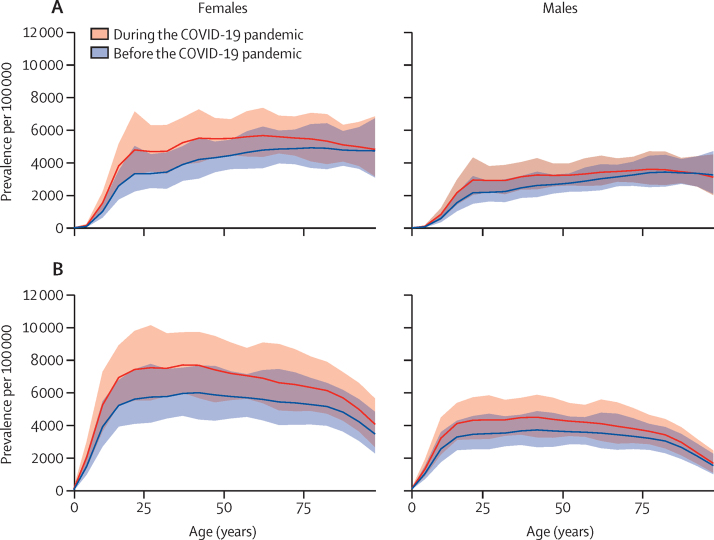
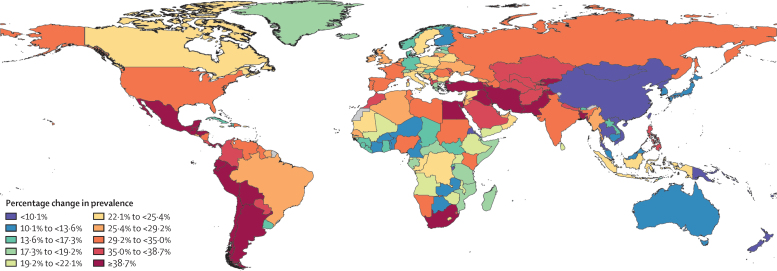
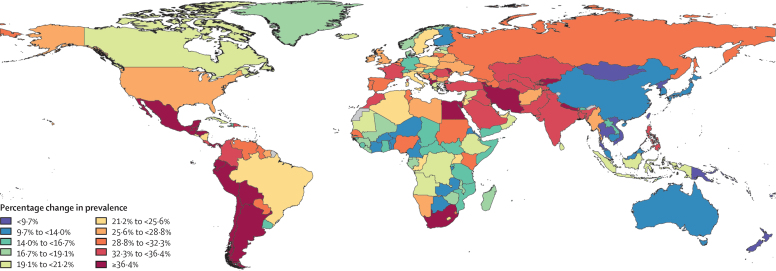
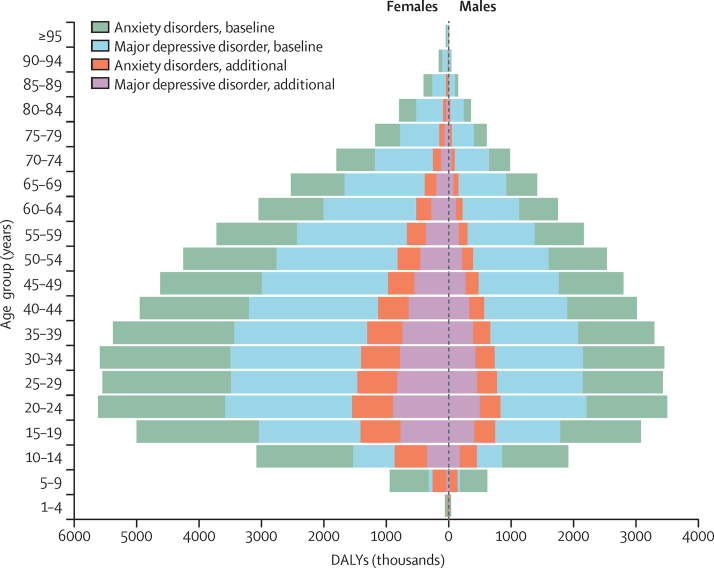
BACKGROUND: Before 2020, mental disorders were leading causes of the global health-related burden, with depressive and anxiety disorders being leading contributors to this burden. The emergence of the COVID-19 pandemic has created an environment where many determinants of poor mental health are exacerbated. The need for up-to-date information on the mental health impacts of COVID-19 in a way that informs health system responses is imperative. In this study, we aimed to quantify the impact of the COVID-19 pandemic on the prevalence and burden of major depressive disorder and anxiety disorders globally in 2020. METHODS: We conducted a systematic review of data reporting the prevalence of major depressive disorder and anxiety disorders during the COVID-19 pandemic and published between Jan 1, 2020, and Jan 29, 2021. We searched PubMed, Google Scholar, preprint servers, grey literature sources, and consulted experts. Eligible studies reported prevalence of depressive or anxiety disorders that were representative of the general population during the COVID-19 pandemic and had a pre-pandemic baseline. We used the assembled data in a meta-regression to estimate change in the prevalence of major depressive disorder and anxiety disorders between pre-pandemic and mid-pandemic (using periods as defined by each study) via COVID-19 impact indicators (human mobility, daily SARS-CoV-2 infection rate, and daily excess mortality rate). We then used this model to estimate the change from pre-pandemic prevalence (estimated using Disease Modelling Meta-Regression version 2.1 [known as DisMod-MR 2.1]) by age, sex, and location. We used final prevalence estimates and disability weights to estimate years lived with disability and disability-adjusted life-years (DALYs) for major depressive disorder and anxiety disorders. FINDINGS: We identified 5683 unique data sources, of which 48 met inclusion criteria (46 studies met criteria for major depressive disorder and 27 for anxiety disorders). Two COVID-19 impact indicators, specifically daily SARS-CoV-2 infection rates and reductions in human mobility, were associated with increased prevalence of major depressive disorder (regression coefficient [B] 0·9 [95% uncertainty interval 0·1 to 1·8; p=0·029] for human mobility, 18·1 [7·9 to 28·3; p=0·0005] for daily SARS-CoV-2 infection) and anxiety disorders (0·9 [0·1 to 1·7; p=0·022] and 13·8 [10·7 to 17·0; p<0·0001]. Females were affected more by the pandemic than males (B 0·1 [0·1 to 0·2; p=0·0001] for major depressive disorder, 0·1 [0·1 to 0·2; p=0·0001] for anxiety disorders) and younger age groups were more affected than older age groups (-0·007 [-0·009 to -0·006; p=0·0001] for major depressive disorder, -0·003 [-0·005 to -0·002; p=0·0001] for anxiety disorders). We estimated that the locations hit hardest by the pandemic in 2020, as measured with decreased human mobility and daily SARS-CoV-2 infection rate, had the greatest increases in prevalence of major depressive disorder and anxiety disorders. We estimated an additional 53·2 million (44·8 to 62·9) cases of major depressive disorder globally (an increase of 27·6% [25·1 to 30·3]) due to the COVID-19 pandemic, such that the total prevalence was 3152·9 cases (2722·5 to 3654·5) per 100 000 population. We also estimated an additional 76·2 million (64·3 to 90·6) cases of anxiety disorders globally (an increase of 25·6% [23·2 to 28·0]), such that the total prevalence was 4802·4 cases (4108·2 to 5588·6) per 100 000 population. Altogether, major depressive disorder caused 49·4 million (33·6 to 68·7) DALYs and anxiety disorders caused 44·5 million (30·2 to 62·5) DALYs globally in 2020. INTERPRETATION: This pandemic has created an increased urgency to strengthen mental health systems in most countries. Mitigation strategies could incorporate ways to promote mental wellbeing and target determinants of poor mental health and interventions to treat those with a mental disorder. Taking no action to address the burden of major depressive disorder and anxiety disorders should not be an option. FUNDING: Queensland Health, National Health and Medical Research Council, and the Bill and Melinda Gates Foundation.
Overview
CoChat Summary
TL;DR
The COVID-19 pandemic was associated with substantial global increases in major depressive disorder and anxiety disorders in 2020, with the largest increases in locations hit hardest by reduced mobility and higher SARS-CoV-2 infection rates. The study estimates an additional 53·2 million major depressive disorder cases and 76·2 million anxiety disorder cases globally in 2020.
Key findings
- Major depressive disorder prevalence rose by an estimated 27·6% (25·1–30·3), an additional 53·2 million (44·8–62·9) cases, to 3152·9 cases (2722·5–3654·5) per 100 000 population.
- Anxiety disorders rose by an estimated 25·6% (23·2–28·0), an additional 76·2 million (64·3–90·6) cases, to 4802·4 cases (4108·2–5588·6) per 100 000 population.
- In 2020, major depressive disorder caused 49·4 million (33·6–68·7) DALYs and anxiety disorders caused 44·5 million (30·2–62·5) DALYs globally.
- Females and younger age groups were more affected than males and older age groups; daily SARS-CoV-2 infection rates and reductions in human mobility were significantly associated with increased prevalence.
Methods
- Systematic review of data published Jan 1, 2020–Jan 29, 2021; 5683 unique sources were identified, and 48 studies met inclusion criteria (46 for major depressive disorder, 27 for anxiety disorders).
- Meta-regression using MR-BRT estimated change in logit prevalence before versus during the pandemic via COVID-19 impact indicators: human mobility, daily SARS-CoV-2 infection rate, and daily excess mortality rate.
- Pre-pandemic prevalence was estimated with DisMod-MR 2.1 by age, sex, and location; final prevalence estimates and disability weights were used to estimate YLDs and DALYs for 204 countries and territories in 2020.
Limitations
- The paper states that human mobility and SARS-CoV-2 infection rates are unlikely to capture the full mental health impact of the pandemic across all countries, and that mobile phone tracking may be inaccurate where subgroups have little or no mobile phone use.
- The paper states that few surveys from low-income and middle-income countries met inclusion criteria, limiting generalisability; it cautions against direct country rankings because of wide uncertainty intervals and data availability.
- The paper states that most surveys used symptom scales estimating probable cases, requiring the assumption that predictive validity remained constant; it also assumed unchanged severity distribution and could not assess how existing cases changed in severity. The text also makes evident that daily excess mortality was not associated with prevalence change after controlling for the other indicators, likely due to high collinearity.
Model-written summary. Check it against the paper before relying on it.
Integrity signals
Registry
Cites
Statistics
Figures
Verification
Claims the paper makes
7 Valid · 1 Not valid · 4 Not checked · 13 Own results and interpretations
The cited sources support only part of this claim — read each source’s verdict below.
In the paper
“The Global Burden of Diseases, Injuries, and Risk Factors Study (GBD) 2019 showed that the two most disabling mental disorders were depressive and anxiety disorders, both ranked among the top 25 leading causes of burden worldwide in 2019.1, 2”
§ Global prevalence and burden of depressive and anxiety disorders in 204 countries and territories in 2020 due to the COVID-19 pandemic > Introduction
What the sources say
- Partly supportedcites [1] GBD 2019 Disease and Injuries Collaborators Global burden of 369 diseases and injuries in 204 countries and territories, 1990–2019: a systematic analysis for the Global Burden of Disease Study 2019 Lancet 396 2020 1204 1222 33069326 PMC7567026 sourceExperimental — accuracy not yet measured
The Results (Global trends; page unavailable) place depressive and anxiety disorders among the top ten causes of DALYs globally for ages 10–24 in 2019, and the Discussion (Main findings; page unavailable) describes mental disorders as major contributors to disability. These passages do not establish that depression and anxiety were the two most disabling mental disorders or that both ranked among the top 25 causes of burden worldwide across all ages. (LLM, conf=0.84)
- Not matchedcites [2] GBD 2019 Mental Disorders Collaborators. Global, regional, and national burden of mental disorders in 204 countries and territories, 1990–2019: a systematic analysis from the Global Burden of Disease Study 2019. Lancet Psychiatry (in press). PMC8776563 35026139
We searched by its title and found no matching paper.
- Partly supported
Every source the paper cites for this claim was checked and supports it.
In the paper
“We used the Preferred Reporting Items for Systematic Reviews and Meta-Analyses (PRISMA) guidelines;9 our PRISMA checklist is in the appendix (pp 28–31), and the search protocol was registered with the International Prospective Register of Systematic Reviews (PROSPERO, CRD42021216590).”
§ Global prevalence and burden of depressive and anxiety disorders in 204 countries and territories in 2020 due to the COVID-19 pandemic > Methods > Data sources
What the sources say
- Supportedcites [9] Page MJ McKenzie JE Bossuyt PM The PRISMA 2020 statement: an updated guideline for reporting systematic reviews BMJ 372 2021 n71 33782057 PMC8005924 source
The citation is attached to the citing authors’ use of PRISMA guidelines, not to their separate statement about PROSPERO registration. The paper’s Abstract identifies PRISMA 2020 as a guideline for reporting systematic reviews and presents its checklist, so it supports the cited identification. (LLM, conf=0.92)
- Supported
The cited sources support only part of this claim — read each source’s verdict below.
In the paper
“The estimation of human mobility, daily SARS-CoV-2 infection rate, and daily excess mortality rate was done by the Institute for Health Metrics and Evaluation (IHME) COVID-19 Forecasting Team and is described in detail elsewhere.13”
§ Global prevalence and burden of depressive and anxiety disorders in 204 countries and territories in 2020 due to the COVID-19 pandemic > Methods > Data sources
What the sources say
- Partly supportedcites [13] Institute for Health Metrics and Evaluation COVID-19 Forecasting Team Modeling COVID-19 scenarios for the United States Nat Med 27 2021 94 105 33097835 PMC7806509 sourceExperimental — accuracy not yet measured
The Data identification and processing section describes a mobility covariate and estimates of total infections by day and state; the Deterministic modeling framework also describes estimated daily infections and deaths. The paper reports daily COVID-19 death rates, however, not daily excess mortality rates, so that part of the attribution is unsupported. (LLM, conf=0.87)
- Partly supported
The cited sources support only part of this claim — read each source’s verdict below.
In the paper
“Both major depressive disorder and anxiety disorders increase the risk of other diseases and suicide.28, 29”
§ Global prevalence and burden of depressive and anxiety disorders in 204 countries and territories in 2020 due to the COVID-19 pandemic > Discussion
What the sources say
- Not checked — no full text of the sourcecites [28] Clarke DM Currie KC Depression, anxiety and their relationship with chronic diseases: a review of the epidemiology, risk and treatment evidence Med J Aust 190 2009 S54 S60 19351294 source
- Partly supportedcites [29] Moitra M Santomauro D Degenhardt L Estimating the risk of suicide associated with mental disorders: a systematic review and meta-regression analysis J Psychiatr Res 137 2021 242 249 33714076 PMC8095367 sourceExperimental — accuracy not yet measured
The Discussion reports that major depressive disorder and anxiety disorders were significantly associated with suicide risk. It also says the analysis was confined to suicide deaths; it does not support the claim that these disorders increase the risk of other diseases. Page numbers were not provided in our copy. (LLM, conf=0.90)
The sources with a verdict support this claim; the rest weren’t checked yet, have no full text we could read, or their verdicts aren’t rated yet.
In the paper
“Women are more likely to be financially disadvantaged during the pandemic due to lower salaries, less savings, and less secure employment than their male counterparts.17, 18, 19”
§ Global prevalence and burden of depressive and anxiety disorders in 204 countries and territories in 2020 due to the COVID-19 pandemic > Discussion
What the sources say
- Not matchedcites [17] UN Policy brief: the impact of COVID-19 on women April 9, 2020 United Nations
Its entry has no title and year that we can search by.
- Not checked — no full text of the sourcecites [18] Wenham C Smith J Davies SE Women are most affected by pandemics - lessons from past outbreaks Nature 583 2020 194 198 32641809 source
- Supportedcites [19] Burki T The indirect impact of COVID-19 on women Lancet Infect Dis 20 2020 904 905 32738239 PMC7836874 source
The passage labelled Abstract states that women earn and save less, hold less secure jobs, and have less capacity than men to absorb economic shocks. It directly supports the claim about greater financial disadvantage during the pandemic. (LLM, conf=0.94)
- Not matched
20 more claims · 3 with their cited sources checked
Create a free account to see all 25 claims and to verify the 1 reference still open.
Claims other papers make about this one
Each is checked against this paper’s own text: does it say what the citing paper says it does?
The source backs part of the claim, not all of it — or backs it for a different population, condition or comparison.
In the citing paper
“The urgency to bridge this gap is further intensified by rising neurological and psychiatric disorders, climate-related stressors and the lingering effects of COVID-19, which disproportionately impact lower-resource environments27,28.”
From Resilience and brain health in global populations (2025) · cites this paper as [27]
Experimental — accuracy not yet measuredThe source backs part of the claim, not all of it — or backs it for a different population, condition or comparison.
In the citing paper
“GBD 2023 incorporated the effects of the COVID-19 pandemic on anxiety disorders and major depressive disorder, which exacerbated the mental health of many around the world, especially women and young people, through loss of employment, increased carer responsibilities, social restrictions, gender-based violence, and disruption to education.7”
From Updated trends in the global prevalence and burden of mental disorders, 1990–2023: a systematic analysis for the Global Burden of Disease Study 2023 (2026) · cites this paper as [7]
Experimental — accuracy not yet measuredThe source backs part of the claim, not all of it — or backs it for a different population, condition or comparison.
In the citing paper
“The non-communicable disease burden was distributed widely across the world's populations, irrespective of age, sex, or socioeconomic circumstance”
From Global incidence, prevalence, years lived with disability (YLDs), disability-adjusted life-years (DALYs), and healthy life expectancy (HALE) for 371 diseases and injuries in 204 countries and territories and 811 subnational locations, 1990–2021: a systematic analysis for the Global Burden of Disease Study 2021 (2024) · cites this paper as [16]
Experimental — accuracy not yet measuredThe source backs part of the claim, not all of it — or backs it for a different population, condition or comparison.
In the citing paper
“The efficacy and cost-effectiveness of treatment options for depressive disorders across low-income, middle-income, and high-income settings have been established by existing research.16”
From Global incidence, prevalence, years lived with disability (YLDs), disability-adjusted life-years (DALYs), and healthy life expectancy (HALE) for 371 diseases and injuries in 204 countries and territories and 811 subnational locations, 1990–2021: a systematic analysis for the Global Burden of Disease Study 2021 (2024) · cites this paper as [16]
Experimental — accuracy not yet measuredThe source backs part of the claim, not all of it — or backs it for a different population, condition or comparison.
In the citing paper
“Additionally, many mental disorders are prevalent during childhood or early adulthood, when other risk factors such as bullying victimisation and childhood maltreatment can occur.16, 42”
From Global incidence, prevalence, years lived with disability (YLDs), disability-adjusted life-years (DALYs), and healthy life expectancy (HALE) for 371 diseases and injuries in 204 countries and territories and 811 subnational locations, 1990–2021: a systematic analysis for the Global Burden of Disease Study 2021 (2024) · cites this paper as [16]
Experimental — accuracy not yet measured
12 more claims about this paper
Create a free account to see every claim other papers make about this one.
Self-check
Percentages, sums and reported differences re-computed from the paper’s own numbers.
Self-check results appear here once an independent check has confirmed them.
Cited works that were retracted
Works this paper cites that were later retracted, from the retraction notices publishers deposit. Major when the notice came out before this paper was published.
A note, not an issue: for example, a cited work that was retracted only after this paper was published, which its authors could not have known.
In the paper
“Emerging evidence suggests people with post-acute sequelae of COVID-19 (sometimes known as long COVID) might develop depressive and anxiety disorder symptoms, 37,38 and so prevalence of long COVID might be a potential indicator in future work.”
Cited work 10.1016/s0140-6736(20)32656-8 · retracted 2023-06-09 · notice 10.1016/s0140-6736(23)01175-3 · this paper published 2021-11
A note, not an issue: for example, a cited work that was retracted only after this paper was published, which its authors could not have known.
In the paper
“39,40 The study that did not report an increased prevalence was conducted in one specific city in Norway (Trondheim) using very small cross-sectional samples.”
Cited work 10.1017/s2045796021000408 · retracted 2023-03-13 · notice 10.1017/s2045796023000082 · this paper published 2021-11
Citations
Cites
2 retracted
RETRACTED: 6-month consequences of COVID-19 in patients discharged from hospital: a cohort study
Huang, C., Huang, L., Wang, Y., Li, X., Ren, L., Gu, X., Kang, L., Guo, L., Liu, M., Zhou, X., et al. (2021) · The Lancet · doi:10.1016/s0140-6736(20)32656-8 · Cited by 4,084 · cited 1×
“Emerging evidence suggests people with post-acute sequelae of COVID-19 (sometimes known as long COVID) might develop depressive and anxiety disorder symptoms, 37,38 and so prevalence of long COVID might be a potential indicator in future work.”
RetractedAyuso-Mateos, J. L., Morillo, D., Haro, J. M., Olaya, B., Lara, E., & Miret, M. (2021) · Epidemiology and Psychiatric Sciences · doi:10.1017/s2045796021000408 · Cited by 53 · cited 1×
“39,40 The study that did not report an increased prevalence was conducted in one specific city in Norway (Trondheim) using very small cross-sectional samples.”
RetractedThe PRISMA 2020 statement: An updated guideline for reporting systematic reviews
Page, M. J., McKenzie, J. E., Bossuyt, P. M., Boutron, I., Hoffmann, T. C., Mulrow, C. D., Shamseer, L., Tetzlaff, J. M., Akl, E. A., Brennan, S. E., et al. (2021) · BMJ · doi:10.1136/bmj.n71 · Cited by 108,283
Vos, T., Lim, S. S., Abbafati, C., Abbas, K. M., Abbasi, M., Abbasifard, M., Abbasi-Kangevari, M., Abbastabar, H., Abd-Allah, F., Abdelalim, A., et al. (2020) · The Lancet · doi:10.1016/s0140-6736(20)30925-9 · Cited by 19,358
Self-citationThe PRISMA 2020 statement: an updated guideline for reporting systematic reviews
Page, M. J., McKenzie, J., Bossuyt, P., Boutron, I., Hoffmann, T., mulrow, C., Shamseer, L., Tetzlaff, J., Akl, E., Brennan, S. E., et al. (2020) · doi:10.31222/osf.io/v7gm2_v1 · Cited by 8,090
The PRISMA 2020 statement: an updated guideline for reporting systematic reviews
Page, M. J., McKenzie, J., Bossuyt, P., Boutron, I., Hoffmann, T., mulrow, C., Shamseer, L., Tetzlaff, J., Akl, E., Brennan, S. E., et al. (2020) · doi:10.31222/osf.io/v7gm2 · Cited by 5,177
Taquet, M., Geddes, J. R., Husain, M., Luciano, S., & Harrison, P. J. (2021) · The Lancet Psychiatry · doi:10.1016/s2215-0366(21)00084-5 · Cited by 2,189
How mental health care should change as a consequence of the COVID-19 pandemic
Moreno, C., Wykes, T., Galderisi, S., Nordentoft, M., Crossley, N., Jones, N., Cannon, M., Correll, C. U., Byrne, L., Carr, S., et al. (2020) · The Lancet Psychiatry · doi:10.1016/s2215-0366(20)30307-2 · Cited by 1,840 · cited 3×
“36 They should consider public health messaging about the mental health impacts of COVID-19, how individuals can best manage their mental health, and well defined pathways to assessment and service access.”
Guidelines for accurate and transparent health estimates reporting: the GATHER statement
Stevens, G. A., Alkema, L., Black, R. E., Boerma, J. T., Collins, G. S., Ezzati, M., Grove, J. T., Hogan, D. R., Hogan, M. C., Horton, R., et al. (2016) · The Lancet · doi:10.1016/s0140-6736(16)30388-9 · Cited by 1,798
Self-citation
Research works printed but not linked: 1
- Flaxman AD Vos T Murray CJL An integrative metaregression framework for descriptive epidemiology 1st edn. 2015 University of Washington Press Seattle, WA
Cited by
Items 4,901–5,000 of 5,424
Massey, H. C., Denton, H., Burlingham, A., Violato, M., Bibby-Jones, A.-M., Cunningham, R., Ciccognani, S., Robertson, S., & Strauss, C. (2024) · Figshare · doi:10.6084/m9.figshare.26604034
A meta-scientific approach to understanding stress regulation
Sparacio, A. (2023) · theses.fr (ABES) · doi:10.70675/757862f2z87a4z4ec7zabc9z5a275e01261b
Martínez, J. C. C., Diez-Canseco, F., Brusco, L. I., Malagón, N. R., Fung, C., Gil, M. C. C., Carbonetti, F. L., Ramirez-Meneses, D., Esnal, F., Carbonel, A., et al. (2025) · Revista Colombiana de Psiquiatría · doi:10.1016/j.rcp.2025.08.001 · Cited by 4
Instrumentos de conhecimento, atitudes e práticas aplicados em situação de crise
Pascotini, M. R., Pepi, B. P., de Melo, M. B., & Yamaguchi, M. U. (2025) · AtoZ novas práticas em informação e conhecimento · doi:10.5380/atoz.v14.91532
Medicinal Mushrooms and Mental Disorders: How Mushrooms Affect Anxiety and Depression
Tarki, A., Hajikarim‐Hamedani, A., Rassa, S., & Khosravi, S. (2025) · Nutritional neurosciences · doi:10.1007/978-981-95-2774-8_6
Ramirez, O. M. C., Navarro, J. C. C., Henao, M. A. G., Giraldo-Álvarez, A. B., Villamil, A. P., Arias, M. P., & Porras, L. F. C. (2025) · Hacia la Promoción de la Salud · doi:10.17151/hpsal.2025.30.1.2
Valö, L., Rosansky, J. A., Parry, G., Comeau, A., Rice, F. K., Fulwiler, C., & Schuman‐Olivier, Z. (2025) · doi:10.2196/preprints.88388
Wang, Z. (2025) · Language & Communication · doi:10.1016/j.langcom.2025.09.006
Lima-Bastos, L., Narro-Sánchez, C., & Rojas-Humpire, R. (2025) · Nutrición clínica y dietética hospitalaria/Nutrición clínica, dietética hospitalaria · doi:10.12873/849lilian · Cited by 1
Morgado, B., Alves, E., Fonseca, C., Ferreira, R., & Silva, C. (2024) · Portuguese National Funding Agency for Science, Research and Technology (RCAAP Project by FCT)
Morgado, B., Schneider, B., João, A., Sampaio, F., Pinho, L., Fonseca, C., Ferreira, R., & Silva, C. (2024) · Portuguese National Funding Agency for Science, Research and Technology (RCAAP Project by FCT)
a systematic analysis for the Global Burden of Disease Study 2023
Hay, S. I., Ong, K. L., Santomauro, D. F., Bhoomadevi, A., Aalipour, M. A., Aalruz, H., Ababneh, H. S., Abaraogu, U. O., Abate, B. B., Abbafati, C., et al. (2025) · Portuguese National Funding Agency for Science, Research and Technology (RCAAP Project by FCT)
Self-citationSiseho, K. N., Mahalie, R., & Endjala, T. (2025) · South African Journal of Psychiatry · doi:10.4102/sajpsychiatry.v31i0.2590
Banu, A. A., Rupa, S. A., Kurniawan, R. D., Yang, M., Shrestha, S., Cui, M., Wang, M., Graça, Y., Agil, H. M., & Anme, T. (2025) · BJPsych International · doi:10.1192/bji.2025.10075 · Cited by 1
Photoplethysmography Based Anxiety Management System Using Physiological and Demographic Parameters
Venus, M., Sunil, S., P., S. T., Sony, S., & Sreenath, B. (2025) · International Conference on Power, Instrumentation, Control and Computing (PICC) · doi:10.1109/picc67314.2025.11291552
“The Lancet’s global burden study confirmed a comparable rise, estimating an additional 76.2 million anxiety cases in 2020 alone [2].”
InfluentialBao, J., Wang, Y., Wang, Y., Chen, Q., & Zang, Y. (2025) · BMC Psychiatry · doi:10.1186/s12888-025-07733-z
“Indeed, a meta-analysis reported increased anxiety and depression rates due to COVID-19 [4], affecting 31.9% and 33.7% of the population, respectively, during its early stage (through May 2020) [5].”
InfluentialWajdowicz, H., Warzocha, M., Czerniak, P., Buszek, J., Antoszewska, A., Bargieł, W., Bąk, D., Medygrał, M., & Dydoń-Pikor, M. (2025) · Humanities & Social Sciences Reviews · doi:10.18510/hssr.2025.13241
“The COVID-19 pandemic, along with associated public health measuressuch as social isolation, has been demonstrated to significantly impact the incidence of psychiatric disorders, including depression (Collaborators et al., 2021).”
Li, Y. F., He, X., Deng, X., Zhou, J., Shi, M., Tian, Y., Li, Z., Yang, D., & Yang, X. (2025) · BMJ Open · doi:10.1136/bmjopen-2025-104287
Korean longitudinal study on digitally optimized mental healthcare: a cohort profile
Kim, O., Choi, K.-H., Kim, T. H., Son, S., Lee, J., Kim, K., Chung, U. S., Cheon, E.-J., Lee, I., Jung, H., et al. (2025) · Methods · doi:10.1016/j.ymeth.2025.12.011 · Cited by 1
Associations among subthreshold depression, cognitive bias, and mentalization in university students
Zeng, Y., Liu, B., Yu, H., Jia, Y., Chen, H., Zheng, P., & Qian, H. (2025) · BMC Public Health · doi:10.1186/s12889-025-25930-z · Cited by 3
“%) increase in prevalence compared to pre-pandemic levels [8].”
Self-citationLuo, C., Li, J., Liu, L., Huang, A., Wang, X., Chen, R., & Zhao, J. (2025) · Current Psychology · doi:10.1007/s12144-025-08754-3
Messineo, L. (2025) · Psychiatric Quarterly · doi:10.1007/s11126-025-10249-0
Paquet, J., Hibbard, K., & Brett-MacLean, P. (2025) · Journal of Geriatric Mental Health · doi:10.4103/jgmh.jgmh_15_25
Zhang, X., Lu, H., Xu, Y., Ying, J., Wen, X., Luo, L., Wang, M., Liu, M., Wang, H., Geng, X., et al. (2025) · BMC Public Health · doi:10.1186/s12889-025-23915-6 · Cited by 1
“According to the World Health Organization, the prevalence of depression and anxiety has increased by 27.6% in the aftermath of the pandemic [12]; factors of mental distress included experience of infection, fear, loss of loved ones, and quarantine measures [13, 14].”
InfluentialWise, J. M., Byun, J. Y., Benning, L., Ott, C., Pruitt, Z. C., Krier, S. E., López, D. J., Turan, J. M., Weiser, S. D., Wingood, G. M., et al. (2025) · BMC Health Services Research · doi:10.1186/s12913-025-13690-w
“…adaptations decreased the impact to general healthcare services relatively quickly, they were not sufficient to address the pre-existing and widening healthcare needs of those requiring more specialized care-including those requiring mental health care and substance use treat-ment [19, 29, 36].”
Mukherjee, D., Lee, S. A., Almeida, D. M., & Saunders, E. F. H. (2025) · PLOS mental health. · doi:10.1371/journal.pmen.0000328
Necyk, C., Eberhardt, T. E., & Mahmoud, S. H. (2025) · Springer eBooks · doi:10.1007/978-3-032-10050-4_22
Involuntary Memories and Future Thoughts During the Covid-19 Pandemic
Allé, M. C., & Berntsen, D. (2025) · Springer eBooks · doi:10.1007/978-3-032-03895-1_4
Chen, Y., Zhang, H., Zhou, W., Ren, C., Chen, Q., & Cao, J. (2026) · BMC Pregnancy and Childbirth · doi:10.1186/s12884-025-08337-x
Hartmann, M., Stoner, M. C. D., Giovenco, D., Ekström, A. M., Hatcher, A. M., Zembe, Y., Qwabe, N., Pettifor, A. E., Bekker, L., & Kågesten, A. (2026) · Journal of Child and Adolescent Mental Health · doi:10.2989/17280583.2025.2579960
“In this study, we operationalised CMDs by measuring symptoms of depression and anxiety, as these are among the most prevalent and impactful mental health conditions in our population of interest (Santomauro et al., 2021).”
Moulaire, P., Delory, T., Rachas, A., et al. (2026) · medRxiv · doi:10.64898/2025.12.31.25343267
Introduction to mental health care for general public
Bard, B. (2023) · MOJ Addiction Medicine & Therapy · doi:10.15406/mojamt.2023.08.00154 · Cited by 1
Morrison, A. M., Zimba, C. C., Stockton, M. A., Malava, J., Mbota, M., Matewere, M., Akello, H., Akiba, C. F., Landrum, K. R., Go, V., et al. (2026) · PLOS mental health. · doi:10.1371/journal.pmen.0000532 · Cited by 1
“Depression is a leading cause of disability worldwide with most of the burden in low-and middle-income countries (LMICs) [1,2].”
Comparing Images of Depression in Mass Media and AI-Generated Pictures: Mixed Methods Study
Saladié, N., Llorente, C., Joosten, R., & Revuelta, G. (2026) · JMIR Human Factors · doi:10.2196/81230
Pharmacopsychology of Prescribing: An Introduction to the PoP Model
Tan, V. T. Y., & van Oeveren, M. (2026) · Mental Illness · doi:10.1155/mij/3939110 · Cited by 1
Concha, I. D., Valdebenito, R., López, F. G., Romero, L. O., & Vergara, A. V. (2026) · BMC Public Health · doi:10.1186/s12889-025-25815-1
“A meta-regression of 48 studies with prepandemic baselines estimated a 27.5% increase in major depressive disorders and a 25.6% increase in anxiety disorders during the early phases of the pandemic [6].”
InfluentialRomantic relationships during COVID-19: A scoping review of early phase research
Paterson, J., Lo, C., Abell, L., & Park, M. S. (2026) · Geopsychiatry · doi:10.1016/j.geopsy.2026.100049
Sgarbossa, C., Meyyappan, A. C., Forth, E., Bromley, H., & Milev, R. V. (2026) · Frontiers in Psychiatry · doi:10.3389/fpsyt.2025.1663719
Halder, P., Das, A., Bhandari, Y., Mamgai, A., & Parija, P. P. (2026) · Indian Journal of Community Medicine · doi:10.4103/ijcm.ijcm_545_24 · Cited by 2
“[6] In India, 197·3 million people were diagnosed with mental disorders, which included 45·7 million people with depressive disorders, in 2017.”
Wittenkeller, L. M., Gudelsky, G. G., Winhusen, T. M., & Amato, D. (2026) · Research Square · doi:10.21203/rs.3.rs-8544354/v1
Natural language processing applied to psychiatric clinical notes: Scoping review (Preprint)Preprint
Rao, S., Chen, X., Deng, G., Xie, J., Jiang, T., Li, T., Zhang, Y., & Jiang, H. (2026) · doi:10.2196/preprints.91249
Saleh, O. A., & Halperin, O. (2026) · Nursing Research and Practice · doi:10.1155/nrp/8503712
“Te increased prevalence of MDD and anxiety disorders in 2020 was associated with elevated rates of SARS-CoV-2 infection and decreased human mobility [4].”
InfluentialNew Strategies for Treating Depression with Chinese Medicine: Focusing on NLRP3-Mediated Mechanisms
Wang, J., Zhang, L.-L., Liu, C., Zhang, X.-N., Xiao, Y.-Q., Zheng, Y., & Chang, X. (2026) · Chinese Journal of Integrative Medicine · doi:10.1007/s11655-025-4233-y
Wijayanti, W., Tomoliyus, T., Siswantoyo, S., & Pambudi, T. (2025) · SPORT TK-Revista EuroAmericana de Ciencias del Deporte · doi:10.6018/sportk.608881 · Cited by 1
Museotherapy as a method: an investigation into the emotional experiences of Chinese youth visitors
Wang, S., Gong, X., & Lian, W. (2026) · Frontiers in Psychology · doi:10.3389/fpsyg.2025.1716551
Wei, Q., Wei, J., Ma, J., & Mo, C. (2026) · Environmental Sciences Europe · doi:10.1186/s12302-025-01312-5 · Cited by 1
“Globally, more than 300 million people suffer from anxiety, the sixth leading cause of disability [2, 3].”
Husky, M. M., Amieva, H., Bergua, V., Pérès, K., Pic, O., Beck, F., Léon, C., Gillaizeau, I., & Vasiliadis, H. (2026) · Journal of Affective Disorders · doi:10.1016/j.jad.2026.121203
van der Heijden, A., Vos, A., de Wit, J., et al. (2026) · Health Psychology and Behavioral Medicine · doi:10.1080/21642850.2026.2616931
Le, H. H., Nguyen, H., Du, N., Pham, C., Le, T., Dang, H., & Killikelly, C. (2026) · Mental Health and Digital Technologies · doi:10.1108/mhdt-09-2025-0057
Alhassan, M. A. (2026) · Annals of General Psychiatry · doi:10.1186/s12991-025-00626-1
“Evidence from the COVID-19 period indicates a marked temporary increase in MDD prevalence in the GCC region, with estimates reporting increases of up to 38% [1], compared with a global increase of up to 27% during the same period [3, 4] (Fig.”
da Rocha, M. J., Presa, M. H., Nunes, G. D., Barboza, V. D. S., Giongo, J. L., VAUCHER, R. A., Pedra, N. S., Spanevello, R. M., Stefanello, F. M., Gomes, C. S., et al. (2026) · ACS Omega · doi:10.1021/acsomega.5c11651
Tamal, M. E. H., Hassan, K., Gasbarro, D., & Alam, K. (2026) · Health Economics Review · doi:10.1186/s13561-026-00725-z · Cited by 1
“Mental illnesses, such as depression and anxiety, are increasingly prevalent around the world, producing significant global health burdens [1, 2].”
Andrade-Bucknor, S. N., Mesa, R. A., Cordero, C., Schneiderman, N., Mathew, A., Hurwitz, B. E., Rodríguez, C. J., Gallo, L. C., Rosas, C. E., Gonzalez, S., et al. (2026) · medRxiv · doi:10.64898/2026.01.15.26343818
Multimodal Mental Health Screening via Questionnaire Fusion and Semantic Embeddings
Chaitra, B., V, Saravana, M. K., Anand, A., Raksha, B., V, Suha, S., & Keerthi, S. (2025) · International Conference on Software, Systems and Information Technology (SSITCON) · doi:10.1109/ssitcon66133.2025.11342112
A Mathematical Stacking Ensemble Model for Prediction of Multiple Mental Disorders Among Students
Verma, P. K., Kumawat, G., Singh, M., Pant, M., & Barua, M. K. (2026) · Smart innovation, systems and technologies · doi:10.1007/978-3-032-13048-8_31
Loneliness and mental health across family constellations in Germany: Evidence of a stable burden
Diabaté, S., Kleinschlömer, P., Kriechel, L., Kleinschrot, L., Mohr, E., & Ludwig‐Walz, H. (2026) · Journal of Affective Disorders Reports · doi:10.1016/j.jadr.2026.101033 · Cited by 1
Guichard, M., Plazy, M., Lam, H. A., Ndiaye, I., Jaquet, A., Ngom, N. F., Seydi, M., & Bernard, C. (2026) · BMC Psychiatry · doi:10.1186/s12888-026-07812-9
“…C. Bernard 1* and the IeDEA West Africa Cohort Collaboration Background Depression affects approximately 280 million people worldwide, representing 5% of the world’s adult population [1, 2], and its prevalence is two to three times higher in people with HIV (PWH) than in the general population [3].”
Depression in Cape Verdean adolescents: prevalence and associated factors
Lopes, E. D., Mendonça, M. D. L. L., Soares, J. D. J. X., & Ribeiro, A. L. L. (2026) · BMC Psychiatry · doi:10.1186/s12888-026-07829-0 · Cited by 1
“Depression ranks among the top causes of global morbidity and disability [8].”
Self-citationFerreira, A. G. S., Garcia, H. W. C., da Silva, S. S., da Silva, F. A. M. F., Ferreira, J. W. L., & Lopes, I. M. S. D. S. (2026) · Psicologia Reflexão e Crítica · doi:10.1186/s41155-025-00375-w · Cited by 1
Dep-Xception: A Lightweight EEG-Based Depression Classification Network
Fan, Y., Wei, D., Gao, Y., Zhao, J., & Chen, X. (2025) · International Symposium on AI and Cybersecurity (ISAICS) · doi:10.1109/isaics66888.2025.11349939
“Global prevalence sharply increased during the COVID-19 pandemic, with reported cases rising by over a quarter worldwide in 2020[1], making it one of the most disabling mental illnesses globally.”
Nawaz, S., Bee, P., & Faija, C. (2026) · Depression and Anxiety · doi:10.1155/da/9916526
Takemoto, K., Myojin, T., Nishioka, Y., Yamazaki, I., Noda, T., & Imamura, T. (2026) · Geriatrics and gerontology international/Geriatrics & gerontology international · doi:10.1111/ggi.70353
Gut microbiome signatures associated with depression and obesity
Mora‐Martínez, C., Molina-Mendoza, G. V., Cénit, M. C., Medina-Rodriguez, E. M., Larroya-García, A., Sánchez‐Carro, Y., González-Blanco, L., Bobes, J., López-García, P., Zorrilla, M. Z., et al. (2026) · mSystems · doi:10.1128/msystems.01263-25 · Cited by 3
Singha, S., & KUMAR, A. (2026) · International Journal of Pharmacy and Pharmaceutical Sciences · doi:10.22159/ijpps.2026v18i2.57048
Kreis, L. G., König, H., Kohlmann, S., Löwe, B., Scherer, M., & Brettschneider, C. (2026) · BJPsych Open · doi:10.1192/bjo.2025.10945
Swanson, L. M., Bommarito, S., Kile, K., Warren, R., Montalva, R., Bullard, K. H., McCabe, V. V., Patel, P. D., & Dalack, G. W. (2026) · International Journal of Psychiatry in Clinical Practice · doi:10.1080/13651501.2026.2620996
Reduced Plasma Aβ Peptides but Stable NfL and GFAP in Major Depressive Disorder
Fernández-Ceballos, M. D. L. Á., Vidal-Nogueira, L., Fernández-Pereira, C., Fortes-González, P., Salgado‐Barreira, Á., Ledo-Matos, E., Santana-Muriel, E., Baltanás, T. R., Olivares, J. M., Veiga, C., et al. (2026) · International Journal of Molecular Sciences · doi:10.3390/ijms27031474
“Major depressive disorder (MDD) is one of the leading causes of disability worldwide, with a global estimation of 245 million cases [1].”
Ixcot, D., Kretzer, L., Gómez, L., Villes, V., Sagaon‐Teyssier, L., Castro, D. R., & Lorente, N. (2026) · Global Health Promotion · doi:10.1177/17579759251410552
Reducing state anxiety with alpha-frequency transcranial alternating current stimulationPreprint
Romero-Marín, R., Fankhauser, S., Sánchez, J. S., et al. (2026) · Research Square · doi:10.21203/rs.3.rs-8756192/v1
“Mental health disorders, particularly anxiety and depressive disorders, affect a substantial proportion of the global population and represent a major public health challenge (Cheng et al., 2024; J. Liu et al., 2024; Santomauro et al., 2021).”
Impact of the COVID-19 pandemic on infant neurodevelopmental outcomes
Kyono, Y., Nishiyama, M., Yamaguchi, H., Kawamura, A., Oikawa, S., Tokumoto, S., Imai, T., Murakami, S., Nozu, K., Mishina, H., et al. (2026) · BMJ Paediatrics Open · doi:10.1136/bmjpo-2025-003832
The Vital Role of Research in Transforming Mental Health in Aotearoa New Zealand
Lozano, C. D. S., & Soosay, I. (2026) · Journal of the Royal Society of New Zealand · doi:10.1002/snz2.70009
“The COVID-19 pandemic has intensified factors contributing to mental health challenges (Santomauro et al. 2021), including social isolation, economic instability, and disrupted care.”
Yoga for Anxiety and Depression: An Umbrella Review of Meta-Analytic Evidence
Giridharan, S., Pandiyan, B., & Godbole, M. (2026) · International Journal of Health Sciences and Research · doi:10.52403/ijhsr.20260206
Supporting minority youths’ mental health during COVID-19: the role of neighborhood composition
Tan, S. B. (2026) · International Journal for Equity in Health · doi:10.1186/s12939-026-02772-8
Jalali, A., Ghasemianrad, M., Khazaie, H., Jalali, R., Chavoshani, F., Khalili, M., & Kazeminia, M. (2026) · SN Comprehensive Clinical Medicine · doi:10.1007/s42399-025-02235-1 · Cited by 2
“5, 6 and 7).”
de Oliveira, G. M., da Silva, A. B. N., da Silva, A. B. N., Júnior, C. R. A., Adalier, E., Zamora, F. V., Frates, E. P., Mansur, N. S. B., & Medina, G. (2026) · American Journal of Lifestyle Medicine · doi:10.1177/15598276261424194
Park, J. H., Lim, J.-Y., & Park, H. (2026) · PLoS ONE · doi:10.1371/journal.pone.0338458
AL-Thiab, M. M., Alshehri, M. M., AlQumayzi, A. S., Abumilha, A. K. Y., Alzahrani, A. A., Alsharef, S. M. M., Almasar, S. K., & Alamri, A. S. (2026) · Cureus · doi:10.7759/cureus.103388 · Cited by 4
Frank, H. E., Finkelstein, J., Smart, A., & Hughes, C. D. (2026) · doi:10.2196/preprints.93028
Li, X.-Y., Lu, B., Chen, X., Wang, Z., Wang, Y.-W., Liao, Y., Hu, Z.-J.-Y., Wu, C.-N., Wang, H., Gao, Q., et al. (2026) · Translational Psychiatry · doi:10.1038/s41398-026-03812-1
“MDD accounts for 49·4 million disability-adjusted life-years (DALYs) in a single year [3], imposing signi fi cant burdens and suffering on individual patients while also profoundly impacting their families and society as a whole.”
Milligan, T., Nair, R., Cowansage, K. K., Boyd, C. C., Morgan, M. A., Kotzab, D., Bellanti, D. M., Shank, L. M., Berman, D. E., Chari, S. A., et al. (2026) · Journal of Affective Disorders · doi:10.1016/j.jad.2026.121377 · Cited by 1
Lorant, V., Nicaise, P., Ribeiro, W. S., Harrison, M. J., Park, A., & McDaid, D. (2026) · Social Science & Medicine · doi:10.1016/j.socscimed.2026.119067 · Cited by 2
Egbert, A. R., & Kreuzinger, I.-M. (2026) · Journal of Psychiatric Research · doi:10.1016/j.jpsychires.2026.02.022 · Cited by 1
Juraszek, P., Klimek, K., Jurys, T., & Grajek, M. K. (2026) · Annales Academiae Medicae Silesiensis · doi:10.18794/aams/208583
Müller, S., Gagelmann, L. K., Tönnies, J., Wildenauer, A., Wensing, M., Friederich, H., & Haun, M. W. (2026) · Journal of General Internal Medicine · doi:10.1007/s11606-025-10109-4
Du, R., Wang, B., Gao, H., Xu, T., Ju, S., Xu, X. Y., & Xu, J. (2026) · Entropy · doi:10.3390/e28020218
“With the accelerating pace of modern life, individuals face increasing psychological pressure, leading to negative emotions such as anxiety and sadness [2,3].”
The role of treatment expectancy in lifestyle interventions for depression
Ashtree, D. N., Richardson, K. E., Mohebbi, M., Berk, M., & O'Neil, A. E. (2026) · Journal of Affective Disorders · doi:10.1016/j.jad.2026.121431
Teng, S., Liu, J., Chai, S., Sun, H., Tateyama, T., Lin, L., & Chen, Y. (2026) · ACM Transactions on Computing for Healthcare · doi:10.1145/3788672 · Cited by 2
“According to the World Health Organization, over 260 million individuals are affected by depression, impacting not only their quality of life but also imposing a substantial socioeconomic burden [40].”
Wu, K. L., Hu, G.-L., Cai, J., Li, B., & Zhang, Y. (2026) · Archives of Public Health · doi:10.1186/s13690-026-01853-y
“The World Health Organization estimates that over 350 million people worldwide suffer from depressive symptoms [1].”
Yaremenko, K., Greenslade, K., Niven, A. G., & Baker, G. (2026) · Health Psychology and Behavioral Medicine · doi:10.1080/21642850.2026.2629646
“There has been a growth in the global prevalence of anxiety disorders by 26% due to the COVID-19 pandemic (Santomauro et al., 2021) and there is a need to effectively mitigate against and treat this condition.”
The COVID-19 impact on nocturia epidemiology: a national health survey analysis
Ke, J., Huang, J., Xie, J., Liu, Z., Zhang, C., Zhou, X., Li, W., & Liu, B. (2026) · Tropical Medicine and Health · doi:10.1186/s41182-026-00925-7
Research into novel anxiolytics among selective carbonic anhydrase II inhibitors
Lazariants, O. E., Fedorov, V. N., Шетнев, А. А., Sapegin, A., & Suleymanov, S. S. (2026) · Pacific Medical Journal · doi:10.34215/1609-1175-2025-4-63-69
Wan, S., Liang, Y., Ding, Z., Tang, Y. M., & Yang, L. (2026) · Frontiers in Psychology · doi:10.3389/fpsyg.2026.1781672 · Cited by 1
COVID-19 Experiences and Mental Health Literacy: The Role of Social Empathy
Nam, E., & Kim, H. (2026) · Journal of Social Service Research · doi:10.1080/01488376.2026.2626077
Bae, E. B., Sohn, J. W., Kim, J. Y., & Han, K. (2026) · Frontiers in Psychiatry · doi:10.3389/fpsyt.2025.1618004
Li, Z., Jiao, Z., Peng, M., Zhang, P., Xu, H., Chen, R., Ji, Q., Li, J., Chen, L., Zhao, B., et al. (2026) · Frontiers in Psychiatry · doi:10.3389/fpsyt.2026.1743771 · Cited by 2
Advancements in Psychotherapy and Treatment: The Use of AI Interventions for Psychopathologies
Varma, A., Saraiya, A. S., Maheshwari, E., Tuli, K., Srivastava, S., & Suresh, S. (2026) · Advances in computational intelligence and robotics book series · doi:10.4018/979-8-3373-1325-2.ch007 · Cited by 1
Impacto de la calidad de la dieta en la prevalencia de sintomatología ansiosa y depresiva
Córdova, V. M. Á. (2026) · Arandu-UTIC. · doi:10.69639/arandu.v12i4.1852
Kurek, A., Binkowski, R. K., Bednarczyk, R., Bednarczyk, N., Krajewska, N., Lejman, A., Mazurkiewicz, A., Sidor, H., Wołosik, M., & Zysiak, S. (2026) · International Journal of Innovative Technologies in Social Science · doi:10.31435/ijitss.1(49).2026.4843
Zhou, Q., & Meng, F. (2026) · BMC Public Health · doi:10.1186/s12889-026-26677-x
“By 2030, depressive disorders are projected to become the leading cause of global disease burden [4].”
Bretler, T., Shenaar‐Golan, V., Yatzkar, U., Vilner, Y., Reingewirtz, R., Even-Ezra, N., Beer, N., & Wiegler, K. B. (2026) · Child and Adolescent Psychiatry and Mental Health · doi:10.1186/s13034-026-01055-y · Cited by 4
“Mental health issues, including depression, anxiety, and stress-related disorders, affect people of all ages and have become today a significant worldwide public health, social, and economic concern with considerable costs [9, 36].”
Metadata
- Authors
- Santomauro, D. F., Mantilla Herrera, A. M., Shadid, J., Zheng, P., Ashbaugh, C., Pigott, D. M., Abbafati, C., Adolph, C., Amlag, J. O., Aravkin, A. Y., Bang-Jensen, B. L., Bertolacci, G. J., Bloom, S. S., Castellano, R., Castro, E., Chakrabarti, S., Chattopadhyay, J., Cogen, R. M., Collins, J. K., Dai, X., Dangel, W. J., Dapper, C., Deen, A., Erickson, M., Ewald, S. B., Flaxman, A. D., Frostad, J. J., Fullman, N., Giles, J. R., Giref, A. Z., Guo, G., He, J., Helak, M., Hulland, E. N., Idrisov, B., Lindstrom, A., Linebarger, E., Lotufo, P. A., Lozano, R., Magistro, B., Malta, D. C., Månsson, J. C., Marinho, F., Mokdad, A. H., Monasta, L., Naik, P., Nomura, S., O'Halloran, J. K., Ostroff, S. M., Pasovic, M., Penberthy, L., Reiner Jr, R. C., Reinke, G., Ribeiro, A. L. P., Sholokhov, A., Sorensen, R. J. D., Varavikova, E., Vo, A. T., Walcott, R., Watson, S., Wiysonge, C. S., Zigler, B., Hay, S. I., Vos, T., Murray, C. J. L., Whiteford, H. A., & Ferrari, A. J.
- Affiliations
- The University of Queensland (AU)
- Corresponding author
- Santomauro, Damian F
- ORCID
- Santomauro, Damian F
- Shadid, Jamileh
- Pigott, David M
- Abbafati, Cristiana
- Adolph, Christopher
- Aravkin, Aleksandr Y
- Bang-Jensen, Bree L
- Castellano, Rachel
- Chakrabarti, Suman
- Collins, James K
- Dai, Xiaochen
- Ewald, Samuel B
- Flaxman, Abraham D
- Fullman, Nancy
- Giles, John R
- Guo, Gaorui
- He, Jiawei
- Hulland, Erin N
- Idrisov, Bulat
- Lindstrom, Akiaja
- Lotufo, Paulo A
- Lozano, Rafael
- Magistro, Beatrice
- Mokdad, Ali H
- Monasta, Lorenzo
- Naik, Paulami
- Nomura, Shuhei
- Pasovic, Maja
- Reinke, Grace
- Sholokhov, Aleksei
- Sorensen, Reed J D
- Varavikova, Elena
- Vo, Anh Truc
- Walcott, Rebecca
- Wiysonge, Charles Shey
- Hay, Simon I
- Vos, Theo
- Murray, Christopher J L
- Whiteford, Harvey A
- Ferrari, Alize J
- Venue
- The Lancet
- Publisher
- Elsevier BV
- Published
- 2021-11
- Volume
- 398
- Issue
- 10312
- Pages
- 1700-1712
- ISSN
- 0099-5355 (ISSN-L)
- 0140-6736
- PMC
- PMC8500697
- OpenAlex
- W3203310594
- Semantic Scholar
- b3a95f28a5079ceb81f1d1361c0f99356006f136
- Cited by
- 5,444
- References
- 42
- Citations by year
- 2026: 663 · 2025: 1095 · 2024: 1383 · 2023: 1359 · 2022: 901 · 2021: 36
- FWCI
- 122.91
- Type
- journal article
- Language
- en
- Open access
- hybrid
- doi.org
- Licence
- cc-by
- www.elsevier.com/tdm/userlicense/1.0/ (tdm)
- www.elsevier.com/legal/tdmrep-license (tdm)
- creativecommons.org/licenses/by/4.0/ (vor)
- Locations
- The Lancet (publishedVersion, cc-by)
- PubMed Central (publishedVersion, cc-by)
- PubMed (publishedVersion)
- IRIS Research product catalog (Sapienza University of Rome) (submittedVersion, other-oa)
- Funders
- Bill & Melinda Gates Foundation
- Topics
- Social Sciences › Psychology › Clinical Psychology › COVID-19 and Mental Health
- Health Sciences › Medicine › Psychiatry and Mental health › Mental Health Treatment and Access
- Health Sciences › Medicine › Public Health, Environmental and Occupational Health › Maternal Mental Health During Pregnancy and Postpartum
- Keywords
- major depressive disorder, anxiety disorders, COVID-19 pandemic, mental health burden, prevalence, disability-adjusted life years, years lived with disability, SARS-CoV-2 infection rates, human mobility, excess mortality, age and sex differences, global mental health, health system response, mental health professionals, access to mental health care, mental health stigma
- MeSH terms
- Global Burden of Disease, COVID-19, SARS-CoV-2, Anxiety Disorders, Depression, Humans, Surveys and Questionnaires, Global Health, Prevalence, Pandemics
About these checks
Registry, retraction, Cites and statistics results are computed, not judged, with one exception: a printed reference that no index lists is read once by a model before it counts as a citation error. Claims are extracted by a model and kept only when their quote appears verbatim in the text; each cited source is then checked, with a model’s help, for whether it says what the claim relies on. Those verdicts can be wrong — read the claim’s quote and the cited source before relying on one.
The claim verdicts this report counts are experimental: their accuracy is not yet measured.
A language model drew the claims from the paper on 2026-09-27 (prompt extract-v2).
Cited sources are checked with a language model’s help (gpt-6-sol).
Statistics and arithmetic are recomputed, not judged.
Confidence bands are shown only for fields calibrated on our annotated test set. None is calibrated yet, so no band is shown.
What counts as a claim ›How we measure confidence ›How we check this ›
Are you an author, or do you see a problem with this page? Request a review
Data sources
Bibliographic data: Semantic Scholar, OpenAlex, Crossref.
Contains information from the Semantic Scholar Academic Graph Datasets, made available under the ODC Attribution License (ODC-BY 1.0).
Semantic Scholar’s data is described in: Kinney, R., et al. (2023). The Semantic Scholar Open Data Platform. arXiv:2301.10140.
