

AI recognition of patient race in medical imaging: a modelling study
Open accessThe DOI matches its Crossref record; 40 of the 41 references it cites were found in a registry or an index, and 1 are not checked yet.
Abstract
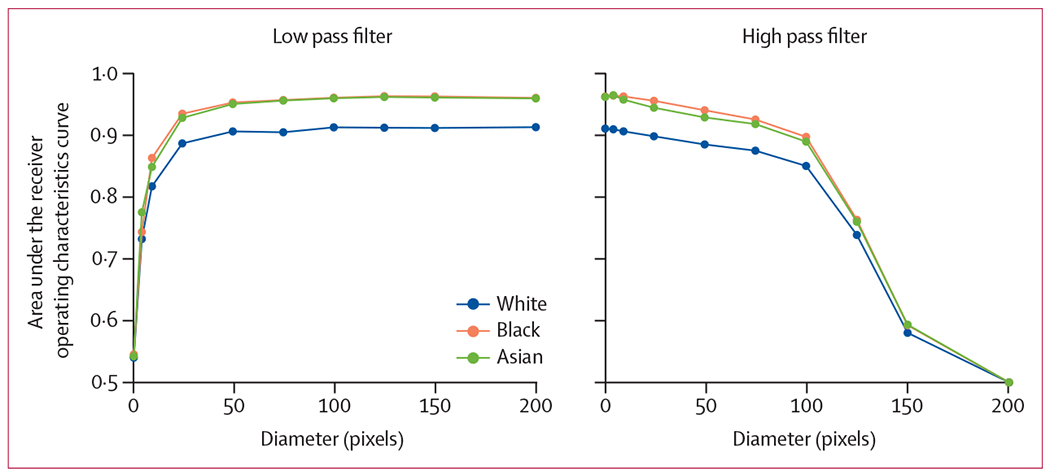
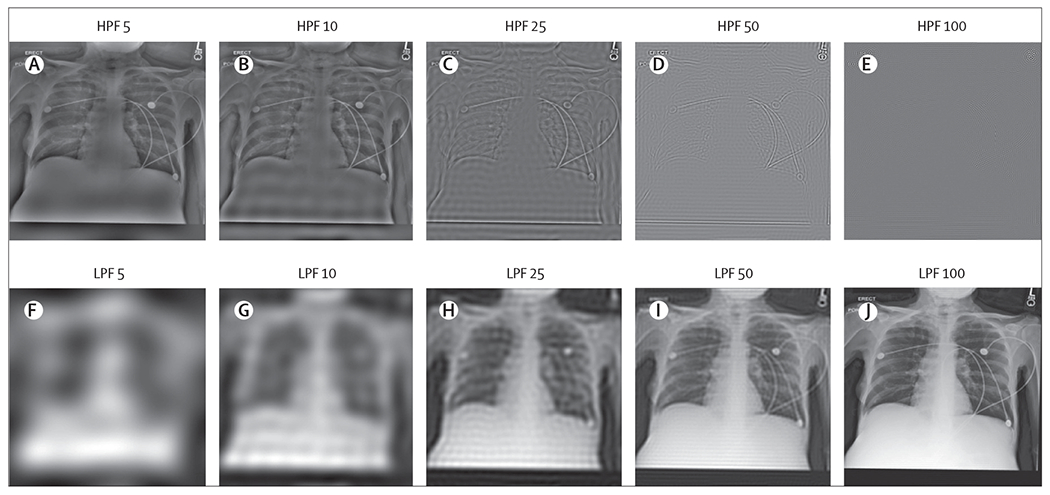
BACKGROUND: Previous studies in medical imaging have shown disparate abilities of artificial intelligence (AI) to detect a person's race, yet there is no known correlation for race on medical imaging that would be obvious to human experts when interpreting the images. We aimed to conduct a comprehensive evaluation of the ability of AI to recognise a patient's racial identity from medical images. METHODS: Using private (Emory CXR, Emory Chest CT, Emory Cervical Spine, and Emory Mammogram) and public (MIMIC-CXR, CheXpert, National Lung Cancer Screening Trial, RSNA Pulmonary Embolism CT, and Digital Hand Atlas) datasets, we evaluated, first, performance quantification of deep learning models in detecting race from medical images, including the ability of these models to generalise to external environments and across multiple imaging modalities. Second, we assessed possible confounding of anatomic and phenotypic population features by assessing the ability of these hypothesised confounders to detect race in isolation using regression models, and by re-evaluating the deep learning models by testing them on datasets stratified by these hypothesised confounding variables. Last, by exploring the effect of image corruptions on model performance, we investigated the underlying mechanism by which AI models can recognise race. FINDINGS: In our study, we show that standard AI deep learning models can be trained to predict race from medical images with high performance across multiple imaging modalities, which was sustained under external validation conditions (x-ray imaging [area under the receiver operating characteristics curve (AUC) range 0·91-0·99], CT chest imaging [0·87-0·96], and mammography [0·81]). We also showed that this detection is not due to proxies or imaging-related surrogate covariates for race (eg, performance of possible confounders: body-mass index [AUC 0·55], disease distribution [0·61], and breast density [0·61]). Finally, we provide evidence to show that the ability of AI deep learning models persisted over all anatomical regions and frequency spectrums of the images, suggesting the efforts to control this behaviour when it is undesirable will be challenging and demand further study. INTERPRETATION: The results from our study emphasise that the ability of AI deep learning models to predict self-reported race is itself not the issue of importance. However, our finding that AI can accurately predict self-reported race, even from corrupted, cropped, and noised medical images, often when clinical experts cannot, creates an enormous risk for all model deployments in medical imaging. FUNDING: National Institute of Biomedical Imaging and Bioengineering, MIDRC grant of National Institutes of Health, US National Science Foundation, National Library of Medicine of the National Institutes of Health, and Taiwan Ministry of Science and Technology.
Overview
The claims and statistics of this paper haven’t been checked yet.
Free: it reads the open-access text and checks the first 5 claims that cite a source we can check. Create a free account to check every claim.
Integrity signals
Registry
Cites
Statistics
Figures
Verification
Claims the paper makes
The claims and statistics of this paper haven’t been checked yet.
Free: it reads the open-access text and checks the first 5 claims that cite a source we can check. Create a free account to check every claim.
Claims other papers make about this one
Each is checked against this paper’s own text: does it say what the citing paper says it does?
The cited source doesn’t support the claim as written.
In the citing paper
“In this situation, XAI becomes crucial as interpretability methods can help to find and eliminate spurious correlations and shortcut learning46–48.”
From Orchestrating explainable artificial intelligence for multimodal and longitudinal data in medical imaging (2024) · cites this paper as [47]
Checked by a reasoning model — may be wrong.
Experimental — accuracy not yet measuredThe source backs part of the claim, not all of it — or backs it for a different population, condition or comparison.
In the citing paper
“In our experimental evaluation of the reading race paper where we demonstrated superhuman ability for AI to predict self-reported race across multiple modalities, we found that some transfer learning tasks are better in race detection. 28”
From AI pitfalls and what not to do: mitigating bias in AI (2023) · cites this paper as [28]
Experimental — accuracy not yet measuredThe source backs part of the claim, not all of it — or backs it for a different population, condition or comparison.
In the citing paper
“the fundamental bias in many large databases that do not reflect the target population of patient being treated making fairness an important issue to address”
From Use of artificial intelligence in critical care: opportunities and obstacles (2024) · cites this paper as [12]
Experimental — accuracy not yet measuredThe source backs part of the claim, not all of it — or backs it for a different population, condition or comparison.
In the citing paper
“Furthermore, models built on EHR data skewed toward a primarily Caucasian class of patients may not model well African-American, Hispanic or oriental patients [11, 12].”
From Use of artificial intelligence in critical care: opportunities and obstacles (2024) · cites this paper as [12]
Experimental — accuracy not yet measuredThe source backs part of the claim, not all of it — or backs it for a different population, condition or comparison.
In the citing paper
“The rapid advances in AI, and in particular the release of publicly available generative AI applications leveraging advanced large language models, have greatly accelerated discussions considering the promises and pitfalls related to AI deployment in society and healthcare [7–17].”
From Use of artificial intelligence in critical care: opportunities and obstacles (2024) · cites this paper as [12]
Experimental — accuracy not yet measured
5 more claims about this paper
Create a free account to see every claim other papers make about this one.
Self-check
Percentages, sums and reported differences re-computed from the paper’s own numbers.
The self-check needs the paper’s full text.
Citations
Cites
Deep Residual Learning for Image Recognition
He, K., Zhang, X., Ren, S., & Sun, J. (2016) · 2016 IEEE Conference on Computer Vision and Pattern Recognition (CVPR) · doi:10.1109/cvpr.2016.90 · Cited by 235,474
Densely Connected Convolutional Networks
Huang, G., Liu, Z., Van Der Maaten, L., & Weinberger, K. Q. (2017) · 2017 IEEE Conference on Computer Vision and Pattern Recognition (CVPR) · doi:10.1109/cvpr.2017.243 · Cited by 48,566
Grad-CAM: Visual Explanations from Deep Networks via Gradient-Based Localization
Selvaraju, R. R., Cogswell, M., Das, A., Vedantam, R., Parikh, D., & Batra, D. (2017) · 2017 IEEE International Conference on Computer Vision (ICCV) · doi:10.1109/iccv.2017.74 · Cited by 24,513
EfficientNet: Rethinking Model Scaling for Convolutional Neural Networks
Tan, M., & Le, Q. V. (2019) · arXiv · doi:10.48550/arxiv.1905.11946 · Cited by 17,072
Dissecting racial bias in an algorithm used to manage the health of populations
Obermeyer, Z., Powers, B., Vogeli, C., & Mullainathan, S. (2019) · Science · doi:10.1126/science.aax2342 · Cited by 7,137
On the Dangers of Stochastic Parrots: Can Language Models Be Too Big? 🦜
Bender, E. M., Gebru, T., McMillan-Major, A., & Shmitchell, S. (2021) · Proceedings of the 2021 ACM Conference on Fairness, Accountability, and Transparency · doi:10.1145/3442188.3445922 · Cited by 6,988 · cited 1×
“These experiments were: (1) to assess the ability of deep learning AI models to recognise race from medical images, including the ability of these models to generalise to new environments and across multiple imaging modalities; (2) to examine possible confounding anatomic and phenotype population features as explanati…”
Method(2018) · Cited by 3,510
Prediction of cardiovascular risk factors from retinal fundus photographs via deep learning
Poplin, R., Varadarajan, A. V., Blumer, K., Liu, Y., McConnell, M. V., Corrado, G. S., Peng, L., & Webster, D. R. (2018) · Nature Biomedical Engineering · doi:10.1038/s41551-018-0195-0 · Cited by 1,865 · cited 1×
“13–15 These findings, which show that demographic factors that are strongly associated with disease outcomes (eg, age, sex, and racial identity), are also strongly associated with features of medical images and might induce bias in model results, mirroring what is known from over a century of…”
MIMIC-CXR, a de-identified publicly available database of chest radiographs with free-text reports
Johnson, A. E. W., Pollard, T. J., Berkowitz, S. J., Greenbaum, N. R., Lungren, M. P., Deng, C.-Y., Mark, R. G., & Horng, S. (2019) · Scientific Data · doi:10.1038/s41597-019-0322-0 · Cited by 1,816
Self-citationHidden in Plain Sight — Reconsidering the Use of Race Correction in Clinical Algorithms
Vyas, D. A., Eisenstein, L. G., & Jones, D. S. (2020) · New England Journal of Medicine · doi:10.1056/nejmms2004740 · Cited by 1,731 · cited 1×
“35 Although this approach has already been criticised as being ineffective, or even harmful in some circum stances, 36 our work suggests that such an approach could be impossible in medical imaging because racial identity information appears to be incredibly difficult to isolate.”
Cited by
Items 201–300 of 610
Advancing pancreatic cancer management: the role of artificial intelligence in diagnosis and therapy
Ozsahin, D. U., Usanase, N., & Özşahin, İ. (2025) · Beni-Suef University Journal of Basic and Applied Sciences · doi:10.1186/s43088-025-00610-4 · Cited by 12
“Furthermore, AI algorithms were once referred to as “Black boxes” due to the inability to explain their functionality [126].”
Chandrashekar, M., Goethert, I., Haque, M. I. U., McMahon, B., Dhaubhadel, S., Knight, K., Erdos, J., Reagan, D., Taylor, C., Kuzmak, P. M., et al. (2025) · Journal of Imaging Informatics in Medicine · doi:10.1007/s10278-025-01494-7 · Cited by 13
“Based on the p -value calculated using the AUC two-tailed z-test, it was observed that ECM and support devices show stastically significant difference between MIMIC-CXR and VA-CXR.”
Fleurence, R., Wang, X., Bian, J., Higashi, M. K., Ayer, T., Xu, H., Dawoud, D., & Chhatwal, J. (2025) · Value in Health · doi:10.1016/j.jval.2025.04.2167 · Cited by 22
Re-identification of patients from imaging features extracted by foundation models
Nebbia, G., Kumar, S., McNamara, S. M., Bridge, C. P., Campbell, J. P., Chiang, M. F., Mandava, N., Singh, P., & Kalpathy–Cramer, J. (2025) · npj Digital Medicine · doi:10.1038/s41746-025-01801-0 · Cited by 18
How should studies using AI be reported? lessons from a systematic review in cardiac MRI
Maiter, A., Salehi, M., Swift, A. J., & Alabed, S. (2023) · Frontiers in Radiology · doi:10.3389/fradi.2023.1112841 · Cited by 10
MacPherson, M., Hutchinson, C. E., Horst, C., Goh, V., & Montana, G. (2023) · Radiology Artificial Intelligence · doi:10.1148/ryai.230019 · Cited by 16
The Role of Subgroup Separability in Group-Fair Medical Image Classification
Jones, C., Roschewitz, M., & Glocker, B. (2023) · Lecture notes in computer science · doi:10.1007/978-3-031-43898-1_18 · Cited by 19
Sociodemographic Variables Reporting in Human Radiology Artificial Intelligence Research
Driessen, R., Bhatia, N. K., Gichoya, J. W., Safdar, N. M., & Balthazar, P. (2023) · Journal of the American College of Radiology · doi:10.1016/j.jacr.2023.03.014 · Cited by 12
Self-citationLee, C. I., & Elmore, J. G. (2022) · JNCI Journal of the National Cancer Institute · doi:10.1093/jnci/djac143 · Cited by 12
Cheng, L., Gallegos, I. O., Ouyang, D., Goldin, J. S., & Ho, D. E. (2023) · ACM Conference on Fairness, Accountability, and Transparency (FAccT) · doi:10.1145/3593013.3594034 · Cited by 20
Even small correlation and diversity shifts pose dataset-bias issues
Bissoto, A. E., Barata, C., Junior, E. A. D. V., & Avila, S. (2024) · Pattern Recognition Letters · doi:10.1016/j.patrec.2024.01.026 · Cited by 13
Sociodemographic biases in a commercial AI model for intracranial hemorrhage detection
Trang, A., Putman, K., Savani, D., Chatterjee, D., Zhao, J., Kamel, P. I., Jeudy, J. J., Parekh, V. S., & Yi, P. H. (2024) · Emergency Radiology · doi:10.1007/s10140-024-02270-w · Cited by 12
Zhang, X., Ma, S., Naz, S. I., Soderblom, E. J., Jain, V., Aliferis, C., & Kraus, V. B. (2024) · International Journal of Molecular Sciences · doi:10.3390/ijms252312504 · Cited by 13
“The AUCs varied between 0.5 and 1, suggesting discrimination between patients with and without knee rOA progression, where higher AUC values correspond to improved discrimination [69,70].”
InfluentialDumkrieger, G. M., Chiang, C., Zhang, P., Minen, M. T., Cohen, F., & Hranilovich, J. A. (2024) · Headache The Journal of Head and Face Pain · doi:10.1111/head.14880 · Cited by 11
“45 This raises the specter that known current inequities in headache care 46 may be perpetuated or even magnified by the models we develop based on current practice.”
Robbins, S. (2025) · AI & Society · doi:10.1007/s00146-024-02169-7 · Cited by 14
Woo, M., Zhang, L., Brown-Mulry, B., Hwang, I., Gichoya, J. W., Gastounioti, A., Banerjee, I., Seyyed-Kalantari, L., & Trivedi, H. (2025) · PLOS Digital Health · doi:10.1371/journal.pdig.0000811 · Cited by 13
“Most subgroup evaluation considers classes like race, age, imaging features, or pathologic outcomes as independent variables [42–44], when in reality, they are interrelated [28–30].”
Self-citationPotential for near-term AI risks to evolve into existential threats in healthcare
Subasri, V., Baghbanzadeh, N., Celi, L. A., & Seyyed-Kalantari, L. (2025) · BMJ Health & Care Informatics · doi:10.1136/bmjhci-2024-101130 · Cited by 13
“23 Co-occurrence of this phenomenon with higher underdiagnosis of vulnerable races by AI systems in medical imaging, increases concerns around fairness.”
Self-citationDontchos, B. N., Dodelzon, K., Bhole, S., Edmonds, C. E., Mullen, L. A., Parikh, J. R., Daly, C., Epling, J. A., Christensen, S., & Grimm, L. J. (2025) · Journal of the American College of Radiology · doi:10.1016/j.jacr.2025.05.001 · Cited by 9
Kolossváry, M., Smith, E. E., Reeves, M. J., Layton, A. T., Mills, N. L., Motwani, M., Goto, S., & Atkins, N. (2025) · Circulation · doi:10.1161/circulationaha.125.074325 · Cited by 11
Linde, P., Fichter, F., Dietlein, M., Sudbrock, F., Afshar, K., Dapper, H., Fokas, E., Hillebrecht, A., Raupach, T., & Laupichler, M. C. (2026) · npj Digital Medicine · doi:10.1038/s41746-025-02313-7 · Cited by 16
Innovative approaches for lung cancer screening and interception
Zhang, J., Park, M. S., Pandya, T., Shum, E., Wu, J., Heeke, S., Salehi‐Rad, R., Marron, T. U., Wei, Z., Li, H., et al. (2026) · Nature Reviews Clinical Oncology · doi:10.1038/s41571-026-01131-4 · Cited by 14
“Emerging studies suggest that radiomics models can identify imaging signatures correlated with race 96 , indicating that biological and physiological differences may impact AI-driven predictions.”
Shapey, I. M., & Sultan, M. (2023) · Artificial Intelligence Surgery · doi:10.20517/ais.2022.31 · Cited by 10
Lian, Y., Feng, F., Meng, X., Hu, Y., Huo, M., Wang, G., & Li, J. (2023) · Biomaterials Science · doi:10.1039/d3bm00325f · Cited by 9
Fast Diffusion-Based Counterfactuals for Shortcut Removal and Generation
Weng, N., Pegios, P., Petersen, E., Feragen, A., & Bigdeli, S. (2024) · Lecture notes in computer science · doi:10.1007/978-3-031-73016-0_20 · Cited by 54
Understanding Race-Based Medicine and Its Impact on Radiology
Medrano, D., Matsumoto, M. M., Flores, E. J., & Dako, F. (2023) · Journal of the American College of Radiology · doi:10.1016/j.jacr.2023.03.017 · Cited by 10
Hauglid, M. K. (2022) · Schizophrenia Bulletin · doi:10.1093/schbul/sbac008 · Cited by 9
Hitting the Mark: Reducing Bias in AI Systems
Kahn, C. E. (2022) · Radiology Artificial Intelligence · doi:10.1148/ryai.220171 · Cited by 9
Clinical decision-making and algorithmic inequality
Challen, R., & Danon, L. (2023) · BMJ Quality & Safety · doi:10.1136/bmjqs-2022-015874 · Cited by 12
Meeting the challenges of the 21st century: the fundamental importance of trust for transformation
McKee, M., van Schalkwyk, M. C., & Greenley, R. (2024) · Israel Journal of Health Policy Research · doi:10.1186/s13584-024-00611-1 · Cited by 10
“Algorithms may also reproduce existing biases in treatment when, for example, they use subtle clues to determine a patient’s race in a setting where there are already racial biases in treatment decisions [52].”
BackgroundLiu, Z., Xu, J., Yin, C., Han, G., Che, Y., Fan, G., Li, X. H., Xie, L., Bao, L., Peng, Z., et al. (2024) · Research · doi:10.34133/research.0426 · Cited by 14
“For instance, there exists ambiguity regarding the classification of a chest radiograph as a “Nodule” or a “Mass.” Additionally, challenges arise from fuzzy boundaries between different labels, such as “Lung Lesion” and “Lung Opacity,” within the MIMIC-CXR dataset [43].”
Limiting bias in AI models for improved and equitable cancer care
Ghassemi, M., & Gusev, A. (2024) · Nature reviews. Cancer · doi:10.1038/s41568-024-00739-x · Cited by 9
“For instance, patient self-reported race can be inferred from redacted medical notes and images, even though this information is not directly recognizable by humans 9,10 .”
Self-citationZhang, Y., Mooney, A., & Özgen, S. (2024) · The Leadership Quarterly · doi:10.1016/j.leaqua.2024.101840 · Cited by 11
“Finally, there have also been advancements in detecting race using artificial intelligence (AI), but such approaches have been plagued by ethical and reliability concerns (Gichoya et al., 2022; Intahchomphoo & Gundersen, 2020).”
Zhang, T., Zhao, L., Cui, T., Zhou, Y., Li, P., Luo, C., Wei, J., & Hu, H. (2025) · Journal of Translational Medicine · doi:10.1186/s12967-025-06641-w · Cited by 14
“High-pass filters enhance local heterogeneity by highlighting rapid gray-level transitions, while low-pass filters smooth broader patterns to reveal macro-scale heterogeneity [75].”
Bollepalli, S. C., Isselbacher, E. M., Singh, J. P., & Armoundas, A. A. (2025) · npj Cardiovascular Health · doi:10.1038/s44325-025-00087-1 · Cited by 9
Khara, G. S., Trivedi, H., Newell, M. S., Patel, R., Rijken, T. M., Kecskemethy, P. D., & Glocker, B. (2024) · Communications Medicine · doi:10.1038/s43856-024-00446-6 · Cited by 14
Self-citationToward Realizing the Promise of AI in Precision Health Across the Spectrum of Care
Wiens, J., Spector‐Bagdady, K., & Mukherjee, B. (2024) · Annual Review of Genomics and Human Genetics · doi:10.1146/annurev-genom-010323-010230 · Cited by 9
Lee, S. B. (2025) · Scientific Reports · doi:10.1038/s41598-025-02294-3 · Cited by 7
Distinct visual biases affect humans and artificial intelligence in medical imaging diagnoses
McLeod, G. A., Stanley, E. A. M., Rosenal, T., & Forkert, N. D. (2025) · npj Digital Medicine · doi:10.1038/s41746-025-02226-5 · Cited by 15
Chang, L., Li, H., Wu, W., Liu, X., Yan, J., Chen, Z., Wu, H., & Song, S. (2025) · Journal of Translational Medicine · doi:10.1186/s12967-025-07591-z · Cited by 10
“…[179]; (iv) leakage risks (patient overlap across splits and refitting normalization on combined data) that overstate performance [180]; and (v) imbalanced outcomes (rare fusions and never-smoker subsets) that produce unstable thresholds and poor calibration in under-represented groups [181].”
Borra, S., Dey, N., Fong, S., Sherratt, R. S., & Shi, F. (2026) · Cancers · doi:10.3390/cancers18091361 · Cited by 9
Sequestration of imaging studies in MIDRC: a multi-institutional data commons
Baughan, N. M., Whitney, H., Drukker, K., Sahiner, B., Hu, T., Hyun, K. J. G., McNitt‐Gray, M. F., Myers, K. J., & Giger, M. L. (2022) · SPIE Medical Imaging: Image Perception, Observer Performance, and Technology Assessment · doi:10.1117/12.2610239 · Cited by 12
A Comparative Study of Fairness in Medical Machine Learning
Oguguo, T., Zamzmi, G., Rajaraman, S., Yang, F., Xue, Z., & Antani, S. (2023) · IEEE International Symposium on Biomedical Imaging (ISBI) · doi:10.1109/isbi53787.2023.10230368 · Cited by 18
“A recent study found that ML models can accurately predict self-reported race, even from corrupted, cropped, and noisy medical images [13].”
BackgroundPresentation matters for AI-generated clinical advice
Ghassemi, M. (2023) · Nature Human Behaviour · doi:10.1038/s41562-023-01721-7 · Cited by 11
Self-citationEthik und künstliche Intelligenz
Kotter, E., & dos Santos, D. P. (2024) · Die Radiologie · doi:10.1007/s00117-024-01286-0 · Cited by 7
Generative Artificial Intelligence Should Not Compromise Traditional Medical Education
Hswen, Y., & Nguyen, T. T. X. (2024) · Academic Medicine · doi:10.1097/acm.0000000000005674 · Cited by 8
Sangers, T. E., Wakkee, M., Moolenburgh, F. J., Nijsten, T. E. C., & Lugtenberg, M. (2025) · BMC Cancer · doi:10.1186/s12885-025-14244-3 · Cited by 12
Chen, R., Zhang, W., Liu, B., Wu, X., Chen, X., Xu, P., Liu, S., He, M., & Shi, D. (2026) · npj Digital Medicine · doi:10.1038/s41746-026-02560-2 · Cited by 16
Robustness Stress Testing in Medical Image Classification
Islam, M., Li, Z., & Glocker, B. (2023) · Lecture notes in computer science · doi:10.1007/978-3-031-44336-7_17 · Cited by 14
Koo, C., Yang, A., Welch, C., Jadav, V., Posch, L., Thoreson, N., Morris, D., Chouhdry, F. I., Szabo, J. R., Mendelson, D., et al. (2023) · Journal of medical imaging · doi:10.1117/1.jmi.10.6.061108 · Cited by 7
Enhancing Fairness and Accuracy in Diagnosing Type 2 Diabetes in Young PopulationPreprint
Pias, T. S., Su, Y., Tang, X., Wang, H., Faghani, S., & Yao, D. D. (2023) · medRxiv · doi:10.1101/2023.05.02.23289405 · Cited by 7
The Potential for Using ChatGPT to Improve Imaging Appropriateness
Varney, E. T., & Lee, C. I. (2023) · Journal of the American College of Radiology · doi:10.1016/j.jacr.2023.06.005 · Cited by 7
Modise, L. M., Avanaki, M. A., Ameen, S., Celi, L. A., Chen, V. X. Y., Cordes, A., Elmore, M., Fiske, A., Gallifant, J., Hayes, M., et al. (2025) · PLOS Digital Health · doi:10.1371/journal.pdig.0000495 · Cited by 6
“…presents further considerations: Wawira Gichoya et al. demonstrated that when ML is applied to de-identified medical images such as radiographs, CT scans, and mammograms, it can predict a subject’s self-identified racial identity with an accuracy of 80-99% across these imaging modalities [68].”
Self-citationThe march to harmonized imaging standards for retinal imaging
Gim, N., Ferguson, A. N., Blazes, M. S., Lee, C. S., & Lee, A. (2025) · Progress in Retinal and Eye Research · doi:10.1016/j.preteyeres.2025.101363 · Cited by 13
“These labels include patient information, such as race, age (or birthdate), and sex (Berk et al., 2023; Chueh et al., 2022; Coyner et al., 2023; Gichoya et al., 2022; Korot et al., 2021) These demographic factors are particularly significant in ophthalmology, as they can be associated with the…”
Gunawardhana, M., Kulathilaka, A., & Zhao, J. (2025) · Discover Artificial Intelligence · doi:10.1007/s44163-025-00324-7 · Cited by 10
“One of the best examples of this is the study [128] conducted in 2022, which found that deep learning models can predict the race of human chest x-ray images without explicitly providing information about the race to the model.”
Ardıç, N., & Dinç, R. (2026) · Frontiers in Digital Health · doi:10.3389/fdgth.2026.1785381 · Cited by 9
“Even if the mechanism remains unclear, evidence that deep learning models can also extract race from medical images highlights those sensitive features can be embedded in data in a way that can create undesirable disparities if not explicitly audited (22).”
InfluentialUsing routinely collected data for research purposes: challenges and mitigation strategies
Hoffmann, S., Morris, T. P., Herrmann, M., Heinze, G., Wynants, L., CALSTER, B. V., Bischl, B., Schmid, M., Shaw, P. A., Mathes, T., et al. (2026) · BMJ · doi:10.1136/bmj-2025-087812 · Cited by 12
“When challenges and limitations are carefully tackled, studies on routinely collected data can provide a valuable source of information and may complement, and sometimes pave the way for, studies with active data”
Artificial Intelligence Bias and Ethics in Retinal Imaging
Tan, T. F., Teo, Z. L., & Ting, D. S. W. (2023) · JAMA Ophthalmology · doi:10.1001/jamaophthalmol.2023.1490 · Cited by 7
Ueda, Y., Ogawa, D., & Ishida, T. (2024) · Journal of Imaging Informatics in Medicine · doi:10.1007/s10278-024-01017-w · Cited by 9
“Furthermore, previous studies have shown that it is possible to detect patient race, age, and view position using chest X-ray images [46–48].”
BackgroundArtificial Intelligence in Point-of-care Ultrasound
Wistrom, R., Khait, L., & Nelson, G. (2024) · Current Emergency and Hospital Medicine Reports · doi:10.1007/s40138-024-00293-8 · Cited by 7
Zhu, T., Xu, K., Son, W., Linton‐Reid, K., Martell, M. B., Grech‐Sollars, M., Lain, A. D., & Posma, J. M. (2025) · PLOS Digital Health · doi:10.1371/journal.pdig.0000835 · Cited by 12
Sahashi, Y., Vukadinovic, M., Duffy, G., Li, D., Cheng, S. C., Berman, D. S., Ouyang, D., & Kwan, A. C. (2025) · Journal of the American Society of Echocardiography · doi:10.1016/j.echo.2025.05.016 · Cited by 8
Doria, A. S. (2023) · Expert Review of Hematology · doi:10.1080/17474086.2023.2192474 · Cited by 11
“or access to the healthcare system [13,15,59,60].”
Hu, Z., Hu, R., Yau, O., Teng, M. Y., Wang, P., Hu, G., & Singla, R. (2022) · JMIR Medical Informatics · doi:10.2196/34304 · Cited by 11
“Gichoya et al [33] observed that chest x-ray AI models can be used to predict patient’s race with image features physicians were unaware of.”
BackgroundClinical Artificial Intelligence
McDermott, M. B. A., Nestor, B., & Szolovits, P. (2022) · Clinics in Laboratory Medicine · doi:10.1016/j.cll.2022.09.004 · Cited by 7
Two-step adversarial debiasing with partial learning -- medical image case-studiesPreprint
Correa, R., Jeong, J., Patel, B. N., Trivedi, H., Gichoya, J. W., & Banerjee, I. (2021) · arXiv (Cornell University) · doi:10.48550/arxiv.2111.08711 · Cited by 16
Self-citationOpenness and Transparency in the Evaluation of Bias in Artificial Intelligence
Larson, D. B. (2022) · Radiology · doi:10.1148/radiol.222263 · Cited by 7
Gao, Y., Hao, J., & Zhou, B. (2025) · Medical Image Analysis · doi:10.1016/j.media.2025.103858 · Cited by 10
Artificial superintelligence alignment in healthcare
Ueda, D., Walston, S. L., Kurokawa, R., Saida, T., Honda, M., Iima, M., Watabe, T., Yanagawa, M., Nishioka, K., Sofue, K., et al. (2025) · Japanese Journal of Radiology · doi:10.1007/s11604-025-01907-1 · Cited by 10
“In a surprising find - ing, Gichoya and colleagues showed that deep learning models could predict a patient’s self-reported race from medical images—including X-rays, CT scans, and mammo - grams—with a high degree of accuracy [ 63 ].”
Artificial Intelligence in Plastic Surgery: Current Status, Limitations, and Future Directions
Copeland‐Halperin, L. R. (2025) · Aesthetic Surgery Journal · doi:10.1093/asj/sjaf239 · Cited by 8
Rosenblatt, M., Foster, M. L., Adkinson, B. D., Tejavibulya, L., Khaitova, M., Ye, J., Sun, H., Rodriguez, R. X., Camp, C., Chinta, A., et al. (2026) · Nature Methods · doi:10.1038/s41592-026-03115-9 · Cited by 11
Data AUDIT: Identifying Attribute Utility- and Detectability-Induced Bias in Task Models
Pavlak, M., Drenkow, N. G., Petrick, N., Farhangi, M. M., & Unberath, M. (2023) · Lecture notes in computer science · doi:10.1007/978-3-031-43898-1_43 · Cited by 10
AI and the ethics of techno-solutionism in pain management
Buchman, D. Z. (2024) · Pain · doi:10.1097/j.pain.0000000000003389 · Cited by 5
Controversies in Artificial Intelligence in Neurosurgery
Yilmaz, R., Browd, S. R., & Donoho, D. A. (2024) · Neurosurgery Clinics of North America · doi:10.1016/j.nec.2024.08.008 · Cited by 7
Patra, A., Biswas, P., Behera, S. K., Barpanda, N. K., Sethy, P. K., & Nanthaamornphong, A. (2024) · Journal of Intelligent Systems · doi:10.1515/jisys-2024-0172 · Cited by 10
Replication study of PD-L1 status prediction in NSCLC using PET/CT radiomics
Stüber, A. T., Heimer, M. M., Ta, J., Fabritius, M. P., Hoppe, B. F., Sheikh, G. T., Brendel, M., Unterrainer, L. M., Jurmeister, P. S., Tufman, A., et al. (2024) · European Journal of Radiology · doi:10.1016/j.ejrad.2024.111825 · Cited by 6
The Impact of Artificial Intelligence on Human Resource Management: Barriers and Benefits
Maota, T., & Naidoo, V. (2025) · IGI Global eBooks · doi:10.4018/979-8-3693-8679-8.ch016 · Cited by 5
Redefining Bias Audits for Generative AI in Health Care
Chen, I. Y., & Alsentzer, E. (2025) · NEJM AI · doi:10.1056/aip2500015 · Cited by 8
Kocher, M., & Lee, C. I. (2022) · Journal of the American College of Radiology · doi:10.1016/j.jacr.2022.07.021 · Cited by 5
A Predictive Model to Identify Complicated Clostridiodes difficile Infection
Berinstein, J. A., Steiner, C. A., Rifkin, S. B., Perry, D. A., Micić, D., Shirley, D. K., Higgins, P., Young, V. B., Lee, A. A., & Rao, K. K. (2023) · Open Forum Infectious Diseases · doi:10.1093/ofid/ofad049 · Cited by 6
“These results further raise the concern that machine learning algorithms may inadvertently result in systemic bias and health disparities [25, 26].”
BackgroundMethodCure, P., Ferreira, S. E., Fessel, J. P., Ossip, D. J., Zand, M. S., Steele, S. J., Gersing, K. R., & Hartshorn, C. M. (2023) · Journal of Clinical and Translational Science · doi:10.1017/cts.2023.588 · Cited by 5
“Gichoya et al., developed an AI algorithm that accurately identified self-reported race from imaging data only, a phenomenon that could not be replicated by human radiologists and that was not readily explainable [30].”
BackgroundNalla, V., Pouriyeh, S., Parizi, R. M., Trivedi, H., Sheng, Q. Z., Hwang, I., Seyyed-Kalantari, L., & Woo, M. (2024) · Current Problems in Diagnostic Radiology · doi:10.1067/j.cpradiol.2024.01.007 · Cited by 7
Self-citationArtificial Intelligence in Medical Imaging by Machine Learning and Deep Learning
Rahate, K., Sengar, M. S., & Patel, S. (2024) · Advances in medical technologies and clinical practice book series · doi:10.4018/979-8-3693-2238-3.ch006 · Cited by 7
Quantifying the Impact of Population Shift Across Age and Sex for Abdominal Organ Segmentation
Čevora, K., Glocker, B., & Bai, W. (2024) · Lecture notes in computer science · doi:10.1007/978-3-031-72787-0_9 · Cited by 9
Interpretability of AI race detection model in medical imaging with saliency methods
Konate, S., Lebrat, L., Cruz, R. S., Gichoya, J. W., Price, B., Seyyed-Kalantari, L., Fookes, C., Bradley, A. P., & Salvado, O. (2025) · Computational and Structural Biotechnology Journal · doi:10.1016/j.csbj.2025.01.007 · Cited by 9
Self-citationTariq, A., Ramasamy, G., Patel, B. N., & Banerjee, I. (2024) · Journal of medical imaging · doi:10.1117/1.jmi.11.6.064003 · Cited by 7
“Well-known studies have shown that deep learning-based image processing models for radiology images such as chest X-rays are astoundingly accurate at predicting the race of the patient, 28,29 often resulting in damaging bias in the performance of those models for minority groups.”
Self-citationAndrew, K., & Montalbano, M. J. (2025) · Medical Science Educator · doi:10.1007/s40670-025-02332-9 · Cited by 10
Bias in Artificial Intelligence: Impact on Breast Imaging
Net, J., & Collado‐Mesa, F. (2025) · Journal of Breast Imaging · doi:10.1093/jbi/wbaf027 · Cited by 4
Role of Artificial Intelligence in Nanomedicine and Organ-specific Therapy: An Updated Review
Rajpoot, K. (2025) · Current Drug Targets · doi:10.2174/0113894501394785250715165404 · Cited by 5
Ethical and Legal Considerations of Medical Artificial Intelligence
Montalbano, P. (2025) · Primary Care Clinics in Office Practice · doi:10.1016/j.pop.2025.07.009 · Cited by 8
Critical Engagement: The Value of Transparency of AI in Healthcare
Lim, J. E., Schaefer, O., & Savulescu, J. (2025) · Philosophy & Technology · doi:10.1007/s13347-025-01009-w · Cited by 5
“Another study found that AI models learned to detect a patient’s race from medical images like x-rays, even having accounted for “trivial proxies” like “body habitus, age, or tissue density”, and even when trained professionals could not detect race (Gichoya et al., 2022).”
Qiqi, K., & Ban, Y. (2026) · Frontiers in Oncology · doi:10.3389/fonc.2026.1745519 · Cited by 7
““ from my data to your data ” Many models fail to generalize due to “ dataset shift ” (115, 116).”
Ramadan, R. Α., Madi, N. K. M., Fageeri, S. O., Yousif, K. A., Al-Daweri, M. S., & Rajhi, W. K. H. A. (2026) · Neurocomputing · doi:10.1016/j.neucom.2026.132919 · Cited by 5
Clinical AI in Radiology: Foundations, Trends, Applications, and Emerging Directions
Hartsock, I., Koutsoubis, N., Ahmed, S., Parker, N. H., Schabath, M. B., Araujo, C. R., Qayyum, A., Lam, C. A., Gatenby, R. A., & Rasool, G. (2026) · Cancers · doi:10.3390/cancers18060942 · Cited by 12
Yazarkan, Y., Sönmez, G., Sahin, T. K., Rizzo, A., & Güven, D. C. (2026) · Expert Review of Molecular Diagnostics · doi:10.1080/14737159.2026.2648127 · Cited by 5
“Notably, deep models can infer a patient’s race directly from medical images (X-ray, CT, mammography) even when humans cannot, creating a path for hidden bias to propagate into downstream predictions [145].”
Wang, H., Chen, W., Luo, X., Xing, Z., Liu, L., Qin, J., Wu, S., & Zhu, L. (2025) · IEEE/CVF International Conference on Computer Vision (ICCV) · doi:10.1109/iccv51701.2025.02234 · Cited by 17
“Numerous studies have reported that biases in MedIA tasks [13, 16, 19, 29, 31, 33, 35, 39, 60], stemming from training datasets failing to represent diverse populations adequately, raise profound ethical and fairness concerns [10, 34].”
Kalkhoven, J. T., Impellizzeri, F. M., Norris, D. L., & Edwards, W. B. (2026) · Sports Medicine · doi:10.1007/s40279-026-02435-2 · Cited by 8
“…tasks, significantly enhancing diagnostic accuracy and efficiency in some contexts [124, 125], while also providing exceptionally high prediction capabilities on tasks that clinical experts have previously struggled with [126, 127], even from corrupted, cropped, and noised medical images [127].”
Das, I. J., Samal, H. B., Nayak, P., & Swain, S. S. (2026) · Journal of Biomaterials Science Polymer Edition · doi:10.1080/09205063.2026.2675360 · Cited by 4
Venugopal, V. K., Khubchandani, S. A., Liew, C. J. Y., Kitamura, F., Takhar, R., & Lip, G. (2026) · Radiographics · doi:10.1148/rg.250173 · Cited by 5
Kuriki, P. E. D. A., & Kitamura, F. (2023) · Seminars in Roentgenology · doi:10.1053/j.ro.2023.01.006 · Cited by 7
Metadata
- Authors
- Gichoya, J. W., Banerjee, I., Bhimireddy, A. R., Burns, J. L., Celi, L. A., Chen, L.-C., Correa, R., Dullerud, N., Ghassemi, M., Huang, S.-C., Kuo, P.-C., Lungren, M. P., Palmer, L. J., Price, B. J., Purkayastha, S., Pyrros, A. T., Oakden-Rayner, L., Okechukwu, C., Seyyed-Kalantari, L., Trivedi, H., Wang, R., Zaiman, Z., & Zhang, H.
- Affiliations
- Emory University (US)
- Arizona State University (US)
- Indiana University – Purdue University Indianapolis (US)
- Beth Israel Deaconess Medical Center (US)
- National Tsing Hua University (TW)
- University of Toronto (CA)
- Massachusetts Institute of Technology (US)
- Stanford Medicine (US)
- The University of Adelaide (AU)
- Florida State University (US)
- DuPage Medical Group (US)
- Georgia Institute of Technology (US)
- Corresponding author
- Gichoya, Judy Wawira
- ORCID
- Venue
- The Lancet Digital Health
- Publisher
- Elsevier BV
- Published
- 2022-06
- Volume
- 4
- Issue
- 6
- Pages
- e406-e414
- ISSN
- 2589-7500 (ISSN-L)
- PMC
- PMC9650160
- OpenAlex
- W4280519765
- Semantic Scholar
- 3870f203248262e9815e01beca21c71ba9aa0eed
- Cited by
- 611
- References
- 35
- Citations by year
- 2026: 151 · 2025: 152 · 2024: 150 · 2023: 109 · 2022: 40
- FWCI
- 33.96
- Type
- journal article
- Language
- en
- Open access
- gold
- doi.org
- Licence
- cc-by
- www.elsevier.com/tdm/userlicense/1.0/ (tdm)
- www.elsevier.com/legal/tdmrep-license (tdm)
- creativecommons.org/licenses/by/4.0/ (vor)
- Locations
- The Lancet Digital Health (publishedVersion, cc-by)
- PubMed (publishedVersion)
- PubMed Central (acceptedVersion, cc-by)
- arXiv (Cornell University) (submittedVersion)
- IUScholarWorks (Indiana University) (submittedVersion, cc-by)
- Purdue University Indianapolis (Indiana University) (submittedVersion, cc-by)
- arXiv (Cornell University) (cc-by)
- Funders
- NSF
- Ministry of Science and Technology, Taiwan (MOST109-2222-E-007-004-MY3)
- National Science Foundation (1928481)
- National Institutes of Health
- NLM (R01LM012966)
- National Institute of Biomedical Imaging and Bioengineering (75N92020C00008, 75N92020C00021, R01 EB017205)
- Topics
- Health Sciences › Medicine › Health Informatics › Artificial Intelligence in Healthcare and Education
- Physical Sciences › Computer Science › Artificial Intelligence › Ethics and Social Impacts of AI
- Social Sciences › Anthropology › Race, Genetics, and Society
- Keywords
- race prediction, artificial intelligence, diagnostic imaging, deep learning, chest radiography, chest CT, mammography, cervical spine imaging, external validation, image corruption robustness, algorithmic bias, racial disparities in health care, algorithmic fairness, model interpretability
- MeSH terms
- Deep Learning, Artificial Intelligence, Humans, Lung Neoplasms, Retrospective Studies, Early Detection of Cancer
About these checks
Registry, retraction, Cites and statistics results are computed, not judged, with one exception: a printed reference that no index lists is read once by a model before it counts as a citation error. Claims are extracted by a model and kept only when their quote appears verbatim in the text; each cited source is then checked, with a model’s help, for whether it says what the claim relies on. Those verdicts can be wrong — read the claim’s quote and the cited source before relying on one.
Statistics and arithmetic are recomputed, not judged.
Confidence bands are shown only for fields calibrated on our annotated test set. None is calibrated yet, so no band is shown.
What counts as a claim ›How we measure confidence ›How we check this ›
Are you an author, or do you see a problem with this page? Request a review
Data sources
Bibliographic data: Semantic Scholar, OpenAlex, Crossref.
Contains information from the Semantic Scholar Academic Graph Datasets, made available under the ODC Attribution License (ODC-BY 1.0).
Semantic Scholar’s data is described in: Kinney, R., et al. (2023). The Semantic Scholar Open Data Platform. arXiv:2301.10140.
