

AI recognition of patient race in medical imaging: a modelling study
Open accessThe DOI matches its Crossref record; 40 of the 41 references it cites were found in a registry or an index, and 1 are not checked yet.
Abstract
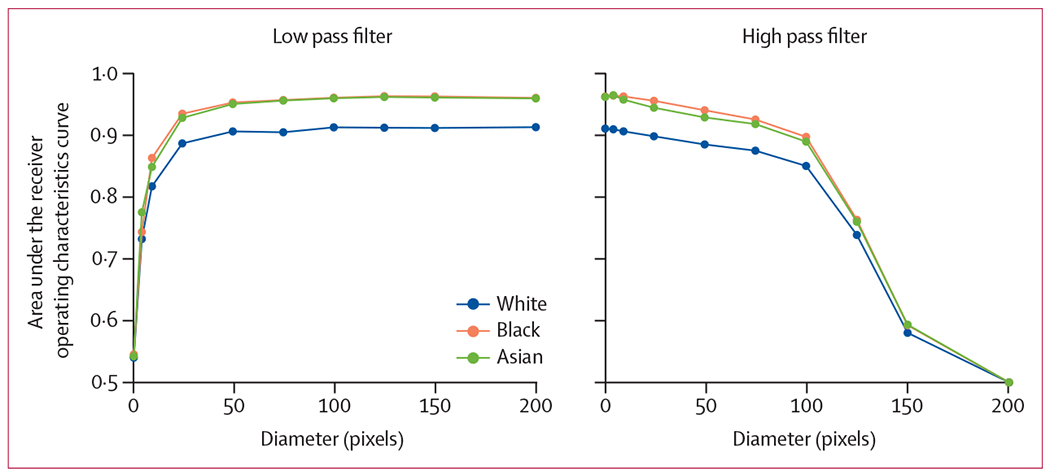
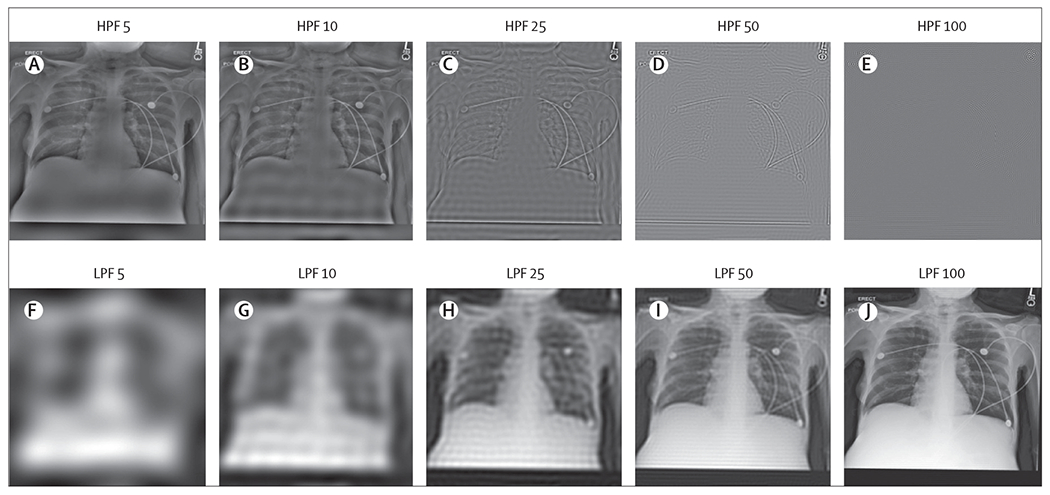
BACKGROUND: Previous studies in medical imaging have shown disparate abilities of artificial intelligence (AI) to detect a person's race, yet there is no known correlation for race on medical imaging that would be obvious to human experts when interpreting the images. We aimed to conduct a comprehensive evaluation of the ability of AI to recognise a patient's racial identity from medical images. METHODS: Using private (Emory CXR, Emory Chest CT, Emory Cervical Spine, and Emory Mammogram) and public (MIMIC-CXR, CheXpert, National Lung Cancer Screening Trial, RSNA Pulmonary Embolism CT, and Digital Hand Atlas) datasets, we evaluated, first, performance quantification of deep learning models in detecting race from medical images, including the ability of these models to generalise to external environments and across multiple imaging modalities. Second, we assessed possible confounding of anatomic and phenotypic population features by assessing the ability of these hypothesised confounders to detect race in isolation using regression models, and by re-evaluating the deep learning models by testing them on datasets stratified by these hypothesised confounding variables. Last, by exploring the effect of image corruptions on model performance, we investigated the underlying mechanism by which AI models can recognise race. FINDINGS: In our study, we show that standard AI deep learning models can be trained to predict race from medical images with high performance across multiple imaging modalities, which was sustained under external validation conditions (x-ray imaging [area under the receiver operating characteristics curve (AUC) range 0·91-0·99], CT chest imaging [0·87-0·96], and mammography [0·81]). We also showed that this detection is not due to proxies or imaging-related surrogate covariates for race (eg, performance of possible confounders: body-mass index [AUC 0·55], disease distribution [0·61], and breast density [0·61]). Finally, we provide evidence to show that the ability of AI deep learning models persisted over all anatomical regions and frequency spectrums of the images, suggesting the efforts to control this behaviour when it is undesirable will be challenging and demand further study. INTERPRETATION: The results from our study emphasise that the ability of AI deep learning models to predict self-reported race is itself not the issue of importance. However, our finding that AI can accurately predict self-reported race, even from corrupted, cropped, and noised medical images, often when clinical experts cannot, creates an enormous risk for all model deployments in medical imaging. FUNDING: National Institute of Biomedical Imaging and Bioengineering, MIDRC grant of National Institutes of Health, US National Science Foundation, National Library of Medicine of the National Institutes of Health, and Taiwan Ministry of Science and Technology.
Overview
The claims and statistics of this paper haven’t been checked yet.
Free: it reads the open-access text and checks the first 5 claims that cite a source we can check. Create a free account to check every claim.
Integrity signals
Registry
Cites
Statistics
Figures
Verification
Claims the paper makes
The claims and statistics of this paper haven’t been checked yet.
Free: it reads the open-access text and checks the first 5 claims that cite a source we can check. Create a free account to check every claim.
Claims other papers make about this one
Each is checked against this paper’s own text: does it say what the citing paper says it does?
The cited source doesn’t support the claim as written.
In the citing paper
“In this situation, XAI becomes crucial as interpretability methods can help to find and eliminate spurious correlations and shortcut learning46–48.”
From Orchestrating explainable artificial intelligence for multimodal and longitudinal data in medical imaging (2024) · cites this paper as [47]
Checked by a reasoning model — may be wrong.
Experimental — accuracy not yet measuredThe source backs part of the claim, not all of it — or backs it for a different population, condition or comparison.
In the citing paper
“In our experimental evaluation of the reading race paper where we demonstrated superhuman ability for AI to predict self-reported race across multiple modalities, we found that some transfer learning tasks are better in race detection. 28”
From AI pitfalls and what not to do: mitigating bias in AI (2023) · cites this paper as [28]
Experimental — accuracy not yet measuredThe source backs part of the claim, not all of it — or backs it for a different population, condition or comparison.
In the citing paper
“the fundamental bias in many large databases that do not reflect the target population of patient being treated making fairness an important issue to address”
From Use of artificial intelligence in critical care: opportunities and obstacles (2024) · cites this paper as [12]
Experimental — accuracy not yet measuredThe source backs part of the claim, not all of it — or backs it for a different population, condition or comparison.
In the citing paper
“Furthermore, models built on EHR data skewed toward a primarily Caucasian class of patients may not model well African-American, Hispanic or oriental patients [11, 12].”
From Use of artificial intelligence in critical care: opportunities and obstacles (2024) · cites this paper as [12]
Experimental — accuracy not yet measuredThe source backs part of the claim, not all of it — or backs it for a different population, condition or comparison.
In the citing paper
“The rapid advances in AI, and in particular the release of publicly available generative AI applications leveraging advanced large language models, have greatly accelerated discussions considering the promises and pitfalls related to AI deployment in society and healthcare [7–17].”
From Use of artificial intelligence in critical care: opportunities and obstacles (2024) · cites this paper as [12]
Experimental — accuracy not yet measured
5 more claims about this paper
Create a free account to see every claim other papers make about this one.
Self-check
Percentages, sums and reported differences re-computed from the paper’s own numbers.
The self-check needs the paper’s full text.
Citations
Cites
Deep Residual Learning for Image Recognition
He, K., Zhang, X., Ren, S., & Sun, J. (2016) · 2016 IEEE Conference on Computer Vision and Pattern Recognition (CVPR) · doi:10.1109/cvpr.2016.90 · Cited by 235,474
Densely Connected Convolutional Networks
Huang, G., Liu, Z., Van Der Maaten, L., & Weinberger, K. Q. (2017) · 2017 IEEE Conference on Computer Vision and Pattern Recognition (CVPR) · doi:10.1109/cvpr.2017.243 · Cited by 48,566
Grad-CAM: Visual Explanations from Deep Networks via Gradient-Based Localization
Selvaraju, R. R., Cogswell, M., Das, A., Vedantam, R., Parikh, D., & Batra, D. (2017) · 2017 IEEE International Conference on Computer Vision (ICCV) · doi:10.1109/iccv.2017.74 · Cited by 24,513
EfficientNet: Rethinking Model Scaling for Convolutional Neural Networks
Tan, M., & Le, Q. V. (2019) · arXiv · doi:10.48550/arxiv.1905.11946 · Cited by 17,072
Dissecting racial bias in an algorithm used to manage the health of populations
Obermeyer, Z., Powers, B., Vogeli, C., & Mullainathan, S. (2019) · Science · doi:10.1126/science.aax2342 · Cited by 7,137
On the Dangers of Stochastic Parrots: Can Language Models Be Too Big? 🦜
Bender, E. M., Gebru, T., McMillan-Major, A., & Shmitchell, S. (2021) · Proceedings of the 2021 ACM Conference on Fairness, Accountability, and Transparency · doi:10.1145/3442188.3445922 · Cited by 6,988 · cited 1×
“These experiments were: (1) to assess the ability of deep learning AI models to recognise race from medical images, including the ability of these models to generalise to new environments and across multiple imaging modalities; (2) to examine possible confounding anatomic and phenotype population features as explanati…”
Method(2018) · Cited by 3,510
Prediction of cardiovascular risk factors from retinal fundus photographs via deep learning
Poplin, R., Varadarajan, A. V., Blumer, K., Liu, Y., McConnell, M. V., Corrado, G. S., Peng, L., & Webster, D. R. (2018) · Nature Biomedical Engineering · doi:10.1038/s41551-018-0195-0 · Cited by 1,865 · cited 1×
“13–15 These findings, which show that demographic factors that are strongly associated with disease outcomes (eg, age, sex, and racial identity), are also strongly associated with features of medical images and might induce bias in model results, mirroring what is known from over a century of…”
MIMIC-CXR, a de-identified publicly available database of chest radiographs with free-text reports
Johnson, A. E. W., Pollard, T. J., Berkowitz, S. J., Greenbaum, N. R., Lungren, M. P., Deng, C.-Y., Mark, R. G., & Horng, S. (2019) · Scientific Data · doi:10.1038/s41597-019-0322-0 · Cited by 1,816
Self-citationHidden in Plain Sight — Reconsidering the Use of Race Correction in Clinical Algorithms
Vyas, D. A., Eisenstein, L. G., & Jones, D. S. (2020) · New England Journal of Medicine · doi:10.1056/nejmms2004740 · Cited by 1,731 · cited 1×
“35 Although this approach has already been criticised as being ineffective, or even harmful in some circum stances, 36 our work suggests that such an approach could be impossible in medical imaging because racial identity information appears to be incredibly difficult to isolate.”
Cited by
Items 501–600 of 610
Non-interpretive Application of Artificial Intelligence in Radiology: Population Health
Kondoor, V., Stone, J. A., Talluri, T., & Mattie, H. (2025) · Elsevier eBooks · doi:10.1016/b978-0-323-87760-2.00018-9
Towards generalisable and equitable artificial intelligence in pathology
Deshpande, V., Vyas, M., & Lotter, W. E. (2025) · Journal of Clinical Pathology · doi:10.1136/jcp-2025-210357 · Cited by 1
“6 7 For instance, one convolutional neural network (CNN) model underdiagnosed Black patients relative to white patients in detecting cardiomegaly, with a fairness gap of 10%–15% in false negatives.”
Kılıç, M. E., Arayıcı, M. E., Akbilgiç, O., & Yılmaz, M. B. (2025) · Canadian Journal of Cardiology · doi:10.1016/j.cjca.2025.12.022 · Cited by 1
Fundamentals of artificial intelligence for nursing students: Educational innovation
Lukić, A., & Lukić, I. K. (2025) · Teaching and learning in nursing · doi:10.1016/j.teln.2025.08.033
Wilkie, P. Y., Namdar, K., Samsel, K., Pasricha, S. V., Jaiswal, N., Salo, Z., So, M., Panchal, S., Malhotra, A. K., Nashnoush, E., et al. (2025) · FACETS · doi:10.1139/facets-2025-0117 · Cited by 1
Self-citationThe cause and effect of an MR image: Robustness and generalizability
Feragen, A., Petersen, E., & Ganz, M. (2025) · Advances in magnetic resonance technology and applications · doi:10.1016/b978-0-443-14109-6.00016-x · Cited by 1
AI in Medical Image Analysis: Societal Impact and Inclusivity
Sruthi, R., Sujithra, M., & Senthilkumar, B. (2025) · Springer eBooks · doi:10.1007/978-3-032-02963-8_11
Farquhar, H. (2026) · medRxiv · doi:10.64898/2026.01.25.26344809 · Cited by 1
Mady, M. M., & Rizk, M. H. (2026) · Biomedical visualization · doi:10.1007/978-3-032-12305-3_6
Quantifying the Privacy-Utility Trade-off in Medical Imaging AI
Yu, Z. (2026) · Radiology Artificial Intelligence · doi:10.1148/ryai.251044
The subtleties of abolishing “race correction” in clinical artificial intelligence
Abdalla, M., James, L., Jones, D. S., & Abdalla, M. (2026) · Journal of the American Medical Informatics Association · doi:10.1093/jamia/ocag012 · Cited by 1
Ethics Applied to Digital Healthcare: Navigating the Moral Landscape
Niazkhani, Z., Wallenburg, I., Hendriks, J. M., & Wehrens, R. (2026) · Springer eBooks · doi:10.1007/978-3-031-89820-4_24
Hybrid Explanation-Guided Learning for Transformer-Based Chest X-Ray Diagnosis
Shu, S. Z., Luo, H., Poellinger, A., & Reyes, M. (2026) · Lecture notes in computer science · doi:10.1007/978-3-032-17611-0_4 · Cited by 2
Bhambri, P., Gupta, S. K., Khan, M., & Mujahid, B. M. (2026) · SSRN Electronic Journal · doi:10.2139/ssrn.6239900
Li, S., Zeng, W., Li, W., Liu, C.-C., Zhou, Y., Ni, X., Stackpole, M. L., Yeh, A., Melehy, A., Lu, D. S., et al. (2026) · Genome biology · doi:10.1186/s13059-026-04006-0
“We note that although DeBias was validated on DNA methylation data for cancer detection, its core principles are applicable to other high-throughput biomedical data types, such as imaging or proteomics, where unexplained demographic biases persist [37].”
Transforming Silence into Narrative: Race, Breast Cancer, and Medical Imaging
Gallon, K. T. (2026) · Journal of Medical Humanities · doi:10.1007/s10912-026-10007-8
Impact of Preprocessing Methods on Racial Encoding and Model Robustness in CXR Diagnosis
Sutariya, D., & Petersen, E. (2026) · Informatik aktuell · doi:10.1007/978-3-658-51100-5_29
Cautious optimism on foundation models in medical imaging balancing privacy and innovation
Santos, R. E., DeBuc, D. C., & Somfai, G. M. (2026) · npj Digital Medicine · doi:10.1038/s41746-026-02533-5
On Demographic Group Fairness Guarantees in Deep Learning
Luo, Y., Wen, C., Shi, M., Huang, H., Fang, Y., & Wang, M. (2026) · IEEE Transactions on Pattern Analysis and Machine Intelligence · doi:10.1109/tpami.2026.3674484
“Following [49], [50], we use 42,884 patients (127,118 scans): 76,205 training, 12,673 validation, and 38,240 test images.”
All you need is…. justification: algorithmic justifiability trumps transparency
Muralidharan, A., & Savulescu, J. (2026) · Ethics and Information Technology · doi:10.1007/s10676-026-09892-3 · Cited by 2
From Image Synthesis to Digital Twins: A Paradigm Shift in AI-Driven Medical Image Computing
Chen, X., Jing, C., Li, Z., Shen, Y., Huang, G., Liu, Y., Lei, B., Pun, C., & Wang, S. (2026) · IEEE Transactions on Consumer Electronics · doi:10.1109/tce.2026.3677813 · Cited by 3
“Research has shown that AI models can learn to identify patient race from medical images, raising significant concerns about perpetuating health disparities [134].”
A Multi-Modal Agentic Framework for Dyslexia Screening by Real-Time Gaze Pattern Recognition
Rahman, M. A., Rahman, M. M., Jamil, S. U., Hossain, M. S., & Al-Hazzaa, S. A. F. (2026) · International Conference on Consumer Electronics · doi:10.1109/icce67443.2026.11449680
“However, challenges remain, as foundation models consistently underdiagnose marginalized groups, with even higher rates seen in intersectional subgroups, raising concerns about equitable healthcare access [12].”
Xiao, Y., Zhang, J., Chi, C., Song, A., Wang, C., & Xia, R. (2026) · Expert Systems with Applications · doi:10.1016/j.eswa.2026.132240
An Introduction to AI for Clinicians: Tutorial
Lee, S. B., Carter, A. B., Haider, M. H., & Ko, S.-B. (2026) · Interactive Journal of Medical Research · doi:10.2196/85266
“An example of supervised learning would be an algorithm trained on a dataset of chest X-rays and corresponding diagnoses [4-6].”
AHMED, M. S., Hamid, M. A., Monowar, M. M., & Yousuf, M. A. (2026) · Journal of Imaging Informatics in Medicine · doi:10.1007/s10278-026-01914-2
Mir, H. S. M., Rahman, M. M., & Ahmed, F. (2026) · International Conference on Advanced Research in Computing (ICARC) · doi:10.1109/icarc68737.2026.11453856
“A global model may perform well on average but poorly on specific institutions or subgroups [8], [9].”
Using normal medical images as disparity probes: application with chest radiographs
Hatoum, F. T., Li, H., Whitney, H. M., & Giger, M. L. (2026) · SPIE Medical Imaging: Image Perception, Observer Performance, and Technology Assessment · doi:10.1117/12.3087746
“The reason that using medical images could predict SDOH index is because SDOHs are correlated with data such as race, ethnicity, sex, age, and recent studies have shown that DL models are able to predict such demographic information from medical images [12-13].”
Leszczyńska, K. M., Krzysztofik, A., Kańska, K. T., Hak, K. J., Jasiński, J. L., Mitan, A. M., Krawczyk, K., Wieczorek, M. T., Napierała, W., & Tomaszewska, A. M. (2026) · International Journal of Innovative Technologies in Social Science · doi:10.31435/ijitss.1(49).2026.5187 · Cited by 1
Zhang, T. (2026) · Frontiers in Public Health · doi:10.3389/fpubh.2026.1754585
“The model’s enhanced accuracy for socioeconomically disadvantaged groups suggests that incorporating SDOH data may reduce this imbalance and help reduce the underestimation of risk in these patients (42).”
Artificial intelligence in genomic medicine: dispelling three myths
Solomon, B. D. (2026) · npj Genomic Medicine · doi:10.1038/s41525-026-00575-y · Cited by 1
Guinhouya, B. C., Morgenroth, T., Boudis, F., Apété, G. K., Dossou, G., Gasso, G., & Zitouni, D. (2026) · The Lancet Digital Health · doi:10.1016/j.landig.2026.101005
Ethical challenges of artificial intelligence in critical care
Saida, I. B., Gaddas, M., & Saad, H. B. (2026) · Elsevier eBooks · doi:10.1016/b978-0-443-36554-6.00023-4
ShortKit-ML : an open toolkit for measuring shortcut potential in medical imaging embeddingsPreprint
Cajas, S. A., Marzullo, A., Kapadia, S., Santos, F., Osorio, F. O., Kong, Q., Quarta, A., Kuo, P., Patel, M., Sillery, R. I. R., et al. (2026) · medRxiv · doi:10.64898/2026.04.29.26352053 · Cited by 2
“Probe-Based Detection trains lightweight auxiliary classifiers (linear logistic regression or shallow MLPs) to predict A from E [1, 4, 22].”
Self-citationUnnikrishnan, B., Brudno, M., & McIntosh, C. (2026) · IEEE Winter Conference on Applications of Computer Vision · doi:10.1109/wacv61042.2026.00132 · Cited by 1
“Similarly, dermatology models have been shown to exploit features corre-1295 lated with skin tone or camera characteristics rather than lesion morphology [11].”
Nord-Bronzyk, A., Ng, B. P. S., Lan, T., Schaefer, G. O., & Takahashi, S. (2026) · Journal of Clinical Medicine · doi:10.3390/jcm15103576
“This can result in group-level discrimination when AI-based tools identify patients’ social groups and/or race, such as through radiological images where outwardly visible bodily features are not depicted [34].”
Unlearning for Clinical Deployment: Scalable Data Erasure in Medical Image Classification Models
Orthee, U. J., Naeem, A. S. M., Khatun, T., Ohona, M., & Mansoor, N. (2025) · IEEE International Conference on Biomedical Engineering, Computer and Information Technology for Health (BECITHCON) · doi:10.1109/becithcon69222.2025.11504291 · Cited by 1
“Gichoya et al. [1] demonstrated that a deep neural network could infer patient race from radiological data and that there were suspicions that the output provided a latent bias signal within radiology.”
Xie, R., He, X., Jiang, L., Wang, H., Chen, J., Xiao, R., Yang, B., Ye, L., Tang, J., Pan, Y., et al. (2026) · Nature Biomedical Engineering · doi:10.1038/s41551-026-01676-w · Cited by 2
Mitigating bias in chest X-ray disease diagnosis via de-biased disentangled representation learning
Lai, X., Li, J., Gao, X., Jiao, Z., & Zhong, Z. (2026) · Artificial Intelligence in Medicine · doi:10.1016/j.artmed.2026.103446
The Missing Millions: Building Cancer Pathology Artificial Intelligence for Safety Net Populations
Jouzi, Z., & Omar, M. (2026) · Mayo Clinic Proceedings Digital Health · doi:10.1016/j.mcpdig.2026.100374
“Additionally, Gichoya et al 21 23 ; however, pathology images are not a component of its data resource.”
Tabatabaee, S., & Khasawneh, M. T. (2026) · IISE Transactions on Healthcare Systems Engineering · doi:10.1080/24725579.2026.2674247
Fernández‐Vigo, J. I., Valverde-Megías, A., Burgos‐Blasco, B., Ramos, J. J. D. M., & Ly-Yang, F. (2026) · International Journal of Retina and Vitreous · doi:10.1186/s40942-026-00867-6
“Finally, privacy and equity remain critical concerns: ocular imaging data may be re-identifiable, requiring advanced privacy-preserving strategies, and AI systems trained on non-representative populations risk perpetuating healthcare disparities [35, 36, 68].”
Sadanandan, B., Karimi, A., Upadhayay, B., & Behzadan, V. (2026) · JMIR AI · doi:10.2196/preprints.102330
Gete, K. Y., & Ayele, A. A. (2026) · Abdominal Radiology · doi:10.1007/s00261-026-05594-y
“Equity audits are also important because imaging AI may encode sensitive attributes and show subgroup performance shifts across populations [60].”
Ethical and Legal Implications in Medical AI
Khullar, S., Ahmed, I., Kapoor, S. K., Joshi, M. L., & Arora, A. (2026) · Advances in computational intelligence and robotics book series · doi:10.4018/979-8-2600-2173-6.ch005
Individually fair representation learning for DINOv2
Dehdarirad, T., Eilertsen, G., Johnson, E., & Hajisharif, S. (2026) · Discover Artificial Intelligence · doi:10.1007/s44163-026-01490-y
“This unintended encoding introduces risks of bias in downstream clinical tasks, potentially compromising fairness and equity in medical decision-making [26].”
Shin, M., Chang, H., & Yu, J. Y. (2026) · Mathematics · doi:10.3390/math14122085
dos Santos, G. G., Njoku, A. U., Mass, A. C. P., Ribeiro, E. E. S., de Oliveira, L. E., LIMA, M. C. D. S., Ferro, T., Pirozi, L. R. R., Peregrino, A. A. D. F., dos Santos, C. M. P., et al. (2026) · Epidemiologia · doi:10.3390/epidemiologia7030081
“Therefore, AI not only inherits these statistical errors but also risks encoding historical socioeconomic and racial disparities as if they were biological truths, transforming social inequities into risky mathematical models [51,62].”
Walston, S. L., Takita, H., Mitsuyama, Y., Sato, J., & Ueda, D. (2026) · European Radiology · doi:10.1007/s00330-026-12652-y · Cited by 1
“Even though we know AI can identify patient demographic subgroups with or without training [9], and even though we know the algorithm may use these subgroups as a shortcut [10] instead of performing the intended task, few rules or regulations exist to address this.”
FairGen: preference-aligned diffusion for demographically equitable medical image synthesis
Li, Z., Zhang, R., Tan, Z., Aizenstein, H. J., Hu, J., & Chen, T. (2026) · npj Digital Medicine · doi:10.1038/s41746-026-02868-z · Cited by 1
Ihiya, A., Yakoubi, F., Chahdi, B. O., Benchaji, I., Douzi, S., & Ouahidi, B. E. (2026) · Discover Artificial Intelligence · doi:10.1007/s44163-026-01536-1 · Cited by 1
“Consequently, performance may degrade when these models are tested on external data-sets collected from different populations, imaging devices, and acquisition conditions [27, 28].”
Artificial Intelligence Versus Physician Diagnostic Accuracy in Spine and Spinal Cord Conditions
Maki, S. (2026) · Springer eBooks · doi:10.1007/978-981-92-0619-3_59
Imaging of Wrist Ligament Pathology: Current Status and Emerging Role of AI
Kooi, K., Oflazoglu, K., Rakhorst, H. A., & Ritt, M. J. P. F. (2026) · Journal of Wrist Surgery · doi:10.1055/a-2898-1579
Encoding Versus Linear Use of Patient Characteristics in Chest X-Ray Foundation Models on MIMIC-CXR
Kim, Y. I., Kim, Y., Nam, Y., Kim, N., & Hong, P. (2026) · Diagnostics · doi:10.3390/diagnostics16132030
“The prevailing pipeline in medical-AI fairness research links encoding of a patient attribute to biased finding prediction to subgroup performance gaps, and motivates debias-ing interventions at the encoding stage [1–3, 7, 29, 30 ].”
InfluentialBartusik‐Aebisher, D., Czech, S., Szpara, J., Paul, A., Xavierselvan, M., & Aebisher, D. (2026) · Algorithms · doi:10.3390/a19070524
Строгая, Н. В., Петрученя, А. В., Ревтович, М. Ю., Строгий, В. В., Batyan, G. M., & Соколова, М. В. (2025) · Кардиология в Беларуси · doi:10.34883/pi.2026.18.2.006
Fairness in federated medical imaging: a systematic review through the dual fairness lens
Yu, P., Dong, Z., Dhelim, S., Feng, C.-M., & Kechadi, T. (2026) · Artificial Intelligence Review · doi:10.1007/s10462-026-11632-4
A mixture of ophthalmic foundation models enables mitigation of altitude-associated domain shift
Shi, P., Zhu, J., Xie, Y. D., Zhang, X., Yang, Y., Ju, L., Ren, T., Yan, F., Zhou, Y., Xiong, H., et al. (2026) · 中国科学通报:英文版 · doi:10.1016/j.scib.2026.07.012
Self-citationHaupt, M., Bischoff, A., Atoubi, M., Thomas, R. P., & Maurer, M. H. (2026) · Diagnostics · doi:10.3390/diagnostics16132131
“The present findings do not establish a single consistent pattern of bias across all tasks and models, but they do support the need for subgroup-aware auditing before any clinical use [19].”
AI bias and fairness in clinical applications
Mathur, S., & Rani, N. (2026) · Elsevier eBooks · doi:10.1016/b978-0-443-45374-8.00010-1
Olaniran, O. R., Alzahrani, A., Alharbi, M. H., Alharbi, N. M., Alzahrani, A. A., & Kunle, S. A. (2026) · Mathematics · doi:10.3390/math14142583
Cross-domain uncertainty-aware attention for trustworthy cardiomegaly detection in chest radiographs
Odeh, V. A., XiaoLing, Z., & Agaba, C. (2026) · Applied Soft Computing · doi:10.1016/j.asoc.2026.116044
Assessing Utility-Leakage Trade-offs in Coreset Selection for Chest X-Ray Embeddings
Marzullo, A., Cajas, S. A., Celi, L. A., & Momi, E. D. (2026) · ACM International Conference on Bioinformatics, Computational Biology, and Health Informatics (ACM-BCB) · doi:10.1145/3807503.3819381
“Prior work has documented demographic leakage in biomedical AI [7, 14, 23], but systematic evidence on how coreset selection shapes clinical utility, sensitive attribute predictability, and formal fairness remains limited for fixed foundation-model embeddings.”
Self-citationPhysics-Guided Prune-then-Finetune of Vision Transformers for Wavefield Pattern Analysis
Ye, J., & Kobayashi, T. (2026) · Lecture notes in computer science · doi:10.1007/978-3-032-31930-2_30
Gold, N. O., & Coovadia, H. (2026) · CSR, sustainability, ethics & governance · doi:10.1007/978-3-032-20091-4_1
Krishnadas, P., Hackstein, U., Bošnjaković, A., & Aston, P. J. (2026) · IEEE International Conference on Fuzzy Systems (FUZZ-IEEE) · doi:10.1109/fuzz69877.2026.11626495 · Cited by 1
“ML models have been shown to differentiate ethnicity from medical data that does not contain this information directly, making them well suited to the skin tone classification problem [2]–[4].”
Farias, L. G. M., Siqueira, A. C. C., Santos, K. F. A. D., Cássio, Z. I. N. I., & Linder, T. E. (2026) · BioSCIENCE · doi:10.55684/2026.84.en.e00019
Privacy risks from medical AI tools are not shared equally
Zhang, H., & Ghassemi, M. (2026) · Nature · doi:10.1038/d41586-026-02288-9
Self-citationMehda, R., Oishi, R. A., Alam, T. T., Morol, M. K., & Hui, L. T. (2026) · Frontiers in Digital Health · doi:10.3389/fdgth.2026.1904053
Öney, B. (2026) · Computer Methods and Programs in Biomedicine · doi:10.1016/j.cmpb.2026.109596
Yang, J., Zhao, X., & Ren, J. (2026) · BMC Medical Informatics and Decision Making · doi:10.1186/s12911-026-03747-z
“Methods such as logistic regression, random forest, support vector machine, and eXtreme Gradient Boosting have been widely applied in critical care research with promising performance [13, 14].”
Explainable machine learning relates histological to genomic pathologyPreprint
Connelly, J. C., Hernando, B., Luft, J., Anderson, C. J., Bankhead, P., Connor, F., AITKEN, S. R. I., Semple, C. A. M., Flicek, P., Odom, D. T., et al. (2026) · bioRxiv (Cold Spring Harbor Laboratory) · doi:10.64898/2026.08.03.742582
“When insufficiently diverse training data are utilised, machine learning systems may be vulnerable to ancestry biases 74–76 .”
Towards Equitable AI for Healthcare in Africa: Why Representative Data Matter
Abhadiomhen, S. E., & Oyibo, K. (2026) · Lecture notes of the Institute for Computer Sciences, Social Informatics and Telecommunications Engineering · doi:10.1007/978-3-032-33957-7_32
Hazards of Artificial Intelligence in Medicine: A Critical Review of Emerging Challenges
Chawla, S., & Chawla, K. (2026) · doi:10.5005/ijccp-11063-0013
Mahankali, S. (2026) · Indian journal of radiology and imaging - new series/Indian journal of radiology and imaging/Indian Journal of Radiology & Imaging · doi:10.1055/s-0046-1827801 · Cited by 1
“18 Treating the Global South as a primary design context, rather than an afterthought, is therefore both an equity imperative and a source of scienti fi c value.”
Kai, C., Nakaya, M., Kasai, S., Tamori, H., Fujiwara, H., Kobayashi, T., Hashimoto, M., Kitamura, Y., Ohba, S., Nakada, M., et al. (2026) · Journal of Imaging Informatics in Medicine · doi:10.1007/s10278-026-02222-5
Real-World Case Studies in Trustworthy Computer Vision
Gupta, B. P. (2026) · Advances in computational intelligence and robotics book series · doi:10.4018/979-8-3373-9285-1.ch013
Bartusik‐Aebisher, D., Czech, S., Szpara, J., Paul, A., Xavierselvan, M., & Aebisher, D. (2026) · Applied Sciences · doi:10.3390/app16178771
Fairness, Bias, and Ethical Governance in Vision Applications
Gupta, B. P. (2026) · Advances in computational intelligence and robotics book series · doi:10.4018/979-8-3373-9285-1.ch008
A Population Health Intelligence Mesh for Cross-Regional Healthcare Analytics Integration
Amrani, F. Z., Benali, Y., & Gonzalez, M. (2024) · Journal of Artificial Intelligence for Healthcare Systems · doi:10.68159/s068544189
Göktaş, P., & Grzybowski, A. E. (2026) · Ophthalmology Science · doi:10.1016/j.xops.2026.101402
Petrova, E., Georgiev, I., Stoyanov, N., & Kolev, P. (2026) · Journal of Medical Sciences and Interdisciplinary Research · doi:10.51847/vf5ciwlab0
Diptho, R. A., Ghosh, P., Chowdhury, S. H., & Basak, S. (2026) · NDT · doi:10.3390/ndt4030028 · Cited by 2
Large language models in ophthalmology: promise, peril, and the urgent need for guardrails
Naleer, S. M., & Naleer, S. M. (2026) · Eye · doi:10.1038/s41433-026-04884-5
“…explicit training to do so, raising the possibility that LLMs trained on ophthalmic literature skewed toward high-income, majority-population datasets may produce substantially different outputs by demographic group—a pattern that would be invisible without disaggregated performance reporting [11].”
Responsible AI for Acute Stroke Management
Lin, J., Aktar, M., Baazaoui, H., Wegener, S., de Souza, R. M., Rittner, L., Ospel, J. M., & Bento, M. (2026) · Stroke · doi:10.1161/strokeaha.126.053795
Avoiding common failures in AI for health and medicine
Salaudeen, O., Zhang, H., Kim, E., Singh, K., & Ghassemi, M. (2026) · Cell · doi:10.1016/j.cell.2026.07.025 · Cited by 1
Self-citationMedXEdit-GRPO: Reasoning-Aware Online RL for Counterfactual Medical Image Generation
Pan, Y., Xiao, R., Li, Q., Li, X., Li, X., Feng, R., & Zhang, X. (2026) · Lecture notes in computer science · doi:10.1007/978-3-032-38059-3_37 · Cited by 1
Improving racial fairness in brain age models using style-transfer synthesisPreprint
Banchieri, V., Zemlyanker, D., Iglesias, J. E., & Initiative, T. A. D. N. (2026) · bioRxiv (Cold Spring Harbor Laboratory) · doi:10.64898/2026.09.16.751796
“…neural‐networks (CNNs) have been shown to predict protected attributes (characteristics that can be used to dis‐ criminate individuals (Zhang and Wu 2017), such as race, sex, and age) directly from medical images (Gichoya et al. 2022, Duffy et al. 2022, Adleberg et al. 2022, Yang et al. 2024).”
Mahfouz, K., Abdelaziz, R., Adel, S., Mostafa, D., Nabil, T., & Saad, R. (2025) · Journal of Health Informatics and Digital Systems · doi:10.68159/y292926779
Laurent, S., Dubois, P., Lefevre, M. A., & Moreau, C. (2026) · Journal of Health Informatics and Digital Systems · doi:10.68159/g088779265
Papadopoulos, G., & Georgiou, E. (2024) · Journal of Health Informatics and Digital Systems · doi:10.68159/u975830047
Nakayama, L. F., Ribeiro, L. Z., Ferraz, D., & Regatieri, C. S. (2026) · Springer eBooks · doi:10.1007/978-3-032-23052-2_16
Chanian, R., Thiruvengadam, R., & Desiraju, B. K. (2026) · Indian journal of radiology and imaging - new series/Indian journal of radiology and imaging/Indian Journal of Radiology & Imaging · doi:10.1055/s-0046-1829015
“19 When models are trained on health systems in which certain groups already receive poorer care, the resulting models can encode those disparities and apply them to new patients.”
A Review of Deep Learning Models and Explainable Artificial Intelligence for Pathology Recognition
Toala-Paz, A., Becerra-Andrade, A., Cevallos-Levicek, D., Peláez, E., Domínguez, F., & Loayza, F. R. (2026) · International Conference on eDemocracy & eGovernment · doi:10.1109/icedeg70169.2026.11695396
“…considered common sources of bias in medical AI studies, including selection bias, class imbalance, demographic underrepresentation, single-center data, scanner or acquisition-protocol variability, annotation bias, lack of external validation, and limited reporting of model calibration [41]–[46].”
Licensure Framework for Autonomous Clinical Artificial Intelligence
Jaiswal, N., Acevedo, H., & Celi, L. A. (2026) · JAMA · doi:10.1001/jama.2026.15625
Self-citationHigh-risk without safeguards? The EU AI Act and the push for deregulation of medical AI
van Kolfschooten, H., Solaiman, B., & Onitiu, D. (2026) · BMJ Digital Health & AI · doi:10.1136/bmjdh-2026-000184
“22 These challenges are only partly addressed by the existing EU medical device framework, which is primarily oriented towards evaluating products at the point of market entry.”
Komin, Z. J., Kabat, E. Z., Kozłowska, M. J., Konopka, K., Majchrzak, M. K., Kołodziej, F. M., Kwiatkowska, A., Juskowiak, J., Lis, M., & Liasota, M. (2026) · International Journal of Innovative Technologies in Social Science · doi:10.31435/ijitss.4(52).2026.6372
“If a model relies on cost-based proxies for illness severity or is trained on datasets where marginalized groups are underrepresented, the resulting predictions may exhibit disparate performance across race, gender, and socioeconomic status (Chen et al., 2023; Gichoya et al., 2022).”
BAYDİLİ, I., Taşçı, B., Taşçı, G., Doğan, Ş., & Tuncer, T. (2026) · Bioengineering · doi:10.3390/bioengineering13101175 · Cited by 1
“Deep learning systems can infer self-reported race from multiple medical imaging modalities with high accuracy, including under transformations that obscure obvious anatomical or acquisition-related explanations [96].”
Singh, A. J., Singh, A., Kumar, S., Dhelim, S., & Singh, C. (2026) · International Journal of Medical Informatics · doi:10.1016/j.ijmedinf.2026.106760
Amosa, B. M. G., Fabiyi, A. O., Etudaiye, A. I., Oni, E. K., & Babafemi, O. F. (2026) · British Journal of Contemporary Research · doi:10.67693/bjcr-djht259s
Metadata
- Authors
- Gichoya, J. W., Banerjee, I., Bhimireddy, A. R., Burns, J. L., Celi, L. A., Chen, L.-C., Correa, R., Dullerud, N., Ghassemi, M., Huang, S.-C., Kuo, P.-C., Lungren, M. P., Palmer, L. J., Price, B. J., Purkayastha, S., Pyrros, A. T., Oakden-Rayner, L., Okechukwu, C., Seyyed-Kalantari, L., Trivedi, H., Wang, R., Zaiman, Z., & Zhang, H.
- Affiliations
- Emory University (US)
- Arizona State University (US)
- Indiana University – Purdue University Indianapolis (US)
- Beth Israel Deaconess Medical Center (US)
- National Tsing Hua University (TW)
- University of Toronto (CA)
- Massachusetts Institute of Technology (US)
- Stanford Medicine (US)
- The University of Adelaide (AU)
- Florida State University (US)
- DuPage Medical Group (US)
- Georgia Institute of Technology (US)
- Corresponding author
- Gichoya, Judy Wawira
- ORCID
- Venue
- The Lancet Digital Health
- Publisher
- Elsevier BV
- Published
- 2022-06
- Volume
- 4
- Issue
- 6
- Pages
- e406-e414
- ISSN
- 2589-7500 (ISSN-L)
- PMC
- PMC9650160
- OpenAlex
- W4280519765
- Semantic Scholar
- 3870f203248262e9815e01beca21c71ba9aa0eed
- Cited by
- 611
- References
- 35
- Citations by year
- 2026: 151 · 2025: 152 · 2024: 150 · 2023: 109 · 2022: 40
- FWCI
- 33.96
- Type
- journal article
- Language
- en
- Open access
- gold
- doi.org
- Licence
- cc-by
- www.elsevier.com/tdm/userlicense/1.0/ (tdm)
- www.elsevier.com/legal/tdmrep-license (tdm)
- creativecommons.org/licenses/by/4.0/ (vor)
- Locations
- The Lancet Digital Health (publishedVersion, cc-by)
- PubMed (publishedVersion)
- PubMed Central (acceptedVersion, cc-by)
- arXiv (Cornell University) (submittedVersion)
- IUScholarWorks (Indiana University) (submittedVersion, cc-by)
- Purdue University Indianapolis (Indiana University) (submittedVersion, cc-by)
- arXiv (Cornell University) (cc-by)
- Funders
- NSF
- Ministry of Science and Technology, Taiwan (MOST109-2222-E-007-004-MY3)
- National Science Foundation (1928481)
- National Institutes of Health
- NLM (R01LM012966)
- National Institute of Biomedical Imaging and Bioengineering (75N92020C00008, 75N92020C00021, R01 EB017205)
- Topics
- Health Sciences › Medicine › Health Informatics › Artificial Intelligence in Healthcare and Education
- Physical Sciences › Computer Science › Artificial Intelligence › Ethics and Social Impacts of AI
- Social Sciences › Anthropology › Race, Genetics, and Society
- Keywords
- race prediction, artificial intelligence, diagnostic imaging, deep learning, chest radiography, chest CT, mammography, cervical spine imaging, external validation, image corruption robustness, algorithmic bias, racial disparities in health care, algorithmic fairness, model interpretability
- MeSH terms
- Deep Learning, Artificial Intelligence, Humans, Lung Neoplasms, Retrospective Studies, Early Detection of Cancer
About these checks
Registry, retraction, Cites and statistics results are computed, not judged, with one exception: a printed reference that no index lists is read once by a model before it counts as a citation error. Claims are extracted by a model and kept only when their quote appears verbatim in the text; each cited source is then checked, with a model’s help, for whether it says what the claim relies on. Those verdicts can be wrong — read the claim’s quote and the cited source before relying on one.
Statistics and arithmetic are recomputed, not judged.
Confidence bands are shown only for fields calibrated on our annotated test set. None is calibrated yet, so no band is shown.
What counts as a claim ›How we measure confidence ›How we check this ›
Are you an author, or do you see a problem with this page? Request a review
Data sources
Bibliographic data: Semantic Scholar, OpenAlex, Crossref.
Contains information from the Semantic Scholar Academic Graph Datasets, made available under the ODC Attribution License (ODC-BY 1.0).
Semantic Scholar’s data is described in: Kinney, R., et al. (2023). The Semantic Scholar Open Data Platform. arXiv:2301.10140.
