

AI recognition of patient race in medical imaging: a modelling study
Open accessThe DOI matches its Crossref record; 40 of the 41 references it cites were found in a registry or an index, and 1 are not checked yet.
Abstract
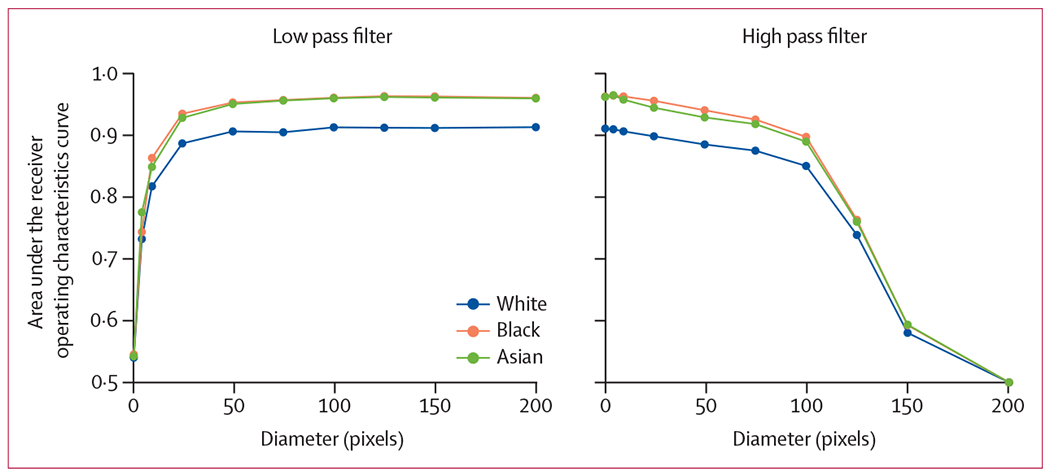
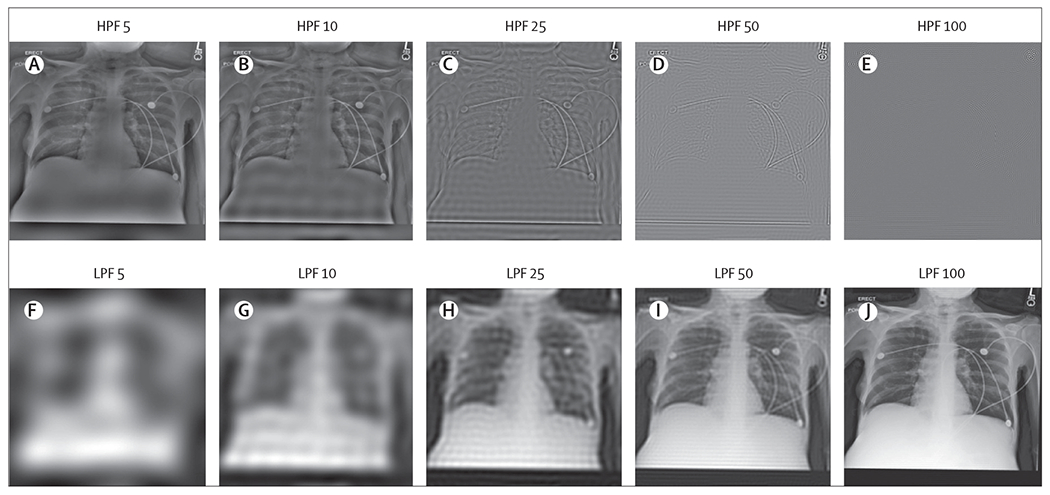
BACKGROUND: Previous studies in medical imaging have shown disparate abilities of artificial intelligence (AI) to detect a person's race, yet there is no known correlation for race on medical imaging that would be obvious to human experts when interpreting the images. We aimed to conduct a comprehensive evaluation of the ability of AI to recognise a patient's racial identity from medical images. METHODS: Using private (Emory CXR, Emory Chest CT, Emory Cervical Spine, and Emory Mammogram) and public (MIMIC-CXR, CheXpert, National Lung Cancer Screening Trial, RSNA Pulmonary Embolism CT, and Digital Hand Atlas) datasets, we evaluated, first, performance quantification of deep learning models in detecting race from medical images, including the ability of these models to generalise to external environments and across multiple imaging modalities. Second, we assessed possible confounding of anatomic and phenotypic population features by assessing the ability of these hypothesised confounders to detect race in isolation using regression models, and by re-evaluating the deep learning models by testing them on datasets stratified by these hypothesised confounding variables. Last, by exploring the effect of image corruptions on model performance, we investigated the underlying mechanism by which AI models can recognise race. FINDINGS: In our study, we show that standard AI deep learning models can be trained to predict race from medical images with high performance across multiple imaging modalities, which was sustained under external validation conditions (x-ray imaging [area under the receiver operating characteristics curve (AUC) range 0·91-0·99], CT chest imaging [0·87-0·96], and mammography [0·81]). We also showed that this detection is not due to proxies or imaging-related surrogate covariates for race (eg, performance of possible confounders: body-mass index [AUC 0·55], disease distribution [0·61], and breast density [0·61]). Finally, we provide evidence to show that the ability of AI deep learning models persisted over all anatomical regions and frequency spectrums of the images, suggesting the efforts to control this behaviour when it is undesirable will be challenging and demand further study. INTERPRETATION: The results from our study emphasise that the ability of AI deep learning models to predict self-reported race is itself not the issue of importance. However, our finding that AI can accurately predict self-reported race, even from corrupted, cropped, and noised medical images, often when clinical experts cannot, creates an enormous risk for all model deployments in medical imaging. FUNDING: National Institute of Biomedical Imaging and Bioengineering, MIDRC grant of National Institutes of Health, US National Science Foundation, National Library of Medicine of the National Institutes of Health, and Taiwan Ministry of Science and Technology.
Overview
The claims and statistics of this paper haven’t been checked yet.
Free: it reads the open-access text and checks the first 5 claims that cite a source we can check. Create a free account to check every claim.
Integrity signals
Registry
Cites
Statistics
Figures
Verification
Claims the paper makes
The claims and statistics of this paper haven’t been checked yet.
Free: it reads the open-access text and checks the first 5 claims that cite a source we can check. Create a free account to check every claim.
Claims other papers make about this one
Each is checked against this paper’s own text: does it say what the citing paper says it does?
The cited source doesn’t support the claim as written.
In the citing paper
“In this situation, XAI becomes crucial as interpretability methods can help to find and eliminate spurious correlations and shortcut learning46–48.”
From Orchestrating explainable artificial intelligence for multimodal and longitudinal data in medical imaging (2024) · cites this paper as [47]
Checked by a reasoning model — may be wrong.
Experimental — accuracy not yet measuredThe source backs part of the claim, not all of it — or backs it for a different population, condition or comparison.
In the citing paper
“In our experimental evaluation of the reading race paper where we demonstrated superhuman ability for AI to predict self-reported race across multiple modalities, we found that some transfer learning tasks are better in race detection. 28”
From AI pitfalls and what not to do: mitigating bias in AI (2023) · cites this paper as [28]
Experimental — accuracy not yet measuredThe source backs part of the claim, not all of it — or backs it for a different population, condition or comparison.
In the citing paper
“the fundamental bias in many large databases that do not reflect the target population of patient being treated making fairness an important issue to address”
From Use of artificial intelligence in critical care: opportunities and obstacles (2024) · cites this paper as [12]
Experimental — accuracy not yet measuredThe source backs part of the claim, not all of it — or backs it for a different population, condition or comparison.
In the citing paper
“Furthermore, models built on EHR data skewed toward a primarily Caucasian class of patients may not model well African-American, Hispanic or oriental patients [11, 12].”
From Use of artificial intelligence in critical care: opportunities and obstacles (2024) · cites this paper as [12]
Experimental — accuracy not yet measuredThe source backs part of the claim, not all of it — or backs it for a different population, condition or comparison.
In the citing paper
“The rapid advances in AI, and in particular the release of publicly available generative AI applications leveraging advanced large language models, have greatly accelerated discussions considering the promises and pitfalls related to AI deployment in society and healthcare [7–17].”
From Use of artificial intelligence in critical care: opportunities and obstacles (2024) · cites this paper as [12]
Experimental — accuracy not yet measured
5 more claims about this paper
Create a free account to see every claim other papers make about this one.
Self-check
Percentages, sums and reported differences re-computed from the paper’s own numbers.
The self-check needs the paper’s full text.
Citations
Cites
Deep Residual Learning for Image Recognition
He, K., Zhang, X., Ren, S., & Sun, J. (2016) · 2016 IEEE Conference on Computer Vision and Pattern Recognition (CVPR) · doi:10.1109/cvpr.2016.90 · Cited by 235,474
Densely Connected Convolutional Networks
Huang, G., Liu, Z., Van Der Maaten, L., & Weinberger, K. Q. (2017) · 2017 IEEE Conference on Computer Vision and Pattern Recognition (CVPR) · doi:10.1109/cvpr.2017.243 · Cited by 48,566
Grad-CAM: Visual Explanations from Deep Networks via Gradient-Based Localization
Selvaraju, R. R., Cogswell, M., Das, A., Vedantam, R., Parikh, D., & Batra, D. (2017) · 2017 IEEE International Conference on Computer Vision (ICCV) · doi:10.1109/iccv.2017.74 · Cited by 24,513
EfficientNet: Rethinking Model Scaling for Convolutional Neural Networks
Tan, M., & Le, Q. V. (2019) · arXiv · doi:10.48550/arxiv.1905.11946 · Cited by 17,072
Dissecting racial bias in an algorithm used to manage the health of populations
Obermeyer, Z., Powers, B., Vogeli, C., & Mullainathan, S. (2019) · Science · doi:10.1126/science.aax2342 · Cited by 7,137
On the Dangers of Stochastic Parrots: Can Language Models Be Too Big? 🦜
Bender, E. M., Gebru, T., McMillan-Major, A., & Shmitchell, S. (2021) · Proceedings of the 2021 ACM Conference on Fairness, Accountability, and Transparency · doi:10.1145/3442188.3445922 · Cited by 6,988 · cited 1×
“These experiments were: (1) to assess the ability of deep learning AI models to recognise race from medical images, including the ability of these models to generalise to new environments and across multiple imaging modalities; (2) to examine possible confounding anatomic and phenotype population features as explanati…”
Method(2018) · Cited by 3,510
Prediction of cardiovascular risk factors from retinal fundus photographs via deep learning
Poplin, R., Varadarajan, A. V., Blumer, K., Liu, Y., McConnell, M. V., Corrado, G. S., Peng, L., & Webster, D. R. (2018) · Nature Biomedical Engineering · doi:10.1038/s41551-018-0195-0 · Cited by 1,865 · cited 1×
“13–15 These findings, which show that demographic factors that are strongly associated with disease outcomes (eg, age, sex, and racial identity), are also strongly associated with features of medical images and might induce bias in model results, mirroring what is known from over a century of…”
MIMIC-CXR, a de-identified publicly available database of chest radiographs with free-text reports
Johnson, A. E. W., Pollard, T. J., Berkowitz, S. J., Greenbaum, N. R., Lungren, M. P., Deng, C.-Y., Mark, R. G., & Horng, S. (2019) · Scientific Data · doi:10.1038/s41597-019-0322-0 · Cited by 1,816
Self-citationHidden in Plain Sight — Reconsidering the Use of Race Correction in Clinical Algorithms
Vyas, D. A., Eisenstein, L. G., & Jones, D. S. (2020) · New England Journal of Medicine · doi:10.1056/nejmms2004740 · Cited by 1,731 · cited 1×
“35 Although this approach has already been criticised as being ineffective, or even harmful in some circum stances, 36 our work suggests that such an approach could be impossible in medical imaging because racial identity information appears to be incredibly difficult to isolate.”
Cited by
Acosta, J. N., Falcone, G. J., Rajpurkar, P., & Topol, E. J. (2022) · Nature Medicine · doi:10.1038/s41591-022-01981-2 · Cited by 1,365
“Importantly, recent work has demonstrated that AI models can identify such features solely from imaging data, which highlights the need for deliberate efforts to detect racial bias and equalize racial outcomes during data quality control and model development 157 .”
BackgroundSeyyed-Kalantari, L., Zhang, H., McDermott, M. B. A., Chen, I. Y., & Ghassemi, M. (2021) · Nature Medicine · doi:10.1038/s41591-021-01595-0 · Cited by 928
Self-citationArtificial intelligence for multimodal data integration in oncology
Lipkova, J., Chen, R. J., Chen, B., Lu, M. Y., Barbieri, M., Shao, D., Vaidya, A. J., Chen, C., Zhuang, L., Williamson, D. F. K., et al. (2022) · Cancer Cell · doi:10.1016/j.ccell.2022.09.012 · Cited by 777
Algorithmic fairness in artificial intelligence for medicine and healthcare
Chen, R. J., Wang, J. J., Williamson, D. F. K., Chen, T. Y., Lipkova, J., Lu, M. Y., Sahai, S., & Mahmood, F. (2023) · Nature Biomedical Engineering · doi:10.1038/s41551-023-01056-8 · Cited by 750
“And in the problem of unknown dataset shifts of radiology images leaking self-reported race, model auditing via saliency mapping was ineffective in determining any explainable anatomic landmarks or image-acquisition factors associated with the misdiagnoses 12 .”
BackgroundImpact of Artificial Intelligence on Dental Education: A Review and Guide for Curriculum Update
Thurzo, A., Strunga, M., Urban, R., Surovková, J., & Afrashtehfar, K. I. (2023) · Education Sciences · doi:10.3390/educsci13020150 · Cited by 342
“e have not yet fully recovered from the shock that an AI can recognize gender [42] and ethnicity [43] from an X-ray, nor from the fact that no one knows how the AI is capable of doing so, and here we are confronted with the possibility of semi-automatic communication of our office AI telemonitoring systems with the pa…”
BackgroundPower to the People? Opportunities and Challenges for Participatory AI
Birhane, A., Isaac, W., Prabhakaran, V., Diaz, M., Elish, M. C., Gabriel, I., & Mohamed, S. (2022) · Equity and Access in Algorithms Mechanisms and Optimization · doi:10.1145/3551624.3555290 · Cited by 330
Ethical use of Artificial Intelligence in Health Professions Education: AMEE Guide No. 158
Masters, K. (2023) · Medical Teacher · doi:10.1080/0142159x.2023.2186203 · Cited by 302
The value of standards for health datasets in artificial intelligence-based applications
Arora, A., Alderman, J. E., Palmer, J., Ganapathi, S., Laws, E., McCradden, M. D., Oakden-Rayner, L., Pfohl, S. R., Ghassemi, M., McKay, F., et al. (2023) · Nature Medicine · doi:10.1038/s41591-023-02608-w · Cited by 294
“This leads to the potential for ‘unknown’ biases reflected in health datasets to become unknowingly and unintentionally embedded in models derived from them 9,10 .”
BackgroundSelf-citationThe limits of fair medical imaging AI in real-world generalization
Yang, Y., Zhang, H., Gichoya, J. W., Katabi, D., & Ghassemi, M. (2024) · Nature Medicine · doi:10.1038/s41591-024-03113-4 · Cited by 285
“Recent studies have unveiled the surprising ability of deep models to predict demographic information, such as self-reported race 15 , sex and age 16 , from medical images, achieving performance far beyond that of radiologists.”
Self-citationAI pitfalls and what not to do: mitigating bias in AI
Gichoya, J. W., Thomas, K., Celi, L. A., Safdar, N., Banerjee, I., Banja, J. D., Seyyed-Kalantari, L., Trivedi, H., & Purkayastha, S. (2023) · The British Journal of Radiology · doi:10.1259/bjr.20230023 · Cited by 277
“28 The availability of a radiology specific data set to facilitate transfer learning is a step towards efficiency in model development.”
Self-citationDeep Convolutional Neural Networks in Medical Image Analysis: A Review
Mienye, I. D., Swart, T. G., Obaido, G., Jordan, M., & Ilono, P. (2025) · Information · doi:10.3390/info16030195 · Cited by 242
Jabbour, S., Fouhey, D., Shepard, S., Valley, T. S., Kazerooni, E. A., Banovic, N., Wiens, J., & Sjoding, M. W. (2023) · JAMA · doi:10.1001/jama.2023.22295 · Cited by 236
Computer vision in surgery: from potential to clinical value
Mascagni, P., Alapatt, D., Sestini, L., Altieri, M. S., Madani, A., Watanabe, Y., Alseidi, A., Redan, J. A., Alfieri, S., Costamagna, G., et al. (2022) · npj Digital Medicine · doi:10.1038/s41746-022-00707-5 · Cited by 228
“Additional considerations regarding fairness and bias of datasets that affect model performance and lack of algorithmic transparency have also been highlighted in recent publications 76,77 .”
BackgroundA review of deep learning for brain tumor analysis in MRI
Dorfner, F. J., Patel, J. B., Kalpathy-Cramer, J., Gerstner, E. R., & Bridge, C. P. (2025) · npj Precision Oncology · doi:10.1038/s41698-024-00789-2 · Cited by 195
Addressing fairness in artificial intelligence for medical imaging
Ricci Lara, M. A., Echeveste, R., & Ferrante, E. (2022) · Nature Communications · doi:10.1038/s41467-022-32186-3 · Cited by 204
Machine learning in precision diabetes care and cardiovascular risk prediction
Oikonomou, E. K., & Khera, R. (2023) · Cardiovascular Diabetology · doi:10.1186/s12933-023-01985-3 · Cited by 190
“This is not a straightforward task and requires caution when assessing for confounders [130], since ML models have shown the ability to identify features such as race even when blinded to such labels [131].”
BackgroundAlderman, J. E., Palmer, J., Laws, E., McCradden, M. D., Ordish, J., Ghassemi, M., Pfohl, S. R., Rostamzadeh, N., Cole-Lewis, H., Glocker, B., et al. (2025) · The Lancet Digital Health · doi:10.1016/s2589-7500(24)00224-3 · Cited by 170
Self-citationUse of artificial intelligence in critical care: opportunities and obstacles
Pinsky, M. R., Bedoya, A., Bihorac, A., Celi, L., Churpek, M., Economou-Zavlanos, N. J., Elbers, P., Saria, S., Liu, V., Lyons, P. G., et al. (2024) · Critical Care · doi:10.1186/s13054-024-04860-z · Cited by 160
“Furthermore, models built on EHR data skewed toward a primarily Caucasian class of patients may not model well African-American, Hispanic or oriental patients [11, 12].”
MethodSelf-citationDrukker, K., Chen, W., Gichoya, J. W., Gruszauskas, N. P., Kalpathy-Cramer, J., Koyejo, S., Myers, K. J., Sá, R. C., Sahiner, B., Whitney, H. M., et al. (2023) · Journal of Medical Imaging · doi:10.1117/1.jmi.10.6.061104 · Cited by 149
“5,42,43 Historical bias is also reflected in unequal access healthcare; for example, in COVID-19, and likely in other diseases, groups with less access to healthcare and or historical grievances related to healthcare, present a higher disease severity at first encounter with care.”
BackgroundSelf-citationUnderstanding and Mitigating Bias in Imaging Artificial Intelligence
Tejani, A. S., Ng, Y. S., Xi, Y., & Rayan, J. C. (2024) · RadioGraphics · doi:10.1148/rg.230067 · Cited by 138
“Shortcuts” Causing Bias in Radiology Artificial Intelligence: Causes, Evaluation, and Mitigation
Banerjee, I., Bhattacharjee, K., Burns, J. L., Trivedi, H., Purkayastha, S., Seyyed-Kalantari, L., Patel, B. N., Shiradkar, R., & Gichoya, J. (2023) · Journal of the American College of Radiology · doi:10.1016/j.jacr.2023.06.025 · Cited by 122
Self-citationDemographic bias in misdiagnosis by computational pathology models
Vaidya, A. J., Chen, R. J., Williamson, D. F. K., Song, A. H., Jaume, G., Yang, Y., Hartvigsen, T., Dyer, E. C., Lu, M. Y., Lipková, J., et al. (2024) · Nature Medicine · doi:10.1038/s41591-024-02885-z · Cited by 180
Smith, L. A., Oakden-Rayner, L., Bird, A., Zeng, M., To, M.-S., Mukherjee, S., & Palmer, L. J. (2023) · The Lancet Digital Health · doi:10.1016/s2589-7500(23)00177-2 · Cited by 116
Self-citationInequities in kidney health and kidney care
Vanholder, R. C., Annemans, L., Braks, M., Brown, E. A., Pais, P. J., Purnell, T. S., Sawhney, S., Scholes-Robertson, N. J., Stengel, B., Tannor, E. K., et al. (2023) · Nature Reviews Nephrology · doi:10.1038/s41581-023-00745-6 · Cited by 131
“Such biases carry the risk of hidden discrimination 90 .”
BackgroundSmart data processing for energy harvesting systems using artificial intelligence
Divya, S., Panda, S., Hajra, S., Jeyaraj, R., Paul, A., Park, S. H., Kim, H. J., & Oh, T. H. (2022) · Nano Energy · doi:10.1016/j.nanoen.2022.108084 · Cited by 116
Detecting shortcut learning for fair medical AI using shortcut testing
Brown, A., Tomasev, N., Freyberg, J., Liu, Y., Karthikesalingam, A., & Schrouff, J. (2023) · Nature Communications · doi:10.1038/s41467-023-39902-7 · Cited by 105
Hadjiiski, L. M., Cha, K., Chan, H., Drukker, K., Morra, L., Näppi, J. J., Sahiner, B., Yoshida, H., Chen, Q., Deserno, T. M., et al. (2023) · Medical Physics · doi:10.1002/mp.16188 · Cited by 122
Pahud de Mortanges, A., Luo, H., Shu, S. Z., Kamath, A., Suter, Y., Shelan, M., Pöllinger, A., & Reyes, M. (2024) · npj Digital Medicine · doi:10.1038/s41746-024-01190-w · Cited by 93
A guide to sharing open healthcare data under the General Data Protection Regulation
de Kok, J. W. T. M., de la Hoz, M. Á. A., de Jong, Y., Brokke, V., Elbers, P. W. G., Thoral, P., Castillejo, A., Trenor, T., Castellano, J. M., Bronchalo, A. E., et al. (2023) · Scientific Data · doi:10.1038/s41597-023-02256-2 · Cited by 89
Self-citationBlack-Box Access is Insufficient for Rigorous AI Audits
Casper, S., Ezell, C., Siegmann, C., Kolt, N., Curtis, T. L., Bucknall, B., Haupt, A., Wei, K., Scheurer, J., Hobbhahn, M., et al. (2024) · The 2024 ACM Conference on Fairness, Accountability, and Transparency · doi:10.1145/3630106.3659037 · Cited by 86
“…related to privacy [43, 285, 289, 291, 337], intellectual property rights [40, 47, 139], fairness and discrimination [12, 28, 37, 59, 64, 75, 81, 102, 154, 188, 302, 327], harmful content, [23, 24, 244, 253, 304, 305], circum-vention of safeguards ( jailbreaks ) [42, 180, 255, 277, 281, 325,…”
BackgroundRisk of Bias in Chest Radiography Deep Learning Foundation Models
Glocker, B., Jones, C., Roschewitz, M., & Winzeck, S. (2023) · Radiology Artificial Intelligence · doi:10.1148/ryai.230060 · Cited by 143
“Use of foundation models in medical imaging may be of particular concern given the recently demonstrated ability of deep learning models to accurately recognize protected characteristics such as racial identity and other demographic information (13,14).”
BackgroundMethodInfluentialMacIntyre, M. R., Cockerill, R. G., Mirza, O., & Appel, J. M. (2023) · Psychiatry Research · doi:10.1016/j.psychres.2023.115466 · Cited by 109
Zhou, E., Shen, Q., & Hou, Y. (2024) · Frontiers in Pharmacology · doi:10.3389/fphar.2024.1181183 · Cited by 116
“…the emergence of AI technology provides a new way to strengthen the diagnostic methods of TCM. Image intelligent recognition, computer vision and natural language processing technology provide technical support for the development of AI in TCM diagnosis (Gichoya et al., 2022; Oner et al., 2022).”
Algorithmic encoding of protected characteristics in chest X-ray disease detection models
Glocker, B., Jones, C., Bernhardt, M., & Winzeck, S. (2023) · eBioMedicine · doi:10.1016/j.ebiom.2023.104467 · Cited by 77
“8 This study by Gichoya et al. is remarkable in multiple ways.”
BackgroundMethodInfluentialMachine Learning and Bias in Medical Imaging: Opportunities and Challenges
Vrudhula, A., Kwan, A. C., Ouyang, D., & Cheng, S. C. (2024) · Circulation Cardiovascular Imaging · doi:10.1161/circimaging.123.015495 · Cited by 106
“69 Although these reports have considered potential confounders, it is difficult account for every factor that a ML approach may recognize, such as varying image quality or presence of medical devices associated with greater illness acuity or comorbidity that may, in turn, correlate with race or…”
BackgroundA causal perspective on dataset bias in machine learning for medical imaging
Jones, C., Castro, D. C., Ribeiro, F. D. S., Oktay, O., McCradden, M. D., & Glocker, B. (2024) · Nature Machine Intelligence · doi:10.1038/s42256-024-00797-8 · Cited by 151
Understanding Biases and Disparities in Radiology AI Datasets: A Review
Tripathi, S., Gabriel, K., Dheer, S., Parajuli, A., Augustin, A. I., Elahi, A., Awan, O., & Dako, F. (2023) · Journal of the American College of Radiology · doi:10.1016/j.jacr.2023.06.015 · Cited by 75
Alzubaidi, L., Al-Dulaimi, K., Salhi, A., Alammar, Z., Fadhel, M. A., Albahri, A. S., Alamoodi, A. H., Albahri, O. S., Hasan, A. F., Bai, J., et al. (2024) · Artificial Intelligence in Medicine · doi:10.1016/j.artmed.2024.102935 · Cited by 84
Mastrodicasa, D., van Assen, M., Huisman, M., Leiner, T., Williamson, E. E., Nicol, E. D., Allen, B. D., Saba, L., Vliegenthart, R., & Hanneman, K. (2025) · Radiology · doi:10.1148/radiol.240516 · Cited by 69
Hoagland, A., & Kipping, S. (2024) · Canadian Journal of Cardiology · doi:10.1016/j.cjca.2024.02.014 · Cited by 68
“125 For example, Gichoya et al. discuss scenarios in which AI-enhanced models make medical decisions based, in part, on their detection of patient race; because these decisions occur within a black box, they might not be directly observable to clinicians or hospital staff.”
BackgroundMcKee, M., & Wouters, O. J. (2022) · International Journal of Health Policy and Management · doi:10.34172/ijhpm.2022.7261 · Cited by 67
Artificial intelligence and urology: ethical considerations for urologists and patients
Cacciamani, G. E., Chen, A. W., Gill, I. S., & Hung, A. J. (2023) · Nature Reviews Urology · doi:10.1038/s41585-023-00796-1 · Cited by 80
Lorenzo, G., Ahmed, S. R., Hormuth, D. A., Vaughn, B., Kalpathy–Cramer, J., Solorio, L., Yankeelov, T. E., & Gómez, H. (2024) · Annual Review of Biomedical Engineering · doi:10.1146/annurev-bioeng-081623-025834 · Cited by 99
The use of machine learning and artificial intelligence within pediatric critical care
Shah, N., Arshad, A., Mazer, M. B., Carroll, C. L., Shein, S. L., & Remy, K. E. (2023) · Pediatric Research · doi:10.1038/s41390-022-02380-6 · Cited by 63
Synthetically enhanced: unveiling synthetic data's potential in medical imaging research
Khosravi, B., Li, F., Dapamede, T., Rouzrokh, P., Gamble, C. U., Trivedi, H., Wyles, C. C., Sellergren, A., Purkayastha, S., Erickson, B. J., et al. (2024) · EBioMedicine · doi:10.1016/j.ebiom.2024.105174 · Cited by 96
“24 All three datasets were annotated using the same automatic natural language processing (NLP) al-gorithm, CheXpert Labeler.”
MethodSelf-citationThe Algorithmic Divide: A Systematic Review on AI-Driven Racial Disparities in Healthcare
Haider, S. A., Borna, S., Gomez-Cabello, C. A., Pressman, S. M., Haider, C. R., & Forte, A. J. (2024) · Journal of Racial and Ethnic Health Disparities · doi:10.1007/s40615-024-02237-0 · Cited by 94
“It exposes potential blind spots in our understanding of how these algorithms function and raises questions about the hidden features they may be relying on [87].”
From Machine Learning to Patient Outcomes: A Comprehensive Review of AI in Pancreatic Cancer
Tripathi, S., Tabari, A., Mansur, A., Dabbara, H., Bridge, C. P., & Daye, D. (2024) · Diagnostics · doi:10.3390/diagnostics14020174 · Cited by 76
“Furthermore, AI algorithms have been previously referred to as “Black boxes” due to their lack of transparency and interpretability [19,158,159].”
BackgroundDemographic bias of expert-level vision-language foundation models in medical imaging
Yang, Y., Liu, Y., Liu, X., Gulhane, A., Mastrodicasa, D., Wu, W., Wang, E. J., Sahani, D. V., & Patel, S. (2025) · Science Advances · doi:10.1126/sciadv.adq0305 · Cited by 127
“Importantly, we were able to compare the results with board-certified radiologists to ground the findings.”
Using generative AI to investigate medical imagery models and datasets
Lang, O., Stupp, D., Traynis, I., Cole-Lewis, H. J., Bennett, C. R., Lyles, C. R., Lau, C., Irani, M., Semturs, C., Webster, D. R., et al. (2024) · EBioMedicine · doi:10.1016/j.ebiom.2024.105075 · Cited by 79
“In the medical domain, one desirable property of an explainability method is an ability to enable a panel”
MethodOpportunistic detection of type 2 diabetes using deep learning from frontal chest radiographs
Pyrros, A. T., Borstelmann, S. M., Mantravadi, R., Zaiman, Z., Thomas, K., Price, B., Greenstein, E., Siddiqui, N., Willis, M., Shulhan, I., et al. (2023) · Nature Communications · doi:10.1038/s41467-023-39631-x · Cited by 67
“Previous studies have shown that convolutional neural networks can easily learn self-reported race and other sensitive attributes 23,24 .”
Self-citationLekadir, K., Osuala, R., Gallin, C., Lazrak, N., Kushibar, K., Tsakou, G., Aussó, S., Alberich, L. C., Marias, K., Tsiknakis, M., et al. (2021) · arXiv · doi:10.48550/arxiv.2109.09658 · Cited by 58
AI-Driven Advances in Low-Dose Imaging and Enhancement—A Review
David-Olawade, A. C., Olawade, D. B., Vanderbloemen, L., Rotifa, O. B., Fidelis, S. C., Egbon, E., Akpan, A. O., Adeleke, S. M., Ghose, A., & Boussios, S. (2025) · Diagnostics · doi:10.3390/diagnostics15060689 · Cited by 93
“By integrating AI into fluoroscopic imaging, it would be possible to optimize radiation doses in real-time based on the proce-dure’s requirements and the patient’s specific characteristics [151].”
Fleurence, R. L., Bian, J., Wang, X., Xu, H., Dawoud, D., Higashi, M., & Chhatwal, J. (2025) · Value in Health · doi:10.1016/j.jval.2024.10.3846 · Cited by 54
Fair Conformal Predictors for Applications in Medical Imaging
Lu, C., Lemay, A., Chang, K., Hoebel, K., & Kalpathy–Cramer, J. (2022) · Proceedings of the AAAI Conference on Artificial Intelligence · doi:10.1609/aaai.v36i11.21459 · Cited by 150
Medical image identification methods: A review
Li, J., Jiang, P., An, Q., Wang, G., & Kong, H. (2023) · Computers in Biology and Medicine · doi:10.1016/j.compbiomed.2023.107777 · Cited by 70
Famiglini, L., Campagner, A., Barandas, M., Maida, G. A. L., Gallazzi, E., & Cabitza, F. (2024) · Computers in Biology and Medicine · doi:10.1016/j.compbiomed.2024.108042 · Cited by 71
Hanna, M. G., Olson, N. H., Zarella, M. D., Dash, R. C., Herrmann, M. D., Furtado, L. V., Stram, M. N., Raciti, P. M., Hassell, L. A., Mays, A., et al. (2023) · Archives of Pathology & Laboratory Medicine · doi:10.5858/arpa.2023-0042-cp · Cited by 58
Confounders mediate AI prediction of demographics in medical imaging
Duffy, G., Clarke, S. L., Christensen, M., He, B., Yuan, N., Cheng, S., & Ouyang, D. (2022) · npj Digital Medicine · doi:10.1038/s41746-022-00720-8 · Cited by 47
Going public: the role of public participation approaches in commercial AI labs
Groves, L., Peppin, A., Strait, A., & Brennan, J. (2023) · 2023 ACM Conference on Fairness Accountability and Transparency · doi:10.1145/3593013.3594071 · Cited by 45
Comeau, D. S., Bitterman, D. S., & Celi, L. A. (2025) · npj Digital Medicine · doi:10.1038/s41746-025-01443-2 · Cited by 44
Self-citationDisparity dashboards: an evaluation of the literature and framework for health equity improvement
Gallifant, J., Kistler, E. A., Nakayama, L. F., Zera, C., Kripalani, S. B., Ntatin, A., Fernández, L., Bates, D. W., Dankwa‐Mullan, I., & Celi, L. A. (2023) · The Lancet Digital Health · doi:10.1016/s2589-7500(23)00150-4 · Cited by 56
“21 The potential impact of unchecked bias in AI is profound.”
BackgroundSelf-citationDebate and Dilemmas Regarding Generative AI in Mental Health Care: Scoping Review
Xian, X., Chang, A., Xiang, Y., & Liu, M. T. (2024) · Interactive Journal of Medical Research · doi:10.2196/53672 · Cited by 65
“Another concern is the “black box” problem, where the opacity of AI decision-making processes challenges their scientific reliability and raises ethical dilemmas [111,112].”
Sourlos, N., Vliegenthart, R., Santinha, J., Klontzas, M. E., Cuocolo, R., Huisman, M., & van Ooijen, P. M. A. (2024) · Insights into Imaging · doi:10.1186/s13244-024-01833-2 · Cited by 56
“Reporting performance metrics for subgroups, such as by age, sex, or race [5, 69, 70], can help to assess bias and identify speci fi c subgroups in which the model might underperform.”
BackgroundDeveloping medical imaging AI for emerging infectious diseases
Huang, S.-C., Chaudhari, A. S., Langlotz, C. P., Shah, N., Yeung, S., & Lungren, M. P. (2022) · Nature Communications · doi:10.1038/s41467-022-34234-4 · Cited by 42
Self-citationModified Histogram Equalization for Improved CNN Medical Image Segmentation
Saifullah, S., & Dreżewski, R. (2023) · Procedia Computer Science · doi:10.1016/j.procs.2023.10.295 · Cited by 59
Ethical Considerations in the Design and Conduct of Clinical Trials of Artificial Intelligence
Youssef, A., Nichol, A. A., Martinez‐Martin, N., Larson, D. B., Abràmoff, M. D., Wolf, R. M., & Char, D. S. (2024) · JAMA Network Open · doi:10.1001/jamanetworkopen.2024.32482 · Cited by 58
Real-World and Regulatory Perspectives of Artificial Intelligence in Cardiovascular Imaging
Wellnhofer, E. (2022) · Frontiers in Cardiovascular Medicine · doi:10.3389/fcvm.2022.890809 · Cited by 56
“Moreover, even corrupted data may betray sensitive information like race, eluding awareness of clinical experts (34).”
BackgroundAbid, A., Murugan, A., Banerjee, I., Purkayastha, S., Trivedi, H., & Gichoya, J. W. (2024) · JMIR Medical Education · doi:10.2196/46500 · Cited by 52
Self-citationTowards equitable AI in oncology
Viswanathan, V. S., Parmar, V. V., & Madabhushi, A. (2024) · Nature Reviews Clinical Oncology · doi:10.1038/s41571-024-00909-8 · Cited by 56
“44 ) illustrate the ability of deep learning-based models to recognize race from chest radiographs, a feature otherwise imperceptible to the human eye.”
Enhancing Ophthalmic Diagnosis and Treatment with Artificial Intelligence
Olawade, D. B., Weerasinghe, K., Mathugamage, M. D. D. E., Odetayo, A., Aderinto, N., Teke, J., & Boussios, S. (2025) · Medicina · doi:10.3390/medicina61030433 · Cited by 76
“In ophthalmology, this means including retinal images from patients with diverse skin tones, ages, and underlying health conditions [114].”
The role of machine learning in HIV risk prediction
Fieggen, J., Smith, E., Arora, L., & Segal, B. (2022) · Frontiers in Reproductive Health · doi:10.3389/frph.2022.1062387 · Cited by 52
Artificial intelligence: An eye cast towards the mental health nursing horizon
Wilson, R. L., Higgins, O., Atem, J., Donaldson, A. E., Gildberg, F. A., Hooper, M., Hopwood, M., Rosado, S., Solomon, B., Ward, K., et al. (2023) · International Journal of Mental Health Nursing · doi:10.1111/inm.13121 · Cited by 40
The urgent need to accelerate synthetic data privacy frameworks for medical research
Arora, A., Wagner, S. K., Carpenter, R., Jena, R., & Keane, P. A. (2024) · The Lancet Digital Health · doi:10.1016/s2589-7500(24)00196-1 · Cited by 53
Objective metrics for ethical AI: a systematic literature review
Palumbo, G., Carneiro, D. R., & Alves, V. (2024) · International Journal of Data Science and Analytics · doi:10.1007/s41060-024-00541-w · Cited by 69
“…against black patients by miscategorizing them in heart failure risk scores or kidney donor risk indexes, marking black individuals as less suitable donors [1], or AI recruiting tools that show bias against women [2] or even a chatbot coaching a “girl of 13 years old” on losing virginity [3].”
Alshanketi, F., Alharbi, A., Kuruvilla, M., Mahzoon, V., Siddiqui, S. T., Rana, N., & Tahir, A. (2024) · Journal of Imaging Informatics in Medicine · doi:10.1007/s10278-024-01334-0 · Cited by 51
“In June 2022, a paper was published that saw that AI models being created for medical image analysis considered small biological differences between patients including age, sex, and geographical origin [7].”
Generative AI & machine learning in surgical education
Hla, D. A., & Hindin, D. I. (2024) · Current Problems in Surgery · doi:10.1016/j.cpsurg.2024.101701 · Cited by 42
Bakas, S., Vollmuth, P., Galldiks, N., Booth, T. C., Aerts, H. J. W. L., Bi, W. L., Wiestler, B., Tiwari, P., Pati, S., Baid, U., et al. (2024) · The Lancet Oncology · doi:10.1016/s1470-2045(24)00315-2 · Cited by 36
A Deep Learning-Based Radiomic Classifier for Usual Interstitial Pneumonia
Chung, J. H., Chelala, L., Pugashetti, J. V., Wang, J. M., Adegunsoye, A., Matyga, A. W., Keith, L. A., Ludwig, K. D., Zafari, S., Ghodrati, S., et al. (2023) · CHEST Journal · doi:10.1016/j.chest.2023.10.012 · Cited by 41
Malekzadeh, M., Borovykh, A., & Gündüz, D. (2021) · ACM SIGSAC Conference on Computer and Communications Security (CCS) · doi:10.1145/3460120.3484533 · Cited by 53
Critical Bias in Critical Care Devices
Charpignon, M.-L., Byers, J., Cabral, S., Celi, L. A., Fernandes, C., Gallifant, J., Lough, M. E., Mlombwa, D., Moukheiber, L., Ong, B. A., et al. (2023) · Critical Care Clinics · doi:10.1016/j.ccc.2023.02.005 · Cited by 35
Self-citationEmerging multimodality imaging techniques for the pulmonary circulation
Rajagopal, S., Bogaard, H. J., Elbaz, M. S. M., Freed, B. H., Rémy‐Jardin, M., van Beek, E. J. R., Gopalan, D., & Kiely, D. G. (2024) · European Respiratory Journal · doi:10.1183/13993003.01128-2024 · Cited by 43
“Bias in AI models, e.g. to gender and race, remains concerning [189].”
BackgroundMccradden, M., Odusi, O., Joshi, S., Akrout, I., Ndlovu, K., Glocker, B., Maicas, G., Liu, X., Mazwi, M., Garnett, T., et al. (2023) · 2023 ACM Conference on Fairness, Accountability, and Transparency · doi:10.1145/3593013.3594096 · Cited by 33
Self-citationThe Usefulness of Gradient-Weighted CAM in Assisting Medical Diagnoses
Chien, J.-C., Lee, J.-D., Hu, C.-S., & Wu, C. (2022) · Applied Sciences · doi:10.3390/app12157748 · Cited by 39
“Additionally, from other studies presented in the literature, such as [17], methods such as Grad-CAM may help provide explanations for AI-assisted decisions that are beyond humans’ current understandings.”
MethodTowards objective and systematic evaluation of bias in artificial intelligence for medical imaging
Stanley, E. A. M., Souza, R., Winder, A. J., Gulve, V., Amador, K., Wilms, M., & Forkert, N. D. (2024) · Journal of the American Medical Informatics Association · doi:10.1093/jamia/ocae165 · Cited by 48
Implications of predicting race variables from medical images
Zou, J., Gichoya, J. W., Ho, D. E., & Obermeyer, Z. (2023) · Science · doi:10.1126/science.adh4260 · Cited by 30
Self-citationWang, R., Kuo, P., Chen, L.-C., Seastedt, K. P., Gichoya, J. W., & Celi, L. A. (2024) · EBioMedicine · doi:10.1016/j.ebiom.2024.105047 · Cited by 39
“16,18 Importantly, one recent study 25 reported that DL models are highly effective in differentiating among individuals of different races, based on chest radiographs, cervical spine radiographs, and computed tomography (CT) scans of the chest.”
BackgroundSelf-citationPromoting racial equity in digital health: applying a cross-disciplinary equity framework
Raza, M. M., Venkatesh, K. P., & Kvedar, J. C. (2023) · npj Digital Medicine · doi:10.1038/s41746-023-00747-5 · Cited by 37
“A recent study found that an AI tool trained on medical imaging could unexpectedly predict race 11 .”
BackgroundNg, C. T., Roslan, S. N. A., Chng, Y. H., Choong, D. A. W., Chong, A. J. L., Tay, Y. X., Lança, L., & Chua, E. C.-P. (2022) · Journal of Medical Imaging and Radiation Sciences · doi:10.1016/j.jmir.2022.08.005 · Cited by 29
Machine learning for healthcare that matters: Reorienting from technical novelty to equitable impact
Balagopalan, A., Baldini, I., Celi, L. A., Gichoya, J. W., McCoy, L. G., Naumann, T., Shalit, U., van der Schaar, M., & Wagstaff, K. L. (2024) · PLOS Digital Health · doi:10.1371/journal.pdig.0000474 · Cited by 44
“It is not enough to simply remove these attributes from the datasets, as ML models have demonstrated a concerning degree of ability to ascertain protected characteristics even in the absence of obvious proxies [38].”
BackgroundSelf-citationApplication of a deep learning algorithm in the detection of hip fractures
Gao, Y., Soh, N. Y. T., Liu, N., Lim, G., Ting, D. S. W., Cheng, L. T., Wong, K. M., Liew, C. J. Y., Oh, H. C., Tan, J. R., et al. (2023) · iScience · doi:10.1016/j.isci.2023.107350 · Cited by 38
“47 Nevertheless, sub-group analysis of model performance on the test set demonstrated sustained high model performance across the different ethnic groups aside from lower AUPRC in the Indian ethnic group possibly attributed to its small sample size.”
BackgroundRiley, B. K., & Dixon, A. L. (2024) · Current Opinion in Psychology · doi:10.1016/j.copsyc.2024.101833 · Cited by 44
The risk of shortcutting in deep learning algorithms for medical imaging research
Hill, B. G., Koback, F. L., & Schilling, P. L. (2024) · Scientific Reports · doi:10.1038/s41598-024-79838-6 · Cited by 51
“Only 4,648 patients answered the survey about how frequently they ate refried beans, leaving a dataset of 25,743 X-rays.”
InfluentialMarey, A., Ambrozaite, O., Afifi, A., Agarwal, R., Chellappa, R., Adeleke, S. M., & Umair, M. (2025) · European Radiology · doi:10.1007/s00330-025-12031-z · Cited by 46
An artificial intelligence-driven revolution in orthopedic surgery and sports medicine
Guan, J., Li, Z., Sheng, S., Lin, Q., Wang, S., Wang, D., Chen, X., & Su, J. (2024) · International Journal of Surgery · doi:10.1097/js9.0000000000002187 · Cited by 34
Detecting Shortcuts in Medical Images - A Case Study in Chest X-Rays
Jiménez-Sánchez, A., Juodelyte, D., Chamberlain, B., & Cheplygina, V. (2023) · IEEE International Symposium on Biomedical Imaging (ISBI) · doi:10.1109/isbi53787.2023.10230572 · Cited by 47
A Systematic Review of ‘Fair’ AI Model Development for Image Classification and Prediction
Correa, R., Shaan, M., Trivedi, H., Patel, B. N., Celi, L. A., Gichoya, J. W., & Banerjee, I. (2022) · Journal of Medical and Biological Engineering · doi:10.1007/s40846-022-00754-z · Cited by 34
“[13] showed that AI models trained for diagnosis can learn unintended racial information from different imaging modalities.”
BackgroundSelf-citationA Review of the Clinical Applications of Artificial Intelligence in Abdominal Imaging
Mervak, B. M., Fried, J. G., & Wasnik, A. P. (2023) · Diagnostics · doi:10.3390/diagnostics13182889 · Cited by 34
“Research has shown that artificial intelligence algorithms are capable of bias and are at risk of perpetuating discrimination and/or healthcare disparities if not actively mitigated [87].”
Will AI Replace Physicians in the Near Future? AI Adoption Barriers in Medicine
Obuchowicz, R., Piórkowski, A., Nurzynska, K., Obuchowicz, B., Strzelecki, M., & Bielecka, M. (2026) · Diagnostics · doi:10.3390/diagnostics16030396 · Cited by 28
“In a similar manner, demographic attributes—including patient race—can be inferred from chest X-rays, despite the fact that these images are primarily acquired to assess lung parenchyma [14,15].”
Levy, J., Lima, J. F., Miller, M. W., Freed, G. L., O’Malley, A. J., & Emeny, R. T. (2022) · Frontiers in Medical Technology · doi:10.3389/fmedt.2022.926667 · Cited by 30
Pitfalls and Best Practices in Evaluation of AI Algorithmic Biases in Radiology
Yi, P. H., Bachina, P., Bharti, B., Garin, S. P., Kanhere, A., Kulkarni, P., Li, D. K. B., Parekh, V. S., Santomartino, S. M., Moy, L. P., et al. (2025) · Radiology · doi:10.1148/radiol.241674 · Cited by 42
Metadata
- Authors
- Gichoya, J. W., Banerjee, I., Bhimireddy, A. R., Burns, J. L., Celi, L. A., Chen, L.-C., Correa, R., Dullerud, N., Ghassemi, M., Huang, S.-C., Kuo, P.-C., Lungren, M. P., Palmer, L. J., Price, B. J., Purkayastha, S., Pyrros, A. T., Oakden-Rayner, L., Okechukwu, C., Seyyed-Kalantari, L., Trivedi, H., Wang, R., Zaiman, Z., & Zhang, H.
- Affiliations
- Emory University (US)
- Arizona State University (US)
- Indiana University – Purdue University Indianapolis (US)
- Beth Israel Deaconess Medical Center (US)
- National Tsing Hua University (TW)
- University of Toronto (CA)
- Massachusetts Institute of Technology (US)
- Stanford Medicine (US)
- The University of Adelaide (AU)
- Florida State University (US)
- DuPage Medical Group (US)
- Georgia Institute of Technology (US)
- Corresponding author
- Gichoya, Judy Wawira
- ORCID
- Venue
- The Lancet Digital Health
- Publisher
- Elsevier BV
- Published
- 2022-06
- Volume
- 4
- Issue
- 6
- Pages
- e406-e414
- ISSN
- 2589-7500 (ISSN-L)
- PMC
- PMC9650160
- OpenAlex
- W4280519765
- Semantic Scholar
- 3870f203248262e9815e01beca21c71ba9aa0eed
- Cited by
- 611
- References
- 35
- Citations by year
- 2026: 151 · 2025: 152 · 2024: 150 · 2023: 109 · 2022: 40
- FWCI
- 33.96
- Type
- journal article
- Language
- en
- Open access
- gold
- doi.org
- Licence
- cc-by
- www.elsevier.com/tdm/userlicense/1.0/ (tdm)
- www.elsevier.com/legal/tdmrep-license (tdm)
- creativecommons.org/licenses/by/4.0/ (vor)
- Locations
- The Lancet Digital Health (publishedVersion, cc-by)
- PubMed (publishedVersion)
- PubMed Central (acceptedVersion, cc-by)
- arXiv (Cornell University) (submittedVersion)
- IUScholarWorks (Indiana University) (submittedVersion, cc-by)
- Purdue University Indianapolis (Indiana University) (submittedVersion, cc-by)
- arXiv (Cornell University) (cc-by)
- Funders
- NSF
- Ministry of Science and Technology, Taiwan (MOST109-2222-E-007-004-MY3)
- National Science Foundation (1928481)
- National Institutes of Health
- NLM (R01LM012966)
- National Institute of Biomedical Imaging and Bioengineering (75N92020C00008, 75N92020C00021, R01 EB017205)
- Topics
- Health Sciences › Medicine › Health Informatics › Artificial Intelligence in Healthcare and Education
- Physical Sciences › Computer Science › Artificial Intelligence › Ethics and Social Impacts of AI
- Social Sciences › Anthropology › Race, Genetics, and Society
- Keywords
- race prediction, artificial intelligence, diagnostic imaging, deep learning, chest radiography, chest CT, mammography, cervical spine imaging, external validation, image corruption robustness, algorithmic bias, racial disparities in health care, algorithmic fairness, model interpretability
- MeSH terms
- Deep Learning, Artificial Intelligence, Humans, Lung Neoplasms, Retrospective Studies, Early Detection of Cancer
About these checks
Registry, retraction, Cites and statistics results are computed, not judged, with one exception: a printed reference that no index lists is read once by a model before it counts as a citation error. Claims are extracted by a model and kept only when their quote appears verbatim in the text; each cited source is then checked, with a model’s help, for whether it says what the claim relies on. Those verdicts can be wrong — read the claim’s quote and the cited source before relying on one.
Statistics and arithmetic are recomputed, not judged.
Confidence bands are shown only for fields calibrated on our annotated test set. None is calibrated yet, so no band is shown.
What counts as a claim ›How we measure confidence ›How we check this ›
Are you an author, or do you see a problem with this page? Request a review
Data sources
Bibliographic data: Semantic Scholar, OpenAlex, Crossref.
Contains information from the Semantic Scholar Academic Graph Datasets, made available under the ODC Attribution License (ODC-BY 1.0).
Semantic Scholar’s data is described in: Kinney, R., et al. (2023). The Semantic Scholar Open Data Platform. arXiv:2301.10140.
