

AI recognition of patient race in medical imaging: a modelling study
Open accessThe DOI matches its Crossref record; 40 of the 41 references it cites were found in a registry or an index, and 1 are not checked yet.
Abstract
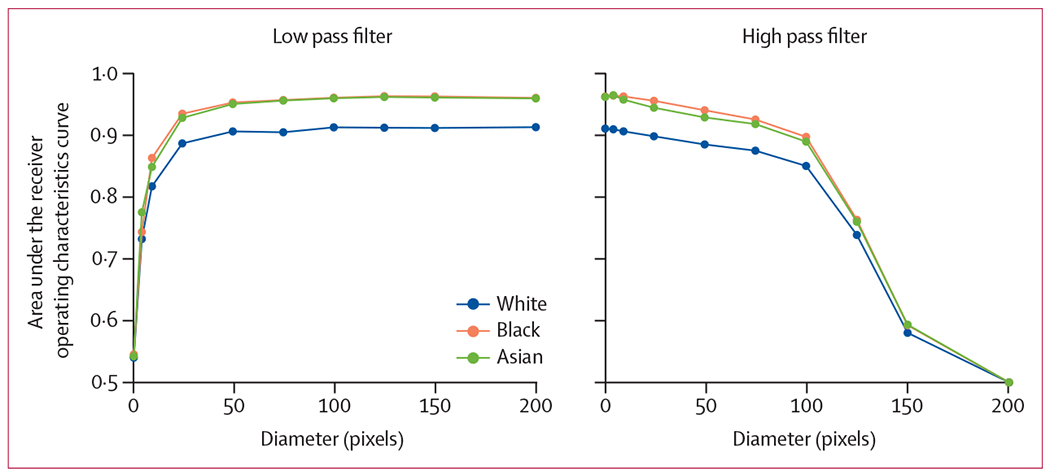
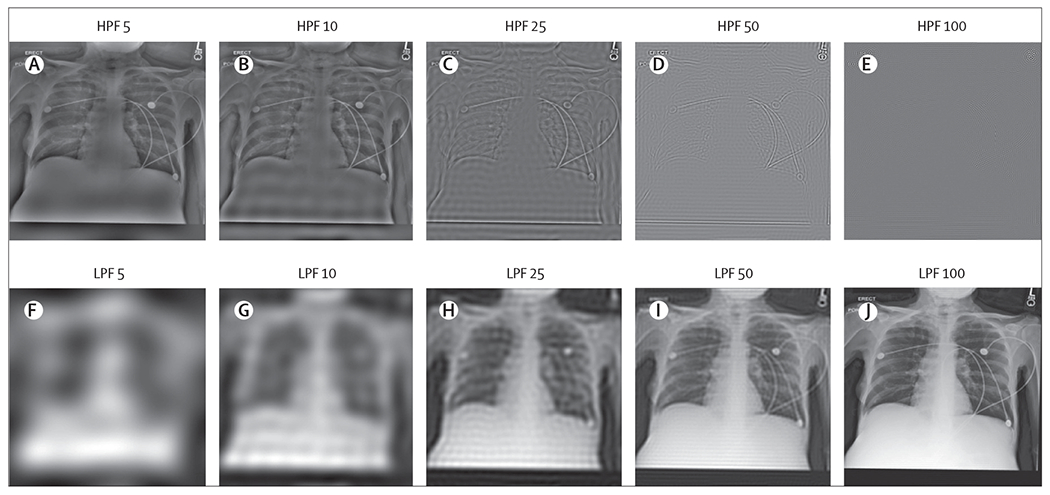
BACKGROUND: Previous studies in medical imaging have shown disparate abilities of artificial intelligence (AI) to detect a person's race, yet there is no known correlation for race on medical imaging that would be obvious to human experts when interpreting the images. We aimed to conduct a comprehensive evaluation of the ability of AI to recognise a patient's racial identity from medical images. METHODS: Using private (Emory CXR, Emory Chest CT, Emory Cervical Spine, and Emory Mammogram) and public (MIMIC-CXR, CheXpert, National Lung Cancer Screening Trial, RSNA Pulmonary Embolism CT, and Digital Hand Atlas) datasets, we evaluated, first, performance quantification of deep learning models in detecting race from medical images, including the ability of these models to generalise to external environments and across multiple imaging modalities. Second, we assessed possible confounding of anatomic and phenotypic population features by assessing the ability of these hypothesised confounders to detect race in isolation using regression models, and by re-evaluating the deep learning models by testing them on datasets stratified by these hypothesised confounding variables. Last, by exploring the effect of image corruptions on model performance, we investigated the underlying mechanism by which AI models can recognise race. FINDINGS: In our study, we show that standard AI deep learning models can be trained to predict race from medical images with high performance across multiple imaging modalities, which was sustained under external validation conditions (x-ray imaging [area under the receiver operating characteristics curve (AUC) range 0·91-0·99], CT chest imaging [0·87-0·96], and mammography [0·81]). We also showed that this detection is not due to proxies or imaging-related surrogate covariates for race (eg, performance of possible confounders: body-mass index [AUC 0·55], disease distribution [0·61], and breast density [0·61]). Finally, we provide evidence to show that the ability of AI deep learning models persisted over all anatomical regions and frequency spectrums of the images, suggesting the efforts to control this behaviour when it is undesirable will be challenging and demand further study. INTERPRETATION: The results from our study emphasise that the ability of AI deep learning models to predict self-reported race is itself not the issue of importance. However, our finding that AI can accurately predict self-reported race, even from corrupted, cropped, and noised medical images, often when clinical experts cannot, creates an enormous risk for all model deployments in medical imaging. FUNDING: National Institute of Biomedical Imaging and Bioengineering, MIDRC grant of National Institutes of Health, US National Science Foundation, National Library of Medicine of the National Institutes of Health, and Taiwan Ministry of Science and Technology.
Overview
The claims and statistics of this paper haven’t been checked yet.
Free: it reads the open-access text and checks the first 5 claims that cite a source we can check. Create a free account to check every claim.
Integrity signals
Registry
Cites
Statistics
Figures
Verification
Claims the paper makes
The claims and statistics of this paper haven’t been checked yet.
Free: it reads the open-access text and checks the first 5 claims that cite a source we can check. Create a free account to check every claim.
Claims other papers make about this one
Each is checked against this paper’s own text: does it say what the citing paper says it does?
The cited source doesn’t support the claim as written.
In the citing paper
“In this situation, XAI becomes crucial as interpretability methods can help to find and eliminate spurious correlations and shortcut learning46–48.”
From Orchestrating explainable artificial intelligence for multimodal and longitudinal data in medical imaging (2024) · cites this paper as [47]
Checked by a reasoning model — may be wrong.
Experimental — accuracy not yet measuredThe source backs part of the claim, not all of it — or backs it for a different population, condition or comparison.
In the citing paper
“In our experimental evaluation of the reading race paper where we demonstrated superhuman ability for AI to predict self-reported race across multiple modalities, we found that some transfer learning tasks are better in race detection. 28”
From AI pitfalls and what not to do: mitigating bias in AI (2023) · cites this paper as [28]
Experimental — accuracy not yet measuredThe source backs part of the claim, not all of it — or backs it for a different population, condition or comparison.
In the citing paper
“the fundamental bias in many large databases that do not reflect the target population of patient being treated making fairness an important issue to address”
From Use of artificial intelligence in critical care: opportunities and obstacles (2024) · cites this paper as [12]
Experimental — accuracy not yet measuredThe source backs part of the claim, not all of it — or backs it for a different population, condition or comparison.
In the citing paper
“Furthermore, models built on EHR data skewed toward a primarily Caucasian class of patients may not model well African-American, Hispanic or oriental patients [11, 12].”
From Use of artificial intelligence in critical care: opportunities and obstacles (2024) · cites this paper as [12]
Experimental — accuracy not yet measuredThe source backs part of the claim, not all of it — or backs it for a different population, condition or comparison.
In the citing paper
“The rapid advances in AI, and in particular the release of publicly available generative AI applications leveraging advanced large language models, have greatly accelerated discussions considering the promises and pitfalls related to AI deployment in society and healthcare [7–17].”
From Use of artificial intelligence in critical care: opportunities and obstacles (2024) · cites this paper as [12]
Experimental — accuracy not yet measured
5 more claims about this paper
Create a free account to see every claim other papers make about this one.
Self-check
Percentages, sums and reported differences re-computed from the paper’s own numbers.
The self-check needs the paper’s full text.
Citations
Cites
Deep Residual Learning for Image Recognition
He, K., Zhang, X., Ren, S., & Sun, J. (2016) · 2016 IEEE Conference on Computer Vision and Pattern Recognition (CVPR) · doi:10.1109/cvpr.2016.90 · Cited by 235,474
Densely Connected Convolutional Networks
Huang, G., Liu, Z., Van Der Maaten, L., & Weinberger, K. Q. (2017) · 2017 IEEE Conference on Computer Vision and Pattern Recognition (CVPR) · doi:10.1109/cvpr.2017.243 · Cited by 48,566
Grad-CAM: Visual Explanations from Deep Networks via Gradient-Based Localization
Selvaraju, R. R., Cogswell, M., Das, A., Vedantam, R., Parikh, D., & Batra, D. (2017) · 2017 IEEE International Conference on Computer Vision (ICCV) · doi:10.1109/iccv.2017.74 · Cited by 24,513
EfficientNet: Rethinking Model Scaling for Convolutional Neural Networks
Tan, M., & Le, Q. V. (2019) · arXiv · doi:10.48550/arxiv.1905.11946 · Cited by 17,072
Dissecting racial bias in an algorithm used to manage the health of populations
Obermeyer, Z., Powers, B., Vogeli, C., & Mullainathan, S. (2019) · Science · doi:10.1126/science.aax2342 · Cited by 7,137
On the Dangers of Stochastic Parrots: Can Language Models Be Too Big? 🦜
Bender, E. M., Gebru, T., McMillan-Major, A., & Shmitchell, S. (2021) · Proceedings of the 2021 ACM Conference on Fairness, Accountability, and Transparency · doi:10.1145/3442188.3445922 · Cited by 6,988 · cited 1×
“These experiments were: (1) to assess the ability of deep learning AI models to recognise race from medical images, including the ability of these models to generalise to new environments and across multiple imaging modalities; (2) to examine possible confounding anatomic and phenotype population features as explanati…”
Method(2018) · Cited by 3,510
Prediction of cardiovascular risk factors from retinal fundus photographs via deep learning
Poplin, R., Varadarajan, A. V., Blumer, K., Liu, Y., McConnell, M. V., Corrado, G. S., Peng, L., & Webster, D. R. (2018) · Nature Biomedical Engineering · doi:10.1038/s41551-018-0195-0 · Cited by 1,865 · cited 1×
“13–15 These findings, which show that demographic factors that are strongly associated with disease outcomes (eg, age, sex, and racial identity), are also strongly associated with features of medical images and might induce bias in model results, mirroring what is known from over a century of…”
MIMIC-CXR, a de-identified publicly available database of chest radiographs with free-text reports
Johnson, A. E. W., Pollard, T. J., Berkowitz, S. J., Greenbaum, N. R., Lungren, M. P., Deng, C.-Y., Mark, R. G., & Horng, S. (2019) · Scientific Data · doi:10.1038/s41597-019-0322-0 · Cited by 1,816
Self-citationHidden in Plain Sight — Reconsidering the Use of Race Correction in Clinical Algorithms
Vyas, D. A., Eisenstein, L. G., & Jones, D. S. (2020) · New England Journal of Medicine · doi:10.1056/nejmms2004740 · Cited by 1,731 · cited 1×
“35 Although this approach has already been criticised as being ineffective, or even harmful in some circum stances, 36 our work suggests that such an approach could be impossible in medical imaging because racial identity information appears to be incredibly difficult to isolate.”
Cited by
Items 401–500 of 610
Achara, A., Anton, E. P., Hammers, A., King, A. P., & Initiative, A. D. N. (2025) · Lecture notes in computer science · doi:10.1007/978-3-032-05870-6_16 · Cited by 1
“However, DL algorithms can often detect them [9, 30].”
Stanley, E. A. M., Mehta, R., Roschewitz, M., Forkert, N. D., & Glocker, B. (2025) · Lecture notes in computer science · doi:10.1007/978-3-032-05870-6_8 · Cited by 3
Fairness and Robustness of CLIP-Based Models for Chest X-Rays
Sourget, T., Restrepo, D. S., Hudelot, C., Ferrante, E., Christodoulidis, S., & Vakalopoulou, M. (2025) · Lecture notes in computer science · doi:10.1007/978-3-032-05870-6_2 · Cited by 2
BiasICL: In-Context Learning and Demographic Biases of Vision Language Models
Xu, S. H., Janizek, J. D., Jiang, Y., & Daneshjou, R. (2025) · Lecture notes in computer science · doi:10.1007/978-3-032-04981-0_9 · Cited by 3
Xiao, Y., Zhang, J., Chi, C., & Wang, C. (2025) · Lecture notes in computer science · doi:10.1007/978-3-032-05127-1_2 · Cited by 1
Risk Factors in the Development of Colorectal Cancer
Morsy, H., & Tudyka, V. (2025) · IntechOpen eBooks · doi:10.5772/intechopen.1012856 · Cited by 1
HARNESSING ARTIFICIAL INTELLIGENCE: TRANSFORMING CLINICAL TRIALS FOR THE FUTURE
MAHADEVAPPA, M. K., Krishnan, G., Murthannagari, V. R., & ARUN, J. (2025) · International Journal of Applied Pharmaceutics · doi:10.22159/ijap.2025v17i6.54181 · Cited by 3
TransFair: Transferring fairness from ocular disease classification to progression prediction
Shi, M., Gheisi, L., Chu, C. H., Gottumukkala, R. N., Luo, Y., Wang, M., & Zhu, X. (2025) · Artificial Intelligence in Medicine · doi:10.1016/j.artmed.2025.103331 · Cited by 2
An investigation of race bias in deep learning-based segmentation of prostate MRI images
Alqarni, M., Jones, E., Ribeiro, L., Verma, H., Cooper, S., Mullassery, V. M., Morris, S., Urbano, T. G., & King, A. P. (2025) · Scientific Reports · doi:10.1038/s41598-025-26189-5 · Cited by 4
“race or socioeconomic status can propagate bias into DL based classification models, which can in turn impact health outcomes for under-represented groups 17–20 .”
Naseri, P., Shahbazi‐Gahrouei, D., & Rajaei-Nejad, S. (2025) · Diagnostics · doi:10.3390/diagnostics15233090 · Cited by 2
“Previous studies, such as Gichoya et al. (2022), have demonstrated that deep learning models can discriminate demographic attributes such as race in imaging [29].”
Wang, M., Abu‐Odah, H., & Zeng, Y. (2025) · Asia-Pacific Journal of Oncology Nursing · doi:10.1016/j.apjon.2025.100849 · Cited by 2
Auditing Significance, Metric Choice, and Demographic Fairness in Medical AI Challenges
Lubonja, A., Bassi, P. R. A. S., Li, W., Qiao, H., Burns, R. C., Yuille, A., & Zhou, Z. Z. (2026) · Lecture notes in computer science · doi:10.1007/978-3-032-09513-8_13 · Cited by 4
The patient/industry trade-off in medical artificial intelligence
Khan, R., Sauve, A., Bayoumi, I., Simpson, A. L., & Stinson, C. (2026) · AI and Ethics · doi:10.1007/s43681-025-00936-w · Cited by 1
Interdisciplinary expertise to advance human-centered explainable AI
Bennett, C. R., Cole-Lewis, H. J., Farquhar, S. A., Hammel, N., Babenko, B., Lang, O., Fleck, M. S., Traynis, I., Lau, C. T., Liu, Y., et al. (2026) · Social Science & Medicine · doi:10.1016/j.socscimed.2026.119036 · Cited by 13
Olalde-Mathieu, V. E., & Licea-Haquet, G. (2026) · Frontiers in Human Neuroscience · doi:10.3389/fnhum.2026.1715212 · Cited by 2
A Hybrid Ensemble Framework for Rare Event Detection in Large-Scale Tabular Data
Maxutova, N., Kassymova, А., Kadirkulov, K., Ismailova, A., Zhidekulova, G., Azhibekova, Z., Tussupov, J., Rakhimov, Q., & Kenzhebayeva, Z. (2026) · Computers · doi:10.3390/computers15030151 · Cited by 1
Ethics, Bias Mitigation, and Model Risk Management
Parween, S., Dubey, N., Bharadwaj, R., Reddy, B. A., Sanghavi, H., Prasan, U. D., & Bhoopathy, V. (2026) · Advances in computational intelligence and robotics book series · doi:10.4018/979-8-3373-6851-1.ch006 · Cited by 1
Saloum, A., Zaher, I., Stipho, C. T., Demir, E., Naravetla, V., Pahlevani, M., Yaghi, N. K., & Karsy, M. J. (2026) · BioMedInformatics · doi:10.3390/biomedinformatics6020020 · Cited by 1
“…spatial resolution, and imaging artifacts (e.g., motion degradation and susceptibility distortions) can alter feature distributions and reduce model robustness when applied to real-world clinical imaging, thereby inflating internal performance without improving true disease discrimination [49,51].”
InfluentialA Comparative Study on Robustness in Evolved Image Classifiers
Torre, C. D. L., Treillard, S., Franchet, C., Luga, H., Wilson, D. G., & Cussat‐Blanc, S. (2026) · Lecture notes in computer science · doi:10.1007/978-3-032-23005-8_3 · Cited by 1
Artificial Intelligence Across the Radiology Workflow: A Nine-Stage Narrative Review
Rai, M. C. E., Far, A. B., Darweesh, M., Dhou, S., Aburaed, N., El, S., Elkhazendar, M., & Ellahham, S. (2026) · Diagnostics · doi:10.3390/diagnostics16101485 · Cited by 1
“Empirical evidence that DL models can encode and propagate racial identity from medical images across modalities, often when clinical experts cannot [188], and that gender imbalance in training datasets consistently degrades classifier performance for underrepresented groups [124], underscores that…”
Li, L. Y., Thambawita, V. L., Byberg, S., & Hulmán, Á. (2026) · International Journal of Medical Informatics · doi:10.1016/j.ijmedinf.2026.106503 · Cited by 1
Empowering healthcare 5.0 with deep learning: techniques, trends, and future directions
Maji, P. K., Chakraborty, S., Sadiq, A., Basu, S., & Ghosh, K. (2026) · Artificial Intelligence Review · doi:10.1007/s10462-026-11593-8 · Cited by 2
Lihui, L., Hu, K., & Zhou, Y. (2026) · Digital Chinese Medicine · doi:10.1016/j.dcmed.2026.05.004 · Cited by 1
Algorithmic bias in surgical risk prediction models and its impact on patient safety: a review
Ahmed, M. M. (2026) · Patient Safety in Surgery · doi:10.1186/s13037-026-00495-x · Cited by 1
“…from medical images with an AUROC of 0.81 to 0.99 across multiple imaging modalities, including 0.91 to 0.99 for X-ray imaging, 0.87 to 0.96 for chest computed tomography, and 0.81 for mammography, even from corrupted or cropped images, through mechanisms that remain unexplained (Table 1) [22].”
InfluentialShu, H., Chang, S.-T., Gameiro, R. R., Gichoya, J. W., Celi, L. A., & Kuo, P. (2026) · Radiology Artificial Intelligence · doi:10.1148/ryai.250731 · Cited by 2
Self-citationThe case for near-term artificial intelligence risks to be considered a public health problem
Armitage, R. C. (2026) · Global Public Health · doi:10.1080/17441692.2026.2716984 · Cited by 1
Challenges in medical algorithmic fairness
Srinivasan, A., Sritharan, D. V., Aneja, S., & Richman, I. B. (2026) · JNCI Cancer Spectrum · doi:10.1093/jncics/pkag081 · Cited by 2
“16 As a result, removing explicit identifiers does not eliminate the influence of these characteristics on model predictions.”
Germani, É., Zeineddine, F., Mourad, C. J., & Albarqouni, S. (2026) · Medical Image Analysis · doi:10.1016/j.media.2026.104258 · Cited by 3
AI-based Medical Image Inspection for Patient’s Racial Identity Recognition
Sharma, A., & Shrimal, G. (2022) · International Conference on Futuristic Technologies (INCOFT) · doi:10.1109/incoft55651.2022.10094542 · Cited by 1
Academic Productivity Among Underrepresented Minority and Women Urologists at Academic Institutions
Tella, D., Ostad, B., Barquin, D. L., Smith, C., King, R. L., Ballantyne, C. C., Greene, K. L., Downs, T. M., & Kern, N. G. (2023) · Urology · doi:10.1016/j.urology.2023.03.044 · Cited by 1
MACAIF: Machine Learning Auditing for Clinical AI Fairness
Barnard, P., Bautista, J. R., Krook, J., Liu, A., Menéndez, H. D., Schmidt, A., & Sookoor, T. I. (2023) · International Symposium on Trustworthy Autonomous Systems (TAS) · doi:10.1145/3597512.3597522 · Cited by 6
Where Are Biases? Adversarial Debiasing with Spurious Feature Visualization
Chen, C., Ching, P., Huang, P., & Hu, M. (2024) · Lecture notes in computer science · doi:10.1007/978-3-031-53305-1_1 · Cited by 1
Reducing blind spots in esophagogastroduodenoscopy examinations using a novel deep learning model
Wan, G., Lian, G., & Yao, L. (2024) · Multimedia Systems · doi:10.1007/s00530-024-01259-2 · Cited by 1
Mitigating Racial Bias in Chest X-Ray Disease Diagnosis Via Disentanglement Learning
Lai, X., Wang, Y., Li, J., Zhong, Z., & Yang, X. (2024) · IEEE International Symposium on Biomedical Imaging (ISBI) · doi:10.1109/isbi56570.2024.10635819 · Cited by 2
“Nevertheless, existing methods may have problems because they ignore the impact of visual bias attributes, such as the learnable racial attributes [12].”
BackgroundChallenges in Accurately Using Artificial Intelligence and Machine Learning in Biomedical Imaging
Sharma, M., Goswami, B., Goswami, N., Mahanta, S., & Singh, Y. J. (2024) · Biological and medical physics, biomedical engineering · doi:10.1007/978-981-97-5345-1_3 · Cited by 2
Cycle-GANs Generated Difference Maps to Interpret Race Prediction from Medical Images
Rathi, L., Nebbia, G., Chang, K., Kumar, S., Gupta, A., Ahmed, S. R., Patel, J., Clark, C., Veturi, Y. A., Coyner, A. S., et al. (2024) · Lecture notes in computer science · doi:10.1007/978-3-031-72787-0_13 · Cited by 1
Underdiagnosis Bias Mitigation With Expert Foundation Model’s Representation
Bahre, G. H., Hamidi, H., Sellergren, A., Quarta, A., Celi, L. A., Calimeri, F., & Seyyed-Kalantari, L. (2025) · IEEE Access · doi:10.1109/access.2025.3582754 · Cited by 3
Self-citationSenel, B. (2025) · International Journal of Health Services Research and Policy · doi:10.33457/ijhsrp.1649066 · Cited by 1
Ethical, Regulatory, and Practical Challenges in Artificial Intelligence-Driven Chest Imaging
de Lima, J. B. C., Griffin, I., Gemmell, J. S., Davis, K., Amanamba, U., Zanjani, N. A., Siyanaki, M. R. H., Mohammed, T.-L. H., Benos, T., Rodrigues, R. S., et al. (2025) · Seminars in Roentgenology · doi:10.1053/j.ro.2025.06.003 · Cited by 2
Assessing AI-based chatbots accuracy in caloric estimation: A focus on traditional Turkish foods
Kaçar, H. K., & Sarıkaya, B. (2025) · The European Research Journal · doi:10.18621/eurj.1684936 · Cited by 1
Pulmonary Hypertension Association's 2022 International Conference Scientific Sessions Overview
Alamri, A. K., Shelburne, N. J., Mayeux, J. D., & Brittain, E. L. (2023) · Pulmonary Circulation · doi:10.1002/pul2.12182
“In the medical field, AI was found to predict race from medical imaging.(32) In the field of pulmonary vascular disease, AI was found to predict patients at risk of idiopathic PAH.”
BackgroundCherezov, D., Viswanathan, V. S., Gupta, A. B., & Madabhushi, A. (2023) · SPIE Medical Imaging: Image Processing · doi:10.1117/12.2655271 · Cited by 3
“Finally, Gichoya et al. [12] demonstrated that deep models were able to predict patients' self-reported race.”
BackgroundGlocker, B., & Winzeck, S. (2021) · arXiv (Cornell University) · Cited by 2
Causal thinking for decision making on Electronic Health Records: why and howPreprint
Doutreligne, M., Struja, T., Abécassis, J., Morgand, C., Celi, L. A., & Varoquaux, G. P. (2023) · arXiv (Cornell University) · doi:10.48550/arxiv.2308.01605 · Cited by 4
Self-citationStep-by-step causal analysis of Electronic Health Records to ground decision makingPreprint
Doutreligne, M., Struja, T., Abécassis, J., Morgand, C., Varoquaux, G. P., & Celi, L. A. (2023) · Research Square · doi:10.21203/rs.3.rs-3222036/v1 · Cited by 1
Self-citationSelf-supervised Learning for Chest CT - Training Strategies and Effect on Downstream ApplicationsPreprint
Tariq, A., Patel, B. N., & Banerjee, I. (2024) · medRxiv · doi:10.1101/2024.02.01.24302144 · Cited by 1
“Well-known studies have shown that deep learning based image processing models for radiology images such as chest X-rays are astoundingly accurate at predicting race of the patient [14], [15], often resulting in damaging bias in performance of those models for minority groups.”
BackgroundSelf-citationWhen Systemic Biases Taint Algorithms: A Path to More Equitable Access in HealthcarePreprint
Aksoy, Ö., Ayvaci, M., Cezar, A., & Raghunathan, S. (2024) · SSRN Electronic Journal · doi:10.2139/ssrn.4774939 · Cited by 3
Fair Diagnosis: Leveraging Causal Modeling to Mitigate Medical BiasPreprint
Tian, B., He, Y., Liu, M., Dai, Y., Wang, Z., He, S., Sun, G., Shen, Z., Ye, W., Wu, Y., et al. (2024) · Qeios · doi:10.32388/nx9jhl · Cited by 1
Kobayashi, Y., Zhang, H., Singh, H., Gichoya, J. W., & Joshi, S. D. (2024) · medRxiv · doi:10.1101/2024.12.16.24319063 · Cited by 4
Self-citationPino, P., Parra, D., Dunstan, J., & Besa, C. (2022) · SSRN Electronic Journal · doi:10.2139/ssrn.4052411 · Cited by 1
Racial Identity Remains Embedded within Medical Imaging Data
Singh, P., & Savjani, R. R. (2022) · Radiology Imaging Cancer · doi:10.1148/rycan.229014
Shah, C., & Chen, P. (2022) · American Journal of Roentgenology · doi:10.2214/ajr.22.28293
Uso da inteligência artificial em Oncologia: Doctor in silico?
Cunha, M. T., & de Castro, G. (2022) · Revista de Medicina · doi:10.11606/issn.1679-9836.v101i4e-200470
Transformation of Digital Health Care Environment: A Solution for Pandemic
Adil, R., Al‐Shamayleh, A. S., & Hussain, A. (2022) · International Journal of Information Systems and Computer Technologies · doi:10.58325/ijisct.001.02.0021 · Cited by 2
Ηθικά διλήμματα από την εφαρμογή της Τεχνητής Νοημοσύνης σε κλινικές μελέτες
Σαργιώτης, Γ.-Χ. (2023) · Bioethica · doi:10.12681/bioeth.34074
Whitney, H. M., Li, H., Drukker, K., Reeve, M. D., & Giger, M. L. (2023) · SPIE Medical Imaging: Image Perception, Observer Performance, and Technology Assessment · doi:10.1117/12.2654076
Philosophers Can Help Engineers Describe Their Systems’ Capabilities (and Limits) [Ethics]
Goldberg, P. (2023) · IEEE Robotics & Automation Magazine · doi:10.1109/mra.2023.3323101
The Compounded Value of AI Beyond Radiology
Heine, L. (2024) · Applied Radiology · doi:10.37549/ar2944
Prediction of Pulmonary Tuberculosis with Hemoptysis based on Deep Learning
Li, W., Liu, J., Peng, H., & Liang, W. (2023) · International Conference on Systems and Informatics (ICSAI) · doi:10.1109/icsai61474.2023.10423361
“Gichoya et al. first quantified the performance of deep learning models in detection of ethnicity from medical imagery, including their generalization to external settings and across various domains [10].”
BackgroundComputational psychiatry and AI - High hopes: heralded heights or hollow hype?
Şahin, D. (2024) · Developments in neuroethics and bioethics · doi:10.1016/bs.dnb.2024.02.013
Digital Determinants of Health: AI and the need for equity-focused innovation in digital health
Celi, L. A., & KASHANI, K. B. (2024) · doi:10.52843/cassyni.rnbnh2
Self-citationWærn, A. (2023) · De lege : · doi:10.33063/dl.vi.415
Carrillo-Larco, R. M. (2024) · Pediatric Cardiology · doi:10.1007/s00246-024-03561-2
μPose: Synthetic Dataset for Human Pose Estimation in Microgravity Environments
Cardoso, L. F. D. S., Schwandt, T., & Broll, W. (2024) · IEEE Conference on Artificial Intelligence (CAI) · doi:10.1109/cai59869.2024.00282 · Cited by 1
“The objective behind this selection was to address one of the challenges identified by [19] and ensure a more inclusive representation across different demographics.”
BackgroundChest Radiographs as Biological Clocks: Implications for Risk Stratification and Personalized Care
Adams, L. C., & Bressem, K. K. (2024) · Radiology Artificial Intelligence · doi:10.1148/ryai.240410
MGAU-ResNet-multi-grained attention U-shaped residual networks for medical image segmentation
Jing, W., & Sien, L. C. (2024) · AIP conference proceedings · doi:10.1063/5.0229757
Kim, K., Cho, K., Eo, Y., Kim, J.-Y., Yun, J., Ahn, Y., Seo, J. B., Hong, G.-S., & Kim, N. (2024) · Journal of Imaging Informatics in Medicine · doi:10.1007/s10278-024-01245-0
On the Legal Aspects of Responsible AI: Adaptive Change, Human Oversight, and Societal Outcomes
Onitiu, D., Yazdanpanah, V., Chapman, A. P., Gerding, E., Middleton, S. E., & Williams, J. A. (2024) · Lecture notes of the Institute for Computer Sciences, Social Informatics and Telecommunications Engineering · doi:10.1007/978-3-031-71304-0_6 · Cited by 2
Who will be the Third Umpire: AI or Radiologists?
Jha, S. K. (2024) · The National Medical Journal of India · doi:10.25259/nmji_1018_2024
AI Fairness in Medical Imaging: Controlling for Disease Severity
Mukherjee, P., & Summers, R. M. (2024) · Lecture notes in computer science · doi:10.1007/978-3-031-72787-0_3 · Cited by 1
Liao, W., & Voldman, J. (2024) · PLOS Digital Health · doi:10.1371/journal.pdig.0000640 · Cited by 2
Fried, J. G., Shampain, K. L., Deville, C., & Sebro, R. (2024) · Springer eBooks · doi:10.1007/978-3-031-63050-7_5
Mitigating bias in radiology: The promise of topological data analysis and simplicial complexes
Singh, Y., Farrelly, C., Hathaway, Q. A., & Carlsson, G. (2024) · Oncotarget · doi:10.18632/oncotarget.28668
Artificial Intelligence for Medical Image Analysis: An Opportunity for Automation
Nwaiwu, C. A., & Park, A. (2024) · Springer eBooks · doi:10.1007/978-3-031-68574-3_10 · Cited by 2
CLASSIFICATION OF LUNG CALCIFICATIONS AND CANCER IN LUNGS-RADS SYSTEM BASED ON RADIOLOGICAL FEATURES
Nam, D. (2024) · Herald of Kazakh-British technical university · doi:10.55452/1998-6688-2024-21-4-32-44
Ahmed, H. S. (2025) · Indian Journal of Medical Ethics · doi:10.20529/ijme.2024.089 · Cited by 5
“Biased algorithms can pose a serious risk to patient privacy by disproportionately affecting specific demographic groups [38].”
King, A. P., & Lee, T. (2025) · Elsevier eBooks · doi:10.1016/b978-0-44-323761-4.00022-5 · Cited by 1
Advances in AI-Enhanced Biomedical Imaging for Cancer Immunology
Yim, W. W., Wee, F. Y. T., Ho, Z. Y., Feng, X., Zhang, M., Lee, S., Zlobec, I., Yeong, J. P.-S., & Lau, M. C. (2024) · World Scientific Annual Review of Cancer Immunology · doi:10.1142/s2972389224300044 · Cited by 1
Demographic characteristics prediction using deep learning analysis of kidney imaging
Correa, R., Abdul‐Muhsin, H. M., & Banerjee, I. (2025) · SPIE Medical Imaging: Computer-Aided Diagnosis · doi:10.1117/12.3047323
Self-citationMitigating Spurious Correlations in Preclinical Alzheimer's Disease Detection via Pretraining
Gui, L., & Zhang, W. (2024) · International Congress on Image and Signal Processing (CISP) · doi:10.1109/cisp-bmei64163.2024.10906245
Mustafaev, T., Hossain, B., Nishikawa, R. M., & Lee, J. (2025) · SPIE Medical Imaging: Computer-Aided Diagnosis · doi:10.1117/12.3047312
Multi-factor debiasing for correlating confounders for fair diagnostic model
Joshi, V., Correa, R., Das, A., Gichoya, J. W., & Banerjee, I. (2025) · SPIE Medical Imaging: Image Processing · doi:10.1117/12.3047316 · Cited by 1
Self-citationFrom Algorithms to Cures: AI's Impact on Drug Discovery
Karimah, F., & Amirah (2023) · Journal of Computer Science Application and Engineering · doi:10.70356/josapen.v1i2.12
Mitigating Bias in Opportunistic Screening for MACE With Causal Reasoning
Pi, J., Farina, J., Chao, C., Ayoub, C., Arsanjani, R., & Banerjee, I. (2025) · IEEE Transactions on Artificial Intelligence · doi:10.1109/tai.2025.3567961 · Cited by 2
“These models may misclassify patients based on racial information, a bias undetectable by radiologists, highlighting the significant impact of demographic factors [18].”
Self-citationSiyasari, A., Qalanou, M. S., & Dehghanmehr, S. (2025) · Photodiagnosis and Photodynamic Therapy · doi:10.1016/j.pdpdt.2025.104666
Weber, T., Ingrisch, M., Bischl, B., & Rügamer, D. (2025) · Lecture notes in computer science · doi:10.1007/978-981-96-8183-9_9 · Cited by 3
Augmenting Chest X-ray Datasets with Non-Expert Annotations
Cheplygina, V., Damgaard, C., Eriksen, T. N., Juodelyte, D., & Jiménez-Sánchez, A. (2025) · Lecture notes in computer science · doi:10.1007/978-3-031-98688-8_10 · Cited by 11
“However, CheXpert and NIH-CXR14 datasets have been shown to suffer from bias [8, 15, 26] or shortcuts [13, 21].”
BackgroundLaroche, D., Grodecki, B., & Ng, C. (2025) · Journal of the National Medical Association · doi:10.1016/j.jnma.2025.06.008
Threats to the Validity of the Predictive System Performance for Ophthalmology
Woźniak, M., & Grzybowski, A. E. (2025) · Springer eBooks · doi:10.1007/978-3-031-83756-2_6
Gomez, L. E. (2025) · Journal of the National Medical Association · doi:10.1016/j.jnma.2025.07.009
Investigating Data Replication in Medical Synthetic Image Generation with Diffusion Models
Rahman, A., Valanarasu, J. M. J., & Patel, V. M. (2025) · Proceedings - International Conference on Image Processing · doi:10.1109/icip55913.2025.11084397 · Cited by 1
ShortCXR: Benchmarking Self-supervised Learning for Shortcut Mitigation in Chest X-Ray Diagnostics
Chang-Liao, Y.-Q., & Kuo, P. (2025) · Lecture notes in computer science · doi:10.1007/978-3-032-05870-6_3
Self-citationPredicting Patient Self-reported Race From Skin Histological Images with Deep Learning
Chen, S., Verma, R., Clare, K., Jegminat, J., Alleva, E., Huang, K., Veremis, B. M., Fuchs, T. J., & Campanella, G. S. V. (2025) · Lecture notes in computer science · doi:10.1007/978-3-032-05870-6_11 · Cited by 1
“While histological images may not encode demographic signals as strongly as radiological images [13, 14], DL models can still predict self-reported race, likely by leveraging morphological shortcuts such as epidermal structures in skin slides.”
InfluentialLTCXNet: Tackling Long-Tailed Multi-label Classification and Racial Bias in Chest X-Ray Analysis
Huang, C., Chen, C., Shen, M.-Y., Shih, K.-C., Lin, S.-C., & Kuo, P. (2025) · Lecture notes in computer science · doi:10.1007/978-3-032-05870-6_1
Self-citationCausal Representation Learning with Observational Grouping for CXR Classification
Rasal, R., Kori, A., & Glocker, B. (2025) · Lecture notes in computer science · doi:10.1007/978-3-032-05870-6_15 · Cited by 1
Robustness and Sex Differences in Skin Cancer Detection: Logistic Regression vs CNNs
Pedersen, N., Sydendal, R., Wulff, A., Raumanns, R., Petersen, E., & Cheplygina, V. (2025) · Lecture notes in computer science · doi:10.1007/978-3-032-05870-6_12 · Cited by 1
“For example, Gichoya et al. [12] show that DL models can reliably predict sensitive demographic variables from chest x-rays, even when these variables are not recognizable to clinical experts.”
Yazbeck, H., Assaf, J. F., Wheary, L., Upaphong, P., Elsharawi, R., Jackson, J., Wittberg, D. M., Nash, S. D., Admassu, F., Tadesse, Z., et al. (2026) · Ophthalmology Science · doi:10.1016/j.xops.2026.101184
“29,30 Socia et al’s 11 study results showed that a trachoma detection model trained on a dataset from Tanzania poorly generalized to a test set from Niger and Ethiopia, and vice versa.”
Blending Identities and Breathing Life Into Radiology Through ML-Merged Volumetric Chimeras
Blackistone, K. (2025) · Conference on Animation and Interactive Art (CAIA) · doi:10.1145/3749893.3749900
“Meanwhile, it began to become apparent that AI radiology analysis were, in fact, capable of determining race of the subject[15].”
FairCareNLP: An AI-driven patient review analyzer for healthcare
Esfahani, S. M. P. M., Seeman, D., Dharma, C., Noaeen, M., Guha, S., & Abad, Z. S. H. (2026) · PLoS ONE · doi:10.1371/journal.pone.0337676
Do, J., Guggilla, N., Suresh, V., & Kothari, R. P. (2025) · medRxiv · doi:10.1101/2025.11.21.25340008 · Cited by 1
Metadata
- Authors
- Gichoya, J. W., Banerjee, I., Bhimireddy, A. R., Burns, J. L., Celi, L. A., Chen, L.-C., Correa, R., Dullerud, N., Ghassemi, M., Huang, S.-C., Kuo, P.-C., Lungren, M. P., Palmer, L. J., Price, B. J., Purkayastha, S., Pyrros, A. T., Oakden-Rayner, L., Okechukwu, C., Seyyed-Kalantari, L., Trivedi, H., Wang, R., Zaiman, Z., & Zhang, H.
- Affiliations
- Emory University (US)
- Arizona State University (US)
- Indiana University – Purdue University Indianapolis (US)
- Beth Israel Deaconess Medical Center (US)
- National Tsing Hua University (TW)
- University of Toronto (CA)
- Massachusetts Institute of Technology (US)
- Stanford Medicine (US)
- The University of Adelaide (AU)
- Florida State University (US)
- DuPage Medical Group (US)
- Georgia Institute of Technology (US)
- Corresponding author
- Gichoya, Judy Wawira
- ORCID
- Venue
- The Lancet Digital Health
- Publisher
- Elsevier BV
- Published
- 2022-06
- Volume
- 4
- Issue
- 6
- Pages
- e406-e414
- ISSN
- 2589-7500 (ISSN-L)
- PMC
- PMC9650160
- OpenAlex
- W4280519765
- Semantic Scholar
- 3870f203248262e9815e01beca21c71ba9aa0eed
- Cited by
- 611
- References
- 35
- Citations by year
- 2026: 151 · 2025: 152 · 2024: 150 · 2023: 109 · 2022: 40
- FWCI
- 33.96
- Type
- journal article
- Language
- en
- Open access
- gold
- doi.org
- Licence
- cc-by
- www.elsevier.com/tdm/userlicense/1.0/ (tdm)
- www.elsevier.com/legal/tdmrep-license (tdm)
- creativecommons.org/licenses/by/4.0/ (vor)
- Locations
- The Lancet Digital Health (publishedVersion, cc-by)
- PubMed (publishedVersion)
- PubMed Central (acceptedVersion, cc-by)
- arXiv (Cornell University) (submittedVersion)
- IUScholarWorks (Indiana University) (submittedVersion, cc-by)
- Purdue University Indianapolis (Indiana University) (submittedVersion, cc-by)
- arXiv (Cornell University) (cc-by)
- Funders
- NSF
- Ministry of Science and Technology, Taiwan (MOST109-2222-E-007-004-MY3)
- National Science Foundation (1928481)
- National Institutes of Health
- NLM (R01LM012966)
- National Institute of Biomedical Imaging and Bioengineering (75N92020C00008, 75N92020C00021, R01 EB017205)
- Topics
- Health Sciences › Medicine › Health Informatics › Artificial Intelligence in Healthcare and Education
- Physical Sciences › Computer Science › Artificial Intelligence › Ethics and Social Impacts of AI
- Social Sciences › Anthropology › Race, Genetics, and Society
- Keywords
- race prediction, artificial intelligence, diagnostic imaging, deep learning, chest radiography, chest CT, mammography, cervical spine imaging, external validation, image corruption robustness, algorithmic bias, racial disparities in health care, algorithmic fairness, model interpretability
- MeSH terms
- Deep Learning, Artificial Intelligence, Humans, Lung Neoplasms, Retrospective Studies, Early Detection of Cancer
About these checks
Registry, retraction, Cites and statistics results are computed, not judged, with one exception: a printed reference that no index lists is read once by a model before it counts as a citation error. Claims are extracted by a model and kept only when their quote appears verbatim in the text; each cited source is then checked, with a model’s help, for whether it says what the claim relies on. Those verdicts can be wrong — read the claim’s quote and the cited source before relying on one.
Statistics and arithmetic are recomputed, not judged.
Confidence bands are shown only for fields calibrated on our annotated test set. None is calibrated yet, so no band is shown.
What counts as a claim ›How we measure confidence ›How we check this ›
Are you an author, or do you see a problem with this page? Request a review
Data sources
Bibliographic data: Semantic Scholar, OpenAlex, Crossref.
Contains information from the Semantic Scholar Academic Graph Datasets, made available under the ODC Attribution License (ODC-BY 1.0).
Semantic Scholar’s data is described in: Kinney, R., et al. (2023). The Semantic Scholar Open Data Platform. arXiv:2301.10140.
