

AI recognition of patient race in medical imaging: a modelling study
Open accessThe DOI matches its Crossref record; 40 of the 41 references it cites were found in a registry or an index, and 1 are not checked yet.
Abstract
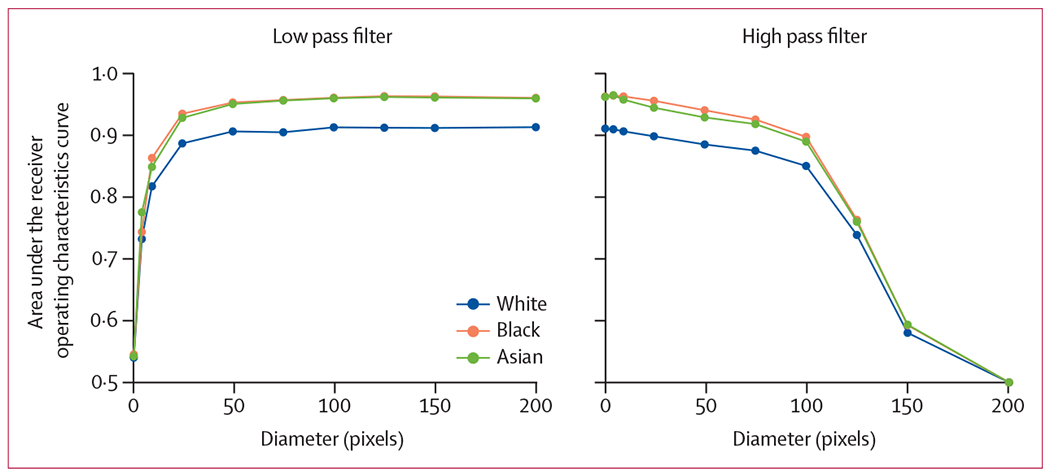
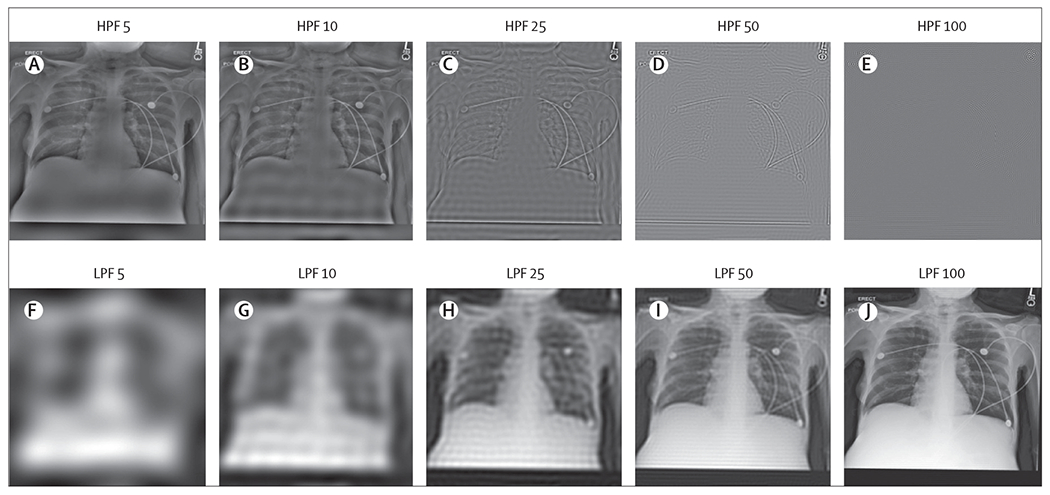
BACKGROUND: Previous studies in medical imaging have shown disparate abilities of artificial intelligence (AI) to detect a person's race, yet there is no known correlation for race on medical imaging that would be obvious to human experts when interpreting the images. We aimed to conduct a comprehensive evaluation of the ability of AI to recognise a patient's racial identity from medical images. METHODS: Using private (Emory CXR, Emory Chest CT, Emory Cervical Spine, and Emory Mammogram) and public (MIMIC-CXR, CheXpert, National Lung Cancer Screening Trial, RSNA Pulmonary Embolism CT, and Digital Hand Atlas) datasets, we evaluated, first, performance quantification of deep learning models in detecting race from medical images, including the ability of these models to generalise to external environments and across multiple imaging modalities. Second, we assessed possible confounding of anatomic and phenotypic population features by assessing the ability of these hypothesised confounders to detect race in isolation using regression models, and by re-evaluating the deep learning models by testing them on datasets stratified by these hypothesised confounding variables. Last, by exploring the effect of image corruptions on model performance, we investigated the underlying mechanism by which AI models can recognise race. FINDINGS: In our study, we show that standard AI deep learning models can be trained to predict race from medical images with high performance across multiple imaging modalities, which was sustained under external validation conditions (x-ray imaging [area under the receiver operating characteristics curve (AUC) range 0·91-0·99], CT chest imaging [0·87-0·96], and mammography [0·81]). We also showed that this detection is not due to proxies or imaging-related surrogate covariates for race (eg, performance of possible confounders: body-mass index [AUC 0·55], disease distribution [0·61], and breast density [0·61]). Finally, we provide evidence to show that the ability of AI deep learning models persisted over all anatomical regions and frequency spectrums of the images, suggesting the efforts to control this behaviour when it is undesirable will be challenging and demand further study. INTERPRETATION: The results from our study emphasise that the ability of AI deep learning models to predict self-reported race is itself not the issue of importance. However, our finding that AI can accurately predict self-reported race, even from corrupted, cropped, and noised medical images, often when clinical experts cannot, creates an enormous risk for all model deployments in medical imaging. FUNDING: National Institute of Biomedical Imaging and Bioengineering, MIDRC grant of National Institutes of Health, US National Science Foundation, National Library of Medicine of the National Institutes of Health, and Taiwan Ministry of Science and Technology.
Overview
The claims and statistics of this paper haven’t been checked yet.
Free: it reads the open-access text and checks the first 5 claims that cite a source we can check. Create a free account to check every claim.
Integrity signals
Registry
Cites
Statistics
Figures
Verification
Claims the paper makes
The claims and statistics of this paper haven’t been checked yet.
Free: it reads the open-access text and checks the first 5 claims that cite a source we can check. Create a free account to check every claim.
Claims other papers make about this one
Each is checked against this paper’s own text: does it say what the citing paper says it does?
The cited source doesn’t support the claim as written.
In the citing paper
“In this situation, XAI becomes crucial as interpretability methods can help to find and eliminate spurious correlations and shortcut learning46–48.”
From Orchestrating explainable artificial intelligence for multimodal and longitudinal data in medical imaging (2024) · cites this paper as [47]
Checked by a reasoning model — may be wrong.
Experimental — accuracy not yet measuredThe source backs part of the claim, not all of it — or backs it for a different population, condition or comparison.
In the citing paper
“In our experimental evaluation of the reading race paper where we demonstrated superhuman ability for AI to predict self-reported race across multiple modalities, we found that some transfer learning tasks are better in race detection. 28”
From AI pitfalls and what not to do: mitigating bias in AI (2023) · cites this paper as [28]
Experimental — accuracy not yet measuredThe source backs part of the claim, not all of it — or backs it for a different population, condition or comparison.
In the citing paper
“the fundamental bias in many large databases that do not reflect the target population of patient being treated making fairness an important issue to address”
From Use of artificial intelligence in critical care: opportunities and obstacles (2024) · cites this paper as [12]
Experimental — accuracy not yet measuredThe source backs part of the claim, not all of it — or backs it for a different population, condition or comparison.
In the citing paper
“Furthermore, models built on EHR data skewed toward a primarily Caucasian class of patients may not model well African-American, Hispanic or oriental patients [11, 12].”
From Use of artificial intelligence in critical care: opportunities and obstacles (2024) · cites this paper as [12]
Experimental — accuracy not yet measuredThe source backs part of the claim, not all of it — or backs it for a different population, condition or comparison.
In the citing paper
“The rapid advances in AI, and in particular the release of publicly available generative AI applications leveraging advanced large language models, have greatly accelerated discussions considering the promises and pitfalls related to AI deployment in society and healthcare [7–17].”
From Use of artificial intelligence in critical care: opportunities and obstacles (2024) · cites this paper as [12]
Experimental — accuracy not yet measured
5 more claims about this paper
Create a free account to see every claim other papers make about this one.
Self-check
Percentages, sums and reported differences re-computed from the paper’s own numbers.
The self-check needs the paper’s full text.
Citations
Cites
Deep Residual Learning for Image Recognition
He, K., Zhang, X., Ren, S., & Sun, J. (2016) · 2016 IEEE Conference on Computer Vision and Pattern Recognition (CVPR) · doi:10.1109/cvpr.2016.90 · Cited by 235,474
Densely Connected Convolutional Networks
Huang, G., Liu, Z., Van Der Maaten, L., & Weinberger, K. Q. (2017) · 2017 IEEE Conference on Computer Vision and Pattern Recognition (CVPR) · doi:10.1109/cvpr.2017.243 · Cited by 48,566
Grad-CAM: Visual Explanations from Deep Networks via Gradient-Based Localization
Selvaraju, R. R., Cogswell, M., Das, A., Vedantam, R., Parikh, D., & Batra, D. (2017) · 2017 IEEE International Conference on Computer Vision (ICCV) · doi:10.1109/iccv.2017.74 · Cited by 24,513
EfficientNet: Rethinking Model Scaling for Convolutional Neural Networks
Tan, M., & Le, Q. V. (2019) · arXiv · doi:10.48550/arxiv.1905.11946 · Cited by 17,072
Dissecting racial bias in an algorithm used to manage the health of populations
Obermeyer, Z., Powers, B., Vogeli, C., & Mullainathan, S. (2019) · Science · doi:10.1126/science.aax2342 · Cited by 7,137
On the Dangers of Stochastic Parrots: Can Language Models Be Too Big? 🦜
Bender, E. M., Gebru, T., McMillan-Major, A., & Shmitchell, S. (2021) · Proceedings of the 2021 ACM Conference on Fairness, Accountability, and Transparency · doi:10.1145/3442188.3445922 · Cited by 6,988 · cited 1×
“These experiments were: (1) to assess the ability of deep learning AI models to recognise race from medical images, including the ability of these models to generalise to new environments and across multiple imaging modalities; (2) to examine possible confounding anatomic and phenotype population features as explanati…”
Method(2018) · Cited by 3,510
Prediction of cardiovascular risk factors from retinal fundus photographs via deep learning
Poplin, R., Varadarajan, A. V., Blumer, K., Liu, Y., McConnell, M. V., Corrado, G. S., Peng, L., & Webster, D. R. (2018) · Nature Biomedical Engineering · doi:10.1038/s41551-018-0195-0 · Cited by 1,865 · cited 1×
“13–15 These findings, which show that demographic factors that are strongly associated with disease outcomes (eg, age, sex, and racial identity), are also strongly associated with features of medical images and might induce bias in model results, mirroring what is known from over a century of…”
MIMIC-CXR, a de-identified publicly available database of chest radiographs with free-text reports
Johnson, A. E. W., Pollard, T. J., Berkowitz, S. J., Greenbaum, N. R., Lungren, M. P., Deng, C.-Y., Mark, R. G., & Horng, S. (2019) · Scientific Data · doi:10.1038/s41597-019-0322-0 · Cited by 1,816
Self-citationHidden in Plain Sight — Reconsidering the Use of Race Correction in Clinical Algorithms
Vyas, D. A., Eisenstein, L. G., & Jones, D. S. (2020) · New England Journal of Medicine · doi:10.1056/nejmms2004740 · Cited by 1,731 · cited 1×
“35 Although this approach has already been criticised as being ineffective, or even harmful in some circum stances, 36 our work suggests that such an approach could be impossible in medical imaging because racial identity information appears to be incredibly difficult to isolate.”
Cited by
Items 301–400 of 610
Salomé, S., & Monfort, E. (2023) · NPG. Neurologie, psychiatrie, gériatrie/NPG · doi:10.1016/j.npg.2023.09.004 · Cited by 12
Orlichenko, A., Daly, G. T., Zhou, Z., Liu, A., Shen, H., Deng, H., & Wang, Y. (2023) · Neuroimage Reports · doi:10.1016/j.ynirp.2023.100191 · Cited by 4
Queiroz, D., Anjos, A., & Berton, L. (2024) · Lecture notes in computer science · doi:10.1007/978-3-031-72787-0_11 · Cited by 4
“For example, in chest X-ray datasets, only a few include protected attributes [6], making it challenging to evaluate DL models trained on such data across different demographics and sensitive variables.”
BackgroundLin, Y., Cheng, M., Wu, C., Huang, Y., Zhu, T., Li, J., Gao, H., & Wang, K. (2024) · The Lancet Regional Health - Western Pacific · doi:10.1016/j.lanwpc.2024.101254 · Cited by 6
“67 Researchers were unable to pinpoint speci fi c image-based factors accounting for this accuracy, as the models persistently showed robust performance even when analyzing highly degraded images that were indiscern-ible to human specialists, underscoring the fact that AI is not inherently impartial…”
Wang, Y., Qu, Z., Dai, Z., Li, Y., Liu, Y., Wang, W., Xiao, L., & Zhang, Y. (2025) · Scientific Reports · doi:10.1038/s41598-025-88982-6 · Cited by 7
Representations and consequences of race in AI systems
Yi, A., & Turner, B. L. (2024) · Current Opinion in Psychology · doi:10.1016/j.copsyc.2024.101831 · Cited by 19
Open challenges on fairness of artificial intelligence in medical imaging applications
Ferrante, E., & Echeveste, R. (2025) · Elsevier eBooks · doi:10.1016/b978-0-44-323761-4.00023-7 · Cited by 7
Not Color Blind: AI Predicts Racial Identity from Black and White Retinal Vessel SegmentationsPreprint
Coyner, A. S., Singh, P., Brown, J. M., Ostmo, S. R., Chan, R. V. P., Chiang, M. F., Kalpathy–Cramer, J., & Campbell, J. P. (2021) · arXiv (Cornell University) · doi:10.48550/arxiv.2109.13845 · Cited by 6
Patient Perspectives of Artificial Intelligence in Medical Imaging
Postle, R. D., & Forster, B. B. (2024) · Canadian Association of Radiologists Journal · doi:10.1177/08465371241298597 · Cited by 4
Beyond algorithms: Ethical implications of AI in healthcare
Pathni, R. K. (2024) · Medical Journal Armed Forces India · doi:10.1016/j.mjafi.2024.10.014 · Cited by 5
Data Foundations for Trustworthy AI in Dentistry
Uribe, S. E., & Schwendicke, F. (2025) · Springer eBooks · doi:10.1007/978-3-031-84047-0_10 · Cited by 3
Wang, S.-Q., Qiu, K., Zheng, Q.-R., Zhou, B.-J., Li, M.-Y., Zhong, H., Chen, Y., & Yuan, S. (2025) · Frontiers in Cellular and Infection Microbiology · doi:10.3389/fcimb.2025.1586087 · Cited by 8
A Review on SPECT Myocardial Perfusion Imaging Attenuation Correction Using Deep Learning
Apostolopoulos, I. D., Papandrianos, N. I., Papageorgiou, E. I., & Apostolopoulos, D. J. (2025) · Applied Sciences · doi:10.3390/app152011287 · Cited by 5
Caraka, R. E., Supardi, K., Gondhowiardjo, S. A., Isnaniawardhani, V., Gio, P. U., Chen, R.-C., & Pardamean, B. (2025) · Journal of Healthcare Leadership · doi:10.2147/jhl.s550933 · Cited by 4
Deep Learning Model-Based Architectures for Lung Tumor Mutation Profiling: A Systematic Review
Ortuño‐Miquel, S., Roca, R., Alenda, C., Aranda, I., Martínez-Banaclocha, N., Amador, S., & Gil, D. (2025) · Cancers · doi:10.3390/cancers17223619 · Cited by 4
“Recent evidence shows that DL models can even infer demographic traits such as race from histopathological or radiological images, underscoring the risk of shortcut learning [42].”
Cai, K., Dou, D., Deng, G., Zhan, Y., Huang, H., & Feng, Z. (2025) · ImmunoTargets and Therapy · doi:10.2147/itt.s547159 · Cited by 3
“48 Second, the current binary classification framework (RA vs normal) has not been fully validated for differential diagnosis against other arthritic conditions like osteoarthritis (OA) or ankylosing spondylitis (AS).”
Modern integrative prostate cancer diagnostics
Grobholz, R., Burn, F., & Prause, L. W. (2025) · Current Opinion in Urology · doi:10.1097/mou.0000000000001361 · Cited by 5
Gete, K. Y., & Ayele, A. A. (2025) · BMC Neurology · doi:10.1186/s12883-025-04528-3 · Cited by 9
“Equity risks are non-trivial: AI systems encode latent demographic signals (including race) even when these are not visible to experts, creating potential for disparate performance if training data are geographically or demographically narrow [35].”
Chae, Y. K., Velcheti, V., Zhang, K., Hiremath, A., Chung, L. I., Maghsoudi, O. H., Chitalia, R., Lee, J., Li, H., Lee, S., et al. (2026) · Journal for ImmunoTherapy of Cancer · doi:10.1136/jitc-2025-013391 · Cited by 7
Generative Counterfactual Augmentation for Bias Mitigation
Uwaeze, J., Kulkarni, P., Braverman, V., Jacobs, M. A., & Parekh, V. S. (2025) · IEEE International Conference on Computer Vision Workshops · doi:10.1109/iccvw69036.2025.00125 · Cited by 3
“Prior work has shown that DL models trained on chest x-rays (CXRs) can encode protected demographic attributes (such as sex, age, and race) [6, 14, 30] and exhibit disparities in model performance be-tween demographic groups [5, 13, 26].”
Cooke, L. H., Jung, M., Brendel, J. M., Kerkovits, N. M., Foldyna, B., Lu, M. T., & Raghu, V. K. (2026) · npj Digital Medicine · doi:10.1038/s41746-026-02497-6 · Cited by 11
Liu, N., Han, G., Gu, Q., Zhang, Y., & Chen, M. M. (2026) · Cell Death and Disease · doi:10.1038/s41419-026-08769-z · Cited by 5
Algorithmic Status Inequality: An Integrative Perspective on AI‐Driven Social Stratification
Wu, J. (2026) · Journal of Management Studies · doi:10.1111/joms.70134 · Cited by 6
Dataset Distribution Impacts Model Fairness: Single Vs. Multi-task Learning
Raumanns, R., Schouten, G., Pluim, J. P. W., & Cheplygina, V. (2024) · Lecture notes in computer science · doi:10.1007/978-3-031-72787-0_2 · Cited by 6
“Deep learning has shown many successes in medical image diagnosis [30,12,3], but despite high overall performance, models can be biased against patients from different demographic groups [1,22,15].”
BackgroundWoite, N. L., Gameiro, R. R., Leite, M. G. H. S. J., Hammond, A., Cobanaj, M., & Celi, L. A. (2025) · Critical Care Science · doi:10.62675/2965-2774.20250380 · Cited by 7
“(50) Biased AI can perpetuate existing healthcare disparities, as these systems might not perform equally well across different demographic groups.”
Self-citationWangyan, T., Sun, Q., Grizzard, P. J., Liu, J., & Peng, Y. (2023) · PubMed Central · Cited by 3
Breaking Down Covariate Shift on Pneumothorax Chest X-Ray Classification
Bercean, B. A., Buburuzan, A., Birhala, A., Avramescu, C., Tenescu, A., & Marcu, M. (2023) · Lecture notes in computer science · doi:10.1007/978-3-031-44336-7_16 · Cited by 4
Bias in Unsupervised Anomaly Detection in Brain MRI
Bercea, C. I., Anton, E. P., Wiestler, B., Rueckert, D., Schnabel, J. A., & King, A. P. (2023) · Lecture notes in computer science · doi:10.1007/978-3-031-45249-9_12 · Cited by 10
Henten, E. J. V., Montenegro, C., Popović, M., Vougioukas, S. G., Alfred Daniel, J., & Han, G. (2023) · IEEE Robotics & Automation Magazine · doi:10.1109/mra.2023.3322917 · Cited by 3
Manipulation of sources of bias in AI device development
Burgon, A., Zhang, Y., Sahiner, B., Petrick, N., Cha, K., & Samala, R. K. (2024) · SPIE Medical Imaging: Computer-Aided Diagnosis · doi:10.1117/12.3008267 · Cited by 5
“11 In this work, we present a strategy that can be incorporated into the AI device development pipeline to systematically manipulate existing sources of bias by promoting the use of short-cut learning.”
MethodAdvances in multimodal imaging of lung injury
Zhou, Q., Zhang, Z., Xia, Y., Li, J., Liu, S., & Fan, L. (2024) · Chinese Journal of Academic Radiology · doi:10.1007/s42058-024-00158-9 · Cited by 3
Essentials for AI Research in Cardiology: Challenges and Mitigations
Jaltotage, B., & Dwivedi, G. (2024) · CJC Open · doi:10.1016/j.cjco.2024.07.015 · Cited by 7
“22 Therefore, it is likely a degree of explainability is required in any AI study and might help to detect similar scenarios, but a requirement for complete explainability would hinder progress and performance.”
D-Rax: Domain-Specific Radiologic Assistant Leveraging Multi-modal Data and eXpert Model Predictions
Nisar, H., Anwar, S. M., Jiang, Z., Parida, A., Sanchez, R., Nath, V., Roth, H. R., & Linguraru, M. G. (2024) · Lecture notes in computer science · doi:10.1007/978-3-031-73471-7_10 · Cited by 11
Causal debiasing for unknown bias in histopathology—A colon cancer use case
Correa, R., Pai, R. K., Ebare, K., Buchanan, D. D., Jenkins, M. A., Phipps, A. I., Newcomb, P. A., Gallinger, S., Grant, R. C., Marchand, L. L., et al. (2024) · PLoS ONE · doi:10.1371/journal.pone.0303415 · Cited by 3
Self-citationDrinnan, M. J., Abrams, P., Arlandis, S., Drake, M. J., Gammie, A., Harding, C., Rantell, A., & Valentini, F. A. (2024) · Neurourology and Urodynamics · doi:10.1002/nau.25646 · Cited by 3
“This leads to recent and poorly ‐ understood findings that (e.g.,) the ethnicity of a patient can be determined reliably from a small and de ‐ focussed section of an X ‐ ray image [38].”
Sex-Based Bias in Artificial Intelligence-Based Segmentation Models in Clinical Oncology
Doo, F. X., Naranjo, W. G., Kapouranis, T., Thor, M., Chao, M., Yang, X., & Marshall, D. C. (2025) · Clinical Oncology · doi:10.1016/j.clon.2025.103758 · Cited by 7
Addressing Racial Bias in AI: Towards a More Equitable Future
Ferrara, E. (2025) · Smart innovation, systems and technologies · doi:10.1007/978-981-97-7419-7_20 · Cited by 6
A Pipeline for Automated Quality Control of Chest Radiographs
Selby, I., González-Solares, E., Breger, A., Roberts, M., Sánchez, L. E., Babar, J. L., Rudd, J. H. F., Walton, N. A., Sala, E., Schönlieb, C., et al. (2025) · Radiology Artificial Intelligence · doi:10.1148/ryai.240003 · Cited by 8
Aggregated Attributions for Explanatory Analysis of 3D Segmentation Models
Chrabaszcz, M., Baniecki, H., Komorowski, P., Płotka, S., & Biecek, P. (2025) · IEEE Winter Conference on Applications of Computer Vision · doi:10.1109/wacv61041.2025.00026 · Cited by 11
“In extreme cases, the lack of understandability conceals biases in data, which negatively influence the model’s generalization performance [30, 38], or even make it discriminate certain groups of patients [19].”
Healthcare Security Challenges Leveraging Generative AI to Transform Cybersecurity
Nadeem, G., Khaliq, A., Ahmed, J., & Aziz, A. (2025) · IGI Global eBooks · doi:10.4018/979-8-3693-6250-1.ch010 · Cited by 5
Oladimeji, O. O., Imran, A.-A.-Z., Wang, X., & Unnikrishnan, S. (2025) · Image and Vision Computing · doi:10.1016/j.imavis.2025.105601 · Cited by 8
Nakayama, L. F., Ribeiro, L. Z., Ferraz, D., & Regatieri, C. V. (2024) · Springer eBooks · doi:10.1007/978-3-031-29358-0_16-1 · Cited by 3
Explaining medical AI performance disparities across sites with confounder Shapley value analysisPreprint
Wu, E., Wu, K., & Zou, J. (2021) · arXiv (Cornell University) · doi:10.48550/arxiv.2111.08168 · Cited by 11
DREAM: A framework for discovering mechanisms underlying AI prediction of protected attributesPreprint
Gadgil, S. U., DeGrave, A. J., Janizek, J. D., Xu, S. H., Nwandu, L., Fonjungo, F., Lee, S., & Daneshjou, R. (2024) · medRxiv · doi:10.1101/2024.04.09.24305289 · Cited by 6
“Examples include the prediction of a patient’s sex from retinal fundus images [28] and the prediction of a patient’s race from different forms of radiological imaging [17].”
BackgroundBias Amplification to Facilitate the Systematic Evaluation of Bias Mitigation Methods
Burgon, A., Zhang, Y., Petrick, N., Sahiner, B., Kenny, H., & Samala, R. K. (2024) · IEEE Journal of Biomedical and Health Informatics · doi:10.1109/jbhi.2024.3491946 · Cited by 6
Improving Fairness in Chest X-Ray Interpretation Models Using Attention-Driven Masked Image Modeling
Chen, C.-J., Wang, S., & Kuo, P. (2024) · Annual International Conference of the IEEE Engineering in Medicine and Biology Society (EMBC) · doi:10.1109/embc53108.2024.10782563 · Cited by 2
“Moreover, the motivation for this research is underpinned by the disparities revealed in recent studies, such as the underdiagnosis rates in different racial groups reported by [2], highlighting the critical need for resource allocation based on unbiased medical image analysis.”
Self-citationAzarianpour, S., Khalighi, S., Aggarwal, A., Viswanathan, V. S., Fu, P., Avril, S., & Madabhushi, A. (2025) · npj Precision Oncology · doi:10.1038/s41698-025-00972-z · Cited by 5
Tran, H. H.-V., Thu, A., Fuertes, A., Twayana, A. R., Mahadevaiah, A., Mehta, K. A., James, M., Basta, M., Weissman, S. I., Frishman, W. H., et al. (2025) · Cardiology in Review · doi:10.1097/crd.0000000000000975 · Cited by 6
Mitigated deployment strategy for ethical AI in clinical settings
Abdulrahman, S., & Trengove, M. (2025) · BMJ Health & Care Informatics · doi:10.1136/bmjhci-2024-101363 · Cited by 5
InstructX2X: An Interpretable Local Editing Model for Counterfactual Medical Image Generation
Min, H., You, T., Lee, H., Cho, Y., & Cho, S. (2025) · Lecture notes in computer science · doi:10.1007/978-3-032-05325-1_27 · Cited by 9
Cherezov, D., Fu, P., & Madabhushi, A. (2025) · Computers in Biology and Medicine · doi:10.1016/j.compbiomed.2025.111147 · Cited by 7
de Andrade, J. B. C., Carneiro, T. S., Mendes, G. N. N., dos Santos, J. P. N., & Lima, J. C. (2025) · International Journal of Medical Informatics · doi:10.1016/j.ijmedinf.2025.106233 · Cited by 3
Gronsbell, J. L., Thurston, H., Dong, L., Ferguson, V., Chaudhury, D. S., O’Neill, B. G., Sha, K., & Bonneville, R. (2025) · Biology of Sex Differences · doi:10.1186/s13293-025-00783-8 · Cited by 2
“This example highlights how limiting biomedical research to individuals who are legible to algorithms can perpetuate incomplete or skewed representations of transgender health and, in doing so, obscure the very populations that computational phenotypes intend to make visible.”
InfluentialGeremamo, Y. D., Hasan, A., Razzak, S. A., & Uddin, S. (2026) · International Journal of Pharmaceutics · doi:10.1016/j.ijpharm.2026.126604 · Cited by 4
Wang, X., Tang, X., Wei, C., Xu, J., Sun, K., & Zhou, G. (2026) · Journal of Pain Research · doi:10.2147/jpr.s570481 · Cited by 2
Integration of fairness-awareness into clinical language processing models
Abulibdeh, R., Lin, Y., Ahmadi, S., Sejdić, E., Celi, L. A., Zhao, Q., & Tu, K. (2026) · Communications Medicine · doi:10.1038/s43856-026-01433-9 · Cited by 2
“These disparities may re fl ect how uncertainty estimates from the BERT model interact with underrepresented or linguistically diverse patient subgroups 65 (since fairness was not explicitly considered in the sampling design, these fi ndingsshouldbeinterpretedwithcaution).”
Self-citationCheng, Y.-H., Dong, J., Wang, Z., Zhao, H., Chen, M., & Ma, T. (2026) · Frontiers in Oncology · doi:10.3389/fonc.2026.1748473 · Cited by 2
Research integrity and data ethics in AI-driven integrated healthcare: a critical appraisal
Zeng, W., Wei, H., Chen, Y., Tang, J., Ge, J., & Chen, H. (2026) · Frontiers in Public Health · doi:10.3389/fpubh.2026.1838551 · Cited by 2
“Subsequent empirical investigations have confirmed and extended this finding: deep learning models can recognize patient race from medical images alone—raising concerns about embedded demographic information that algorithms may exploit in ways developers neither intend nor detect (11).”
Deep Learning for Digital Pathology in Limited Data Scenarios
Stacke, K. (2022) · Linköping studies in science and technology. Dissertations · doi:10.3384/9789179294748 · Cited by 2
Pap, A. L., & Szitkay, E. K. (2023) · Sociétés plurielles · doi:10.46298/societes-plurielles.2023.11295 · Cited by 6
Handler, J. A., Lee, O. J., Chatrath, S., McGarvey, J., Fitch, T., Jose, D., & Vozenilek, J. A. (2023) · Journal of Medical Systems · doi:10.1007/s10916-023-01962-z · Cited by 4
“Many recommend accounting for potentially differing model performance among demographic groups [27–29].”
BackgroundBurns, J. L., Zaiman, Z., VanSchaik, J. T., Luo, G., Peng, L., Price, B., Mathias, G., Mittal, V. A., Sagane, A., Tignanelli, C. J., et al. (2023) · Journal of medical imaging · doi:10.1117/1.jmi.10.6.061106 · Cited by 9
Self-citationArtificial intelligence in cancer research and precision medicine
Corti, C., Cobanaj, M., Criscitiello, C., & Curigliano, G. (2024) · Elsevier eBooks · doi:10.1016/b978-0-443-13671-9.00005-3 · Cited by 4
From Bytes to Insights: The Promise and Peril of Artificial Intelligence–Powered Psychiatry
Luna, A., & Hyler, S. E. (2024) · Academic Psychiatry · doi:10.1007/s40596-024-01972-0 · Cited by 3
“…using only X-rays of the wrist from a large public dataset, demonstrated that an AI algorithm could identify the race of an individual using only clinical imaging, even when “corrupted, cropped, and noised,” putting into question whether such computer algorithms can truly be “race-blind” [23].”
Learning Diffusion Functions for Image Restoration
Ortega, J. V., Haas, M., & Effland, A. (2024) · IEEE International Symposium on Biomedical Imaging (ISBI) · doi:10.1109/isbi56570.2024.10635306 · Cited by 2
“Nevertheless, it is known that neural networks can be very unstable [3, 4], fallible [5], and biased [6].”
BackgroundAl-Naser, Y. (2024) · Journal of medical imaging and radiation sciences · doi:10.1016/j.jmir.2024.101436 · Cited by 2
Localisation of Racial Information in Chest X-Ray for Deep Learning Diagnosis
Salvado, O., Konate, S., Cruz, R. S., Bdadley, A., Gichoya, J. W., Seyyed-Kalantari, L., Price, B., Fookes, C., & Lebrat, L. (2024) · IEEE International Symposium on Biomedical Imaging (ISBI) · doi:10.1109/isbi56570.2024.10635445 · Cited by 2
“More details about the data, similar model, and the results about race classification can be found in Gichoya et al. [2].”
BackgroundMethodInfluentialSelf-citationExplainable AI: motivations and connections with system identification
Warnick, S. C., Materassi, D., Vemuru, K., Vatan, F., Petrillo, P. L., Kamara, A., & Henz, B. J. (2024) · IFAC-PapersOnLine · doi:10.1016/j.ifacol.2024.08.579 · Cited by 4
A global perspective on AI innovation and effective use in the research lab
Jeng, A. C., Sibley, I. J., & Bale, T. L. (2024) · Neuroscience · doi:10.1016/j.neuroscience.2024.09.034 · Cited by 3
A Practical Framework for Promoting Justice-Oriented Innovation in Radiology
Blythe, J. A., Gowda, V., & Flores, E. J. (2024) · Journal of the American College of Radiology · doi:10.1016/j.jacr.2024.08.007 · Cited by 2
Kavandi, H., Kulkarni, P., Garin, S. P., Bachina, P., Parekh, V. S., & Yi, P. H. (2024) · American Journal of Roentgenology · doi:10.2214/ajr.24.31963 · Cited by 2
Graph Feature Embeddings for Patient Re-Identification from Chest X-Ray Images
Manesco, J. R. R., Jodas, D. S., Zanella, M. J. G., Santos, M. K., & Papa, J. P. (2024) · SIBGRAPI Conference on Graphics, Patterns and Images (SIBGRAPI) · doi:10.1109/sibgrapi62404.2024.10716264 · Cited by 2
“Recent works in the literature, inspired by impressive advances in deep learning techniques, revealed a series of biometrical capabilities of chest X-ray (CXR) imaging in identifying traditional demographic markers such as age [1], ethnicity [2], and biological sex [3].”
BackgroundPractical Guide to Image-Based Big Data Research
Ross, E., Arya, S., & Melcher, M. L. (2025) · JAMA Surgery · doi:10.1001/jamasurg.2024.6012 · Cited by 2
TOULOUMES, N., Gagianas, G., Bradley, J. A., Muelly, M. C., Kalra, A., & Reicher, J. J. (2025) · The American Journal of the Medical Sciences · doi:10.1016/j.amjms.2025.02.011 · Cited by 4
Techno-material entanglements and the social organisation of difference
Heil, T., Meissner, F., & Vertovec, N. (2025) · Ethnic and Racial Studies · doi:10.1080/01419870.2025.2469694 · Cited by 4
“For example, research has shown that a machine learning model can accurately predict self-reported race from medical images, often when clinical experts looking at the same images cannot (Gichoya et al. 2022).”
Unsupervised Search for Ethnic Minorities’ Medical Segmentation Training Set
Chen, Y., Yao, Y., Yang, R., Hossain, M. Z., Gupta, A., & Gedeon, T. (2025) · IEEE International Conference on Acoustics Speech and Signal Processing · doi:10.1109/icassp49660.2025.10888593 · Cited by 2
“These characteristics are critical for accurate medical image segmentation [5].”
Flaharty, K. A., Chandrasekar, V., Castillo, I. J., Duong, D., Ferreira, C. R., Hanchard, S. E. L., Hu, P., Waikel, R. L., Rossignol, F., Introne, W. J., et al. (2025) · Journal of Inherited Metabolic Disease · doi:10.1002/jimd.70042 · Cited by 2
“This aligns with previous publications in which DL models can detect findings occult to human experts [17, 18].”
Mitigating medical dataset bias by learning adaptive agreement from a biased council
Luo, L., Huang, X., Wang, M., Wan, Z., Ma, W., & Chen, H. (2025) · Medical Image Analysis · doi:10.1016/j.media.2025.103629 · Cited by 9
Mastrodicasa, D., & van Assen, M. (2025) · BJR|Open · doi:10.1093/bjro/tzaf015 · Cited by 3
“102 AI models trained on biased or unrepresentative data may perpetuate or even exacerbate inequalities in health care, with greater effect on under-represented groups.”
Are Generative Models Fair? A Study of Racial Bias in Dermatological Image Generation
López-Pérez, M., Hauberg, S., & Feragen, A. (2025) · Lecture notes in computer science · doi:10.1007/978-3-031-95918-9_27 · Cited by 11
Nakayama, L. F., Ribeiro, L. Z., Ferraz, D., & Regatieri, C. V. (2025) · Springer eBooks · doi:10.1007/978-3-031-29358-0_16-2 · Cited by 2
On the Interplay of Human-AI Alignment, Fairness, and Performance Trade-Offs in Medical Imaging
Luo, H., Zhou, Z., Shu, S. Z., de Mortanges, A. P., Berke, R., & Reyes, M. (2025) · Lecture notes in computer science · doi:10.1007/978-3-032-05185-1_41 · Cited by 8
Estimating and Controlling for Equalized Odds via Sensitive Attribute Predictors
Bharti, B., Yi, P. H., & Sulam, J. (2022) · PubMed · doi:10.48550/arxiv.2207.12497 · Cited by 4
“While this assumption may seem limiting, this is milder than those in existing results: First, accurate predictors h can be developed [6, 17, 23, 19], thus satisfying the assumption (our numerical results will highlight this fact as well).”
ResultKünstliche Intelligenz in der Registerforschung
Rupp, M., Pawelczyk, J., & Niemeyer, P. (2024) · Arthroskopie · doi:10.1007/s00142-024-00671-0 · Cited by 2
Role of Artificial Intelligence in Endoscopic Intervention: A Clinical Review
Javed, N., Ghazanfar, H., Balar, B., & Patel, H. (2024) · Journal of Community Hospital Internal Medicine Perspectives · doi:10.55729/2000-9666.1341 · Cited by 3
Yanto, F., Jannata, N., Handayani, L., & Cynthia, E. P. (2024) · INOVTEK Polbeng - Seri Informatika · doi:10.35314/isi.v9i1.4235 · Cited by 2
“Teknik ini meningkatkan kualitas gambar dengan meningkatkan kontras, sambil menghindari peningkatan noise yang berlebihan dan mengurangi efek bayangan tepi[22] Nilai ambang batas ditentukan dengan menggunakan batas klip [23].”
BackgroundRevisiting Hidden Representations in Transfer Learning for Medical ImagingPreprint
Juodelyte, D., Jiménez-Sánchez, A., & Cheplygina, V. (2023) · IT University Of Copenhagen (IT University of Copenhagen) · doi:10.48550/arxiv.2302.08272 · Cited by 16
“For example, see Gichoya et al. (2022) where ImageNet pre-trained networks memorize patient race.”
BackgroundMadabhushi, A., Azarianpour, S., Khalighi, S., Aggarwal, A., Viswanathan, V. S., Fu, P., & Avril, S. (2023) · Research Square · doi:10.21203/rs.3.rs-3622429/v1 · Cited by 2
“Even though race is a complex construct with socio-political implications, capturing cultural and demographic facets 32,33 , racial disparities in various gynecological cancers result in higher mortality rates among African American (AA) women compared to other populations 4,34 .”
BackgroundPinard, C. J. (2025) · Veterinary oncology. · doi:10.1186/s44356-025-00027-2 · Cited by 2
“In human healthcare, issues such as data privacy, algorithmic transparency, and inherent bias have spurred the development of rigorous regulatory frameworks [21– 23].”
A quantitative analysis of global AI medical studies: gaps in randomized controlled trials
Wang, Q., Yang, Y., Qiu, L., Xu, Y., Sun, R., Xue, P., & Qiao, Y. (2026) · npj Digital Medicine · doi:10.1038/s41746-026-02698-z · Cited by 4
Cloud-based innovations for syndromic surveillance
Balsari, S. (2023) · Elsevier eBooks · doi:10.1016/b978-0-12-809528-7.00008-3 · Cited by 1
Reconsidering Conclusions of Bias Assessment in Medical Imaging Foundation Models
Chaudhari, A. S., Blüthgen, C., & Ouyang, D. (2023) · Radiology Artificial Intelligence · doi:10.1148/ryai.230432 · Cited by 1
Takahashi, K., Usuzaki, T., & Inamori, R. (2024) · Radiology · doi:10.1148/radiol.232760 · Cited by 1
Algorithmic shortcutting in medical image analysis
Koback, F. L., Hill, B., Barnum, T., & Schilling, P. L. (2024) · SPIE Medical Imaging: Computer-Aided Diagnosis · doi:10.1117/12.3005269 · Cited by 1
“This extends beyond mere statistical signatures or specific machine-related features, indicating the model’s capacity to shortcut even on demographic factors like race, as demonstrated in a previous study 14 .”
BackgroundBelhadj, S. A., Park, S., Seth, A., Dar, H., & Kooi, T. (2024) · Lecture notes in computer science · doi:10.1007/978-3-031-72787-0_6 · Cited by 3
Künstliche Intelligenz in der Kinderpneumologie – Chancen und unbeantwortete Fragen
Dramburg, S. (2025) · Klinische Pädiatrie · doi:10.1055/a-2511-8548 · Cited by 1
“Da - rüber hinaus konnte gezeigt werden, dass Bildauswertungsmodel-le in der Lage waren den ethnischen Hintergrund der Untersuchten ohne weitere Angaben zu erkennen [63].”
Responsible Use of AI: Ethics, Biases, and Fairness
Blades, K. (2025) · Springer eBooks · doi:10.1007/978-3-031-83526-1_10 · Cited by 2
Yan, Y., Chen, Y., Pan, J., Li, P., Ni, F., & He, H. (2025) · BMC Cancer · doi:10.1186/s12885-025-14353-z · Cited by 2
“Particularly in the early diagnosis of diseases, Deep Learning technology has shown immense potential, providing healthcare professionals with more precise and rapid diagnostic tools [15, 26, 27].”
Chen, J. (2025) · BMC Oral Health · doi:10.1186/s12903-025-06408-1 · Cited by 4
“Several studies have demonstrated differences in the performance of AI algorithms across different races [14].”
Kurian, N. C., Williams, P. N., Abdulrahman, S., Schrouff, J., Vandersluis, R., Palmer, L. J., & Oakden‐Rayner, L. (2026) · Journal of Imaging Informatics in Medicine · doi:10.1007/s10278-026-02073-0 · Cited by 1
Self-citation
Metadata
- Authors
- Gichoya, J. W., Banerjee, I., Bhimireddy, A. R., Burns, J. L., Celi, L. A., Chen, L.-C., Correa, R., Dullerud, N., Ghassemi, M., Huang, S.-C., Kuo, P.-C., Lungren, M. P., Palmer, L. J., Price, B. J., Purkayastha, S., Pyrros, A. T., Oakden-Rayner, L., Okechukwu, C., Seyyed-Kalantari, L., Trivedi, H., Wang, R., Zaiman, Z., & Zhang, H.
- Affiliations
- Emory University (US)
- Arizona State University (US)
- Indiana University – Purdue University Indianapolis (US)
- Beth Israel Deaconess Medical Center (US)
- National Tsing Hua University (TW)
- University of Toronto (CA)
- Massachusetts Institute of Technology (US)
- Stanford Medicine (US)
- The University of Adelaide (AU)
- Florida State University (US)
- DuPage Medical Group (US)
- Georgia Institute of Technology (US)
- Corresponding author
- Gichoya, Judy Wawira
- ORCID
- Venue
- The Lancet Digital Health
- Publisher
- Elsevier BV
- Published
- 2022-06
- Volume
- 4
- Issue
- 6
- Pages
- e406-e414
- ISSN
- 2589-7500 (ISSN-L)
- PMC
- PMC9650160
- OpenAlex
- W4280519765
- Semantic Scholar
- 3870f203248262e9815e01beca21c71ba9aa0eed
- Cited by
- 611
- References
- 35
- Citations by year
- 2026: 151 · 2025: 152 · 2024: 150 · 2023: 109 · 2022: 40
- FWCI
- 33.96
- Type
- journal article
- Language
- en
- Open access
- gold
- doi.org
- Licence
- cc-by
- www.elsevier.com/tdm/userlicense/1.0/ (tdm)
- www.elsevier.com/legal/tdmrep-license (tdm)
- creativecommons.org/licenses/by/4.0/ (vor)
- Locations
- The Lancet Digital Health (publishedVersion, cc-by)
- PubMed (publishedVersion)
- PubMed Central (acceptedVersion, cc-by)
- arXiv (Cornell University) (submittedVersion)
- IUScholarWorks (Indiana University) (submittedVersion, cc-by)
- Purdue University Indianapolis (Indiana University) (submittedVersion, cc-by)
- arXiv (Cornell University) (cc-by)
- Funders
- NSF
- Ministry of Science and Technology, Taiwan (MOST109-2222-E-007-004-MY3)
- National Science Foundation (1928481)
- National Institutes of Health
- NLM (R01LM012966)
- National Institute of Biomedical Imaging and Bioengineering (75N92020C00008, 75N92020C00021, R01 EB017205)
- Topics
- Health Sciences › Medicine › Health Informatics › Artificial Intelligence in Healthcare and Education
- Physical Sciences › Computer Science › Artificial Intelligence › Ethics and Social Impacts of AI
- Social Sciences › Anthropology › Race, Genetics, and Society
- Keywords
- race prediction, artificial intelligence, diagnostic imaging, deep learning, chest radiography, chest CT, mammography, cervical spine imaging, external validation, image corruption robustness, algorithmic bias, racial disparities in health care, algorithmic fairness, model interpretability
- MeSH terms
- Deep Learning, Artificial Intelligence, Humans, Lung Neoplasms, Retrospective Studies, Early Detection of Cancer
About these checks
Registry, retraction, Cites and statistics results are computed, not judged, with one exception: a printed reference that no index lists is read once by a model before it counts as a citation error. Claims are extracted by a model and kept only when their quote appears verbatim in the text; each cited source is then checked, with a model’s help, for whether it says what the claim relies on. Those verdicts can be wrong — read the claim’s quote and the cited source before relying on one.
Statistics and arithmetic are recomputed, not judged.
Confidence bands are shown only for fields calibrated on our annotated test set. None is calibrated yet, so no band is shown.
What counts as a claim ›How we measure confidence ›How we check this ›
Are you an author, or do you see a problem with this page? Request a review
Data sources
Bibliographic data: Semantic Scholar, OpenAlex, Crossref.
Contains information from the Semantic Scholar Academic Graph Datasets, made available under the ODC Attribution License (ODC-BY 1.0).
Semantic Scholar’s data is described in: Kinney, R., et al. (2023). The Semantic Scholar Open Data Platform. arXiv:2301.10140.
