

AI recognition of patient race in medical imaging: a modelling study
Open accessThe DOI matches its Crossref record; 40 of the 41 references it cites were found in a registry or an index, and 1 are not checked yet.
Abstract
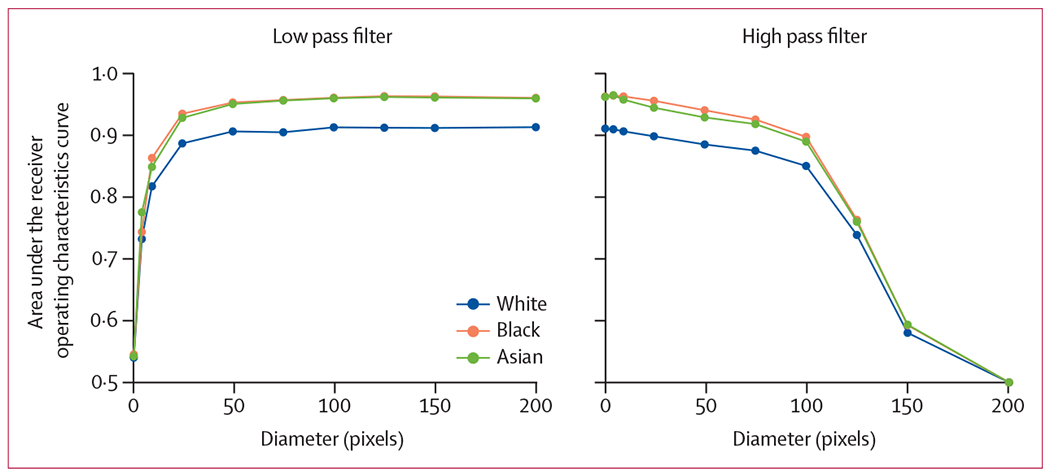
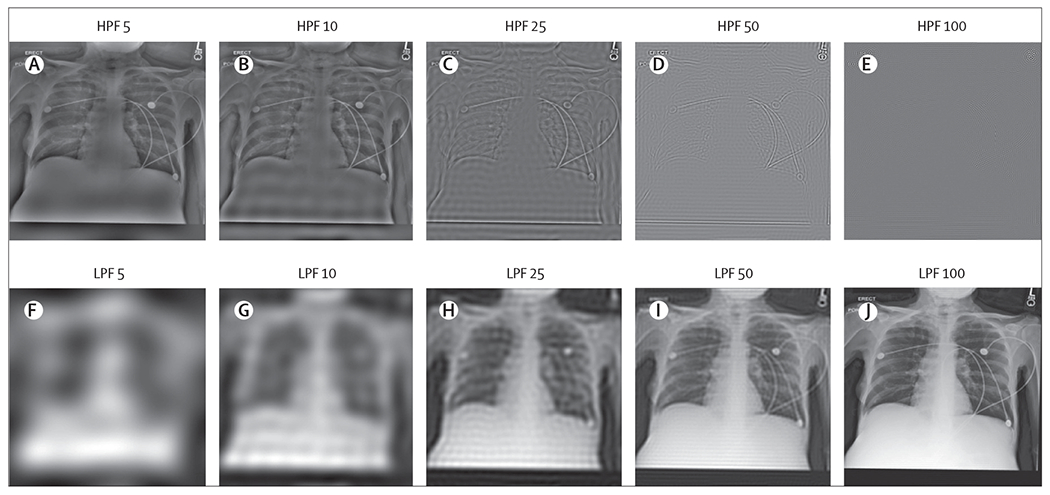
BACKGROUND: Previous studies in medical imaging have shown disparate abilities of artificial intelligence (AI) to detect a person's race, yet there is no known correlation for race on medical imaging that would be obvious to human experts when interpreting the images. We aimed to conduct a comprehensive evaluation of the ability of AI to recognise a patient's racial identity from medical images. METHODS: Using private (Emory CXR, Emory Chest CT, Emory Cervical Spine, and Emory Mammogram) and public (MIMIC-CXR, CheXpert, National Lung Cancer Screening Trial, RSNA Pulmonary Embolism CT, and Digital Hand Atlas) datasets, we evaluated, first, performance quantification of deep learning models in detecting race from medical images, including the ability of these models to generalise to external environments and across multiple imaging modalities. Second, we assessed possible confounding of anatomic and phenotypic population features by assessing the ability of these hypothesised confounders to detect race in isolation using regression models, and by re-evaluating the deep learning models by testing them on datasets stratified by these hypothesised confounding variables. Last, by exploring the effect of image corruptions on model performance, we investigated the underlying mechanism by which AI models can recognise race. FINDINGS: In our study, we show that standard AI deep learning models can be trained to predict race from medical images with high performance across multiple imaging modalities, which was sustained under external validation conditions (x-ray imaging [area under the receiver operating characteristics curve (AUC) range 0·91-0·99], CT chest imaging [0·87-0·96], and mammography [0·81]). We also showed that this detection is not due to proxies or imaging-related surrogate covariates for race (eg, performance of possible confounders: body-mass index [AUC 0·55], disease distribution [0·61], and breast density [0·61]). Finally, we provide evidence to show that the ability of AI deep learning models persisted over all anatomical regions and frequency spectrums of the images, suggesting the efforts to control this behaviour when it is undesirable will be challenging and demand further study. INTERPRETATION: The results from our study emphasise that the ability of AI deep learning models to predict self-reported race is itself not the issue of importance. However, our finding that AI can accurately predict self-reported race, even from corrupted, cropped, and noised medical images, often when clinical experts cannot, creates an enormous risk for all model deployments in medical imaging. FUNDING: National Institute of Biomedical Imaging and Bioengineering, MIDRC grant of National Institutes of Health, US National Science Foundation, National Library of Medicine of the National Institutes of Health, and Taiwan Ministry of Science and Technology.
Overview
The claims and statistics of this paper haven’t been checked yet.
Free: it reads the open-access text and checks the first 5 claims that cite a source we can check. Create a free account to check every claim.
Integrity signals
Registry
Cites
Statistics
Figures
Verification
Claims the paper makes
The claims and statistics of this paper haven’t been checked yet.
Free: it reads the open-access text and checks the first 5 claims that cite a source we can check. Create a free account to check every claim.
Claims other papers make about this one
Each is checked against this paper’s own text: does it say what the citing paper says it does?
The cited source doesn’t support the claim as written.
In the citing paper
“In this situation, XAI becomes crucial as interpretability methods can help to find and eliminate spurious correlations and shortcut learning46–48.”
From Orchestrating explainable artificial intelligence for multimodal and longitudinal data in medical imaging (2024) · cites this paper as [47]
Checked by a reasoning model — may be wrong.
Experimental — accuracy not yet measuredThe source backs part of the claim, not all of it — or backs it for a different population, condition or comparison.
In the citing paper
“In our experimental evaluation of the reading race paper where we demonstrated superhuman ability for AI to predict self-reported race across multiple modalities, we found that some transfer learning tasks are better in race detection. 28”
From AI pitfalls and what not to do: mitigating bias in AI (2023) · cites this paper as [28]
Experimental — accuracy not yet measuredThe source backs part of the claim, not all of it — or backs it for a different population, condition or comparison.
In the citing paper
“the fundamental bias in many large databases that do not reflect the target population of patient being treated making fairness an important issue to address”
From Use of artificial intelligence in critical care: opportunities and obstacles (2024) · cites this paper as [12]
Experimental — accuracy not yet measuredThe source backs part of the claim, not all of it — or backs it for a different population, condition or comparison.
In the citing paper
“Furthermore, models built on EHR data skewed toward a primarily Caucasian class of patients may not model well African-American, Hispanic or oriental patients [11, 12].”
From Use of artificial intelligence in critical care: opportunities and obstacles (2024) · cites this paper as [12]
Experimental — accuracy not yet measuredThe source backs part of the claim, not all of it — or backs it for a different population, condition or comparison.
In the citing paper
“The rapid advances in AI, and in particular the release of publicly available generative AI applications leveraging advanced large language models, have greatly accelerated discussions considering the promises and pitfalls related to AI deployment in society and healthcare [7–17].”
From Use of artificial intelligence in critical care: opportunities and obstacles (2024) · cites this paper as [12]
Experimental — accuracy not yet measured
5 more claims about this paper
Create a free account to see every claim other papers make about this one.
Self-check
Percentages, sums and reported differences re-computed from the paper’s own numbers.
The self-check needs the paper’s full text.
Citations
Cites
Deep Residual Learning for Image Recognition
He, K., Zhang, X., Ren, S., & Sun, J. (2016) · 2016 IEEE Conference on Computer Vision and Pattern Recognition (CVPR) · doi:10.1109/cvpr.2016.90 · Cited by 235,474
Densely Connected Convolutional Networks
Huang, G., Liu, Z., Van Der Maaten, L., & Weinberger, K. Q. (2017) · 2017 IEEE Conference on Computer Vision and Pattern Recognition (CVPR) · doi:10.1109/cvpr.2017.243 · Cited by 48,566
Grad-CAM: Visual Explanations from Deep Networks via Gradient-Based Localization
Selvaraju, R. R., Cogswell, M., Das, A., Vedantam, R., Parikh, D., & Batra, D. (2017) · 2017 IEEE International Conference on Computer Vision (ICCV) · doi:10.1109/iccv.2017.74 · Cited by 24,513
EfficientNet: Rethinking Model Scaling for Convolutional Neural Networks
Tan, M., & Le, Q. V. (2019) · arXiv · doi:10.48550/arxiv.1905.11946 · Cited by 17,072
Dissecting racial bias in an algorithm used to manage the health of populations
Obermeyer, Z., Powers, B., Vogeli, C., & Mullainathan, S. (2019) · Science · doi:10.1126/science.aax2342 · Cited by 7,137
On the Dangers of Stochastic Parrots: Can Language Models Be Too Big? 🦜
Bender, E. M., Gebru, T., McMillan-Major, A., & Shmitchell, S. (2021) · Proceedings of the 2021 ACM Conference on Fairness, Accountability, and Transparency · doi:10.1145/3442188.3445922 · Cited by 6,988 · cited 1×
“These experiments were: (1) to assess the ability of deep learning AI models to recognise race from medical images, including the ability of these models to generalise to new environments and across multiple imaging modalities; (2) to examine possible confounding anatomic and phenotype population features as explanati…”
Method(2018) · Cited by 3,510
Prediction of cardiovascular risk factors from retinal fundus photographs via deep learning
Poplin, R., Varadarajan, A. V., Blumer, K., Liu, Y., McConnell, M. V., Corrado, G. S., Peng, L., & Webster, D. R. (2018) · Nature Biomedical Engineering · doi:10.1038/s41551-018-0195-0 · Cited by 1,865 · cited 1×
“13–15 These findings, which show that demographic factors that are strongly associated with disease outcomes (eg, age, sex, and racial identity), are also strongly associated with features of medical images and might induce bias in model results, mirroring what is known from over a century of…”
MIMIC-CXR, a de-identified publicly available database of chest radiographs with free-text reports
Johnson, A. E. W., Pollard, T. J., Berkowitz, S. J., Greenbaum, N. R., Lungren, M. P., Deng, C.-Y., Mark, R. G., & Horng, S. (2019) · Scientific Data · doi:10.1038/s41597-019-0322-0 · Cited by 1,816
Self-citationHidden in Plain Sight — Reconsidering the Use of Race Correction in Clinical Algorithms
Vyas, D. A., Eisenstein, L. G., & Jones, D. S. (2020) · New England Journal of Medicine · doi:10.1056/nejmms2004740 · Cited by 1,731 · cited 1×
“35 Although this approach has already been criticised as being ineffective, or even harmful in some circum stances, 36 our work suggests that such an approach could be impossible in medical imaging because racial identity information appears to be incredibly difficult to isolate.”
Cited by
Items 101–200 of 610
Mapping the Landscape of Care Providers’ Quality Assurance Approaches for AI in Diagnostic Imaging
Lundström, C. F., & Lindvall, M. (2022) · Journal of Imaging Informatics in Medicine · doi:10.1007/s10278-022-00731-7 · Cited by 29
“Illustrative examples include AI training data sets representing only a small and homogeneous part of the world [21], and AI showing a strong capacity to predict race from radiology images which could lead to undetected racial bias [22].”
BackgroundOzcan, B. B., Doğan, B. E., Xi, Y., & Knippa, E. E. (2025) · Radiology Imaging Cancer · doi:10.1148/rycan.240290 · Cited by 27
“Our findings highlight the critical need to address racial and ethnic disparities within AI health care applications, revealing that participants, like researchers, are concerned about potential biases (13–16).”
Health Equity Considerations in the Age of Artificial Intelligence
Budhu, J. A., Anderson, N., Branson, C. O., Dy-Hollins, M., Jiménez-Gómez, A., Nearing, K. I., Vélez, F. G. S., Staisch, J., Wabulya, A., & Mendizabal, A. (2025) · Neurology · doi:10.1212/wnl.0000000000214356 · Cited by 30
“Equity-centered policies must move measures, AI risks deepening disparities rather than serving as a tool for health equity.”
Artificial intelligence in uveitis: A comprehensive review
Nakayama, L. F., Ribeiro, L. Z., Dychiao, R. G., Zamora, Y. F., Regatieri, C. V., Celi, L. A., Silva, P., Sobrin, L., & Belfort, R. (2023) · Survey of Ophthalmology · doi:10.1016/j.survophthal.2023.02.007 · Cited by 26
Self-citationGender Artifacts in Visual Datasets
Meister, N., Zhao, D., Wang, A., Ramaswamy, V., Fong, R., & Russakovsky, O. (2023) · IEEE/CVF International Conference on Computer Vision (ICCV) · doi:10.1109/iccv51070.2023.00446 · Cited by 55
“We follow similar approaches to research within the computational biology community that finds that gender, race, and age can be inferred from various medical imaging techniques (e.g., chest and hand X-rays, mammograms, retinal fundus photography) due to subtle cues in the input space [27, 34, 54].”
MethodZhou, Y., Huang, S.-C., Fries, J., Youssef, A., Amrhein, T. J., Chang, M., Banerjee, I., Rubin, D. L., Xing, L., Shah, N. H., et al. (2021) · arXiv (Cornell University) · doi:10.48550/arxiv.2111.11665 · Cited by 80
Self-citationImplications of Bias in Artificial Intelligence: Considerations for Cardiovascular Imaging
van Assen, M., Beecy, A., Gershon, G., Newsome, J. M., Trivedi, H., & Gichoya, J. W. (2024) · Current Atherosclerosis Reports · doi:10.1007/s11883-024-01190-x · Cited by 28
Self-citationMaximising Large Language Model Utility in Cardiovascular Care: A Practical Guide
Nolin-Lapalme, A., Thériault-Lauzier, P., Corbin, D., Tastet, O., Sharma, A., Hussin, J., Kadoury, S., Jiang, R., Krahn, A. D., Gallo, R., et al. (2024) · Canadian Journal of Cardiology · doi:10.1016/j.cjca.2024.05.024 · Cited by 39
Artificial Intelligence for Energy Processes and Systems: Applications and Perspectives
Skrobek, D., Krzywański, J., Sosnowski, M., Uddin, G. M., Ashraf, W. M., Grabowska, K., Żyłka, A., Kulakowska, A., & Nowak, W. (2023) · Energies · doi:10.3390/en16083441 · Cited by 24
“In 2022, a publication appeared in which artificial intelligence had learned to recognize the race of patients based on X-ray images [44].”
BackgroundDoo, F. X., & McGinty, G. B. (2023) · Journal of the American College of Radiology · doi:10.1016/j.jacr.2023.06.014 · Cited by 27
Efficient adversarial debiasing with concept activation vector — Medical image case-studies
Correa, R., Pahwa, K., Patel, B. N., Vachon, C. M., Gichoya, J. W., & Banerjee, I. (2023) · Journal of Biomedical Informatics · doi:10.1016/j.jbi.2023.104548 · Cited by 36
Self-citationLookahead Bias in Pretrained Language Models
Sarkar, S., & Vafa, K. (2024) · SSRN Electronic Journal · doi:10.2139/ssrn.4754678 · Cited by 23
“This evidence is consistent with evidence in other domains that shows that machine learning models can infer information from “degraded” data, even if humans cannot (e.g. Gichoya et al., 2022).”
ResultLotter, W. E. (2024) · Nature Communications · doi:10.1038/s41467-024-52003-3 · Cited by 43
“The authors found that this resampling reduced racial performance differences in CXP and MXR, suggesting that these factors (e.g., age, disease prevalence) may at least partially underlie the previously observed bias.”
InfluentialOvercoming barriers in the use of artificial intelligence in point of care ultrasound
Vega, R., Dehghan, M., Nagdev, A. D., Buchanan, B. M., Kapur, J., Jaremko, J. L., & Zonoobi, D. (2025) · npj Digital Medicine · doi:10.1038/s41746-025-01633-y · Cited by 40
Bailo, P., Nittari, G., Pesel, G., Basello, E., Spasari, T., & Ricci, G. (2026) · Sci · doi:10.3390/sci8020036 · Cited by 22
“In medical imaging, models can infer sensitive attributes such as race from pixels even when clinicians cannot, raising both fairness and privacy concerns [33].”
Bingley, W., Haslam, S. A., Steffens, N. K., Gillespie, N. A., Worthy, P., Curtis, C., Lockey, S., Bialkowski, A., Ko, R. K. L., & Wiles, J. (2023) · New Ideas in Psychology · doi:10.1016/j.newideapsych.2023.101025 · Cited by 35
Seeing the Unseen: Advancing Generative AI Research in Radiology
Kim, W. (2024) · Radiology · doi:10.1148/radiol.240935 · Cited by 22
Generative Artificial Intelligence in Medicine
Shanmugam, D., Agrawal, M., Movva, R., Chen, I. Y., Ghassemi, M., Jacobs, M. L., & Pierson, E. (2025) · Annual Review of Biomedical Data Science · doi:10.1146/annurev-biodatasci-103123-095332 · Cited by 42
Self-citationA Study of Demographic Bias in CNN-Based Brain MR Segmentation
Ioannou, S., Chockler, H., Hammers, A., King, A. P., & Initiative, A. D. N. (2022) · Lecture notes in computer science · doi:10.1007/978-3-031-17899-3_2 · Cited by 31
A Systematic Study of Race and Sex Bias in CNN-Based Cardiac MR Segmentation
Lee, T., Anton, E. P., Ruijsink, B., Shi, M., & King, A. P. (2022) · Lecture notes in computer science · doi:10.1007/978-3-031-23443-9_22 · Cited by 26
Enhanced Medical Image Segmentation using CNN based on Histogram Equalization
Saifullah, S., & Dreżewski, R. (2023) · International Conference on Applied Artificial Intelligence and Computing (ICAAIC) · doi:10.1109/icaaic56838.2023.10141065 · Cited by 25
“Thus, important information from medical images can help treat and diagnose a person’s medical condition [5], [6].”
BackgroundTransparency in Artificial Intelligence Reporting in Ophthalmology-A Scoping Review
Chen, D. K., Geevarghese, A., Lee, S., Plovnick, C., Elgin, C. Y., Zhou, R. W., Oermann, E. K., Aphinyonaphongs, Y., & Al‐Aswad, L. A. (2024) · Ophthalmology Science · doi:10.1016/j.xops.2024.100471 · Cited by 27
Meaningful oversight of medical AI beyond human in the loop
van de Sande, D., Economou-Zavlanos, N., & van Genderen, M. E. (2026) · npj Digital Medicine · doi:10.1038/s41746-026-02971-1 · Cited by 37
Artificial Intelligence in Breast Imaging: Challenges of Integration Into Clinical Practice
Ozcan, B. B., Patel, B., Banerjee, I., & Doğan, B. E. (2023) · Journal of Breast Imaging · doi:10.1093/jbi/wbad007 · Cited by 26
Self-citationRetinal Scans and Data Sharing: The Privacy and Scientific Development Equilibrium
Nakayama, L. F., de Matos, J. C. R. G., Stewart, I. U., Mitchell, W. G., Martinez‐Martin, N., Regatieri, C. V., & Celi, L. A. (2023) · Mayo Clinic Proceedings Digital Health · doi:10.1016/j.mcpdig.2023.02.003 · Cited by 36
“18,19 Evaluation of fairness goes way beyond ensuring that AI models perform well in underrepresented groups.”
Self-citationXiao, Y., Zhang, J., Chi, C., Ma, Y., & Song, A. (2023) · Computers in Biology and Medicine · doi:10.1016/j.compbiomed.2023.107390 · Cited by 23
Davis, M. A., Lim, N., Jordan, J., Yee, J., Gichoya, J. W., & Lee, R. (2023) · American Journal of Roentgenology · doi:10.2214/ajr.22.28802 · Cited by 19
Self-citationArtificial Intelligence in Pediatric Electrocardiography: A Comprehensive Review
Leone, D. M., O’Sullivan, D. M., & Jaimes, K. B. (2024) · Children · doi:10.3390/children12010025 · Cited by 32
A review of ChatGPT in medical education: exploring advantages and limitations
Cheng, Y., & Zhu, L. (2025) · International Journal of Surgery · doi:10.1097/js9.0000000000002505 · Cited by 29
Best Practices for the Safe Use of Large Language Models and Other Generative AI in Radiology
Yi, P. H., Haver, H. L., Jeudy, J. J., Kim, W., Kitamura, F., Oluyemi, E. T., Smith, A. D., Moy, L. P., & Parekh, V. S. (2025) · Radiology · doi:10.1148/radiol.241516 · Cited by 25
Li, Y., Yi, X., Fu, J., Yang, Y., Duan, C., & Wang, J. (2025) · Frontiers in Medicine · doi:10.3389/fmed.2025.1594450 · Cited by 41
Abtahi, F., Seoane, F., Pau, I., & Vega-Barbas, M. (2026) · Journal of Medical Internet Research · doi:10.2196/87969 · Cited by 40
“Triggers correlated with protected characteristics [24] enable especially insidious attacks that appear as bias rather than sabotage, thereby delaying detection.”
Who's really in the loop? Rethinking oversight in AI-assisted health care
Abulibdeh, R., Agyemang, G. O., Celi, L. A., Gorijavolu, R., Kalema, N. L., Kleinlein, R., Madapati, K., Salarikia, S. R., & Youssef, A. (2026) · The Lancet · doi:10.1016/s0140-6736(26)00204-7 · Cited by 24
Self-citationTulgar, Y. K., Tulgar, S., Köse, S. G., Kose, H. C., Nasırlıer, G. Ç., Doğan, M., & Thomas, D. T. (2023) · Eurasian Journal of Medicine · doi:10.5152/eurasianjmed.2023.22254 · Cited by 27
Badalotti, D., Agrawal, A., Pensato, U., Angelotti, G., & Marcheselli, S. (2024) · International Journal of Medical Informatics · doi:10.1016/j.ijmedinf.2024.105626 · Cited by 27
In the Picture: Medical Imaging Datasets, Artifacts, and their Living Review
Jiménez-Sánchez, A., Avlona, N.-R., de Boer, S., Campello, V. M., Feragen, A., Ferrante, E., Ganz, M., Gichoya, J. W., González, C., Groefsema, S., et al. (2025) · ACM Conference on Fairness, Accountability, and Transparency (FAccT) · doi:10.1145/3715275.3732035 · Cited by 36
Self-citationKing, A., Fowler, G., Macefield, R. C., Walker, H., Thomas, C., Markar, S. R., Higgins, E., Blazeby, J. M., & Blencowe, N. (2025) · BJS Open · doi:10.1093/bjsopen/zraf073 · Cited by 30
“A lack of diversity in demographic characteristics can lead to unknown biases reflected in data sets, which may unintentionally subsequently embed within AI models 155 .”
Federated Learning in Healthcare: From Research to Real-World Deployment
Bakas, S., Li, X., Shah, P., & Roth, H. R. (2026) · Annual Review of Biomedical Engineering · doi:10.1146/annurev-bioeng-080125-041414 · Cited by 40
Maiter, A., Hocking, K., Matthews, S., Taylor, J. C., Sharkey, M. J., Metherall, P., Alabed, S., Dwivedi, K., Shahin, Y., Anderson, E., et al. (2023) · BMJ Open · doi:10.1136/bmjopen-2023-077348 · Cited by 24
“CSJ is the guarantor.”
An intentional approach to managing bias in general purpose embedding models
Weng, W., Sellergen, A., Kiraly, A. P., D’Amour, A., Park, J., Pilgrim, R., Pfohl, S., Lau, C. T., Natarajan, V., Azizi, S., et al. (2024) · The Lancet Digital Health · doi:10.1016/s2589-7500(23)00227-3 · Cited by 29
Self-citationInterpretable machine learning for time-to-event prediction in medicine and healthcare
Baniecki, H., Sobieski, B., Szatkowski, P., Bombiński, P., & Biecek, P. (2024) · Artificial Intelligence in Medicine · doi:10.1016/j.artmed.2024.103026 · Cited by 29
“It is an evident bias in data, which can be an enormous risk for model deployments in medicine and healthcare (see e.g. work on racial bias in AI recognition of medical images [54]).”
Artificial intelligence in respiratory care: perspectives on critical opportunities and challenges
Drummond, D., Adejumo, I., Hansen, K., Poberezhets, V., Slabaugh, G., & Hui, C. Y. (2024) · Breathe · doi:10.1183/20734735.0189-2023 · Cited by 22
Fiske, A., Blacker, S., Geneviève, L. D., Willem, T., Fritzsche, M.-C., Buyx, A., Celi, L. A., & McLennan, S. (2025) · The Lancet Digital Health · doi:10.1016/j.landig.2025.01.003 · Cited by 26
Self-citationA scoping review of silent trials for medical artificial intelligence
Tikhomirov, L., Semmler, C., Prizant, N., Bhasin, S., Kenyon, G., van der Vegt, A., Erdman, L., Kurian, N. C., Thompson, H., Palmer, L. J., et al. (2026) · Nature Health · doi:10.1038/s44360-025-00048-z · Cited by 17
Self-citationLeveraging AI-Enabled Information Systems for Healthcare Management
Amiri, Z. (2024) · Journal of Computer Information Systems · doi:10.1080/08874417.2024.2414216 · Cited by 40
“Gichoya et al. 29 examined how AI techniques can detect patient race from medical imaging data.”
Artificial intelligence in primary care: innovation at a crossroads
Laranjo, L., Car, L. T., Payne, R. E., Neves, A. L., Kidd, M. R., & Miranda, J. J. (2025) · The Lancet Primary Care · doi:10.1016/j.lanprc.2025.100078 · Cited by 36
Ueda, Y., & Morishita, J. (2023) · Journal of Imaging Informatics in Medicine · doi:10.1007/s10278-023-00850-9 · Cited by 22
Meyers, C., Löfstedt, T., & Elmroth, E. (2023) · Artificial Intelligence Review · doi:10.1007/s10462-023-10521-4 · Cited by 26
“…Ramirez and McDevitt 2000; Buolamwini et al. 2018), leading to, for example, significantly higher fatality in car accidents for female-bodied people (Evans and Gerrish 2001) or neural networks that unintentionally encode racial information from medical imaging data alone (Gichoya et al. 2022).”
BackgroundThe AI Generalization Gap: One Size Does Not Fit All
Huisman, M., & Hannink, G. (2023) · Radiology Artificial Intelligence · doi:10.1148/ryai.230246 · Cited by 18
Baughan, N. M., Whitney, H. M., Drukker, K., Sahiner, B., Hu, T., Kim, G. H. J., McNitt‐Gray, M. F., Myers, K. J., & Giger, M. L. (2023) · Journal of medical imaging · doi:10.1117/1.jmi.10.6.064501 · Cited by 21
Artificial intelligence in fracture detection on radiographs: a literature review
Mastro, A. L., Grassi, E., Berritto, D., Russo, A., Reginelli, A., Guerra, E., Grassi, F., & Boccia, F. (2024) · Japanese Journal of Radiology · doi:10.1007/s11604-024-01702-4 · Cited by 24
Stanley, E. A. M., Souza, R., Wilms, M., & Forkert, N. D. (2024) · EBioMedicine · doi:10.1016/j.ebiom.2024.105501 · Cited by 30
“However, relatively few studies, 21,23,26,27 most of which analysed chest x-ray images, have been conducted so far to identify speci fi c features in medical images which may be used as shortcuts by deep learning models and how those are related to disease-relevant features.”
A Thorough Review of the Clinical Applications of Artificial Intelligence in Lung Cancer
Kotoulas, S., Spyratos, D., Porpodis, Κ., Domvri, K., Boutou, A., Kaimakamis, E., Mouratidou, C., Alevroudis, I., Dourliou, V., Tsakiri, K., et al. (2025) · Cancers · doi:10.3390/cancers17050882 · Cited by 20
Clunie, D., Flanders, A. E., Taylor, A. J., Erickson, B., Bialecki, B., Brundage, D., Gutman, D. A., Prior, F., Seibert, J. A., Perry, J. H., et al. (2023) · PubMed Central · doi:10.48550/arxiv.2303.10473 · Cited by 38
Self-citationFairness metrics for health AI: we have a long way to go
Mbakwe, A. B., Lourentzou, I., Celi, L. A., & Wu, J. T.-Y. (2023) · EBioMedicine · doi:10.1016/j.ebiom.2023.104525 · Cited by 24
Self-citationLearning Privacy-Preserving Embeddings for Image Data to Be Published
Li, C.-C., Li, C., & Lin, S.-D. (2023) · ACM Transactions on Intelligent Systems and Technology · doi:10.1145/3623404 · Cited by 18
“A recent work [14] also shows that deep learning models can accurately detect”
BackgroundLarson, D. B., Doo, F. X., Allen, B., Mongan, J., Flanders, A. E., & Wald, C. (2024) · Journal of the American College of Radiology · doi:10.1016/j.jacr.2024.01.024 · Cited by 18
Evaluating artificial intelligence for medical imaging: a primer for clinicians
Keni, S. (2024) · British Journal of Hospital Medicine · doi:10.12968/hmed.2024.0312 · Cited by 21
Khosravi, B., Rouzrokh, P., Erickson, B. J., Garner, H. W., Wenger, D. E., Taunton, M. J., & Wyles, C. C. (2024) · Arthroplasty Today · doi:10.1016/j.artd.2024.101503 · Cited by 16
“More recently, it has been shown that DL models can with very high accuracy pick up patients ’ race from different medical imaging modalities, including hand radio-graphs, mammograms, and chest radiographs [6].”
BackgroundAlderman, J. E., Palmer, J., Laws, E., McCradden, M. D., Ordish, J., Ghassemi, M., Pfohl, S. R., Rostamzadeh, N., Cole-Lewis, H. J., Glocker, B., et al. (2024) · NEJM AI · doi:10.1056/aip2401088 · Cited by 19
Self-citationChen, X., Xu, H., Yu, S., Hu, W., Zhang, Z., Wang, X., Yuan, Y., Wang, M., Chen, L., Lin, X., et al. (2025) · Biology · doi:10.3390/biology14060651 · Cited by 24
“Ethical frameworks are evolving to address biases arising from data disparities, such as the reduced sensitivity in melanoma detection among individuals of African descent [113].”
Self-citationThe Discordance Between Pain and Imaging in Knee Osteoarthritis
Hill, B. G., Eble, S. K., Moschetti, W. E., & Schilling, P. L. (2025) · Journal of the American Academy of Orthopaedic Surgeons · doi:10.5435/jaaos-d-24-00509 · Cited by 19
Artificial Intelligence for Cardiovascular Care in Action
Biswas, D., Thangaraj, P., Pedroso, A. F., Ogunniyi, M. O., Maddox, T. M., Ahmad, F. S., & Khera, R. (2025) · JACC Advances · doi:10.1016/j.jacadv.2025.102307 · Cited by 21
Afifi, I., Elgendy, M. A., Abdelfatah, M., & El–Sappagh, S. (2025) · Brain Informatics · doi:10.1186/s40708-025-00286-7 · Cited by 17
Practical Approaches to Advancing Health Equity in Radiology, From theAJRSpecial Series on DEI
López-Suárez, N., Abraham, P., Carney, M. H., Castro, A. A., Narayan, A. K., Willis, M. H., Spalluto, L. B., & Flores, E. J. (2023) · American Journal of Roentgenology · doi:10.2214/ajr.22.28783 · Cited by 18
Artificial Intelligence to Promote Racial and Ethnic Cardiovascular Health Equity
Amponsah, D., Thamman, R., Brandt, E. J., James, C. A., Spector‐Bagdady, K., & Yong, C. M. (2024) · Current Cardiovascular Risk Reports · doi:10.1007/s12170-024-00745-6 · Cited by 17
“One study showed that AI could be used to predict self-identified race in medical imaging without the aid of identifiers, which also means it has the potential to reinforce bias and inequity if used to form predictions without appropriate oversight from clinicians [29].”
Nakayama, L. F., de Matos, J. C. R. G., Quion, J., Novaes, F. D. C., Mitchell, W. G., Mwavu, R., Hung, C. J.-Y. J., Santiago, A. P. D., Phanphruk, W., Cardoso, J. S., et al. (2024) · PLOS Digital Health · doi:10.1371/journal.pdig.0000618 · Cited by 23
Self-citationEnhancing fairness in AI-enabled medical systems with the attribute neutral framework
Hu, L., Li, D., Liu, H., Chen, X., Gao, Y., Huang, S., Peng, X., Zhang, X., Bai, X., Yang, H., et al. (2024) · Nature Communications · doi:10.1038/s41467-024-52930-1 · Cited by 25
“…‘ s study on AI systemscapable ofdetecting a patient ’ s race with differing degrees of accuracy across self-reported racial groups in medical imaging 8 , and Seyyed-Kalantari et al. ‘ s fi ndings on underdiagnosis acrossage,sex,race,andsocioeconomicstatus,underscorethecritical issue of fairness 9 .”
Self-citationBias and Fairness in Computer Vision Applications of the Criminal Justice System
Noiret, S., Lumetzberger, J., & Kampel, M. (2021) · IEEE Symposium Series on Computational Intelligence (SSCI) · doi:10.1109/ssci50451.2021.9660177 · Cited by 26
Welch, M. L., Grant, B., Deutschman, C., McElcheran, C., Badzynski, A., Bell, J. A. H., Hope, A. J., Grant, R. C., Truong, T., Lane, K., et al. (2026) · The Lancet Digital Health · doi:10.1016/j.landig.2025.100957 · Cited by 28
Equity should be fundamental to the emergence of innovation
Gallifant, J., Nakayama, L. F., Gichoya, J. W., Pierce, R. L., & Celi, L. A. (2023) · PLOS Digital Health · doi:10.1371/journal.pdig.0000224 · Cited by 13
“Moreover, as is seen in the deployment of artificial intelligence, models reflect the data they are trained upon and can perpetuate biases at scale [4,5].”
BackgroundSelf-citationImplementation of digital technologies in the medicine of the future
Rakhimov, T. K., & Mukhamediev, M. (2022) · Futurity Medicine. · doi:10.57125/fem.2022.06.30.02 · Cited by 21
An investigation into the risk of population bias in deep learning autocontouring
McQuinlan, Y., Brouwer, C. L., Lin, Z., Gan, Y., Kim, J. S., van Elmpt, W., & Gooding, M. J. (2023) · Radiotherapy and Oncology · doi:10.1016/j.radonc.2023.109747 · Cited by 13
Equity360: Gender, Race, and Ethnicity—The Power of AI to Improve or Worsen Health Disparities
O’Connor, M. I. (2024) · Clinical Orthopaedics and Related Research · doi:10.1097/corr.0000000000002986 · Cited by 14
Multimodal artificial intelligence models for radiology
Tariq, A., Banerjee, I., Trivedi, H., & Gichoya, J. W. (2025) · BJR|Artificial Intelligence · doi:10.1093/bjrai/ubae017 · Cited by 22
“46 Finally, a challenge of the use of multimodal models for developing biomarkers 47 has shown that group differences are reported with demographic subgroups of race—a social and legal construct, that is captured differently across many care settings and is forbidden in some geographic regions.”
Self-citationArtificial Intelligence in Computed Tomography Image Reconstruction: A Review of Recent Advances
Zhang, R., Szczykutowicz, T. P., & Toia, G. V. (2025) · Journal of Computer Assisted Tomography · doi:10.1097/rct.0000000000001734 · Cited by 21
Giouroukou, K., Marias, K., Tsiknakis, M., & Klontzas, M. E. (2025) · Radiology Artificial Intelligence · doi:10.1148/ryai.250273 · Cited by 22
An extension to the FDA approval process is needed to achieve AI equity
Hammond, A., Jain, B., Celi, L. A., & Stanford, F. C. (2023) · Nature Machine Intelligence · doi:10.1038/s42256-023-00614-8 · Cited by 12
Self-citationPiette, J. D., Thomas, L., Newman, S., Marinec, N. S., Krauss, J. R., Chen, J., Wu, Z., & Bohnert, A. S. B. (2023) · Journal of Medical Internet Research · doi:10.2196/44165 · Cited by 18
“Potential risks go beyond the statistical limitations of AI models and include the socioeconomic context in which AI-generated information about patients is used in decision-making about which patients have access to what services [40,41].”
Huti, M., Lee, T., Sawyer, E. J., & King, A. P. (2023) · Lecture notes in computer science · doi:10.1007/978-3-031-45249-9_22 · Cited by 23
“However, more subtle distributional shifts can also exist which cannot be perceived by human experts, and recent work has shown that race-based distributional shifts are present in a range of medical imaging modalities, including breast mammography [5].”
BackgroundOphthalmology Optical Coherence Tomography Databases for Artificial Intelligence Algorithm: A Review
Restrepo, D. S., Quion, J., Novaes, F. D. C., Costa, I. D. A., Vásquez-Venegas, C., Bautista, A. N., Quiminiano, E., Lim, P. A., Mwavu, R., Celi, L. A., et al. (2024) · Seminars in Ophthalmology · doi:10.1080/08820538.2024.2308248 · Cited by 18
“8,9 This can lead to new insights into disease progression, treatment response, and personalized medicine approaches.”
BackgroundSelf-citationMLHOps: Machine Learning Health Operations
Khattak, F. K., Subasri, V., Krishnan, A., Pou-Prom, C., Koçak, S. A., Dolatabadi, E., Pandya, D., Seyyed-Kalantari, L., & Rudzicz, F. (2024) · IEEE Access · doi:10.1109/access.2024.3521279 · Cited by 39
“In one study [305], researchers did not provide the patient race during model training, but they also could not find a particular patch or region in the data for which AI failed to detect race by removing that part. iv) Differential privacy: Differential privacy [68] aims to provide information…”
Self-citationWinham, S. J., McCarthy, A. M., Scott, C. G., Gastounioti, A., Horng, H., Norman, A. D., Mankowski, W. C., Pantalone, L., Jensen, M. R., Acciavatti, R. J., et al. (2025) · Radiology · doi:10.1148/radiol.240281 · Cited by 18
A Framework for Developing Health Equity Initiatives in Radiology
Bucknor, M. D., Narayan, A. K., & Spalluto, L. B. (2023) · Journal of the American College of Radiology · doi:10.1016/j.jacr.2022.12.018 · Cited by 16
“…new ones and may make associations with race and other demographic factors in ways that we cannot understand or, even worse, fail to perceive, as demonstrated in a recent study in which an artificial intelligence learning model was able to predict race from medical images with high performance [8].”
BackgroundBai, N., Yu, Y., Chun-yan, L., Zhou, S. C., Wang, Q., Zou, H., Liu, Q., Fu, G., Zhai, W., Zhao, Q. Y., et al. (2025) · Journal of Medical Internet Research · doi:10.2196/78132 · Cited by 12
“For example, prior work has established lower diagnostic accuracy on chest X-rays for minority populations [44,45].”
Bart, N., Pepe, S., Gregory, A. T., & Denniss, A. R. (2023) · Heart Lung and Circulation · doi:10.1016/j.hlc.2023.07.005 · Cited by 15
Missing Race and Ethnicity Data in Pediatric Studies
Vedelli, J. K. H., Azizi, Z., & Anand, K. J. S. (2023) · Archives of Pediatrics and Adolescent Medicine · doi:10.1001/jamapediatrics.2023.4745 · Cited by 11
Nolin-Lapalme, A., Corbin, D., Tastet, O., Avram, R., & Hussin, J. (2024) · Canadian Journal of Cardiology · doi:10.1016/j.cjca.2024.04.026 · Cited by 21
Han, B., Chang, Y. S., Tan, R.-R., & Han, C. (2024) · Frontiers in Psychiatry · doi:10.3389/fpsyt.2024.1361177 · Cited by 11
“Performance Evaluation of Deep Learning Models: The performance of the constructed fi ve algorithm models was evaluated by calculating metrics such as accuracy, recall, precision, and F1-score to assess the classi fi cation performance of the models (79 – 81).”
MethodWan, Z., Guo, Y., Bao, S., Wang, Q., & Malin, B. (2025) · Health Data Science · doi:10.34133/hds.0256 · Cited by 19
“Gichoya et al. [ 35 ] suggested that AI can recognize attributes such as race from medical images, which may be used as a shortcut for disease diagnosis.”
What Is Fair? Defining Fairness in Machine Learning for Health
Gao, J., Chou, B., McCaw, Z. R., Thurston, H., Varghese, P., Hong, C., & Gronsbell, J. L. (2025) · Statistics in Medicine · doi:10.1002/sim.70234 · Cited by 30
“This is evident in a recent study [121] that found ML models can infer race from medical images.”
AI models in health care are not colour blind and we should not be either
Wiens, J., Creary, M., & Sjoding, M. W. (2022) · The Lancet Digital Health · doi:10.1016/s2589-7500(22)00092-9 · Cited by 17
McCanless, M. J. (2023) · Environment and Planning A Economy and Space · doi:10.1177/0308518x231174026 · Cited by 21
“Other applications of algorithmic audits include social media feeds (Bucher, 2018) facial recognition software (Banerjee et al., 2022; Keyes and Austin, 2022), or employment advertising programs (Imana et al., 2021).”
BackgroundA Social Identity Theory of Digital Identity
Bingley, W., Worthy, P., Wiles, J., & Haslam, S. A. (2026) · Perspectives on Psychological Science · doi:10.1177/17456916261419813 · Cited by 22
Clunie, D., Taylor, A. J., Bisson, T., Gutman, D. A., Xiao, Y., Schwarz, C. G., Greve, D. N., Gichoya, J. W., Shih, G., Kline, A. S., et al. (2024) · Journal of Imaging Informatics in Medicine · doi:10.1007/s10278-024-01183-x · Cited by 13
Self-citationThe Transition From Homogeneous to Heterogeneous Machine Learning in Neuropsychiatric Research
Zhao, Q., Nooner, K. B., Tapert, S. F., Adeli, E., Pohl, K. M., Kuceyeski, A. F., & Sabuncu, M. R. (2024) · Biological Psychiatry Global Open Science · doi:10.1016/j.bpsgos.2024.100397 · Cited by 13
“A high-capacity deep learning model coupled with large-scale data, in principle, can implicitly extract the information related to latent factors from the neuroimaging data (83 – 85) and subsequently use that information to learn nonuniform brain-behavior mapping within the population.”
Aswani, S., Jyotsna, K. A., Pragathi, B., Saidulu, P., Athiraja, A., & Prasannakumar, G. (2024) · International Conference on Advanced Computing and Communication Systems (ICACCS) · doi:10.1109/icaccs60874.2024.10717098 · Cited by 10
“Its capacity to deliver precise fast object recognition has demonstrated potential in detecting anomalies in medical imaging [8-10].”
BackgroundStep-by-step causal analysis of EHRs to ground decision-making
Doutreligne, M., Struja, T., Abécassis, J., Morgand, C., Celi, L. A., & Varoquaux, G. P. (2025) · PLOS Digital Health · doi:10.1371/journal.pdig.0000721 · Cited by 18
“However, mounting evidence suggests that machine-learning models can inadvertently per-petuate and exacerbate biases present in the data [6], including gender or racial biases [7,8], and the marginalization of under-served populations [9].”
Self-citationLee, T., Anton, E. P., Ruijsink, B., Roujol, S., Barfoot, T., Ogbomo-Harmitt, S., Shi, M., & King, A. P. (2025) · European Heart Journal - Digital Health · doi:10.1093/ehjdh/ztaf008 · Cited by 18
“9 where occluding regions identified by saliency maps as important for race classification from chest X-ray images caused the accuracy to decrease.”
Miyawaki, I. A., Banerjee, I., Batalini, F., Jorge, C. A. C., Celi, L. A., Cobanaj, M., Dee, E. C., Gichoya, J. W., Kaffey, Z. Y., Lloyd, M. R., et al. (2025) · European Journal of Cancer · doi:10.1016/j.ejca.2025.115394 · Cited by 16
Self-citation
Metadata
- Authors
- Gichoya, J. W., Banerjee, I., Bhimireddy, A. R., Burns, J. L., Celi, L. A., Chen, L.-C., Correa, R., Dullerud, N., Ghassemi, M., Huang, S.-C., Kuo, P.-C., Lungren, M. P., Palmer, L. J., Price, B. J., Purkayastha, S., Pyrros, A. T., Oakden-Rayner, L., Okechukwu, C., Seyyed-Kalantari, L., Trivedi, H., Wang, R., Zaiman, Z., & Zhang, H.
- Affiliations
- Emory University (US)
- Arizona State University (US)
- Indiana University – Purdue University Indianapolis (US)
- Beth Israel Deaconess Medical Center (US)
- National Tsing Hua University (TW)
- University of Toronto (CA)
- Massachusetts Institute of Technology (US)
- Stanford Medicine (US)
- The University of Adelaide (AU)
- Florida State University (US)
- DuPage Medical Group (US)
- Georgia Institute of Technology (US)
- Corresponding author
- Gichoya, Judy Wawira
- ORCID
- Venue
- The Lancet Digital Health
- Publisher
- Elsevier BV
- Published
- 2022-06
- Volume
- 4
- Issue
- 6
- Pages
- e406-e414
- ISSN
- 2589-7500 (ISSN-L)
- PMC
- PMC9650160
- OpenAlex
- W4280519765
- Semantic Scholar
- 3870f203248262e9815e01beca21c71ba9aa0eed
- Cited by
- 611
- References
- 35
- Citations by year
- 2026: 151 · 2025: 152 · 2024: 150 · 2023: 109 · 2022: 40
- FWCI
- 33.96
- Type
- journal article
- Language
- en
- Open access
- gold
- doi.org
- Licence
- cc-by
- www.elsevier.com/tdm/userlicense/1.0/ (tdm)
- www.elsevier.com/legal/tdmrep-license (tdm)
- creativecommons.org/licenses/by/4.0/ (vor)
- Locations
- The Lancet Digital Health (publishedVersion, cc-by)
- PubMed (publishedVersion)
- PubMed Central (acceptedVersion, cc-by)
- arXiv (Cornell University) (submittedVersion)
- IUScholarWorks (Indiana University) (submittedVersion, cc-by)
- Purdue University Indianapolis (Indiana University) (submittedVersion, cc-by)
- arXiv (Cornell University) (cc-by)
- Funders
- NSF
- Ministry of Science and Technology, Taiwan (MOST109-2222-E-007-004-MY3)
- National Science Foundation (1928481)
- National Institutes of Health
- NLM (R01LM012966)
- National Institute of Biomedical Imaging and Bioengineering (75N92020C00008, 75N92020C00021, R01 EB017205)
- Topics
- Health Sciences › Medicine › Health Informatics › Artificial Intelligence in Healthcare and Education
- Physical Sciences › Computer Science › Artificial Intelligence › Ethics and Social Impacts of AI
- Social Sciences › Anthropology › Race, Genetics, and Society
- Keywords
- race prediction, artificial intelligence, diagnostic imaging, deep learning, chest radiography, chest CT, mammography, cervical spine imaging, external validation, image corruption robustness, algorithmic bias, racial disparities in health care, algorithmic fairness, model interpretability
- MeSH terms
- Deep Learning, Artificial Intelligence, Humans, Lung Neoplasms, Retrospective Studies, Early Detection of Cancer
About these checks
Registry, retraction, Cites and statistics results are computed, not judged, with one exception: a printed reference that no index lists is read once by a model before it counts as a citation error. Claims are extracted by a model and kept only when their quote appears verbatim in the text; each cited source is then checked, with a model’s help, for whether it says what the claim relies on. Those verdicts can be wrong — read the claim’s quote and the cited source before relying on one.
Statistics and arithmetic are recomputed, not judged.
Confidence bands are shown only for fields calibrated on our annotated test set. None is calibrated yet, so no band is shown.
What counts as a claim ›How we measure confidence ›How we check this ›
Are you an author, or do you see a problem with this page? Request a review
Data sources
Bibliographic data: Semantic Scholar, OpenAlex, Crossref.
Contains information from the Semantic Scholar Academic Graph Datasets, made available under the ODC Attribution License (ODC-BY 1.0).
Semantic Scholar’s data is described in: Kinney, R., et al. (2023). The Semantic Scholar Open Data Platform. arXiv:2301.10140.
