

Collagen peptide supplementation in combination with resistance training improves body composition and increases muscle strength in elderly sarcopenic men: a randomised controlled trial
Open accessThe DOI matches its Crossref record; 48 of the 48 references it cites were found in a registry or an index.
Abstract
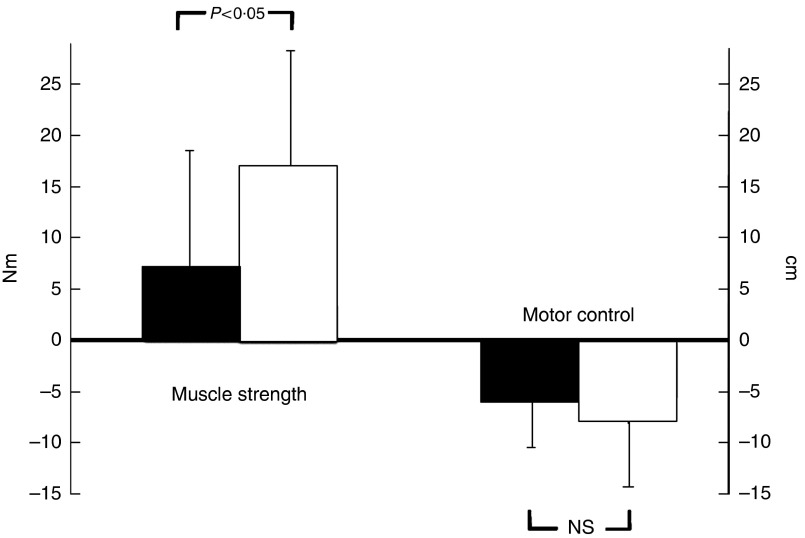
Protein supplementation in combination with resistance training may increase muscle mass and muscle strength in elderly subjects. The objective of this study was to assess the influence of post-exercise protein supplementation with collagen peptides v. placebo on muscle mass and muscle function following resistance training in elderly subjects with sarcopenia. A total of fifty-three male subjects (72·2 ( sd 4·68) years) with sarcopenia (class I or II) completed this randomised double-blind placebo-controlled study. All the participants underwent a 12-week guided resistance training programme (three sessions per week) and were supplemented with either collagen peptides (treatment group (TG)) (15 g/d) or silica as placebo (placebo group (PG)). Fat-free mass (FFM), fat mass (FM) and bone mass (BM) were measured before and after the intervention using dual-energy X-ray absorptiometry. Isokinetic quadriceps strength (IQS) of the right leg was determined and sensory motor control (SMC) was investigated by a standardised one-leg stabilisation test. Following the training programme, all the subjects showed significantly higher ( P <0·01) levels for FFM, BM, IQS and SMC with significantly lower ( P <0·01) levels for FM. The effect was significantly more pronounced in subjects receiving collagen peptides: FFM (TG +4·2 ( sd 2·31) kg/PG +2·9 ( sd 1·84) kg; P <0·05); IQS (TG +16·5 ( sd 12·9) Nm/PG +7·3 ( sd 13·2) Nm; P <0·05); and FM (TG –5·4 ( sd 3·17) kg/PG –3·5 ( sd 2·16) kg; P <0·05). Our data demonstrate that compared with placebo, collagen peptide supplementation in combination with resistance training further improved body composition by increasing FFM, muscle strength and the loss in FM.
Overview
The claims and statistics of this paper haven’t been checked yet.
Free: it reads the open-access text and checks the first 5 claims that cite a source we can check. Create a free account to check every claim.
Integrity signals
Registry
Cites
Statistics
Figures
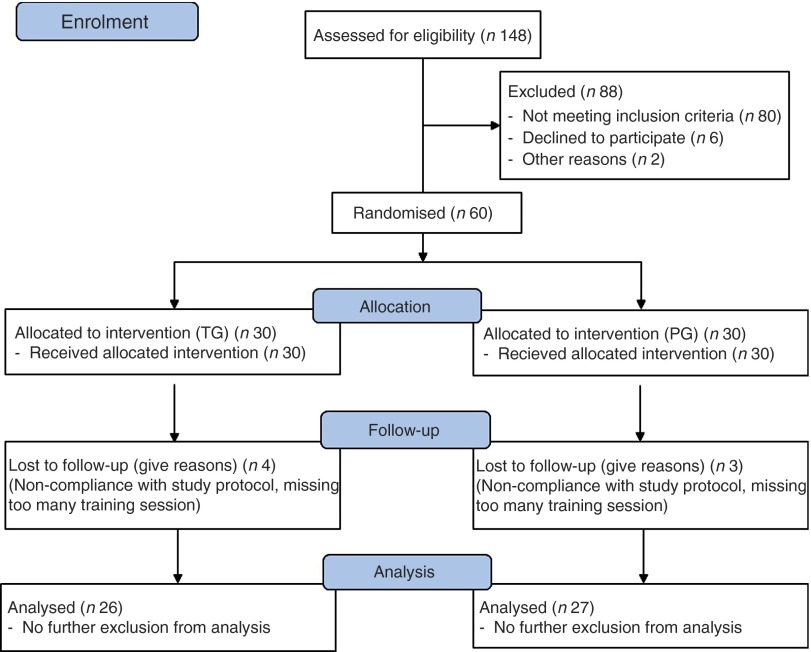
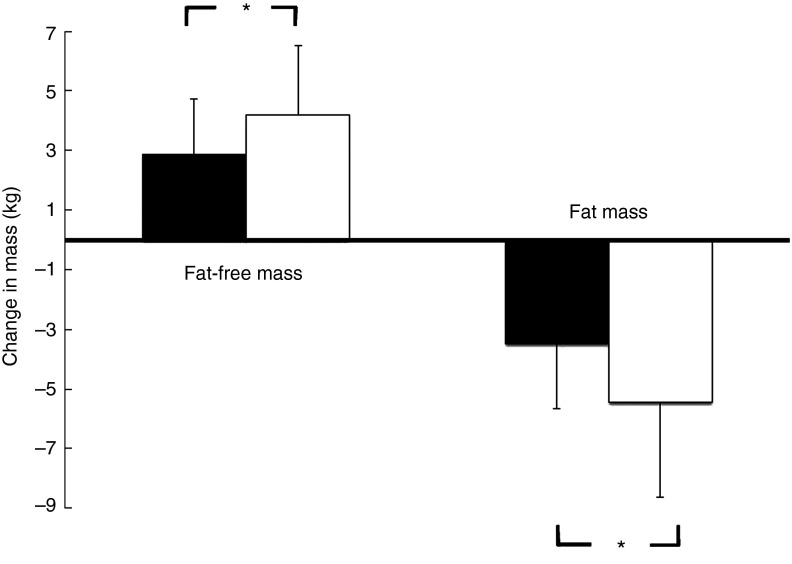
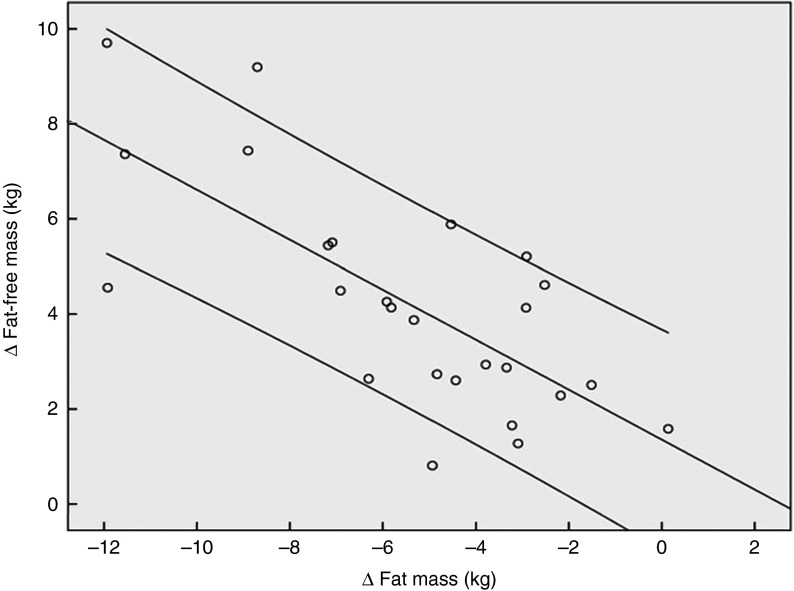
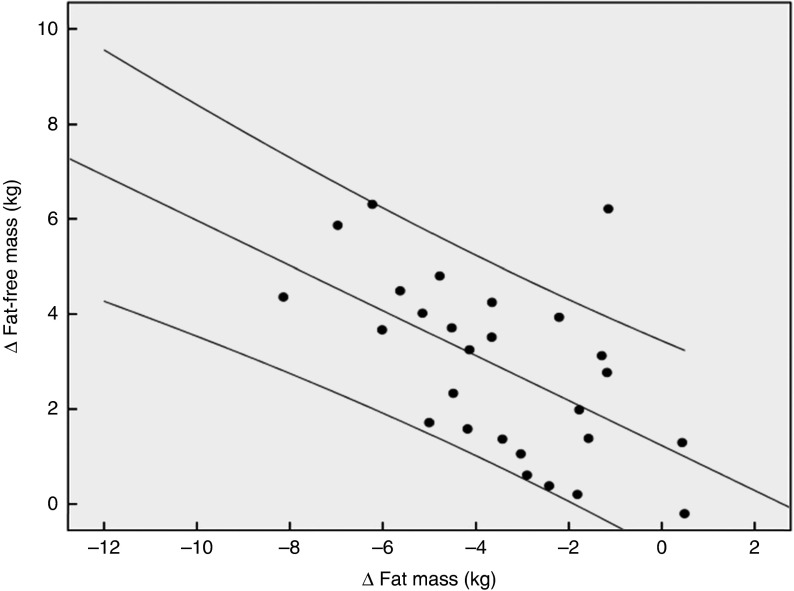
Verification
Claims the paper makes
The claims and statistics of this paper haven’t been checked yet.
Free: it reads the open-access text and checks the first 5 claims that cite a source we can check. Create a free account to check every claim.
Claims other papers make about this one
Each is checked against this paper’s own text: does it say what the citing paper says it does?
The cited source says what the claim attributes to it.
In the citing paper
“We selected collagen as a comparator as it provides an isonitrogenous and isoenergetic comparison (as opposed to carbohydrate, which is often used) (16), and as it has shown considerable and impressive anabolic properties in older adults (17) [which have been questioned (18)].”
In the citing paper
“A pilot study in individuals initiating GLP-1RAs found that bovine colostrum (combined with chicken egg-derived factors) significantly alleviated common GI side effects affecting 60% of subjects on GLP-1RAs, such as nausea, bloating, or diarrhea, allowing them to continue therapy comfortably [167].”
From Nutritional Approaches to Enhance GLP-1 Analogue Therapy in Obesity: A Narrative Review (2025) · cites this paper as [167]
Self-check
Percentages, sums and reported differences re-computed from the paper’s own numbers.
The self-check needs the paper’s full text.
Citations
Cites
Sarcopenia: European consensus on definition and diagnosis
Cruz-Jentoft, A. J., Baeyens, J. P., Bauer, J. M., Boirie, Y., Cederholm, T., Landi, F., Martin, F. C., Michel, J.-P., Rolland, Y., Schneider, S. M., et al. (2010) · Age and Ageing · doi:10.1093/ageing/afq034 · Cited by 11,601
Progressive resistance strength training for improving physical function in older adults
Liu, C.-J., & Latham, N. K. (2009) · Cochrane Database of Systematic Reviews · doi:10.1002/14651858.cd002759.pub2 · Cited by 1,258 · cited 1×
“The results of the current study are in accordance with previous investigations, showing that resistance exercise improves strength, FFM, co-ordination as well as postural control in the ageing population((25)).”
ResultCermak, N. M., Res, P. T., de Groot, L. C., Saris, W. H., & van Loon, L. J. (2012) · The American Journal of Clinical Nutrition · doi:10.3945/ajcn.112.037556 · Cited by 827 · cited 6×
“In a most recent meta-analysis, Cermak et al.(11) included twenty-two RCT that have investigated the effect of resistance exercise and protein supplementation on FFM and muscle strength in both young and older subjects.”
BackgroundMethodResultInfluentialWalston, J. D. (2012) · Current Opinion in Rheumatology · doi:10.1097/bor.0b013e328358d59b · Cited by 697
Nutritional recommendations for the management of sarcopenia
Morley, J. E., Argiles, J. M., Evans, W. J., Bhasin, S., Cella, D., Deutz, N. E. P., Doehner, W., Fearon, K. C. H., Ferrucci, L., Hellerstein, M. K., et al. (2010) · Journal of the American Medical Directors Association · doi:10.1016/j.jamda.2010.04.014 · Cited by 664 · cited 1×
“transduction pathways involved in initiating translation such as the mTOR signalling pathway((16,17)).”
BackgroundPennings, B., Boirie, Y., Senden, J. M., Gijsen, A. P., Kuipers, H., & van Loon, L. J. (2011) · The American Journal of Clinical Nutrition · doi:10.3945/ajcn.110.008102 · Cited by 656 · cited 1×
“Furthermore, it has been speculated that the timing of protein supplementation as well as the absorption kinetic of the administered protein can have an influence on the efficacy((41)).”
BackgroundInternational Society of Sports Nutrition position stand: Nutrient timing
Kerksick, C., Harvey, T., Stout, J., Campbell, B., Wilborn, C., Kreider, R., Kalman, D., Ziegenfuss, T., Lopez, H., Landis, J., et al. (2008) · Journal of the International Society of Sports Nutrition · doi:10.1186/1550-2783-5-17 · Cited by 456
Stevia (Stevia rebaudiana) a bio-sweetener: a review
Goyal, S. K., Samsher, & Goyal, R. K. (2010) · International Journal of Food Sciences and Nutrition · doi:10.3109/09637480903193049 · Cited by 451
Role of dietary protein in the sarcopenia of aging
Paddon-Jones, D., Short, K. R., Campbell, W. W., Volpi, E., & Wolfe, R. R. (2008) · The American Journal of Clinical Nutrition · doi:10.1093/ajcn/87.5.1562s · Cited by 401 · cited 1×
“However, there is a controversial discussion as to whether the anabolic effect of resistance exercise can be further enhanced by protein supplementation, particularly in the elderly((26,27)).”
BackgroundCreatine: Endogenous Metabolite, Dietary, and Therapeutic Supplement
Brosnan, J. T., & Brosnan, M. E. (2007) · Annual Review of Nutrition · doi:10.1146/annurev.nutr.27.061406.093621 · Cited by 347 · cited 1×
“In addition, collagen contains relatively high amounts of arginine and glycine, both known to be important substrates for the synthesis of creatine in the human body((19)).”
Background
Research works printed but not linked: 2
- Adam M, Spacek P & Hulejova H (2002) What is the effect of collagen peptides peroral administration in postmenopausal osteoporosis. Ces Reumatol 10, 131-137.
- Mayer F, Gollhofer A & Berg A (2003) Krafttraining mit Älteren und chronisch Kranken (Resistance training in elderly or chronically ill subjects). Deutsch Z Sportmed 54, 88-94.
Cited by
Items 201–278 of 278
Świetlicka, I., Janek, E., Gołacki, K., Krakowiak, D., Świetlicki, M., & Arczewska, M. (2025) · International Journal of Molecular Sciences · doi:10.3390/ijms26199621 · Cited by 2
“ECM is primarily composed of collagen fibres, predominantly types I and III [2,3], which account for approximately 30% of the total protein mass in the human body and serve as a principal structural biomolecule in connective tissues such as skin, bone, tendon, cartilage, and muscle [4,5].”
Takegaki, J., Yokokawa, T., Mori, R., Nakano, D., Matsushita, A., Koizumi, S., & Fujita, S. (2025) · Journal of Functional Foods · doi:10.1016/j.jff.2025.107063 · Cited by 2
Drummond, M. D. M., da Silva, R. Â. D., Carvas, N., de Melo, M. S., & Ferreira, M. H. L. (2026) · Translational Sports Medicine · doi:10.1155/tsm2/5557511 · Cited by 4
Dilesh, N. R., Khatri, D., Shrivastava, R., & Kushwaha, S. (2026) · Cell Biochemistry and Function · doi:10.1002/cbf.70194 · Cited by 2
Andrade-Espinoza, B. A., Arízaga, G. G. C., Rivas-Fuentes, S., Nuño, K., Pelayo-Vázquez, J. B., & Arratia-Quijada, J. (2021) · Journal of Nanomaterials · doi:10.1155/2021/3060539 · Cited by 3
“Their hydrolysis produces collagen peptides that are reabsorbed in the small intestine easily, very quickly, and almost intact [22].”
BackgroundHadživuković, N., Pavlović, J., Račić, M., Ivković, N., Kalajdžić, O., Perućica, R., Živanović, S., & Kucurski, L. (2022) · Opšta medicina · doi:10.5937/opmed28-35467 · Cited by 2
“Physical activity has significant health benefits and contributes to the prevention of the before mentioned non- contagious diseases (18).”
BackgroundBoelens, Y. F. N., Strookappe, B., Vasse, E., Mensink, M., & van Zanten, A. R. H. (2022) · Clinical Nutrition ESPEN · doi:10.1016/j.clnesp.2022.10.008 · Cited by 2
“Additionally, another study showed that protein supplementation improves body composition (muscle mass), muscle strength, and function in the elderly (11).”
BackgroundMakida, Y., He, F., Mohania, D., Kumar, N., Naito, Y., Lorenzetti, A. M., Takadanohara, H., Marotta, C., Cervi, J., & Marotta, F. (2018) · Journal of Postgenomics Drug & Biomarker Development · doi:10.4172/2153-0769.1000198 · Cited by 1
Larder, C. E., Iskandar, M. M., & Kubow, S. J. (2020) · International Electronic Conference on Nutrients (IECN) · doi:10.3390/iecn2020-06998 · Cited by 1
Bui, T., Joseph, K., Yahanda, A. T., Findlay, A. R., Theologis, A. A., Yagi, M., Pizones, J., Walker, C. T., Lord, E. L., Eastlack, R. K., et al. (2025) · Global Spine Journal · doi:10.1177/21925682251393636 · Cited by 2
Bischof, K., Moitzi, A. M., & König, D. (2025) · International Journal of Obesity · doi:10.1038/s41366-025-01905-3 · Cited by 2
“In human exercise trials lasting several months where subjects typically exercise three times a week, daily CP administration has signi fi cantly augmented lean body mass [45], evidenced by numerous experiments, even while reducing fat mass (FM) [46, 47].”
Self-citationRecent advances in the research of sarcopenia in colorectal cancer
Wang, Y., Wang, Y., & Liu, M. R. (2025) · Holistic Integrative Oncology · doi:10.1007/s44178-025-00210-3 · Cited by 1
“ZDZIEBLIK study showed that nutritional intervention (15 g/d collagen peptide) given to colorectal cancer patients could result in a significant improvement in muscle strength [127].”
Castoldi, R. C., Aleixo, P. H., Salomão, E. D. A., Ogura, A. Y., Caputi, R. N. M., Onaka, G. M., Maximino, M. D., Constantino, C. J. L., Martinez, P. F., & de Oliveira-Junior, S. A. (2026) · Sport Sciences for Health · doi:10.1007/s11332-026-01654-4 · Cited by 1
“These adaptations make the bone more resistant to bone fracture and stimulate muscle adaptations [49, 50], positively affecting bone health and fall prevention in humans, particularly in older adults [45].”
Box, M. W., Marchese, C. R., Puga, T. B., & Riehl, J. T. (2026) · Journal of Dietary Supplements · doi:10.1080/19390211.2026.2624110 · Cited by 2
Collagen Supplementation on Tendon-Related Structural and Performance Outcomes: A Systematic Review
Buchalski, A., Jeanfavre, M., Leff, G., & Altorelli, C. (2026) · Journal of Functional Morphology and Kinesiology · doi:10.3390/jfmk11010130 · Cited by 1
“Specifically, collagen peptides are rich in glycine, proline, and arginine, amino acids that contribute to extracellular matrix remodeling and connective tissue integrity [8,9,52].”
Bai, M., (108353), N. W., 张梅超, Zhao, Z., Yu, J., She, W., Obadina, A. O., Zhao, Y., Li, S., Wu, H., et al. (2026) · Food Chemistry X · doi:10.1016/j.fochx.2026.104078 · Cited by 1
Update on Collagen Peptide in Sports Nutrition
周, 建. (2017) · Hans Journal of Food and Nutrition Science · doi:10.12677/hjfns.2017.64026 · Cited by 1
Management of Sarcopenic Obesity for Older Adults with Lower-Extremity Osteoarthritis
Liou, T., Liao, C., & Huang, S. (2021) · IntechOpen eBooks · doi:10.5772/intechopen.93487 · Cited by 1
Marine Natural Products and Obesity
Urbatzka, R., & Vasconcelos, V. M. (2019) · MDPI eBooks · doi:10.3390/books978-3-03921-192-0 · Cited by 1
Applications in nutrition: sport nutrition
Kohl, J., Jerger, S., König, D., & Centner, C. (2021) · Elsevier eBooks · doi:10.1016/b978-0-12-821389-6.00024-8 · Cited by 1
Self-citationSoto‐Domínguez, A., Hernández, G. Z., García-Garza, R., Nava‐Rivera, L. E., Santamaría, M. D. L. Á. P., Palomares, E. D., Herrera, E. J. P., Lozoya‐Martínez, R., Holguin-Santana, M. D. L. P., Betancourt‐Martínez, N. D., et al. (2021) · International Journal of Morphology · doi:10.4067/s0717-95022021000300816 · Cited by 1
“Collagen is a protein that forms fibers and constitutes 25-30 % of the total protein mass in mammals (Zdzieblik et al., 2015) and it is mainly secreted by fibroblasts (Schwarz, 2015).”
BackgroundEffects of strength training on health determinants in men over 65 years: a systematic review
Valiente-Poveda, J., Castillo, D., & González, J. R. (2021) · Archivos de medicina del deporte: revista de la Federación Española de Medicina del Deporte y de la Confederación Iberoamericana de Medicina del Deporte · doi:10.18176/archmeddeporte.00054 · Cited by 2
Shilajit: An Ayurvedic Panacea for Modern Era
Sinha, K. S. A. (2023) · International Journal of Science and Research (IJSR) · doi:10.21275/sr23715201330 · Cited by 2
Sim, J., Lim, J., Ko, E., Jang, E.-J., Jeong, M., & Park, S. (2024) · Nutrition Research and Practice · doi:10.4162/nrp.2024.18.3.372 · Cited by 1
Brazilian Journal of Health Review
(2021) · doi:10.34119/2595-6825 · Cited by 1
Cheng, R., Ye, X.-L., Qin, X.-J., Wan, Y., & Xu, M. (2021) · Research Square · doi:10.21203/rs.3.rs-152067/v1 · Cited by 1
Improving the bioavailability of collagen-derived peptides: studies in cell culture models
Feng, M. (2018) · ERA: Education and Research Archive (University of Alberta) · doi:10.7939/51545
Shin, J. S., Kim, H. J., Chae, J., Ku, B.-H., Lim, J., Kim, Y., & Choi, J. (2021) · Toxicology and Environmental Health Sciences · doi:10.1007/s13530-021-00112-7
Therapeutic Exercise in Sarcopenia
Senda, M., Hamada, M., Katayama, Y., Ise, M., Hongo, M., & Hamasaki, H. (2021) · リハビリテーション医学 : 日本リハビリテーション医学会誌 · doi:10.2490/jjrmc.58.605
de Souza, J. F. T., & Barros, M. M. M. B. (2021) · Revista Vox Metropolitana · doi:10.48097/2674-8673.2021n5p08
Use it or Lose it – Sarcopenia and Physical Activity
Rudra, S. (2021) · Journal of The Indian Academy of Geriatrics · doi:10.4103/jiag.jiag_24_21
Impact of Bioactive Peptides on Human Health
Majumder, K. (2019) · MDPI eBooks · doi:10.3390/books978-3-03897-621-9
EXERCÍCIOS RESISTIDO E SUPLEMENTAÇÃO NA PREVENÇÃO DA SARCOPENIA
Santos, G. D. O., Cardoso, L. F. O., & de Souza, G. R. (2022) · doi:10.22533/at.ed.0712211085
SURTOS DE ENFERMIDADES DE ORIGEM ALIMENTAR NOTIFICADOS NA REGIÃO NORDESTE, BRASIL, 2017 A 2021
Souza, E. C., Malta, K. D. S., & Costa, M. J. D. S. (2022) · doi:10.22533/at.ed.0712211083
Carvalho, F. S. D. O., Costa, B. J. P., Soares, K. M. D. P., Bezerra, A. C. D. S., de Almeida, H. S. A., de Souza, L. B., de Mendonça, L. P., Macedo, R. C. B. D. S., da Silva, D. T. F. N., Lemos, J. F., et al. (2022) · doi:10.22533/at.ed.0712211084
ANÁLISE DE ADITIVOS ALIMENTARES PRESENTES NOS ALIMENTOS PROCESSADOS DESTINADOS AO PÚBLICO CRIANÇA
Safi, S. I. F., de Holanda, R. R., & Teixeira, A. Z. A. (2022) · doi:10.22533/at.ed.0712211081
Componentes bioativos de alimentos funcionais
Sgarbieri, V. C., Pacheco, M. T. B., Gibrim, N. F., de Oliveira, D. A. G., & Caetano‐Silva, M. E. (2021) · Editora da Unicamp eBooks · doi:10.7476/9788526815353.0009
Effects of Corn oligopeptide on Dexamethasone-induced muscle atrophy in Sprague-Dawley ratsPreprint
Wang, Y., Yan, J., Shi, L., Zhou, Z., Guo, J., Wei, Y., & Hu, W. (2022) · Research Square · doi:10.21203/rs.3.rs-2118655/v1
Effects of Corn oligopeptide on Dexamethasone-induced muscle atrophy in Sprague-Dawley ratsPreprint
Wang, Y., Yan, J., Shi, L., Zhou, Z., Guo, J., Wei, Y., & Hu, W. (2022) · Research Square · doi:10.21203/rs.3.rs-2118655/v2
González-Martin, A. M., López-Espinoza, A., Moreno, A. G. M., Santillán-Rivera, M. S., & Bernal-Gómez, S. J. (2022) · Terapia psicológica · doi:10.4067/s0718-48082022000300307 · Cited by 1
Prestatiebevorderende middelen in de sport
Kenney, L. W., Wilmore, J. H., COSTILL, D. L., & Lindauer, R. (2023) · Bohn Stafleu van Loghum eBooks · doi:10.1007/978-90-368-2921-2_18
Becht, A., Frączyk, J., Waśko, J., Menaszek, E., Kajdanek, J., Miłowska, K., & Kolesińska, B. (2023) · Journal of Peptide Science · doi:10.1002/psc.3537
Hydrolyzed Collagen Quality Control by Dynamic Light Scattering
Dmitrochenko, A. E., Shchur, V. V., Kasko, T. E., Usanov, S. A., & Yantsevich, А. V. (2024) · Journal of Applied Spectroscopy · doi:10.1007/s10812-024-01720-0
Kolajen Desteğinin Güncel Kullanım Alanları
Özmen, F. B. (2024) · Journal of Nutrition and Dietetics · doi:10.33076/2024.bdd.1838
Impact of resistance exercise variants on sarcopenia: a scoping review
Sharma, S., Sharma, M., Tripathi, D., & Khanna, G. L. (2025) · Discover Public Health · doi:10.1186/s12982-025-00866-2
“…interventions as well such as high protein diet, oligopeptide supplementation, Fish oil supplementation and β-Hydroxy-β-Methylbutyrate [21, 33, 35, 44, 47], In the research by Liao et al. [27] oligopeptide supplementation was administered to the combined group(supplementation and exercise both),…”
Chen, C.-C., Chang, S.-S., Chang, C.-H., Hu, C.-C., Nakao, Y., Yong, S. M., Mandy, Y. L. O., Lim, C. J., Shim, E. K. S., & Shih, H.-N. (2023) · Figshare · doi:10.6084/m9.figshare.22618429
Liao, X., CHENG, D., Li, J., Zhu, L., Zhang, S., Jing, X., & Shi, L. (2024) · Figshare · doi:10.6084/m9.figshare.25434112
Chen, Y. C., Chen, W.-C., Liu, C.-W., Huang, W.-Y., Lu, I., Lin, C. W., Huang, R. Y., Chen, J. S., & Huang, C. H. (2023) · Figshare · doi:10.6084/m9.figshare.24669893
Wohlgemuth, K. J., Arieta, L. R., Brewer, G. J., Hoselton, A. L., Gould, L. M., & Smith‐Ryan, A. E. (2021) · Figshare · doi:10.6084/m9.figshare.14431715
Dibene, E. F. C. (2020) · El Repositorio Academico Digital de la UANL (Universidad Autónoma de Nuevo León) · Cited by 1
Labata‐Lezaun, N. (2023) · Tesis Doctorals en Xarxa (Consorci de Serveis Universitaris de Catalunya)
Characterising Fish Collagen for Expression in Bacterial Systems
Shi, X. (2025) · Nottingham ePrints (University of Nottingham)
Prevalenca sarkopenije pri navidez zdravih starejših odraslih doma ostarelih
Ivetac, A. (2023) · Repository of the University of Primorsk (University of Primorska)
Kirmse, M. (2025) · Dokumentenrepositorium der RUB (Ruhr University Bochum) · doi:10.13154/294-13899
Invitro Advances in Tendon Cell Biology: Tenosan® as a Potential Nutraceutical Tool for Tendon Care
Avino, S., Milella, M. S., Rapacioli, S., & Tiso, D. (2025) · Journal of Biomedical Research & Environmental Sciences · doi:10.37871/jbres2244
Optimizing Muscle Health in Sarcopenia With Dietary Supplements: A Narrative Review
Box, M. W., Puga, T. B., McKenzie, N. R., Ruff, J. J., Razaq, H., Anderson, L., & Riehl, J. T. (2026) · JCSM Communications · doi:10.1002/rco2.70038
Dryl-Jarmoc, E., Kuliś, G., Ślinko, I., Zimowski, M., Czajkowski, M., Dziemiańczuk, J., Panas, Z., Krawczuk, K., Kadysz, P., & Kolanek, A. (2026) · Quality in Sport · doi:10.12775/qs.2026.54.69946
Nakajima, Y., Onishi, H., Mizukami, Y., Niida, Y., Okamoto, T., Konoshita, N., Tanaka, T., Kubota, M., Hori, H., Matsunaga, A., et al. (2026) · The Journal of Medical Investigation · doi:10.2152/jmi.73.143
Yılmaz, M. İ., Demir, M. F., Demir, Z., Yilmaz, N. E., Akdoğan, D., Ozkaya, S., Tekiner, A., Tunçer, S., Yılmaz, M., Öztürk, M., et al. (2026) · Medical Research Archives · doi:10.18103/mra.v14i4.7427
Kojima, A., Mukai, R., Morisasa, M., Tawara, W., Amagaya, S., Furusho, K., Tsutsumi, N., Tadokoro, Y., Otsuka, H., Fujii, M., et al. (2026) · PLoS ONE · doi:10.1371/journal.pone.0348366
“However, recent studies suggest that besides amino acid composition, food-derived bioactive peptides and other components influence muscle protein metabolism [6].”
Xiong, C. (2026) · Frontiers in Nutrition · doi:10.3389/fnut.2026.1806863 · Cited by 1
Park, D., Koh, H.-S., Choi, Y., Moon, J. W., & Park, I. (2026) · Nutrients · doi:10.3390/nu18121871
Jerger, S., Nielsen, J. L., Centner, C., Mathiesen, J., Suetta, C., Oesser, S., Gollhofer, A., Aagaard, P., & König, D. (2026) · Frontiers in Physiology · doi:10.3389/fphys.2026.1839695
Self-citationAl-Rawhani, A. H. N. (2024) · Universiti Putra Malaysia Institutional Repository (Universiti Putra Malaysia)
Effects of Supplementation in Masters Athletes and Older Adults: A Narrative Review
Nguyen, C., Allen, M. R., Hornburg, K., & Fredericson, M. (2026) · Current Sports Medicine Reports · doi:10.1249/jsr.0000000000001353
Choi, Y.-J., Wedamulla, N. E., Kim, S.-H., Rheu, K.-M., Lee, B.-J., Kaushalya, S. D. N., Hwang, J.-Y., & Kim, E.-K. (2026) · Frontiers in Pharmacology · doi:10.3389/fphar.2026.1836847 · Cited by 1
Goswami, A., & Pal, S. (2026) · Journal of Bodywork and Movement Therapies · doi:10.1016/j.jbmt.2026.07.007
Kim, S., Cho, Y., Kim, K.-P., Cho, W., Ahn, J., & Hahm, J. (2026) · Food & Function · doi:10.1039/d6fo01132b
Santhosh, V. R., Ahmad, T., Devadason, I. P., Kumar, D., Talukder, S., Biswas, A. K., Mendiratta, S. K., Dubal, Z. B., Kumar, A., Thirupathi, Y., et al. (2026) · Food and Humanity · doi:10.1016/j.foohum.2026.101446
Cheng, W., & Xu, R. (2026) · American Journal of Clinical Nutrition · doi:10.1016/j.ajcnut.2026.101484
Ta, G., Li, L., Jing, C., Chen, X., Jeong, S.-J., Ryu, D., & Wei, S. (2026) · Frontiers in Endocrinology · doi:10.3389/fendo.2026.1935289
Fimiano, G., & Solval, K. M. (2026) · Macromol—A Journal of Macromolecular Research · doi:10.3390/macromol6040092
“Generally, a lower-molecular-weight peptide exhibits better bioactivity [68].”
Long, Y., Qin, L., Long, H., She, R., & Long, S. (2026) · American Journal of Men s Health · doi:10.1177/15579883261495666
Zeigner, M., Błaszczyk, J., Godyń-Müller, K., Kasprzak, M., Grześkowiak, M., Pelant, H., Kulak, B., Brzeziński, M., Majchrzak, Z., & Pierzyńska, K. (2026) · Journal of Education Health and Sport · doi:10.12775/jehs.2026.95.74233
Metadata
- Authors
- Zdzieblik, D., Oesser, S., Baumstark, M. W., Gollhofer, A., & König, D.
- Affiliations
- University of Freiburg (DE)
- University Medical Center Freiburg (DE)
- Corresponding author
- König, Daniel
- Venue
- British Journal of Nutrition
- Publisher
- Cambridge University Press (CUP)
- Published
- 2015-09-10
- Volume
- 114
- Issue
- 8
- Pages
- 1237-1245
- ISSN
- 0007-1145 (ISSN-L)
- 1475-2662
- PMC
- PMC4594048
- OpenAlex
- W2115523499
- Cited by
- 269
- References
- 48
- Citations by year
- 2026: 27 · 2025: 25 · 2024: 30 · 2023: 31 · 2022: 27 · 2021: 46 · 2020: 26 · 2019: 26 · 2018: 14 · 2017: 13 · 2016: 4
- FWCI
- 7.62
- Type
- journal article
- Language
- en
- Update notices
- correction (2015-09-10)
- Open access
- hybrid
- doi.org
- Locations
- British Journal Of Nutrition (publishedVersion, cc-by)
- Europe PMC (PubMed Central) (publishedVersion, cc-by)
- PubMed Central (publishedVersion, cc-by)
- PubMed (publishedVersion)
- FreiDok plus (Universitätsbibliothek Freiburg) (submittedVersion)
- Topics
- Health Sciences › Medicine › Physiology (medical) › Nutrition and Health in Aging
- Health Sciences › Nursing › Nutrition and Dietetics › Muscle metabolism and nutrition
- Life Sciences › Biochemistry, Genetics and Molecular Biology › Molecular Biology › Muscle Physiology and Disorders
- Keywords
- collagen peptides, protein supplementation, resistance training, sarcopenia, older men, muscle strength, muscle mass, body composition, fat-free mass, fat mass, bone mass, isokinetic quadriceps strength, sensorimotor control, post-exercise supplementation
- MeSH terms
- Aged, Body Composition, Energy Intake, Collagen, Double-Blind Method, Humans, Male, Absorptiometry, Photon, Bone Density, Muscle, Skeletal, Dietary Supplements, Quadriceps Muscle, Muscle Strength, Resistance Training, Sarcopenia
About these checks
Registry, retraction, Cites and statistics results are computed, not judged, with one exception: a printed reference that no index lists is read once by a model before it counts as a citation error. Claims are extracted by a model and kept only when their quote appears verbatim in the text; each cited source is then checked, with a model’s help, for whether it says what the claim relies on. Those verdicts can be wrong — read the claim’s quote and the cited source before relying on one.
Statistics and arithmetic are recomputed, not judged.
Confidence bands are shown only for fields calibrated on our annotated test set. None is calibrated yet, so no band is shown.
What counts as a claim ›How we measure confidence ›How we check this ›
Are you an author, or do you see a problem with this page? Request a review
Data sources
Bibliographic data: Semantic Scholar, OpenAlex, Crossref.
Contains information from the Semantic Scholar Academic Graph Datasets, made available under the ODC Attribution License (ODC-BY 1.0).
Semantic Scholar’s data is described in: Kinney, R., et al. (2023). The Semantic Scholar Open Data Platform. arXiv:2301.10140.
