

Collagen peptide supplementation in combination with resistance training improves body composition and increases muscle strength in elderly sarcopenic men: a randomised controlled trial
Open accessThe DOI matches its Crossref record; 48 of the 48 references it cites were found in a registry or an index.
Abstract
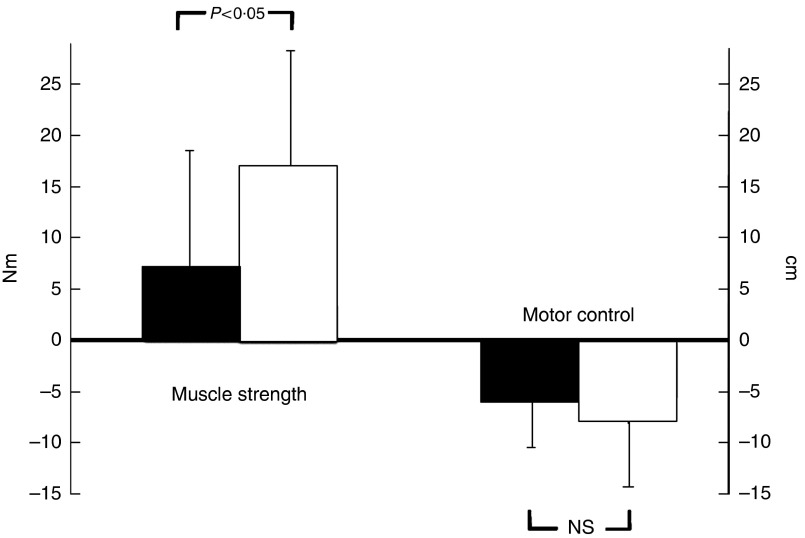
Protein supplementation in combination with resistance training may increase muscle mass and muscle strength in elderly subjects. The objective of this study was to assess the influence of post-exercise protein supplementation with collagen peptides v. placebo on muscle mass and muscle function following resistance training in elderly subjects with sarcopenia. A total of fifty-three male subjects (72·2 ( sd 4·68) years) with sarcopenia (class I or II) completed this randomised double-blind placebo-controlled study. All the participants underwent a 12-week guided resistance training programme (three sessions per week) and were supplemented with either collagen peptides (treatment group (TG)) (15 g/d) or silica as placebo (placebo group (PG)). Fat-free mass (FFM), fat mass (FM) and bone mass (BM) were measured before and after the intervention using dual-energy X-ray absorptiometry. Isokinetic quadriceps strength (IQS) of the right leg was determined and sensory motor control (SMC) was investigated by a standardised one-leg stabilisation test. Following the training programme, all the subjects showed significantly higher ( P <0·01) levels for FFM, BM, IQS and SMC with significantly lower ( P <0·01) levels for FM. The effect was significantly more pronounced in subjects receiving collagen peptides: FFM (TG +4·2 ( sd 2·31) kg/PG +2·9 ( sd 1·84) kg; P <0·05); IQS (TG +16·5 ( sd 12·9) Nm/PG +7·3 ( sd 13·2) Nm; P <0·05); and FM (TG –5·4 ( sd 3·17) kg/PG –3·5 ( sd 2·16) kg; P <0·05). Our data demonstrate that compared with placebo, collagen peptide supplementation in combination with resistance training further improved body composition by increasing FFM, muscle strength and the loss in FM.
Overview
The claims and statistics of this paper haven’t been checked yet.
Free: it reads the open-access text and checks the first 5 claims that cite a source we can check. Create a free account to check every claim.
Integrity signals
Registry
Cites
Statistics
Figures
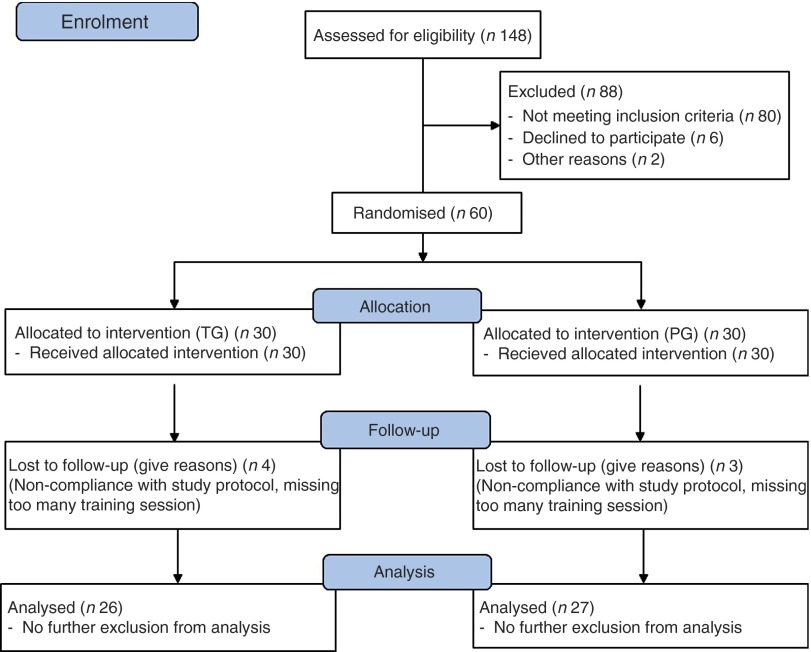
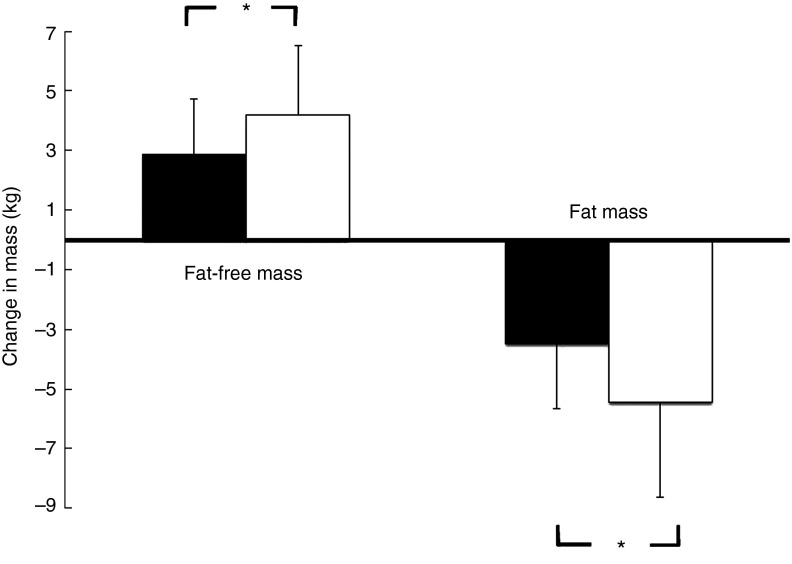
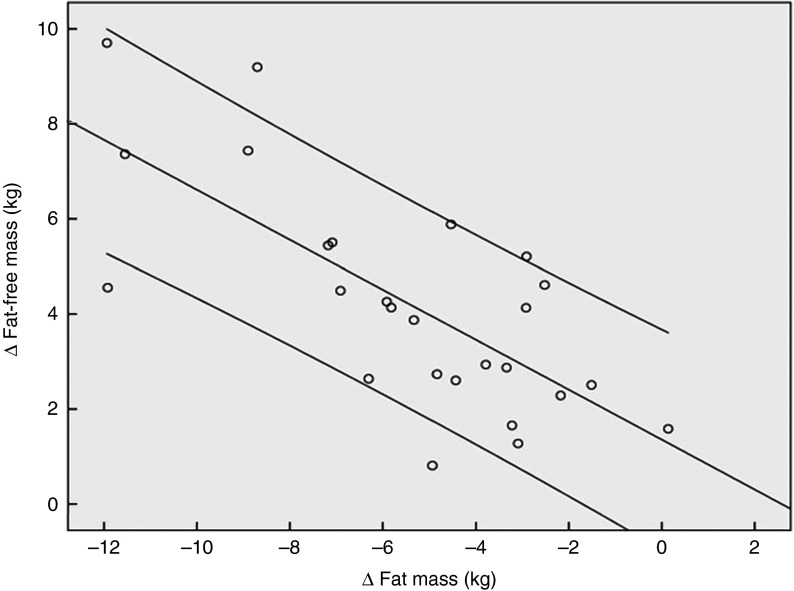
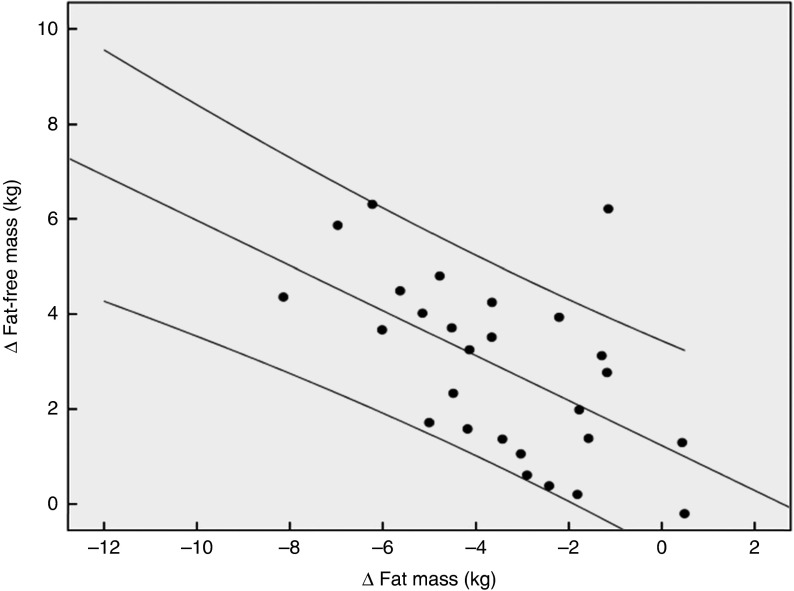
Verification
Claims the paper makes
The claims and statistics of this paper haven’t been checked yet.
Free: it reads the open-access text and checks the first 5 claims that cite a source we can check. Create a free account to check every claim.
Claims other papers make about this one
Each is checked against this paper’s own text: does it say what the citing paper says it does?
The cited source says what the claim attributes to it.
In the citing paper
“We selected collagen as a comparator as it provides an isonitrogenous and isoenergetic comparison (as opposed to carbohydrate, which is often used) (16), and as it has shown considerable and impressive anabolic properties in older adults (17) [which have been questioned (18)].”
In the citing paper
“A pilot study in individuals initiating GLP-1RAs found that bovine colostrum (combined with chicken egg-derived factors) significantly alleviated common GI side effects affecting 60% of subjects on GLP-1RAs, such as nausea, bloating, or diarrhea, allowing them to continue therapy comfortably [167].”
From Nutritional Approaches to Enhance GLP-1 Analogue Therapy in Obesity: A Narrative Review (2025) · cites this paper as [167]
Self-check
Percentages, sums and reported differences re-computed from the paper’s own numbers.
The self-check needs the paper’s full text.
Citations
Cites
Sarcopenia: European consensus on definition and diagnosis
Cruz-Jentoft, A. J., Baeyens, J. P., Bauer, J. M., Boirie, Y., Cederholm, T., Landi, F., Martin, F. C., Michel, J.-P., Rolland, Y., Schneider, S. M., et al. (2010) · Age and Ageing · doi:10.1093/ageing/afq034 · Cited by 11,601
Progressive resistance strength training for improving physical function in older adults
Liu, C.-J., & Latham, N. K. (2009) · Cochrane Database of Systematic Reviews · doi:10.1002/14651858.cd002759.pub2 · Cited by 1,258 · cited 1×
“The results of the current study are in accordance with previous investigations, showing that resistance exercise improves strength, FFM, co-ordination as well as postural control in the ageing population((25)).”
ResultCermak, N. M., Res, P. T., de Groot, L. C., Saris, W. H., & van Loon, L. J. (2012) · The American Journal of Clinical Nutrition · doi:10.3945/ajcn.112.037556 · Cited by 827 · cited 6×
“In a most recent meta-analysis, Cermak et al.(11) included twenty-two RCT that have investigated the effect of resistance exercise and protein supplementation on FFM and muscle strength in both young and older subjects.”
BackgroundMethodResultInfluentialWalston, J. D. (2012) · Current Opinion in Rheumatology · doi:10.1097/bor.0b013e328358d59b · Cited by 697
Nutritional recommendations for the management of sarcopenia
Morley, J. E., Argiles, J. M., Evans, W. J., Bhasin, S., Cella, D., Deutz, N. E. P., Doehner, W., Fearon, K. C. H., Ferrucci, L., Hellerstein, M. K., et al. (2010) · Journal of the American Medical Directors Association · doi:10.1016/j.jamda.2010.04.014 · Cited by 664 · cited 1×
“transduction pathways involved in initiating translation such as the mTOR signalling pathway((16,17)).”
BackgroundPennings, B., Boirie, Y., Senden, J. M., Gijsen, A. P., Kuipers, H., & van Loon, L. J. (2011) · The American Journal of Clinical Nutrition · doi:10.3945/ajcn.110.008102 · Cited by 656 · cited 1×
“Furthermore, it has been speculated that the timing of protein supplementation as well as the absorption kinetic of the administered protein can have an influence on the efficacy((41)).”
BackgroundInternational Society of Sports Nutrition position stand: Nutrient timing
Kerksick, C., Harvey, T., Stout, J., Campbell, B., Wilborn, C., Kreider, R., Kalman, D., Ziegenfuss, T., Lopez, H., Landis, J., et al. (2008) · Journal of the International Society of Sports Nutrition · doi:10.1186/1550-2783-5-17 · Cited by 456
Stevia (Stevia rebaudiana) a bio-sweetener: a review
Goyal, S. K., Samsher, & Goyal, R. K. (2010) · International Journal of Food Sciences and Nutrition · doi:10.3109/09637480903193049 · Cited by 451
Role of dietary protein in the sarcopenia of aging
Paddon-Jones, D., Short, K. R., Campbell, W. W., Volpi, E., & Wolfe, R. R. (2008) · The American Journal of Clinical Nutrition · doi:10.1093/ajcn/87.5.1562s · Cited by 401 · cited 1×
“However, there is a controversial discussion as to whether the anabolic effect of resistance exercise can be further enhanced by protein supplementation, particularly in the elderly((26,27)).”
BackgroundCreatine: Endogenous Metabolite, Dietary, and Therapeutic Supplement
Brosnan, J. T., & Brosnan, M. E. (2007) · Annual Review of Nutrition · doi:10.1146/annurev.nutr.27.061406.093621 · Cited by 347 · cited 1×
“In addition, collagen contains relatively high amounts of arginine and glycine, both known to be important substrates for the synthesis of creatine in the human body((19)).”
Background
Research works printed but not linked: 2
- Adam M, Spacek P & Hulejova H (2002) What is the effect of collagen peptides peroral administration in postmenopausal osteoporosis. Ces Reumatol 10, 131-137.
- Mayer F, Gollhofer A & Berg A (2003) Krafttraining mit Älteren und chronisch Kranken (Resistance training in elderly or chronically ill subjects). Deutsch Z Sportmed 54, 88-94.
Cited by
Dent, E., Morley, J. E., Cruz-Jentoft, A. J., Arai, H., Kritchevsky, S. B., Guralnik, J., Bauer, J. M., Pahor, M., Clark, B. C., Cesari, M., et al. (2018) · The Journal of nutrition, health and aging · doi:10.1007/s12603-018-1139-9 · Cited by 1,130
Nutrition and physical activity in the prevention and treatment of sarcopenia: systematic review.
the IOF-ESCEO Sarcopenia Working Group, Beaudart, C., Dawson, A., Shaw, S. C., Harvey, N. C., Kanis, J. A., Binkley, N., Reginster, J. Y., Chapurlat, R., Chan, D. C., et al. (2017) · Osteoporosis International · doi:10.1007/s00198-017-3980-9 · Cited by 602
“An interactive effect of protein supplementation and exercise was reported in only three of these studies: one looked at frail individuals [33], a second has been performed in elderly sarcopenic men [25], and the third enrolled female retirement village residents whose protein supplementation was lean red meat [22].”
BackgroundYoshimura, Y., Wakabayashi, H., Yamada, M., Kim, H., Harada, A., & Arai, H. (2017) · Journal of the American Medical Directors Association · doi:10.1016/j.jamda.2017.03.019 · Cited by 365
Liao, C.-D., Tsauo, J.-Y., Wu, Y.-T., Cheng, C.-P., Chen, H.-C., Huang, Y.-C., Chen, H.-C., & Liou, T.-H. (2017) · The American Journal of Clinical Nutrition · doi:10.3945/ajcn.116.143594 · Cited by 317
“Our results reveal that PS had an important effect on RET-induced lean mass gain in male participants (18, 20, 25, 30, 31, 33), whereas no relevant effect was observed in female participants (19, 25, 29).”
BackgroundMethodResultInfluentialSkeletal muscle aging: influence of oxidative stress and physical exercise
Gomes, M. J., Martinez, P. F., Pagan, L. U., Damatto, R. L., Mariano Cezar, M. D., Ruiz Lima, A. R., Okoshi, K., & Okoshi, M. P. (2017) · Oncotarget · doi:10.18632/oncotarget.14670 · Cited by 285
“Collagen peptide supplementation combined with resistance training increased fat free mass and muscle strength in elderly sarcopenic men compared with training alone [140].”
BackgroundA Review of the Effects of Collagen Treatment in Clinical Studies
Wang, H. (2021) · Polymers · doi:10.3390/polym13223868 · Cited by 236
“The effect of post-exercise protein supplementation with collagen peptides compared with placebo on the muscle mass and muscle function following resistance training of elderly sarcopenia patients was studied [75].”
BackgroundHong, H., Fan, H., Chalamaiah, M., & Wu, J. (2019) · Food Chemistry · doi:10.1016/j.foodchem.2019.125222 · Cited by 242
Liao, C.-D., Chen, H.-C., Huang, S.-W., & Liou, T.-H. (2019) · Nutrients · doi:10.3390/nu11081713 · Cited by 189
“Regarding the mode of exercise, seven RCTs used resistance exercise training [37,41,43,48,51,52,54], 11 RCTs used multicomponent exercise regime, and one used aerobic training with weighted walking [53].”
MethodWu, P.-Y., Huang, K.-S., Chen, K.-M., Chou, C.-P., & Tu, Y.-K. (2021) · Maturitas · doi:10.1016/j.maturitas.2020.12.009 · Cited by 168
Tsekoura, M., Billis, E., Tsepis, E., Dimitriadis, Z., Matzaroglou, C., Tyllianakis, M., Panagiotopoulos, E., & Gliatis, J. (2018) · Journal of Clinical Medicine · doi:10.3390/jcm7120480 · Cited by 142
Sarcopenia: Current treatments and new regenerative therapeutic approaches
Lo, J. H.-T., U, K. P., Yiu, T., Ong, M. T.-Y., & Lee, W. Y.-W. (2020) · Journal of Orthopaedic Translation · doi:10.1016/j.jot.2020.04.002 · Cited by 130
“measuring isokinetic quadriceps strength) [88]”
Management of Sarcopenia: A Network Meta-Analysis of Randomized Controlled Trials
Negm, A. M., Lee, J., Hamidian, R., Jones, C. A., & Khadaroo, R. G. (2022) · Journal of the American Medical Directors Association · doi:10.1016/j.jamda.2022.01.057 · Cited by 137
Valorization of Proteins from Co- and By-Products from the Fish and Meat Industry
Aspevik, T., Oterhals, Å., Rønning, S. B., Altintzoglou, T., Wubshet, S. G., Gildberg, A., Afseth, N. K., Whitaker, R. D., & Lindberg, D. (2017) · Topics in Current Chemistry · doi:10.1007/s41061-017-0143-6 · Cited by 153
“In addition to a specific therapeutic function, peptides may have other beneficial effects; for example, rats fed with hydrolyzed fish protein showed reduced visceral adipose tissue mass [89], and peptides derived from collagen were shown to increase muscle mass and strength in elderly men [90].”
Czajka, A., Kania, E. M., Genovese, L., Corbo, A., Merone, G., Luci, C., & Sibilla, S. (2018) · Nutrition Research · doi:10.1016/j.nutres.2018.06.001 · Cited by 117
Lozano-Montoya, I., Correa-Pérez, A., Abraha, I., Soiza, R. L., Cherubini, A., O'Mahony, D., & Cruz-Jentoft, A. J. (2017) · Clinical Interventions in Aging · doi:10.2147/cia.s132496 · Cited by 130
“In addition, one relevant study was found after manual search.(39) evidence of exercise and amino acid supplementation (AAS) to treat sarcopenia in community-dwelling older people One randomized controlled trial (RCT)(32) evaluated four interventions: a multicomponent exercise program (MCEP), AAS, MCEP with AAS, and h…”
Khatri, M., Naughton, R. J., Clifford, T., Harper, L. D., & Corr, L. (2021) · Amino Acids · doi:10.1007/s00726-021-03072-x · Cited by 124
Holwerda, A. M., & van Loon, L. J. C. (2022) · Nutrition Reviews · doi:10.1093/nutrit/nuab083 · Cited by 117
Dong, Z.-J., Zhang, H.-L., & Yin, L.-X. (2019) · International Urology and Nephrology · doi:10.1007/s11255-019-02200-7 · Cited by 129
Collagen and Its Derivatives Serving Biomedical Purposes: A Review
Wosicka-Frąckowiak, H., Poniedziałek, K., Woźny, S., Kuprianowicz, M., Nyga, M., Jadach, B., & Milanowski, B. (2024) · Polymers · doi:10.3390/polym16182668 · Cited by 119
“In other studies, the impact of post-exercise CLG supplementation on improving the symptoms of sarcopenia has been presented [147,148].”
BackgroundSex differences and considerations for female specific nutritional strategies: a narrative review
Wohlgemuth, K. J., Arieta, L. R., Brewer, G. J., Hoselton, A. L., Gould, L. M., & Smith-Ryan, A. E. (2021) · Journal of the International Society of Sports Nutrition · doi:10.1186/s12970-021-00422-8 · Cited by 111
“Collagen peptides, when paired with resistance training, can improve body composition and increase muscle strength [167].”
BackgroundCollagen supplementation in skin and orthopedic diseases: A review of the literature
Campos, L. D., Santos-Junior, V. D. A., Pimentel, J. D., Carregã, G. L. F., & Cazarin, C. B. B. (2023) · Heliyon · doi:10.1016/j.heliyon.2023.e14961 · Cited by 113
Kirwan, R. P., Mazidi, M., Rodríguez García, C., Lane, K. E., Jafari, A., Butler, T., Perez de Heredia, F., & Davies, I. G. (2022) · The American Journal of Clinical Nutrition · doi:10.1093/ajcn/nqab355 · Cited by 89
Hou, L., Lei, Y., Li, X., Huo, C., Jia, X., Yang, J., Xu, R., & Wang, X.-M. (2019) · The Journal of nutrition, health and aging · doi:10.1007/s12603-019-1181-2 · Cited by 87
Oertzen-Hagemann, V., Kirmse, M., Eggers, B., Pfeiffer, K., Marcus, K., de Marées, M., & Platen, P. (2019) · Nutrients · doi:10.3390/nu11051072 · Cited by 80
“[19] showed a clear improvement in isokinetic quadriceps strength, a greater loss in FM and higher gains in FFM in 26 sarcopenic older men supplementing 15 g collagen peptides per day during a 12-week training intervention compared with a placebo group (n = 27).”
BackgroundMethodAdvances in nutritional supplementation for sarcopenia management
Liu, S., Zhang, L., & Li, S. (2023) · Frontiers in Nutrition · doi:10.3389/fnut.2023.1189522 · Cited by 75
“(180) showed that elderly men with sarcopenia exercised three times a week and ingested 15 g of collagen peptide per day for 12 weeks, and their changes in body composition were very significant, with a mean increase in fat-free mass of 4.”
BackgroundVeronese, N., Stubbs, B., Punzi, L., Soysal, P., Incalzi, R. A., Saller, A., & Maggi, S. (2019) · Ageing Research Reviews · doi:10.1016/j.arr.2019.02.005 · Cited by 84
Oikawa, S. Y., Kamal, M. J., Webb, E. K., McGlory, C., Baker, S. K., & Phillips, S. M. (2020) · The American Journal of Clinical Nutrition · doi:10.1093/ajcn/nqz332 · Cited by 84
“To date, 3 additional studies have looked at the efficacy of CP on body composition and showed that CP supplementation resulted in an extraordinary increase in LBM (not muscle) with resistance training in older men (14) and premenopausal women (15), and helped in maintaining nitrogen balance in older women (16).”
BackgroundInfluentialDullius, A., Fassina, P., Giroldi, M., Goettert, M. I., & de Souza, C. F. V. (2020) · Food Research International · doi:10.1016/j.foodres.2020.109002 · Cited by 92
Praet, S. F. E., Purdam, C. R., Welvaert, M., Vlahovich, N., Lovell, G., Burke, L. M., Gaida, J. E., Manzanero, S., Hughes, D., & Waddington, G. (2019) · Nutrients · doi:10.3390/nu11010076 · Cited by 73
Bagheri, R., Moghadam, B. H., Church, D. D., Tinsley, G. M., Eskandari, M., Moghadam, B. H., Motevalli, M. S., Baker, J. S., Robergs, R. A., & Wong, A. (2020) · Experimental Gerontology · doi:10.1016/j.exger.2020.110869 · Cited by 81
Skov, K., Oxfeldt, M., Thøgersen, R., Hansen, M., & Bertram, H. C. (2019) · Nutrients · doi:10.3390/nu11051064 · Cited by 75
“[26] speculated that the observed benefits of collagen ingestion on muscle protein synthesis could be due to the high content of glycine and its role as a substrate in creatine synthesis [28].”
BackgroundKEMMLER, W. K., Grimm, A., Bebenek, M., Kohl, M., & von Stengel, S. (2018) · Calcified Tissue International · doi:10.1007/s00223-018-0424-2 · Cited by 83
Ito, N., Seki, S., & Ueda, F. (2018) · Marine Drugs · doi:10.3390/md16120482 · Cited by 69
“However, several lines of evidence revealed the beneficial role of collagen-derived small peptides, which exhibit high absorbability compared with native collagen [21,22], for a wide variety of tissues including bone [23], joint [24], muscle [25], tendon [26], and skin [27–29] in humans.”
BackgroundOikawa, S. Y., McGlory, C., D'Souza, L. K., Morgan, A. K., Saddler, N. I., Baker, S. K., Parise, G., & Phillips, S. M. (2018) · The American Journal of Clinical Nutrition · doi:10.1093/ajcn/nqy193 · Cited by 76
“We selected collagen as a comparator as it provides an isonitrogenous and isoenergetic comparison (as opposed to carbohydrate, which is often used) (16), and as it has shown considerable and impressive anabolic properties in older adults (17) [which have been questioned (18)].”
MethodChapter 4 Treatment of sarcopenia
Arai, H., Wakabayashi, H., Yoshimura, Y., Yamada, M., Kim, H., & Harada, A. (2018) · Geriatrics & Gerontology International · doi:10.1111/ggi.13322 · Cited by 72
Kitakaze, T., Sakamoto, T., Kitano, T., Inoue, N., Sugihara, F., Harada, N., & Yamaji, R. (2016) · Biochemical and Biophysical Research Communications · doi:10.1016/j.bbrc.2016.08.114 · Cited by 78
Jendricke, P., Centner, C., Zdzieblik, D., Gollhofer, A., & König, D. (2019) · Nutrients · doi:10.3390/nu11040892 · Cited by 70
“These bioactive peptides act as signaling molecules that trigger anabolic processes in several tissues and, in particular, in skeletal muscle [25,52].”
BackgroundInfluentialSelf-citationPaul, C., Leser, S., & Oesser, S. (2019) · Nutrients · doi:10.3390/nu11051079 · Cited by 60
“Numerous studies have shown an improvement in skin elasticity [6], the recovery of lost cartilage tissue [7], reduced activity-related joint pain [8,9], strengthened tendons and ligaments [10–13], increased lean body mass in elderly men and premenopausal women [14,15], and increased bone mineral density in postmenopau…”
BackgroundSelf-citationImpact of GLP-1 Receptor Agonist Therapy in Patients High Risk for Sarcopenia
Memel, Z., Gold, S. L., Pearlman, M., Muratore, A., & Martindale, R. (2025) · Current Nutrition Reports · doi:10.1007/s13668-025-00649-w · Cited by 63
Hwang, S. J., Ha, G., Seo, W., Kim, C. K., Kim, K., & Lee, S. B. (2020) · BMB Reports · doi:10.5483/bmbrep.2020.53.10.120 · Cited by 64
Griffen, C., Duncan, M., Hattersley, J., Weickert, M. O., Dallaway, A., & Renshaw, D. (2022) · Experimental Gerontology · doi:10.1016/j.exger.2021.111651 · Cited by 54
Salim, N. V., Madhan, B., Glattauer, V., & Ramshaw, J. A. M. (2024) · International Journal of Biological Macromolecules · doi:10.1016/j.ijbiomac.2024.134374 · Cited by 69
Lu, Y., Niti, M., Yap, K. B., Tan, C. T. Y., Nyunt, M. S. Z., Feng, L., Tan, B. Y., Chan, G., Khoo, S. A., Chan, S. M., et al. (2019) · JAMA Network Open · doi:10.1001/jamanetworkopen.2019.13346 · Cited by 67
Extraction of Type I Collagen from Tilapia Scales Using Acetic Acid and Ultrafine Bubbles
Kuwahara, J. (2021) · Processes · doi:10.3390/pr9020288 · Cited by 56
“Collagen is an extracellular protein that accounts for 25–30% of the total protein content within the human body [2].”
BackgroundMcKendry, J., Lowisz, C. V., Nanthakumar, A., Macdonald, M. L., Lim, C., Currier, B. S., & Phillips, S. M. (2024) · American Journal of Clinical Nutrition · doi:10.1016/j.ajcnut.2024.05.009 · Cited by 61
Characteristics of Biopeptides Released In Silico from Collagens Using Quantitative Parameters
Iwaniak, A., Mińkiewicz, P., Pliszka, M., Mogut, D., & Darewicz, M. (2020) · Foods · doi:10.3390/foods9070965 · Cited by 58
Kirmse, M., Oertzen-Hagemann, V., de Marées, M., Bloch, W., & Platen, P. (2019) · Nutrients · doi:10.3390/nu11051154 · Cited by 53
“[11] found higher FFM in their CP supplementation group compared with controls in a men’s cohort.”
BackgroundMethodResultInfluentialAnimal, Plant, Collagen and Blended Dietary Proteins: Effects on Musculoskeletal Outcomes
Deane, C., Bass, J., Crossland, H., Phillips, B., & Atherton, P. (2020) · Nutrients · doi:10.3390/nu12092670 · Cited by 43
“, 2015 [26] (also studied effects on muscle, see Table 5) Randomised, double-blind, placebo-controlled design 53 older (72.”
BackgroundInfluentialWang, S., Lv, Z., Zhao, W., Wang, L., & He, N. (2020) · Journal of Functional Foods · doi:10.1016/j.jff.2020.104194 · Cited by 49
Labata-Lezaun, N., Llurda-Almuzara, L., López-de-Celis, C., Rodríguez-Sanz, J., González-Rueda, V., Hidalgo-García, C., Muniz-Pardos, B., & Pérez-Bellmunt, A. (2020) · Nutrients · doi:10.3390/nu12092607 · Cited by 42
“Amasene, 2019 [31] X X X X X X X X 8 Arnarson, 2013 [30] X X X X X X X X X 9 Candow, 2008 [32] X X X X X X X X X 9 Holwerda, 2018 [33] X X X X X X X X X 9 Krause, 2019 [34] X X X X X X X X X 9 Leenders, 2013 [35] X X X X X X X X X 9 Mori, 2018 [36] X X X X X X X X 8 Nabuco, 2018 [37] X X X X X X X X X X 10 Nabuco, 201…”
BackgroundInfluentialJerger, S., Centner, C., Lauber, B., Seynnes, O., Sohnius, T., Jendricke, P., Oesser, S., Gollhofer, A., & König, D. (2022) · Scandinavian Journal of Medicine and Science in Sports · doi:10.1111/sms.14164 · Cited by 50
Self-citationCentner, C., Zdzieblik, D., Roberts, L. A., Gollhofer, A., & König, D. (2019) · Europe PMC (PubMed Central) · Cited by 54
Self-citationمقدم, ب. ه., Bagheri, R., Ashtary‐Larky, D., Tinsley, G. M., Eskandari, M., Wong, A., مقدم, ب. ه., Kreider, R. B., & Baker, J. S. (2020) · The journal of nutrition health & aging · doi:10.1007/s12603-020-1431-3 · Cited by 45
“The periodized protocols were adapted from a previous study that investigated older sarcopenic individuals (31, 32) and followed recommendations of the National Strength and Conditioning Association (33).”
Liao, C., Liao, Y., Liou, T., Hsieh, C.-Y., Kuo, Y., & Chen, H. (2021) · Nutrients · doi:10.3390/nu13082487 · Cited by 50
Han, Y., Kim, D. H., & Pack, S. P. (2024) · Marine Drugs · doi:10.3390/md22110496 · Cited by 43
Joanisse, S., McKendry, J., Lim, C., Nunes, E. A., Stokes, T., Mcleod, J. C., & Phillips, S. M. (2021) · Clinical Nutrition Open Science · doi:10.1016/j.nutos.2021.01.005 · Cited by 46
“Despite this, collagen peptide supplements have garnered considerable attention [128,131,132] for their ability to augment RT-induced increases in skeletal muscle mass that are so large as to position collagen as being as efficacious as testosterone administration [133].”
BackgroundPotential of Food Protein-Derived Bioactive Peptides against Sarcopenia: A Comprehensive Review
Zhu, X., Wang, J., Lu, Y., Zhao, Y., Zhang, N., Wu, W., Zhang, Y., & Fu, Y. (2023) · Journal of Agricultural and Food Chemistry · doi:10.1021/acs.jafc.2c09094 · Cited by 43
Luo, D., Lin, Z., Li, S., & Liu, S.-J. (2017) · International Journal of Nursing Sciences · doi:10.1016/j.ijnss.2017.09.004 · Cited by 36
“Three articles [24,25,27] used the sequence generation method correctly, whereas the other three [26,28,29] only referred to a random method without a detailed explanation.”
BackgroundMethodInfluentialBischof, K., Moitzi, A. M., Stafilidis, S., & König, D. (2024) · Sports Medicine · doi:10.1007/s40279-024-02079-0 · Cited by 48
“The age of participants ranged from ~ 17 to 65, with one study exclusively including elderly above 65 years [24].”
InfluentialSelf-citationLiu, X., Chen, X., & Cui, J. (2025) · Clinical Nutrition · doi:10.1016/j.clnu.2025.06.007 · Cited by 78
Tometsuka, C., Koyama, Y., Ishijima, T., Toyoda, T., Teranishi, M., TAKEHANA, K., Abe, K., & Nakai, Y. (2017) · British Journal Of Nutrition · doi:10.1017/s0007114516004384 · Cited by 37
“Ingestion of collagen has several beneficial effects, including increased bone mineral density((2,3)), muscle strength((4)), attenuation of joint pain and disability((5,6)), as well as increased diameter and density of collagen fibrils in the tendon and skin((7,8)).”
BackgroundNilsson, M. I., Xhuti, D., de Maat, N. M., Hettinga, B. P., & Tarnopolsky, M. A. (2024) · Nutrients · doi:10.3390/nu16244407 · Cited by 43
Hong, H., Chaplot, S., Chalamaiah, M., Roy, B. C., Bruce, H. L., & Wu, J. (2017) · Journal of Agricultural and Food Chemistry · doi:10.1021/acs.jafc.7b02319 · Cited by 36
Chen, Y. C., Chen, W.-C., Liu, C.-W., Huang, W.-Y., Lu, I., Lin, C. W., Huang, R. Y., Chen, J. S., & Huang, C. H. (2023) · European Review of Aging and Physical Activity · doi:10.1186/s11556-023-00333-4 · Cited by 34
Alcock, R. D., Shaw, G. C., Tee, N., & Burke, L. M. (2019) · Frontiers in Nutrition · doi:10.3389/fnut.2019.00163 · Cited by 34
“In line with this, there is emerging evidence of benefits associated with the ingestion of collagen peptides in a range of collagen containing tissues, including increased collagen synthesis (22, 23), improved body composition (24, 25), reduced pain (26–28) and the slowing of degenerative diseases such as osteoarthrit…”
BackgroundZdzieblik, D., Jendricke, P., Oesser, S., Gollhofer, A., & König, D. (2021) · International Journal of Environmental Research and Public Health · doi:10.3390/ijerph18094837 · Cited by 37
“This finding is consistent with the results of a previous study on sarcopenic men who received the same dose of the identical collagen peptide composition [10].”
BackgroundMethodResultInfluentialSelf-citationLarder, C. E., Iskandar, M. M., & Kubow, S. J. (2023) · Medicines · doi:10.3390/medicines10090050 · Cited by 38
“clinical in a physical exercise program [55,59].”
BackgroundGeng, Q., Zhai, H., Wang, L., Wei, H., & Hou, S. (2023) · Medicine · doi:10.1097/md.0000000000034254 · Cited by 33
“Nine studies[32,33,38,40,41,45,48,50,54] reported the CST time.”
BackgroundRiddle, E., Munoz, N., Clark, K., Collins, N., Coltman, A., Nasrallah, L., Nishioka, S., Scollard, T., Simon, J. R., & Moloney, L. (2024) · Journal of the Academy of Nutrition and Dietetics · doi:10.1016/j.jand.2024.03.013 · Cited by 33
Upcycled aquaculture waste as textile ingredient for promoting circular economy
Hou, E.-J., Huang, C.-S., Lee, Y.-C., & Chu, H. (2021) · Sustainable materials and technologies · doi:10.1016/j.susmat.2021.e00336 · Cited by 36
Availability of marine collagen from Newfoundland fisheries and aquaculture waste resources
Dave, D., Liu, Y., Clark, L., Dave, N., Trenholm, S., & Westcott, J. D. (2019) · Bioresource Technology Reports · doi:10.1016/j.biteb.2019.100271 · Cited by 32
Food proteins for health and nutrition
Shang, N., Chaplot, S., & Wu, J. (2017) · Elsevier eBooks · doi:10.1016/b978-0-08-100722-8.00013-9 · Cited by 42
Hong, H., Roy, B. C., Chalamaiah, M., Bruce, H. L., & Wu, J. (2018) · Food Chemistry · doi:10.1016/j.foodchem.2018.03.036 · Cited by 32
Lu, Y., Niti, M., Yap, K. B., Tan, C. T. Y., Nyunt, M. S. Z., Feng, L., Tan, B. Y., Chan, G., Khoo, S. A., Chan, S. M., et al. (2021) · Aging · doi:10.18632/aging.202705 · Cited by 34
Sarcopenia is a Significant Predictor of Mortality After Abdominal Aortic Aneurysm Repair
Kays, J. K., Liang, T. W., Zimmers, T. A., Milgrom, D. P., Abduljabar, H., Young, A., Kim, B. J., Bell, T. M., Fajardo, A. C., Murphy, M. P., et al. (2018) · JCSM Clinical Reports · doi:10.17987/jcsm-cr.v3i1.53 · Cited by 35
Cheng, J., Zhang, X., Wang, Z., Zhang, X., Liu, S., Song, X., Zhang, Y., Ding, J., Chen, X., & Xu, F. (2021) · Marine Drugs · doi:10.3390/md19120676 · Cited by 33
Probiotic Fermented Milk with Collagen
Znamirowska, A., Szajnar, K., & Pawlos, M. (2020) · Dairy · doi:10.3390/dairy1020008 · Cited by 29
Centner, C., Jerger, S., Mallard, A. R., Herrmann, A., Varfolomeeva, E., Gollhofer, S. M., Oesser, S., Sticht, C., Gretz, N., Aagaard, P., et al. (2022) · Frontiers in Physiology · doi:10.3389/fphys.2022.838004 · Cited by 31
Self-citationPotential Relevance of Bioactive Peptides in Sports Nutrition
König, D., Kohl, J., Jerger, S., & Centner, C. (2021) · Nutrients · doi:10.3390/nu13113997 · Cited by 31
“Benefits on muscle strength were observed in studies with collagen peptides in relation to hand strength in older women [27] and isokinetic quadriceps strength in older men compared to placebo [26].”
BackgroundInfluentialSelf-citationLiu, Y., Li, D., Wei, Y., Ma, Y., Wang, Y., Huang, L., & Wang, Y. (2020) · Journal of Food Biochemistry · doi:10.1111/jfbc.13461 · Cited by 34
Protein and amino acids for skeletal muscle health in aging
Thalacker‐Mercer, A. E., Riddle, E. S., & Barré, L. K. (2020) · Advances in food and nutrition research · doi:10.1016/bs.afnr.2019.08.002 · Cited by 29
Tometsuka, C., Funato, N., Mizuno, K., & Taga, Y. (2021) · Current Research in Food Science · doi:10.1016/j.crfs.2021.03.003 · Cited by 28
“This amount does not deviate from the general daily amount of collagen hydrolysate for supplemental intake (Jendricke et al., 2019; Zdzieblik et al., 2015).”
BackgroundA Collagen Hydrolysate Containing Tripeptides Ameliorates Sarcopenia in Middle-Aged Mice
Kim, J. E., Kwon, E., & Han, Y. (2022) · Molecules · doi:10.3390/molecules27092718 · Cited by 28
“Several studies have revealed that collagen improves agerelated muscle loss [28,29]; however, the results of using collagen peptides supplement and its underlying molecular mechanism are insufficient.”
BackgroundSong, Z., Pan, T., Tong, X., Yang, Y., & Zhang, Z. (2023) · Frontiers in Nutrition · doi:10.3389/fnut.2023.1109789 · Cited by 32
“(37) Germany 7 EWGSOP Resistance training with fitness facilities for 60min, 3 times/week, last for 12 weeks 15 g collagen peptide, Once/day, last for 12 weeks placebo: silicon dioxide 2810”
BackgroundMethodTak, Y. J., Kim, Y. J., Lee, J. G., Yi, Y.-H., Cho, Y. H., Kang, G.-H., & Lee, S. Y. (2019) · Marine Drugs · doi:10.3390/md17030157 · Cited by 29
“In a recent randomized controlled trial, post-exercise supplementation of a collagen peptide in combination with resistance training was seen to improve body composition and increase muscle strength in 148 elderly sarcopenic men [6].”
BackgroundBalshaw, T. G., Funnell, M. P., McDermott, E., Maden‐Wilkinson, T. M., Abela, S., Quteishat, B., Edsey, M., James, L. J., & Folland, J. P. (2023) · Acta Physiologica · doi:10.1111/apha.13903 · Cited by 26
Aging, Physical Exercise, Telomeres, and Sarcopenia: A Narrative Review
Hernández-Álvarez, D., Rosado-Pérez, J., Gavia-García, G., Arista-Ugalde, T. L., Aguíñiga-Sánchez, I., Santiago‐Osorio, E., & Mendoza-Núñez, V. M. (2023) · Biomedicines · doi:10.3390/biomedicines11020598 · Cited by 29
Shigemura, Y., Iwasaki, Y., Tateno, M., Suzuki, A., Kurokawa, M., Satō, Y., & Sato, K. (2018) · Nutrients · doi:10.3390/nu10101356 · Cited by 26
“A combination of daily ingestion of collagen hydrolysate and resistance training for 12 weeks increases muscle strength in sarcopenic patients [12].”
BackgroundNutritional strategies for improving sarcopenia outcomes in older adults: A narrative review
Góes-Santos, B. R., Carson, B. P., da Fonseca, G. W. P., & von Haehling, S. (2024) · Pharmacology Research & Perspectives · doi:10.1002/prp2.70019 · Cited by 29
“44 Compared to WP, collagen protein presents a different composition of AA that is higher in non-essential AA (e.g., proline and glycine) and is not considered a complete protein source because it does not contain the EAA tryptophan.”
BackgroundGiglio, B. M., Schincaglia, R. M., da Silva, A. D. S., Fazani, I. C. S., Monteiro, P. A., Mota, J. F., Cunha, J., Pichard, C., & Pimentel, G. D. (2019) · Nutrients · doi:10.3390/nu11092051 · Cited by 27
“Despite the promising results found by Zdzieblik [17], they are contradictory [37] and Moore et al.”
BackgroundResultInfluentialIwasaki, Y., Nakatogawa, M., Shimizu, A., Satō, Y., & Shigemura, Y. (2021) · Food Chemistry · doi:10.1016/j.foodchem.2021.130869 · Cited by 24
Zhao, J., Huang, Y., & Yu, X. (2022) · Medicine · doi:10.1097/md.0000000000030386 · Cited by 26
“Protein is the raw material for muscle synthesis, and proteins that are rich in essential amino acids may improve the muscle mass and strength of sarcopenia patients.[25] A comprehensive treatment with nutrition and exercise is more beneficial to sarcopenia than nutrition or exercise alone.”
BackgroundJalili, Z., Jalili, F., Moradi, S., Bagheri, R., Moosavian, S. P., Naeini, F., Mohammadi, H., Ghoreishy, S. M., Wong, A., Travica, N., et al. (2022) · British Journal Of Nutrition · doi:10.1017/s0007114522001301 · Cited by 23
“Includedstudies were performed in healthy (23,26,37 – 41) and overweight (43) participants, as well as in individuals withtype 2 diabetes mellitus (45) , mild hypertension (24) ,osteoarthritis (42) andage-relatedsarcopenia (44) .”
BackgroundJerger, S., Centner, C., Lauber, B., Seynnes, O., Friedrich, T., Lolli, D., Gollhofer, A., & König, D. (2023) · European Journal of Sport Science · doi:10.1080/17461391.2023.2232758 · Cited by 24
Self-citationUsing machine learning to detect sarcopenia from electronic health records
Luo, X., Ding, H., Broyles, A. A., Warden, S. J., Moorthi, R. N., & Imel, E. A. (2023) · Digital Health · doi:10.1177/20552076231197098 · Cited by 27
Characterization of umami compounds in bone meal hydrolysate
Zhang, Y., Ke, H., Bai, T., Chen, C., Guo, T., Mu, Y., Li, H., Liao, W., Pan, Z., & Zhao, L. (2021) · Journal of Food Science · doi:10.1111/1750-3841.15751 · Cited by 21
Li, L., He, Y., Jin, N., He, L., & Liu, X. (2022) · Food Chemistry X · doi:10.1016/j.fochx.2022.100210 · Cited by 24
Inácio, P. A., Gomes, Y. S. M., de Aguiar, A. J. N., Lopes-Martins, P. S. L., Aimbire, F., Leonardo, P. S., Filho, A. S. S., & Lopes‐Martins, R. Á. B. (2024) · Nutrients · doi:10.3390/nu16193403 · Cited by 21
“Zdzieblik et al. [9] in a randomized, double-blind, and placebo-controlled study investigated the impact of post-exercise collagen peptide supplementation on muscle mass and strength in elderly men with sarcopenia.”
BackgroundCalverley, B. C., Kadler, K. E., & Pickard, A. (2020) · Cells · doi:10.3390/cells9092070 · Cited by 22
“In our study we used CRISPR-Cas9 to fuse NLuc to the N-terminus of procollagen-I (PC-I), which is the precursor of collagen-I and the most abundant protein in vertebrates [2].”
MethodPhillips, S. M., Tipton, K. D., van Loon, L. J. C., Verdijk, L. B., Paddon-Jones, D., & Close, G. L. (2016) · British Journal of Nutrition · doi:10.1017/s000711451600221x · Cited by 19
“The results reported by Zdzieblik et al.((1)), on gains in fat-free mass (FFM: mean 4·2 (SD 3·3) kg) and loss of body fat (mean −5·5 (SD 3·2) kg) in older sarcopenic men receiving 15 g/d of collagen peptides while resistance training for 12 weeks, are extraordinary.”
Influential
Metadata
- Authors
- Zdzieblik, D., Oesser, S., Baumstark, M. W., Gollhofer, A., & König, D.
- Affiliations
- University of Freiburg (DE)
- University Medical Center Freiburg (DE)
- Corresponding author
- König, Daniel
- Venue
- British Journal of Nutrition
- Publisher
- Cambridge University Press (CUP)
- Published
- 2015-09-10
- Volume
- 114
- Issue
- 8
- Pages
- 1237-1245
- ISSN
- 0007-1145 (ISSN-L)
- 1475-2662
- PMC
- PMC4594048
- OpenAlex
- W2115523499
- Semantic Scholar
- e2d54e4fd8d19249f8cd62446f5d8f9062ea55c6
- Cited by
- 269
- References
- 48
- Citations by year
- 2026: 27 · 2025: 25 · 2024: 30 · 2023: 31 · 2022: 27 · 2021: 46 · 2020: 26 · 2019: 26 · 2018: 14 · 2017: 13 · 2016: 4
- FWCI
- 7.62
- Type
- journal article
- Language
- en
- Update notices
- correction (2015-09-10)
- Open access
- hybrid
- doi.org
- Locations
- British Journal Of Nutrition (publishedVersion, cc-by)
- Europe PMC (PubMed Central) (publishedVersion, cc-by)
- PubMed Central (publishedVersion, cc-by)
- PubMed (publishedVersion)
- FreiDok plus (Universitätsbibliothek Freiburg) (submittedVersion)
- Topics
- Health Sciences › Medicine › Physiology (medical) › Nutrition and Health in Aging
- Health Sciences › Nursing › Nutrition and Dietetics › Muscle metabolism and nutrition
- Life Sciences › Biochemistry, Genetics and Molecular Biology › Molecular Biology › Muscle Physiology and Disorders
- Keywords
- collagen peptides, protein supplementation, resistance training, sarcopenia, older men, muscle strength, muscle mass, body composition, fat-free mass, fat mass, bone mass, isokinetic quadriceps strength, sensorimotor control, post-exercise supplementation
- MeSH terms
- Aged, Body Composition, Energy Intake, Collagen, Double-Blind Method, Humans, Male, Absorptiometry, Photon, Bone Density, Muscle, Skeletal, Dietary Supplements, Quadriceps Muscle, Muscle Strength, Resistance Training, Sarcopenia
About these checks
Registry, retraction, Cites and statistics results are computed, not judged, with one exception: a printed reference that no index lists is read once by a model before it counts as a citation error. Claims are extracted by a model and kept only when their quote appears verbatim in the text; each cited source is then checked, with a model’s help, for whether it says what the claim relies on. Those verdicts can be wrong — read the claim’s quote and the cited source before relying on one.
Statistics and arithmetic are recomputed, not judged.
Confidence bands are shown only for fields calibrated on our annotated test set. None is calibrated yet, so no band is shown.
What counts as a claim ›How we measure confidence ›How we check this ›
Are you an author, or do you see a problem with this page? Request a review
Data sources
Bibliographic data: Semantic Scholar, OpenAlex, Crossref.
Contains information from the Semantic Scholar Academic Graph Datasets, made available under the ODC Attribution License (ODC-BY 1.0).
Semantic Scholar’s data is described in: Kinney, R., et al. (2023). The Semantic Scholar Open Data Platform. arXiv:2301.10140.
