

Oral supplementation of healthy adults with 2′- O -fucosyllactose and lacto- N -neotetraose is well tolerated and shifts the intestinal microbiota
Open accessThe DOI matches its Crossref record; 70 of the 71 references it cites were found in a registry or an index.
Abstract
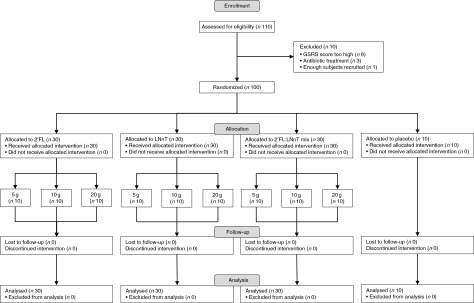
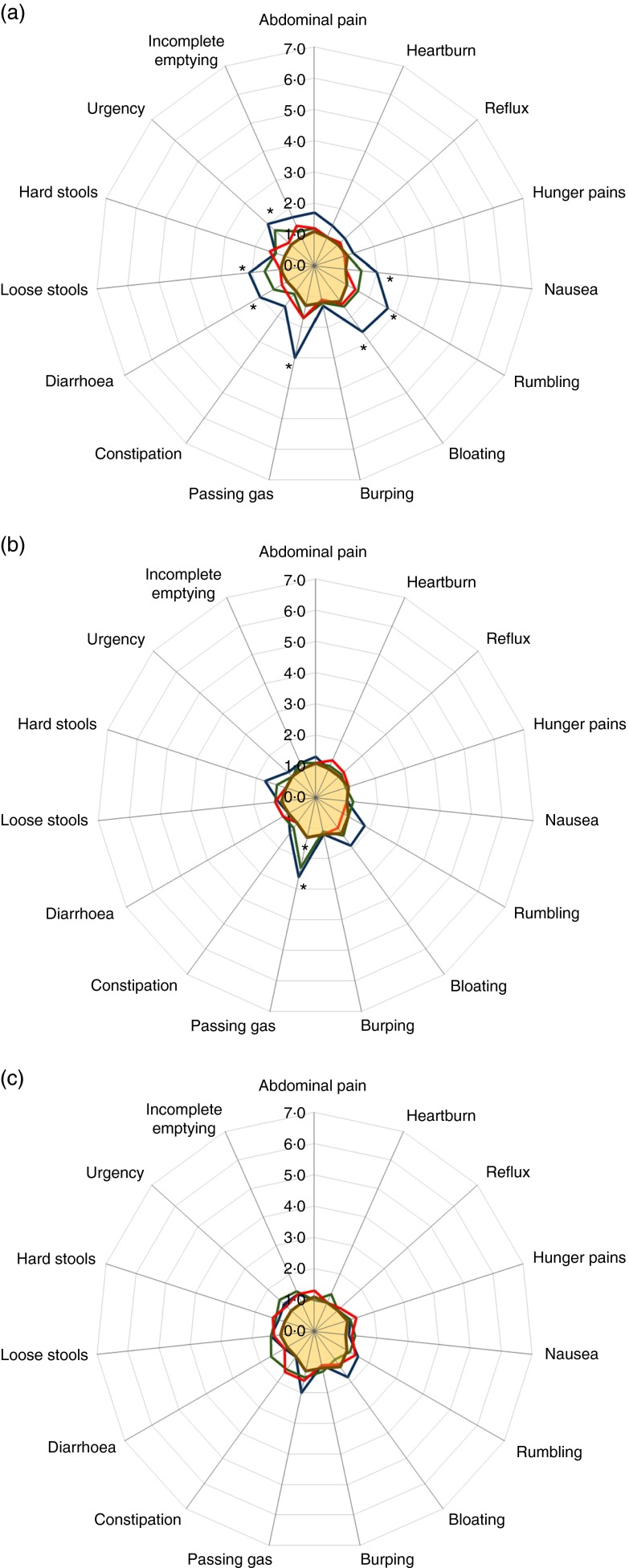
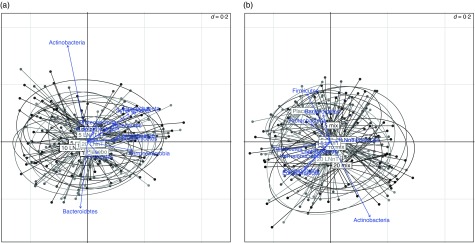
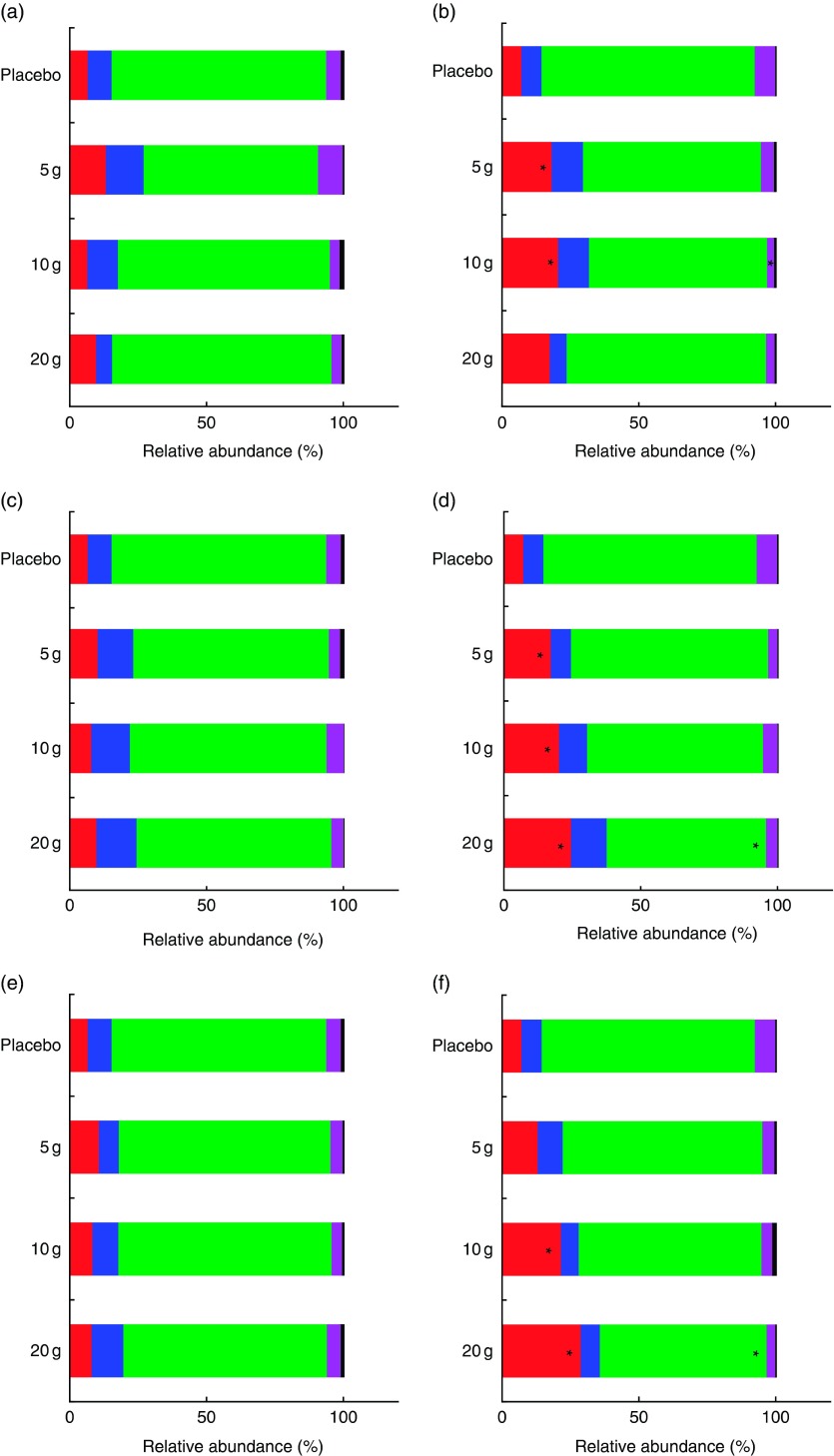
The gut microbiota has been established as an important player influencing many aspects of human physiology. Breast milk, the first diet for an infant, contains human milk oligosaccharides (HMO) that shape the infant’s gut microbiota by selectively stimulating the growth of specific bacteria, especially bifidobacteria. In addition to their bifidogenic activity, the ability of HMO to modulate immune function and the gut barrier makes them prime candidates to restore a beneficial microbiota in dysbiotic adults and provide health benefits. We conducted a parallel, double-blind, randomised, placebo-controlled, HMO-supplementation study in 100 healthy, adult volunteers, consuming chemically produced 2′- O -fucosyllactose (2′FL) and/or lacto- N -neotetraose (LNnT) at various daily doses and mixes or placebo for 2 weeks. All participants completed the study without premature discontinuation. Supplementation of 2′FL and LNnT at daily doses up to 20 g was shown to be safe and well tolerated, as assessed using the gastrointestinal symptoms rating scale. 16S rRNA sequencing analysis showed that HMO supplementation specifically modified the adult gut microbiota with the primary impact being substantial increases in relative abundance of Actinobacteria and Bifidobacterium in particular and a reduction in relative abundance of Firmicutes and Proteobacteria. This study provides the first set of data on safety, tolerance and impact of HMO on the adult gut microbiota. Collectively, the results from this study show that supplementing the diet with HMO is a valuable strategy to shape the human gut microbiota and specifically promote the growth of beneficial bifidobacteria.
Overview
The claims and statistics of this paper haven’t been checked yet.
Free: it reads the open-access text and checks the first 5 claims that cite a source we can check. Create a free account to check every claim.
Integrity signals
Registry
Cites
Statistics
Figures
Verification
Claims the paper makes
The claims and statistics of this paper haven’t been checked yet.
Free: it reads the open-access text and checks the first 5 claims that cite a source we can check. Create a free account to check every claim.
Claims other papers make about this one
Each is checked against this paper’s own text: does it say what the citing paper says it does?
The cited source says what the claim attributes to it.
In the citing paper
“In the supplement trials of accepted prebiotics, a significantly higher Bifidobacterium spp.abundance was reported after supplementation involving inulin (115) and human milk oligosaccharides (HMO) (62) compared with placebo at the end of intervention, whereas a significant within-group increase from baseline was detected after 10 g/d inulin supplementation (95).”
From Dietary fiber intervention on gut microbiota composition in healthy adults: a systematic review and meta-analysis (2018) · cites this paper as [62]
Self-check
Percentages, sums and reported differences re-computed from the paper’s own numbers.
The self-check needs the paper’s full text.
Citations
Cites
UPARSE: highly accurate OTU sequences from microbial amplicon reads
Edgar, R. C. (2013) · Nature Methods · doi:10.1038/nmeth.2604 · Cited by 16,707 · cited 1×
“Sequences were clustered into operational taxonomic units (OTU) at 97 % sequence similarity using USEARCH (51) , and suspected chimeric sequences were discarded on the basis of UCHIME (52) .”
UCHIME improves sensitivity and speed of chimera detection
Edgar, R. C., Haas, B. J., Clemente, J. C., Quince, C., & Knight, R. (2011) · Bioinformatics · doi:10.1093/bioinformatics/btr381 · Cited by 15,114
Klindworth, A., Pruesse, E., Schweer, T., Peplies, J., Quast, C., Horn, M., & Glöckner, F. O. (2013) · Nucleic Acids Research · doi:10.1093/nar/gks808 · Cited by 8,850 · cited 2×
“The V3 – V4 region of the 16S rDNA was ampli fi ed using the forward primer S-D-Bact-0341-b-S-17 (5 ′ -TCGTCGGCAGCG TCAGATGTGTATAAGAGACAG-3 ′ ) and the reverse primer S-D-Bact-0785-a-A-21 (5 ′ -GTCTCGTGGGCTCGGAGATGTG TATAAGAGACAG-3 ′ ) (50) , with Illumina adapters attached.”
A core gut microbiome in obese and lean twins
Turnbaugh, P. J., Hamady, M., Yatsunenko, T., Cantarel, B. L., Duncan, A., Ley, R. E., Sogin, M. L., Jones, W. J., Roe, B. A., Affourtit, J. P., et al. (2009) · Nature · doi:10.1038/nature07540 · Cited by 7,823 · cited 1×
“The participants rated severity using a seven-point Likert scale running from (1) no discomfort to (7) very severe discomfort.”
Changes of Intestinal Functions in Liver Cirrhosis
Fukui, H., & Wiest, R. (2016) · Inflammatory Intestinal Diseases · doi:10.1159/000444436 · Cited by 6,808
A metagenome-wide association study of gut microbiota in type 2 diabetes
Qin, J., Li, Y., Cai, Z., Li, S., Zhu, J., Zhang, F., Liang, S., Zhang, W., Guan, Y., Shen, D., et al. (2012) · Nature · doi:10.1038/nature11450 · Cited by 6,762
Role of the microbiota in immunity and inflammation.
Belkaid, Y., & Hand, T. W. (2014) · Cell · doi:10.1016/j.cell.2014.03.011 · Cited by 5,385 · cited 1×
“Intensive research over the past decade has revealed the gut microbiota to be an important player in host health by influencing many aspects of human physiology, including energy metabolism((1)), hormonal balance((2)) and immunity((3,4)).”
Host-gut microbiota metabolic interactions
Nicholson, J. K., Holmes, E., Kinross, J., Burcelin, R., Gibson, G., Jia, W., & Pettersson, S. (2012) · Science · doi:10.1126/science.1223813 · Cited by 4,760 · cited 1×
“Intensive research over the past decade has revealed the gut microbiota to be an important player in host health by in fl u-encing many aspects of human physiology, including energy metabolism (1) , hormonal balance (2) and immunity (3,4) .”
Richness of human gut microbiome correlates with metabolic markers
Le Chatelier, E., Nielsen, T., Qin, J., Prifti, E., Hildebrand, F., Falony, G., Almeida, M., Arumugam, M., Batto, J.-M., Kennedy, S., et al. (2013) · Nature · doi:10.1038/nature12506 · Cited by 4,662
Ribosomal Database Project: data and tools for high throughput rRNA analysis
Cole, J. R., Wang, Q., Fish, J. A., Chai, B., McGarrell, D. M., Sun, Y., Brown, C. T., Porras-Alfaro, A., Kuske, C. R., & Tiedje, J. M. (2014) · Nucleic Acids Research · doi:10.1093/nar/gkt1244 · Cited by 4,367 · cited 1×
“Taxonomic assignment of OTU was performed on the basis of comparison with a database of curated sequences derived from the Ribosomal Database Project (53) .”
Cited by
Gibson, G. R., Hutkins, R., Sanders, M. E., Prescott, S. L., Reimer, R. A., Salminen, S. J., Scott, K., Stanton, C., Swanson, K. S., Cani, P. D., et al. (2017) · Nature Reviews Gastroenterology & Hepatology · doi:10.1038/nrgastro.2017.75 · Cited by 5,634
Fassarella, M., Blaak, E. E., Penders, J., Nauta, A., Smidt, H., & Zoetendal, E. G. (2021) · Gut · doi:10.1136/gutjnl-2020-321747 · Cited by 772
“Modulation of the human gut microbiome with dietary interventions has been extensively studied, mainly focusing on the supplementation of NDCs. 74 78 79 However, the impact of dietary components on the stability and resilience of the gut ecosystem has been barely addressed.”
BackgroundMethodSo, D., Whelan, K., Rossi, M., Morrison, M., Holtmann, G., Kelly, J. T., Shanahan, E. R., Staudacher, H. M., & Campbell, K. L. (2018) · The American Journal of Clinical Nutrition · doi:10.1093/ajcn/nqy041 · Cited by 683
“and next-generation sequencing (including 454 pyrosequencing and Illumina sequencing) (12 209 studies) (59, 62, 64, 72, 75, 77-80, 97, 101, 115).”
BackgroundInfluentialModulation of Gut Microbiota and Immune System by Probiotics, Pre-biotics, and Post-biotics
Liu, Y., Wang, J., & Wu, C. (2022) · Frontiers in Nutrition · doi:10.3389/fnut.2021.634897 · Cited by 385
Vinelli, V., Biscotti, P., Martini, D., Del Bo’, C., Marino, M., Meroño, T., Nikoloudaki, O., Calabrese, F. M., Turroni, S., Taverniti, V., et al. (2022) · Nutrients · doi:10.3390/nu14132559 · Cited by 287
“On the other hand, some studies showed an increase in moderate flatulence [11,20,22,27,29,37,46], mild and moderate bloating [16,22,39], indigestion [15], abdominal pain [15,27], and frequency of self-reported adverse GI events [15], reflux [11], rumbling [39], and GI symptoms in general [15,17]; only two studies repo…”
BackgroundMethodInfluentialLordan, C., Thapa, D., Ross, R. P., & Cotter, P. D. (2020) · Gut Microbes · doi:10.1080/19490976.2019.1613124 · Cited by 289
Production of HMOs using microbial hosts — from cell engineering to large scale production
Bych, K., Mikš, M. H., Johanson, T., Hederos, M. J., Vigsnæs, L. K., & Becker, P. (2019) · Current Opinion in Biotechnology · doi:10.1016/j.copbio.2018.11.003 · Cited by 263
Thomson, P., Medina, D. A., & Garrido, D. (2018) · Food Microbiology · doi:10.1016/j.fm.2017.09.001 · Cited by 241
The spread of antibiotic resistance to humans and potential protection strategies
Ding, D., Wang, B., Zhang, X., Zhang, J., Zhang, H., Liu, X., Gao, Z., & Yu, Z. (2023) · Ecotoxicology and Environmental Safety · doi:10.1016/j.ecoenv.2023.114734 · Cited by 223
Rezende, E. S. V., Lima, G. C., & Naves, M. M. V. (2021) · Nutrition · doi:10.1016/j.nut.2021.111217 · Cited by 196
Unveiling the therapeutic symphony of probiotics, prebiotics, and postbiotics in gut-immune harmony
Zhou, P., Chen, C., Patil, S., & Dong, S. (2024) · Frontiers in Nutrition · doi:10.3389/fnut.2024.1355542 · Cited by 193
Microbiota and Lifestyle: A Special Focus on Diet
Redondo-Useros, N., Nova, E., González-Zancada, N., Díaz, L. E., Gómez-Martínez, S., & Marcos, A. (2020) · Nutrients · doi:10.3390/nu12061776 · Cited by 189
“With respect to Lactobacillus, which is considered along with Bifidobacteria as one of the bacteria groups with broader implications in the immunological status of the host, most of the literature consulted employing 16s RNA gene sequencing revealed no changes in this genus [56,58,59].”
ResultEffects of Human Milk Oligosaccharides on the Adult Gut Microbiota and Barrier Function
Šuligoj, T., Vigsnæs, L. K., Abbeele, P. V. D., Apostolou, A., Karalis, K., Savva, G. M., McConnell, B., & Juge, N. (2020) · Nutrients · doi:10.3390/nu12092808 · Cited by 167
“A recent clinical trial in adults showed that supplementing the diet with HMOs could be a valuable strategy to shape the human gut microbiota and specifically promote the growth of beneficial bifidobacteria [18].”
BackgroundMethodSelf-citationMegur, A., Daliri, E. B., Baltriukienė, D., & Burokas, A. (2022) · International Journal of Molecular Sciences · doi:10.3390/ijms23116097 · Cited by 169
Enzymatic and cell factory approaches to the production of human milk oligosaccharides
Faijes, M., Castejón-Vilatersana, M., Cid, C. V., & Planas, A. (2019) · Biotechnology Advances · doi:10.1016/j.biotechadv.2019.03.014 · Cited by 147
Production of human milk oligosaccharides by enzymatic and whole-cell microbial biotransformations
Sprenger, G. A., Baumgärtner, F., & Albermann, C. (2017) · Journal of Biotechnology · doi:10.1016/j.jbiotec.2017.07.030 · Cited by 144
Zeuner, B., Tezé, D., Muschiol, J., & Meyer, A. S. (2019) · Molecules · doi:10.3390/molecules24112033 · Cited by 142
“and microbiota composition of infants and adults [4,5,16,17].”
BackgroundInfluentialZhang, S., Li, T., Xie, J., Zhang, D., Pi, C., Zhou, L., & Yang, W. (2021) · Microbial Cell Factories · doi:10.1186/s12934-021-01599-y · Cited by 155
Gut Microbiota, Antibiotic Therapy and Antimicrobial Resistance: A Narrative Review
Pilmis, B., Monnier, A. L., & Zahar, J. (2020) · Microorganisms · doi:10.3390/microorganisms8020269 · Cited by 136
“Bacteroidetes in healthy subjects following antibiotic therapy exposure [133].”
BackgroundZhang, N., Jin, M., Wang, K., Zhang, Z., Shah, N. P., & Wei, H. (2021) · Carbohydrate Polymers · doi:10.1016/j.carbpol.2021.119043 · Cited by 130
Brain foods - the role of diet in brain performance and health
Ekstrand, B., Scheers, N., Rasmussen, M. K., Young, J. F., Ross, A. B., & Landberg, R. (2021) · Nutrition Reviews · doi:10.1093/nutrit/nuaa091 · Cited by 101
Salli, K. M., Anglenius, H., Hirvonen, J., Hibberd, A. A., Ahonen, I., Saarinen, M., Tiihonen, K., Maukonen, J., & Ouwehand, A. C. (2019) · Scientific Reports · doi:10.1038/s41598-019-49497-z · Cited by 109
Pérez-Escalante, E., Alatorre‐Santamaría, S., Ovando, A. C., Salazar, V., Bautista, M., Cruz-Guerrero, A. E., Flores-Aguilar, J. F., & González-Olivares, L. G. (2020) · Critical Reviews in Food Science and Nutrition · doi:10.1080/10408398.2020.1813683 · Cited by 104
Larsson, M. W., Lind, M. V., Laursen, R. P., Yonemitsu, C., Larnkjær, A., Mølgaard, C., Michaelsen, K. F., & Bode, L. (2019) · Frontiers in Pediatrics · doi:10.3389/fped.2019.00297 · Cited by 102
“LNnT has been shown to alter the gut microbiota in humans, which could explain why it is associated with growth (19).”
BackgroundRobinson, R. C. (2019) · Frontiers in Nutrition · doi:10.3389/fnut.2019.00050 · Cited by 93
“The safety and tolerability of isolated milk OS for human consumption were recently evaluated in two independent studies and showed promising results, with even relatively high dosages being well-tolerated (76, 77).”
BackgroundWang, Y., Zou, Y., Wang, J., Ma, H., Zhang, B., & Wang, S. (2020) · Nutrients · doi:10.3390/nu12051284 · Cited by 85
“in the adult gut—A beneficial bacteria widely reported to be able to promote growth by 2’-FL [25]—Is reported at around 5%, whereas in this study, almost no Bifidobacteria spp.”
Kumar, H., Collado, M. C., Wopereis, H., Salminen, S., Knol, J., & Roeselers, G. (2020) · Microorganisms · doi:10.3390/microorganisms8121855 · Cited by 85
“In clinical studies, it was demonstrated that 2′FL and LNnT modulated the gut microbiota exhibiting increased levels of Actinobacteria, specifically Bifidobacterium spp., and decreased levels of Firmicutes and Proteobacteria [55,56].”
BackgroundSingh, R. P., Niharika, J., Kondepudi, K. K., Bishnoi, M., & Tingirikari, J. M. R. (2021) · Food Research International · doi:10.1016/j.foodres.2021.110884 · Cited by 84
Kok, C. R., Rose, D., & Hutkins, R. (2023) · Annual Review of Food Science and Technology · doi:10.1146/annurev-food-060721-015516 · Cited by 73
Dong, X., Li, N., Liu, Z., Lv, X., Shen, Y., Li, J., Du, G., Wang, M., & Liu, L. (2020) · Journal of Agricultural and Food Chemistry · doi:10.1021/acs.jafc.9b07642 · Cited by 79
Alleviation of Intestinal Inflammation by Oral Supplementation With 2-Fucosyllactose in Mice
Grabinger, T., Garzon, J. F. G., Hausmann, M., Geirnaert, A., Lacroix, C., & Hennet, T. (2019) · Frontiers in Microbiology · doi:10.3389/fmicb.2019.01385 · Cited by 77
Self-citationNovel and emerging prebiotics: Advances and opportunities
Cardoso, B. B., Amorim, C., Silvério, S. C., & Rodrigues, L. R. (2020) · Advances in food and nutrition research · doi:10.1016/bs.afnr.2020.08.001 · Cited by 79
Jorgensen, J. M., Young, R., Ashorn, P., Ashorn, U., Chaima, D., Davis, J. C. C., Goonatilleke, E., Kumwenda, C., Lebrilla, C. B., Maleta, K. M., et al. (2020) · American Journal of Clinical Nutrition · doi:10.1093/ajcn/nqaa272 · Cited by 75
“Both 2′FL and LNnT have been shown to enhance the growth of beneficial bifidobacteria (32, 42, 43).”
BackgroundBridging preclinical and clinical gut microbiota research using the ex vivo SIFR® technology
den Abbeele, P. V., Deyaert, S., Thabuis, C., Perreau, C., Bajic, D., Wintergerst, E., Joossens, M., Firrman, J., Walsh, D. M., & Baudot, A. (2023) · Frontiers in Microbiology · doi:10.3389/fmicb.2023.1131662 · Cited by 75
“A third case study was performed with 2′FL, an abundant HMO that exerts potent bifidogenic effects (related to stimulation of Bifidobacterium adolescentis) when dosed to human adults over 2 weeks [at 5, 10, or 20 g/day; (Elison et al., 2016)].”
BackgroundHost-microbiota interaction in intestinal stem cell homeostasis
Wu, H., Mu, C., Xu, L., Yu, K., Shen, L., & Zhu, W. (2024) · Gut Microbes · doi:10.1080/19490976.2024.2353399 · Cited by 70
“153,154 Furthermore, feeding sialylated oligo-saccharides to newborn piglets increases intestinal crypt depth and proliferation, and reduces diarrhea rate.”
BackgroundAl-Khafaji, A. H., Jepsen, S. D., Christensen, K. R., & Vigsnæs, L. K. (2020) · Journal of Functional Foods · doi:10.1016/j.jff.2020.104176 · Cited by 67
den Abbeele, P. V., Sprenger, N., Ghyselinck, J., Marsaux, B., Marzorati, M., & Rochat, F. (2021) · Nutrients · doi:10.3390/nu13030726 · Cited by 64
“To what extent recent observations of HMO supplementation in adults can inform possible roles in toddlers has to be evaluated experimentally [38,39].”
BackgroundResultBongiovanni, T., Ong, M. L. Y., & Heaney, L. M. (2021) · International Journal of Sports Medicine · doi:10.1055/a-1524-2095 · Cited by 70
“In particular, Renetta Canada apples decreased Bacteroidetes abundance and increased Proteobacteria, bifidobacteria, and F. prausnitzii populations and butyrate levels [127], highlighting that each specific apple cultivar may be important to nutritional strategies and not just the consideration of increasing overall f…”
BackgroundMethodThe Case against Antibiotics and for Anti-Virulence Therapeutics
Hotinger, J. A., Morris, S., & May, A. E. (2021) · Microorganisms · doi:10.3390/microorganisms9102049 · Cited by 57
“to help restore the balance between Firmicute and Bacteroidetes commensals following antibiotic therapy [158].”
BackgroundSchönknecht, Y. B., Tovar, M. V. M., Jensen, S. R., & Parschat, K. (2023) · Nutrients · doi:10.3390/nu15163622 · Cited by 65
“Blood parameters were analyzed in healthy adults before and after 14 days of supplementation with 2′-FL, LNnT, or a blend at 5, 10, or 20 g/d, but there were no clinically relevant changes [64].”
BackgroundMethodInfluentialQuitadamo, P. A., Comegna, L., & Cristalli, P. (2021) · Frontiers in Public Health · doi:10.3389/fpubh.2020.589736 · Cited by 71
“Tolerability Human milk factors are well-tolerated and practically free of side effects, and ongoing studies should be intensified while others should be activated (276, 277).”
BackgroundA review on the use of prebiotics in ulcerative colitis
Kennedy, J. M., Silva, A. D., Walton, G., & Gibson, G. R. (2023) · Trends in Microbiology · doi:10.1016/j.tim.2023.11.007 · Cited by 67
“2 ′ -Fucosyllactose (2 ′ -FL) is the most abundantly produced HMO in humans and is a trisaccharide with demonstrable bi fi dogenic effects in adults [43].”
Dong, X., Li, N., Liu, Z., Lv, X., Li, J., Du, G., Wang, M., & Liu, L. (2019) · Biotechnology for Biofuels · doi:10.1186/s13068-019-1551-3 · Cited by 59
Iribarren, C., Törnblom, H., Aziz, I., Magnusson, M. K., Sundin, J., Vigsnæs, L. K., Amundsen, I. D., McConnell, B., Seitzberg, D., Öhman, L., et al. (2020) · Neurogastroenterology & Motility · doi:10.1111/nmo.13920 · Cited by 65
“38 Age, ya 46 (21-71) 42 (19-67) 46 (26-73) .”
Self-citationAntibiotic Resistance and Microbiota Response
Santacroce, L., Domenico, M. D., Montagnani, M., & Jirillo, E. (2022) · Current Pharmaceutical Design · doi:10.2174/1381612829666221219093450 · Cited by 64
Chen, Y.-J., Sui, X., Wang, Y., Zhao, Z.-H., Han, T.-H., Liu, Y., Zhang, J., Zhou, P., Yang, K., & Ye, Z. (2024) · Food Chemistry X · doi:10.1016/j.fochx.2024.101289 · Cited by 72
“HMOs affect not only infants but also adults 2 ′ -FL and LNnT could alter gut microbiological composition and increased the number of bifidobacteria and actinomycetes (Elison et al., 2016).”
BackgroundInfection’s Sweet Tooth: How Glycans Mediate Infection and Disease Susceptibility
Taylor, S., McGuckin, M. A., Wesselingh, S. L., & Rogers, G. B. (2017) · Trends in Microbiology · doi:10.1016/j.tim.2017.09.011 · Cited by 63
den Abbeele, P. V., Duysburgh, C., Vazquez, E., Chow, J., Buck, R. H., & Marzorati, M. (2019) · Journal of Functional Foods · doi:10.1016/j.jff.2019.103484 · Cited by 62
Ryan, J. J., Monteagudo-Mera, A., Contractor, N., & Gibson, G. R. (2021) · Nutrients · doi:10.3390/nu13030938 · Cited by 59
“The increase in stool counts of Bifidobacterium, after consuming four grams 2′-FL per day for six weeks, is also in alignment with results demonstrating that two weeks of supplementation with ten grams per day of 2′-FL [41] or four weeks of supplementation with a ten gram mixture of 2′-FL and lacto-N-”
BackgroundResultYao, Q., Fan, L., Zheng, N., Blecker, C. S., Delcenserie, V., Li, H., & Wang, J. (2022) · Frontiers in Nutrition · doi:10.3389/fnut.2022.822020 · Cited by 58
“2 ′ -FL was selected according to previous studies (20) and on the basis of the safe daily intake range per kg body weight in infants, which is equivalent to 20 g one day for an adult (21, 22).”
MethodLiao, Y., Wu, J., Li, Z., Wang, J., Yuan, L., Lao, C., Chen, X., & Yao, J. (2023) · Journal of Agricultural and Food Chemistry · doi:10.1021/acs.jafc.3c02997 · Cited by 53
Bifidobacterium adolescentis – a beneficial microbe
Leser, T. D., & Baker, A. (2017) · Beneficial Microbes · doi:10.1163/18762891-20230030 · Cited by 61
The role of the human gut microbiota in colonization and infection with multidrug-resistant bacteria
Wüthrich, I., Pelzer, B. W., Khodamoradi, Y., & Vehreschild, M. J. G. T. (2021) · Gut Microbes · doi:10.1080/19490976.2021.1911279 · Cited by 52
Jackson, P. P. J., Wijeyesekera, A., Williams, C. M., Theis, S., Harsselaar, J. V., & Rastall, R. A. (2023) · American Journal of Clinical Nutrition · doi:10.1016/j.ajcnut.2023.08.016 · Cited by 54
“The ability of the adult microbiota to utilize HMOs remains largely unknown due to the limited number of clinical studies undertaken to date [9 – 12].”
BackgroundIribarren, C., Magnusson, M. K., Vigsnæs, L. K., Aziz, I., Amundsen, I. D., Šuligoj, T., Juge, N., Patel, P., Sapnara, M., Johnsen, L. G., et al. (2021) · Nutrients · doi:10.3390/nu13113836 · Cited by 53
“Furthermore, supplementation with 2′FL or LNnT, or a combination of both substrates, has been shown to beneficially increase fecal bifidobacteria and shape microbiota composition in healthy adults [29].”
InfluentialSelf-citationGallo, V., Arienzo, A., Tomassetti, F., & Antonini, G. (2024) · Foods · doi:10.3390/foods13060907 · Cited by 54
“…obtained results showed that the uptake of 2 ′ FL and LNnT is sufficient to modulate the adult microbiota within two weeks, with an increase in relative abundance of bifidobacteria, to >25% in some individuals, and a reduction in the relative abundance of Firmicutes and Proteobacteria phyla [100].”
ResultBajic, D., Wiens, F., Wintergerst, E., Deyaert, S., Baudot, A., & den Abbeele, P. V. (2023) · Nutrients · doi:10.3390/nu15071701 · Cited by 48
“Nevertheless, recent in vivo and in vitro studies revealed that HMOs have potential effects beyond infancy, given the observation of bifidogenic effects on gut barrier integrity and immunity [21,22], and antipathogenic effects against Clostridioides difficile [23].”
BackgroundZhao, G., Williams, J. N., Washington, M. K., Yang, Y., Long, J., Townsend, S. D., & Yan, F. (2021) · Cellular and Molecular Gastroenterology and Hepatology · doi:10.1016/j.jcmgh.2021.09.015 · Cited by 50
“creasing Actinobacteria and Bifidobacterium and decreasing Firmicutes and Proteobacteria in adults.(16) Thus, we further investigated the impact of 2-FL on the gut microbiota community in mice with 5-FU–induced colitis.”
BackgroundWang, J., Chen, M., Wang, R., Hu, J., Liu, S., Wang, Y., Xing, X., Zhang, B., Liu, J., & Wang, S. (2022) · Journal of Agricultural and Food Chemistry · doi:10.1021/acs.jafc.2c01365 · Cited by 45
α-l-Fucosidases and their applications for the production of fucosylated human milk oligosaccharides
Wan, L., Zhu, Y., Zhang, W., & Mu, W. (2020) · Applied Microbiology and Biotechnology · doi:10.1007/s00253-020-10635-7 · Cited by 44
“…and specific glycosides can take advantage of specific fucosylated HMOs and secrete beneficial metabolites such as short-chain fatty acids, which efficiently repress the growth of undesirable microorganisms and regulate the gastrointestinal microbiota (Elison et al. 2016; Garrido et al. 2016).”
BackgroundEFSA Panel on Nutrition, N. F. A. F. A. (., Turck, D., Castenmiller, J. J. M., Henauw, S. D., Hirsch‐Ernst, K. I., Kearney, J., Maciuk, A., Mangelsdorf, I., McArdle, H. J., Naska, A., et al. (2019) · EFSA Journal · doi:10.2903/j.efsa.2019.5717 · Cited by 55
Matzaras, R., Nikopoulou, A., Protonotariou, E., & Christaki, E. (2022) · PubMed Central · Cited by 77
Christensen, A. S., Skov, S. H., Lendal, S. E., & Hornshøj, B. H. (2020) · Journal of Food Science · doi:10.1111/1750-3841.15005 · Cited by 42
Li, A., Ni, W., Li, Y., Zhang, X., Yang, J., Ma, X.-Y., Jia, X., Li, C., & Liu, L. (2020) · International Dairy Journal · doi:10.1016/j.idairyj.2020.104797 · Cited by 46
Human milk oligosaccharides modulate the intestinal microbiome of healthy adults
Jacobs, J. P., Lee, M. L., Rechtman, D. J., Sun, A. K., Autran, C. A., & Niklas, V. (2023) · Scientific Reports · doi:10.1038/s41598-023-41040-5 · Cited by 45
“Reduction in Firmicutes has also previously been reported in a trial of 2’FL and LNnT 33 .”
Wang, M., Chen, Y., Wang, Y., Li, Y., Zhang, X., Zheng, H., Ma, F., Ma, C., Lu, B., Xie, Z., et al. (2018) · Journal of Functional Foods · doi:10.1016/j.jff.2018.07.008 · Cited by 43
Barnum, C. R., Paviani, B., Couture, G., Masarweh, C. F., Chen, Y., Huang, Y.-P., Markel, K., Mills, D. A., Lebrilla, C. B., Barile, D., et al. (2024) · Nature Food · doi:10.1038/s43016-024-00996-x · Cited by 42
Recent advances in the science of human milk oligosaccharides
Urashima, T., Ajisaka, K., Ujihara, T., & Nakazaki, E. (2025) · BBA Advances · doi:10.1016/j.bbadva.2024.100136 · Cited by 41
“Other intervention trials with a 4:1 mixture of 2 ′ -FL/LN n T (w/w) were conducted in healthy adults or adult patients who had the irritable bowel syndrome (IBS) characterized by diarrhea or constipation [180 – 182].”
Williams, L. M., Stoodley, I. L., Berthon, B. S., & Wood, L. G. (2021) · Advances in Nutrition · doi:10.1093/advances/nmab114 · Cited by 42
Labourel, A., Parrou, J., Deraison, C., Mercier‐Bonin, M., Lajus, S., & Potocki-Véronèse, G. (2023) · Essays in Biochemistry · doi:10.1042/ebc20220153 · Cited by 37
Oligosaccharides Modulate Rotavirus-Associated Dysbiosis and TLR Gene Expression in Neonatal Rats
Azagra-Boronat, I., Massot‐Cladera, M., Knipping, K., Land, B. V., Tims, S., Stahl, B., Knol, J., Garssen, J., Franch, À., Castell, M., et al. (2019) · Cells · doi:10.3390/cells8080876 · Cited by 36
“It has been described that fucosylated human milk oligosaccharides, such as 2’-FL, may be involved in the decrease of intestinal Proteobacteria, particularly in Enterobacteriaceae [31,68], which is in line with the prevention of Proteobacteria-associated dysbiosis found here.”
BackgroundZhang, P., Zhu, Y., Li, Z., Zhang, W., & Mu, W. (2022) · Journal of Agricultural and Food Chemistry · doi:10.1021/acs.jafc.2c01101 · Cited by 35
Saettone, V., Biasato, I., Radice, E., Schiavone, A., Bergero, D., & Meineri, G. (2020) · Animals · doi:10.3390/ani10122199 · Cited by 40
“Alexander et al. also recently observed accelerated excretion of bile acids, an increase of Firmicutes and a decrease of Proteobacteria in obese dogs after inulin supplementation at 0.5–1% [204].”
BackgroundInfluentialZhang, M., Zhang, K., Liu, T., Wang, L., Wu, M., Gao, S., Cai, B., Zhang, F., Su, L., & Wu, J. (2023) · Journal of Agricultural and Food Chemistry · doi:10.1021/acs.jafc.3c04856 · Cited by 35
Vitetta, L., Gorgani, N. N., Vitetta, G., & Henson, J. D. (2023) · Biomolecules · doi:10.3390/biom13091307 · Cited by 38
“Synthetic 2′-O-fucosyllactose and/or lacto-N-neotetraose [n = 44] [75] 2-weeks 5 10 20 g/day Dietary bars ↑ Actinobacteria | Bifidobacterium ↓ Firmicutes|Proteobacteria”
Kou, R., Wang, J., Li, A., Wang, Y., Fan, D., Zhang, B., Fu, W., Liu, J., Fu, H., & Wang, S. (2023) · Food & Function · doi:10.1039/d3fo03272h · Cited by 34
Yu, J., Li, L., Kraithong, S., Zou, L., Zhang, X., & Huang, R. (2025) · Food Research International · doi:10.1016/j.foodres.2025.116328 · Cited by 35
Palsson, O. S., Peery, A. F., Seitzberg, D., Amundsen, I. D., McConnell, B., & Simrén, M. (2020) · Clinical and Translational Gastroenterology · doi:10.14309/ctg.0000000000000276 · Cited by 36
Self-citationMetabolic engineering of Escherichia coli for the production of Lacto-N-neotetraose (LNnT)
Zhang, W., Liu, Z., Gong, M., Li, N., Lv, X., Dong, X., Liu, Y., Li, J., Du, G., & Liu, L. (2021) · Systems Microbiology and Biomanufacturing · doi:10.1007/s43393-021-00023-1 · Cited by 36
Miao, M., Wáng, Q., Wang, X., Fan, C., Luan, T., Yan, L., Zhang, Y., Rui, C., Hou, W., Zeng, X., et al. (2022) · Frontiers in Microbiology · doi:10.3389/fmicb.2022.832151 · Cited by 37
Schalich, K. M., Buendia, M. A., Kaur, H., Choksi, Y. A., Washington, M. K., Codreanu, G. S., Sherrod, S. D., MCLEAN, J. A. J., Peek, R. M., Acra, S. A., et al. (2024) · mBio · doi:10.1128/mbio.00298-24 · Cited by 38
“Moreover, a clinical study found that an individual HMO, 2 ′ -fucosyllactose (2 ′ -FL), is safe and well tolerated and increases the relative abundance of Bifidobacterium in healthy adults (7).”
BackgroundRecent advances and challenges in microbial production of human milk oligosaccharides
Deng, J., Lv, X., Li, J., Du, G., Chen, J., & Liu, L. (2020) · Systems Microbiology and Biomanufacturing · doi:10.1007/s43393-020-00004-w · Cited by 32
UEG Week 2018 Poster Presentations
Pittet, V., Aslan, N., Fournier, N., Decollogny, A., Schoepfer, A., Seibold, F., & Rodondi, P. Y. (2018) · United European Gastroenterology Journal · doi:10.1177/2050640618792819 · Cited by 30
Oligosaccharides, polyamines and sphingolipids in ruminant milk
Giorgio, D., Trana, A. D., & Claps, S. (2018) · Small Ruminant Research · doi:10.1016/j.smallrumres.2018.01.006 · Cited by 32
Peled, S., & Livney, Y. D. (2021) · Food Hydrocolloids · doi:10.1016/j.foodhyd.2021.106973 · Cited by 31
Galeev, A., Suwandi, A., Cepic, A., Basu, M., Baines, J. F., & Grassl, G. A. (2021) · International Journal of Medical Microbiology · doi:10.1016/j.ijmm.2021.151487 · Cited by 33
Fonvig, C. E., Amundsen, I. D., Vigsnæs, L. K., Sørensen, N., Frithioff‐Bøjsøe, C., Michael, C., Hedley, P. L., Holm, L. A., McConnell, B., & Holm, J. (2021) · Journal of Pediatric Gastroenterology and Nutrition · doi:10.1097/mpg.0000000000003205 · Cited by 30
“Similar results were observed in an adult cohort where B adolescentis also increased after supplementing with 20FL and LNnT for 2 weeks (15).”
BackgroundResultInfluentialSelf-citationRole of milk carbohydrates in intestinal health of nursery pigs: a review
Jang, K. B., & Kim, S. W. (2022) · Journal of Animal Science and Biotechnology/Journal of animal science and biotechnology · doi:10.1186/s40104-021-00650-7 · Cited by 30
“↑ Actinobacteria and Bifidobacterium ↓ Firmicutes and Proteobacteria in fecal microbiota Fucosyllactose and lacto-Nneotetraose [164]”
BackgroundHuman Milk Oligosaccharides Variation in Gestational Diabetes Mellitus Mothers
Dou, Y., Luo, Y., Xing, Y., Liu, H., Chen, B., Zhu, L., Ma, D., & Zhu, J. (2023) · Nutrients · doi:10.3390/nu15061441 · Cited by 30
Carter, M. M., Demis, D., Perelman, D., Onge, M. S., Petlura, C., Cunanan, K. M., Mathi, K., Maecker, H. T., Chow, J., Robinson, J. L., et al. (2025) · Cell Reports Medicine · doi:10.1016/j.xcrm.2025.102256 · Cited by 29
“One recent study showed well-tolerated consumption of up to 20 g/day 2 ′ -FL in younger adults, 56 and another showed 18 g/day of a mixture of HMOs derived directly from breastmilk.”
Hundshammer, C., & Minge, O. (2020) · Nutrients · doi:10.3390/nu12113568 · Cited by 27
Peled, S., Freilich, S., Hanani, H., Kashi, Y., & Livney, Y. D. (2023) · Food Research International · doi:10.1016/j.foodres.2023.113830 · Cited by 25
Sugita, S., Tahir, P., & Kinjo, S. (2023) · PLoS ONE · doi:10.1371/journal.pone.0281049 · Cited by 27
Falsaperla, R., Sortino, V., Gambilonghi, F., Vitaliti, G., & Striano, P. (2024) · Nutrients · doi:10.3390/nu16173009 · Cited by 27
“Clinical trials have revealed that these HMOs are safe for both infants and adults [25,26], and they are now found in several products, including infant formulas.”
BackgroundInfluentialCellular agriculture for milk bioactive production
Yart, L., Wijaya, A. W., Lima, M. J., Haller, C., van der Beek, E. M., Carvalho, R. S., Kraus, M. R.-C., & Mashinchian, O. (2023) · Nature Reviews Bioengineering · doi:10.1038/s44222-023-00112-x · Cited by 24
Farhadihosseinabadi, B., Salimi, M., Kazemi, B., Samadikuchaksaraei, A., Ghanbarian, H., Mozafari, M., & Niknejad, H. (2019) · Medical Hypotheses · doi:10.1016/j.mehy.2019.109389 · Cited by 23
Classical methods and perspectives for manipulating the human gut microbial ecosystem
Avalos, J. A. J., Arrevillaga-Boni, G., González‐López, L., García-Carvajal, Z. Y., & González‐Ávila, M. (2020) · Critical Reviews in Food Science and Nutrition · doi:10.1080/10408398.2020.1724075 · Cited by 26
Horigome, A., Hashikura, N., Yoshida, K., Xiao, J., & Odamaki, T. (2022) · Frontiers in Microbiology · doi:10.3389/fmicb.2022.913624 · Cited by 23
Deficiency of Intestinal α1‐2‐Fucosylation Exacerbates Ethanol‐Induced Liver Disease in Mice
Zhou, R., Llorente, C., Cao, J., Gao, B., Duan, Y., Jiang, L., Wang, Y., Kumar, V., Stärkel, P., Bode, L., et al. (2020) · Alcoholism Clinical and Experimental Research · doi:10.1111/acer.14405 · Cited by 24
“2’-FL is an α1-2fucosylated oligosaccharide that is highly abundant in breast milk of secretor women and serves as a prebiotic that can be cleaved and used as substrate and energy source by intestinal bacteria (Grabinger et al., 2019; Elison et al., 2016).”
BackgroundWrigglesworth, D. J., Goonatilleke, E., Haydock, R., Hughes, K. R., Lebrilla, C. B., Swanson, K. S., Jones, P., & Watson, P. (2020) · PLoS ONE · doi:10.1371/journal.pone.0243323 · Cited by 23
“Both LNnT and 2’FL have been shown in human studies to promote changes in the microbiome towards increased levels of Bifidobacterium [25].”
Background
Metadata
- Authors
- Elison, E., Vigsnaes, L. K., Rindom Krogsgaard, L., Rasmussen, J., Sørensen, N., McConnell, B., Hennet, T., Sommer, M. O. A., & Bytzer, P.
- Affiliations
- University of Copenhagen (DK)
- Clinical Microbiomics (Denmark) (DK)
- University of Zurich (CH)
- Novo Nordisk Foundation (DK)
- Corresponding author
- Elison, Emma
- Venue
- British Journal of Nutrition
- Publisher
- Cambridge University Press (CUP)
- Published
- 2016-10-10
- Volume
- 116
- Issue
- 8
- Pages
- 1356-1368
- ISSN
- 0007-1145 (ISSN-L)
- 1475-2662
- PMC
- PMC5082288
- OpenAlex
- W2530574460
- Semantic Scholar
- fae881e0e4abe376d88927372b9e5b4eb1fd21f7
- Cited by
- 218
- References
- 71
- Citations by year
- 2026: 23 · 2025: 35 · 2024: 25 · 2023: 23 · 2022: 22 · 2021: 28 · 2020: 24 · 2019: 19 · 2018: 11 · 2017: 8
- FWCI
- 13.26
- Type
- journal article
- Language
- en
- Open access
- hybrid
- doi.org
- Locations
- British Journal Of Nutrition (publishedVersion, cc-by)
- PubMed Central (publishedVersion, cc-by)
- PubMed (publishedVersion)
- Research at the University of Copenhagen (University of Copenhagen) (publishedVersion, other-oa)
- Zurich Open Repository and Archive (University of Zurich) (acceptedVersion, other-oa)
- Technical University of Denmark, DTU Orbit (Technical University of Denmark, DTU) (submittedVersion, cc-by)
- Zurich Open Repository and Archive (University of Zurich) (submittedVersion, other-oa)
- Zurich Open Repository and Archive (University of Zurich)
- Funders
- Lundbeckfonden (R77-2010-6772, R140-2013-13496)
- Universität Zürich
- Novo Nordisk Fonden (NNF13SA0009311, NNF13SA0006019, NNF14OC0011335, NNF10CC1016517)
- Topics
- Health Sciences › Nursing › Nutrition and Dietetics › Infant Nutrition and Health
- Life Sciences › Biochemistry, Genetics and Molecular Biology › Molecular Biology › Gut microbiota and health
- Health Sciences › Nursing › Nutrition and Dietetics › Microbial Metabolites in Food Biotechnology
- Keywords
- human milk oligosaccharides, lacto-N-neotetraose, gut microbiota, bifidogenic activity, Bifidobacterium, actinobacteria, dietary supplementation, tolerability, healthy adults, 16S rRNA gene sequencing
- MeSH terms
- Bacillota, Firmicutes, Gastrointestinal Microbiome, Adult, Bifidobacterium, Denmark, Double-Blind Method, Feces, Female, Humans, Male, Middle Aged, Oligosaccharides, Trisaccharides, Biomarkers, Proteobacteria, Principal Component Analysis, Actinobacteria, Young Adult, Prebiotics, Molecular Typing, Dysbiosis
About these checks
Registry, retraction, Cites and statistics results are computed, not judged, with one exception: a printed reference that no index lists is read once by a model before it counts as a citation error. Claims are extracted by a model and kept only when their quote appears verbatim in the text; each cited source is then checked, with a model’s help, for whether it says what the claim relies on. Those verdicts can be wrong — read the claim’s quote and the cited source before relying on one.
Statistics and arithmetic are recomputed, not judged.
Confidence bands are shown only for fields calibrated on our annotated test set. None is calibrated yet, so no band is shown.
What counts as a claim ›How we measure confidence ›How we check this ›
Are you an author, or do you see a problem with this page? Request a review
Data sources
Bibliographic data: Semantic Scholar, OpenAlex, Crossref.
Contains information from the Semantic Scholar Academic Graph Datasets, made available under the ODC Attribution License (ODC-BY 1.0).
Semantic Scholar’s data is described in: Kinney, R., et al. (2023). The Semantic Scholar Open Data Platform. arXiv:2301.10140.
