

Oral supplementation of healthy adults with 2′- O -fucosyllactose and lacto- N -neotetraose is well tolerated and shifts the intestinal microbiota
Open accessThe DOI matches its Crossref record; 70 of the 71 references it cites were found in a registry or an index.
Abstract
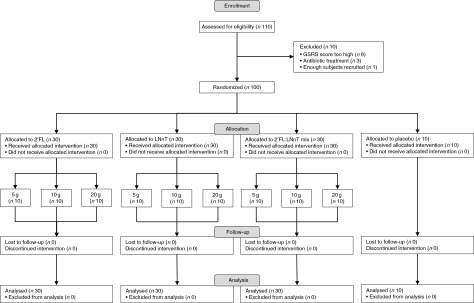
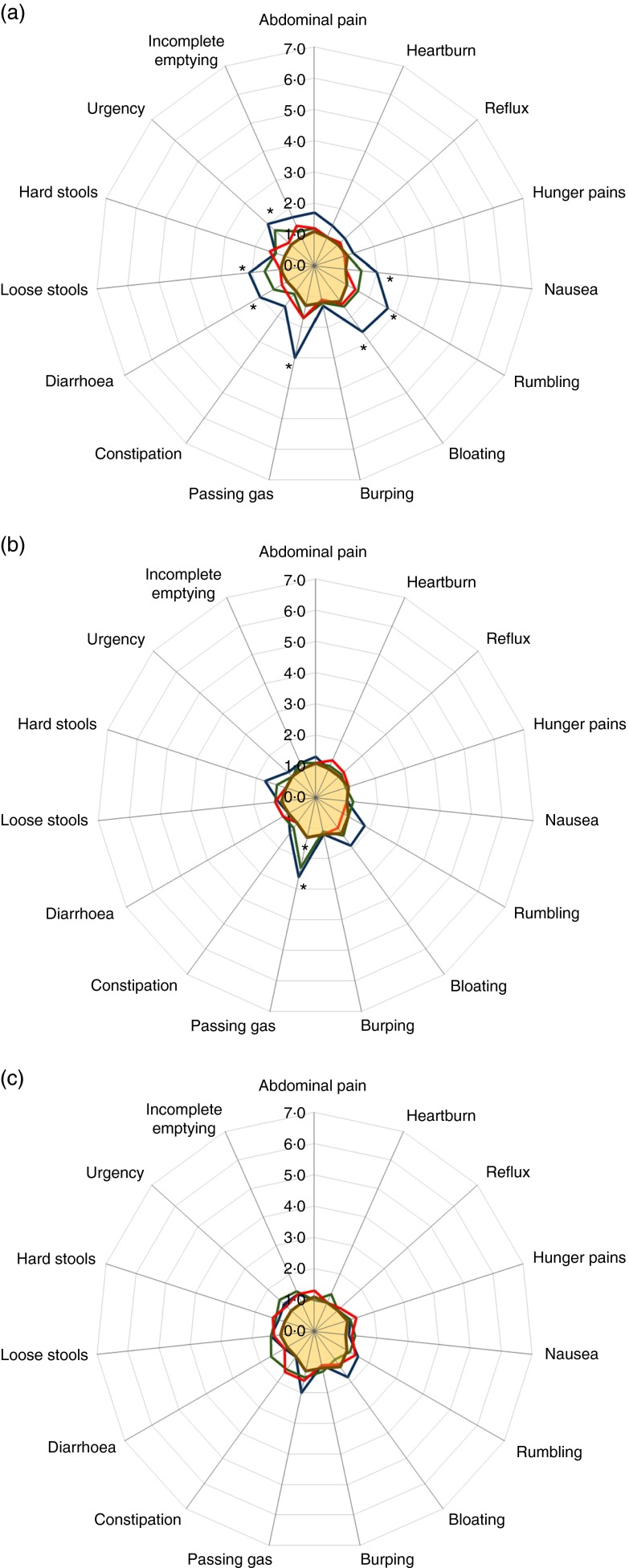
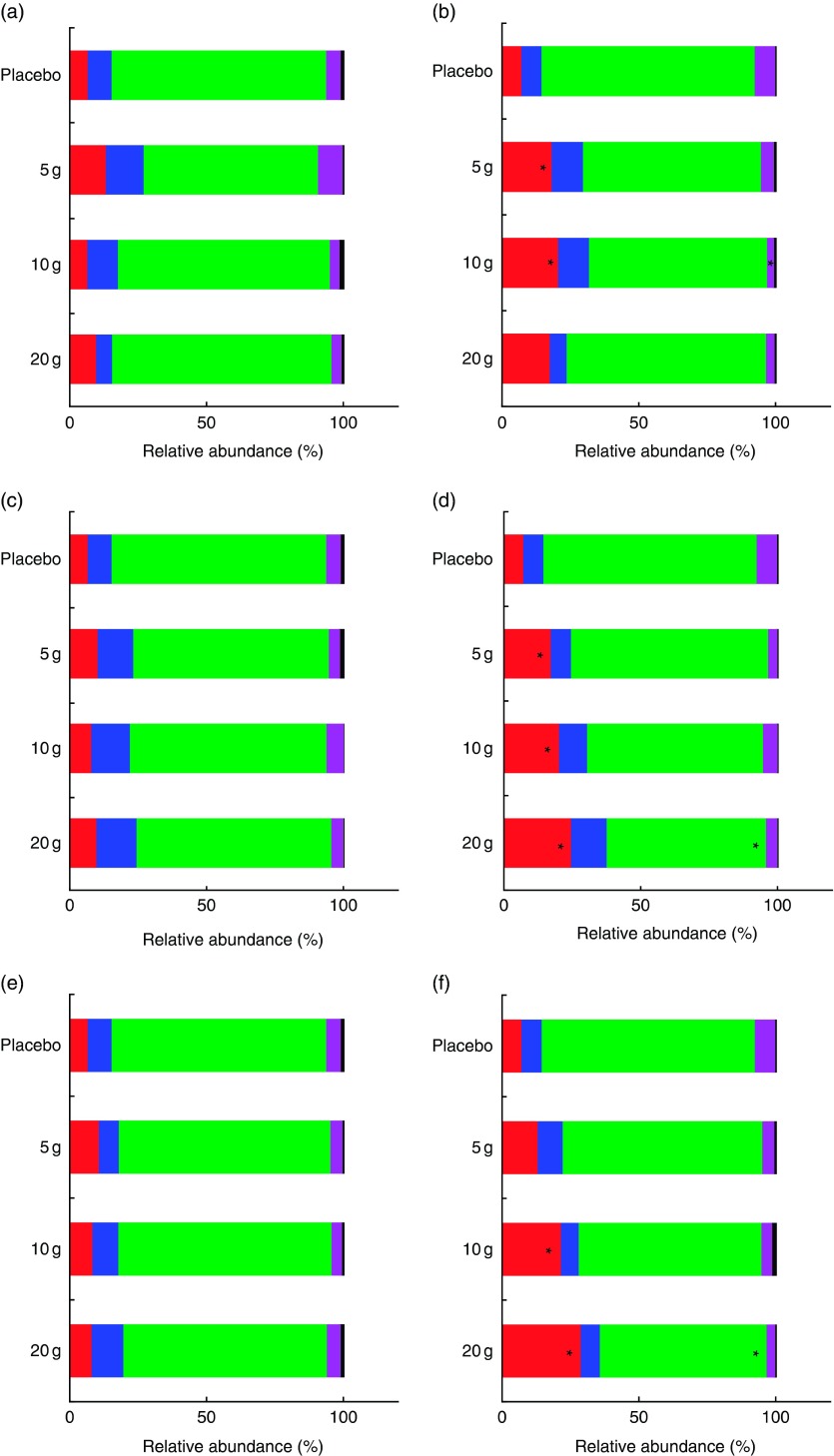
The gut microbiota has been established as an important player influencing many aspects of human physiology. Breast milk, the first diet for an infant, contains human milk oligosaccharides (HMO) that shape the infant’s gut microbiota by selectively stimulating the growth of specific bacteria, especially bifidobacteria. In addition to their bifidogenic activity, the ability of HMO to modulate immune function and the gut barrier makes them prime candidates to restore a beneficial microbiota in dysbiotic adults and provide health benefits. We conducted a parallel, double-blind, randomised, placebo-controlled, HMO-supplementation study in 100 healthy, adult volunteers, consuming chemically produced 2′- O -fucosyllactose (2′FL) and/or lacto- N -neotetraose (LNnT) at various daily doses and mixes or placebo for 2 weeks. All participants completed the study without premature discontinuation. Supplementation of 2′FL and LNnT at daily doses up to 20 g was shown to be safe and well tolerated, as assessed using the gastrointestinal symptoms rating scale. 16S rRNA sequencing analysis showed that HMO supplementation specifically modified the adult gut microbiota with the primary impact being substantial increases in relative abundance of Actinobacteria and Bifidobacterium in particular and a reduction in relative abundance of Firmicutes and Proteobacteria. This study provides the first set of data on safety, tolerance and impact of HMO on the adult gut microbiota. Collectively, the results from this study show that supplementing the diet with HMO is a valuable strategy to shape the human gut microbiota and specifically promote the growth of beneficial bifidobacteria.
Overview
The claims and statistics of this paper haven’t been checked yet.
Free: it reads the open-access text and checks the first 5 claims that cite a source we can check. Create a free account to check every claim.
Integrity signals
Registry
Cites
Statistics
Figures
Verification
Claims the paper makes
The claims and statistics of this paper haven’t been checked yet.
Free: it reads the open-access text and checks the first 5 claims that cite a source we can check. Create a free account to check every claim.
Claims other papers make about this one
Each is checked against this paper’s own text: does it say what the citing paper says it does?
The cited source says what the claim attributes to it.
In the citing paper
“In the supplement trials of accepted prebiotics, a significantly higher Bifidobacterium spp.abundance was reported after supplementation involving inulin (115) and human milk oligosaccharides (HMO) (62) compared with placebo at the end of intervention, whereas a significant within-group increase from baseline was detected after 10 g/d inulin supplementation (95).”
From Dietary fiber intervention on gut microbiota composition in healthy adults: a systematic review and meta-analysis (2018) · cites this paper as [62]
Self-check
Percentages, sums and reported differences re-computed from the paper’s own numbers.
The self-check needs the paper’s full text.
Citations
Cites
UPARSE: highly accurate OTU sequences from microbial amplicon reads
Edgar, R. C. (2013) · Nature Methods · doi:10.1038/nmeth.2604 · Cited by 16,707 · cited 1×
“Sequences were clustered into operational taxonomic units (OTU) at 97 % sequence similarity using USEARCH (51) , and suspected chimeric sequences were discarded on the basis of UCHIME (52) .”
UCHIME improves sensitivity and speed of chimera detection
Edgar, R. C., Haas, B. J., Clemente, J. C., Quince, C., & Knight, R. (2011) · Bioinformatics · doi:10.1093/bioinformatics/btr381 · Cited by 15,114
Klindworth, A., Pruesse, E., Schweer, T., Peplies, J., Quast, C., Horn, M., & Glöckner, F. O. (2013) · Nucleic Acids Research · doi:10.1093/nar/gks808 · Cited by 8,850 · cited 2×
“The V3 – V4 region of the 16S rDNA was ampli fi ed using the forward primer S-D-Bact-0341-b-S-17 (5 ′ -TCGTCGGCAGCG TCAGATGTGTATAAGAGACAG-3 ′ ) and the reverse primer S-D-Bact-0785-a-A-21 (5 ′ -GTCTCGTGGGCTCGGAGATGTG TATAAGAGACAG-3 ′ ) (50) , with Illumina adapters attached.”
A core gut microbiome in obese and lean twins
Turnbaugh, P. J., Hamady, M., Yatsunenko, T., Cantarel, B. L., Duncan, A., Ley, R. E., Sogin, M. L., Jones, W. J., Roe, B. A., Affourtit, J. P., et al. (2009) · Nature · doi:10.1038/nature07540 · Cited by 7,823 · cited 1×
“The participants rated severity using a seven-point Likert scale running from (1) no discomfort to (7) very severe discomfort.”
Changes of Intestinal Functions in Liver Cirrhosis
Fukui, H., & Wiest, R. (2016) · Inflammatory Intestinal Diseases · doi:10.1159/000444436 · Cited by 6,808
A metagenome-wide association study of gut microbiota in type 2 diabetes
Qin, J., Li, Y., Cai, Z., Li, S., Zhu, J., Zhang, F., Liang, S., Zhang, W., Guan, Y., Shen, D., et al. (2012) · Nature · doi:10.1038/nature11450 · Cited by 6,762
Role of the microbiota in immunity and inflammation.
Belkaid, Y., & Hand, T. W. (2014) · Cell · doi:10.1016/j.cell.2014.03.011 · Cited by 5,385 · cited 1×
“Intensive research over the past decade has revealed the gut microbiota to be an important player in host health by influencing many aspects of human physiology, including energy metabolism((1)), hormonal balance((2)) and immunity((3,4)).”
Host-gut microbiota metabolic interactions
Nicholson, J. K., Holmes, E., Kinross, J., Burcelin, R., Gibson, G., Jia, W., & Pettersson, S. (2012) · Science · doi:10.1126/science.1223813 · Cited by 4,760 · cited 1×
“Intensive research over the past decade has revealed the gut microbiota to be an important player in host health by in fl u-encing many aspects of human physiology, including energy metabolism (1) , hormonal balance (2) and immunity (3,4) .”
Richness of human gut microbiome correlates with metabolic markers
Le Chatelier, E., Nielsen, T., Qin, J., Prifti, E., Hildebrand, F., Falony, G., Almeida, M., Arumugam, M., Batto, J.-M., Kennedy, S., et al. (2013) · Nature · doi:10.1038/nature12506 · Cited by 4,662
Ribosomal Database Project: data and tools for high throughput rRNA analysis
Cole, J. R., Wang, Q., Fish, J. A., Chai, B., McGarrell, D. M., Sun, Y., Brown, C. T., Porras-Alfaro, A., Kuske, C. R., & Tiedje, J. M. (2014) · Nucleic Acids Research · doi:10.1093/nar/gkt1244 · Cited by 4,367 · cited 1×
“Taxonomic assignment of OTU was performed on the basis of comparison with a database of curated sequences derived from the Ribosomal Database Project (53) .”
Duodenal Infusion of Donor Feces for Recurrent Clostridium difficile
van Nood, E., Vrieze, A., Nieuwdorp, M., Fuentes, S., Zoetendal, E. G., de Vos, W. M., Visser, C. E., Kuijper, E. J., Bartelsman, J. F. W. M., Tijssen, J. G. P., et al. (2013) · New England Journal of Medicine · doi:10.1056/nejmoa1205037 · Cited by 3,708 · cited 1×
“Indeed, modulation of the gut microbiota has been shown to be a promising therapeutic approach to treat recurrent Clostridium difficile infections((15)).”
Stool form scale as a useful guide to intestinal transit time
Lewis, S. J., & Heaton, K. W. (1997) · Scandinavian Journal of Gastroenterology · doi:10.3109/00365529709011203 · Cited by 3,244 · cited 4×
“The BSFS was fi lled in on a daily basis during the study period, from screening to the end of the intervention.”
InfluentialGut metagenome in European women with normal, impaired and diabetic glucose control
Karlsson, F. H., Tremaroli, V., Nookaew, I., Bergström, G., Behre, C. J., Fagerberg, B., Nielsen, J., & Bäckhed, F. (2013) · Nature · doi:10.1038/nature12198 · Cited by 3,115
Ballard, O., & Morrow, A. L. (2013) · Pediatric Clinics of North America · doi:10.1016/j.pcl.2012.10.002 · Cited by 2,598 · cited 1×
“Breast milk, the fi rst diet for an infant, offers all the essential nutrients for growth and development, and provides bioactive factors such as Ig, antimicrobial proteins and cytokines (16) .”
Microbiota and SCFA in lean and overweight healthy subjects
Schwiertz, A., Taras, D., Schäfer, K., Beijer, S., Bos, N. A., Donus, C., & Hardt, P. D. (2010) · Obesity · doi:10.1038/oby.2009.167 · Cited by 2,457 · cited 2×
“…have for long been regarded as bene fi cial members of the human gut microbiota, and low levels have been reported in obese and diabetic individuals (41,66) , in individuals taking antibiotics (67) and in patients suffering from irritable bowel syndrome or in fl ammatory bowel disease (39,68) .”
Alterations of the human gut microbiome in liver cirrhosis
Qin, N., Yang, F., Li, A., Prifti, E., Chen, Y., Shao, L., Guo, J., Le Chatelier, E., Yao, J., Wu, L., et al. (2014) · Nature · doi:10.1038/nature13568 · Cited by 2,177
The role of gut microbiota in immune homeostasis and autoimmunity
Wu, H.-J., & Wu, E. (2012) · Gut Microbes · doi:10.4161/gmic.19320 · Cited by 1,426 · cited 1×
“Intensive research over the past decade has revealed the gut microbiota to be an important player in host health by in fl u-encing many aspects of human physiology, including energy metabolism (1) , hormonal balance (2) and immunity (3,4) .”
Immunoglobulin A Coating Identifies Colitogenic Bacteria in Inflammatory Bowel Disease
Palm, N. W., de Zoete, M. R., Cullen, T. W., Barry, N. A., Stefanowski, J., Hao, L., Degnan, P. H., Hu, J., Peter, I., Zhang, W., et al. (2014) · Cell · doi:10.1016/j.cell.2014.08.006 · Cited by 1,286
Low counts of Faecalibacterium prausnitzii in colitis microbiota
Sokol, H., Seksik, P., Furet, J. P., Firmesse, O., Nion-Larmurier, I., Beaugerie, L., Cosnes, J., Corthier, G., Marteau, P., & Doré, J. (2009) · Inflammatory Bowel Diseases · doi:10.1002/ibd.20903 · Cited by 1,275 · cited 1×
“Bifidobacteria have for long been regarded as beneficial members of the human gut microbiota, and low levels have been reported in obese and diabetic individuals((41,66)), in individuals taking antibiotics((67)) and in patients suffering from irritable bowel syndrome or inflammatory bowel disease((39,68)).”
Human colonic microbiota associated with diet, obesity and weight loss
Duncan, S. H., Lobley, G. E., Holtrop, G., Ince, J., Johnstone, A. M., Louis, P., & Flint, H. J. (2008) · International Journal of Obesity · doi:10.1038/ijo.2008.155 · Cited by 1,222 · cited 1×
“…have for long been regarded as bene fi cial members of the human gut microbiota, and low levels have been reported in obese and diabetic individuals (41,66) , in individuals taking antibiotics (67) and in patients suffering from irritable bowel syndrome or in fl ammatory bowel disease (39,68) .”
Gut Microbiota and Metabolic Endotoxemia in Young Obese Mexican Subjects
Radilla-Vázquez, R. B., Parra-Rojas, I., Martínez-Hernández, N. E., Márquez-Sandoval, Y. F., Illades-Aguiar, B., & Castro-Alarcón, N. (2016) · Obesity Facts · doi:10.1159/000442479 · Cited by 1,196
Associating microbiome composition with environmental covariates using generalized UniFrac distances
Chen, J., Bittinger, K., Charlson, E. S., Hoffmann, C., Lewis, J., Wu, G. D., Collman, R. G., Bushman, F. D., & Li, H. (2012) · Bioinformatics · doi:10.1093/bioinformatics/bts342 · Cited by 1,145 · cited 1×
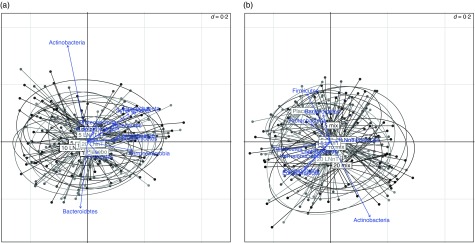
“Generalised UniFrac distances((54)) between samples were calculated at α= 0·5 and with phyla abundance overlaid on the plots.”
Probiotics: an overview of beneficial effects
Ouwehand, A. C., Salminen, S., & Isolauri, E. (2002) · Antonie van Leeuwenhoek · doi:10.1023/a:1020620607611 · Cited by 1,013 · cited 1×
“As Bifidobacterium is highly abundant in the microbiota of breast-fed infants, their acquisition and HMO metabolism have drawn a lot of attention in recent years((43)).”
Meta‐analyses of human gut microbes associated with obesity and IBD
Walters, W. A., Xu, Z., & Knight, R. (2014) · FEBS Letters · doi:10.1016/j.febslet.2014.09.039 · Cited by 836 · cited 2×
“…2 ′ FL and LNnT supplementation on other genera relevant to human health, we speci fi cally looked at changes in the relative abundance of eighteen genera reported to be correlated to health or disease in conditions such as obesity, irritable bowel syndrome or in fl ammatory bowel disease (55 – 57) .”
An irritable bowel syndrome subtype defined by species-specific alterations in faecal microbiota
Jeffery, I. B., O'Toole, P. W., Öhman, L., Claesson, M. J., Deane, J., Quigley, E. M. M., & Simrén, M. (2012) · Gut · doi:10.1136/gutjnl-2011-301501 · Cited by 835
HUMAN MILK GLYCANS PROTECT INFANTS AGAINST ENTERIC PATHOGENS
Newburg, D. S., Ruiz-Palacios, G. M., & Morrow, A. L. (2005) · Annual Review of Nutrition · doi:10.1146/annurev.nutr.25.050304.092553 · Cited by 693
Diversity of Bifidobacteria within the Infant Gut Microbiota
Turroni, F., Peano, C., Pass, D. A., Foroni, E., Severgnini, M., Claesson, M. J., Kerr, C., Hourihane, J., Murray, D., Fuligni, F., et al. (2012) · PLoS ONE · doi:10.1371/journal.pone.0036957 · Cited by 647 · cited 2×
“In fact, diet is, together with genetics and environmental factors, one of the main contributors to the diversity of human intestinal microbiota((37)).”
Consumption of human milk oligosaccharides by gut-related microbes
Marcobal, A., Barboza, M., Froehlich, J. W., Block, D. E., German, J. B., Lebrilla, C. B., & Mills, D. A. (2010) · Journal of Agricultural and Food Chemistry · doi:10.1021/jf9044205 · Cited by 568
The human gut microbiome as a screening tool for colorectal cancer
Zackular, J. P., Rogers, M. A. M., Ruffin, M. T., & Schloss, P. D. (2014) · Cancer Prevention Research · doi:10.1158/1940-6207.capr-14-0129 · Cited by 551
Nursing our microbiota: molecular linkages between bifidobacteria and milk oligosaccharides
Sela, D. A., & Mills, D. A. (2010) · Trends in Microbiology · doi:10.1016/j.tim.2010.03.008 · Cited by 468
Vulevic, J., Drakoularakou, A., Yaqoob, P., Tzortzis, G., & Gibson, G. R. (2008) · The American Journal of Clinical Nutrition · doi:10.3945/ajcn.2008.26242 · Cited by 451
Bezirtzoglou, E., Tsiotsias, A., & Welling, G. W. (2011) · Anaerobe · doi:10.1016/j.anaerobe.2011.03.009 · Cited by 449 · cited 1×
“The major components driving this are the human milk oligosaccharides (HMO), as can be seen when comparing breast-fed with formula-fed infants, where breast-fed infants carry a more stable and uniform microbial population than formula-fed infants((17)).”
The Gut Microbial Endocrine Organ: Bacterially Derived Signals Driving Cardiometabolic Diseases
Brown, J. M., & Hazen, S. L. (2015) · Annual Review of Medicine · doi:10.1146/annurev-med-060513-093205 · Cited by 438
Role of the gut microbiota in defining human health
Fujimura, K. E., Slusher, N. A., Cabana, M. D., & Lynch, S. V. (2010) · Expert Review of Anti-infective Therapy · doi:10.1586/eri.10.14 · Cited by 407
Morrow, A. L., Ruiz-Palacios, G. M., Jiang, X., & Newburg, D. S. (2005) · The Journal of Nutrition · doi:10.1093/jn/135.5.1304 · Cited by 394
Dimenäs, E., Carlsson, G., Glise, H., Israelsson, B., & Wiklund, I. (1996) · Scandinavian Journal of Gastroenterology · doi:10.3109/00365529609095544 · Cited by 380 · cited 1×
“At entry, the mean score on the GSRS total was less than the population norm of 1 · 53 based on a Swedish adult background population (59) .”
Yu, Z.-T., Chen, C., & Newburg, D. S. (2013) · Glycobiology · doi:10.1093/glycob/cwt065 · Cited by 378
Dimenäs, E., Glise, H., Hallerbäck, B., Hernqvist, H., Svedlund, J., & Wiklund, I. (1995) · Scandinavian Journal of Gastroenterology · doi:10.3109/00365529509101605 · Cited by 363 · cited 1×
“The GSRS form includes fi fteen items covering fi ve dimensions: abdominal pain, indigestion, re fl ux, diarrhoea and constipation (48) .”
Coppa, G. V., Zampini, L., Galeazzi, T., Facinelli, B., Ferrante, L., Capretti, R., & Orazio, G. (2006) · Pediatric Research · doi:10.1203/01.pdr.0000200805.45593.17 · Cited by 321 · cited 2×
“The majority of ingested HMO reach the large intestine where they provide selective substrates for speci fi c gut bacteria (21 – 27) , modulate the immune system (28 – 31) and prevent the epithelial adhesion of intestinal pathogens (32 – 36) .”
Davis, L. M. G., Martínez, I., Walter, J., Goin, C., & Hutkins, R. W. (2011) · PLoS ONE · doi:10.1371/journal.pone.0025200 · Cited by 318 · cited 1×
“Only a few studies provided comprehensive, high-resolution data of the human gut microbiota through high-throughput sequencing, after prebiotic consumption((63,64)).”
Human milk oligosaccharide consumption by intestinal microbiota
Marcobal, A., & Sonnenburg, J. L. (2012) · Clinical Microbiology and Infection · doi:10.1111/j.1469-0691.2012.03863.x · Cited by 311
Kerckhoffs, A. P., Samsom, M., Rest, M. E. V. D., Vogel, J. D., Knol, J., Ben-Amor, K., & Akkermans, L. M. (2009) · World Journal of Gastroenterology · doi:10.3748/wjg.15.2887 · Cited by 289 · cited 2×
“Bifidobacteria have for long been regarded as beneficial members of the human gut microbiota, and low levels have been reported in obese and diabetic individuals((41,66)), in individuals taking antibiotics((67)) and in patients suffering from irritable bowel syndrome or inflammatory bowel disease((39,68)).”
Casén, C., Vebø, H. C., Sekelja, M., Hegge, F. T., Karlsson, M. K., Ciemniejewska, E., Dzankovic, S., Frøyland, C., Nestestog, R., Engstrand, L., et al. (2015) · Alimentary Pharmacology & Therapeutics · doi:10.1111/apt.13236 · Cited by 289 · cited 2×
“…2 ′ FL and LNnT supplementation on other genera relevant to human health, we speci fi cally looked at changes in the relative abundance of eighteen genera reported to be correlated to health or disease in conditions such as obesity, irritable bowel syndrome or in fl ammatory bowel disease (55 – 57) .”
Preterm Milk Oligosaccharides During the First Month of Lactation
Gabrielli, O., Zampini, L., Galeazzi, T., Padella, L., Santoro, L., Peila, C., Giuliani, F., Bertino, E., Fabris, C., & Coppa, G. V. (2011) · Pediatrics · doi:10.1542/peds.2011-1206 · Cited by 266 · cited 2×
“HMO as a part of breast milk are well tolerated by infants even at high doses, because the mother’s milk contains 5–25g/l of HMO((18)).”
Xylooligosaccharide increases bifidobacteria but not lactobacilli in human gut microbiota
Finegold, S. M., Li, Z., Summanen, P. H., Downes, J., Thames, G., Corbett, K., Dowd, S., Krak, M., & Heber, D. (2014) · Food & Function · doi:10.1039/c3fo60348b · Cited by 255 · cited 1×
“Only a few studies provided comprehensive, high-resolution data of the human gut microbiota through high-throughput sequencing, after prebiotic consumption((63,64)).”
Yu, Z.-T., Chen, C., Kling, D. E., Liu, B., McCoy, J. M., Merighi, M., Heidtman, M., & Newburg, D. S. (2013) · Glycobiology · doi:10.1093/glycob/cws138 · Cited by 252
Newburg, D. S., Ruiz-Palacios, G. M., Altaye, M., Chaturvedi, P., Meinzen-Derr, J., Guerrero, M. D. L., & Morrow, A. L. (2004) · Glycobiology · doi:10.1093/glycob/cwh020 · Cited by 251 · cited 1×
“The majority of ingested HMO reach the large intestine where they provide selective substrates for speci fi c gut bacteria (21 – 27) , modulate the immune system (28 – 31) and prevent the epithelial adhesion of intestinal pathogens (32 – 36) .”
In vitro fermentability of human milk oligosaccharides by several strains of bifidobacteria
Ward, R. E., Niñonuevo, M., Mills, D. A., Lebrilla, C. B., & German, J. B. (2007) · Molecular Nutrition & Food Research · doi:10.1002/mnfr.200700150 · Cited by 238
Ruiz-Moyano, S., Totten, S. M., Garrido, D. A., Smilowitz, J. T., German, J. B., Lebrilla, C. B., & Mills, D. A. (2013) · Applied and Environmental Microbiology · doi:10.1128/aem.01843-13 · Cited by 238
Garrido, D., Dallas, D. C., & Mills, D. A. (2013) · Microbiology · doi:10.1099/mic.0.064113-0 · Cited by 228
Bode, L., Kunz, C., Muhly-Reinholz, M., Mayer, K., Seeger, W., & Rudloff, S. (2004) · Thrombosis and Haemostasis · doi:10.1160/th04-01-0055 · Cited by 223 · cited 1×
“The majority of ingested HMO reach the large intestine where they provide selective substrates for speci fi c gut bacteria (21 – 27) , modulate the immune system (28 – 31) and prevent the epithelial adhesion of intestinal pathogens (32 – 36) .”
Davis, L. M. G., Martínez, I., Walter, J., & Hutkins, R. (2010) · International Journal of Food Microbiology · doi:10.1016/j.ijfoodmicro.2010.10.007 · Cited by 219 · cited 1×
“Different results have been observed for galacto-oligosaccharides, where the greatest bi fi - dogenic response occurred in individuals having the highest initial bi fi dobacteria abundance (61) .”
Mechanisms Linking the Gut Microbiome and Glucose Metabolism
Utzschneider, K. M., Kratz, M., Damman, C. J., & Hullarg, M. (2016) · The Journal of Clinical Endocrinology & Metabolism · doi:10.1210/jc.2015-4251 · Cited by 214 · cited 1×
“Intensive research over the past decade has revealed the gut microbiota to be an important player in host health by in fl u-encing many aspects of human physiology, including energy metabolism (1) , hormonal balance (2) and immunity (3,4) .”
Costabile, A., Kolida, S., Klinder, A., Gietl, E., Bäuerlein, M., Frohberg, C., Landschütze, V., & Gibson, G. R. (2010) · British Journal of Nutrition · doi:10.1017/s0007114510001571 · Cited by 213
Parkes, G. C., Rayment, N. B., Hudspith, B. N., Petrovska, L., Lomer, M. C., Brostoff, J., Whelan, K., & Sanderson, J. D. (2012) · Neurogastroenterology & Motility · doi:10.1111/j.1365-2982.2011.01803.x · Cited by 200 · cited 1×
“Further, low bi fi dobacteria abundance has been linked to GI (39,40) and metabolic diseases (41,42) , for example.”
Functional role and mechanisms of sialyllactose and other sialylated milk oligosaccharides
ten Bruggencate, S. J., Bovee-Oudenhoven, I. M., Feitsma, A. L., van Hoffen, E., & Schoterman, M. H. (2014) · Nutrition Reviews · doi:10.1111/nure.12106 · Cited by 186 · cited 1×
“HMO are not digested in the upper GI tract, and only 1–2% is absorbed in infants((19,20)).”
Dietary Fructooligosaccharides Affect Intestinal Barrier Function in Healthy Men
Ten Bruggencate, S. J., Bovee-Oudenhoven, I. M., Lettink-Wissink, M. L., Katan, M. B., & van der Meer, R. (2006) · The Journal of Nutrition · doi:10.1093/jn/136.1.70 · Cited by 171
Bode, L., Rudloff, S., Kunz, C., Strobel, S., & Klein, N. (2004) · Journal of Leukocyte Biology · doi:10.1189/jlb.0304198 · Cited by 166
Lê, K., Li, Y., Xu, X., Yang, W., Liu, T., Zhao, X., Tang, Y. G., Cai, D., Go, V. L. W., Pandol, S., et al. (2013) · Frontiers in Physiology · doi:10.3389/fphys.2012.00496 · Cited by 131 · cited 1×
“Further, low bifidobacteria abundance has been linked to GI((39,40)) and metabolic diseases((41,42)), for example.”
Human milk oligosaccharides inhibit rotavirus infectivity in vitro and in acutely infected piglets
Hester, S. N., Chen, X., Li, M., Monaco, M. H., Comstock, S. S., Kuhlenschmidt, T. B., Kuhlenschmidt, M. S., & Donovan, S. M. (2013) · British Journal of Nutrition · doi:10.1017/s0007114513000391 · Cited by 128
Bacterial Colonization and the Development of Intestinal Defences
Shi, H. N., & Walker, A. (2004) · Canadian Journal of Gastroenterology · doi:10.1155/2004/690421 · Cited by 105 · cited 1×
“The gut microbiota also contributes to establishment of the mucosal barrier and maintenance of intestinal homoeostasis (5) .”
Duranti, S., Turroni, F., Lugli, G. A., Milani, C., Viappiani, A., Mangifesta, M., Gioiosa, L., Palanza, P., van Sinderen, D., & Ventura, M. (2014) · Applied and Environmental Microbiology · doi:10.1128/aem.01993-14 · Cited by 86 · cited 1×
“adolescentis is not known to metabolise HMO((65)).”
Incorporation of orally applied 13C-galactose into milk lactose and oligosaccharides
Rudloff, S., Obermeier, S., Borsch, C., Pohlentz, G., Hartmann, R., Brösicke, H., Lentze, M. J., & Kunz, C. (2006) · Glycobiology · doi:10.1093/glycob/cwj092 · Cited by 77 · cited 1×
“HMO are not digested in the upper GI tract, and only 1–2% is absorbed in infants((19,20)).”
Safety of 2′‐O‐fucosyllactose as a novel food ingredient pursuant to Regulation (EC) No 258/97
EFSA Panel on Dietetic Products, N. A. A. (. (2015) · EFSA Journal · doi:10.2903/j.efsa.2015.4184 · Cited by 72
Coulet, M., Phothirath, P., Allais, L., & Schilter, B. (2013) · Regulatory Toxicology and Pharmacology · doi:10.1016/j.yrtph.2013.11.005 · Cited by 69 · cited 2×
“Preclinical toxicology studies of chemically produced 2 ′ FL and LNnT have previously con fi rmed the safety of intake (44,45) , and an EFSA panel on Dietetic Products, Samples are divided into intervention groups with the label at the centre of gravity for each group.”
Comstock, S. S., Wang, M., Hester, S. N., Li, M., & Donovan, S. M. (2013) · British Journal Of Nutrition · doi:10.1017/s0007114513003267 · Cited by 64
Coulet, M., Phothirath, P., Constable, A., Marsden, E., & Schilter, B. (2013) · Food and Chemical Toxicology · doi:10.1016/j.fct.2013.09.018 · Cited by 47 · cited 2×
“The samples were subjected to preclinical toxicology studies((44,45)).”
Mangin, I., Lévêque, C., Magne, F., Suau, A., & Pochart, P. (2012) · PLoS ONE · doi:10.1371/journal.pone.0050257 · Cited by 35 · cited 1×
“Bifidobacteria have for long been regarded as beneficial members of the human gut microbiota, and low levels have been reported in obese and diabetic individuals((41,66)), in individuals taking antibiotics((67)) and in patients suffering from irritable bowel syndrome or inflammatory bowel disease((39,68)).”
Newburg, D. S., Tanritanir, A. C., & Chakrabarti, S. (2016) · Journal of Thrombosis and Thrombolysis · doi:10.1007/s11239-015-1331-2 · Cited by 34
Safety of lacto‐N‐neotetraose as a novel food ingredient pursuant to Regulation (EC) No 258/97
EFSA Panel on Dietetic Products, N. A. A. (. (2015) · EFSA Journal · doi:10.2903/j.efsa.2015.4183 · Cited by 34
Cited by
Gibson, G. R., Hutkins, R., Sanders, M. E., Prescott, S. L., Reimer, R. A., Salminen, S. J., Scott, K., Stanton, C., Swanson, K. S., Cani, P. D., et al. (2017) · Nature Reviews Gastroenterology & Hepatology · doi:10.1038/nrgastro.2017.75 · Cited by 5,634
Fassarella, M., Blaak, E. E., Penders, J., Nauta, A., Smidt, H., & Zoetendal, E. G. (2021) · Gut · doi:10.1136/gutjnl-2020-321747 · Cited by 772
“Modulation of the human gut microbiome with dietary interventions has been extensively studied, mainly focusing on the supplementation of NDCs. 74 78 79 However, the impact of dietary components on the stability and resilience of the gut ecosystem has been barely addressed.”
BackgroundMethodSo, D., Whelan, K., Rossi, M., Morrison, M., Holtmann, G., Kelly, J. T., Shanahan, E. R., Staudacher, H. M., & Campbell, K. L. (2018) · The American Journal of Clinical Nutrition · doi:10.1093/ajcn/nqy041 · Cited by 683
“and next-generation sequencing (including 454 pyrosequencing and Illumina sequencing) (12 209 studies) (59, 62, 64, 72, 75, 77-80, 97, 101, 115).”
BackgroundInfluentialModulation of Gut Microbiota and Immune System by Probiotics, Pre-biotics, and Post-biotics
Liu, Y., Wang, J., & Wu, C. (2022) · Frontiers in Nutrition · doi:10.3389/fnut.2021.634897 · Cited by 385
Vinelli, V., Biscotti, P., Martini, D., Del Bo’, C., Marino, M., Meroño, T., Nikoloudaki, O., Calabrese, F. M., Turroni, S., Taverniti, V., et al. (2022) · Nutrients · doi:10.3390/nu14132559 · Cited by 287
“On the other hand, some studies showed an increase in moderate flatulence [11,20,22,27,29,37,46], mild and moderate bloating [16,22,39], indigestion [15], abdominal pain [15,27], and frequency of self-reported adverse GI events [15], reflux [11], rumbling [39], and GI symptoms in general [15,17]; only two studies repo…”
BackgroundMethodInfluential
Metadata
- Authors
- Elison, E., Vigsnaes, L. K., Rindom Krogsgaard, L., Rasmussen, J., Sørensen, N., McConnell, B., Hennet, T., Sommer, M. O. A., & Bytzer, P.
- Affiliations
- University of Copenhagen (DK)
- Clinical Microbiomics (Denmark) (DK)
- University of Zurich (CH)
- Novo Nordisk Foundation (DK)
- Corresponding author
- Elison, Emma
- Venue
- British Journal of Nutrition
- Publisher
- Cambridge University Press (CUP)
- Published
- 2016-10-10
- Volume
- 116
- Issue
- 8
- Pages
- 1356-1368
- ISSN
- 0007-1145 (ISSN-L)
- 1475-2662
- PMC
- PMC5082288
- OpenAlex
- W2530574460
- Cited by
- 218
- References
- 71
- Citations by year
- 2026: 23 · 2025: 35 · 2024: 25 · 2023: 23 · 2022: 22 · 2021: 28 · 2020: 24 · 2019: 19 · 2018: 11 · 2017: 8
- FWCI
- 13.26
- Type
- journal article
- Language
- en
- Open access
- hybrid
- doi.org
- Locations
- British Journal Of Nutrition (publishedVersion, cc-by)
- PubMed Central (publishedVersion, cc-by)
- PubMed (publishedVersion)
- Research at the University of Copenhagen (University of Copenhagen) (publishedVersion, other-oa)
- Zurich Open Repository and Archive (University of Zurich) (acceptedVersion, other-oa)
- Technical University of Denmark, DTU Orbit (Technical University of Denmark, DTU) (submittedVersion, cc-by)
- Zurich Open Repository and Archive (University of Zurich) (submittedVersion, other-oa)
- Zurich Open Repository and Archive (University of Zurich)
- Funders
- Lundbeckfonden (R77-2010-6772, R140-2013-13496)
- Universität Zürich
- Novo Nordisk Fonden (NNF13SA0009311, NNF13SA0006019, NNF14OC0011335, NNF10CC1016517)
- Topics
- Health Sciences › Nursing › Nutrition and Dietetics › Infant Nutrition and Health
- Life Sciences › Biochemistry, Genetics and Molecular Biology › Molecular Biology › Gut microbiota and health
- Health Sciences › Nursing › Nutrition and Dietetics › Microbial Metabolites in Food Biotechnology
- Keywords
- human milk oligosaccharides, lacto-N-neotetraose, gut microbiota, bifidogenic activity, Bifidobacterium, actinobacteria, dietary supplementation, tolerability, healthy adults, 16S rRNA gene sequencing
- MeSH terms
- Bacillota, Firmicutes, Gastrointestinal Microbiome, Adult, Bifidobacterium, Denmark, Double-Blind Method, Feces, Female, Humans, Male, Middle Aged, Oligosaccharides, Trisaccharides, Biomarkers, Proteobacteria, Principal Component Analysis, Actinobacteria, Young Adult, Prebiotics, Molecular Typing, Dysbiosis
About these checks
Registry, retraction, Cites and statistics results are computed, not judged, with one exception: a printed reference that no index lists is read once by a model before it counts as a citation error. Claims are extracted by a model and kept only when their quote appears verbatim in the text; each cited source is then checked, with a model’s help, for whether it says what the claim relies on. Those verdicts can be wrong — read the claim’s quote and the cited source before relying on one.
Statistics and arithmetic are recomputed, not judged.
Confidence bands are shown only for fields calibrated on our annotated test set. None is calibrated yet, so no band is shown.
What counts as a claim ›How we measure confidence ›How we check this ›
Are you an author, or do you see a problem with this page? Request a review
Data sources
Bibliographic data: Semantic Scholar, OpenAlex, Crossref.
Contains information from the Semantic Scholar Academic Graph Datasets, made available under the ODC Attribution License (ODC-BY 1.0).
Semantic Scholar’s data is described in: Kinney, R., et al. (2023). The Semantic Scholar Open Data Platform. arXiv:2301.10140.
