

The effects of collagen peptide supplementation on appetite and post-exercise energy intake in females: a randomised controlled trial
Open accessThe DOI matches its Crossref record; 3 of the 75 references it cites were found in a registry or an index, and 6 are not checked yet.
Abstract
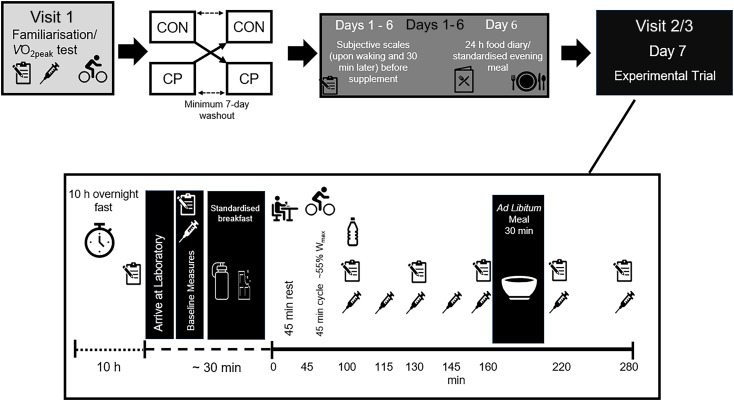
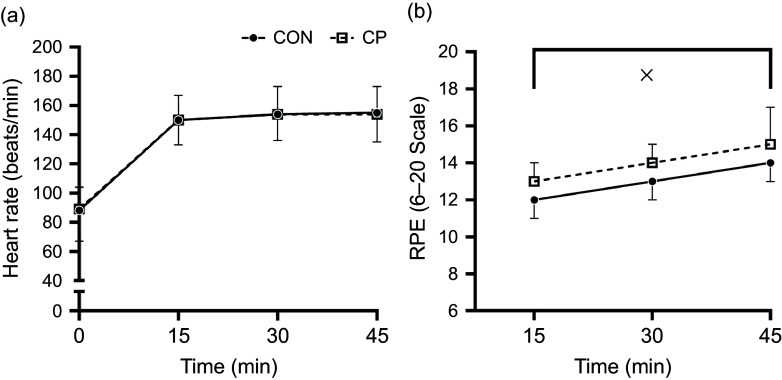
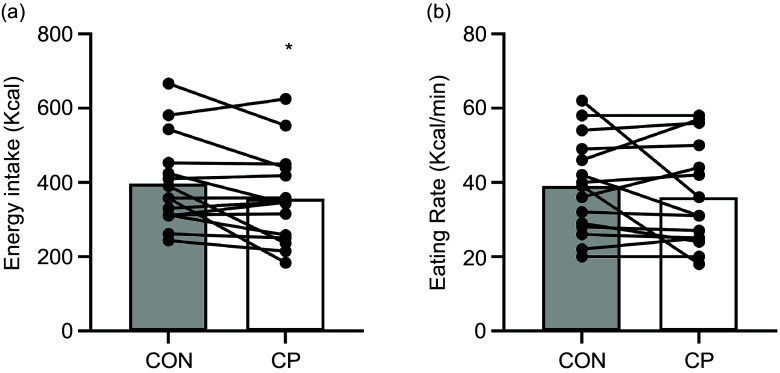
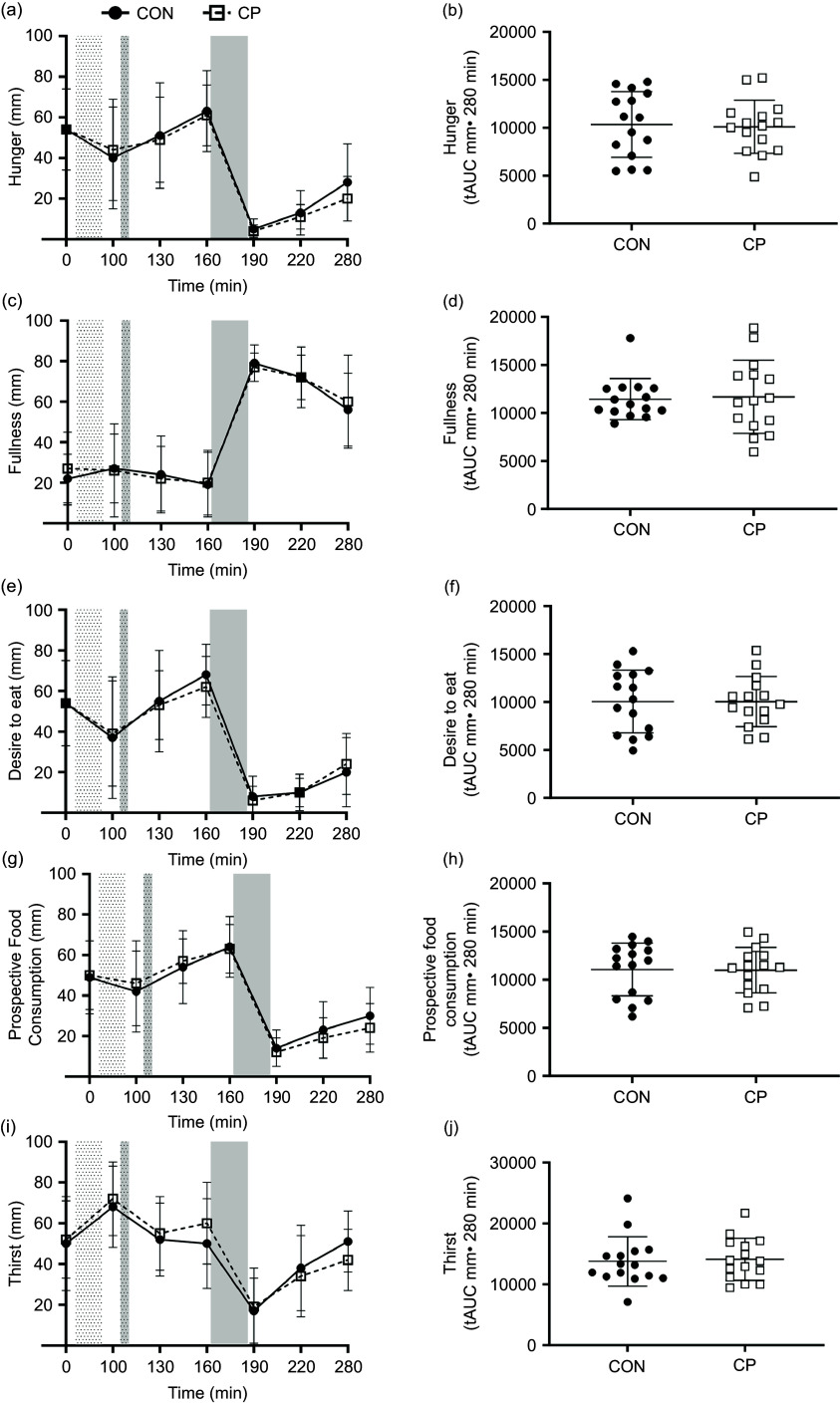
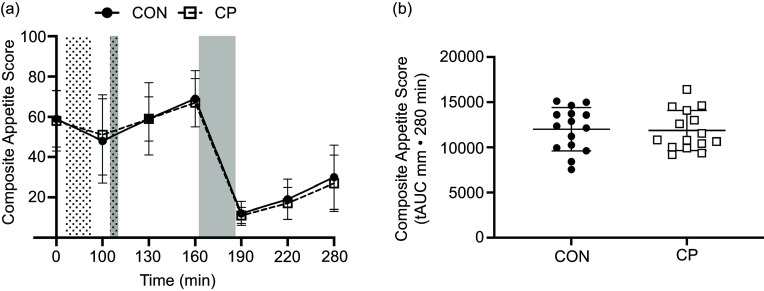
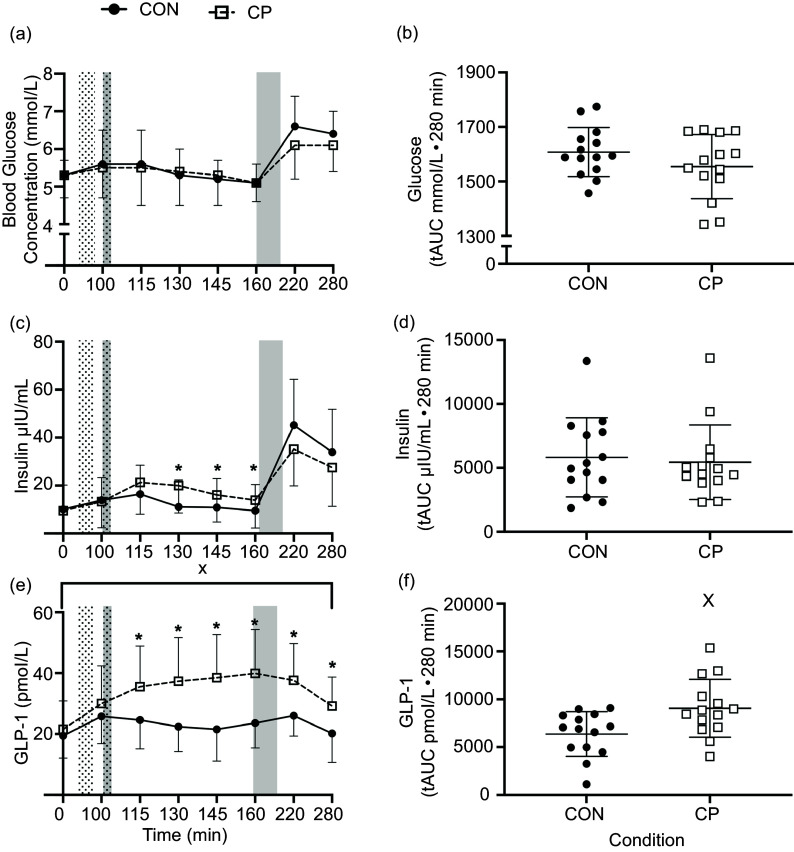
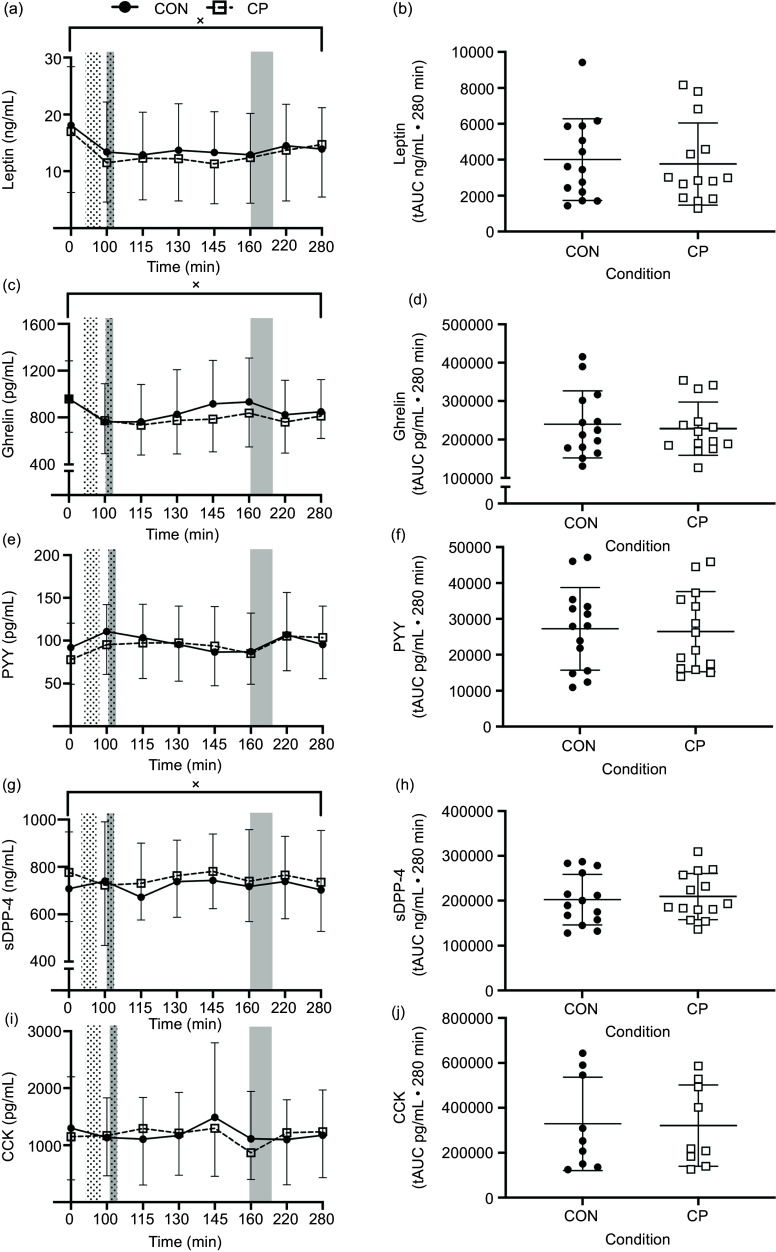
This study examined whether supplementation with collagen peptides (CP) affects appetite and post-exercise energy intake in healthy active females. In this randomised, double-blind cross-over study, fifteen healthy females (23 (sd 3) years) consumed 15 g/d of CP or a taste matched non-energy control (CON) for 7 d. On day 7, participants cycled for 45 min at ∼55 % W max, before consuming the final supplement. Sixty-min post supplementation an ad libitum meal was provided, and energy intake recorded. Subjective appetite sensations were measured daily for 6 d (pre- and 30 min post-supplement) and pre (0 min) to 280 min post-exercise on day 7. Blood glucose and hormone concentrations (total ghrelin, glucagon-like peptide-1 (GLP-1), and peptide YY (PYY), cholecystokinin (CCK), dipeptidyl peptidase-4 (sDPP-4), leptin, and insulin) were measured fasted at baseline (day 0), then pre-breakfast (0 min), post-exercise (100 min), post-supplement (115, 130, 145, 160 min) and post-meal (220, 280 min) on day 7. Ad libitum energy intake was ∼10 % (∼41 kcal) lower in the CP trial (P = 0·037). There was no difference in gastrointestinal symptoms or subjective appetite sensations throughout the trial (P ≥ 0·412). Total plasma GLP-1 (AUC, CON: 6369 (sd 2330); CP: 9064 (sd 3021) pmol/l; P < 0·001) and insulin (+80 % at peak) were higher after CP (P < 0·001). Plasma ghrelin and leptin were lower in CP (condition effect; P ≤ 0·032). PYY, CCK and glucose were not different between CP and placebo (P ≥ 0·100). CP supplementation following exercise increased GLP-1 and insulin concentrations and reduced ad libitum energy intake at a subsequent meal in physically active females.
Overview
The claims and statistics of this paper haven’t been checked yet.
Free: it reads the open-access text and checks the first 5 claims that cite a source we can check. Create a free account to check every claim.
Integrity signals
Registry
Cites
Statistics
Figures
Verification
Claims the paper makes
The claims and statistics of this paper haven’t been checked yet.
Free: it reads the open-access text and checks the first 5 claims that cite a source we can check. Create a free account to check every claim.
Claims other papers make about this one
Each is checked against this paper’s own text: does it say what the citing paper says it does?
The claim comes from somewhere else, not from this source.
In the citing paper
“Supplementation with 15 g/day for 12 weeks, combined with exercise, increased fat-free mass and muscle strength and reduced fat mass in elderly sarcopenic men [164] and premenopausal women [165].”
From Nutritional Approaches to Enhance GLP-1 Analogue Therapy in Obesity: A Narrative Review (2025) · cites this paper as [164]
Checked by a reasoning model — may be wrong.
Experimental — accuracy not yet measuredIn the citing paper
“Supplementation with 15 g/day for 12 weeks, combined with exercise, increased fat-free mass and muscle strength and reduced fat mass in elderly sarcopenic men [164] and premenopausal women [165].”
From Nutritional Approaches to Enhance GLP-1 Analogue Therapy in Obesity: A Narrative Review (2025) · cites this paper as [164]
In the citing paper
“Supplementation with 15 g/day for 12 weeks, combined with exercise, increased fat-free mass and muscle strength and reduced fat mass in elderly sarcopenic men [164] and premenopausal women [165].”
From Nutritional Approaches to Enhance GLP-1 Analogue Therapy in Obesity: A Narrative Review (2025) · cites this paper as [164]
Self-check
Percentages, sums and reported differences re-computed from the paper’s own numbers.
The self-check needs the paper’s full text.
Citations
Cites
Faul, F., Erdfelder, E., Lang, A.-G., & Buchner, A. (2007) · Behavior Research Methods · doi:10.3758/bf03193146 · Cited by 65,971
Statistical power analyses using G∗Power 3.1: tests for correlation and regression analyses
Faul, F., Erdfelder, E., Buchner, A., & Lang, A.-G. (2009) · Behavior Research Methods · doi:10.3758/brm.41.4.1149 · Cited by 37,615
International physical activity questionnaire: 12-country reliability and validity
CRAIG, C. L., MARSHALL, A. L., SJ??STR??M, M., BAUMAN, A. E., BOOTH, M. L., AINSWORTH, B. E., PRATT, M., EKELUND, U., YNGVE, A., SALLIS, J. F., et al. (2003) · Medicine & Science in Sports & Exercise · doi:10.1249/01.mss.0000078924.61453.fb · Cited by 21,619 · cited 1×
“Participants reported to the laboratory after an overnight fast (water intake was allowed) and completed the International Physical Activity Questionnaire (43,44) before a venous blood sample was collected by venepuncture.”
Psychophysical bases of perceived exertion
BORG, G. A. V. (1982) · Medicine & Science in Sports & Exercise · doi:10.1249/00005768-198205000-00012 · Cited by 16,580 · cited 1×
“…ratings and ad libitum energy intake do not necessarily correlate; indeed, several similarly designed studies reported no differences in appetite and satiety with post-exercise milk (46,47,51) or whey protein (19) ingestion, despite reduced ad libitum energy intake at a subsequent meal.”
Serum Immunoreactive-Leptin Concentrations in Normal-Weight and Obese Humans
Considine, R. V., Sinha, M. K., Heiman, M. L., Kriauciunas, A., Stephens, T. W., Nyce, M. R., Ohannesian, J. P., Marco, C. C., McKee, L. J., Bauer, T. L., et al. (1996) · New England Journal of Medicine · doi:10.1056/nejm199602013340503 · Cited by 6,326
Lee, P. H., Macfarlane, D. J., Lam, T., & Stewart, S. M. (2011) · International Journal of Behavioral Nutrition and Physical Activity · doi:10.1186/1479-5868-8-115 · Cited by 3,370 · cited 1×
“Participants reported to the laboratory after an overnight fast (water intake was allowed) and completed the International Physical Activity Questionnaire (43,44) before a venous blood sample was collected by venepuncture.”
Defining Training and Performance Caliber: A Participant Classification Framework
McKay, A. K. A., Stellingwerff, T., Smith, E. S., Martin, D. T., Mujika, I., Goosey-Tolfrey, V. L., Sheppard, J., & Burke, L. M. (2022) · International Journal of Sports Physiology and Performance · doi:10.1123/ijspp.2021-0451 · Cited by 3,093 · cited 1×
“For study inclusion, participants had to be female, aged 18 – 30 years, and considered either Tier 1 or Tier 2 according to the guidelines set forth in the participant classification framework (42) .”
Flint, A., Raben, A., Blundell, J., & Astrup, A. (2000) · International Journal of Obesity · doi:10.1038/sj.ijo.0801083 · Cited by 2,238 · cited 1×
“…anchored at 0 mm by ‘ not hungry at all ’ , ‘ not full at all ’ , ‘ no desire at all ’ , ‘ not thirsty at all ’ and ‘ nothing at all ’ , respectively; at 100 mm was ‘ extremely hungry ’ , ‘ extremely full ’ , ‘ extreme desire ’ , ‘ extremely thirsty ’ and ‘ a large amount ’ , respectively (48) .”
Hydrolyzed Collagen—Sources and Applications
León-López, A., Morales-Peñaloza, A., Martínez-Juárez, V. M., Vargas-Torres, A., Zeugolis, D. I., & Aguirre-Álvarez, G. (2019) · Molecules · doi:10.3390/molecules24224031 · Cited by 558 · cited 1×
“It is feasible that CP could modify the appetite response to exercise, which could have implications for recovery and weight management in athletes and recreational exercisers.”
Glucagon-like peptide-1 inhibits gastric emptying via vagal afferent-mediated central mechanisms
I˙meryüz, N., Yeğen, B. Ç., Bozkurt, A., Coşkun, T., Villanueva-Peñacarrillo, M. L., & Ulusoy, N. B. (1997) · American Journal of Physiology-Gastrointestinal and Liver Physiology · doi:10.1152/ajpgi.1997.273.4.g920 · Cited by 432
Ghrelin stimulates gastric emptying and hunger in normal-weight humans
Levin, F., Edholm, T., Schmidt, P. T., Grybäck, P., Jacobsson, H., Degerblad, M., Höybye, C., Holst, J. J., Rehfeld, J. F., Hellström, P. M., et al. (2006) · The Journal of Clinical Endocrinology & Metabolism · doi:10.1210/jc.2005-2638 · Cited by 313 · cited 1×
“As ghrelin stimulates hunger (61) , suppression of this hormone could have contributed to the reduced energy intake in the ad libitum meal with CP.”
Anderson, G. H., Catherine, N. L., Woodend, D. M., & Wolever, T. M. (2002) · The American Journal of Clinical Nutrition · doi:10.1093/ajcn/76.5.1023 · Cited by 309
Bowen, J., Noakes, M., & Clifton, P. M. (2006) · The Journal of Clinical Endocrinology & Metabolism · doi:10.1210/jc.2006-0609 · Cited by 287
Higher Protein Intake Preserves Lean Mass and Satiety with Weight Loss in Pre‐obese and Obese Women
Leidy, H. J., Carnell, N. S., Mattes, R. D., & Campbell, W. W. (2007) · Obesity · doi:10.1038/oby.2007.531 · Cited by 277
Zdzieblik, D., Oesser, S., Baumstark, M. W., Gollhofer, A., & König, D. (2015) · British Journal of Nutrition · doi:10.1017/s0007114515002810 · Cited by 269 · cited 1×
“Indeed, studies have shown that ingesting collagen supplements (5 – 30 g) in the days before and/or daily after exercise bouts can enhance recovery (27) , increase muscle mass (28) improve body composition (29 – 32) reduce muscle and joint pain (33,34) and enhance sleep quality (35) .”
Vitamin C–enriched gelatin supplementation before intermittent activity augments collagen synthesis
Shaw, G., Lee-Barthel, A., Ross, M. L., Wang, B., & Baar, K. (2017) · The American Journal of Clinical Nutrition · doi:10.3945/ajcn.116.138594 · Cited by 227 · cited 2×
“…ratings and ad libitum energy intake do not necessarily correlate; indeed, several similarly designed studies reported no differences in appetite and satiety with post-exercise milk (46,47,51) or whey protein (19) ingestion, despite reduced ad libitum energy intake at a subsequent meal.”
High-intensity intermittent exercise attenuates ad-libitum energy intake
Sim, A. Y., Wallman, K. E., Fairchild, T. J., & Guelfi, K. J. (2014) · International Journal of Obesity · doi:10.1038/ijo.2013.102 · Cited by 199
Glucagon-like peptide 1 and appetite
Dailey, M. J., & Moran, T. H. (2013) · Trends in Endocrinology & Metabolism · doi:10.1016/j.tem.2012.11.008 · Cited by 186
Fromentin, G., Darcel, N., Chaumontet, C., Marsset-Baglieri, A., Nadkarni, N., & Tomé, D. (2012) · Nutrition Research Reviews · doi:10.1017/s0954422411000175 · Cited by 178 · cited 1×
“Indeed, studies have shown that ingesting collagen supplements (5 – 30 g) in the days before and/or daily after exercise bouts can enhance recovery (27) , increase muscle mass (28) improve body composition (29 – 32) reduce muscle and joint pain (33,34) and enhance sleep quality (35) .”
Chanet, A., Verlaan, S., Salles, J., Giraudet, C., Patrac, V., Pidou, V., Pouyet, C., Hafnaoui, N., Blot, A., Cano, N., et al. (2017) · Journal of Nutrition · doi:10.3945/jn.117.252510 · Cited by 161 · cited 1×
“As in previous studies (7,57,58) , we chose to compare CP to a non-energy matched placebo in a proof-of-concept design, as no previous study has established whether CP intake could affect appetite and hormone responses.”
Clark, K. L., Sebastianelli, W., Flechsenhar, K. R., Aukermann, D. F., Meza, F., Millard, R. L., Deitch, J. R., Sherbondy, P. S., & Albert, A. (2008) · Current Medical Research and Opinion · doi:10.1185/030079908x291967 · Cited by 150 · cited 1×
“Indeed, studies have shown that ingesting collagen supplements (5 – 30 g) in the days before and/or daily after exercise bouts can enhance recovery (27) , increase muscle mass (28) improve body composition (29 – 32) reduce muscle and joint pain (33,34) and enhance sleep quality (35) .”
Musculoskeletal injuries in athletes from five modalities: a cross-sectional study
Goes, R. A., Lopes, L. R., Cossich, V. R. A., de Miranda, V. A. R., Coelho, O. N., Bastos, R. D. C., Domenis, L. A. M., Guimaräes, J. A. M., Grangeiro-Neto, J. A., & Perini, J. A. (2020) · BMC Musculoskeletal Disorders · doi:10.1186/s12891-020-3141-8 · Cited by 125 · cited 1×
“Collagen supplementation may also improve tendon structure and/or function (36 – 39) and therefore reduce the risk of musculoskeletal injury and/or accelerate rehabilitation (40,41) .”
Khatri, M., Naughton, R. J., Clifford, T., Harper, L. D., & Corr, L. (2021) · Amino Acids · doi:10.1007/s00726-021-03072-x · Cited by 124 · cited 2×
“Collagen supplementation may also improve tendon structure and/or function (36 – 39) and therefore reduce the risk of musculoskeletal injury and/or accelerate rehabilitation (40,41) .”
Self-citationDallongeville, J., Hecquet, B., Lebel, P., Edmé, J.-L., Fur, C. L., Fruchart, J., Auwerx, J. H., & Romon, M. (1998) · International Journal of Obesity · doi:10.1038/sj.ijo.0800648 · Cited by 124
Romon, M., Lebel, P., Velly, C., Marecaux, N., Fruchart, J. C., & Dallongeville, J. (1999) · American Journal of Physiology-Endocrinology and Metabolism · doi:10.1152/ajpendo.1999.277.5.e855 · Cited by 112
Subtle changes in the flavour and texture of a drink enhance expectations of satiety
McCrickerd, K., Chambers, L. C., Brunstrom, J. M., & Yeomans, M. R. (2012) · Flavour · doi:10.1186/2044-7248-1-20 · Cited by 104
Veldhorst, M. A. B., Nieuwenhuizen, A. G., Hochstenbach-Waelen, A., Westerterp, K. R., Engelen, M. P. K. J., Brummer, R.-J. M., Deutz, N. E. P., & Westerterp-Plantenga, M. S. (2009) · Clinical Nutrition · doi:10.1016/j.clnu.2008.12.003 · Cited by 104 · cited 1×
“…studies showed that meals rich in gelatin, a form of hydrolysed collagen (10 – 25 % of total energy), may be more satiating than other proteins such as whey, casein and soy (6,25) ; however, Akhavan et al. (26) reported no effect of gelatin (6 g) intake on subsequent energy intake in healthy males.”
"A calorie is a calorie" violates the second law of thermodynamics
Feinman, R. D., & Fine, E. J. (2004) · Nutrition Journal · doi:10.1186/1475-2891-3-9 · Cited by 104 · cited 1×
“Indeed, studies have shown that ingesting collagen supplements (5 – 30 g) in the days before and/or daily after exercise bouts can enhance recovery (27) , increase muscle mass (28) improve body composition (29 – 32) reduce muscle and joint pain (33,34) and enhance sleep quality (35) .”
Cephalic phase pancreatic polypeptide responses to liquid and solid stimuli in humans
Teff, K. L. (2009) · Physiology & Behavior · doi:10.1016/j.physbeh.2009.11.009 · Cited by 90 · cited 1×
“Collagen supplementation may also improve tendon structure and/or function (36 – 39) and therefore reduce the risk of musculoskeletal injury and/or accelerate rehabilitation (40,41) .”
The Effects of Increased Protein Intake on Fullness: A Meta-Analysis and Its Limitations
Dhillon, J., Craig, B. Α., Leidy, H. J., Amankwaah, A. F., Anguah, K. O.-B., Jacobs, A., Jones, B. L., Jones, J. B., Keeler, C. L., Keller, C. E. M., et al. (2016) · Journal of the Academy of Nutrition and Dietetics · doi:10.1016/j.jand.2016.01.003 · Cited by 86
Lugo, J. P., Saiyed, Z. M., Lau, F. C., Molina, J. P. L., Pakdaman, M. N., Shamie, A. N., & Udani, J. K. (2013) · Journal of the International Society of Sports Nutrition · doi:10.1186/1550-2783-10-48 · Cited by 82 · cited 1×
“Indeed, studies have shown that ingesting collagen supplements (5 – 30 g) in the days before and/or daily after exercise bouts can enhance recovery (27) , increase muscle mass (28) improve body composition (29 – 32) reduce muscle and joint pain (33,34) and enhance sleep quality (35) .”
Giezenaar, C., Trahair, L. G., Luscombe‐Marsh, N. D., Hausken, T., Standfield, S., Jones, K. L., Lange, K. M., Horowitz, M., Chapman, I. M., & Soenen, S. (2017) · American Journal of Clinical Nutrition · doi:10.3945/ajcn.117.154377 · Cited by 81 · cited 1×
“As in previous studies (7,57,58) , we chose to compare CP to a non-energy matched placebo in a proof-of-concept design, as no previous study has established whether CP intake could affect appetite and hormone responses.”
Oertzen-Hagemann, V., Kirmse, M., Eggers, B., Pfeiffer, K., Marcus, K., de Marées, M., & Platen, P. (2019) · Nutrients · doi:10.3390/nu11051072 · Cited by 80
Clifford, T., Ventress, M., Allerton, D. M., Stansfield, S., Tang, J. C. Y., Fraser, W. D., Vanhoecke, B., Prawitt, J., & Stevenson, E. (2019) · Amino Acids · doi:10.1007/s00726-019-02706-5 · Cited by 80 · cited 1×
“Indeed, studies have shown that ingesting collagen supplements (5 – 30 g) in the days before and/or daily after exercise bouts can enhance recovery (27) , increase muscle mass (28) improve body composition (29 – 32) reduce muscle and joint pain (33,34) and enhance sleep quality (35) .”
Self-citationDeighton, K., Karra, E., Batterham, R. L., & Stensel, D. J. (2013) · Applied Physiology, Nutrition, and Metabolism · doi:10.1139/apnm-2012-0484 · Cited by 80
Self-citationA Tool to Explore Discrete-Time Data: The Time Series Response Analyser
Narang, B. J., Atkinson, G., Gonzalez, J. T., & Betts, J. A. (2020) · International Journal of Sport Nutrition and Exercise Metabolism · doi:10.1123/ijsnem.2020-0150 · Cited by 79
Praet, S. F. E., Purdam, C. R., Welvaert, M., Vlahovich, N., Lovell, G., Burke, L. M., Gaida, J. E., Manzanero, S., Hughes, D., & Waddington, G. (2019) · Nutrients · doi:10.3390/nu11010076 · Cited by 73
Jendricke, P., Centner, C., Zdzieblik, D., Gollhofer, A., & König, D. (2019) · Nutrients · doi:10.3390/nu11040892 · Cited by 70 · cited 1×
“Indeed, studies have shown that ingesting collagen supplements (5 – 30 g) in the days before and/or daily after exercise bouts can enhance recovery (27) , increase muscle mass (28) improve body composition (29 – 32) reduce muscle and joint pain (33,34) and enhance sleep quality (35) .”
Perceived thickness and creaminess modulates the short-term satiating effects of high-protein drinks
Bertenshaw, E. J., Lluch, A., & Yeomans, M. R. (2013) · British Journal Of Nutrition · doi:10.1017/s0007114512005375 · Cited by 69
Hsieh, C., WANG, T., Hung, C. C., Chen, M. C., & Hsu, K. (2015) · Food & Function · doi:10.1039/c5fo00124b · Cited by 68 · cited 1×
“It is feasible that CP could modify the appetite response to exercise, which could have implications for recovery and weight management in athletes and recreational exercisers.”
Measuring physical activity in older adults: calibrating cut-points for the MotionWatch 8©
Landry, G. J., Falck, R. S., Beets, M. W., & Liu-Ambrose, T. (2015) · Frontiers in Aging Neuroscience · doi:10.3389/fnagi.2015.00165 · Cited by 65
Akhavan, T., Luhovyy, B. L., & Anderson, G. H. (2010) · International Journal of Obesity · doi:10.1038/ijo.2010.163 · Cited by 61 · cited 2×
“Earlier studies showed that meals rich in gelatin, a form of hydrolysed collagen (10 – 25 % of total energy), may be more satiating than other proteins such as whey, casein and soy (6,25) ; however, Akhavan et al. (26) reported no effect of gelatin (6 g) intake on subsequent energy intake in healthy males.”
Wang, B., Yu, Z., Yokoyama, W., Chiou, B., Chen, M., Liu, F., & Zhong, F. (2021) · Food Bioscience · doi:10.1016/j.fbio.2021.101161 · Cited by 61 · cited 1×
“We are unaware of any previous studies examining CP on these hormones in humans, but in vitro studies suggest that CP (63) or collagen hydrolysates (64) increase GLP-1 partly though inhibiting DPP-4.”
Kohanmoo, A., Faghih, S., & Akhlaghi, M. (2020) · Physiology & Behavior · doi:10.1016/j.physbeh.2020.113123 · Cited by 56
Kirmse, M., Oertzen-Hagemann, V., de Marées, M., Bloch, W., & Platen, P. (2019) · Nutrients · doi:10.3390/nu11051154 · Cited by 53
Jerger, S., Centner, C., Lauber, B., Seynnes, O., Sohnius, T., Jendricke, P., Oesser, S., Gollhofer, A., & König, D. (2022) · Scandinavian Journal of Medicine and Science in Sports · doi:10.1111/sms.14164 · Cited by 50 · cited 1×
“Collagen supplementation may also improve tendon structure and/or function (36 – 39) and therefore reduce the risk of musculoskeletal injury and/or accelerate rehabilitation (40,41) .”
Iba, Y., Yokoi, K., Eitoku, I., Goto, M., Koizumi, S., Sugihara, F., Oyama, H., & Yoshimoto, T. (2016) · Journal of Medicinal Food · doi:10.1089/jmf.2016.3711 · Cited by 46 · cited 2×
“The increase could be partly attributed to the insulinotropic effects of specific peptides, or glycine, which has previously been shown to stimulate GLP-1 (64 – 66) .”
Rigamonti, A. E., Leoncini, R., Col, A. D., Tamini, S., Cicolini, S., Abbruzzese, L., Cella, S. G., & Sartório, A. (2020) · Nutrients · doi:10.3390/nu12030775 · Cited by 43 · cited 1×
“Consequently, collagen supplements are increasingly recommended to athletes for health and performance benefits.”
Serum Leptin and Short-Term Regulation of Eating in Obese Women
Karhunen, L., Haffner, S., Lappalainen, R., Turpeinen, A., Miettinen, H., & Uusitupa, M. (1997) · Clinical Science · doi:10.1042/cs0920573 · Cited by 43
Effects of Different Vitamin C–Enriched Collagen Derivatives on Collagen Synthesis
Lis, D. M., & Baar, K. (2019) · International Journal of Sport Nutrition and Exercise Metabolism · doi:10.1123/ijsnem.2018-0385 · Cited by 42
Giezenaar, C., van der Burgh, Y., Lange, K. M., Hatzinikolas, S., Hausken, T., Jones, K. L., Horowitz, M., Chapman, I., & Soenen, S. (2018) · Nutrients · doi:10.3390/nu10020113 · Cited by 39 · cited 1×
“This was especially important for our primary outcome (energy intake) and biochemical outcomes, as protein supplements have not been consistently shown to alter either compared to water or energy matched controls (4,18,53,57,59,60) .”
Ben-Harchache, S., Roche, H. M., Corish, C. A., & Horner, K. M. (2020) · Advances in Nutrition · doi:10.1093/advances/nmaa115 · Cited by 39 · cited 1×
“This was especially important for our primary outcome (energy intake) and biochemical outcomes, as protein supplements have not been consistently shown to alter either compared to water or energy matched controls (4,18,53,57,59,60) .”
Alyami, J., Ladd, N., Pritchard, S. E., Hoad, C. L., Sultan, A. A., Spiller, R. E., Gowland, P. A., Macdonald, I. A., Aithal, G. P., Marciani, L., et al. (2017) · Food Research International · doi:10.1016/j.foodres.2017.11.071 · Cited by 38
Hochstenbach-Waelen, A., Westerterp-Plantenga, M. S., Veldhorst, M. A. B., & Westerterp, K. R. (2009) · The Journal of Nutrition · doi:10.3945/jn.109.110403 · Cited by 38 · cited 2×
“In another study, diets rich in gelatin (10 % or 25 % of energy intake) increased GLP-1 and decreased ghrelin after meals and to a greater extent than after an energy matched casein protein diet (6) .”
The effect of post-exercise drink macronutrient content on appetite and energy intake
Clayton, D. J., Stensel, D. J., Watson, P., & James, L. J. (2014) · Appetite · doi:10.1016/j.appet.2014.07.013 · Cited by 37 · cited 3×
“This was especially important for our primary outcome (energy intake) and biochemical outcomes, as protein supplements have not been consistently shown to alter either compared to water or energy matched controls (4,18,53,57,59,60) .”
Self-citationRumbold, P. L. S., Shaw, E., James, L. J., & Stevenson, E. (2015) · Nutrients · doi:10.3390/nu7010293 · Cited by 30 · cited 1×
“These findings are consistent with previous studies examining whey protein supplementation (19,53) or milk (17,18) , which have also been shown to reduce ad libitum energy intake following exercise.”
Self-citationCollagen supplementation augments changes in patellar tendon properties in female soccer players
Lee, J., Bridge, J. E., Clark, D. R., Stewart, C. E., & Erskine, R. M. (2023) · Frontiers in Physiology · doi:10.3389/fphys.2023.1089971 · Cited by 27
Elovaris, R. A., Hutchison, A. T., Lange, K. M., Horowitz, M., Feinle‐Bisset, C., & Luscombe‐Marsh, N. D. (2019) · Nutrients · doi:10.3390/nu11102465 · Cited by 27
Balshaw, T. G., Funnell, M. P., McDermott, E., Maden‐Wilkinson, T. M., Abela, S., Quteishat, B., Edsey, M., James, L. J., & Folland, J. P. (2023) · Acta Physiologica · doi:10.1111/apha.13903 · Cited by 26 · cited 1×
“Indeed, studies have shown that ingesting collagen supplements (5 – 30 g) in the days before and/or daily after exercise bouts can enhance recovery (27) , increase muscle mass (28) improve body composition (29 – 32) reduce muscle and joint pain (33,34) and enhance sleep quality (35) .”
Self-citationBraden, M. L., Gwin, J. A., & Leidy, H. J. (2023) · The Journal of Nutrition · doi:10.1016/j.tjnut.2023.04.001 · Cited by 25
Whey protein consumption after resistance exercise reduces energy intake at a post-exercise meal
Monteyne, A. J., Martin, A. M., Jackson, L., Corrigan, N., Stringer, E., Newey, J., Rumbold, P. L. S., Stevenson, E., & James, L. J. (2016) · European Journal of Nutrition · doi:10.1007/s00394-016-1344-4 · Cited by 25 · cited 3×
“…ratings and ad libitum energy intake do not necessarily correlate; indeed, several similarly designed studies reported no differences in appetite and satiety with post-exercise milk (46,47,51) or whey protein (19) ingestion, despite reduced ad libitum energy intake at a subsequent meal.”
Self-citationPotentiating cutaneous wound healing in young and aged skin with nutraceutical collagen peptides
Mistry, K., van der Steen, B., Clifford, T., van Holthoon, F. L., Kleinnijenhuis, A. J., Prawitt, J., Labus, M. B., Vanhoecke, B. W. A., Lovat, P. E., & McConnell, A. (2020) · Clinical and Experimental Dermatology · doi:10.1111/ced.14392 · Cited by 24
Self-citationInácio, P. A., Gomes, Y. S. M., de Aguiar, A. J. N., Lopes-Martins, P. S. L., Aimbire, F., Leonardo, P. S., Filho, A. S. S., & Lopes‐Martins, R. Á. B. (2024) · Nutrients · doi:10.3390/nu16193403 · Cited by 21 · cited 1×
“This dose was chosen as similar amounts have been shown to beneficially affect markers of exercise recovery (40,45,46) and elevate hydroxyproline concentrations (47) without causing gastrointestinal (GI) distress; thus, these amounts are typically recommended to physically active populations for…”
Ispoglou, T., Deighton, K., King, R. F., White, H., & Lees, M. (2017) · Nutrition Journal · doi:10.1186/s12937-017-0298-6 · Cited by 21 · cited 2×
“This was especially important for our primary outcome (energy intake) and biochemical outcomes, as protein supplements have not been consistently shown to alter either compared to water or energy matched controls (4,18,53,57,59,60) .”
Thomas, C., Kingshott, R. N., Allott, K. M., TANG, J. C. Y., Dunn, R. K., Fraser, W. D., Thorley, J., Virgilio, N., Prawitt, J., Hogervorst, E., et al. (2023) · European Journal of Nutrition · doi:10.1007/s00394-023-03267-w · Cited by 20 · cited 1×
“Indeed, studies have shown that ingesting collagen supplements (5 – 30 g) in the days before and/or daily after exercise bouts can enhance recovery (27) , increase muscle mass (28) improve body composition (29 – 32) reduce muscle and joint pain (33,34) and enhance sleep quality (35) .”
Self-citationOberoi, A., Giezenaar, C., Jensen, C., Lange, K. M., Hausken, T., Jones, K. L., Horowitz, M., Chapman, I. M., & Soenen, S. (2020) · Nutrition and Diabetes · doi:10.1038/s41387-020-00139-8 · Cited by 20
Rubio, I. G. S., Castro, G., Zanini, A. C., & Medeiros-Neto, G. A. (2008) · Eating and Weight Disorders - Studies on Anorexia Bulimia and Obesity · doi:10.1007/bf03327784 · Cited by 20 · cited 1×
“Notwithstanding, our findings are in line with human studies involving gelatin supplementation whereby a single 20 g dose of gelatin (in both individuals with obesity and lean individuals) was shown to increase GLP-1 and insulin concentrations but not total PYY or total ghrelin (67) .”
Perceived Exertion during Exercise Is Associated with Children's Energy Intake
Fearnbach, S. N., Masterson, T. D., Schlechter, H., Loken, E., Downs, D. S., Thivel, D., & Keller, K. L. (2016) · Medicine & Science in Sports & Exercise · doi:10.1249/mss.0000000000001165 · Cited by 18
Balshaw, T. G., Funnell, M. P., McDermott, E. J., Maden‐Wilkinson, T., Massey, G. J., Abela, S., Quteishat, B., Edsey, M., James, L. J., & Folland, J. P. (2023) · Medicine & Science in Sports & Exercise · doi:10.1249/mss.0000000000003242 · Cited by 17 · cited 1×
“Collagen supplementation may also improve tendon structure and/or function (36 – 39) and therefore reduce the risk of musculoskeletal injury and/or accelerate rehabilitation (40,41) .”
Self-citationEffect of supplemental whey protein timing on postprandial glycaemia in centrally obese males
Allerton, D. M., Rumbold, P. L. S., West, D. J., & Stevenson, E. (2019) · British Journal Of Nutrition · doi:10.1017/s0007114518003793 · Cited by 17 · cited 1×
“Several recent studies have shown that CP supplements may hold benefits for athletic performance and recovery.”
Sasaoka, Y., Takagi, T., Michiba, S., Yamamoto, Y., Kumagai, Y., & Kishimura, H. (2021) · Marine Drugs · doi:10.3390/md19100584 · Cited by 16 · cited 1×
“The increase could be partly attributed to the insulinotropic effects of specific peptides, or glycine, which has previously been shown to stimulate GLP-1 (64 – 66) .”
Lim, J. J., Sequeira, I. R., Yip, W. C. Y., Lu, L. W., Barnett, D., Cameron‐Smith, D., & Poppitt, S. D. (2021) · Appetite · doi:10.1016/j.appet.2021.105871 · Cited by 13
Allerton, D. M., West, D. J., & Stevenson, E. (2020) · European Journal of Nutrition · doi:10.1007/s00394-020-02304-2 · Cited by 8 · cited 1×
“Several recent studies have shown that CP supplements may hold benefits for athletic performance and recovery.”
Duarte, G. M. F., de Freitas, K. V., Marini, A. C. B., Giglio, B. M., Fernandes, R. C., Lobo, P. C. B., Mota, J. F., & Pimentel, G. D. (2021) · British Journal Of Nutrition · doi:10.1017/s0007114521003160 · Cited by 7
Corney, R. A., Clayton, D. J., Nash, J., Joel, T., Sunderland, C. D., & James, L. J. (2022) · Appetite · doi:10.1016/j.appet.2022.106400 · Cited by 6 · cited 2×
“This was especially important for our primary outcome (energy intake) and biochemical outcomes, as protein supplements have not been consistently shown to alter either compared to water or energy matched controls (4,18,53,57,59,60) .”
Self-citation
Research works printed but not linked: 4
- Khatri M, Naughton RJ, Clifford T, et al. (2021) The effects of collagen peptide supplementation on body composition, collagen synthesis, and recovery from joint injury and exercise: a systematic review. Amino Acids 53, 1493-1506.
- Mistry K, van der Steen B, Clifford T, et al. (2021) Potentiating cutaneous wound healing in young and aged skin with nutraceutical collagen peptides. Clin Exp Dermatol 46, 109-117. · DOI
- Ben-Harchache S, Roche HM, Corish CA, et al. (2021) The Impact of Protein Supplementation on Appetite and Energy Intake in Healthy Older Adults: A Systematic Review with Meta-Analysis. Advances in Nutrition 12, 490-502.
- Ben-Harchache S, Roche HM, Corish CA, et al. (2021) The Impact of Protein Supplementation on Appetite and Energy Intake in Healthy Older Adults: A Systematic Review with Meta-Analysis. Advances in Nutrition 12, 490-502. · DOI
Cited by
Nutritional Approaches to Enhance GLP-1 Analogue Therapy in Obesity: A Narrative Review
Dias, D. D., Vasconcelos, A. R., Souza, A. C. R., Menezes, C. D., Silva, I. S. T. E., & Name, J. J. (2025) · Obesities · doi:10.3390/obesities5040088 · Cited by 8
“Protein also enhances GLP-1, GIP, and insulin secretion, increasing satiety, and delays gastric emptying [32,157,158,161], thereby contributing to weight loss and improved glucose control.”
Lópeź‐Yoldi, M., Aranaz, P., Riezu‐Boj, J. I., González-Salazar, I., Izco, J. M., Recalde, J. I., González-Navarro, C. J., & Milagro, F. I. (2025) · International Journal of Molecular Sciences · doi:10.3390/ijms26189149 · Cited by 5
“In this context, a recent study described that 15 g/d of bovine collagen peptides following exercise increased GLP-1 and insulin concentrations and reduced ad libitum energy intake at a subsequent meal in physically active females [53].”
Pueyo-Arias, M., Lópeź‐Yoldi, M., Navas‐Carretero, S., González-Navarro, C. J., Zulet, M. Á., & Milagro, F. I. (2025) · Nutrition Research Reviews · doi:10.1017/s0954422425100309 · Cited by 7
“…attributed to the relatively low energy content of the supplement, the transient appetite-suppressive effect of exercise, and the fact that the study, like previous trials, was probably not adequately powered to detect small but statistically significant differences in subjective appetite (56) .”
The Glycine-Proline-Hydroxyproline Tripeptide Reduces Cell Death Caused by Glycative Stress
Yamamoto, S., Matsumoto, Y., Yanbe, F., Sakai, A., Takeuchi, M., & Numata, N. (2026) · Protein and Peptide Letters · doi:10.2174/0109298665432008260403055737
Németh, K., Mózes, B., Bartha, T., Schilling-Tóth, B. M., Jócsák, G., Kiss, D. S., Sterczer, Á., Kis, M., & Tóth, I. (2026) · Veterinary Sciences · doi:10.3390/vetsci13080747
“…peptide supplementation (15 g/day), with the final dose consumed post-exercise, significantly elevated plasma GLP-1 area under the curve (AUC) compared to placebo (CON: 6369 vs. CP: 9064 pmol/L; p < 0.001), and reduced both ghrelin and leptin concentrations in physically active females [26].”
Influential
Metadata
- Authors
- Reynolds, K. M., Hansell, E. J., Thorley, J., Funnell, M. P., Thackray, A. E., Stensel, D. J., Bailey, S. J., James, L. J., Prawitt, J., Virgilio, N., & Clifford, T.
- Affiliations
- Loughborough University (GB)
- Rousselot BVBA (Belgium) (BE)
- Corresponding author
- Clifford, Tom
- ORCID
- Venue
- British Journal of Nutrition
- Publisher
- Cambridge University Press (CUP)
- Published
- 2025-07-21
- Volume
- 134
- Issue
- 4
- Pages
- 265-276
- ISSN
- 0007-1145 (ISSN-L)
- 1475-2662
- PMC
- PMC12530961
- OpenAlex
- W4412507724
- Cited by
- 4
- References
- 75
- Citations by year
- 2026: 2 · 2025: 2
- FWCI
- 1.87
- Type
- journal article
- Language
- en
- Open access
- hybrid
- doi.org
- Licence
- Locations
- British Journal Of Nutrition (publishedVersion, cc-by-nc-nd)
- Europe PMC (PubMed Central) (publishedVersion, cc-by-nc-nd)
- PubMed (publishedVersion)
- Figshare (submittedVersion, cc-by-nc-nd)
- Topics
- Life Sciences › Neuroscience › Endocrine and Autonomic Systems › Regulation of Appetite and Obesity
- Health Sciences › Nursing › Nutrition and Dietetics › Muscle metabolism and nutrition
- Life Sciences › Agricultural and Biological Sciences › Food Science › Protein Hydrolysis and Bioactive Peptides
- Keywords
- collagen peptides, appetite, physical activity, glucagon-like peptide-1, insulin, ghrelin, leptin, peptide YY, cholecystokinin, dipeptidyl peptidase IV, blood glucose, dietary supplementation, women
- MeSH terms
- Adult, Appetite, Blood Glucose, Energy Intake, Cholecystokinin, Collagen, Double-Blind Method, Female, Humans, Insulin, Peptides, Exercise, Cross-Over Studies, Dietary Supplements, Peptide YY, Leptin, Glucagon-Like Peptide 1, Ghrelin, Young Adult
About these checks
Registry, retraction, Cites and statistics results are computed, not judged, with one exception: a printed reference that no index lists is read once by a model before it counts as a citation error. Claims are extracted by a model and kept only when their quote appears verbatim in the text; each cited source is then checked, with a model’s help, for whether it says what the claim relies on. Those verdicts can be wrong — read the claim’s quote and the cited source before relying on one.
Statistics and arithmetic are recomputed, not judged.
Confidence bands are shown only for fields calibrated on our annotated test set. None is calibrated yet, so no band is shown.
What counts as a claim ›How we measure confidence ›How we check this ›
Are you an author, or do you see a problem with this page? Request a review
Data sources
Bibliographic data: Semantic Scholar, OpenAlex, Crossref.
Contains information from the Semantic Scholar Academic Graph Datasets, made available under the ODC Attribution License (ODC-BY 1.0).
Semantic Scholar’s data is described in: Kinney, R., et al. (2023). The Semantic Scholar Open Data Platform. arXiv:2301.10140.
