

Heat Waves: Physical Understanding and Scientific Challenges
Open accessThe DOI matches its Crossref record; 440 of the 444 references it cites were found in a registry or an index, and 4 are not checked yet.
Abstract
Heat waves (HWs) can cause large socioeconomic and environmental impacts. The observed increases in their frequency, intensity and duration are projected to continue with global warming. This review synthesizes the state of knowledge and scientific challenges. It discusses different aspects related to the definition, triggering mechanisms, observed changes and future projections of HWs, as well as emerging research lines on subseasonal forecasts and specific types of HWs. We also identify gaps that limit progress and delineate priorities for future research. Overall, the physical drivers of HWs are not well understood, partly due to difficulties in the quantification of their interactions and responses to climate change. Influential factors convey processes at different spatio‐temporal scales, from global warming and the large‐scale atmospheric circulation to regional and local factors in the affected area and upwind regions. Although some thermodynamic processes have been identified, there is a lack of understanding of dynamical aspects, regional forcings and feedbacks, and their future changes. This hampers the attribution of regional trends and individual events, and reduces the ability to provide accurate forecasts and regional projections. Sustained observational networks, models of diverse complexity, narrative‐based methodological approaches and artificial intelligence offer new opportunities toward process‐based understanding and interdisciplinary research.
Overview
The claims and statistics of this paper haven’t been checked yet.
Free: it reads the open-access text and checks the first 5 claims that cite a source we can check. Create a free account to check every claim.
Integrity signals
Registry
Cites
Statistics
Figures











Verification
Claims the paper makes
The claims and statistics of this paper haven’t been checked yet.
Free: it reads the open-access text and checks the first 5 claims that cite a source we can check. Create a free account to check every claim.
Claims other papers make about this one
Each is checked against this paper’s own text: does it say what the citing paper says it does?
The source backs part of the claim, not all of it — or backs it for a different population, condition or comparison.
In the citing paper
“Conventional heatwave analysis has commonly relied on statistical methods, physical modeling, and conventional machine learning approaches [12, 13].”
From GPU-Accelerated Deep Learning for Heatwave Prediction and Urban Heat Risk Assessment (2026) · cites this paper as [12]
Experimental — accuracy not yet measuredThe source backs part of the claim, not all of it — or backs it for a different population, condition or comparison.
In the citing paper
“Accurate HW forecasting at weather lead times (1-15 days) is crucial but remains challenging due to the complex interplay of large-scale atmospheric circulation, regional feedbacks, and local meteorological phenomena [1, 5, 6].”
From Advancing Heatwave Forecasting via Distribution Informed-Graph Neural Networks (DI-GNNs): Integrating Extreme Value Theory with GNNs (2024) · cites this paper as [1]
Experimental — accuracy not yet measuredThe source backs part of the claim, not all of it — or backs it for a different population, condition or comparison.
In the citing paper
“Hot extremes are becoming more frequent, intense, and longer because of anthropogenic climate change (Dunn et al., 2020), with heatwaves being their most common manifestation (Barriopedro et al., 2023;Thompson et al., 2023).”
From Artificial intelligence for climate prediction of extremes: State of the art, challenges, and future perspectives (2024) · cites this paper as Barriopedro et al., 2023
Experimental — accuracy not yet measuredThe cited source says what the claim attributes to it.
In the citing paper
“These events have increased in frequency, intensity, and duration over recent decades due to anthropogenic climate change [1, 2].”
From Advancing Heatwave Forecasting via Distribution Informed-Graph Neural Networks (DI-GNNs): Integrating Extreme Value Theory with GNNs (2024) · cites this paper as [1]
Self-check
Percentages, sums and reported differences re-computed from the paper’s own numbers.
The self-check needs the paper’s full text.
Citations
Cites
Hersbach, H., Bell, B., Berrisford, P., Hirahara, S., Horányi, A., Muñoz‐Sabater, J., Nicolas, J., Peubey, C., Radu, R., Schepers, D., et al. (2020) · Quarterly Journal of the Royal Meteorological Society · doi:10.1002/qj.3803 · Cited by 31,882
The NCEP/NCAR 40-Year Reanalysis Project
Kalnay, E., Kanamitsu, M., Kistler, R., Collins, W., Deaven, D., Gandin, L., Iredell, M., Saha, S., White, G., Woollen, J., et al. (1996) · Bulletin of the American Meteorological Society · doi:10.1175/1520-0477(1996)077<0437:tnyrp>2.0.co;2 · Cited by 28,360
The ERA‐Interim reanalysis: configuration and performance of the data assimilation system
Dee, D. P., Uppala, S. M., Simmons, A. J., Berrisford, P., Poli, P., Kobayashi, S., Andrae, U., Balmaseda, M. A., Balsamo, G., Bauer, P., et al. (2011) · Quarterly Journal of the Royal Meteorological Society · doi:10.1002/qj.828 · Cited by 24,480 · cited 3×
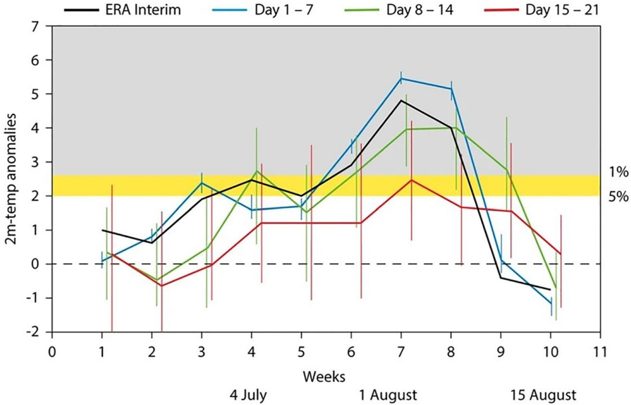
“Vertical lines represent the ensemble spread and the black curve is the verification from ERA-Interim (Dee et al., 2011).”
BackgroundInfluentialEyring, V., Bony, S., Meehl, G. A., Senior, C. A., Stevens, B., Stouffer, R. J., & Taylor, K. E. (2016) · Geoscientific Model Development · doi:10.5194/gmd-9-1937-2016 · Cited by 11,981 · cited 1×
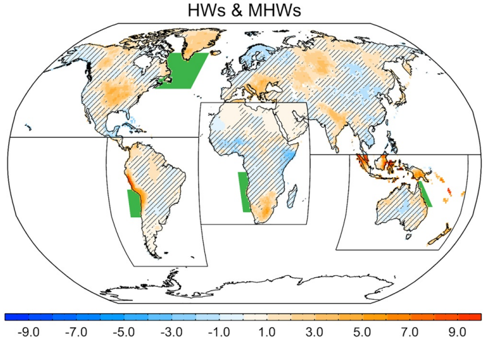
“The model simulations considered for Figure 12 come from 23 Global Climate Models (GCMs) (Table A1) available in the CMIP6 archive (Eyring et al., 2016).”
MethodDeep learning and process understanding for data-driven Earth system science
Reichstein, M., Camps-Valls, G., Stevens, B., Jung, M., Denzler, J., Carvalhais, N., & Prabhat (2019) · Nature · doi:10.1038/s41586-019-0912-1 · Cited by 5,673 · cited 2×
“, 2018), the generation of data-driven weather forecasts (Dueben & Bauer, 2018; Scher & Messori, 2021), and potential applications in climate modeling (Reichstein et al., 2019; Schneider et al., 2017).”
BackgroundMethodThe energetic basis of the urban heat island
Oke, T. R. (1982) · Quarterly Journal of the Royal Meteorological Society · doi:10.1002/qj.49710845502 · Cited by 4,670 · cited 2×
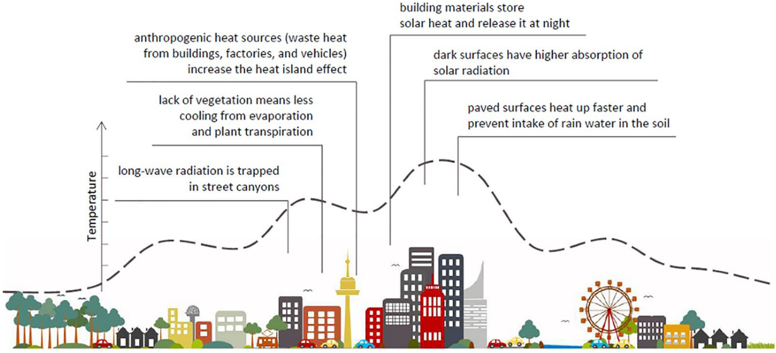
“This is referred to as the urban heat island (UHI) effect (Oke, 1982), which results from several factors (Figure 13).”
BackgroundGlobal observed changes in daily climate extremes of temperature and precipitation
Alexander, L. V., Zhang, X., Peterson, T. C., Caesar, J., Gleason, B., Klein Tank, A. M. G., Haylock, M., Collins, D., Trewin, B., Rahimzadeh, F., et al. (2006) · Journal of Geophysical Research: Atmospheres · doi:10.1029/2005jd006290 · Cited by 4,492
Influence of extreme weather disasters on global crop production
Lesk, C., Rowhani, P., & Ramankutty, N. (2016) · Nature · doi:10.1038/nature16467 · Cited by 3,883 · cited 1×
“These extreme events are of great concern as they can inflict devastating impacts on human health, ecosystems, agriculture and economy (e.g., Hoegh-Guldberg et al., 2018; R. M. Horton et al., 2016; Lesk et al., 2016; Mora et al., 2017).”
Background(2019) · Cited by 3,602
Global warming and recurrent mass bleaching of corals
Hughes, T. P., Kerry, J. T., Álvarez-Noriega, M., Álvarez-Romero, J. G., Anderson, K. D., Baird, A. H., Babcock, R. C., Beger, M., Bellwood, D. R., Berkelmans, R., et al. (2017) · Nature · doi:10.1038/nature21707 · Cited by 3,385
Research works printed but not linked: 12
- 10.1175/1520-0442(2002)015<1893:CTTJSW>2.0.CO;2 · doi:10.1175/1520-0442(2002)015
- Collins, M., Sutherland, M., Bouwer, L., Cheong, S.-M., Frölicher, T., Jacot Des Combes, H., et al. (2019). Extremes, abrupt changes and manag- ing risk. In H.-O. Pörtner, D. C. Roberts, V. Masson-Delmotte, P. Zhai, M. Tignor, E. Poloczanska, et al. (Eds.), IPCC special report on the ocean and cryosphere in a changing climate (pp. 589-655). Cambridge University Press. https://doi.org/10.1017/9781009157964. · DOI
- Kushnir, Y., Robinson, W. A., Bladé, I., Hall, N. M. J., Peng, P., & Sutton, R. (2002). Atmospheric GCM response to extratropical SST anoma- lies: Synthesis and evaluation. Journal of Climate, 15(16), 2233-2256. https://doi.org/10.1175/1520-0442(2002)015,2233:AGRTES.2.0.CO;2 · doi:10.1175/1520-0442(2002)015,2233:agrtes.2.0.co;2
- 10.1175/1520-0477(1996)077<1507:TJHWIT>2.0.CO;2 · doi:10.1175/1520-0477(1996)077
- 10.1175/1520-0442(2002)015 · doi:10.1175/1520-0442(2002)015
- Mann, M. E., Rahmstorf, S., Kornhuber, K., Steinman, B. A., Miller, S. K., & Coumou, D. (2017). Influence of anthropogenic climate change on planetary wave resonance and extreme weather events. Scientific Reports, 7(1), 45242. https://doi.org/10.1038/srep4524 · doi:10.1038/srep4524
- Peterson, T. C., Folland, C., Gruza, G., Hogg, W., Mokssit, A., & Plummer, N. (2001). Report on the activities of the working group on climate change detection and related Rapporteurs 1998-2001. WMO, Report WCDMP-47 (p. 143). WMO-TD 1071.
- Rohde, R., Muller, R., Jacobsen, R., Perlmutter, S., Rosenfeld, A., Wurtele, J., et al. (2013). Berkeley earth temperature averaging process. Geoin- formatics & Geostatistics: Overview, 1(2), 20-100. https://doi.org/10.4172/gigs.100010 · doi:10.4172/gigs.100010
- 10.1175/1520-0450(1979)018<0861:TAOSPI>2.0.CO;2 · doi:10.1175/1520-0450(1979)018
- Vijverberg, S., Schmeits, M., van der Wiel, K., & Coumou, D. (2020). Subseasonal statistical forecasts of eastern U.S. hot temperature events. Monthly Weather Review, 148(12), 4799-4822. https://doi.org/10.1175/mwrd-19-0409. · doi:10.1175/mwrd-19-0409
- 10.1175/mwrd-19-0409.1 · doi:10.1175/mwrd-19-0409.1
- WMO. (1992). International meteorological vocabulary. WMO-No. 182 (2nd ed.).
Cited by
Items 101–200 of 407
You, J., Yin, F., Zhang, B., Zhou, M., Qing, Y., Chen, Y., & Gao, L. (2025) · Ecological Indicators · doi:10.1016/j.ecolind.2025.114114 · Cited by 13
Shan, L., Wang, N., Duan, F., Zhang, S., Duan, L., Zhang, Q., Zhu, L., Wang, S., Jiang, J., Ma, Y., et al. (2025) · Environmental Research · doi:10.1016/j.envres.2025.122976 · Cited by 16
Summer upper-level jets modulate the response of South American climate to ENSO
Collazo, S., García‐Herrera, R., & Barriopedro, D. (2023) · Climate Dynamics · doi:10.1007/s00382-023-06955-9 · Cited by 11
“They are associated with extreme weather phenomena such as heat waves, droughts, and heavy precipitation (Koch et al. 2006; Harnik et al. 2016; Mann et al. 2017; Rusticucci et al. 2017; Collazo et al. 2019a, b; Barriopedro et al. 2022, 2023; Martinez and Solman 2022).”
Self-citationCoronato, T., Carril, A. F., Zaninelli, P. G., & Abalone, R. (2024) · Climate Dynamics · doi:10.1007/s00382-024-07140-2 · Cited by 11
“Moreover, this has led to an increase in the frequency and intensity of extreme events, particularly heat extremes (Barriopedro et al. 2023 ; Domeisen et al. 2023; Seneviratne et al. 2021).”
Impact of groundwater representation on heat events in regional climate simulations over Europe
Poshyvailo-Strube, L., Wagner, N., Goergen, K., Furusho‐Percot, C., Hartick, C., & Kollet, S. J. (2024) · Earth System Dynamics · doi:10.5194/esd-15-167-2024 · Cited by 19
“The physical mechanisms underlying heat waves have been extensively studied (e.g., Horton et al., 2016; Liu et al., 2020; Barriopedro et al., 2023 Heat waves are triggered by strong, persistent, quasi-stationary large-scale high pressure systems associated with atmospheric blocking events,…”
BackgroundMa, H., Mi, Z., Chen, H., & Wang, Y. (2024) · 气象学报:英文版 · doi:10.1007/s13351-024-3111-4 · Cited by 8
Hossain, S. T., Yiğitcanlar, T., Nguyen, K., & Xu, Y. (2025) · Urban Climate · doi:10.1016/j.uclim.2025.102445 · Cited by 15
Simultaneous Drought and Heatwave Events During Austral Summer in Northeast Brazil
Bezerra, K. F. D. S., Gomes, H. B., Baltaci, H., Ray, P., Nascimento, J. P., Herdies, D. L., Lyra, M. J. A., da Silva, M. C. L., Silva, F. D. D. S., Silva, C. M. S. E., et al. (2025) · International Journal of Climatology · doi:10.1002/joc.8920 · Cited by 10
“Recent studies (e.g., Barriopedro et al. 2023) have demonstrated that regions with low temperature variability, such as the tropics, are expected to experience the largest increase in heatwave duration, while mid-high lat-itudes will experience the greatest increase in heatwave intensity.”
Leffel, J., Wang, C., Hu, X., Feron, S. C., & Henry, S. (2025) · Environmental Research · doi:10.1016/j.envres.2025.122508 · Cited by 16
Midwives' preparedness for climate change impacts on maternal and child health: A scoping review
Attawet, J., Bhandari, P., Lewis, T., Wang, C., & Qiu, Y. (2025) · Women and Birth · doi:10.1016/j.wombi.2025.102112 · Cited by 10
Simulated heatwave alters intertidal estuary greenhouse gas fluxes
Douglas, E. J., Lam‐Gordillo, O., Hailes, S. F., Lohrer, A. M., & Cummings, V. J. (2025) · Nature Communications · doi:10.1038/s41467-025-65519-z · Cited by 13
“Alongside metrics of frequency, intensity and extent, persistence is a key component that is used to de fi ne heatwaves; with increasing duration associated with increasing impacts 6 .”
Mediterranean summer marine heatwaves triggered by weaker winds under subtropical ridges
Bonino, G., McAdam, R., Athanasiadis, P., Cavicchia, L., Rodrigues, R. R., Scoccimarro, E., TIBALDI, S., & Masina, S. (2025) · Nature Geoscience · doi:10.1038/s41561-025-01762-9 · Cited by 16
“For example, atmospheric blocking, the manifestation of a persistent high-pressure system, is a known driver of atmospheric heatwaves over central to northern Europe 21 .”
InfluentialA systems modelling approach to predict biological responses to extreme heat
Noble, D. W. A., Mayfield, M. M., Hoffmann, A. A., Chen, Z.-H., Lade, S. J., Bai, X., Way, D. A., Medlyn, B. E., Atkin, O. K., Nicotra, A. B., et al. (2026) · Trends in Ecology & Evolution · doi:10.1016/j.tree.2026.01.009 · Cited by 11
Soil moisture–atmosphere coupling strength over central Europe in the recent warming climate
Schwitalla, T., Jach, L., Wulfmeyer, V., & Warrach‐Sagi, K. (2025) · Natural hazards and earth system sciences · doi:10.5194/nhess-25-1405-2025 · Cited by 15
“The underlying drivers of these events are complex and multifaceted, involving changes in atmospheric circulation patterns, sea surface temperatures, and land-surface conditions (Barriopedro et al., 2023).”
Liu, Y., Song, C., Ye, S., Lv, J., & Gao, P. (2025) · Scientific Data · doi:10.1038/s41597-025-04933-w · Cited by 12
Paredes‐Fortuny, L., Salvador, C., Vicedo-Cabrera, A. M., & Khodayar, S. (2024) · GeoHealth · doi:10.1029/2024gh001092 · Cited by 7
“Heatwaves (HW) are extreme events of high temperature that pose a threat to human health (Barriopedro et al., 2023; Khodayar & Paredes‐Fortuny, 2024; Paredes‐Fortuny & Khodayar, 2023).”
BackgroundVerma, A., Khadke, L., & Budakoti, S. (2025) · Atmospheric Research · doi:10.1016/j.atmosres.2025.108154 · Cited by 10
Wet‐Bulb Temperature Extremes Locally Amplified by Wet Soils
Chagnaud, G., Taylor, C. M., Jackson, L., Birch, C. E., Marsham, J. H., & Klein, C. M. (2025) · Geophysical Research Letters · doi:10.1029/2024gl112467 · Cited by 14
“In recent years, heat stress has received increased attention from the climate science community (Barriopedro et al., 2023; Marx et al., 2021) and it is well established that ambient air humidity contributes to heat stress through its limiting effect on the efficiency of sweating, the body's main…”
Cos, P., Olmo, M. E., Campos, D., Marcos-Matamoros, R., Palma, L., Muñoz, Á. G., & Doblas-Reyes, F. J. (2025) · Weather and Climate Dynamics · doi:10.5194/wcd-6-609-2025 · Cited by 13
“Confidence in model projections depends on, among other things, our understanding of the physical mechanisms driving the observed climate (Barriopedro et al., 2023).”
Identifying key drivers of heatwaves: A novel spatio-temporal framework for extreme event detection
Pérez-Aracil, J., Peláez-Rodríguez, C., McAdam, R., Squintu, A., Marina, C. M., Lorente-Ramos, E., Luther, N., Torralba, V., Scoccimarro, E., Cavicchia, L., et al. (2025) · Weather and Climate Extremes · doi:10.1016/j.wace.2025.100792 · Cited by 9
Self-citationOut of sight, out of mind: Night-temperature impact on major field crops
Serrago, R. A., Giménez, V. D., García, G. A., Miralles, D. J., Slafer, G. A., & Ciampitti, I. A. (2025) · Field Crops Research · doi:10.1016/j.fcr.2025.110108 · Cited by 7
Self-citationMatallah, M. E., Boulkaibet, A., Arrar, H. F., Wang, T., Amaripadath, D., Ahriz, A., Amer, M., & Attia, S. (2025) · Sustainable Cities and Society · doi:10.1016/j.scs.2025.106974 · Cited by 9
Dube, K., Ali, H. A., Khan, B. A., & Daneshkhah, A. (2025) · Climate · doi:10.3390/cli13120249 · Cited by 10
“The global rise in greenhouse gas emissions (GHGEs) is driving an increase in the frequency and intensity of heatwaves, exposing populations to prolonged periods of ex‑ treme temperatures [8–10].”
Near-term climate extremes in Iran based on compound hazards analysis
Asadi-RahimBeygi, N., Mofidi, A., Zarrin, A., & Dadashi-Roudbari, A. (2025) · Scientific Reports · doi:10.1038/s41598-025-29026-x · Cited by 9
“This has led to an increase in heat-related mortality in these regions 106,107,127,128 .”
Gaps and ways forward in atmospheric blocking and extreme weather research
Lei, W., Lu, J., Breeden, M. L., Chen, G., Henderson, S. A., Narinesingh, V., Simpson, I. R., Woollings, T. J., Hu, Y., & Lubis, S. W. (2026) · Nature Communications · doi:10.1038/s41467-026-70487-z · Cited by 13
“While considerable research has focused on the formation and maintenance of heatwaves 76 and blocking events 13 separately, the shared (or distinct) mechanisms that govern their terminations remain unclear.”
Xu, Q., Ren, C., He, Y., Fung, J. C. H., & Ng, E. (2025) · Urban Climate · doi:10.1016/j.uclim.2025.102727 · Cited by 8
Li, S., Hu, S., Tong, N., Xie, W., Tong, L., & Hu, S. (2025) · Sustainable Cities and Society · doi:10.1016/j.scs.2025.107067 · Cited by 10
Esposito, A., Buccolieri, R., Santiago, J. L., & Pappaccogli, G. (2025) · Climate · doi:10.3390/cli14010002 · Cited by 7
Environmental determinants of male infertility: emerging threats and technological interventions
Jagadesh, P., & Tb, S. (2026) · Frontiers in Medicine · doi:10.3389/fmed.2026.1770866 · Cited by 11
“Rising average local temperatures and the increasing frequency of heatwaves exemplify the swiftly evolving impacts of climate change on the global thermal environment (122).”
Basin-dependent response of Northern Hemisphere winter blocking frequency to CO2 removal
Hwang, J., Son, S., Martineau, P., Sung, M., Barriopedro, D., An, S., Yeh, S., Min, S., Kug, J., & Shin, J. (2024) · npj Climate and Atmospheric Science · doi:10.1038/s41612-024-00660-y · Cited by 7
Self-citationWang, Z., Li, P., Wang, C., & Yang, X. (2025) · Journal of Environmental Management · doi:10.1016/j.jenvman.2025.124028 · Cited by 7
Two different perspectives on heatwaves within the Lagrangian framework
Mayer, A., & Wirth, V. (2025) · Weather and Climate Dynamics · doi:10.5194/wcd-6-131-2025 · Cited by 15
Sara, K., & Rajasekaran, E. (2025) · Environmental Research Communications · doi:10.1088/2515-7620/adc0f2 · Cited by 9
López-Cayuela, M.-Á., Córdoba‐Jabonero, C., Sicard, M., Abril-Gago, J., Salgueiro, V., Comerón, A., Granados-Muñoz, M. J., Costa, M. J., Muñoz-Porcar, C., Bravo-Aranda, J. A., et al. (2025) · Atmospheric chemistry and physics · doi:10.5194/acp-25-3213-2025 · Cited by 6
Wang, J., Ping, L., Cheng, F., Liu, Y., Song, C., Wu, W., Zheng, Q., Zhang, T., Qu, P., Li, Y., et al. (2024) · International Journal of Climatology · doi:10.1002/joc.8478 · Cited by 6
Contrasting processes driving tropical and non-tropical winter warm spells
Wu, S., Luo, M., Shi, M., Tang, Y., Zhang, T., Wang, Q., & Wang, X. (2025) · Communications Earth & Environment · doi:10.1038/s43247-025-02377-z · Cited by 5
“Mostpreviousstudieshavefocusedonsummerhot-seasonheatwavesandfoundthattheyaretypicallylinkedtoanticyclonic circulationpatternsandhigh-pressuresystems 22 – 24 .”
Evolution of the Dynamics of Centennial Hot Summers in Western Europe With Climate Change
Noyelle, R., Caubel, A., Meurdesoif, Y., Faranda, D., & Yiou, P. (2025) · Geophysical Research Letters · doi:10.1029/2025gl115552 · Cited by 8
“…of the physical mechanisms leading to moderate heat extremes has improved, but the dynamics of the most extreme events, either at short or long time scales, is still unclear and especially how it differs from the one of moderate events (Barriopedro et al., 2023; Domeisen et al., 2023).”
InfluentialChakma, S., Abdullah, A. Y. M., Adnan, M. S. G., Shahriar, M. S., Molla, M. A. M., Hassan, Q. K., & Dewan, A. M. (2025) · Climate Services · doi:10.1016/j.cliser.2025.100609 · Cited by 7
Increases in global hot droughts across multiple timescales
Zhang, Y., Hao, Z., Chen, Y., Pang, Y., & Singh, V. P. (2025) · Science China Earth Sciences · doi:10.1007/s11430-024-1680-4 · Cited by 5
“While temperature extremes have been commonly explored at short timescales (e.g., heat-waves), their variability and mechanisms have also been widely explored at timescales of months, seasons, and beyond (Barriopedro et al., 2023; Domeisen et al., 2023; Sun et al., 2025; Zhang et al., 2025).”
Estimating return periods for extreme events in climate models through Ensemble Boosting
Bloin-Wibe, L., Noyelle, R., Humphrey, V., Beyerle, U., Knutti, R., & Fischer, E. M. (2025) · Weather and Climate Dynamics · doi:10.5194/wcd-6-1147-2025 · Cited by 9
“However, its use is limited when studying shorter extremes, like week-long heatwaves or daily precipitation extremes. comparison, Ensemble Boosting, proposed by Gessner et al. (2021), is more suited for simulating short, very intense events. consists in perturbing the initial conditions of extreme…”
Marengo, J. A., Costa, M. C., Cunha, A. P., Espinoza, J. C., Jimenez, J. C., Libonati, R., Geirinhas, J. L., de Miranda, V. F. V. V., Trigo, I. F., Sierra, J. P., et al. (2026) · International Journal of Climatology · doi:10.1002/joc.70219 · Cited by 11
Contrary effects of soil moisture-atmosphere feedback on dry and humid heatwaves
Chen, S., Ji, P., Yuan, S., Xu, Q., Lu, C., & Zhang, J. (2026) · Nature Communications · doi:10.1038/s41467-026-70210-y · Cited by 14
Li, X., Wang, X., & Wang, L. (2026) · Theoretical and Applied Climatology · doi:10.1007/s00704-026-06135-9 · Cited by 5
Chongtaku, T., Taparugssanagorn, A., Miyazaki, H., & Tsusaka, T. W. (2024) · IEEE Journal of Selected Topics in Applied Earth Observations and Remote Sensing · doi:10.1109/jstars.2024.3481460 · Cited by 7
“Inlinewiththis, [117],[112], and [118] stated that heatwaves have become more frequent, persistent, and intense in recent decades, and even unprecedented events that would have been very unlikely without the increasing greenhouse gas emissions are now occurring.”
BackgroundResultPérez‐Alarcón, A., Vázquez, M., Ramos, A. M., Nieto, R., Pinto, J. G., & Gimeno, L. (2025) · Weather and Climate Extremes · doi:10.1016/j.wace.2025.100756 · Cited by 7
“While the thermodynamic processes associated with heat waves and drought events are to a large extent known, there is limited understanding in terms of dynamical aspects, different regional forcings and feedbacks (e.g., Barriopedro et al., 2023; Rousi et al., 2023).”
InfluentialAdhikari, G. P., & Wang, G. (2025) · Atmospheric Research · doi:10.1016/j.atmosres.2025.108076 · Cited by 5
Modelling the impact of irrigated vegetation on urban microclimate: A review
de Cezar, M. G., Cheviron, B., Tomas, S., Lutete, M. M., Rodler, A., & Aprin, L. (2025) · The Science of The Total Environment · doi:10.1016/j.scitotenv.2025.180166 · Cited by 5
“With 2023 being the hottest year on record (Perkins-Kirkpatrick et al., 2024), persistent heatwaves have severely impacted urban ecosystems, causing infrastructure failures, productivity loss, social instability, and disruptions in services (Barriopedro et al., 2023).”
Synoptic Scale Atmospheric Processes and Heatwaves
McGregor, G. R. (2024) · Biometeorology · doi:10.1007/978-3-031-69906-1_6 · Cited by 9
Autoencoder‐based flow‐analogue probabilistic reconstruction of heat waves from pressure fields
Pérez‐Aracil, J., Marina, C. M., Zorita, E., Barriopedro, D., Zaninelli, P. G., Giuliani, M., Castelletti, A. F., Gutiérrez, P. A., & Salcedo‐Sanz, S. (2024) · Annals of the New York Academy of Sciences · doi:10.1111/nyas.15243 · Cited by 4
Self-citationCritical Role of Area Weighting on Estimated Long-Term Global Warming and Heat Wave Trends
Ju, S.-D., Choi, W.-J., & Song, H. (2024) · AppliedMath · doi:10.3390/appliedmath4040086 · Cited by 5
Global co-occurrence of warm temperature extremes and terrestrial water storage deficits
Rateb, A., Scanlon, B. R., & Sun, A. Y. (2025) · Environmental Research Letters · doi:10.1088/1748-9326/adf2be · Cited by 5
Ansari, I., Naikoo, M. W., Islam, M. R., Rihan, M., Shahfahad, Talukdar, S., & Rahman, A. (2025) · Physics and Chemistry of the Earth Parts A/B/C · doi:10.1016/j.pce.2025.104112 · Cited by 4
Xuan, Z., Zheng, F., Xia, J., & Zhu, J. (2025) · Geophysical Research Letters · doi:10.1029/2025gl118319 · Cited by 4
“Their emergence and development are results of nonlinear multivariate interactions within the earth system at a wide range of spatial and temporal scales (Barriopedro et al., 2023; Geng et al., 2023; Pandey & Liou, 2022).”
A global assessment of intensified heatwaves and air quality
Wang, P., Wang, Y., Huang, T., & Zhang, H. (2025) · Cell Reports Sustainability · doi:10.1016/j.crsus.2025.100559 · Cited by 8
Parakkat, L., Hilario, M. R. A., Mirrezaei, M. A., Robinson, E. S., Arellano, A. F., & Sorooshian, A. (2025) · Environmental Research Communications · doi:10.1088/2515-7620/ae238d · Cited by 6
Chen, S., Zhao, L., Li, Q., Yang, J., Zhang, S., Nie, Z., & Wagner, A. (2025) · Building and Environment · doi:10.1016/j.buildenv.2025.114086 · Cited by 8
Nasara, M. A., Lawal, I. M., Khan, N., Bakar, A. A., Jagaba, A. H., Sharrar, L., Muhammad, M. K. I., & Shahid, S. (2025) · Theoretical and Applied Climatology · doi:10.1007/s00704-025-05906-0 · Cited by 5
Dry–Hot Compound Events Driving the 2024 Pantanal Wildfires
Belém, L. B. C., Albuquerque, R., Peres, L. F., Santos, F. L. M., Rodrigues, J. A., Menezes, L. S., Silva, P. S., Trigo, R. M., DaCamara, C. C., Russo, A., et al. (2026) · International Journal of Climatology · doi:10.1002/joc.70312 · Cited by 5
Detecting Spatiotemporal Dynamics of Western European Heatwaves Using Deep Learning
Happé, T., Wijnands, J. S., Fernández‐Torres, M., Scussolini, P., Muntjewerf, L., & Coumou, D. (2024) · Artificial Intelligence for the Earth Systems · doi:10.1175/aies-d-23-0107.1 · Cited by 8
Decrease in urban-rural differences of nighttime humid heatwaves in the Yangtze River Delta, China
Zhou, W., Zhang, L., Zhang, Q., Li, Y., Wang, G., Tang, Z., Li, X., Bao, Z., Cao, H., & Jia, B. (2025) · Atmospheric Research · doi:10.1016/j.atmosres.2025.107956 · Cited by 5
Likelihoods of compound dry-hot-windy events are projected to increase under global warming
Ma, Q., Hao, Z., Zhang, Y., & Pang, Y. (2025) · Atmospheric Research · doi:10.1016/j.atmosres.2025.108119 · Cited by 5
Shifting of the Zone of Occurrence of Extreme Weather Event—Heat Waves
Tyagi, N., Dube, A., Lakshmi, S., Dutta, S., & Srivastava, A. (2025) · International Journal of Climatology · doi:10.1002/joc.8856 · Cited by 4
“These observations are crucial for understanding how the frequency of extreme heat events has evolved over recent years and can inform future climate modelling and mitigation strategies (Barriopedro et al. 2023).”
InfluentialDíaz-Poso, A., Lorenzo, M. N., Ezpeleta, A. M., & Royé, D. (2025) · Climate Dynamics · doi:10.1007/s00382-025-07699-4 · Cited by 7
“Because there are no optimal thresholds for a universal definition to be generalized, this is probably an infeasible goal (Barriopedro et al. 2023).”
The Typicality of Regimes Associated with Northern Hemisphere Heatwaves
Chapman, C., Monselesan, D. P., Risbey, J. S., Hannachi, A., Lucarini, V., & Matear, R. J. (2025) · Journal of Climate · doi:10.1175/jcli-d-24-0548.1 · Cited by 7
Ikuemonisan, F. E., Kayode, Y. O., Ogunjo, S. T., & Ikuomenisan, O. V. (2025) · Advances in Space Research · doi:10.1016/j.asr.2025.09.035 · Cited by 5
Zhang, L., Song, Y., Cheng, T. F., & Lu, M. (2023) · Bulletin of the American Meteorological Society · doi:10.1175/bams-d-23-0245.1 · Cited by 5
Long-term temperature prediction with hybrid autoencoder algorithms
Pérez‐Aracil, J., Fister, D., Marina, C. M., Peláez-Rodríguez, C., Cornejo-Bueno, L. M., Gutiérrez, P. A., Giuliani, M., Castelletti, A. F., & Salcedo‐Sanz, S. (2024) · Applied Computing and Geosciences · doi:10.1016/j.acags.2024.100185 · Cited by 6
Self-citationPersistent trends and geographic traits of heat waves in a changing climate
Ren, D., & Hu, A. (2024) · Environmental Research Communications · doi:10.1088/2515-7620/ad9243 · Cited by 6
Moisture-modulated heatwaves: tracking 3D evolution patterns and projected changes
Zhang, Q., Yin, J., Liu, P., Zhu, W., Gu, X., & Gu, L. (2025) · Environmental Research Letters · doi:10.1088/1748-9326/adc1e5 · Cited by 6
“Under global warming, heatwaves have significantly increased in terms of frequency, intensity, and duration across the globe over recent decades (Keellings and Moradkhani 2020, Rogers et al 2022, Barriopedro et al 2023).”
Heatwave Responses: Early Warning Systems
McGregor, G. R. (2024) · Biometeorology · doi:10.1007/978-3-031-69906-1_13 · Cited by 7
Climate variations of heat waves on the Croatian Adriatic coast for the period 1961–2018
Koracin, D. R., Pandžić, K., & Veljović, K. (2024) · Theoretical and Applied Climatology · doi:10.1007/s00704-024-05206-z · Cited by 4
Lin, L., Yu, Y., Lu, C., Liu, G., Wu, J., & Luo, J. (2025) · Remote Sensing · doi:10.3390/rs17050810 · Cited by 3
A Bibliometric Analysis of the Impact of Extreme Weather on Air Transport Operations
Kováčiková, K., Novák, A., Kováčiková, M., & Sedláčková, A. N. (2025) · Atmosphere · doi:10.3390/atmos16060740 · Cited by 6
Circulation Aspects Associated With Heatwave Events Over Iraq
AL-Shamarti, H. K. A., Rupp, P., & Birner, T. (2025) · International Journal of Climatology · doi:10.1002/joc.70017 · Cited by 4
Ventura, S., Miró, J. R., Segura, R., Chen, F., Martilli, A., Liu, C., Ikeda, K., & Villalba, G. (2025) · Journal of Geophysical Research Atmospheres · doi:10.1029/2025jd043559 · Cited by 5
“Although HWs are phenomena that manifest locally, they result from a complex interplay of processes at both large and small scales, as mentioned in Barriopedro et al. (2023).”
Ma, X., Zhang, H., Zhao, S., & Ke, X. (2025) · International Journal of Climatology · doi:10.1002/joc.70020 · Cited by 3
Long vs. short: understanding the dynamics of persistent summer hot spells in Europe
Pappert, D., Tuel, A., Coumou, D., Vrac, M., & Martius, O. (2025) · Weather and Climate Dynamics · doi:10.5194/wcd-6-769-2025 · Cited by 11
“The positive temperature anomalies obtained through the land surface feedback also exert a dynamical feedback by warming the boundary layer and increasing the geopotential height anomalies.”
Peng, H., Li, Q., Yang, Q., Yan, Y., Wu, R., & Meng, Q. (2025) · Sustainable Cities and Society · doi:10.1016/j.scs.2025.106772 · Cited by 9
Xu, L., Liu, H., Liu, W., Wu, L., Li, S., Zhou, Z., & Liu, X. (2025) · Palaeogeography Palaeoclimatology Palaeoecology · doi:10.1016/j.palaeo.2025.113364 · Cited by 4
Ye, J., Yang, F., Jiang, Z., Shi, Y., Luo, S.-L., Ma, X., Chen, S., & Cai, S. (2025) · Building and Environment · doi:10.1016/j.buildenv.2025.113932 · Cited by 3
Ciuffardi, T., Becagli, S., Raiteri, G., Bordone, A., Gabrielli, E., Magaldi, M. G., Peirano, A., Piccolin, F., Gjanci, P., Petrioli, C., et al. (2025) · Journal of Marine Systems · doi:10.1016/j.jmarsys.2025.104156 · Cited by 4
Vogelbacher, A., Afshar, M. H., Aminzadeh, M., Madani, K., AghaKouchak, A., & Shokri, N. (2025) · Environmental Research · doi:10.1016/j.envres.2025.123354 · Cited by 3
Xu, L., Liu, H., Liu‐Zeng, J., Barham, M., Dröllner, M., & Li, S. (2025) · Quaternary International · doi:10.1016/j.quaint.2025.110059 · Cited by 3
Yang, Q., & Gao, M. (2025) · npj natural hazards. · doi:10.1038/s44304-025-00163-7 · Cited by 3
“It was reported that since the 1970s, the number of extreme heat events has doubled in a range of mid-latitude and tropical belts 5 .”
Kumar, U. R., Rajkumar, S., & Venkatesh, G. (2026) · Advances in Building Energy Research · doi:10.1080/17512549.2026.2614761 · Cited by 4
“Heat waves are associated with the effects of climate change in addition to an increase in average temperatures (Barriopedro et al., 2023; Klingelhöfer et al., 2023; Marx et al., 2021).”
Nelli, N., Francis, D., Fonseca, R., Hassanzadeh, P., & Cherif, C. (2026) · Atmospheric Research · doi:10.1016/j.atmosres.2026.108779 · Cited by 5
Saha, M., Dixit, V. V., & Karthikeyan, L. (2026) · Geophysical Research Letters · doi:10.1029/2025gl118998 · Cited by 6
“Consistent with literature, heatwaves are associated with subsidence due to anticyclone formation in upper tropospheric levels (Figures S6 and S7 in Supporting Information S1), indicating a necessary condition for heatwaves (Barriopedro et al., 2023; Domeisen et al., 2022).”
Summers over land and ocean are becoming longer, transitioning faster, and accumulating more heat
Scott, T., White, R. H., & Donner, S. D. (2026) · Environmental Research Letters · doi:10.1088/1748-9326/ae5724 · Cited by 6
“This lengthening of the portion of the year with summer-like conditions has altered the timing of the midlatitude growing season [10], drought severity [11], heat wave frequency and severity [12], energy demand for cooling [13], and economic growth and productivity [14, 15].”
Revealing the Mechanisms of Heat Extremes Using an AI Enabled Diagnostic Framework
Xiang, L., Wang, Y., Clark, R. T., Yang, K., Huang, G., Li, X., Lin, P., Hu, K., Tao, W., & Qu, X. (2026) · Geophysical Research Letters · doi:10.1029/2025gl120917 · Cited by 5
“These findings complement observational analyses and GCM experiments linking circumglobal wave trains to synchronized extremes (Barriopedro et al., 2023; Ding & Wang, 2005; Kornhuber et al., 2019; Rogers et al., 2022; Saeed et al., 2014; Wang et al., 2017), and uniquely provide a predictive,…”
Sensitivity of Heatwave Characteristics to the Climatic Baseline
Fraser-Leonhardt, V., Hegerl, G. C., & Mollard, J. (2026) · Atmospheric Science Letters · doi:10.1002/asl2.70017 · Cited by 4
Heat metrics and thresholds reshape population exposure and inequality signals
Chen, L., Chakraborty, T., Casey, J. A., Huang, C.-H., & Chen, T. K. (2026) · Environmental Research Letters · doi:10.1088/1748-9326/ae6711 · Cited by 6
“Despite growing work on heat exposure, evidence remains limited on how heat metrics and threshold frameworks jointly shape estimated exposure, hot-spot geography, and inequality patterns [38, 39], partly because most studies examine a narrow set of indicators or only a few cities (table S1).”
Flash drought-driven forest gross primary productivity declines in China amplified by extreme heat
Sun, T., Zhang, X., Cai, Y., Yang, C., Gao, Z., Meng, H., Zhang, J., Guo, Y., & Sangmu, T. (2026) · Global and Planetary Change · doi:10.1016/j.gloplacha.2026.105515 · Cited by 3
A multivariate analysis of atmospheric drivers for Western European heatwaves
Paçal, A., Haßler, B., Weigel, K., Fernández‐Torres, M., Camps‐Valls, G., & Eyring, V. (2026) · Earth System Dynamics · doi:10.5194/esd-17-955-2026 · Cited by 6
Xing, W., Wang, C., Zhang, L., & Zheng, J. (2024) · Climate Dynamics · doi:10.1007/s00382-023-07065-2 · Cited by 3
“Although the mechanisms for the SAT variability have extensively examined (Barriopedro et al. 2023), the seasonal prediction of summer SAT remains challenging (Domeisen et al. 2023).”
The Attribution of February Extremes over North America: A Forecast-Based Storyline Study
Lee, D., Sparrow, S., Leach, N. J., Osprey, S., Lee, J., & Allen, M. R. (2024) · Journal of Climate · doi:10.1175/jcli-d-24-0074.1 · Cited by 7
Enhanced risk of hot extremes revealed by observation-constrained model projections
Simolo, C., & Corti, S. (2025) · Communications Earth & Environment · doi:10.1038/s43247-025-02133-3 · Cited by 4
“Unfortunately, observational data coverage across the Earth ’ s surface is unequal 15,57 , with limited and discontinuous data prior to 1950intropicalregions,suchaspartsoftheAmazon,continentalAfrica,and SouthAsia,complicatingtheevaluationofmodelperformance.”
Variation in the Extreme Temperatures and Related Climate Indices for the Marche Region, Italy
Soldini, L., & Darvini, G. (2025) · Climate · doi:10.3390/cli13030058 · Cited by 3
Disagreement in Detected Heatwave Trends Resulting From Diagnostic Methods
Zhang, B., He, Y., Wang, Z., Huang, B., Xie, Y., Guan, X., & Huang, J. (2025) · Geophysical Research Letters · doi:10.1029/2024gl114398 · Cited by 6
“To assess the impact of atmospheric circulation on heatwave evolution, experiments were conducted using area thresholds of 10 6 km 2 (Barriopedro et al., 2011, 2023) and 0 km 2 .”
Kim, W. M., Simpson, I. R., Terray, L., & Collazo, S. (2025) · Weather and Climate Extremes · doi:10.1016/j.wace.2025.100772 · Cited by 3
Pakyari, H., & Zemek, R. (2025) · Insects · doi:10.3390/insects16060596 · Cited by 2
Metadata
- Authors
- Barriopedro, D., García‐Herrera, R., Ordóñez, C., Miralles, D. G., & Salcedo‐Sanz, S.
- Affiliations
- Universidad Complutense de Madrid (ES)
- Ghent University (BE)
- Universidad de Alcalá (ES)
- Corresponding author
- Barriopedro, D.
- Venue
- Reviews of Geophysics
- Publisher
- American Geophysical Union (AGU)
- Published
- 2023-05-08
- Volume
- 61
- Issue
- 2
- ISSN
- 0096-1043 (ISSN-L)
- 8755-1209
- 1944-9208
- OpenAlex
- W4367049346
- Semantic Scholar
- 29d2f40706ce3c0ab780f10788e19b4a4286daac
- Cited by
- 404
- References
- 431
- Citations by year
- 2026: 124 · 2025: 176 · 2024: 93 · 2023: 11
- FWCI
- 45.39
- Type
- journal article
- Language
- en
- Open access
- hybrid
- doi.org
- Licence
- Locations
- Reviews of Geophysics (publishedVersion, cc-by)
- Ghent University Academic Bibliography (Ghent University) (submittedVersion, cc-by)
- DIGITAL.CSIC (Spanish National Research Council (CSIC)) (submittedVersion, cc-by)
- Funders
- HORIZON EUROPE European Research Council (101088405)
- Ministerio de Economía y Competitividad (CGL2017‐83198‐R)
- Ministerio de Ciencia, Innovación y Universidades (RTI2018‐096402‐B‐I00)
- Ministerio de Ciencia e Innovación (PID2021‐122252OB‐I00, PID2020‐115454GB‐C21)
- Topics
- Physical Sciences › Environmental Science › Global and Planetary Change › Climate variability and models
- Physical Sciences › Earth and Planetary Sciences › Atmospheric Science › Meteorological Phenomena and Simulations
- Physical Sciences › Environmental Science › Global and Planetary Change › Climate Change and Environmental Impact
- Keywords
- heat waves, heat wave definition, climate change projections, subseasonal forecasting, atmospheric circulation, thermodynamic processes, observational networks, artificial intelligence
About these checks
Registry, retraction, Cites and statistics results are computed, not judged, with one exception: a printed reference that no index lists is read once by a model before it counts as a citation error. Claims are extracted by a model and kept only when their quote appears verbatim in the text; each cited source is then checked, with a model’s help, for whether it says what the claim relies on. Those verdicts can be wrong — read the claim’s quote and the cited source before relying on one.
Statistics and arithmetic are recomputed, not judged.
Confidence bands are shown only for fields calibrated on our annotated test set. None is calibrated yet, so no band is shown.
What counts as a claim ›How we measure confidence ›How we check this ›
Are you an author, or do you see a problem with this page? Request a review
Data sources
Bibliographic data: Semantic Scholar, OpenAlex, Crossref.
Contains information from the Semantic Scholar Academic Graph Datasets, made available under the ODC Attribution License (ODC-BY 1.0).
Semantic Scholar’s data is described in: Kinney, R., et al. (2023). The Semantic Scholar Open Data Platform. arXiv:2301.10140.
