

Heat Waves: Physical Understanding and Scientific Challenges
Open accessThe DOI matches its Crossref record; 440 of the 444 references it cites were found in a registry or an index, and 4 are not checked yet.
Abstract
Heat waves (HWs) can cause large socioeconomic and environmental impacts. The observed increases in their frequency, intensity and duration are projected to continue with global warming. This review synthesizes the state of knowledge and scientific challenges. It discusses different aspects related to the definition, triggering mechanisms, observed changes and future projections of HWs, as well as emerging research lines on subseasonal forecasts and specific types of HWs. We also identify gaps that limit progress and delineate priorities for future research. Overall, the physical drivers of HWs are not well understood, partly due to difficulties in the quantification of their interactions and responses to climate change. Influential factors convey processes at different spatio‐temporal scales, from global warming and the large‐scale atmospheric circulation to regional and local factors in the affected area and upwind regions. Although some thermodynamic processes have been identified, there is a lack of understanding of dynamical aspects, regional forcings and feedbacks, and their future changes. This hampers the attribution of regional trends and individual events, and reduces the ability to provide accurate forecasts and regional projections. Sustained observational networks, models of diverse complexity, narrative‐based methodological approaches and artificial intelligence offer new opportunities toward process‐based understanding and interdisciplinary research.
Overview
The claims and statistics of this paper haven’t been checked yet.
Free: it reads the open-access text and checks the first 5 claims that cite a source we can check. Create a free account to check every claim.
Integrity signals
Registry
Cites
Statistics
Figures











Verification
Claims the paper makes
The claims and statistics of this paper haven’t been checked yet.
Free: it reads the open-access text and checks the first 5 claims that cite a source we can check. Create a free account to check every claim.
Claims other papers make about this one
Each is checked against this paper’s own text: does it say what the citing paper says it does?
The source backs part of the claim, not all of it — or backs it for a different population, condition or comparison.
In the citing paper
“Conventional heatwave analysis has commonly relied on statistical methods, physical modeling, and conventional machine learning approaches [12, 13].”
From GPU-Accelerated Deep Learning for Heatwave Prediction and Urban Heat Risk Assessment (2026) · cites this paper as [12]
Experimental — accuracy not yet measuredThe source backs part of the claim, not all of it — or backs it for a different population, condition or comparison.
In the citing paper
“Accurate HW forecasting at weather lead times (1-15 days) is crucial but remains challenging due to the complex interplay of large-scale atmospheric circulation, regional feedbacks, and local meteorological phenomena [1, 5, 6].”
From Advancing Heatwave Forecasting via Distribution Informed-Graph Neural Networks (DI-GNNs): Integrating Extreme Value Theory with GNNs (2024) · cites this paper as [1]
Experimental — accuracy not yet measuredThe source backs part of the claim, not all of it — or backs it for a different population, condition or comparison.
In the citing paper
“Hot extremes are becoming more frequent, intense, and longer because of anthropogenic climate change (Dunn et al., 2020), with heatwaves being their most common manifestation (Barriopedro et al., 2023;Thompson et al., 2023).”
From Artificial intelligence for climate prediction of extremes: State of the art, challenges, and future perspectives (2024) · cites this paper as Barriopedro et al., 2023
Experimental — accuracy not yet measuredThe cited source says what the claim attributes to it.
In the citing paper
“These events have increased in frequency, intensity, and duration over recent decades due to anthropogenic climate change [1, 2].”
From Advancing Heatwave Forecasting via Distribution Informed-Graph Neural Networks (DI-GNNs): Integrating Extreme Value Theory with GNNs (2024) · cites this paper as [1]
Self-check
Percentages, sums and reported differences re-computed from the paper’s own numbers.
The self-check needs the paper’s full text.
Citations
Cites
Hersbach, H., Bell, B., Berrisford, P., Hirahara, S., Horányi, A., Muñoz‐Sabater, J., Nicolas, J., Peubey, C., Radu, R., Schepers, D., et al. (2020) · Quarterly Journal of the Royal Meteorological Society · doi:10.1002/qj.3803 · Cited by 31,882
The NCEP/NCAR 40-Year Reanalysis Project
Kalnay, E., Kanamitsu, M., Kistler, R., Collins, W., Deaven, D., Gandin, L., Iredell, M., Saha, S., White, G., Woollen, J., et al. (1996) · Bulletin of the American Meteorological Society · doi:10.1175/1520-0477(1996)077<0437:tnyrp>2.0.co;2 · Cited by 28,360
The ERA‐Interim reanalysis: configuration and performance of the data assimilation system
Dee, D. P., Uppala, S. M., Simmons, A. J., Berrisford, P., Poli, P., Kobayashi, S., Andrae, U., Balmaseda, M. A., Balsamo, G., Bauer, P., et al. (2011) · Quarterly Journal of the Royal Meteorological Society · doi:10.1002/qj.828 · Cited by 24,480 · cited 3×
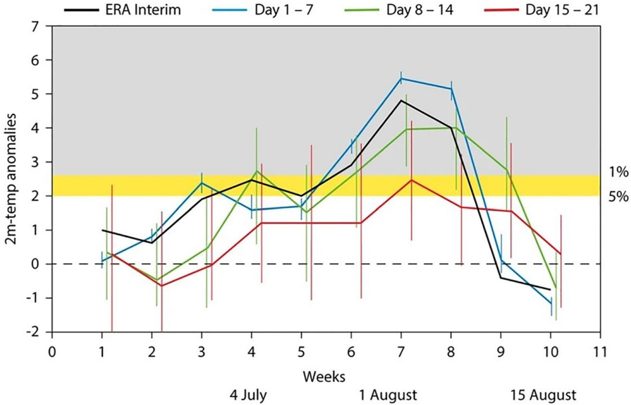
“Vertical lines represent the ensemble spread and the black curve is the verification from ERA-Interim (Dee et al., 2011).”
BackgroundInfluentialEyring, V., Bony, S., Meehl, G. A., Senior, C. A., Stevens, B., Stouffer, R. J., & Taylor, K. E. (2016) · Geoscientific Model Development · doi:10.5194/gmd-9-1937-2016 · Cited by 11,981 · cited 1×
“The model simulations considered for Figure 12 come from 23 Global Climate Models (GCMs) (Table A1) available in the CMIP6 archive (Eyring et al., 2016).”
MethodDeep learning and process understanding for data-driven Earth system science
Reichstein, M., Camps-Valls, G., Stevens, B., Jung, M., Denzler, J., Carvalhais, N., & Prabhat (2019) · Nature · doi:10.1038/s41586-019-0912-1 · Cited by 5,673 · cited 2×
“, 2018), the generation of data-driven weather forecasts (Dueben & Bauer, 2018; Scher & Messori, 2021), and potential applications in climate modeling (Reichstein et al., 2019; Schneider et al., 2017).”
BackgroundMethodThe energetic basis of the urban heat island
Oke, T. R. (1982) · Quarterly Journal of the Royal Meteorological Society · doi:10.1002/qj.49710845502 · Cited by 4,670 · cited 2×
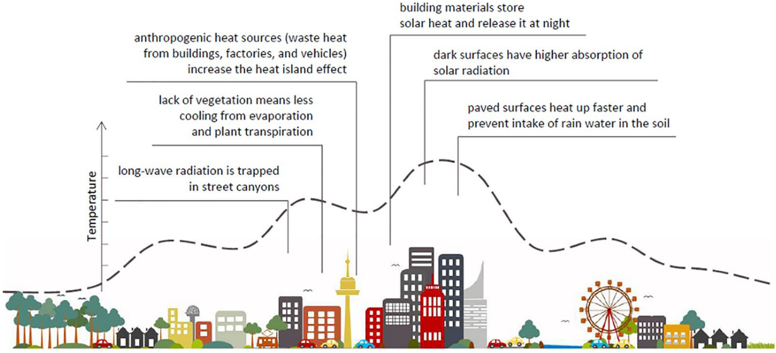
“This is referred to as the urban heat island (UHI) effect (Oke, 1982), which results from several factors (Figure 13).”
BackgroundGlobal observed changes in daily climate extremes of temperature and precipitation
Alexander, L. V., Zhang, X., Peterson, T. C., Caesar, J., Gleason, B., Klein Tank, A. M. G., Haylock, M., Collins, D., Trewin, B., Rahimzadeh, F., et al. (2006) · Journal of Geophysical Research: Atmospheres · doi:10.1029/2005jd006290 · Cited by 4,492
Influence of extreme weather disasters on global crop production
Lesk, C., Rowhani, P., & Ramankutty, N. (2016) · Nature · doi:10.1038/nature16467 · Cited by 3,883 · cited 1×
“These extreme events are of great concern as they can inflict devastating impacts on human health, ecosystems, agriculture and economy (e.g., Hoegh-Guldberg et al., 2018; R. M. Horton et al., 2016; Lesk et al., 2016; Mora et al., 2017).”
Background(2019) · Cited by 3,602
Global warming and recurrent mass bleaching of corals
Hughes, T. P., Kerry, J. T., Álvarez-Noriega, M., Álvarez-Romero, J. G., Anderson, K. D., Baird, A. H., Babcock, R. C., Beger, M., Bellwood, D. R., Berkelmans, R., et al. (2017) · Nature · doi:10.1038/nature21707 · Cited by 3,385
A hierarchical approach to defining marine heatwaves
Hobday, A. J., Alexander, L. V., Perkins, S. E., Smale, D. A., Straub, S. C., Oliver, E. C. J., Benthuysen, J. A., Burrows, M. T., Donat, M. G., Feng, M., et al. (2016) · Progress in Oceanography · doi:10.1016/j.pocean.2015.12.014 · Cited by 2,769 · cited 1×
“MHWs are periods of spatially coherent extremely warm SSTs, typically defined as days exceeding a given local (and seasonally-varying) percentile of a fixed baseline period (Hobday et al., 2016).”
BackgroundFuture climate risk from compound events
Zscheischler, J., Westra, S., van den Hurk, B. J. J. M., Seneviratne, S. I., Ward, P. J., Pitman, A., AghaKouchak, A., Bresch, D. N., Leonard, M., Wahl, T., et al. (2018) · Nature Climate Change · doi:10.1038/s41558-018-0156-3 · Cited by 2,527
Changes in Climate Extremes and their Impacts on the Natural Physical Environment
Seneviratne, S. I., Nicholls, N., Easterling, D., Goodess, C. M., Kanae, S., Kossin, J., Luo, Y., Marengo, J., McInnes, K., Rahimi, M., et al. (2012) · Managing the Risks of Extreme Events and Disasters to Advance Climate Change Adaptation · doi:10.1017/cbo9781139177245.006 · Cited by 2,399 · cited 2×
“This review summarizes current knowledge and challenges, focusing on recent advances since the Special Report on Extreme Events (SREX; Seneviratne et al., 2012).”
MethodLanczos Filtering in One and Two Dimensions
Duchon, C. E. (1979) · Journal of Applied Meteorology · doi:10.1175/1520-0450(1979)018<1016:lfioat>2.0.co;2 · Cited by 2,398
Indices for monitoring changes in extremes based on daily temperature and precipitation data
Zhang, X., Alexander, L., Hegerl, G. C., Jones, P., Tank, A. K., Peterson, T. C., Trewin, B., & Zwiers, F. W. (2011) · WIREs Climate Change · doi:10.1002/wcc.147 · Cited by 2,250
Longer and more frequent marine heatwaves over the past century.
Oliver, E. C. J., Donat, M. G., Burrows, M. T., Moore, P. J., Smale, D. A., Alexander, L. V., Benthuysen, J. A., Feng, M., Sen Gupta, A., Hobday, A. J., et al. (2018) · Nature Communications · doi:10.1038/s41467-018-03732-9 · Cited by 2,133 · cited 1×
“Their frequency has doubled over 1982–2016 and ∼87% of them can be linked to global warming today (Frölicher et al., 2018; Oliver et al., 2018), which is even higher than for land HWs (Section 4.”
BackgroundIncreasing trends in regional heatwaves
Perkins-Kirkpatrick, S. E., & Lewis, S. C. (2020) · Nature Communications · doi:10.1038/s41467-020-16970-7 · Cited by 1,912 · cited 3×
“Some of the largest and most widespread changes occur in the Middle East and some tropical regions, and secondarily in Europe, Australia, eastern Asia or western North America (e.g., Ceccherini et al., 2017; Y. Chen & Li, 2017; Perkins-Kirkpatrick & Lewis, 2020; S. Russo et al., 2015, 2016; Vose et al., 2017).”
BackgroundMarine heatwaves under global warming
Frölicher, T. L., Fischer, E. M., & Gruber, N. (2018) · Nature · doi:10.1038/s41586-018-0383-9 · Cited by 1,904 · cited 7×
“For example, for a global warming level of 2°C, changes in the probability of MHW days exceeding the pre-industrial 99th percentile are up to 60% over the Western Pacific warm pool, 45% in the Arctic Ocean and ∼10% in the Southern Ocean (Frölicher et al., 2018).”
BackgroundInfluentialWeather and Climate Extreme Events in a Changing Climate
(2023) · Climate Change 2021 – The Physical Science Basis · doi:10.1017/9781009157896.013 · Cited by 1,784
Trenberth, K. E., Branstator, G. W., Karoly, D., Kumar, A., Lau, N., & Ropelewski, C. (1998) · Journal of Geophysical Research: Oceans · doi:10.1029/97jc01444 · Cited by 1,754
Marine heatwaves threaten global biodiversity and the provision of ecosystem services
Smale, D. A., Wernberg, T., Oliver, E. C. J., Thomsen, M., Harvey, B. P., Straub, S. C., Burrows, M. T., Alexander, L. V., Benthuysen, J. A., Donat, M. G., et al. (2019) · Nature Climate Change · doi:10.1038/s41558-019-0412-1 · Cited by 1,748 · cited 1×
“By imparting devastating impacts to marine life (habitats, distributions and populations), primary production and biodiversity, recent MHW episodes have evidenced the vulnerability of marine ecosystems and fisheries (e.g., Hughes et al., 2017; Smale et al., 2019).”
BackgroundMora, C., Dousset, B., Caldwell, I. R., Powell, F. E., Geronimo, R. C., Bielecki, C. R., Counsell, C. W. W., Dietrich, B. S., Johnston, E. T., Louis, L. V., et al. (2017) · Nature Climate Change · doi:10.1038/nclimate3322 · Cited by 1,746 · cited 4×
“Due to the development of observational-based products and the large array of HW impacts, indices have been further refined to develop definitions tailored to specific impact sectors, often with particular emphasis on human health (e.g., McGregor et al., 2015; Mora et al., 2017; Z. Xu, Cheng, et al., 2018).”
BackgroundInfluentialThe Hot Summer of 2010: Redrawing the Temperature Record Map of Europe
Barriopedro, D., Fischer, E. M., Luterbacher, J., Trigo, R. M., & García-Herrera, R. (2011) · Science · doi:10.1126/science.1201224 · Cited by 1,656
Self-citationA typology of compound weather and climate events
Zscheischler, J., Martius, O., Westra, S., Bevacqua, E., Raymond, C., Horton, R. M., van den Hurk, B., AghaKouchak, A., Jézéquel, A., Mahecha, M. D., et al. (2020) · Nature Reviews Earth & Environment · doi:10.1038/s43017-020-0060-z · Cited by 1,568
Consequences of widespread tree mortality triggered by drought and temperature stress
Anderegg, W. R. L., Kane, J. M., & Anderegg, L. D. L. (2013) · Nature Climate Change · doi:10.1038/nclimate1635 · Cited by 1,486
IPCC (2022) · Cambridge University Press eBooks · doi:10.1017/9781009157940 · Cited by 1,482
Climate extremes indices in the CMIP5 multimodel ensemble: Part 2. Future climate projections
Sillmann, J., Kharin, V. V., Zwiers, F. W., Zhang, X., & Bronaugh, D. (2013) · Journal of Geophysical Research: Atmospheres · doi:10.1002/jgrd.50188 · Cited by 1,466
Sillmann, J., Kharin, V. V., Zhang, X., Zwiers, F. W., & Bronaugh, D. (2013) · Journal of Geophysical Research: Atmospheres · doi:10.1002/jgrd.50203 · Cited by 1,461
Utilising green and bluespace to mitigate urban heat island intensity
Gunawardena, K. R., Wells, M. J., & Kershaw, T. (2017) · Science of The Total Environment · doi:10.1016/j.scitotenv.2017.01.158 · Cited by 1,433 · cited 3×
“Some studies have also concluded that green spaces with a high density of trees are more efficient than grasslands in delivering the cooling effect during the day, most probably because of their high evaporative capacity and shading effect (Grilo et al., 2020; Gunawardena et al., 2017).”
BackgroundOn the measurement of heat waves
Perkins, S. E., & Alexander, L. V. (2013) · Journal of Climate · doi:10.1175/jcli-d-12-00383.1 · Cited by 1,432 · cited 4×
“The selected attributes and associated thresholds are subject to certain degree of arbitrariness, sometimes with questionable ability to compare events across regions and/or periods (Perkins & Alexander, 2013; S. Russo et al., 2015).”
BackgroundInfluentialAnthropogenic contribution to global occurrence of heavy-precipitation and high-temperature extremes
Fischer, E. M., & Knutti, R. (2015) · Nature Climate Change · doi:10.1038/nclimate2617 · Cited by 1,427 · cited 1×
“Model simulations indicate that current levels of global warming are already responsible for ∼75% of hot days globally (Fischer & Knutti, 2015).”
BackgroundIncrease in forest water-use efficiency as atmospheric carbon dioxide concentrations rise
Keenan, T. F., Hollinger, D. Y., Bohrer, G., Dragoni, D., Munger, J. W., Schmid, H. P., & Richardson, A. D. (2013) · Nature · doi:10.1038/nature12291 · Cited by 1,336
Climate Science Special Report: Fourth National Climate Assessment, Volume I
(2017) · doi:10.7930/j0j964j6 · Cited by 1,190
Mega-heatwave temperatures due to combined soil desiccation and atmospheric heat accumulation
Miralles, D. G., Teuling, A. J., van Heerwaarden, C. C., & Vilà-Guerau de Arellano, J. (2014) · Nature Geoscience · doi:10.1038/ngeo2141 · Cited by 1,175 · cited 9×
“Model simulations indicate that current levels of global warming are already responsible for ∼75% of hot days globally (Fischer & Knutti, 2015).”
BackgroundInfluentialSelf-citationSteadman, R. G. (1979) · Journal of Applied Meteorology · doi:10.1175/1520-0450(1979)018<0861:taospi>2.0.co;2 · Cited by 1,154 · cited 1×
“For instance, the Heat Index provides a measure of apparent temperature based on non-linear functions of temperature and humidity (Steadman, 1979; Table 1).”
BackgroundImpacts of landscape structure on surface urban heat islands: A case study of Shanghai, China
Li, J., Song, C., Cao, L., Zhu, F., Meng, X., & Wu, J. (2011) · Remote Sensing of Environment · doi:10.1016/j.rse.2011.07.008 · Cited by 1,120
Circumglobal Teleconnection in the Northern Hemisphere Summer*
Ding, Q., & Wang, B. (2005) · Journal of Climate · doi:10.1175/jcli3473.1 · Cited by 1,120 · cited 2×
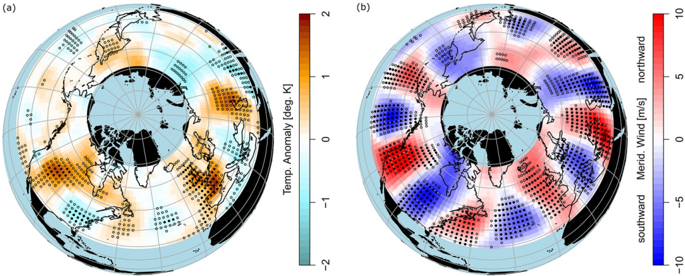
“Under favorable background flow conditions, summer waveguides can circumvent the hemisphere (circumglobal wave trains, CGTs; Branstator, 2002; Ding & Wang, 2005; Figure 3).”
BackgroundOcean, Cryosphere and Sea Level Change
(2023) · Climate Change 2021 – The Physical Science Basis · doi:10.1017/9781009157896.011 · Cited by 1,111
Changes in temperature and precipitation extremes in the CMIP5 ensemble
Kharin, V. V., Zwiers, F. W., Zhang, X., & Wehner, M. (2013) · Climatic Change · doi:10.1007/s10584-013-0705-8 · Cited by 1,082 · cited 1×
“(CMIP) capture the observed changes in extreme indices and HWs over the second half of the 20th century, although with some tendency to overestimate the magnitude of trends in hot days (e.g., Fan et al., 2020; Kharin et al., 2013; Seneviratne et al., 2021; Sillmann, Kharin, Zwiers, et al., 2013).”
BackgroundMiralles, D. G., Gentine, P., Seneviratne, S. I., & Teuling, A. J. (2019) · Annals of the New York Academy of Sciences · doi:10.1111/nyas.13912 · Cited by 1,080 · cited 3×
“backs and aggravate droughts and HWs in downstream locations (Miralles et al., 2019; Schumacher et al., 2019; Schumacher, Keune, Dirmeyer, & Miralles, 2022).”
BackgroundMethodSelf-citationAtmospheric circulation as a source of uncertainty in climate change projections
Shepherd, T. G. (2014) · Nature Geoscience · doi:10.1038/ngeo2253 · Cited by 1,054 · cited 4×
“However, the attribution of dynamical changes is problematic, since they are often not well understood and/or robustly simulated by models (Hoskins & Woollings, 2015; Shaw, 2019; Shepherd, 2014).”
BackgroundInfluentialDeep learning to represent subgrid processes in climate models
Rasp, S., Pritchard, M. S., & Gentine, P. (2018) · Proceedings of the National Academy of Sciences · doi:10.1073/pnas.1810286115 · Cited by 1,044
UTCI-Fiala multi-node model of human heat transfer and temperature regulation
Fiala, D., Havenith, G., Bröde, P., Kampmann, B., & Jendritzky, G. (2012) · International Journal of Biometeorology · doi:10.1007/s00484-011-0424-7 · Cited by 994
Inferring causation from time series in Earth system sciences
Runge, J., Bathiany, S., Bollt, E., Camps-Valls, G., Coumou, D., Deyle, E., Glymour, C., Kretschmer, M., Mahecha, M. D., Muñoz-Marí, J., et al. (2019) · Nature Communications · doi:10.1038/s41467-019-10105-3 · Cited by 984 · cited 1×
“The adopted approaches vary in complexity, ranging from simple regression models to machine and deep learning (ML) techniques (Cohen et al., 2019; Runge et al., 2019).”
BackgroundAttribution of climate extreme events
Trenberth, K. E., Fasullo, J. T., & Shepherd, T. G. (2015) · Nature Climate Change · doi:10.1038/nclimate2657 · Cited by 982 · cited 1×
“Fixing the atmospheric circulation emphasizes the influence of thermodynamic changes on the event, which could lead to false positives (by ignoring actual dynamical changes), but also avoids false negatives caused by uncertain circulation responses (Shepherd, 2016; Trenberth et al., 2015).”
BackgroundWatts, N., Amann, M., Arnell, N., Ayeb-Karlsson, S., Belesova, K., Berry, H., Bouley, T., Boykoff, M., Byass, P., Cai, W., et al. (2018) · The Lancet · doi:10.1016/s0140-6736(18)32594-7 · Cited by 915 · cited 1×
“…effects of HWs are projected to soar under continued global warming posing unprecedented risks and potential irreversible damages to ecosystems (Deryng et al., 2014; Gasparrini et al., 2017; Harris et al., 2018; Hoegh-Guldberg et al., 2018; Ruffault et al., 2020; Watts et al., 2018).”
BackgroundProjections of temperature-related excess mortality under climate change scenarios
Gasparrini, A., Guo, Y., Sera, F., Vicedo-Cabrera, A. M., Huber, V., Tong, S., de Sousa Zanotti Stagliorio Coelho, M., Nascimento Saldiva, P. H., Lavigne, E., Matus Correa, P., et al. (2017) · The Lancet Planetary Health · doi:10.1016/s2542-5196(17)30156-0 · Cited by 911 · cited 2×
“The observed changes and associated effects of HWs are projected to soar under continued global warming posing unprecedented risks and potential irreversible damages to ecosystems (Deryng et al., 2014; Gasparrini et al., 2017; Harris et al., 2018; Hoegh-Guldberg et al., 2018; Ruffault et al., 2020; Watts et al., 2018).”
BackgroundBiophysical climate impacts of recent changes in global forest cover
Alkama, R., & Cescatti, A. (2016) · Science · doi:10.1126/science.aac8083 · Cited by 903 · cited 1×
“The non-radiative cooling effect of forest gains tends to dominate annually over the tropics, some areas of the northern latitudes, as well as in summer for regions with enough water availability, attenuating warm extremes (Alkama & Cescatti, 2016; Bright et al., 2017).”
BackgroundInsights from Earth system model initial-condition large ensembles and future prospects
Deser, C., Lehner, F., Rodgers, K. B., Ault, T., Delworth, T. L., DiNezio, P. N., Fiore, A., Frankignoul, C., Fyfe, J. C., Horton, D. E., et al. (2020) · Nature Climate Change · doi:10.1038/s41558-020-0731-2 · Cited by 900 · cited 1×
“Suggested approaches to deal with this trade-off and reduce computational costs include high-resolution simulations for specific events or drivers, or novel emulator methodologies that can replicate the distribution of the full ensemble (Deser et al., 2020).”
BackgroundZiter, C. D., Pedersen, E. J., Kucharik, C. J., & Turner, M. G. (2019) · Proceedings of the National Academy of Sciences · doi:10.1073/pnas.1817561116 · Cited by 891 · cited 1×
“impervious surfaces to effectively lessen UHI effects (Coutts et al., 2016; Ziter et al., 2019).”
BackgroundPerkins, S. E. (2015) · Atmospheric Research · doi:10.1016/j.atmosres.2015.05.014 · Cited by 875 · cited 8×
“Although challenging, coordinated efforts to reduce the number of indices have been proposed, at least in the climate community, where most metrics depend on temperature data only (Perkins, 2015).”
BackgroundMethodInfluentialA compound event framework for understanding extreme impacts
Leonard, M., Westra, S., Phatak, A., Lambert, M., van den Hurk, B., McInnes, K., Risbey, J., Schuster, S., Jakob, D., & Stafford‐Smith, M. (2014) · WIREs Climate Change · doi:10.1002/wcc.252 · Cited by 869 · cited 1×
“HWs can concur with other hazards or drivers in the form of compound events with cumulative impacts (e.g., Leonard et al., 2014).”
BackgroundThe emergence of heat and humidity too severe for human tolerance
Raymond, C., Matthews, T., & Horton, R. M. (2020) · Science Advances · doi:10.1126/sciadv.aaw1838 · Cited by 839 · cited 22×
“10.1029/2022RG000780 17 of 54 likely in Europe, Australasia, Asia, and North America at regional scales (Seneviratne et al., 2021).”
BackgroundInfluentialA Review of the European Summer Heat Wave of 2003
García-Herrera, R., Díaz, J., Trigo, R. M., Luterbacher, J., & Fischer, E. M. (2010) · Critical Reviews in Environmental Science and Technology · doi:10.1080/10643380802238137 · Cited by 832
Self-citationClimate change in cities due to global warming and urban effects
McCarthy, M. P., Best, M. J., & Betts, R. A. (2010) · Geophysical Research Letters · doi:10.1029/2010gl042845 · Cited by 821
Attribution of extreme weather and climate‐related events
Stott, P. A., Christidis, N., Otto, F. E. L., Sun, Y., Vanderlinden, J., van Oldenborgh, G. J., Vautard, R., von Storch, H., Walton, P., Yiou, P., et al. (2016) · WIREs Climate Change · doi:10.1002/wcc.380 · Cited by 781 · cited 1×
“Detection and attribution of extremes are employed to identify externally forced signals in an observed change or event, and quantify the relative contributions of the causal factors (e.g., NAS, 2016; Otto, 2017; Stott et al., 2016).”
BackgroundA global assessment of marine heatwaves and their drivers
Holbrook, N. J., Scannell, H. A., Sen Gupta, A., Benthuysen, J. A., Feng, M., Oliver, E. C. J., Alexander, L. V., Burrows, M. T., Donat, M. G., Hobday, A. J., et al. (2019) · Nature Communications · doi:10.1038/s41467-019-10206-z · Cited by 772 · cited 2×
“, 2016), such as ENSO or IOD, whose fingerprints do not simply reflect the SST signatures of these modes (Holbrook et al., 2019).”
BackgroundLand cover changes and their biogeophysical effects on climate
Mahmood, R., Pielke, R. A., Hubbard, K. G., Niyogi, D., Dirmeyer, P. A., McAlpine, C., Carleton, A. M., Hale, R., Gameda, S., Beltrán‐Przekurat, A., et al. (2014) · International Journal of Climatology · doi:10.1002/joc.3736 · Cited by 767
Quantifying the influence of global warming on unprecedented extreme climate events
Diffenbaugh, N. S., Singh, D., Mankin, J. S., Horton, D. E., Swain, D. L., Touma, D., Charland, A., Liu, Y., Haugen, M., Tsiang, M., et al. (2017) · Proceedings of the National Academy of Sciences · doi:10.1073/pnas.1618082114 · Cited by 766 · cited 2×
“Recent studies have gathered additional evidence of anthropogenic influences in the observed trends of temperature extremes at different temporal scales (e.g., Christidis et al., 2015; Diffenbaugh et al., 2017; Dunn et al., 2020; Kim et al., 2016; King et al., 2015).”
BackgroundTop ten European heatwaves since 1950 and their occurrence in the coming decades
Russo, S., Sillmann, J., & Fischer, E. M. (2015) · Environmental Research Letters · doi:10.1088/1748-9326/10/12/124003 · Cited by 757
Shepherd, T. G., Boyd, E., Calel, R. A., Chapman, S. C., Dessai, S., Dima-West, I. M., Fowler, H. J., James, R., Maraun, D., Martius, O., et al. (2018) · Climatic Change · doi:10.1007/s10584-018-2317-9 · Cited by 755 · cited 1×
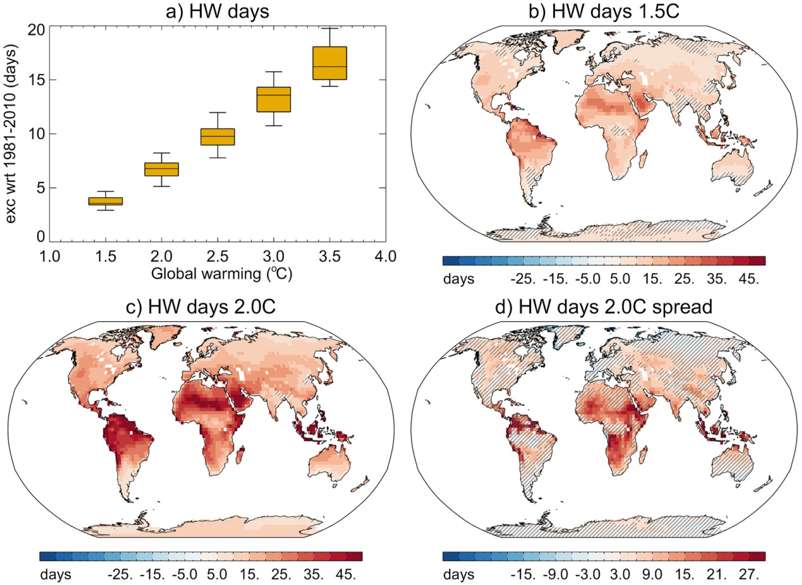
“Even for the same level of global warming, there are significant inter-model differences in HW projections, particularly at low latitudes, indicating that HW changes there are particularly sensitive to global warming (Figure 12d) Despite the increased comprehensiveness and realism of current GCMs, the uncertainty of c…”
BackgroundFuture temperature in southwest Asia projected to exceed a threshold for human adaptability
Pal, J. S., & Eltahir, E. A. B. (2016) · Nature Climate Change · doi:10.1038/nclimate2833 · Cited by 749 · cited 1×
“…of some low-latitude countries has been questioned, as they will experience uncharted changes in HWs, exacerbated by low levels of development, large population growth and reduced adaptive capacity (e.g., Buzan & Huber, 2020; Harrington et al., 2016; Mishra et al., 2017; Pal & Eltahir, 2016).”
BackgroundJay, O., Capon, A., Berry, P., Broderick, C., de Dear, R., Havenith, G., Honda, Y., Kovats, R. S., Ma, W., Malik, A., et al. (2021) · The Lancet · doi:10.1016/s0140-6736(21)01209-5 · Cited by 737 · cited 2×
“, parks, green roofs and walls), increasing the albedo of pavements and roofs, and improving roof insulation or pavement porosity (Georgescu et al., 2014; Gunawardena et al., 2017; Jay et al., 2021; Krayenhoff et al., 2018).”
BackgroundLocal cooling and warming effects of forests based on satellite observations
Li, Y., Zhao, M., Motesharrei, S., Mu, Q., Kalnay, E., & Li, S. (2015) · Nature Communications · doi:10.1038/ncomms7603 · Cited by 733
Contribution of land‐atmosphere coupling to recent European summer heat waves
Fischer, E. M., Seneviratne, S. I., Lüthi, D., & Schär, C. (2007) · Geophysical Research Letters · doi:10.1029/2006gl029068 · Cited by 728
Contribution of changes in atmospheric circulation patterns to extreme temperature trends
Horton, D. E., Johnson, N. C., Singh, D., Swain, D. L., Rajaratnam, B., & Diffenbaugh, N. S. (2015) · Nature · doi:10.1038/nature14550 · Cited by 715 · cited 1×
“Some of the reported summer circulation trends include increasing summer frequencies of anticyclonic circulation over western Asia, eastern North America and Europe (D. E. Horton et al., 2015).”
BackgroundOliver, E. C. J., Benthuysen, J. A., Darmaraki, S., Donat, M. G., Hobday, A. J., Holbrook, N. J., Schlegel, R. W., & Sen Gupta, A. (2021) · Annual Review of Marine Science · doi:10.1146/annurev-marine-032720-095144 · Cited by 706
Global crop yield response to extreme heat stress under multiple climate change futures
Deryng, D., Conway, D., Ramankutty, N., Price, J., & Warren, R. (2014) · Environmental Research Letters · doi:10.1088/1748-9326/9/3/034011 · Cited by 699 · cited 1×
“The observed changes and associated effects of HWs are projected to soar under continued global warming posing unprecedented risks and potential irreversible damages to ecosystems (Deryng et al., 2014; Gasparrini et al., 2017; Harris et al., 2018; Hoegh-Guldberg et al., 2018; Ruffault et al., 2020; Watts et al., 2018).”
BackgroundIncreasing probability of record-shattering climate extremes
Fischer, E. M., Sippel, S., & Knutti, R. (2021) · Nature Climate Change · doi:10.1038/s41558-021-01092-9 · Cited by 694 · cited 3×
“This stresses the importance of stabilizing global warming, which would also cause rapid declines in the probability of record-shattering extremes (Fischer et al., 2021).”
BackgroundInfluentialHESS Opinions "Should we apply bias correction to global and regional climate model data?"
Ehret, U., Zehe, E., Wulfmeyer, V., Warrach-Sagi, K., & Liebert, J. (2012) · Hydrology and Earth System Sciences · doi:10.5194/hess-16-3391-2012 · Cited by 680 · cited 2×
“, linear scaling) to non-parametric approaches addressing higher statistical moments of the simulated distributions (e.g., quantile mapping; Ehret et al., 2012).”
BackgroundHot days induced by precipitation deficits at the global scale
Mueller, B., & Seneviratne, S. I. (2012) · Proceedings of the National Academy of Sciences · doi:10.1073/pnas.1204330109 · Cited by 672 · cited 1×
“10.1029/2022RG000780 14 of 54 in evaporative cooling may be caused by accumulated rainfall deficits in the preceding months (B. Mueller & Seneviratne, 2012; Quesada et al., 2012; A. Russo, Gouveia, et al., 2019), enhanced plant transpiration due to early greening in spring (Ma et al., 2016) or…”
BackgroundInfluentialReductions in labour capacity from heat stress under climate warming
Dunne, J. P., Stouffer, R. J., & John, J. G. (2013) · Nature Climate Change · doi:10.1038/nclimate1827 · Cited by 660 · cited 1×
“Other reported HW impacts related to human wellbeing include decreases in outdoor labor productivity and social stability, or infrastructure failures due to for example, increased electricity demand and reduced power production, which cause grid overloading and disruption in energy supply (e.g., Auffhammer et al., 201…”
BackgroundCircumglobal Teleconnections, the Jet Stream Waveguide, and the North Atlantic Oscillation
Branstator, G. (2002) · Journal of Climate · doi:10.1175/1520-0442(2002)015<1893:cttjsw>2.0.co;2 · Cited by 640 · cited 1×
“Under favorable background flow conditions, summer waveguides can circumvent the hemisphere (circumglobal wave trains, CGTs; Branstator, 2002; Ding & Wang, 2005; Figure 3).”
BackgroundAfternoon rain more likely over drier soils
Taylor, C. M., de Jeu, R. A. M., Guichard, F., Harris, P. P., & Dorigo, W. A. (2012) · Nature · doi:10.1038/nature11377 · Cited by 623 · cited 1×
“In turn, these mesoscale processes and changes in the atmospheric boundary layer can instigate dynamical land-atmosphere feedbacks, which may result in positive or negative precipitation responses (e.g., Ardilouze et al., 2020; Guillod et al., 2015; Taylor et al., 2012).”
BackgroundThe influence of Arctic amplification on mid-latitude summer circulation
Coumou, D., Di Capua, G., Vavrus, S., Wang, L., & Wang, S. (2018) · Nature Communications · doi:10.1038/s41467-018-05256-8 · Cited by 598 · cited 2×
“Recent studies report HW increases over mid-high latitude regions of the Northern Hemisphere (NH) at interannual and longer time scales in response to shrinking summer Arctic sea ice and snow cover (Coumou et al., 2018; Tang et al., 2014; R. Zhang et al., 2020).”
BackgroundBiological responses to the press and pulse of climate trends and extreme events
Harris, R. M. B., Beaumont, L. J., Vance, T. R., Tozer, C. R., Remenyi, T. A., Perkins-Kirkpatrick, S. E., Mitchell, P. J., Nicotra, A. B., McGregor, S., Andrew, N. R., et al. (2018) · Nature Climate Change · doi:10.1038/s41558-018-0187-9 · Cited by 596 · cited 1×
“…effects of HWs are projected to soar under continued global warming posing unprecedented risks and potential irreversible damages to ecosystems (Deryng et al., 2014; Gasparrini et al., 2017; Harris et al., 2018; Hoegh-Guldberg et al., 2018; Ruffault et al., 2020; Watts et al., 2018).”
BackgroundHeat waves and urban heat islands in Europe: A review of relevant drivers
Ward, K., Lauf, S., Kleinschmit, B., & Endlicher, W. (2016) · Science of The Total Environment · doi:10.1016/j.scitotenv.2016.06.119 · Cited by 590 · cited 1×
“, the 2006 European HW) following drying and changes in albedo of shallow-rooted vegetation (i.e., grass and unforested vegetation; Ward et al., 2016).”
BackgroundHeatwaves and health : guidance on warning-system development.
McGregor, G. R., Bessmoulin, P., Ebi, K. L., & Menne, B. (2015) · Durham Research Online (Durham University) · Cited by 588
Heatwave and health impact research: A global review
Campbell, S., Remenyi, T. A., White, C. J., & Johnston, F. H. (2018) · Health & Place · doi:10.1016/j.healthplace.2018.08.017 · Cited by 573 · cited 1×
“Excessive human morbidity and mortality rates are often caused by prolonged exposure to extreme temperatures during the day and limited recovery at night (e.g., Buzan & Huber, 2020; Campbell et al., 2018).”
BackgroundDramatically increasing chance of extremely hot summers since the 2003 European heatwave
Christidis, N., Jones, G. S., & Stott, P. A. (2015) · Nature Climate Change · doi:10.1038/nclimate2468 · Cited by 573
Making the Black Box More Transparent: Understanding the Physical Implications of Machine Learning
McGovern, A., Lagerquist, R., John Gagne, D., Jergensen, G. E., Elmore, K. L., Homeyer, C. R., & Smith, T. (2019) · Bulletin of the American Meteorological Society · doi:10.1175/bams-d-18-0195.1 · Cited by 558
Blocking and its Response to Climate Change
Woollings, T., Barriopedro, D., Methven, J., Son, S.-W., Martius, O., Harvey, B., Sillmann, J., Lupo, A. R., & Seneviratne, S. (2018) · Current Climate Change Reports · doi:10.1007/s40641-018-0108-z · Cited by 553
Self-citationBastos, A., Ciais, P., Friedlingstein, P., Sitch, S., Pongratz, J., Fan, L., Wigneron, J. P., Weber, U., Reichstein, M., Fu, Z., et al. (2020) · Science Advances · doi:10.1126/sciadv.aba2724 · Cited by 552 · cited 1×
“These compound events can lead to strong perturbations of the global carbon cycle, and disproportionate socioeconomic impacts in highly-populated areas and major breadbasket regions (Bastos et al., 2020; Kornhuber et al., 2020; Sippel et al., 2018).”
BackgroundEvaluation of the CMIP6 multi-model ensemble for climate extreme indices
Kim, Y.-H., Min, S.-K., Zhang, X., Sillmann, J., & Sandstad, M. (2020) · Weather and Climate Extremes · doi:10.1016/j.wace.2020.100269 · Cited by 539 · cited 1×
“The skill of GCMs in representing temperature extremes varies with the season, region, reference data set and extreme index (better representation of absolute and threshold indices in the tropics, and of percentile indices in the extratropics), yielding lower spatial pattern skill scores for duration and percentile in…”
BackgroundThe impact of Arctic warming on the midlatitude jet‐stream: Can it? Has it? Will it?
Barnes, E. A., & Screen, J. A. (2015) · WIREs Climate Change · doi:10.1002/wcc.337 · Cited by 534 · cited 1×
“However, the atmospheric response to Arctic sea ice loss is not robust in observations and models (Barnes & Screen, 2015; Screen et al., 2018), and there are other potential drivers of circulation changes (Shaw, 2019).”
BackgroundSailor, D. J. (2011) · International Journal of Climatology · doi:10.1002/joc.2106 · Cited by 527 · cited 1×
“Additional heat is also released into the urban boundary layer via anthropogenic sources, including the use of air conditioning (AC) and other cooling systems during warm periods (e.g., Sailor, 2011).”
BackgroundA Review of Recent Advances in Research on Extreme Heat Events
Horton, R. M., Mankin, J. S., Lesk, C., Coffel, E., & Raymond, C. (2016) · Current Climate Change Reports · doi:10.1007/s40641-016-0042-x · Cited by 524
Summer soil drying exacerbated by earlier spring greening of northern vegetation
Lian, X., Piao, S., Li, L. Z. X., Li, Y., Huntingford, C., Ciais, P., Cescatti, A., Janssens, I. A., Peñuelas, J., Buermann, W., et al. (2020) · Science Advances · doi:10.1126/sciadv.aax0255 · Cited by 514 · cited 3×
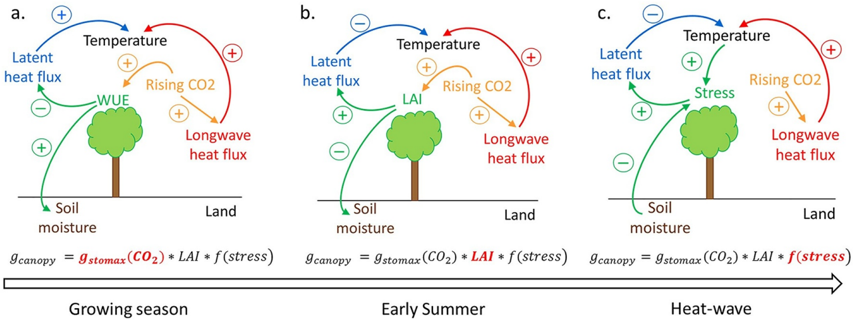
“CO2-driven changes in vegetation dynamics, such as spring greening (Lian et al., 2020) and reduced summer stomatal conductance (Skinner et al.”
BackgroundRegional climate downscaling over Europe: perspectives from the EURO-CORDEX community
Jacob, D., Teichmann, C., Sobolowski, S., Katragkou, E., Anders, I., Belda, M., Benestad, R., Boberg, F., Buonomo, E., Cardoso, R. M., et al. (2020) · Regional Environmental Change · doi:10.1007/s10113-020-01606-9 · Cited by 505
Avoiding Inhomogeneity in Percentile-Based Indices of Temperature Extremes
Zhang, X., Hegerl, G., Zwiers, F. W., & Kenyon, J. (2005) · Journal of Climate · doi:10.1175/jcli3366.1 · Cited by 504
Urban adaptation can roll back warming of emerging megapolitan regions
Georgescu, M., Morefield, P. E., Bierwagen, B. G., & Weaver, C. P. (2014) · Proceedings of the National Academy of Sciences · doi:10.1073/pnas.1322280111 · Cited by 499 · cited 1×
“, parks, green roofs and walls), increasing the albedo of pavements and roofs, and improving roof insulation or pavement porosity (Georgescu et al., 2014; Gunawardena et al., 2017; Jay et al., 2021; Krayenhoff et al., 2018).”
BackgroundThe effectiveness of cool and green roofs as urban heat island mitigation strategies
Li, D., Bou-Zeid, E., & Oppenheimer, M. (2014) · Environmental Research Letters · doi:10.1088/1748-9326/9/5/055002 · Cited by 499
Interactions between urban heat islands and heat waves
Zhao, L., Oppenheimer, M., Zhu, Q., Baldwin, J. W., Ebi, K. L., Bou-Zeid, E., Guan, K., & Liu, X. (2018) · Environmental Research Letters · doi:10.1088/1748-9326/aa9f73 · Cited by 488
Accelerated western European heatwave trends linked to more-persistent double jets over Eurasia
Rousi, E., Kornhuber, K., Beobide-Arsuaga, G., Luo, F., & Coumou, D. (2022) · Nature Communications · doi:10.1038/s41467-022-31432-y · Cited by 485 · cited 8×
“, 2018) and/or atmospheric circulation changes (Mann et al., 2017; Rogers et al., 2022; Rousi et al., 2022), but the relative importance of these factors remains unclear.”
BackgroundInfluentialDunn, R. J. H., Alexander, L. V., Donat, M. G., Zhang, X., Bador, M., Herold, N., Lippmann, T., Allan, R., Aguilar, E., Barry, A. A., et al. (2020) · Journal of Geophysical Research: Atmospheres · doi:10.1029/2019jd032263 · Cited by 480 · cited 4×
“and Southeast Asia, where the number of warm days and nights have doubled since the 1970s (Dunn et al., 2020).”
BackgroundMethodInfluentialSeasonal climate predictability and forecasting: status and prospects
Doblas‐Reyes, F. J., García‐Serrano, J., Lienert, F., Biescas, A. P., & Rodrigues, L. R. L. (2013) · WIREs Climate Change · doi:10.1002/wcc.217 · Cited by 478
Auffhammer, M., Baylis, P., & Hausman, C. H. (2017) · Proceedings of the National Academy of Sciences · doi:10.1073/pnas.1613193114 · Cited by 475
(2023) · Climate Change 2021 – The Physical Science Basis · doi:10.1017/9781009157896.002 · Cited by 474
The Excess Heat Factor: A Metric for Heatwave Intensity and Its Use in Classifying Heatwave Severity
Nairn, J., & Fawcett, R. (2014) · International Journal of Environmental Research and Public Health · doi:10.3390/ijerph120100227 · Cited by 472 · cited 1×
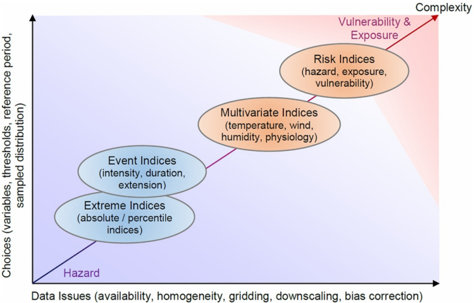
“For example, the Excess Heat Factor (EHF; Table 1) combines two indices accounting for acclimatization and temperature exceedances over a percentile to derive HW events, defined as positive EHF values over three consecutive days (Nairn & Fawcett, 2014; Perkins & Alexander, 2013).”
BackgroundChanges in regional heatwave characteristics as a function of increasing global temperature
Perkins-Kirkpatrick, S. E., & Gibson, P. B. (2017) · Scientific Reports · doi:10.1038/s41598-017-12520-2 · Cited by 472 · cited 5×
“Global warming will also result in longer, more intense, extensive and frequent HW events over most land areas (e.g., S. Russo, Sillmann, et al., 2019; Vogel et al., 2020), with ∼1.5–2 additional HW events per degree of global warming over most regions (Perkins-Kirkpatrick & Gibson, 2017).”
BackgroundInfluentialNo pause in the increase of hot temperature extremes
Seneviratne, S. I., Donat, M. G., Mueller, B., & Alexander, L. V. (2014) · Nature Climate Change · doi:10.1038/nclimate2145 · Cited by 470 · cited 1×
“Changes in temperature extremes have accelerated in the last decades at a faster rate than the mean, with overall larger changes in minimum than maximum extreme temperatures, although the trend magnitude varies across seasons, regions, spatio-temporal scales and metrics (e.g., Dunn et al., 2020; Seneviratne et al., 20…”
BackgroundHigh-impact marine heatwaves attributable to human-induced global warming
Laufkötter, C., Zscheischler, J., & Frölicher, T. L. (2020) · Science · doi:10.1126/science.aba0690 · Cited by 470 · cited 1×
“With the exception of the Southern Ocean 2016 MHW, most notable individual events have also been attributed to anthropogenic climate change, which has increased the probability of occurrence, duration and intensity by more than 20 times (Laufkötter et al., 2020).”
BackgroundQuasiresonant amplification of planetary waves and recent Northern Hemisphere weather extremes
Petoukhov, V., Rahmstorf, S., Petri, S., & Schellnhuber, H. J. (2013) · Proceedings of the National Academy of Sciences · doi:10.1073/pnas.1222000110 · Cited by 464 · cited 13×
“Several mechanisms have been suggested to cause phase-locking amplification of CGTs, including the presence of double jets or quasi-resonance (constructive interference) of free and forced Rossby waves, with localized topographic forcing affecting the longitudinal structure of CGTs (e.g., Coumou et al., 2014; Jiménez-…”
BackgroundInfluentialPrediction and projection of heatwaves
Domeisen, D. I. V., Eltahir, E. A. B., Fischer, E. M., Knutti, R., Perkins-Kirkpatrick, S. E., Schär, C., Seneviratne, S. I., Weisheimer, A., & Wernli, H. (2022) · Nature Reviews Earth & Environment · doi:10.1038/s43017-022-00371-z · Cited by 457 · cited 1×
“…conditions in slowly-varying climate components, which can act as proximate (e.g., land surface) and remote (e.g., upper ocean or sea ice) forcings (Coumou et al., 2018; Domeisen et al., 2023; Hoskins & Woollings, 2015; Miralles et al., 2019; Sillmann et al., 2017, and references therein).”
BackgroundThe sub-seasonal to seasonal prediction project (S2S) and the prediction of extreme events
Vitart, F., & Robertson, A. W. (2018) · npj Climate and Atmospheric Science · doi:10.1038/s41612-018-0013-0 · Cited by 455 · cited 1×
“Figure reprinted with permission from Vitart and Robertson (2018) by Springer Nature.”
Drivers and impacts of the most extreme marine heatwave events
Sen Gupta, A., Thomsen, M., Benthuysen, J. A., Hobday, A. J., Oliver, E., Alexander, L. V., Burrows, M. T., Donat, M. G., Feng, M., Holbrook, N. J., et al. (2020) · Scientific Reports · doi:10.1038/s41598-020-75445-3 · Cited by 452
On the Variability and Increasing Trends of Heat Waves over India
Rohini, P., Rajeevan, M., & Srivastava, A. K. (2016) · Scientific Reports · doi:10.1038/srep26153 · Cited by 448 · cited 19×
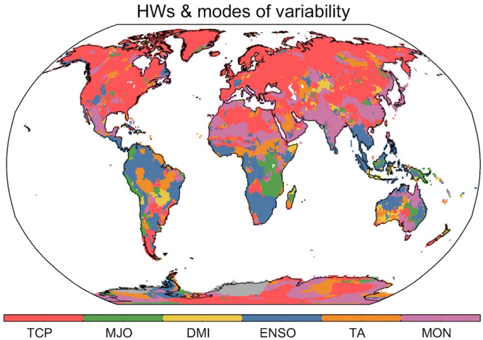
“MON summarizes the effect of some of the major regional summer monsoons (defined for the months of the corresponding summer season), including the Indian, Western North Pacific, West African and Australian monsoons.”
BackgroundInfluentialKeeping pace with marine heatwaves
Holbrook, N. J., Sen Gupta, A., Oliver, E. C. J., Hobday, A. J., Benthuysen, J. A., Scannell, H. A., Smale, D. A., & Wernberg, T. (2020) · Nature Reviews Earth & Environment · doi:10.1038/s43017-020-0068-4 · Cited by 447 · cited 32×
“The dominant processes and characteristics of MHWs vary regionally, but also with the considered event.”
BackgroundInfluentialExtreme heat waves under 1.5 °C and 2 °C global warming
Dosio, A., Mentaschi, L., Fischer, E. M., & Wyser, K. (2018) · Environmental Research Letters · doi:10.1088/1748-9326/aab827 · Cited by 445
Attributing human mortality during extreme heat waves to anthropogenic climate change
Mitchell, D., Heaviside, C., Vardoulakis, S., Huntingford, C., Masato, G., P Guillod, B., Frumhoff, P., Bowery, A., Wallom, D., & Allen, M. (2016) · Environmental Research Letters · doi:10.1088/1748-9326/11/7/074006 · Cited by 439 · cited 1×
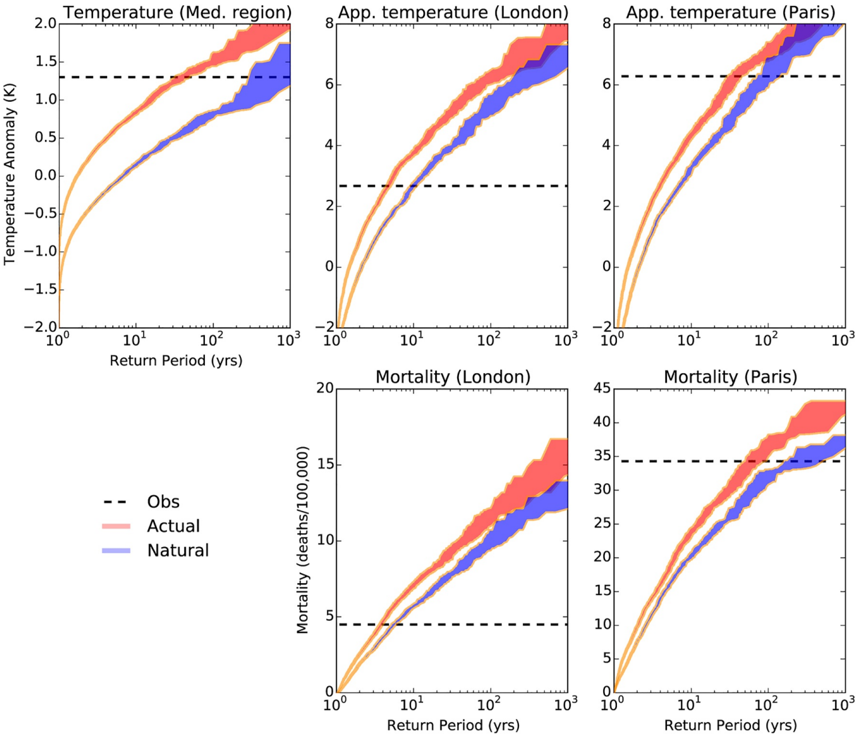
“Figure 11 illustrates an attribution study of heat-related mortality in Paris and London for summer 2003 (Mitchell et al., 2016).”
BackgroundFounda, D., & Santamouris, M. (2017) · Scientific Reports · doi:10.1038/s41598-017-11407-6 · Cited by 437 · cited 1×
“…cities (e.g., around 1°C air temperature increase in Beijing and 2°C in Oklahoma; Basara et al., 2010; Jiang et al., 2019) and at daytime for some coastal cities with land-sea breeze effects (e.g., around 1°C in Shanghai and up to 3°C in Athens; Founda & Santamouris, 2017; Jiang et al., 2019).”
BackgroundDrake, J. E., Tjoelker, M. G., Vårhammar, A., Medlyn, B. E., Reich, P. B., Leigh, A., Pfautsch, S., Blackman, C. J., López, R., Aspinwall, M. J., et al. (2018) · Global Change Biology · doi:10.1111/gcb.14037 · Cited by 423 · cited 1×
“For instance, some trees experience higher transpiration rates during HWs when soil moisture is available, which has been reported as an evolutionary strategy against overheating (Drake et al., 2018; Krich et al., 2022).”
BackgroundCoutts, A. M., White, E. C., Tapper, N. J., Beringer, J., & Livesley, S. J. (2016) · Theoretical and Applied Climatology · doi:10.1007/s00704-015-1409-y · Cited by 422 · cited 1×
“impervious surfaces to effectively lessen UHI effects (Coutts et al., 2016; Ziter et al., 2019).”
BackgroundProjecting global urban land expansion and heat island intensification through 2050
Huang, K., Li, X., Liu, X., & Seto, K. C. (2019) · Environmental Research Letters · doi:10.1088/1748-9326/ab4b71 · Cited by 414 · cited 27×
“In some regions of US, Europe or southeastern Asia, several HW drivers (e.g., CGTs, land-atmosphere coupling, tropical or extratropical SST anomalies) often act in tandem and add to the effects of other drivers operating at longer scales (e.g., aerosols, land-cover/land-use changes, GHG).”
BackgroundInfluentialLocal temperature response to land cover and management change driven by non-radiative processes
Bright, R. M., Davin, E., O’Halloran, T., Pongratz, J., Zhao, K., & Cescatti, A. (2017) · Nature Climate Change · doi:10.1038/nclimate3250 · Cited by 411 · cited 1×
“The non-radiative cooling effect of forest gains tends to dominate annually over the tropics, some areas of the northern latitudes, as well as in summer for regions with enough water availability, attenuating warm extremes (Alkama & Cescatti, 2016; Bright et al., 2017).”
BackgroundPfahl, S., & Wernli, H. (2012) · Geophysical Research Letters · doi:10.1029/2012gl052261 · Cited by 403 · cited 1×
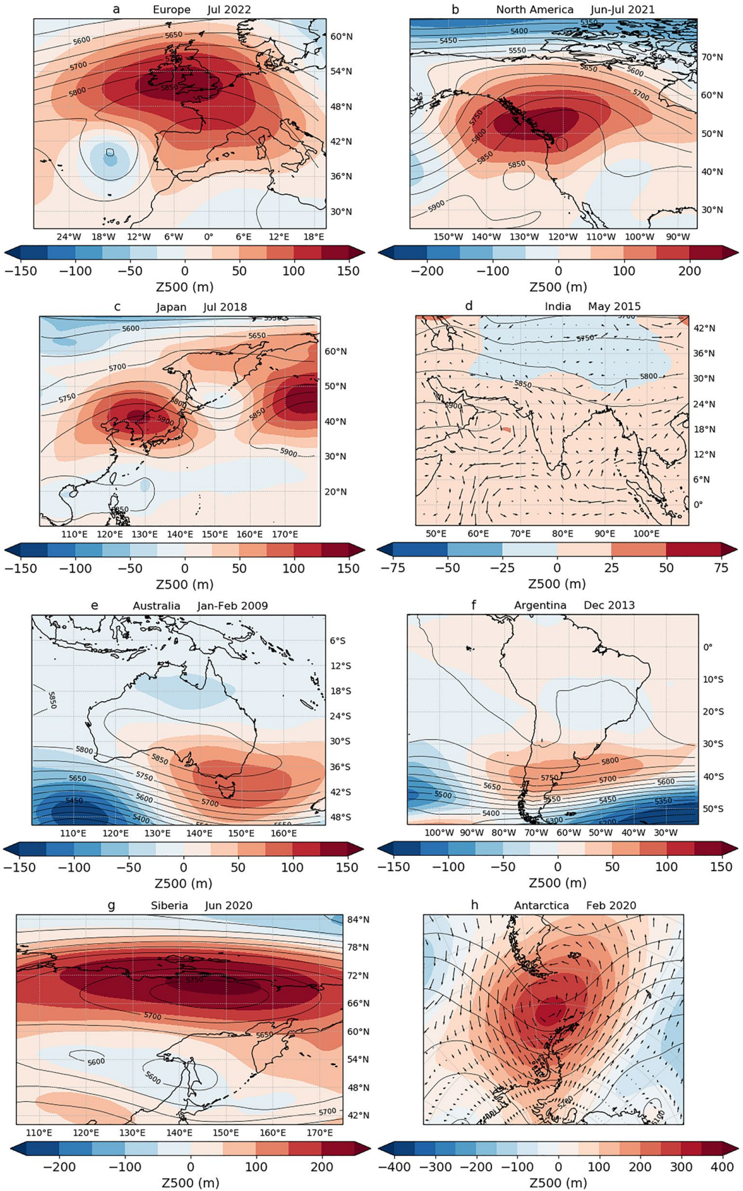
“…have been related to co-located blocking (e.g., the 2021 North American mega-HW, Figure 6b, and the 2010 Russian mega-HW, Brunner et al., 2018; Chan et al., 2019; Neal et al., 2022; Pfahl & Wernli, 2012; Schaller et al., 2018; Schneidereit et al., 2012; Sousa et al., 2018; Stéfanon et al., 2012).”
The weakening summer circulation in the Northern Hemisphere mid-latitudes
Coumou, D., Lehmann, J., & Beckmann, J. (2015) · Science · doi:10.1126/science.1261768 · Cited by 397
Vautard, R., Gobiet, A., Jacob, D., Belda, M., Colette, A., Déqué, M., Fernández, J., García-Díez, M., Goergen, K., Güttler, I., et al. (2013) · Climate Dynamics · doi:10.1007/s00382-013-1714-z · Cited by 396 · cited 2×
“…land surface schemes, vegetation) affecting surface fluxes, the hydrological cycle and associated feedbacks (e.g., L. Chen & Dirmeyer, 2019b; Dirmeyer et al., 2018; Fischer et al., 2018; Schwingshackl et al., 2019; Stéfanon et al., 2014; Thiery et al., 2017; Vautard et al., 2013).”
BackgroundGlobal Land-Based Datasets for Monitoring Climatic Extremes
Donat, M. G., Alexander, L. V., Yang, H., Durre, I., Vose, R., & Caesar, J. (2013) · Bulletin of the American Meteorological Society · doi:10.1175/bams-d-12-00109.1 · Cited by 395 · cited 1×
“The Global Historical Climatology Network–Daily Extremes database (GHCNDEX; Donat et al., 2013) also provides a near-real time collection of ETCCDI indices, although with lower spatial coverage and fewer quality tests.”
Challenges and design choices for global weather and climate models based on machine learning
Dueben, P. D., & Bauer, P. (2018) · Geoscientific Model Development · doi:10.5194/gmd-11-3999-2018 · Cited by 395 · cited 2×
“Interpretability is a common issue in ML, and some methods require a large amount of input data for training and design choices (e.g., Dueben & Bauer, 2018).”
BackgroundMethodSchneider, T., Lan, S., Stuart, A., & Teixeira, J. (2017) · Geophysical Research Letters · doi:10.1002/2017gl076101 · Cited by 391 · cited 1×
“, 2018), the generation of data-driven weather forecasts (Dueben & Bauer, 2018; Scher & Messori, 2021), and potential applications in climate modeling (Reichstein et al., 2019; Schneider et al., 2017).”
BackgroundUrban heat island: Aerodynamics or imperviousness?
Li, D., Liao, W., Rigden, A. J., Liu, X., Wang, D., Malyshev, S., & Shevliakova, E. (2019) · Science Advances · doi:10.1126/sciadv.aau4299 · Cited by 383
Summertime European heat and drought waves induced by wintertime Mediterranean rainfall deficit
Vautard, R., Yiou, P., D'Andrea, F., de Noblet, N., Viovy, N., Cassou, C., Polcher, J., Ciais, P., Kageyama, M., & Fan, Y. (2007) · Geophysical Research Letters · doi:10.1029/2006gl028001 · Cited by 382 · cited 1×
“Dry soils may modify atmospheric circulation through diabatic effects on column expansion, upper level divergence, or intensification of thermal lows (Haarsma et al., 2009; Koster et al., 2016; Sato & Nakamura, 2019; Teng & Branstator, 2019; Vautard et al., 2007; Zampieri et al., 2009).”
BackgroundConsistency and discrepancy in the atmospheric response to Arctic sea-ice loss across climate models
Screen, J. A., Deser, C., Smith, D. M., Zhang, X., Blackport, R., Kushner, P. J., Oudar, T., McCusker, K. E., & Sun, L. (2018) · Nature Geoscience · doi:10.1038/s41561-018-0059-y · Cited by 382 · cited 1×
“However, the atmospheric response to Arctic sea ice loss is not robust in observations and models (Barnes & Screen, 2015; Screen et al., 2018), and there are other potential drivers of circulation changes (Shaw, 2019).”
BackgroundExtreme weather events in early summer 2018 connected by a recurrent hemispheric wave-7 pattern
Kornhuber, K., Osprey, S., Coumou, D., Petri, S., Petoukhov, V., Rahmstorf, S., & Gray, L. (2019) · Environmental Research Letters · doi:10.1088/1748-9326/ab13bf · Cited by 378 · cited 1×
“Summer CGTs are well documented in the NH, where they can eventually develop large amplitudes and persist over specific geographical locations, synchronizing weather conditions through the hemisphere (e.g., Kornhuber et al., 2019).”
BackgroundSeverity of drought and heatwave crop losses tripled over the last five decades in Europe
Brás, T. A., Seixas, J., Carvalhais, N., & Jägermeyr, J. (2021) · Environmental Research Letters · doi:10.1088/1748-9326/abf004 · Cited by 377
Amplified Rossby waves enhance risk of concurrent heatwaves in major breadbasket regions
Kornhuber, K., Coumou, D., Vogel, E., Lesk, C., Donges, J. F., Lehmann, J., & Horton, R. M. (2020) · Nature Climate Change · doi:10.1038/s41558-019-0637-z · Cited by 372 · cited 2×
“These compound events can lead to strong perturbations of the global carbon cycle, and disproportionate socioeconomic impacts in highly-populated areas and major breadbasket regions (Bastos et al., 2020; Kornhuber et al., 2020; Sippel et al., 2018).”
BackgroundUnderstanding, modeling and predicting weather and climate extremes: Challenges and opportunities
Sillmann, J., Thorarinsdottir, T., Keenlyside, N., Schaller, N., Alexander, L. V., Hegerl, G., Seneviratne, S. I., Vautard, R., Zhang, X., & Zwiers, F. W. (2017) · Weather and Climate Extremes · doi:10.1016/j.wace.2017.10.003 · Cited by 370
Increased likelihood of heat-induced large wildfires in the Mediterranean Basin
Ruffault, J., Curt, T., Moron, V., Trigo, R. M., Mouillot, F., Koutsias, N., Pimont, F., Martin-StPaul, N., Barbero, R., Dupuy, J.-L., et al. (2020) · Scientific Reports · doi:10.1038/s41598-020-70069-z · Cited by 370 · cited 1×
“…effects of HWs are projected to soar under continued global warming posing unprecedented risks and potential irreversible damages to ecosystems (Deryng et al., 2014; Gasparrini et al., 2017; Harris et al., 2018; Hoegh-Guldberg et al., 2018; Ruffault et al., 2020; Watts et al., 2018).”
BackgroundA review of quantification methodologies for multi-hazard interrelationships
Tilloy, A., Malamud, B. D., Winter, H., & Joly-Laugel, A. (2019) · Earth-Science Reviews · doi:10.1016/j.earscirev.2019.102881 · Cited by 364 · cited 1×
“It may combine empirical and mechanistic approaches, taking advantage of the development of methodologies for quantifying multi-hazard interrelationships (Tilloy et al., 2019).”
BackgroundChanges in Annual Extremes of Daily Temperature and Precipitation in CMIP6 Models
Li, C., Zwiers, F., Zhang, X., Li, G., Sun, Y., & Wehner, M. (2021) · Journal of Climate · doi:10.1175/jcli-d-19-1013.1 · Cited by 362
Impact Forecasting to Support Emergency Management of Natural Hazards
Merz, B., Kuhlicke, C., Kunz, M., Pittore, M., Babeyko, A., Bresch, D. N., Domeisen, D. I. V., Feser, F., Koszalka, I., Kreibich, H., et al. (2020) · Reviews of Geophysics · doi:10.1029/2020rg000704 · Cited by 358 · cited 1×
“Subseasonal forecasts (from 2 weeks to 2 months) bridge the gap between weather and seasonal predictions, and are key for the deployment of early warning systems, by realizing actionable anticipatory information for efficient risk management (Merz et al., 2020).”
BackgroundGlobal multi-model projections of local urban climates
Zhao, L., Oleson, K., Bou-Zeid, E., Krayenhoff, E. S., Bray, A., Zhu, Q., Zheng, Z., Chen, C., & Oppenheimer, M. (2021) · Nature Climate Change · doi:10.1038/s41558-020-00958-8 · Cited by 357
Reconciling spatial and temporal soil moisture effects on afternoon rainfall
Guillod, B. P., Orlowsky, B., Miralles, D. G., Teuling, A. J., & Seneviratne, S. I. (2015) · Nature Communications · doi:10.1038/ncomms7443 · Cited by 352 · cited 1×
“In turn, these mesoscale processes and changes in the atmospheric boundary layer can instigate dynamical land-atmosphere feedbacks, which may result in positive or negative precipitation responses (e.g., Ardilouze et al., 2020; Guillod et al., 2015; Taylor et al., 2012).”
BackgroundSelf-citationCoumou, D., Petoukhov, V., Rahmstorf, S., Petri, S., & Schellnhuber, H. J. (2014) · Proceedings of the National Academy of Sciences · doi:10.1073/pnas.1412797111 · Cited by 350
Diurnal interaction between urban expansion, climate change and adaptation in US cities
Krayenhoff, E. S., Moustaoui, M., Broadbent, A. M., Gupta, V., & Georgescu, M. (2018) · Nature Climate Change · doi:10.1038/s41558-018-0320-9 · Cited by 348 · cited 3×
“Nevertheless, some modeling studies have investigated the benefits of adopting complementary adaptation strategies during periods of extreme heat, such as including cool roofs, green roofs and street trees (e.g., for the US; Krayenhoff et al., 2018); increased vegetation cover and”
BackgroundVogel, M. M., Orth, R., Cheruy, F., Hagemann, S., Lorenz, R., van den Hurk, B. J. J. M., & Seneviratne, S. I. (2017) · Geophysical Research Letters · doi:10.1002/2016gl071235 · Cited by 347 · cited 2×
“, 2016; Perkins-Kirkpatrick & Gibson, 2017), likely amplified by soil moisture feedbacks (e.g., Douville et al., 2016; Vogel et al., 2017).”
BackgroundHeatwave classification over Europe and the Mediterranean region
Stefanon, M., D’Andrea, F., & Drobinski, P. (2012) · Environmental Research Letters · doi:10.1088/1748-9326/7/1/014023 · Cited by 347 · cited 2×
“Important HW event attributes considered in the literature include the frequency of events, maximum duration, and daily peak intensity, and less often other characteristics, such as timing of occurrence or areal extent (Sánchez-Benítez et al., 2018; Schoetter et al., 2015; Stéfanon et al., 2012).”
BackgroundHumid heat waves at different warming levels
Russo, S., Sillmann, J., & Sterl, A. (2017) · Scientific Reports · doi:10.1038/s41598-017-07536-7 · Cited by 343
Amplification of mega-heatwaves through heat torrents fuelled by upwind drought
Schumacher, D. L., Keune, J., van Heerwaarden, C. C., Vilà-Guerau de Arellano, J., Teuling, A. J., & Miralles, D. G. (2019) · Nature Geoscience · doi:10.1038/s41561-019-0431-6 · Cited by 340 · cited 4×
“backs and aggravate droughts and HWs in downstream locations (Miralles et al., 2019; Schumacher et al., 2019; Schumacher, Keune, Dirmeyer, & Miralles, 2022).”
BackgroundInfluentialSelf-citationDella-Marta, P. M., Luterbacher, J., von Weissenfluh, H., Xoplaki, E., Brunet, M., & Wanner, H. (2007) · Climate Dynamics · doi:10.1007/s00382-007-0233-1 · Cited by 339 · cited 4×
“The Northern Hemisphere atmospheric TCP include the following modes of variability: North Atlantic Oscillation, East Atlantic, East Atlantic/Western Russia, Scandinavia, Polar/Eurasia, Pacific/North American, West Pacific, East Pacific-North Pacific, Pacific Transition and Tropical Northern Hemisphere.”
BackgroundInfluentialReview of Tropical‐Extratropical Teleconnections on Intraseasonal Time Scales
Stan, C., Straus, D. M., Frederiksen, J. S., Lin, H., Maloney, E. D., & Schumacher, C. (2017) · Reviews of Geophysics · doi:10.1002/2016rg000538 · Cited by 338 · cited 1×
“…the Indian and Western North Pacific summer monsoons, and the associated diabatic heating anomalies can drive a considerable fraction of the intraseasonal atmospheric variability over Eurasia and North America, respectively (e.g., Beverley et al., 2021; Ding & Wang, 2005; Stan et al., 2017).”
BackgroundAtmospheric blocking and weather extremes over the Euro-Atlantic sector – a review
Kautz, L.-A., Martius, O., Pfahl, S., Pinto, J. G., Ramos, A. M., Sousa, P. M., & Woollings, T. (2022) · Weather and Climate Dynamics · doi:10.5194/wcd-3-305-2022 · Cited by 337
Present‐day irrigation mitigates heat extremes
Thiery, W., Davin, E. L., Lawrence, D. M., Hirsch, A. L., Hauser, M., & Seneviratne, S. I. (2017) · Journal of Geophysical Research: Atmospheres · doi:10.1002/2016jd025740 · Cited by 332 · cited 4×
“In summary, studies have found a long list of potential causes of model biases such as limited horizontal resolution, the insufficient representation of air-sea interactions, land-atmosphere coupling, land-cover/land-use changes and boundary layer processes, or deficiencies in parameterizations (e.g., radiation, conve…”
BackgroundInfluentialSutanto, S. J., Vitolo, C., Di Napoli, C., D’Andrea, M., & Van Lanen, H. A. J. (2020) · Environment International · doi:10.1016/j.envint.2019.105276 · Cited by 331
Changes in observed climate extremes in global urban areas
Mishra, V., Ganguly, A. R., Nijssen, B., & Lettenmaier, D. P. (2015) · Environmental Research Letters · doi:10.1088/1748-9326/10/2/024005 · Cited by 329 · cited 1×
“Over the last decades, the frequency of hot days and nights has significantly increased in more than half of the urban areas of the globe (Mishra et al., 2015).”
BackgroundA protocol for probabilistic extreme event attribution analyses
Philip, S., Kew, S., van Oldenborgh, G. J., Otto, F., Vautard, R., van der Wiel, K., King, A., Lott, F., Arrighi, J., Singh, R., et al. (2020) · Advances in Statistical Climatology, Meteorology and Oceanography · doi:10.5194/ascmo-6-177-2020 · Cited by 328
Impacts of heat waves and corresponding measures: a review
Zuo, J., Pullen, S., Palmer, J., Bennetts, H., Chileshe, N., & Ma, T. (2015) · Journal of Cleaner Production · doi:10.1016/j.jclepro.2014.12.078 · Cited by 322 · cited 2×
“Other reported HW impacts related to human wellbeing include decreases in outdoor labor productivity and social stability, or infrastructure failures due to for example, increased electricity demand and reduced power production, which cause grid overloading and disruption in energy supply (e.g., Auffhammer et al., 201…”
BackgroundThe 2021 western North America heat wave among the most extreme events ever recorded globally
Thompson, V., Kennedy-Asser, A. T., Vosper, E., Lo, Y. T. E., Huntingford, C., Andrews, O., Collins, M., Hegerl, G. C., & Mitchell, D. (2022) · Science Advances · doi:10.1126/sciadv.abm6860 · Cited by 318
Windows of Opportunity for Skillful Forecasts Subseasonal to Seasonal and Beyond
Mariotti, A., Baggett, C., Barnes, E. A., Becker, E., Butler, A., Collins, D. C., Dirmeyer, P. A., Ferranti, L., Johnson, N. C., Jones, J., et al. (2020) · Bulletin of the American Meteorological Society · doi:10.1175/bams-d-18-0326.1 · Cited by 312 · cited 1×
“Therefore, uncovering and realizing the conditional prediction skill associated with these drivers may open new “windows of opportunity”, that is, situations when subseasonal forecasts are more likely to succeed (Mariotti et al., 2020).”
BackgroundIncreasing occurrence of cold and warm extremes during the recent global warming slowdown
Johnson, N. C., Xie, S.-P., Kosaka, Y., & Li, X. (2018) · Nature Communications · doi:10.1038/s41467-018-04040-y · Cited by 310 · cited 1×
“, 2017) or accelerate them, as observed during the recent period of global warming deceleration (Johnson et al., 2018).”
BackgroundImportance of latent heat release in ascending air streams for atmospheric blocking
Pfahl, S., Schwierz, C., Croci-Maspoli, M., Grams, C. M., & Wernli, H. (2015) · Nature Geoscience · doi:10.1038/ngeo2487 · Cited by 305 · cited 1×
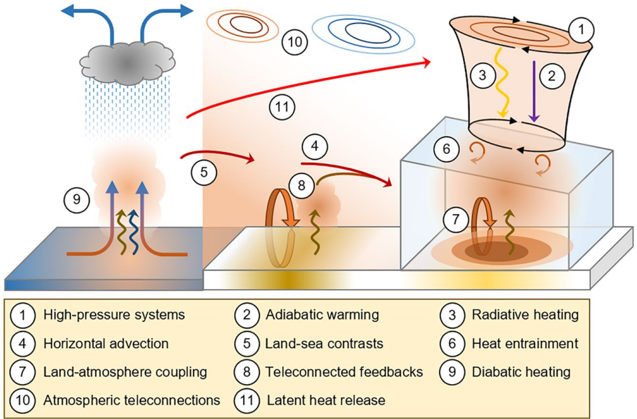
“Cloud-diabatic processes and latent heating release by condensation of water vapor in moist ascending air streams can drive atmospheric circulation anomalies and fuel them with warm air masses (Pfahl et al., 2015; Quinting & Reeder, 2017; Schumacher, Hauser, & Seneviratne, 2022; Steinfeld & Pfahl, 2019).”
BackgroundVicente‐Serrano, S. M., McVicar, T. R., Miralles, D. G., Yang, Y., & Tomas‐Burguera, M. (2020) · WIREs Climate Change · doi:10.1002/wcc.632 · Cited by 299
Self-citationIncreasing heat and rainfall extremes now far outside the historical climate
Robinson, A., Lehmann, J., Barriopedro, D., Rahmstorf, S., & Coumou, D. (2021) · npj Climate and Atmospheric Science · doi:10.1038/s41612-021-00202-w · Cited by 297
Self-citationAsymmetric European summer heat predictability from wet and dry southern winters and springs
Quesada, B., Vautard, R., Yiou, P., Hirschi, M., & Seneviratne, S. I. (2012) · Nature Climate Change · doi:10.1038/nclimate1536 · Cited by 294 · cited 1×
“14 of 54 in evaporative cooling may be caused by accumulated rainfall deficits in the preceding months (B. Mueller & Seneviratne, 2012; Quesada et al., 2012; A. Russo, Gouveia, et al., 2019), enhanced plant transpiration due to early greening in spring (Ma et al.”
BackgroundCooling of US Midwest summer temperature extremes from cropland intensification
Mueller, N. D., Butler, E. E., McKinnon, K. A., Rhines, A., Tingley, M., Holbrook, N. M., & Huybers, P. (2016) · Nature Climate Change · doi:10.1038/nclimate2825 · Cited by 293
Current and Emerging Developments in Subseasonal to Decadal Prediction
Merryfield, W. J., Baehr, J., Batté, L., Becker, E. J., Butler, A. H., Coelho, C. A. S., Danabasoglu, G., Dirmeyer, P. A., Doblas-Reyes, F. J., Domeisen, D. I. V., et al. (2020) · Bulletin of the American Meteorological Society · doi:10.1175/bams-d-19-0037.1 · Cited by 290 · cited 2×
“, 2019), although the diversity of protocols hampers faster advances (Merryfield et al., 2020).”
BackgroundMethodCoppola, E., Nogherotto, R., Ciarlo', J. M., Giorgi, F., van Meijgaard, E., Kadygrov, N., Iles, C., Corre, L., Sandstad, M., Somot, S., et al. (2021) · Journal of Geophysical Research: Atmospheres · doi:10.1029/2019jd032356 · Cited by 289
Solar panels reduce both global warming and urban heat island
Masson, V., Bonhomme, M., Salagnac, J.-L., Briottet, X., & Lemonsu, A. (2014) · Frontiers in Environmental Science · doi:10.3389/fenvs.2014.00014 · Cited by 289 · cited 1×
“have the advantage that they help maintain limited temperature variation during the whole year, while reflecting roofs might increase the need for domestic heating in high- and mid-latitude regions during winter (Bevilacqua et al., 2017; Masson et al., 2014).”
BackgroundClimate Impacts From a Removal of Anthropogenic Aerosol Emissions
Samset, B. H., Sand, M., Smith, C. J., Bauer, S. E., Forster, P. M., Fuglestvedt, J. S., Osprey, S., & Schleussner, C. ‐. (2018) · Geophysical Research Letters · doi:10.1002/2017gl076079 · Cited by 286 · cited 3×
“for a complete removal of present-day anthropogenic aerosol emissions (Samset et al., 2018).”
BackgroundRossby Wave Packets on the Midlatitude Waveguide—A Review
Wirth, V., Riemer, M., Chang, E. K. M., & Martius, O. (2018) · Monthly Weather Review · doi:10.1175/mwr-d-16-0483.1 · Cited by 280
The Subseasonal Experiment (SubX): A Multimodel Subseasonal Prediction Experiment
Pegion, K., Kirtman, B. P., Becker, E., Collins, D. C., LaJoie, E., Burgman, R., Bell, R., DelSole, T., Min, D., Zhu, Y., et al. (2019) · Bulletin of the American Meteorological Society · doi:10.1175/bams-d-18-0270.1 · Cited by 278 · cited 1×
“Multi-model ensembles, in development for operational use, generally outperform individual models (Pegion et al., 2019), although the diversity of protocols hampers faster advances (Merryfield et al.”
Persistence of heat waves and its link to soil moisture memory
Lorenz, R., Jaeger, E. B., & Seneviratne, S. I. (2010) · Geophysical Research Letters · doi:10.1029/2010gl042764 · Cited by 277 · cited 1×
“Depleted soil moisture has been shown to increase summer temperature variability and amplify the intensity and likely the duration of HWs in both observational data sets and models of diverse complexity (e.g., Fischer et al., 2007; Hirschi et al., 2014; Lorenz et al., 2010; Miralles et al., 2014; B. Mueller & Senevira…”
Backgroundvon Buttlar, J., Zscheischler, J., Rammig, A., Sippel, S., Reichstein, M., Knohl, A., Jung, M., Menzer, O., Arain, M. A., Buchmann, N., et al. (2018) · Biogeosciences · doi:10.5194/bg-15-1293-2018 · Cited by 277
Common cause for severe droughts in South America and marine heatwaves in the South Atlantic
Rodrigues, R. R., Taschetto, A. S., Sen Gupta, A., & Foltz, G. R. (2019) · Nature Geoscience · doi:10.1038/s41561-019-0393-8 · Cited by 277 · cited 2×
“However, active MJO phases over specific Indo-Pacific regions can also instigate Rossby wave trains in summer, and have recently been related to outstanding HW events (Hsu et al., 2020; Rodrigues et al., 2019), and enhanced summer HW occurrence in regions of both hemispheres (e.”
BackgroundPathways and pitfalls in extreme event attribution
van Oldenborgh, G. J., van der Wiel, K., Kew, S., Philip, S., Otto, F., Vautard, R., King, A., Lott, F., Arrighi, J., Singh, R., et al. (2021) · Climatic Change · doi:10.1007/s10584-021-03071-7 · Cited by 277
Drought, Heat, and the Carbon Cycle: a Review
Sippel, S., Reichstein, M., Ma, X., Mahecha, M. D., Lange, H., Flach, M., & Frank, D. (2018) · Current Climate Change Reports · doi:10.1007/s40641-018-0103-4 · Cited by 275 · cited 2×
“These compound events can lead to strong perturbations of the global carbon cycle, and disproportionate socioeconomic impacts in highly-populated areas and major breadbasket regions (Bastos et al., 2020; Kornhuber et al., 2020; Sippel et al., 2018).”
BackgroundHarvey, B. J., Cook, P., Shaffrey, L. C., & Schiemann, R. (2020) · Journal of Geophysical Research: Atmospheres · doi:10.1029/2020jd032701 · Cited by 275 · cited 1×
“, 2019) and atmospheric circulation (e.g., projected changes in the strength and location of jet streams; Harvey et al., 2020).”
BackgroundSystematic land climate and evapotranspiration biases in CMIP5 simulations
Mueller, B., & Seneviratne, S. I. (2014) · Geophysical Research Letters · doi:10.1002/2013gl058055 · Cited by 274 · cited 3×
“…observational data sets and models of diverse complexity (e.g., Fischer et al., 2007; Hirschi et al., 2014; Lorenz et al., 2010; Miralles et al., 2014; B. Mueller & Seneviratne, 2014; Suarez-Gutierrez et al., 2020; Wehrli et al., 2019), although studies are often biased to European HWs and/or…”
BackgroundA Common Framework for Approaches to Extreme Event Attribution
Shepherd, T. G. (2016) · Current Climate Change Reports · doi:10.1007/s40641-016-0033-y · Cited by 273 · cited 2×
“Fixing the atmospheric circulation emphasizes the influence of thermodynamic changes on the event, which could lead to false positives (by ignoring actual dynamical changes), but also avoids false negatives caused by uncertain circulation responses (Shepherd, 2016; Trenberth et al., 2015).”
BackgroundRatnam, J. V., Behera, S. K., Ratna, S. B., Rajeevan, M., & Yamagata, T. (2016) · Scientific Reports · doi:10.1038/srep24395 · Cited by 273
Attribution of Extreme Weather Events in the Context of Climate Change
Committee on Extreme Weather Events and Climate Change Attribution, Board on Atmospheric Sciences and Climate, Studies, D. O. E. A. L., & National Academies of Sciences, E. (2016) · HAL (Le Centre pour la Communication Scientifique Directe) · doi:10.17226/21852 · Cited by 266
Sarhadi, A., Ausín, M. C., Wiper, M. P., Touma, D., & Diffenbaugh, N. S. (2018) · Science Advances · doi:10.1126/sciadv.aau3487 · Cited by 264
The expanding tropics: a critical assessment of the observational and modeling studies
Lucas, C., Timbal, B., & Nguyen, H. (2014) · WIREs Climate Change · doi:10.1002/wcc.251 · Cited by 258 · cited 1×
“Regional circulation responses show large spread, partially due to the superposing responses to different anthropogenic factors (e.g., GHG increases and aerosol reductions; Lucas et al., 2014), enhanced influences of internal variability, and competing effects of climate change (e.”
BackgroundMoist Heat Stress on a Hotter Earth
Buzan, J. R., & Huber, M. (2020) · Annual Review of Earth and Planetary Sciences · doi:10.1146/annurev-earth-053018-060100 · Cited by 257 · cited 3×
“Multivariate indices have been commonly employed in human health (e.g., Buzan & Huber, 2020).”
BackgroundMethodWarming of hot extremes alleviated by expanding irrigation
Thiery, W., Visser, A. J., Fischer, E. M., Hauser, M., Hirsch, A. L., Lawrence, D. M., Lejeune, Q., Davin, E. L., & Seneviratne, S. I. (2020) · Nature Communications · doi:10.1038/s41467-019-14075-4 · Cited by 252 · cited 4×
“On the other hand, changes in land use and extensive land management, such as irrigation and cropland intensification, have been linked to long-term regional cooling of hot summer days in some hotspot regions of North America, Europe and Asia (e.g., L. Chen & Dirmeyer, 2019a; N. D. Mueller, Butler, et al., 2016; Thier…”
BackgroundInfluentialImran, H. M., Kala, J., Ng, A. W. M., & Muthukumaran, S. (2018) · Journal of Cleaner Production · doi:10.1016/j.jclepro.2018.06.179 · Cited by 251
European temperature responses to blocking and ridge regional patterns
Sousa, P. M., Trigo, R. M., Barriopedro, D., Soares, P. M. M., & Santos, J. A. (2018) · Climate Dynamics · doi:10.1007/s00382-017-3620-2 · Cited by 250 · cited 1×
“Indeed, warm summer extremes and HWs have been related to co-located blocking (e.g., the 2021 North American mega-HW, Figure 6b, and the 2010 Russian mega-HW, Brunner et al., 2018; Chan et al., 2019; Neal et al., 2022; Pfahl & Wernli, 2012; Schaller et al., 2018; Schneidereit et al., 2012; Sousa et al., 2018; Stéfanon…”
BackgroundSelf-citationExtreme summer weather in northern mid-latitudes linked to a vanishing cryosphere
Tang, Q., Zhang, X., & Francis, J. A. (2014) · Nature Climate Change · doi:10.1038/nclimate2065 · Cited by 248 · cited 1×
“Recent studies report HW increases over mid-high latitude regions of the Northern Hemisphere (NH) at interannual and longer time scales in response to shrinking summer Arctic sea ice and snow cover (Coumou et al., 2018; Tang et al., 2014; R. Zhang et al., 2020).”
BackgroundNorthern Eurasian Heat Waves and Droughts
Schubert, S. D., Wang, H., Koster, R. D., Suarez, M. J., & Groisman, P. Y. (2014) · Journal of Climate · doi:10.1175/jcli-d-13-00360.1 · Cited by 247
No increase in global temperature variability despite changing regional patterns
Huntingford, C., Jones, P. D., Livina, V. N., Lenton, T. M., & Cox, P. M. (2013) · Nature · doi:10.1038/nature12310 · Cited by 246
Overview of Existing Heat-Health Warning Systems in Europe
Casanueva, A., Burgstall, A., Kotlarski, S., Messeri, A., Morabito, M., Flouris, A. D., Nybo, L., Spirig, C., & Schwierz, C. (2019) · International Journal of Environmental Research and Public Health · doi:10.3390/ijerph16152657 · Cited by 243
Influence of Modes of Climate Variability on Global Temperature Extremes
Kenyon, J., & Hegerl, G. C. (2008) · Journal of Climate · doi:10.1175/2008jcli2125.1 · Cited by 242
When will unusual heat waves become normal in a warming Africa?
Russo, S., Marchese, A. F., Sillmann, J., & Immé, G. (2016) · Environmental Research Letters · doi:10.1088/1748-9326/11/5/054016 · Cited by 239
Hoskins, B. (2013) · Quarterly Journal of the Royal Meteorological Society · doi:10.1002/qj.1991 · Cited by 235 · cited 1×
“…or amplitude of HWs on subseasonal time scales are limited by the chaotic nature of the atmosphere, the small number of robust predictors and the lack of understanding of the involved processes (e.g., Doblas-Reyes et al., 2013; Hoskins, 2013; Merryfield et al., 2020, and references therein).”
BackgroundDrought self-propagation in drylands due to land–atmosphere feedbacks
Schumacher, D. L., Keune, J., Dirmeyer, P., & Miralles, D. G. (2022) · Nature Geoscience · doi:10.1038/s41561-022-00912-7 · Cited by 231
Self-citationGlobal seasonal forecasts of marine heatwaves
Jacox, M. G., Alexander, M. A., Amaya, D., Becker, E., Bograd, S. J., Brodie, S., Hazen, E. L., Pozo Buil, M., & Tommasi, D. (2022) · Nature · doi:10.1038/s41586-022-04573-9 · Cited by 230
Mean warming not variability drives marine heatwave trends
Oliver, E. C. J. (2019) · Climate Dynamics · doi:10.1007/s00382-019-04707-2 · Cited by 228 · cited 1×
“The observed increases in MHW properties, in particular frequency, are mainly due to mean ocean warming, which dominates the trends over nearly two thirds of the ocean, although changes in SST variability may be important in mid-latitude western boundary currents (e.g., Oliver, 2019).”
BackgroundSub‐Seasonal Forecasting With a Large Ensemble of Deep‐Learning Weather Prediction Models
Weyn, J. A., Durran, D. R., Caruana, R., & Cresswell‐Clay, N. (2021) · Journal of Advances in Modeling Earth Systems · doi:10.1029/2021ms002502 · Cited by 227 · cited 1×
“In this sense, deep learning weather prediction models offer great potential to generate data-driven ensemble predictions and a large number of reforecasts of extremes with low computational cost and comparable performance to that of dynamical models beyond 2 weeks (Weyn et al., 2021).”
BackgroundAnalog forecasting of extreme-causing weather patterns using deep learning
Chattopadhyay, A., Nabizadeh, E., & Hassanzadeh, P. (2020) · Journal of Advances in Modeling Earth Systems · doi:10.1029/2019ms001958 · Cited by 224 · cited 1×
“temperature extremes at different lead times, including weather (Chattopadhyay et al., 2020), subseasonal (e.”
BackgroundSynoptic-scale characteristics and atmospheric controls of summer heat waves in China
Wang, W., Zhou, W., Li, X., Wang, X., & Wang, D. (2016) · Climate Dynamics · doi:10.1007/s00382-015-2741-8 · Cited by 223
Summer weather becomes more persistent in a 2 °C world
Pfleiderer, P., Schleussner, C.-F., Kornhuber, K., & Coumou, D. (2019) · Nature Climate Change · doi:10.1038/s41558-019-0555-0 · Cited by 223 · cited 2×
“For example, summer mid-latitude weather patterns and long-lasting warm periods may become more persistent in response to weaker equator-to-pole temperature gradients induced by Arctic Amplification (Kornhuber & Tamarin-Brodsky, 2021; Pfleiderer et al., 2019).”
BackgroundDuchez, A., Frajka-Williams, E., Josey, S. A., Evans, D. G., Grist, J. P., Marsh, R., McCarthy, G. D., Sinha, B., Berry, D. I., & Hirschi, J. J.-M. (2016) · Environmental Research Letters · doi:10.1088/1748-9326/11/7/074004 · Cited by 222 · cited 18×
“Differently, the conditional or ingredient-based approach provides partial attribution by constraining the climate system to specific states at the time of the event (i.e., a conditional factor such as SSTs or atmospheric circulation).”
BackgroundInfluentialSatellite and In Situ Observations for Advancing Global Earth Surface Modelling: A Review
Balsamo, G., Agusti-Panareda, A., Albergel, C., Arduini, G., Beljaars, A., Bidlot, J., Blyth, E., Bousserez, N., Boussetta, S., Brown, A., et al. (2018) · Remote Sensing · doi:10.3390/rs10122038 · Cited by 222
Wang, P., Tang, J., Sun, X., Wang, S., Wu, J., Dong, X., & Fang, J. (2017) · Journal of Geophysical Research: Atmospheres · doi:10.1002/2017jd027180 · Cited by 218
Hot European Summers and the Role of Soil Moisture in the Propagation of Mediterranean Drought
Zampieri, M., D’Andrea, F., Vautard, R., Ciais, P., de Noblet-Ducoudré, N., & Yiou, P. (2009) · Journal of Climate · doi:10.1175/2009jcli2568.1 · Cited by 217 · cited 1×
“Dry soils may modify atmospheric circulation through diabatic effects on column expansion, upper level divergence, or intensification of thermal lows (Haarsma et al., 2009; Koster et al., 2016; Sato & Nakamura, 2019; Teng & Branstator, 2019; Vautard et al., 2007; Zampieri et al., 2009).”
BackgroundIdentifying Key Driving Processes of Major Recent Heat Waves
Wehrli, K., Guillod, B. P., Hauser, M., Leclair, M., & Seneviratne, S. I. (2019) · Journal of Geophysical Research: Atmospheres · doi:10.1029/2019jd030635 · Cited by 214 · cited 2×
“In particular, the relative importance of these processes on local and regional scales is not well understood yet and would require integrated assessments of all known drivers (through e.g., factorial experiments; Wehrli et al., 2019).”
BackgroundHirschi, M., Mueller, B., Dorigo, W., & Seneviratne, S. I. (2014) · Remote Sensing of Environment · doi:10.1016/j.rse.2014.08.030 · Cited by 213 · cited 2×
“Our understanding of soil moisture feedbacks remains incomplete; they still represent an important source of uncertainty in future HW projections, and of discrepancy between observations and model simulations (e.g., Dirmeyer et al., 2018; Hirschi et al., 2014; B. Mueller & Seneviratne, 2014).”
BackgroundAttribution of Weather and Climate Events
Otto, F. E. L. (2017) · Annual Review of Environment and Resources · doi:10.1146/annurev-environ-102016-060847 · Cited by 209 · cited 3×
“Detection and attribution of extremes are employed to identify externally forced signals in an observed change or event, and quantify the relative contributions of the causal factors (e.g., NAS, 2016; Otto, 2017; Stott et al., 2016).”
BackgroundDonat, M. G., Sillmann, J., Wild, S., Alexander, L. V., Lippmann, T., & Zwiers, F. W. (2014) · Journal of Climate · doi:10.1175/jcli-d-13-00405.1 · Cited by 208 · cited 1×
“Spatial-scale mismatches and unreliable estimates in regions and periods that are poorly constrained by observations affect the performance of these data sets (Donat et al., 2014; Sheridan et al., 2020; Sillmann, Kharin, Zhang, et al., 2013).”
Background
Research works printed but not linked: 12
- 10.1175/1520-0442(2002)015<1893:CTTJSW>2.0.CO;2 · doi:10.1175/1520-0442(2002)015
- Collins, M., Sutherland, M., Bouwer, L., Cheong, S.-M., Frölicher, T., Jacot Des Combes, H., et al. (2019). Extremes, abrupt changes and manag- ing risk. In H.-O. Pörtner, D. C. Roberts, V. Masson-Delmotte, P. Zhai, M. Tignor, E. Poloczanska, et al. (Eds.), IPCC special report on the ocean and cryosphere in a changing climate (pp. 589-655). Cambridge University Press. https://doi.org/10.1017/9781009157964. · DOI
- Kushnir, Y., Robinson, W. A., Bladé, I., Hall, N. M. J., Peng, P., & Sutton, R. (2002). Atmospheric GCM response to extratropical SST anoma- lies: Synthesis and evaluation. Journal of Climate, 15(16), 2233-2256. https://doi.org/10.1175/1520-0442(2002)015,2233:AGRTES.2.0.CO;2 · doi:10.1175/1520-0442(2002)015,2233:agrtes.2.0.co;2
- 10.1175/1520-0477(1996)077<1507:TJHWIT>2.0.CO;2 · doi:10.1175/1520-0477(1996)077
- 10.1175/1520-0442(2002)015 · doi:10.1175/1520-0442(2002)015
- Mann, M. E., Rahmstorf, S., Kornhuber, K., Steinman, B. A., Miller, S. K., & Coumou, D. (2017). Influence of anthropogenic climate change on planetary wave resonance and extreme weather events. Scientific Reports, 7(1), 45242. https://doi.org/10.1038/srep4524 · doi:10.1038/srep4524
- Peterson, T. C., Folland, C., Gruza, G., Hogg, W., Mokssit, A., & Plummer, N. (2001). Report on the activities of the working group on climate change detection and related Rapporteurs 1998-2001. WMO, Report WCDMP-47 (p. 143). WMO-TD 1071.
- Rohde, R., Muller, R., Jacobsen, R., Perlmutter, S., Rosenfeld, A., Wurtele, J., et al. (2013). Berkeley earth temperature averaging process. Geoin- formatics & Geostatistics: Overview, 1(2), 20-100. https://doi.org/10.4172/gigs.100010 · doi:10.4172/gigs.100010
- 10.1175/1520-0450(1979)018<0861:TAOSPI>2.0.CO;2 · doi:10.1175/1520-0450(1979)018
- Vijverberg, S., Schmeits, M., van der Wiel, K., & Coumou, D. (2020). Subseasonal statistical forecasts of eastern U.S. hot temperature events. Monthly Weather Review, 148(12), 4799-4822. https://doi.org/10.1175/mwrd-19-0409. · doi:10.1175/mwrd-19-0409
- 10.1175/mwrd-19-0409.1 · doi:10.1175/mwrd-19-0409.1
- WMO. (1992). International meteorological vocabulary. WMO-No. 182 (2nd ed.).
Cited by
Artificial intelligence for modeling and understanding extreme weather and climate events
Camps-Valls, G., Fernández-Torres, M.-Á., Cohrs, K.-H., Höhl, A., Castelletti, A., Pacal, A., Robin, C., Martinuzzi, F., Papoutsis, I., Prapas, I., et al. (2025) · Nature Communications · doi:10.1038/s41467-025-56573-8 · Cited by 288
“Hence, several drivers of heat extremes remain uncertain, speci fi cally long-term changes in atmospheric circulationand land-atmosphereinteractions that mayamplify or enhance speci fi c events 105 .”
Self-citationMateria, S., García, L. P., van Straaten, C., O, S., Mamalakis, A., Cavicchia, L., Coumou, D., de Luca, P., Kretschmer, M., & Donat, M. (2024) · WIREs Climate Change · doi:10.1002/wcc.914 · Cited by 130
“Hot extremes are becoming more frequent, intense, and longer because of anthropogenic climate change (Dunn et al., 2020), with heatwaves being their most common manifestation (Barriopedro et al., 2023; Thompson et al., 2023).”
Mortality impacts of the most extreme heat events
Matthews, T. K. R., Raymond, C., Foster, J., Baldwin, J. W., Ivanovich, C. C., Kong, Q., Kinney, P. L., & Horton, R. (2025) · Nature Reviews Earth & Environment · doi:10.1038/s43017-024-00635-w · Cited by 159
“Such heat extremes are often linked to high-pressure systems (anticyclones), specifically adiabatic warming from descending air, reduced cloud cover and decreased precipitation 21 .”
Flash drought impacts on global ecosystems amplified by extreme heat
Gu, L., Schumacher, D. L., Fischer, E. M., Slater, L. J., Yin, J., Sippel, S., Chen, J., Liu, P., & Knutti, R. (2025) · Nature Geoscience · doi:10.1038/s41561-025-01719-y · Cited by 132
“Heatwaves typically occur in conjunction with pronounced and persistent anticyclones, leading to subsidence, adiabatic warming and high atmospheric stability 27–29 , hence hindering the occurrence of precipitation and promoting soil desiccation during flash droughts.”
Salcedo‐Sanz, S., Pérez‐Aracil, J., Ascenso, G., Ser, J. D., Casillas-Pérez, D., Kadow, C., Fister, D., Barriopedro, D., García‐Herrera, R., Giuliani, M., et al. (2023) · Theoretical and Applied Climatology · doi:10.1007/s00704-023-04571-5 · Cited by 133
Self-citation
Metadata
- Authors
- Barriopedro, D., García‐Herrera, R., Ordóñez, C., Miralles, D. G., & Salcedo‐Sanz, S.
- Affiliations
- Universidad Complutense de Madrid (ES)
- Ghent University (BE)
- Universidad de Alcalá (ES)
- Corresponding author
- Barriopedro, D.
- Venue
- Reviews of Geophysics
- Publisher
- American Geophysical Union (AGU)
- Published
- 2023-05-08
- Volume
- 61
- Issue
- 2
- ISSN
- 0096-1043 (ISSN-L)
- 8755-1209
- 1944-9208
- OpenAlex
- W4367049346
- Semantic Scholar
- 29d2f40706ce3c0ab780f10788e19b4a4286daac
- Cited by
- 404
- References
- 431
- Citations by year
- 2026: 124 · 2025: 176 · 2024: 93 · 2023: 11
- FWCI
- 45.39
- Type
- journal article
- Language
- en
- Open access
- hybrid
- doi.org
- Licence
- Locations
- Reviews of Geophysics (publishedVersion, cc-by)
- Ghent University Academic Bibliography (Ghent University) (submittedVersion, cc-by)
- DIGITAL.CSIC (Spanish National Research Council (CSIC)) (submittedVersion, cc-by)
- Funders
- HORIZON EUROPE European Research Council (101088405)
- Ministerio de Economía y Competitividad (CGL2017‐83198‐R)
- Ministerio de Ciencia, Innovación y Universidades (RTI2018‐096402‐B‐I00)
- Ministerio de Ciencia e Innovación (PID2021‐122252OB‐I00, PID2020‐115454GB‐C21)
- Topics
- Physical Sciences › Environmental Science › Global and Planetary Change › Climate variability and models
- Physical Sciences › Earth and Planetary Sciences › Atmospheric Science › Meteorological Phenomena and Simulations
- Physical Sciences › Environmental Science › Global and Planetary Change › Climate Change and Environmental Impact
- Keywords
- heat waves, heat wave definition, climate change projections, subseasonal forecasting, atmospheric circulation, thermodynamic processes, observational networks, artificial intelligence
About these checks
Registry, retraction, Cites and statistics results are computed, not judged, with one exception: a printed reference that no index lists is read once by a model before it counts as a citation error. Claims are extracted by a model and kept only when their quote appears verbatim in the text; each cited source is then checked, with a model’s help, for whether it says what the claim relies on. Those verdicts can be wrong — read the claim’s quote and the cited source before relying on one.
Statistics and arithmetic are recomputed, not judged.
Confidence bands are shown only for fields calibrated on our annotated test set. None is calibrated yet, so no band is shown.
What counts as a claim ›How we measure confidence ›How we check this ›
Are you an author, or do you see a problem with this page? Request a review
Data sources
Bibliographic data: Semantic Scholar, OpenAlex, Crossref.
Contains information from the Semantic Scholar Academic Graph Datasets, made available under the ODC Attribution License (ODC-BY 1.0).
Semantic Scholar’s data is described in: Kinney, R., et al. (2023). The Semantic Scholar Open Data Platform. arXiv:2301.10140.
