

FoxO1, A2M, and TGF-β1: three novel genes predicting depression in gene X environment interactions are identified using cross-species and cross-tissues transcriptomic and miRNomic analyses
Open accessThe DOI matches its Crossref record; 107 of the 107 references it cites were found in a registry or an index.
Abstract
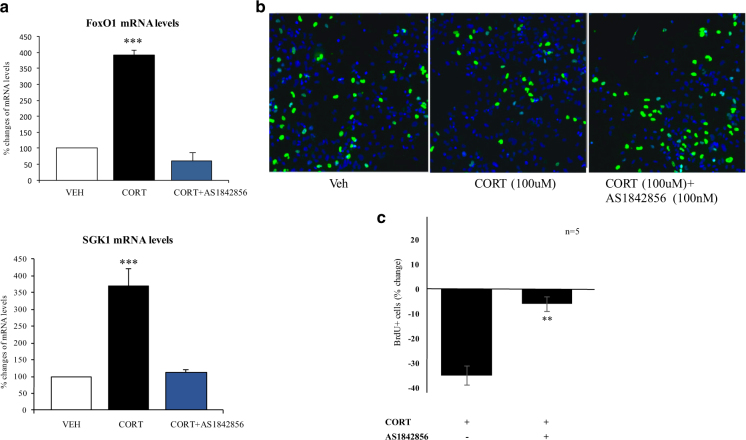
To date, gene-environment (GxE) interaction studies in depression have been limited to hypothesis-based candidate genes, since genome-wide (GWAS)-based GxE interaction studies would require enormous datasets with genetics, environmental, and clinical variables. We used a novel, cross-species and cross-tissues "omics" approach to identify genes predicting depression in response to stress in GxE interactions. We integrated the transcriptome and miRNome profiles from the hippocampus of adult rats exposed to prenatal stress (PNS) with transcriptome data obtained from blood mRNA of adult humans exposed to early life trauma, using a stringent statistical analyses pathway. Network analysis of the integrated gene lists identified the Forkhead box protein O1 (FoxO1), Alpha-2-Macroglobulin (A2M), and Transforming Growth Factor Beta 1 (TGF-β1) as candidates to be tested for GxE interactions, in two GWAS samples of adults either with a range of childhood traumatic experiences (Grady Study Project, Atlanta, USA) or with separation from parents in childhood only (Helsinki Birth Cohort Study, Finland). After correction for multiple testing, a meta-analysis across both samples confirmed six FoxO1 SNPs showing significant GxE interactions with early life emotional stress in predicting depressive symptoms. Moreover, in vitro experiments in a human hippocampal progenitor cell line confirmed a functional role of FoxO1 in stress responsivity. In secondary analyses, A2M and TGF-β1 showed significant GxE interactions with emotional, physical, and sexual abuse in the Grady Study. We therefore provide a successful 'hypothesis-free' approach for the identification and prioritization of candidate genes for GxE interaction studies that can be investigated in GWAS datasets.
Overview
The claims and statistics of this paper haven’t been checked yet.
Free: it reads the open-access text and checks the first 5 claims that cite a source we can check. Create a free account to check every claim.
Integrity signals
Registry
Cites
Statistics
Figures
Verification
Claims the paper makes
The claims and statistics of this paper haven’t been checked yet.
Free: it reads the open-access text and checks the first 5 claims that cite a source we can check. Create a free account to check every claim.
Claims other papers make about this one
Each is checked against this paper’s own text: does it say what the citing paper says it does?
The source backs part of the claim, not all of it — or backs it for a different population, condition or comparison.
In the citing paper
“A gene–environment (GxE) interaction study showed significant TGF-β and A2M (Alpha-2-Macroglobulin) interactions with emotional, physical, and sexual abuse [222].”
From Selected biomarkers of depression: what are the effects of cytokines and inflammation (2022) · cites this paper as [222]
Experimental — accuracy not yet measured
Self-check
Percentages, sums and reported differences re-computed from the paper’s own numbers.
The self-check needs the paper’s full text.
Citations
Cites
An inventory for measuring depression
BECK, A. T. (1961) · Archives of General Psychiatry · doi:10.1001/archpsyc.1961.01710120031004 · Cited by 38,032 · cited 8×
“In addition, secondary analyses were conducted testing GxE interaction between each type of childhood trauma (emotional, sexual and physical abuse) and BDI scores in adulthood, in this sample only.”
MethodInfluentialInfluence of life stress on depression: moderation by a polymorphism in the 5-HTT gene
Caspi, A., Sugden, K., Moffitt, T. E., Taylor, A., Craig, I. W., Harrington, H., McClay, J., Mill, J., Martin, J., Braithwaite, A., et al. (2003) · Science · doi:10.1126/science.1083968 · Cited by 8,120 · cited 1×
“stressful life events as compared with individuals homozygous for the long allele [11].”
BackgroundBiological insights from 108 schizophrenia-associated genetic loci
Schizophrenia Working Group of the Psychiatric Genomics Consortium (2014) · Nature · doi:10.1038/nature13595 · Cited by 7,577
Akt Promotes Cell Survival by Phosphorylating and Inhibiting a Forkhead Transcription Factor
Brunet, A., Bonni, A., Zigmond, M. J., Lin, M. Z., Juo, P., Hu, L. S., Anderson, M. J., Arden, K. C., Blenis, J., & Greenberg, M. E. (1999) · Cell · doi:10.1016/s0092-8674(00)80595-4 · Cited by 5,594
Origins and Mechanisms of miRNAs and siRNAs
Carthew, R. W., & Sontheimer, E. J. (2009) · Cell · doi:10.1016/j.cell.2009.01.035 · Cited by 5,018
Genetic Epidemiology of Major Depression: Review and Meta-Analysis
Sullivan, P. F., Neale, M. C., & Kendler, K. S. (2000) · American Journal of Psychiatry · doi:10.1176/appi.ajp.157.10.1552 · Cited by 3,431 · cited 1×
“Major Depressive Disorder (MDD) has a well-established genetic contribution, although with a modest (30–40%) heritability [1].”
BackgroundGene silencing by microRNAs: contributions of translational repression and mRNA decay
Huntzinger, E., & Izaurralde, E. (2011) · Nature Reviews Genetics · doi:10.1038/nrg2936 · Cited by 2,339 · cited 1×
“The ability of miRNAs to selectively and reversibly silence the mRNAs of their target genes [104, 105], together with their involvement in biological processes modulated by stressful life events [106], make miRNAs well-suited to serve as fine regulators of the complex and extensive molecular network involved in stress…”
BackgroundAdverse childhood experiences and the risk of depressive disorders in adulthood
Chapman, D. P., Whitfield, C. L., Felitti, V. J., Dube, S. R., Edwards, V. J., & Anda, R. F. (2004) · Journal of Affective Disorders · doi:10.1016/j.jad.2003.12.013 · Cited by 2,267 · cited 1×
“[10] reported a doseresponse relationship between the severity of experienced childhood adversities and the lifetime presence of depressive episodes or chronic depression.”
BackgroundGenetic relationship between five psychiatric disorders estimated from genome-wide SNPs
Cross-Disorder Group of the Psychiatric Genomics Consortium (2013) · Nature Genetics · doi:10.1038/ng.2711 · Cited by 2,263 · cited 1×
“failed to identify genome-wide significant associations in depression [5, 6].”
BackgroundRisch, N., Herrell, R., Lehner, T., Liang, K.-Y., Eaves, L., Hoh, J., Griem, A., Kovacs, M., Ott, J., & Merikangas, K. R. (2009) · JAMA · doi:10.1001/jama.2009.878 · Cited by 1,655
Trajectories of growth among children who have coronary events as adults
Barker, D. J. P., Osmond, C., Forsén, T. J., Kajantie, E., & Eriksson, J. G. (2005) · New England Journal of Medicine · doi:10.1056/nejmoa044160 · Cited by 1,517 · cited 2×
“during the second world war, when around 80,000 Finnish children were sent to Sweden and Denmark in order to escape the dangers of war; 384 subjects were identified as having been separated in childhood [26, 27, 35].”
BackgroundMethodSelf-citationAllele-specific FKBP5 DNA demethylation mediates gene–childhood trauma interactions
Klengel, T., Mehta, D., Anacker, C., Rex-Haffner, M., Pruessner, J. C., Pariante, C. M., Pace, T. W. W., Mercer, K. B., Mayberg, H. S., Bradley, B., et al. (2013) · Nature Neuroscience · doi:10.1038/nn.3275 · Cited by 1,447 · cited 1×
“For example, recent studies have shown that the abovementioned functional polymorphism in the FKBP5 gene increases the risk of developing depression and PTSD in adulthood by allele-specific, childhood trauma–dependent DNA demethylation in functional glucocorticoid response elements of FKBP5, followed by a long-term dy…”
BackgroundSelf-citation(2004) · doi:10.1016/s0092-8674(04)00452-0 · Cited by 1,356 · cited 1×
“Indeed FoxOs, especially FoxO6, are mainly expressed in hippocampus, amygdala and nucleus accumbens, which are important brain areas involved in aversive and rewarding responses to emotional stimuli [73, 74], suggesting that FoxOs may be involved in”
BackgroundImplication of sperm RNAs in transgenerational inheritance of the effects of early trauma in mice
Gapp, K., Jawaid, A., Sarkies, P., Bohacek, J., Pelczar, P., Prados, J., Farinelli, L., Miska, E., & Mansuy, I. M. (2014) · Nature Neuroscience · doi:10.1038/nn.3695 · Cited by 1,306
Most genetic risk for autism resides with common variation
Gaugler, T., Klei, L., Sanders, S. J., Bodea, C. A., Goldberg, A. P., Lee, A. B., Mahajan, M., Manaa, D., Pawitan, Y., Reichert, J., et al. (2014) · Nature Genetics · doi:10.1038/ng.3039 · Cited by 1,239 · cited 1×
“wide association studies (GWAS) have identified main genetic effects for schizophrenia [2], autism [3], and bipolar”
BackgroundA mega-analysis of genome-wide association studies for major depressive disorder
Major Depressive Disorder Working Group of the Psychiatric GWAS Consortium, Ripke, S., Wray, N. R., Lewis, C. M., Hamilton, S. P., Weissman, M. M., Breen, G., Byrne, E. M., Blackwood, D. H. R., Boomsma, D. I., et al. (2013) · Molecular Psychiatry · doi:10.1038/mp.2012.21 · Cited by 1,120
Self-citationDuncan, L. E., & Keller, M. C. (2011) · American Journal of Psychiatry · doi:10.1176/appi.ajp.2011.11020191 · Cited by 1,032
Heim, C., & Binder, E. B. (2012) · Experimental Neurology · doi:10.1016/j.expneurol.2011.10.032 · Cited by 986 · cited 3×
“that individual genotypic variations may increase the risk of depression only in the presence of exposure to life stressors and other adverse environmental circumstances, a phenomenon named as ‘gene-environment (GxE) interaction’ [8].”
BackgroundSelf-citationIκB Kinase Promotes Tumorigenesis through Inhibition of Forkhead FOXO3a
Hu, M. C.-T., Lee, D.-F., Xia, W., Golfman, L. S., Ou-Yang, F., Yang, J.-Y., Zou, Y., Bao, S., Hanada, N., Saso, H., et al. (2004) · Cell · doi:10.1016/s0092-8674(04)00302-2 · Cited by 868
FOXO transcription factor activation by oxidative stress mediated by the small GTPase Ral and JNK
Essers, M. A., Weijzen, S., de Vries‐Smits, A. M., Saarloos, I., de Ruiter, N. D., Bos, J. L., & Burgering, B. M. T. (2004) · The EMBO Journal · doi:10.1038/sj.emboj.7600476 · Cited by 798
Hyde, C. L., Nagle, M. W., Tian, C., Chen, X., Paciga, S. A., Wendland, J. R., Tung, J. Y., Hinds, D. A., Perlis, R. H., & Winslow, A. R. (2016) · Nature Genetics · doi:10.1038/ng.3623 · Cited by 784 · cited 1×
“and 200 thousand healthy subjects, 15 genome-wide significant loci for MDD have been identified [7].”
BackgroundMechanisms of miRNA-mediated post-transcriptional regulation in animal cells
Chekulaeva, M., & Filipowicz, W. (2009) · Current Opinion in Cell Biology · doi:10.1016/j.ceb.2009.04.009 · Cited by 685 · cited 1×
“The ability of miRNAs to selectively and reversibly silence the mRNAs of their target genes [104, 105], together with their involvement in biological processes modulated by stressful life events [106], make miRNAs well-suited to serve as fine regulators of the complex and extensive molecular network involved in stress…”
BackgroundBradley, R. G., Binder, E. B., Epstein, M. P., Tang, Y., Nair, H. P., Liu, W., Gillespie, C. F., Berg, T., Evces, M., Newport, D. J., et al. (2008) · Archives of General Psychiatry · doi:10.1001/archgenpsychiatry.2007.26 · Cited by 643 · cited 1×
“The presence of moderate-severe sexual, physical and emotional abuse was coded as described before [33].”
MethodSelf-citationKeller, M. C. (2014) · Biological Psychiatry · doi:10.1016/j.biopsych.2013.09.006 · Cited by 625 · cited 3×
“ments for SNP X covariate and child abuse X covariate interactions, as suggested by Keller [42].”
MethodInfluentialGene–Stress–Epigenetic regulation of FKBP5: clinical and translational implications
Zannas, A. S., Wiechmann, T., Gassen, N. C., & Binder, E. B. (2016) · Neuropsychopharmacology · doi:10.1038/npp.2015.235 · Cited by 622
Self-citationGene×environment interactions at the serotonin transporter locus
Munafò, M. R., Durrant, C., Lewis, G., & Flint, J. (2009) · Biological Psychiatry · doi:10.1016/j.biopsych.2008.06.009 · Cited by 576
Gatt, J. M., Nemeroff, C. B., Dobson-Stone, C., Paul, R. H., Bryant, R. A., Schofield, P. R., Gordon, E., Kemp, A. H., & Williams, L. M. (2009) · Molecular Psychiatry · doi:10.1038/mp.2008.143 · Cited by 525 · cited 1×
“New gene-environment interactions continue to be reported in psychiatry, including in genes as biologically varied as BDNF [57, 58], CD38 [59], ADCYAP1R1 [60], DRD2 [61] and GRIN2B [62], but always from hypothesis-driven research, which has a high risk of non-replication.”
BackgroundAssociation between plasma IL-6 response to acute stress and early-life adversity in healthy adults
Carpenter, L. L., Gawuga, C. E., Tyrka, A. R., Lee, J. K., Anderson, G. M., & Price, L. H. (2010) · Neuropsychopharmacology · doi:10.1038/npp.2010.159 · Cited by 464
Cattaneo, A., Gennarelli, M., Uher, R., Breen, G., Farmer, A., Aitchison, K. J., Craig, I. W., Anacker, C., Zunsztain, P. A., McGuffin, P., et al. (2013) · Neuropsychopharmacology · doi:10.1038/npp.2012.191 · Cited by 436
Self-citationThe childhood experience of care and abuse questionnaire (CECA.Q): Validation in a community series
Bifulco, A., Bernazzani, O., Moran, P. M., & Jacobs, C. (2005) · British Journal of Clinical Psychology · doi:10.1348/014466505x35344 · Cited by 382 · cited 1×
“Childhood traumatic events were assessed using the Childhood Experience of Care Abuse Questionnaire (CECA-Q; [31]).”
MethodMechanisms for acute stress-induced enhancement of glutamatergic transmission and working memory
Yuen, E. Y., Liu, W., Karatsoreos, I. N., Ren, Y., Feng, J., McEwen, B. S., & Yan, Z. (2011) · Molecular Psychiatry · doi:10.1038/mp.2010.50 · Cited by 324 · cited 1×
“SGK1 is a stress responsive gene that mediates some of the glucocorticoid effects on brain function [43], including the negative effects of cortisol on neurogenesis [28], and we found that SGK1 is elevated in both the hippocampus of stressed rats and in the blood of depressed patients [44].”
BackgroundCulverhouse, R. C., Saccone, N. L., Horton, A. C., Ma, Y., Anstey, K. J., Banaschewski, T., Burmeister, M., Cohen-Woods, S., Etain, B., Fisher, H. L., et al. (2018) · Molecular Psychiatry · doi:10.1038/mp.2017.44 · Cited by 321 · cited 1×
“have replicated these findings [12], this GxE interaction has been shown to predict depression in individuals exposed to childhood maltreatment [13, 14].”
BackgroundAnacker, C., Cattaneo, A., Musaelyan, K., Zunszain, P. A., Horowitz, M., Molteni, R., Luoni, A., Calabrese, F., Tansey, K., Gennarelli, M., et al. (2013) · Proceedings of the National Academy of Sciences · doi:10.1073/pnas.1300886110 · Cited by 319 · cited 2×
“SGK1 is a stress responsive gene that mediates some of the glucocorticoid effects on brain function [43], including the negative effects of cortisol on neurogenesis [28], and we found that SGK1 is elevated in both the hippocampus of stressed rats and in the blood of depressed patients [44].”
BackgroundResultSelf-citationGlucocorticoid-Related Molecular Signaling Pathways Regulating Hippocampal Neurogenesis
Anacker, C., Cattaneo, A., Luoni, A., Musaelyan, K., Zunszain, P. A., Milanesi, E., Rybka, J., Berry, A., Cirulli, F., Thuret, S., et al. (2013) · Neuropsychopharmacology · doi:10.1038/npp.2012.253 · Cited by 317 · cited 5×
“SGK1 is a stress responsive gene that mediates some of the glucocorticoid effects on brain function [43], including the negative effects of cortisol on neurogenesis [28], and we found that SGK1 is elevated in both the hippocampus of stressed rats and in the blood of depressed patients [44].”
BackgroundMethodSelf-citationThe role of DNA methylation in stress-related psychiatric disorders
Klengel, T., Pape, J., Binder, E. B., & Mehta, D. (2014) · Neuropharmacology · doi:10.1016/j.neuropharm.2014.01.013 · Cited by 309 · cited 1×
“For this latter gene, epigenetic mechanisms leading to different cortisol reactivity to stress seem to explain these effects [20, 21].”
BackgroundSelf-citationBöttner, M., Krieglstein, K., & Unsicker, K. (2000) · Journal of Neurochemistry · doi:10.1046/j.1471-4159.2000.0752227.x · Cited by 301
Forkhead transcription factors: new insights into protein kinase B (c-akt) signaling
Kops, G. J. P. L., & Burgering, B. M. T. (1999) · Journal of Molecular Medicine · doi:10.1007/s001099900050 · Cited by 283
Grabe, H. J., Lange, M., Wolff, B., Völzke, H., Lucht, M., Freyberger, H. J., John, U., & Cascorbi, I. (2005) · Molecular Psychiatry · doi:10.1038/sj.mp.4001555 · Cited by 279
Patterns of growth among children who later develop type 2 diabetes or its risk factors
Eriksson, J. G., Osmond, C., Kajantie, E., Forsén, T. J., & Barker, D. J. P. (2006) · Diabetologia · doi:10.1007/s00125-006-0459-1 · Cited by 257 · cited 2×
“during the second world war, when around 80,000 Finnish children were sent to Sweden and Denmark in order to escape the dangers of war; 384 subjects were identified as having been separated in childhood [26, 27, 35].”
BackgroundMethodSelf-citationGene–Environment Interactions in Severe Mental Illness
Uher, R. (2014) · Frontiers in Psychiatry · doi:10.3389/fpsyt.2014.00048 · Cited by 251
Early life adversity and the epigenetic programming of hypothalamic-pituitary-adrenal function
Anacker, C., O'Donnell, K. J., & Meaney, M. J. (2014) · Dialogues in Clinical Neuroscience · doi:10.31887/dcns.2014.16.3/canacker · Cited by 237
Identification of Pathways for Bipolar Disorder: A Meta-analysis
Nurnberger, J. I., Koller, D. L., Jung, J., Edenberg, H. J., Foroud, T., Guella, I., Vawter, M. P., & Kelsoe, J. R. (2014) · JAMA Psychiatry · doi:10.1001/jamapsychiatry.2014.176 · Cited by 234 · cited 1×
“disorder [4], even very large GWAS meta-analyses have”
BackgroundIdentification of differentially expressed microRNAs across the developing human brain
Ziats, M. N., & Rennert, O. M. (2014) · Molecular Psychiatry · doi:10.1038/mp.2013.93 · Cited by 214 · cited 1×
“The ability of miRNAs to selectively and reversibly silence the mRNAs of their target genes [104, 105], together with their involvement in biological processes modulated by stressful life events [106], make miRNAs well-suited to serve as fine regulators of the complex and extensive molecular network involved in stress…”
BackgroundBai, M., Zhu, X., Zhang, Y., Zhang, S., Zhang, L., Xue, L., Yi, J., Yao, S., & Zhang, X. (2012) · PLoS ONE · doi:10.1371/journal.pone.0046921 · Cited by 196
Predicting personality pathology among adult patients with substance use disorders
Bernstein, D. P., Stein, J. A., & Handelsman, L. (1998) · Addictive Behaviors · doi:10.1016/s0306-4603(98)00072-0 · Cited by 193 · cited 1×
“used the Childhood Trauma Questionnaire (CTQ), a 28-item, psychometrically validated inventory assessing self-reported levels of sexual, physical and emotional abuse [32].”
MethodFOXO3 induces FOXO1-dependent autophagy by activating the AKT1 signaling pathway
Zhou, J., Liao, W., Yang, J., Ma, K., Li, X., Wang, Y., Wang, D., Wang, L., Zhang, Y., Yin, Y., et al. (2012) · Autophagy · doi:10.4161/auto.21830 · Cited by 192
Epigenetic programming by early‐life stress: Evidence from human populations
Vaiserman, A. M. (2015) · Developmental Dynamics · doi:10.1002/dvdy.24211 · Cited by 181
Hoekman, M. F. M., Jacobs, F. M. J., Smidt, M. P., & Burbach, J. P. H. (2006) · Gene Expression Patterns · doi:10.1016/j.modgep.2005.07.003 · Cited by 178 · cited 1×
“Indeed FoxOs, especially FoxO6, are mainly expressed in hippocampus, amygdala and nucleus accumbens, which are important brain areas involved in aversive and rewarding responses to emotional stimuli [73, 74], suggesting that FoxOs may be involved in”
BackgroundEmerging roles for TGF‐β1 in nervous system development
Gomes, F. C. A., Sousa, V. D. O., & Romão, L. (2005) · International Journal of Developmental Neuroscience · doi:10.1016/j.ijdevneu.2005.04.001 · Cited by 162
Szyf, M. (2011) · Epigenetics · doi:10.4161/epi.6.8.16793 · Cited by 161 · cited 1×
“Indeed, environmental factors, and in particular exposure to adversities early in life, have been consistently implicated in the pathophysiology of depression [9].”
BackgroundUher, R., Caspi, A., Houts, R., Sugden, K., Williams, B., Poulton, R., & Moffitt, T. E. (2011) · Journal of Affective Disorders · doi:10.1016/j.jad.2011.03.010 · Cited by 154 · cited 1×
“have replicated these findings [12], this GxE interaction has been shown to predict depression in individuals exposed to childhood maltreatment [13, 14].”
BackgroundPesonen, A.-K., Räikkönen, K., Feldt, K., Heinonen, K., Osmond, C., Phillips, D. I. W., Barker, D. J. P., Eriksson, J. G., & Kajantie, E. (2010) · Psychoneuroendocrinology · doi:10.1016/j.psyneuen.2009.10.017 · Cited by 147
Self-citationTargeting classical IL-6 signalling or IL-6 trans-signalling in depression?
Maes, M., Anderson, G., Kubera, M., & Berk, M. (2014) · Expert Opinion on Therapeutic Targets · doi:10.1517/14728222.2014.888417 · Cited by 140
Cattaneo, A., Ferrari, C., Uher, R., Bocchio-Chiavetto, L., Riva, M. A., the MRC ImmunoPsychiatry Consortium, & Pariante, C. M. (2016) · International Journal of Neuropsychopharmacology · doi:10.1093/ijnp/pyw045 · Cited by 132 · cited 1×
“depression by activating the inflammatory system [40, 87, 88].”
Self-citationMusil, R., Schwarz, M., Riedel, M. J., Dehning, S., Cerovecki, A., Spellmann, I., Arolt, V., & Müller, N. (2011) · Journal of Affective Disorders · doi:10.1016/j.jad.2011.05.047 · Cited by 131
Forkhead Box, Class O Transcription Factors in Brain: Regulation and Behavioral Manifestation
Polter, A., Yang, S., Zmijewska, A. A., van Groen, T., Paik, J.-H., DePinho, R. A., Peng, S. L., Jope, R. S., & Li, X. (2009) · Biological Psychiatry · doi:10.1016/j.biopsych.2008.08.005 · Cited by 127 · cited 1×
“These results are consistent with the report that FoxO3a influences behavioral processes linked to anxiety and depression, and that FoxO3a- deficient mice show reduced depressive behavior [78] while FoxO1 KO mice displayed reduced anxiety [78] behavior.”
ResultMahmud, D. L., G-Amlak, M., Deb, D. K., Platanias, L. C., Shahab Uddin, M. S., & Wickrema, A. (2002) · Oncogene · doi:10.1038/sj.onc.1205230 · Cited by 123
Pesonen, A.-K., Raikkonen, K., Heinonen, K., Kajantie, E., Forsen, T., & Eriksson, J. G. (2007) · American Journal of Epidemiology · doi:10.1093/aje/kwm254 · Cited by 120 · cited 1×
“For example, they report almost double the risk of experiencing depressive symptoms over time [36] and have higher risks”
BackgroundSelf-citationFury, W., Batliwalla, F., Gregersen, P. K., & Li, W. (2006) · 2006 International Conference of the IEEE Engineering in Medicine and Biology Society · doi:10.1109/iembs.2006.260828 · Cited by 114 · cited 1×
“The genes lists deriving from rats (following miRNAsmRNAs combining analyses) and humans (mRNAs only) were cross-integrated, and the list of common genes was tested for random probability by Hyper-Geometric Distribution test [41] in R.”
MethodDunn, E. C., Wiste, A., Radmanesh, F., Almli, L. M., Gogarten, S. M., Sofer, T., Faul, J. D., Kardia, S. L. R., Smith, J. A., Weir, D. R., et al. (2016) · Depression and Anxiety · doi:10.1002/da.22484 · Cited by 114 · cited 1×
“Dunn and colleagues (2016) [22], using data from the SHARe cohort of the Women’s Health Initiative comprising more than 10 thousand African Americans and Hispanics/Latinas, have examined genetic main effects and GxE interactions with stressful life events and social support in the development of depressive symptoms; h…”
MethodTozzi, L., Carballedo, A., Wetterling, F., McCarthy, H., O’Keane, V., Gill, M., Morris, D., Fahey, C., Meaney, J. F., & Frodl, T. (2015) · Neuropsychopharmacology · doi:10.1038/npp.2015.170 · Cited by 110 · cited 4×
“For example, recent studies have shown that the abovementioned functional polymorphism in the FKBP5 gene increases the risk of developing depression and PTSD in adulthood by allele-specific, childhood trauma–dependent DNA demethylation in functional glucocorticoid response elements of FKBP5, followed by a long-term dy…”
BackgroundInfluentialLu, S., Peng, H., Wang, L., Seewoobudul, V., Zhang, Y., Gao, W., Wu, W., Liao, M., Wang, M., Tang, H., et al. (2013) · Comprehensive Psychiatry · doi:10.1016/j.comppsych.2013.03.026 · Cited by 109
Räikkönen, K., Lahti‐Pulkkinen, M., Heinonen, K., Pesonen, A., Wahlbeck, K., Kajantie, E., Osmond, C., Barker, D. J. P., & Eriksson, J. G. (2010) · Journal of Psychiatric Research · doi:10.1016/j.jpsychires.2010.07.003 · Cited by 93 · cited 1×
“of mental disorders, including substance abuse and personality disorders [37, 38].”
BackgroundSelf-citationKohrt, B. A., Worthman, C. M., Ressler, K. J., Mercer, K. B., Upadhaya, N., Koirala, S., Nepal, M. K., Sharma, V. D., & Binder, E. B. (2015) · International Review of Psychiatry · doi:10.3109/09540261.2015.1020052 · Cited by 89 · cited 4×
“For example, recent studies have shown that the abovementioned functional polymorphism in the FKBP5 gene increases the risk of developing depression and PTSD in adulthood by allele-specific, childhood trauma–dependent DNA demethylation in functional glucocorticoid response elements of FKBP5, followed by a long-term dy…”
BackgroundSelf-citationKarg, K., Burmeister, M., Shedden, K., & Sen, S. (2011) · Archives of General Psychiatry · doi:10.1001/archgenpsychiatry.2010.189 · Cited by 87
Bersani, F. S., Wolkowitz, O. M., Lindqvist, D., Yehuda, R., Flory, J., Bierer, L. M., Makotine, I., Abu-Amara, D., Coy, M., Reus, V. I., et al. (2016) · Brain, Behavior, and Immunity · doi:10.1016/j.bbi.2015.10.015 · Cited by 84
Zhang, J., Robinson, D. G., Gallego, J. A., John, M., Yu, J., Addington, J., Tohen, M. F., Kane, J. M., Malhotra, A. K., & Lencz, T. (2015) · Schizophrenia Bulletin · doi:10.1093/schbul/sbv116 · Cited by 79 · cited 1×
“New gene-environment interactions continue to be reported in psychiatry, including in genes as biologically varied as BDNF [57, 58], CD38 [59], ADCYAP1R1 [60], DRD2 [61] and GRIN2B [62], but always from hypothesis-driven research, which has a high risk of non-replication.”
BackgroundMannironi, C., Camon, J., De Vito, F., Biundo, A., De Stefano, M. E., Persiconi, I., Bozzoni, I., Fragapane, P., Mele, A., & Presutti, C. (2013) · PLoS ONE · doi:10.1371/journal.pone.0073385 · Cited by 78
Serum cytokines and anxiety in adolescent depression patients: Gender effect
Pallavi, P., Sagar, R., Mehta, M., Sharma, S., Subramanian, A., Shamshi, F., Sengupta, U., Pandey, R. M., & Mukhopadhyay, A. K. (2015) · Psychiatry Research · doi:10.1016/j.psychres.2015.06.036 · Cited by 75
Hohne, N., Poidinger, M., Merz, F., Pfister, H., Bruckl, T., Zimmermann, P., Uhr, M., Holsboer, F., & Ising, M. (2015) · International Journal of Neuropsychopharmacology · doi:10.1093/ijnp/pyu087 · Cited by 74 · cited 1×
“For this latter gene, epigenetic mechanisms leading to different cortisol reactivity to stress seem to explain these effects [20, 21].”
BackgroundDi Pietro, N., Panel, V., Hayes, S., Bagattin, A., Meruvu, S., Pandolfi, A., Hugendubler, L., Fejes-Tóth, G., Naray-Fejes-Tóth, A., & Mueller, E. (2010) · Molecular Endocrinology · doi:10.1210/me.2009-0265 · Cited by 73 · cited 1×
“In particular, SGK1 phosphorylates FoxO1 at different sites, leading to subcellular redistribution of FoxO1 from the nucleus to the cytosol [71, 72].”
BackgroundmicroRNAs and the regulation of neuronal plasticity under stress conditions
Schouten, M., Aschrafi, A., Bielefeld, P., Doxakis, E., & Fitzsimons, C. P. (2013) · Neuroscience · doi:10.1016/j.neuroscience.2013.02.065 · Cited by 73
Feroze-Zaidi, F., Fusi, L., Takano, M., Higham, J., Salker, M. S., Goto, T., Edassery, S., Klingel, K., Boini, K. M., Palmada, M., et al. (2007) · Endocrinology · doi:10.1210/en.2007-0659 · Cited by 73 · cited 1×
“In particular, SGK1 phosphorylates FoxO1 at different sites, leading to subcellular redistribution of FoxO1 from the nucleus to the cytosol [71, 72].”
BackgroundMamdani, M., Williamson, V., McMichael, G. O., Blevins, T., Aliev, F., Adkins, A., Hack, L., Bigdeli, T., D. van der Vaart, A., Web, B. T., et al. (2015) · PLOS ONE · doi:10.1371/journal.pone.0137671 · Cited by 73 · cited 1×
“Interestingly, Mamdani and colleagues (2015) [63] recently used a similar approach to detect genes of interest in the context of alcohol dependence, combining data from mRNA and miRNA ***”
Brown, G. W., Ban, M., Craig, T. K. J., Harris, T. O., Herbert, J., & Uher, R. (2013) · Depression and Anxiety · doi:10.1002/da.21982 · Cited by 72
The association between immune activation and manic symptoms in patients with a depressive disorder
Becking, K., Boschloo, L., Vogelzangs, N., Haarman, B. C. M., Riemersma-van der Lek, R., Penninx, B. W. J. H., & Schoevers, R. A. (2013) · Translational Psychiatry · doi:10.1038/tp.2013.87 · Cited by 71
Mateo, I., Infante, J., Sánchez-Juan, P., GarcÃa-Gorostiaga, I., RodrÃguez-RodrÃguez, E., Vázquez-Higuera, J. L., Berciano, J., & Combarros, O. (2010) · Acta Neurologica Scandinavica · doi:10.1111/j.1600-0404.2009.01261.x · Cited by 70
Luoni, A., Macchi, F., Papp, M., Molteni, R., & Riva, M. A. (2015) · International Journal of Neuropsychopharmacology · doi:10.1093/ijnp/pyu061 · Cited by 70
Self-citationTGF-β1 promotes cerebral cortex radial glia-astrocyte differentiation in vivo
Stipursky, J., Francis, D., Dezonne, R. S., Bérgamo de Araújo, A. P., Souza, L., Moraes, C. A., & Alcantara Gomes, F. C. (2014) · Frontiers in Cellular Neuroscience · doi:10.3389/fncel.2014.00393 · Cited by 64
The neurobiological effects of stress as contributors to psychiatric disorders: focus on epigenetics
Provencal, N., & Binder, E. B. (2015) · Current Opinion in Neurobiology · doi:10.1016/j.conb.2014.08.007 · Cited by 64
Self-citationSokolowski, M., Ben-Efraim, Y. J., Wasserman, J., & Wasserman, D. (2012) · Molecular Psychiatry · doi:10.1038/mp.2012.112 · Cited by 63 · cited 1×
“New gene-environment interactions continue to be reported in psychiatry, including in genes as biologically varied as BDNF [57, 58], CD38 [59], ADCYAP1R1 [60], DRD2 [61] and GRIN2B [62], but always from hypothesis-driven research, which has a high risk of non-replication.”
BackgroundHepgul, N., Cattaneo, A., Agarwal, K., Baraldi, S., Borsini, A., Bufalino, C., Forton, D. M., Mondelli, V., Nikkheslat, N., Lopizzo, N., et al. (2016) · Neuropsychopharmacology · doi:10.1038/npp.2016.50 · Cited by 62 · cited 2×
“depression by activating the inflammatory system [40, 87, 88].”
MethodSelf-citationForkhead box O transcription factors as possible mediators in the development of major depression
Wang, H., Quirion, R., Little, P. J., Cheng, Y., Feng, Z., Sun, H., Xu, J., & Zheng, W. (2015) · Neuropharmacology · doi:10.1016/j.neuropharm.2015.08.020 · Cited by 61
Infant Growth and Hostility in Adult Life
Räikkönen, K., Pesonen, A., Heinonen, K., Lahti, J. M. T., Kajantie, E., Forsén, T., Osmond, C., Barker, D. J. P., & Eriksson, J. G. (2008) · Psychosomatic Medicine · doi:10.1097/psy.0b013e3181651638 · Cited by 56 · cited 1×
“during the second world war, when around 80,000 Finnish children were sent to Sweden and Denmark in order to escape the dangers of war; 384 subjects were identified as having been separated in childhood [26, 27, 35].”
BackgroundSelf-citationStipursky, J., Francis, D., & Gomes, F. C. A. (2012) · Developmental Neuroscience · doi:10.1159/000338108 · Cited by 52
Changes of Cytokine Profiles During Electroconvulsive Therapy in Patients With Major Depression
Rotter, A., Biermann, T., Stark, C., Decker, A., Demling, J., Zimmermann, R., Sperling, W., Kornhuber, J., & Henkel, A. (2013) · The Journal of ECT · doi:10.1097/yct.0b013e3182843942 · Cited by 51
Psychiatric symptoms in adolescents: FKBP5 genotype—early life adversity interaction effects
Comasco, E., Gustafsson, P. A., Sydsjö, G., Agnafors, S., Aho, N., & Svedin, C. G. (2015) · European Child & Adolescent Psychiatry · doi:10.1007/s00787-015-0768-3 · Cited by 45
Fisher, H. L., Cohen-Woods, S., Hosang, G. M., Korszun, A., Owen, M., Craddock, N., Craig, I. W., Farmer, A. E., McGuffin, P., & Uher, R. (2013) · Journal of Affective Disorders · doi:10.1016/j.jad.2012.05.032 · Cited by 43
Tabak, B. A., Vrshek‐Schallhorn, S., Zinbarg, R. E., Prenoveau, J. M., Mineka, S., Redei, E. E., Adam, E. K., & Craske, M. G. (2015) · Clinical Psychological Science · doi:10.1177/2167702615577470 · Cited by 42
Desplats, P. (2014) · Advances in neurobiology · doi:10.1007/978-1-4939-1372-5_16 · Cited by 39
Kaiser, G., Gerst, F., Michael, D., Berchtold, S., Friedrich, B., Strutz‐Seebohm, N., Lang, F. J. W., Häring, H., & Ullrich, S. (2013) · Diabetologia · doi:10.1007/s00125-013-2863-7 · Cited by 37 · cited 2×
“, [65] had shown similar findings in mouse pancreatic islet cells, although their paper only identified FoxO1 as a target of SGK1, and not vice versa.”
BackgroundResultLahti, J., Ala-Mikkula, H., Kajantie, E., Haljas, K., Eriksson, J. G., & Räikkönen, K. (2016) · Biological Psychiatry · doi:10.1016/j.biopsych.2015.10.022 · Cited by 37
Self-citationThe First Pilot Genome-Wide Gene-Environment Study of Depression in the Japanese Population
Otowa, T., Kawamura, Y., Tsutsumi, A., Kawakami, N., Kan, C., Shimada, T., Umekage, T., Kasai, K., Tokunaga, K., & Sasaki, T. (2016) · PLoS ONE · doi:10.1371/journal.pone.0160823 · Cited by 35 · cited 1×
“The second, subsequent whole genome pilot study, performed in only 320 subjects characterized for recent stressful life events, found no interaction that was genome-wide significant [23].”
BackgroundKodavanti, U. P., Andrews, D., Schladweiler, M. C. J., Gavett, S. H., Dodd, D. E., & Cyphert, J. M. (2014) · Journal of Toxicology and Environmental Health · doi:10.1080/15287394.2014.899171 · Cited by 31 · cited 1×
“High levels of A2M have indeed been associated with systemic inflammation [86], and therefore it is possible to speculate that the high levels of A2M described in this A.”
BackgroundSerum levels and genetic variation of TGF-β1 are not associated with Alzheimer’s disease
Rodríguez-Rodríguez, E., Sánchez-Juan, P., Mateo, I., Llorca, J., Infante, J., García-Gorostiaga, I., Berciano, J., & Combarros, O. (2007) · Acta Neurologica Scandinavica · doi:10.1111/j.1600-0404.2007.00892.x · Cited by 29 · cited 1×
“Moreover, genetic variants in TGF-β1 have been associated with other brain disorders, such as multiple sclerosis [92] and Alzheimer disease [93, 94].”
BackgroundLowe, S. R., Pothen, J., Quinn, J. W., Rundle, A., Bradley, B., Galea, S., Ressler, K. J., & Koenen, K. C. (2015) · Journal of Affective Disorders · doi:10.1016/j.jad.2015.08.002 · Cited by 29 · cited 1×
“New gene-environment interactions continue to be reported in psychiatry, including in genes as biologically varied as BDNF [57, 58], CD38 [59], ADCYAP1R1 [60], DRD2 [61] and GRIN2B [62], but always from hypothesis-driven research, which has a high risk of non-replication.”
BackgroundDouxfils, J., Lambert, S., Mathieu, C., Milla, S., Mandiki, S. N. M., Henrotte, E., Wang, N., Dieu, M., Raes, M. J., Rougeot, C., et al. (2014) · Comparative Biochemistry and Physiology Part A Molecular & Integrative Physiology · doi:10.1016/j.cbpa.2014.03.012 · Cited by 23 · cited 16×
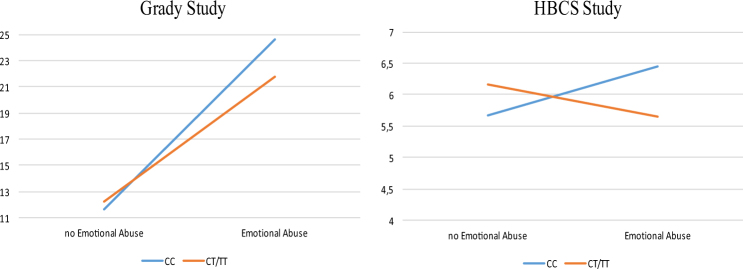
“The findings that both A2M and TGF-β1 have SNPs with significant GxE interactions in the Grady Trauma Project, albeit limited by the secondary nature of the analyses and the lack of a replication sample, still are of some interest, as both genes have been implicated in biological processes relevant to depression.”
BackgroundInfluentialFujita, T., Nagayama, A., & Anazawa, S. (2003) · Journal of Surgical Research · doi:10.1016/s0022-4804(03)00194-x · Cited by 22 · cited 1×
“relevant to depression; for example, higher levels of blood A2M are present in patients with total gastrectomy that develop depression, indicating that A2M elevation may be implicated in depression pathogenesis in the context of a pro-inflammatory status [84]; and fishes subjected to the stress of repeated emersions s…”
BackgroundTenorio‐Laranga, J., Peltonen, I., Keskitalo, S., Duran-Torres, G., Natarajan, R., Männistö, P. T., Nurmi, A., Vartiainen, N. E., Airas, L. M., Elovaara, I., et al. (2013) · Biochemical Pharmacology · doi:10.1016/j.bcp.2013.04.018 · Cited by 22 · cited 1×
“Moreover, genetic variants in TGF-β1 have been associated with other brain disorders, such as multiple sclerosis [92] and Alzheimer disease [93, 94].”
BackgroundMagno, L. A. V., Santana, C. V. N., Sacramento, E. K., de Rezende, V. B., Cardoso, M. V., Maurício-da-Silva, L., Neves, F. S., de Miranda, D. M., Marco, L. A. D., Corrêa, H., et al. (2011) · Journal of Affective Disorders · doi:10.1016/j.jad.2011.04.031 · Cited by 21 · cited 1×
“emerged as a candidate gene involved in bipolar and unipolar disorders [76].”
BackgroundAlmli, L. M., Srivastava, A., Fani, N., Kerley, K. A., Mercer, K. B., Feng, H., Bradley, B., & Ressler, K. J. (2014) · Biological Psychiatry · doi:10.1016/j.biopsych.2014.01.017 · Cited by 21 · cited 6×
“Transcriptomic and miRNome statistical analysis Raw data were imported and analyzed with the software Partek Genomic Suite 6.6 (Partek, St. Louis, MO, USA).”
MethodInfluentialLuoni, A., da Rocha, F. F., & Riva, M. A. (2013) · Progress in Neuro-Psychopharmacology and Biological Psychiatry · doi:10.1016/j.pnpbp.2013.12.008 · Cited by 20 · cited 1×
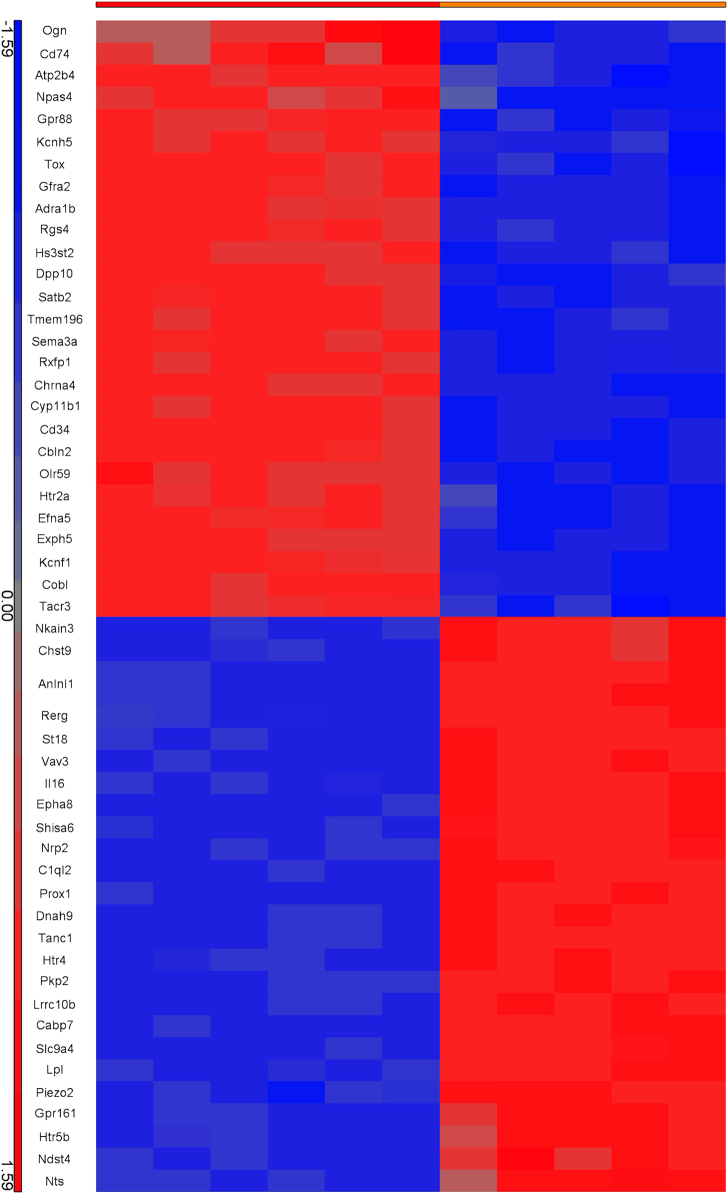
“In particular, we have first analyzed the transcriptome and miRNome data from the hippocampus of adult rats exposed to prenatal stress (PNS), a well-established model of early life stress leading to depressive behavior and hypothalamic-pituitary-adrenal (HPA) axis hyperactivity in adulthood [24], in order to obtain a…”
Self-citationLahti, J. M. T., Räikkönen, K., Bruce, S., Heinonen, K., Pesonen, A., Rautanen, A., Wahlbeck, K., Kere, J., Kajantie, E., & Eriksson, J. G. (2011) · Journal of Psychiatric Research · doi:10.1016/j.jpsychires.2011.03.008 · Cited by 20 · cited 2×
“of mental disorders, including substance abuse and personality disorders [37, 38].”
BackgroundMethodSelf-citationWang, X., Yu, Y. Q., & Gu, L. (2014) · Europe PMC (PubMed Central) · Cited by 17
Hope, C. E., Mettenburg, J., Gonias, S. L., DeKosky, S. T., Kamboh, M. I., & Chu, C. T. (2003) · Neurobiology of Disease · doi:10.1016/j.nbd.2003.08.005 · Cited by 13
Yang, Q., Wang, E., Jia, H.-W., & Wang, Y. (2015) · International Journal of Neuroscience · doi:10.3109/00207454.2015.1088849 · Cited by 10 · cited 1×
“Moreover, genetic variants in TGF-β1 have been associated with other brain disorders, such as multiple sclerosis [92] and Alzheimer disease [93, 94].”
BackgroundWebb, C., Gunn, J. M., Potiriadis, M., Everall, I., & Bousman, C. (2016) · Frontiers in Psychiatry · doi:10.3389/fpsyt.2016.00151 · Cited by 8 · cited 1×
“New gene-environment interactions continue to be reported in psychiatry, including in genes as biologically varied as BDNF [57, 58], CD38 [59], ADCYAP1R1 [60], DRD2 [61] and GRIN2B [62], but always from hypothesis-driven research, which has a high risk of non-replication.”
Background
Cited by
Statistical analysis of spatial expression patterns for spatially resolved transcriptomic studies
Sun, S., Zhu, J., & Zhou, X. (2020) · Nature Methods · doi:10.1038/s41592-019-0701-7 · Cited by 502
Biological, Psychological, and Social Determinants of Depression: A Review of Recent Literature
Remes, O., Mendes, J. F., & Templeton, P. (2021) · Brain Sciences · doi:10.3390/brainsci11121633 · Cited by 482
Molecular adaptations of the blood–brain barrier promote stress resilience vs. depression
Dudek, K. A., Dion-Albert, L., Lebel, M., LeClair, K., Labrecque, S., Tuck, E., Ferrer Perez, C., Golden, S. A., Tamminga, C., Turecki, G., et al. (2020) · Proceedings of the National Academy of Sciences · doi:10.1073/pnas.1914655117 · Cited by 361
“Interestingly, FoxO1 was recently proposed as a novel gene predictor of depression in gene × environment interactions (18).”
Selected biomarkers of depression: what are the effects of cytokines and inflammation
Harsanyi, S., Kupcova, I., Danisovic, L., & Klein, M. (2022) · International Journal of Molecular Sciences · doi:10.3390/ijms24010578 · Cited by 299
Osborne, S., Biaggi, A., Chua, T. E., Du Preez, A., Hazelgrove, K., Nikkheslat, N., Previti, G., Zunszain, P. A., Conroy, S., & Pariante, C. M. (2018) · Psychoneuroendocrinology · doi:10.1016/j.psyneuen.2018.06.017 · Cited by 207
“…rats born from dams exposed to restraint stress in the last week of gestation show HPA axis hyperactivity, depressive-like behavior, and changes in hippocampal gene expression that are overlapping to those found in the blood of depressed patients (Anacker et al., 2013a, b; Cattaneo et al., 2018).”
BackgroundSelf-citation
Metadata
- Authors
- Cattaneo, A., Cattane, N., Malpighi, C., Czamara, D., Suarez, A., Mariani, N., Kajantie, E., Luoni, A., Eriksson, J. G., Lahti, J., Mondelli, V., Dazzan, P., Räikkönen, K., Binder, E. B., Riva, M. A., & Pariante, C. M.
- Affiliations
- King's College London (GB)
- Centro San Giovanni di Dio Fatebenefratelli (IT)
- Max Planck Institute of Psychiatry (DE)
- University of Helsinki (FI)
- University of Milan (IT)
- Emory University (US)
- Corresponding author
- Cattaneo, Annamaria
- ORCID
- Venue
- Molecular Psychiatry
- Published
- 2018-01-04
- Volume
- 23
- Issue
- 11
- Pages
- 2192-2208
- ISSN
- 1359-4184 (ISSN-L)
- 1476-5578
- PMC
- PMC6283860
- OpenAlex
- W2767319136
- Cited by
- 86
- References
- 107
- Citations by year
- 2026: 2 · 2025: 7 · 2024: 12 · 2023: 8 · 2022: 8 · 2021: 22 · 2020: 16 · 2019: 7 · 2018: 4
- FWCI
- 7.50
- Type
- journal article
- Language
- en
- Open access
- hybrid
- doi.org
- Licence
- cc-by-nc-nd
- creativecommons.org/licenses/by-nc-nd/4.0 (tdm)
- Locations
- Molecular Psychiatry (publishedVersion, cc-by-nc-nd)
- Europe PMC (PubMed Central) (publishedVersion, other-oa)
- PubMed Central (publishedVersion, cc-by-nc-nd)
- PubMed (publishedVersion)
- Archivio Istituzionale della Ricerca (Universita Degli Studi Di Milano) (submittedVersion, other-oa)
- Työväentutkimus Vuosikirja (submittedVersion)
- Research Portal (King's College London) (submittedVersion, cc-by-nc-nd)
- STM:n Hallinnonalan avoin julkaisuarkisto (Julkari) (submittedVersion)
- Funders
- South London and Maudsley NHS Foundation Trust (MR/L014815/1, MR/J002739/1)
- National Institute for Health and Care Research (CL-2008-17-005, MR/J002739/1, MR/L014815/1, NF-SI-0616-10074)
- Academy of Medical Sciences (AMS-SGCL5-Mondelli)
- King's College London
- Fondazione Cariplo (2012-0503, grant number 2012-0503)
- Novo Nordisk Fonden (NNF15OC0016362)
- Medical Research Council (MR/L014815/1, MR/N029488/1, MR/J002739/1)
- National Institute of Mental Health (MH071538)
- Topics
- Life Sciences › Biochemistry, Genetics and Molecular Biology › Genetics › Genetic Associations and Epidemiology
- Life Sciences › Neuroscience › Behavioral Neuroscience › Stress Responses and Cortisol
- Social Sciences › Psychology › Clinical Psychology › Child Abuse and Trauma
- Keywords
- depression, gene-environment interaction, FOXO1, alpha2-macroglobulin, TGF-β1, prenatal stress, early trauma, childhood abuse, hippocampus, microRNA, transcriptome, candidate gene prioritization, stress responsivity, hippocampal progenitor cells, Helsinki Birth Cohort Study
- MeSH terms
- Forkhead Box Protein O1, Adult, alpha-Macroglobulins, Animals, Depression, Depressive Disorder, Disease Models, Animal, Female, Genetic Testing, Genotype, Humans, Male, Middle Aged, Nerve Tissue Proteins, Pregnancy, Cohort Studies, Genetic Predisposition to Disease, Polymorphism, Single Nucleotide, MicroRNAs, Rats, Transforming Growth Factor beta1, Genome-Wide Association Study, Transcriptome, Gene-Environment Interaction
About these checks
Registry, retraction, Cites and statistics results are computed, not judged, with one exception: a printed reference that no index lists is read once by a model before it counts as a citation error. Claims are extracted by a model and kept only when their quote appears verbatim in the text; each cited source is then checked, with a model’s help, for whether it says what the claim relies on. Those verdicts can be wrong — read the claim’s quote and the cited source before relying on one.
Statistics and arithmetic are recomputed, not judged.
Confidence bands are shown only for fields calibrated on our annotated test set. None is calibrated yet, so no band is shown.
What counts as a claim ›How we measure confidence ›How we check this ›
Are you an author, or do you see a problem with this page? Request a review
Data sources
Bibliographic data: Semantic Scholar, OpenAlex, Crossref.
Contains information from the Semantic Scholar Academic Graph Datasets, made available under the ODC Attribution License (ODC-BY 1.0).
Semantic Scholar’s data is described in: Kinney, R., et al. (2023). The Semantic Scholar Open Data Platform. arXiv:2301.10140.
