

Big data approaches to decomposing heterogeneity across the autism spectrum
Open accessPublished version of a preprint
The DOI matches its Crossref record; 111 of the 111 references it cites were found in a registry or an index.
Abstract
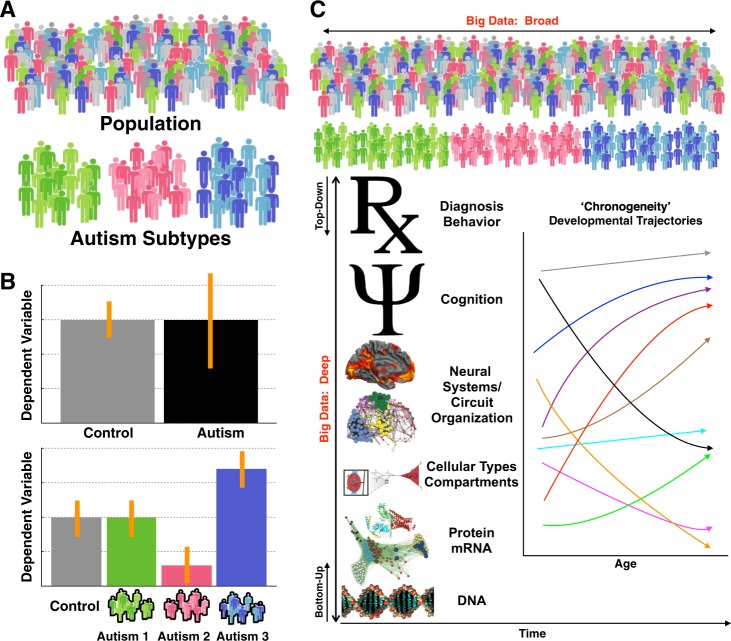
Autism is a diagnostic label based on behavior. While the diagnostic criteria attempt to maximize clinical consensus, it also masks a wide degree of heterogeneity between and within individuals at multiple levels of analysis. Understanding this multi-level heterogeneity is of high clinical and translational importance. Here we present organizing principles to frame research examining multi-level heterogeneity in autism. Theoretical concepts such as 'spectrum' or 'autisms' reflect non-mutually exclusive explanations regarding continuous/dimensional or categorical/qualitative variation between and within individuals. However, common practices of small sample size studies and case-control models are suboptimal for tackling heterogeneity. Big data are an important ingredient for furthering our understanding of heterogeneity in autism. In addition to being 'feature-rich', big data should be both 'broad' (i.e., large sample size) and 'deep' (i.e., multiple levels of data collected on the same individuals). These characteristics increase the likelihood that the study results are more generalizable and facilitate evaluation of the utility of different models of heterogeneity. A model's utility can be measured by its ability to explain clinically or mechanistically important phenomena, and also by explaining how variability manifests across different levels of analysis. The directionality for explaining variability across levels can be bottom-up or top-down, and should include the importance of development for characterizing changes within individuals. While progress can be made with 'supervised' models built upon a priori or theoretically predicted distinctions or dimensions of importance, it will become increasingly important to complement such work with unsupervised data-driven discoveries that leverage unknown and multivariate distinctions within big data. A better understanding of how to model heterogeneity between autistic people will facilitate progress towards precision medicine for symptoms that cause suffering, and person-centered support.
Overview
The claims and statistics of this paper haven’t been checked yet.
Free: it reads the open-access text and checks the first 5 claims that cite a source we can check. Create a free account to check every claim.
Integrity signals
Registry
Cites
Statistics
Figures
Verification
Claims the paper makes
The claims and statistics of this paper haven’t been checked yet.
Free: it reads the open-access text and checks the first 5 claims that cite a source we can check. Create a free account to check every claim.
Claims other papers make about this one
Each is checked against this paper’s own text: does it say what the citing paper says it does?
The source backs part of the claim, not all of it — or backs it for a different population, condition or comparison.
In the citing paper
“The scattered findings reported in studies about predictive coding and ASD may be related to a wide variety of factors, such as the dif ferences in tasks, the presence of co-occurring conditions, variations in medication use, potential cultural influences that shape responses and behaviors, as well as the intrinsic heterogeneity of ASD itself, which may manifest uniquely in each individual (Lomb”
From Predictive coding in neuropsychiatric disorders: a systematic transdiagnostic review. (2025) · cites this paper as Lombardo et al., 2019
Experimental — accuracy not yet measuredThe cited source says what the claim attributes to it.
In the citing paper
“Alongside the changes in classification systems, by now heterogeneity has already increased with regard to the expression and severity of the core and associated symptoms of ASD [4–6].”
From Autism spectrum disorder in ICD-11—a critical reflection of its possible impact on clinical practice and research (2024) · cites this paper as [4]
Self-check
Percentages, sums and reported differences re-computed from the paper’s own numbers.
The self-check needs the paper’s full text.
Citations
Cites
The Elements of Statistical Learning
Hastie, T., Tibshirani, R., & Friedman, J. (2009) · Springer Series in Statistics · doi:10.1007/978-0-387-84858-7 · Cited by 25,970
The Elements of Statistical Learning: Data Mining, Inference, and Prediction
John Lu, Z. Q. (2010) · Journal of the Royal Statistical Society Series A: Statistics in Society · doi:10.1111/j.1467-985x.2010.00646_6.x · Cited by 12,390
(1943) · The Nervous child · Cited by 8,870
Power failure: why small sample size undermines the reliability of neuroscience
Button, K. S., Ioannidis, J. P. A., Mokrysz, C., Nosek, B. A., Flint, J., Robinson, E. S. J., & Munafò, M. R. (2013) · Nature Reviews Neuroscience · doi:10.1038/nrn3475 · Cited by 7,641 · cited 2×
“Such inflated effects present an over-optimistic view on the identified effects and are prone to the winner’s curse [70].”
BackgroundInsel, T., Cuthbert, B., Garvey, M., Heinssen, R., Pine, D. S., Quinn, K., Sanislow, C., & Wang, P. (2010) · American Journal of Psychiatry · doi:10.1176/appi.ajp.2010.09091379 · Cited by 7,067
Baron-Cohen, S., Wheelwright, S., Skinner, R., Martin, J., & Clubley, E. (2001) · Journal of Autism and Developmental Disorders · doi:10.1023/a:1005653411471 · Cited by 6,450
Self-citationA New Initiative on Precision Medicine
Collins, F. S., & Varmus, H. (2015) · New England Journal of Medicine · doi:10.1056/nejmp1500523 · Cited by 5,202
Wing, L., & Gould, J. (1979) · Journal of Autism and Developmental Disorders · doi:10.1007/bf01531288 · Cited by 2,587 · cited 1×
“In the 1980s, Wing [56] and colleagues not only introduced the work of Hans Asperger into the English speaking world, but also conducted epidemiological studies that demonstrated the heterogeneity in social, language, motor, and cognitive abilities in the autistic and developmentally delayed population [57, 58].”
BackgroundLai, M.-C., Lombardo, M. V., & Baron-Cohen, S. (2014) · The Lancet · doi:10.1016/s0140-6736(13)61539-1 · Cited by 2,371
Self-citationDie „Autistischen Psychopathen” im Kindesalter
Asperger, H. (1944) · Archiv für Psychiatrie und Nervenkrankheiten · doi:10.1007/bf01837709 · Cited by 2,163 · cited 3×
“Moreover, both Leo Kanner and Hans Asperger recognized good cognitive potential in their child patients50, 52 and therefore autism was not necessarily tied to intellectual disability.”
Background
Research works printed but not linked: 1
- Loth E Ahmad J Mason L Crawley DV Hayward HL San Jose Caceres A Identifying cross-domain cognitive subtypes among children, adolescents, and adults with autism spectrum disorders 2017 San Francisco International Society for Autism Research
Cited by
Items 201–300 of 546
Li, T., Hoogman, M., Mota, N. R., Buitelaar, J. K., The ENIGMA‐ASD working group, Vásquez, A. A., Franke, B., & van Rooij, D. (2021) · Autism Research · doi:10.1002/aur.2627 · Cited by 14
“Previous small studies may have accidentally recruited a disproportionately large number of specific subgroups, which resulted in contradictory subcortical alterations in ASD (Lombardo et al., 2019).”
Thérien, V. D., Degré‐Pelletier, J., Barbeau, É. B., Samson, F., & Soulières, I. (2022) · NeuroImage Clinical · doi:10.1016/j.nicl.2022.103221 · Cited by 20
“…was established by experienced clinicians based on a multidisciplinary evaluation, including both the Autism Diagnostic Interview-Revised (ADI-R; Lord et al., 1994) and the Autism Diagnosis Observation Schedule (ADOS-G or ADOS-2; Lord et al., 2000, Lord et al., 2012) for 26 participants, and…”
Sex modulation of faces prediction error in the autistic brain
Lacroix, A., Harquel, S., Mermillod, M., Garrido, M., Barbosa, L., Vercueil, L., Aleysson, D., Dutheil, F., Kovarski, K., & Gomot, M. (2024) · Communications Biology · doi:10.1038/s42003-024-05807-4 · Cited by 12
Latapiat, V., Sáez, M., Pedroso, I., & Martín, A. J. M. (2023) · Frontiers in Genetics · doi:10.3389/fgene.2023.1209416 · Cited by 16
“Moreover, diseases such as Autism spectrum disorders and epilepsy exhibit vast degrees of heterogeneity at multiple levels, including genotypes and phenotypes, resulting in diverse clinical differentiations and treatment responses (Lombardo et al., 2019).”
BackgroundTrajectories of school refusal: sequence analysis using retrospective parent reports
Benoit, L., Peng, É. C. S., Flouriot, J., DiGiovanni, M. J., Bonifas, N., Rouquette, A., Martin, A., & Falissard, B. (2024) · European Child & Adolescent Psychiatry · doi:10.1007/s00787-024-02419-5 · Cited by 18
Facial Expression Databases and Autism Spectrum Disorder: A Scoping Review
Pandey, R., & Bhushan, B. (2025) · Autism Research · doi:10.1002/aur.70030 · Cited by 13
“Lombardo et al. (2019) argue that big data is important to counter heterogeneity issues, while the case–control study paradigm in research makes collecting large samples difficult, thus causing research to be statistically less powerful, inflated effect sizes, replicability issues, and less…”
Dental care experiences and clinical phenotypes in children on the autism spectrum
Alvares, G. A., Mekertichian, K., Rose, F., Vidler, S., & Whitehouse, A. (2022) · Special Care in Dentistry · doi:10.1111/scd.12746 · Cited by 18
A generalizable connectome-based marker of in-scan sustained attention in neurodiverse youth
Horien, C. L., Greene, A. S., Shen, X., Fortes, D., Brennan‐Wydra, E., Banarjee, C., Foster, R., Donthireddy, V., Butler, M., Powell, K. K., et al. (2022) · Cerebral Cortex · doi:10.1093/cercor/bhac506 · Cited by 21
Black, M. H., Remnélius, K. L., Alehagen, L., Bourgeron, T., & Bölte, S. (2023) · Journal of Autism and Developmental Disorders · doi:10.1007/s10803-023-06204-2 · Cited by 16
“One of the more apparent advantages of aggregating datasets is the increased sample size offered (Adhikari et al., 2021), which can be a key factor limiting analysis based on sub-types or other characteristics in autism research (Lombardo et al., 2019).”
Wittkopf, S., Langmann, A., Roessner, V., Roepke, S., Poustka, L., Nenadić, I., Stroth, S., & Kamp‐Becker, I. (2022) · European Child & Adolescent Psychiatry · doi:10.1007/s00787-022-02062-y · Cited by 14
“A central focus for future research of ASD is, therefore, to understand the heterogeneity [58] and the identification of distinguishable subgroups of ASD [59].”
BackgroundDede, A. J. O., Xiao, W., Vaci, N., Cohen, M. X., & Milne, E. (2023) · Research Square · doi:10.1101/2023.05.21.23290300 · Cited by 13
Salters, D., Rios, P. C., & Benson, S. M. S. (2021) · Research Quarterly for Exercise and Sport · doi:10.1080/02701367.2020.1864260 · Cited by 12
“Historically, early ASD interventions have been geared toward social function (MacDonald et al., 2013); only recently has motor function been a focus (MacDonald et al., 2013).”
BackgroundHigher Sensory Sensitivity is Linked to Greater Expansion Amongst Functional Connectivity Gradients
del Río, M., Racey, C., Ren, Z., Qiu, J., Wang, H.-T., & Ward, J. (2022) · Journal of Autism and Developmental Disorders · doi:10.1007/s10803-022-05772-z · Cited by 13
“Whilst caution is warranted in that the same behaviour can have different underpinnings (Chown & Leatherland, 2021; Happé & Frith, 2021), by the same token, this seems to be a strong argument for research using comprehensive transdiagnostic deep data (Lombardo et al., 2019).”
BackgroundThérien, V. D., Degré‐Pelletier, J., Barbeau, É. B., Samson, F., & Soulières, I. (2023) · Cerebral Cortex · doi:10.1093/cercor/bhad195 · Cited by 18
Sensorimotor Features and Daily Living Skills in Autistic Children With and Without ADHD
Skaletski, E. C., Barry, K. R., Dennis, E. S., Donnelly, R., Huerta, C., Jones, A., Schmidt, K., Kabakov, S. A., Ausderau, K., Li, J. J., et al. (2024) · Journal of Autism and Developmental Disorders · doi:10.1007/s10803-024-06256-y · Cited by 15
“Given the heterogeneity within autistic individuals (Abu-Akel et al., 2019; Happé & Frith, 2020; Lombardo et al., 2019) and past research looking at how ADHD features relate to DLS in autistic children (Car-penter et al., 2022; Yerys et al., 2019), we hypothesized that the dimensional approach…”
Enhanced motor noise in an autism subtype with poor motor skills
Mandelli, V., Landi, I., Ceccarelli, S. B., Molteni, M., Nobile, M., D’Ausilio, A., Fadiga, L., Crippa, A., & Lombardo, M. V. (2024) · Molecular Autism · doi:10.1186/s13229-024-00618-0 · Cited by 13
Self-citationAntolí, A., Rodriguez-Lozano, F. J., Cañas, J. J., Vacas, J., Cuadrado, F., Sánchez-Raya, A., Dueñas, C. P., & Gámez, J. C. V. (2025) · Frontiers in Neuroscience · doi:10.3389/fnins.2025.1558621 · Cited by 16
“The integration of multimodal data -including behavioral, clinical, neuroimaging, and genetic features-has become increasingly common in recent years to improve the screening and diagnosis of NDDs (Bone et al., 2016; Levy et al., 2017; Lombardo et al., 2019; Wang et al., 2024).”
Subgrouping school-aged children on the autism spectrum based on co-occurring psychiatric symptoms
Piergies, A. M. H., Hirota, T., Monden, R., & Zheng, S. (2022) · Research in Autism · doi:10.1016/j.rasd.2022.101983 · Cited by 10
Looden, T., Floris, D. L., Llera, A., Chauvin, R. J., Charman, T., Banaschewski, T., Murphy, D., Marquand, A. F., Buitelaar, J. K., Beckmann, C. F., et al. (2022) · Molecular Autism · doi:10.1186/s13229-022-00529-y · Cited by 14
Self-citationGialloreti, L. E., Enea, R., Micco, V. D., Giovanni, D. D., & Curatolo, P. (2020) · Genes · doi:10.3390/genes11121476 · Cited by 13
“This heterogeneity calls for the need to ground autism research more and more on studies and techniques which can cope with large sample sizes [10].”
BackgroundCahalan, S., Mitroff, S. R., Subiaul, F., & Rosenblau, G. (2025) · Personality Neuroscience · doi:10.1017/pen.2025.10002 · Cited by 14
“TheheterogeneityofASDhasposedsignificantchallengesfor developingtargetedinterventions(Chen&Geschwind,2022; Ghoshetal.,2013;Green&Garg,2018;Lombardoetal.,2019; Masietal.,2017;Saueretal.,2021),adifficultythatextendstothe diagnosisofneuropsychiatricdisordersmorebroadly.”
Kim, S. Y., Udhnani, M. D., & Lecavalier, L. (2024) · Research in Autism · doi:10.1016/j.rasd.2024.102387 · Cited by 17
The role of machine learning in autism spectrum disorder assessment and management
Reilly, A., Walsh, N., O’Reilly, D. P., Smyth, M., Gorman, K. M., Ostadabbas, S., & Power, C. (2025) · Pediatric Research · doi:10.1038/s41390-025-04566-0 · Cited by 18
“134 While not yet clinically transla-table, ML MRI studies offer insight into ASD neurobiology and hold promise for future diagnostic support.”
Mellifont, D. (2021) · The International Journal of Information Diversity & Inclusion (IJIDI) · doi:10.33137/ijidi.v5i2.35067 · Cited by 14
A predictive ensemble classifier for the gene expression diagnosis of ASD at ages 1 to 4 years
Bao, B., Zahiri, J., Gazestani, V., Lopez, L., Xiao, Y., Kim, R., Wen, T. H., Chiang, A. W. T., Nalabolu, S. R., Pierce, K., et al. (2022) · Molecular Psychiatry · doi:10.1038/s41380-022-01826-x · Cited by 12
“Moreover, the heterogeneity of ASD genetics and clinical characteristics impose barriers to identifying early-age molecular diagnostics that accurately diagnose the majority of those with this heterogeneous disorder [25].”
Are people with autism prosopagnosic?
Kamensek, T., Susilo, T., Iarocci, G., & Oruç, İ. (2023) · Autism Research · doi:10.1002/aur.3030 · Cited by 10
“In contrast, categorical models divide populations into subgroups that share a common etiology, symptom presentation, and course (Beglinger & Smith, 2001; Lombardo et al., 2019).”
BackgroundDecomposing Heterogeneity in Autism Spectrum Disorder Through Neurosubtyping
Kim, S. H. (2020) · Biological Psychiatry · doi:10.1016/j.biopsych.2020.04.019 · Cited by 10
Finding Similarities in Differences Between Autistic Adults: Two Replicated Subgroups
Radhoe, T. A., van Rentergem, J. A. A., Torenvliet, C., Groenman, A. P., van der Putten, W., & Geurts, H. M. (2023) · Journal of Autism and Developmental Disorders · doi:10.1007/s10803-023-06042-2 · Cited by 11
“…a diagnostic category are so large that it becomes necessary to establish subgroups for whom different variables are central to experienced challenges and solutions has been debated for decades (Buchanan & Carpenter, 1994; Feczko et al., 2019; Lombardo et al., 2019; Wardenaar & de Jonge, 2013).”
BackgroundTowards robust and replicable sex differences in the intrinsic brain function of autismPreprint
Floris, D. L., Filho, J. O. A., Lai, M., Giavasis, S., Oldehinkel, M., Mennes, M., Charman, T., Tillmann, J., Dumas, G., Ecker, C., et al. (2020) · bioRxiv (Cold Spring Harbor Laboratory) · doi:10.1101/2020.06.09.142471 · Cited by 10
Self-citationLongitudinal Analyses of Mental Health in Autistic Individuals: A Systematic Review
Tafolla, M., & Lord, C. (2024) · Brain Sciences · doi:10.3390/brainsci14101033 · Cited by 23
“Only studies that included more than 50 participants were included to ensure that the research was appropriately powered to find associations between predictors and the outcomes of interest, given the heterogeneity within autism [19].”
BackgroundBlanken, T. F., Courbet, O., Franc, N., Sáenz, A. A., Someren, E. J. W. V., Peigneux, P., & Villemonteix, T. (2020) · European Child & Adolescent Psychiatry · doi:10.1007/s00787-020-01546-z · Cited by 12
Pearson, A., & Hodgetts, S. (2020) · Research in Developmental Disabilities · doi:10.1016/j.ridd.2020.103738 · Cited by 10
The role of digital medicine in autism spectrum disorder
Pandina, G. (2021) · European Neuropsychopharmacology · doi:10.1016/j.euroneuro.2021.02.016 · Cited by 10
Tang, S., Sun, N., Floris, D. L., Zhang, X., Martino, A. D., & Yeo, B. T. T. (2019) · bioRxiv (Cold Spring Harbor Laboratory) · doi:10.1101/692772 · Cited by 9
“By contrast, the term “spectrum” in ASD suggests continuous variation across individuals (18).”
BackgroundBrief Report: Virtual Reality to Raise Awareness About Autism
Koniou, I., Douard, E. A., & Lanovaz, M. J. (2023) · Journal of Autism and Developmental Disorders · doi:10.1007/s10803-023-06216-y · Cited by 14
Yan, X., Qi, Y., Yao, X., Zhou, N., Ye, X., & Chen, X. (2024) · Journal of Translational Medicine · doi:10.1186/s12967-024-04939-9 · Cited by 10
“…the arrival of the big data era, the use of statistical, machine learning, data mining, and other techniques to process and analyze large amounts of data has the potential to uncover patterns and trends hidden within the data, thus playing a key role in guiding basic scientific research [38, 39].”
BackgroundSmartphone‐based gaze estimation for in‐home autism research
Kim, N. Y., He, J., Wu, Q., Dai, N., Kohlhoff, K., Turner, J., Paul, L. K., Kennedy, D. P., Adolphs, R., & Navalpakkam, V. (2024) · Autism Research · doi:10.1002/aur.3140 · Cited by 12
“This approach would offer an opportunity to investigate important open questions regarding heterogeneity and subtypes in autism (Lombardo et al., 2019).”
BackgroundGao, L., Qiao, S., Zhang, Y., Zhang, T., Lu, H., & Guo, X. (2025) · Brain Imaging and Behavior · doi:10.1007/s11682-025-00978-y · Cited by 10
“Multiple clinicians and researchers presumed that ASD was comprised of distinguishable subgroups that were thought to have the potential to contribute to the diagnosis and treatment (Hong et al., 2018; Lombardo et al., 2019; Tang et al., 2020).”
What is autism? Identity in jeopardy and the collaborative way ahead
Alexandrovsky, M., Frayne, M., & Lai, M. (2025) · Autism · doi:10.1177/13623613251371485 · Cited by 8
“…a categorical framework for clinical utility encounter substantial hurdles due to the high clinical and biological heterogeneity of autistic people (Lombardo et al., 2019), and the limited success in treatment of the “core symptoms” of autism, which have not significantly improved outcomes for…”
Self-citationBrandes-Aitken, A. N., Lazerwitz, M. C., Eash, A., Hattangadi, N., Mukherjee, P., Marco, E. J., & Shapiro, K. A. (2025) · Translational Psychiatry · doi:10.1038/s41398-025-03592-0 · Cited by 7
“Individuals with an autism diagnosis differ in numerous aspects ranging from genetic risk factors to early-life experiences and sociodemographic variables, leading to diverse clinical and developmental outcomes [5].”
Multi-modal data analysis for autism spectrum disorder in children: State of the art and trends
Pang, L., Zhao, X., Zhao, L., Li, J., Kuo, F., Wang, H., & Liu, C. (2025) · EngMedicine · doi:10.1016/j.engmed.2025.100117 · Cited by 14
Age of Speech Onset in Autism Relates to Structural Connectivity in the Language Network
Barbeau, É. B., Klein, D., Soulières, I., Petrides, M., Bernhardt, B. C., & Mottron, L. (2020) · Cerebral Cortex Communications · doi:10.1093/texcom/tgaa077 · Cited by 9
An investigation of adherence to best practice guidelines for autism diagnosis in New Zealand
Taylor, L. J., Eggleston, M. J. F., Thabrew, H., van der Meer, L. A. J., Waddington, H. L., Whitehouse, A., & Evans, K. L. (2021) · Autism · doi:10.1177/13623613211015757 · Cited by 16
“The process of diagnosing autism diagnosis is complicated by the behavioural and biological heterogeneity of the condition (Jeste & Geschwind, 2014; Lombardo et al., 2019; Masi et al., 2017).”
MethodCho, A., Wood, J. J., Ferrer, E., Rosenau, K., Storch, E. A., & Kendall, P. C. (2021) · Development and Psychopathology · doi:10.1017/s0954579421001115 · Cited by 11
“Several others have also highlighted the problem of heterogeneity as a serious impediment in autism research and a concerted effort has been put forth to explore this line of inquiry (Anderson, 2015; Hong et al., 2020; Lombardo et al., 2019).”
BackgroundLandi, I., Mandelli, V., & Lombardo, M. V. (2021) · Apollo (University of Cambridge) · doi:10.17863/cam.71273 · Cited by 9
Self-citationTowards Neurosubtypes in AutismPreprint
Hong, S., Vogelstein, J. T., Gozzi, A., Bernhardt, B. C., Yeo, B. T. T., Milham, M. P., & Martino, A. D. (2019) · PsyArXiv (OSF Preprints) · doi:10.31234/osf.io/8az69 · Cited by 8
Paricos, A., Sturrock, A., Twomey, K. E., & Leadbitter, K. (2024) · Research in Autism · doi:10.1016/j.rasd.2024.102338 · Cited by 16
Luo, Z., Hu, Z., Qiu, X., Li, W., Wang, C., Lan, X., Mai, S., Chen, Y., Liu, G., Zhang, F., et al. (2025) · Journal of Affective Disorders · doi:10.1016/j.jad.2025.01.025 · Cited by 8
Cacciato‐Salcedo, S., Lao-Rodríguez, A. B., & Malmierca, M. S. (2025) · PLoS Biology · doi:10.1371/journal.pbio.3003309 · Cited by 9
Profiling brain morphology for autism spectrum disorder with two cross-culture large-scale consortia
Fan, X.-R., He, Y., Wang, Y.-S., Li, L., Adamson, C. L., Adler, S., Alexander‐Bloch, A. F., Anagnostou, E. A., Anderson, K. M., Gonzalez, A. A., et al. (2025) · Communications Biology · doi:10.1038/s42003-025-08573-z · Cited by 12
Self-citationFrom heterogeneity to idiosyncrasy in the autistic brain
Lin, H., Breakspear, M. J., & Mottron, L. (2026) · Nature Mental Health · doi:10.1038/s44220-026-00601-z · Cited by 10
Co-Design of a Neurodevelopment Assessment Scale: A Study Protocol
Masi, A., Azim, S. I., Lam‐Cassettari, C., Dadds, M. R., Diaz, A. M., Henry, G., Karlov, L., Lin, P., Mallitt, K., Montgomery, A. K., et al. (2021) · International Journal of Environmental Research and Public Health · doi:10.3390/ijerph182312837 · Cited by 7
“A multidisciplinary and dimensional approach to comprehensive neurodevelopmental assessment, diagnosis, co-occurring symptoms, and difficulties that cause impairment in adaptive functioning, needs to be integrated with other associated aspects of an individual’s presentation, for example, genetic make-up and constitut…”
BackgroundAnalysis of Gene-Environment Interactions Related to Developmental Disorders
Nishimura, Y., & Kurosawa, K. (2022) · Frontiers in Pharmacology · doi:10.3389/fphar.2022.863664 · Cited by 8
Ji, Y., Ji, Y., Zhu, H., Cheng, S., Zou, X., & Zhu, F.-L. (2023) · Frontiers in Psychiatry · doi:10.3389/fpsyt.2023.1151596 · Cited by 8
Towards EEG-based objective ADHD diagnosis support using convolutional neural networks
Stock, S., Hausberg, J., Armengol-Urpi, A., Kaufmann, T., Schinle, M., Gerdes, M., & Stork, W. (2023) · IEEE Conference on Computational Intelligence in Bioinformatics and Computational Biology (CIBCB) · doi:10.1109/cibcb56990.2023.10264876 · Cited by 8
“One of the issues is a lack of large, publicly available datasets that include EEG recordings from neurodivergences, such as ADHD [21], [22].”
BackgroundProfiles of structural language and nonverbal intellectual abilities in verbal autistic adults
Manenti, M., Ferré, S., Tuller, L., Houy‐Durand, E., Bonnet‐Brilhault, F., & Prévost, P. (2024) · Research in Autism · doi:10.1016/j.rasd.2024.102361 · Cited by 10
de Jonge, E., Garcés, P., de Bildt, A. A., Groen, Y., Jones, E. J. H., Mason, L., Holt, R., Hayward, H., Murphy, D., Oakley, B. F. M., et al. (2025) · Journal of Autism and Developmental Disorders · doi:10.1007/s10803-025-06731-0 · Cited by 10
“…for our unsuccessful replication may be that our large sample better captured the heterogeneity in cognitive features associated with autism compared to the smaller samples used in earlier studies, which may have tapped into specific subsamples within the autism population (Lombardo et al., 2019).”
Self-citationFunctional idiosyncrasy has a shared topography with group-level connectivity alterations in autismPreprint
Benkarim, O. M., Paquola, C., Park, B., Hong, S., Royer, J., de Wael, R. V., Larivière, S., Valk, S. L., Bzdok, D., Mottron, L., et al. (2020) · bioRxiv (Cold Spring Harbor Laboratory) · doi:10.1101/2020.12.18.423291 · Cited by 7
Steam computing paradigm: Cross‐layer solutions over cloud, fog, and edge computing
Mchergui, A., Hajlaoui, R., Moulahi, T., Alabdulatif, A., & Lorenz, P. (2023) · IET Wireless Sensor Systems · doi:10.1049/wss2.12051 · Cited by 8
Rightward brain structural asymmetry in young children with autism
Geng, S., Dai, Y., Rolls, E. T., Liu, Y., Zhang, Y., Deng, L., Chen, Z., Feng, J., Li, F. R., & Cao, M. (2025) · Molecular Psychiatry · doi:10.1038/s41380-025-02890-9 · Cited by 7
Grzeszak, A., & Pisula, E. (2025) · Frontiers in Psychiatry · doi:10.3389/fpsyt.2025.1578963 · Cited by 11
“Diagnostic criteria have been broadened, including different patterns of traits grouped under the term autism spectrum (2, 3).”
Stratifying the autisms by a type I versus type II distinction in early development
Lombardo, M. V., Severino, I., & Mandelli, V. (2026) · Nature Mental Health · doi:10.1038/s44220-026-00603-x · Cited by 9
Self-citationDifferentiated Approach to Pharmacotherapy of Autism Spectrum Disorders: Biochemical Aspects
Бокша, И. С., Prokhorova, T. A., Терешкина, Е. Б., Savushkina, O. K., & Burbaeva, G. S. (2023) · Biochemistry (Moscow) · doi:10.1134/s0006297923030021 · Cited by 6
“, using the same therapy in the patients with undifferentiated forms of ASD) and to assessment of clinical outcomes of the treatment negatively inf luences the results of clinical trials [9-15].”
Messer, D. J., Henry, L. A., & Danielsson, H. (2023) · Brain Sciences · doi:10.3390/brainsci13101377 · Cited by 6
“[34] discussed a related issue, which is the presence of subgroups within the same NC clinical classification.”
BackgroundInfluentialSPARKing New Insight Into Autism Across the Lifespan
Sudnawa, K. K., & Chung, W. K. (2024) · American Journal on Intellectual and Developmental Disabilities · doi:10.1352/1944-7558-129.2.91 · Cited by 8
Big Data-Based System: A Supportive Tool in Autism Spectrum Disorder Analysis
Wadhera, T., & Kakkar, D. (2020) · Advances in medical diagnosis, treatment, and care (AMDTC) book series · doi:10.4018/978-1-7998-3069-6.ch017 · Cited by 7
Resting-State Functional Connectivity of the Amygdala in Autism: A Preregistered Large-Scale Study
Kliemann, D., Galdi, P., Water, A. L. V. D., Egger, B., Jarecka, D., Adolphs, R., & Ghosh, S. (2024) · American Journal of Psychiatry · doi:10.1176/appi.ajp.20230249 · Cited by 9
Nakua, H., Hawco, C. S., Forde, N. J., Jacobs, G. R., Joseph, M. J. E., Voineskos, A. N., Wheeler, A. L., Lai, M., Szatmári, P., Kelley, E. A., et al. (2022) · Brain Structure and Function · doi:10.1007/s00429-022-02483-0 · Cited by 7
Self-citationEditorial: Meaningfully Stratifying the Autism Spectra
Lai, M. (2020) · Journal of the American Academy of Child & Adolescent Psychiatry · doi:10.1016/j.jaac.2020.08.002 · Cited by 8
Self-citationGatica‐Bahamonde, G., Alarcón, P., Méndez-Fadol, A., Allison, C. L., Baron‐Cohen, S., & Román-Urrestarazu, A. (2021) · PsyArXiv (OSF Preprints) · doi:10.31234/osf.io/hmjkx · Cited by 9
Self-citationStuefer, A., Colombo, G., Gini, S., Sastre-Yagüe, D., Coletta, L., Rocchi, F., Aldrighetti, M., D’Epifanio, B., Como, G., Balasco, L., et al. (2025) · bioRxiv (Cold Spring Harbor Laboratory) · doi:10.1101/2025.09.07.674483 · Cited by 6
Self-citationLin, H., & Lai, M. (2023) · Springer eBooks · doi:10.1007/978-3-031-20792-1_16 · Cited by 5
Self-citationRessa, H. J., Newman, B. T., Jacokes, Z., McPartland, J. C., Kleinhans, N. M., Druzgal, T. J., Pelphrey, K. A., & Horn, J. D. V. (2025) · Imaging Neuroscience · doi:10.1162/imag.a.144 · Cited by 6
“Large datasets have played a critical role in advancing autism research by offering a comprehensive means to study variability across diverse aspects, including genetic factors, brain structure, and behavioral traits ( Lombardo et al., 2019).”
High School Math and Motivation for autistic students
Cooper, M., & Farkas, G. (2022) · Journal of Autism and Developmental Disorders · doi:10.1007/s10803-022-05522-1 · Cited by 9
“recognize the heterogeneity of autistic individuals and to consider differentiating between groups of autistic individuals in analyses both to improve our understanding of autism and to more accurately capture differences within the diagnosis (Georgiades et al., 2013; Lombardo et al., 2019).”
BackgroundUnderstanding Atypical Social Behaviour Using Social Cognitive Theory: Lessons from Autism
Livingston, L. A., & Happe, F. G. E. (2021) · Oxford University Press eBooks · doi:10.1093/oso/9780198843290.003.0007 · Cited by 8
Anti-Anxiety Medications and Novel Treatments for Autism
Deb, S. S., Roy, M., Limbu, B., & Bertelli, M. O. (2022) · Autism and child psychopathology series · doi:10.1007/978-3-030-88538-0_51 · Cited by 9
Decreased functional concordance in male children with autism spectrum disorder
Lu, H., Wang, S., Xue, Z., Liu, J., Niu, X., Gao, L., & Guo, X. (2023) · Autism Research · doi:10.1002/aur.3035 · Cited by 5
“We speculated that this may be due to the small sample size, which reduced statistical power and increased the failure rate of finding true effects, contributing to the low reliability and reproducibility of the results (Button et al., 2013; Lombardo et al., 2019).”
BackgroundGoodson, R., Wagner, J. A., Sandritter, T. L., Staggs, V. S., Soden, S. E., & Nadler, C. B. (2023) · Journal of Developmental & Behavioral Pediatrics · doi:10.1097/dbp.0000000000001215 · Cited by 7
“28,29 Alternatively, our demonstration of differential clinical predictors for CYP2D6 and CYP2C19 metabolizer status suggests the possibility that future guidance on when to initiate pharmacogenetic testing (and what specific drug-metabolizing enzymes should be examined) might be derived from a…”
Kata, A., McPhee, P. G., Chen, Y., Zwaigenbaum, L., Singal, D., Roncadin, C., Bennett, T. A., Carter, M., Rezze, B. D., Drmic, I., et al. (2024) · BMJ Open · doi:10.1136/bmjopen-2023-083045 · Cited by 7
European Autism GEnomics Registry (EAGER): protocol for a multicentre cohort study and registry
Bloomfield, M., Lautarescu, A., Heraty, S., Douglas, S., Violland, P., Plas, J. R. D., Ghosh, A., den Bosch, K. V., Eaton, E., Absoud, M., et al. (2024) · BMJ Open · doi:10.1136/bmjopen-2023-080746 · Cited by 7
Vandewouw, M. M., Ye, Y., Crosbie, J., Schachar, R. J., Iaboni, A., Georgiades, S., Nicolson, R., Kelley, E. A., Ayub, M., Jones, J., et al. (2024) · Human Brain Mapping · doi:10.1002/hbm.26815 · Cited by 4
“…(autism), attention-deficit/hyper-activity disorder (ADHD) and obsessive-compulsive disorder (OCD), can further impact the presentation of age-related changes, particularly given the heterogeneity in aetiology, biology and behaviour (Bruin et al., 2020; Lombardo et al., 2019; Wolfers et al., 2019).”
BackgroundSOCIAL ENVIRONMENT FOR PEOPLE WITH AUTISM IN RUSSIA: EXPERT ASSESSMENT OF THE ACCESSIBILITY ISSUE
Mukharyamova, L., & Владимировна, С. Ж. (2021) · Экология человека · doi:10.33396/1728-0869-2021-1-45-50 · Cited by 11
Tang, C. H., Chi, M. H., Hsieh, Y., Lee, T. I., Tai, Y. C., Lien, Y.-J., Yang, Y. K., & Chen, P. S. (2021) · Journal of the Formosan Medical Association · doi:10.1016/j.jfma.2021.03.009 · Cited by 9
Ανδρέου, Μ., & Skrimpa, V. (2022) · Brain Sciences · doi:10.3390/brainsci12081113 · Cited by 5
“In the case of spectrum-trait systems or conditions, such as bilingualism and autism, the absence of clarity in the criteria distinguishing bilinguals from monolinguals or neurotypical individuals from atypicals is evident [1,2].”
BackgroundChen, T., Froehlich, T. E., Li, T., & Lu, L. J. (2020) · Library Hi Tech · doi:10.1108/lht-08-2019-0175 · Cited by 5
Decomposition of phenotypic heterogeneity in autism reveals distinct and coherent genetic programsPreprint
Litman, A., Sauerwald, N., Snyder, L. G., Foss‐Feig, J. H., Park, C. Y., Hao, Y., Dinstein, I., Theesfeld, C. L., & Troyanskaya, O. G. (2024) · medRxiv · doi:10.1101/2024.08.15.24312078 · Cited by 5
“A large sample size with broad phenotyping is necessary to quantitatively analyze phenotypic structures in autism 31,32 .”
BackgroundLi, F., Wang, G., Genon, S., Eickhoff, S. B., He, R., Yi, C., Dong, D., Yao, D., Jiang, L., Wu, W., et al. (2025) · Science Advances · doi:10.1126/sciadv.adz0389 · Cited by 7
“As evidenced, heterogeneity may compromise effect size estimation ( 40 ), complicating features discovery for psychotic nosology and mechanistic investigations.”
Fetal functional connectivity prospectively associates with autistic traits in toddlerhood
Chen, B., Menu, I., Ji, L., Trentacosta, C. J., & Thomason, M. E. (2025) · NeuroImage Clinical · doi:10.1016/j.nicl.2025.103938 · Cited by 6
“Additionally, ongoing genetic and environmental interaction lead to secondary and/or compensatory dynamic changes in the brain, contributing to vast heterogeneity in both behavioral presentation and brain development in children with ASD (Lombardo et al., 2019; Mandelli et al., 2024).”
Kuriyakose, D., & Gowsalya, M. (2026) · Frontiers in Computational Neuroscience · doi:10.3389/fncom.2026.1763727 · Cited by 7
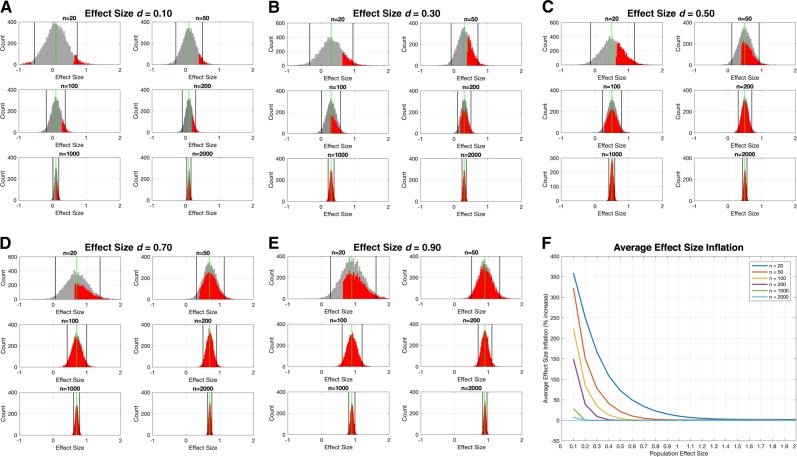
“…EEG studies in ASD based on smaller subsamples can systematically overestimate group differences compared to analyses conducted in larger cohorts (Dede et al., 2025), an observation consistent with prior simulation studies highlighting effect size inflation at low sample sizes (Lombardo et al., 2019).”
Endophenotyping social cognition in the broader autism phenotype
Pua, E. P. K., Desai, T., Green, C. C., Trevis, K. J., Brown, N. J., Delatycki, M. B., Scheffer, I. E., & Wilson, S. J. (2023) · Autism Research · doi:10.1002/aur.3057 · Cited by 3
“…quantitative endophenotypic markers such as faux pas recognition may therefore allow dimensional modeling of disease liability in both affected and unaffected individuals for more refined case ascertainment (Almasy & Blangero, 2001; Cannon & Keller, 2006; Lombardo et al., 2019; Pua et al., 2020).”
Shen, Z., & Yu, C. (2025) · Brain Sciences · doi:10.3390/brainsci15080890 · Cited by 9
“Effective subtype stratification is needed to understand and address this heterogeneity, as it allows for developmental prediction and assessment of ASD on an individual level [54,55].”
Motor Skills, Social Skills, and Participation of Autistic Children
Hegazi, A., Horton, S., & Benson, S. M. S. (2024) · Critical Reviews in Physical and Rehabilitation Medicine · doi:10.1615/critrevphysrehabilmed.2024052338 · Cited by 5
Li, J., Zheng, W., Fu, X., Zhang, Y., Yang, S., Wang, Y., Zhang, Z., Hu, B., & Xu, G. (2024) · Brain Sciences · doi:10.3390/brainsci14080738 · Cited by 5
“However, the clinical phenotypes of individuals with ASD are highly heterogeneous, and the underlying neural mechanism Brain Sci. 2024 , 14 , 738 2 of 14 is unclear [5–7].”
BackgroundAbu-Doleh, A., Abu-Qasmieh, I. F., Alquran, H., Masad, I. S., Banyissa, L. R., & Ahmad, M. A. (2024) · International Journal of Medical Informatics · doi:10.1016/j.ijmedinf.2024.105707 · Cited by 5
Shen, G., Green, H. L., McNamee, M., Franzen, R. E., DiPiero, M. A., Berman, J., Ku, M., Bloy, L., Liu, S., Airey, M., et al. (2025) · Molecular Autism · doi:10.1186/s13229-025-00646-4 · Cited by 4
“In a review paper discussing the heterogeneity of autism, Lombardo et al. [53] noted the need for studies that are broad (i.e., large sample size) and deep (i.e., multiple levels of data collected on the same individual).”
Arzuaga, A. L., Teneqexhi, P., Amodeo, K., Larson, J. R., & Ragozzino, M. E. (2025) · Physiology & Behavior · doi:10.1016/j.physbeh.2025.114891 · Cited by 5
“A significant challenge in understanding and treating ASD is the heterogeneity that occurs at multiple levels ranging from genetic heterogeneity to behavioral heterogeneity [83].”
Are we ready for precision medicine for Autism? And who wants it?
Loth, E. (2021) · European Neuropsychopharmacology · doi:10.1016/j.euroneuro.2021.03.009 · Cited by 4
Factors Influencing to Implement or Not to Implement Evidence-Based Procedures
Zane, T. L., Kuhn, R. M., Volpe, S., Mussetter, M., & Juanico, J. F. (2022) · Autism and child psychopathology series · doi:10.1007/978-3-030-96478-8_7 · Cited by 5
Pretzsch, C. M., & Ecker, C. (2022) · Elsevier eBooks · doi:10.1016/b978-0-12-816393-1.00013-0 · Cited by 4
Autism Spectrum Disorder: Time to Notice the Individuals More Than the Group
Hwang, G. (2022) · Biological Psychiatry · doi:10.1016/j.biopsych.2022.07.012 · Cited by 4
Metadata
- Authors
- Lombardo, M. V., Lai, M.-C., & Baron-Cohen, S.
- Affiliations
- University of Cambridge (GB)
- Centre for Addiction and Mental Health (CA)
- Corresponding author
- Lombardo, Michael V.
- Venue
- Molecular Psychiatry
- Published
- 2019-01-07
- Volume
- 24
- Issue
- 10
- Pages
- 1435-1450
- ISSN
- 1359-4184 (ISSN-L)
- 1476-5578
- PMC
- PMC6754748
- OpenAlex
- W2951588804
- Cited by
- 537
- References
- 111
- Citations by year
- 2026: 75 · 2025: 65 · 2024: 84 · 2023: 77 · 2022: 75 · 2021: 74 · 2020: 64 · 2019: 20
- FWCI
- 7.38
- Type
- journal article
- Language
- en
- Open access
- hybrid
- doi.org
- Licence
- cc-by
- creativecommons.org/licenses/by/4.0 (tdm)
- Locations
- Molecular Psychiatry (publishedVersion, cc-by)
- bioRxiv (Cold Spring Harbor Laboratory) (acceptedVersion, cc-by-nc-nd)
- Europe PMC (PubMed Central) (publishedVersion, cc-by)
- PubMed Central (publishedVersion, cc-by)
- PubMed (publishedVersion)
- Apollo (University of Cambridge) (submittedVersion, cc-by)
- Apollo (cc-by)
- Funders
- EC | European Research Council (755816)
- Topics
- Life Sciences › Neuroscience › Cognitive Neuroscience › Autism Spectrum Disorder Research
- Life Sciences › Biochemistry, Genetics and Molecular Biology › Genetics › Genetics and Neurodevelopmental Disorders
- Social Sciences › Psychology › Experimental and Cognitive Psychology › Mental Health Research Topics
- Keywords
- autism spectrum disorder, autism heterogeneity, big data, dimensional versus categorical models, longitudinal development, precision medicine, person-centred support, sample size
- MeSH terms
- Autism Spectrum Disorder, Big Data, Humans, Longitudinal Studies, Case-Control Studies, Genetic Heterogeneity
About these checks
Registry, retraction, Cites and statistics results are computed, not judged, with one exception: a printed reference that no index lists is read once by a model before it counts as a citation error. Claims are extracted by a model and kept only when their quote appears verbatim in the text; each cited source is then checked, with a model’s help, for whether it says what the claim relies on. Those verdicts can be wrong — read the claim’s quote and the cited source before relying on one.
Statistics and arithmetic are recomputed, not judged.
Confidence bands are shown only for fields calibrated on our annotated test set. None is calibrated yet, so no band is shown.
What counts as a claim ›How we measure confidence ›How we check this ›
Are you an author, or do you see a problem with this page? Request a review
Data sources
Bibliographic data: Semantic Scholar, OpenAlex, Crossref.
Contains information from the Semantic Scholar Academic Graph Datasets, made available under the ODC Attribution License (ODC-BY 1.0).
Semantic Scholar’s data is described in: Kinney, R., et al. (2023). The Semantic Scholar Open Data Platform. arXiv:2301.10140.
