

The DOI matches its Crossref record; 234 of the 235 references it cites were found in a registry or an index.
Modeling Alzheimer’s disease with iPSC-derived brain cells
Open accessAbstract
Alzheimer's disease is a devastating neurodegenerative disorder with no cure. Countless promising therapeutics have shown efficacy in rodent Alzheimer's disease models yet failed to benefit human patients. While hope remains that earlier intervention with existing therapeutics will improve outcomes, it is becoming increasingly clear that new approaches to understand and combat the pathophysiology of Alzheimer's disease are needed. Human induced pluripotent stem cell (iPSC) technologies have changed the face of preclinical research and iPSC-derived cell types are being utilized to study an array of human conditions, including neurodegenerative disease. All major brain cell types can now be differentiated from iPSCs, while increasingly complex co-culture systems are being developed to facilitate neuroscience research. Many cellular functions perturbed in Alzheimer's disease can be recapitulated using iPSC-derived cells in vitro, and co-culture platforms are beginning to yield insights into the complex interactions that occur between brain cell types during neurodegeneration. Further, iPSC-based systems and genome editing tools will be critical in understanding the roles of the numerous new genes and mutations found to modify Alzheimer's disease risk in the past decade. While still in their relative infancy, these developing iPSC-based technologies hold considerable promise to push forward efforts to combat Alzheimer's disease and other neurodegenerative disorders.
Overview
The claims and statistics of this paper haven’t been checked yet.
Run the check — free, no account needed. It reads the open-access text and checks the sources it cites.
Integrity signals
Registry
Cites
Statistics
Figures
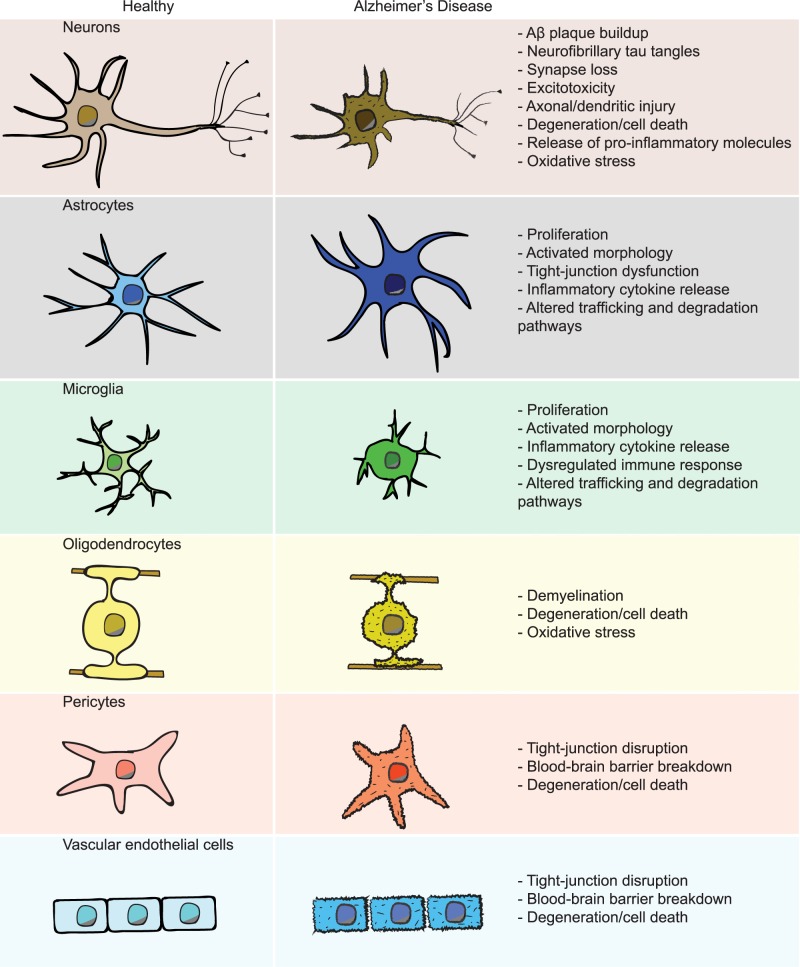
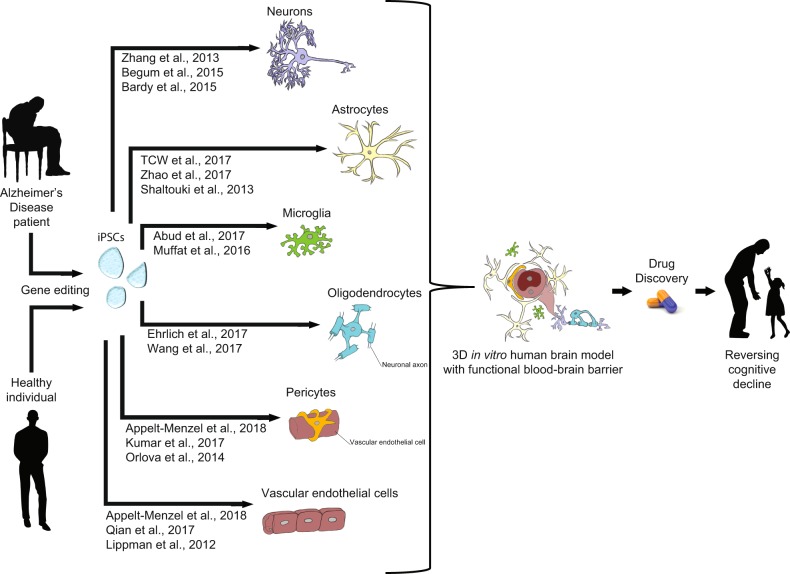
Verification
Claims the paper makes
The claims and statistics of this paper haven’t been checked yet.
Run the check — free, no account needed. It reads the open-access text and checks the sources it cites.
Claims other papers make about this one
Each is checked against this paper’s own text: does it say what the citing paper says it does?
The source backs part of the claim, not all of it — or backs it for a different population, condition or comparison.
In the citing paper
“A majority of AD risk genes identified through genome-wide association studies are highly expressed in microglia, the brain’s innate immune cells, suggesting a key role in microglial dysfunction (Kummer et al., 2021; Penney et al., 2020; Teipel et al., 2022).”
From A novel molecular class that recruits HDAC/MECP2 complexes to PU.1 motifs reduces neuroinflammation (2023) · cites this paper as Penney et al., 2020
Experimental — accuracy not yet measuredThe cited source says what the claim attributes to it.
In the citing paper
“Population genetics has revealed that AD risk variants are enriched in genes that are highly expressed in microglia (Penney et al., 2020).”
From A novel molecular class that recruits HDAC/MECP2 complexes to PU.1 motifs reduces neuroinflammation (2023) · cites this paper as Penney et al., 2020
In the citing paper
“While it is well documented that iPS cell systems can model aspects of AD pathology (Penney et al., 2020; Nelson et al., 2023)”
From APOE3 Christchurch modulates β-catenin/Wnt signaling in iPS cell-derived cerebral organoids from Alzheimer’s cases (2024) · cites this paper as Penney et al., 2020
Self-check
Percentages, sums and reported differences re-computed from the paper’s own numbers.
The self-check needs the paper’s full text.
Citations
Cites
McKhann, G. M., Knopman, D. S., Chertkow, H., Hyman, B. T., Jack, C. R., Kawas, C. H., Klunk, W. E., Koroshetz, W. J., Manly, J. J., Mayeux, R., et al. (2011) · Alzheimer's & Dementia · doi:10.1016/j.jalz.2011.03.005 · Cited by 18,657
Multiplex Genome Engineering Using CRISPR/Cas Systems
Cong, L., Ran, F. A., Cox, D., Lin, S., Barretto, R., Habib, N., Hsu, P. D., Wu, X., Jiang, W., Marraffini, L. A., et al. (2013) · Science · doi:10.1126/science.1231143 · Cited by 15,339
Corder, E. H., Saunders, A. M., Strittmatter, W. J., Schmechel, D. E., Gaskell, P. C., Small, G. W., Roses, A. D., Haines, J. L., & Pericak-Vance, M. A. (1993) · Science · doi:10.1126/science.8346443 · Cited by 9,429
Neurotoxic reactive astrocytes are induced by activated microglia
Liddelow, S. A., Guttenplan, K. A., Clarke, L. E., Bennett, F. C., Bohlen, C. J., Schirmer, L., Bennett, M. L., Münch, A. E., Chung, W.-S., Peterson, T. C., et al. (2017) · Nature · doi:10.1038/nature21029 · Cited by 7,971
Alzheimer's disease: the amyloid cascade hypothesis
Hardy, J. A., & Higgins, G. A. (1992) · Science · doi:10.1126/science.1566067 · Cited by 7,484
Cerebral organoids model human brain development and microcephaly
Lancaster, M. A., Renner, M., Martin, C.-A., Wenzel, D., Bicknell, L. S., Hurles, M. E., Homfray, T., Penninger, J. M., Jackson, A. P., & Knoblich, J. A. (2013) · Nature · doi:10.1038/nature12517 · Cited by 5,372
Goate, A., Chartier-Harlin, M.-C., Mullan, M., Brown, J., Crawford, F., Fidani, L., Giuffra, L., Haynes, A., Irving, N., James, L., et al. (1991) · Nature · doi:10.1038/349704a0 · Cited by 4,659
The precursor of Alzheimer's disease amyloid A4 protein resembles a cell-surface receptor
Kang, J., Lemaire, H.-G., Unterbeck, A., Salbaum, J. M., Masters, C. L., Grzeschik, K.-H., Multhaup, G., Beyreuther, K., & Müller-Hill, B. (1987) · Nature · doi:10.1038/325733a0 · Cited by 4,619
Meta-Analysis of 74,046 Individuals Identifies 11 New Susceptibility Loci for Alzheimer’s Disease
(EADI), E. A. D. I., Lambert, J.-C., (GERAD), G. A. E. R. I. A. D., Alzheimer's Disease Genetic Consortium (ADGC), (CHARGE), C. F. H. A. A. R. I. G. E., Ibrahim-Verbaas, C. A., Harold, D., Naj, A. C., Sims, R., Bellenguez, C., et al. (2013) · Nature Genetics · doi:10.1038/ng.2802 · Cited by 4,336
Hearing loss and cognitive decline in older adults
Lin, F. R., Yaffe, K., Xia, J., Xue, Q.-L., Harris, T. B., Purchase-Helzner, E., Satterfield, S., Ayonayon, H. N., Ferrucci, L., Simonsick, E. M., et al. (2013) · JAMA Internal Medicine · doi:10.1001/jamainternmed.2013.1868 · Cited by 4,017
Cited by
Sorted by citations
Items 101–200 of 482
Microglia: roles and genetic risk in Parkinson’s disease
Trainor, A. R., MacDonald, D. S., & Penney, J. (2024) · Frontiers in Neuroscience · doi:10.3389/fnins.2024.1506358 · Cited by 34
Self-citation3D bioprinting approaches for enhancing stem cell-based neural tissue regeneration
Bektas, C. K., Luo, J., Conley, B., Le, K.-P. N., & Lee, K. (2025) · Acta Biomaterialia · doi:10.1016/j.actbio.2025.01.006 · Cited by 35
Alzheimer’s disease: a tale of two diseases?
Nardini, E., Hogan, R., Flamier, A., & Bernier, G. (2021) · Neural Regeneration Research · doi:10.4103/1673-5374.308070 · Cited by 33
Wu, Q., Karthivashan, G., Nakhaei‐Nejad, M., Anand, B. G., Giuliani, F., & Kar, S. (2022) · International Journal of Biological Macromolecules · doi:10.1016/j.ijbiomac.2022.08.148 · Cited by 30
Hebisch, M., Klostermeier, S., Wolf, K., Boccaccini, A. R., Wolf, S. E., Tanzi, R. E., & Kim, D. Y. (2023) · Advanced Science · doi:10.1002/advs.202205037 · Cited by 31
Zivko, C., Sagar, R., Xydia, A., López-Montes, A., Mintzer, J. E., Rosenberg, P. B., Shade, D. M., Porsteinsson, A. P., Lyketsos, C. G., & Mahairaki, V. (2024) · Molecular Psychiatry · doi:10.1038/s41380-024-02629-y · Cited by 30
Emerging hiPSC Models for Drug Discovery in Neurodegenerative Diseases
Trudler, D., Ghatak, S., & Lipton, S. A. (2021) · International Journal of Molecular Sciences · doi:10.3390/ijms22158196 · Cited by 30
Chen, X., Jiang, S., Wang, R., Bao, X., & Li, Y. (2022) · Journal of Alzheimer s Disease · doi:10.3233/jad-220721 · Cited by 34
Perez-Corredor, P., Vanderleest, T. E., Vacano, G. N., Sanchez, J. S., Villalba-Moreno, N. D., Marino, C., Krasemann, S., Mendivil-Perez, M. A., Aguillón, D., Jiménez-Del-Río, M., et al. (2024) · Frontiers in Molecular Neuroscience · doi:10.3389/fnmol.2024.1373568 · Cited by 28
“While it is well documented that iPS cell systems can model aspects of AD pathology (Penney et al., 2020; Nelson et al., 2023), we have also demonstrated here that the iPS system is also capable of accurately identifying cellular processes differentially regulated by the APOE3Ch variant.”
BackgroundYan, H., Wang, W., Cui, T., Shao, Y., Li, M., Fang, L., & Feng, L. (2024) · ImmunoTargets and Therapy · doi:10.2147/itt.s455881 · Cited by 32
A framework for translating tauopathy therapeutics: Drug discovery to clinical trials
Feldman, H., Cummings, J. L., Boxer, A. L., Staffaroni, A. M., Knopman, D. S., Rizzo, S. J. S., Territo, P. R., Arnold, S. E., Ballard, C. G., Beher, D., et al. (2024) · Alzheimer s & Dementia · doi:10.1002/alz.14250 · Cited by 27
Trambauer, J., Fukumori, A., & Steiner, H. (2020) · Current Opinion in Neurobiology · doi:10.1016/j.conb.2020.01.011 · Cited by 28
Kong, J. S., Huang, X., Choi, Y., Yi, H., Kang, J.-S., Kim, S., Kim, J., Lee, H., Rim, Y. A., Ju, J. H., et al. (2021) · Advanced Healthcare Materials · doi:10.1002/adhm.202100581 · Cited by 28
Advances in Modeling Alzheimer's Disease In Vitro
Sharma, N. S., Karan, A., Lee, D.-H., Yan, Z., & Xie, J. (2021) · Advanced NanoBiomed Research · doi:10.1002/anbr.202100097 · Cited by 31
Zhu, W., Tao, M., Hong, Y., Wu, S., Chu, C., Zheng, Z., Han, X., Zhu, Q., Xu, M., Ewing, A. G., et al. (2022) · Chemical Science · doi:10.1039/d2sc00809b · Cited by 28
Cerebral Organoids as an Experimental Platform for Human Neurogenomics
Nowakowski, T. J., & Salama, S. R. (2022) · Cells · doi:10.3390/cells11182803 · Cited by 27
Huang, C., Rust, N. C., Wu, H., & Hart, G. W. (2022) · Neural Regeneration Research · doi:10.4103/1673-5374.354515 · Cited by 28
Alzheimer’s Disease Treatment: The Search for a Breakthrough
Reiss, A. B., Muhieddine, D., Jacob, B., Mesbah, M., Pinkhasov, A., Gomolin, I. H., Stecker, M. M., Wısnıewskı, T., & Leon, J. D. (2023) · Medicina · doi:10.3390/medicina59061084 · Cited by 31
Co-Culture Models: Key Players in In Vitro Neurotoxicity, Neurodegeneration and BBB Modeling Studies
Monteiro, A. R., Barbosa, D. J., Remião, F., & Silva, R. (2024) · Biomedicines · doi:10.3390/biomedicines12030626 · Cited by 27
Tripathi, U., Rosh, I., Ezer, R. B., Nayak, R., Hussein, Y., Choudhary, A., Djamus, J., Manole, A., Houlden, H., Gage, F. H., et al. (2024) · npj Parkinson s Disease · doi:10.1038/s41531-024-00715-0 · Cited by 34
A guide for blood–brain barrier models
Soliman, Y., Al‐khodor, J., Koken, G. Y., & Mustafaoğlu, N. (2024) · FEBS Letters · doi:10.1002/1873-3468.15053 · Cited by 30
Culibrk, R. A., & Hahn, M. S. (2020) · Frontiers in Aging Neuroscience · doi:10.3389/fnagi.2020.583884 · Cited by 28
Basic and Preclinical Research for Personalized Medicine
Lattanzi, W., Ripoli, C., Greco, V., Barba, M., Iavarone, F., Minucci, A., Urbani, A., Grassi, C., & Parolini, O. (2021) · Journal of Personalized Medicine · doi:10.3390/jpm11050354 · Cited by 30
Nguyen, V. T. T., König, S., Eggert, S., Endres, K., & Kins, S. (2021) · Biological Chemistry · doi:10.1515/hsz-2021-0214 · Cited by 28
Campos, H. C., Ribeiro, D. E., Hashiguchi, D., Hukuda, D. Y., Gimenes, C., Romariz, S. A. A., Ye, Q., Tang, Y., Ulrich, H., & Longo, B. M. (2022) · Stem Cell Reviews and Reports · doi:10.1007/s12015-021-10321-9 · Cited by 28
DeMarino, C., Cowen, M., Khatkar, P., Cotto, B., Branscome, H., Kim, Y., Sharif, S. A., Agbottah, E. T., Zhou, W., Costiniuk, C. T., et al. (2022) · Cells · doi:10.3390/cells11040723 · Cited by 27
Advanced patient-specific microglia cell models for pre-clinical studies in Alzheimer’s disease
Cuní‐López, C., Stewart, R., Oikari, L. E., Nguyen, T. H., Roberts, T. L., Sun, Y., Guo, C. C., Lupton, M. K., White, A. R., & Quek, H. (2024) · Journal of Neuroinflammation · doi:10.1186/s12974-024-03037-3 · Cited by 28
Wang, J., Daniszewski, M., Hao, M. M., Hernández, D., Pébay, A., Gleeson, P. A., & Fourrière, L. (2023) · Cell Reports · doi:10.1016/j.celrep.2023.112709 · Cited by 28
Alzheimer's Disease: Many Failed Trials, So Where Do We Go from Here?
Reiss, A. B., Glass, A. D., Wısnıewskı, T., Wolozin, B. L., Gomolin, I. H., Pinkhasov, A., Leon, J. D., & Stecker, M. M. (2020) · Journal of Investigative Medicine · doi:10.1136/jim-2020-001297 · Cited by 26
Marei, H. E. S., Khan, M. U. A., & Hasan, A. (2023) · Cellular & Molecular Biology Letters · doi:10.1186/s11658-023-00504-2 · Cited by 27
Lomoio, S., Pandey, R. S., Rouleau, N., Menicacci, B., Kim, W., Cantley, W. L., Haydon, P. G., Bennett, D. A., Young-Pearse, T. L., Carter, G. W., et al. (2023) · Molecular Psychiatry · doi:10.1038/s41380-023-02147-3 · Cited by 25
Pathogenesis of miR-155 on nonmodifiable and modifiable risk factors in Alzheimer’s disease
Liu, J.-J., Long, Y.-F., Xu, P., Guo, H.-D., & Cui, G.-H. (2023) · Alzheimer s Research & Therapy · doi:10.1186/s13195-023-01264-z · Cited by 26
Yeganeh, P. N., Kwak, S. S., Jorfi, M., Koler, K., Kalatturu, T., von Maydell, D. K., Liu, Z., Guo, K., Choi, Y., Park, J., et al. (2024) · Neuron · doi:10.1016/j.neuron.2024.10.029 · Cited by 24
The Interface of Gene Editing with Regenerative Medicine
Farag, V., Devey, E. A., & Leong, K. W. (2024) · Engineering · doi:10.1016/j.eng.2024.10.019 · Cited by 30
Synthetic gene circuits as tools for drug discovery
Beitz, A. M., Oakes, C. G., & Galloway, K. E. (2021) · Trends in biotechnology · doi:10.1016/j.tibtech.2021.06.007 · Cited by 25
Jin, L., Lucente, J. D., Mendiola, U. R., Tang, X., Zivkovic, A. M., Lebrilla, C. B., & Maezawa, I. (2023) · Glia · doi:10.1002/glia.24345 · Cited by 24
Comprehensive Bibliometric Analysis of Stem Cell Research in Alzheimer’s Disease from 2004 to 2022
Wang, R., Zhu, Y., Qin, L.-F., Xu, Z., Gao, X.-R., Liu, C., Xu, G., & Chen, Y. (2023) · Dementia and Geriatric Cognitive Disorders · doi:10.1159/000528886 · Cited by 24
Qu, W., Canoll, P., & Hargus, G. (2023) · Neuroscience · doi:10.1016/j.neuroscience.2022.05.006 · Cited by 24
Shin, Y. J., Evitts, K. M., Jin, S., Howard, C. C., Sharp-Milgrom, M., Schwarze‐Taufiq, T. A., Kinoshita, C., Young, J. E., & Zheng, Y. Y. (2023) · Neurobiology of Disease · doi:10.1016/j.nbd.2023.106125 · Cited by 25
Rajkumar, M., Govindaraj, P., Vimala, K., Thangaraj, R., & Kannan, S. (2023) · Metabolic Brain Disease · doi:10.1007/s11011-023-01336-x · Cited by 23
Boylin, K., Aquino, G. V., Purdon, M., Abedi, K., Kasendra, M. J., & Barrile, R. (2024) · Biofabrication · doi:10.1088/1758-5090/ad4c08 · Cited by 21
Cerebral Organoids and Antisense Oligonucleotide Therapeutics: Challenges and Opportunities
Lange, J., Zhou, H., & McTague, A. (2022) · Frontiers in Molecular Neuroscience · doi:10.3389/fnmol.2022.941528 · Cited by 22
Huang, C., Rust, N. C., Wu, H., Yin, A., Zeltner, N., Yin, H., & Hart, G. W. (2023) · Alzheimer s & Dementia · doi:10.1002/alz.13058 · Cited by 21
Roh, H. W., Kim, N., Lee, D. A., Cheong, J. Y., Seo, S. W., Choi, S. H., Kim, E., Cho, S. H., Kim, B. C., Kim, S. Y., et al. (2022) · Psychiatry Investigation · doi:10.30773/pi.2021.0335 · Cited by 21
López-Toledo, G., Silva‐Lucero, M., Herrera‐Díaz, J., García, D.-E., Arias‐Montaño, J., & Cárdenas‐Aguayo, M. D. C. (2022) · Frontiers in Aging Neuroscience · doi:10.3389/fnagi.2022.921573 · Cited by 20
Roles of Siglecs in neurodegenerative diseases
Siew, J. J., Chern, Y., Khoo, K., & Angata, T. (2022) · Molecular Aspects of Medicine · doi:10.1016/j.mam.2022.101141 · Cited by 20
Stem Cell-Derived Neurons as Cellular Models of Sporadic Alzheimer’s Disease
Foveau, B., Correia, A. S., Hébert, S. S., Rainone, S., Potvin, O., Kergoat, M., Belleville, S., Duchesne, S., & LeBlanc, A. C. (2019) · Journal of Alzheimer s Disease · doi:10.3233/jad-180833 · Cited by 21
Current Status and Challenges of Stem Cell Treatment for Alzheimer’s Disease
Pacheco‐Herrero, M., Soto-Rojas, L. O., Reyes-Sabater, H., Garcés‐Ramírez, L., de la Cruz‐López, F., Villanueva‐Fierro, I., & Luna‐Muñoz, J. (2021) · Journal of Alzheimer s Disease · doi:10.3233/jad-200863 · Cited by 23
Cell-based regenerative and rejuvenation strategies for treating neurodegenerative diseases
Deng, S., Xie, H., & Xie, B. (2025) · Stem Cell Research & Therapy · doi:10.1186/s13287-025-04285-7 · Cited by 24
Lin, L., Gupta, S. N., Zheng, W., Si, K., & Zhu, J. (2020) · Molecular Psychiatry · doi:10.1038/s41380-020-00960-8 · Cited by 20
Pinpointing the locus of GABAergic vulnerability in Alzheimer’s disease
Melgosa-Ecenarro, L., Doostdar, N., Radulescu, C. I., Jackson, J., & Barnes, S. J. (2022) · Seminars in Cell and Developmental Biology · doi:10.1016/j.semcdb.2022.06.017 · Cited by 20
Móvio, M. I., de Lima-Vasconcellos, T. H., dos Santos, G. B., Echeverry, M. B., Colombo, E., Mattos, L. S., Resende, R. R., & Kihara, A. H. (2022) · Seminars in Cell and Developmental Biology · doi:10.1016/j.semcdb.2022.09.011 · Cited by 21
Cuní‐López, C., Stewart, R., Quek, H., & White, A. R. (2022) · Cells · doi:10.3390/cells11101662 · Cited by 19
Functionalized Nanodiamonds for Targeted Neuronal Electromagnetic Signal Detection
Costa, B. N. L., Camarneiro, F., Marote, A., Barbosa, C., Vedor, C., Tomé, D., Costa, F. J., Dias, M. S., Correia, J., Pires, J. P., et al. (2024) · ACS Applied Materials & Interfaces · doi:10.1021/acsami.4c12462 · Cited by 19
Sabogal-Guáqueta, A. M., Mitchell-Garcia, T., Hunneman, J., Voshart, D. C., Thiruvalluvan, A., Foijer, F., Kruyt, F. A. E., Trombetta-Lima, M., Eggen, B. J. L., Boddeke, E., et al. (2024) · Neurobiology of Disease · doi:10.1016/j.nbd.2024.106742 · Cited by 19
Efficient manipulation of gene dosage in human iPSCs using CRISPR/Cas9 nickases
Tao, Y., Duan, Y., Tsang, H. W. S., Xu, H. J., Chen, Y., Cao, H., Chen, Y., Fu, A. K. Y., & Ip, N. Y. (2021) · Communications Biology · doi:10.1038/s42003-021-01722-0 · Cited by 21
Protein aggregation and neurodegenerative disease: Structural outlook for the novel therapeutics
Arar, S. H., Haque, M. A., & Kayed, R. (2023) · Proteins Structure Function and Bioinformatics · doi:10.1002/prot.26561 · Cited by 20
Three-dimensional bioprinting healthy and diseased models of the brain tissue using stem cells
Walus, K., Beyer, S., & Willerth, S. M. (2020) · Current Opinion in Biomedical Engineering · doi:10.1016/j.cobme.2020.03.002 · Cited by 19
Mishra, S., Kinoshita, C., Axtman, A. D., & Young, J. E. (2022) · Frontiers in Molecular Neuroscience · doi:10.3389/fnmol.2022.824956 · Cited by 16
Analyzing alternative splicing in Alzheimer’s disease postmortem brain: a cell-level perspective
Farhadieh, M., & Ghaedi, K. (2023) · Frontiers in Molecular Neuroscience · doi:10.3389/fnmol.2023.1237874 · Cited by 18
Brezováková, V., Syková, E., & Jadhav, S. (2022) · Cells · doi:10.3390/cells11091429 · Cited by 19
P97/VCP ATPase inhibitors can rescue p97 mutation-linked motor neuron degeneration
Wang, F., Li, S., Wang, T. Y., Lopez, G. A., Antoshechkin, I. A., & Chou, T. (2022) · Brain Communications · doi:10.1093/braincomms/fcac176 · Cited by 18
Cortical spheroid on perfusable microvascular network in a microfluidic device
Russell, T. A., Dirar, Q., Li, Y., Chiang, C., Laskowitz, D. T., & Yun, Y. (2023) · PLoS ONE · doi:10.1371/journal.pone.0288025 · Cited by 18
Optogenetic and chemogenetic approaches for modeling neurological disorders in vivo
Krut’, V. G., Kalinichenko, A. L., Maltsev, D. I., Jappy, D., Shevchenko, E. K., Podgorny, O. V., & Belousov, V. V. (2024) · Progress in Neurobiology · doi:10.1016/j.pneurobio.2024.102600 · Cited by 17
Microphysiological Systems for Neurodegenerative Diseases in Central Nervous System
Bae, M., Yi, H., Jang, J., & Cho, D. (2020) · Micromachines · doi:10.3390/mi11090855 · Cited by 19
Gomez‐Virgilio, L., Luarte, A., Ponce, D. P., Bruna, B., & Behrens, M. I. (2021) · International Journal of Molecular Sciences · doi:10.3390/ijms22126311 · Cited by 18
Alzheimer’s Disease: Current Perspectives and Advances in Physiological Modeling
Boder, E. J., & Banerjee, I. A. (2021) · Bioengineering · doi:10.3390/bioengineering8120211 · Cited by 18
Engineered nanoparticles for the treatment of Alzheimer’s disease
Jia, J., Zhao, S., Zhao, J., & Gao, Y. (2025) · Frontiers in Pharmacology · doi:10.3389/fphar.2025.1510798 · Cited by 24
Toward Studying Cognition in a Dish
Rouleau, N., Murugan, N. J., & Kaplan, D. L. (2021) · Trends in Cognitive Sciences · doi:10.1016/j.tics.2021.01.005 · Cited by 19
Cell models for Down syndrome-Alzheimer’s disease research
Wu, Y., West, N. R., Bhattacharyya, A., & Wiseman, F. K. (2022) · Neuronal Signaling · doi:10.1042/ns20210054 · Cited by 17
Liang, Y., Tan, F., Sun, X., Cui, Z., Gu, J., Mao, S., Chan, H. F., Tang, S., & Chen, J. (2022) · International Journal of Molecular Sciences · doi:10.3390/ijms23169049 · Cited by 17
Huang, W.-C., Hung, C.-H., Lin, Y.-W., Zheng, Y.-C., Lei, W., & Lu, H. (2022) · ACS Biomaterials Science & Engineering · doi:10.1021/acsbiomaterials.2c00822 · Cited by 17
Modelling Alzheimer's disease using human brain organoids: current progress and challenges
Yanakiev, M., Soper, O., Berg, D. A., & Kang, E. (2022) · Expert Reviews in Molecular Medicine · doi:10.1017/erm.2022.40 · Cited by 17
Stem cells in the treatment of Alzheimer's disease – Promises and pitfalls
Bhatti, J. S., Khullar, N., Mishra, J., Kaur, S., Sehrawat, A., Sharma, E., Bhatti, G. K., Selman, A., & Reddy, P. H. (2023) · Biochimica et Biophysica Acta (BBA) - Molecular Basis of Disease · doi:10.1016/j.bbadis.2023.166712 · Cited by 19
Tackling neurodegeneration in vitro with omics: a path towards new targets and drugs
Carraro, C., Montgomery, J. V., Klimmt, J., Paquet, D., Schultze, J. L., & Beyer, M. (2024) · Frontiers in Molecular Neuroscience · doi:10.3389/fnmol.2024.1414886 · Cited by 16
Mohite, P. B., Puri, A. V., Dave, R., Budar, A., Munde, S. V., Ghosh, S. B., Alqahtani, T., Shmrany, H. A., Kumer, A., & Dhara, B. (2024) · International Journal of Surgery · doi:10.1097/js9.0000000000001892 · Cited by 20
Mateos‐Aparicio, P., Bello, S. A., & Moreno, A. R. (2020) · Frontiers in Cell and Developmental Biology · doi:10.3389/fcell.2020.00797 · Cited by 20
Takahashi, H., Oikawa, F., Takeda, N., & Shimizu, T. (2022) · Tissue Engineering Part A · doi:10.1089/ten.tea.2021.0202 · Cited by 16
Astrocytes Drive Divergent Metabolic Gene Expression in Humans and Chimpanzees
Zintel, T. M., Pizzollo, J., Claypool, C. G., & Babbitt, C. C. (2023) · Genome Biology and Evolution · doi:10.1093/gbe/evad239 · Cited by 18
β-Amyloid peptide modulates peripheral immune responses and neuroinflammation in rats
Adhikary, K., Mohanty, S., Bandyopadhyay, B., Maiti, R., Bhattacharya, K., & Karak, P. (2024) · BioMolecular Concepts · doi:10.1515/bmc-2022-0042 · Cited by 16
Gonçalves, M., Costa, M., Paiva‐Martins, F., & Silva, P. (2024) · Molecules · doi:10.3390/molecules29204841 · Cited by 17
Gene Editing and Alzheimer's Disease: Is There Light at the End of the Tunnel?
Stepanichev, M. Y. (2020) · Frontiers in Genome Editing · doi:10.3389/fgeed.2020.00004 · Cited by 17
Human Induced Pluripotent Stem Cell Models of Frontotemporal Dementia With Tau Pathology
Kühn, R., Mahajan, A., Canoll, P., & Hargus, G. (2021) · Frontiers in Cell and Developmental Biology · doi:10.3389/fcell.2021.766773 · Cited by 18
Endotype reversal as a novel strategy for screening drugs targeting familial Alzheimer's disease
Caldwell, A. B., Liu, Q., Zhang, C. M., Schroth, G. P., Galasko, D. R., Rynearson, K. D., Tanzi, R. E., Yuan, S. H., Wagner, S. L., & Subramaniam, S. (2022) · Alzheimer s & Dementia · doi:10.1002/alz.12553 · Cited by 16
Experimental modelling of Alzheimer's disease for therapeutic screening
Blaikie, L., Kay, G., Maciel, P., & Lin, P. K. T. (2022) · European Journal of Medicinal Chemistry Reports · doi:10.1016/j.ejmcr.2022.100044 · Cited by 16
Liu, C., Sun, L. J., Worden, H., Ene, J., Zeng, O. Z., Bhagu, J., Grant, S. C., Bao, X., Jung, S., & Li, Y. (2024) · Journal of Extracellular Biology · doi:10.1002/jex2.70002 · Cited by 16
Dai, Z., Yu, Y., Chen, R., Zhu, H., Fong, H., Kuang, J., Jiang, Y., Chen, Y., Niu, Y., Chen, T., et al. (2024) · Biomaterials · doi:10.1016/j.biomaterials.2024.123011 · Cited by 18
Retroviral infection of human neurospheres and use of stem Cell EVs to repair cellular damage
Branscome, H., Khatkar, P., Sharif, S. A., Yin, D., Jacob, S., Cowen, M., Kim, Y., Erickson, J. W., Brantner, C. A., El‐Hage, N., et al. (2022) · Scientific Reports · doi:10.1038/s41598-022-05848-x · Cited by 15
Fisher, R. M. A., & Torrente, M. P. (2024) · Frontiers in Molecular Neuroscience · doi:10.3389/fnmol.2024.1456052 · Cited by 18
Yu, P., Liu, B., Dong, C., & Chang, Y. (2025) · Cells · doi:10.3390/cells14080619 · Cited by 19
Watanabe, H., Imaizumi, K., Cai, T., Zhou, Z., Tomita, T., & Okano, H. (2021) · eNeuro · doi:10.1523/eneuro.0500-20.2021 · Cited by 15
Francistiová, L., Vörös, K., Lovász, Z., Dinnyés, A., & Kobolák, J. (2022) · Frontiers in Molecular Neuroscience · doi:10.3389/fnmol.2021.793769 · Cited by 14
Induced Pluripotent Stem Cells: Hope in the Treatment of Diseases, including Muscular Dystrophies
Beghini, D. G., Horita, S. I. M., Cascabulho, C. M., Alves, L. A., & Henriques‐Pons, A. (2020) · International Journal of Molecular Sciences · doi:10.3390/ijms21155467 · Cited by 22
Research models to study lewy body dementia
Boschen, S. L., Mukerjee, A. A., Faroqi, A. H., Rabichow, B. E., & Fryer, J. D. (2025) · Molecular Neurodegeneration · doi:10.1186/s13024-025-00837-w · Cited by 16
In Vitro Models of Amyotrophic Lateral Sclerosis
Zhou, L., Chen, W., Jiang, S., & Xu, R. (2023) · Cellular and Molecular Neurobiology · doi:10.1007/s10571-023-01423-8 · Cited by 13
Fabrication approaches for high-throughput and biomimetic disease modeling
Grubb, M., & Caliari, S. R. (2021) · Acta Biomaterialia · doi:10.1016/j.actbio.2021.03.006 · Cited by 15
Gutova, M., B, J. P. C. A., Adhikarla, V., Tsaturyan, L., Barish, M. E., Rockne, R. C., Moschonas, E. H., Bondi, C. O., & Kline, A. E. (2021) · Stem Cells International · doi:10.1155/2021/5549381 · Cited by 14
3D Printing for Neural Repair: Bridging the Gap in Regenerative Medicine
Clair‐Glover, M. S., Yue, Z., & Dottori, M. (2025) · Advanced Materials · doi:10.1002/adma.202507590 · Cited by 14
Transcriptome-Powered Pluripotent Stem Cell Differentiation for Regenerative Medicine
Ogi, D. A., & Jin, S. (2023) · Cells · doi:10.3390/cells12101442 · Cited by 13
Yue, J., Xia, W., Wang, Y., Zhang, Y., Zhang, Y., Li, Y., Wang, L., Li, C., Li, T., & Fu, X. (2023) · Journal of Pharmacy and Pharmacology · doi:10.1093/jpp/rgad096 · Cited by 12
Metadata
- Authors
- Penney, J., Ralvenius, W. T., & Tsai, L.-H.
- Affiliations
- Massachusetts Institute of Technology (US)
- Corresponding author
- Tsai, Li-Huei
- Venue
- Molecular Psychiatry
- Published
- 2019-08-07
- Volume
- 25
- Issue
- 1
- Pages
- 148-167
- ISSN
- 1359-4184 (ISSN-L)
- 1476-5578
- PMC
- PMC6906186
- OpenAlex
- W2964627277
- Cited by
- 471
- References
- 235
- Citations by year
- 2026: 54 · 2025: 66 · 2024: 78 · 2023: 84 · 2022: 77 · 2021: 65 · 2020: 41 · 2019: 6
- FWCI
- 4.18
- Type
- journal article
- Language
- en
- Open access
- hybrid
- doi.org
- Locations
- Molecular Psychiatry (publishedVersion, cc-by)
- PubMed Central (publishedVersion, cc-by)
- PubMed (publishedVersion)
- DSpace@MIT (Massachusetts Institute of Technology) (submittedVersion, cc-by-nc)
- IslandScholar (University of Prince Edward Island) (submittedVersion)
- Funders
- National Science Foundation
- Cure Alzheimer's Fund
- Robert A. and Renee E. Belfer Family Foundation
- Schweizerischer Nationalfonds zur Förderung der Wissenschaftlichen Forschung (177920)
- National Institutes of Health (NS051874)
- National Institute on Aging (RF1AG054012)
- National Institute of Neurological Disorders and Stroke (R37NS051874)
- Topics
- Life Sciences › Biochemistry, Genetics and Molecular Biology › Molecular Biology › Pluripotent Stem Cells Research
- Life Sciences › Neuroscience › Cellular and Molecular Neuroscience › Alzheimer's disease research and treatments
- Life Sciences › Neuroscience › Developmental Neuroscience › Neurogenesis and neuroplasticity mechanisms
- Keywords
- Alzheimer's disease, induced pluripotent stem cells, neurodegeneration, co-culture model, disease modeling, genome editing, Alzheimer's disease risk genes, preclinical research
- MeSH terms
- Alzheimer Disease, Brain, Cell Differentiation, Humans, Models, Biological, Neurons, Neurodegenerative Diseases, Induced Pluripotent Stem Cells
About these checks
Registry, retraction, Cites and statistics results are computed, not judged, with one exception: a printed reference that no index lists is read once by a model before it counts as a citation error. Claims are extracted by a model and kept only when their quote appears verbatim in the text; each cited source is then checked, with a model’s help, for whether it says what the claim relies on. Those verdicts can be wrong — read the claim’s quote and the cited source before relying on one.
Statistics and arithmetic are recomputed, not judged.
Confidence bands are shown only for fields calibrated on our annotated test set. None is calibrated yet, so no band is shown.
What counts as a claim ›How we measure confidence ›How we check this ›
Are you an author, or do you see a problem with this page? Request a review
