

The DOI matches its Crossref record; 234 of the 235 references it cites were found in a registry or an index.
Modeling Alzheimer’s disease with iPSC-derived brain cells
Open accessAbstract
Alzheimer's disease is a devastating neurodegenerative disorder with no cure. Countless promising therapeutics have shown efficacy in rodent Alzheimer's disease models yet failed to benefit human patients. While hope remains that earlier intervention with existing therapeutics will improve outcomes, it is becoming increasingly clear that new approaches to understand and combat the pathophysiology of Alzheimer's disease are needed. Human induced pluripotent stem cell (iPSC) technologies have changed the face of preclinical research and iPSC-derived cell types are being utilized to study an array of human conditions, including neurodegenerative disease. All major brain cell types can now be differentiated from iPSCs, while increasingly complex co-culture systems are being developed to facilitate neuroscience research. Many cellular functions perturbed in Alzheimer's disease can be recapitulated using iPSC-derived cells in vitro, and co-culture platforms are beginning to yield insights into the complex interactions that occur between brain cell types during neurodegeneration. Further, iPSC-based systems and genome editing tools will be critical in understanding the roles of the numerous new genes and mutations found to modify Alzheimer's disease risk in the past decade. While still in their relative infancy, these developing iPSC-based technologies hold considerable promise to push forward efforts to combat Alzheimer's disease and other neurodegenerative disorders.
Overview
The claims and statistics of this paper haven’t been checked yet.
Run the check — free, no account needed. It reads the open-access text and checks the sources it cites.
Integrity signals
Registry
Cites
Statistics
Figures
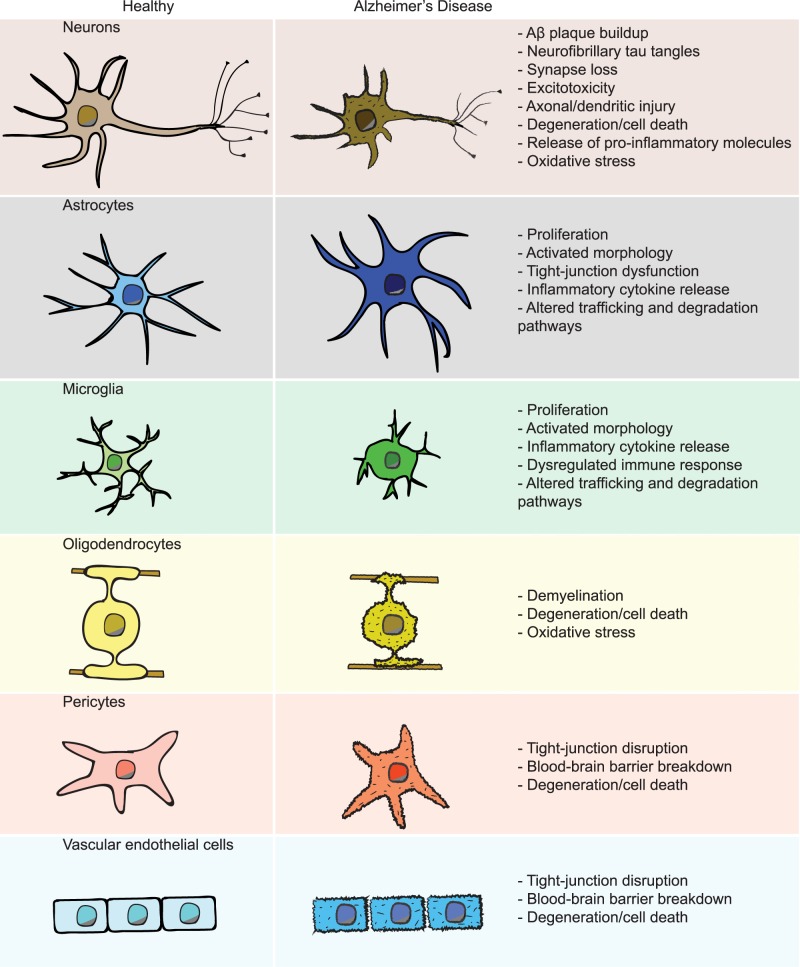
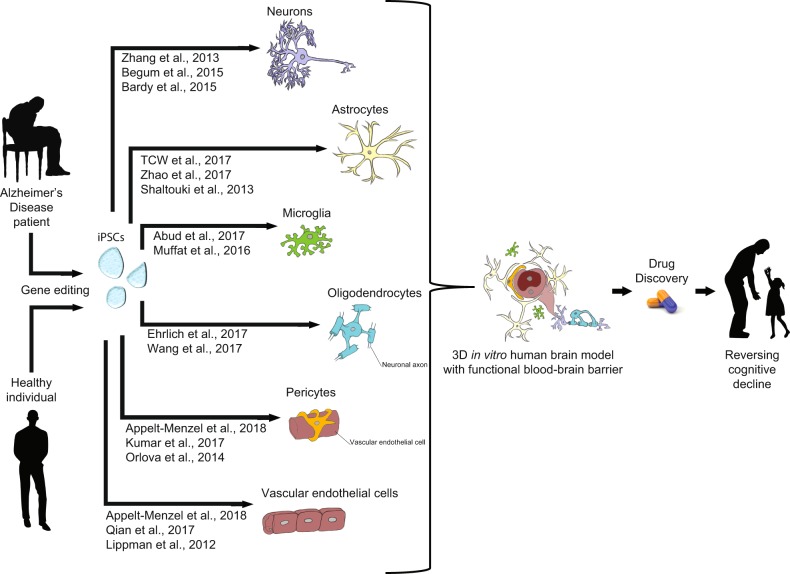
Verification
Claims the paper makes
The claims and statistics of this paper haven’t been checked yet.
Run the check — free, no account needed. It reads the open-access text and checks the sources it cites.
Claims other papers make about this one
Each is checked against this paper’s own text: does it say what the citing paper says it does?
The source backs part of the claim, not all of it — or backs it for a different population, condition or comparison.
In the citing paper
“A majority of AD risk genes identified through genome-wide association studies are highly expressed in microglia, the brain’s innate immune cells, suggesting a key role in microglial dysfunction (Kummer et al., 2021; Penney et al., 2020; Teipel et al., 2022).”
From A novel molecular class that recruits HDAC/MECP2 complexes to PU.1 motifs reduces neuroinflammation (2023) · cites this paper as Penney et al., 2020
Experimental — accuracy not yet measuredThe cited source says what the claim attributes to it.
In the citing paper
“Population genetics has revealed that AD risk variants are enriched in genes that are highly expressed in microglia (Penney et al., 2020).”
From A novel molecular class that recruits HDAC/MECP2 complexes to PU.1 motifs reduces neuroinflammation (2023) · cites this paper as Penney et al., 2020
In the citing paper
“While it is well documented that iPS cell systems can model aspects of AD pathology (Penney et al., 2020; Nelson et al., 2023)”
From APOE3 Christchurch modulates β-catenin/Wnt signaling in iPS cell-derived cerebral organoids from Alzheimer’s cases (2024) · cites this paper as Penney et al., 2020
Self-check
Percentages, sums and reported differences re-computed from the paper’s own numbers.
The self-check needs the paper’s full text.
Citations
Cites
McKhann, G. M., Knopman, D. S., Chertkow, H., Hyman, B. T., Jack, C. R., Kawas, C. H., Klunk, W. E., Koroshetz, W. J., Manly, J. J., Mayeux, R., et al. (2011) · Alzheimer's & Dementia · doi:10.1016/j.jalz.2011.03.005 · Cited by 18,657
Multiplex Genome Engineering Using CRISPR/Cas Systems
Cong, L., Ran, F. A., Cox, D., Lin, S., Barretto, R., Habib, N., Hsu, P. D., Wu, X., Jiang, W., Marraffini, L. A., et al. (2013) · Science · doi:10.1126/science.1231143 · Cited by 15,339
Corder, E. H., Saunders, A. M., Strittmatter, W. J., Schmechel, D. E., Gaskell, P. C., Small, G. W., Roses, A. D., Haines, J. L., & Pericak-Vance, M. A. (1993) · Science · doi:10.1126/science.8346443 · Cited by 9,429
Neurotoxic reactive astrocytes are induced by activated microglia
Liddelow, S. A., Guttenplan, K. A., Clarke, L. E., Bennett, F. C., Bohlen, C. J., Schirmer, L., Bennett, M. L., Münch, A. E., Chung, W.-S., Peterson, T. C., et al. (2017) · Nature · doi:10.1038/nature21029 · Cited by 7,971
Alzheimer's disease: the amyloid cascade hypothesis
Hardy, J. A., & Higgins, G. A. (1992) · Science · doi:10.1126/science.1566067 · Cited by 7,484
Cerebral organoids model human brain development and microcephaly
Lancaster, M. A., Renner, M., Martin, C.-A., Wenzel, D., Bicknell, L. S., Hurles, M. E., Homfray, T., Penninger, J. M., Jackson, A. P., & Knoblich, J. A. (2013) · Nature · doi:10.1038/nature12517 · Cited by 5,372
Goate, A., Chartier-Harlin, M.-C., Mullan, M., Brown, J., Crawford, F., Fidani, L., Giuffra, L., Haynes, A., Irving, N., James, L., et al. (1991) · Nature · doi:10.1038/349704a0 · Cited by 4,659
The precursor of Alzheimer's disease amyloid A4 protein resembles a cell-surface receptor
Kang, J., Lemaire, H.-G., Unterbeck, A., Salbaum, J. M., Masters, C. L., Grzeschik, K.-H., Multhaup, G., Beyreuther, K., & Müller-Hill, B. (1987) · Nature · doi:10.1038/325733a0 · Cited by 4,619
Meta-Analysis of 74,046 Individuals Identifies 11 New Susceptibility Loci for Alzheimer’s Disease
(EADI), E. A. D. I., Lambert, J.-C., (GERAD), G. A. E. R. I. A. D., Alzheimer's Disease Genetic Consortium (ADGC), (CHARGE), C. F. H. A. A. R. I. G. E., Ibrahim-Verbaas, C. A., Harold, D., Naj, A. C., Sims, R., Bellenguez, C., et al. (2013) · Nature Genetics · doi:10.1038/ng.2802 · Cited by 4,336
Hearing loss and cognitive decline in older adults
Lin, F. R., Yaffe, K., Xia, J., Xue, Q.-L., Harris, T. B., Purchase-Helzner, E., Satterfield, S., Ayonayon, H. N., Ferrucci, L., Simonsick, E. M., et al. (2013) · JAMA Internal Medicine · doi:10.1001/jamainternmed.2013.1868 · Cited by 4,017
Cited by
Sorted by citations
Cai, Y., Song, W., Li, J., Jing, Y., Liang, C., Zhang, L., Zhang, X., Zhang, W., Liu, B., An, Y., et al. (2022) · Science China Life Sciences · doi:10.1007/s11427-022-2161-3 · Cited by 450
TLR4 Cross-Talk With NLRP3 Inflammasome and Complement Signaling Pathways in Alzheimer's Disease
Yang, J., Wise, L., & Fukuchi, K.-I. (2020) · Frontiers in Immunology · doi:10.3389/fimmu.2020.00724 · Cited by 387
The complexity of Alzheimer’s disease: an evolving puzzle
Ferrari, C., & Sorbi, S. (2021) · Physiological Reviews · doi:10.1152/physrev.00015.2020 · Cited by 343
Lipid accumulation induced by APOE4 impairs microglial surveillance of neuronal-network activity
Victor, M. B., Leary, N., Luna, X., Meharena, H. S., Scannail, A. N., Bozzelli, P. L., Samaan, G., Murdock, M. H., von Maydell, D., Effenberger, A. H., et al. (2022) · Cell Stem Cell · doi:10.1016/j.stem.2022.07.005 · Cited by 316
Self-citationProteomic landscape of Alzheimer’s Disease: novel insights into pathogenesis and biomarker discovery
Bai, B., Vanderwall, D., Li, Y., Wang, X., Poudel, S., Wang, H., Dey, K. K., Chen, P., Yang, K., & Peng, J. (2021) · Molecular Neurodegeneration · doi:10.1186/s13024-021-00474-z · Cited by 267
Ghatak, S., Dolatabadi, N., Trudler, D., Zhang, X., Wu, Y., Mohata, M., Ambasudhan, R., Talantova, M., & Lipton, S. A. (2019) · eLife · doi:10.7554/elife.50333 · Cited by 227
Mitophagy pathways in health and disease
Killackey, S. A., Philpott, D. J., & Girardin, S. E. (2020) · The Journal of Cell Biology · doi:10.1083/jcb.202004029 · Cited by 247
Cellular senescence at the crossroads of inflammation and Alzheimer's disease
Guerrero, A., De Strooper, B., & Arancibia-Cárcamo, I. L. (2021) · Trends in Neurosciences · doi:10.1016/j.tins.2021.06.007 · Cited by 236
Regenerative Stem Cell Therapy for Neurodegenerative Diseases: An Overview
Sivandzade, F., & Cucullo, L. (2021) · International Journal of Molecular Sciences · doi:10.3390/ijms22042153 · Cited by 224
Modeling Sporadic Alzheimer's Disease in Human Brain Organoids under Serum Exposure
Chen, X., Sun, G., Tian, E., Zhang, M., Davtyan, H., Beach, T. G., Reiman, E. M., Blurton‐Jones, M., Holtzman, D. M., & Shi, Y. (2021) · Advanced Science · doi:10.1002/advs.202101462 · Cited by 200
Interpretable learning based Dynamic Graph Convolutional Networks for Alzheimer’s Disease analysis
Zhu, Y., Ma, J., Yuan, C., & Zhu, X. (2021) · Information Fusion · doi:10.1016/j.inffus.2021.07.013 · Cited by 178
Horgusluoglu, E., Neff, R., Song, W., Wang, M., Wang, Q., Arnold, M., Krumsiek, J., Galindo‐Prieto, B., Ming, C., Nho, K., et al. (2022) · Alzheimer's & Dementia · doi:10.1002/alz.12468 · Cited by 175
Cellular rejuvenation: molecular mechanisms and potential therapeutic interventions for diseases
Ji, S., Xiong, M., Chen, H., Liu, Y., Zhou, L., Hong, Y., Wang, M., Wang, C., Fu, X., & Sun, X. (2023) · Signal Transduction and Targeted Therapy · doi:10.1038/s41392-023-01343-5 · Cited by 172
Sharma, R., Smits, I. P. M., la Vega, L. D., Lee, C., & Willerth, S. M. (2020) · Frontiers in Bioengineering and Biotechnology · doi:10.3389/fbioe.2020.00057 · Cited by 146
Fernandes, H. J. R., Patikas, N., Foskolou, S., Field, S. F., Park, J.-E., Byrne, M. L., Bassett, A. R., & Metzakopian, E. (2020) · Cell Reports · doi:10.1016/j.celrep.2020.108263 · Cited by 141
Cell of all trades: oligodendrocyte precursor cells in synaptic, vascular, and immune functionPreprint
Akay, L. A., Effenberger, A. H., & Tsai, L. (2021) · Genes & Development · doi:10.1101/gad.344218.120 · Cited by 150
Self-citationChang, C.-Y., Ting, H.-C., Liu, C.-A., Su, H., Chiou, T., Lin, S., Harn, H., & Ho, T. (2020) · Molecules · doi:10.3390/molecules25082000 · Cited by 140
Applications of iPSC-derived beta cells from patients with diabetes
Maxwell, K. G., & Millman, J. R. (2021) · Cell Reports Medicine · doi:10.1016/j.xcrm.2021.100238 · Cited by 146
Detecting the Stages of Alzheimer’s Disease with Pre-trained Deep Learning Architectures
Savaş, S. (2021) · Arabian Journal for Science and Engineering · doi:10.1007/s13369-021-06131-3 · Cited by 140
Recent progress in translational engineered in vitro models of the central nervous system
Nikolakopoulou, P., Rauti, R., Voulgaris, D., Shlomy, I., Maoz, B. M., & Herland, A. (2020) · Brain · doi:10.1093/brain/awaa268 · Cited by 133
Neuropathogenesis-on-chips for neurodegenerative diseases
Amartumur, S., Nguyen, H. M., Huynh, T., Kim, T. S., Woo, R., Oh, E., Kim, K. K., Lee, L. P., & Heo, C. (2024) · Nature Communications · doi:10.1038/s41467-024-46554-8 · Cited by 131
Pun, F. W., Liu, B. H. M., Long, X., Leung, H. W., Leung, G. H. D., Mewborne, Q. T., Gao, J., Shneyderman, A., Ozerov, I. V., Wang, J., et al. (2022) · Frontiers in Aging Neuroscience · doi:10.3389/fnagi.2022.914017 · Cited by 115
“A recent study investigating Alzheimer’s progression in the human brain highlighted the importance of integrating human data with data generated using cell lines and animal models, in order to better understand various stages of disease evolution (Penney et al., 2020).”
BackgroundGenetics, Functions, and Clinical Impact of Presenilin-1 (PSEN1) Gene
Bagaria, J., Bagyinszky, E., & An, S. S. A. (2022) · International Journal of Molecular Sciences · doi:10.3390/ijms231810970 · Cited by 123
Clinical Trials in Alzheimer’s Disease: A Hurdle in the Path of Remedy
Oxford, A. E., Stewart, E. S., & Rohn, T. T. (2020) · International Journal of Alzheimer s Disease · doi:10.1155/2020/5380346 · Cited by 111
Bassil, R., Shields, K., Granger, K., Zein, I., Ng, S., & Chih, B. (2021) · Nature Communications · doi:10.1038/s41467-021-25344-6 · Cited by 106
Mullane, K., & Williams, M. J. (2020) · Biochemical Pharmacology · doi:10.1016/j.bcp.2020.113945 · Cited by 109
Barák, M., Fedorová, V., Pospíšilová, V., Raška, J., Vochyánová, S., Sedmík, J., Hříbková, H., Klímová, H., Váňová, T., & Bohačiaková, D. (2022) · Stem Cell Reviews and Reports · doi:10.1007/s12015-021-10254-3 · Cited by 102
A comprehensive review on 3D tissue models: Biofabrication technologies and preclinical applications
Xie, R., Pal, V., Yu, Y., Lu, X., Gao, M., Liang, S., Huang, M., Peng, W., & Ozbolat, I. T. (2023) · Biomaterials · doi:10.1016/j.biomaterials.2023.122408 · Cited by 105
Region-specific vulnerability in neurodegeneration: lessons from normal ageing
Pandya, V. A., & Patani, R. (2021) · Ageing Research Reviews · doi:10.1016/j.arr.2021.101311 · Cited by 98
Organ‐On‐A‐Chip Models of the Blood–Brain Barrier: Recent Advances and Future Prospects
Kawakita, S., Mandal, K., Mou, L., Mecwan, M. M., Zhu, Y., Li, S., Sharma, S., Hernández, A. L., Nguyen, H. T., Maity, S., et al. (2022) · Small · doi:10.1002/smll.202201401 · Cited by 103
Replacing Animal Testing with Stem Cell-Organoids : Advantages and Limitations
Park, G., Rim, Y. A., Sohn, Y., Nam, Y., & Ju, J. H. (2024) · Stem Cell Reviews and Reports · doi:10.1007/s12015-024-10723-5 · Cited by 92
Innovations in 3D Tissue Models of Human Brain Physiology and Diseases
Lovett, M. L., Nieland, T. J. F., Dingle, Y. L., & Kaplan, D. L. (2020) · Advanced Functional Materials · doi:10.1002/adfm.201909146 · Cited by 87
Apolipoprotein E4 and meningeal lymphatics in Alzheimer disease: a conceptual framework
Mentis, A. A., Dardiotis, E., & Chrousos, G. P. (2020) · Molecular Psychiatry · doi:10.1038/s41380-020-0731-7 · Cited by 83
Revolutionizing Disease Modeling: The Emergence of Organoids in Cellular Systems
Silva-Pedrosa, R., Salgado, A. J., & Ferreira, P. E. (2023) · Cells · doi:10.3390/cells12060930 · Cited by 84
Decoding Mast Cell-Microglia Communication in Neurodegenerative Diseases
Sandhu, J. K., & Kulka, M. (2021) · International Journal of Molecular Sciences · doi:10.3390/ijms22031093 · Cited by 90
Blood–brain barrier endothelial cells in neurodegenerative diseases: Signals from the “barrier”
Yuan, Y., Sun, J., Dong, Q., & Cui, M. (2023) · Frontiers in Neuroscience · doi:10.3389/fnins.2023.1047778 · Cited by 90
The role of Alzheimer's disease risk genes in endolysosomal pathways
Szabo, M. P., Mishra, S., Knupp, A., & Young, J. E. (2021) · Neurobiology of Disease · doi:10.1016/j.nbd.2021.105576 · Cited by 87
Ralvenius, W. T., Andresen, J. L., Huston, M. M., Penney, J., Bonner, J. M., Fenton, O. S., Langer, R., & Tsai, L. (2024) · Advanced Materials · doi:10.1002/adma.202309225 · Cited by 78
Self-citationSimultaneous photoacoustic and ultrasound imaging: A review
Yu, Y., Feng, T., Qiu, H., Gu, Y., Chen, Q., Zuo, C., & Ma, H. (2024) · Ultrasonics · doi:10.1016/j.ultras.2024.107277 · Cited by 79
Noh, M., Kwon, H. S., Kwon, M., Nahm, M., Jin, H. K., Bae, J., & Kim, S. H. (2025) · Molecular Neurodegeneration · doi:10.1186/s13024-025-00867-4 · Cited by 94
Understanding Immune‐Driven Brain Aging by Human Brain Organoid Microphysiological Analysis Platform
Ao, Z., Song, S., Tian, C., Cai, H., Li, X., Miao, Y., Wu, Z., Krzesniak, J., Ning, B., Gu, M., et al. (2022) · Advanced Science · doi:10.1002/advs.202200475 · Cited by 77
Tello, J. A., Williams, H., Eppler, R., Steinhilb, M. L., & Khanna, M. (2022) · Frontiers in Molecular Neuroscience · doi:10.3389/fnmol.2022.883358 · Cited by 77
Haddad, H. W., Malone, G. W., Comardelle, N. J., Degueure, A. E., Kaye, A. M., & Kaye, A. D. (2022) · Health Psychology Research · doi:10.52965/001c.31925 · Cited by 77
Dimethyl fumarate: A review of preclinical efficacy in models of neurodegenerative diseases
Majkutewicz, I. (2022) · European Journal of Pharmacology · doi:10.1016/j.ejphar.2022.175025 · Cited by 78
Olesen, M. A., Villavicencio-Tejo, F., & Quintanilla, R. A. (2022) · Translational Neurodegeneration · doi:10.1186/s40035-022-00308-y · Cited by 80
Granzotto, A., Vissel, B., & Sensi, S. L. (2024) · eLife · doi:10.7554/elife.90633 · Cited by 71
The Challenge of Bringing iPSCs to the Patient
Ortuño‐Costela, M. D. C., Cerrada, V., García‐López, M., & Gallardo, M. E. (2019) · International Journal of Molecular Sciences · doi:10.3390/ijms20246305 · Cited by 73
Harberts, J. I., Fendler, C., Teuber, J., Siegmund, M., Trenkle, A. D. S., Rieck, N., Wolpert, M., Zierold, R., & Blick, R. H. (2020) · ACS Nano · doi:10.1021/acsnano.0c04640 · Cited by 68
The Role of Astrocytes in Synapse Loss in Alzheimer's Disease: A Systematic Review
Hulshof, L. A., van Nuijs, D., Hol, E. M., & Middeldorp, J. (2022) · Frontiers in Cellular Neuroscience · doi:10.3389/fncel.2022.899251 · Cited by 66
Ji, Y., Chen, X., Wang, Z., Meek, C. J., McLean, J. L., Yang, Y., Yuan, C., Rochet, J., Liu, F., & Xu, R. (2025) · Molecular Psychiatry · doi:10.1038/s41380-025-03041-w · Cited by 74
CRISPR-Cas9: A Promising Genome Editing Therapeutic Tool for Alzheimer’s Disease—A Narrative Review
Barman, N. C., Khan, M. N. M., Islam, M., Nain, Z., Roy, R. K., Haque, A., & BARMAN, S. K. (2020) · Neurology and Therapy · doi:10.1007/s40120-020-00218-z · Cited by 65
Giovannini, M. G., Lana, D., Traini, C., & Vannucchi, M. G. (2021) · Journal of Clinical Medicine · doi:10.3390/jcm10112358 · Cited by 64
The Amyloid-Beta Clearance: From Molecular Targets to Glial and Neural Cells
Cai, W., Wu, T., & Chen, N. (2023) · Biomolecules · doi:10.3390/biom13020313 · Cited by 69
Cecerska‐Heryć, E., Pękała, M., Serwin, N. M., Gliźniewicz, M., Grygorcewicz, B., Michalczyk, A., Heryć, R., Budkowska, M., & Dołęgowska, B. (2023) · Cellular and Molecular Neurobiology · doi:10.1007/s10571-023-01344-6 · Cited by 71
Han, J., Sarlus, H., Wszolek, Z. K., Karrenbauer, V. D., & Harris, R. A. (2020) · Acta Neuropathologica Communications · doi:10.1186/s40478-020-01093-3 · Cited by 65
Targeting Aggrephagy for the Treatment of Alzheimer’s Disease
Malampati, S., Song, J., Tong, B. C., Nalluri, A., Yang, C., Wang, Z., Sreenivasmurthy, S. G., Zhu, Z., Liu, J., Su, C.-F., et al. (2020) · Cells · doi:10.3390/cells9020311 · Cited by 60
Garcia, G., Pinto, S., Ferreira, S., Lopes, D., Serrador, M. J., Fernandes, A., Vaz, A. R., Mendonça, A. D., Edenhofer, F., Malm, T., et al. (2022) · Cells · doi:10.3390/cells11213377 · Cited by 55
“The advantages of the model include the capacity for large-scale expansion prior to differentiation, which synchronizes the cell cycle to produce a homogeneous population, being easy to culture, low-cost and free of ethical concerns [25,93,94].”
BackgroundSignificance of native PLGA nanoparticles in the treatment of Alzheimer's disease pathology
Anand, B. G., Wu, Q., Nakhaei‐Nejad, M., Karthivashan, G., Dorosh, L., Amidian, S., Dahal, A., Li, X., Stepanova, M., Wille, H., et al. (2022) · Bioactive Materials · doi:10.1016/j.bioactmat.2022.05.030 · Cited by 57
ABCA7 deficiency causes neuronal dysregulation by altering mitochondrial lipid metabolism
Kawatani, K., Holm, M., Starling, S. C., Martens, Y. A., Zhao, J., Lü, W., Ren, Y., Li, Z., Jiang, P., Jiang, Y., et al. (2023) · Molecular Psychiatry · doi:10.1038/s41380-023-02372-w · Cited by 57
Triglyceride metabolism controls inflammation and microglial phenotypes associated with APOE4
Stephenson, R. A., Sepulveda, J., Johnson, K. R., Lita, A., Gopalakrishnan, J., Acri, D. J., Beilina, A., Cheng, L., Yang, L. G., Root, J. T., et al. (2025) · Cell Reports · doi:10.1016/j.celrep.2025.115961 · Cited by 55
Limone, F., Juan, I. G. S., Mitchell, J. M., Smith, J. L. M., Raghunathan, K., Meyer, D., Ghosh, S. D., Couto, A., Klim, J. R., Joseph, B. J., et al. (2023) · Cell Reports · doi:10.1016/j.celrep.2022.111896 · Cited by 52
Jin, L., Lucente, J. D., Mendiola, U. R., Suthprasertporn, N., Tomilov, A. A., Cortopassi, G. A., Kim, K., Ramsey, J. J., & Maezawa, I. (2023) · The FASEB Journal · doi:10.1096/fj.202301254r · Cited by 54
The role of glia in protein aggregation
Li, Q., & Haney, M. S. (2020) · Neurobiology of Disease · doi:10.1016/j.nbd.2020.105015 · Cited by 54
Perspectives for New and More Efficient Multifunctional Ligands for Alzheimer′s Disease Therapy
Zagórska, A., & Jaromin, A. (2020) · Molecules · doi:10.3390/molecules25153337 · Cited by 51
Kochman, U., Sitka, H., Kuźniar, J., Czaja, M., Kozubek, P., Beszłej, J. A., & Leszek, J. (2026) · Molecular Neurobiology · doi:10.1007/s12035-025-05417-z · Cited by 60
Patel, D., Zhang, X., Farrell, J. J., Chung, J., Stein, T. D., Lunetta, K. L., & Farrer, L. A. (2021) · Translational Psychiatry · doi:10.1038/s41398-021-01373-z · Cited by 51
BACE1 controls synaptic function through modulating release of synaptic vesicles
Das, B., Singh, N., Yao, A. Y., Zhou, J., He, W., Hu, X., & Yan, R. (2021) · Molecular Psychiatry · doi:10.1038/s41380-021-01166-2 · Cited by 49
Review of Design Considerations for Brain-on-a-Chip Models
Cameron, T., Bennet, T. J., Rowe, E. M., Anwer, M., Wellington, C. L., & Cheung, K. C. (2021) · Micromachines · doi:10.3390/mi12040441 · Cited by 49
Penney, J., Ralvenius, W. T., Loon, A., Cerit, O., Dileep, V., Milo, B., Pao, P., Woolf, H., & Tsai, L. (2024) · Glia · doi:10.1002/glia.24485 · Cited by 52
Self-citationHeterogeneity and Molecular Markers for CNS Glial Cells Revealed by Single-Cell Transcriptomics
Sun, J., Song, Y., Chen, Z., Qiu, J., Zhu, S., Wu, L., & Xing, L. (2021) · Cellular and Molecular Neurobiology · doi:10.1007/s10571-021-01159-3 · Cited by 52
Hernández-Sapiéns, M. A., Reza-Zaldívar, E. E., Cevallos, R. R., Márquez-Aguirre, A. L., Gazarian, K. G., & Canales-Aguirre, A. A. (2020) · Frontiers in Cellular Neuroscience · doi:10.3389/fncel.2020.00151 · Cited by 46
Current progress of cerebral organoids for modeling Alzheimer's disease origins and mechanisms
Sreenivasamurthy, S., Laul, M., Zhao, N., Kim, T., & Zhu, D. (2022) · Bioengineering & Translational Medicine · doi:10.1002/btm2.10378 · Cited by 49
Sen, T., & Thummer, R. P. (2022) · Neurotoxicity Research · doi:10.1007/s12640-022-00564-w · Cited by 52
Jusop, A. S., Thanaskody, K., Tye, G. J., Dass, S. A., Zaman, W. S. W. K., & Nordin, F. (2023) · Frontiers in Molecular Neuroscience · doi:10.3389/fnmol.2023.1173433 · Cited by 42
Dhapola, R., Sharma, P., Kumari, S., Bhatti, J. S., & HariKrishnaReddy, D. (2023) · Molecular Neurobiology · doi:10.1007/s12035-023-03805-x · Cited by 41
Yarbro, J. M., Han, X., Dasgupta, A., Yang, K., Liu, D., Shrestha, H. K., Zaman, M., Wang, Z., Yu, K., Lee, D. G., et al. (2025) · Nature Communications · doi:10.1038/s41467-025-56853-3 · Cited by 41
Mitochondrial dysfunction in neurodegenerative diseases: A focus on iPSC-derived neuronal models
Trombetta-Lima, M., Sabogal-Guáqueta, A. M., & Dolga, A. M. (2021) · Cell Calcium · doi:10.1016/j.ceca.2021.102362 · Cited by 42
Kim, Y. A., Siddiqui, T., Blaze, J., Coşacak, M. İ., Winters, T., Kumar, A., Tein, E., Sproul, A. A., Teich, A. F., Bartolini, F., et al. (2022) · Acta Neuropathologica · doi:10.1007/s00401-022-02511-7 · Cited by 44
Epigenetic rejuvenation by partial reprogramming
Puri, D., & Wagner, W. (2023) · BioEssays · doi:10.1002/bies.202200208 · Cited by 47
Visualization of accessible cholesterol using a GRAM domain-based biosensor
Koh, D. H. Z., Naito, T., Na, M., Yeap, Y. J., Rozario, P., Zhong, F. L., Lim, K., & Saheki, Y. (2023) · Nature Communications · doi:10.1038/s41467-023-42498-7 · Cited by 39
Selective Neuronal Death in Neurodegenerative Diseases: The Ongoing Mystery.
Subramaniam, S. (2019) · Europe PMC (PubMed Central) · Cited by 40
Stem Cell Therapies in Alzheimer’s Disease: Applications for Disease Modeling
Si, Z., & Wang, X. (2021) · Journal of Pharmacology and Experimental Therapeutics · doi:10.1124/jpet.120.000324 · Cited by 42
Utilising Induced Pluripotent Stem Cells in Neurodegenerative Disease Research: Focus on Glia
Albert, K., Niskanen, J., Kälvälä, S., & Lehtonen, Š. (2021) · International Journal of Molecular Sciences · doi:10.3390/ijms22094334 · Cited by 40
Garcia, G., Pinto, S., Cunha, M., Fernandes, A., Koistinaho, J., & Brites, D. (2021) · Cells · doi:10.3390/cells10092424 · Cited by 39
Lei, W., Peng, C., Chiu, S., Lu, H., Wu, C., Cheng, T., & Huang, W. (2023) · Advanced Functional Materials · doi:10.1002/adfm.202307365 · Cited by 38
Applications of 3D Bioprinted-Induced Pluripotent Stem Cells in Healthcare
Soman, S. S., & Vijayavenkataraman, S. (2020) · International Journal of Bioprinting · doi:10.18063/ijb.v6i4.280 · Cited by 40
Strategies for modeling aging and age-related diseases
Jothi, D., & Kulka, L. A. M. (2024) · npj Aging · doi:10.1038/s41514-024-00161-5 · Cited by 39
Cellular senescence and neurodegeneration
Holloway, K., Neherin, K., Dam, K. U., & Zhang, H. (2023) · Human Genetics · doi:10.1007/s00439-023-02565-x · Cited by 40
Konstantinidis, E., Portal, B., Mothes, T., Beretta, C., Lindskog, M., & Erlandsson, A. (2023) · Journal of Neuroinflammation · doi:10.1186/s12974-022-02687-5 · Cited by 35
Artificial intelligence for neurodegenerative experimental models
Marzi, S. J., Schilder, B. M., Nott, A., Frigerio, C. S., Willaime‐Morawek, S., Bucholc, M., Hanger, D. P., James, C. R., Lewis, P. A., Lourida, I., et al. (2023) · Alzheimer s & Dementia · doi:10.1002/alz.13479 · Cited by 35
The application of in vitro ‐derived human neurons in neurodegenerative disease modeling
D’Souza, G. X., Rose, S. E., Knupp, A., Nicholson, D. A., Keene, C. D., & Young, J. E. (2020) · Journal of Neuroscience Research · doi:10.1002/jnr.24615 · Cited by 36
Crosstalk between Different DNA Repair Pathways Contributes to Neurodegenerative Diseases
Gupta, S., You, P., SenGupta, T., Nilsen, H. L., & Sharma, K. (2021) · Biology · doi:10.3390/biology10020163 · Cited by 37
Comprehensive Review of Nutraceuticals against Cognitive Decline Associated with Alzheimer’s Disease
Reza-Zaldívar, E. E., & Jacobo‐Velázquez, D. A. (2023) · ACS Omega · doi:10.1021/acsomega.3c04855 · Cited by 39
Collo, G., Mucci, A., Giordano, G. M., Pich, E. M., & Galderisi, S. (2020) · Frontiers in Neuroscience · doi:10.3389/fnins.2020.00632 · Cited by 35
Mitigating Effect of Estrogen in Alzheimer’s Disease-Mimicking Cerebral Organoid
Kim, J. Y., Mo, H., Kim, J., Kim, J. W., Nam, Y., Rim, Y. A., & Ju, J. H. (2022) · Frontiers in Neuroscience · doi:10.3389/fnins.2022.816174 · Cited by 33
Haddad, H. W., Malone, G. W., Comardelle, N. J., Degueure, A. E., Poliwoda, S., Kaye, R. J., Murnane, K. S., Kaye, A. M., & Kaye, A. D. (2022) · Health Psychology Research · doi:10.52965/001c.37023 · Cited by 35
A novel molecular class that recruits HDAC/MECP2 complexes to PU.1 motifs reduces neuroinflammation
Ralvenius, W. T., Mungenast, A. E., Woolf, H., Huston, M. M., Gillingham, T. Z., Godin, S. K., Penney, J., Cam, H. P., Gao, F., Fernandez, C. G., et al. (2023) · Journal of Experimental Medicine · doi:10.1084/jem.20222105 · Cited by 29
“Population genetics has revealed that AD risk variants are enriched in genes that are highly expressed in microglia (Penney et al., 2020).”
Self-citationWoelfle, S., Deshpande, D., Feldengut, S., Braak, H., Tredici, K. D., Roselli, F., Deisseroth, K. A., Michaelis, J., Boeckers, T. M., & Schön, M. (2023) · BMC Biology · doi:10.1186/s12915-023-01582-6 · Cited by 35
Microglial transcription profiles in mouse and human are driven by APOE4 and sex
Moser, V. A., Workman, M. J., Hurwitz, S. J., Lipman, R. M., Pike, C. J., & Svendsen, C. N. (2021) · iScience · doi:10.1016/j.isci.2021.103238 · Cited by 29
Duru, J., Maurer, B., Doran, C. G., Jelitto, R., Küchler, J., Ihle, S. J., Ruff, T., John, R., Genocchi, B., & Vörös, J. (2023) · Biosensors and Bioelectronics · doi:10.1016/j.bios.2023.115591 · Cited by 28
Metadata
- Authors
- Penney, J., Ralvenius, W. T., & Tsai, L.-H.
- Affiliations
- Massachusetts Institute of Technology (US)
- Corresponding author
- Tsai, Li-Huei
- Venue
- Molecular Psychiatry
- Published
- 2019-08-07
- Volume
- 25
- Issue
- 1
- Pages
- 148-167
- ISSN
- 1359-4184 (ISSN-L)
- 1476-5578
- PMC
- PMC6906186
- OpenAlex
- W2964627277
- Cited by
- 471
- References
- 235
- Citations by year
- 2026: 54 · 2025: 66 · 2024: 78 · 2023: 84 · 2022: 77 · 2021: 65 · 2020: 41 · 2019: 6
- FWCI
- 4.18
- Type
- journal article
- Language
- en
- Open access
- hybrid
- doi.org
- Locations
- Molecular Psychiatry (publishedVersion, cc-by)
- PubMed Central (publishedVersion, cc-by)
- PubMed (publishedVersion)
- DSpace@MIT (Massachusetts Institute of Technology) (submittedVersion, cc-by-nc)
- IslandScholar (University of Prince Edward Island) (submittedVersion)
- Funders
- National Science Foundation
- Cure Alzheimer's Fund
- Robert A. and Renee E. Belfer Family Foundation
- Schweizerischer Nationalfonds zur Förderung der Wissenschaftlichen Forschung (177920)
- National Institutes of Health (NS051874)
- National Institute on Aging (RF1AG054012)
- National Institute of Neurological Disorders and Stroke (R37NS051874)
- Topics
- Life Sciences › Biochemistry, Genetics and Molecular Biology › Molecular Biology › Pluripotent Stem Cells Research
- Life Sciences › Neuroscience › Cellular and Molecular Neuroscience › Alzheimer's disease research and treatments
- Life Sciences › Neuroscience › Developmental Neuroscience › Neurogenesis and neuroplasticity mechanisms
- Keywords
- Alzheimer's disease, induced pluripotent stem cells, neurodegeneration, co-culture model, disease modeling, genome editing, Alzheimer's disease risk genes, preclinical research
- MeSH terms
- Alzheimer Disease, Brain, Cell Differentiation, Humans, Models, Biological, Neurons, Neurodegenerative Diseases, Induced Pluripotent Stem Cells
About these checks
Registry, retraction, Cites and statistics results are computed, not judged, with one exception: a printed reference that no index lists is read once by a model before it counts as a citation error. Claims are extracted by a model and kept only when their quote appears verbatim in the text; each cited source is then checked, with a model’s help, for whether it says what the claim relies on. Those verdicts can be wrong — read the claim’s quote and the cited source before relying on one.
Statistics and arithmetic are recomputed, not judged.
Confidence bands are shown only for fields calibrated on our annotated test set. None is calibrated yet, so no band is shown.
What counts as a claim ›How we measure confidence ›How we check this ›
Are you an author, or do you see a problem with this page? Request a review
