

The DOI matches its Crossref record; 234 of the 235 references it cites were found in a registry or an index.
Modeling Alzheimer’s disease with iPSC-derived brain cells
Open accessAbstract
Alzheimer's disease is a devastating neurodegenerative disorder with no cure. Countless promising therapeutics have shown efficacy in rodent Alzheimer's disease models yet failed to benefit human patients. While hope remains that earlier intervention with existing therapeutics will improve outcomes, it is becoming increasingly clear that new approaches to understand and combat the pathophysiology of Alzheimer's disease are needed. Human induced pluripotent stem cell (iPSC) technologies have changed the face of preclinical research and iPSC-derived cell types are being utilized to study an array of human conditions, including neurodegenerative disease. All major brain cell types can now be differentiated from iPSCs, while increasingly complex co-culture systems are being developed to facilitate neuroscience research. Many cellular functions perturbed in Alzheimer's disease can be recapitulated using iPSC-derived cells in vitro, and co-culture platforms are beginning to yield insights into the complex interactions that occur between brain cell types during neurodegeneration. Further, iPSC-based systems and genome editing tools will be critical in understanding the roles of the numerous new genes and mutations found to modify Alzheimer's disease risk in the past decade. While still in their relative infancy, these developing iPSC-based technologies hold considerable promise to push forward efforts to combat Alzheimer's disease and other neurodegenerative disorders.
Overview
The claims and statistics of this paper haven’t been checked yet.
Run the check — free, no account needed. It reads the open-access text and checks the sources it cites.
Integrity signals
Registry
Cites
Statistics
Figures
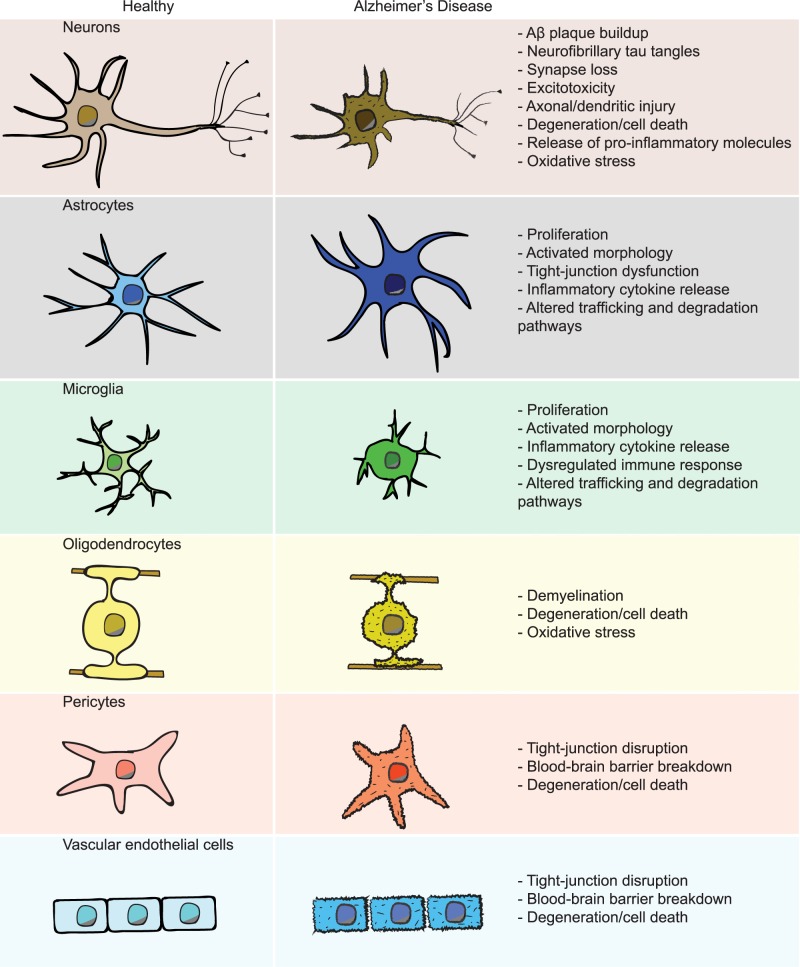
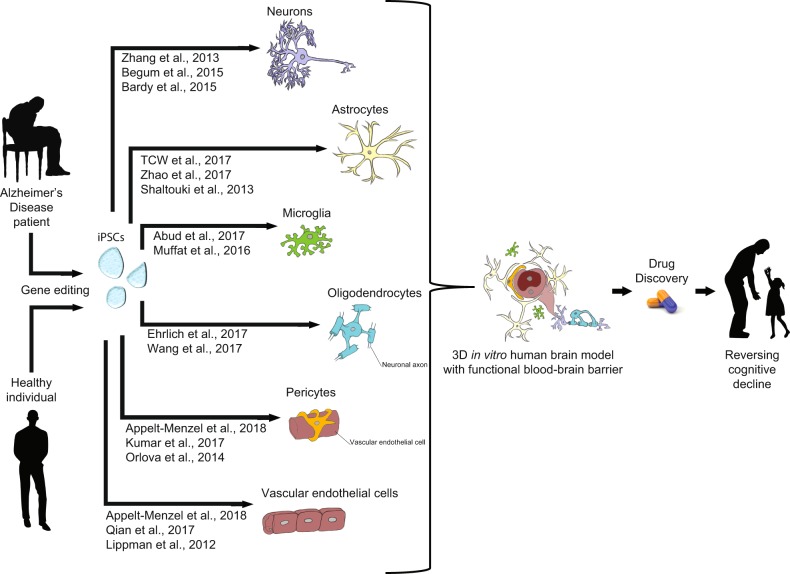
Verification
Claims the paper makes
The claims and statistics of this paper haven’t been checked yet.
Run the check — free, no account needed. It reads the open-access text and checks the sources it cites.
Claims other papers make about this one
Each is checked against this paper’s own text: does it say what the citing paper says it does?
The source backs part of the claim, not all of it — or backs it for a different population, condition or comparison.
In the citing paper
“A majority of AD risk genes identified through genome-wide association studies are highly expressed in microglia, the brain’s innate immune cells, suggesting a key role in microglial dysfunction (Kummer et al., 2021; Penney et al., 2020; Teipel et al., 2022).”
From A novel molecular class that recruits HDAC/MECP2 complexes to PU.1 motifs reduces neuroinflammation (2023) · cites this paper as Penney et al., 2020
Experimental — accuracy not yet measuredThe cited source says what the claim attributes to it.
In the citing paper
“While it is well documented that iPS cell systems can model aspects of AD pathology (Penney et al., 2020; Nelson et al., 2023)”
From APOE3 Christchurch modulates β-catenin/Wnt signaling in iPS cell-derived cerebral organoids from Alzheimer’s cases (2024) · cites this paper as Penney et al., 2020
The cited source says what the claim attributes to it.
In the citing paper
“Population genetics has revealed that AD risk variants are enriched in genes that are highly expressed in microglia (Penney et al., 2020).”
From A novel molecular class that recruits HDAC/MECP2 complexes to PU.1 motifs reduces neuroinflammation (2023) · cites this paper as Penney et al., 2020
Self-check
Percentages, sums and reported differences re-computed from the paper’s own numbers.
The self-check needs the paper’s full text.
Citations
Cites
McKhann, G. M., Knopman, D. S., Chertkow, H., Hyman, B. T., Jack, C. R., Kawas, C. H., Klunk, W. E., Koroshetz, W. J., Manly, J. J., Mayeux, R., et al. (2011) · Alzheimer's & Dementia · doi:10.1016/j.jalz.2011.03.005 · Cited by 18,657
Multiplex Genome Engineering Using CRISPR/Cas Systems
Cong, L., Ran, F. A., Cox, D., Lin, S., Barretto, R., Habib, N., Hsu, P. D., Wu, X., Jiang, W., Marraffini, L. A., et al. (2013) · Science · doi:10.1126/science.1231143 · Cited by 15,339
Corder, E. H., Saunders, A. M., Strittmatter, W. J., Schmechel, D. E., Gaskell, P. C., Small, G. W., Roses, A. D., Haines, J. L., & Pericak-Vance, M. A. (1993) · Science · doi:10.1126/science.8346443 · Cited by 9,429
Neurotoxic reactive astrocytes are induced by activated microglia
Liddelow, S. A., Guttenplan, K. A., Clarke, L. E., Bennett, F. C., Bohlen, C. J., Schirmer, L., Bennett, M. L., Münch, A. E., Chung, W.-S., Peterson, T. C., et al. (2017) · Nature · doi:10.1038/nature21029 · Cited by 7,971
Alzheimer's disease: the amyloid cascade hypothesis
Hardy, J. A., & Higgins, G. A. (1992) · Science · doi:10.1126/science.1566067 · Cited by 7,484
Cerebral organoids model human brain development and microcephaly
Lancaster, M. A., Renner, M., Martin, C.-A., Wenzel, D., Bicknell, L. S., Hurles, M. E., Homfray, T., Penninger, J. M., Jackson, A. P., & Knoblich, J. A. (2013) · Nature · doi:10.1038/nature12517 · Cited by 5,372
Goate, A., Chartier-Harlin, M.-C., Mullan, M., Brown, J., Crawford, F., Fidani, L., Giuffra, L., Haynes, A., Irving, N., James, L., et al. (1991) · Nature · doi:10.1038/349704a0 · Cited by 4,659
The precursor of Alzheimer's disease amyloid A4 protein resembles a cell-surface receptor
Kang, J., Lemaire, H.-G., Unterbeck, A., Salbaum, J. M., Masters, C. L., Grzeschik, K.-H., Multhaup, G., Beyreuther, K., & Müller-Hill, B. (1987) · Nature · doi:10.1038/325733a0 · Cited by 4,619
Meta-Analysis of 74,046 Individuals Identifies 11 New Susceptibility Loci for Alzheimer’s Disease
(EADI), E. A. D. I., Lambert, J.-C., (GERAD), G. A. E. R. I. A. D., Alzheimer's Disease Genetic Consortium (ADGC), (CHARGE), C. F. H. A. A. R. I. G. E., Ibrahim-Verbaas, C. A., Harold, D., Naj, A. C., Sims, R., Bellenguez, C., et al. (2013) · Nature Genetics · doi:10.1038/ng.2802 · Cited by 4,336
Hearing loss and cognitive decline in older adults
Lin, F. R., Yaffe, K., Xia, J., Xue, Q.-L., Harris, T. B., Purchase-Helzner, E., Satterfield, S., Ayonayon, H. N., Ferrucci, L., Simonsick, E. M., et al. (2013) · JAMA Internal Medicine · doi:10.1001/jamainternmed.2013.1868 · Cited by 4,017
Cited by
Sorted by citations
Items 201–300 of 482
Kadian, M., Saini, N., Khera, A., & Kumar, A. (2024) · Inflammopharmacology · doi:10.1007/s10787-023-01413-8 · Cited by 12
Kokkali, M., Karali, K., Thanou, E., Παπαδοπούλου, Μ., Zota, I., Tsimpolis, A., Efstathopoulos, P., Calogeropoulou, T., Li, K. W., Sidiropoulou, K., et al. (2024) · Molecular Psychiatry · doi:10.1038/s41380-024-02833-w · Cited by 13
Stem Cell-Based Approaches for Spinal Cord Injury: The Promise of iPSCs
Zeng, C. (2025) · Biology · doi:10.3390/biology14030314 · Cited by 14
Exploring links between 2‐oxoglutarate‐dependent oxygenases and Alzheimer's disease
Liu, H., Xie, Y., Wang, X., Abboud, M. I., Ma, C., Ge, W., & Schofield, C. J. (2022) · Alzheimer s & Dementia · doi:10.1002/alz.12733 · Cited by 14
Evaluating Translational Methods for Personalized Medicine—A Scoping Review
Fosse, V., Oldoni, E., Gerardi, C., Banzi, R., Fratelli, M., Biétrix, F., Ussi, A. E., Andreu, A. L., McCormack, E., & the PERMIT Group (2022) · Journal of Personalized Medicine · doi:10.3390/jpm12071177 · Cited by 14
Llorente, P., Martins, S., Sastre, I., Aldudo, J., Recuero, M., Adjaye, J., & Bullido, M. J. (2020) · Oxidative Medicine and Cellular Longevity · doi:10.1155/2020/5917187 · Cited by 10
Sharma, H. S., Muresanu, D. F., Nozari, A., Lafuente, J. V., Buzoianu, A. D., Sahib, S., Tian, Z. R., Bryukhovetskiy, I., Manzhulo, I., Menon, P. K., et al. (2021) · Progress in brain research · doi:10.1016/bs.pbr.2021.04.008 · Cited by 11
Nikitina, A. A., Grouw, A. V., Roysam, T., Huang, D., Fernández, F. M., & Kemp, M. L. (2023) · Analytical Chemistry · doi:10.1021/acs.analchem.2c04416 · Cited by 11
Mendivil‐Perez, M., Velez‐Pardo, C., Lopera, F. J., Kosik, K. S., & Jiménez-Del-Río, M. (2023) · International Journal of Molecular Sciences · doi:10.3390/ijms24108957 · Cited by 10
Assetta, B., Tang, C., Bian, J., O'Rourke, R., Connolly, K., Brickler, T., Chetty, S., & Huang, Y.-W. A. (2020) · Journal of Visualized Experiments · doi:10.3791/61778 · Cited by 11
Rosalia, M., Giacomini, M., Tottoli, E. M., Dorati, R., Bruni, G., Genta, I., Chiesa, E., Pisani, S., Sampaolesi, M., & Conti, B. (2023) · Pharmaceutics · doi:10.3390/pharmaceutics15122736 · Cited by 10
Donato, L., Mordà, D., Scimone, C., Alibrandi, S., D’Angelo, R., & Sidoti, A. (2023) · Biomedicines · doi:10.3390/biomedicines11123258 · Cited by 12
A human neuron Alzheimer’s disease model reveals barriers to senolytic translatability
Walton, C. C., Wang, E. Y., Lee, S., Siebrand, C. J., Bergo, N. J., Mayeri, Z., & Andersen, J. K. (2025) · Alzheimer s Research & Therapy · doi:10.1186/s13195-025-01822-7 · Cited by 10
Hwang, J. J., Choi, J., Rim, Y. A., Nam, Y., & Ju, J. H. (2021) · Cells · doi:10.3390/cells10113032 · Cited by 10
Willumsen, N., Arber, C., Lovejoy, C. E. J., Toombs, J., Alatza, A., Weston, P. S. J., Chávez‐Gutiérrez, L., Hardy, J., Zetterberg, H., Fox, N. C., et al. (2022) · Brain Communications · doi:10.1093/braincomms/fcac321 · Cited by 10
Novel Development and Prospects in Pathogenesis, Diagnosis, and Therapy of Alzheimer’s Disease
Teng, Z. (2024) · Journal of Alzheimer s Disease Reports · doi:10.3233/adr-230130 · Cited by 10
Rashed, A. A., Ahmad, H., Khalid, S. K. A., & Rathi, D.-N. G. (2021) · Frontiers in Pharmacology · doi:10.3389/fphar.2021.633303 · Cited by 10
Langlie, J. A., Mittal, R., Finberg, A., Bencie, N. B., Mittal, J., Omidian, H., Omidi, Y., & Eshraghi, A. A. (2022) · Neural Regeneration Research · doi:10.4103/1673-5374.335836 · Cited by 10
The coherence between PSMC6 and α-ring in the 26S proteasome is associated with Alzheimer’s disease
Xiong, J., Pang, X., Song, X., Yang, L., & Pang, C.-Y. (2024) · Frontiers in Molecular Neuroscience · doi:10.3389/fnmol.2023.1330853 · Cited by 11
Vargas-Barona, A., Bernáldez-Sarabia, J., & Castro-Ceseña, A. B. (2024) · Journal of Materials Chemistry B · doi:10.1039/d4tb00521j · Cited by 10
Drug Delivery Targeting Neuroinflammation to Treat Brain Diseases
Wang, J., Jia, R., Wan, W., Han, H., Wang, G., Li, Z., & Li, J. (2024) · Bioconjugate Chemistry · doi:10.1021/acs.bioconjchem.4c00414 · Cited by 9
Eciroglu, H., Çelik, P. A., Kelicen‐Uğur, P., & Dönmez‐Altuntaş, H. (2025) · Molecular Neurobiology · doi:10.1007/s12035-025-05082-2 · Cited by 9
Human brain organoids: an innovative model for neurological disorder research and therapy
Li, H., Zhu, J., Li, J., Wu, Y., Luo, C., Huang, Y., Wu, J., Liu, W., Wang, H., & Mo, Z. (2025) · Frontiers in Cellular Neuroscience · doi:10.3389/fncel.2025.1658074 · Cited by 11
Pandya, K., & Kumar, D. (2025) · Ageing Research Reviews · doi:10.1016/j.arr.2025.102922 · Cited by 9
Kiris, E. (2021) · Advances in experimental medicine and biology · doi:10.1007/5584_2021_683 · Cited by 9
Perspectives on Mechanisms Supporting Neuronal Polarity From Small Animals to Humans
Wilson, C., Moyano, A. L., & Cáceres, A. (2022) · Frontiers in Cell and Developmental Biology · doi:10.3389/fcell.2022.878142 · Cited by 9
Building in vitro models of the brain to understand the role ofAPOEin Alzheimer’s disease
Pinals, R. L., & Tsai, L. (2022) · Life Science Alliance · doi:10.26508/lsa.202201542 · Cited by 10
Self-citationPomeshchik, Y., Velásquez, E., Gil, J., Klementieva, O. L., Gidlöf, R., Sydoff, M., Bagnoli, S., Nacmias, B., Sorbi, S., Westergren‐Thorsson, G., et al. (2023) · Acta Neuropathologica Communications · doi:10.1186/s40478-023-01649-z · Cited by 10
Korde, D. S., & Humpel, C. (2024) · Biomolecules · doi:10.3390/biom14020165 · Cited by 9
de Assis, D. R., Szabó, A., Osete, J. R., Puppo, F., O’Connell, K. S., Akkouh, I. A., Hughes, T., Frei, E., Andreassen, O. A., & Djurovic, S. (2021) · Cells · doi:10.3390/cells10020209 · Cited by 10
Modeling and Targeting Neuroglial Interactions with Human Pluripotent Stem Cell Models
Bigarreau, J., Rouach, N., Perrier, A. L., Mouthon, F., & Charvériat, M. (2022) · International Journal of Molecular Sciences · doi:10.3390/ijms23031684 · Cited by 10
Negi, R., Srivastava, A. K., Srivastava, A. K., Pandeya, A., Vatsa, P., Ansari, U. A., & Pant, A. B. (2023) · Indian Journal of Pharmacology · doi:10.4103/ijp.ijp_56_23 · Cited by 9
Chandrashekar, H., Simándi, Z., Choi, H., Ryu, H.-S., Waldman, A. J., Nikish, A., Muppidi, S. S., Gong, W., Paquet, D., & Phillips‐Cremins, J. E. (2024) · bioRxiv (Cold Spring Harbor Laboratory) · doi:10.1101/2024.02.27.582395 · Cited by 10
Research on Alzheimer's Disease (AD) Involving the Use of In vivo and In vitro Models and Mechanisms
Sinha, S., Wal, P., Prakash Goudanavar, S. O. P., Divya, S., Kimothi, V., Jyothi, D., Sharma, M. C., & Wal, A. (2024) · Central Nervous System Agents in Medicinal Chemistry · doi:10.2174/0118715249293642240522054929 · Cited by 9
A neuroimmune cerebral assembloid model to study the pathophysiology of familial Alzheimer’s disease
Becerra-Calixto, A., Banerjee, A., Fan, H., Tan, C., Lee, E., McCullough, L. D., & Lee, J. (2025) · Journal of Neuroinflammation · doi:10.1186/s12974-025-03544-x · Cited by 10
Gopukumar, S. T., Dwivedi, D., Gowri, K., Karpakavalli, M., Nair, C., Singh, D., & Das, U. (2025) · Medicine in Drug Discovery · doi:10.1016/j.medidd.2025.100237 · Cited by 11
Development of an accelerated cellular model for early changes in Alzheimer’s disease
Xue, H., Gate, S., Gentry, E., Losert, W., & Cao, K. (2023) · Scientific Reports · doi:10.1038/s41598-023-45826-5 · Cited by 8
Jain, S., Voulgaris, D., Thongkorn, S., Hesen, R., Hägg, A., Moslem, M., Falk, A., & Herland, A. (2024) · Advanced Science · doi:10.1002/advs.202401859 · Cited by 8
Discovery platforms for RNA therapeutics
Ciucci, G., Braga, L., & Zacchigna, S. (2024) · British Journal of Pharmacology · doi:10.1111/bph.16424 · Cited by 8
Age-Related Neurodegenerative Diseases: A Stem Cell’s Perspective
Calvo, B., Schembri-Wismayer, P., & Alonso, M. B. D. (2025) · Cells · doi:10.3390/cells14050347 · Cited by 9
Arnst, N., Mairal, P. B., García‐González, L., Arnaud, L., Greetham, L., Nivet, E., Rivera, S., & Dityatev, A. E. (2021) · Cells · doi:10.3390/cells10071705 · Cited by 8
Tripathi, U., Rosh, I., Ezer, R. B., Nayak, R., Choudhary, A., Djamus, J., Manole, A., Haulden, H., Gage, F. H., & Stern, S. (2022) · bioRxiv (Cold Spring Harbor Laboratory) · doi:10.1101/2022.12.09.519781 · Cited by 8
Kuhn, M. K., Kang, R. Y., Kim, C., Tagay, Y., Morris, N., Tabdanov, E. D., Elcheva, I. A., & Proctor, E. A. (2023) · bioRxiv (Cold Spring Harbor Laboratory) · doi:10.1101/2023.11.16.567220 · Cited by 9
Anderson, A. G., Moyers, B. A., Loupe, J. M., Rodríguez-Nunez, I., Felker, S. A., Lawlor, J. M. J., Bunney, W. E., Bunney, B. G., Cartagena, P. M., Sequeira, A., et al. (2024) · Genome Research · doi:10.1101/gr.278601.123 · Cited by 7
Maguire, E., Winston, J., Ellwood, S. H., O’Donoghue, R., Shaw, B., Castillo-Morales, A., Keat, S., Evans, A., Marshall, I. J., Luckcuck, L., et al. (2025) · Stem Cell Reports · doi:10.1016/j.stemcr.2025.102570 · Cited by 7
Microphysiological models of the central nervous system with fluid flow
Zilberman, A., & Cornelison, R. C. (2021) · Brain Research Bulletin · doi:10.1016/j.brainresbull.2021.05.015 · Cited by 7
Advances in iPSC Technology in Neural Disease Modeling, Drug Screening, and Therapy
Dai, S., Qiu, L., Veeraraghavan, V. P., Sheu, C., & Mony, U. (2023) · Current Stem Cell Research & Therapy · doi:10.2174/1574888x18666230608105703 · Cited by 8
Tang, L., Zhang, Z., Feng, F., Yang, L., & Li, H. H. (2023) · Dementia and Geriatric Cognitive Disorders · doi:10.1159/000531818 · Cited by 9
Liu, Y., Chung, M. T., Lin, H., Lee, T., Cheng, Y.-J., Huang, C., Wu, H., & Tung, Y. (2025) · Science Advances · doi:10.1126/sciadv.ado1164 · Cited by 7
Potjewyd, F., Annor‐Gyamfi, J. K., Aubé, J., Chu, S., Conlon, I. L., Frankowski, K. J., Guduru, S. K. R., Hardy, B. P., Hopkins, M. D., Kinoshita, C., et al. (2022) · Alzheimer s & Dementia Translational Research & Clinical Interventions · doi:10.1002/trc2.12253 · Cited by 8
Woelfle, S., Deshpande, D., Feldengut, S., Roselli, F., Deisseroth, K. A., Michaelis, J., Boeckers, T. M., & Schön, M. (2022) · bioRxiv (Cold Spring Harbor Laboratory) · doi:10.1101/2022.04.27.489700 · Cited by 7
Mazzarino, R. C., Perez-Corredor, P. A., Vanderleest, T. E., Vacano, G. N., Sanchez, J. S., Villalba‐Moreno, N. D., Krausemann, S., Mendivil-Perez, M., Aguillon, D. F., Jiménez-Del-Río, M., et al. (2023) · bioRxiv (Cold Spring Harbor Laboratory) · doi:10.1101/2023.01.11.523290 · Cited by 7
Fourrière, L., & Gleeson, P. A. (2025) · Frontiers in Cell and Developmental Biology · doi:10.3389/fcell.2025.1550211 · Cited by 6
Overexpression of LINC00672 promotes autophagy in Alzheimer’s disease by upregulating GPNMB
Gao, L., Hu, S., Lv, Y., Zheng, G., & Lin, Z. (2025) · PLoS ONE · doi:10.1371/journal.pone.0322708 · Cited by 6
Bello, E., Long, K. R., Iwama, S., Steer, J., Cooper, S., Alasoo, K., Kumasaka, N., Schwartzentruber, J., Panousis, N. I., & Bassett, A. R. (2026) · iScience · doi:10.1016/j.isci.2026.115688 · Cited by 7
Pereira, M. F., Shyti, R., & Testa, G. (2024) · Stem Cell Reports · doi:10.1016/j.stemcr.2024.05.004 · Cited by 8
Konishi, C. T., Mulaiese, N., Butola, T., Zhang, Q., Kagan, D., Yang, Q., Pressler, M., Dirvin, B. G., Devinsky, O., Basu, J., et al. (2024) · Molecular Therapy — Nucleic Acids · doi:10.1016/j.omtn.2024.102441 · Cited by 6
Functional genomics, genetic risk profiling and cell phenotypes in neurodegenerative disease
Finkbeiner, S. M. (2020) · Neurobiology of Disease · doi:10.1016/j.nbd.2020.105088 · Cited by 8
Gazarian, K. G., Ramírez-García, L. R., Orozco, L. T., Luna‐Muñoz, J., & Pacheco‐Herrero, M. (2021) · Frontiers in Neurology · doi:10.3389/fneur.2020.612657 · Cited by 6
Stem Cell Therapy for Neuroprotection in the Growth-Restricted Newborn
Chand, K. K., Nano, R., Wixey, J. A., & Patel, J. (2022) · Stem Cells Translational Medicine · doi:10.1093/stcltm/szac005 · Cited by 5
Disease Modeling of Neurodegenerative Disorders Using Direct Neural Reprogramming
Legault, E. M., Bouquety, J., & Drouin‐Ouellet, J. (2022) · Cellular Reprogramming · doi:10.1089/cell.2021.0172 · Cited by 7
The Neuroepigenetic Landscape of Vertebrate and Invertebrate Models of Neurodegenerative Diseases
Sundaramoorthy, T. H., & Castanho, I. (2022) · Epigenetics Insights · doi:10.1177/25168657221135848 · Cited by 6
Alzheimer’s Disease: Understanding Its Novel Drug Delivery Systems and Treatments
Dhingra, H., & Choudhari, S. G. (2022) · Cureus · doi:10.7759/cureus.31394 · Cited by 9
Hedges, E. C., Cocks, G. D., Shaw, C. E., & Nishimura, A. L. (2023) · Genes · doi:10.3390/genes14051108 · Cited by 6
The Potential of Induced Pluripotent Stem Cells to Treat and Model Alzheimer’s Disease
Schulz, J. M. (2021) · Stem Cells International · doi:10.1155/2021/5511630 · Cited by 6
AD Informer Set: Chemical tools to facilitate Alzheimer's disease drug discovery
Potjewyd, F., Annor‐Gyamfi, J. K., Aubé, J., Chu, S., Conlon, I. L., Frankowski, K. J., Guduru, S. K. R., Hardy, B. P., Hopkins, M. D., Kinoshita, C., et al. (2022) · Alzheimer s & Dementia Translational Research & Clinical Interventions · doi:10.1002/trc2.12246 · Cited by 6
Stem cell therapy offers new hope for the treatment of Alzheimer’s disease
He, G., Huang, J., Zeng, Z., Sun, H., Wu, C., Xu, Q., Hu, C., Jin, B., Tong, M., & Wang, C. (2025) · Frontiers in Cell and Developmental Biology · doi:10.3389/fcell.2025.1650885 · Cited by 7
Integration without integrated models or theories
Hochstein, E. (2023) · Synthese · doi:10.1007/s11229-023-04298-w · Cited by 5
Stolzenburg, L. R., Esmaeeli, S., Kulkarni, A. S., Murphy, E., Kwon, T., Preiss, C. N., Bahnassawy, L., Stender, J. D., Manos, J. D., Reinhardt, P., et al. (2023) · PLoS ONE · doi:10.1371/journal.pone.0291029 · Cited by 5
Microglial Drivers of Alzheimer's Disease Pathology: An Evolution of Diverse Participating States
Kuhn, M. K., & Proctor, E. A. (2024) · Proteins Structure Function and Bioinformatics · doi:10.1002/prot.26723 · Cited by 5
From Better Diagnostics to Earlier Treatment: The Rapidly Evolving Alzheimer’s Disease Landscape
Bougea, A. M., Debasa‐Mouce, M., Gulkarov, S., Castro‐Mosquera, M., Reiss, A. B., & Ouro, A. (2025) · Medicina · doi:10.3390/medicina61081462 · Cited by 5
Modelling sex differences of neurological disorders in vitro
Castro‐Aldrete, L., Einsiedler, M., Cuní‐López, C., Vanhaelen, Q., Silvestri, A., Ferretti, M. T., de Gennaro, M. E., Putignano, G., Guix, M., Marino, N., et al. (2025) · Nature Reviews Bioengineering · doi:10.1038/s44222-025-00355-w · Cited by 4
The role for artificial intelligence in identifying combination therapies for Alzheimer’s disease
Cheng, F., Sha, Z., Zhou, Y., Hou, Y., Zhang, P., Pieper, A. A., & Cummings, J. L. (2025) · The Journal of Prevention of Alzheimer s Disease · doi:10.1016/j.tjpad.2025.100366 · Cited by 6
Potential role of recombinant growth differentiation factor 11 in Alzheimer’s disease treatment
de Liyis, B. G., Halim, W., & Widyadharma, I. P. E. (2022) · The Egyptian Journal of Neurology Psychiatry and Neurosurgery · doi:10.1186/s41983-022-00487-5 · Cited by 5
Zhang, Z., Li, X., Jiang, S., Qiu, C., Guo, P., Wang, Z., Xu, C., Zhang, L., Ma, X., Chen, S., et al. (2022) · Toxicology and Applied Pharmacology · doi:10.1016/j.taap.2022.116109 · Cited by 5
A fully automated primary neuron purification system using continuous centrifugal microfluidics
Intisar, A., Lee, S. J., Kim, Y., Kim, W., Shin, H. Y., Kim, M. Y., Kim, J. M., Lee, J.-M., Mo, Y. J., Kim, Y. S., et al. (2022) · Lab on a Chip · doi:10.1039/d2lc00381c · Cited by 5
Gaber, A. M., El-Bakry, A. M., Aljàrari, R. M., Jaber, F. A., Khadrawy, Y. A., Sabry, D., Abo‐Eleneen, R. E., & Ahmed, O. M. (2023) · Stem Cells International · doi:10.1155/2023/2690949 · Cited by 5
Воронков, Д. Н., Stavrovskaya, A. V., Lebedeva, O. S., Li, W., Olshansky, A. S., Гущина, А. С., Рафаилевна, К. М., Bogomazova, A. N., Lagarkova, M. A., & Illarioshkin, S. N. (2023) · Annals of Clinical and Experimental Neurology · doi:10.54101/acen.2023.2.6 · Cited by 5
Grijaldo-Alvarez, S. J. B., Alvarez, M. R., Schindler, R. L., Oloumi, A., Hernandez, N., Seales, T., Angeles, J. G. C., Nacario, R. C., Completo, G. C. J., Zivkovic, A. M., et al. (2024) · Food & Function · doi:10.1039/d4fo01598c · Cited by 5
Smart Polymeric 3D Microscaffolds Hosting Spheroids for Neuronal Research via Quantum Metrology
Costa, B. N. L., Marote, A., Barbosa, C. S., Campos, J., Salgado, A. J., & Nieder, J. B. (2025) · Advanced Healthcare Materials · doi:10.1002/adhm.202403875 · Cited by 8
Czuba‐Wojnilowicz, E., Miellet, S., Glab, A., Viventi, S., Cavalieri, F., Cortez‐Jugo, C., Dottori, M., & Caruso, F. (2020) · Biomacromolecules · doi:10.1021/acs.biomac.0c00626 · Cited by 5
Direct conversion of fibroblast into neurons for Alzheimer's disease research: a systematic review
Sattarov, R., Toresson, H., Orbjörn, C., & Mattsson-Carlgren, N. (2023) · Journal of Alzheimer’s Disease · doi:10.3233/jad-230119 · Cited by 4
Induced Pluripotent Stem Cells (iPSC) and Their Use in Disease Modeling
Dorota, A., Maryniak, N., Mariankowska, A., Milczarek, C., Dorota, M., Żywiec, W., Kozlowski, K., Koval, I., Czyżewski, B. M., & Czyzewska, J. (2025) · Cureus · doi:10.7759/cureus.93999 · Cited by 4
Logeshwari, B., Jeyabalan, S., Veeraraghavan, G., Krishnaraj, K., Ashok, C., Rajasekaran, N. K., Wong, L. S., Subramaniyan, V., & Sekar, M. (2025) · Toxicology Reports · doi:10.1016/j.toxrep.2025.102161 · Cited by 4
Juráková, V., Széky, B., Zapletalová, M., Fehér, A., Zana, M., Pandey, S., Kučera, R., Šerý, O., Hudeček, J., Dinnyés, A., et al. (2024) · Biological Procedures Online · doi:10.1186/s12575-024-00257-y · Cited by 4
The Therapeutic Potential of ADSC-Secreted LEFTY2 in Treating Alzheimer’s Disease
Wuli, W., Yang, H., Chiou, T., Woon, P. Y., Xu, Y., Tjandra, C., Wijaya, I., Harn, H., & Lin, S. (2025) · International Journal of Molecular Sciences · doi:10.3390/ijms26073382 · Cited by 4
Epigenetic Insights into Vascular Cognitive Impairment: DNA Methylation in the Human Brain Tissue
Vishweswaraiah, S., Saiyed, N., Khalid, A., Milčiūtė, M., Gabrielaitė, M., Buyuker, C., Aksakal, B., Gomes, L., Gordevičius, J., Yılmaz, A., et al. (2025) · Molecular Neurobiology · doi:10.1007/s12035-025-05119-6 · Cited by 4
Aprile, D., Patrone, D., Sammarraie, S. H. A. A., Alessio, N., Peluso, G., Bernardo, G. D., & Galderisi, U. (2025) · Molecular Psychiatry · doi:10.1038/s41380-025-03251-2 · Cited by 4
Modeling neurovascular dysfunction in Alzheimer’s disease using an isogenic brain-chip model
Shen, A. N., Matazel, K. S., Gill, W. D., Ewart, L. C., Daughters, R. S., & Rosas-Hernández, H. (2026) · Fluids and Barriers of the CNS · doi:10.1186/s12987-025-00708-y · Cited by 5
Peng, K. Y., Liemisa, B., Pasato, J., D’Acunzo, P., Pawlik, M., Heguy, A., Penikalapati, S. C., Labuza, A., Pidikiti, H., Alldred, M. J., et al. (2024) · Traffic · doi:10.1111/tra.12937 · Cited by 4
Lu, X., Perr, E., Naqvi, T., Galitz, D., Andersen, M., Grabowski, D. C., Person, A. D., Kalyuzhny, A. E., & Flynn, K. C. (2024) · Cells · doi:10.3390/cells13181566 · Cited by 4
Tang, X., Schindler, R. L., Lucente, J. D., Oloumi, A., Tena, J., Harvey, D. J., Lebrilla, C. B., Zivkovic, A. M., Jin, L., & Maezawa, I. (2025) · Scientific Reports · doi:10.1038/s41598-025-96596-1 · Cited by 6
Chen, M., Zhu, Y., Li, H., Zhang, Y., & Han, M. (2022) · Brain Sciences · doi:10.3390/brainsci12060690 · Cited by 4
Challenges and opportunities for discovering the biology of rare genetic diseases of the brain
Raghu, P., Sharma, Y., Devi, A. B. N. S., & Krishnan, H. (2024) · Journal of Biosciences · doi:10.1007/s12038-023-00408-5 · Cited by 4
Multiscale Microstructure for Investigation of Cell–Cell Communication
Schneider, A., Scharnweber, T., Cammann, D., Rapp, B. E., Giselbrecht, S., & Niemeyer, C. M. (2020) · Small Methods · doi:10.1002/smtd.202000647 · Cited by 4
Microfluidic chip for label-free removal of teratoma-forming cells from therapeutic human stem cells
Wellmerling, K., Lehmann, C., Singh, A. K., & Kirby, B. J. (2020) · Journal of Immunology and Regenerative Medicine · doi:10.1016/j.regen.2020.100030 · Cited by 4
Cuní‐López, C., Quek, H., Oikari, L. E., Stewart, R., Nguyen, T. H., Sun, Y., Guo, C. C., Lupton, M. K., & White, A. R. (2021) · bioRxiv (Cold Spring Harbor Laboratory) · doi:10.1101/2021.03.17.435758 · Cited by 4
Holloway, K., Neherin, K., Song, Y., Sato, K., Houston, A., Chen, F., Li, D., & Zhang, H. (2025) · Aging Cell · doi:10.1111/acel.14472 · Cited by 3
Naffaa, M. M. (2025) · Lifespan development and mental health. · doi:10.70322/ldmh.2025.10005 · Cited by 3
Kushwaha, N., Panjwani, D., Akarte, K., Patel, S., Ahlawat, P., Kesarla, R., Yadav, M. R., & Patel, A. (2025) · Current Nanoscience · doi:10.2174/0115734137361817250325071654 · Cited by 3
Metadata
- Authors
- Penney, J., Ralvenius, W. T., & Tsai, L.-H.
- Affiliations
- Massachusetts Institute of Technology (US)
- Corresponding author
- Tsai, Li-Huei
- Venue
- Molecular Psychiatry
- Published
- 2019-08-07
- Volume
- 25
- Issue
- 1
- Pages
- 148-167
- ISSN
- 1359-4184 (ISSN-L)
- 1476-5578
- PMC
- PMC6906186
- OpenAlex
- W2964627277
- Cited by
- 471
- References
- 235
- Citations by year
- 2026: 54 · 2025: 66 · 2024: 78 · 2023: 84 · 2022: 77 · 2021: 65 · 2020: 41 · 2019: 6
- FWCI
- 4.18
- Type
- journal article
- Language
- en
- Open access
- hybrid
- doi.org
- Locations
- Molecular Psychiatry (publishedVersion, cc-by)
- PubMed Central (publishedVersion, cc-by)
- PubMed (publishedVersion)
- DSpace@MIT (Massachusetts Institute of Technology) (submittedVersion, cc-by-nc)
- IslandScholar (University of Prince Edward Island) (submittedVersion)
- Funders
- National Science Foundation
- Cure Alzheimer's Fund
- Robert A. and Renee E. Belfer Family Foundation
- Schweizerischer Nationalfonds zur Förderung der Wissenschaftlichen Forschung (177920)
- National Institutes of Health (NS051874)
- National Institute on Aging (RF1AG054012)
- National Institute of Neurological Disorders and Stroke (R37NS051874)
- Topics
- Life Sciences › Biochemistry, Genetics and Molecular Biology › Molecular Biology › Pluripotent Stem Cells Research
- Life Sciences › Neuroscience › Cellular and Molecular Neuroscience › Alzheimer's disease research and treatments
- Life Sciences › Neuroscience › Developmental Neuroscience › Neurogenesis and neuroplasticity mechanisms
- Keywords
- Alzheimer's disease, induced pluripotent stem cells, neurodegeneration, co-culture model, disease modeling, genome editing, Alzheimer's disease risk genes, preclinical research
- MeSH terms
- Alzheimer Disease, Brain, Cell Differentiation, Humans, Models, Biological, Neurons, Neurodegenerative Diseases, Induced Pluripotent Stem Cells
About these checks
Registry, retraction, Cites and statistics results are computed, not judged, with one exception: a printed reference that no index lists is read once by a model before it counts as a citation error. Claims are extracted by a model and kept only when their quote appears verbatim in the text; each cited source is then checked, with a model’s help, for whether it says what the claim relies on. Those verdicts can be wrong — read the claim’s quote and the cited source before relying on one.
Statistics and arithmetic are recomputed, not judged.
Confidence bands are shown only for fields calibrated on our annotated test set. None is calibrated yet, so no band is shown.
What counts as a claim ›How we measure confidence ›How we check this ›
Are you an author, or do you see a problem with this page? Request a review
