

Molecular pathways of major depressive disorder converge on the synapse
Open accessThe DOI matches its Crossref record; 253 of the 253 references it cites were found in a registry or an index.
Abstract
Major depressive disorder (MDD) is a psychiatric disease of still poorly understood molecular etiology. Extensive studies at different molecular levels point to a high complexity of numerous interrelated pathways as the underpinnings of depression. Major systems under consideration include monoamines, stress, neurotrophins and neurogenesis, excitatory and inhibitory neurotransmission, mitochondrial dysfunction, (epi)genetics, inflammation, the opioid system, myelination, and the gut-brain axis, among others. This review aims at illustrating how these multiple signaling pathways and systems may interact to provide a more comprehensive view of MDD’s neurobiology. In particular, considering the pattern of synaptic activity as the closest physical representation of mood, emotion, and conscience we can conceptualize, each pathway or molecular system will be scrutinized for links to synaptic neurotransmission. Models of the neurobiology of MDD will be discussed as well as future actions to improve the understanding of the disease and treatment options.
Overview
The claims and statistics of this paper haven’t been checked yet.
Free: it reads the open-access text and checks the first 5 claims that cite a source we can check. Create a free account to check every claim.
Integrity signals
Registry
Cites
Statistics
Figures
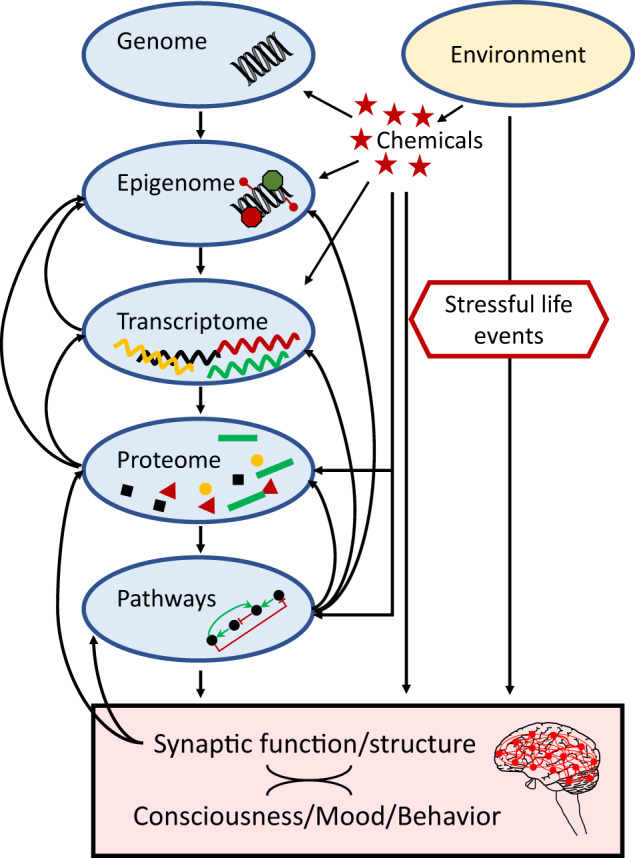
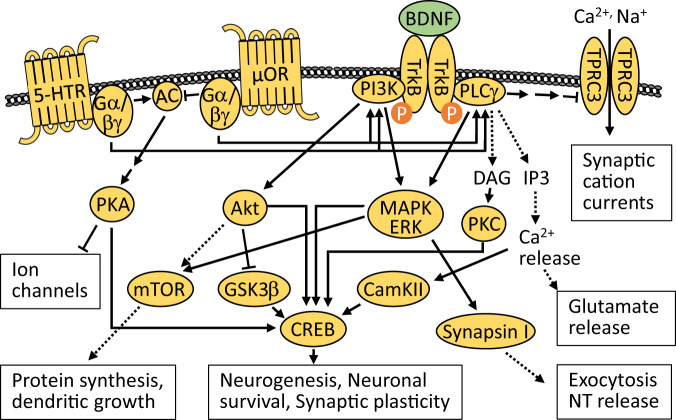
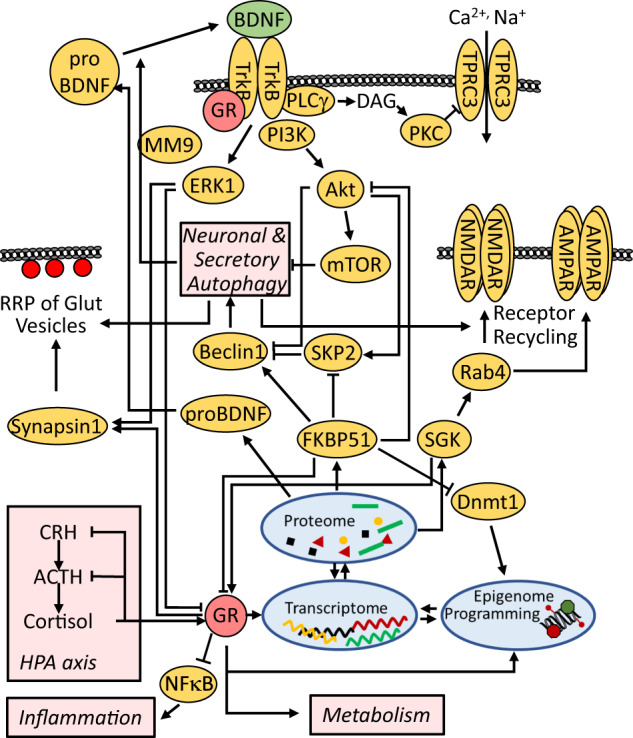
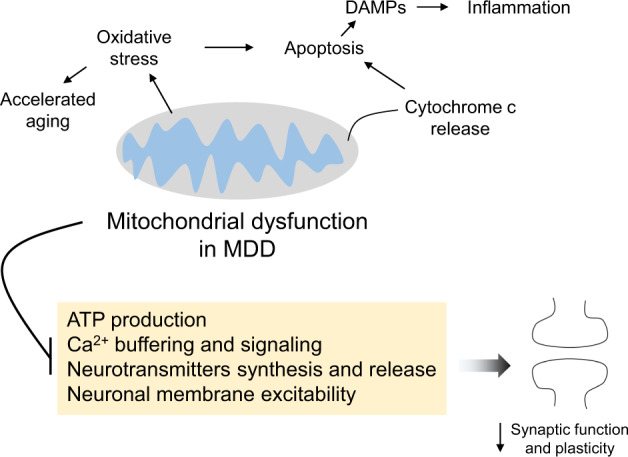
Verification
Claims the paper makes
The claims and statistics of this paper haven’t been checked yet.
Free: it reads the open-access text and checks the first 5 claims that cite a source we can check. Create a free account to check every claim.
Claims other papers make about this one
Each is checked against this paper’s own text: does it say what the citing paper says it does?
The source backs part of the claim, not all of it — or backs it for a different population, condition or comparison.
In the citing paper
“It has been proved that the changes in the structure and function of neurons may occur under the chronic stress and lead to the occurrence of MDD. 37 , 38”
From Major depressive disorder: hypothesis, mechanism, prevention and treatment (2024) · cites this paper as [38]
Experimental — accuracy not yet measuredThe source backs part of the claim, not all of it — or backs it for a different population, condition or comparison.
In the citing paper
“Stress induces cells to release damage-associated molecular patterns (DAMPs), endogenous danger signals, into the extracellular space.”
From Chronic stress, neuroinflammation, and depression: an overview of pathophysiological mechanisms and emerging anti-inflammatories (2023) · cites this paper as [23]
Experimental — accuracy not yet measuredThe source backs part of the claim, not all of it — or backs it for a different population, condition or comparison.
In the citing paper
“The chronic extracellular release of DAMPs and immune cell DAMP-PRR signaling creates a feed forward loop that accelerates peripheral and central inflammation.”
From Chronic stress, neuroinflammation, and depression: an overview of pathophysiological mechanisms and emerging anti-inflammatories (2023) · cites this paper as [23]
Experimental — accuracy not yet measuredThe source backs part of the claim, not all of it — or backs it for a different population, condition or comparison.
In the citing paper
“Concurrently, chronic stress disrupts key neurotransmitter systems, alters neuronal connectivity, and disturbs synaptic network activity, leading to, for example, dysregulated excitatory glutamatergic signaling, impaired dopaminergic transmission, and altered inhibitory GABAergic signaling in specific brain regions [4,24,29,35,36,37].”
From Comparative Analysis of HPA-Axis Dysregulation and Dynamic Molecular Mechanisms in Acute Versus Chronic Social Defeat Stress (2025) · cites this paper as [35]
Experimental — accuracy not yet measuredThe cited source says what the claim attributes to it.
In the citing paper
“DAMPs bind to pattern-recognition receptors (PRRs) on immune cells and activate the innate immune response.”
From Chronic stress, neuroinflammation, and depression: an overview of pathophysiological mechanisms and emerging anti-inflammatories (2023) · cites this paper as [23]
Self-check
Percentages, sums and reported differences re-computed from the paper’s own numbers.
The self-check needs the paper’s full text.
Citations
Cites
Diagnostic and Statistical Manual of Mental Disorders
American Psychiatric Association (2013) · doi:10.1176/appi.books.9780890425596 · Cited by 116,369
Santomauro, D. F., Mantilla Herrera, A. M., Shadid, J., Zheng, P., Ashbaugh, C., Pigott, D. M., Abbafati, C., Adolph, C., Amlag, J. O., Aravkin, A. Y., et al. (2021) · The Lancet · doi:10.1016/s0140-6736(21)02143-7 · Cited by 5,444 · cited 1×
“MDD represents a major burden on public health, ranking third in the leading causes of disability worldwide [2], with studies predicting a significant increase of MDD cases globally after the Covid-19 pandemic [3].”
BackgroundCryan, J. F., O'Riordan, K. J., Cowan, C. S. M., Sandhu, K. V., Bastiaanssen, T. F. S., Boehme, M., Codagnone, M. G., Cussotto, S., Fulling, C., Golubeva, A. V., et al. (2019) · Physiological Reviews · doi:10.1152/physrev.00018.2018 · Cited by 5,286 · cited 1×
“For the effects on brain function, some metabolites may cross the BBB and directly trigger relevant pathways, or may elicit a response in the periphery with repercussions on the brain, such as changing the hormone and cytokine profile in the blood or through neural effects linking to the brain [176, 177].”
BackgroundMalhi, G. S., & Mann, J. J. (2018) · The Lancet · doi:10.1016/s0140-6736(18)31948-2 · Cited by 4,099
Oxidative stress, aging, and diseases
Liguori, I., Russo, G., Curcio, F., Bulli, G., Aran, L., Della-Morte, D., Gargiulo, G., Testa, G., Cacciatore, F., Bonaduce, D., et al. (2018) · Clinical Interventions in Aging · doi:10.2147/cia.s158513 · Cited by 3,979 · cited 1×
“It can further cause DNA damage [212, 213], alter DNA methylation [214, 215], and induce accelerated aging [216], as reported for MDD [217].”
BackgroundThe role of inflammation in depression: from evolutionary imperative to modern treatment target
Miller, A. H., & Raison, C. L. (2016) · Nature Reviews Immunology · doi:10.1038/nri.2015.5 · Cited by 3,942 · cited 1×
“The inflammasome pathway is an important source of proinflammatory cytokines [131], which can be activated in response to elevated levels of damage-associated molecular patterns (DAMPs) and other stress molecules, resulting in the activation of IL-1β and IL-18 [132].”
BackgroundAutophagy and the Integrated Stress Response
Kroemer, G., Mariño, G., & Levine, B. (2010) · Molecular Cell · doi:10.1016/j.molcel.2010.09.023 · Cited by 3,506 · cited 1×
“It continuously operates at a basal level and is enhanced under various stressful conditions [116].”
BackgroundNicotinic acetylcholine receptor α7 subunit is an essential regulator of inflammation
Wang, H., Yu, M., Ochani, M., Amella, C. A., Tanovic, M., Susarla, S., Li, J. H., Wang, H., Yang, H., Ulloa, L., et al. (2003) · Nature · doi:10.1038/nature01339 · Cited by 3,228
The Bidirectional Relationship of Depression and Inflammation: Double Trouble
Beurel, E., Toups, M., & Nemeroff, C. B. (2020) · Neuron · doi:10.1016/j.neuron.2020.06.002 · Cited by 2,136 · cited 3×
“Immune cells mediate inflammation as an essential mechanism to maintain homeostasis by recognizing cell damage and aiding in tissue repair [126].”
BackgroundSynaptic Energy Use and Supply
Harris, J. J., Jolivet, R., & Attwell, D. (2012) · Neuron · doi:10.1016/j.neuron.2012.08.019 · Cited by 1,747 · cited 1×
“It is well-established that mitochondria support neurotransmission in several ways, including ATP production [166], Ca buffering and signaling, synthesis of neurotransmitters [167] establishing and maintaining membrane excitability, and in the organization of synaptic vesicle pools and neurotransmitter release [168].”
Background
Cited by
Items 101–200 of 506
Metabolic Modulators in Depression: Emerging Molecular Mechanisms and Therapeutic Opportunities
Dyndał, K., Pańczyszyn-Trzewik, P., & Sowa-Kućma, M. (2025) · International Journal of Molecular Sciences · doi:10.3390/ijms26178755 · Cited by 19
“On the other hand, depressive disorders are likewise marked by the impaired negative feedback regulation of HPA axis function, reflected by reduced glucocorticoid sensitivity, producing persistently elevated cortisol [3].”
InfluentialFrom Monoamines to Systems Psychiatry: Rewiring Depression Science and Care (1960s–2025)
Tanaka, M. (2025) · Biomedicines · doi:10.3390/biomedicines14010035 · Cited by 20
Gutiérrez-Rodelo, C., Tolibia, S. E. M., Morales-Figueroa, G.-E., Velázquez-Moyado, J. A., Olivares-Reyes, J. A., & Navarrete-Castro, A. (2023) · Molecular Biology Reports · doi:10.1007/s11033-023-08650-8 · Cited by 16
Zhao, Q., Liu, J., Chen, L., Gao, Z., Lin, M., Wang, Y., Xiao, Z., Chen, Y., & Huang, X. (2024) · Journal of Ethnopharmacology · doi:10.1016/j.jep.2024.117703 · Cited by 16
Zhang, L., Cao, C., Luo, C., Ruan, H., Xu, C., Wang, Y., Jiang, X., & Mao, G. (2024) · Journal of Neurorestoratology · doi:10.1016/j.jnrt.2024.100130 · Cited by 21
Vega-Rosas, A., Flores‐Ramos, M., & Ramírez-Rodríguez, G. B. (2024) · Brain Sciences · doi:10.3390/brainsci14111137 · Cited by 14
Zhao, H., Qiu, X., Wang, S., Wang, Y., Xie, L., Xia, X., & Li, W. (2025) · Frontiers in Microbiology · doi:10.3389/fmicb.2025.1578155 · Cited by 16
“Gamma-aminobutyric acid (GABA) Regulation of neuronal excitability via mitochondrial glutamate-GABA shuttle; inhibition of mitochondrial ROS production and maintenance of synaptic stability (Fries et al., 2023).”
Ma, S., Wang, W., Gong, Q., Xiang, D., Yao, L., Xu, S., Xie, X., Wang, H., Wang, G., Yang, J. J., et al. (2023) · General Hospital Psychiatry · doi:10.1016/j.genhosppsych.2023.03.002 · Cited by 15
The Melanocortin System: A Promising Target for the Development of New Antidepressant Drugs
Markov, D. D., Dolotov, O. V., & Grivennikov, I. A. (2023) · International Journal of Molecular Sciences · doi:10.3390/ijms24076664 · Cited by 14
“These disruptions affect patterns of synaptic activity in the brain, which is reflected in changes in consciousness, behavior, mood, and emotions [363].”
BackgroundYang, E., Frolinger, T., Westfall, S., Iqbal, U. H., Murrough, J., & Pasinetti, G. M. (2023) · Molecular Nutrition & Food Research · doi:10.1002/mnfr.202300156 · Cited by 15
m6A/m1A/m5C-Associated Methylation Alterations and Immune Profile in MDD
Ren, X., Feng, Z., Ma, X., Huo, L., Zhou, H., Bai, A., Feng, S., Zhou, Y. Y., Weng, X., & Fan, C. (2024) · Molecular Neurobiology · doi:10.1007/s12035-024-04042-6 · Cited by 13
Elevated NEGR1 in brain induces anxiety or depression-like phenotypes and synaptic dysfunction
Zhang, Y., Zhang, Q., Yi, Y., Yu, L.-L., Fan, N., Wu, Y., Wang, J., Dang, X., Guo, Y., Li, C., et al. (2025) · Molecular Psychiatry · doi:10.1038/s41380-025-03052-7 · Cited by 17
“In recent years, extensive evidence, from monoamines to the gut-brain axis, has indicated that the pathogenesis of depression converges on the synapse [27].”
M6A RNA epitranscriptome dynamics linked to major depressive disorder and suicide risk
Roy, B., & Dwivedi, Y. (2025) · Neuropsychopharmacology · doi:10.1038/s41386-025-02165-5 · Cited by 18
“Its altered methylation status may lead to de fi cits in cognitive function and synaptic adaptability, hallmarks of MDD [39].”
Association between programmed death-1 pathway and major depression
Huang, K.-W., & Huang, T. (2023) · The World Journal of Biological Psychiatry · doi:10.1080/15622975.2023.2209876 · Cited by 13
Fluoxetine Promotes Longevity via Reactive Oxygen Species in Caenorhabditis elegans
Zhou, C., Zhou, Y., Liang, Y., Chen, L., Liu, L., Wei, F., & Li, G. (2023) · The Journals of Gerontology Series A · doi:10.1093/gerona/glad220 · Cited by 13
Yang, J., Jia, Y., Guo, T., Zhang, S., Huang, J., Lu, H., Li, L., Xu, J., Liu, G., & Xiao, K. (2025) · International Journal of Molecular Sciences · doi:10.3390/ijms26136063 · Cited by 11
“…key neurotransmitter systems, alters neuronal connectivity, and disturbs synaptic network activity, leading to, for example, dysregulated excitatory glutamatergic signaling, impaired dopaminergic transmission, and altered inhibitory GABAergic signaling in specific brain regions [4,24,29,35–37].”
The RNA Demethyltransferase FTO Regulates Ferroptosis in Major Depressive Disorder
Meng, K., Liu, Z., Yu, Y., Zhang, E., Yu, X., Meng, P., & Xiu, J. (2025) · International Journal of Molecular Sciences · doi:10.3390/ijms26031075 · Cited by 11
Unveiling the hidden pathways: Exploring astrocytes as a key target for depression therapy
Liu, Y., Chen, L., Lin, L., Xu, C., Xiong, Y., Qiu, H., Li, X., Li, S., & Cao, H. (2024) · Journal of Psychiatric Research · doi:10.1016/j.jpsychires.2024.04.003 · Cited by 13
Epigenetic aging in major depressive disorder: Clocks, mechanisms and therapeutic perspectives
Shaikh, M., & Doshi, G. (2024) · European Journal of Pharmacology · doi:10.1016/j.ejphar.2024.176757 · Cited by 13
The Role of HSP90 Molecular Chaperones in Depression: Potential Mechanisms
Fan, X., Sun, L., Qin, Y., Liu, Y., Wu, S., & Du, L. (2024) · Molecular Neurobiology · doi:10.1007/s12035-024-04284-4 · Cited by 16
Mohamed, S. S., Rasheed, N. O. A., Ibrahim, W. W., & Shiha, N. A. (2024) · Journal of Neuroimmune Pharmacology · doi:10.1007/s11481-024-10149-3 · Cited by 13
“Post-mortem findings of reduced hippocampal size and volume implicates dysregulated hippocampal neurogenesis in major depressive disorder (MDD) pathogenesis (Fries et al. 2023).”
BackgroundMulti-omics analysis reveals mechanisms of FMT in Enhancing antidepressant effects of SSRIs
Jiang, Y., Shi, L., Qu, Y., Ou, M., Du, Z., Zhou, Z., Zhou, H., & Zhu, H. (2025) · Brain Behavior and Immunity · doi:10.1016/j.bbi.2025.02.011 · Cited by 11
Sarriés-Serrano, U., Miquel-Rio, L., Santana, N., Paz, V., Sancho‐Alonso, M., Callado, L. F., Meana, J. J., & Bortolozzi, A. A. (2025) · Progress in Neuro-Psychopharmacology and Biological Psychiatry · doi:10.1016/j.pnpbp.2025.111299 · Cited by 11
“Moreover, depressive disorder is one of the most common neuro-psychiatric symptoms of Parkinson's disease (PD), accounting for 35 – 50 % of PD patients (Maillet et al., 2016; Miquel-Rio et al., 2023).”
Li, W., Xu, M. Y., Liu, Y., Zhang, S., Wang, J., Zhang, Z., Xiao, G., Wang, R., Zhang, J., & Xue, H. (2025) · Foods · doi:10.3390/foods14050813 · Cited by 17
“…[22] and inflammatory responses [23]. of depression is closely To examine the effects of Lp082 on the neurotransmitter and inflammatory cytokine levels in the CUMS model mice, we analyzed serum and colon samples from the three groups. linked to neurotransmitter imbalances [22] responses [23].”
Sun, Y., Wang, J., Ding, W., Qin, Q., Wang, R., Yu, R., Yan, J., Hou, R., Liu, G., Cai, X., et al. (2025) · Redox Biology · doi:10.1016/j.redox.2025.103620 · Cited by 12
“Besides, it indirectly affects intracellular pathways, resulting in enhanced potassium channel function, cell depolarization, and inhibition of voltage-gated calcium channel function [12 – 14].”
The possible place for psychedelics in pharmacotherapy of mental disorders
Wojtas, A. (2023) · Pharmacological Reports · doi:10.1007/s43440-023-00550-9 · Cited by 14
Yao, H., Wang, X., Chi, J., Chen, H., Liu, Y., Jiayi, Y., Yu, J., Ruan, Y., Xiang, X., Pi, J., et al. (2024) · Molecules · doi:10.3390/molecules29050964 · Cited by 12
Rayan, N. A., Aow, J., Lim, M. G. L., Arcego, D. M., Ryan, R., Nourbakhsh, N., de Lima, R. M. S., Craig, K., Zhang, T., Goh, Y. T., et al. (2024) · Molecular Psychiatry · doi:10.1038/s41380-024-02619-0 · Cited by 13
“Additionally, while antidepressants and probiotics showed similar enrichment patterns in the 10 brain regions in females, Des and FT exhibited stronger overlaps than Bup and Pro in males (Fig.”
Follicle-stimulating hormone induces depression-like phenotype by affecting synaptic function
Huang, L., Sun, S., Jiang, G., Xie, G., Yang, Y., Chen, S., Luo, J., Lv, C., Li, X., Liao, J., et al. (2024) · Frontiers in Molecular Neuroscience · doi:10.3389/fnmol.2024.1459858 · Cited by 11
“Disturbances in neurotransmitter activity with the brain are known to associate with depression (Lener et al., 2017; Fries et al., 2023).”
BackgroundZhu, Y., Li, Y., Yu, Z., Chen, X., Lan, T., Wang, M., & Yu, S. Y. (2025) · Antioxidants · doi:10.3390/antiox14040410 · Cited by 12
“However, no single hypothesis can fully account for the pathophysiology of MDD, as these mechanisms are intricately linked and mutually influence one another [7,8].”
Autophagy—Unlocking New Dimensions in the Pathology and Treatment of Depression
Luo, Q., Zhao, Y., Ren, P., Liu, X., Chen, Y., Ying, Q., & Zhou, J. (2025) · Cells · doi:10.3390/cells14110795 · Cited by 12
“…is a strong correlation between cortisol signaling and depression, and it has been shown that chronic glucocorticoid exposure leads to a decrease in the levels of BDNF mRNA and its proteins, as well as a decrease in the expression of its receptors, which can severely affect neuronal function [126].”
Miquel-Rio, L., Jericó-Escolar, J., Yanes-Castilla, C., Sarriés-Serrano, U., Paz, V., Callado, L. F., Meana, J. J., & Bortolozzi, A. A. (2025) · Journal of Neuroinflammation · doi:10.1186/s12974-025-03608-y · Cited by 12
“It is also important to note that a dysfunctional 5-HT system is widely recognized as a significant risk factor for depressive disorder (DD) [17, 18].”
Gut microbiome in atypical depression
Busch, A., Roy, S., Helbing, D. L., Čolić, L., Opel, N., Besteher, B., Walter, M., Bauer, M. W., & Refisch, A. (2024) · Journal of Affective Disorders · doi:10.1016/j.jad.2024.01.060 · Cited by 13
Deng, Q., Parker, E., Wu, C., Zhu, L., Liu, T. C., Duan, R., & Yang, L. (2024) · Aging and Disease · doi:10.14336/ad.2024.0239 · Cited by 12
“This "monoamine theory of depression" has received preliminary support, as evidenced by reduced 5-HT metabolites and NE activity in patients diagnosed with depressive disorder [46].”
InfluentialKong, H., Xu, T., Wang, S., Zhang, Z., Li, M., Qu, S., Li, Q., Gao, P., & Cong, Z. (2023) · International Journal of Biological Macromolecules · doi:10.1016/j.ijbiomac.2023.129067 · Cited by 10
Treatments and regulatory mechanisms of acoustic stimuli on mood disorders and neurological diseases
Chen, Y., Sun, J., Tao, J., & Sun, T. (2024) · Frontiers in Neuroscience · doi:10.3389/fnins.2023.1322486 · Cited by 16
Ma, H., Huang, H., Li, C., Li, S., Gan, J., Lian, C.-R., & Ling, Y. (2024) · npj Systems Biology and Applications · doi:10.1038/s41540-024-00329-5 · Cited by 12
“This model develops representations of depression, such as stress-induced aphasia and apathy 12 .”
MethodAssociations of methylmalonic acid and depressive symptoms with mortality: a population-based study
Cao, B., Xiao, Y., & Liu, D. (2024) · Translational Psychiatry · doi:10.1038/s41398-024-03015-6 · Cited by 11
Li, L., Kan, W., Zhang, Y., Wang, T., Yang, F., Ji, T., Wang, G., & Du, J. (2024) · Translational Psychiatry · doi:10.1038/s41398-024-03127-z · Cited by 11
Chen, L., Cao, H., Zhang, X., Du, X., Guan, Y., Li, M., Chang, A. K., He, X., Li, X., & Bi, X. (2024) · Food & Function · doi:10.1039/d3fo05278h · Cited by 10
Liang, C., Wei, S., Ji, Y., Lin, J., Jiao, W., Li, Z., Yan, F., & Xi, J. (2024) · Neuroscience & Biobehavioral Reviews · doi:10.1016/j.neubiorev.2024.105931 · Cited by 14
Dai, H., Niu, L., Peng, L., Li, Q., Zhang, J., Chen, K., Wang, X., Huang, R., Lee, T. M. C., & Zhang, R. (2025) · Psychological Medicine · doi:10.1017/s0033291725000418 · Cited by 10
“…underlying MDD. Prior studies have indicated a close association between the expression levels of certain neurotrans-mitters, such as serotonin 5-hydroxytryptamine receptor and dopamine, and the onset and progression of MDD (Fries et al., 2023; Mallet, Gorwood, Le Strat, & Dubertret, 2019).”
Ping, L., Chu, Z., Zhou, B., Sun, D., Chu, J., Xu, J., Li, Z., Zhang, D., & Cheng, Y. (2025) · Asian Journal of Psychiatry · doi:10.1016/j.ajp.2025.104445 · Cited by 13
Tang, B., Lin, N., Liang, J., Yi, G., Zhang, L., Peng, W., Xue, C., Jiang, H., & Li, M. (2025) · Nature Communications · doi:10.1038/s41467-025-57912-5 · Cited by 13
The Role and Mechanisms of Probiotic Supplementation on Depressive Symptoms: A Narrative Review
Dacaya, P., Sarapis, K., & Moschonis, G. (2025) · Current Nutrition Reports · doi:10.1007/s13668-025-00644-1 · Cited by 15
“Alterations in the gut microbiota generate microbial lipopolysaccharide production, triggering inflammatory responses including the production of proinflammatory cytokines, which then activates the afferent loop of the vagal nerve [10, 23].”
InfluentialThe Role of Mitochondrial Energy Metabolism in the Mechanism of Exercise Improving Depression
Liu, Y., Zhong, C., Yang, Y., Hu, J., Yi, X., Huang, J., Li, H., Liu, X., Xue, K., & Chen, X. (2025) · Current Issues in Molecular Biology · doi:10.3390/cimb47050382 · Cited by 13
“…by increasing ROS production and inhibiting the electron transport chain complex IV, leading to reduced mitochondrial membrane potential and ATP generation, damaging mitochondrial respiratory chain function, and causing mitochondrial energy metabolism disorders that trigger depression [67–69].”
The P2X7 receptor in depression: Novel insights and therapeutic implications
Zhong, Y.-T., Pi, C., Zuo, Y., Wei, Y., Li, W., Jiang, Y.-Q., Tao, L., Zheng, W.-W., Jiang, J., Yang, Y., et al. (2025) · Neurobiology of Disease · doi:10.1016/j.nbd.2025.107011 · Cited by 11
Zeng, J., & Wang, H. (2025) · Frontiers in Public Health · doi:10.3389/fpubh.2025.1616925 · Cited by 17
“While high-intensity exercise may temporarily exacerbate inflammation by releasing pro-inflammatory IL-6 from skeletal muscle, it ultimately shifts toward an anti-inflammatory effect following prolonged intervention (73).”
RetractedZhang, Y., Gao, Y., Zou, Y., Yu, Y., Jiang, F., Wang, Z., Qiu, J., & Zou, Z. (2025) · BMJ Mental Health · doi:10.1136/bmjment-2025-301726 · Cited by 13
Song, F., Mei, Z., & Zhang, W. (2025) · International Journal of Biological Macromolecules · doi:10.1016/j.ijbiomac.2025.149416 · Cited by 11
Chehadi, A. C., Pereira de Lima, E., Detregiachi, C. R. P., Santos de Argollo Haber, R., Catharin, V. M. C. S., Fornari Laurindo, L., Engracia Valenti, V., Machado Galhardi, C., Tanaka, M., & Maria Barbalho, S. (2026) · International Journal of Molecular Sciences · doi:10.3390/ijms27010465 · Cited by 8
El‐Marasy, S. A., AbouSamra, M. M., Moustafa, P. E., Mabrok, H. B., Ahmed-Farid, O. A.-H., Galal, A. F., & Farouk, H. (2024) · Scientific Reports · doi:10.1038/s41598-024-62676-x · Cited by 12
“NE is responsible for anxiety, alertness and attention whereas 5-HT affects the human mood and DA is related to motivation and reward 84 .”
BackgroundDynamic human gut microbiome and immune shifts during an immersive psychosocial intervention program
Zhou, X., Ganz, A. B., Rayner, A., Cheng, T. Y., Oba, H., Rolnik, B. M., Lancaster, S. M., Lu, X., Li, Y., Johnson, J. S., et al. (2024) · Brain Behavior and Immunity · doi:10.1016/j.bbi.2024.12.027 · Cited by 14
“This gap in knowledge stems in part from the inherent molecular complexity of the human brain and behavior (Bassett and Gazzaniga, 2011; Fries et al., 2023; Krishnan and Nestler, 2008), coupled with the challenges of replicating psychiatric disorders in animal models (Krishnan and Nestler, 2011;…”
Xu, Y., Wang, M., Wei, H., Yu, M., & Li, Y. (2024) · International Immunopharmacology · doi:10.1016/j.intimp.2024.113946 · Cited by 11
Yao, C., Wang, P., Xiao, Y., Zheng, Y., Pu, J., Miao, Y., Wang, J., & Xue, S. (2025) · Scientific Reports · doi:10.1038/s41598-025-92849-1 · Cited by 13
Liu, S., Feng, A., & Li, Z. (2025) · Molecular Neurobiology · doi:10.1007/s12035-025-05010-4 · Cited by 10
“The disturbances in neurotransmitter metabolism, lower levels of neurotrophic factors, dysfunctions in the hypothalamic–pituitary–adrenal (HPA) axis, abnormalities in mitochondria, neuroinflammation, and changes in gut microbiome composition contribute to the onset of depression [82].”
Xu, C., Liu, J., Guo, M., Wang, J., Bai, X., Zhang, C., Luan, X., Pei, H., Liu, H., Lv, X., et al. (2025) · Research · doi:10.34133/research.0746 · Cited by 13
“At the core of depressive pathology lies the dysregulation of the glutamate– GABA homeostasis, typically manifested as elevated glutamate levels or insufficient GABA availability [ 13 – 15 ].”
Association between atopic disorders and mental ill health: a UK-based retrospective cohort study
Minhas, S., Chandan, J. S., Knibb, R. C., Diwakar, L., & Adderley, N. J. (2025) · BMJ Open · doi:10.1136/bmjopen-2024-089181 · Cited by 10
“Similarly, factors such as educational status, parental psychiatric history which could be confounders cannot be included due to poor recording.”
Mehra, A., Khanna, J., Singh, G., Sachdeva, V., & Bedi, N. (2025) · Current Behavioral Neuroscience Reports · doi:10.1007/s40473-025-00308-y · Cited by 10
“According to a recent study, the immediate family of an MDD patient is two to four-folds more likely to develop MDD than general population [4, 5].”
Treatment-resistant depression and intranasal esketamine: Spanish consensus on theoretical aspects
Mora, F., Ramos‐Quiroga, J. A., Baca‐García, E., Crespo, J. M., Gutiérrez-Rojas, L., Madrazo, A., Pérez-Costillas, L., Sáiz, P. A., Tordera, V., & Vieta, E. (2025) · Frontiers in Psychiatry · doi:10.3389/fpsyt.2025.1623659 · Cited by 11
Sun, L., Wu, L., Xu, Z., Zeng, W., & Wang, Y. (2025) · Psychiatry Research · doi:10.1016/j.psychres.2025.116714 · Cited by 12
Xie, M., Feng, L., Li, R., Li, M., Shen, L., Zhang, M., Wei, Y., Yin, Q., Wang, D., Chen, L., et al. (2026) · CNS Neuroscience & Therapeutics · doi:10.1002/cns.70859 · Cited by 8
PGAM5 knockout causes depressive‐like behaviors in mice via ATP deficiency in the prefrontal cortex
Cui, W., Chen, C., Gong, L., Wen, J., Yang, S., Zheng, M., Gao, B., You, J., Lin, X., Hao, Y., et al. (2023) · CNS Neuroscience & Therapeutics · doi:10.1111/cns.14377 · Cited by 9
Pharmacological investigation of taxifolin for its therapeutic potential in depression
Mir, M., Khan, A., & Khan, A. (2024) · Heliyon · doi:10.1016/j.heliyon.2024.e30467 · Cited by 9
“The inflammatory process is linked in a bidirectional manner ( “ cytokine theory of MDD ” ) [50].”
Li, Y., Chen, X., Lan, T., Wang, W., Wang, C., Chang, M., Yu, Z., & Yu, S. (2024) · International Journal of Biological Macromolecules · doi:10.1016/j.ijbiomac.2024.132854 · Cited by 12
Algorithm-Based Modular Psychotherapy Alleviates Brain Inflammation in Generalized Anxiety Disorder
Kéri, S., Kancsev, A., & Kelemen, O. (2024) · Life · doi:10.3390/life14070887 · Cited by 10
Lv, J.-L., Bai, Y., Lv, Y., Chen, C., Qin, X., Du, G., & Zhou, Y. (2024) · Metabolic Brain Disease · doi:10.1007/s11011-024-01450-4 · Cited by 10
“The increase of tryptophan metabolism will increase the level of 5-HT in the body, which in turn enhances the activity of monoaminergic neurons and improves depressive symptoms (Fries et al. 2023; Platten et al. 2019).”
Zhou, H., Gao, Y., Dong, T., Wang, J., & Liu, Z. (2025) · Journal of Affective Disorders · doi:10.1016/j.jad.2025.119747 · Cited by 9
Biologically Annotated Heterogeneity of Depression Through Neuroimaging Normative Modeling
Li, J., Chen, H., & Liao, W. (2025) · Biological Psychiatry · doi:10.1016/j.biopsych.2025.07.002 · Cited by 13
Oxidative Stress in Treatment-Resistant and Refractory Depression: A Hidden Therapeutic Target?
Winczewska, Z., Cubała, W. J., Radziwiłłowicz, P., & Górska‐Ponikowska, M. (2026) · Molecular Neurobiology · doi:10.1007/s12035-026-05715-0 · Cited by 9
Yuan, Y., Hu, J., Li, L., Wang, Y., Liu, Q., Wang, X., & Yan, H. (2026) · Journal of Agricultural and Food Chemistry · doi:10.1021/acs.jafc.5c14758 · Cited by 8
Yamamoto, M., Hirakata, H., & Toda, K. (2026) · Frontiers in Cell and Developmental Biology · doi:10.3389/fcell.2026.1777975 · Cited by 12
Biomarkers in psychiatric disorders
de Jesus, J. R., Andrade, T. D. A., & Figueiredo, E. C. (2023) · Advances in clinical chemistry · doi:10.1016/bs.acc.2023.05.005 · Cited by 9
Moreira‐Costa, L., Tavares-Silva, M., Almeida‐Coelho, J., Gonçalves, A., Trindade, F., Vasques‐Nóvoa, F., Sousa-Mendes, C., Leite, S., Vitorino, R. M. P., Falcão‐Pires, I., et al. (2024) · European Journal of Pharmacology · doi:10.1016/j.ejphar.2024.176336 · Cited by 7
Huang, Y., Chen, W., Li, X., Tan, T., Wang, T., Qiu, S., Li, G., Yang, C., Li, M., & Duan, L. (2024) · Frontiers in Neuroscience · doi:10.3389/fnins.2024.1330594 · Cited by 10
“…are several major academic hypotheses such as neurotransmitters, neurotrophic factors and neuropeptides such as brain-derived neurotrophic factor (BDNF), neurohormonalendocrine-related HPA axis, and inflammatory responsedominated by pro-inflammatory cytokines (Xu et al., 2021; Fries et al., 2023).”
BackgroundArakelyan, A., Avagyan, S., Kurnosov, A., Mkrtchyan, T., Mkrtchyan, G., Zakharyan, R., Mayilyan, K. R., & Binder, H. (2024) · Schizophrenia · doi:10.1038/s41537-024-00443-7 · Cited by 8
“However, the timing of gene expression perturbations suggests the primary role of neurodevelopmental aberrations in the development of those psychiatric disorders 6 – 8 .”
BackgroundFitzgerald, P. J. (2024) · Neuroscience Letters · doi:10.1016/j.neulet.2024.137734 · Cited by 8
Wu, G., & Baeken, C. (2024) · European Psychiatry · doi:10.1192/j.eurpsy.2024.1769 · Cited by 8
“Human studies also show that classical antidepressant treatments primarily target monoamine systems, with secondary effects on other neurotransmitter systems and pathways, promoting neurogenesis and synaptic plasticity via upregulation of brain-derived neurotrophic factor (BDNF) [4].”
Shen, W., Li, Z., Tao, Y., Zhou, H., Wu, H., Shi, H., Huang, F., & Wu, X. (2024) · Naunyn-Schmiedeberg s Archives of Pharmacology · doi:10.1007/s00210-024-03637-z · Cited by 9
“Additionally, the glucocorticoid receptor (GR) plays an important role in the changes in neuronal plasticity and neurogenesis in the hippocampus (Fries et al. 2023).”
Wang, W., Liang, W., Sun, C., & Liu, S. (2024) · International Journal of Molecular Sciences · doi:10.3390/ijms252413412 · Cited by 7
“Neuroinflammation, triggered by astrocyte damage, increases BBB permeability and facilitates the recruitment of peripheral monocytes by activated microglia (immune cells of the brain) and the subsequent stimulation of cytokine production, thereby exacerbating inflammation [31].”
Fan, S., Zhang, Y., Qian, R., Hu, J., Zheng, H., Dai, W., Ji, Y., Wu, Y., Xie, X., Xu, S., et al. (2025) · Translational Psychiatry · doi:10.1038/s41398-025-03330-6 · Cited by 8
Wang, S., Xia, Z., Yang, S., Chen, W., Zhao, Y., Li, M., Tian, D., Pan, Y., Lin, X., Zhu, X., et al. (2024) · British Journal of Pharmacology · doi:10.1111/bph.16318 · Cited by 9
“…of glutamatergic transmission, including calcium/calmodulin-dependent protein kinase II (CaMKII), postsynaptic density protein 95 (PSD-95), protein kinase A (PKA) and A-kinase anchoring proteins (AKAP) (Chergui et al., 2005; Fries et al., 2023; Groc & Choquet, 2020; Sanderson & Dell'Acqua, 2011).”
BackgroundDepression with anti-myelin antibodies in the cerebrospinal fluid
Endres, D., Berninger, L., Glaser, C., Hannibal, L., Berger, B., Nickel, K., Runge, K., Reisert, M., Urbach, H., Domschke, K., et al. (2024) · Molecular Psychiatry · doi:10.1038/s41380-024-02436-5 · Cited by 7
“At the neurotransmitter level, the CSF fi nding of reduced serotonin levels were compatible with depressive symptoms [1, 2].”
BackgroundMethodInfluentialBaldrighi, G. N., Cavagnola, R., Calzari, L., Sacco, D., Costantino, L., Ferrara, F., & Gentilini, D. (2024) · Biomedicines · doi:10.3390/biomedicines12102181 · Cited by 6
“An integrated analysis of human genetic association and the mouse transcriptome suggests that the SHF gene is a novel susceptible gene for amyloid-beta (A β ) [34].”
BackgroundJin, K., Teng, Z., Li, J., Qiu, Y., Li, S., Xu, X., Wang, L., Chen, J., Huang, J., Xiang, H., et al. (2024) · Journal of Affective Disorders · doi:10.1016/j.jad.2024.09.164 · Cited by 6
RIPK3-MLKL dependent necroptosis mediates depressive-like behavior by facilitating neuroinflammation
Zheng, H., Xu, Z.-Y., Hu, T., Wu, Y., Huang, C.-W., Li, J., Cao, Z., Wang, W., Jiang, C., & Su, W. (2025) · Journal of Neuroimmunology · doi:10.1016/j.jneuroim.2025.578643 · Cited by 6
Steinacker, P., Werner, L., Tarabuko, A., Al-Ali, I., Mechawar, N., Pryce, C. R., Cattane, N., Poggi, G., Shweiki, M. R. A., Graf, H., et al. (2025) · BMJ Mental Health · doi:10.1136/bmjment-2025-301752 · Cited by 6
“11 Compartmental biomarkers that reflect synaptic protein changes in the brains of patients with MDD might help to elucidate the underlying pathophysiological processes and support diagnosis and the ascertaining of disorder severity.”
The neurobiology of major depressive disorder: Updates and perspectives from proteomics
Spero, V., D'Amelio, S., Eligini, S., Molteni, R., Banfi, C., & Cattaneo, M. G. (2025) · Progress in Neurobiology · doi:10.1016/j.pneurobio.2025.102855 · Cited by 9
Yin, Y., Lyu, X., Hao, C., Wang, Z., Huang, M., & Gao, B. (2026) · Journal of Affective Disorders · doi:10.1016/j.jad.2025.121103 · Cited by 6
Ahmadi, J., Mansoori, A., Mosavat, S. H., & Bazrafshan, A. (2023) · The International Journal of Psychiatry in Medicine · doi:10.1177/00912174231225087 · Cited by 8
“45 The comprehensive understanding of these neurobiological mechanisms is pivotal not only for explicating the actions of our interventions but also for advancing the broader fi eld of psychophar-macology and its applications in the treatment of comorbid conditions such as opium use disorders and…”
Pan, S., Yin, X., Dai, D.-M., Zhang, L.-W., Qi, Q., Wang, P., Hui, L., & Zhu, Z. (2024) · Journal of Ethnopharmacology · doi:10.1016/j.jep.2024.118124 · Cited by 9
SorCS2 is involved in promoting periodontitis‐induced depression‐like behaviour in mice
Li, Y., Yang, Y., Guan, X., Liu, Z., Pan, L., Wang, Y., Jia, X., Yang, J., & Hou, T. (2024) · Oral Diseases · doi:10.1111/odi.14944 · Cited by 6
Hu, X., Cheng, B., Tang, Y., Long, T., Huang, Y., Li, P., Song, Y., Song, X., Li, K., Yin, Y., et al. (2024) · Brain Research · doi:10.1016/j.brainres.2024.148986 · Cited by 9
VGLUT2 may improve cognitive function in depressed rats by protecting prefrontal cortex neurons
Liu, L., Hu, Y., Shan, Q., Li, P., Ma, T., & Wang, Y. (2024) · Frontiers in Behavioral Neuroscience · doi:10.3389/fnbeh.2024.1453161 · Cited by 7
“Research has indicated that depression patients exhibit a reduction of in glutamate levels in specific brain regions (Fries et al., 2023).”
BackgroundWang, Z. Q., Wang, X., Mou, X., Wang, C., Sun, Y., & Wang, J. (2024) · Frontiers in Pharmacology · doi:10.3389/fphar.2024.1471307 · Cited by 14
Ibrahim, P., Mitsuhashi, H., Taylor, L., Cleyle, J., Mechawar, N., Nagy, C., & Turecki, G. (2025) · The International Journal of Neuropsychopharmacology · doi:10.1093/ijnp/pyaf012 · Cited by 6
“It must be noted, however, that in this study, only 17.4% of the subjects had MDD, which might partially explain the small overlap with our study.”
InfluentialYang, M., Qin, X., & Liu, X. (2025) · Neuroscience & Biobehavioral Reviews · doi:10.1016/j.neubiorev.2025.106087 · Cited by 8
NRXN3-NLGN1 complex influences the development of depression induced by maternal separation in rats
Rong, Y., Yan, W., Gao, Z., Yang, Y., Xu, C., & Zhang, C. (2025) · Brain Research · doi:10.1016/j.brainres.2025.149659 · Cited by 6
Liu, L., Wang, J., Hu, S., Shao, J., Ding, F., & Yu, W. (2025) · Journal of Affective Disorders · doi:10.1016/j.jad.2025.04.151 · Cited by 8
Wang, Z., Robbins, B., Zhuang, R., van Bruggen, R., Sandini, T. M., Li, X., & Zhang, Y. (2025) · Scientific Reports · doi:10.1038/s41598-025-03383-z · Cited by 10
Metadata
- Authors
- Fries, G. R., Saldana, V. A., Finnstein, J., & Rein, T.
- Affiliations
- The University of Texas MD Anderson Cancer Center (US)
- Quinnipiac University (US)
- Max Planck Institute of Psychiatry (DE)
- Corresponding author
- Fries, Gabriel R.
- Rein, Theo
- Venue
- Molecular Psychiatry
- Published
- 2022-10-06
- Volume
- 28
- Issue
- 1
- Pages
- 284-297
- ISSN
- 1359-4184 (ISSN-L)
- 1476-5578
- PMC
- PMC9540059
- OpenAlex
- W4302293782
- Cited by
- 504
- References
- 248
- Citations by year
- 2026: 134 · 2025: 177 · 2024: 133 · 2023: 59 · 2022: 1
- FWCI
- 13.29
- Type
- journal article
- Language
- en
- Open access
- hybrid
- doi.org
- Licence
- cc-by
- creativecommons.org/licenses/by/4.0 (tdm)
- creativecommons.org/licenses/by/4.0 (vor)
- Locations
- Molecular Psychiatry (publishedVersion, cc-by)
- PubMed Central (publishedVersion, cc-by)
- PubMed (publishedVersion)
- Digital Commons-TMC (Texas Medical Center) (submittedVersion)
- Funders
- U.S. Department of Health & Human Services | NIH | National Institute of Mental Health (K01 MH121580)
- Topics
- Health Sciences › Medicine › Pharmacology (medical) › Treatment of Major Depression
- Life Sciences › Neuroscience › Cellular and Molecular Neuroscience › Neuroscience and Neuropharmacology Research
- Life Sciences › Neuroscience › Cellular and Molecular Neuroscience › Neurotransmitter Receptor Influence on Behavior
- Keywords
- major depressive disorder, synaptic transmission, monoamines, stress, neurotrophins, neurogenesis, excitatory and inhibitory neurotransmission, mitochondrial dysfunction, epigenetics, inflammation, opioid system, myelination, gut-brain axis, neurobiology of depression, molecular pathways
- MeSH terms
- Depressive Disorder, Major, Major Depressive Disorder, Humans, Inflammation, Synaptic Transmission, Synapses, Signal Transduction
About these checks
Registry, retraction, Cites and statistics results are computed, not judged, with one exception: a printed reference that no index lists is read once by a model before it counts as a citation error. Claims are extracted by a model and kept only when their quote appears verbatim in the text; each cited source is then checked, with a model’s help, for whether it says what the claim relies on. Those verdicts can be wrong — read the claim’s quote and the cited source before relying on one.
Statistics and arithmetic are recomputed, not judged.
Confidence bands are shown only for fields calibrated on our annotated test set. None is calibrated yet, so no band is shown.
What counts as a claim ›How we measure confidence ›How we check this ›
Are you an author, or do you see a problem with this page? Request a review
Data sources
Bibliographic data: Semantic Scholar, OpenAlex, Crossref.
Contains information from the Semantic Scholar Academic Graph Datasets, made available under the ODC Attribution License (ODC-BY 1.0).
Semantic Scholar’s data is described in: Kinney, R., et al. (2023). The Semantic Scholar Open Data Platform. arXiv:2301.10140.
