

Molecular pathways of major depressive disorder converge on the synapse
Open accessThe DOI matches its Crossref record; 253 of the 253 references it cites were found in a registry or an index.
Abstract
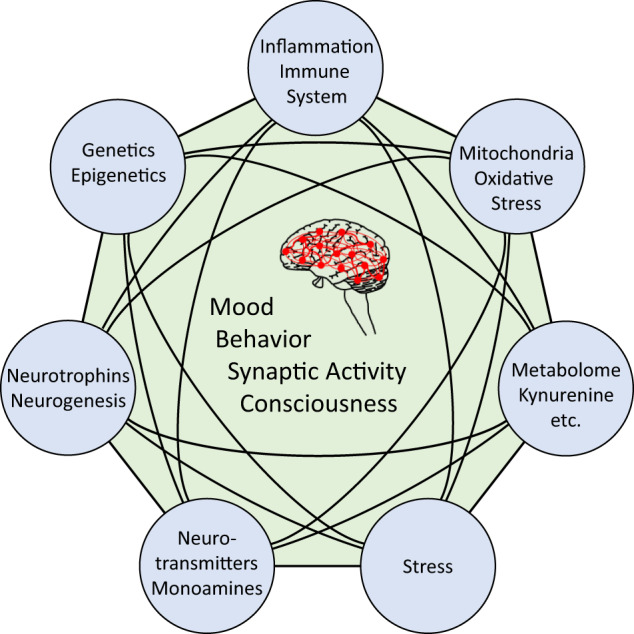
Major depressive disorder (MDD) is a psychiatric disease of still poorly understood molecular etiology. Extensive studies at different molecular levels point to a high complexity of numerous interrelated pathways as the underpinnings of depression. Major systems under consideration include monoamines, stress, neurotrophins and neurogenesis, excitatory and inhibitory neurotransmission, mitochondrial dysfunction, (epi)genetics, inflammation, the opioid system, myelination, and the gut-brain axis, among others. This review aims at illustrating how these multiple signaling pathways and systems may interact to provide a more comprehensive view of MDD’s neurobiology. In particular, considering the pattern of synaptic activity as the closest physical representation of mood, emotion, and conscience we can conceptualize, each pathway or molecular system will be scrutinized for links to synaptic neurotransmission. Models of the neurobiology of MDD will be discussed as well as future actions to improve the understanding of the disease and treatment options.
Overview
The claims and statistics of this paper haven’t been checked yet.
Free: it reads the open-access text and checks the first 5 claims that cite a source we can check. Create a free account to check every claim.
Integrity signals
Registry
Cites
Statistics
Figures
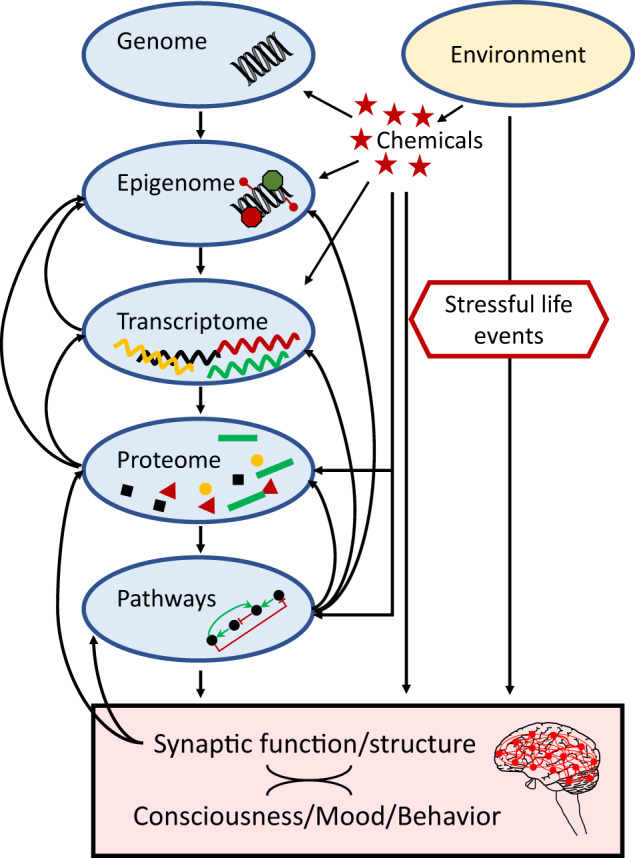
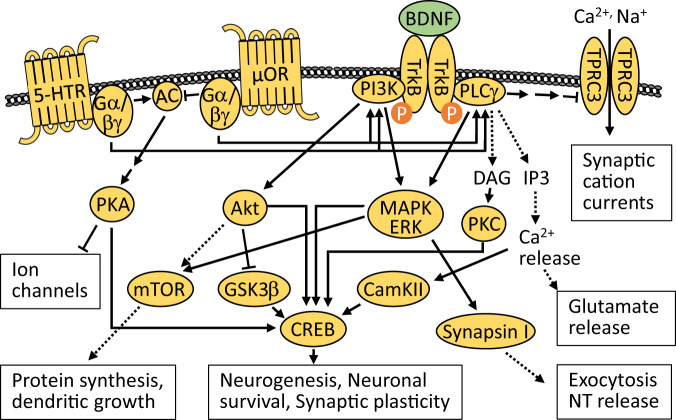
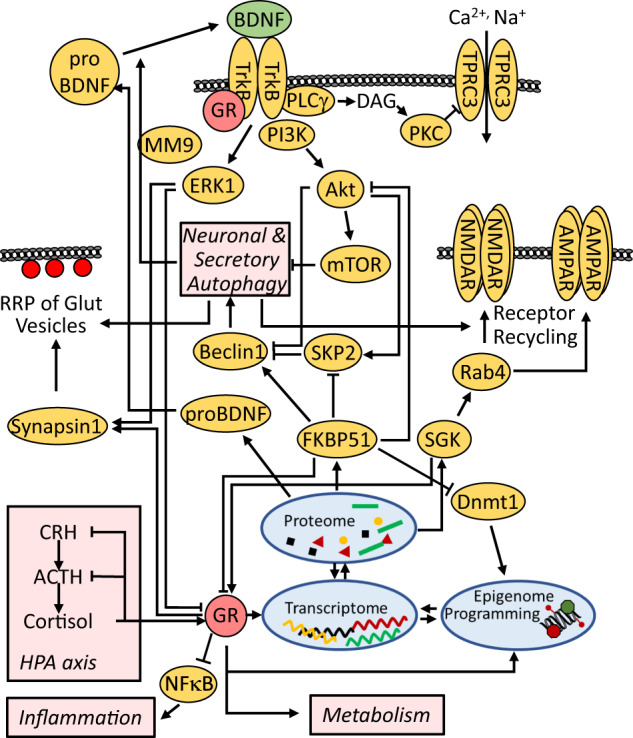
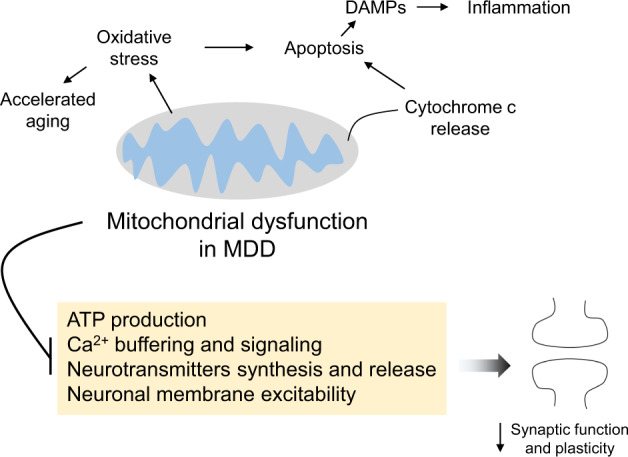
Verification
Claims the paper makes
The claims and statistics of this paper haven’t been checked yet.
Free: it reads the open-access text and checks the first 5 claims that cite a source we can check. Create a free account to check every claim.
Claims other papers make about this one
Each is checked against this paper’s own text: does it say what the citing paper says it does?
The source backs part of the claim, not all of it — or backs it for a different population, condition or comparison.
In the citing paper
“It has been proved that the changes in the structure and function of neurons may occur under the chronic stress and lead to the occurrence of MDD. 37 , 38”
From Major depressive disorder: hypothesis, mechanism, prevention and treatment (2024) · cites this paper as [38]
Experimental — accuracy not yet measuredThe source backs part of the claim, not all of it — or backs it for a different population, condition or comparison.
In the citing paper
“Stress induces cells to release damage-associated molecular patterns (DAMPs), endogenous danger signals, into the extracellular space.”
From Chronic stress, neuroinflammation, and depression: an overview of pathophysiological mechanisms and emerging anti-inflammatories (2023) · cites this paper as [23]
Experimental — accuracy not yet measuredThe source backs part of the claim, not all of it — or backs it for a different population, condition or comparison.
In the citing paper
“The chronic extracellular release of DAMPs and immune cell DAMP-PRR signaling creates a feed forward loop that accelerates peripheral and central inflammation.”
From Chronic stress, neuroinflammation, and depression: an overview of pathophysiological mechanisms and emerging anti-inflammatories (2023) · cites this paper as [23]
Experimental — accuracy not yet measuredThe source backs part of the claim, not all of it — or backs it for a different population, condition or comparison.
In the citing paper
“Concurrently, chronic stress disrupts key neurotransmitter systems, alters neuronal connectivity, and disturbs synaptic network activity, leading to, for example, dysregulated excitatory glutamatergic signaling, impaired dopaminergic transmission, and altered inhibitory GABAergic signaling in specific brain regions [4,24,29,35,36,37].”
From Comparative Analysis of HPA-Axis Dysregulation and Dynamic Molecular Mechanisms in Acute Versus Chronic Social Defeat Stress (2025) · cites this paper as [35]
Experimental — accuracy not yet measuredThe cited source says what the claim attributes to it.
In the citing paper
“DAMPs bind to pattern-recognition receptors (PRRs) on immune cells and activate the innate immune response.”
From Chronic stress, neuroinflammation, and depression: an overview of pathophysiological mechanisms and emerging anti-inflammatories (2023) · cites this paper as [23]
Self-check
Percentages, sums and reported differences re-computed from the paper’s own numbers.
The self-check needs the paper’s full text.
Citations
Cites
Diagnostic and Statistical Manual of Mental Disorders
American Psychiatric Association (2013) · doi:10.1176/appi.books.9780890425596 · Cited by 116,369
Santomauro, D. F., Mantilla Herrera, A. M., Shadid, J., Zheng, P., Ashbaugh, C., Pigott, D. M., Abbafati, C., Adolph, C., Amlag, J. O., Aravkin, A. Y., et al. (2021) · The Lancet · doi:10.1016/s0140-6736(21)02143-7 · Cited by 5,444 · cited 1×
“MDD represents a major burden on public health, ranking third in the leading causes of disability worldwide [2], with studies predicting a significant increase of MDD cases globally after the Covid-19 pandemic [3].”
BackgroundCryan, J. F., O'Riordan, K. J., Cowan, C. S. M., Sandhu, K. V., Bastiaanssen, T. F. S., Boehme, M., Codagnone, M. G., Cussotto, S., Fulling, C., Golubeva, A. V., et al. (2019) · Physiological Reviews · doi:10.1152/physrev.00018.2018 · Cited by 5,286 · cited 1×
“For the effects on brain function, some metabolites may cross the BBB and directly trigger relevant pathways, or may elicit a response in the periphery with repercussions on the brain, such as changing the hormone and cytokine profile in the blood or through neural effects linking to the brain [176, 177].”
BackgroundMalhi, G. S., & Mann, J. J. (2018) · The Lancet · doi:10.1016/s0140-6736(18)31948-2 · Cited by 4,099
Oxidative stress, aging, and diseases
Liguori, I., Russo, G., Curcio, F., Bulli, G., Aran, L., Della-Morte, D., Gargiulo, G., Testa, G., Cacciatore, F., Bonaduce, D., et al. (2018) · Clinical Interventions in Aging · doi:10.2147/cia.s158513 · Cited by 3,979 · cited 1×
“It can further cause DNA damage [212, 213], alter DNA methylation [214, 215], and induce accelerated aging [216], as reported for MDD [217].”
BackgroundThe role of inflammation in depression: from evolutionary imperative to modern treatment target
Miller, A. H., & Raison, C. L. (2016) · Nature Reviews Immunology · doi:10.1038/nri.2015.5 · Cited by 3,942 · cited 1×
“The inflammasome pathway is an important source of proinflammatory cytokines [131], which can be activated in response to elevated levels of damage-associated molecular patterns (DAMPs) and other stress molecules, resulting in the activation of IL-1β and IL-18 [132].”
BackgroundAutophagy and the Integrated Stress Response
Kroemer, G., Mariño, G., & Levine, B. (2010) · Molecular Cell · doi:10.1016/j.molcel.2010.09.023 · Cited by 3,506 · cited 1×
“It continuously operates at a basal level and is enhanced under various stressful conditions [116].”
BackgroundNicotinic acetylcholine receptor α7 subunit is an essential regulator of inflammation
Wang, H., Yu, M., Ochani, M., Amella, C. A., Tanovic, M., Susarla, S., Li, J. H., Wang, H., Yang, H., Ulloa, L., et al. (2003) · Nature · doi:10.1038/nature01339 · Cited by 3,228
The Bidirectional Relationship of Depression and Inflammation: Double Trouble
Beurel, E., Toups, M., & Nemeroff, C. B. (2020) · Neuron · doi:10.1016/j.neuron.2020.06.002 · Cited by 2,136 · cited 3×
“Immune cells mediate inflammation as an essential mechanism to maintain homeostasis by recognizing cell damage and aiding in tissue repair [126].”
BackgroundSynaptic Energy Use and Supply
Harris, J. J., Jolivet, R., & Attwell, D. (2012) · Neuron · doi:10.1016/j.neuron.2012.08.019 · Cited by 1,747 · cited 1×
“It is well-established that mitochondria support neurotransmission in several ways, including ATP production [166], Ca buffering and signaling, synthesis of neurotransmitters [167] establishing and maintaining membrane excitability, and in the organization of synaptic vesicle pools and neurotransmitter release [168].”
BackgroundEpidemiology of Adult DSM-5 Major Depressive Disorder and Its Specifiers in the United States
Hasin, D. S., Sarvet, A. L., Meyers, J. L., Saha, T. D., Ruan, W. J., Stohl, M., & Grant, B. F. (2018) · JAMA Psychiatry · doi:10.1001/jamapsychiatry.2017.4602 · Cited by 1,737 · cited 1×
“INTRODUCTION AND SCOPE Major depressive disorder (MDD) is a common and (potentially) disabling psychiatric disorder affecting as many as 12% of adults globally, with its prevalence in the United States being highest among young adults, women, and the elderly [1].”
BackgroundKelly, J. R., Borre, Y., O' Brien, C., Patterson, E., El Aidy, S., Deane, J., Kennedy, P. J., Beers, S., Scott, K., Moloney, G., et al. (2016) · Journal of Psychiatric Research · doi:10.1016/j.jpsychires.2016.07.019 · Cited by 1,683
NMDAR inhibition-independent antidepressant actions of ketamine metabolites
Zanos, P., Moaddel, R., Morris, P. J., Georgiou, P., Fischell, J., Elmer, G. I., Alkondon, M., Yuan, P., Pribut, H. J., Singh, N. S., et al. (2016) · Nature · doi:10.1038/nature17998 · Cited by 1,609 · cited 1×
“Additionally, ketamine enhances the mTOR complex 1 signaling and increases the number and function of synapses in the prefrontal cortex [42] independently of NMDA receptor inhibition [43].”
BackgroundStress Effects on Neuronal Structure: Hippocampus, Amygdala, and Prefrontal Cortex
McEwen, B. S., Nasca, C., & Gray, J. D. (2016) · Neuropsychopharmacology · doi:10.1038/npp.2015.171 · Cited by 1,574 · cited 1×
“Many of the MDD symptoms have been linked to chronic stress, and numerous studies document structural changes of neuronal architecture and function upon stress exposure [71].”
BackgroundAllele-specific FKBP5 DNA demethylation mediates gene–childhood trauma interactions
Klengel, T., Mehta, D., Anacker, C., Rex-Haffner, M., Pruessner, J. C., Pariante, C. M., Pace, T. W. W., Mercer, K. B., Mayberg, H. S., Bradley, B., et al. (2013) · Nature Neuroscience · doi:10.1038/nn.3275 · Cited by 1,447 · cited 1×
“FKBP51 is intertwined with other pathways related to depression: it is a target of epigenetic programming [100, 101], but potentially also a sculptor of the epigenetic landscape through its action on DNA methyltransferase 1 [102].”
BackgroundSelf-citationSo depression is an inflammatory disease, but where does the inflammation come from?
Berk, M., Williams, L. J., Jacka, F. N., O’Neil, A., Pasco, J. A., Moylan, S., Allen, N. B., Stuart, A. L., Hayley, A. C., Byrne, M. L., et al. (2013) · BMC Medicine · doi:10.1186/1741-7015-11-200 · Cited by 1,423 · cited 2×
“Other inflammation-inducing factors include oxidative and nitrosative stress, psychosocial stress, poor diet, physical inactivity, obesity, smoking, and altered gut permeability [136].”
BackgroundKynurenines: Tryptophan’s metabolites in exercise, inflammation, and mental health
Cervenka, I., Agudelo, L. Z., & Ruas, J. L. (2017) · Science · doi:10.1126/science.aaf9794 · Cited by 1,382 · cited 1×
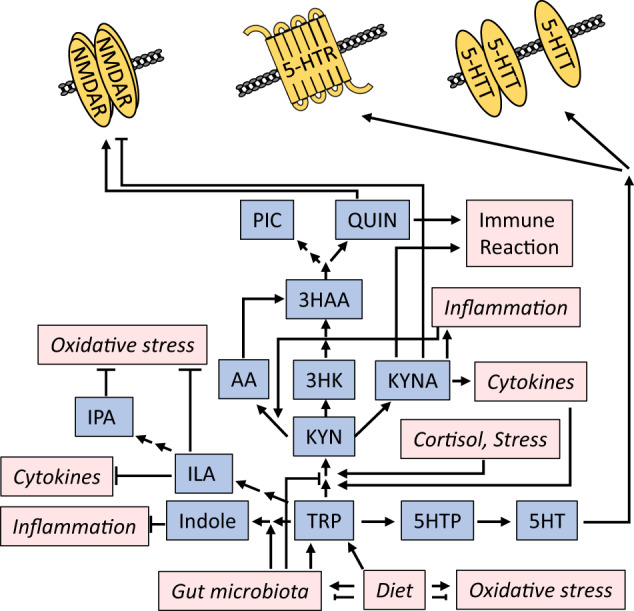
“However, tryptophan is metabolized predominantly through the kynurenine pathway [190], which produces both neurotoxic (e.”
BackgroundDynamic DNA methylation programs persistent adverse effects of early-life stress
Murgatroyd, C., Patchev, A. V., Wu, Y., Micale, V., Bockmühl, Y., Fischer, D., Holsboer, F., Wotjak, C. T., Almeida, O. F. X., & Spengler, D. (2009) · Nature Neuroscience · doi:10.1038/nn.2436 · Cited by 1,162
mTOR signaling: At the crossroads of plasticity, memory and disease
Hoeffer, C. A., & Klann, E. (2010) · Trends in Neurosciences · doi:10.1016/j.tins.2009.11.003 · Cited by 1,128
A mega-analysis of genome-wide association studies for major depressive disorder
Major Depressive Disorder Working Group of the Psychiatric GWAS Consortium, Ripke, S., Wray, N. R., Lewis, C. M., Hamilton, S. P., Weissman, M. M., Breen, G., Byrne, E. M., Blackwood, D. H. R., Boomsma, D. I., et al. (2013) · Molecular Psychiatry · doi:10.1038/mp.2012.21 · Cited by 1,120
Duman, R. S., Sanacora, G., & Krystal, J. H. (2019) · Neuron · doi:10.1016/j.neuron.2019.03.013 · Cited by 1,026 · cited 3×
“This also led to the discovery of fast-acting antidepressants such as ketamine, which rapidly increases glutamate signaling and leads to rapid and sustained antidepressant response in both preclinical and clinical studies [41].”
BackgroundInfluentialDirect generation of functional dopaminergic neurons from mouse and human fibroblasts
Caiazzo, M., Dell’Anno, M. T., Dvoretskova, E., Lazarevic, D., Taverna, S., Leo, D., Sotnikova, T. D., Menegon, A., Roncaglia, P., Colciago, G., et al. (2011) · Nature · doi:10.1038/nature10284 · Cited by 1,012
Binder, E. B., Salyakina, D., Lichtner, P., Wochnik, G. M., Ising, M., Pütz, B., Papiol, S., Seaman, S., Lucae, S., Kohli, M. A., et al. (2004) · Nature Genetics · doi:10.1038/ng1479 · Cited by 977 · cited 1×
“FKBP5 polymorphisms have been associated with HPA axis parameters, antidepressant treatment response, and recurrence of depressive episodes [99].”
BackgroundSelf-citationThe GABAergic deficit hypothesis of major depressive disorder
Luscher, B., Shen, Q., & Sahir, N. (2011) · Molecular Psychiatry · doi:10.1038/mp.2010.120 · Cited by 934 · cited 2×
“THP also affects the hypothalamus-pituitaryadrenal (HPA) axis as a positive allosteric modulator for specific subunits of extrasynaptic GABAA receptors (GABAARs) expressed in the paraventricular nucleus of the hypothalamus [40].”
BackgroundKeller, J., Gomez, R., Williams, G., Lembke, A., Lazzeroni, L., Murphy, G. M., & Schatzberg, A. F. (2017) · Molecular Psychiatry · doi:10.1038/mp.2016.120 · Cited by 922 · cited 1×
“Increased cortisol levels, HPA overactivity, and a dysfunctional negative feedback of the HPA axis have been reported in some depressed patients, particularly in specific depression subtypes [80].”
BackgroundAutophagy-Independent Functions of the Autophagy Machinery
Galluzzi, L., & Green, D. R. (2019) · Cell · doi:10.1016/j.cell.2019.05.026 · Cited by 863
Role of oxidative stress in depression
Bhatt, S., Nagappa, A. N., & Patil, C. R. (2020) · Drug Discovery Today · doi:10.1016/j.drudis.2020.05.001 · Cited by 821 · cited 2×
“Increased oxidative stress can potentially lead to further mitochondrial damage, increasing apoptosis and ultimately contributing to inflammatory signaling [162].”
BackgroundInflammation: The Common Pathway of Stress-Related Diseases
Liu, Y.-Z., Wang, Y.-X., & Jiang, C.-L. (2017) · Frontiers in Human Neuroscience · doi:10.3389/fnhum.2017.00316 · Cited by 800 · cited 2×
“In turn, many circulating cytokines can activate the HPA axis and ultimately increase adrenocorticotropic hormone and glucocorticoid levels [149, 152].”
BackgroundOsimo, E. F., Baxter, L. J., Lewis, G., Jones, P. B., & Khandaker, G. M. (2019) · Psychological Medicine · doi:10.1017/s0033291719001454 · Cited by 774 · cited 1×
“Apoptotic events may eventually contribute to the activation of the immune system and lead to the chronic low-grade inflammatory status seen in MDD [210].”
BackgroundNeuroinflammation and psychiatric illness
Najjar, S., Pearlman, D. M., Alper, K., Najjar, A., & Devinsky, O. (2013) · Journal of Neuroinflammation · doi:10.1186/1742-2094-10-43 · Cited by 733
Is depression associated with increased oxidative stress? A systematic review and meta-analysis
Black, C. N., Bot, M., Scheffer, P. G., Cuijpers, P., & Penninx, B. W. J. H. (2015) · Psychoneuroendocrinology · doi:10.1016/j.psyneuen.2014.09.025 · Cited by 711
BDNF-induced local protein synthesis and synaptic plasticity
Leal, G., Comprido, D., & Duarte, C. B. (2014) · Neuropharmacology · doi:10.1016/j.neuropharm.2013.04.005 · Cited by 690 · cited 1×
“BDNF also activates the mTOR pathway, promoting protein synthesis in neuronal dendrites [64] and regulating the expression of AMPA receptor subunits [65].”
BackgroundThe small GTP-binding protein rab4 controls an early sorting event on the endocytic pathway
van der Sluijs, P., Hull, M., Webster, P., Mâle, P., Goud, B., & Mellman, I. (1992) · Cell · doi:10.1016/0092-8674(92)90307-x · Cited by 685 · cited 1×
“Rab4 is a small GTPase that regulates recycling from early endosomes to the cell surface [87] and thus also controls NMDAR and AMPAR recycling [85].”
BackgroundDiet and depression: Exploring the biological mechanisms of action
Marx, W., Lane, M., Hockey, M., Aslam, H., Berk, M., Walder, K., Borsini, A., Firth, J., Pariante, C. M., Berding, K., et al. (2021) · Molecular Psychiatry · doi:10.1038/s41380-020-00925-x · Cited by 685 · cited 1×
“The nutritional/microbiotic effects on the brain are described through links to established molecular pathways controlling synaptic function [187].”
BackgroundAntidepressant drugs act by directly binding to TRKB neurotrophin receptors
Casarotto, P. C., Girych, M., Fred, S. M., Kovaleva, V., Moliner, R., Enkavi, G., Biojone, C., Cannarozzo, C., Sahu, M. P., Kaurinkoski, K., et al. (2021) · Cell · doi:10.1016/j.cell.2021.01.034 · Cited by 663
Wochnik, G. M., Rüegg, J., Abel, G. A., Schmidt, U., Holsboer, F., & Rein, T. (2005) · Journal of Biological Chemistry · doi:10.1074/jbc.m407498200 · Cited by 638
Self-citationParletta, N., Zarnowiecki, D., Cho, J., Wilson, A., Bogomolova, S., Villani, A., Itsiopoulos, C., Niyonsenga, T., Blunden, S., Meyer, B., et al. (2019) · Nutritional Neuroscience · doi:10.1080/1028415x.2017.1411320 · Cited by 629
Quinolinic acid, the inescapable neurotoxin
Guillemin, G. J. (2012) · The FEBS Journal · doi:10.1111/j.1742-4658.2012.08485.x · Cited by 595 · cited 1×
“In contrast, quinolinic acid is a glutamate receptor agonist [194]; it enhances release of glutamate and inhibits glutamate re-uptake by astrocytes [195, 196].”
BackgroundMonoamine neurocircuitry in depression and strategies for new treatments
Hamon, M., & Blier, P. (2013) · Progress in Neuro-Psychopharmacology and Biological Psychiatry · doi:10.1016/j.pnpbp.2013.04.009 · Cited by 594 · cited 1×
“, 5-HT, noradrenaline, and dopamine [36].”
Inflammation, glutamate, and glia: a trio of trouble in mood disorders
Haroon, E., Miller, A. H., & Sanacora, G. (2017) · Neuropsychopharmacology · doi:10.1038/npp.2016.199 · Cited by 584 · cited 1×
“Finally, inflammation also influences the expression of excitatory amino acid transporters in astroglial cells, ultimately affecting glutamate uptake from the synaptic cleft [148].”
BackgroundWebster, M. K., Goya, L., Ge, Y., Maiyar, A. C., & Firestone, G. L. (1993) · Molecular and Cellular Biology · doi:10.1128/mcb.13.4.2031-2040.1993 · Cited by 581 · cited 2×
“SGK1 has been further linked to MDD through its impact on hippocampal neurogenesis and as an upstream regulator of GR [88].”
BackgroundBrain-Derived Neurotrophic Factor Signaling in Depression and Antidepressant Action
Castrén, E., & Monteggia, L. M. (2021) · Biological Psychiatry · doi:10.1016/j.biopsych.2021.05.008 · Cited by 540 · cited 1×
“Finally, not only is BDNF expression and its downstream signaling required for the action of conventional and rapid-acting antidepressants [55], but a recent study has also found that antidepressants can bind directly to the transmembrane domain of TrkB dimers, rendering a stable conformation of the multi-protein comp…”
BackgroundNicholas, C. R., Chen, J., Tang, Y., Southwell, D. G., Chalmers, N., Vogt, D., Arnold, C. M., Chen, Y.-J. J., Stanley, E. G., Elefanty, A. G., et al. (2013) · Cell Stem Cell · doi:10.1016/j.stem.2013.04.005 · Cited by 520
Tryptophan metabolism and gut-brain homeostasis
Roth, W., Zadeh, K., Vekariya, R., Ge, Y., & Mohamadzadeh, M. (2021) · International Journal of Molecular Sciences · doi:10.3390/ijms22062973 · Cited by 519
McGuinness, A. J., Davis, J. A., Dawson, S. L., Loughman, A., Collier, F., O’Hely, M., Simpson, C. A., Green, J., Marx, W., Hair, C., et al. (2022) · Molecular Psychiatry · doi:10.1038/s41380-022-01456-3 · Cited by 502 · cited 1×
“Support for the relevance of this “gut-brain axis” includes gut microbiome changes in MDD [178].”
BackgroundA Meta-analysis of oxidative stress markers in depression
Liu, T., Zhong, S., Liao, X., Chen, J., He, T., Lai, S., & Jia, Y. (2015) · PLOS ONE · doi:10.1371/journal.pone.0138904 · Cited by 485
Acute stress enhances glutamatergic transmission in prefrontal cortex and facilitates working memory
Yuen, E. Y., Liu, W., Karatsoreos, I. N., Feng, J., McEwen, B. S., & Yan, Z. (2009) · Proceedings of the National Academy of Sciences · doi:10.1073/pnas.0906791106 · Cited by 481 · cited 2×
“Rab4 is a small GTPase that regulates recycling from early endosomes to the cell surface [87] and thus also controls NMDAR and AMPAR recycling [85].”
BackgroundStress Hormone Regulation: Biological Role and Translation into Therapy
Holsboer, F., & Ising, M. (2010) · Annual Review of Psychology · doi:10.1146/annurev.psych.093008.100321 · Cited by 473 · cited 1×
“Stress Stress exposure, particularly early in life, arguably is the beststudied and established risk factor for MDD [70].”
BackgroundThe effects of probiotics on depressive symptoms in humans: a systematic review
Wallace, C. J. K., & Milev, R. (2017) · Annals of General Psychiatry · doi:10.1186/s12991-017-0138-2 · Cited by 471
Dynorphin, stress, and depression
Knoll, A. T., & Carlezon, W. A. (2010) · Brain Research · doi:10.1016/j.brainres.2009.09.074 · Cited by 465 · cited 1×
“Synaptic and behavioral effects of stress are also mediated, at least partly, through the opioid system; this is largely based on pharmacological and genetic manipulation in animal models and awaits elucidation of further mechanistic details [92, 93].”
BackgroundAlcocer-Gómez, E., de Miguel, M., Casas-Barquero, N., Núñez-Vasco, J., Sánchez-Alcazar, J. A., Fernández-Rodríguez, A., & Cordero, M. D. (2014) · Brain, Behavior, and Immunity · doi:10.1016/j.bbi.2013.10.017 · Cited by 443 · cited 1×
“The inflammasome pathway is an important source of proinflammatory cytokines [131], which can be activated in response to elevated levels of damage-associated molecular patterns (DAMPs) and other stress molecules, resulting in the activation of IL-1β and IL-18 [132].”
BackgroundLevey, D. F., Stein, M. B., Wendt, F. R., Pathak, G. A., Zhou, H., Aslan, M., Quaden, R., Harrington, K. M., Nuñez, Y. Z., Overstreet, C., et al. (2021) · Nature Neuroscience · doi:10.1038/s41593-021-00860-2 · Cited by 422 · cited 3×
“Key genes linked to major depressive disorder in the most recent genome-wide association study [18].”
BackgroundInfluentialUher, R., Tansey, K. E., Dew, T., Maier, W., Mors, O., Hauser, J., Dernovsek, M. Z., Henigsberg, N., Souery, D., Farmer, A., et al. (2014) · American Journal of Psychiatry · doi:10.1176/appi.ajp.2014.14010094 · Cited by 418 · cited 1×
“For instance, significantly high inflammation is not found across all patients [232], and different levels of baseline inflammatory status have been shown to influence the patients’ treatment responsiveness [233].”
BackgroundTartt, A. N., Mariani, M. B., Hen, R., Mann, J. J., & Boldrini, M. (2022) · Molecular Psychiatry · doi:10.1038/s41380-022-01520-y · Cited by 408 · cited 3×
“Importantly, antidepressants induce neurogenesis, increase the potential for plasticity, and reverse hippocampal atrophy [66, 67].”
BackgroundTreatment-resistant depression and peripheral C-reactive protein.
Chamberlain, S. R., Cavanagh, J., de Boer, P., Mondelli, V., Jones, D. N. C., Drevets, W. C., Cowen, P. J., Harrison, N. A., Pointon, L., Pariante, C. M., et al. (2019) · British Journal of Psychiatry · doi:10.1192/bjp.2018.66 · Cited by 400 · cited 1×
“Proinflammatory cytokines also correlate with MDD symptom severity [129] and CRP with treatmentresponse [130].”
BackgroundCortical GABAergic Dysfunction in Stress and Depression: New Insights for Therapeutic Interventions
Fogaça, M. V., & Duman, R. S. (2019) · Frontiers in Cellular Neuroscience · doi:10.3389/fncel.2019.00087 · Cited by 396 · cited 1×
“peripheral tissues [38], including the gamma-aminobutyric acid (GABA) and glutamatergic systems [39, 40].”
BackgroundPariante, C. M. (2017) · European Neuropsychopharmacology · doi:10.1016/j.euroneuro.2017.04.001 · Cited by 382 · cited 1×
“Inflammation Several studies have found that MDD and a dysregulation of the inflammatory process are associated in a bidirectional pathway (“cytokine theory of MDD”) [125].”
BackgroundDiverse Cellular Roles of Autophagy
Morishita, H., & Mizushima, N. (2019) · Annual Review of Cell and Developmental Biology · doi:10.1146/annurev-cellbio-100818-125300 · Cited by 376 · cited 1×
“In general, autophagy is an evolutionarily conserved intracellular degradative process that promotes the homeostasis of energy, proteins, and organelles [115].”
BackgroundMicrobiota alteration is associated with the development of stress-induced despair behavior
Marin, I. A., Goertz, J. E., Ren, T., Rich, S. S., Onengut-Gumuscu, S., Farber, E., Wu, M., Overall, C. C., Kipnis, J., & Gaultier, A. (2017) · Scientific Reports · doi:10.1038/srep43859 · Cited by 369
Gassen, N. C., Niemeyer, D., Muth, D., Corman, V. M., Martinelli, S., Gassen, A., Hafner, K., Papies, J., Mösbauer, K., Zellner, A., et al. (2019) · Nature Communications · doi:10.1038/s41467-019-13659-4 · Cited by 356 · cited 6×
“FKBP51 is intertwined with other pathways related to depression: it is a target of epigenetic programming [100, 101], but potentially also a sculptor of the epigenetic landscape through its action on DNA methyltransferase 1 [102].”
BackgroundInfluentialSelf-citationPsychological Stress and Mitochondria: A Systematic Review
Picard, M., & McEwen, B. S. (2018) · Psychosomatic Medicine · doi:10.1097/psy.0000000000000545 · Cited by 333 · cited 1×
“These include mitochondrial alterations and dysfunction [218, 219], as well as apoptosis [171], immune activation, and inflammation.”
BackgroundChevalier, G., Siopi, E., Guenin-Macé, L., Pascal, M., Laval, T., Rifflet, A., Boneca, I. G., Demangel, C., Colsch, B., Pruvost, A., et al. (2020) · Nature Communications · doi:10.1038/s41467-020-19931-2 · Cited by 326
Anacker, C., Cattaneo, A., Musaelyan, K., Zunszain, P. A., Horowitz, M., Molteni, R., Luoni, A., Calabrese, F., Tansey, K., Gennarelli, M., et al. (2013) · Proceedings of the National Academy of Sciences · doi:10.1073/pnas.1300886110 · Cited by 319 · cited 1×
“SGK1 has been further linked to MDD through its impact on hippocampal neurogenesis and as an upstream regulator of GR [88].”
BackgroundLi, J., Seidlitz, J., Suckling, J., Fan, F., Ji, G.-J., Meng, Y., Yang, S., Wang, K., Qiu, J., Chen, H., et al. (2021) · Nature Communications · doi:10.1038/s41467-021-21943-5 · Cited by 305 · cited 1×
“In parallel, postmortem studies have reported changes in the density and size of neurons and glia in several brain regions of patients [10] along with reduced expression of pre- and postsynaptic genes [11, 12].”
BackgroundDuric, V., Banasr, M., Stockmeier, C. A., Simen, A. A., Newton, S. S., Overholser, J. C., Jurjus, G. J., Dieter, L., & Duman, R. S. (2013) · International Journal of Neuropsychopharmacology · doi:10.1017/s1461145712000016 · Cited by 304 · cited 1×
“In parallel, postmortem studies have reported changes in the density and size of neurons and glia in several brain regions of patients [10] along with reduced expression of pre- and postsynaptic genes [11, 12].”
BackgroundLeighton, S. P., Nerurkar, L., Krishnadas, R., Johnman, C., Graham, G. J., & Cavanagh, J. (2018) · Molecular Psychiatry · doi:10.1038/mp.2017.205 · Cited by 291 · cited 1×
“Accordingly, increased levels of chemokine (C-X-C motif) ligand (CXCL) 4, CXCL7, and CXCL8 have been found in depression [139].”
BackgroundGenetics Factors in Major Depression Disease
Shadrina, M., Bondarenko, E. A., & Slominsky, P. A. (2018) · Frontiers in Psychiatry · doi:10.3389/fpsyt.2018.00334 · Cited by 288
Inflammation and mitochondrial dysfunction: A vicious circle in neurodegenerative disorders?
van Horssen, J., van Schaik, P., & Witte, M. (2019) · Neuroscience Letters · doi:10.1016/j.neulet.2017.06.050 · Cited by 283
Modulation of Autophagy by BDNF Underlies Synaptic Plasticity
Nikoletopoulou, V., Sidiropoulou, K., Kallergi, E., Dalezios, Y., & Tavernarakis, N. (2017) · Cell Metabolism · doi:10.1016/j.cmet.2017.06.005 · Cited by 280 · cited 1×
“Examples are FKBP51 [107, 117], BDNF [104, 118], and the protein kinases Akt1, mTOR, PI3K, and GSK3β [119].”
BackgroundVos, M. (2010) · Frontiers in Synaptic Neuroscience · doi:10.3389/fnsyn.2010.00139 · Cited by 280 · cited 1×
“It is well-established that mitochondria support neurotransmission in several ways, including ATP production [166], Ca buffering and signaling, synthesis of neurotransmitters [167] establishing and maintaining membrane excitability, and in the organization of synaptic vesicle pools and neurotransmitter release [168].”
BackgroundFrancis, H. M., Stevenson, R. J., Chambers, J. R., Gupta, D., Newey, B., & Lim, C. K. (2019) · PLOS ONE · doi:10.1371/journal.pone.0222768 · Cited by 277
TRYPTOPHAN IN THE TREATMENT OF DEPRESSION
Coppen, A., Shaw, D., Herzberg, B., & Maggs, R. (1967) · The Lancet · doi:10.1016/s0140-6736(67)91894-6 · Cited by 273 · cited 1×
“Together with carbohydrate metabolism, tryptophan is one of the earliest nutritional links to depression first reported more than 60–80 years ago [188].”
BackgroundSavitz, J., Drevets, W. C., Smith, C. M., Victor, T. A., Wurfel, B. E., Bellgowan, P. S., Bodurka, J., Teague, T. K., & Dantzer, R. (2015) · Neuropsychopharmacology · doi:10.1038/npp.2014.194 · Cited by 272 · cited 1×
“Originating from stress or not, immune molecules can also stimulate IDO and thereby activate the kynurenine pathway, contributing to a reduction in hippocampal structure and volume in MDD [221].”
BackgroundOpposite Molecular Signatures of Depression in Men and Women
Seney, M. L., Huo, Z., Cahill, K., French, L., Puralewski, R., Zhang, J., Logan, R. W., Tseng, G., Lewis, D. A., & Sibille, E. (2018) · Biological Psychiatry · doi:10.1016/j.biopsych.2018.01.017 · Cited by 272 · cited 1×
“Further, despite overwhelming consensus on the necessity, we are just beginning to understand sex specificity in the molecular and pathway correlations in MDD [243].”
BackgroundZhang, T., Pang, C., Li, N., Zhou, E., & Zhao, K. (2013) · BMC Medicine · doi:10.1186/1741-7015-11-1 · Cited by 270
Glucocorticoids sensitize the innate immune system through regulation of the NLRP3 inflammasome
Busillo, J. M., Azzam, K. M., & Cidlowski, J. A. (2011) · Journal of Biological Chemistry · doi:10.1074/jbc.m111.275370 · Cited by 264 · cited 1×
“For instance, glucocorticoids can increase the expression of the inflammasome NLR Family Pyrin Domain Containing 3 (NLRP3) and promote the cleavage and secretion of proinflammatory cytokines [151].”
BackgroundDepression and telomere length: a meta-analysis
Ridout, K. K., Ridout, S. J., Price, L. H., Sen, S., & Tyrka, A. R. (2016) · Journal of Affective Disorders · doi:10.1016/j.jad.2015.11.052 · Cited by 258 · cited 1×
“It can further cause DNA damage [212, 213], alter DNA methylation [214, 215], and induce accelerated aging [216], as reported for MDD [217].”
BackgroundSchmaal, L., Pozzi, E., C. Ho, T., van Velzen, L. S., Veer, I. M., Opel, N., Van Someren, E. J. W., Han, L. K. M., Aftanas, L., Aleman, A., et al. (2020) · Translational Psychiatry · doi:10.1038/s41398-020-0842-6 · Cited by 245 · cited 1×
“These include volume reductions in cortical and subcortical structures [6, 7], reduced gray matter volume throughout the brain, enlarged lateral ventricles, and white matter microstructural differences suggestive of compromised myelin integrity [6, 8, 9].”
BackgroundGenomic and epigenomic mechanisms of glucocorticoids in the brain
Gray, J. D., Kogan, J. F., Marrocco, J., & McEwen, B. S. (2017) · Nature Reviews Endocrinology · doi:10.1038/nrendo.2017.97 · Cited by 242
Is the HPA Axis as Target for Depression Outdated, or Is There a New Hope?
Menke, A. (2019) · Frontiers in Psychiatry · doi:10.3389/fpsyt.2019.00101 · Cited by 240 · cited 2×
“Since not all patients present with alterations in the HPA axis, genetic or functional assessments at baseline for the identification of potentially responsive patients may be required [81].”
BackgroundAn Essential Role for Histone Deacetylase 4 in Synaptic Plasticity and Memory Formation
Kim, M.-S., Akhtar, M. W., Adachi, M., Mahgoub, M., Bassel-Duby, R., Kavalali, E. T., Olson, E. N., & Monteggia, L. M. (2012) · The Journal of Neuroscience · doi:10.1523/jneurosci.2089-12.2012 · Cited by 235 · cited 1×
“Examples include hypermethylation of the histone deacetylase 4 gene, in line with its role in neuronal morphology and dendritic arborization [28], hippocampal-dependent learning and memory, and long-term synaptic plasticity [29].”
BackgroundBai, S., Guo, W., Feng, Y., Deng, H., Li, G., Nie, H., Guo, G., Yu, H., Ma, Y., Wang, J., et al. (2020) · Journal of Neurology, Neurosurgery & Psychiatry · doi:10.1136/jnnp-2019-320912 · Cited by 235
Pan, J.-X., Xia, J.-J., Deng, F.-L., Liang, W.-W., Wu, J., Yin, B.-M., Dong, M.-X., Chen, J.-J., Ye, F., Wang, H.-Y., et al. (2018) · Translational Psychiatry · doi:10.1038/s41398-018-0183-x · Cited by 232 · cited 1×
“peripheral tissues [38], including the gamma-aminobutyric acid (GABA) and glutamatergic systems [39, 40].”
BackgroundExpression of The Kynurenine Pathway Enzymes in Human Microglia and Macrophages
Guillemin, G. J., Smith, D. G., Smythe, G. A., Armati, P. J., & Brew, G. J. (2003) · Advances in Experimental Medicine and Biology · doi:10.1007/978-1-4615-0135-0_12 · Cited by 229 · cited 1×
“In contrast, quinolinic acid is a glutamate receptor agonist [194]; it enhances release of glutamate and inhibits glutamate re-uptake by astrocytes [195, 196].”
BackgroundRiazi, K., Galic, M. A., Kentner, A. C., Reid, A. Y., Sharkey, K. A., & Pittman, Q. J. (2015) · The Journal of Neuroscience · doi:10.1523/jneurosci.4485-14.2015 · Cited by 228
Chen, L.-M., Bao, C.-H., Wu, Y., Liang, S.-H., Wang, D., Wu, L.-Y., Huang, Y., Liu, H.-R., & Wu, H.-G. (2021) · Journal of Neuroinflammation · doi:10.1186/s12974-021-02175-2 · Cited by 227
Matosin, N., Halldorsdottir, T., & Binder, E. B. (2018) · Biological Psychiatry · doi:10.1016/j.biopsych.2018.01.021 · Cited by 226 · cited 1×
“FKBP51 is intertwined with other pathways related to depression: it is a target of epigenetic programming [100, 101], but potentially also a sculptor of the epigenetic landscape through its action on DNA methyltransferase 1 [102].”
BackgroundJiménez-Fernández, S., Gurpegui, M., Díaz-Atienza, F., Pérez-Costillas, L., Gerstenberg, M., & Correll, C. U. (2015) · The Journal of Clinical Psychiatry · doi:10.4088/jcp.14r09179 · Cited by 217
Danger Signals and Inflammasomes: Stress-Evoked Sterile Inflammation in Mood Disorders
Fleshner, M., Frank, M., & Maier, S. F. (2017) · Neuropsychopharmacology · doi:10.1038/npp.2016.125 · Cited by 216
Brain-Derived Neurotrophic Factor and Major Depressive Disorder: Evidence from Meta-Analyses
Kishi, T., Yoshimura, R., Ikuta, T., & Iwata, N. (2018) · Frontiers in Psychiatry · doi:10.3389/fpsyt.2017.00308 · Cited by 213 · cited 2×
“Ample evidence documents altered neurotrophin levels in patients, particularly reduced blood BDNF levels in acute MDD [51] in persistently depressed and remitted patients, [52] and in animal models of depression [53].”
BackgroundAntidepressant therapies inhibit inflammation and microglial M1-polarization
Kalkman, H. O., & Feuerbach, D. (2016) · Pharmacology & Therapeutics · doi:10.1016/j.pharmthera.2016.04.001 · Cited by 212 · cited 1×
“Further, activated microglia have been shown to irreversibly oxidize cofactors needed for the biosynthesis of monoamines [147] (cf.”
BackgroundSpermidine: A physiological autophagy inducer acting as an anti-aging vitamin in humans?
Madeo, F., Bauer, M. A., Carmona-Gutierrez, D., & Kroemer, G. (2019) · Autophagy · doi:10.1080/15548627.2018.1530929 · Cited by 212
PI3K Signaling in Neurons: A Central Node for the Control of Multiple Functions
Sánchez-Alegría, K., Flores-León, M., Avila-Muñoz, E., Rodríguez-Corona, N., & Arias, C. (2018) · International Journal of Molecular Sciences · doi:10.3390/ijms19123725 · Cited by 207
Hsu, D. T., Sanford, B. J., Meyers, K. K., Love, T. M., Hazlett, K. E., Walker, S. J., Mickey, B. J., Koeppe, R. A., Langenecker, S. A., & Zubieta, J.-K. (2015) · Molecular Psychiatry · doi:10.1038/mp.2014.185 · Cited by 205
Numakawa, T., Kumamaru, E., Adachi, N., Yagasaki, Y., Izumi, A., & Kunugi, H. (2009) · Proceedings of the National Academy of Sciences · doi:10.1073/pnas.0800888106 · Cited by 200 · cited 1×
“Direct protein interaction between GR and TrkB promotes BDNF-TrkB signaling and is diminished by the decreased levels of GR upon chronic stress [94].”
BackgroundMitochondria, Oxidative Stress and the Kynurenine System, with a Focus on Ageing and Neuroprotection
Sas, K., Szabó, E., & Vécsei, L. (2018) · Molecules · doi:10.3390/molecules23010191 · Cited by 198 · cited 1×
“The kynurenine pathway is intertwined with numerous depression pathways, for example inflammation and immune cell activity, acute, chronic mild, and early-life stress [200–202], oxidative stress and mitochondrial function [203, 204], and BDNF signaling [205, 206] (Fig.”
BackgroundThe Role of BDNF in the Neuroimmune Axis Regulation of Mood Disorders
Jin, Y., Sun, L. H., Yang, W., Cui, R. J., & Xu, S. B. (2019) · Frontiers in Neurology · doi:10.3389/fneur.2019.00515 · Cited by 198 · cited 1×
“In addition, proinflammatory cytokines not only reduce the expression of neurotrophins, but also inhibit BDNF/TrkB signaling by interfering with TrkB phosphorylation [153].”
BackgroundEndogenous opioid system dysregulation in depression: implications for new therapeutic approaches
Peciña, M., Karp, J. F., Mathew, S., Todtenkopf, M. S., Ehrich, E. W., & Zubieta, J.-K. (2019) · Molecular Psychiatry · doi:10.1038/s41380-018-0117-2 · Cited by 190
Lindqvist, D., Wolkowitz, O. M., Picard, M., Ohlsson, L., Bersani, F. S., Fernström, J., Westrin, Å., Hough, C. M., Lin, J., Reus, V. I., et al. (2018) · Neuropsychopharmacology · doi:10.1038/s41386-017-0001-9 · Cited by 188 · cited 5×
“FKBP51 is intertwined with other pathways related to depression: it is a target of epigenetic programming [100, 101], but potentially also a sculptor of the epigenetic landscape through its action on DNA methyltransferase 1 [102].”
BackgroundInfluentialMRC ImmunoPsychiatry Consortium, Wittenberg, G. M., Stylianou, A., Zhang, Y., Sun, Y., Gupta, A., Jagannatha, P. S., Wang, D., Hsu, B., Curran, M. E., et al. (2020) · Molecular Psychiatry · doi:10.1038/s41380-019-0471-8 · Cited by 187 · cited 2×
“p38/MAPK14) had a significant improvement in depression, with the antidepressant effect being higher in the immunotherapy aimed at IL-6, IL-12, and IL-23 [141].”
BackgroundRole of Kynurenine Pathway in Oxidative Stress during Neurodegenerative Disorders
Mor, A., Tankiewicz-Kwedlo, A., Krupa, A., & Pawlak, D. (2021) · Cells · doi:10.3390/cells10071603 · Cited by 187 · cited 1×
“The kynurenine pathway is intertwined with numerous depression pathways, for example inflammation and immune cell activity, acute, chronic mild, and early-life stress [200–202], oxidative stress and mitochondrial function [203, 204], and BDNF signaling [205, 206] (Fig.”
BackgroundFrank, P., Jokela, M., Batty, G. D., Cadar, D., Steptoe, A., & Kivimäki, M. (2021) · American Journal of Psychiatry · doi:10.1176/appi.ajp.2021.20121776 · Cited by 184 · cited 1×
“For instance, significantly high inflammation is not found across all patients [232], and different levels of baseline inflammatory status have been shown to influence the patients’ treatment responsiveness [233].”
BackgroundScaini, G., Mason, B. L., Diaz, A. P., Jha, M. K., Soares, J. C., Trivedi, M. H., & Quevedo, J. (2022) · Molecular Psychiatry · doi:10.1038/s41380-021-01312-w · Cited by 178 · cited 2×
“The resulting dysfunctional mitochondria, in turn, can also further amplify the inflammatory response if not adequately removed by the mitophagy process (suggested for MDD [155], cf.”
BackgroundGassen, N. C., Hartmann, J., Zschocke, J., Stepan, J., Hafner, K., Zellner, A., Kirmeier, T., Kollmannsberger, L., Wagner, K. V., Dedic, N., et al. (2014) · PLoS Medicine · doi:10.1371/journal.pmed.1001755 · Cited by 177 · cited 7×
“FKBP51 is intertwined with other pathways related to depression: it is a target of epigenetic programming [100, 101], but potentially also a sculptor of the epigenetic landscape through its action on DNA methyltransferase 1 [102].”
BackgroundInfluentialSelf-citationOxidative Stress in Cognitive and Epigenetic Aging: A Retrospective Glance
Kandlur, A., Satyamoorthy, K., & Gangadharan, G. (2020) · Frontiers in Molecular Neuroscience · doi:10.3389/fnmol.2020.00041 · Cited by 174 · cited 1×
“For instance, oxidative stress can impact many pathways such as BDNF signaling, neuroplasticity, and cognition [211].”
BackgroundNeural Substrates of Depression and Resilience
Han, M.-H., & Nestler, E. J. (2017) · Neurotherapeutics · doi:10.1007/s13311-017-0527-x · Cited by 173 · cited 1×
“Finally, since pathways into a disease may not simply be the reverse pathways out of a disease, much is expected to be learnt from deciphering resilience factors [244] and the still not entirely resolved molecular actions of antidepressants [245, 246].”
BackgroundC-Reactive protein as a biomarker for major depressive disorder?
Orsolini, L., Pompili, S., Tempia Valenta, S., Salvi, V., & Volpe, U. (2022) · International Journal of Molecular Sciences · doi:10.3390/ijms23031616 · Cited by 171 · cited 3×
“Proinflammatory cytokines also correlate with MDD symptom severity [129] and CRP with treatmentresponse [130].”
BackgroundFries, G., Gassen, N., & Rein, T. (2017) · International Journal of Molecular Sciences · doi:10.3390/ijms18122614 · Cited by 166
Self-citationNeuropathology of mood disorders: Do we see the stigmata of inflammation?
Mechawar, N., & Savitz, J. (2016) · Translational Psychiatry · doi:10.1038/tp.2016.212 · Cited by 165 · cited 1×
“In contrast, quinolinic acid is a glutamate receptor agonist [194]; it enhances release of glutamate and inhibits glutamate re-uptake by astrocytes [195, 196].”
BackgroundA mitochondrial bioenergetic basis of depression
Klinedinst, N. J., & Regenold, W. T. (2014) · Journal of Bioenergetics and Biomembranes · doi:10.1007/s10863-014-9584-6 · Cited by 163 · cited 2×
“The “mitochondria theory of depression” is supported by a wealth of findings linking depressive symptoms and MDD to rare mitochondrial disorders [156], altered mitochondrial structure and functions including decreased ATP production [156, 157], and disrupted mitochondrial dynamics (fusion, fission, mitophagy) [155].”
BackgroundYuan, P., Zhou, R., Wang, Y., Li, X., Li, J., Chen, G., Guitart, X., & Manji, H. K. (2010) · Journal of Affective Disorders · doi:10.1016/j.jad.2009.10.017 · Cited by 161 · cited 1×
“Indeed, reduced levels of ERK and the activity of Akt have been found in postmortem brains of depressed patients [62, 63].”
BackgroundGSK-3 β at the Intersection of Neuronal Plasticity and Neurodegeneration
Jaworski, T., Banach-Kasper, E., & Gralec, K. (2019) · Neural Plasticity · doi:10.1155/2019/4209475 · Cited by 159
Muneer, A. (2020) · Clinical Psychopharmacology and Neuroscience · doi:10.9758/cpn.2020.18.4.507 · Cited by 159 · cited 1×
“Kynurenic acid directly acts at the synapse as a glutamate receptor antagonist by binding to the glycine binding site [193].”
BackgroundCavalleri, L., Merlo Pich, E., Millan, M. J., Chiamulera, C., Kunath, T., Spano, P. F., & Collo, G. (2018) · Molecular Psychiatry · doi:10.1038/mp.2017.241 · Cited by 156 · cited 1×
“BDNF also activates the mTOR pathway, promoting protein synthesis in neuronal dendrites [64] and regulating the expression of AMPA receptor subunits [65].”
BackgroundOpioid Receptor-Mediated Regulation of Neurotransmission in the Brain
Reeves, K. C., Shah, N., Muñoz, B., & Atwood, B. K. (2022) · Frontiers in Molecular Neuroscience · doi:10.3389/fnmol.2022.919773 · Cited by 156 · cited 1×
“In general, opioid receptors negatively regulate neurotransmitter release and excitability of neurons by the activation of G-protein-mediated mechanisms, resulting in increased potassium channel functioning, cell depolarization, and inhibition of functioning voltage-gated calcium channels, negatively regulating neurot…”
BackgroundHeritability of Perinatal Depression and Genetic Overlap With Nonperinatal Depression
Viktorin, A., Meltzer-Brody, S., Kuja-Halkola, R., Sullivan, P. F., Landén, M., Lichtenstein, P., & Magnusson, P. K. E. (2016) · American Journal of Psychiatry · doi:10.1176/appi.ajp.2015.15010085 · Cited by 152
Mifsud, K. R., & Reul, J. M. H. M. (2018) · Stress · doi:10.1080/10253890.2018.1456526 · Cited by 151
Stress induced microglial activation contributes to depression
Li, B., Yang, W., Ge, T., Wang, Y., & Cui, R. (2022) · Pharmacological Research · doi:10.1016/j.phrs.2022.106145 · Cited by 151 · cited 2×
“Further, microglia are increasingly highlighted for their role in mediating the effects of stress on synaptic structure and function including synaptic pruning and spine density [90, 91].”
BackgroundGeneration of functional human serotonergic neurons from fibroblasts
Vadodaria, K. C., Mertens, J., Paquola, A. C. M., Bardy, C., Li, X., Jappelli, R., Fung, L., Marchetto, M. C., Hamm, M., Gorris, M. A. J., et al. (2015) · Molecular Psychiatry · doi:10.1038/mp.2015.161 · Cited by 144
Bolton, J. L., Short, A. K., Othy, S., Kooiker, C. L., Shao, M., Gunn, B. G., Beck, J., Bai, X., Law, S. M., Savage, J. C., et al. (2022) · Cell Reports · doi:10.1016/j.celrep.2022.110600 · Cited by 143
Gut Microbiota: A Perspective for Psychiatrists
Rea, K., Dinan, T. G., & Cryan, J. F. (2020) · Neuropsychobiology · doi:10.1159/000504495 · Cited by 141 · cited 1×
“For the effects on brain function, some metabolites may cross the BBB and directly trigger relevant pathways, or may elicit a response in the periphery with repercussions on the brain, such as changing the hormone and cytokine profile in the blood or through neural effects linking to the brain [176, 177].”
BackgroundGlucocorticoid and Mineralocorticoid Receptors in the Brain: A Transcriptional Perspective
Koning, A.-S. C. A. M., Buurstede, J. C., van Weert, L. T. C. M., & Meijer, O. C. (2019) · Journal of the Endocrine Society · doi:10.1210/js.2019-00158 · Cited by 140
Role of the intestinal microbiome, intestinal barrier and psychobiotics in depression
Trzeciak, P., & Herbet, M. (2021) · Nutrients · doi:10.3390/nu13030927 · Cited by 139 · cited 1×
“Even though not typically conceptualized in pathways, myelin and oligodendrocytes are known to be affected by stress and by several other factors such as neurotransmitters, neurotrophins, cytokines, ROS, epigenetic factors, intestine microbiome, among others [222, 224].”
BackgroundBlood–Brain Barrier Dysfunction in the Pathogenesis of Major Depressive Disorder
Wu, S., Yin, Y., & Du, L. (2021) · Cellular and Molecular Neurobiology · doi:10.1007/s10571-021-01153-9 · Cited by 136 · cited 1×
“Damage and loss of astrocytes in the frontal and limbic areas of the brain are also associated with MDD, contributing to BBB dysfunction and neuroinflammation [137, 138].”
BackgroundTreccani, G., Musazzi, L., Perego, C., Milanese, M., Nava, N., Bonifacino, T., Lamanna, J., Malgaroli, A., Drago, F., Racagni, G., et al. (2014) · Molecular Psychiatry · doi:10.1038/mp.2014.5 · Cited by 133 · cited 3×
“, to contribute to the increase of the readily releasable pool of glutamate vesicles in the prefrontal cortex [84].”
BackgroundEndogenous opioids: The downside of opposing stress
Valentino, R. J., & Van Bockstaele, E. (2015) · Neurobiology of Stress · doi:10.1016/j.ynstr.2014.09.006 · Cited by 133 · cited 1×
“Synaptic and behavioral effects of stress are also mediated, at least partly, through the opioid system; this is largely based on pharmacological and genetic manipulation in animal models and awaits elucidation of further mechanistic details [92, 93].”
BackgroundBus, B. A. A., Molendijk, M. L., Tendolkar, I., Penninx, B. W. J. H., Prickaerts, J., Elzinga, B. M., & Voshaar, R. C. O. (2015) · Molecular Psychiatry · doi:10.1038/mp.2014.83 · Cited by 133 · cited 1×
“Ample evidence documents altered neurotrophin levels in patients, particularly reduced blood BDNF levels in acute MDD [51] in persistently depressed and remitted patients, [52] and in animal models of depression [53].”
BackgroundChecks and balances: The glucocorticoid receptor and NFĸB in good times and bad
Bekhbat, M., Rowson, S. A., & Neigh, G. N. (2017) · Frontiers in Neuroendocrinology · doi:10.1016/j.yfrne.2017.05.001 · Cited by 131 · cited 1×
“Through additional protein-protein interactions that recalibrate protein phosphorylation, FKBP51 also impacts signaling of other depression-relevant pathways such as GSK3β [103], BDNF [102, 104], and nuclear factor kappa B, linking it to inflammation and the immune system [105, 106], as well as autophagy [107, 108].”
BackgroundMitochondria and Inflammation: Cell Death Heats Up
Vringer, E., & Tait, S. W. G. (2019) · Frontiers in Cell and Developmental Biology · doi:10.3389/fcell.2019.00100 · Cited by 129 · cited 2×
“These include, for instance, the mitochondrial DNA, which activates toll-like receptor 9 and the NLRP3 inflammasome, in addition to causing a type I interferon response [173].”
BackgroundMicroRNA‐132 regulates recognition memory and synaptic plasticity in the perirhinal cortex
Scott, H. L., Tamagnini, F., Narduzzo, K. E., Howarth, J. L., Lee, Y., Wong, L., Brown, M. W., Warburton, E. C., Bashir, Z. I., & Uney, J. B. (2012) · European Journal of Neuroscience · doi:10.1111/j.1460-9568.2012.08220.x · Cited by 128 · cited 1×
“For instance, miR-132, one of the top-ranked upregulated miRNAs in MDD across multiple studies [33], is a regulator of synaptic proteins [34] and synaptic plasticity [35].”
BackgroundStress-primed secretory autophagy promotes extracellular BDNF maturation by enhancing MMP9 secretion
Martinelli, S., Anderzhanova, E. A., Bajaj, T., Wiechmann, S., Dethloff, F., Weckmann, K., Heinz, D. E., Ebert, T., Hartmann, J., Geiger, T. M., et al. (2021) · Nature Communications · doi:10.1038/s41467-021-24810-5 · Cited by 126 · cited 2×
“Through additional protein-protein interactions that recalibrate protein phosphorylation, FKBP51 also impacts signaling of other depression-relevant pathways such as GSK3β [103], BDNF [102, 104], and nuclear factor kappa B, linking it to inflammation and the immune system [105, 106], as well as autophagy [107, 108].”
BackgroundWagnon, J. L., Briese, M., Sun, W., Mahaffey, C. L., Curk, T., Rot, G., Ule, J., & Frankel, W. N. (2012) · PLoS Genetics · doi:10.1371/journal.pgen.1003067 · Cited by 125 · cited 1×
“Finally, CUGBP Elav-Like Family Member 4 (CELF4) is a neuronal RNA-binding protein that targets genes associated with the regulation of neuronal excitation, synaptic plasticity, and transmission [23].”
BackgroundBockmühl, Y., Patchev, A. V., Madejska, A., Hoffmann, A., Sousa, J. C., Sousa, N., Holsboer, F., Almeida, O. F. X., & Spengler, D. (2015) · Epigenetics · doi:10.1080/15592294.2015.1017199 · Cited by 117
The rise and fall of MRI studies in major depressive disorder
Zhuo, C., Li, G., Lin, X., Jiang, D., Xu, Y., Tian, H., Wang, W., & Song, X. (2019) · Translational Psychiatry · doi:10.1038/s41398-019-0680-6 · Cited by 117 · cited 1×
“These include volume reductions in cortical and subcortical structures [6, 7], reduced gray matter volume throughout the brain, enlarged lateral ventricles, and white matter microstructural differences suggestive of compromised myelin integrity [6, 8, 9].”
BackgroundArango-Lievano, M., Lambert, W. M., Bath, K. G., Garabedian, M. J., Chao, M. V., & Jeanneteau, F. (2015) · Proceedings of the National Academy of Sciences · doi:10.1073/pnas.1509045112 · Cited by 116 · cited 2×
“Interestingly, these phosphorylation sites are required for the reversal of dendritic spine density loss by fluoxetine in the chronic unpredicted stress model [95].”
BackgroundChanges in Gut Microbiota by Chronic Stress Impair the Efficacy of Fluoxetine
Siopi, E., Chevalier, G., Katsimpardi, L., Saha, S., Bigot, M., Moigneu, C., Eberl, G., & Lledo, P.-M. (2020) · Cell Reports · doi:10.1016/j.celrep.2020.02.099 · Cited by 116
Direct conversion of human fibroblasts to induced serotonergic neurons
Xu, Z., Jiang, H., Zhong, P., Yan, Z., Chen, S., & Feng, J. (2016) · Molecular Psychiatry · doi:10.1038/mp.2015.101 · Cited by 115
Diversity Matters: A Revised Guide to Myelination
Tomassy, G. S., Dershowitz, L. B., & Arlotta, P. (2016) · Trends in Cell Biology · doi:10.1016/j.tcb.2015.09.002 · Cited by 115 · cited 1×
“Through enhancing conductivity along neuronal axons [223], myelin and myelin-producing oligodendrocytes are obvious candidates for mechanisms of brain diseases in general.”
BackgroundPerrin, A. J., Horowitz, M. A., Roelofs, J., Zunszain, P. A., & Pariante, C. M. (2019) · Frontiers in Psychiatry · doi:10.3389/fpsyt.2019.00423 · Cited by 112 · cited 1×
“Glucocorticoid resistance, as seen in many MDD patients, has also been previously associated with increased inflammatory markers, supporting the hypothesis of a tight cross-talk between stress and inflammation in the disorder [220].”
ResultGu, F., Wu, Y., Liu, Y., Dou, M., Jiang, Y., & Liang, H. (2020) · Food & Function · doi:10.1039/d0fo00373e · Cited by 112
Markham, A., Bains, R., Franklin, P., & Spedding, M. (2014) · British Journal of Pharmacology · doi:10.1111/bph.12531 · Cited by 111 · cited 1×
“Finally, neurotrophic signaling affects mitochondria, as exemplified by BDNF impacting mitochondrial mobility, distribution, and respiratory coupling which is at least partly required for its effect on neurotransmission [57, 174].”
BackgroundAnnett, S., Moore, G., & Robson, T. (2020) · Pharmacology & Therapeutics · doi:10.1016/j.pharmthera.2020.107623 · Cited by 111 · cited 1×
“Through additional protein-protein interactions that recalibrate protein phosphorylation, FKBP51 also impacts signaling of other depression-relevant pathways such as GSK3β [103], BDNF [102, 104], and nuclear factor kappa B, linking it to inflammation and the immune system [105, 106], as well as autophagy [107, 108].”
BackgroundPowerhouse of the mind: mitochondrial plasticity at the synapse
Rossi, M. J., & Pekkurnaz, G. (2019) · Current Opinion in Neurobiology · doi:10.1016/j.conb.2019.02.001 · Cited by 110 · cited 1×
“It is well-established that mitochondria support neurotransmission in several ways, including ATP production [166], Ca buffering and signaling, synthesis of neurotransmitters [167] establishing and maintaining membrane excitability, and in the organization of synaptic vesicle pools and neurotransmitter release [168].”
BackgroundIs There a Role of Autophagy in Depression and Antidepressant Action?
Gassen, N. C., & Rein, T. (2019) · Frontiers in Psychiatry · doi:10.3389/fpsyt.2019.00337 · Cited by 109 · cited 1×
“Through additional protein-protein interactions that recalibrate protein phosphorylation, FKBP51 also impacts signaling of other depression-relevant pathways such as GSK3β [103], BDNF [102, 104], and nuclear factor kappa B, linking it to inflammation and the immune system [105, 106], as well as autophagy [107, 108].”
BackgroundSelf-citationInflammation, Serotonin and Major Depression
Catena-Dell’Osso, M., Rotella, F., Dell’Osso, A., Fagiolini, A., & Marazziti, D. (2013) · Current Drug Targets · doi:10.2174/13894501113149990154 · Cited by 107 · cited 1×
“Inflammatory cytokines also activate the enzyme indoleamine 2,3dioxygenase (IDO) and thereby decrease the synthesis of 5-HT [146] (cf.”
BackgroundGassen, N. C., Fries, G. R., Zannas, A. S., Hartmann, J., Zschocke, J., Hafner, K., Carrillo-Roa, T., Steinbacher, J., Preißinger, S. N., Hoeijmakers, L., et al. (2015) · Science Signaling · doi:10.1126/scisignal.aac7695 · Cited by 107 · cited 2×
“FKBP51 is intertwined with other pathways related to depression: it is a target of epigenetic programming [100, 101], but potentially also a sculptor of the epigenetic landscape through its action on DNA methyltransferase 1 [102].”
BackgroundSelf-citationRole of Kynurenine Metabolism Pathway Activation in Major Depressive Disorders
Savitz, J. B. (2016) · Current topics in behavioral neurosciences · doi:10.1007/7854_2016_12 · Cited by 107 · cited 1×
“The conversion of tryptophan into the neurotransmitter 5-HT provides an obvious link to synaptic function and depression [189].”
BackgroundNolan, M., Roman, E., Nasa, A., Levins, K. J., O’Hanlon, E., O’Keane, V., & Willian Roddy, D. (2020) · Chronic Stress · doi:10.1177/2470547020944553 · Cited by 107 · cited 1×
“These include volume reductions in cortical and subcortical structures [6, 7], reduced gray matter volume throughout the brain, enlarged lateral ventricles, and white matter microstructural differences suggestive of compromised myelin integrity [6, 8, 9].”
BackgroundCeramides and depression: A systematic review
Dinoff, A., Herrmann, N., & Lanctôt, K. L. (2017) · Journal of Affective Disorders · doi:10.1016/j.jad.2017.02.008 · Cited by 104
Medina-Rodriguez, E. M., Lowell, J. A., Worthen, R. J., Syed, S. A., & Beurel, E. (2018) · Frontiers in Neuroscience · doi:10.3389/fnins.2018.00547 · Cited by 101 · cited 1×
“Damage and loss of astrocytes in the frontal and limbic areas of the brain are also associated with MDD, contributing to BBB dysfunction and neuroinflammation [137, 138].”
BackgroundSu, B., Ji, Y.-S., Sun, X.-L., Liu, X.-H., & Chen, Z.-Y. (2014) · Journal of Biological Chemistry · doi:10.1074/jbc.m113.526129 · Cited by 99 · cited 2×
“BDNF-TrkB signaling also generates sustained synaptic cation currents by activating transient receptor potential canonical subfamily (TRPC) 3 [57].”
BackgroundElevated Plasma Ceramides in Depression
Gracia-Garcia, P., Rao, V., Haughey, N. J., Ratnam Banduru, V. V., Smith, G., Rosenberg, P. B., Lobo, A., Lyketsos, C. G., & Mielke, M. M. (2011) · Journal of Neuropsychiatry · doi:10.1176/appi.neuropsych.23.2.215 · Cited by 95
Serotonin-induced hyperactivity in SSRI-resistant major depressive disorder patient-derived neurons
Vadodaria, K. C., Ji, Y., Skime, M. K., Paquola, A. C. M., Nelson, T. J., Hall‐Flavin, D. K., Fredlender, C., Heard, K. J., Deng, Y., Le, A. T., et al. (2019) · Molecular Psychiatry · doi:10.1038/s41380-019-0363-y · Cited by 95
Targeting opioid dysregulation in depression for the development of novel therapeutics
Browne, C. A., & Lucki, I. (2019) · Pharmacology & Therapeutics · doi:10.1016/j.pharmthera.2019.04.009 · Cited by 95
Glucocorticoid impairs mitochondrial quality control in neurons
Choi, G. E., & Han, H. J. (2021) · Neurobiology of Disease · doi:10.1016/j.nbd.2021.105301 · Cited by 95 · cited 2×
“These include mitochondrial alterations and dysfunction [218, 219], as well as apoptosis [171], immune activation, and inflammation.”
BackgroundAdult-born neurons modify excitatory synaptic transmission to existing neurons
Adlaf, E. W., Vaden, R. J., Niver, A. J., Manuel, A. F., Onyilo, V. C., Araujo, M. T., Dieni, C. V., Vo, H. T., King, G. D., Wadiche, J. I., et al. (2017) · eLife · doi:10.7554/elife.19886 · Cited by 94
Altered serotonergic circuitry in SSRI-resistant major depressive disorder patient-derived neurons
Vadodaria, K. C., Ji, Y., Skime, M., Paquola, A. C., Nelson, T., Hall-Flavin, D., Heard, K. J., Fredlender, C., Deng, Y., Elkins, J., et al. (2019) · Molecular Psychiatry · doi:10.1038/s41380-019-0377-5 · Cited by 94 · cited 1×
“The synaptic and circuit activities of these neurons correlate with disease and treatment response [170, 240, 241], suggesting them as useful cellular models to investigate mechanisms shaping synaptic activity and function, and to test novel antidepressant drugs acting on them, complementing animal models [242].”
BackgroundEdinoff, A. N., Odisho, A. S., Lewis, K., Kaskas, A., Hunt, G., Cornett, E. M., Kaye, A. D., Kaye, A., Morgan, J., Barrilleaux, P. S., et al. (2021) · Frontiers in Psychiatry · doi:10.3389/fpsyt.2021.699740 · Cited by 94 · cited 1×
“Further drug developments include brexanolone, an analog of the neurosteroid THP, for the treatment of postpartum depression, as THP levels drop after pregnancy [44].”
BackgroundA central role for the acid sphingomyelinase/ceramide system in neurogenesis and major depression
Gulbins, E., Walter, S., Becker, K. A., Halmer, R., Liu, Y., Reichel, M., Edwards, M. J., Müller, C. P., Fassbender, K., & Kornhuber, J. (2015) · Journal of Neurochemistry · doi:10.1111/jnc.13145 · Cited by 93 · cited 6×
“Importantly, ASM/ceramides are linked to synaptic activity and pathways that had been associated with MDD before: these include TRPC6 and thus growth cone guidance, spine morphology, dendritic outgrowth and neuronal survival [248], as well as PKC and regulation of tubulin, GSK-3β, and β-catenin [67].”
BackgroundInfluentialHall, B. S., Moda, R. N., & Liston, C. (2015) · Neurobiology of Stress · doi:10.1016/j.ynstr.2014.10.008 · Cited by 89 · cited 2×
“Finally, the effects of chronic glucocorticoids on dendritic atrophy have also been linked to excessive PKC signaling and reduced expression of neural cell adhesion molecules [83], in addition to suppression of BDNF signaling (“Relation to other pathways”).”
BackgroundZhao, D., Xu, X., Pan, L., Zhu, W., Fu, X., Guo, L., Lu, Q., & Wang, J. (2017) · Journal of Neuroinflammation · doi:10.1186/s12974-017-1007-2 · Cited by 86
Stress and glucocorticoid receptor regulation of mitochondrial gene expression
Lapp, H. E., Bartlett, A. A., & Hunter, R. G. (2018) · Journal of Molecular Endocrinology · doi:10.1530/jme-18-0152 · Cited by 84 · cited 1×
“These include mitochondrial alterations and dysfunction [218, 219], as well as apoptosis [171], immune activation, and inflammation.”
BackgroundHoffmann, R. F., Jonker, M. R., Brandenburg, S. M., de Bruin, H. G., ten Hacken, N. H. T., van Oosterhout, A. J. M., & Heijink, I. H. (2019) · Scientific Reports · doi:10.1038/s41598-019-51517-x · Cited by 84 · cited 1×
“Furthermore, dysfunctional mitochondria increase the production of proinflammatory cytokines [172], possibly mediated by the release of many DAMPs through mitochondrial outer membrane permeabilization [173].”
BackgroundThe cytokine network in the pathogenesis of major depressive disorder. Close to translation?
Petralia, M. C., Mazzon, E., Fagone, P., Basile, M. S., Lenzo, V., Quattropani, M. C., Di Nuovo, S., Bendtzen, K., & Nicoletti, F. (2020) · Autoimmunity Reviews · doi:10.1016/j.autrev.2020.102504 · Cited by 84 · cited 3×
“Proinflammatory cytokines also correlate with MDD symptom severity [129] and CRP with treatmentresponse [130].”
BackgroundGSK3β: a master player in depressive disorder pathogenesis and treatment responsiveness
Duda, P., Hajka, D., Wójcicka, O., Rakus, D., & Gizak, A. (2020) · Cells · doi:10.3390/cells9030727 · Cited by 84 · cited 3×
“Polyamines such as spermidine, spermine, putrescine and agmatine are short, aliphatic amines that impact several pathways and synaptic activity by a variety of mechanisms; the impacted molecules and pathways include almost all systems mentioned in this review, e.g., Na+-, K+- and Ca2+-channels, 5-HT, NMDA, AMPA, kaina…”
BackgroundDopamine D2 receptor regulates cortical synaptic pruning in rodents
Zhang, Y.-Q., Lin, W.-P., Huang, L., Zhao, B. T., Zhang, C., & Yin, D. (2021) · Nature Communications · doi:10.1038/s41467-021-26769-9 · Cited by 83 · cited 1×
“The dopamine D2 receptor (DRD2) regulates synaptic pruning and long-term depression through activation of the mammalian target of rapamycin (mTOR) [22].”
BackgroundKaltenboeck, A., & Harmer, C. (2018) · Brain and Neuroscience Advances · doi:10.1177/2398212818799269 · Cited by 81 · cited 1×
“Moreover, around one third of depressed patients do not respond to antidepressants that work exclusively by inhibiting monoamine reabsorption, and restricting the availability of the 5-HT precursor tryptophan does not induce depressive episodes in all patients [37].”
BackgroundBoda, E. (2021) · European Journal of Neuroscience · doi:10.1111/ejn.14621 · Cited by 80 · cited 4×
“Even though not typically conceptualized in pathways, myelin and oligodendrocytes are known to be affected by stress and by several other factors such as neurotransmitters, neurotrophins, cytokines, ROS, epigenetic factors, intestine microbiome, among others [222, 224].”
BackgroundInfluentialInflammation-Associated Synaptic Alterations as Shared Threads in Depression and Multiple Sclerosis
Bruno, A., Dolcetti, E., Rizzo, F. R., Fresegna, D., Musella, A., Gentile, A., De Vito, F., Caioli, S., Guadalupi, L., Bullitta, S., et al. (2020) · Frontiers in Cellular Neuroscience · doi:10.3389/fncel.2020.00169 · Cited by 79 · cited 1×
“Indeed, cytokine-mediated synaptic plasticity is associated with cognitive function in MDD patients [144, 145].”
BackgroundNon-coding RNAs in depression: Promising diagnostic and therapeutic biomarkers
Shi, Y., Wang, Q., Song, R., Kong, Y., & Zhang, Z. (2021) · eBioMedicine · doi:10.1016/j.ebiom.2021.103569 · Cited by 79 · cited 2×
“Other epigenetic mechanisms include non-coding RNAs [30, 31] and histone modifications [32].”
BackgroundBlock, T. S., Kushner, H., Kalin, N., Nelson, C., Belanoff, J., & Schatzberg, A. (2018) · Biological Psychiatry · doi:10.1016/j.biopsych.2018.01.008 · Cited by 78 · cited 1×
“Indeed, treatment with mifepristone (a GR antagonist) has shown promising results in patients with psychotic depression [82].”
BackgroundMicroRNAs in depression and suicide: Recent insights and future perspectives
Dwivedi, Y. (2018) · Journal of Affective Disorders · doi:10.1016/j.jad.2018.07.075 · Cited by 78 · cited 2×
“Other epigenetic mechanisms include non-coding RNAs [30, 31] and histone modifications [32].”
BackgroundSpermidine, an autophagy inducer, as a therapeutic strategy in neurological disorders
Ghosh, I., Sankhe, R., Mudgal, J., Arora, D. S., & Nampoothiri, M. (2020) · Neuropeptides · doi:10.1016/j.npep.2020.102083 · Cited by 78 · cited 1×
“Thus, the autophagy inducer spermidine is proposed as a therapeutic strategy in aging and neurological disorders [228, 229], and dietary polyamines are considered to promote health in general [230].”
BackgroundMicroglial-driven changes in synaptic plasticity: A possible role in major depressive disorder
Innes, S., Pariante, C. M., & Borsini, A. (2019) · Psychoneuroendocrinology · doi:10.1016/j.psyneuen.2018.12.233 · Cited by 75 · cited 1×
“Indeed, cytokine-mediated synaptic plasticity is associated with cognitive function in MDD patients [144, 145].”
BackgroundMajor Depressive Disorder is Associated with Impaired Mitochondrial Function in Skin Fibroblasts
Kuffner, K., Triebelhorn, J., Meindl, K., Benner, C., Manook, A., Sudria-Lopez, D., Siebert, R., Nothdurfter, C., Baghai, T. C., Drexler, K., et al. (2020) · Cells · doi:10.3390/cells9040884 · Cited by 75 · cited 1×
“The “mitochondria theory of depression” is supported by a wealth of findings linking depressive symptoms and MDD to rare mitochondrial disorders [156], altered mitochondrial structure and functions including decreased ATP production [156, 157], and disrupted mitochondrial dynamics (fusion, fission, mitophagy) [155].”
BackgroundEpigenome-wide association study of depression symptomatology in elderly monozygotic twins
Starnawska, A., Tan, Q., Soerensen, M., McGue, M. K., Mors, O. N., Børglum, A. D., Christensen, K., Nyegaard, M., & Christiansen, L. (2019) · Translational Psychiatry · doi:10.1038/s41398-019-0548-9 · Cited by 72
The Journey of the Synaptic Autophagosome: A Cell Biological Perspective
Kargbo-Hill, S. E., & Colón-Ramos, D. A. (2020) · Neuron · doi:10.1016/j.neuron.2020.01.018 · Cited by 72
Caldiroli, A., Capuzzi, E., Tagliabue, I., Capellazzi, M., Marcatili, M., Mucci, F., Colmegna, F., Clerici, M., Buoli, M., & Dakanalis, A. (2021) · International Journal of Molecular Sciences · doi:10.3390/ijms222313070 · Cited by 70 · cited 1×
“Treatment with antidepressants is often indicated, although ~50% of patients do not achieve remission with first-line treatment [5].”
BackgroundHealth-Promoting Effects of Dietary Polyamines
Hirano, R., Shirasawa, H., & Kurihara, S. (2021) · Medical Sciences · doi:10.3390/medsci9010008 · Cited by 70 · cited 1×
“Thus, the autophagy inducer spermidine is proposed as a therapeutic strategy in aging and neurological disorders [228, 229], and dietary polyamines are considered to promote health in general [230].”
BackgroundZhang, H., Ding, L., Shen, T., & Peng, D. (2019) · General Psychiatry · doi:10.1136/gpsych-2019-100084 · Cited by 68 · cited 1×
“DAMPs associated with depression include the high mobility group box-1 [133, 134], extracellular ATP [134], and circulating cell-free mitochondrial DNA [135].”
BackgroundAn epigenome-wide association study of early-onset major depression in monozygotic twins
Roberson‐Nay, R., Lapato, D. M., Wolen, A. R., Lancaster, E. E., Webb, B. T., Verhulst, B., Hettema, J. M., & York, T. P. (2020) · Translational Psychiatry · doi:10.1038/s41398-020-00984-2 · Cited by 68
Cellular abnormalities in depression: evidence from postmortem brain tissue
Stockmeier, C. A., & Rajkowska, G. (2004) · Dialogues in Clinical Neuroscience · doi:10.31887/dcns.2004.6.2/cstockmeier · Cited by 67 · cited 1×
“In parallel, postmortem studies have reported changes in the density and size of neurons and glia in several brain regions of patients [10] along with reduced expression of pre- and postsynaptic genes [11, 12].”
BackgroundPetschner, P., Gonda, X., Baksa, D., Eszlari, N., Trivaks, M., Juhasz, G., & Bagdy, G. (2018) · Neuroscience · doi:10.1016/j.neuroscience.2017.09.049 · Cited by 67 · cited 1×
“Mitochondria as initial disturbance? Associations between mitochondrial genetic variations, cognitive function, and depression [170, 207] has prompted some authors to suggest mitochondrial dysfunction as the initiator of a chain of molecular events precipitating MDD.”
BackgroundMartín‐Hernández, D., Tendilla‐Beltrán, H., Madrigal, J. L. M., García‐Bueno, B., Leza, J. C., & Caso, J. R. (2018) · Molecular Neurobiology · doi:10.1007/s12035-018-1096-7 · Cited by 67
Riveros, M. E., Ávila, A., Schruers, K. R. J., & Ezquer, F. E. (2022) · Antioxidants · doi:10.3390/antiox11030540 · Cited by 66
Polyamines reverse immune senescence via the translational control of autophagy
Zhang, H., & Simon, A. K. (2019) · Autophagy · doi:10.1080/15548627.2019.1687967 · Cited by 65 · cited 1×
“Polyamines are also important players in the stress response [226] and autophagy, which involves a unique post-translational modification of the eukaryotic translation initiation factor 5A requiring spermidine as an essential substrate [227].”
BackgroundPuryear, C. B., Brooks, J. M., Tan, L. A., Smith, K. L., Li, Y., Cunningham, J. I., Todtenkopf, M. S., Dean, R. L., & Sánchez, C. (2019) · Neuroscience & Biobehavioral Reviews · doi:10.1016/j.neubiorev.2019.12.007 · Cited by 65 · cited 3×
“Excellent reviews summarize the vast clinical and preclinical evidence for the involvement of opioid receptors in MDD pathology [47].”
BackgroundSynapsins and the Synaptic Vesicle Reserve Pool: Floats or Anchors?
Zhang, M., & Augustine, G. J. (2021) · Cells · doi:10.3390/cells10030658 · Cited by 65
Linking Mitochondria to Synapses: New Insights for Stress-Related Neuropsychiatric Disorders
Jeanneteau, F., & Arango-Lievano, M. (2016) · Neural Plasticity · doi:10.1155/2016/3985063 · Cited by 64 · cited 1×
“Mitochondria also produce oxygen and nitrogen species needed for synaptic plasticity, and activate caspases in dendrites to induce postsynaptic spine elimination involved in long-term depression [169] (Fig.”
BackgroundRein, T. (2016) · BioEssays · doi:10.1002/bies.201600050 · Cited by 64
Self-citationCattane, N., Vernon, A. C., Borsini, A., Scassellati, C., Endres, D., Capuron, L., Tamouza, R., Benros, M. E., Leza, J. C., Pariante, C. M., et al. (2022) · European Neuropsychopharmacology · doi:10.1016/j.euroneuro.2022.02.002 · Cited by 64 · cited 1×
“The synaptic and circuit activities of these neurons correlate with disease and treatment response [170, 240, 241], suggesting them as useful cellular models to investigate mechanisms shaping synaptic activity and function, and to test novel antidepressant drugs acting on them, complementing animal models [242].”
BackgroundLimon, A., Mamdani, F., Hjelm, B. E., Vawter, M. P., & Sequeira, A. (2016) · Neuroscience & Biobehavioral Reviews · doi:10.1016/j.neubiorev.2016.04.010 · Cited by 63
FKBP51 inhibits GSK3β and augments the effects of distinct psychotropic medications
Gassen, N. C., Hartmann, J., Zannas, A. S., Kretzschmar, A., Zschocke, J., Maccarrone, G., Hafner, K., Zellner, A., Kollmannsberger, L. K., Wagner, K. V., et al. (2016) · Molecular Psychiatry · doi:10.1038/mp.2015.38 · Cited by 62 · cited 3×
“Polyamines such as spermidine, spermine, putrescine and agmatine are short, aliphatic amines that impact several pathways and synaptic activity by a variety of mechanisms; the impacted molecules and pathways include almost all systems mentioned in this review, e.g., Na+-, K+- and Ca2+-channels, 5-HT, NMDA, AMPA, kaina…”
BackgroundSelf-citationTayyab, M., Shahi, M. H., Farheen, S., M., M. M. P., Khanam, N., Castresana, J. S., & Hossain, M. S. (2017) · Journal of Neuroscience Research · doi:10.1002/jnr.24104 · Cited by 62 · cited 2×
“Ample evidence documents altered neurotrophin levels in patients, particularly reduced blood BDNF levels in acute MDD [51] in persistently depressed and remitted patients, [52] and in animal models of depression [53].”
BackgroundHorowitz, M. A., Cattaneo, A., Cattane, N., Lopizzo, N., Tojo, L. M., Bakunina, N., Musaelyan, K., Borsini, A., Zunszain, P. A., & Pariante, C. M. (2020) · Brain Behavior and Immunity · doi:10.1016/j.bbi.2020.03.012 · Cited by 62 · cited 1×
“The immune system is tightly interrelated with the neuroendocrine system, with glucocorticoids having both pro- and anti-inflammatory effects depending upon the context [149, 150].”
BackgroundBrooker, S. M., Gobeske, K. T., Chen, J., Peng, C.-Y., & Kessler, J. A. (2017) · Molecular Psychiatry · doi:10.1038/mp.2016.160 · Cited by 61 · cited 1×
“Finally, since pathways into a disease may not simply be the reverse pathways out of a disease, much is expected to be learnt from deciphering resilience factors [244] and the still not entirely resolved molecular actions of antidepressants [245, 246].”
BackgroundAntidepressant drugs act by directly binding to TRKB neurotrophin receptors
Casarotto, P. C., Girych, M., Fred, S. M., Kovaleva, V. D., Moliner, R., Enkavi, G., Biojone, C., Cannarozzo, C., Sahu, M. P., Kaurinkoski, K., et al. (2021) · NORA - Norwegian Open Research Archives · Cited by 61
Liu, M., Li, J., Dai, P., Zhao, F., Zheng, G., Jing, J., Wang, J., Luo, W., & Chen, J. (2015) · Stress · doi:10.3109/10253890.2014.995085 · Cited by 60 · cited 1×
“Increased glucocorticoids may further promote endothelial damage and contribute to BBB disruption [143], thus amplifying microglial activation and inflammation.”
BackgroundAgmatine, a potential novel therapeutic strategy for depression
Freitas, A. E., Neis, V. B., & Rodrigues, A. L. S. (2016) · European Neuropsychopharmacology · doi:10.1016/j.euroneuro.2016.10.013 · Cited by 59 · cited 1×
“Accordingly, the antidepressant-like effects of polyamines have been explained by various mechanisms ranging from direct effects at the synapse to regulating pathways linked to synaptic activity, as alluded to above [231].”
BackgroundKarege, F., Perroud, N., Burkhardt, S., Fernandez, R., Ballmann, E., La Harpe, R., & Malafosse, A. (2011) · Neuropsychobiology · doi:10.1159/000322145 · Cited by 57
Cited by
Major depressive disorder: hypothesis, mechanism, prevention and treatment
Cui, L., Li, S., Wang, S., Wu, X., Liu, Y., Yu, W., Wang, Y., Tang, Y., Xia, M., & Li, B. (2024) · Signal Transduction and Targeted Therapy · doi:10.1038/s41392-024-01738-y · Cited by 1,244
“It has been proved that the changes in the structure and function of neurons may occur under the chronic stress and lead to the occurrence of MDD. 37,38 In some MDD patients, stress leads to long-term elevated glucocorticoids, resulting in synaptic structural changes and remodeling, and the…”
BackgroundMarx, W., Penninx, B. W. J. H., Solmi, M., Furukawa, T. A., Firth, J., Carvalho, A. F., & Berk, M. (2023) · Nature Reviews Disease Primers · doi:10.1038/s41572-023-00454-1 · Cited by 768
“…which is involved in detecting and assigning salience to emotional and motivational stimuli, people with MDD exhibit increased resting-state connectivity and heightened activation of the amygdala 70 , dorsal anterior cingulate and anterior insula compared with healthy controls 25,40,64,71 .”
Hassamal, S. (2023) · Frontiers in Psychiatry · doi:10.3389/fpsyt.2023.1130989 · Cited by 578
“Several DAMPs have been implicated in depression, including high mobility group box-1 (HMGB-1), extracellular ATP, purine bases and metabolites, heat shock proteins (HSPs), S100 proteins, and galectin- 3 (Gal-3) (23).”
BackgroundExploring the Role of Neuroplasticity in Development, Aging, and Neurodegeneration
Marzola, P., Melzer, T., Pavesi, E., Gil-Mohapel, J., & Brocardo, P. S. (2023) · Brain Sciences · doi:10.3390/brainsci13121610 · Cited by 281
“Of note, deficits in adult hippocampal neurogenesis (as well as other forms of structural and functional plasticity) have been implicated not only in normal aging [63], but also in various psychiatric [69] and neurodegenerative [70,71] conditions.”
BackgroundKouba, B. R., de Araujo Borba, L., Borges de Souza, P., Gil-Mohapel, J., & Rodrigues, A. L. S. (2024) · Cells · doi:10.3390/cells13050423 · Cited by 209
“…are also associated with other mechanisms involved in MDD, including hyperactivity of the hypothalamic-pituitary-adrenal (HPA) axis, dysfunction of the glutamatergic system, impairment of neuroplasticity, dysbiosis of the gut microbiota, and alterations in tryptophan (TRP) metabolism [3,8,9].”
Background
Metadata
- Authors
- Fries, G. R., Saldana, V. A., Finnstein, J., & Rein, T.
- Affiliations
- The University of Texas MD Anderson Cancer Center (US)
- Quinnipiac University (US)
- Max Planck Institute of Psychiatry (DE)
- Corresponding author
- Fries, Gabriel R.
- Rein, Theo
- Venue
- Molecular Psychiatry
- Published
- 2022-10-06
- Volume
- 28
- Issue
- 1
- Pages
- 284-297
- ISSN
- 1359-4184 (ISSN-L)
- 1476-5578
- PMC
- PMC9540059
- OpenAlex
- W4302293782
- Cited by
- 504
- References
- 248
- Citations by year
- 2026: 134 · 2025: 177 · 2024: 133 · 2023: 59 · 2022: 1
- FWCI
- 13.29
- Type
- journal article
- Language
- en
- Open access
- hybrid
- doi.org
- Licence
- cc-by
- creativecommons.org/licenses/by/4.0 (tdm)
- creativecommons.org/licenses/by/4.0 (vor)
- Locations
- Molecular Psychiatry (publishedVersion, cc-by)
- PubMed Central (publishedVersion, cc-by)
- PubMed (publishedVersion)
- Digital Commons-TMC (Texas Medical Center) (submittedVersion)
- Funders
- U.S. Department of Health & Human Services | NIH | National Institute of Mental Health (K01 MH121580)
- Topics
- Health Sciences › Medicine › Pharmacology (medical) › Treatment of Major Depression
- Life Sciences › Neuroscience › Cellular and Molecular Neuroscience › Neuroscience and Neuropharmacology Research
- Life Sciences › Neuroscience › Cellular and Molecular Neuroscience › Neurotransmitter Receptor Influence on Behavior
- Keywords
- major depressive disorder, synaptic transmission, monoamines, stress, neurotrophins, neurogenesis, excitatory and inhibitory neurotransmission, mitochondrial dysfunction, epigenetics, inflammation, opioid system, myelination, gut-brain axis, neurobiology of depression, molecular pathways
- MeSH terms
- Depressive Disorder, Major, Major Depressive Disorder, Humans, Inflammation, Synaptic Transmission, Synapses, Signal Transduction
About these checks
Registry, retraction, Cites and statistics results are computed, not judged, with one exception: a printed reference that no index lists is read once by a model before it counts as a citation error. Claims are extracted by a model and kept only when their quote appears verbatim in the text; each cited source is then checked, with a model’s help, for whether it says what the claim relies on. Those verdicts can be wrong — read the claim’s quote and the cited source before relying on one.
Statistics and arithmetic are recomputed, not judged.
Confidence bands are shown only for fields calibrated on our annotated test set. None is calibrated yet, so no band is shown.
What counts as a claim ›How we measure confidence ›How we check this ›
Are you an author, or do you see a problem with this page? Request a review
Data sources
Bibliographic data: Semantic Scholar, OpenAlex, Crossref.
Contains information from the Semantic Scholar Academic Graph Datasets, made available under the ODC Attribution License (ODC-BY 1.0).
Semantic Scholar’s data is described in: Kinney, R., et al. (2023). The Semantic Scholar Open Data Platform. arXiv:2301.10140.
