

Molecular pathways of major depressive disorder converge on the synapse
Open accessThe DOI matches its Crossref record; 253 of the 253 references it cites were found in a registry or an index.
Abstract
Major depressive disorder (MDD) is a psychiatric disease of still poorly understood molecular etiology. Extensive studies at different molecular levels point to a high complexity of numerous interrelated pathways as the underpinnings of depression. Major systems under consideration include monoamines, stress, neurotrophins and neurogenesis, excitatory and inhibitory neurotransmission, mitochondrial dysfunction, (epi)genetics, inflammation, the opioid system, myelination, and the gut-brain axis, among others. This review aims at illustrating how these multiple signaling pathways and systems may interact to provide a more comprehensive view of MDD’s neurobiology. In particular, considering the pattern of synaptic activity as the closest physical representation of mood, emotion, and conscience we can conceptualize, each pathway or molecular system will be scrutinized for links to synaptic neurotransmission. Models of the neurobiology of MDD will be discussed as well as future actions to improve the understanding of the disease and treatment options.
Overview
The claims and statistics of this paper haven’t been checked yet.
Free: it reads the open-access text and checks the first 5 claims that cite a source we can check. Create a free account to check every claim.
Integrity signals
Registry
Cites
Statistics
Figures
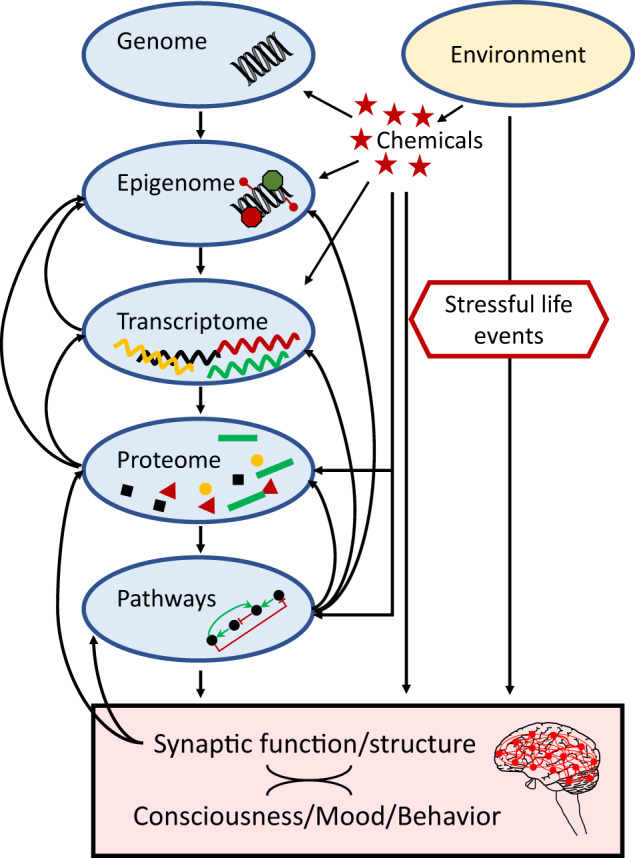
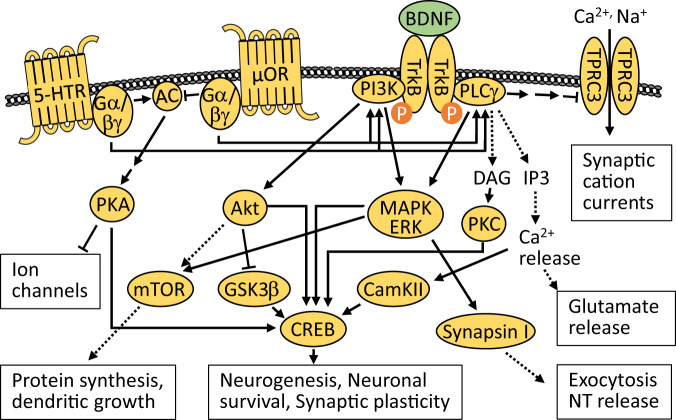
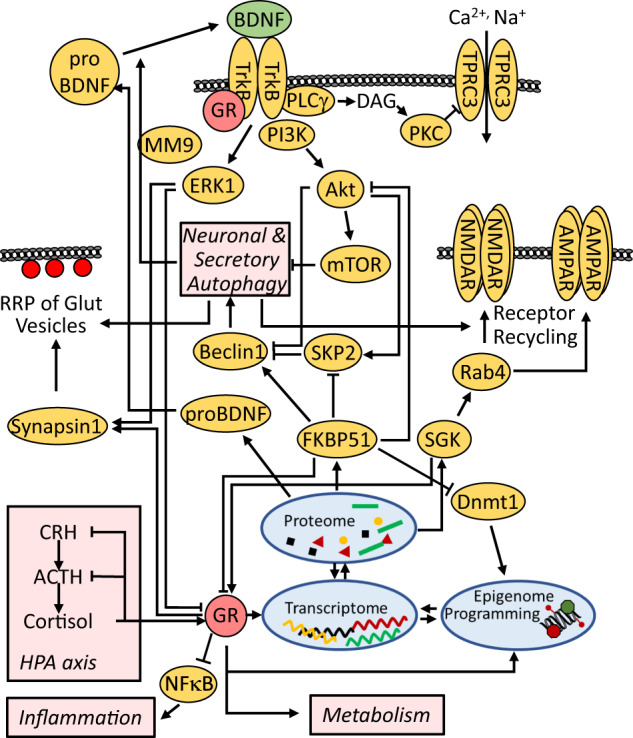
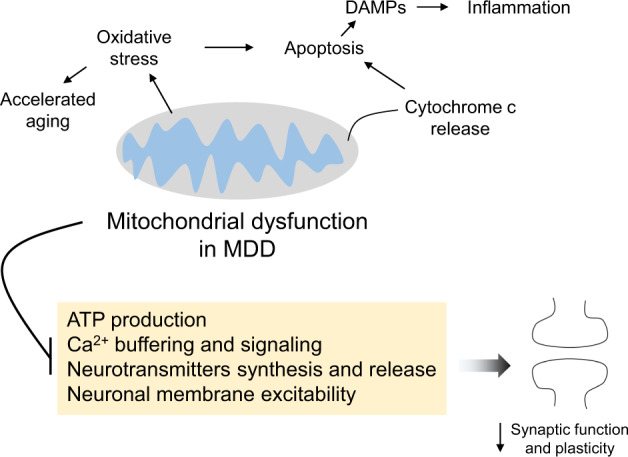
Verification
Claims the paper makes
The claims and statistics of this paper haven’t been checked yet.
Free: it reads the open-access text and checks the first 5 claims that cite a source we can check. Create a free account to check every claim.
Claims other papers make about this one
Each is checked against this paper’s own text: does it say what the citing paper says it does?
The source backs part of the claim, not all of it — or backs it for a different population, condition or comparison.
In the citing paper
“It has been proved that the changes in the structure and function of neurons may occur under the chronic stress and lead to the occurrence of MDD. 37 , 38”
From Major depressive disorder: hypothesis, mechanism, prevention and treatment (2024) · cites this paper as [38]
Experimental — accuracy not yet measuredThe source backs part of the claim, not all of it — or backs it for a different population, condition or comparison.
In the citing paper
“Stress induces cells to release damage-associated molecular patterns (DAMPs), endogenous danger signals, into the extracellular space.”
From Chronic stress, neuroinflammation, and depression: an overview of pathophysiological mechanisms and emerging anti-inflammatories (2023) · cites this paper as [23]
Experimental — accuracy not yet measuredThe source backs part of the claim, not all of it — or backs it for a different population, condition or comparison.
In the citing paper
“The chronic extracellular release of DAMPs and immune cell DAMP-PRR signaling creates a feed forward loop that accelerates peripheral and central inflammation.”
From Chronic stress, neuroinflammation, and depression: an overview of pathophysiological mechanisms and emerging anti-inflammatories (2023) · cites this paper as [23]
Experimental — accuracy not yet measuredThe source backs part of the claim, not all of it — or backs it for a different population, condition or comparison.
In the citing paper
“Concurrently, chronic stress disrupts key neurotransmitter systems, alters neuronal connectivity, and disturbs synaptic network activity, leading to, for example, dysregulated excitatory glutamatergic signaling, impaired dopaminergic transmission, and altered inhibitory GABAergic signaling in specific brain regions [4,24,29,35,36,37].”
From Comparative Analysis of HPA-Axis Dysregulation and Dynamic Molecular Mechanisms in Acute Versus Chronic Social Defeat Stress (2025) · cites this paper as [35]
Experimental — accuracy not yet measuredThe cited source says what the claim attributes to it.
In the citing paper
“DAMPs bind to pattern-recognition receptors (PRRs) on immune cells and activate the innate immune response.”
From Chronic stress, neuroinflammation, and depression: an overview of pathophysiological mechanisms and emerging anti-inflammatories (2023) · cites this paper as [23]
Self-check
Percentages, sums and reported differences re-computed from the paper’s own numbers.
The self-check needs the paper’s full text.
Citations
Cites
Diagnostic and Statistical Manual of Mental Disorders
American Psychiatric Association (2013) · doi:10.1176/appi.books.9780890425596 · Cited by 116,369
Santomauro, D. F., Mantilla Herrera, A. M., Shadid, J., Zheng, P., Ashbaugh, C., Pigott, D. M., Abbafati, C., Adolph, C., Amlag, J. O., Aravkin, A. Y., et al. (2021) · The Lancet · doi:10.1016/s0140-6736(21)02143-7 · Cited by 5,444 · cited 1×
“MDD represents a major burden on public health, ranking third in the leading causes of disability worldwide [2], with studies predicting a significant increase of MDD cases globally after the Covid-19 pandemic [3].”
BackgroundCryan, J. F., O'Riordan, K. J., Cowan, C. S. M., Sandhu, K. V., Bastiaanssen, T. F. S., Boehme, M., Codagnone, M. G., Cussotto, S., Fulling, C., Golubeva, A. V., et al. (2019) · Physiological Reviews · doi:10.1152/physrev.00018.2018 · Cited by 5,286 · cited 1×
“For the effects on brain function, some metabolites may cross the BBB and directly trigger relevant pathways, or may elicit a response in the periphery with repercussions on the brain, such as changing the hormone and cytokine profile in the blood or through neural effects linking to the brain [176, 177].”
BackgroundMalhi, G. S., & Mann, J. J. (2018) · The Lancet · doi:10.1016/s0140-6736(18)31948-2 · Cited by 4,099
Oxidative stress, aging, and diseases
Liguori, I., Russo, G., Curcio, F., Bulli, G., Aran, L., Della-Morte, D., Gargiulo, G., Testa, G., Cacciatore, F., Bonaduce, D., et al. (2018) · Clinical Interventions in Aging · doi:10.2147/cia.s158513 · Cited by 3,979 · cited 1×
“It can further cause DNA damage [212, 213], alter DNA methylation [214, 215], and induce accelerated aging [216], as reported for MDD [217].”
BackgroundThe role of inflammation in depression: from evolutionary imperative to modern treatment target
Miller, A. H., & Raison, C. L. (2016) · Nature Reviews Immunology · doi:10.1038/nri.2015.5 · Cited by 3,942 · cited 1×
“The inflammasome pathway is an important source of proinflammatory cytokines [131], which can be activated in response to elevated levels of damage-associated molecular patterns (DAMPs) and other stress molecules, resulting in the activation of IL-1β and IL-18 [132].”
BackgroundAutophagy and the Integrated Stress Response
Kroemer, G., Mariño, G., & Levine, B. (2010) · Molecular Cell · doi:10.1016/j.molcel.2010.09.023 · Cited by 3,506 · cited 1×
“It continuously operates at a basal level and is enhanced under various stressful conditions [116].”
BackgroundNicotinic acetylcholine receptor α7 subunit is an essential regulator of inflammation
Wang, H., Yu, M., Ochani, M., Amella, C. A., Tanovic, M., Susarla, S., Li, J. H., Wang, H., Yang, H., Ulloa, L., et al. (2003) · Nature · doi:10.1038/nature01339 · Cited by 3,228
The Bidirectional Relationship of Depression and Inflammation: Double Trouble
Beurel, E., Toups, M., & Nemeroff, C. B. (2020) · Neuron · doi:10.1016/j.neuron.2020.06.002 · Cited by 2,136 · cited 3×
“Immune cells mediate inflammation as an essential mechanism to maintain homeostasis by recognizing cell damage and aiding in tissue repair [126].”
BackgroundSynaptic Energy Use and Supply
Harris, J. J., Jolivet, R., & Attwell, D. (2012) · Neuron · doi:10.1016/j.neuron.2012.08.019 · Cited by 1,747 · cited 1×
“It is well-established that mitochondria support neurotransmission in several ways, including ATP production [166], Ca buffering and signaling, synthesis of neurotransmitters [167] establishing and maintaining membrane excitability, and in the organization of synaptic vesicle pools and neurotransmitter release [168].”
Background
Cited by
Items 301–400 of 506
Impact of chronotype on depression: The mediating roles of rumination and perceived stress
Zou, H., Wang, X., Bao, C., Sun, H., Xia, Q., Chen, Z., Zhou, H., Yan, R., Hua, L., Veniero, D., et al. (2025) · Chronobiology International · doi:10.1080/07420528.2025.2511263 · Cited by 2
“Stress plays a significant role as a risk factor for mental health issues, both directly and indirectly (Fries et al. 2023; O’Connor et al. 2021).”
InfluentialSun, L., Li, C., Shi, J., Zeng, W., Wu, L., Wan, S., & Wang, Y. (2025) · BMC Neuroscience · doi:10.1186/s12868-025-00968-2 · Cited by 2
“Accumulating studies have identified a variety of biological mechanisms underlying depression, encompassing genetic and epigenetic factors, monoamines, neurotropins, stress, inflammation, mitochondrial dysfunction and oxidative stress [6].”
Cao, M., Fan, B.-B., Xu, L., Xu, J., & Zhang, Y. (2025) · Scientific Reports · doi:10.1038/s41598-025-22692-x · Cited by 2
Liu, J., Lu, Y., Bhuiyan, P., Gruttner, J., St. Louis, L., Yi, Y., Liang, G., & Wei, H. (2026) · Translational Psychiatry · doi:10.1038/s41398-026-03816-x · Cited by 2
Male violence disrupts estrogen receptor β signaling in the female hippocampusPreprint
Agrimi, J., Bernardele, L., Sbaiti, N., Canato, M., Marchionni, I., Oeing, C. U., Vignoli, B., Canossa, M., Kaludercic, N., Lodovichi, C., et al. (2023) · bioRxiv (Cold Spring Harbor Laboratory) · doi:10.1101/2023.09.23.559092 · Cited by 3
A Formal Model of Mood Disorders Based on the Neural Circuit Dynamics of the Triple Network ModelPreprint
Rubin, A. L., & Walth, M. (2024) · medRxiv · doi:10.1101/2024.06.16.24309000 · Cited by 2
Liu, J., Lü, Y., Bhuiyan, P., Gruttner, J., Louis, L. S., Yi, Y., Liang, G., & Wei, H. (2024) · bioRxiv (Cold Spring Harbor Laboratory) · doi:10.1101/2024.09.06.611461 · Cited by 2
Křenek, P., Bartečková, E., Makarová, M., Pompa, T., Kučerová, J., Kučera, J., Damborská, A., Hořínková, J., & Vašků, J. B. (2024) · Frontiers in Psychiatry · doi:10.3389/fpsyt.2024.1425552 · Cited by 3
Jalalian, M., Pourasghar, M., Majd, A., Ghalehnoei, H., & Kianmehr, Z. (2024) · Iranian Journal of Psychiatry and Behavioral Sciences · doi:10.5812/ijpbs-153409 · Cited by 1
Xu, J., Zhang, Y., Li, L., Zhao, X., Huang, F., & Du, J. (2024) · Brain Behavior and Immunity Integrative · doi:10.1016/j.bbii.2024.100100 · Cited by 1
Liang, R., Chen, X., Siqin, G., Zhang, Z., Zhang, S., Li, L., Talin, S., & Guo, Q. (2025) · Frontiers in Psychology · doi:10.3389/fpsyg.2025.1478765 · Cited by 2
Han, S., Zhang, Y., Wu, B., Chen, Q., Han, Z., Chen, J., Li, P., & Xu, M. (2025) · Frontiers in Public Health · doi:10.3389/fpubh.2025.1534302 · Cited by 3
“Studies suggest that persistent glucocorticoid elevation is associated with reduced hippocampal volume ( 52), synaptic dysfunction, and neurotransmitter imbalances, particularly involving serotonin and dopamine (53).”
Tian, M., Yi, S., Zhao, L., Li, L., Fang, L., & Ru, Q. (2025) · Pharmacological Research - Reports · doi:10.1016/j.prerep.2025.100035 · Cited by 1
Ding, Y., Yang, Y., Sun, L., Liu, J., & Tao, B. (2025) · LabMed discovery. · doi:10.1016/j.lmd.2025.100074 · Cited by 1
Luduvico, K. P., de Mello, J. E., Custódio, S. V., Besckow, E. M., Brüning, C. A., Bortolatto, C. F., de Souza, L. P., Domingues, W. B., Campos, V. F., Spanevello, R. M., et al. (2025) · Molecular Neurobiology · doi:10.1007/s12035-025-05065-3 · Cited by 3
Ergelen, M., Sağlam, N. G. U., Arpacioglu, M. S., Yalçin, M., & İzci, F. (2025) · Journal of Psychiatric Practice · doi:10.1097/pra.0000000000000861 · Cited by 2
“30,31 Another fi nding in our study was the signi fi cant disparity in the consumption route between the 2 groups.”
Liu, G., Jiang, Y., Zhou, C., Wang, X., Dai, M., Zhang, J., Yu, J., & Zhang, G. (2025) · Frontiers in Nutrition · doi:10.3389/fnut.2025.1615978 · Cited by 3
“The ‘Neurotrophic Hypothesis of Depression’ suggests that the interruption of neurotrophic support is a key mechanism for MDD related synaptic and brain related functional changes (16).”
MeCP2 regulates cell-type-specific functions of depressive-like symptoms in the nucleus accumbens
Bae, J., Kim, S. H., Jung, S. Y., Frankiv, N., Jin, H., Hwang, E. M., Kim, Y., Lee, S.-J., & Im, H. (2026) · Experimental & Molecular Medicine · doi:10.1038/s12276-026-01721-3 · Cited by 2
Photobiomodulation as a Therapeutic Strategy for Major Depressive Disorder: Mechanisms and Prospects
Hu, S., Li, X., Guo, B., Xu, W., Liu, T. C., & Yang, L. (2025) · Photobiomodulation Photomedicine and Laser Surgery · doi:10.1177/25785478251371716 · Cited by 3
“83 Present pharmacological therapies for MDD encompass tricyclic antidepressants, selective serotonin reuptake inhibitors (SSRIs), serotonin-norepinephrine reuptake inhibitors, selective 5-hydroxytryptamine transporter (SERT) inhibitors, and MAOIs.”
Zhao, X., Shah, P. T., Feng, L., Song, S., Feng, Y., Wu, C., Liu, R., Wang, Y., Zhang, S., & Wu, Z. (2025) · Neuroscience Letters · doi:10.1016/j.neulet.2025.138366 · Cited by 1
Depression unveiled: a comprehensive review of pathophysiology and treatment advances
Skosana, P., Naidoo, M., Nabyoma, J., & Mushipe, T. (2025) · SA pharmaceutical journal. · doi:10.36303/sapj.3284 · Cited by 3
Tekade, A. R., Kadam, P. V., Aswar, M. K., Gaikwad, A. B., Shinde, R. B., & Kharade, S. S. (2025) · Journal of Molecular Neuroscience · doi:10.1007/s12031-025-02411-x · Cited by 1
“Depression is mainly linked to a shortage”
Liu, S., Wang, Y., Zhou, X., Zhao, Y., Wang, Z., & Liu, D. (2025) · Brain Research · doi:10.1016/j.brainres.2025.149966 · Cited by 1
Wang, Q., Luo, Q., & Tian, Z. (2025) · BMC Psychiatry · doi:10.1186/s12888-025-07498-5 · Cited by 1
“Insulin resistance associated with obesity and impaired high-density lipoprotein cholesterol (HDL-C) can intensify neutrophil activation, triggering a ‘metabolism-inflammation-neurotoxicity’ cascade [13].”
Refisch, A., Gutfleisch, L., Emden, D., Holstein, V., Gruber, M., Goltermann, J., Richter, M., Ratzsch, J., Fleuchaus, A., Leehr, E. J., et al. (2026) · JMIR Mental Health · doi:10.2196/81120 · Cited by 3
“…modulates key biological processes implicated in depression, including immune function, neuroplasticity, and the hypothalamic-pituitary-adrenal axis [10,11], and may exert antidepressant effects partly through reducing low-grade inflammation, a shared feature of metabolic disorders and MDD [12-14].”
Overexpression of Hspa1b in the mouse hippocampus may be associated with major depressive disorder
Zhao, X., Shang, Y., Zhu, W., Wareesawetsuwan, N., Zhu, L., Li, C., Chen, J., & Bi, Y. (2025) · Behavioral and Brain Functions · doi:10.1186/s12993-025-00309-7 · Cited by 2
“Furthermore, enrichment analysis of Hspa1b -bound genes highlighted neuronal pathways, including synaptic transmission and glutamatergic synapse, consistent with evidence supporting neuroplasticity as a key mechanism in MDD [53–56].”
Relationship of immune-inflammatory pathway and stress-induced depression with neural regeneration
Yu, Q., Chen, Z., Zhang, J., Cao, Y., Sun, M., Ye, S., Huang, Y., He, J., Wang, L., Li, K., et al. (2025) · Neural Regeneration Research · doi:10.4103/nrr.nrr-d-25-00324 · Cited by 3
“Significant progress has been made in understanding its pathology and treatment, with various mechanisms being proposed, including neurotrophic neurogenesis, inflammation, oxidative stress, and gut microbiota dysregulation (Jiang et al., 2022; Fries et al., 2023).”
Arcego, D. M., Dalmaz, C., Pokhvisneva, I., Wang, Z., Barth, B., Patel, S. H., Xia, Q., de Lima, R. M. S., Filho, E. J. D. M., Kobor, M. S., et al. (2025) · EBioMedicine · doi:10.1016/j.ebiom.2025.106062 · Cited by 2
“77,78 84 The biological processes enriched in the PFC-ePRS-STX1A network were primarily related to protein synthesis and protein targeting to membranes, processes crucial for synaptic plasticity.”
Sun, P., Fan, H., Jia, H., Ouyang, X., Ma, S., Bu, Y., Jia, R., & Dai, X. (2025) · Journal of Inorganic and Organometallic Polymers and Materials · doi:10.1007/s10904-025-04122-7 · Cited by 2
Meng, J., Shi, N., Yan, T., Wan, Y., & Li, L. (2025) · Materials Today Physics · doi:10.1016/j.mtphys.2025.102000 · Cited by 5
Ahmed, N., Rather, H. J., Rana, A., Vasim, K. A., Thaker, K. R., & Tripathi, D. (2026) · Cureus · doi:10.7759/cureus.100649 · Cited by 5
“Accordingly, therapeutic strategies aimed at restoring synaptic protein expression, normalising receptor activity, and re-establishing E/I balance have been proposed and explored as potential treatment approaches [2,14].”
InfluentialArvind, A., Yadav, N., Singh, A., Kumar, P., & Kaushik, M. (2026) · Microchemical Journal · doi:10.1016/j.microc.2026.117100 · Cited by 2
Xiang, Y., Du, X., Yang, H., Wang, P., Yin, B., Wang, Z., Wang, H., Liu, L., Zhang, H., Ren, Y., et al. (2026) · Molecular Psychiatry · doi:10.1038/s41380-026-03443-4 · Cited by 1
Zheng, S., Zhan, Y., Ren, Q., Chen, Y., Zheng, M., Wang, T., Ql, L., Zu, M., & Wang, A. (2026) · Brain Research Bulletin · doi:10.1016/j.brainresbull.2026.111792 · Cited by 1
Wu, X., Liu, S., Xiao, Q., Tang, J., Luo, H.-F., Ren, X.-Y., Jiang, L., Liang, X., Huang, D., Zhou, C., et al. (2026) · Neuropharmacology · doi:10.1016/j.neuropharm.2026.110907 · Cited by 1
Wang, R., Xu, F., Wang, L., Zhang, X., Huang, M., Wei, Z., Jiang, Y., Zhang, Y., Chen, X., Liang, Y., et al. (2026) · Chemical Engineering Journal · doi:10.1016/j.cej.2026.175043 · Cited by 2
Xue, L., Pan, Z., Liu, Y., Gan, Q., Liu, D., & Liu, D. (2026) · Brain Research Bulletin · doi:10.1016/j.brainresbull.2026.111856 · Cited by 1
Singh, P., Singh, S., Peer, S., Ludhiadch, A., Singh, J., Kaur, H., & Munshi, A. (2026) · Journal of Affective Disorders · doi:10.1016/j.jad.2026.121751 · Cited by 1
Serotonin 5‐ HT 7 receptor signaling in neuropsychiatric disorders
Park, E., & Choo, H. (2026) · Bulletin of the Korean Chemical Society · doi:10.1002/bkcs.70172 · Cited by 1
Depressive and Anxiety Symptoms in Women with Polycystic Ovary Syndrome: A Meta-Analysis
Stańczyk, K., Łopacińska, O., Kędzia, D., & Gawlik-Kotelnicka, O. (2026) · Journal of Clinical Medicine · doi:10.3390/jcm15103582 · Cited by 3
Huang, M., Qian, W., Lin, D., Zeng, Y., Zhou, Y., Zhang, S., 罗雅玲, Li, Z., & Du, X. (2026) · Frontiers in Medicine · doi:10.3389/fmed.2026.1821690 · Cited by 3
Pilatti, F., Philippsen, M., Bertollo, A. G., WEBLER, C. P., Bordignon, A. K., & Ignácio, Z. M. (2026) · Frontiers in Pharmacology · doi:10.3389/fphar.2026.1801474 · Cited by 1
Zhao, S., Cao, L., 邓菲丹, Liao, Z., Li, X., Li, G., Tang, C., Zhang, Y., & Lin, S. (2026) · Biomolecules · doi:10.3390/biom16081169 · Cited by 1
“…reactive oxygen and nitrogen species activate caspases, which trigger postsynaptic dendritic spine pruning and impair synaptic plasticity [51]; in multiple sclerosis, compromised mitochondrial function in both glia and neurons exacerbates ATP depletion and oxidative phosphorylation…”
Hui, H., Li, Y., Chen, L., Wei, J., Zhao, T., Feng, Y., Li, X., Zhang, Y., & Liang, X. (2026) · International Journal of Biological Macromolecules · doi:10.1016/j.ijbiomac.2026.154319 · Cited by 1
Mayegowda, S. B., & Rao (2026) · Annals of Neurosciences · doi:10.1177/09727531261478790 · Cited by 1
“40 Accordingly, we hypothesise that reduced BDNF expression in the hippocampus and frontal cortex observed in these findings could be linked to depressive-like behaviour.”
Yapko, M. D. (2023) · American Journal of Clinical Hypnosis · doi:10.1080/00029157.2023.2199811 · Cited by 3
“…articles have appeared in prestigious journals that expand the list of potential causes to include air pollution, excessive use of social media, and inefficiently functioning cellular mitochondria (Fries et al., 2023; Hecht et al., 2022;Primack et al., 2021; Qiu et al., 2023; Zhang et al., 2023).”
BackgroundShi, Y., Mu, C., & Xin, Y. (2023) · Clinical Neurology and Neuroscience · doi:10.11648/j.cnn.20230702.11 · Cited by 1
Zhen, C., Wang, C., Ma, Y., Pang, Y., Cai, F., Meng, J., He, Y., Xiao, P., Liu, J., Mei, X., et al. (2023) · Molecular Neurobiology · doi:10.1007/s12035-023-03555-w · Cited by 1
base genética de los trastornos depresivos
Gutiérrez, J., & García, P. (2024) · Ambiociencias · doi:10.18002/ambioc.i21.8180 · Cited by 2
Karagyaur, M. N., Primak, A. L., Bozov, K. D., Sheleg, D. A., Arbatskiy, M. S., Станиславович, Д. С., Illarionova, M. E., Semina, E. V., Samokhodskaya, L. M., Сергеевна, К. П., et al. (2024) · Vestnik nevrologii psihiatrii i nejrohirurgii (Bulletin of Neurology Psychiatry and Neurosurgery) · doi:10.33920/med-01-2401-13 · Cited by 1
Sleep and Circadian Rhythms as Modulators of Mental Health in Ageing
Jagota, A., Priyanka, Bussa, B. R., & Gunda, V. (2024) · Healthy ageing and longevity · doi:10.1007/978-3-031-68513-2_15 · Cited by 3
Pan, H., & Lin, S. (2024) · Frontiers in Nutrition · doi:10.3389/fnut.2024.1450815 · Cited by 3
“Disrupted mitochondria could release excess products, inhibit neurotransmitter release, and decrease synaptic activity, ultimately damaging the brain and increasing the risk of depressive disorders (30).”
BackgroundRevisiting Depression Rating Scales: Analysis of a Randomized Trial
Santi, N. S., Biswal, S. B., Naik, B. N., Sahoo, J. P., & Rath, B. (2024) · Cureus · doi:10.7759/cureus.71346 · Cited by 1
Discovery of Rapid-Acting, Orally Available Antidepressants by Activating TrkB Signaling
Cheng, X., Jiang, F., Liu, L., Wang, Y., Chen, S., & Cui, W. (2025) · Journal of Medicinal Chemistry · doi:10.1021/acs.jmedchem.5c01750 · Cited by 1
Hofsähs, T., Pille, M., Kern, L., Negi, A., Meier, J. M., & Ritter, P. (2026) · Imaging Neuroscience · doi:10.1162/imag.a.1147 · Cited by 3
Lutz, P.-É., Mokhtari, A., Ibrahim, E. C., Gloaguen, A., Barrot, C.-C., Cohen, D., Derouin, M., Vachon, H., Charbonnier, G., Loriod, B., et al. (2024) · Research Square · doi:10.21203/rs.3.rs-3978037/v1 · Cited by 1
Gedik, H., Peterson, R. E., Chatzinakos, C., Dozmorov, M. G., Vladimirov, V. I., Riley, B. P., & Bacanu, S. (2024) · medRxiv · doi:10.1101/2024.04.14.24305811 · Cited by 1
“Recent findings suggest a strong association at pathway level association between synapse biology and MDD (Fries et al., 2023).”
A novel two-hit insomnia and inflammation rodent model of depressive-like behaviorsPreprint
Mei, J., Song, X., Wang, Y., Lyu, H., Wang, G., Chen, C., Zhang, H., Wang, C., Xie, X., Chen, G., et al. (2024) · medRxiv · doi:10.1101/2024.08.01.24311351 · Cited by 1
Epidermal Growth Factor in the Brain: A Promising Biomarker for DepressionPreprint
Xu, S., Lyu, H., Chen, M., Li, K., Yao, L., Wang, C., Xie, X., & Liu, Z. (2024) · medRxiv · doi:10.1101/2024.08.01.24311271 · Cited by 2
“Various hypotheses have been proposed to explain the underlying causes of depression(4, 5).”
BackgroundAdri, A. S., Nóbile, A. L., de Alburquerque, D. G., Barcelos, P. M., do Vale, F. Y. N., Bahia, I. A. F., Freire, P. P., Nava, R. G., Corrêa, Y. L. G., Cabral‐Miranda, G., et al. (2024) · bioRxiv (Cold Spring Harbor Laboratory) · doi:10.1101/2024.11.13.623441 · Cited by 4
Integration of polygenic risk with single cell methylation profiles for depressionPreprint
Li, X., Hou, K., Eyring, K. W., Liu, C., Luo, C., Geschwind, D. H., & Paşaniuc, B. (2025) · bioRxiv (Cold Spring Harbor Laboratory) · doi:10.1101/2025.03.11.642615 · Cited by 1
Editorial: Diabetes and depression
Sridhar, G. R., & Lakshmi, G. (2023) · Frontiers in Clinical Diabetes and Healthcare · doi:10.3389/fcdhc.2023.1221640
“Among the suspects are the monoamine system, stress, neurotransmitters, neurotrophins, impaired mitochondrial function, genetics, epigenetics, neuroinflammation, and the gut–brain axis (2).”
BackgroundChen, Y., Liu, X., & Zhang, X. (2023) · International Conference on Modern Medicine and Global Health (ICMMGH) · doi:10.1117/12.2691843
“Different molecular studies have shown that the pathogenesis of depression involves a variety of highly complex and interrelated metabolic pathways [10].”
InfluentialEpigenetic programming of human disease and aging
Rivero-Segura, N. A., Castro-Morales, D., Beristain-Pozos, J. D., Sandoval-Rodríguez, F. E., & Gómez-Verján, J. C. (2023) · Elsevier eBooks · doi:10.1016/b978-0-443-21863-7.00017-2
Inflammatory signaling of HMGB1 in depressive disorder
Jiang, Q., Li, C., Xu, H., Liu, T., & Wang, Y. (2023) · Stress and Brain · doi:10.26599/sab.2023.9060001
The Neuroanatomy, Etiopathogenesis, and Novel Therapeutic Targets in Depressive Disorders
Arora, I., Khurana, K., & Kumar, M. (2024) · Current Psychopharmacologye · doi:10.2174/0122115560281804240102054639
Mecanismos fisiopatológicos da depressão relacionados à perda de memória
Mateus, A. O., Marques, M. H. N., de Freitas, C. T. A., Costa, R., Maciel, G. C., & Santos, M. S. (2024) · Revista Neurociências · doi:10.34024/rnc.2024.v32.15684 · Cited by 5
Barooti, M., Chinaveh, M., & Saedi, S. (2024) · doi:10.61838/kman.jayps.5.3.5 · Cited by 9
Aleksic, V., Gazibara, T. M., Jeremic, B., Gašić, S., Dotlić, J., Stevanović, J., Arsovic, A., & Milić, M. (2024) · Bulletin of the Menninger Clinic · doi:10.1521/bumc.2024.88.1.29 · Cited by 1
Role of Exosomes in Management of Depression
Nigade, A., Pathak, G., Anitha, K., Mishra, N., Bali, V., & Bhatt, S. (2024) · Springer eBooks · doi:10.1007/978-981-99-8373-5_8
Medical hypnosis on depression and interleukin-6 levels in lung cancer patients
Kusuma, W., Andriatno, A., & Seno, B. H. (2024) · International Journal of Research in Medical Sciences · doi:10.18203/2320-6012.ijrms20241602
Li, A., Ge, H., Huang, R., Liu, D., Liu, S., Jia, Y., Chai, J., Liu, L., Li, W., Cai, Y., et al. (2024) · Research Square · doi:10.21203/rs.3.rs-4449715/v1
Shafaei, A., & Asadi, Z. P. (2024) · International journal of new findings in health and educational sciences (IJHES). · doi:10.63053/ijhes.91
Lotfinia, S., Masjedi‐Arani, A., Kianimoghadam, A. S., Rahmanian, M., & Bakhtiari, M. (2024) · Current Psychology · doi:10.1007/s12144-024-06949-8
Qian, R., Gao, H., Qiu, B., Li, Z., Gu, B., Ye, T., Wu, D., & Zhao, Z. (2024) · medRxiv · doi:10.1101/2024.11.20.24317665 · Cited by 1
Borodina, S. O., Burenkova, M. G., Borodin, O. Y., Smirnova, L. P., Epimakhova, E. V., & Yarnykh, V. L. (2025) · Medical Visualization · doi:10.24835/1607-0763-1481
Feng, Y., Ji, X., Huang, P., & Yang, S. (2025) · Research Square · doi:10.21203/rs.3.rs-6316036/v1
Kartalcı, Ş., Özgen, N., Kartal, F., Arslan, A. K., Koç, A., & Düzova, H. (2025) · Journal of Ect · doi:10.1097/yct.0000000000001144
Computational Approaches to Drug Discovery in Depression
Patil, K. R., Upaganlawar, A. B., Nagar, A. A., & Bansod, K. U. (2025) · Wiley eBooks · doi:10.1002/9781394242474.ch14
Secondary analysis of GenRED data (Genetics of Recurrent Early-Onset major Depression) using MERLIN
Amin, M., & Gragnoli, C. (2025) · European Archives of Psychiatry and Clinical Neuroscience · doi:10.1007/s00406-025-02014-y
“For instance, axon guidance and nervous system develop - ment are fundamental for synaptic connectivity and plastic - ity [ 49 ], both of which are altered in depression [ 49–51].”
Zakharova, N. M., & Tarahovsky, Y. S. (2025) · SSRN Electronic Journal · doi:10.2139/ssrn.5236883
Ganvir, V., Modi, P., Kaur, N., Singh, J., Pentela, B., & Correa, F. S. (2025) · Health Leadership and Quality of Life · doi:10.56294/hl2025615
ADVANCES IN TREATING DEPRESSION
Director of Pharmacy (retd.), S. J. C. M. H. S., & Tutupalli, L. V. (2025) · INDIAN DRUGS · doi:10.53879/id.62.06.15334
Li, X., & Wang, J. (2025) · Psychopharmacology · doi:10.1007/s00213-025-06851-6
“It is noteworthy that various hypothetical mechanisms have been proposed to explain its causes due to the significant heterogeneity of depression (Fries et al. 2023).”
Recent theories about the neurobiology of major depression
Vázquez, G. H. (2025) · Elsevier eBooks · doi:10.1016/b978-0-443-33580-8.00021-0
Neurobiology of bipolar disorders and mechanisms of action of mood stabilizers medications
Vázquez, G. H. (2025) · Elsevier eBooks · doi:10.1016/b978-0-443-33580-8.00005-2
Bedeutung von Magnesium bei schweren Depressionen und deren Behandlung
Nechifor, M., & Vormann, J. (2025) · Springer eBooks · doi:10.1007/978-3-662-70835-4_10
Bioactive compounds with antidepressant potential in rodents: A narrative review
Lamba, D., Yadav, M., Chauhan, S., Nagpal, D., Sharma, S., & Dwivedi, D. K. (2025) · Pharmacological Research - Natural Products · doi:10.1016/j.prenap.2025.100354
MRI markers of neuroinflammation in untreated patients with subclinical generalized anxiety disorder
Barkó, B., Kelemen, O., & Kéri, S. (2025) · Journal of Neural Transmission · doi:10.1007/s00702-025-03014-x · Cited by 1
Uncovering the genetic underpinnings for different psychiatric disorder combinations
Yin, L., Liu, M., Shi, Y., Zhang, R., Lui, S. S. Y., & So, H. (2025) · Psychological Medicine · doi:10.1017/s0033291725101396
“In a previous study, Fries, Saldana, Finnstein, and Rein (2023) have highlighted the critical role of this pathway in coordinating an organism ’ s response to stress, a major risk factor for MDD. Additionally, Mandrekar-Colucci and Landreth (2011) identified nuclear receptors as a promising…”
Guo, R., Li, Y., Chen, X., Lou, H., Wang, M., & Yu, S. Y. (2025) · Behavioural Brain Research · doi:10.1016/j.bbr.2025.115825 · Cited by 1
Zugno, G. P., Birmann, P. T., Sinott, A., Fetter, J., de Oliveira, R. L., Valente, L. C. L., Hartwig, D., & Savegnago, L. (2025) · European Journal of Pharmacology · doi:10.1016/j.ejphar.2025.178176
Ivanov, S. M., Sukhachev, V. S., Tarasova, O. A., Lagunin, A. A., & Poroikov, V. (2025) · International Journal of Molecular Sciences · doi:10.3390/ijms26199557 · Cited by 1
“The nutritional/microbiotic effects on the brain and development of MDD, including the role of kynurenine metabolism, are also widely described [7].”
InfluentialWang, T., & Yao, X. (2025) · Journal of Affective Disorders · doi:10.1016/j.jad.2025.120467
Zakharova, N. M., & Tarahovsky, Y. S. (2025) · Neuroscience · doi:10.1016/j.neuroscience.2025.10.041
Gao, H., Ma, Y., Qian, R., Jin, T., Gu, B., Qiu, B., Ye, S., Huang, M., Wu, D., & Zhao, Z. (2025) · bioRxiv (Cold Spring Harbor Laboratory) · doi:10.1101/2025.11.05.686774
Bortolozzi, A. A., Miquel-Rio, L., Vicent-Gil, M., Jericó-Escolar, J., Carrasco-Hernández, J., Jubero, M., Paz, V., Gawron, L., Ruiz‐Bronchal, E., Vera, J., et al. (2025) · Research Square · doi:10.21203/rs.3.rs-8113450/v1
Yu, S., Li, T., Li, T., Gu, B., Zhao, Y., Luo, Q., Wang, Z., Liu, D., & Ho, C. S. H. (2025) · Molecular Pharmacology · doi:10.1016/j.molpha.2025.100090
Metadata
- Authors
- Fries, G. R., Saldana, V. A., Finnstein, J., & Rein, T.
- Affiliations
- The University of Texas MD Anderson Cancer Center (US)
- Quinnipiac University (US)
- Max Planck Institute of Psychiatry (DE)
- Corresponding author
- Fries, Gabriel R.
- Rein, Theo
- Venue
- Molecular Psychiatry
- Published
- 2022-10-06
- Volume
- 28
- Issue
- 1
- Pages
- 284-297
- ISSN
- 1359-4184 (ISSN-L)
- 1476-5578
- PMC
- PMC9540059
- OpenAlex
- W4302293782
- Cited by
- 504
- References
- 248
- Citations by year
- 2026: 134 · 2025: 177 · 2024: 133 · 2023: 59 · 2022: 1
- FWCI
- 13.29
- Type
- journal article
- Language
- en
- Open access
- hybrid
- doi.org
- Licence
- cc-by
- creativecommons.org/licenses/by/4.0 (tdm)
- creativecommons.org/licenses/by/4.0 (vor)
- Locations
- Molecular Psychiatry (publishedVersion, cc-by)
- PubMed Central (publishedVersion, cc-by)
- PubMed (publishedVersion)
- Digital Commons-TMC (Texas Medical Center) (submittedVersion)
- Funders
- U.S. Department of Health & Human Services | NIH | National Institute of Mental Health (K01 MH121580)
- Topics
- Health Sciences › Medicine › Pharmacology (medical) › Treatment of Major Depression
- Life Sciences › Neuroscience › Cellular and Molecular Neuroscience › Neuroscience and Neuropharmacology Research
- Life Sciences › Neuroscience › Cellular and Molecular Neuroscience › Neurotransmitter Receptor Influence on Behavior
- Keywords
- major depressive disorder, synaptic transmission, monoamines, stress, neurotrophins, neurogenesis, excitatory and inhibitory neurotransmission, mitochondrial dysfunction, epigenetics, inflammation, opioid system, myelination, gut-brain axis, neurobiology of depression, molecular pathways
- MeSH terms
- Depressive Disorder, Major, Major Depressive Disorder, Humans, Inflammation, Synaptic Transmission, Synapses, Signal Transduction
About these checks
Registry, retraction, Cites and statistics results are computed, not judged, with one exception: a printed reference that no index lists is read once by a model before it counts as a citation error. Claims are extracted by a model and kept only when their quote appears verbatim in the text; each cited source is then checked, with a model’s help, for whether it says what the claim relies on. Those verdicts can be wrong — read the claim’s quote and the cited source before relying on one.
Statistics and arithmetic are recomputed, not judged.
Confidence bands are shown only for fields calibrated on our annotated test set. None is calibrated yet, so no band is shown.
What counts as a claim ›How we measure confidence ›How we check this ›
Are you an author, or do you see a problem with this page? Request a review
Data sources
Bibliographic data: Semantic Scholar, OpenAlex, Crossref.
Contains information from the Semantic Scholar Academic Graph Datasets, made available under the ODC Attribution License (ODC-BY 1.0).
Semantic Scholar’s data is described in: Kinney, R., et al. (2023). The Semantic Scholar Open Data Platform. arXiv:2301.10140.
