

Molecular pathways of major depressive disorder converge on the synapse
Open accessThe DOI matches its Crossref record; 253 of the 253 references it cites were found in a registry or an index.
Abstract
Major depressive disorder (MDD) is a psychiatric disease of still poorly understood molecular etiology. Extensive studies at different molecular levels point to a high complexity of numerous interrelated pathways as the underpinnings of depression. Major systems under consideration include monoamines, stress, neurotrophins and neurogenesis, excitatory and inhibitory neurotransmission, mitochondrial dysfunction, (epi)genetics, inflammation, the opioid system, myelination, and the gut-brain axis, among others. This review aims at illustrating how these multiple signaling pathways and systems may interact to provide a more comprehensive view of MDD’s neurobiology. In particular, considering the pattern of synaptic activity as the closest physical representation of mood, emotion, and conscience we can conceptualize, each pathway or molecular system will be scrutinized for links to synaptic neurotransmission. Models of the neurobiology of MDD will be discussed as well as future actions to improve the understanding of the disease and treatment options.
Overview
The claims and statistics of this paper haven’t been checked yet.
Free: it reads the open-access text and checks the first 5 claims that cite a source we can check. Create a free account to check every claim.
Integrity signals
Registry
Cites
Statistics
Figures
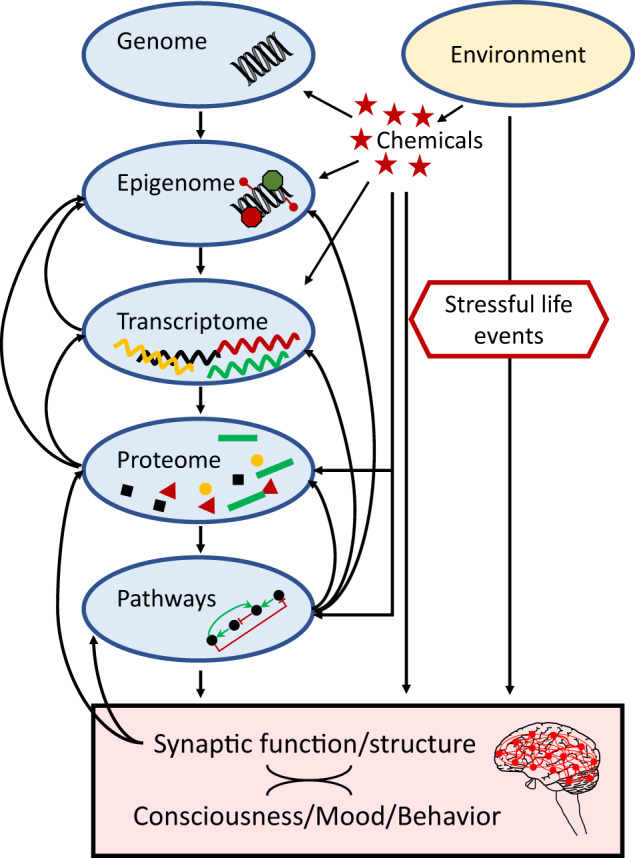
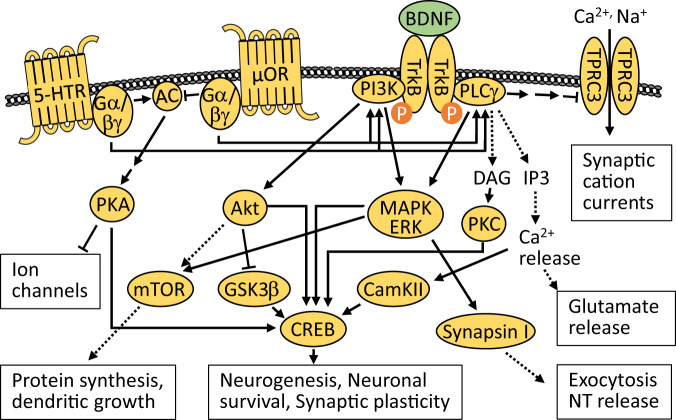
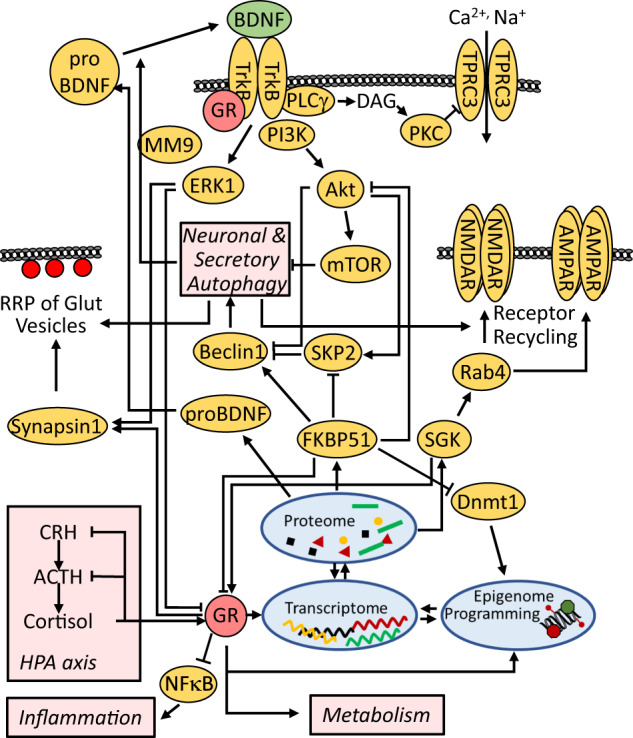
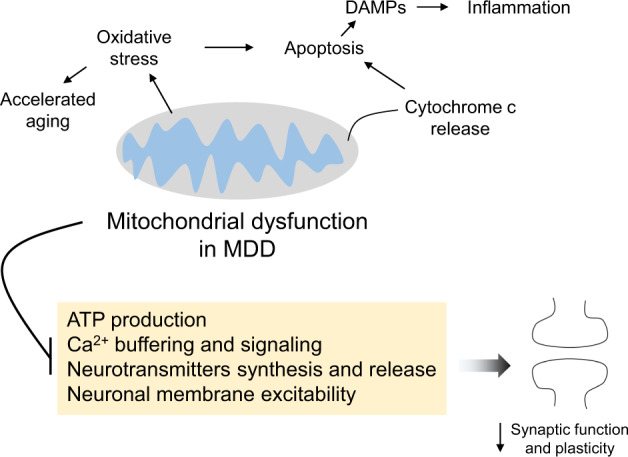
Verification
Claims the paper makes
The claims and statistics of this paper haven’t been checked yet.
Free: it reads the open-access text and checks the first 5 claims that cite a source we can check. Create a free account to check every claim.
Claims other papers make about this one
Each is checked against this paper’s own text: does it say what the citing paper says it does?
The source backs part of the claim, not all of it — or backs it for a different population, condition or comparison.
In the citing paper
“It has been proved that the changes in the structure and function of neurons may occur under the chronic stress and lead to the occurrence of MDD. 37 , 38”
From Major depressive disorder: hypothesis, mechanism, prevention and treatment (2024) · cites this paper as [38]
Experimental — accuracy not yet measuredThe source backs part of the claim, not all of it — or backs it for a different population, condition or comparison.
In the citing paper
“Stress induces cells to release damage-associated molecular patterns (DAMPs), endogenous danger signals, into the extracellular space.”
From Chronic stress, neuroinflammation, and depression: an overview of pathophysiological mechanisms and emerging anti-inflammatories (2023) · cites this paper as [23]
Experimental — accuracy not yet measuredThe source backs part of the claim, not all of it — or backs it for a different population, condition or comparison.
In the citing paper
“The chronic extracellular release of DAMPs and immune cell DAMP-PRR signaling creates a feed forward loop that accelerates peripheral and central inflammation.”
From Chronic stress, neuroinflammation, and depression: an overview of pathophysiological mechanisms and emerging anti-inflammatories (2023) · cites this paper as [23]
Experimental — accuracy not yet measuredThe source backs part of the claim, not all of it — or backs it for a different population, condition or comparison.
In the citing paper
“Concurrently, chronic stress disrupts key neurotransmitter systems, alters neuronal connectivity, and disturbs synaptic network activity, leading to, for example, dysregulated excitatory glutamatergic signaling, impaired dopaminergic transmission, and altered inhibitory GABAergic signaling in specific brain regions [4,24,29,35,36,37].”
From Comparative Analysis of HPA-Axis Dysregulation and Dynamic Molecular Mechanisms in Acute Versus Chronic Social Defeat Stress (2025) · cites this paper as [35]
Experimental — accuracy not yet measuredThe cited source says what the claim attributes to it.
In the citing paper
“DAMPs bind to pattern-recognition receptors (PRRs) on immune cells and activate the innate immune response.”
From Chronic stress, neuroinflammation, and depression: an overview of pathophysiological mechanisms and emerging anti-inflammatories (2023) · cites this paper as [23]
Self-check
Percentages, sums and reported differences re-computed from the paper’s own numbers.
The self-check needs the paper’s full text.
Citations
Cites
Diagnostic and Statistical Manual of Mental Disorders
American Psychiatric Association (2013) · doi:10.1176/appi.books.9780890425596 · Cited by 116,369
Santomauro, D. F., Mantilla Herrera, A. M., Shadid, J., Zheng, P., Ashbaugh, C., Pigott, D. M., Abbafati, C., Adolph, C., Amlag, J. O., Aravkin, A. Y., et al. (2021) · The Lancet · doi:10.1016/s0140-6736(21)02143-7 · Cited by 5,444 · cited 1×
“MDD represents a major burden on public health, ranking third in the leading causes of disability worldwide [2], with studies predicting a significant increase of MDD cases globally after the Covid-19 pandemic [3].”
BackgroundCryan, J. F., O'Riordan, K. J., Cowan, C. S. M., Sandhu, K. V., Bastiaanssen, T. F. S., Boehme, M., Codagnone, M. G., Cussotto, S., Fulling, C., Golubeva, A. V., et al. (2019) · Physiological Reviews · doi:10.1152/physrev.00018.2018 · Cited by 5,286 · cited 1×
“For the effects on brain function, some metabolites may cross the BBB and directly trigger relevant pathways, or may elicit a response in the periphery with repercussions on the brain, such as changing the hormone and cytokine profile in the blood or through neural effects linking to the brain [176, 177].”
BackgroundMalhi, G. S., & Mann, J. J. (2018) · The Lancet · doi:10.1016/s0140-6736(18)31948-2 · Cited by 4,099
Oxidative stress, aging, and diseases
Liguori, I., Russo, G., Curcio, F., Bulli, G., Aran, L., Della-Morte, D., Gargiulo, G., Testa, G., Cacciatore, F., Bonaduce, D., et al. (2018) · Clinical Interventions in Aging · doi:10.2147/cia.s158513 · Cited by 3,979 · cited 1×
“It can further cause DNA damage [212, 213], alter DNA methylation [214, 215], and induce accelerated aging [216], as reported for MDD [217].”
BackgroundThe role of inflammation in depression: from evolutionary imperative to modern treatment target
Miller, A. H., & Raison, C. L. (2016) · Nature Reviews Immunology · doi:10.1038/nri.2015.5 · Cited by 3,942 · cited 1×
“The inflammasome pathway is an important source of proinflammatory cytokines [131], which can be activated in response to elevated levels of damage-associated molecular patterns (DAMPs) and other stress molecules, resulting in the activation of IL-1β and IL-18 [132].”
BackgroundAutophagy and the Integrated Stress Response
Kroemer, G., Mariño, G., & Levine, B. (2010) · Molecular Cell · doi:10.1016/j.molcel.2010.09.023 · Cited by 3,506 · cited 1×
“It continuously operates at a basal level and is enhanced under various stressful conditions [116].”
BackgroundNicotinic acetylcholine receptor α7 subunit is an essential regulator of inflammation
Wang, H., Yu, M., Ochani, M., Amella, C. A., Tanovic, M., Susarla, S., Li, J. H., Wang, H., Yang, H., Ulloa, L., et al. (2003) · Nature · doi:10.1038/nature01339 · Cited by 3,228
The Bidirectional Relationship of Depression and Inflammation: Double Trouble
Beurel, E., Toups, M., & Nemeroff, C. B. (2020) · Neuron · doi:10.1016/j.neuron.2020.06.002 · Cited by 2,136 · cited 3×
“Immune cells mediate inflammation as an essential mechanism to maintain homeostasis by recognizing cell damage and aiding in tissue repair [126].”
BackgroundSynaptic Energy Use and Supply
Harris, J. J., Jolivet, R., & Attwell, D. (2012) · Neuron · doi:10.1016/j.neuron.2012.08.019 · Cited by 1,747 · cited 1×
“It is well-established that mitochondria support neurotransmission in several ways, including ATP production [166], Ca buffering and signaling, synthesis of neurotransmitters [167] establishing and maintaining membrane excitability, and in the organization of synaptic vesicle pools and neurotransmitter release [168].”
Background
Cited by
Items 401–500 of 506
Song, J., Wang, L., Suo, J., Ran, K., Han, W., & Peng, X. (2025) · Journal of Affective Disorders · doi:10.1016/j.jad.2025.120776
The Impact of Neuroplasticity on Skill Acquisition and Cognitive Growth
Yashwant, R. P. B., & Wong, E. H. (2025) · IGI Global eBooks · doi:10.4018/979-8-3373-2292-6.ch001
Evaluating psychological accounts of diet-related mood improvements using novel control conditions
Dudley, L. M., Stevenson, R. J., Mruk, A., Gandy, M., Chambers, J. R., & Francis, H. (2025) · Appetite · doi:10.1016/j.appet.2025.108399 · Cited by 1
Zhu, T.-T., Wang, H., Gu, H., Ju, L.-S., Wu, X.-M., Pan, W., Zhao, M.-M., Yang, J.-J., & Liu, P.-M. (2023) · Figshare · doi:10.6084/m9.figshare.22615598
Huang, P., Peng, W., Lu, J., Feng, Y., Zhang, G., & Chen, B. (2025) · Journal of Ethnopharmacology · doi:10.1016/j.jep.2025.121096
Mass spectrometry approaches for monitoring therapeutic response in major depressive disorder
Romani, S. A. S., Silva, M. L. D., Ravaglia, G. B., Ferreira, P. C., Carvalho, C. D. D. A., Pereira, T. F. D., & Sussulini, A. (2025) · Bioanalysis · doi:10.1080/17576180.2025.2608564
Wang, J., Kuang, Y., Peng, C. B., Yuan, Y., Ji, Y., Chen, S., Tian, J., Zhou, Y., Chen, X. S., Li, J., et al. (2026) · Frontiers in Immunology · doi:10.3389/fimmu.2025.1700629 · Cited by 1
“Excessive ROS accumulation induces oxidative stress, damaging cellular structures and functions, including neurons (37).”
Chang, M., Zhang, K., Li, Y., Chen, X., Lan, T., Zhu, Y., Wang, W., Wang, C., Zhuang, X., Chen, S., et al. (2026) · Journal of Advanced Research · doi:10.1016/j.jare.2026.01.066 · Cited by 1
“Considering that hyperactivity of the hypothalamic–pituitary–adrenal (HPA) axis has been linked to depression, [41], we confirmed elevated serum CORT and upstream ACTH in CUMS mice (Fig.”
Jiang, W., Zeng, M., Ju, X., & Li, M. (2025) · IEEE International Conference on Bioinformatics and Biomedicine (BIBM) · doi:10.1109/bibm66473.2025.11356633
“However, comprehensive identification of pathogenic genes in depression remains a considerable challenge, primarily due to its genetic heterogeneity and nonlinear mechanisms [11][12].”
Yang, Z., Maimaiti, A., Wu, J., Zhou, Z., Ding, C., Sun, H., & Li, S. (2026) · Journal of Craniofacial Surgery · doi:10.1097/scs.0000000000012474
Zhang, Y., Wu, P., Nie, Z., & Liu, Z. (2026) · European Journal of Psychotraumatology · doi:10.1080/20008066.2026.2619389
Adri, A. S., Nóbile, A. L., de Albuquerque, D. G., Barcelos, P. M., do Vale, F. Y. N., Nava, R. G., Corrêa, Y. L. G., Schimke, L. F., Onuchic², L. F., Dalmolin, R. J. S., et al. (2026) · Scientific Reports · doi:10.1038/s41598-026-39284-y · Cited by 1
Yuanli, W. A. N. G., Meng, X., Zhang, X., Chen, R., Zhang, M., Yang, D., Zou, W., Chu, P. K.-H., Ding, C., & Zhan, H. (2026) · CNS Neuroscience & Therapeutics · doi:10.1002/cns.70786 · Cited by 1
“The pathogenesis of depression involves an initial stress response followed by a cascade of biological alterations [9], among which neuroinflammation has recently gained significant attention as a secondary pathological process.”
Cao, L., Sundquist, K., Zhang, Y., Memon, A. A., Hedelius, A., Li, N., Ji, J., Sundquist, J., Zheng, D., & Wang, X. H. (2026) · Journal of Affective Disorders · doi:10.1016/j.jad.2026.121394
SNP-based identification of miRNA biomarkers associated with major depressive disorder
Selvaraj, D., & Chandra, H. M. (2026) · Network Modeling Analysis in Health Informatics and Bioinformatics · doi:10.1007/s13721-025-00707-x
“Glutamatergic synapse dysfunction may underlie mood and depression (Fries et al. 2023).”
Research progresses on molecular mechanisms and analytical technologies of depression
TongTong, Y. A. N. G., Sui, H., Zhu, T., Chen, Z., Peng, K., Wang, G., & Chen, H. (2026) · Scientia Sinica Vitae · doi:10.1360/ssv-2025-0290
Liu, M., Gao, C., Cao, Y., Sun, J., & Zhang, Z. (2026) · Genes & Diseases · doi:10.1016/j.gendis.2026.102106
Tang, M., Gong, S., He, J., Wu, X., Shi, M., Yang, M., Shi, L., Huang, L., Li, L., Zhou, D., et al. (2026) · Neuropsychiatric Disease and Treatment · doi:10.2147/ndt.s573494
“10 Therefore, therapeutic strategies aimed at enhancing broader neurotrophic support are considered promising interventions for PSD. Hyperbaric oxygen therapy (HBOT) is a non-invasive and non-pharmacological therapy based on exposure to pure oxygen in a sealed environment at a pressure exceeding 1…”
Visual Analysis of Literature Related to the Glymphatic System in Depression Based on Web of Science
张福哲 (2026) · Advances in Clinical Medicine · doi:10.12677/acm.2026.163802
Zhao, S., Dong, X., Lu, J., Wu, Y., Fang, P., Zhang, Y., Mou, Y., & Xie, H. (2026) · ALPHA PSYCHIATRY · doi:10.31083/ap44160 · Cited by 1
“This suggests that folate metabolism disorders may be implicated in the pathophysiology of depression [24].”
Chen, X., Deng, W., Chen, X., & Yu, Y. (2026) · Biomedicines · doi:10.3390/biomedicines14030610
“This model aligns with existing evidence connecting NMDA receptor dysfunction to mood and cognitive disorders and with the rapid antidepressant effects of NMDA antagonists [51–54].”
Yang, H., Gu, P., Liu, D., Wang, X., Li, M., Xu, X., & Liu, N. (2026) · Frontiers in Psychiatry · doi:10.3389/fpsyt.2026.1798404
Adhish, M., Dey, S., & Mitra, P. (2026) · Neuroinformatics · doi:10.1007/s12021-026-09774-5
“Proteomic studies have revealed changes in synaptic proteins and mitochondrial enzymes, indicative of disrupted synaptic vesicle cycling and impaired cellular energetics (Al Shweiki et al., 2020 ; Fries et al., 2023; Graham et al., 2017).”
Hong, S., Du, Y.-Y., Wang, G.-B., Wang, S., Zheng, Y.-F., Wang, N., Situ, H., & Wang, Z.-Y. (2026) · World Journal of Psychiatry · doi:10.5498/wjp.v16.i4.115981
Ma, J., Wan, Y., Wang, X., Li, N., Wu, T., Gou, H., Xu, H., Huang, X., Wu, J., & Wang, J. (2026) · Frontiers in Neuroscience · doi:10.3389/fnins.2026.1775146
“The neurotrophic factor hypothesis suggests that disruptions in neurotrophic support represent fundamental mechanisms underlying the synaptic and brain function alterations associated with depression (Fries et al., 2023).”
InfluentialMajor Depression-Associated NEGR1 Gene is Modulated in Stress-Susceptible Male Mice
Mingardi, J., Salluzzo, M., Rimondini, R., Musazzi, L., & Carboni, L. (2026) · Frontiers in Bioscience-Landmark · doi:10.31083/fbl49360 · Cited by 1
Xavier, C. M. R., Faustino, L. V., Paiva, K. M., Oliveira, R. F., Gúzen, F. P., Cavalcanti, J. R. L. P., & de Araújo, D. P. (2026) · Frontiers in Neuroscience · doi:10.3389/fnins.2026.1783855 · Cited by 1
Tahir, A., Kobi, K. A., Nasidi, A., & Bello, N. (2026) · Recent trends in pharmacology. · doi:10.62425/rtpharma.1897763
JZ-1201 modulates depressive-like behaviors in rats through targeting catalase
Gao, H., Liu, X., Wang, S., Jia, J., Liu, Q., Wu, Y., Zheng, N., & Jin, Z. (2026) · Naunyn-Schmiedeberg s Archives of Pharmacology · doi:10.1007/s00210-026-05333-6
Verma, A. K., Roy, B., Prall, K., Hulwi, E., & Dwivedi, Y. (2026) · Molecular Brain · doi:10.1186/s13041-026-01304-3
“Analysis using the SynGO database further supported this interpretation, demonstrating enrichment of uc.104-associated genes in both pre-and postsynaptic compartments, synaptic signaling, and synaptic metabolism [81].”
Kuhn, F. R., Klaassen, R. V., Koopmans, F., Koolman, T. S. Z., SMIT, A. B., & Spijker, S. (2026) · Cells · doi:10.3390/cells15080736
“Indeed, synaptic alterations have been associated with neurodegenerative disorders [10,11] and neuropsychiatric disorders [12–14].”
Xu, X., Qin, B., Lei, T., Liu, X., Li, X., Li, Y., Zhang, J., Chen, F., Liu, C., Zhang, L., et al. (2026) · Journal of Translational Medicine · doi:10.1186/s12967-026-08138-6
“Given the limitations of symptom-based identification in adolescents, growing attention has been directed toward biological pathways underlying depression, particularly those involving host-environment interactions [12].”
Baran, J. M., Waszak, Z., Jarzębska, J., Grusiecki, D., Śmigielska, M., Kochman, W., & Dziedzic, E. A. (2026) · International Journal of Molecular Sciences · doi:10.3390/ijms27093805
“Through their effects on redox balance, mitochondrial function, and immune cell activity, disturbances in trace element homeostasis may influence biological processes relevant to both cardiovascular disease and depression [5,6,15,26,29,31].”
Yan, H., Wang, W., Song, X., Wang, Y., Nie, Z., Zhang, H., Duan, H., Li, N., Feng, Y., Zhang, Y., et al. (2026) · International Immunopharmacology · doi:10.1016/j.intimp.2026.116725
Setoyama, D., Matsushima, T., & Kato, T. A. (2026) · Advances in experimental medicine and biology · doi:10.1007/978-981-95-6872-7_2
Differentiating Between Major Depressive Disorder and Bipolar Disorder
Muneer, A. (2026) · Advances in experimental medicine and biology · doi:10.1007/978-981-95-6872-7_4
Cognition in Treatment-Resistant Depression: Obstacles and Challenges?
Šagud, M., Jakšić, N., Marčinko, D., Uzun, S., Fabijanic, T., & Pivac, N. (2026) · Advances in experimental medicine and biology · doi:10.1007/978-981-95-6872-7_10
Insights into Dysregulated GABAergic Synapses and Depression: A Complex and Evolving Relationship
Arslan, A. (2026) · Advances in experimental medicine and biology · doi:10.1007/978-981-95-6872-7_17
Helman, T. J., Nicholas, M., Lyon, B., Naghipour, S., Kim, C.-K., Ybanez, T., Robertson, K., Griffith, T. A., Peart, J. N., Stapelberg, N. J. C., et al. (2026) · Metabolic Brain Disease · doi:10.1007/s11011-026-01855-3
PACSIN2-mediated synaptic injury contributes to behavioral disorders caused by chronic stress
Chang-min, W., Ye, L., Yi, Y., Chen, X., Lan, T., Lou, H.-Y., Jian, W., Mei-jian, W., & Yu, S.-Y. (2026) · Acta Pharmacologica Sinica · doi:10.1038/s41401-026-01790-0 · Cited by 1
“At present, there are various hypotheses about the pathogenesis of depression, such as the genetic and epigenetic anomaly hypothesis [7, 8], the monoamine hypothesis [9], the in fl ammatory hypothesis [10], the neuroplasticity hypothesis and the mitochondrial theory [11].”
Wang, B., Huang, Y., Yang, W., Xu, N., Li, Y., Du, C., Zhang, X., Wang, H., & Lou, H. (2026) · Brain Research Bulletin · doi:10.1016/j.brainresbull.2026.111931
Chang, H., Chang, C., Lai, T.-Y., Chang, H., Liu, Y.-C., & Sack, A. T. (2026) · Research Square · doi:10.21203/rs.3.rs-9536384/v1
Zhang, J., Chen, F., Xu, X., Zhang, L., Zhang, L., Qin, B., Li, K., Liu, Q., Hou, H., Li, Y., et al. (2026) · Translational Psychiatry · doi:10.1038/s41398-026-04095-2
“…changes in neurotrophin signaling and neurogenesis, monoaminergic neurotransmission, stress biology, metabolomic pathways such as kynurenine, and mitochondrial oxidative stress [5]; Nevertheless, developmental and age-speci fi c mechanisms underlying MDD remain insuf fi ciently characterized.”
Chamanara, S., Irandoost, E., Dahmardeh, N., & Aghaamoo, S. (2026) · Journal of Psychiatric Research · doi:10.1016/j.jpsychires.2026.05.014 · Cited by 5
Zhu, S., Yu, Q., Jiang, Y., Zu, Q., & Pang, W. (2026) · Frontiers in Nutrition · doi:10.3389/fnut.2026.1725745
“These include the monoamine theory, the role of neurotrophins, the hypothalamic-pituitary-adrenal (HPA) axis, neuroinflammation, oxidative stress, and the microbial-gut-brain (MGB) axis (8).”
He, Z., Nie, Y., Li, C., Sun, G., Zheng, W., Liu, H., Geng, M., Tian, J., & Zhang, Y. (2026) · Marine Drugs · doi:10.3390/md24060189
“The biological underpinnings of depression extend well beyond monoamine depletion, encompassing hyperactivation of the hypothalamic–pituitary–adrenal (HPA) axis, deficits in neurotrophic support, mitochondrial dysfunction and sustained neuroinflammation [5].”
Thulasingam, M., & Vellapandian, C. (2026) · Current Drug Therapy · doi:10.2174/0115748855435564251207185418
Hu, F., Wu, C., & Liu, W. T. (2026) · Frontiers in Public Health · doi:10.3389/fpubh.2026.1760446
Gao, F.-F., Xu, Y.-F., Zhang, J., Qu, S.-M., Xiao, F., Cheng, J.-Q., Yuan, Z.-Q., Wang, G., Yu, M.-J., & Aa, J. (2026) · Acta Pharmacologica Sinica · doi:10.1038/s41401-026-01834-5
Miquel-Rio, L., Vicent-Gil, M., Jericó-Escolar, J., Carrasco-Hernández, J., Jubero, M., Paz, V., Gawron, L., Ruiz‐Bronchal, E., Vera, J., Bonnín, C. D. M., et al. (2026) · Scientific Reports · doi:10.1038/s41598-026-55039-1 · Cited by 1
Tomé, Â. R., Real, J. I., Rial, D., Silva, A. C., Gonçalves, F. Q., Lemos, C., Simões, A. P., Silva, H. B. L., Serchov, T., Biber, K., et al. (2026) · Neuropharmacology · doi:10.1016/j.neuropharm.2026.111056 · Cited by 1
Dahrendorff, J., Wang, C., Wani, A. H., Graham, Z., Aiello, A. E., Qu, A., Wildman, D. E., & Uddin, M. (2026) · Epigenomes · doi:10.3390/epigenomes10020035
“…predicted targets included genes central to neurotransmission (e.g., SLC12A5 , SLC1A1 ), neurotrophic signaling ( BDNF , NTRK2 , CREB1 ), and stress and immune regulators ( NR3C1 , IL6ST )—all pathways extensively documented to play a critical role in the pathophysiology of depression [34,50].”
InfluentialHu, X., Liang, X., Wan, Y., Zhang, K., Zou, F., Du, J., Li, C., & Zheng, Y. (2026) · BMC Psychiatry · doi:10.1186/s12888-026-08185-9 · Cited by 1
“However, current neurobiological frameworks insufficiently explain the multidimensional molecular pathways underlying these divergent phenotypes [6].”
Ou, M., Shen, H., Liu, W., Su, J.-P., Zeng, L., & Hu, D. (2026) · Journal of Affective Disorders · doi:10.1016/j.jad.2026.122078 · Cited by 1
Wu, Y. H., Xu, J., Wang, H., Shen, Y., Zhai, Y., Lei, M., Zhang, Z., Wu, Q., An, Q., Cai, W., et al. (2026) · Psychological Medicine · doi:10.1017/s0033291726104711
“…patterns than PLS2, it captured additional transcriptional signal and is therefore interpreted as complementary, potentially reflecting broader neuronal signaling and developmental regulatory influences that may indirectly relate to WM network organization (Fries, Saldana, Finnstein, & Rein, 2023).”
Bao, C., Zou, H., Xia, Y., Zhang, Q., Chen, W., Wang, X., Zhou, Q., Yao, Z., & Lu, Q. (2026) · Progress in Neuro-Psychopharmacology and Biological Psychiatry · doi:10.1016/j.pnpbp.2026.111767
Channel Dysfunction as the Basis for Comorbidities in Multiple Sclerosis and Depression
Rychlik, N., Jüngling, K., Meuth, S. G., Budde, T., & Méndez‐Couz, M. (2026) · Archiv der Pharmazie · doi:10.1002/ardp.70273 · Cited by 1
Trace Cu 2+ -Catalyzed Oxidative Fluorogenic Assay for Dopamine Imaging in Living Cells
Gao, Y., Fu, S., Gu, B., He, C., Ke, P., Xie, X., Shen, Y., & Chen, Q. (2026) · Analytical Chemistry · doi:10.1021/acs.analchem.6c00849
Wall, A., Nyberg, J., Blennow, K., Zetterberg, H., Isgaard, J., Svensson, J., Wærn, M., Åberg, M., & Åberg, N. D. (2026) · Journal of Affective Disorders Reports · doi:10.1016/j.jadr.2026.101112
Wang, M., Yan, Y., Dou, Y., Wei, J., Zhao, L., Ni, R., Yang, X., & Ma, X. (2026) · Journal of Affective Disorders · doi:10.1016/j.jad.2026.122165
Gao, H., Ma, Y., Qian, R., Jin, T., Gu, B., Qiu, B., Ye, S., Huang, M., Wu, D. W., & Zhao, Z. (2026) · Biological Psychiatry · doi:10.1016/j.biopsych.2026.06.016
Depression Shapes the Pre-Metastatic Niche: Mechanistic Insights and Therapeutic Opportunities
Luo, J., Yang, X., Li, Y., Chen, W., Chen, Y., Zhang, M., & Liu, Y. (2026) · Neuropharmacology and Therapy · doi:10.15212/npt-2026-0010
TranDep: a transcriptomics atlas of depression
Zhong, X., Gui, S., Wang, D., He, Y. F., Chen, X., Chen, Y., Chen, X., Jiang, Y., Qiao, R., Ren, Y., et al. (2026) · Molecular Psychiatry · doi:10.1038/s41380-026-03726-w
“Numerous clinical studies have reported extensive molecular alterations in both brain [7] and peripheral tissues [8], including prefrontal cortex (PFC) [9], hippocampus [10], anterior cingulate cortex [10], habenula [11], and blood [12].”
Nawaz, R., Awadhi, E. A., Mughairbi, F. A., Bashir, A., Andrade, G., Bokhari, S. A., Javaid, S. F., & Hamid, A. A. R. M. (2026) · Frontiers in Psychiatry · doi:10.3389/fpsyt.2026.1850124
Xiaoyaosan reactivates the muscle-brain axis via FNDC5/Irisin to ameliorate LPS-induced depression
Yan, P., Zheng, Y., Li, J., Wu, C., Liu, Z., Huang, A., Li, S., Li, J., Zeng, Q., Huang, S., et al. (2026) · Phytomedicine · doi:10.1016/j.phymed.2026.158567
Medical Conditions and Cognition
Mehdi, S. M. A., Costa, A. P., & McIntire, L. B. (2026) · Oxford University Press eBooks · doi:10.1093/9780197821435.003.0005
Zeng, W., Yang, X., & Xu, Y. (2026) · Genes · doi:10.3390/genes17070813
“These results suggest that the shared genetic factor is enriched for genes involved in neuronal structure, postsynaptic organization, and synaptic signaling [11].”
Zhang, G., Gao, L., Ji, H., Zhang, T., Ma, X., & Zhao, Y. (2026) · Revista Brasileira de Farmacognosia · doi:10.1007/s43450-026-00785-6
“These include neuroinflammation, impaired neuroplasticity, hypothalamic–pituitary–adrenal (HPA) axis hyperactivity, gut microbiota dysbiosis, and oxidative stress (Fries et al. 2023; Irum et al. 2023; Réus et al. 2023).”
Klepacki, H., Ordak, M., Kowalczuk, K., Hermanowicz, J. M., & Waszkiewicz, N. (2026) · Antioxidants · doi:10.3390/antiox15070908
“We hypothesized that the most consistent signal would emerge from interconnected stress-adaptation, neurotrophic, and synaptic-plasticity pathways, consistent with models in which diverse molecular disturbances in MDD converge on impaired synaptic function [2,11].”
InfluentialLiu, B., Liang, Z., Li, X., Jin, H., Li, R., Zhang, H., Wang, J., Tan, R., Xi, Y., Jiang, Y., et al. (2026) · Molecular Psychiatry · doi:10.1038/s41380-026-03776-0
Presa, M. H., da Rocha, M. J., Ledebuhr, K. N. B., Gonçalves, A. S., Zuge, N. P., Grolli, K. T., Domingues, W. B., de Souza, L. P., Pagano, A. D., Campos, V. F., et al. (2026) · European Journal of Pharmacology · doi:10.1016/j.ejphar.2026.179169
Sonnauer, F., Fries, F. L., Druzenko, M., Kastner, U. W., Mühle, C., & Kornhuber, J. (2026) · Frontiers in Psychiatry · doi:10.3389/fpsyt.2026.1827062
Exposure to multiple metals and adolescent major depressive disorder: a case-control study in China
He, Y., Xm, L., Zhu, D., Liu, X., Xm, L., Teng, T., Lei, T., Li, J., Huang, Y., Gan, X., et al. (2026) · BMC Psychiatry · doi:10.1186/s12888-026-08444-9
“…perturbations in MDD, including deficits in monoamine neurotransmitters [8], dysregulation of the hypothalamic-pituitary-adrenal axis [9], and alterations in excitatory and inhibitory neurotransmission [10], likely resulting from complex etiological, psychological, and environmental factors [11].”
Beni, M. A., Fahimi, M., & Mirzarezaei, B. (2026) · Journal of Exercise Therapy and Rehabilitation · doi:10.15437/jetr.1733896
Natural Products as GPCR-Targeting Antidepressant Candidates: Advances and Opportunities
Li, H., He, X., Cao, T., Huang, J., Chen, B., Xu, L., Yang, Y., Li, G., & Xiong, L. (2026) · Pharmaceuticals · doi:10.3390/ph19081275
“Depression is a multifactorial neuropsychiatric disorder involving complex interactions among monoaminergic dysfunction, HPA axis dysregulation, neuroinflammation, oxidative stress, and impaired synaptic plasticity [163].”
Ma, Y., Hou, Z., Yao, B., Jia, R., Yu, Y. N., Liu, J., & Wang, Z. (2026) · Frontiers in Psychiatry · doi:10.3389/fpsyt.2026.1848018
“…using LMM (2); explore potential nonlinear dose-response relationships between eGDR and depressive symptoms (3); test whether CRP mediates this association; and (4) examine whether these associations differ across subgroups de fi ned by sociodemographic characteristics and clinical conditions.”
Kallarackal, J., Dyer, B. J., & Huang, J. (2026) · Springer eBooks · doi:10.1007/978-3-032-25214-2_36
Francis, A., & Dwivedi, Y. (2026) · The International Journal of Neuropsychopharmacology · doi:10.1093/ijnp/pyag045
“30 , 31 In excitatory neurons, we observed significant increases in the proportions of L5 IT and L6 IT neurons relative to other cell types, suggesting a potential shift in cortical architecture or neuronal excitability.”
Dong, Z., Zheng, W., Lv, S., Peng, L., Wang, Y., & Wang, Q. (2026) · Biomolecules · doi:10.3390/biom16091225
“Compared with healthy controls, patients with depression have lower cortical GABA concentrations and neuronal density, and enzyme synthesis in the peripheral system, and cerebrospinal fluid (CSF) decreases, which reduces the excitability of the nervous system to GABA [45,48].”
Shao, Y., Wu, B., Zhang, X., Zhang, Q., Zhang, B., Xu, K., Jiang, L., Roberts, N., & Jia, Z. (2026) · European Child & Adolescent Psychiatry · doi:10.1007/s00787-026-03174-5
Liu, X., & Guo, Z. (2026) · Depression and Anxiety · doi:10.1155/da/8792696
“Monoamine de fi ciency is one of the key factors contributing to the onset of depression [5].”
An, Q., Zhai, Y., Cai, W., Wu, Y., Wu, Q., Zhao, Z., Deng, L., 郑卓如, Ren, H., Liu, F., et al. (2026) · Progress in Neuro-Psychopharmacology and Biological Psychiatry · doi:10.1016/j.pnpbp.2026.111919
Xu, C., Zhang, S., Liao, Y., Shan, E., Zhao, P., Liu, R., Wang, J., Yin, M., Tai, X., & Zhang, X. (2026) · Frontiers in Microbiology · doi:10.3389/fmicb.2026.1937281
Huang, Y., Wang, M., Zhou, Y., Liu, J., Ni, L., Tan, Y., Zhang, M., Huang, J., Li, G., & Wei, F. (2026) · Antioxidants · doi:10.3390/antiox15091217
“These agents target monoamine neurotransmitter systems, glutamatergic signaling, redox signaling, or epigenetic regulators to modulate core aging-associated processes, including autophagy, mitochondrial homeostasis, inflammation, and oxidative stress [5].”
Xu, S., Cui, S., Shi, X., Duan, X., Han, X., Zhu, J., & Yu, Y. (2026) · Psychological Medicine · doi:10.1017/s0033291726105777
“Many interconnected molecular pathways underlie depression, ultimately leading to disturbed synaptic activity through influencing a variety of mechanisms such as neurotransmitter production and release, membrane excitability, and dendritic spine elimination (Fries, Saldana, Finnstein, & Rein, 2023).”
Zixiang, G., Li, X., Xianqi, Z., Zixuan, Z., & Zining, L. (2026) · Computational Biology and Chemistry · doi:10.1016/j.compbiolchem.2026.109439
Tang, X., Wang, S., Yang, P., Yin, X., Cheng, W., Zhang, Y., Luo, H., Yuan, L., Zhou, B., Lu, Y., et al. (2026) · Research Square · doi:10.21203/rs.3.rs-11007260/v1
RNA m6A demethylase FTO in central nervous system disorders: Mechanisms and therapeutic implications
Bi, H., Sun, M., Ma, Q., Li, X., & Wang, Y. (2026) · Progress in Neuro-Psychopharmacology and Biological Psychiatry · doi:10.1016/j.pnpbp.2026.111942
Genetic, Epigenetic, and Environmental Contributions to Major Depressive Disorder Etiology
Kardan, R., Momeni, A., Shahreza, P. B., & Bayat, H. (2026) · IGI Global eBooks · doi:10.4018/979-8-2600-4270-0.ch001
Motion, emotion and cognition: The melancholia conundrum
Sachdev, P. S. (2026) · Australasian Psychiatry · doi:10.1177/10398562261493821
Tuberostemonine produces antidepressant effects via the BDNF/TrkB/Erk/CREB signaling pathway
Chen, F., Li, L., Xu, X., Meng, Z., Yu, Q., Chen, L., Ai, Q., Deng, Y., Wei, J., Liang, G., et al. (2026) · Toxicology and Applied Pharmacology · doi:10.1016/j.taap.2026.118064
Min, J., Jiang, R., Xu, Q., Chen, Y., Han, Q., Yang, C., Lin, L., & Xu, G. (2026) · International Journal of Molecular Sciences · doi:10.3390/ijms27198780
“Current perspectives suggest that MDD may arise from the combined effects of monoamine neurotransmitter imbalance, hypothalamic-pituitary-adrenal axis dysfunction, neuroinflammation, and impaired neuroplasticity [7–9].”
From bench to beside: luteolin's therapeutic promise in neurological disorders
Zhu, W., Yuan, N., Tang, M., She, K., Chen, M., Huang, M., Feng, R., Ma, Q., & Chen, J. (2026) · Chinese Journal of Natural Medicines · doi:10.1016/s1875-5364(26)61211-3
Colombo, F., Fortaner-Uyà, L., Cazzella, T., Martone, A., Monopoli, C., Colombo, C., Zanardi, R., Carminati, M., Fabbri, C., Serretti, A., et al. (2026) · Journal of Affective Disorders · doi:10.1016/j.jad.2026.122599
Yan, X., Minsi, X., Qibo, D., Jiajia, J., YuXi, Z., Yu, H., Shuaishuai, X., Peng, Q., & Yuan, Z. (2026) · Journal of Ethnopharmacology · doi:10.1016/j.jep.2026.122472
Wang, Y., Yang, Y., Guo, S., Sun, G., Cai, Z., Chen, X., Liu, F., & Li, Y. (2026) · Neurobiology of Disease · doi:10.1016/j.nbd.2026.107649
Ma, F.-X., Wang, M., Fang, S.-Y., Wang, X.-X., Xu, S.-H., Zhao, X.-X., Liu, Y., Wang, C., Chen, Q., Wang, Q.-L., et al. (2026) · Science Advances · doi:10.1126/sciadv.aed8795 · Cited by 1
“Mitochondrial dysfunction has emerged as a core feature of psychiatric illnesses, including MDD and anxiety ( 14 , 26 ), yet the cell-type– and region-specific mechanisms remain elusive.”
Wang, B., Yang, X., Xie, Z., Li, Z., Yan, X., Li, Y., Bai, M., & Xu, E. (2026) · Metabolic Brain Disease · doi:10.1007/s11011-026-01971-0
Metadata
- Authors
- Fries, G. R., Saldana, V. A., Finnstein, J., & Rein, T.
- Affiliations
- The University of Texas MD Anderson Cancer Center (US)
- Quinnipiac University (US)
- Max Planck Institute of Psychiatry (DE)
- Corresponding author
- Fries, Gabriel R.
- Rein, Theo
- Venue
- Molecular Psychiatry
- Published
- 2022-10-06
- Volume
- 28
- Issue
- 1
- Pages
- 284-297
- ISSN
- 1359-4184 (ISSN-L)
- 1476-5578
- PMC
- PMC9540059
- OpenAlex
- W4302293782
- Cited by
- 504
- References
- 248
- Citations by year
- 2026: 134 · 2025: 177 · 2024: 133 · 2023: 59 · 2022: 1
- FWCI
- 13.29
- Type
- journal article
- Language
- en
- Open access
- hybrid
- doi.org
- Licence
- cc-by
- creativecommons.org/licenses/by/4.0 (tdm)
- creativecommons.org/licenses/by/4.0 (vor)
- Locations
- Molecular Psychiatry (publishedVersion, cc-by)
- PubMed Central (publishedVersion, cc-by)
- PubMed (publishedVersion)
- Digital Commons-TMC (Texas Medical Center) (submittedVersion)
- Funders
- U.S. Department of Health & Human Services | NIH | National Institute of Mental Health (K01 MH121580)
- Topics
- Health Sciences › Medicine › Pharmacology (medical) › Treatment of Major Depression
- Life Sciences › Neuroscience › Cellular and Molecular Neuroscience › Neuroscience and Neuropharmacology Research
- Life Sciences › Neuroscience › Cellular and Molecular Neuroscience › Neurotransmitter Receptor Influence on Behavior
- Keywords
- major depressive disorder, synaptic transmission, monoamines, stress, neurotrophins, neurogenesis, excitatory and inhibitory neurotransmission, mitochondrial dysfunction, epigenetics, inflammation, opioid system, myelination, gut-brain axis, neurobiology of depression, molecular pathways
- MeSH terms
- Depressive Disorder, Major, Major Depressive Disorder, Humans, Inflammation, Synaptic Transmission, Synapses, Signal Transduction
About these checks
Registry, retraction, Cites and statistics results are computed, not judged, with one exception: a printed reference that no index lists is read once by a model before it counts as a citation error. Claims are extracted by a model and kept only when their quote appears verbatim in the text; each cited source is then checked, with a model’s help, for whether it says what the claim relies on. Those verdicts can be wrong — read the claim’s quote and the cited source before relying on one.
Statistics and arithmetic are recomputed, not judged.
Confidence bands are shown only for fields calibrated on our annotated test set. None is calibrated yet, so no band is shown.
What counts as a claim ›How we measure confidence ›How we check this ›
Are you an author, or do you see a problem with this page? Request a review
Data sources
Bibliographic data: Semantic Scholar, OpenAlex, Crossref.
Contains information from the Semantic Scholar Academic Graph Datasets, made available under the ODC Attribution License (ODC-BY 1.0).
Semantic Scholar’s data is described in: Kinney, R., et al. (2023). The Semantic Scholar Open Data Platform. arXiv:2301.10140.
