

Molecular pathways of major depressive disorder converge on the synapse
Open accessThe DOI matches its Crossref record; 253 of the 253 references it cites were found in a registry or an index.
Abstract
Major depressive disorder (MDD) is a psychiatric disease of still poorly understood molecular etiology. Extensive studies at different molecular levels point to a high complexity of numerous interrelated pathways as the underpinnings of depression. Major systems under consideration include monoamines, stress, neurotrophins and neurogenesis, excitatory and inhibitory neurotransmission, mitochondrial dysfunction, (epi)genetics, inflammation, the opioid system, myelination, and the gut-brain axis, among others. This review aims at illustrating how these multiple signaling pathways and systems may interact to provide a more comprehensive view of MDD’s neurobiology. In particular, considering the pattern of synaptic activity as the closest physical representation of mood, emotion, and conscience we can conceptualize, each pathway or molecular system will be scrutinized for links to synaptic neurotransmission. Models of the neurobiology of MDD will be discussed as well as future actions to improve the understanding of the disease and treatment options.
Overview
The claims and statistics of this paper haven’t been checked yet.
Free: it reads the open-access text and checks the first 5 claims that cite a source we can check. Create a free account to check every claim.
Integrity signals
Registry
Cites
Statistics
Figures
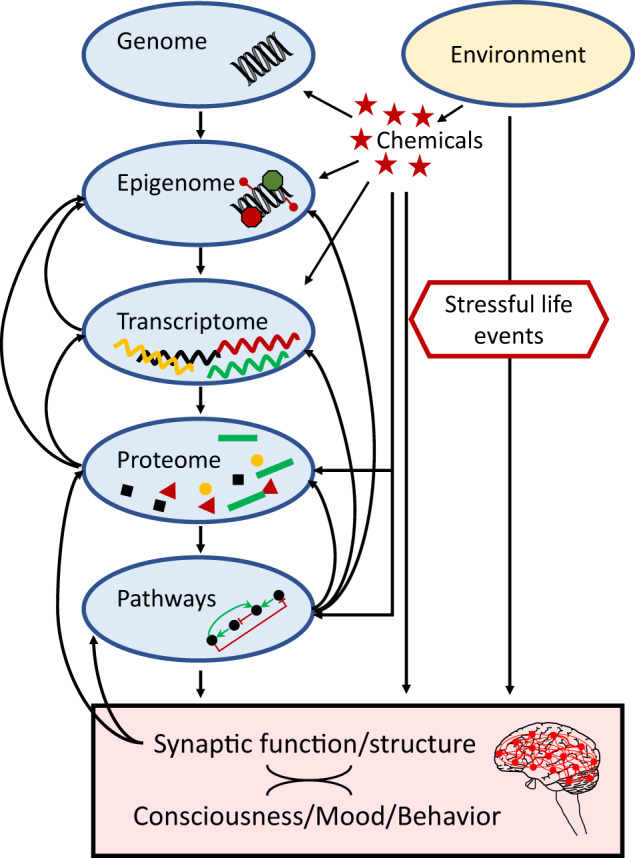
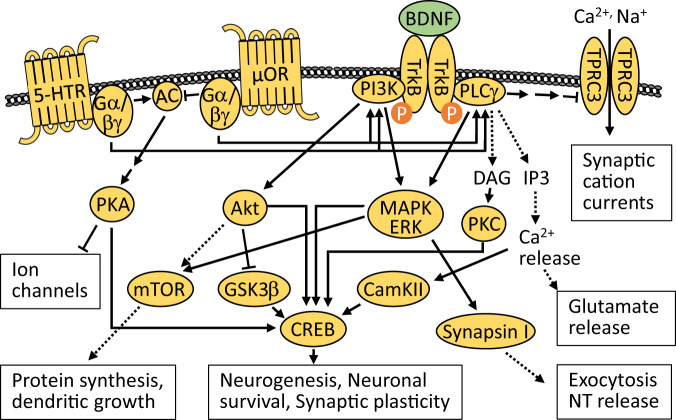
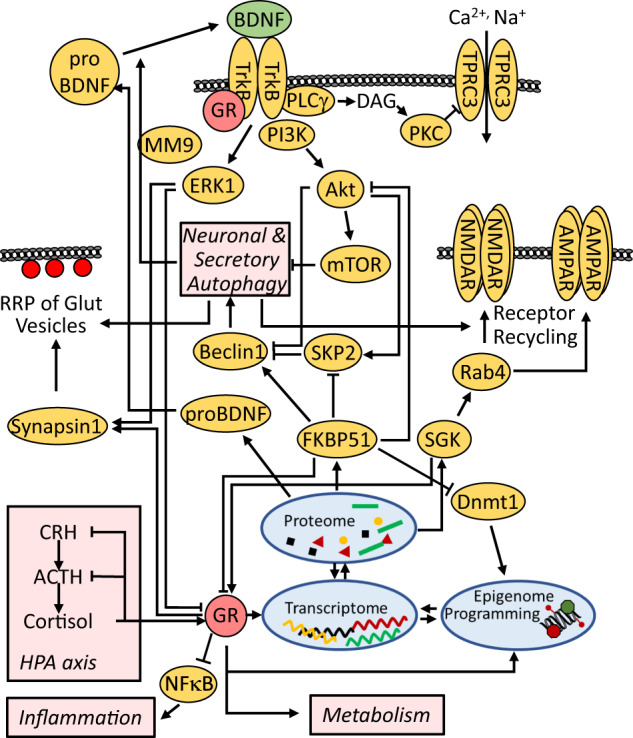
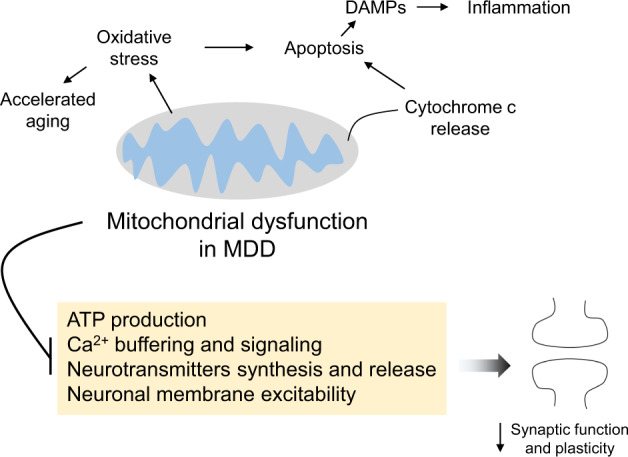
Verification
Claims the paper makes
The claims and statistics of this paper haven’t been checked yet.
Free: it reads the open-access text and checks the first 5 claims that cite a source we can check. Create a free account to check every claim.
Claims other papers make about this one
Each is checked against this paper’s own text: does it say what the citing paper says it does?
The source backs part of the claim, not all of it — or backs it for a different population, condition or comparison.
In the citing paper
“It has been proved that the changes in the structure and function of neurons may occur under the chronic stress and lead to the occurrence of MDD. 37 , 38”
From Major depressive disorder: hypothesis, mechanism, prevention and treatment (2024) · cites this paper as [38]
Experimental — accuracy not yet measuredThe source backs part of the claim, not all of it — or backs it for a different population, condition or comparison.
In the citing paper
“Stress induces cells to release damage-associated molecular patterns (DAMPs), endogenous danger signals, into the extracellular space.”
From Chronic stress, neuroinflammation, and depression: an overview of pathophysiological mechanisms and emerging anti-inflammatories (2023) · cites this paper as [23]
Experimental — accuracy not yet measuredThe source backs part of the claim, not all of it — or backs it for a different population, condition or comparison.
In the citing paper
“The chronic extracellular release of DAMPs and immune cell DAMP-PRR signaling creates a feed forward loop that accelerates peripheral and central inflammation.”
From Chronic stress, neuroinflammation, and depression: an overview of pathophysiological mechanisms and emerging anti-inflammatories (2023) · cites this paper as [23]
Experimental — accuracy not yet measuredThe source backs part of the claim, not all of it — or backs it for a different population, condition or comparison.
In the citing paper
“Concurrently, chronic stress disrupts key neurotransmitter systems, alters neuronal connectivity, and disturbs synaptic network activity, leading to, for example, dysregulated excitatory glutamatergic signaling, impaired dopaminergic transmission, and altered inhibitory GABAergic signaling in specific brain regions [4,24,29,35,36,37].”
From Comparative Analysis of HPA-Axis Dysregulation and Dynamic Molecular Mechanisms in Acute Versus Chronic Social Defeat Stress (2025) · cites this paper as [35]
Experimental — accuracy not yet measuredThe cited source says what the claim attributes to it.
In the citing paper
“DAMPs bind to pattern-recognition receptors (PRRs) on immune cells and activate the innate immune response.”
From Chronic stress, neuroinflammation, and depression: an overview of pathophysiological mechanisms and emerging anti-inflammatories (2023) · cites this paper as [23]
Self-check
Percentages, sums and reported differences re-computed from the paper’s own numbers.
The self-check needs the paper’s full text.
Citations
Cites
Diagnostic and Statistical Manual of Mental Disorders
American Psychiatric Association (2013) · doi:10.1176/appi.books.9780890425596 · Cited by 116,369
Santomauro, D. F., Mantilla Herrera, A. M., Shadid, J., Zheng, P., Ashbaugh, C., Pigott, D. M., Abbafati, C., Adolph, C., Amlag, J. O., Aravkin, A. Y., et al. (2021) · The Lancet · doi:10.1016/s0140-6736(21)02143-7 · Cited by 5,444 · cited 1×
“MDD represents a major burden on public health, ranking third in the leading causes of disability worldwide [2], with studies predicting a significant increase of MDD cases globally after the Covid-19 pandemic [3].”
BackgroundCryan, J. F., O'Riordan, K. J., Cowan, C. S. M., Sandhu, K. V., Bastiaanssen, T. F. S., Boehme, M., Codagnone, M. G., Cussotto, S., Fulling, C., Golubeva, A. V., et al. (2019) · Physiological Reviews · doi:10.1152/physrev.00018.2018 · Cited by 5,286 · cited 1×
“For the effects on brain function, some metabolites may cross the BBB and directly trigger relevant pathways, or may elicit a response in the periphery with repercussions on the brain, such as changing the hormone and cytokine profile in the blood or through neural effects linking to the brain [176, 177].”
BackgroundMalhi, G. S., & Mann, J. J. (2018) · The Lancet · doi:10.1016/s0140-6736(18)31948-2 · Cited by 4,099
Oxidative stress, aging, and diseases
Liguori, I., Russo, G., Curcio, F., Bulli, G., Aran, L., Della-Morte, D., Gargiulo, G., Testa, G., Cacciatore, F., Bonaduce, D., et al. (2018) · Clinical Interventions in Aging · doi:10.2147/cia.s158513 · Cited by 3,979 · cited 1×
“It can further cause DNA damage [212, 213], alter DNA methylation [214, 215], and induce accelerated aging [216], as reported for MDD [217].”
BackgroundThe role of inflammation in depression: from evolutionary imperative to modern treatment target
Miller, A. H., & Raison, C. L. (2016) · Nature Reviews Immunology · doi:10.1038/nri.2015.5 · Cited by 3,942 · cited 1×
“The inflammasome pathway is an important source of proinflammatory cytokines [131], which can be activated in response to elevated levels of damage-associated molecular patterns (DAMPs) and other stress molecules, resulting in the activation of IL-1β and IL-18 [132].”
BackgroundAutophagy and the Integrated Stress Response
Kroemer, G., Mariño, G., & Levine, B. (2010) · Molecular Cell · doi:10.1016/j.molcel.2010.09.023 · Cited by 3,506 · cited 1×
“It continuously operates at a basal level and is enhanced under various stressful conditions [116].”
BackgroundNicotinic acetylcholine receptor α7 subunit is an essential regulator of inflammation
Wang, H., Yu, M., Ochani, M., Amella, C. A., Tanovic, M., Susarla, S., Li, J. H., Wang, H., Yang, H., Ulloa, L., et al. (2003) · Nature · doi:10.1038/nature01339 · Cited by 3,228
The Bidirectional Relationship of Depression and Inflammation: Double Trouble
Beurel, E., Toups, M., & Nemeroff, C. B. (2020) · Neuron · doi:10.1016/j.neuron.2020.06.002 · Cited by 2,136 · cited 3×
“Immune cells mediate inflammation as an essential mechanism to maintain homeostasis by recognizing cell damage and aiding in tissue repair [126].”
BackgroundSynaptic Energy Use and Supply
Harris, J. J., Jolivet, R., & Attwell, D. (2012) · Neuron · doi:10.1016/j.neuron.2012.08.019 · Cited by 1,747 · cited 1×
“It is well-established that mitochondria support neurotransmission in several ways, including ATP production [166], Ca buffering and signaling, synthesis of neurotransmitters [167] establishing and maintaining membrane excitability, and in the organization of synaptic vesicle pools and neurotransmitter release [168].”
Background
Cited by
Major depressive disorder: hypothesis, mechanism, prevention and treatment
Cui, L., Li, S., Wang, S., Wu, X., Liu, Y., Yu, W., Wang, Y., Tang, Y., Xia, M., & Li, B. (2024) · Signal Transduction and Targeted Therapy · doi:10.1038/s41392-024-01738-y · Cited by 1,244
“It has been proved that the changes in the structure and function of neurons may occur under the chronic stress and lead to the occurrence of MDD. 37,38 In some MDD patients, stress leads to long-term elevated glucocorticoids, resulting in synaptic structural changes and remodeling, and the…”
BackgroundMarx, W., Penninx, B. W. J. H., Solmi, M., Furukawa, T. A., Firth, J., Carvalho, A. F., & Berk, M. (2023) · Nature Reviews Disease Primers · doi:10.1038/s41572-023-00454-1 · Cited by 768
“…which is involved in detecting and assigning salience to emotional and motivational stimuli, people with MDD exhibit increased resting-state connectivity and heightened activation of the amygdala 70 , dorsal anterior cingulate and anterior insula compared with healthy controls 25,40,64,71 .”
Hassamal, S. (2023) · Frontiers in Psychiatry · doi:10.3389/fpsyt.2023.1130989 · Cited by 578
“Several DAMPs have been implicated in depression, including high mobility group box-1 (HMGB-1), extracellular ATP, purine bases and metabolites, heat shock proteins (HSPs), S100 proteins, and galectin- 3 (Gal-3) (23).”
BackgroundExploring the Role of Neuroplasticity in Development, Aging, and Neurodegeneration
Marzola, P., Melzer, T., Pavesi, E., Gil-Mohapel, J., & Brocardo, P. S. (2023) · Brain Sciences · doi:10.3390/brainsci13121610 · Cited by 281
“Of note, deficits in adult hippocampal neurogenesis (as well as other forms of structural and functional plasticity) have been implicated not only in normal aging [63], but also in various psychiatric [69] and neurodegenerative [70,71] conditions.”
BackgroundKouba, B. R., de Araujo Borba, L., Borges de Souza, P., Gil-Mohapel, J., & Rodrigues, A. L. S. (2024) · Cells · doi:10.3390/cells13050423 · Cited by 209
“…are also associated with other mechanisms involved in MDD, including hyperactivity of the hypothalamic-pituitary-adrenal (HPA) axis, dysfunction of the glutamatergic system, impairment of neuroplasticity, dysbiosis of the gut microbiota, and alterations in tryptophan (TRP) metabolism [3,8,9].”
BackgroundLiu, H., Zhang, X., Shi, P., Yuan, J., Jia, Q., Pi, C., Chen, T., Xiong, L., Chen, J., Tang, J., et al. (2023) · Journal of Neuroinflammation · doi:10.1186/s12974-023-02768-z · Cited by 92
Shared biological mechanisms of depression and obesity: focus on adipokines and lipokines
Fu, X., Wang, Y., Zhao, F., Cui, R., Xie, W., Liu, Q., & Yang, W. (2023) · Aging · doi:10.18632/aging.204847 · Cited by 124
Connecting Dots between Mitochondrial Dysfunction and Depression
Khan, M., Baussan, Y., & Hébert-Chatelain, É. (2023) · Biomolecules · doi:10.3390/biom13040695 · Cited by 83
Interoceptive Mechanisms and Emotional Processing
Greenwood, B. M., & Garfinkel, S. N. (2024) · Annual Review of Psychology · doi:10.1146/annurev-psych-020924-125202 · Cited by 101
Zhu, T., Wang, H., Gu, H., Ju, L.-S., Wu, X., Pan, W., Zhao, M., Yang, J., & Liu, P.-M. (2023) · Journal of Nanobiotechnology · doi:10.1186/s12951-023-01807-4 · Cited by 74
“During the past few decades, numerous studies have shown that depression is a multifactorial disease, including but not limited to monoamines, inflammation, neurotrophies and neurogenesis, as well as (epi)genetics [4].”
BackgroundMajor Depressive Disorder and Gut Microbiota: Role of Physical Exercise
de Souza, P. B., Borba, L. A., de Jesus, L. C., Valverde, A. P., Gil‐Mohapel, J., & Rodrigues, A. L. S. (2023) · International Journal of Molecular Sciences · doi:10.3390/ijms242316870 · Cited by 73
“These pathways include, but are not limited to, genetic and epigenetic alterations, neuroendocrine and immune disturbances, neuroplasticity impairments, mainly with regard to neurogenesis, and alterations in the microbiota–gut–brain axis [5].”
BackgroundBGP-15 alleviates LPS-induced depression-like behavior by promoting mitophagy
Liu, Q. R., Zhao, J., Fang, Z., Wang, X., Zhang, B., He, Y., Liu, R., Chen, J., & Liu, G. (2024) · Brain Behavior and Immunity · doi:10.1016/j.bbi.2024.04.036 · Cited by 60
Xu, Z., Rasteh, A. M., Dong, A., Wang, P., & Liu, H. (2024) · Chinese Medicine · doi:10.1186/s13020-024-01018-5 · Cited by 70
“Combining biological and pharmacological principles, drugs do not directly target disease-related genes, but they can also be regulated by upstream and downstream molecules [53].”
BackgroundZeng, J., Xie, Z., Chen, L., Peng, X., Luan, F., Hu, J., Xie, H., Liu, R., & Zeng, N. (2023) · Biomedicine & Pharmacotherapy · doi:10.1016/j.biopha.2023.115994 · Cited by 63
Вячеславовна, Г. А., Svirin, E. P., Pavlov, D., Cespuglio, R., Proshin, A. T., Schroeter, C. A., Lesch, K., & Strekalova, T. V. (2023) · International Journal of Molecular Sciences · doi:10.3390/ijms24020915 · Cited by 59
Exercise as an antidepressant: exploring its therapeutic potential
Hwang, D.-J., Koo, J., Kim, T.-K., Jang, Y., Hyun, A.-H., Yook, J.-S., Yoon, C.-S., & Cho, J. (2023) · Frontiers in Psychiatry · doi:10.3389/fpsyt.2023.1259711 · Cited by 52
“According to related studies, low monoamine concentrations in the synaptic cleft have been observed in patients with MDD (3).”
BackgroundInfluentialKong, L., & Zhang, H. (2023) · Journal of Affective Disorders · doi:10.1016/j.jad.2023.08.114 · Cited by 50
Modulation of neuroimmune cytokine networks by antidepressants: implications in mood regulation
Nava, R. G., Adri, A. S., Filgueiras, I. S., Nóbile, A. L., Barcelos, P. M., Corrêa, Y. L. G., de Oliveira, S. F., Cabral‐Miranda, G., Dias, H. D., Schimke, L. F., et al. (2025) · Translational Psychiatry · doi:10.1038/s41398-025-03532-y · Cited by 57
“Extended exposure to environmental stress activates molecular pathways, enhancing cytokine secretion and signaling [33], resulting in dysregulated in fl ammation within the CNS.”
Stolfi, F., Abreu, H., Sinella, R., Nembrini, S., Centonze, S., Landra, V., Brasso, C., Cappellano, G., Rocca, P., & Chiocchetti, A. (2024) · Frontiers in Psychiatry · doi:10.3389/fpsyt.2024.1422939 · Cited by 63
“Postmortem studies of patients with MDD have reported a neuroprogression associated with the disorder consisting of changes in the density and size of neurons and glia in several brain regions combined with a reduced expression of synaptic genes (39).”
BackgroundAntidepressant effects of coumarins and their derivatives: A critical analysis of research advances
Akwu, N. A., Lekhooa, M., Deqiang, D., & Aremu, A. O. (2023) · European Journal of Pharmacology · doi:10.1016/j.ejphar.2023.175958 · Cited by 48
Sex Differences in Brain Disorders
Ziemka‐Nałęcz, M., Pawelec, P., Ziąbska, K., & Zalewska, T. (2023) · International Journal of Molecular Sciences · doi:10.3390/ijms241914571 · Cited by 54
“Depressive disorders are also associated with inflammation [45,46].”
BackgroundQin, N., Yao, Z., & Guo, M. (2023) · BMC Nursing · doi:10.1186/s12912-023-01516-1 · Cited by 54
“For instance, the development of depression may involve complex metabolic pathways, including mono-amines and the Hypothalamic–Pituitary–Adrenal (HPA) axis [22].”
BackgroundAdenosine signalling drives antidepressant actions of ketamine and ECT
Yue, C., Wang, N., Zhai, H., Yuan, Z., Cui, Y., Jing, Q., Zhou, Y., Fan, X., Wang, H., Wu, Z., et al. (2025) · Nature · doi:10.1038/s41586-025-09755-9 · Cited by 55
Neurobiological Relationships Between Neurodevelopmental Disorders and Mood Disorders
Bertollo, A. G., Puntel, C. F., da Silva, B. V., Martins, M., Bagatini, M. D., & Ignácio, Z. M. (2025) · Brain Sciences · doi:10.3390/brainsci15030307 · Cited by 46
“…may im-Brain pair the individual’s ability to experience positive reinforcement, thus reinforcing feelings of helplessness and anxiety [69,70]. impair the individual’s ability to experience positive reinforcement, thus reinforcing feelings of helplessness and anxiety [69,70 Moreover,…”
Woźny-Rasała, I., & Ogłodek, E. A. (2025) · Biomolecules · doi:10.3390/biom15091344 · Cited by 51
“Stress signals are transmitted to the CNS through two main pathways: the neural route, via vagus nerve fibers, and the humoral route, involving the passage of pro-inflammatory cytokines into the brain through active transporters or direct action on areas lacking a blood–brain barrier [23].”
Gong, G., Ganesan, K., Wang, Y., Zhang, Z., Liu, Y., Wang, J., Yang, F., & Zheng, Y. (2023) · Journal of Ethnopharmacology · doi:10.1016/j.jep.2023.117375 · Cited by 37
From Stress to Synapse: The Neuronal Atrophy Pathway to Mood Dysregulation
Krasner, H., Ong, C. V., Hewitt, P., & Vida, T. A. (2025) · International Journal of Molecular Sciences · doi:10.3390/ijms26073219 · Cited by 42
Bappi, M. H., Mia, M. N., Ansari, S. A., Ansari, I. A., Prottay, A. A. S., Akbor, M. S., El‐Nashar, H. A. S., El‐Shazly, M., Mubarak, M. S., & Islam, M. T. (2024) · Phytotherapy Research · doi:10.1002/ptr.8139 · Cited by 39
“More-over, disruptions in neurotransmission can result in a decrease in brain neurotransmitter levels, which can contribute to the onset of depression in those who are susceptible (Fries et al., 2023).”
BackgroundYu, X., Chen, K., Ma, Y., Bai, T., Zhu, S., Cai, D., Zhang, X., Wang, K., Tian, Y., & Wang, J. (2024) · CNS Neuroscience & Therapeutics · doi:10.1111/cns.14690 · Cited by 41
“65 The reduced expression of NR3C1 and abnormal GR signaling result in the compromised negative feedback regulation of the HPA axis 66 making cortisol levels at a high level 52,67,68 to impair cognitive function in MDD patients.”
BackgroundInfluentialShi, J.-X., Cheng, C., Ruan, H.-N., Li, J., & Liu, C. (2023) · NeuroToxicology · doi:10.1016/j.neuro.2023.06.007 · Cited by 36
Du, M., Fu, J., Zhang, J., Zhu, Z., Huang, X., Tan, W., Liu, L., Huang, Z., Liu, X., Tan, Q., et al. (2024) · Clinical and Translational Medicine · doi:10.1002/ctm2.70100 · Cited by 34
Stangl, F. J., Riedl, R., Kiemeswenger, R., & Montag, C. (2023) · Frontiers in Psychology · doi:10.3389/fpsyg.2023.1141663 · Cited by 45
“, 2018), a condition being critically linked to diverse brain processes (Fries et al., 2023).”
BackgroundBleibel, L., Sokołowska, P., Henrykowska, G. A., Owczarek, J., & Wiktorowska‐Owczarek, A. (2025) · Pharmaceuticals · doi:10.3390/ph18060867 · Cited by 40
Ge, Z., Hu, Y., Kan, W., Li, L., Xu, J., Zhang, Y., Zheng, N., Wang, G., & Du, J. (2025) · Frontiers in Immunology · doi:10.3389/fimmu.2025.1625087 · Cited by 42
“Concurrently, pro-in fl ammatory cytokines suppress N-methyl-D-aspartate (glutamate) receptor (NMDAR) or a -amino- 3-hydroxy-5-methyl-4-isoxazolepropionic acid receptor (AMPAR) expression and phosphorylation via epigenetic mechanisms, weakening glutamatergic signaling and LTP induction (110).”
InfluentialHao, X., Jia, Y., Chen, J., Zou, C., & Jiang, C. (2023) · Neuropsychiatric Disease and Treatment · doi:10.2147/ndt.s425509 · Cited by 22
“79 There has been a gradual increase in the emphasis on neuroplasticity.”
BackgroundGong, W., Zhai, Q., Wang, Y., Shen, A., Huang, Y., Shi, K., Huang, Y., Song, M., Yan, R., Yao, Z., et al. (2025) · Brain Behavior and Immunity · doi:10.1016/j.bbi.2025.04.008 · Cited by 33
Depression Pathophysiology: Astrocyte Mitochondrial Melatonergic Pathway as Crucial Hub
Anderson, G. (2022) · International Journal of Molecular Sciences · doi:10.3390/ijms24010350 · Cited by 33
Liu, S., Li, Y., Shi, Y., Rao, Z., Zhang, Y., Zhang, Y., Wang, T., Kong, H., Zhu, S., Zhu, D., et al. (2025) · Psychological Medicine · doi:10.1017/s003329172510072x · Cited by 33
“MDD seems to be caused by a combined effect of genetic (Kendall et al., 2021; Yuan et al., 2023), environmental (Li et al., 2022), psychological, and biological factors (Drevets, Wittenberg, Bullmore, & Manji, 2022; Fries, Saldana, Finnstein, & Rein, 2023; Won, Na, & Kim, 2022).”
Chen, H., Shi, X., Liu, N., Jiang, Z., Ma, C., Luo, G., Liu, S., Wei, X., Liu, Y., & Ming, D. (2024) · Journal of Photochemistry and Photobiology B Biology · doi:10.1016/j.jphotobiol.2024.112998 · Cited by 32
L-Carnitine in the Treatment of Psychiatric and Neurological Manifestations: A Systematic Review
Wang, W., Pan, D., Liu, Q., Chen, X., & Wang, S. (2024) · Nutrients · doi:10.3390/nu16081232 · Cited by 31
“MD is found in many neurological and psychiatric disorders, including AD [161–164], TBI (traumatic brain injury) [165,166], Parkinson’s disease [167–171], multiple sclerosis (MS) [167,172–174], ALS [167,175–177], DD [178–180], etc.”
BackgroundZhang, S., Hu, Y., Zhao, Y., Feng, Y., Wang, X., Miao, M., & Miao, J. (2024) · Phytomedicine · doi:10.1016/j.phymed.2024.155729 · Cited by 30
Han, Z., Wang, L., Zhu, H., Tu, Y., He, P., & Li, B. (2024) · Food Research International · doi:10.1016/j.foodres.2024.115191 · Cited by 32
Delshad, M., Sanaei, M., Mohammadi, M. H., Sadeghi, A., & Bashash, D. (2025) · Biomolecules · doi:10.3390/biom15040587 · Cited by 32
Frontal Alpha Asymmetry and Its Modulation by Monoaminergic Neurotransmitters in Depression
Fitzgerald, P. J. (2024) · Clinical Psychopharmacology and Neuroscience · doi:10.9758/cpn.23.1138 · Cited by 31
“…theories of MDD and bipolar disorder based solely on monoamines are almost certainly an oversimplification, including due to the involvement of other underlying molecular pathways in these disorders [88,89], one possibility is that the mono-aminergic systems interact with many of these pathways.”
BackgroundZhao, Q., Zeng, C., Luo, F., Xian, Z., Wen, H., Tu, X., Yang, R., Sun, Y., Zheng, X. M., Xu, J., et al. (2025) · Brain Behavior and Immunity · doi:10.1016/j.bbi.2025.02.007 · Cited by 29
Reyes-Lizaola, S., Luna-Zarate, U., Tendilla‐Beltrán, H., Morales‐Medina, J. C., & Flores, G. (2023) · Progress in Neuro-Psychopharmacology and Biological Psychiatry · doi:10.1016/j.pnpbp.2023.110876 · Cited by 28
A review of the pharmacological action and mechanism of natural plant polysaccharides in depression
Yang, Y., Li, C.-X., Zhang, R., Shen, Y. H., Xu, X., & Yu, Q. (2024) · Frontiers in Pharmacology · doi:10.3389/fphar.2024.1348019 · Cited by 38
Nohesara, S., Abdolmaleky, H. M., Zhou, J., & Thiagalingam, S. (2023) · Genes · doi:10.3390/genes14122217 · Cited by 26
“…inhibitors), dopamine (e.g., bupropion), noradrenaline (e.g., desipramine), a combination of these neurotransmitters (e.g., serotonin-noradrenaline specific reuptake inhibitors) or inhibit monoamine oxidase enzymes that degrade these neurotransmitters (e.g., monoamine oxidase inhibitors) [10–12].”
BackgroundBlood-brain barrier biomarkers
Zapata-Acevedo, J. F., Mantilla-Galindo, A., Vargas-Sánchez, K., & González-Reyes, R. E. (2024) · Advances in clinical chemistry · doi:10.1016/bs.acc.2024.04.004 · Cited by 28
Kasai, H. (2023) · Proceedings of the Japan Academy Series B · doi:10.2183/pjab.99.018 · Cited by 25
You, Y., Chen, Z., & Hu, W. (2024) · Pharmacology & Therapeutics · doi:10.1016/j.pharmthera.2024.108606 · Cited by 27
Su, Z., Kong, R., Huang, C., Wang, K., Liu, C., Gu, X., & Wang, H. (2025) · Archives of Toxicology · doi:10.1007/s00204-025-04002-6 · Cited by 29
“…study, it is worth emphasizing that existing literature has established associations between anxiety-and depression-like behaviors and alterations in these neurobiological parameters (Mack et al. 2023; Fries et al. 2023; Wang et al. 2019; Cho et al. 2022; Rubio-Casillas and Fernández-Guasti 2016).”
Xiao, Y., Zhao, L., Zang, X., & Xue, S. (2023) · Human Brain Mapping · doi:10.1002/hbm.26485 · Cited by 22
“However, we associated the gradient-related changes with neurotransmitter topographies and had no information regarding neurotransmitter activity, which was previously reported as low levels in MDD (Fries et al., 2023).”
BackgroundChan, I. I., & Wu, A. M. S. (2024) · Biological Psychiatry Global Open Science · doi:10.1016/j.bpsgos.2024.100294 · Cited by 33
“Our fi ndings also support ongoing efforts aimed at targeting the cortisol pathway to alleviate anxiety and redirect focus toward other pathways for major depression (89).”
BackgroundThe missing hallmark of health: psychosocial adaptation
López-Otín, C., & Kroemer, G. (2024) · Cell Stress · doi:10.15698/cst2024.03.294 · Cited by 32
“Such genes may also be modulated epigenetically by early-life experiences, environmental factors and stress [149].”
BackgroundObesity and Depression: A Pathophysiotoxic Relationship
Monsalve, F. A., Fernández-Tapia, B., Arriagada, O., González, D. R., & Delgado‐López, F. (2025) · International Journal of Molecular Sciences · doi:10.3390/ijms262311590 · Cited by 25
“This perspective is supported by a recent review that proposes that multiple molecular pathways converge in the pathophysiology of major depression: monoaminergic neurotransmission, chronic stress, neurotrophins, mitochondrial dysfunction, inflammation, microbiota-brain axis, among others [106].”
Zhang, C., Jing, H., Yan, H., Li, X., Liang, J., Zhang, Q., Liang, W., Ou, Y., Peng, C., Yu, Y., et al. (2023) · Frontiers in Neuroscience · doi:10.3389/fnins.2023.1135337 · Cited by 21
“Approximately 12% of the global population is affected by MDD, while the lifetime occurrence of MDD in the United States surpasses 20% (Hasin et al., 2018; Hayley et al., 2021; Fries et al., 2022).”
BackgroundShen, H., Shi, Y., Ye, J., Yin, J., Yang, Y., Liu, D., Shen, T., Zeng, D., Zhang, M., Li, S., et al. (2023) · Translational Psychiatry · doi:10.1038/s41398-023-02665-2 · Cited by 26
“3J), suggesting that this trajectory described the autophagy-related transcriptional changes during the transition from a homeostatic to a disease-associated cell state, which further demonstrated that autophagic changes in astrocytes in the PFC were associated with the pathology of MDD.”
BackgroundYuxiang, X., Li, Y., Wang, C., Han, T., Yue, W., Wang, S., & Wei, J. (2024) · International Journal of Clinical and Health Psychology · doi:10.1016/j.ijchp.2023.100433 · Cited by 28
“The released BDNF subsequently reverses neuronal death due to depression via the BDNF-TrkB-PI3k-Akt and BDNF-TrkB-MAPK/ERK signaling pathways and also increasing neurogenesis and synaptic activity, thus treating depressive symptoms (Coyle & Duman, 2003; Fries et al., 2022).”
BackgroundWang, L., Xu, Y., Jiang, M., Wang, M., Ji, M., Xie, X., & Sheng, H. (2024) · Psychoneuroendocrinology · doi:10.1016/j.psyneuen.2024.107261 · Cited by 24
Kwon, K. J., Kim, H. Y., Han, S., & Shin, C. Y. (2024) · International Journal of Molecular Sciences · doi:10.3390/ijms252111338 · Cited by 24
Zeng, J., Wang, Z., Zhang, X., Zhao, A., Qi, H., Jiang, Y., Cai, D., & Zeng, N. (2025) · Phytomedicine · doi:10.1016/j.phymed.2025.156927 · Cited by 22
Bio‐Plausible Multimodal Learning with Emerging Neuromorphic Devices
Sun, H., Tian, H., Hu, Y., Cui, Y. L., Chen, X., Xu, M., Wang, X., & Zhou, T. (2024) · Advanced Science · doi:10.1002/advs.202406242 · Cited by 20
Liu, S., Zhou, J., Zhu, X., Zhang, Y. L., Zhou, X., Zhang, S., Yang, Z., Wang, Z., Wang, R., Yuan, Y., et al. (2024) · Patterns · doi:10.1016/j.patter.2024.101081 · Cited by 32
“6,15 18 Concurrently, the default mode network, implicated in self-referential thoughts and rumination, often exhibits altered connectivity, which may contribute to the cognitive and affective symptoms of MDD. 15,19 Additionally, the frontoparietal network, critical for several higher-order…”
Villanueva, R. (2023) · Frontiers in Psychiatry · doi:10.3389/fpsyt.2023.1178494 · Cited by 22
“However, the high number of patients resistant to SSRIs treatment (77), directed brain organoid-based research to elucidate the bases of resistance in order to unravel the pathophysiology of the disorder and to identify effective treatments.”
BackgroundInsights on therapeutic potential of clemastine in neurological disorders
Jiang, S., Wang, X., Cao, T., Kang, R., & Huang, L. (2023) · Frontiers in Molecular Neuroscience · doi:10.3389/fnmol.2023.1279985 · Cited by 23
“The pathophysiology of depressive disorders includes increased inflammation, decreased neurogenesis and neuroplasticity, and abnormal myelination (Fries et al., 2022).”
BackgroundExtracellular matrix abnormalities in the hippocampus of subjects with substance use disorder
Valeri, J., Stiplosek, C., O'Donovan, S. M., Sinclair, D., Grant, K. A., Bollavarapu, R., Platt, D. M., Stockmeier, C. A., Gisabella, B., & Pantazopoulos, H. (2024) · Translational Psychiatry · doi:10.1038/s41398-024-02833-y · Cited by 25
“Our observed increase of Ctss gene expression may represent a heightened in fl ammatory state in the hippocampus of subjects with MDD, which has been extensively implicated in MDD [95, 96], including in the hippocampus in a cohort that largely overlaps with our cohort of subjects with MDD [97].”
Aruhan, Gong, Q., Tuo, Y.-J., Zhai, S.-T., He, B., Zou, E.-G., Wang, M., Huang, T.-Y., Zha, C.-L., He, M., et al. (2025) · Journal of Ethnopharmacology · doi:10.1016/j.jep.2024.119274 · Cited by 22
Karad, V., & Gupta, G. L. (2025) · Naunyn-Schmiedeberg s Archives of Pharmacology · doi:10.1007/s00210-025-04298-2 · Cited by 23
Emerging mechanisms of psilocybin-induced neuroplasticity
Sonda, S., Pendin, D., Comai, S., Martin, S. D., Manfredi, P., & Mattarei, A. (2025) · Trends in Pharmacological Sciences · doi:10.1016/j.tips.2025.08.012 · Cited by 24
The emerging landscape of brain glycosylation: from molecular complexity to therapeutic potential
Seo, Y., Park, J. E., Yu, J. Y., Lee, B., Yoon, J. H., & An, H. J. (2025) · Experimental & Molecular Medicine · doi:10.1038/s12276-025-01560-8 · Cited by 23
“Psychiatric disorders, including MDD, PTSD and schizophrenia are characterized by diverse molecular and neurochemical alterations in the brain 85 – 87 .”
Sun, R., Jiao, D., Yuan, W., Wang, H., Ren, L., Fu, Z., Zhang, J., Yue, X., Wu, Z., Li, C., et al. (2026) · Nature Metabolism · doi:10.1038/s42255-025-01430-7 · Cited by 25
“6a, the serum levels of epinephrine and norepinephrine were significantly lower in CUMS mice than those in control mice, which is consistent with the decreased content of serum catecholamine hormones in patients with long-term chronic stress 32,33 .”
Wang, J., Wang, J., Wang, Y., Chai, Y., Li, H., Miao, D., Liu, H., Li, J., & Bao, J. (2023) · International Journal of Molecular Sciences · doi:10.3390/ijms24098119 · Cited by 24
“Subsequently, phosphorylated cytoplasmic tyrosine provides docking sites for the initiation of two intracellular signaling pathway bridging proteins, including PLCγ1/PKC [46], MAPK/ERK and PI3K/AKT, which are major effectors of neurotrophic factor [47–49].”
BackgroundInfluentialRecent Progress in Mass Spectrometry-Based Metabolomics in Major Depressive Disorder Research
Liu, M., Ma, W., He, Y., Sun, Z., & Yang, J. (2023) · Molecules · doi:10.3390/molecules28217430 · Cited by 23
“In-depth explanation and discussion can refer to some excellent works and reviews [5,43].”
BackgroundRobledo‐Montaña, J., Díaz-García, C., Martínez, M., Ambrosio, N., Montero, E., Marín, M. J., Virto, L., Muñoz‐López, M., Herrera, D., Sanz, M., et al. (2024) · Journal of Neuroinflammation · doi:10.1186/s12974-024-03213-5 · Cited by 20
“Despite the evidence suggesting the involvement of biological and environmental factors in its etiology, a complete understanding of MDD pathophysiology remains elusive [8].”
BackgroundThe brain, rapid eye movement sleep, and major depressive disorder: A multimodal neuroimaging study
Liu, S., Chen, J., Guan, L., Li, X., Cai, H., Wang, J., Zhu, D., Zhu, J., & Yu, Y. (2024) · Progress in Neuro-Psychopharmacology and Biological Psychiatry · doi:10.1016/j.pnpbp.2024.111151 · Cited by 18
Wang, Z., Robbins, B., Zhuang, R., Sandini, T. M., van Bruggen, R., Li, X., & Zhang, Y. (2025) · Progress in Neuro-Psychopharmacology and Biological Psychiatry · doi:10.1016/j.pnpbp.2024.111243 · Cited by 18
Cao, Y., Fan, X., Zang, T., Qiu, T., Fang, Q., Bai, J., & Liu, Y. (2025) · Translational Psychiatry · doi:10.1038/s41398-025-03606-x · Cited by 22
Helbing, D. L., Dommaschk, E.-M., Danyeli, L. V., Liepinsh, E., Refisch, A., Şen, Z. D., Zvejniece, L., Rocktäschel, T., Stabenow, L. K., Schiöth, H. B., et al. (2024) · European Archives of Psychiatry and Clinical Neuroscience · doi:10.1007/s00406-023-01734-3 · Cited by 18
Just a gut feeling: Faecal microbiota transplant for treatment of depression – A mini-review
Chang, M., Chang, K. T., & Chang, F. (2024) · Journal of Psychopharmacology · doi:10.1177/02698811241240308 · Cited by 19
“The exact pathogenesis of MDD is unclear, but a number of factors are thought to contribute to the development of the condition, with genetic, epigenetic and environmental factors all playing a role (Fries et al., 2022).”
BackgroundZou, J., Yang, L., Yang, G., & Gao, J. (2023) · Psychiatry Research · doi:10.1016/j.psychres.2023.115450 · Cited by 18
Cao, Y., Fan, X., Zang, T., Li, Y., Tu, Y., Yi, W., Bai, J., & Liu, Y. (2025) · Psychiatry Research · doi:10.1016/j.psychres.2025.116392 · Cited by 17
Liu, J., Guan, J., Xiong, J., & Wang, F. (2024) · Actas Españolas de Psiquiatría · Cited by 26
Minbay, M., Khan, A., Ghasemi, A. R., Ingram, K. K., & Ay, A. A. (2024) · Psychiatry Research · doi:10.1016/j.psychres.2024.115948 · Cited by 16
Exosomes in the Diagnosis of Neuropsychiatric Diseases: A Review
Wu, S., Shang, X.-M., Guo, M., Su, L., & Wang, J. (2024) · Biology · doi:10.3390/biology13060387 · Cited by 20
“Exosome diagnostic biomarkers in di ff erent pathways have”
BackgroundTsigkaropoulou, E., Michopoulos, I., Porichi, E., Dafnas, K., Serretti, A., & Ferentinos, P. (2024) · International Clinical Psychopharmacology · doi:10.1097/yic.0000000000000483 · Cited by 15
“Ample evidence for the implication of monoam-inergic circuits in the neurobiology of AFD (Quevedo et al. , 2021; Fries et al. , 2023) suggests obvious links of AFD to temperament dimensions.”
BackgroundXu, H., Wang, Y., Geng, D., Chen, F., Chen, Y., Niwenahisemo, L. C., Shi, L., Du, N., He, Z., Xu, X., et al. (2025) · Food Science & Nutrition · doi:10.1002/fsn3.70003 · Cited by 17
Vascular endothelial growth factor: a key factor in the onset and treatment of depression
Wang, J., Meng, F., Wang, L., & Li, Z. (2025) · Frontiers in Cellular Neuroscience · doi:10.3389/fncel.2025.1645437 · Cited by 17
Cellular neurobiology of hyperforin
Bouron, A. (2023) · Phytotherapy Research · doi:10.1002/ptr.8063 · Cited by 16
“Depressive disorders are complex psychiatric diseases with numerous interrelated signaling pathways and neurotransmitters systems (Dean and Keshavan, 2017; Fries et al., 2023).”
BackgroundNarrative Review: Pathogenesis of the Inflammatory Response and Intestinal Flora in Depression
Zeng, J.-W., Zhao, J.-L., Han, Z.-J., Duan, Y., & Li, L. (2023) · Neuropsychiatric Disease and Treatment · doi:10.2147/ndt.s430444 · Cited by 16
“13 According to the inflammatory and cytokine hypothesis, the immune inflammatory response plays an important role in the pathogenesis of depression; thus, a close relationship between them is proposed.”
BackgroundNiazi, N. U. K., Huang, C.-Y., Yang, Z., Zhang, Y., & Song, C. (2024) · Behavioural Brain Research · doi:10.1016/j.bbr.2024.115067 · Cited by 17
Ge, H., Si, L., Li, C., Huang, J., Sun, L., Wu, L., Xie, Y., Xiao, L., & Wang, G. (2025) · International Journal of Molecular Sciences · doi:10.3390/ijms26031113 · Cited by 17
Moaddel, R., Farmer, C., Yavi, M., Kadriu, B., Zhu, M., Fan, J., Chen, Q., Lehrmann, E., Fantoni, G., De, S., et al. (2023) · iScience · doi:10.1016/j.isci.2023.108527 · Cited by 18
“81 Several of the RTKs identified in our analyses play roles in promoting motor neuron survival and axon growth 81 and may have roles to play in MDD.”
BackgroundTreatment of Depression in Huntington’s Disease: A Systematic Review
Zadegan, S. A., Ramirez, F., Reddy, K. S., Sahin, O., Rocha, N. P., Teixeira, A. L., & Furr-Stimming, E. E. (2024) · Journal of Neuropsychiatry · doi:10.1176/appi.neuropsych.20230120 · Cited by 27
Miquel-Rio, L., Sarriés-Serrano, U., Sancho‐Alonso, M., Florensa-Zanuy, E., Paz, V., Ruiz‐Bronchal, E., Manashirov, S., Campa, L., Pilar-Cuéllar, F., & Bortolozzi, A. A. (2024) · iScience · doi:10.1016/j.isci.2024.109787 · Cited by 15
“15,16 Hence, all converge that synaptic plasticity is key in the pathogenesis of MDD, although the pathophysiological mechanisms remain largely unknown.”
Zhang, Y. (2024) · Neurochemistry International · doi:10.1016/j.neuint.2024.105808 · Cited by 15
Lei, L., Chen, C.-Y., Wang, Y., & Zhang, Y. (2024) · Journal of Affective Disorders · doi:10.1016/j.jad.2024.09.032 · Cited by 16
Genome-wide methylome-based molecular pathologies associated with depression and suicide
Dwivedi, Y., Roy, B., & Korla, P. K. (2024) · Neuropsychopharmacology · doi:10.1038/s41386-024-02040-9 · Cited by 18
Mokhtari, A., Ibrahim, E. C., Gloaguen, A., Barrot, C.-C., Cohen, D., Derouin, M., Vachon, H., Charbonnier, G., Loriod, B., Decraene, C., et al. (2025) · EBioMedicine · doi:10.1016/j.ebiom.2025.105569 · Cited by 26
“…brain and peripheral studies, which largely focused on the transcriptome, have established a robust overview of most frequently affected pathways, including immune and stress responses, in fl ammatory processes, neurotrophic factors and neurotransmitters, among others (for reviews, see 7,8 ).”
Zhang, Z., Liu, Y., Zhang, P., Zhang, P.-P., Shen, X., Lan, J.-L., Mao, Z.-J., Zhang, M., Ruan, Y., & Zhang, X. (2025) · Journal of Ethnopharmacology · doi:10.1016/j.jep.2025.119423 · Cited by 14
Metadata
- Authors
- Fries, G. R., Saldana, V. A., Finnstein, J., & Rein, T.
- Affiliations
- The University of Texas MD Anderson Cancer Center (US)
- Quinnipiac University (US)
- Max Planck Institute of Psychiatry (DE)
- Corresponding author
- Fries, Gabriel R.
- Rein, Theo
- Venue
- Molecular Psychiatry
- Published
- 2022-10-06
- Volume
- 28
- Issue
- 1
- Pages
- 284-297
- ISSN
- 1359-4184 (ISSN-L)
- 1476-5578
- PMC
- PMC9540059
- OpenAlex
- W4302293782
- Cited by
- 504
- References
- 248
- Citations by year
- 2026: 134 · 2025: 177 · 2024: 133 · 2023: 59 · 2022: 1
- FWCI
- 13.29
- Type
- journal article
- Language
- en
- Open access
- hybrid
- doi.org
- Licence
- cc-by
- creativecommons.org/licenses/by/4.0 (tdm)
- creativecommons.org/licenses/by/4.0 (vor)
- Locations
- Molecular Psychiatry (publishedVersion, cc-by)
- PubMed Central (publishedVersion, cc-by)
- PubMed (publishedVersion)
- Digital Commons-TMC (Texas Medical Center) (submittedVersion)
- Funders
- U.S. Department of Health & Human Services | NIH | National Institute of Mental Health (K01 MH121580)
- Topics
- Health Sciences › Medicine › Pharmacology (medical) › Treatment of Major Depression
- Life Sciences › Neuroscience › Cellular and Molecular Neuroscience › Neuroscience and Neuropharmacology Research
- Life Sciences › Neuroscience › Cellular and Molecular Neuroscience › Neurotransmitter Receptor Influence on Behavior
- Keywords
- major depressive disorder, synaptic transmission, monoamines, stress, neurotrophins, neurogenesis, excitatory and inhibitory neurotransmission, mitochondrial dysfunction, epigenetics, inflammation, opioid system, myelination, gut-brain axis, neurobiology of depression, molecular pathways
- MeSH terms
- Depressive Disorder, Major, Major Depressive Disorder, Humans, Inflammation, Synaptic Transmission, Synapses, Signal Transduction
About these checks
Registry, retraction, Cites and statistics results are computed, not judged, with one exception: a printed reference that no index lists is read once by a model before it counts as a citation error. Claims are extracted by a model and kept only when their quote appears verbatim in the text; each cited source is then checked, with a model’s help, for whether it says what the claim relies on. Those verdicts can be wrong — read the claim’s quote and the cited source before relying on one.
Statistics and arithmetic are recomputed, not judged.
Confidence bands are shown only for fields calibrated on our annotated test set. None is calibrated yet, so no band is shown.
What counts as a claim ›How we measure confidence ›How we check this ›
Are you an author, or do you see a problem with this page? Request a review
Data sources
Bibliographic data: Semantic Scholar, OpenAlex, Crossref.
Contains information from the Semantic Scholar Academic Graph Datasets, made available under the ODC Attribution License (ODC-BY 1.0).
Semantic Scholar’s data is described in: Kinney, R., et al. (2023). The Semantic Scholar Open Data Platform. arXiv:2301.10140.
