

Molecular pathways of major depressive disorder converge on the synapse
Open accessThe DOI matches its Crossref record; 253 of the 253 references it cites were found in a registry or an index.
Abstract
Major depressive disorder (MDD) is a psychiatric disease of still poorly understood molecular etiology. Extensive studies at different molecular levels point to a high complexity of numerous interrelated pathways as the underpinnings of depression. Major systems under consideration include monoamines, stress, neurotrophins and neurogenesis, excitatory and inhibitory neurotransmission, mitochondrial dysfunction, (epi)genetics, inflammation, the opioid system, myelination, and the gut-brain axis, among others. This review aims at illustrating how these multiple signaling pathways and systems may interact to provide a more comprehensive view of MDD’s neurobiology. In particular, considering the pattern of synaptic activity as the closest physical representation of mood, emotion, and conscience we can conceptualize, each pathway or molecular system will be scrutinized for links to synaptic neurotransmission. Models of the neurobiology of MDD will be discussed as well as future actions to improve the understanding of the disease and treatment options.
Overview
The claims and statistics of this paper haven’t been checked yet.
Free: it reads the open-access text and checks the first 5 claims that cite a source we can check. Create a free account to check every claim.
Integrity signals
Registry
Cites
Statistics
Figures
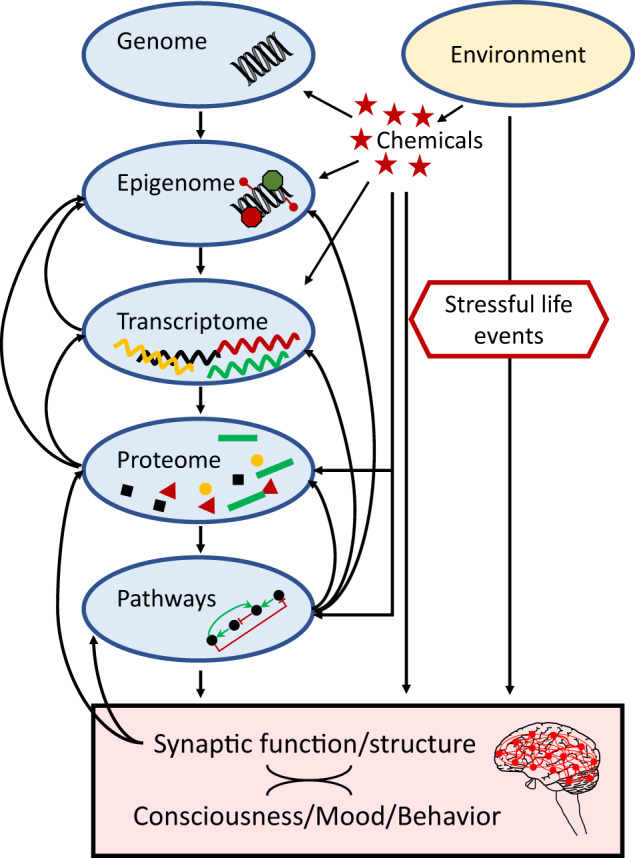
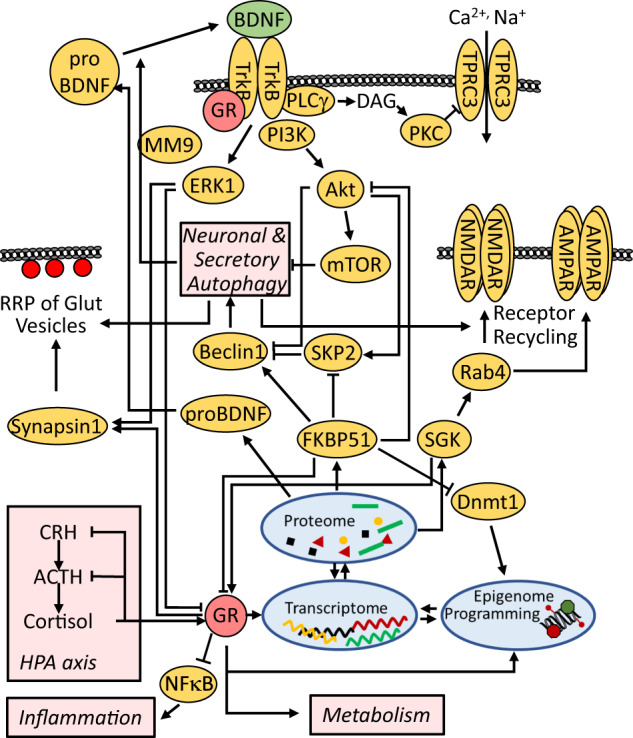
Verification
Claims the paper makes
The claims and statistics of this paper haven’t been checked yet.
Free: it reads the open-access text and checks the first 5 claims that cite a source we can check. Create a free account to check every claim.
Claims other papers make about this one
Each is checked against this paper’s own text: does it say what the citing paper says it does?
The source backs part of the claim, not all of it — or backs it for a different population, condition or comparison.
In the citing paper
“It has been proved that the changes in the structure and function of neurons may occur under the chronic stress and lead to the occurrence of MDD. 37 , 38”
From Major depressive disorder: hypothesis, mechanism, prevention and treatment (2024) · cites this paper as [38]
Experimental — accuracy not yet measuredThe source backs part of the claim, not all of it — or backs it for a different population, condition or comparison.
In the citing paper
“Stress induces cells to release damage-associated molecular patterns (DAMPs), endogenous danger signals, into the extracellular space.”
From Chronic stress, neuroinflammation, and depression: an overview of pathophysiological mechanisms and emerging anti-inflammatories (2023) · cites this paper as [23]
Experimental — accuracy not yet measuredThe source backs part of the claim, not all of it — or backs it for a different population, condition or comparison.
In the citing paper
“The chronic extracellular release of DAMPs and immune cell DAMP-PRR signaling creates a feed forward loop that accelerates peripheral and central inflammation.”
From Chronic stress, neuroinflammation, and depression: an overview of pathophysiological mechanisms and emerging anti-inflammatories (2023) · cites this paper as [23]
Experimental — accuracy not yet measuredThe source backs part of the claim, not all of it — or backs it for a different population, condition or comparison.
In the citing paper
“Concurrently, chronic stress disrupts key neurotransmitter systems, alters neuronal connectivity, and disturbs synaptic network activity, leading to, for example, dysregulated excitatory glutamatergic signaling, impaired dopaminergic transmission, and altered inhibitory GABAergic signaling in specific brain regions [4,24,29,35,36,37].”
From Comparative Analysis of HPA-Axis Dysregulation and Dynamic Molecular Mechanisms in Acute Versus Chronic Social Defeat Stress (2025) · cites this paper as [35]
Experimental — accuracy not yet measuredThe cited source says what the claim attributes to it.
In the citing paper
“DAMPs bind to pattern-recognition receptors (PRRs) on immune cells and activate the innate immune response.”
From Chronic stress, neuroinflammation, and depression: an overview of pathophysiological mechanisms and emerging anti-inflammatories (2023) · cites this paper as [23]
Self-check
Percentages, sums and reported differences re-computed from the paper’s own numbers.
The self-check needs the paper’s full text.
Citations
Cites
Items 201–253 of 253
Yi, L., Luo, J.-F., Xie, B., Liu, J., Wang, J.-Y., Liu, L., Wang, P., Zhou, H., & Dong, Y. (2015) · Shock · doi:10.1097/shk.0000000000000389 · Cited by 57 · cited 1×
“Kynurenic acid is a potent antagonist of peripheral and central nicotinic acetylcholine α-7 receptors, which are linked to cytokine production, inflammation, and the immune reaction [197, 198], and are considered a potential drug target for depression treatment [197–199].”
BackgroundGlial and tissue-specific regulation of Kynurenine Pathway dioxygenases by acute stress of mice
Dostal, C. R., Carson Sulzer, M., Kelley, K. W., Freund, G. G., & McCusker, R. H. (2017) · Neurobiology of Stress · doi:10.1016/j.ynstr.2017.02.002 · Cited by 57
Daskalakis, N. P., Meijer, O. C., & de Kloet, E. R. (2022) · Neurobiology of Stress · doi:10.1016/j.ynstr.2022.100455 · Cited by 57 · cited 1×
“Of note, GR not only drives epigenetic writing, but is also subjected to epigenetic programming [78, 79].”
BackgroundStress and serum cortisol levels in major depressive disorder: a cross-sectional study
G Bertollo, A., 1 Laboratory of Physiology Pharmacology and Psychopathology, G. P. I. B. S., E Grolli, R., E Plissari, M., A Gasparin, V., Quevedo, J., Z Réus, G., D Bagatini, M., M Ignácio, Z., 2 Santa Catarina State University, W. H. E. C., et al. (2020) · AIMS Neuroscience · doi:10.3934/neuroscience.2020028 · Cited by 56 · cited 1×
“In turn, many circulating cytokines can activate the HPA axis and ultimately increase adrenocorticotropic hormone and glucocorticoid levels [149, 152].”
BackgroundChan, R. F., Turecki, G., Shabalin, A. A., Guintivano, J., Zhao, M., Xie, L. Y., van Grootheest, G., Kaminsky, Z. A., Dean, B., Penninx, B. W. J. H., et al. (2020) · Biological Psychiatry · doi:10.1016/j.biopsych.2019.10.014 · Cited by 55
DNA methylation patterns associated with oxidative stress in an ageing population
Hedman, Å. K., Zilmer, M., Sundström, J., Lind, L., & Ingelsson, E. (2016) · BMC Medical Genomics · doi:10.1186/s12920-016-0235-0 · Cited by 54 · cited 1×
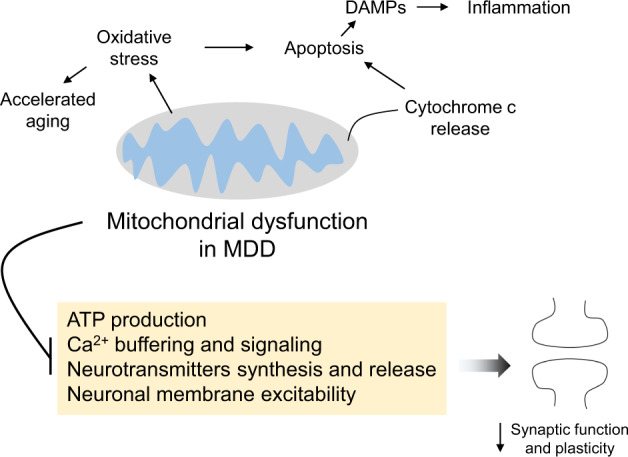
“It can further cause DNA damage [212, 213], alter DNA methylation [214, 215], and induce accelerated aging [216], as reported for MDD [217].”
BackgroundOxidative and Nitrosative stress in major depressive disorder: a case control study
Somani, A., Singh, A. K., Gupta, B., Nagarkoti, S., Dalal, P. K., & Dikshit, M. (2022) · Brain Sciences · doi:10.3390/brainsci12020144 · Cited by 54
Barfield, E. T., & Gourley, S. L. (2018) · Neuroscience & Biobehavioral Reviews · doi:10.1016/j.neubiorev.2018.10.015 · Cited by 53 · cited 3×
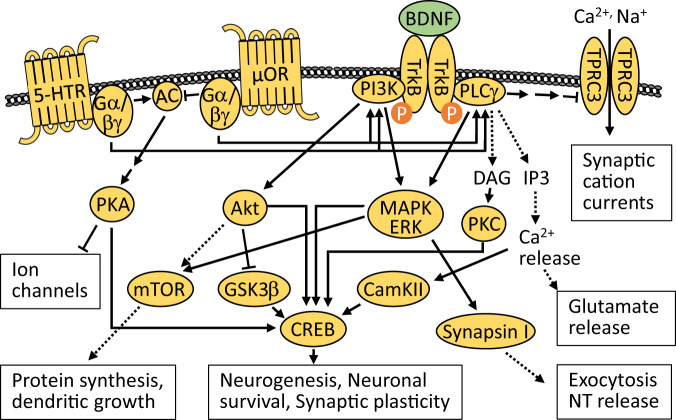
“Furthermore, BDNF-TrkB-PLC-γ signaling via inositol 1,4,5-trisphosphate (IP3) induces the release of Ca from presynaptic intracellular stores, increasing the number of docked synaptic vesicles and enhancing glutamate release [58].”
BackgroundInfluentialRappeneau, V., Wilmes, L., & Touma, C. (2020) · Molecular and Cellular Neuroscience · doi:10.1016/j.mcn.2020.103555 · Cited by 52 · cited 1×
“In fact, mitochondrial damage can ultimately cause the activation of apoptotic pathways, as previously evidenced in peripheral and brain samples of MDD patients [208, 209].”
BackgroundZhang, X., Wei, X., Mei, Y., Wang, D., Wang, J., Zhang, Y., Li, X., Gu, Y., Peng, G., & Sun, B. (2021) · Stem Cell Reports · doi:10.1016/j.stemcr.2021.11.003 · Cited by 51 · cited 3×
“Notably, reactive oxygen species (ROS) at normal levels are important signaling messengers with key roles in neuronal cell function; however, when in high levels and with low antioxidant concentrations, these molecules can be detrimental for neurons and LTP.”
BackgroundInfluentialObesity gene NEGR1 associated with white matter integrity in healthy young adults
Dennis, E. L., Jahanshad, N., Braskie, M. N., Warstadt, N. M., Hibar, D. P., Kohannim, O., Nir, T. M., McMahon, K. L., de Zubicaray, G. I., Montgomery, G. W., et al. (2014) · NeuroImage · doi:10.1016/j.neuroimage.2014.07.041 · Cited by 50 · cited 1×
“NEGR1 SNPs have also been associated with low white matter integrity [20] and responsiveness to selective serotonin (5-HT) reuptake inhibitors [21].”
BackgroundAmare, A. T., Schubert, K. O., Ayele, F. T., Hsu, Y., Sangkuhl, K., Jenkins, G. D., Whaley, R. M., Barman, P., Batzler, A. J., Altman, R. B., et al. (2019) · Journal of Neural Transmission · doi:10.1007/s00702-018-01966-x · Cited by 50 · cited 1×
“NEGR1 SNPs have also been associated with low white matter integrity [20] and responsiveness to selective serotonin (5-HT) reuptake inhibitors [21].”
BackgroundHistone Modifications in Major Depressive Disorder and Related Rodent Models
Deussing, J. M., & Jakovcevski, M. (2017) · Advances in experimental medicine and biology · doi:10.1007/978-3-319-53889-1_9 · Cited by 49 · cited 1×
“Other epigenetic mechanisms include non-coding RNAs [30, 31] and histone modifications [32].”
BackgroundHellewell, S. C., Welton, T., Maller, J. J., Lyon, M., Korgaonkar, M. S., Koslow, S. H., Williams, L. M., Rush, A. J., Gordon, E., & Grieve, S. M. (2019) · Translational Psychiatry · doi:10.1038/s41398-019-0512-8 · Cited by 48 · cited 1×
“These include volume reductions in cortical and subcortical structures [6, 7], reduced gray matter volume throughout the brain, enlarged lateral ventricles, and white matter microstructural differences suggestive of compromised myelin integrity [6, 8, 9].”
BackgroundmiR-132 regulates the expression of synaptic proteins in APP/PS1 transgenic mice through C1q
Xu, N., Li, A.-D., Ji, L.-L., Yao, Y., Wang, Z., & Tong, L. (2019) · European Journal of Histochemistry · doi:10.4081/ejh.2019.3008 · Cited by 48 · cited 1×
“For instance, miR-132, one of the top-ranked upregulated miRNAs in MDD across multiple studies [33], is a regulator of synaptic proteins [34] and synaptic plasticity [35].”
BackgroundLee, V., MacKenzie, G., Hooper, A., & Maguire, J. (2016) · Hippocampus · doi:10.1002/hipo.22604 · Cited by 47 · cited 1×
“Cell-type specific effects include the reduced tonic inhibition in the granule of the dentate gyrus upon chronic stress, likely through reduced expression of the GABAAR δ-subunits and association with impairment in learning and memory, in addition to stress-related depressive-like behavior [89].”
BackgroundIs Autophagy Involved in the Diverse Effects of Antidepressants?
Rein, T. (2019) · Cells · doi:10.3390/cells8010044 · Cited by 46
Self-citationTargeting Metabolic Dysfunction for the Treatment of Mood Disorders: Review of the Evidence
Jones, B. D. M., Farooqui, S., Kloiber, S. M., Husain, M. O., Mulsant, B. H., & Husain, M. I. (2021) · Life · doi:10.3390/life11080819 · Cited by 43 · cited 1×
“Metabolome/kynurenine pathway The combination of nutrients with the host’s metabolism [175] and gut microbes produces a rich variegation of chemicals (i.”
BackgroundMiguel-Hidalgo, J. J., Whittom, A., Villarreal, A., Soni, M., Meshram, A., Pickett, J. C., Rajkowska, G., & Stockmeier, C. A. (2014) · Journal of Affective Disorders · doi:10.1016/j.jad.2014.02.010 · Cited by 42 · cited 1×
“In fact, mitochondrial damage can ultimately cause the activation of apoptotic pathways, as previously evidenced in peripheral and brain samples of MDD patients [208, 209].”
BackgroundKetamine in Major Depressive Disorder: Mechanisms and Future Perspectives
Shin, C., & Kim, Y.-K. (2020) · Psychiatry Investigation · doi:10.30773/pi.2019.0236 · Cited by 42 · cited 1×
“Additionally, ketamine enhances the mTOR complex 1 signaling and increases the number and function of synapses in the prefrontal cortex [42] independently of NMDA receptor inhibition [43].”
BackgroundNew Molecular Targets for Antidepressant Drugs
Kornhuber, J., & Gulbins, E. (2021) · Pharmaceuticals · doi:10.3390/ph14090894 · Cited by 42 · cited 5×
“Peripheral immune cells may also enter the central nervous system (CNS) through the blood-brain barrier (BBB), lymphatic vessels, or direct extravasation into the tissue [126].”
BackgroundInfluentialTreatment-resistant depression and peripheral C-reactive proteinPreprint
Chamberlain, S. R., Cavanagh, J., de Boer, P., et al. (2017) · bioRxiv (Cold Spring Harbor Laboratory) · doi:10.1101/197012 · Cited by 40
Triebelhorn, J., Cardon, I., Kuffner, K., Bader, S. M., Jahner, T., Meindl, K., Rothhammer-Hampl, T., Riemenschneider, M. J., Drexler, K., Berneburg, M., et al. (2022) · Molecular Psychiatry · doi:10.1038/s41380-022-01660-1 · Cited by 40 · cited 3×
“The synaptic and circuit activities of these neurons correlate with disease and treatment response [170, 240, 241], suggesting them as useful cellular models to investigate mechanisms shaping synaptic activity and function, and to test novel antidepressant drugs acting on them, complementing animal models [242].”
BackgroundGlucocorticoids induce autophagy in rat bone marrow mesenchymal stem cells
Wang, L., Fan, J., Lin, Y., Guo, Y., Gao, B., SHI, Q.-Y., Wei, B.-Y., Chen, L., Yang, L., Liu, J., et al. (2014) · Molecular Medicine Reports · doi:10.3892/mmr.2014.3099 · Cited by 39
Suicide and the Polyamine System
Gross, J., & Turecki, G. (2013) · CNS & Neurological Disorders - Drug Targets · doi:10.2174/18715273113129990095 · Cited by 39 · cited 1×
“Polyamines are also important players in the stress response [226] and autophagy, which involves a unique post-translational modification of the eukaryotic translation initiation factor 5A requiring spermidine as an essential substrate [227].”
BackgroundWuchty, S., Myers, A., Ramirez‐Restrepo, M., Huentelman, M. J., Richolt, R., Gould, F., Harvey, P. D., Michopolous, V., Steven, J. S., Wingo, A. P., et al. (2021) · Molecular Psychiatry · doi:10.1038/s41380-021-01084-3 · Cited by 39 · cited 1×
“When tapping into the wealth of correlative data from observational studies for choosing novel targets, a critical step will be the distinction between alterations causing the disease and alterations mounted by the organism to cope with the disease [234].”
BackgroundDNA Methylation in Major Depressive Disorder
Pishva, E., Rutten, B. P. F., & van den Hove, D. (2017) · Advances in experimental medicine and biology · doi:10.1007/978-3-319-53889-1_10 · Cited by 36 · cited 1×
“It can further cause DNA damage [212, 213], alter DNA methylation [214, 215], and induce accelerated aging [216], as reported for MDD [217].”
BackgroundLitke, C., Bading, H., & Mauceri, D. (2018) · Journal of Biological Chemistry · doi:10.1074/jbc.ra117.001613 · Cited by 36 · cited 1×
“Examples include hypermethylation of the histone deacetylase 4 gene, in line with its role in neuronal morphology and dendritic arborization [28], hippocampal-dependent learning and memory, and long-term synaptic plasticity [29].”
BackgroundCalcium-Dependent and Synapsin-Dependent Pathways for the Presynaptic Actions of BDNF
Cheng, Q., Song, S., & Augustine, G. J. (2017) · Frontiers in Cellular Neuroscience · doi:10.3389/fncel.2017.00075 · Cited by 31 · cited 1×
“Another direct link to presynaptic glutamate release operates via the BDNF-TrkB-MAPK/ERK-mediated phosphorylation of synapsin I, thereby facilitating exocytosis and neurotransmitter release [59, 60].”
BackgroundNoh, K., Park, J.-C., Han, J., & Lee, S. J. (2020) · Experimental Neurobiology · doi:10.5607/en.2020.29.1.1 · Cited by 30 · cited 1×
“Top MDD-associated genes in the latest GWAS study are linked to synaptic function: the neuronal growth regulator 1 (NEGR1) controls synapse number and dendritic maturation [19].”
BackgroundLiang, L., Chen, J., Xiao, L., Wáng, Q., & Wang, G. (2022) · Translational Psychiatry · doi:10.1038/s41398-021-01727-7 · Cited by 29
Wagner, S., Kayser, S., Engelmann, J., Schlicht, K. F., Dreimüller, N., Tüscher, O., Müller-Dahlhaus, F., Braus, D. F., Tadić, A., Neyazi, A., et al. (2019) · The World Journal of Biological Psychiatry · doi:10.1080/15622975.2018.1425478 · Cited by 28 · cited 1×
“Of note, BDNF levels increase after antidepressant treatment and electroconvulsive therapy [51], and higher BDNF levels are associated with better cognitive performance in both patients and controls [54].”
BackgroundPerinatal stress and epigenetics.
(2021) · Handbook of Clinical Neurology · doi:10.1016/b978-0-12-820107-7.00008-2 · Cited by 28
Decoding the neuroscience of consciousness
Sohn, E. (2019) · Nature · doi:10.1038/d41586-019-02207-1 · Cited by 26 · cited 1×
“Despite the epistemological limitations, and irrespective of the differences between the naturalist theories of consciousness [13, 14], the essential role of synaptic activity in giving rise to higher network pathways from which cognitive, emotional, and behavioral functions emerge is undisputed.”
BackgroundGlucocorticoids negatively regulates chaperone mediated autophagy and microautophagy
Sato, M., Ueda, E., Konno, A., Hirai, H., Kurauchi, Y., Hisatsune, A., Katsuki, H., & Seki, T. (2020) · Biochemical and Biophysical Research Communications · doi:10.1016/j.bbrc.2020.04.132 · Cited by 26
Sbardella, D., Tundo, G. R., Coletta, M., Manni, G., & Oddone, F. (2021) · International Journal of Molecular Sciences · doi:10.3390/ijms22115891 · Cited by 25
Early Life Stress and the Fate of Kynurenine Pathway Metabolites
Coplan, J. D., George, R., Syed, S. A., Rozenboym, A. V., Tang, J. E., Fulton, S. L., & Perera, T. D. (2021) · Frontiers in Human Neuroscience · doi:10.3389/fnhum.2021.636144 · Cited by 23
Kynurenine pathway is altered in BDNF Val66Met knock-in mice: Effect of physical exercise
Ieraci, A., Beggiato, S., Ferraro, L., Barbieri, S. S., & Popoli, M. (2020) · Brain Behavior and Immunity · doi:10.1016/j.bbi.2020.07.031 · Cited by 22 · cited 1×
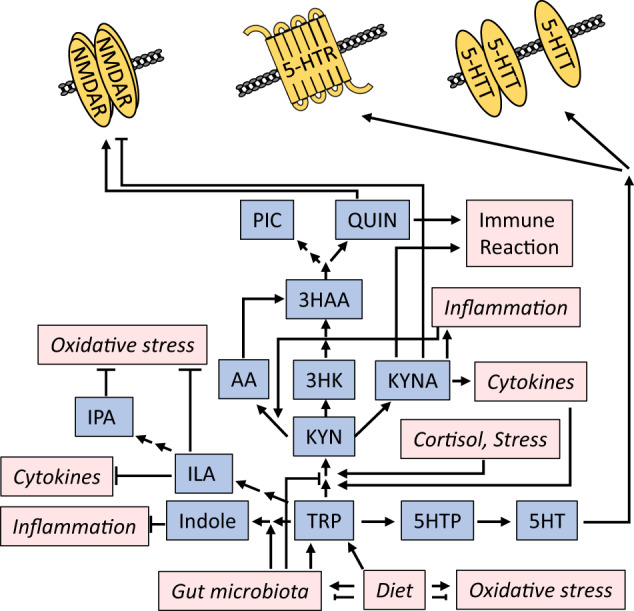
“The kynurenine pathway is intertwined with numerous depression pathways, for example inflammation and immune cell activity, acute, chronic mild, and early-life stress [200–202], oxidative stress and mitochondrial function [203, 204], and BDNF signaling [205, 206] (Fig.”
BackgroundPérez de la Mora, M., Borroto-Escuela, D. O., Crespo-Ramírez, M., Rejón-Orantes, J. D. C., Palacios-Lagunas, D. A., Martínez-Mata, M. K., Sánchez-Luna, D., Tesoro-Cruz, E., & Fuxe, K. (2022) · Cells · doi:10.3390/cells11111826 · Cited by 21
Vieira, É. L. M., Mendes‐Silva, A. P., Ferreira, J. D. R., Bertola, L., Barroso, L., Vieira, M., Teixeira, A. L., & Diniz, B. S. (2020) · Journal of Affective Disorders · doi:10.1016/j.jad.2020.09.084 · Cited by 20 · cited 1×
“It can further cause DNA damage [212, 213], alter DNA methylation [214, 215], and induce accelerated aging [216], as reported for MDD [217].”
BackgroundHomorogan, C., Nițușcă, D., Șeclăman, E. P., ENĂTESCU, V. R., & Marian, C. (2021) · Life · doi:10.3390/life11101073 · Cited by 20 · cited 2×
“Inhibiting miR-132 improves depressive-like symptoms and upregulates brain-derived neurotrophic factor (BDNF) expression in animal models [33].”
BackgroundThe role of base excision repair in major depressive disorder and bipolar disorder
Küçüker, M. U., Özerdem, A., Ceylan, D., Cabello-Arreola, A., Ho, A. M., Joseph, B., Webb, L. M., Croarkin, P. E., Frye, M. A., & Veldić, M. (2022) · Journal of Affective Disorders · doi:10.1016/j.jad.2022.03.033 · Cited by 20
Zeitler, S., Ye, L., Andreyeva, A., Schumacher, F., Monti, J., Nürnberg, B., Nowak, G., Kleuser, B., Reichel, M., Fejtová, A., et al. (2019) · Journal of Neurochemistry · doi:10.1111/jnc.14823 · Cited by 17 · cited 1×
“Importantly, ASM/ceramides are linked to synaptic activity and pathways that had been associated with MDD before: these include TRPC6 and thus growth cone guidance, spine morphology, dendritic outgrowth and neuronal survival [248], as well as PKC and regulation of tubulin, GSK-3β, and β-catenin [67].”
BackgroundJansch, C., Ziegler, G. C., Forero, A., Gredy, S., Wäldchen, S., Vitale, M. R., Svirin, E. P., Zöller, J. E. M., Waider, J., Günther, K., et al. (2021) · Journal of Neural Transmission · doi:10.1007/s00702-021-02303-5 · Cited by 17
Okamoto, N., Natsuyama, T., Igata, R., Konishi, Y., Tesen, H., Ikenouchi, A., & Yoshimura, R. (2021) · Frontiers in Psychiatry · doi:10.3389/fpsyt.2021.696059 · Cited by 17 · cited 1×
“The kynurenine pathway is intertwined with numerous depression pathways, for example inflammation and immune cell activity, acute, chronic mild, and early-life stress [200–202], oxidative stress and mitochondrial function [203, 204], and BDNF signaling [205, 206] (Fig.”
BackgroundBiomarkers of Oxidative Stress in Major Depressive Disorder
Hamed, R. A., Elmalt, H. A., Salama, A., Abozaid, S. Y., & Ahmed, A. (2020) · Open Access Macedonian Journal of Medical Sciences · doi:10.3889/oamjms.2020.4144 · Cited by 15 · cited 1×
“Moreover, positive correlations with illness duration suggest a progressive course of mitochondrial dysfunction and oxidative damage with the disease [161].”
BackgroundConsciousness: A Molecular Perspective
Prentner, R. (2017) · Philosophies · doi:10.3390/philosophies2040026 · Cited by 13 · cited 1×
“Despite the epistemological limitations, and irrespective of the differences between the naturalist theories of consciousness [13, 14], the essential role of synaptic activity in giving rise to higher network pathways from which cognitive, emotional, and behavioral functions emerge is undisputed.”
BackgroundRyu, H., Cheon, M., & Chung, C. (2020) · Neuroscience · doi:10.1016/j.neuroscience.2020.12.020 · Cited by 13
Intracellular Signaling Pathways Implicated in the Pathophysiology of Depression
Réus, G. Z., Generoso, J. S., Rodrigues, A. L. S., & Quevedo, J. (2019) · Elsevier eBooks · doi:10.1016/b978-0-12-813333-0.00010-x · Cited by 10 · cited 1×
“By activating TrkB receptors, BDNF modulates MAPK/ERK and PI3K/Akt pathways [61], ultimately contributing to impairments in neuronal plasticity and survival.”
BackgroundCELF4 regulates spine formation and depression-like behaviors of mice
Shen, Y., Zhang, C., Xiao, K., Liu, D., & Xie, G. (2022) · Biochemical and Biophysical Research Communications · doi:10.1016/j.bbrc.2022.03.067 · Cited by 10 · cited 1×
“CELF4 levels were recently shown to be decreased in an animal model of depression along with decreased spine number [24].”
BackgroundKuijpers, M., & Haucke, V. (2021) · Autophagy · doi:10.1080/15548627.2021.1893569 · Cited by 8
Kirmeier, T., Gopalakrishnan, R., Gormanns, V., Werner, A. M., Cuboni, S., Rudolf, G. C., Höfner, G. C., Wanner, K. T., Sieber, S. A., Schmidt, U., et al. (2016) · PLoS ONE · doi:10.1371/journal.pone.0148608 · Cited by 6 · cited 1×
“Finally, since pathways into a disease may not simply be the reverse pathways out of a disease, much is expected to be learnt from deciphering resilience factors [244] and the still not entirely resolved molecular actions of antidepressants [245, 246].”
BackgroundSelf-citationWagner, S. (2017) · Pharmacopsychiatry · doi:10.1055/s-0037-1606406 · Cited by 5
Cited by
Major depressive disorder: hypothesis, mechanism, prevention and treatment
Cui, L., Li, S., Wang, S., Wu, X., Liu, Y., Yu, W., Wang, Y., Tang, Y., Xia, M., & Li, B. (2024) · Signal Transduction and Targeted Therapy · doi:10.1038/s41392-024-01738-y · Cited by 1,244
“It has been proved that the changes in the structure and function of neurons may occur under the chronic stress and lead to the occurrence of MDD. 37,38 In some MDD patients, stress leads to long-term elevated glucocorticoids, resulting in synaptic structural changes and remodeling, and the…”
BackgroundMarx, W., Penninx, B. W. J. H., Solmi, M., Furukawa, T. A., Firth, J., Carvalho, A. F., & Berk, M. (2023) · Nature Reviews Disease Primers · doi:10.1038/s41572-023-00454-1 · Cited by 768
“…which is involved in detecting and assigning salience to emotional and motivational stimuli, people with MDD exhibit increased resting-state connectivity and heightened activation of the amygdala 70 , dorsal anterior cingulate and anterior insula compared with healthy controls 25,40,64,71 .”
Hassamal, S. (2023) · Frontiers in Psychiatry · doi:10.3389/fpsyt.2023.1130989 · Cited by 578
“Several DAMPs have been implicated in depression, including high mobility group box-1 (HMGB-1), extracellular ATP, purine bases and metabolites, heat shock proteins (HSPs), S100 proteins, and galectin- 3 (Gal-3) (23).”
BackgroundExploring the Role of Neuroplasticity in Development, Aging, and Neurodegeneration
Marzola, P., Melzer, T., Pavesi, E., Gil-Mohapel, J., & Brocardo, P. S. (2023) · Brain Sciences · doi:10.3390/brainsci13121610 · Cited by 281
“Of note, deficits in adult hippocampal neurogenesis (as well as other forms of structural and functional plasticity) have been implicated not only in normal aging [63], but also in various psychiatric [69] and neurodegenerative [70,71] conditions.”
BackgroundKouba, B. R., de Araujo Borba, L., Borges de Souza, P., Gil-Mohapel, J., & Rodrigues, A. L. S. (2024) · Cells · doi:10.3390/cells13050423 · Cited by 209
“…are also associated with other mechanisms involved in MDD, including hyperactivity of the hypothalamic-pituitary-adrenal (HPA) axis, dysfunction of the glutamatergic system, impairment of neuroplasticity, dysbiosis of the gut microbiota, and alterations in tryptophan (TRP) metabolism [3,8,9].”
Background
Metadata
- Authors
- Fries, G. R., Saldana, V. A., Finnstein, J., & Rein, T.
- Affiliations
- The University of Texas MD Anderson Cancer Center (US)
- Quinnipiac University (US)
- Max Planck Institute of Psychiatry (DE)
- Corresponding author
- Fries, Gabriel R.
- Rein, Theo
- Venue
- Molecular Psychiatry
- Published
- 2022-10-06
- Volume
- 28
- Issue
- 1
- Pages
- 284-297
- ISSN
- 1359-4184 (ISSN-L)
- 1476-5578
- PMC
- PMC9540059
- OpenAlex
- W4302293782
- Cited by
- 504
- References
- 248
- Citations by year
- 2026: 134 · 2025: 177 · 2024: 133 · 2023: 59 · 2022: 1
- FWCI
- 13.29
- Type
- journal article
- Language
- en
- Open access
- hybrid
- doi.org
- Licence
- cc-by
- creativecommons.org/licenses/by/4.0 (tdm)
- creativecommons.org/licenses/by/4.0 (vor)
- Locations
- Molecular Psychiatry (publishedVersion, cc-by)
- PubMed Central (publishedVersion, cc-by)
- PubMed (publishedVersion)
- Digital Commons-TMC (Texas Medical Center) (submittedVersion)
- Funders
- U.S. Department of Health & Human Services | NIH | National Institute of Mental Health (K01 MH121580)
- Topics
- Health Sciences › Medicine › Pharmacology (medical) › Treatment of Major Depression
- Life Sciences › Neuroscience › Cellular and Molecular Neuroscience › Neuroscience and Neuropharmacology Research
- Life Sciences › Neuroscience › Cellular and Molecular Neuroscience › Neurotransmitter Receptor Influence on Behavior
- Keywords
- major depressive disorder, synaptic transmission, monoamines, stress, neurotrophins, neurogenesis, excitatory and inhibitory neurotransmission, mitochondrial dysfunction, epigenetics, inflammation, opioid system, myelination, gut-brain axis, neurobiology of depression, molecular pathways
- MeSH terms
- Depressive Disorder, Major, Major Depressive Disorder, Humans, Inflammation, Synaptic Transmission, Synapses, Signal Transduction
About these checks
Registry, retraction, Cites and statistics results are computed, not judged, with one exception: a printed reference that no index lists is read once by a model before it counts as a citation error. Claims are extracted by a model and kept only when their quote appears verbatim in the text; each cited source is then checked, with a model’s help, for whether it says what the claim relies on. Those verdicts can be wrong — read the claim’s quote and the cited source before relying on one.
Statistics and arithmetic are recomputed, not judged.
Confidence bands are shown only for fields calibrated on our annotated test set. None is calibrated yet, so no band is shown.
What counts as a claim ›How we measure confidence ›How we check this ›
Are you an author, or do you see a problem with this page? Request a review
Data sources
Bibliographic data: Semantic Scholar, OpenAlex, Crossref.
Contains information from the Semantic Scholar Academic Graph Datasets, made available under the ODC Attribution License (ODC-BY 1.0).
Semantic Scholar’s data is described in: Kinney, R., et al. (2023). The Semantic Scholar Open Data Platform. arXiv:2301.10140.
