

ALDH2 contributes to melatonin-induced protection against APP/PS1 mutation-prompted cardiac anomalies through cGAS-STING-TBK1-mediated regulation of mitophagy
Open accessThe DOI matches its Crossref record; 70 of the 70 references it cites were found in a registry or an index.
Abstract
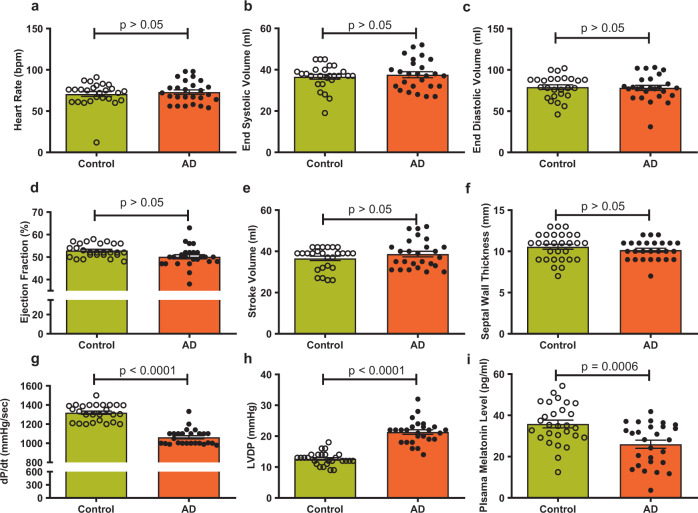
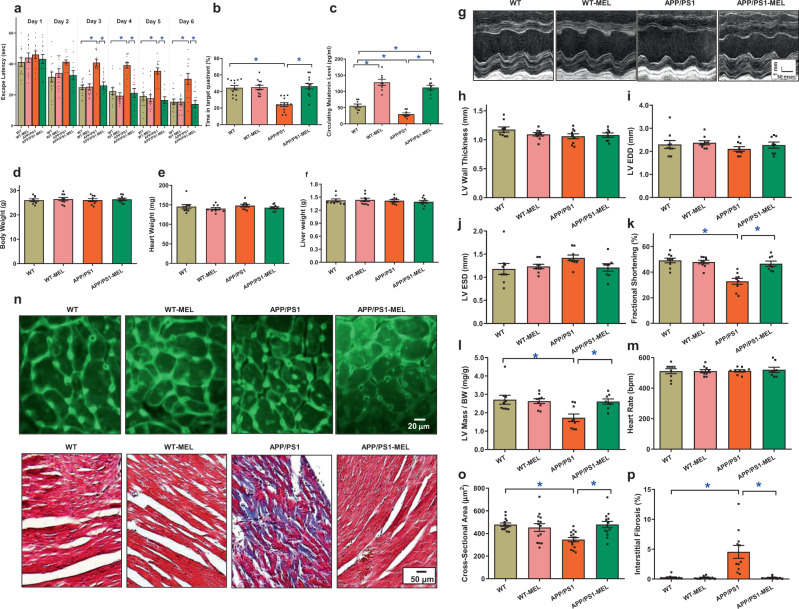
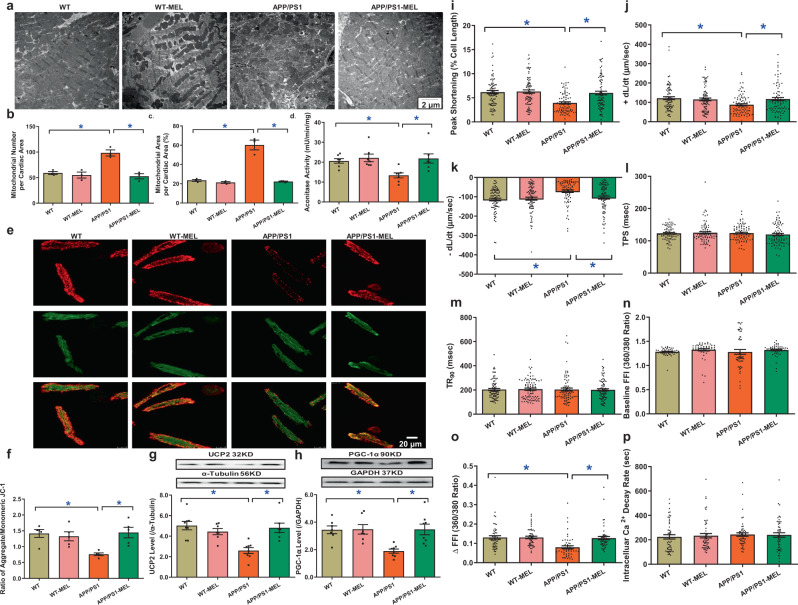
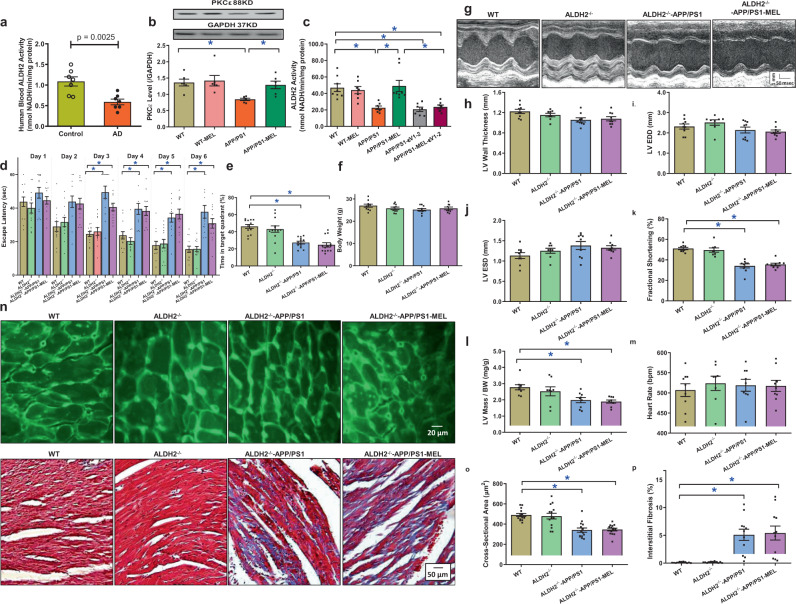
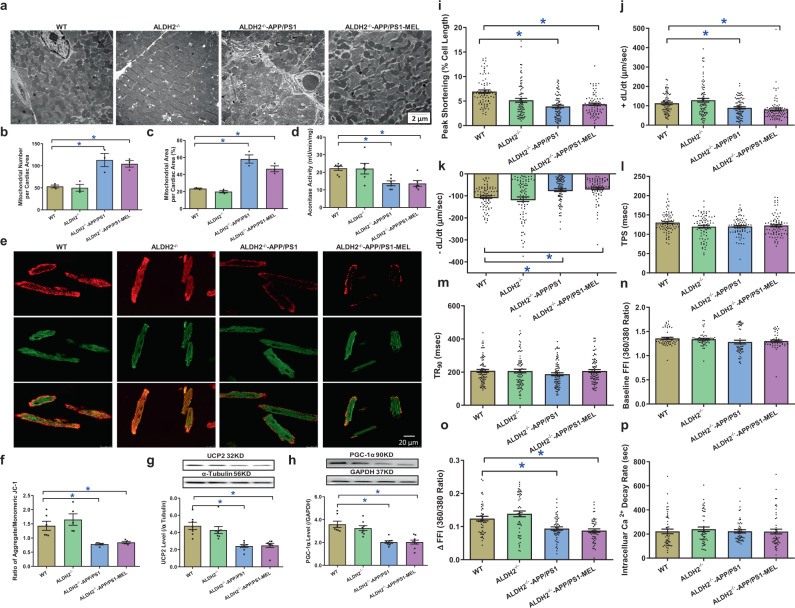
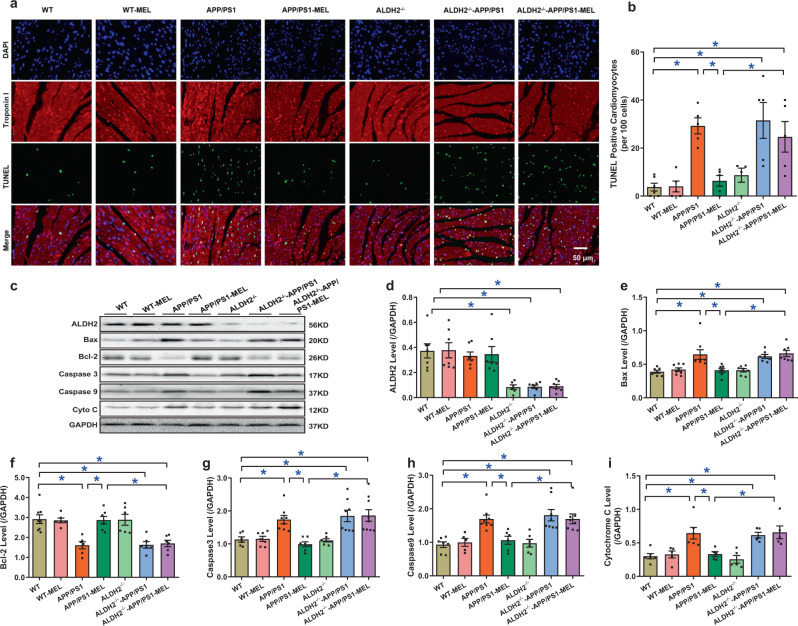
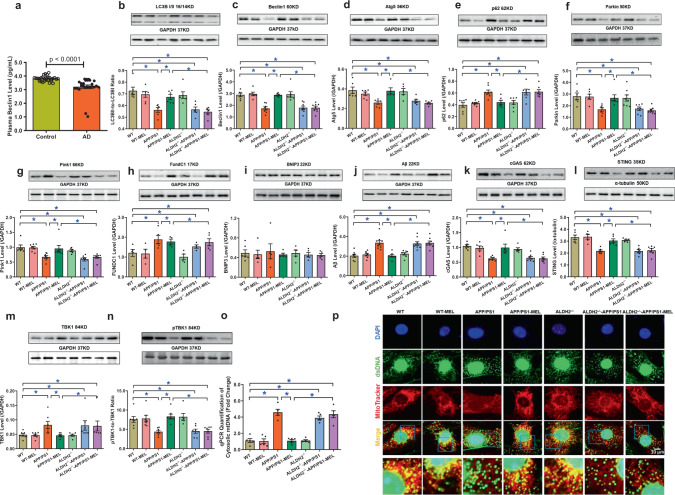
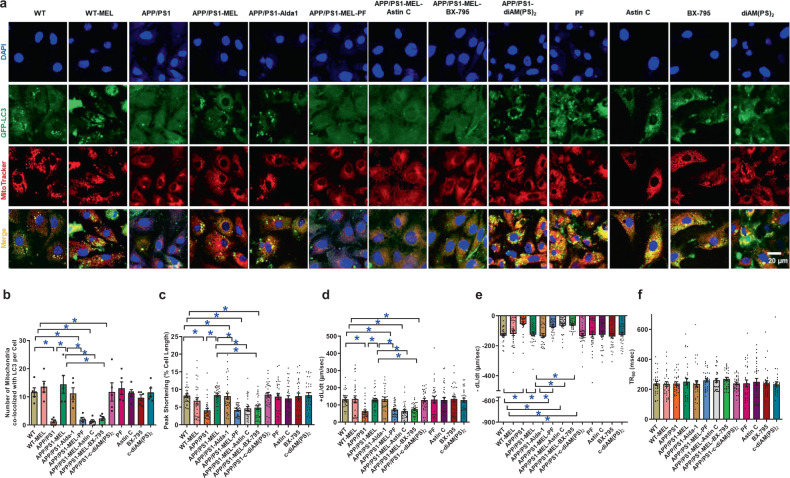
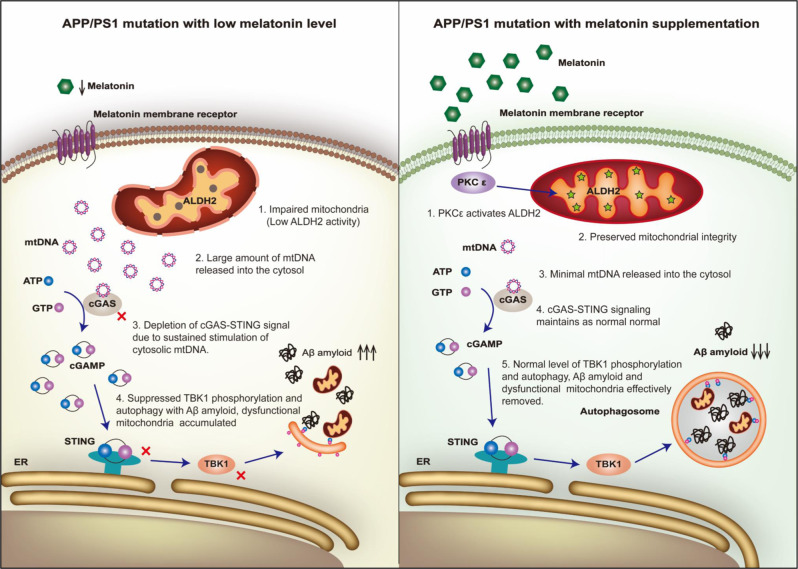
Ample clinical evidence suggests a high incidence of cardiovascular events in Alzheimer’s disease (AD), although neither precise etiology nor effective treatment is available. This study was designed to evaluate cardiac function in AD patients and APP/PS1 mutant mice, along with circulating levels of melatonin, mitochondrial aldehyde dehydrogenase (ALDH2) and autophagy. AD patients and APP/PS1 mice displayed cognitive and myocardial deficits, low levels of circulating melatonin, ALDH2 activity, and autophagy, ultrastructural, geometric (cardiac atrophy and interstitial fibrosis) and functional (reduced fractional shortening and cardiomyocyte contraction) anomalies, mitochondrial injury, cytosolic mtDNA buildup, apoptosis, and suppressed autophagy and mitophagy. APP/PS1 mutation downregulated cyclic GMP-AMP synthase (cGAS) and stimulator of interferon genes (STING) levels and TBK1 phosphorylation, while promoting Aβ accumulation. Treatment with melatonin overtly ameliorated unfavorable APP/PS1-induced changes in cardiac geometry and function, apoptosis, mitochondrial integrity, cytosolic mtDNA accumulation (using both immunocytochemistry and qPCR), mitophagy, and cGAS-STING-TBK1 signaling, although these benefits were absent in APP/PS1/ALDH2 −/− mice. In vitro evidence indicated that melatonin attenuated APP/PS1-induced suppression of mitophagy and cardiomyocyte function, and the effect was negated by the nonselective melatonin receptor blocker luzindole, inhibitors or RNA interference of cGAS, STING, TBK1, and autophagy. Our data collectively established a correlation among cardiac dysfunction, low levels of melatonin, ALDH2 activity, and autophagy in AD patients, with compelling support in APP/PS1 mice, in which melatonin rescued myopathic changes by promoting cGAS-STING-TBK1 signaling and mitophagy via an ALDH2-dependent mechanism.
Overview
The claims and statistics of this paper haven’t been checked yet.
Free: it reads the open-access text and checks the first 5 claims that cite a source we can check. Create a free account to check every claim.
Integrity signals
Registry
Cites
Statistics
Figures
Verification
Claims the paper makes
The claims and statistics of this paper haven’t been checked yet.
Free: it reads the open-access text and checks the first 5 claims that cite a source we can check. Create a free account to check every claim.
Claims other papers make about this one
Each is checked against this paper’s own text: does it say what the citing paper says it does?
The source backs part of the claim, not all of it — or backs it for a different population, condition or comparison.
In the citing paper
“Moreover, the beneficial effects of melatonin on mouse hearts, which depend on the regulation of ALDH2 activity, could not be assessed due to mutations or deficiencies in ALDH2.”
From Recent advances in Alzheimer's disease: Mechanisms, clinical trials and new drug development strategies. (2024) · cites this paper as [14]
Experimental — accuracy not yet measuredThe source backs part of the claim, not all of it — or backs it for a different population, condition or comparison.
In the citing paper
“For instance, the deficiency or mutation in aldehyde dehydrogenase (ALDH2) may influence melatonin administration, which could potentially benefit AD patients experiencing cardiac dysfunction.”
From Recent advances in Alzheimer's disease: Mechanisms, clinical trials and new drug development strategies. (2024) · cites this paper as [14]
Experimental — accuracy not yet measured
Self-check
Percentages, sums and reported differences re-computed from the paper’s own numbers.
The self-check needs the paper’s full text.
Citations
Cites
2 retracted
Zhou, H., Li, D., Zhu, P., Ma, Q., Toan, S., Wang, J., Hu, S., Chen, Y., & Zhang, Y. (2018) · Journal of Pineal Research · doi:10.1111/jpi.12503 · Cited by 247
Self-citationRetractedLin, K., Chiu, C., Kuo, W., Ju, D., Shen, C.-Y., Chen, R., Lin, C., Viswanadha, V. P., Liu, J., Huang, R.-F. S., et al. (2017) · Environmental Toxicology · doi:10.1002/tox.22498 · Cited by 18
RetractedAlzheimer's Disease: Genes, Proteins, and Therapy
Selkoe, D. J. (2001) · Physiological Reviews · doi:10.1152/physrev.2001.81.2.741 · Cited by 6,063
Autophagy induction via STING trafficking is a primordial function of the cGAS pathway
Gui, X., Yang, H., Li, T., Tan, X., Shi, P., Li, M., Du, F., & Chen, Z. J. (2019) · Nature · doi:10.1038/s41586-019-1006-9 · Cited by 1,269 · cited 4×
“More recent evidence indicated a more variable role for cGAS-STING-TBK1 beyond immunity, including metabolic derangement.36,67 Notably, STING may directly activate LC3 to promote autophagy independent of TBK1.”
BackgroundInfluentialThe Hippo pathway in organ size control, tissue regeneration and stem cell self-renewal
Zhao, B., Tumaneng, K., & Guan, K.-L. (2011) · Nature Cell Biology · doi:10.1038/ncb2303 · Cited by 1,205
Targeting Aldehyde Dehydrogenase 2: New Therapeutic Opportunities
Chen, C.-H., Ferreira, J. C. B., Gross, E. R., & Mochly-Rosen, D. (2014) · Physiological Reviews · doi:10.1152/physrev.00017.2013 · Cited by 614
STING directly activates autophagy to tune the innate immune response
Liu, D., Wu, H., Wang, C., Li, Y., Tian, H., Siraj, S., Sehgal, S. A., Wang, X., Wang, J., Shang, Y., et al. (2019) · Cell Death & Differentiation · doi:10.1038/s41418-018-0251-z · Cited by 423 · cited 4×
“More recent evidence indicated a more variable role for cGAS-STING-TBK1 beyond immunity, including metabolic derangement.36,67 Notably, STING may directly activate LC3 to promote autophagy independent of TBK1.”
BackgroundInfluentialSelf-citationClark, K., Plater, L., Peggie, M., & Cohen, P. (2009) · Journal of Biological Chemistry · doi:10.1074/jbc.m109.000414 · Cited by 385 · cited 2×
“7 μM), 46 or the TBK1 inhibitor BX795 (1 μM).(47) As expected, cardiomyocytes from APP/PS1 mice had overtly compromised cardiomyocyte shortening, as manifested by PS and ±dL/dt, without affecting TPS or TR90.”
BackgroundThe human pineal gland and melatonin in aging and Alzheimer's disease
Wu, Y., & Swaab, D. F. (2005) · Journal of Pineal Research · doi:10.1111/j.1600-079x.2004.00196.x · Cited by 369
Bai, J., Cervantes, C., Liu, J., He, S., Zhou, H., Zhang, B., Cai, H., Yin, D., Hu, D., Li, Z., et al. (2017) · Proceedings of the National Academy of Sciences · doi:10.1073/pnas.1708744114 · Cited by 310 · cited 1×
“More recent evidence indicated a more variable role for cGAS-STING-TBK1 beyond immunity, including metabolic derangement.(36,67) Notably, STING may directly activate LC3 to promote autophagy independent of TBK1.”
BackgroundSelf-citation
Cited by
Zhang, J., Zhang, Y., Wang, J., Xia, Y., Zhang, J., & Chen, L. (2024) · Signal Transduction and Targeted Therapy · doi:10.1038/s41392-024-01911-3 · Cited by 1,138
Targeting autophagy in ischemic stroke: From molecular mechanisms to clinical therapeutics
Ajoolabady, A., Wang, S., Kroemer, G., Penninger, J. M., Uversky, V. N., Pratico, D., Henninger, N., Reiter, R. J., Bruno, A., Joshipura, K., et al. (2021) · Pharmacology & Therapeutics · doi:10.1016/j.pharmthera.2021.107848 · Cited by 333
Self-citationCytosolic DNA sensing by cGAS: regulation, function, and human diseases
Yu, L., & Liu, P. (2021) · Signal Transduction and Targeted Therapy · doi:10.1038/s41392-021-00554-y · Cited by 269
“(Table 2) For example, in Alzheimer’s disease (AD)-associated cardiac dysfunction, mutations of AD genes PS1 (presenilin 1), and PS2 suppressed mitophagy and contractile function through downregulating the cGAS/STING signaling.(193) In ALS (amyotrophic lateral sclerosis), cytoplasmic accumulation of the nuclear DNA/RN…”
BackgroundMitophagy in cardiovascular diseases: molecular mechanisms, pathogenesis, and treatment
Ajoolabady, A., Chiong, M., Lavandero, S., Klionsky, D. J., & Ren, J. (2022) · Trends in Molecular Medicine · doi:10.1016/j.molmed.2022.06.007 · Cited by 258
Self-citationThe multifaceted regulation of mitophagy by endogenous metabolites
Zhang, T., Liu, Q., Gao, W., Sehgal, S. A., & Wu, H. (2022) · Autophagy · doi:10.1080/15548627.2021.1975914 · Cited by 197
“omyocytes in mice model with Alzheimer disease [266].”
BackgroundZhu, Z., Liu, Y., Yan Fang, G. O. N. G., Wei, J. J., Topchiy, E., Turdi, S., Gao, Y., Culver, B. W., Wang, S., Ge, W., et al. (2021) · Acta Pharmacologica Sinica · doi:10.1038/s41401-021-00635-2 · Cited by 153
Self-citationMitophagy and cGAS–STING crosstalk in neuroinflammation
Zhou, X., Wang, J., Yu, L., Qiao, G., Qin, D., Yuen-Kwan Law, B., Ren, F., Wu, J., & Wu, A. (2024) · Acta Pharmaceutica Sinica B · doi:10.1016/j.apsb.2024.05.012 · Cited by 131
The cGAS-STING pathway-dependent sensing of mitochondrial DNA mediates ocular surface inflammation
Ouyang, W., Wang, S., Yan, D., Wu, J., Zhang, Y., Li, W. S., Hu, J., & Liu, Z. (2023) · Signal Transduction and Targeted Therapy · doi:10.1038/s41392-023-01624-z · Cited by 151
“24 Under various stress conditions, the DNA from the nucleus and mitochondria release into the cytoplasm.”
BackgroundSelf-citationMitophagy Receptors and Mediators: Therapeutic Targets in the Management of Cardiovascular Ageing
Ajoolabady, A., Aslkhodapasandhokmabad, H., Aghanejad, A., Zhang, Y., & Ren, J. T. (2020) · Ageing Research Reviews · doi:10.1016/j.arr.2020.101129 · Cited by 106
Self-citationQuan, S., Fu, X., Cai, H., Ren, Z., Xu, Y., & Jia, L. (2025) · Molecular Neurodegeneration · doi:10.1186/s13024-025-00815-2 · Cited by 117
“Wang et al. found that the expression levels of cGAS and STING were significantly downregulated in the cardiomyocytes of APP/PS1 mice [175], despite the large aggregation of cytoplasmic mtDNA.”
Hu, H., Guo, L., Overholser, J. P., & Wang, X. (2022) · Cells · doi:10.3390/cells11193174 · Cited by 103
Self-citationGuo, Y., You, Y., Shang, F., Wang, X., Huang, B., Zhao, B., Lv, D., Yang, S., Xie, M., Kong, L., et al. (2023) · Theranostics · doi:10.7150/thno.84049 · Cited by 93
“Thirdly, besides mediating inflammation, cGAS also participates many other cell process, such as apoptosis and autophagy [45,46], which further underlies the critical role of cGAS-STING pathway in cardiovascular diseases.”
Self-citationChen, L., Yin, Z., Qin, X., Zhu, X., Chen, X., Ding, G., Sun, D., Wu, N. N., Fei, J., Bi, Y., et al. (2022) · Pharmacological Research · doi:10.1016/j.phrs.2022.106086 · Cited by 83
Self-citationDu, Y., Demillard, L. J., & Ren, J. T. (2021) · Life Sciences · doi:10.1016/j.lfs.2021.120106 · Cited by 89
Self-citationXia, J. L., Li, S., Liu, S., & Zhang, L. (2023) · MedComm · doi:10.1002/mco2.195 · Cited by 96
Liu, H., Hu, Q., Ren, K., Wu, P., Wang, Y., & Lv, C. (2023) · Molecular Medicine · doi:10.1186/s10020-023-00769-5 · Cited by 85
“T ELISA was used to evaluate the expression levels of IL-6, IL-1β, and TNF-α in the supernatant of H9C2 cells after cGAS knockdown in different groups (n = 3) to the excessive consumption of the cytoplasmic DNA sensor cGAS, and inflammation persists, leading to this result (Wang et al. 2020).”
BackgroundMethodInfluentialZhang, G., Wei, H., Zhao, A., Xu, Y., Zhang, X., Gan, J., Guo, M., Wang, J., Zhang, F., Jiang, Y., et al. (2025) · Journal of Neuroinflammation · doi:10.1186/s12974-025-03363-0 · Cited by 88
“…involve multiple actions of melatonin, including the improvement of mtDNA oxidative damage [404], enhancement of PINK1/Parkin-mediated mitophagy [201, 405], and upregulation of the expression of mtDNA PD: Parkinson’s disease; TBI: traumatic brain injury; IS: ischemic stroke; CIRI: cerebral…”
Gong, J., Gao, X., Ge, S., Li, H., Wang, R., & Zhao, L. (2023) · International Journal of Biological Sciences · doi:10.7150/ijbs.84890 · Cited by 77
“…cardiac abnormalities, melatonin treatment was shown to ameliorate myocardial remodelling and contractile abnormalities through the restoration of cGAS-STING-TBK1 signalling pathway-mediated disruption of mitochondrial integrity in mice via the mitochondrial aldehyde dehydrogenase ALDH2 [112].”
BackgroundYin, Z., Ding, G., Chen, X., Qin, X., Xu, H., Zeng, B., Ren, J. T., Zheng, Q., & Wang, S. (2020) · Metabolism · doi:10.1016/j.metabol.2020.154397 · Cited by 70
Self-citationYan Fang, G. O. N. G., Li, G., Tao, J., Wu, N. N., Kandadi, M. R., Bi, Y., Wang, S., Pei, Z., & Ren, J. T. (2020) · Biochimica et Biophysica Acta (BBA) - Molecular Basis of Disease · doi:10.1016/j.bbadis.2020.165855 · Cited by 70
Self-citationGao, J., Hao, Y., Piao, X., & Gu, X. (2022) · International Journal of Molecular Sciences · doi:10.3390/ijms23052682 · Cited by 83
Roy, J., Wong, K. Y., Aquili, L., Uddin, M. S., Heng, B. C., Tipoe, G. L., Wong, K.-H., Fung, M., & Lim, L. W. (2022) · Frontiers in Neuroendocrinology · doi:10.1016/j.yfrne.2022.100986 · Cited by 66
The cGAS–STING pathway: more than fighting against viruses and cancer
Bao, T., Liu, J., Leng, J., & Cai, L. (2021) · Cell & Bioscience · doi:10.1186/s13578-021-00724-z · Cited by 68
Wu, N. N., Wang, L., Wang, L., Xu, X., Lopaschuk, G. D., Zhang, Y., & Ren, J. T. (2023) · Experimental & Molecular Medicine · doi:10.1038/s12276-022-00923-9 · Cited by 67
Self-citationWang, Z., Gao, Z., Zheng, Y., Kou, J., Song, D., Yu, X. L., Dong, B., Chen, T., Yang, Y., Gao, X., et al. (2023) · Journal of Pineal Research · doi:10.1111/jpi.12855 · Cited by 62
Min, J., Wu, L., Liu, Y., Song, G., Deng, Q., Wei, J. J., Yu, W., Abudureyimu, M., Pei, Z., & Ren, J. T. (2022) · Life Sciences · doi:10.1016/j.lfs.2022.121207 · Cited by 67
Self-citationAutophagy in sarcopenia: Possible mechanisms and novel therapies
Xie, G., Jin, H., Mikhail, H., Pavel, V., Yang, G., Ji, B., Lu, B., & Li, Y. (2023) · Biomedicine & Pharmacotherapy · doi:10.1016/j.biopha.2023.115147 · Cited by 65
Zhao, J., Yu, L., Xue, X., Xu, Y., Huang, T., Xu, D., Wang, Z., Luo, L., & Wang, H. (2023) · Redox Biology · doi:10.1016/j.redox.2022.102594 · Cited by 59
“Moreover, cardiac dysfunction of AD model mice and cytotoxicity of Aβ to cardiomyocytes have been reported [24,36,37].”
BackgroundHan, J., Dai, S., Zhong, L., Shi, X., Fan, X., Zhong, X., Lin, W., Su, L., Lin, S., Han, B., et al. (2022) · Hypertension · doi:10.1161/hypertensionaha.122.20004 · Cited by 55
cGAS-STING targeting offers novel therapeutic opportunities in neurological diseases
Wang, H., Fleishman, J. S., Wu, S., Wang, G., Du, L., Li, J., & Du, J. (2025) · Ageing Research Reviews · doi:10.1016/j.arr.2025.102691 · Cited by 59
Tan, Y., Xu, X., Dai, J., Yin, Y., He, X., Zhang, Y., Zhu, T.-X., An, Y., Tian, B., & Chen, F. (2021) · Stem Cell Research & Therapy · doi:10.1186/s13287-021-02322-9 · Cited by 53
“diac atrophy [28] and attenuated the decline in cognitive function in tau-related AD rats [27] by restoring autophagic flux.”
BackgroundHan, W., Du, C., Yingguo, Z., Ran, L., Wang, Y., Xiong, J., Wu, Y., Lan, Q., Wang, Y., Wang, L., et al. (2022) · JACC Basic to Translational Science · doi:10.1016/j.jacbts.2022.03.006 · Cited by 52
Self-citationAjoolabady, A., Aslkhodapasandhokmabad, H., Henninger, N., Demillard, L. J., Nikanfar, M., Nourazarian, A., & Ren, J. T. (2021) · Clinical and Experimental Pharmacology and Physiology · doi:10.1111/1440-1681.13500 · Cited by 49
Self-citationReview of PINK1-Parkin-mediated mitochondrial autophagy in Alzheimer's disease
Zhou, T.-Y., Ma, R., Li, J., Zou, B., Yang, H., Ma, R.-Y., Wu, Z., Li, J., & Yao, Y. (2023) · European Journal of Pharmacology · doi:10.1016/j.ejphar.2023.176057 · Cited by 47
Interferons and interferon-related pathways in heart disease
Tran, D. T., Batchu, S. N., & Advani, A. (2024) · Frontiers in Cardiovascular Medicine · doi:10.3389/fcvm.2024.1357343 · Cited by 49
Zhu, Z., Luan, G., Peng, S., Fang, Y., Fang, Q., Shen, S., Wu, K., Qian, S., Jia, W., Ye, J., et al. (2023) · Phytomedicine · doi:10.1016/j.phymed.2023.154975 · Cited by 48
STING protects against cardiac dysfunction and remodelling by blocking autophagy
Xiong, R., Li, N., Chen, L., Wang, W., Wang, B., Jiang, W., & Geng, Q. (2021) · Cell Communication and Signaling · doi:10.1186/s12964-021-00793-0 · Cited by 43
Tang, Y., Wu, J., Sun, X., Tan, S., Li, W., Yin, S., Liu, L., Chen, Y., Liu, Y., Tan, Q., et al. (2024) · Cell Reports · doi:10.1016/j.celrep.2024.114237 · Cited by 39
Ajoolabady, A., Bi, Y., McClements, D. J., Lip, G. Y. H., Richardson, D. R., Reiter, R. J., Klionsky, D. J., & Ren, J. T. (2022) · Pharmacological Research · doi:10.1016/j.phrs.2022.106072 · Cited by 40
Self-citationYu, W., Wang, L., Ren, W., Xu, H.-X., Wu, N. N., Yu, D., Reiter, R. J., Zha, W., Guo, Q., & Ren, J. T. (2023) · Acta Pharmacologica Sinica · doi:10.1038/s41401-023-01144-0 · Cited by 42
“Cardiac atrophy, or the shrinking and weakening of heart muscles, develops in individuals with neurodegenerative diseases mainly as a result of autonomic dysfunction, in fl ammation, and oxidative stress [14, 33, 43, 44].”
Self-citationPuranik, N., & Song, M. (2024) · Molecules · doi:10.3390/molecules29235744 · Cited by 55
“…which is a part of the tricarboxylic acid cycle or the Krebs’ cycle, which is involved in the energy metabolism of the cell [42]. transamination of α -ketoglutarate, which is a part of the tricarboxylic acid cycle or the Krebs’ cycle, which is involved in the energy metabolism of the cell [42].”
The Interplay Between Autophagy and Regulated Necrosis
Zhang, L., Cui, T., & Wang, X. (2023) · Antioxidants and Redox Signaling · doi:10.1089/ars.2022.0110 · Cited by 43
“…microbial infection, abnormal A b accumulation also suppressed autophagy and mitophagy through downregulated cGAS-STING1-TBK1 (TANK-binding kinase 1) signaling in cardiomyocytes, which was correlated with cardiac dysfunction in Alzheimer’s disease patients and the mouse model (Wang et al, 2020a).”
Self-citationRui, H., Yu, H., Chi, K., Han, Z., Zhu, W., Zhang, J., Guo, H., Zou, W., Wang, F., Xu, P., et al. (2024) · Redox Biology · doi:10.1016/j.redox.2024.103318 · Cited by 45
PINK1/Parkin-mediated mitophagy is activated to protect against AFB1-induced kidney damage in mice
Wang, Y., Song, M., Wang, Q., Guo, C., Zhang, J., Zhang, X., Cui, Y., Cao, Z., & Li, Y. (2022) · Chemico-Biological Interactions · doi:10.1016/j.cbi.2022.109884 · Cited by 35
Fu, G., Wu, Y., Zhao, G., Chen, X., Xu, Z., Sun, J., Tian, J., Cheng, Z., Shi, Y. X., & Jin, B. (2022) · Cells · doi:10.3390/cells11193011 · Cited by 38
Melatonin and regulation of autophagy: Mechanisms and therapeutic implications
Wu, J., Bai, Y., Wang, Y., & Ma, J. (2020) · Pharmacological Research · doi:10.1016/j.phrs.2020.105279 · Cited by 34
Mitochondrial DNA Is a Vital Driving Force in Ischemia‐Reperfusion Injury in Cardiovascular Diseases
Liu, H., Liu, X., Zhou, J., & Li, T. (2022) · Oxidative Medicine and Cellular Longevity · doi:10.1155/2022/6235747 · Cited by 48
“In the presence of APP/PS1 mutations or melatonin administration, the significant decreases in cGAS and STING levels and the phosphorylation of TBK1 alleviated cytoplasmic mtDNA aggregation and improved cardiomyocyte appearance and function [137].”
Qi, Y., Zhang, J., Zhang, Y., Zhu, H., Wang, J., Xu, X., Jin, S., Wang, C., Zhang, F., Zhao, M., et al. (2025) · Phytomedicine · doi:10.1016/j.phymed.2025.156482 · Cited by 39
Melatonin promotes peripheral nerve repair through Parkin-mediated mitophagy
Li, B., Zhang, Z., Wang, H., Zhang, D., Han, T., Chen, H., Chen, J., Chen, Z., Xie, Y., Wang, L., et al. (2022) · Free Radical Biology and Medicine · doi:10.1016/j.freeradbiomed.2022.04.016 · Cited by 35
Self-citationChok, K. C., Koh, R. Y., Ng, M. G., Ng, P. Y., & Chye, S. M. (2021) · Molecules · doi:10.3390/molecules26165038 · Cited by 39
“The past decade has seen an enormous interest in melatonin due to its therapeutic potential in a variety of diseases, such as diabetes [37], intervertebral disc degeneration [38], cardiac anomalies [39], colitis [40], and cancer [41].”
BackgroundLi, G., Che, X., Wang, S., Liu, D., Xie, D., Jiang, B., Zheng, Z., Xu, Z., & Wu, G. (2025) · Annals of Medicine · doi:10.1080/07853890.2024.2447403 · Cited by 55
Self-citationZhang, Y., Zou, R., Abudureyimu, M., Liu, Q., Ma, J., Xu, H., Yu, W., Yang, J. Z., Jia, J., Qian, S., et al. (2023) · Journal of Molecular Cell Biology · doi:10.1093/jmcb/mjad056 · Cited by 25
“…obesity, arrhythmias, hypertension, and alcoholism (Chen et al., 2008 ; Doser et al., 2009 ; Ma et al., 2009 ; Koda et al., 2010 , 2011 ; Zhang et al., 2017 ; Wang et al., 2018 , 2020 ; Yang et al., 2018 , 2020 ; Goodnough and Gross, 2020 ; Jin et al., 2022 ; Yu et al., 2022 ; Zhu et al., 2022 ).”
ResultSelf-citationYang, K., Cui, S., Wang, J., Xu, T., Du, H., Yue, H., Ye, H., Guo, J., Zhang, J., Li, P., et al. (2023) · Advanced Science · doi:10.1002/advs.202302231 · Cited by 27
Cardiovascular diseases crossroads: cGAS-STING signaling and disease progression
Khan, M. S., Khan, S. U., Khan, S. U., Suleman, M., Ahmad, R. U. S., Khan, M. U., Tayyeb, J. Z., Crovella, S., Harlina, P. W., & Saeed, S. (2023) · Current Problems in Cardiology · doi:10.1016/j.cpcardiol.2023.102189 · Cited by 28
Li, D., Liu, Y., Zhan, Q., Zeng, Y., Peng, Z., He, Q., Tan, Q., Cao, W., Wang, S., & Wang, J. (2023) · Cells · doi:10.3390/cells12131777 · Cited by 26
Self-citationZou, R., Shi, W., Chang, X., Zhang, M., Tan, S., Li, R., Zhou, H., Li, Y., Wang, G., Lv, W., et al. (2024) · Theranostics · doi:10.7150/thno.92650 · Cited by 25
“Previous studies [60, 61] and our recent findings [62, 63] have highlighted the cause-effect relationship between mitochondrial fission and mtDNA damage; thus, MOTS-c downregulation may occur secondary to mitochondrial fission.”
BackgroundSelf-citationLiu, F., Liu, Y., Zhuang, Z., Ma, J., Xu, X., Zhang, W., Hu, P., Yang, L., Zhang, W., Pei, Z., et al. (2020) · Journal of Molecular and Cellular Cardiology · doi:10.1016/j.yjmcc.2020.08.016 · Cited by 22
Self-citationAdvances in Cardiotoxicity Induced by Altered Mitochondrial Dynamics and Mitophagy
Yin, Y., & Shen, H. (2021) · Frontiers in Cardiovascular Medicine · doi:10.3389/fcvm.2021.739095 · Cited by 22
LeFort, K. R., Rungratanawanich, W., & Song, B. (2023) · Antioxidants · doi:10.3390/antiox13010043 · Cited by 27
Kaur, A., & Aran, K. R. (2025) · Neuroscience · doi:10.1016/j.neuroscience.2025.04.001 · Cited by 25
Chen, J., Ma, W., Yue, S., Li, D., Chen, L., Zhang, C., Guan, Y., Li, C., Jiang, C., Liao, G., et al. (2024) · Cell Communication and Signaling · doi:10.1186/s12964-024-01554-5 · Cited by 20
“…by eliminating excessive cytosolic DNA induced by cell stress, and knockdown of cGAS-STING abrogates melatonin-mediated beneficial effects on mitophagy, cell survival and cardiac function, which indicates the obligatory role of cGAS-STING signalling in melatonin-mediated protection [29, 30].”
BackgroundGe, P., Luo, Y., Yang, Q., Wen, H., Liu, J., Zhang, Y., Dong, X., Zhang, G., Xu, C., Liu, J., et al. (2023) · Oxidative Medicine and Cellular Longevity · doi:10.1155/2023/5827613 · Cited by 18
Unraveling the cGAS/STING signaling mechanism: impact on glycerolipid metabolism and diseases
Su, J., Cheng, F., & Yuan, W. (2024) · Frontiers in Medicine · doi:10.3389/fmed.2024.1512916 · Cited by 22
Qin, F., Cai, B., Cao, R., Bai, X., Yuan, J., Zhang, Y., Liu, Y., Chen, T., Liu, F., Sun, W., et al. (2023) · Proceedings of the National Academy of Sciences · doi:10.1073/pnas.2308853120 · Cited by 21
“Several studies have reported that abnormal DNA damage in mouse models of Alzheimer’s disease (AD) can induce the activation of the cGAS–STING signaling, which subsequently exacerbates neuroinflammation and worsens the progression of AD pathology and cognitive decline (10–12).”
Wang, L., Zhang, S., Liu, H., Gao, L., He, L., Chen, Y., Zhang, J.-S., Yang, M., & He, C. (2023) · Biochimica et Biophysica Acta (BBA) - Molecular Basis of Disease · doi:10.1016/j.bbadis.2023.166997 · Cited by 22
Self-citationTargeting cGAS-STING signaling and cell death modes in cancer and autoimmune diseases
Zhou, J., Yang, Y., Fang, Y., Du, X., Ying, Z., & Rao, C. (2025) · Cytokine & Growth Factor Reviews · doi:10.1016/j.cytogfr.2025.07.004 · Cited by 21
Mitochondrial DNA Dysfunction in Cardiovascular Diseases: A Novel Therapeutic Target
Xiang, M., Yang, M., Zhang, L., Ouyang, X., Sarapultsev, A., Luo, S., & Hu, D. (2025) · Antioxidants · doi:10.3390/antiox14091138 · Cited by 25
“…cGAS-STING-TBK1 signaling, suppressing autophagy and further exacerbating amyloid-β and mitochondrial clearance deficits; melatonin supplementation reverses these effects by restoring aldehyde dehydrogenase activity, mitochondrial integrity, cGAS-STING-TBK1 signaling, and autophagic flux [242].”
Targeting ferroptosis and ferritinophagy: new targets for cardiovascular diseases
Luan, Y., Yang, Y., Luan, Y., Liu, H., Han, X., Pei, J., Liu, H., Qin, B., & Ren, K. (2024) · Journal of Zhejiang University SCIENCE B · doi:10.1631/jzus.b2300097 · Cited by 17
“…network might provide a new target for treating HF. Acetaldehyde dehydrogenase 2 ( ALDH2 ) transgenes have been shown to promote cardiac abnormality in β-amyloid precursor protein ( APP )/presenilin 1 ( PS1 ) mutant mice by mediating lipid peroxidation as well as ferroptosis (Wang et al., 2020).”
Deficiency in Beclin1 attenuates alcohol-induced cardiac dysfunction via inhibition of ferroptosis
Liu, Y., You, F., Song, G., Ceylan, A. F., Deng, Q., Wei, J., Min, J., Burd, L., Ren, J. T., & Pei, Z. (2022) · Biochimica et Biophysica Acta (BBA) - General Subjects · doi:10.1016/j.bbagen.2022.130245 · Cited by 16
Self-citationWang, W., Wang, L., Zhong, X., Dong, L., Zhang, L., & Hu, J. X. (2025) · Cell Biochemistry and Function · doi:10.1002/cbf.70146 · Cited by 16
“Concurrently, cardiac tissues in APP/PS1 mice exhibit mitochondrial stress, autophagic impairment, and structural damage, indicating that AD ‐ induced systemic inflammation may transcend the blood – brain barrier and compromise cardiac function [270].”
Self-citationOrganellophagy regulates cell death:A potential therapeutic target for inflammatory diseases
Duan, Y., Yao, R.-Q., Ling, H., Zheng, L., Fan, Q. W., Li, Q., Wang, L., Zhou, Q.-Y., Wu, L.-M., Dai, X., et al. (2024) · Journal of Advanced Research · doi:10.1016/j.jare.2024.05.012 · Cited by 17
“Melatonin treatment could rescue pathologic changes by promoting mitophagy via activating the cGAS-STING1 pathway [113] ( Fig.”
Self-citationTrafficking and effect of released DNA on cGAS-STING signaling pathway and cardiovascular disease
Zhou, Z., Ouyang, C., Chen, Q., Ren, Z., Guo, X., Lei, M., Liu, C., & Yang, X. (2023) · Frontiers in Immunology · doi:10.3389/fimmu.2023.1287130 · Cited by 16
Ye, Y., Fu, C., Li, Y., Sun, J., Li, X., Chai, S.-F., Li, S., Hou, M., Cai, H.-Y., Wang, Z., et al. (2024) · Experimental Neurology · doi:10.1016/j.expneurol.2024.114920 · Cited by 18
Wang, L., Guo, D., Huang, Y., Long, P., Zhang, X., Bai, L., Liu, J., Hu, X., Pang, R., & Gou, X. (2024) · Frontiers in Medicine · doi:10.3389/fmed.2024.1472413 · Cited by 20
Self-citationQaed, E., Almoiliqy, M., Liu, W., Al-mashriqi, H. S., Alyafeai, E., Aldahmash, W., Mahyoub, M. A., & Tang, Z. (2024) · International Immunopharmacology · doi:10.1016/j.intimp.2024.113677 · Cited by 15
Zhu, W., Feng, D., Shi, X., Wei, Q., & Yang, L. (2022) · Frontiers in Cell and Developmental Biology · doi:10.3389/fcell.2022.850145 · Cited by 18
Liu, J., Chen, H., Lin, X., Zhu, X., Huang, J., Xu, W., Tan, M., & Su, J. (2023) · Neuroscience · doi:10.1016/j.neuroscience.2023.01.015 · Cited by 17
Zhang, S., Zhao, D., Yang, Z., Wang, F., Yang, S., & Wang, C. (2024) · Journal of Neuroinflammation · doi:10.1186/s12974-024-03013-x · Cited by 16
The STING Signaling: A Novel Target for Central Nervous System Diseases
Song, M. S., Ren, J., Zhu, Z., Yi, Z., Wang, C., Liang, L., Tian, J., Mao, G., Mao, G., & Chen, M. (2025) · Cellular and Molecular Neurobiology · doi:10.1007/s10571-025-01550-4 · Cited by 14
“Melatonin has also been found to ameliorate myopathic changes induced by activating the ALDH2-cGAS-STING-TBK1 pathway and promoting mitophagy (Wang et al. 2020).”
Self-citationTargeted knockdown of Piezo1 in synovial macrophages attenuates osteoarthritis development
Yan, Z., Wu, D., Zhao, H., Guan, H., Chen, J., Huang, C., Chen, X., Deng, X., Hu, J., Wang, J., et al. (2026) · Journal of Orthopaedic Translation · doi:10.1016/j.jot.2026.101053 · Cited by 21
“Mounting evidence suggests that DRP1 directly interacts with mPTP-associated proteins to promote excessive mPTP opening, eventually culminating in mtDNA leakage and triggering the cGAS-STING-NLRP3 axis inflammatory response [26 – 28].”
Chen, Z., Cao, Y., Jiang, W., Yan, Z., Cai, G., Ye, J., Wang, H., & Liu, L. (2024) · Oral Diseases · doi:10.1111/odi.14969 · Cited by 14
Jin, D., Zhang, M., Shi, L., & Liu, H. (2024) · The International Journal of Neuropsychopharmacology · doi:10.1093/ijnp/pyae038 · Cited by 15
Li, W., Liu, B., Wang, L., Liu, J., Yang, X., & Zheng, J. (2021) · Oxidative Medicine and Cellular Longevity · doi:10.1155/2021/1370862 · Cited by 13
“Melatonin was shown to reduce the incidence of myocardial damage in Alzheimer’s disease through modulation of cGAS-STING-TBK1-mediated mitophagy [35] and to inhibit abnormal calcium accumulation in aortic valve through the circ-RNA-mediated-DPP4 pathway [36].”
BackgroundSelf-citationRetractedLi, X., Liu, J., Deng, Y., Xing, F., Lu, X., Zhang, Z., & Li, C. (2025) · CNS Neuroscience & Therapeutics · doi:10.1111/cns.70390 · Cited by 17
Effects of scutellarin on the mechanism of cardiovascular diseases: a review
Zhang, X., Yin, T., Wang, Y., Du, J., Dou, J., & Zhang, X. (2024) · Frontiers in Pharmacology · doi:10.3389/fphar.2023.1329969 · Cited by 14
Advances in Factors Affecting ALDH2 Activity and its Mechanisms
Liu, Y., Liu, X., & Pan, C. (2024) · Cardiovascular Toxicology · doi:10.1007/s12012-024-09923-9 · Cited by 13
“The activation of ALDH2 by PKCε plays a crucial role in providing protection against multi-organ injuries [15–17], such as mitigating myocardial ischemic injury and reducing the size of myocardial infarction [14].”
Therapeutic modulation of cGAS-STING pathway in neurodegeneration
Sharma, V., Verma, R., Sharma, P., & Singh, T. G. (2025) · Brain Research · doi:10.1016/j.brainres.2025.149784 · Cited by 13
Li, Q., Lin, F., Yu, T., Guo, E., Li, Y., Niu, J., Pan, H., Dang, C., Lu, Y., & Wang, L. (2025) · Neural Regeneration Research · doi:10.4103/nrr.nrr-d-24-01070 · Cited by 18
Self-citationRole of cGAS-STING pathway in fibrotic disease
Feng, L., Zhang, F., Cao, J., & Xiong, W. (2025) · Pharmacological Research · doi:10.1016/j.phrs.2025.107971 · Cited by 15
Miao, Z., Ji, X., Wei, L., Miao, Z., & Xu, S. (2025) · Advanced Science · doi:10.1002/advs.202501041 · Cited by 13
Zhao, Y., Pan, Y., Chen, M., Tan, Y., Chang, X., Li, H., & Zhi, Y. (2024) · International Journal of Medical Sciences · doi:10.7150/ijms.92367 · Cited by 10
“To stabilize proteins for immunoprecipitation, cells were first treated with MG132 for six hours, inhibiting proteasomal degradation [35].”
MethodMitophagy involved the biological processes of hormones
Ma, Y., Zheng, Y., Zhou, Y., Weng, N., & Zhu, Q. (2023) · Biomedicine & Pharmacotherapy · doi:10.1016/j.biopha.2023.115468 · Cited by 10
ALDH2 gene rs671 G > a polymorphism and the risk of colorectal cancer: A hospital‐based study
Zhang, Z., Chen, Y., Zhuo, Q., Deng, C., Yang, Y., Luo, W., Lai, S., & Rao, H. (2022) · Journal of Clinical Laboratory Analysis · doi:10.1002/jcla.24789 · Cited by 9
Zhang, S., Huang, Y., Han, C., Wang, F., Chen, M., Yang, Z., Yang, S., & Wang, C. (2024) · International Immunopharmacology · doi:10.1016/j.intimp.2024.113711 · Cited by 10
ALDH2 Enzyme Deficiency in Diabetic Cardiomyopathy
Hsieh, Y.-W., Lee, A., Sung, K., Chen, X., Lai, H.-H., Chen, Y., Chien, C.-Y., Yeh, H., Chen, C., & Hung, C. (2025) · International Journal of Molecular Sciences · doi:10.3390/ijms26125516 · Cited by 9
“Melatonin further enhances mitochondrial function and promotes autophagy, demonstrating protective effects against diabetic cardiac apoptosis [75].”
Ma, L., Li, J., Zhang, X., Zhang, W., Chen, J., Yang, B. W., & Yang, H. (2024) · Frontiers in Pharmacology · doi:10.3389/fphar.2024.1360179 · Cited by 10
A review on the crosstalk between non-coding RNAs and the cGAS-STING signaling pathway
Xiong, Z., Wang, Y., Li, Z., Li, C., Tu, C., & Li, Z. (2024) · International Journal of Biological Macromolecules · doi:10.1016/j.ijbiomac.2024.137748 · Cited by 7
Yuan, M., Ceylan, A. F., Gao, R., Zhu, H., Zhang, Y., & Ren, J. T. (2023) · Acta Biochimica et Biophysica Sinica · doi:10.3724/abbs.2023256 · Cited by 8
“Images were captured using an FV3000 laser confocal microscope (Olympus). image field [43].”
Self-citationCheng, T., Du, S., Cao, Y., Lu, Z., & Xu, Y. (2025) · Journal of Molecular Histology · doi:10.1007/s10735-025-10601-5 · Cited by 7
“…the mitochondrial targeting capacity of melatonin enables the stabilisation of electron transport chain complexes and the inhibition of permeability transition pore opening, which are critical for maintaining ATP production during reperfusion (Riemersma-van der Lek et al. 2008 ; Wang et al. 2020).”
Zhang, P., Huang, P., Dong, Q., Luo, J., Cui, G., Guo, X., Li, M., Xia, L., Zhang, H., Zheng, W., et al. (2025) · Cell Death Discovery · doi:10.1038/s41420-025-02906-x · Cited by 8
“A Expression of mitochondrial fusion and fi ssion-related proteins MFN1 (86KDa), MFN2 (88KDa), Fis1 (17KDa), DRP1 (1:1000) (80KDa), OPA1 (1:1000)(80-100KDa) and MFF (28-35KDa) was determined by western blot after 7 days of MT and Luzindole treatment in NSCs. β -Actin(42KDa) as the control group.”
Metadata
- Authors
- Wang, S., Wang, L., Qin, X., Turdi, S., Sun, D., Culver, B., Reiter, R. J., Wang, X., Zhou, H., & Ren, J.
- Affiliations
- Tongji University (CN)
- Xijing Hospital (CN)
- University of Wyoming (US)
- The University of Texas at San Antonio Health Science Center (US)
- Corresponding author
- Wang, Xiaoming
- Zhou, Hao
- Ren, Jun
- Venue
- Signal Transduction and Targeted Therapy
- Published
- 2020-07-24
- Volume
- 5
- Issue
- 1
- Pages
- 119-119
- ISSN
- 2059-3635 (ISSN-L)
- PMC
- PMC7378833
- OpenAlex
- W3045457883
- Cited by
- 135
- References
- 70
- Citations by year
- 2026: 10 · 2025: 30 · 2024: 28 · 2023: 26 · 2022: 17 · 2021: 17 · 2020: 7
- FWCI
- 10.08
- Type
- journal article
- Language
- en
- Open access
- gold
- doi.org
- Licence
- cc-by
- creativecommons.org/licenses/by/4.0 (tdm)
- creativecommons.org/licenses/by/4.0 (vor)
- Locations
- Signal Transduction and Targeted Therapy (publishedVersion, cc-by)
- PubMed Central (publishedVersion, cc-by)
- PubMed (publishedVersion)
- Funders
- U.S. Department of Health & Human Services | NIH | National Institute of General Medical Sciences (GM103432)
- Topics
- Life Sciences › Neuroscience › Cellular and Molecular Neuroscience › Alzheimer's disease research and treatments
- Life Sciences › Neuroscience › Endocrine and Autonomic Systems › Circadian rhythm and melatonin
- Life Sciences › Biochemistry, Genetics and Molecular Biology › Cell Biology › Autophagy in Disease and Therapy
- Keywords
- Alzheimer's disease, melatonin, ALDH2, mitophagy, APP/PS1 mice, cardiac dysfunction, autophagy, cardiomyocyte apoptosis, myocardial fibrosis, amyloid-beta, luzindole, melatonin receptors
- MeSH terms
- Aldehyde Dehydrogenase, Mitochondrial, STING Protein, Cyclic Guanosine Monophosphate-Adenosine Monophosphate Synthase, Animals, Heart Defects, Congenital, Humans, Melatonin, Membrane Proteins, Mutation, Nucleotidyltransferases, Amyloid beta-Protein Precursor, Mice, Knockout, Adaptor Proteins, Signal Transducing, Mice, Presenilin-1, Mitophagy
About these checks
Registry, retraction, Cites and statistics results are computed, not judged, with one exception: a printed reference that no index lists is read once by a model before it counts as a citation error. Claims are extracted by a model and kept only when their quote appears verbatim in the text; each cited source is then checked, with a model’s help, for whether it says what the claim relies on. Those verdicts can be wrong — read the claim’s quote and the cited source before relying on one.
Statistics and arithmetic are recomputed, not judged.
Confidence bands are shown only for fields calibrated on our annotated test set. None is calibrated yet, so no band is shown.
What counts as a claim ›How we measure confidence ›How we check this ›
Are you an author, or do you see a problem with this page? Request a review
Data sources
Bibliographic data: Semantic Scholar, OpenAlex, Crossref.
Contains information from the Semantic Scholar Academic Graph Datasets, made available under the ODC Attribution License (ODC-BY 1.0).
Semantic Scholar’s data is described in: Kinney, R., et al. (2023). The Semantic Scholar Open Data Platform. arXiv:2301.10140.
