

ALDH2 contributes to melatonin-induced protection against APP/PS1 mutation-prompted cardiac anomalies through cGAS-STING-TBK1-mediated regulation of mitophagy
Open accessThe DOI matches its Crossref record; 70 of the 70 references it cites were found in a registry or an index.
Abstract
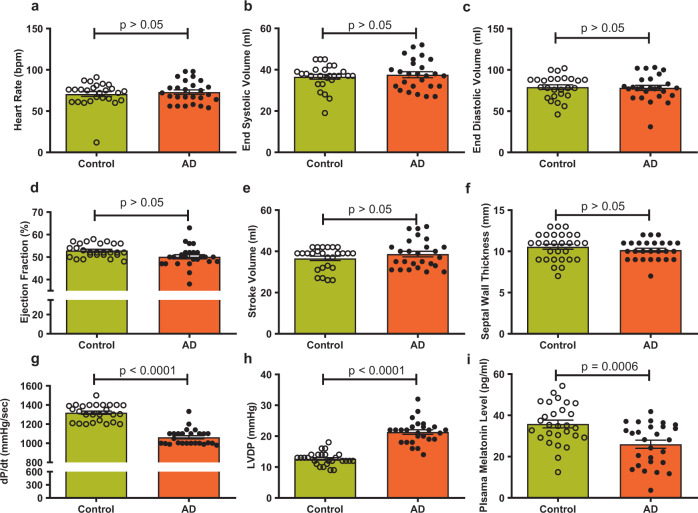
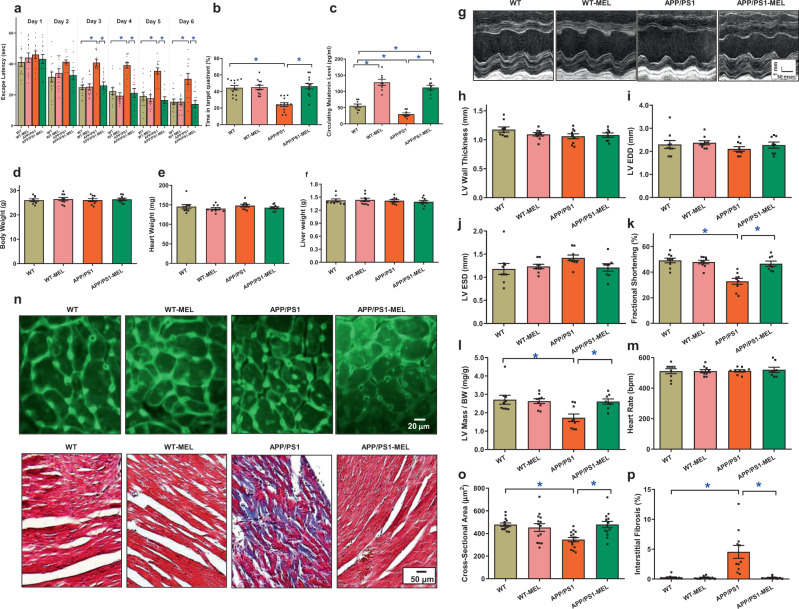
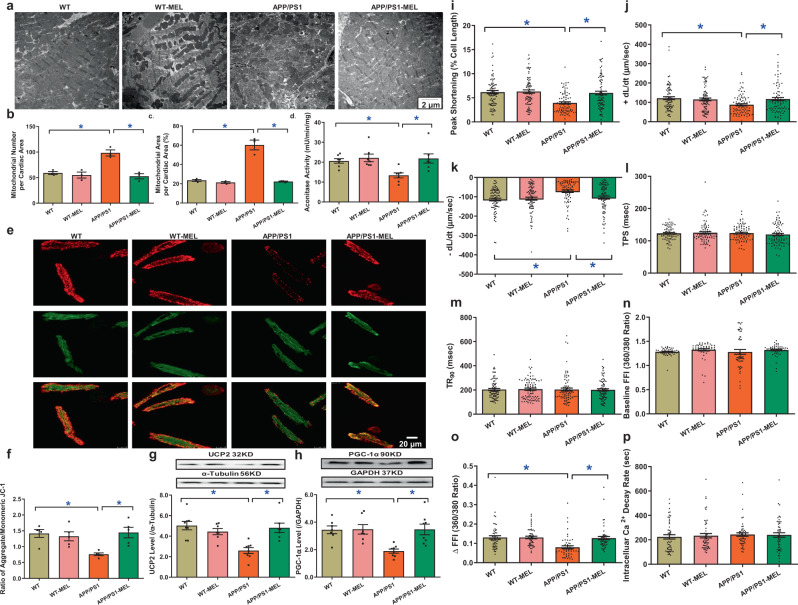
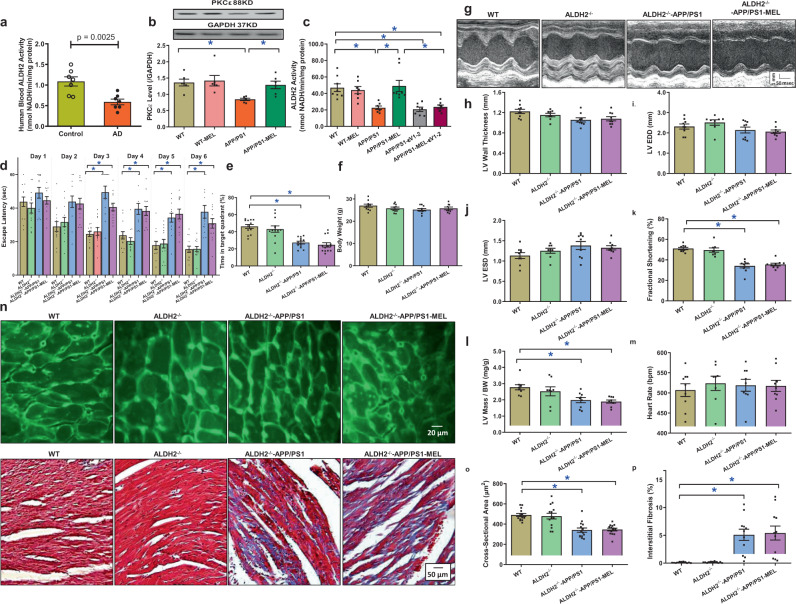
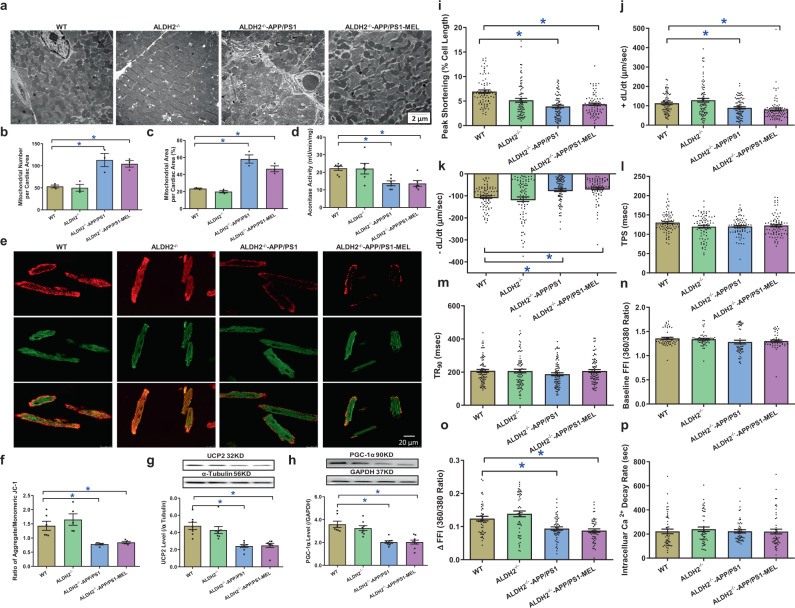
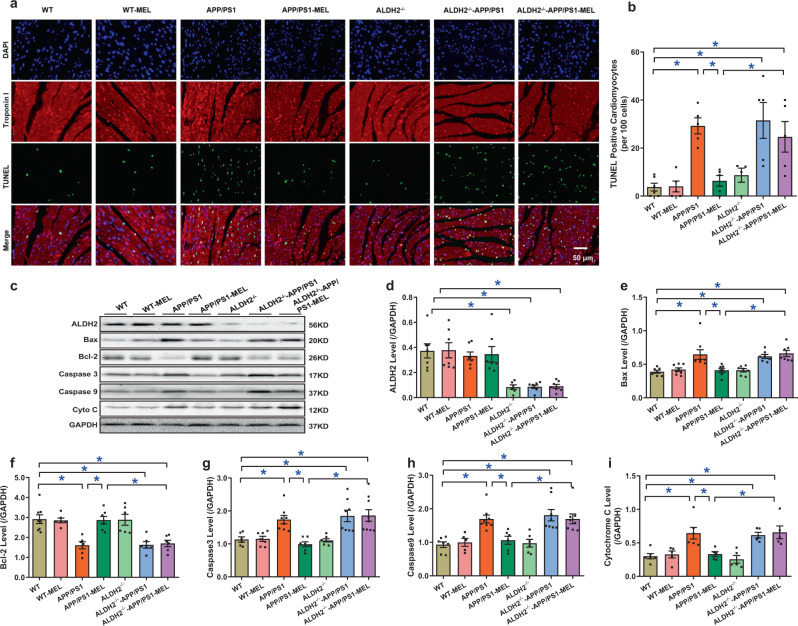
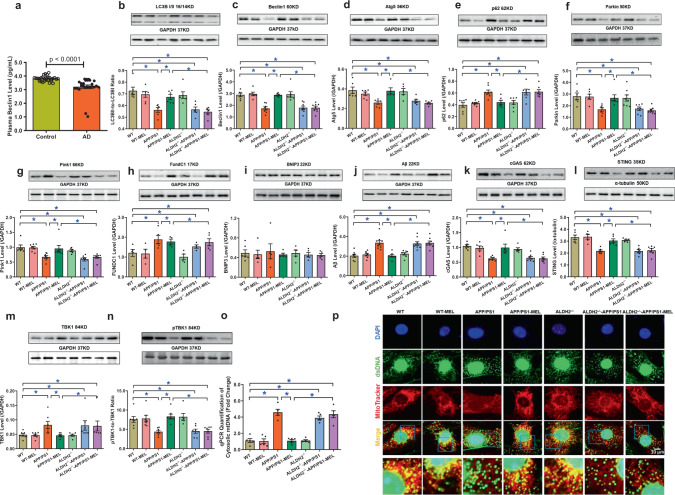
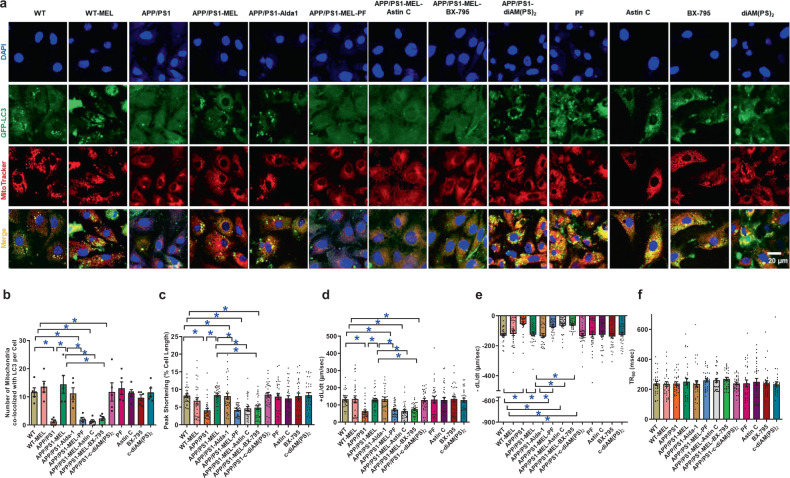
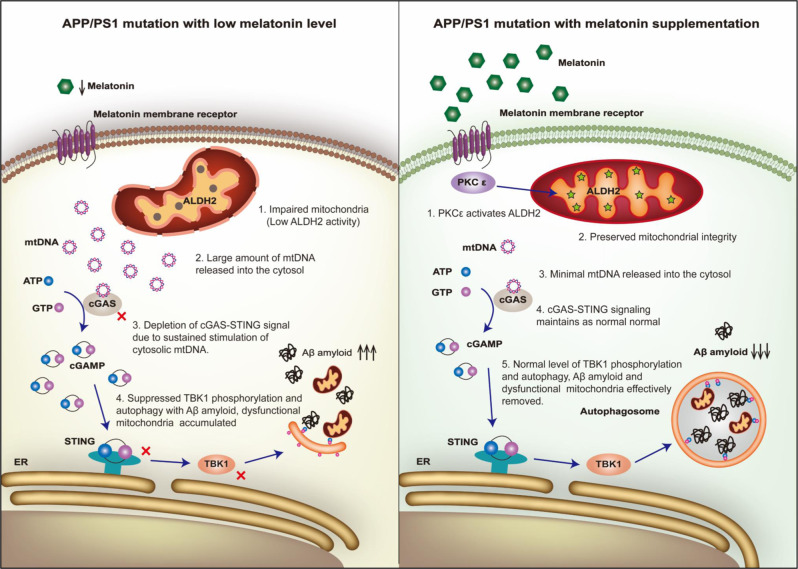
Ample clinical evidence suggests a high incidence of cardiovascular events in Alzheimer’s disease (AD), although neither precise etiology nor effective treatment is available. This study was designed to evaluate cardiac function in AD patients and APP/PS1 mutant mice, along with circulating levels of melatonin, mitochondrial aldehyde dehydrogenase (ALDH2) and autophagy. AD patients and APP/PS1 mice displayed cognitive and myocardial deficits, low levels of circulating melatonin, ALDH2 activity, and autophagy, ultrastructural, geometric (cardiac atrophy and interstitial fibrosis) and functional (reduced fractional shortening and cardiomyocyte contraction) anomalies, mitochondrial injury, cytosolic mtDNA buildup, apoptosis, and suppressed autophagy and mitophagy. APP/PS1 mutation downregulated cyclic GMP-AMP synthase (cGAS) and stimulator of interferon genes (STING) levels and TBK1 phosphorylation, while promoting Aβ accumulation. Treatment with melatonin overtly ameliorated unfavorable APP/PS1-induced changes in cardiac geometry and function, apoptosis, mitochondrial integrity, cytosolic mtDNA accumulation (using both immunocytochemistry and qPCR), mitophagy, and cGAS-STING-TBK1 signaling, although these benefits were absent in APP/PS1/ALDH2 −/− mice. In vitro evidence indicated that melatonin attenuated APP/PS1-induced suppression of mitophagy and cardiomyocyte function, and the effect was negated by the nonselective melatonin receptor blocker luzindole, inhibitors or RNA interference of cGAS, STING, TBK1, and autophagy. Our data collectively established a correlation among cardiac dysfunction, low levels of melatonin, ALDH2 activity, and autophagy in AD patients, with compelling support in APP/PS1 mice, in which melatonin rescued myopathic changes by promoting cGAS-STING-TBK1 signaling and mitophagy via an ALDH2-dependent mechanism.
Overview
The claims and statistics of this paper haven’t been checked yet.
Free: it reads the open-access text and checks the first 5 claims that cite a source we can check. Create a free account to check every claim.
Integrity signals
Registry
Cites
Statistics
Figures
Verification
Claims the paper makes
The claims and statistics of this paper haven’t been checked yet.
Free: it reads the open-access text and checks the first 5 claims that cite a source we can check. Create a free account to check every claim.
Claims other papers make about this one
Each is checked against this paper’s own text: does it say what the citing paper says it does?
The source backs part of the claim, not all of it — or backs it for a different population, condition or comparison.
In the citing paper
“Moreover, the beneficial effects of melatonin on mouse hearts, which depend on the regulation of ALDH2 activity, could not be assessed due to mutations or deficiencies in ALDH2.”
From Recent advances in Alzheimer's disease: Mechanisms, clinical trials and new drug development strategies. (2024) · cites this paper as [14]
Experimental — accuracy not yet measuredThe source backs part of the claim, not all of it — or backs it for a different population, condition or comparison.
In the citing paper
“For instance, the deficiency or mutation in aldehyde dehydrogenase (ALDH2) may influence melatonin administration, which could potentially benefit AD patients experiencing cardiac dysfunction.”
From Recent advances in Alzheimer's disease: Mechanisms, clinical trials and new drug development strategies. (2024) · cites this paper as [14]
Experimental — accuracy not yet measured
Self-check
Percentages, sums and reported differences re-computed from the paper’s own numbers.
The self-check needs the paper’s full text.
Citations
Cites
2 retracted
Zhou, H., Li, D., Zhu, P., Ma, Q., Toan, S., Wang, J., Hu, S., Chen, Y., & Zhang, Y. (2018) · Journal of Pineal Research · doi:10.1111/jpi.12503 · Cited by 247
Self-citationRetractedLin, K., Chiu, C., Kuo, W., Ju, D., Shen, C.-Y., Chen, R., Lin, C., Viswanadha, V. P., Liu, J., Huang, R.-F. S., et al. (2017) · Environmental Toxicology · doi:10.1002/tox.22498 · Cited by 18
RetractedAlzheimer's Disease: Genes, Proteins, and Therapy
Selkoe, D. J. (2001) · Physiological Reviews · doi:10.1152/physrev.2001.81.2.741 · Cited by 6,063
Autophagy induction via STING trafficking is a primordial function of the cGAS pathway
Gui, X., Yang, H., Li, T., Tan, X., Shi, P., Li, M., Du, F., & Chen, Z. J. (2019) · Nature · doi:10.1038/s41586-019-1006-9 · Cited by 1,269 · cited 4×
“More recent evidence indicated a more variable role for cGAS-STING-TBK1 beyond immunity, including metabolic derangement.36,67 Notably, STING may directly activate LC3 to promote autophagy independent of TBK1.”
BackgroundInfluentialThe Hippo pathway in organ size control, tissue regeneration and stem cell self-renewal
Zhao, B., Tumaneng, K., & Guan, K.-L. (2011) · Nature Cell Biology · doi:10.1038/ncb2303 · Cited by 1,205
Targeting Aldehyde Dehydrogenase 2: New Therapeutic Opportunities
Chen, C.-H., Ferreira, J. C. B., Gross, E. R., & Mochly-Rosen, D. (2014) · Physiological Reviews · doi:10.1152/physrev.00017.2013 · Cited by 614
STING directly activates autophagy to tune the innate immune response
Liu, D., Wu, H., Wang, C., Li, Y., Tian, H., Siraj, S., Sehgal, S. A., Wang, X., Wang, J., Shang, Y., et al. (2019) · Cell Death & Differentiation · doi:10.1038/s41418-018-0251-z · Cited by 423 · cited 4×
“More recent evidence indicated a more variable role for cGAS-STING-TBK1 beyond immunity, including metabolic derangement.36,67 Notably, STING may directly activate LC3 to promote autophagy independent of TBK1.”
BackgroundInfluentialSelf-citationClark, K., Plater, L., Peggie, M., & Cohen, P. (2009) · Journal of Biological Chemistry · doi:10.1074/jbc.m109.000414 · Cited by 385 · cited 2×
“7 μM), 46 or the TBK1 inhibitor BX795 (1 μM).(47) As expected, cardiomyocytes from APP/PS1 mice had overtly compromised cardiomyocyte shortening, as manifested by PS and ±dL/dt, without affecting TPS or TR90.”
BackgroundThe human pineal gland and melatonin in aging and Alzheimer's disease
Wu, Y., & Swaab, D. F. (2005) · Journal of Pineal Research · doi:10.1111/j.1600-079x.2004.00196.x · Cited by 369
Bai, J., Cervantes, C., Liu, J., He, S., Zhou, H., Zhang, B., Cai, H., Yin, D., Hu, D., Li, Z., et al. (2017) · Proceedings of the National Academy of Sciences · doi:10.1073/pnas.1708744114 · Cited by 310 · cited 1×
“More recent evidence indicated a more variable role for cGAS-STING-TBK1 beyond immunity, including metabolic derangement.(36,67) Notably, STING may directly activate LC3 to promote autophagy independent of TBK1.”
BackgroundSelf-citationMao, Y., Luo, W., Zhang, L., Wu, W., Yuan, L., Xu, H., Song, J., Fujiwara, K., Abe, J.-I., LeMaire, S. A., et al. (2017) · Arteriosclerosis, Thrombosis, and Vascular Biology · doi:10.1161/atvbaha.117.309017 · Cited by 306 · cited 1×
“Recent evidence has established an essential role for cGAS and STING in the regulation of cardiovascular homeostasis.(63,64) DNA is usually located in the nucleus and mitochondria.”
BackgroundSelf-citationTarocco, A., Caroccia, N., Morciano, G., Wieckowski, M. R., Ancora, G., Garani, G., & Pinton, P. (2019) · Cell Death & Disease · doi:10.1038/s41419-019-1556-7 · Cited by 299 · cited 3×
“Two forms of melatonin receptors, melatonin receptor subtype 1a or MTNR1A (MT1) and melatonin receptor subtype 1b or MTNR1B (MT2), are present and mediate melatonininduced biological effects.(17,35) The clinical observation of the present study revealed overt cardiac dysfunction in AD patients associated with low leve…”
BackgroundWu, Y.-H., Feenstra, M. G. P., Zhou, J.-N., Liu, R.-Y., Toranõ, J. S., Van Kan, H. J. M., Fischer, D. F., Ravid, R., & Swaab, D. F. (2003) · The Journal of Clinical Endocrinology & Metabolism · doi:10.1210/jc.2003-030833 · Cited by 283
Cytosolic DNA Sensing Promotes Macrophage Transformation and Governs Myocardial Ischemic Injury
Cao, D. J., Schiattarella, G. G., Villalobos, E., Jiang, N., May, H. I., Li, T., Chen, Z. J., Gillette, T. G., & Hill, J. A. (2018) · Circulation · doi:10.1161/circulationaha.117.031046 · Cited by 272 · cited 2×
“Recent evidence has established an essential role for cGAS and STING in the regulation of cardiovascular homeostasis.(63,64) DNA is usually located in the nucleus and mitochondria.”
BackgroundAli, T., Badshah, H., Kim, T. H., & Kim, M. O. (2015) · Journal of Pineal Research · doi:10.1111/jpi.12194 · Cited by 268 · cited 1×
“Melatonin (N-acetyl-5-methoxytryptamine) is a pleiotropic endogenous hormone that is mainly synthesized in the pineal gland and has proven benefits in aging-related neurodegenerative diseases, including D-galactose- and AD-induced memory or synaptic deficit.(14,15) As a potent antioxidant, melatonin protects against a…”
BackgroundThe Cyclopeptide Astin C Specifically Inhibits the Innate Immune CDN Sensor STING
Li, S., Hong, Z., Wang, Z., Li, F., Mei, J., Huang, L., Lou, X., Zhao, S., Song, L., Chen, W., et al. (2018) · Cell Reports · doi:10.1016/j.celrep.2018.11.097 · Cited by 267
Cyclic GMP–AMP as an Endogenous Second Messenger in Innate Immune Signaling by Cytosolic DNA
Kato, K., Omura, H., Ishitani, R., & Nureki, O. (2017) · Annual Review of Biochemistry · doi:10.1146/annurev-biochem-061516-044813 · Cited by 255
The cGAS-cGAMP-STING Pathway: A Molecular Link Between Immunity and Metabolism
Bai, J., & Liu, F. (2019) · Diabetes · doi:10.2337/dbi18-0052 · Cited by 243 · cited 3×
“More recent evidence indicated a more variable role for cGAS-STING-TBK1 beyond immunity, including metabolic derangement.(36,67) Notably, STING may directly activate LC3 to promote autophagy independent of TBK1.”
BackgroundZhou, H., Ma, Q., Zhu, P., Ren, J., Reiter, R. J., & Chen, Y. (2018) · Journal of Pineal Research · doi:10.1111/jpi.12471 · Cited by 228
Self-citationMitochondrial aldehyde dehydrogenase and cardiac diseases
Chen, C.-H., Sun, L., & Mochly-Rosen, D. (2010) · Cardiovascular Research · doi:10.1093/cvr/cvq192 · Cited by 210
Reduced hippocampal MT2 melatonin receptor expression in Alzheimer's disease
Savaskan, E., Ayoub, M. A., Ravid, R., Angeloni, D., Fraschini, F., Meier, F., Eckert, A., Müller‐Spahn, F., & Jockers, R. (2005) · Journal of Pineal Research · doi:10.1111/j.1600-079x.2004.00169.x · Cited by 205 · cited 5×
“This finding is consistent with previous reports in which melatonin treatment improves cognitive function and hippocampal mitochondrial function, the effects of which seem to be mediated via the MT2 membrane receptor.56 In particular, melatonin rescues brain mitochondrial function in APP/PS1 mice with a near complete…”
BackgroundResultInfluentialAβ Amyloid Pathology Affects the Hearts of Patients With Alzheimer’s Disease
Troncone, L., Luciani, M., Coggins, M., Wilker, E. H., Ho, C.-Y., Codispoti, K. E., Frosch, M. P., Kayed, R., & del Monte, F. (2016) · Journal of the American College of Cardiology · doi:10.1016/j.jacc.2016.08.073 · Cited by 204
Getting to the Heart of Alzheimer Disease
Tublin, J. M., Adelstein, J. M., del Monte, F., Combs, C. K., & Wold, L. E. (2019) · Circulation Research · doi:10.1161/circresaha.118.313563 · Cited by 188 · cited 1×
“Although the impact of neurodegenerative diseases on cardiac homeostasis remains debatable,(1,3) data from our study suggest overt cardiac remodeling (atrophy) and contractile dysfunction in our APP/PS1 mutant model of AD, which is consistent with clinical observations.(1,3,5) Similar to previous reports from human(4)…”
ResultDragicevic, N., Copes, N., O’Neal-Moffitt, G., Jin, J., Buzzeo, R., Mamcarz, M., Tan, J., Cao, C., Olcese, J. M., Arendash, G. W., et al. (2011) · Journal of Pineal Research · doi:10.1111/j.1600-079x.2011.00864.x · Cited by 185 · cited 1×
“In particular, melatonin rescues brain mitochondrial function in APP/PS1 mice with a near complete recovery of mitochondrial respiration, membrane potential, and ATP in the hippocampus, cortex, and striatum.(57) However, there is controversy regarding changes in melatonin receptors in AD pathology, including both incr…”
BackgroundMelatonin protects against diabetic cardiomyopathy through Mst1/Sirt3 signaling
Zhang, M., Lin, J., Wang, S., Cheng, Z., Hu, J., Wang, T., Man, W., Yin, T., Guo, W., Gao, E., et al. (2017) · Journal of Pineal Research · doi:10.1111/jpi.12418 · Cited by 185 · cited 1×
“Groups of adult WT, APP/PS1, and ALDH2-APP/PS1 mice were treated with melatonin (20 mg/kg/day, oral gavage, 6 weeks).(37)”
MethodSelf-citationMutations of Presenilin Genes in Dilated Cardiomyopathy and Heart Failure
Li, D., Parks, S. B., Kushner, J. D., Nauman, D., Burgess, D., Ludwigsen, S., Partain, J., Nixon, R. R., Allen, C. N., Irwin, R. P., et al. (2006) · The American Journal of Human Genetics · doi:10.1086/509900 · Cited by 182 · cited 1×
“Considering the localization of the AD genes PS1 and PS2 in the heart,(6) it is plausible that there is a role for mutations in PS1/PS2 in the elevated risk of cardiac dysfunction in AD patients.(7) Earlier findings indicated a role of PS1/PS2 in the regulation of cardiovascular function, as PS1-deficient mice display…”
BackgroundHall, J., Brault, A., Vincent, F., Weng, S., Wang, H., Dumlao, D., Aulabaugh, A., Aivazian, D., Castro, D., Chen, M., et al. (2017) · PLOS ONE · doi:10.1371/journal.pone.0184843 · Cited by 167
Rocchi, A., Yamamoto, S., Ting, T., Fan, Y., Sadleir, K., Wang, Y., Zhang, W., Huang, S., Levine, B., Vassar, R., et al. (2017) · PLOS Genetics · doi:10.1371/journal.pgen.1006962 · Cited by 166 · cited 1×
“It has been hypothesized that autophagy is ultimately responsible for autophagic degradation of Aβ, thus alleviating AD pathology.(41,42) This is consistent with the result showing that 3-MA ablated melatoninmediated benefits and changes in Aβ levels in our study (Fig.”
ResultHébert, S. S., Serneels, L., Dejaegere, T., Horré, K., Dabrowski, M., Baert, V., Annaert, W., Hartmann, D., & De Strooper, B. (2004) · Neurobiology of Disease · doi:10.1016/j.nbd.2004.08.002 · Cited by 152
Increased melatonin 1a‐receptor immunoreactivity in the hippocampus of Alzheimer's disease patients
Savaskan, E., Olivieri, G., Meier, F., Brydon, L., Jockers, R., Ravid, R., Wirz‐Justice, A., & Müller‐Spahn, F. (2002) · Journal of Pineal Research · doi:10.1034/j.1600-079x.2002.00841.x · Cited by 147 · cited 4×
“Melatonin (N-acetyl-5-methoxytryptamine) is a pleiotropic endogenous hormone that is mainly synthesized in the pineal gland and has proven benefits in aging-related neurodegenerative diseases, including D-galactose- and AD-induced memory or synaptic deficit.14,15 As a potent antioxidant, melatonin protects against a w…”
BackgroundInfluentialZhang, Y., Mi, S.-L., Hu, N., Doser, T. A., Sun, A., Ge, J., & Ren, J. (2014) · Free Radical Biology and Medicine · doi:10.1016/j.freeradbiomed.2014.03.018 · Cited by 132
Self-citationHan, D. H., Wang, Y., Chen, J., Zhang, J., Yu, P., Zhang, R., Li, S., Bo, T., Wang, Y., Qiu, Y. F., et al. (2019) · Journal of Pineal Research · doi:10.1111/jpi.12571 · Cited by 101 · cited 1×
“Two forms of melatonin receptors, melatonin receptor subtype 1a or MTNR1A (MT1) and melatonin receptor subtype 1b or MTNR1B (MT2), are present and mediate melatonininduced biological effects.(17,35) The clinical observation of the present study revealed overt cardiac dysfunction in AD patients associated with low leve…”
BackgroundO’Neal-Moffitt, G., Delic, V., Bradshaw, P. C., & Olcese, J. (2015) · Molecular Neurodegeneration · doi:10.1186/s13024-015-0027-6 · Cited by 98 · cited 1×
“Melatonin (N-acetyl-5-methoxytryptamine) is a pleiotropic endogenous hormone that is mainly synthesized in the pineal gland and has proven benefits in aging-related neurodegenerative diseases, including D-galactose- and AD-induced memory or synaptic deficit.(14,15) As a potent antioxidant, melatonin protects against a…”
BackgroundHasan, M., Gonugunta, V. K., Dobbs, N., Ali, A., Palchik, G., Calvaruso, M. A., DeBerardinis, R. J., & Yan, N. (2017) · Proceedings of the National Academy of Sciences · doi:10.1073/pnas.1611113114 · Cited by 98 · cited 1×
“TBK1, an effector of cGAS-STING signaling,(36) plays a role in the induction of autophagy and mitophagy, possibly through suppression of mammalian target of rapamycin, and recruitment and phosphorylation of p62, as well as by promoting assembly of ubiquitin chains on mitochondria.(65,66) Our data suggest that TBK1 pho…”
BackgroundYu, L., Liang, H., Lu, Z., Zhao, G., Zhai, M., Yang, Y., Yang, J., Yi, D., Chen, W., Wang, X., et al. (2015) · Journal of Pineal Research · doi:10.1111/jpi.12272 · Cited by 96
Self-citationWang, S., Wang, C., Turdi, S., Richmond, K. L., Zhang, Y., & Ren, J. T. (2018) · International Journal of Obesity · doi:10.1038/s41366-018-0030-4 · Cited by 90
Self-citationSong, J. (2019) · Molecular Neurodegeneration · doi:10.1186/s13024-019-0330-8 · Cited by 89
Pang, J., Hu, P., Wang, S., Xu, X., Xu, F., Wang, Q., Chen, Y., Barton, L. A., Chen, Y., Zhang, Y., et al. (2019) · Biochimica et Biophysica Acta (BBA) - Molecular Basis of Disease · doi:10.1016/j.bbadis.2019.03.015 · Cited by 88 · cited 1×
“To ascertain an obligatory role of autophagy in melatoninmediated cardioprotection, cardiomyocyte contractile function was re-examined in WT and APP/PS1 mice with or without melatonin treatment (100 μΜ for 4 h)(37) in the presence or absence of the autophagy inhibitor 3-methyladenine (3-MA, 10 mM).(31) We found that 3…”
MethodSelf-citationD’Souza, Y., Elharram, A., Soon-Shiong, R., Andrew, R. D., & Bennett, B. M. (2015) · Molecular Brain · doi:10.1186/s13041-015-0117-y · Cited by 87
Decreased proliferation of hippocampal progenitor cells in APPswe/PS1dE9 transgenic mice
Taniuchi, N., Niidome, T., Goto, Y., Akaike, A., Kihara, T., & Sugimoto, H. (2007) · NeuroReport · doi:10.1097/wnr.0b013e3282f1c9e9 · Cited by 79 · cited 1×
“Using mouse models that overexpress FAD-linked APP with Swedish mutation and deletion of exon 9 of PS1 (APPswe/PS1dE9), Aβ deposition is seen as early as 4–6 months of age in mice and full-blown Aβ-peptide deposition by 9 months in APPswe/PS1dE9 mice.(10) Earlier findings from our own laboratory and others demonstrate…”
BackgroundCofilin-2 Phosphorylation and Sequestration in Myocardial Aggregates
Subramanian, K., Gianni, D., Balla, C., Assenza, G. E., Joshi, M., Semigran, M. J., Macgillivray, T. E., Van Eyk, J. E., Agnetti, G., Paolocci, N., et al. (2015) · Journal of the American College of Cardiology · doi:10.1016/j.jacc.2015.01.031 · Cited by 76
STAT3 inhibition enhances CDN-induced STING signaling and antitumor immunity
Pei, J., Zhang, Y., Luo, Q., Zheng, W., Li, W., Zeng, X. Y., Li, Q., & Quan, J. (2019) · Cancer Letters · doi:10.1016/j.canlet.2019.02.029 · Cited by 75
Zhang, Y., Wang, C., Zhou, J., Sun, A., Hueckstaedt, L. K., Ge, J., & Ren, J. T. (2017) · Biochimica et Biophysica Acta (BBA) - Molecular Basis of Disease · doi:10.1016/j.bbadis.2017.03.016 · Cited by 62
Self-citationDominguez‐Rodriguez, A., Abreu‐Gonzalez, P., Arroyo‐Ucar, E., & Reiter, R. J. (2012) · Journal of Pineal Research · doi:10.1111/j.1600-079x.2012.01001.x · Cited by 59 · cited 1×
“A reduction in circulating melatonin levels was also reported in many other myopathies, including hypertensive cardiomyopathy,(51) dilated cardiomyopathy,(52) and LV remodeling following myocardial infarction.(53) Perhaps, the most intriguing finding from our present study is the involvement of ALDH2-cGAS-STING-TBK1 i…”
BackgroundSelf-citationCatanese, A., Heuvel, F. O., Mulaw, M. A., Demestre, M., Higelin, J., Barbi, G., Freischmidt, A., Weishaupt, J. H., Ludolph, A. C., Roselli, F., et al. (2019) · Autophagy · doi:10.1080/15548627.2019.1589257 · Cited by 59 · cited 1×
“TBK1, an effector of cGAS-STING signaling,(36) plays a role in the induction of autophagy and mitophagy, possibly through suppression of mammalian target of rapamycin, and recruitment and phosphorylation of p62, as well as by promoting assembly of ubiquitin chains on mitochondria.(65,66) Our data suggest that TBK1 pho…”
BackgroundDezfouli, M. A., Zahmatkesh, M., Farahmandfar, M., & Khodagholi, F. (2019) · Physiology & Behavior · doi:10.1016/j.physbeh.2019.02.016 · Cited by 58
Interrelationship between Alzheimer’s disease and cardiac dysfunction: the brain–heart continuum?
Yang, M., Li, C., Zhang, Y., & Ren, J. T. (2020) · Acta Biochimica et Biophysica Sinica · doi:10.1093/abbs/gmz115 · Cited by 54
Self-citationCardiac Abnormalities in Alzheimer Disease
Sanna, G. D., Nusdeo, G., Piras, M. R., Forteleoni, A., Murru, M. R., Saba, P. S., Dore, S., Sotgiu, G., Parodi, G., & Ganau, A. (2019) · JACC Heart Failure · doi:10.1016/j.jchf.2018.10.022 · Cited by 51
Presenilin 1 is essential for cardiac morphogenesis
Nakajima, M., Moriizumi, E., Koseki, H., & Shirasawa, T. (2004) · Developmental Dynamics · doi:10.1002/dvdy.20098 · Cited by 50 · cited 1×
“Earlier findings indicated a role of PS1/PS2 in the regulation of cardiovascular function, as PS1-deficient mice display septal defects and double outlet right ventricles.(8) Likewise, PS2 contributes to cardiac excitation–contraction through direct coupling with the type 2 ryanodine receptor.”
BackgroundPresenilin 2 regulates the systolic function of heart by modulating Ca 2+ signaling
Takeda, T., Asahi, M., Yamaguchi, O., Hikoso, S., Nakayama, H., Kusakari, Y., Kawai, M., Hongo, K., Higuchi, Y., Kashiwase, K., et al. (2005) · The FASEB Journal · doi:10.1096/fj.05-3744fje · Cited by 49 · cited 1×
“Likewise, PS2 contributes to cardiac excitation–contraction through direct coupling with the type 2 ryanodine receptor.(9) Using mouse models that overexpress FAD-linked APP with Swedish mutation and deletion of exon 9 of PS1 (APPswe/PS1dE9), Aβ deposition is seen as early as 4–6 months of age in mice and full-blown A…”
BackgroundZhu, H., Wang, Z., Dong, Z., Wang, C., Cao, Q., Fan, F., Zhao, J., Liu, X., Yuan, M., Sun, X., et al. (2018) · Biochimica et Biophysica Acta (BBA) - Molecular Basis of Disease · doi:10.1016/j.bbadis.2018.09.033 · Cited by 49
Meta-Analysis of Aldehyde Dehydrogenase 2 Gene Polymorphism and Alzheimer's Disease in East Asians
Hao, P.-P., Chen, Y.-G., Wang, J.-L., Wang, X. L., & Zhang, Y. (2011) · Canadian Journal of Neurological Sciences / Journal Canadien des Sciences Neurologiques · doi:10.1017/s0317167100011938 · Cited by 48
Self-citationDomínguez‐Rodríguez, A., Abreu-González, P., & Reiter, R. J. (2014) · International Journal of Cardiology · doi:10.1016/j.ijcard.2014.04.044 · Cited by 44
Self-citationGuo, J., Chang, L., Zhang, X., Pei, S., YU, M., & Gao, J. (2014) · Experimental and Therapeutic Medicine · doi:10.3892/etm.2014.1885 · Cited by 42
Chen, J., Huang, W., Cheng, C.-H., Zhou, L., Jiang, G.-B., & Hu, Y.-Y. (2019) · Frontiers in Neurology · doi:10.3389/fneur.2019.00290 · Cited by 39
Cardiomyocyte Contractile Dysfunction in the APPswe/PS1dE9 Mouse Model of Alzheimer's Disease
Turdi, S., Guo, R., Huff, A. F., Wolf, E. M., Culver, B. W., & Ren, J. T. (2009) · PLoS ONE · doi:10.1371/journal.pone.0006033 · Cited by 35
Self-citationPlasma levels of melatonin in dilated cardiomyopathy
Misaka, T., Yoshihisa, A., Yokokawa, T., Sato, T., Oikawa, M., Kobayashi, A., Yamaki, T., Sugimoto, K., Kunii, H., Nakazato, K., et al. (2019) · Journal of Pineal Research · doi:10.1111/jpi.12564 · Cited by 34
Hu, N., Ren, J. T., & Zhang, Y. (2016) · Oncotarget · doi:10.18632/oncotarget.11977 · Cited by 33
Self-citationRole of ADH1B rs1229984 and ALDH2 rs671 gene polymorphisms in the development of Alzheimer's disease
Ma, L.-L., & Lu, Z. (2016) · Genetics and Molecular Research · doi:10.4238/gmr.15048740 · Cited by 27
Beňová, T. E., Viczenczová, C., Bačová, B. S., Knezl, V., Dosenko, V., Rauchová, H., Zeman, M., Reiter, R. J., & Tribulová, N. (2018) · Molecular and Cellular Biochemistry · doi:10.1007/s11010-018-3463-0 · Cited by 26 · cited 2×
“39 Inhibition of PKCε abrogated melatonin-induced restoration of cardiac ALDH2 activity in APP/PS1 mice, consistent with the idea that melatonin directly activates PKCε.62 Here, our results showed an essential role for the DNA sensor cGAS and its downstream effector STING in APP/PS1 mutationand melatonin-induced cardi…”
BackgroundSelf-citationShin, I.-S., Stewart, R. J., Kim, J., Kim, S., Yang, S., Shin, H., Jung, J.-S., & Yoon, J. (2005) · International Journal of Geriatric Psychiatry · doi:10.1002/gps.1401 · Cited by 24 · cited 2×
“In the context of neurodegenerative diseases, ALDH2 deficiency was reported to be correlated with AD incidence,(23,25) although contradictory findings were noted, disproving the correlation between ALDH2 and AD risk in humans.(28,34,61) The possible role for ALDH2 in AD pathology is consistent with low ALDH2 activitie…”
BackgroundResultPang, J., Barton, L. A., Chen, Y., & Ren, J. T. (2015) · PubMed · Cited by 23
Self-citationAldehyde Dehydrogenase 2 (ALDH2) and Aging: Is There a Sensible Link?
Wu, N. N., & Ren, J. T. (2019) · Advances in experimental medicine and biology · doi:10.1007/978-981-13-6260-6_15 · Cited by 21
Self-citationKomatsu, M., Shibata, N., Ohnuma, T., Kuerban, B., Tomson, K., Toda, A., Tagata, Y., Nakada, T., Shimazaki, H., & Arai, H. (2013) · Journal of Neural Transmission · doi:10.1007/s00702-013-1112-z · Cited by 19
ULK1-regulated autophagy: A mechanism in cellular protection for ALDH2 against hyperglycemia
Liu, M., Lu, S., He, W., Zhang, L., Ma, Y., Lv, P., Ma, M., Yu, W., Wang, J., Zhang, M., et al. (2017) · Toxicology Letters · doi:10.1016/j.toxlet.2017.11.008 · Cited by 18
Zhou, S., Huriletemuer, Wang, J., Zhang, C., Zhao, S., Wang, D. S., Wang, B., & Ma, X. (2009) · Neuroscience Letters · doi:10.1016/j.neulet.2009.11.022 · Cited by 17 · cited 1×
“In the context of neurodegenerative diseases, ALDH2 deficiency was reported to be correlated with AD incidence,(23,25) although contradictory findings were noted, disproving the correlation between ALDH2 and AD risk in humans.(28,34,61) The possible role for ALDH2 in AD pathology is consistent with low ALDH2 activitie…”
ResultGenetics and Epigenetics in Aging and Longevity: Myths and Truths
Ren, J. T., & Zhang, Y. (2019) · Biochimica et Biophysica Acta (BBA) - Molecular Basis of Disease · doi:10.1016/j.bbadis.2019.02.005 · Cited by 14
Self-citationSasanquasaponin promotes cellular chloride efflux and elicits cardioprotection via the PKCε pathway
Qiu, L., Chen, H., Yan, Y.-F., Li, Y., Wang, H., Liao, Z., & Huang, Q. (2016) · Molecular Medicine Reports · doi:10.3892/mmr.2016.4984 · Cited by 13 · cited 1×
“To discern the possible role of PKCε in melatonin-induced regulation of ALDH2 activity, cardiomyocytes from wild-type (WT) and APP/ PS1 mice were incubated with melatonin (100 μΜ for 48 h)(37) in the absence or presence of the specific PKCε inhibitor εV1‐2 (1 μM).(40) Our data revealed low ALDH2 enzymatic activity but…”
MethodPresenilin 2 regulates the systolic function of heart by modulating Ca[2+] signaling
武田, 理. (2006) · Cited by 7
Hsieh, Y.-L., Teng, H.-J., Yeh, Y., Hsieh, C.-H., & Huang, C. (2018) · Marine Drugs · doi:10.3390/md16080263 · Cited by 5
Cited by
Zhang, J., Zhang, Y., Wang, J., Xia, Y., Zhang, J., & Chen, L. (2024) · Signal Transduction and Targeted Therapy · doi:10.1038/s41392-024-01911-3 · Cited by 1,138
Targeting autophagy in ischemic stroke: From molecular mechanisms to clinical therapeutics
Ajoolabady, A., Wang, S., Kroemer, G., Penninger, J. M., Uversky, V. N., Pratico, D., Henninger, N., Reiter, R. J., Bruno, A., Joshipura, K., et al. (2021) · Pharmacology & Therapeutics · doi:10.1016/j.pharmthera.2021.107848 · Cited by 333
Self-citationCytosolic DNA sensing by cGAS: regulation, function, and human diseases
Yu, L., & Liu, P. (2021) · Signal Transduction and Targeted Therapy · doi:10.1038/s41392-021-00554-y · Cited by 269
“(Table 2) For example, in Alzheimer’s disease (AD)-associated cardiac dysfunction, mutations of AD genes PS1 (presenilin 1), and PS2 suppressed mitophagy and contractile function through downregulating the cGAS/STING signaling.(193) In ALS (amyotrophic lateral sclerosis), cytoplasmic accumulation of the nuclear DNA/RN…”
BackgroundMitophagy in cardiovascular diseases: molecular mechanisms, pathogenesis, and treatment
Ajoolabady, A., Chiong, M., Lavandero, S., Klionsky, D. J., & Ren, J. (2022) · Trends in Molecular Medicine · doi:10.1016/j.molmed.2022.06.007 · Cited by 258
Self-citationThe multifaceted regulation of mitophagy by endogenous metabolites
Zhang, T., Liu, Q., Gao, W., Sehgal, S. A., & Wu, H. (2022) · Autophagy · doi:10.1080/15548627.2021.1975914 · Cited by 197
“omyocytes in mice model with Alzheimer disease [266].”
Background
Metadata
- Authors
- Wang, S., Wang, L., Qin, X., Turdi, S., Sun, D., Culver, B., Reiter, R. J., Wang, X., Zhou, H., & Ren, J.
- Affiliations
- Tongji University (CN)
- Xijing Hospital (CN)
- University of Wyoming (US)
- The University of Texas at San Antonio Health Science Center (US)
- Corresponding author
- Wang, Xiaoming
- Zhou, Hao
- Ren, Jun
- Venue
- Signal Transduction and Targeted Therapy
- Published
- 2020-07-24
- Volume
- 5
- Issue
- 1
- Pages
- 119-119
- ISSN
- 2059-3635 (ISSN-L)
- PMC
- PMC7378833
- OpenAlex
- W3045457883
- Cited by
- 135
- References
- 70
- Citations by year
- 2026: 10 · 2025: 30 · 2024: 28 · 2023: 26 · 2022: 17 · 2021: 17 · 2020: 7
- FWCI
- 10.08
- Type
- journal article
- Language
- en
- Open access
- gold
- doi.org
- Licence
- cc-by
- creativecommons.org/licenses/by/4.0 (tdm)
- creativecommons.org/licenses/by/4.0 (vor)
- Locations
- Signal Transduction and Targeted Therapy (publishedVersion, cc-by)
- PubMed Central (publishedVersion, cc-by)
- PubMed (publishedVersion)
- Funders
- U.S. Department of Health & Human Services | NIH | National Institute of General Medical Sciences (GM103432)
- Topics
- Life Sciences › Neuroscience › Cellular and Molecular Neuroscience › Alzheimer's disease research and treatments
- Life Sciences › Neuroscience › Endocrine and Autonomic Systems › Circadian rhythm and melatonin
- Life Sciences › Biochemistry, Genetics and Molecular Biology › Cell Biology › Autophagy in Disease and Therapy
- Keywords
- Alzheimer's disease, melatonin, ALDH2, mitophagy, APP/PS1 mice, cardiac dysfunction, autophagy, cardiomyocyte apoptosis, myocardial fibrosis, amyloid-beta, luzindole, melatonin receptors
- MeSH terms
- Aldehyde Dehydrogenase, Mitochondrial, STING Protein, Cyclic Guanosine Monophosphate-Adenosine Monophosphate Synthase, Animals, Heart Defects, Congenital, Humans, Melatonin, Membrane Proteins, Mutation, Nucleotidyltransferases, Amyloid beta-Protein Precursor, Mice, Knockout, Adaptor Proteins, Signal Transducing, Mice, Presenilin-1, Mitophagy
About these checks
Registry, retraction, Cites and statistics results are computed, not judged, with one exception: a printed reference that no index lists is read once by a model before it counts as a citation error. Claims are extracted by a model and kept only when their quote appears verbatim in the text; each cited source is then checked, with a model’s help, for whether it says what the claim relies on. Those verdicts can be wrong — read the claim’s quote and the cited source before relying on one.
Statistics and arithmetic are recomputed, not judged.
Confidence bands are shown only for fields calibrated on our annotated test set. None is calibrated yet, so no band is shown.
What counts as a claim ›How we measure confidence ›How we check this ›
Are you an author, or do you see a problem with this page? Request a review
Data sources
Bibliographic data: Semantic Scholar, OpenAlex, Crossref.
Contains information from the Semantic Scholar Academic Graph Datasets, made available under the ODC Attribution License (ODC-BY 1.0).
Semantic Scholar’s data is described in: Kinney, R., et al. (2023). The Semantic Scholar Open Data Platform. arXiv:2301.10140.
