

Wnt/β-catenin signaling in cancers and targeted therapies
Open accessThe DOI matches its Crossref record; 468 of the 468 references it cites were found in a registry or an index.
Abstract
Wnt/β-catenin signaling has been broadly implicated in human cancers and experimental cancer models of animals. Aberrant activation of Wnt/β-catenin signaling is tightly linked with the increment of prevalence, advancement of malignant progression, development of poor prognostics, and even ascendence of the cancer-associated mortality. Early experimental investigations have proposed the theoretical potential that efficient repression of this signaling might provide promising therapeutic choices in managing various types of cancers. Up to date, many therapies targeting Wnt/β-catenin signaling in cancers have been developed, which is assumed to endow clinicians with new opportunities of developing more satisfactory and precise remedies for cancer patients with aberrant Wnt/β-catenin signaling. However, current facts indicate that the clinical translations of Wnt/β-catenin signaling-dependent targeted therapies have faced un-neglectable crises and challenges. Therefore, in this study, we systematically reviewed the most updated knowledge of Wnt/β-catenin signaling in cancers and relatively targeted therapies to generate a clearer and more accurate awareness of both the developmental stage and underlying limitations of Wnt/β-catenin-targeted therapies in cancers. Insights of this study will help readers better understand the roles of Wnt/β-catenin signaling in cancers and provide insights to acknowledge the current opportunities and challenges of targeting this signaling in cancers.
Overview
The claims and statistics of this paper haven’t been checked yet.
Free: it reads the open-access text and checks the first 5 claims that cite a source we can check. Create a free account to check every claim.
Integrity signals
Registry
Cites
Statistics
Figures

Verification
Claims the paper makes
The claims and statistics of this paper haven’t been checked yet.
Free: it reads the open-access text and checks the first 5 claims that cite a source we can check. Create a free account to check every claim.
Claims other papers make about this one
Each is checked against this paper’s own text: does it say what the citing paper says it does?
The source backs part of the claim, not all of it — or backs it for a different population, condition or comparison.
In the citing paper
“The inactivation of GSK3β disrupts the integrity and function of the destruction complex, thereby preventing β-catenin phosphorylation. As a result, unphosphorylated, stable β-catenin accumulates in the cytoplasm, translocates to the nucleus, and activates the transcription of its target genes, including c-Myc and Cyclin D1 [35, 46, 47, 52–55].”
From PPP1R18-mediated activation of Wnt/β-catenin and EMT is dependent on ERK signaling in clear cell renal cell carcinoma (2026) · cites this paper as [54]
Experimental — accuracy not yet measured
Self-check
Percentages, sums and reported differences re-computed from the paper’s own numbers.
The self-check needs the paper’s full text.
Citations
Cites
4 retracted
Xiu, D., Liu, G., Yu, S., Li, L., Zhao, G.-Q., Liu, L., & Li, X. (2019) · Journal of Experimental & Clinical Cancer Research · doi:10.1186/s13046-019-1100-8 · Cited by 63 · cited 1×
“With respect to its therapeutic potentials, direct silence of Wnt2 alleviated the xenograft breast cancer growth and rescued the malignance and the chemo-drugs resistance in breast cancers.(58,59)”
BackgroundRetractedWu, Y., Tran, T., Dwabe, S., Sarkissyan, M., Kim, J., Nava, M., Clayton, S., Pietras, R. J., Farias‐Eisner, R., & Vadgama, J. V. (2017) · Breast Cancer Research and Treatment · doi:10.1007/s10549-017-4211-y · Cited by 55 · cited 3×
“Furthermore, it has been implied to elevate the epithelium–mesenchyme transit (EMT) of breast cancers through Wnt/β-catenin.(62,63) In terms of therapeutic choices, the downregulation relieved the progression of CRC by reducing cancer cell proliferation and migration.”
BackgroundInfluentialRetractedXiu, D., Liu, G., Yu, S., Li, L., Zhao, G.-Q., Liu, L., & Li, X. (2021) · Journal of Experimental & Clinical Cancer Research · doi:10.1186/s13046-021-02121-3 · Cited by 44
RetractedLi, H., Yang, T., Ning, Q., Shang, D., Yao, Y., & Sun, Z. (2017) · Lung Cancer · doi:10.1016/j.lungcan.2017.03.016 · Cited by 3
RetractedComprehensive molecular characterization of human colon and rectal cancer
The Cancer Genome Atlas Network (2012) · Nature · doi:10.1038/nature11252 · Cited by 8,499
Wnt/β-Catenin Signaling in Development and Disease
Clevers, H. (2006) · Cell · doi:10.1016/j.cell.2006.10.018 · Cited by 5,568 · cited 1×
“INTRODUCTION As an evolutionarily conserved signaling that governs numerously vital embryonic and somatic processes, such as cell fate determination, organogenesis, tissue homeostasis, and a variety of pathological conditions, Wnt/β-catenin signaling also plays crucial roles in cancers.(1) Aberrant Wnt/β-catenin signa…”
Wnt/β-catenin signaling and disease
Clevers, H., & Nusse, R. (2012) · Cell · doi:10.1016/j.cell.2012.05.012 · Cited by 5,554 · cited 1×
“Aberrant Wnt/β-catenin signaling has been uncovered to be tightly woven with many aspects of cancers, including the onset, progression, malignant transformation, and so on.(2,3) Evidence-based medicine has further proved that the abnormal activation of this signaling showed nonnegligible effects on cancer-associated m…”
BackgroundWnt/β-Catenin Signaling, Disease, and Emerging Therapeutic Modalities
Nusse, R., & Clevers, H. (2017) · Cell · doi:10.1016/j.cell.2017.05.016 · Cited by 4,342
Activation of β-Catenin-Tcf Signaling in Colon Cancer by Mutations in β-Catenin or APC
Morin, P. J., Sparks, A. B., Korinek, V., Barker, N., Clevers, H., Vogelstein, B., & Kinzler, K. W. (1997) · Science · doi:10.1126/science.275.5307.1787 · Cited by 3,942
β-catenin is a target for the ubiquitin–proteasome pathway
Aberle, H., Bauer, A., Stappert, J., Kispert, A., & Kemler, R. (1997) · The EMBO Journal · doi:10.1093/emboj/16.13.3797 · Cited by 2,529
Research works printed but not linked: 4
- Schwarz-Romond T The DIX domain of Dishevelled confers Wnt signaling by dynamic polymerization Nat. Struct. Mol. Biol. 2007 14 484 492 10.1038/nsmb1247 17529994 · DOI · Paper page
- Hoey, T. (ed.) Development of FZD8-Fc (OMP-54 F28), aWnt signaling antagonist that inhibits tumor growth and reduces tumor initiating cell frequency. Presented at AACR Annual Meeting; 2013 April; Washington DC (2013).
- OncoMed Pharmaceuticals, Inc. A phase 1b dose escalation study of vantictumab (OMP-18R5) in combination with nab-paclitaxel and gemcitabine in patients with previously untreated stage IV pancreatic cancer. NCT02005315, 18R5-003R5. PMC7211194 31338636
- OncoMed Pharmaceuticals, Inc. A phase 1b dose escalation study of OMP-54F28 in combination with paclitaxel and carboplatin in patients with recurrent platinum-sensitive ovarian cancer. NCT02092363, 54F28-003. PMC7397408 31174889
Cited by
Items 301–400 of 781
Wang, X., Jia, Y. R., & Wang, D. (2024) · Frontiers in Bioscience-Landmark · doi:10.31083/j.fbl2909327 · Cited by 8
“The activation and shutdown of this pathway participate in the modulation of tumorigenesis and cell proliferation [22,23].”
BackgroundAn, F., Jia, X., Shi, Y., Xiao, X., Yang, F., Su, J., Xia, P., Geng, G., & Yan, C. (2024) · International Immunopharmacology · doi:10.1016/j.intimp.2024.113613 · Cited by 8
Wei, Z., Xia, K., Liu, W., Huang, X., Wei, Z., & Guo, W. (2024) · Molecular Medicine · doi:10.1186/s10020-024-01038-9 · Cited by 8
“The translocation of β-catenin into the nucleus triggers the activation of multiple transcription factors, thereby orchestrating downstream signaling cascades and facilitating the expression of a diverse array of proteins, including Cyclin D(Liu et al. 2022; Zhang and Wang 2020; Yu et al. 2021).”
Shi, F., Wei, Y., Huang, Y., & Yao, D. (2025) · Cancer Management and Research · doi:10.2147/cmar.s496925 · Cited by 9
“35 β-catenin is a pivotal component of the Wnt/ β-catenin signaling pathway.”
Therapeutic Potential of Prunus Species in Gastrointestinal Oncology
Mitea, G., Iancu, I. M., Schröder, V., Roșca, A. C., Iancu, V., Crețu, R., & Mireşan, H. (2025) · Cancers · doi:10.3390/cancers17060938 · Cited by 8
“…from Fusobacterium nucleatum , interacts with E-cadherin, which is a cell surface molecule that mediates metastasis in CRC by activating an essential component of the Wnt/ β -catenin signaling pathway, which is known to be the most damaged by mutations in CRC [63,83] • Hippo signaling pathway.”
Identification of the deubiquitinase USP28 as a novel molecular therapeutic target of ovarian cancer
Shen, J., Xie, M., Xu, Y., Qian, Q., Qiu, T., Shi, W., Ren, D., Ji, J., & Huang, J. (2022) · Biochemical and Biophysical Research Communications · doi:10.1016/j.bbrc.2022.11.055 · Cited by 8
Xie, D., Li, S., Wang, X., & Fang, L. (2023) · Aging · doi:10.18632/aging.204468 · Cited by 8
Human Neuralized is a novel tumour suppressor targeting Wnt/β‐catenin signalling in colon cancer
Yi, J. M., Kang, T., Han, Y. K., Park, H. Y., Yang, J. H., Bae, J., Suh, J., Kim, T., Kim, J., Cui, Y., et al. (2023) · EMBO Reports · doi:10.15252/embr.202256335 · Cited by 8
Saliu, T. P., Seneviratne, N. N., Faizan, M., Rajagopalan, U., Perera, D. C., Adhikari, A., Senathilake, K. S., Galhena, P., Tennekoon, K. H., & Samarakoon, S. R. (2024) · In Silico Pharmacology · doi:10.1007/s40203-024-00199-z · Cited by 8
“Despite the recent pre-clinical and clinical advances made in target-based anti-cancer drug discovery, there is no FDA approved small-molecule inhibitor available which can target Wnt/β-catenin signaling pathway (Jang et al. 2015; Yu et al. 2021).”
Rupatadine inhibits colorectal cancer cell proliferation through the PIP5K1A/Akt/CDK2 pathway
Jiang, L., Zhang, Z., Luo, Z., Li, L., Yuan, S., Cui, M., He, K., & Xiao, J. (2024) · Biomedicine & Pharmacotherapy · doi:10.1016/j.biopha.2024.116826 · Cited by 9
Wang, X., Zhao, S., Guo, Y., Wang, C., Han, S., & Wang, X. (2024) · Journal of Obstetrics and Gynaecology · doi:10.1080/01443615.2024.2363515 · Cited by 8
“Moreover, it exerts a significant influence on tumour promotion (Zhang et al. 2020, Yu et al .”
Self-citationYoo, W., Kim, A., Kook, H. U., & Noh, K. (2024) · Frontiers in Pharmacology · doi:10.3389/fphar.2024.1338929 · Cited by 9
HIPK2 in Colon Cancer: A Potential Biomarker for Tumor Progression and Response to Therapies
Verdina, A., Garufi, A., D’Orazi, V., & D’Orazi, G. (2024) · International Journal of Molecular Sciences · doi:10.3390/ijms25147678 · Cited by 8
Wang, F., Zhou, H., Tian, Y., Wang, X., Huang, Y., Tu, Y., Li, L., & Zhen, H. (2025) · Biology Direct · doi:10.1186/s13062-025-00643-w · Cited by 7
Butyrate derived from intratumoral microbiome facilitates pulmonary metastasis in osteosarcoma
Yu, J., Lu, W., Chen, Y., Li, Y., Yang, J., Cai, Z., Li, L., Fang, K., Guo, Y., Kang, H., et al. (2025) · Pharmacological Research · doi:10.1016/j.phrs.2025.107897 · Cited by 7
Altalbawy, F. M. A., Theab, E. Y., Sanghvi, G. V., Roopashree, R., Kashyap, A., Al‐Hetty, H. R. A. K., S, G. S., Panigrahi, R., Mustafa, Y. F., & Yasin, H. A. (2025) · Seminars in Oncology · doi:10.1016/j.seminoncol.2025.152397 · Cited by 7
The paradoxical role of stem cells in osteosarcoma: from pathogenesis to therapeutic breakthroughs
Su, Z., Fang, X., & Duan, H. Q. (2025) · Frontiers in Oncology · doi:10.3389/fonc.2025.1643491 · Cited by 7
Macrophage polarization in tumors: The impact of efferocytosis
Zhang, Y., Zang, H., & Wen, Q. (2025) · International Immunopharmacology · doi:10.1016/j.intimp.2025.115807 · Cited by 9
Chen, J., Hu, Q., Zhou, C., & Jin, D. (2024) · Molecular Biology Reports · doi:10.1007/s11033-023-09047-3 · Cited by 7
“The Wingless/It (Wnt)/β-catenin signaling was crucial for the normal liver development, metabolic zonation, and regeneration [27, 28].”
Zhang, Q., Miao, Y.-S., Hu, J., Liu, R.-X., Hu, Y.-X., & Wang, F. (2024) · Molecular and Cellular Biochemistry · doi:10.1007/s11010-024-05012-1 · Cited by 8
Inokuchi, S., & Shimamoto, K. (2024) · Frontiers in Pharmacology · doi:10.3389/fphar.2024.1411285 · Cited by 8
The importance of the circRNA/Wnt axis in gliomas: Biological functions and clinical opportunities
Hedayati, N., Mafi, A., Farahani, A., Hashemi, M., Nabavi, N., Alimohammadi, M., Rahimzadeh, P., Taheriazam, A., & Farahani, N. (2024) · Pathology - Research and Practice · doi:10.1016/j.prp.2024.155510 · Cited by 7
TRIM59 is required for mouse GC-1 cell maintenance through modulating the ubiquitination of AXIN1
Wu, T., Zhou, H., Wang, L., Tan, J., Gao, W., Wu, Y., Zhao, D., Shen, C., Zheng, B. J., Huang, X., et al. (2024) · Heliyon · doi:10.1016/j.heliyon.2024.e36744 · Cited by 7
Li, F., Wang, J., Liu, T., Yang, W., Li, Y., Sun, Q., Yan, J., & He, W. (2024) · Small · doi:10.1002/smll.202404892 · Cited by 7
Self-citationHucMSCs-derived Exosomes Promote Lung Development in Premature Birth via Wnt5a/ROCK1 Axis
Li, X., Huang, L., Mao, M., Xu, H., Liu, C., Liu, Y., & Liu, H. (2024) · Stem Cell Reviews and Reports · doi:10.1007/s12015-024-10824-1 · Cited by 8
“Not only can it directly regulate the differentiation fate of stem cells through Wnt5a/PCP and Wnt5a/Ca 2+ pathways, but also Wnt5a can interact with the classical Wnt pathway represented by Wnt3a [ 13, 14 ].”
Song, F., Xu, D., Che, J., Huang, M. B., & Li, H. (2024) · Tissue and Cell · doi:10.1016/j.tice.2024.102694 · Cited by 8
Javar, N., Shandiz, S. A. S., & Abbasi, M. (2025) · Molecular Biology Reports · doi:10.1007/s11033-025-10298-5 · Cited by 7
“This process regulates gene expression [57] and initiates the translation of Wnt target genes [ 16 ], highlighting the pivotal function of βcatenin along this route [17].”
Yang, J.-S., Cao, J.-M., Sun, R., Zhou, X.-J., Chen, Z., Liu, B., Liu, X., Yu, Y., & Wang, X. (2025) · Breast Cancer Research · doi:10.1186/s13058-025-01973-3 · Cited by 7
Yao, L., Zhou, C., Liu, L., He, J., Wang, Y., & Wang, A. (2025) · Molecular and Cellular Biochemistry · doi:10.1007/s11010-025-05223-0 · Cited by 7
“This observation is quite interesting, as WNT5A is generally recognized as a non-canonical WNT ligand [42–44].”
Self-citationGoncharov, A. P., Elissaiou, C. D., Farzalla, E. B. A., Akhvlediani, G., Vashakidze, N., & Kharaishvili, G. (2025) · Annals of Medicine · doi:10.1080/07853890.2025.2474175 · Cited by 8
Advances in Molecularly Imprinted Polymers for Bone Biomarker Detection and Therapeutic Applications
Yang, R., Ma, X., Xuan, M., Ma, Y., Ding, J.-X., Chau, D. Y. S., Knowles, J. C., Peng, F., & Poma, A. (2025) · ChemistryOpen · doi:10.1002/open.202500127 · Cited by 7
Circular RNA-mediated regulation of key signaling pathways in cardiovascular diseases: a review
You, Q., Zhang, W., Koo, C., Jia, C., Spanos, M., Liu, B., Xiao, J., & Guo, H. (2025) · Journal of Advanced Research · doi:10.1016/j.jare.2025.09.048 · Cited by 8
SIX3 function in cancer: progression and comprehensive analysis
Ma, T., Zhu, P., Chen, J.-X., Hu, Y., & Xie, J. (2022) · Cancer Gene Therapy · doi:10.1038/s41417-022-00488-9 · Cited by 7
Oncogene or tumor suppressor gene: An integrated pan-cancer analysis of NBPF1
Li, L., Chen, S., Tang, Y., Wu, J., He, Y., & Qiu, L. (2022) · Frontiers in Endocrinology · doi:10.3389/fendo.2022.950326 · Cited by 7
Gao, R., Zheng, X., Jiang, A., He, W., & Liu, T. (2023) · Frontiers in Immunology · doi:10.3389/fimmu.2023.1274223 · Cited by 7
Fang, F., Jin, X., Meng, J., He, J., Wang, J., Wang, C., Xie, S., & Shi, W. (2023) · Cell Division · doi:10.1186/s13008-023-00105-7 · Cited by 7
Self-citationIssues with RNF43 antibodies to reliably detect intracellular location
Li, S., Zhang, R., Lavrijsen, M., van den Bosch, T. P. P., Peppelenbosch, M. P., & Smits, R. (2023) · PLoS ONE · doi:10.1371/journal.pone.0283894 · Cited by 7
“For that reason these RNF43-mutant cancers have gained substantial therapeutic interest, as they may identify tumors that respond to extracellular Wnt-inhibitors that have been developed, such as FZD antibodies and Wnt-secretion Porcupine inhibitors [4].”
BackgroundHe, R., Chen, Y., Qian, C., Hu, Y., Huang, X., & Tao, R. (2023) · Tissue and Cell · doi:10.1016/j.tice.2023.102119 · Cited by 8
An Introduction to Cell Signalling Pathways and Their Dysregulation in Cancer
Talath, S., Wali, A. F., El‐Tanani, M., Al-Dhaheri, Y., Jain, P., & Mottershead, R. (2025) · Springer eBooks · doi:10.1007/978-981-96-2763-9_1 · Cited by 9
Paun, R. A., Li, L., Mouncef, A., Radzioch, D., & Tabrizian, M. (2025) · Small · doi:10.1002/smll.202409012 · Cited by 6
Liu, Y., Ma, Y., Zhou, B., Bian, B., Zhou, Y., Chen, S., Zhang, P., Shen, L., & Chen, H. (2025) · Cellular and Molecular Life Sciences · doi:10.1007/s00018-025-05723-8 · Cited by 6
S100A4/FSP1: A Prognostic Marker and a Promising Target for Antitumor Therapy
Bogachek, M. V., Kazakova, A., Sergeevichev, D., Vladimirov, S., Richter, V. A., & Nushtaeva, A. A. (2025) · International Journal of Molecular Sciences · doi:10.3390/ijms26199370 · Cited by 8
“Wnt/ β -catenin signaling is an important component in tumor development [131–134].”
Wu, S., Guo, D., Hu, X., & Yang, M. (2025) · Biomarker Research · doi:10.1186/s40364-025-00858-z · Cited by 6
“While exhibiting some inhibitory activity, they demonstrate poor selectivity and cellular permeability [194, 195].”
Elahmer, N. R., Mohamed, N., Wong, S. K., Jamil, N. K. M., Mohamed, I. N., Mokhtar, S. A., & Muhammad, N. (2025) · Frontiers in Pharmacology · doi:10.3389/fphar.2025.1669222 · Cited by 6
The Homeobox Genes: Classification, Regulation, Biological Functions, and Diseases
Dadzadi, M., Ramazi, S., Darvazi, M., Yoosefi, S., Abbasi, M., & Farsad, S. (2026) · MedComm · doi:10.1002/mco2.70651 · Cited by 8
Khan, U. K., Goel, A., Nigam, S., Chaudhary, N., Praveen, A., Roy, A., Fatima, F., Sawhney, D. K., Dalwai, A., Shendre, A., et al. (2026) · Nature Communications · doi:10.1038/s41467-026-72800-2 · Cited by 6
Elucidation of molecular basis of osteolytic bone lesions in advanced multiple myeloma
Shin, D., Kim, M.-J., Chun, S., Kim, D. C., Lee, C., Ahn, K., Jung, E., Kim, D., Lee, B., Hwang, D., et al. (2024) · Haematologica · doi:10.3324/haematol.2023.283784 · Cited by 7
Jin, J., Wang, Y., & Hu, Y. (2024) · Molecular Carcinogenesis · doi:10.1002/mc.23801 · Cited by 6
“12 Abnormal activation of Wnt/ β ‐ catenin signal is closely related to increased morbidity, accelerated malignant progression and poor prognosis.”
Self-citationThe possible anti-tumor actions and mechanisms of active metabolites from Cortex Fraxini
Cai, B., Cai, T., Feng, Z., & Zhu, H. (2024) · Frontiers in Pharmacology · doi:10.3389/fphar.2024.1404172 · Cited by 6
“Aberrant activation of the Wnt/ β -catenin signaling pathway is closely associated with an increased prevalence of cancer, the advancement of malignant progression, the development of a poor prognosis, and even an increase in cancer-related mortality (Yu et al., 2021).”
BackgroundFHL2 activates β-catenin/Wnt signaling by complexing with APC and TRIM63 in lung adenocarcinoma
Gao, J., Ao, Y.-Q., Deng, J., Lin, M., Wang, S., Jiang, J., & Ding, J. (2024) · Translational Oncology · doi:10.1016/j.tranon.2024.102131 · Cited by 6
“The stabilization of β -catenin is controlled by degradation compounds (Gsk3 β , Ck1 α and APC) [17].”
BackgroundKashyap, V. K., Sharma, B. P., Pandey, D., Singh, A. K., Peasah-Darkwah, G., Singh, B., Roy, K. K., Yallapu, M. M., & Chauhan, S. C. (2024) · Cells · doi:10.3390/cells13242053 · Cited by 6
Koval, A., Mamadalieva, N. Z., Mamadalieva, R. Z., Jalilov, F. S., & Katanaev, V. L. (2025) · Antioxidants · doi:10.3390/antiox14050591 · Cited by 6
Jhe, Y.-L., Lee, S., Jung, Y., & Cheong, J. (2025) · International Journal of Molecular Sciences · doi:10.3390/ijms26125572 · Cited by 6
“Aberrant Wnt signaling is a hallmark of numerous malignancies, including colorectal, hepatocellular carcinoma (HCC), breast, and GCs, where it drives proliferation, stemness, and resistance to therapy [34].”
Wu, S., Hu, H., Wang, X., Hua, Z., & Zhou, J. (2025) · Molecular Carcinogenesis · doi:10.1002/mc.70009 · Cited by 7
“The Wnt/ β ‐ catenin signaling pathway is crucial for the regulation of stem cell pluripotency, self ‐ renewal, and differentiation [16].”
Wang, H., Wang, W.-H., Wang, W. T., Ma, J., Su, X., Zhang, L.-L., Hou, Y.-L., Liu, J., Ren, J., Luo, X., et al. (2023) · The Journal of Nutritional Biochemistry · doi:10.1016/j.jnutbio.2023.109489 · Cited by 6
Weidle, U. H., & Birzele, F. (2023) · Cancer Genomics & Proteomics · doi:10.21873/cgp.20413 · Cited by 7
“Discovery of WNT signaling inhibitors is an important approach in cancer drug development (71).”
BackgroundPan, Y., Chen, H., Lv, C., He, W., Xu, Y., & Xuan, Q. (2024) · Discover Oncology · doi:10.1007/s12672-024-01578-w · Cited by 7
FBXW7 in gastrointestinal cancers: from molecular mechanisms to therapeutic prospects
Wang, W., Liu, X., Zhao, L., Jiang, K., Yu, Z., Yang, R., Zhou, W., Cui, J., & Liang, T. (2024) · Frontiers in Pharmacology · doi:10.3389/fphar.2024.1505027 · Cited by 6
Sun, R., Liu, K., Pan, S.-Y., Ye, Y., Li, N., Chen, S., Cui, X., Zhang, Y., Chen, L. F., Pan, J., et al. (2024) · Hepatology · doi:10.1097/hep.0000000000001212 · Cited by 6
Feng, R.-R., Guo, Y., Chen, M., Tian, Z., Liu, Y., Jiang, S., Zhou, J., Liu, Q., Li, X., Xiong, W., et al. (2025) · Journal of Pathology and Translational Medicine · doi:10.4132/jptm.2024.11.27 · Cited by 6
Liu, X., Tao, P., Su, H., & Li, Y. (2025) · Scientific Reports · doi:10.1038/s41598-025-88812-9 · Cited by 6
“The WNT_BETA_CATENIN_SIGNALING pathway is widely implicated in human tumors and abnormal activation is strongly associated with increased prevalence, malignant progression of tumors, poor disease prognosis, and even increased cancer-related mortality 52 .”
Sun, Y., Dong, J., Li, J., Zhang, Y., & Han, Y. (2025) · Pathology - Research and Practice · doi:10.1016/j.prp.2025.155846 · Cited by 6
Zeng, Y., Duan, T., Huang, J., & Wang, X. (2025) · Toxicology Research · doi:10.1093/toxres/tfaf047 · Cited by 7
“21,43 Transcription factor β -catenin is a key part of the Wnt pathway.”
Multi-Omic Biomarkers Improve Indeterminate Pulmonary Nodule Malignancy Risk Assessment
Lastwika, K. J., Wu, W., Zhang, Y., Ma, N., Zečević, M., Pipavath, S. N. J., Randolph, T. W., Houghton, A. M., Nair, V. S., Lampe, P. D., et al. (2023) · Cancers · doi:10.3390/cancers15133418 · Cited by 6
“The WNT family is known to play a supportive role in lung tumorigenesis [45] and WNT family inhibitors are currently in clinical trials [45,46].”
BackgroundLuo, H., Luo, J., Ding, N., Zhang, T., & He, Y. (2023) · Pharmacogenomics and Personalized Medicine · doi:10.2147/pgpm.s424209 · Cited by 6
“26,27 This pathway is associated with cell proliferation, differentiation, and apoptosis regulation and is highly associated with tumor initiation, invasion, metastasis, and chemoresistance.”
BackgroundTargeting Wnt Pathways with Small Molecules as New Approach in Cardiovascular Disease
Mousavi, S. M., Jalali-Zefrei, F., Shourmij, M., Tabaghi, S., Davari, A., Khalili, S. B., Farzipour, S., & Salari, A. (2024) · Current Cardiology Reviews · doi:10.2174/011573403x333038241023153349 · Cited by 5
“The presence or absence of specific receptors influences cell fate, leading to different complexes forming through interactions with Wnt molecules [4, 5].”
Cross-talk between WNT Signaling and Ferroptosis in Cancer
Wang, Z., Zhang, Z., Yue, Y., Hou, Y., Cao, Y., Guo, C., Nie, X., & Hou, J. (2024) · Molecular Cancer Research · doi:10.1158/1541-7786.mcr-24-0880 · Cited by 5
Beni, F. A., Abdolvand, M., poorbafrani, F., Salehi, M., Dehghanian, F., & Kazemi, M. (2025) · Egyptian Journal of Medical Human Genetics · doi:10.1186/s43042-025-00663-1 · Cited by 5
“…is associated with various aspects of cancer, including the initiation, progression, malignant transformation, and other tumorigenic behaviors [8]. β-catenin-dependent canonical Wnt pathway is stimulated via binding of WNT ligand to receptors Frizzled (FZD) and low-density lipoprotein…”
Jiang, Y., Liao, C., Lai, J., Peng, Y., Chen, Q., & Zheng, X. (2025) · Scientific Reports · doi:10.1038/s41598-024-84129-1 · Cited by 5
Yeom, S., Lee, D. H., & Song, J. (2025) · CNS Neuroscience & Therapeutics · doi:10.1111/cns.70446 · Cited by 5
Targeting the hippo pathway as a potential regulator of immune checkpoints in cancer immunotherapy
Meng, Y. G., Chang, X., Cao, S., Ma, P., Ouyang, Y. Q., & Dong, M. (2025) · International Immunopharmacology · doi:10.1016/j.intimp.2025.115067 · Cited by 5
Targeting mechanotransduction in osteosarcoma
He, R., Ding, P., She, Y., Liang, H., Mei, X., Gao, Q., & Li, L. (2025) · Biochemical and Biophysical Research Communications · doi:10.1016/j.bbrc.2025.152272 · Cited by 5
Xu, R., Yang, X., Yao, K., Yang, K.-F., Hu, L., Zhan, X.-Y., Zhou, M.-S., & Jia, H. (2025) · Biochimica et Biophysica Acta (BBA) - Reviews on Cancer · doi:10.1016/j.bbcan.2025.189386 · Cited by 5
Khan, I. R. A., Behera, A., Babu, K. R., Rehman, F., Rehan, F., Gupta, S. M., & Singh, S. (2025) · ADMET & DMPK · doi:10.5599/admet.2836 · Cited by 5
The association of the Wnt/β-catenin signaling pathway with Alzheimer's disease
Ma, J., Liu, Y., Lu, D., & Sun, Q. (2025) · Neuropharmacology · doi:10.1016/j.neuropharm.2025.110754 · Cited by 5
Altered microRNA profiles and associated pathways in canine mammary adenocarcinoma
Huniadi, M., Nosálová, N., Horňáková, Ľ., Petroušková, P., Kalinaj, B., Mesarosova, B., Cente, M., Kubatka, P., Horňák, S., & Cizkova, D. (2025) · Scientific Reports · doi:10.1038/s41598-025-30579-0 · Cited by 5
Wang, J., Su, Z., Zhang, X., Wang, S., Chen, X., Xu, X., He, B., & Zheng, Y. (2025) · Biomaterials · doi:10.1016/j.biomaterials.2025.123915 · Cited by 6
Nuclear β-catenin: molecular regulation, challenges and therapeutic opportunities
Xie, B., Cao, Y., Li, W., Chen, R., Zhou, Q., & Xie, X. (2025) · Cell Communication and Signaling · doi:10.1186/s12964-025-02600-6 · Cited by 8
“Owing to mutations in the key pathway components, epigenetic modification, and crosstalk with other signaling cascades, β-catenin can be stabilized and translocate into the nucleus to drive tumor initiation and progression [6, 93].”
Shi, X., Ge, P., Luo, Y., Liu, J., Shi, X., Zhang, J., & Gong, A. (2025) · Human Cell · doi:10.1007/s13577-025-01340-6 · Cited by 5
“The Wnt/β-catenin signalling pathway is crucial for cancer formation [24].”
Rajarathinam, B., Nandan, D., Venugopal, P., Nair, A. M., John, S., Nair, B. G., & Aradhya, R. (2026) · International Journal of Molecular Sciences · doi:10.3390/ijms27072989 · Cited by 5
Zhang, H., Wang, Y., Wang, K., Ding, Y., Li, X., Zhao, S., Jia, X., & Sun, D. (2023) · Aging · doi:10.18632/aging.204838 · Cited by 5
Self-citationFang, F., Zhao, M., Jin, X., Dong, Z., Wang, J., Meng, J., Xie, S., & Shi, W. (2023) · Molecular and Cellular Biochemistry · doi:10.1007/s11010-023-04851-8 · Cited by 5
RetractedCai, X., Lv, Y., Pan, J., Cao, Z., Zhang, J., Li, Y., & Zheng, H. (2024) · Current Protein and Peptide Science · doi:10.2174/0113892037273375231204080906 · Cited by 5
Discovery of a stilbenoid-flavanone hybrid as an antitumor Wnt/β-catenin signaling pathway inhibitor
Hassan, A. H. E., Wang, C. Y., Oh, T., Ham, G., Lee, S. K., & Lee, Y. S. (2024) · Bioorganic Chemistry · doi:10.1016/j.bioorg.2024.107178 · Cited by 5
Self-citationUbiquitin-modifying enzymes in thyroid cancer:Mechanisms and functions
Xiong, X., Huang, B., Gan, Z., Liu, W., Xie, Y., Zhong, J., & Zeng, X. (2024) · Heliyon · doi:10.1016/j.heliyon.2024.e34032 · Cited by 5
“The accumulated β -catenin then enters the nucleus to regulate the activity of transcription factors, promoting cancer cell proliferation, invasion, and migration [79].”
BackgroundKim, N. Y., Vishwanath, D., Basappa, S., Harish, K. K., Madegowda, M., Rangappa, K. S., Basappa, B., & Ahn, K. S. (2024) · Chemico-Biological Interactions · doi:10.1016/j.cbi.2024.111285 · Cited by 5
Huang, Y., Wen, Z., Tao, S., Yu, Z., Wang, X., Li, X., & Gao, L. (2024) · Cellular and Molecular Life Sciences · doi:10.1007/s00018-024-05504-9 · Cited by 5
“Aberrant activation of β-catenin is a well-recognized driver of various cancers, including RCC [19, 39–41].”
Chang, Y., Wu, K., Wang, K., & Ding, D. (2025) · Cell Transplantation · doi:10.1177/09636897241303441 · Cited by 5
“Therapeutics that modulate LGR receptors could help rebalance Wnt signaling in diseases where the pathway is either overactive (e.g., cancer) or underactive (e.g., certain degenerative diseases), offering a broad application spectrum 99,100 .”
Electric Field-Induced Effects in Eukaryotic Cells: Current Progress and Limitations
Bystrov, D. A., Volegova, D. D., Korsakova, S. A., Salmina, A. B., & Yurchenko, S. O. (2025) · Tissue Engineering Part B Reviews · doi:10.1089/ten.teb.2025.0022 · Cited by 5
Anti-Cancer Properties and Mechanistic Insights of Dihydroquercetin
Zhang, C., Zeng, Y., Wu, B., Wang, L., Wu, P., Shen, A., & Wang, L. (2025) · Current Pharmaceutical Biotechnology · doi:10.2174/0113892010366947250415051408 · Cited by 5
Lv, Q., Yang, Q., Chen, H., Wang, Y., Wang, Y., Hu, X., & Liu, M. (2025) · PeerJ · doi:10.7717/peerj.19443 · Cited by 5
“Therefore, further investigation into the molecular mechanisms underlying COAD and the role of the tumor microenvironment is essential for developing more precise and effective treatment strategies, ultimately improving patient prognosis and survival rates ( Guinney et al., 2015 ; Xiao & Yu, 2021 ).”
Self-citationKellogg, G. E., Cen, Y., Dukat, M., Ellis, K. C., Guo, Y., Li, J., May, A. E., Safo, M. K., Zhang, S., Zhang, Y., et al. (2023) · SLAS DISCOVERY · doi:10.1016/j.slasd.2023.02.006 · Cited by 5
“It is known that the abnormal activation of Wnt/ β -catenin signaling can lead to initiation and development of colorectal cancer, and targeting Wnt signaling has been demonstrated to be an effective therapeutic target for the treatment of colorectal cancer [198,199].”
BackgroundWang, X., Simin, S., Sun, Y., Yin, B., Yang, X., Lu, X., Sun, H., Yan, Y., Sun, G., Liang, Y., et al. (2023) · Oncology Reports · doi:10.3892/or.2023.8589 · Cited by 5
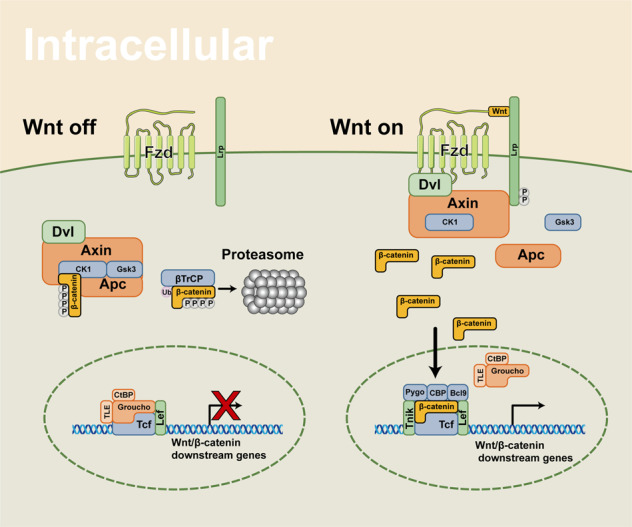
“When the degradation complex of β‐catenin is converted into the active form, phosphorylated β‐catenin is ubiquitinated and transported to the proteasome for degra‐ dation; when the degradation complex is inactive, β‐catenin accumulates, flows into the nucleus to form a transcriptional complex with T cell‐specific tran…”
BackgroundThe effects of intracellular and exosomal ncRNAs on cancer progression
Lin, Y.-H. (2023) · Cancer Gene Therapy · doi:10.1038/s41417-023-00679-y · Cited by 5
Biological Roles and Pathogenic Mechanisms of LncRNA MIR4435-2HG in Cancer: A Comprehensive Review
Chen, Z., Guan, D., Zhu, Q., Wang, Z., Han, F., & Zhou, W. (2023) · Current Issues in Molecular Biology · doi:10.3390/cimb45110556 · Cited by 5
“It is closely linked to the development and advancement of various cancers [87–89].”
BackgroundLiu, X., Wang, L., Duan, C., Rong, Y., Liang, Y., Zhu, Q., Hao, G., & Wang, F.-Z. (2024) · Cell Biology International · doi:10.1002/cbin.12162 · Cited by 5
“Aberrant activation of Wnt/ β ‐ catenin signaling is also closely associated with many features of cancers, such as malignant transformation and poor prognostics (Yu et al., 2021).”
BackgroundLncRNA ZFHX4-AS1 as a novel biomarker in adrenocortical carcinoma
Chen, G., Li, S., Lü, J., Liang, A., Gao, P., Ou, F., Wang, Y., Li, Y., & Pan, B. (2024) · Translational Andrology and Urology · doi:10.21037/tau-23-649 · Cited by 5
“CTNNB1 encodes beta-catenin, a crucial component of the Wnt signaling pathway (62) .”
BackgroundSelf-citationYan, Y., Gong, Y., Liang, X., Xiong, Q., Lin, J., Wu, Y., Zhang, L., Chen, H., Jin, J., & Luan, X. (2024) · Biochimica et Biophysica Acta (BBA) - Reviews on Cancer · doi:10.1016/j.bbcan.2024.189232 · Cited by 6
Dong, X., Liu, H., Tong, T., Wu, L., Wang, J., You, T., Wei, Y., Yi, X., Yang, H., Hu, J., et al. (2025) · npj Precision Oncology · doi:10.1038/s41698-025-00813-z · Cited by 6
Qin, L., Lü, J., Qian, Q., Tang, M., & Liu, M. (2025) · Scientific Reports · doi:10.1038/s41598-025-93519-y · Cited by 5
Metadata
- Authors
- Yu, F., Yu, C., Li, F., Zuo, Y., Wang, Y., Yao, L., Wu, C., Wang, C., & Ye, L.
- Affiliations
- Sichuan University (CN)
- Corresponding author
- Ye, Ling
- Venue
- Signal Transduction and Targeted Therapy
- Published
- 2021-08-30
- Volume
- 6
- Issue
- 1
- Pages
- 307-307
- ISSN
- 2059-3635 (ISSN-L)
- PMC
- PMC8403677
- OpenAlex
- W3198051187
- Cited by
- 734
- References
- 468
- Citations by year
- 2026: 106 · 2025: 234 · 2024: 200 · 2023: 139 · 2022: 53 · 2021: 2
- FWCI
- 10.57
- Type
- journal article
- Language
- en
- Open access
- gold
- doi.org
- Licence
- cc-by
- creativecommons.org/licenses/by/4.0 (tdm)
- creativecommons.org/licenses/by/4.0 (vor)
- Locations
- Signal Transduction and Targeted Therapy (publishedVersion, cc-by)
- Europe PMC (PubMed Central) (publishedVersion, other-oa)
- PubMed Central (publishedVersion, cc-by)
- PubMed (publishedVersion)
- DOAJ (DOAJ: Directory of Open Access Journals) (submittedVersion, cc-by-sa)
- Funders
- National Natural Science Foundation of China (81825005)
- State Key Laboratory of Oral Disease
- Topics
- Life Sciences › Biochemistry, Genetics and Molecular Biology › Molecular Biology › Wnt/β-catenin signaling in development and cancer
- Health Sciences › Medicine › Oncology › Colorectal Cancer Treatments and Studies
- Life Sciences › Biochemistry, Genetics and Molecular Biology › Molecular Biology › Signaling Pathways in Disease
- Keywords
- Wnt/β-catenin signaling, cancer, targeted therapy, aberrant signaling, malignant progression, prognosis, clinical translation, treatment resistance
- MeSH terms
- Humans, Neoplasm Proteins, Neoplasms, Wnt Proteins, beta Catenin, Wnt Signaling Pathway
About these checks
Registry, retraction, Cites and statistics results are computed, not judged, with one exception: a printed reference that no index lists is read once by a model before it counts as a citation error. Claims are extracted by a model and kept only when their quote appears verbatim in the text; each cited source is then checked, with a model’s help, for whether it says what the claim relies on. Those verdicts can be wrong — read the claim’s quote and the cited source before relying on one.
Statistics and arithmetic are recomputed, not judged.
Confidence bands are shown only for fields calibrated on our annotated test set. None is calibrated yet, so no band is shown.
What counts as a claim ›How we measure confidence ›How we check this ›
Are you an author, or do you see a problem with this page? Request a review
Data sources
Bibliographic data: Semantic Scholar, OpenAlex, Crossref.
Contains information from the Semantic Scholar Academic Graph Datasets, made available under the ODC Attribution License (ODC-BY 1.0).
Semantic Scholar’s data is described in: Kinney, R., et al. (2023). The Semantic Scholar Open Data Platform. arXiv:2301.10140.
