

Wnt/β-catenin signaling in cancers and targeted therapies
Open accessThe DOI matches its Crossref record; 468 of the 468 references it cites were found in a registry or an index.
Abstract
Wnt/β-catenin signaling has been broadly implicated in human cancers and experimental cancer models of animals. Aberrant activation of Wnt/β-catenin signaling is tightly linked with the increment of prevalence, advancement of malignant progression, development of poor prognostics, and even ascendence of the cancer-associated mortality. Early experimental investigations have proposed the theoretical potential that efficient repression of this signaling might provide promising therapeutic choices in managing various types of cancers. Up to date, many therapies targeting Wnt/β-catenin signaling in cancers have been developed, which is assumed to endow clinicians with new opportunities of developing more satisfactory and precise remedies for cancer patients with aberrant Wnt/β-catenin signaling. However, current facts indicate that the clinical translations of Wnt/β-catenin signaling-dependent targeted therapies have faced un-neglectable crises and challenges. Therefore, in this study, we systematically reviewed the most updated knowledge of Wnt/β-catenin signaling in cancers and relatively targeted therapies to generate a clearer and more accurate awareness of both the developmental stage and underlying limitations of Wnt/β-catenin-targeted therapies in cancers. Insights of this study will help readers better understand the roles of Wnt/β-catenin signaling in cancers and provide insights to acknowledge the current opportunities and challenges of targeting this signaling in cancers.
Overview
The claims and statistics of this paper haven’t been checked yet.
Free: it reads the open-access text and checks the first 5 claims that cite a source we can check. Create a free account to check every claim.
Integrity signals
Registry
Cites
Statistics
Figures
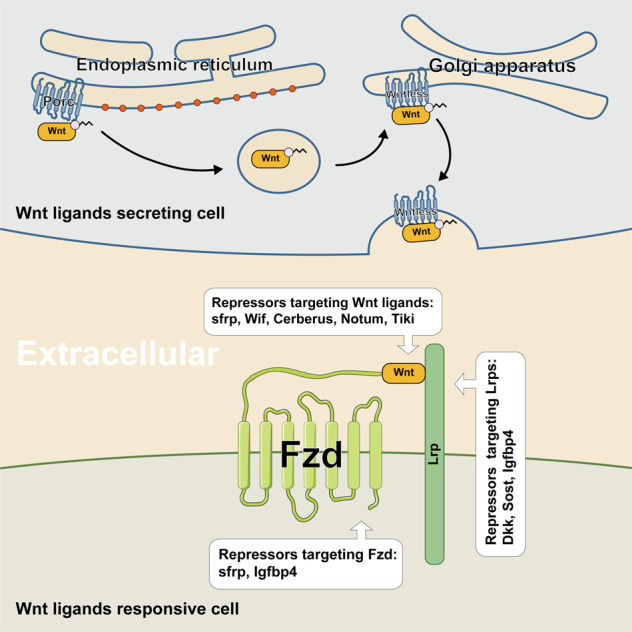
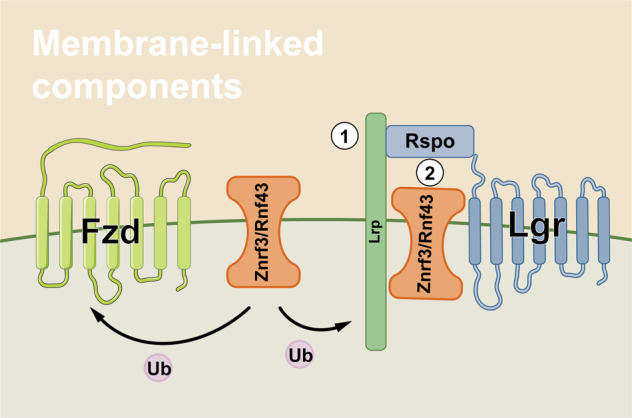
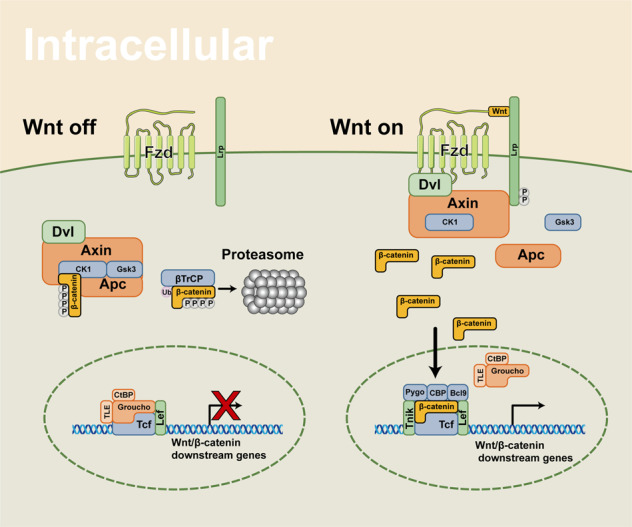

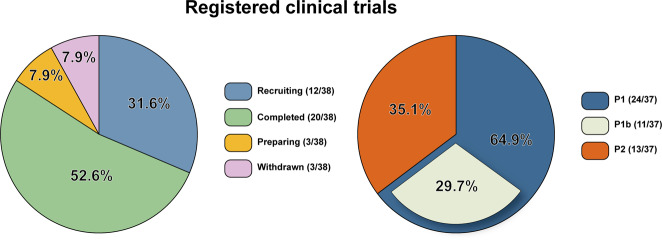
Verification
Claims the paper makes
The claims and statistics of this paper haven’t been checked yet.
Free: it reads the open-access text and checks the first 5 claims that cite a source we can check. Create a free account to check every claim.
Claims other papers make about this one
Each is checked against this paper’s own text: does it say what the citing paper says it does?
The source backs part of the claim, not all of it — or backs it for a different population, condition or comparison.
In the citing paper
“The inactivation of GSK3β disrupts the integrity and function of the destruction complex, thereby preventing β-catenin phosphorylation. As a result, unphosphorylated, stable β-catenin accumulates in the cytoplasm, translocates to the nucleus, and activates the transcription of its target genes, including c-Myc and Cyclin D1 [35, 46, 47, 52–55].”
From PPP1R18-mediated activation of Wnt/β-catenin and EMT is dependent on ERK signaling in clear cell renal cell carcinoma (2026) · cites this paper as [54]
Experimental — accuracy not yet measured
Self-check
Percentages, sums and reported differences re-computed from the paper’s own numbers.
The self-check needs the paper’s full text.
Citations
Cites
4 retracted
Xiu, D., Liu, G., Yu, S., Li, L., Zhao, G.-Q., Liu, L., & Li, X. (2019) · Journal of Experimental & Clinical Cancer Research · doi:10.1186/s13046-019-1100-8 · Cited by 63 · cited 1×
“With respect to its therapeutic potentials, direct silence of Wnt2 alleviated the xenograft breast cancer growth and rescued the malignance and the chemo-drugs resistance in breast cancers.(58,59)”
BackgroundRetractedWu, Y., Tran, T., Dwabe, S., Sarkissyan, M., Kim, J., Nava, M., Clayton, S., Pietras, R. J., Farias‐Eisner, R., & Vadgama, J. V. (2017) · Breast Cancer Research and Treatment · doi:10.1007/s10549-017-4211-y · Cited by 55 · cited 3×
“Furthermore, it has been implied to elevate the epithelium–mesenchyme transit (EMT) of breast cancers through Wnt/β-catenin.(62,63) In terms of therapeutic choices, the downregulation relieved the progression of CRC by reducing cancer cell proliferation and migration.”
BackgroundInfluentialRetractedXiu, D., Liu, G., Yu, S., Li, L., Zhao, G.-Q., Liu, L., & Li, X. (2021) · Journal of Experimental & Clinical Cancer Research · doi:10.1186/s13046-021-02121-3 · Cited by 44
RetractedLi, H., Yang, T., Ning, Q., Shang, D., Yao, Y., & Sun, Z. (2017) · Lung Cancer · doi:10.1016/j.lungcan.2017.03.016 · Cited by 3
RetractedComprehensive molecular characterization of human colon and rectal cancer
The Cancer Genome Atlas Network (2012) · Nature · doi:10.1038/nature11252 · Cited by 8,499
Wnt/β-Catenin Signaling in Development and Disease
Clevers, H. (2006) · Cell · doi:10.1016/j.cell.2006.10.018 · Cited by 5,568 · cited 1×
“INTRODUCTION As an evolutionarily conserved signaling that governs numerously vital embryonic and somatic processes, such as cell fate determination, organogenesis, tissue homeostasis, and a variety of pathological conditions, Wnt/β-catenin signaling also plays crucial roles in cancers.(1) Aberrant Wnt/β-catenin signa…”
Wnt/β-catenin signaling and disease
Clevers, H., & Nusse, R. (2012) · Cell · doi:10.1016/j.cell.2012.05.012 · Cited by 5,554 · cited 1×
“Aberrant Wnt/β-catenin signaling has been uncovered to be tightly woven with many aspects of cancers, including the onset, progression, malignant transformation, and so on.(2,3) Evidence-based medicine has further proved that the abnormal activation of this signaling showed nonnegligible effects on cancer-associated m…”
BackgroundWnt/β-Catenin Signaling, Disease, and Emerging Therapeutic Modalities
Nusse, R., & Clevers, H. (2017) · Cell · doi:10.1016/j.cell.2017.05.016 · Cited by 4,342
Activation of β-Catenin-Tcf Signaling in Colon Cancer by Mutations in β-Catenin or APC
Morin, P. J., Sparks, A. B., Korinek, V., Barker, N., Clevers, H., Vogelstein, B., & Kinzler, K. W. (1997) · Science · doi:10.1126/science.275.5307.1787 · Cited by 3,942
β-catenin is a target for the ubiquitin–proteasome pathway
Aberle, H., Bauer, A., Stappert, J., Kispert, A., & Kemler, R. (1997) · The EMBO Journal · doi:10.1093/emboj/16.13.3797 · Cited by 2,529
Research works printed but not linked: 4
- Schwarz-Romond T The DIX domain of Dishevelled confers Wnt signaling by dynamic polymerization Nat. Struct. Mol. Biol. 2007 14 484 492 10.1038/nsmb1247 17529994 · DOI · Paper page
- Hoey, T. (ed.) Development of FZD8-Fc (OMP-54 F28), aWnt signaling antagonist that inhibits tumor growth and reduces tumor initiating cell frequency. Presented at AACR Annual Meeting; 2013 April; Washington DC (2013).
- OncoMed Pharmaceuticals, Inc. A phase 1b dose escalation study of vantictumab (OMP-18R5) in combination with nab-paclitaxel and gemcitabine in patients with previously untreated stage IV pancreatic cancer. NCT02005315, 18R5-003R5. PMC7211194 31338636
- OncoMed Pharmaceuticals, Inc. A phase 1b dose escalation study of OMP-54F28 in combination with paclitaxel and carboplatin in patients with recurrent platinum-sensitive ovarian cancer. NCT02092363, 54F28-003. PMC7397408 31174889
Cited by
Items 501–600 of 781
The role of long noncoding RNA SNHG29 in malignant tumors
Bu, T., Gu, W., & Shao, Y. (2025) · Discover Oncology · doi:10.1007/s12672-025-03189-5 · Cited by 2
Humtsoe, J. O., Keam, B., Kim, H.-S., Jones, L., Leonard, B. C., Pothukuchi, A., Honjo, S., van Zante, A., Lee, S., & Ha, P. K. (2025) · Head & Neck · doi:10.1002/hed.28249 · Cited by 2
“Currently, many promising anti-cancer agents targeting various components of the Wnt–β-catenin pathway are being evaluated in preclinical and early-stage clinical trials [21, 22].”
Zhang, X., Li, Z., Wen, P., Yin, N., Zhang, Z., Zhong, T., Xia, F., Pan, J., Liu, L., & Dong, J. (2025) · Cellular Signalling · doi:10.1016/j.cellsig.2025.112012 · Cited by 2
Crosstalk between hippo and Wnt pathways in intestinal stem cells regeneration
Li, Y., Hou, Y., He, Y., Cheng, K., Chen, Y., Li, Y., & Zhou, S. (2025) · Cellular Signalling · doi:10.1016/j.cellsig.2025.112023 · Cited by 3
Noncoding RNAs as regulators of FOSL1 in cancer
Wang, X., Wang, L., Wang, S., Zhang, J., Wang, X., Zhang, T., Li, L., Jin, W., Zhao, Y., & Zhou, Z. (2025) · Frontiers in Immunology · doi:10.3389/fimmu.2025.1599674 · Cited by 2
Wang, X., Chang, J., Sun, X., Guo, S., Li, Y., Shi, Q. W., & Yang, Y. (2025) · Journal of Cancer · doi:10.7150/jca.109750 · Cited by 3
Impact of Baseline β-Catenin Comutations on Prognosis in EGFR-Mutant Lung Cancer
Kulhavy, J., Maurus, K., Blasi, M., Brändlein, S., Reu‐Hofer, S., Doll, J., Böck, J., Stenzinger, A., Kazdal, D. N., Budczies, J., et al. (2025) · JCO Precision Oncology · doi:10.1200/po-24-00771 · Cited by 3
Yang, R. L., Han, L., Zhang, Y., Dong, J., Ma, Q., Hua, Y., Ji, P., Yao, W., Yuan, Z., & Wei, Y. (2025) · Journal of Ethnopharmacology · doi:10.1016/j.jep.2025.120641 · Cited by 4
Zhang, L., Liu, S., Wang, D., Zhang, X., Hu, Z., Zou, X., Li, X., Wang, X. J., Xu, D., Liu, W., et al. (2025) · Scientific Reports · doi:10.1038/s41598-025-18290-6 · Cited by 2
Xu, Y. C., & Li, X. (2025) · Hereditas · doi:10.1186/s41065-025-00549-7 · Cited by 2
Zhou, Y., Wang, J., Sun, Y., Zhang, Q., & Su, X. (2025) · European journal of medical research · doi:10.1186/s40001-025-03332-6 · Cited by 2
“The key effector, CTNNB1 (β-catenin), translocates into the nucleus upon pathway activation and engages LEF/TCF transcription factors to induce downstream target gene expression [20].”
TIPE3 promotes breast cancer progression and metastasis via the AKT-GSK3β-β-catenin/Snail pathway
Bai, Y., Wu, J., Yu, D., Li, Q., Li, Y., & Xie, Y. (2025) · Translational Cancer Research · doi:10.21037/tcr-2025-717 · Cited by 2
Roles of the WNT/β-catenin signaling pathway in the metastasis and recurrence of NSCLC
Liu, Y., Ma, J., Zhang, J., & Sun, Q. (2025) · Advances in Cancer Biology - Metastasis · doi:10.1016/j.adcanc.2025.100162 · Cited by 2
Li, X., Lin, Z., Liu, Q., Yuan, Y., Luo, H., Zheng, H., & Luo, W. (2025) · International Journal of Biological Macromolecules · doi:10.1016/j.ijbiomac.2025.149130 · Cited by 2
Effective therapeutic targeting of CTNNB1 ‐mutant hepatoblastoma with WNTinib
Balaseviciute, U., Huguet‐Pradell, J., Abril‐Fornaguera, J., Gris‐Oliver, A., Rialdi, A., Fernández‐Martínez, E., Montironi, C., Pozo, V. D., Houghton, P. J., Zanatto, L., et al. (2025) · Molecular Oncology · doi:10.1002/1878-0261.70168 · Cited by 2
Xu, Y., Wang, X., Tang, L., Shi, L., & Li, M. (2025) · Biochemical Genetics · doi:10.1007/s10528-025-11302-0 · Cited by 2
“Aberrant activation of the Wnt/β-catenin signaling pathway is commonly observed in cancers and has been strongly linked to tumor progression (Yu et al. 2021; Zhang and Wang 2020 ).”
From Signaling Pathways to Combination Therapy: Bioactive Compounds against Cancer Stem Cells
Psvv, C., Pai, N. S., Naik, N. A., Thuyyath, N., Joseph, A., Danthuluri, S., Palanki, S. S., Patel, N., & Lavudi, K. (2026) · Stem Cell Reviews and Reports · doi:10.1007/s12015-026-11057-0 · Cited by 2
Transglutaminase 2 exacerbates ovarian cancer survival by directly inactivating GSK3β
Kim, S., Lee, H., Kang, J., Kim, H., Heo, K., Park, J. H., Lee, B. I., Kang, M., Park, J., & Yook, J. (2026) · Cell Death and Disease · doi:10.1038/s41419-026-08447-0 · Cited by 2
Liu, Z., Wang, J., Wu, X., Shi, H., Ding, Y., & Liu, X. (2026) · Journal of Translational Medicine · doi:10.1186/s12967-026-07768-0 · Cited by 3
Gu, F., Chen, Z., Lim, X., Zhang, T., Yuan, J., & Li, L. (2026) · Drug Design Development and Therapy · doi:10.2147/dddt.s574142 · Cited by 2
“126,127 For example, flavonoids and triterpenoid saponins in Compound Tenglizi Decoction utilize their phenolic hydroxyl and steroidal structures to directly or indirectly disrupt β-catenin stability or its formation of a transcriptional complex with TCF/LEF.”
Huang, P., Zhao, X., Fei, H., Zhang, L., Liu, X., Yu, Y., Wu, R., & Fei, F. (2026) · Frontiers in Oncology · doi:10.3389/fonc.2026.1760042 · Cited by 3
Zhang, Q., Cao, J.-Z., & Zhao, W. (2026) · Acta Pharmacologica Sinica · doi:10.1038/s41401-026-01757-1 · Cited by 2
“Tumor cells may evade therapy by mutating sticker – spacer motifs, rewiring PTM pathways, or activating redundant condensate networks [95, 164].”
Cao, G., Jiang, Y., Li, X., Liu, R., Liu, K., Balcha, F., Ding, M., Yuan, M., Li, T., & Fang, Y. (2026) · Scientific Reports · doi:10.1038/s41598-026-48919-z · Cited by 2
“…of Wnt/β-catenin signaling has been widely implicated in increased incidence, malignant progression, poor prognosis, and cancer-related mortality 25 . β-catenin is a multifunctional protein that occupies a central position in Wnt signaling and participates in diverse cellular processes 26 .”
Salivary biomarkers in oral cancer diagnosis: advancing conventional treatment strategies
Paul, A., Upadhyay, T. K., Ali, A., Singh, H., Saeed, M., & Aqil, F. (2026) · Military Medical Research · doi:10.1016/j.mmr.2026.100018 · Cited by 2
“The non-canonical/ -catenin- independent Wnt signaling cascade is activated by ligands such as Wnt5a and Wnt11, further following the Wnt/Ca 2+ and PCP cascade signaling systems and influencing a range of cellular behaviors, including polarity, motility, and calcium signaling [77,82].”
InfluentialKang, X., Ma, Y., Zhao, H., Zhang, H., Roy, M., Liao, M., Wei, Y., Li, X., Zhou, Y., Xue, H., et al. (2026) · npj Precision Oncology · doi:10.1038/s41698-026-01395-0 · Cited by 2
Proxied therapeutic inhibition on sclerostin and atrial fibrillation risk
Qian, Y., Guan, P.-L., Hu, J., Han, M., Fang, Y., Wang, W.-L., Khederzadeh, S., Hou, Y.-P., Qiu, M.-C., Gao, J.-H., et al. (2026) · Communications Medicine · doi:10.1038/s43856-026-01694-4 · Cited by 2
Self-citationSultana, S., Hasan, M. A. A., Mamun, A. A., Khan, S., & Rahman, M. A. (2026) · Journal of Proteins and Proteomics · doi:10.1007/s42485-026-00210-5 · Cited by 2
“Similarly, the Wnt/β-catenin signal - ing pathway is critically regulated by ubiquitination, with the SCF^βTrCP E3 ligase complex targeting β-catenin for proteasomal degradation to prevent inappropriate activation of proliferative and developmental programs (Yu et al. 2021).”
A Mouse Model for the Rapid and Binomial Assessment of Putative WNT/β-Catenin Signalling Inhibitors
Tse, J. W. T., O’Keefe, R. N., RIGOPOLOUS, A., Carli, A. L. E., Waaler, J., Krauss, S. J. K., Ernst, M., & Büchert, M. (2023) · Biomedicines · doi:10.3390/biomedicines11102719 · Cited by 2
“Despite more than two decades of development to identify WNT/ β -catenin signalling inhibitors [4–6], including G007-LK-series tankyrase inhibitors [7–10], no drug has so far reached clinical use.”
Zhang, W., Ma, Z., Wang, L., Fan, D., & Ho, Y. (2023) · Statistics in Medicine · doi:10.1002/sim.9928 · Cited by 2
Roles, underlying mechanisms and clinical significances of LINC01503 in human cancers
Bao, L. (2024) · Pathology - Research and Practice · doi:10.1016/j.prp.2024.155125 · Cited by 2
Zhang, R., Yuan, J., Liu, S., Torraca, V., Liao, Z., Wu, Y., Tan, H., Yao, X., Hou, X., Lyu, H., et al. (2024) · Advanced Biology · doi:10.1002/adbi.202300117 · Cited by 2
Research progress of ZIC5 for tumor metastasis
Zhong, Y., Yang, S., Wang, X., & Sun, C. (2024) · Biochemical Society Transactions · doi:10.1042/bst20231263 · Cited by 2
The upregulation of POLR3G correlates with increased malignancy of bladder urothelium
Liu, X., Zhu, L., Li, D., & Chen, X. (2024) · European journal of medical research · doi:10.1186/s40001-024-01980-8 · Cited by 2
“The Wnt signaling pathway is a complex network of proteins that plays a crucial role in regulating cell growth, migration, and differentiation, and dysregulation of this pathway has been implicated in various cancers [31–33].”
BackgroundKhordadmehr, M., Jigari‐Asl, F., Baradaran, B., Baghbani, E., Noorolyai, S., & Rahmani, S. (2023) · Archives of Razi Institute · doi:10.32592/ari.2024.79.2.367 · Cited by 2
“Wnt/β-catenin signaling is prevalent in human cancers and is closely associated with tumor growth, malignancy, poor prognosis, and short survival (26).”
BackgroundTan, J. Y., lian, H., Zheng, Q., Yang, T., & Wang, T. (2025) · Current Cancer Drug Targets · doi:10.2174/0115680096360071241215171342 · Cited by 2
β-Catenin Regulates Glycolytic and Mitochondrial Function in T-Cell Acute Lymphoblastic Leukemia
Zhang, L., Zhao, Y., Wang, S., Zhang, J., Li, X., Wang, S., Huang, T., Wang, J., & Liu, J. (2025) · Biomedicines · doi:10.3390/biomedicines13020292 · Cited by 2
Wang, W., Yun, B., Xiang, Z., Liu, X., Yi, C., Ouyang, S., Xiliu, Z., Xiong, G., Zhuang, Z., & Wang, C. (2025) · Cellular Signalling · doi:10.1016/j.cellsig.2025.111613 · Cited by 2
Self-citationQiu, H., Zhang, M., Chen, C., Wang, H., & Yue, X. (2025) · International Journal of Molecular Sciences · doi:10.3390/ijms26041514 · Cited by 4
Liu, N., Tu, Y., Wang, H., Zheng, X., Ji, F., Geng, M., Wei, X. P., Xin, J., He, W., Zhao, Q., et al. (2025) · Journal of Pharmaceutical Analysis · doi:10.1016/j.jpha.2025.101309 · Cited by 2
Sil, S., Gayen, S., Seal, I., Das, A., & Roy, S. (2025) · Journal of Trace Elements in Medicine and Biology · doi:10.1016/j.jtemb.2025.127680 · Cited by 2
Unlocking Wnt's weak spot: Glycosylated nanoalbumins to reignite immune responses in MSS-CRC
Wei, X. P., Zuo, M., Liang, Q., Zhang, S., Wang, J., Li, Z., Yang, W., Ma, F., He, W., & Liu, T. (2025) · Journal of Pharmaceutical Analysis · doi:10.1016/j.jpha.2025.101412 · Cited by 3
Fan, N., Zhai, S., Lv, X., Li, F., Jin, Y., Xing, P., Cao, Y.-S., Yun, T., Yuan, X., Meng, N.-L., et al. (2024) · American Journal of Translational Research · doi:10.62347/cqbs7463 · Cited by 1
Self-citationThe roles and mechanisms of APOL1 in the development of colorectal cancer
Xu, F., Wang, W., Li, Q., Zou, L., & Miao, H. (2024) · Journal of Gastrointestinal Oncology · doi:10.21037/jgo-24-275 · Cited by 1
“It can contribute to tumor progression by triggering proliferative signals downstream (10,11).”
BackgroundTLK2 promotes progression of hepatocellular carcinoma through Wnt/β-catenin signaling
He, T., Xu, B., & Ma, H. (2024) · Translational Cancer Research · doi:10.21037/tcr-23-2264 · Cited by 2
“Current evidence suggests that the Wnt/ β -catenin pathway is dysregulated in many types of cancer, including hepatocellular carcinoma, and has been shown to play a critical role in tumor initiation and progression (21).”
Cai, S., Ye, L., Zhong, Q., & Zhang, X. (2024) · Journal of Biochemical and Molecular Toxicology · doi:10.1002/jbt.23853 · Cited by 2
Self-citationO-GlcNAc and Signal Transduction in Cancer
Ma, J., Hou, C., & Pei, H. (2024) · Springer eBooks · doi:10.1007/978-981-97-4864-8_5 · Cited by 1
Ali, S. M., Adnan, Y., Ahmad, Z., Chawla, T. U., & Ali, S. A. (2024) · Biomarkers in Medicine · doi:10.1080/17520363.2024.2416888 · Cited by 1
Molecular Mechanisms and Strategies for Inducing Neuronal Differentiation in Glioblastoma Cells
Tang, Z.-Q., Ye, Y.-R., & Shen, Y. (2025) · Cellular Reprogramming · doi:10.1089/cell.2024.0087 · Cited by 1
“…synthase kinase 3 b (GSK-3 b ) phosphorylation, stabilizing b -catenin and translocating it to the nucleus. b -Catenin binds to T cell factor (TCF), ultimately activating gene expression involved in cell proliferation, survival, differentiation, and migration (Liu et al., 2022; Yu et al., 2021).”
Wang, C.-H., Wang, H., Wang, X., Xing, X.-H., Wu, Y., Luo, M.-M., Pan, Y.-F., Dong, L., Tan, Y., Huang, H., et al. (2025) · Scientia Sinica Chimica · doi:10.1360/ssc-2025-0009 · Cited by 1
Self-citationRacGAP1 Plays an Oncogenic Role in Lung Adenocarcinoma by Regulating the Wnt/β-Catenin Pathway
Mosca, N., Pezzullo, M., Leo, I. D., Truda, A., Marchese, G., Russo, A., & Potenza, N. (2025) · Cells · doi:10.3390/cells14110773 · Cited by 1
“The Wnt signaling pathway plays a critical role in many cancers, including LC [20], contributing to promoting proliferation, migration and invasion [21,22], inhibiting apoptosis [22,23], maintaining stemness [24], driving the EMT process [25], promoting angiogenesis [26] and facilitating metastasis…”
Chen, Y., Wang, Q., Bian, S., Dong, J., Xiong, J., & Le, J. (2025) · Discover Oncology · doi:10.1007/s12672-025-02341-5 · Cited by 1
“Similarly, the Wnt/β-catenin signaling pathway is known to be critically involved in the development and progression of various cancers [37].”
Chen, M., Li, J., Hu, S., Wang, Y., Wang, K., & Wang, T. (2025) · Cancer Management and Research · doi:10.2147/cmar.s526130 · Cited by 1
“The PI3K/AKT and Wnt/β-catenin pathways are two critical pathways that are frequently involved in cancer, 27,28 and they are often transitionally activated in cancer cells, resulting in enhanced proliferation, migration, and invasion of tumor cells.”
Self-citationWang, J., Pei, Y., Liang, Q., Xi, Y., Cai, J., Yi, N., Wu, W., Wang, Y., Liu, Q., & Chen, W. (2025) · Molecular Carcinogenesis · doi:10.1002/mc.23930 · Cited by 1
Self-citationWnt signal pathways: new mechanistic approaches and clinical horizons in cancer therapy
Hassan, H. A., & Abdel-Sater, K. A. (2025) · Medical Oncology · doi:10.1007/s12032-025-02868-1 · Cited by 1
“For instance, LGK974 and ETC-159 are in clinical trials for various cancers [80].”
Transcription factor degraders
Wang, M., Wei, Y., & Ma, X. (2025) · Elsevier eBooks · doi:10.1016/b978-0-443-21816-3.00006-3 · Cited by 1
He, F., Li, J., Tong, W., Wang, S., Wang, H., Huang, B., & Teng, B. (2025) · Cellular Signalling · doi:10.1016/j.cellsig.2025.112043 · Cited by 1
Functional Changes Associated With the Subcellular Localization of the Nuclear Receptor NR4A1
Kiriyama, Y., Nakatsuma, A., Tokumaru, H., Sadamoto, H., & Nochi, H. (2025) · Biochemistry Research International · doi:10.1155/bri/4849733 · Cited by 1
Regulation of EMT-MET and chemoresistance by the Lc3Cer-synthase B3GNT5
Clark, L. E., Rorie, K. H., DICKINSON, A. J. G., & Lima, S. (2025) · BMC Cancer · doi:10.1186/s12885-025-14717-5 · Cited by 1
“Beta-catenin is an integral adherens junction protein as well as a core member of canonical Wnt signaling, and it has a demonstrated role in cancer progression [31].”
Liu, H., Zhu, B., Cui, Y., Liu, W., Xu, Q., Lu, X., Tan, Z., Tian, Y., & Xu, W. (2025) · Translational Oncology · doi:10.1016/j.tranon.2025.102515 · Cited by 1
“There is a strong correlation between this route and epithelial-to-mesenchymal transition (EMT), in which cells in the epithelium undergo a change in which they become more invasive and migratory by losing their polarity and cell-cell adhesion [48,49].”
A Photothermal Nano‐Switch for Tumor‐Selective Wnt Hyperactivation in Vivo
Fang, C., Liu, Y., Zhang, B., Liu, T., Hu, X., Li, B., Gan, Y., Huang, C., Xue, P., Zhang, S., et al. (2025) · Angewandte Chemie · doi:10.1002/ange.202506666 · Cited by 1
Self-citationPulat, S., Ji, M., Oh, S., Choi, B., Varlı, M., Park, S., Zhou, R., Gamage, C. D. B., Hur, J., Paik, M., et al. (2025) · Phytomedicine · doi:10.1016/j.phymed.2025.157270 · Cited by 1
Okotel, M., & Huang, C. (2025) · Critical Reviews™ in Oncogenesis · doi:10.1615/critrevoncog.2025060830 · Cited by 1
Targeting Tumor‐Immune Microenvironment with Organoid and Organ‐on‐a‐Chip: An Updated Review
Madani, S., Holman, J. B., Rajput, M. U., Ali, S. W., Shi, Z., Qiu, B., Zhang, A., Li, C., & Ding, W. (2025) · Advanced Materials Technologies · doi:10.1002/admt.202501704 · Cited by 1
Roles of Wnt ligands and receptors in oral squamous cell carcinoma
Tufail, M., He, C., Jiang, C., & Li, N. (2025) · Journal of Zhejiang University SCIENCE B · doi:10.1631/jzus.b2400251 · Cited by 1
“Add‑ itionally, Wnt signaling can modulate phosphatase and tensin homolog (PTEN), influencing PI3K/AKT path‐ way regulation (Yu et al., 2021; He and Gan, 2023).”
Zou, J., Zhou, W., He, X., Wu, X., Li, F., Luo, X., Wang, X. S., Bi, H. S., Zhao, L., Chen, X., et al. (2025) · MedComm – Oncology · doi:10.1002/mog2.70046 · Cited by 1
Self-citationDu, J., Zhang, Y., Shi, D., Chang, C., Zhou, F., Dong, J., Yan, Y., & Liu, X. (2025) · Bioorganic Chemistry · doi:10.1016/j.bioorg.2025.109297 · Cited by 1
Zhao, M., Shi, J., Wei, X., Tian, W., & Chen, Y. (2025) · Cytokine · doi:10.1016/j.cyto.2025.157079 · Cited by 1
Abouelhamd, A., Shehata, N. E. M., Hafez, S. M. N. A., & Abu‐Baih, D. H. (2025) · Journal of Applied Toxicology · doi:10.1002/jat.70032 · Cited by 1
“In contrast, in the absence of WNT ligands, the β-catenin degradation complex containing AXIN, CK1α, GSK3β, and APC phosphorylates β-catenin, marking it for deterioration via the ubiquitin-proteasome pathway (Yu et al. 2021).”
Basic research on quercetin in liver cancer: Progress and perspectives
Liu, B., Yu, Y., Wang, R., Wu, Y., & Sun, K. (2025) · Medicine · doi:10.1097/md.0000000000045534 · Cited by 1
“[122] In this study, the combination resulted in a better reduction of total β -catenin, and cyclin D1 levels and up-regulation of the protein expression of the tumor suppressor p53 compared to the administration of the drug alone.”
Lü, Q., Li, J., Gao, X., Wu, B., & Wang, Z. (2025) · Scientific Reports · doi:10.1038/s41598-025-32762-9 · Cited by 1
Xu, D., Wang, M., Wu, M., Yu, Y., Chen, X., Wen, Z., Shen, D., Liu, T., & Chen, H. (2025) · Medical Oncology · doi:10.1007/s12032-025-03185-3 · Cited by 1
Zhang, S., Xiang, P., Suo, M., Yi, Z., Wei, Z., Li, J., Zeng, Y., & Chen, Y. (2025) · Brain Research Bulletin · doi:10.1016/j.brainresbull.2025.111710 · Cited by 1
Li, Y. M., Zhao, L., Deng, J., Lu, S., Du, J., Chen, C., Zhao, L., Xu, Z., Wang, W., Wang, Y., et al. (2026) · Theranostics · doi:10.7150/thno.122368 · Cited by 1
“In CRC, this pathway is constitutively activated, driving uncontrolled tumor cell proliferation and representing a validated therapeutic target [6,27].”
Self-citationZhang, S., Zhao, Y., Geng, L., Song, F., Feng, L., Jiang, J., Cai, Q., & 范飞 (2026) · Oncology Research Featuring Preclinical and Clinical Cancer Therapeutics · doi:10.32604/or.2025.071739 · Cited by 1
The role of osteomimicry factors in prostate cancer progression and metastasis
Elshafae, S. M., Utzman, P. H., Moussa, M., Fotouh, A., Ponnazhagan, S., & Hildreth, B. E. (2026) · American Journal of Physiology-Cell Physiology · doi:10.1152/ajpcell.00845.2025 · Cited by 2
Wang, Y., Khabibovna, Y. S., Alkhamessi, R. N., Kadham, M. J., Aboqader, R. F., Thakur, V., Naser, R. H., Lakshmaiya, N., Jayapal, P., Almagharbeh, W. T., et al. (2026) · Discover Oncology · doi:10.1007/s12672-025-04358-2 · Cited by 2
Self-citationWu, Y., Zheng, C., Chen, W., & Xu, T. (2026) · International Journal of Endocrinology · doi:10.1155/ije/7664607 · Cited by 1
Suppressive role of SCN4B in the epithelial‑mesenchymal transition of lung adenocarcinoma
Guo, M., Li, H., Zhao, Z., Wang, Y., Tang, J., Zhong, B., & Zhao, Y. (2026) · Oncology Reports · doi:10.3892/or.2026.9073 · Cited by 1
“On the other hand, it suppresses canonical Wnt/ β ‑catenin signaling by stabilizing epithelial cell‑cell junctions, reducing nuclear β ‑catenin accu‑ mulation and lowering T‑cell factor/lymphoid enhancer factor reporter activity (55).”
Self-citationTang, G.-X., Yan, J.-T., Li, M., Zhou, C. Y., Wang, J., Chen, S., Huang, Z., & Tan, J. (2026) · Advanced Science · doi:10.1002/advs.202523462 · Cited by 1
“Prior studies have shown that under hypoxic conditions, activation of the Wnt/ β -catenin pathway promotes survival and proliferation of tumor cells [ 40 ].”
Li, X., Mu, S., Sun, Y., & Yu, Y. (2026) · Cancer Medicine · doi:10.1002/cam4.71833 · Cited by 1
“Increasing evidence shows its involvement in the initiation and progression of cancers, including solid tumors and hematologic malignancies [15].”
Jeong, M., Ryu, S.-H., Cho, Y.-J., Na, D.-H., Baek, J., Nah, J., Kim, K. W., & Jung, Y. (2026) · Cell Death and Disease · doi:10.1038/s41419-026-08777-z · Cited by 1
Tao, Z., Gao, J., Huang, H., Xu, T., Zhang, T., Liang, J., Bao, L., 廖少萍, Mo, L., Chi, J., et al. (2026) · Molecular Immunology · doi:10.1016/j.molimm.2026.04.009 · Cited by 1
Keyhani, A., Kashani, H. H., Asl, K. D., Mazloumi, Z., kaikavoosnejad, F., Moosavi, S. S., Verdi, M., Rafat, A., & Nejati, R. (2026) · Biomolecules · doi:10.3390/biom16050653 · Cited by 1
“Furthermore, advanced approaches such as synergistic combination regimens and immunotherapy may yield substantial advances toward identifying effective WNT/ β -catenin–targeted therapies in oncology [109,115].”
Kocoglu, T., Duman, N., Evran, A. C., & Özdemir, Ç. (2026) · Journal of Clinical Medicine · doi:10.3390/jcm15103804 · Cited by 1
“Dysregulation of this pathway has been associated with enhanced proliferative capacity, altered cell adhesion, and invasive behavior in cancer biology [17,18,21,22], and may contribute to subtype-specific differences in BCC [9–11].”
The dual role of gastric microbiota dysbiosis in gastric cancer progression and therapy
Liu, Y., Shao, Q., Zhang, C., Zhang, F., Liu, J., Li, Y., & Huang, Z. (2026) · International Journal of Clinical Oncology · doi:10.1007/s10147-026-03052-9 · Cited by 1
“…secreted by F. nucleatum can bind to E-cadherin, inducing its phosphorylation and internalization; this leads to degradation of the E-cadherin/β-catenin complex, accompanied by increased β-catenin synthesis and nuclear translocation, which in turn activates cancer-associated Wnt signaling [59, 60].”
Smoljo, L., Mateljak, T., Racetin, A., Todorović, P., Komic, J., Komić, L., Đolonga, P., Grubisic, D. A., Kostić, S., Vukojević, K., et al. (2026) · Journal of Personalized Medicine · doi:10.3390/jpm16060279 · Cited by 1
“While nuclear β -catenin acts as an oncogenic transcriptional co-activator driving MYC and CCND1 expression [15,16], it also serves an essential structural function at adherens junctions, linking E-cadherin to the actin cytoskeleton [47–49].”
Guo, X., Zhou, X., Ran, W., Zhu, Q., Chen, W., & Ma, C. (2026) · Oncology Letters · doi:10.3892/ol.2026.15668 · Cited by 1
“In the absence of Wnt ligands, β ‑catenin is phosphorylated by a destruction complex composed of proteins such as axis inhibition protein, adenomatous polyposis coli (APC) and glycogen synthase kinase‑3b, which targets it for proteasomal degradation (44).”
Song, C., Hou, Z., Wu, H., & Li, X. (2026) · International Journal of Biological Macromolecules · doi:10.1016/j.ijbiomac.2026.152706 · Cited by 1
Salehi, S., Mottaghi-Dastjerdi, N., Shahbazi, B., Ahmadi, N., Ghorbani, A., Soltany‐Rezaee‐Rad, M., Yazdani, F., Khoshdel, F., & Niazi, M.-J. (2026) · Discover Oncology · doi:10.1007/s12672-026-04783-x · Cited by 1
“Although large-scale genomic studies have identified recurrent mutations and dysregulated signaling pathways, most notably PI3K/AKT/mTOR and Wnt/β-catenin, the systems-level regulatory architecture underlying EC pathogenesis remains insufficiently characterized [1–4].”
Yu, F., Li, F., Yu, P., Zhou, B., Wang, C., & Ye, L. (2026) · Nature Biomedical Engineering · doi:10.1038/s41551-026-01695-7 · Cited by 1
Self-citationApplication of Nanotechnology in Cancer Diagnosis, Biomarker Discovery, and Drug Discovery
Nair, A., Prasad, A. P., Shajahan, H., Sivasree, M., Somasundaram, D. B., & Yesupatham, S. K. (2026) · Studies in Rhythm Engineering · doi:10.1007/978-981-95-7012-6_4 · Cited by 1
Annulate lamellae – an underexplored cellular structure
Oliveira, L., & Joseph, J. (2026) · Journal of Cell Science · doi:10.1242/jcs.264633 · Cited by 1
Li, H., Zhou, J., & Zhu, X. (2026) · Biomedicines · doi:10.3390/biomedicines14081735 · Cited by 2
“The pan-Frizzled monoclonal antibody OMP-18R5 targets extracellular domains or membrane-associated proteins to inhibit ligand-receptor signaling while indirectly exerting antitumor effects by activating the innate immune system [66].”
Dai, C., Kong, X., Xiao, C., Wei, S., & Han, L. (2026) · Tissue and Cell · doi:10.1016/j.tice.2026.103850 · Cited by 1
Abramova, A. A., Rogachev, V. V., Baimler, I. V., Gudkov, S. V., & Varlamova, E. G. (2026) · Biological Trace Element Research · doi:10.1007/s12011-026-05288-y · Cited by 1
Xiang, Z., Li, J., Xu, Y., Xu, C., Li, S., Zheng, S., Yang, Z., Wei, X., & Xu, X. (2026) · Signal Transduction and Targeted Therapy · doi:10.1038/s41392-026-03059-8 · Cited by 1
Small bowel intussusception caused by a serrated adenoma: a case report
Chen, Y., Wang, J., Wang, M., Zheng, X., & Li, J. (2022) · Journal of International Medical Research · doi:10.1177/03000605221144902 · Cited by 1
The Role of Hippo/YAP Pathway in the Crosstalk of Tumor Cell Signaling Pathways
王, 莹. (2023) · Hans Journal of Biomedicine · doi:10.12677/hjbm.2023.131010 · Cited by 2
Gou, L., He, Y., Qiu, P., & Huang, B. (2023) · PubMed Central · doi:10.3779/j.issn.1009-3419.2023.106.21 · Cited by 1
“…腺癌等。已有证据 [12-14] 显示, lncRNA miR143HG 作为抑 和迁移 [15] 。此外 Wang 等 [16] 提出, lncRNA miR143HG 通过 要能力 [17] 。作为最保守的多功能 miRNAs 之一, miR-155 表 达的变化与各种生理和病理过程有关,包括免疫反应、炎 症和肿瘤发生 [18] 。多项研究 [19-21] 表明, miR-155 的过度表达 相关研究 [22] 表明 Wnt/β-Catenin 信号通路的异常调节与恶 性肿瘤的进展、肿瘤的不良预后以及癌症致死率等密切相 关。有研究 [23]”
Luo, M., Chen, Y., Yin, X., & Li, J. N. (2024) · International Journal of Surgical Pathology · doi:10.1177/10668969241231971 · Cited by 1
“12,13 Notably, in the current case, over one-third but not all tumor cells exhibited nuclear β -catenin immunopositivity; however, previous studies had showed that focal β -catenin reactivity was suf fi cient to classify a medulloblastoma as Wnt-activated variant.”
Metadata
- Authors
- Yu, F., Yu, C., Li, F., Zuo, Y., Wang, Y., Yao, L., Wu, C., Wang, C., & Ye, L.
- Affiliations
- Sichuan University (CN)
- Corresponding author
- Ye, Ling
- Venue
- Signal Transduction and Targeted Therapy
- Published
- 2021-08-30
- Volume
- 6
- Issue
- 1
- Pages
- 307-307
- ISSN
- 2059-3635 (ISSN-L)
- PMC
- PMC8403677
- OpenAlex
- W3198051187
- Cited by
- 734
- References
- 468
- Citations by year
- 2026: 106 · 2025: 234 · 2024: 200 · 2023: 139 · 2022: 53 · 2021: 2
- FWCI
- 10.57
- Type
- journal article
- Language
- en
- Open access
- gold
- doi.org
- Licence
- cc-by
- creativecommons.org/licenses/by/4.0 (tdm)
- creativecommons.org/licenses/by/4.0 (vor)
- Locations
- Signal Transduction and Targeted Therapy (publishedVersion, cc-by)
- Europe PMC (PubMed Central) (publishedVersion, other-oa)
- PubMed Central (publishedVersion, cc-by)
- PubMed (publishedVersion)
- DOAJ (DOAJ: Directory of Open Access Journals) (submittedVersion, cc-by-sa)
- Funders
- National Natural Science Foundation of China (81825005)
- State Key Laboratory of Oral Disease
- Topics
- Life Sciences › Biochemistry, Genetics and Molecular Biology › Molecular Biology › Wnt/β-catenin signaling in development and cancer
- Health Sciences › Medicine › Oncology › Colorectal Cancer Treatments and Studies
- Life Sciences › Biochemistry, Genetics and Molecular Biology › Molecular Biology › Signaling Pathways in Disease
- Keywords
- Wnt/β-catenin signaling, cancer, targeted therapy, aberrant signaling, malignant progression, prognosis, clinical translation, treatment resistance
- MeSH terms
- Humans, Neoplasm Proteins, Neoplasms, Wnt Proteins, beta Catenin, Wnt Signaling Pathway
About these checks
Registry, retraction, Cites and statistics results are computed, not judged, with one exception: a printed reference that no index lists is read once by a model before it counts as a citation error. Claims are extracted by a model and kept only when their quote appears verbatim in the text; each cited source is then checked, with a model’s help, for whether it says what the claim relies on. Those verdicts can be wrong — read the claim’s quote and the cited source before relying on one.
Statistics and arithmetic are recomputed, not judged.
Confidence bands are shown only for fields calibrated on our annotated test set. None is calibrated yet, so no band is shown.
What counts as a claim ›How we measure confidence ›How we check this ›
Are you an author, or do you see a problem with this page? Request a review
Data sources
Bibliographic data: Semantic Scholar, OpenAlex, Crossref.
Contains information from the Semantic Scholar Academic Graph Datasets, made available under the ODC Attribution License (ODC-BY 1.0).
Semantic Scholar’s data is described in: Kinney, R., et al. (2023). The Semantic Scholar Open Data Platform. arXiv:2301.10140.
