

Wnt/β-catenin signaling in cancers and targeted therapies
Open accessThe DOI matches its Crossref record; 468 of the 468 references it cites were found in a registry or an index.
Abstract
Wnt/β-catenin signaling has been broadly implicated in human cancers and experimental cancer models of animals. Aberrant activation of Wnt/β-catenin signaling is tightly linked with the increment of prevalence, advancement of malignant progression, development of poor prognostics, and even ascendence of the cancer-associated mortality. Early experimental investigations have proposed the theoretical potential that efficient repression of this signaling might provide promising therapeutic choices in managing various types of cancers. Up to date, many therapies targeting Wnt/β-catenin signaling in cancers have been developed, which is assumed to endow clinicians with new opportunities of developing more satisfactory and precise remedies for cancer patients with aberrant Wnt/β-catenin signaling. However, current facts indicate that the clinical translations of Wnt/β-catenin signaling-dependent targeted therapies have faced un-neglectable crises and challenges. Therefore, in this study, we systematically reviewed the most updated knowledge of Wnt/β-catenin signaling in cancers and relatively targeted therapies to generate a clearer and more accurate awareness of both the developmental stage and underlying limitations of Wnt/β-catenin-targeted therapies in cancers. Insights of this study will help readers better understand the roles of Wnt/β-catenin signaling in cancers and provide insights to acknowledge the current opportunities and challenges of targeting this signaling in cancers.
Overview
The claims and statistics of this paper haven’t been checked yet.
Free: it reads the open-access text and checks the first 5 claims that cite a source we can check. Create a free account to check every claim.
Integrity signals
Registry
Cites
Statistics
Figures

Verification
Claims the paper makes
The claims and statistics of this paper haven’t been checked yet.
Free: it reads the open-access text and checks the first 5 claims that cite a source we can check. Create a free account to check every claim.
Claims other papers make about this one
Each is checked against this paper’s own text: does it say what the citing paper says it does?
The source backs part of the claim, not all of it — or backs it for a different population, condition or comparison.
In the citing paper
“The inactivation of GSK3β disrupts the integrity and function of the destruction complex, thereby preventing β-catenin phosphorylation. As a result, unphosphorylated, stable β-catenin accumulates in the cytoplasm, translocates to the nucleus, and activates the transcription of its target genes, including c-Myc and Cyclin D1 [35, 46, 47, 52–55].”
From PPP1R18-mediated activation of Wnt/β-catenin and EMT is dependent on ERK signaling in clear cell renal cell carcinoma (2026) · cites this paper as [54]
Experimental — accuracy not yet measured
Self-check
Percentages, sums and reported differences re-computed from the paper’s own numbers.
The self-check needs the paper’s full text.
Citations
Cites
4 retracted
Xiu, D., Liu, G., Yu, S., Li, L., Zhao, G.-Q., Liu, L., & Li, X. (2019) · Journal of Experimental & Clinical Cancer Research · doi:10.1186/s13046-019-1100-8 · Cited by 63 · cited 1×
“With respect to its therapeutic potentials, direct silence of Wnt2 alleviated the xenograft breast cancer growth and rescued the malignance and the chemo-drugs resistance in breast cancers.(58,59)”
BackgroundRetractedWu, Y., Tran, T., Dwabe, S., Sarkissyan, M., Kim, J., Nava, M., Clayton, S., Pietras, R. J., Farias‐Eisner, R., & Vadgama, J. V. (2017) · Breast Cancer Research and Treatment · doi:10.1007/s10549-017-4211-y · Cited by 55 · cited 3×
“Furthermore, it has been implied to elevate the epithelium–mesenchyme transit (EMT) of breast cancers through Wnt/β-catenin.(62,63) In terms of therapeutic choices, the downregulation relieved the progression of CRC by reducing cancer cell proliferation and migration.”
BackgroundInfluentialRetractedXiu, D., Liu, G., Yu, S., Li, L., Zhao, G.-Q., Liu, L., & Li, X. (2021) · Journal of Experimental & Clinical Cancer Research · doi:10.1186/s13046-021-02121-3 · Cited by 44
RetractedLi, H., Yang, T., Ning, Q., Shang, D., Yao, Y., & Sun, Z. (2017) · Lung Cancer · doi:10.1016/j.lungcan.2017.03.016 · Cited by 3
RetractedComprehensive molecular characterization of human colon and rectal cancer
The Cancer Genome Atlas Network (2012) · Nature · doi:10.1038/nature11252 · Cited by 8,499
Wnt/β-Catenin Signaling in Development and Disease
Clevers, H. (2006) · Cell · doi:10.1016/j.cell.2006.10.018 · Cited by 5,568 · cited 1×
“INTRODUCTION As an evolutionarily conserved signaling that governs numerously vital embryonic and somatic processes, such as cell fate determination, organogenesis, tissue homeostasis, and a variety of pathological conditions, Wnt/β-catenin signaling also plays crucial roles in cancers.(1) Aberrant Wnt/β-catenin signa…”
Wnt/β-catenin signaling and disease
Clevers, H., & Nusse, R. (2012) · Cell · doi:10.1016/j.cell.2012.05.012 · Cited by 5,554 · cited 1×
“Aberrant Wnt/β-catenin signaling has been uncovered to be tightly woven with many aspects of cancers, including the onset, progression, malignant transformation, and so on.(2,3) Evidence-based medicine has further proved that the abnormal activation of this signaling showed nonnegligible effects on cancer-associated m…”
BackgroundWnt/β-Catenin Signaling, Disease, and Emerging Therapeutic Modalities
Nusse, R., & Clevers, H. (2017) · Cell · doi:10.1016/j.cell.2017.05.016 · Cited by 4,342
Activation of β-Catenin-Tcf Signaling in Colon Cancer by Mutations in β-Catenin or APC
Morin, P. J., Sparks, A. B., Korinek, V., Barker, N., Clevers, H., Vogelstein, B., & Kinzler, K. W. (1997) · Science · doi:10.1126/science.275.5307.1787 · Cited by 3,942
β-catenin is a target for the ubiquitin–proteasome pathway
Aberle, H., Bauer, A., Stappert, J., Kispert, A., & Kemler, R. (1997) · The EMBO Journal · doi:10.1093/emboj/16.13.3797 · Cited by 2,529
Research works printed but not linked: 4
- Schwarz-Romond T The DIX domain of Dishevelled confers Wnt signaling by dynamic polymerization Nat. Struct. Mol. Biol. 2007 14 484 492 10.1038/nsmb1247 17529994 · DOI · Paper page
- Hoey, T. (ed.) Development of FZD8-Fc (OMP-54 F28), aWnt signaling antagonist that inhibits tumor growth and reduces tumor initiating cell frequency. Presented at AACR Annual Meeting; 2013 April; Washington DC (2013).
- OncoMed Pharmaceuticals, Inc. A phase 1b dose escalation study of vantictumab (OMP-18R5) in combination with nab-paclitaxel and gemcitabine in patients with previously untreated stage IV pancreatic cancer. NCT02005315, 18R5-003R5. PMC7211194 31338636
- OncoMed Pharmaceuticals, Inc. A phase 1b dose escalation study of OMP-54F28 in combination with paclitaxel and carboplatin in patients with recurrent platinum-sensitive ovarian cancer. NCT02092363, 54F28-003. PMC7397408 31174889
Cited by
Items 401–500 of 781
Intratumoral microbiota composition in women’s cancers: a systematic review and meta-analysis
Wen, Q., Wang, S., Fu, S., Zhou, X., Min, Y., Lang, J., & Chen, M. (2025) · Frontiers in Oncology · doi:10.3389/fonc.2025.1544786 · Cited by 5
Caldeira, M. O., Moraes, J. G. N., Nguyen, T. T. T., Silva, J. C. C., Ramos, I. S., Poock, S. E., Spencer, T. E., & Lucy, M. C. (2025) · Biology of Reproduction · doi:10.1093/biolre/ioaf146 · Cited by 5
Bird, R. P. (2024) · Advances in food and nutrition research · doi:10.1016/bs.afnr.2023.12.002 · Cited by 6
Bandi, D. S. R., Nagaraju, G. P., Sarvesh, S., Wang, J. W., Foote, J. B., Keeton, A. B., Chen, X., Ramírez‐Alcántara, V., Holmes, T., Akce, M., et al. (2026) · bioRxiv (Cold Spring Harbor Laboratory) · doi:10.64898/2026.02.11.705411 · Cited by 5
Tian, S., Shen, J., Sun, D.-P., & Chen, W. (2025) · Scientific Reports · doi:10.1038/s41598-024-84344-w · Cited by 4
Zhao, M., Wu, D., Qiu, W., Zhang, H., Chen, M., Zhou, H., Ye, X., Han, Z., & Shi, X. (2025) · Bioorganic Chemistry · doi:10.1016/j.bioorg.2025.108481 · Cited by 5
Ma, L., Li, M., Xuan, G., & Dai, Y. (2025) · Odontology · doi:10.1007/s10266-025-01097-2 · Cited by 4
“It has been reported that WNT3A as a canonical Wnt ligand is the strongest Wnt/β-catenin stimulator and is implicated in the etiology and pathology of various human diseases [25, 26].”
Tao, H., Liu, H., Zhang, H., Ren, H., Wen, B., Zhang, J., Du, J., Cai, Z., & Deng, Z. (2025) · Advanced Healthcare Materials · doi:10.1002/adhm.202405056 · Cited by 4
Icariside II inhibits gastric cancer progression by suppressing the Wnt/β-catenin signaling pathway
Dou, R., Zhu, X., Liu, X., Bao, J., Jin, R., Mao, G., Yu, H., & Liu, Y. (2025) · Cytotechnology · doi:10.1007/s10616-025-00761-3 · Cited by 4
“Dysregulation of this pathway is linked to various diseases, indicating that targeting the Wnt/β-catenin signaling pathway could be a promising approach for treating these conditions (Liu et al. 2022; Yu et al. 2021; Rosenbluh et al. 2014).”
Targeting Wnt Signaling in Acute Lymphoblastic Leukemia
Hurwitz, S., Lee, K. J., Fourfouris, T., Choi, I. F., Parikh, K., Friedmann, R., Zarrabi, M., & Kim, Y. (2025) · Cancers · doi:10.3390/cancers17152456 · Cited by 4
“There have been various approaches explored to target acute leukemias [37,140].”
Maurya, N., Meena, A., & Luqman, S. (2025) · Biochemical and Biophysical Research Communications · doi:10.1016/j.bbrc.2025.152381 · Cited by 4
Xu, H., Xie, X., Han, J., & Zhang, C. (2025) · Scientific Reports · doi:10.1038/s41598-025-18832-y · Cited by 5
Wang, Q., & Ding, H. (2025) · Digestive Diseases and Sciences · doi:10.1007/s10620-025-09490-1 · Cited by 4
Atypical cadherin CELSR2 acts as a therapeutic target for glioma through WNT3A/β-catenin signaling
Liu, A., Geng, X., Li, X., Xi, Y., Han, Q., Wang, X., Shen, Y., & Zhou, L. (2025) · Cell Death and Disease · doi:10.1038/s41419-025-08116-8 · Cited by 4
“Researchers were unaware of the group allocation during the experiment and when evaluating the results, ensuring blinding and reducing potential bias.”
Li, X., Zhang, H., Li, J., Luo, C., Yang, Z., Cai, J. L., Li, X., Jiang, Y., Wang, R., Zeng, H., et al. (2025) · MedComm · doi:10.1002/mco2.70499 · Cited by 5
“TCF/LEF1, a key transcription factor in canonical Wnt/ β -catenin signaling pathway, is overexpressed in HER-2 negative breast cancers [46, 47] and has been implicated in brain metastasis through modulation of glutathione metabolism and ROS resistance [48].”
Bacterial extracellular vesicle ssRNA prevents colorectal cancer progression via Piezo1
Kondo, T., Takayama, Y., Kumagai, Y., Takemura, N., Hatakeyama, S., Tominaga, M., & Maruyama, K. (2025) · Cell Reports · doi:10.1016/j.celrep.2025.116737 · Cited by 4
Somani, S., Menta, L., Wang-Johanning, F., Johanning, G. L., Hong, S., & Njoo, E. (2025) · Discover Pharmaceutical Sciences · doi:10.1007/s44395-025-00025-1 · Cited by 4
“…cell experiments connected to TNF-α/NF-κB [44] and CD40L/NF-κB [45] pathways, IFN-γ/STAT1 [46, 47], IL-10/STAT3 [48, 49], IL-2/STAT5 [50, 51], and Wnt1/β-catenin [52, 53] pathways, we find that the ketal analog of proscillaridin A provides similar, and in some cases, enhanced in vitro potency.”
Barr, B., Subramaniyan, I., Li, L., Levitt, D. E., & Gollahon, L. (2025) · International Journal of Molecular Sciences · doi:10.3390/ijms27010403 · Cited by 4
“Additionally, the current study found that levels of β -catenin and its downstream product GS, did not significantly differ between diets, indicating canonical Wnt signaling [27,52].”
Wang, W., Alvero, A. B., Qin, Y., Wang, M., Fox, A. L., Li, Y., Millman, M., Kemper, A., Mor, G., Liu, X., et al. (2026) · Molecular Oncology · doi:10.1002/1878-0261.70224 · Cited by 4
Wnt signaling and the tumor microenvironment: implications for cancer progression and therapeutics
Ragupathi, A. B. M., Dang, C. V., & Zabransky, D. J. (2026) · Oncogene · doi:10.1038/s41388-026-03731-x · Cited by 7
Wu, C. J., Caligaris‐Cappio, F., Chiorazzi, N., Gribben, J. G., Hallek, M. J., Wierda, W. G., & Kipps, T. J. (2026) · Blood · doi:10.1182/blood.2025032393 · Cited by 5
Self-citationSharma, P., Thuy, N. P., Ansari, I. H., Tripathi, R. M., Kala, M., Elberry, M. H., Sharma, N., & Lee, S. (2026) · Journal of Experimental & Clinical Cancer Research · doi:10.1186/s13046-026-03720-8 · Cited by 4
“Conversely, cells harboring epigenetic changes, such as loss of H3K4 methylation at differentiation gene loci, frequently revert to a stem-like state and reactivate the same signaling pathways [80, 81].”
A Mini-review on Helicobacter pylori with Gastric Cancer and Available Treatments
Jacob, T. V., & Doshi, G. (2023) · Endocrine Metabolic & Immune Disorders - Drug Targets · doi:10.2174/1871530323666230824161901 · Cited by 4
Molteni, E., Baldan, F., Damante, G., & Allegri, L. (2024) · Scientific Reports · doi:10.1038/s41598-024-58495-9 · Cited by 4
Guo, Y., Li, S., Shi, Z., Chen, B., Wan, Z., Yu, P., Zheng, B., Gong, W., Chai, R., Tu, S., et al. (2024) · Heliyon · doi:10.1016/j.heliyon.2024.e29285 · Cited by 4
“This signaling has been widely associated with various tumors [22].”
BackgroundAnticancer Potential of Pineapple and its Bioactive Compound Bromelain
Kumar, D., Suchitra, S., Mundlia, J., Yadav, S. K., Yadav, D., Aggarwal, N., Chopra, H., Kumar, V., & Kamal, M. A. (2024) · Current Pharmaceutical Design · doi:10.2174/0113816128303910240713180835 · Cited by 5
Gao, H., Hu, C., Wu, Q., & Fang, Z. (2024) · International Journal of Molecular Sciences · doi:10.3390/ijms252312713 · Cited by 4
“The Wnt signaling pathway plays an important role in the regulation of processes such as cell proliferation, survival, migration, polarization, embryonic development, cell fate specification, and self-renewal of stem cells [60,61].”
Liu, W., Fu, Y., Jiang, X., Tan, J., Zhang, Y., & Zhang, L. (2025) · Cytotechnology · doi:10.1007/s10616-025-00785-9 · Cited by 4
“Aberrant Wnt/β-catenin activation is tightly correlated with tumor progression, poor prognoses, and cancer-associated mortality (Yu et al. 2021).”
Zheng, S., Li, Z., Luo, Y., Ding, Z., Liang, W., Zhao, H., Zheng, L., & Xu, X. (2025) · ACS Biomaterials Science & Engineering · doi:10.1021/acsbiomaterials.5c00703 · Cited by 4
A Photothermal Nano‐Switch for Tumor‐Selective Wnt Hyperactivation in Vivo
Fang, C., Liu, Y., Zhang, B., Liu, T., Hu, X., Li, B., Gan, Y., Huang, C., Xue, P., Zhang, S., et al. (2025) · Angewandte Chemie International Edition · doi:10.1002/anie.202506666 · Cited by 4
Self-citationYu, P., Yao, J., Zhang, L., Wang, Y., Lu, X., Liu, J., Que, Z., Liu, Y., Ba, Q., Liu, J., et al. (2025) · Chinese Journal of Natural Medicines · doi:10.1016/s1875-5364(25)60973-3 · Cited by 4
Self-citationTargeting the (pro)renin receptor in cancers: from signaling to pathophysiological effects
Ouyang, X., & Xu, C. (2022) · Journal of Cancer Research and Clinical Oncology · doi:10.1007/s00432-022-04373-8 · Cited by 5
Zhang, J., Xie, Y., Liu, X., Gan, L., Li, P., Dou, Z., Di, C., Zhang, H., & Si, J. (2023) · Journal of Cellular Physiology · doi:10.1002/jcp.31052 · Cited by 4
“Aberrant activation of β‐catenin signaling has been uncovered to be tightly with the increment of prevalence, advancement of malignant progression, development of poor prognostics, and even ascendence of the cancer‐ associated mortality (Yu et al., 2021).”
BackgroundSun, J., Xi, L., Zhang, D., Gao, F., Wang, L., & Yang, G. (2023) · Scientific Reports · doi:10.1038/s41598-023-46252-3 · Cited by 4
Wu, Y., Li, Y., Wu, T., & Yang, H. (2024) · Cancer Insight · doi:10.58567/ci03020005 · Cited by 7
“Abnormal accumulation and aberrant activation of proteins may lead to various diseases including human cancers [5,6].”
Backgroundde Brot, S., Cobb, J., Alibhai, A. A., Jackson-Oxley, J., Haque, M., Patke, R., Harris, A. E., Woodcock, C. L., Lothion‐Roy, J. H., Varun, D., et al. (2024) · Cancers · doi:10.3390/cancers16101945 · Cited by 4
Woode, R. A., Strubberg, A. M., Liu, J., Walker, N. M., & Clarke, L. L. (2024) · American Journal of Physiology-Gastrointestinal and Liver Physiology · doi:10.1152/ajpgi.00211.2022 · Cited by 4
Tsukanov, V. V., Tonkikh, Y. L., Kasparov, E. V., & Vasyutin, A. V. (2024) · World Journal of Gastroenterology · doi:10.3748/wjg.v30.i40.4399 · Cited by 4
“Currently, a number of substances that affect the WNT/ β -catenin pathway are in preclinical trials and in phases 1-2 of clinical trials[33,38].”
Multi‐omics analysis reveals BZW1' s regulation of EMT via the Wnt pathway in lung adenocarcinoma
Wei, L., Zhou, P., Chen, Y., Wang, J., Liu, Y., Zou, S., Wang, J., Zhang, T., Ren, W., & Wang, W. (2024) · Journal of Cellular and Molecular Medicine · doi:10.1111/jcmm.70163 · Cited by 4
“12 Numerous studies have established a significant association between EMT processes and the Wnt/ β - catenin pathway in LUAD, suggesting that blockade of the Wnt/ β - catenin pathway could attenuate tumour cell progression.”
BackgroundSun, T., & Yang, Z. (2024) · Biology Direct · doi:10.1186/s13062-024-00584-w · Cited by 4
Guo, Y., Cao, M., Li, Z., Zhou, H., Chen, Z., & Li, Q. (2025) · Archiv der Pharmazie · doi:10.1002/ardp.202400796 · Cited by 4
COL22A1 Activates the PI3K/AKT Signaling Pathway to Sustain the Malignancy of Glioblastoma
Zheng, T., Huang, Y., Chu, D., & He, S. (2025) · International Journal of Genomics · doi:10.1155/ijog/6587097 · Cited by 4
Wnt/β-catenin signaling pathway role in the endometriosis pathogenesis
Владимировна, В. Е., Игнатко, И. В., Snimshchikova, I. A., Bakhtiyarov, K. R., Zueva, A. S., & Дмитриевна, К. Т. (2025) · Obstetrics Gynecology and Reproduction · doi:10.17749/2313-7347/ob.gyn.rep.2025.640 · Cited by 4
Liu, Y., & Zhou, W. L. (2022) · Bioengineered · doi:10.1080/21655979.2022.2044275 · Cited by 7
Bhosle, S., Bagali, S., Parvatikar, P., & Das, K. K. (2024) · In Silico Pharmacology · doi:10.1007/s40203-024-00263-8 · Cited by 3
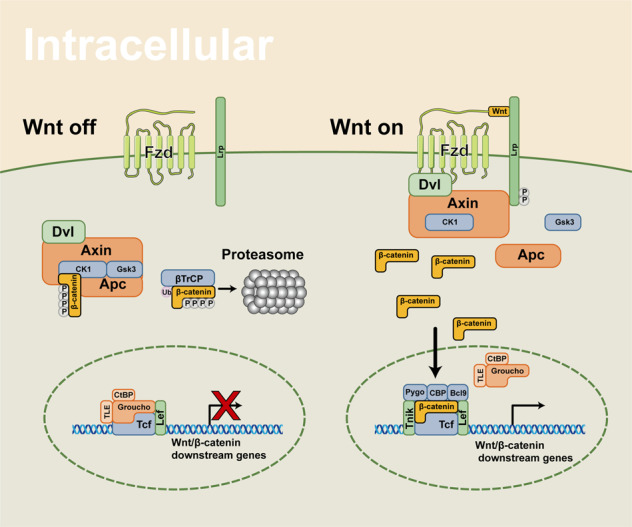
“When the Wnt/β-catenin signaling pathway is in the off state, a β-catenin destruction complex (DC) is formed in the cyto-plasm, comprising AXIN, the APC protein, GSK-3β, CK-1α, and β-catenin (Yu et al. 2021).”
Chen, Y., Shi, H., Dong, Y., & Cui, W. (2025) · Discover Oncology · doi:10.1007/s12672-025-01920-w · Cited by 3
Liu, T., Zhu, S., Sun, J., & Ma, Y. (2025) · CytoJournal · doi:10.25259/cytojournal_167_2024 · Cited by 4
“The abnormal activation of the Wnt/ β -catenin pathway is associated with the development of malignancies, [37] and the activation and shutdown of the Wnt/ β -catenin pathway is related to the regulation of cell proliferation, tumor cell glycolysis, cancer initiation, development, deterioration,…”
Li, C., Gong, D.-A., Shan, X., Wu, K., Yang, J., Zhang, R., Huang, Y., Wang, K., Tang, N., & Zhu, Y. (2025) · Genes & Diseases · doi:10.1016/j.gendis.2025.101625 · Cited by 4
Song, X., Song, Q., Ma, X., Xu, A., & Tian, C. (2025) · Oncology Research Featuring Preclinical and Clinical Cancer Therapeutics · doi:10.32604/or.2025.067638 · Cited by 4
“Wnt/β-catenin pathway is co-regulated by a variety of proteins, among which Wnt proteins are promoters and GSK-3β is a negative regulator [52].”
Lee, Y., Kim, K. D., Choi, M. H., Park, S. Q., Choi, Y. S., Bae, Y., Nam, H. S., Lee, S.-H., & Cho, M. K. (2025) · Biomedicines · doi:10.3390/biomedicines13102389 · Cited by 3
Amalia, R., Dewi, C., Fristiohady, A., Fakih, T. M., & Muchtaridi, M. (2025) · Frontiers in Pharmacology · doi:10.3389/fphar.2025.1600281 · Cited by 3
Dai, C., Zhao, Y., Zhang, H., Sultan, M. H., Huang, B., Tian, X., Jia, X., Li, H., Huang, F., & Wang, Y. (2025) · Cancer Gene Therapy · doi:10.1038/s41417-025-00976-8 · Cited by 3
“Our fi ndings not only elucidate the tumor suppressor role of SMAD4 in NSCLC but also provide a novel combined therapeutic strategy for NSCLC.”
Self-citationMaghrebi-Ghojogh, E., Allela, O. Q. B., Alfarttoosi, K. H., Taher, S. G., Alwan, M., Jawad, M. J., Mushtaq, H., Zareanshahraki, M., & Gandomkar, H. (2025) · Cell Cycle · doi:10.1080/15384101.2025.2575050 · Cited by 3
“The Wnt/β-catenin pathway plays a key role in the development and progression of cancer [82].”
Elucidating the structures and antitumor activities of Pleione bulbocodioides polysaccharides
Wang, Y., Kong, H., Huang, R., Yi, R., Zhou, J., Wang, Y., Yang, G., Jiang, Z., & Niu, J. (2025) · International Journal of Biological Macromolecules · doi:10.1016/j.ijbiomac.2025.148532 · Cited by 3
Self-citationAli, S. A., Adnan, Y., Ali, S. M., Ahmad, Z., Azam, I., Chawla, T. U., & Farooqui, H. A. (2025) · BMC Cancer · doi:10.1186/s12885-025-15057-0 · Cited by 3
“Tnks inhibitors (XAV939, IWR-1, and G007-LK) have shown positive results in CRC patient derived cell lines possessing APC truncating variants [56].”
Tu, S., Du, W., Luo, Y., Shi, J., Liu, T., Ji, M., Xiong, K., Chen, S., Zhou, F., Li, M., et al. (2025) · Advanced Science · doi:10.1002/advs.202507166 · Cited by 3
Reeves, M. E., Chambers, A., Shrestha, A. P., Duarte, S., Zarrinpar, A., Malany, S., & Peddibhotla, S. (2025) · Cancers · doi:10.3390/cancers17233818 · Cited by 3
“Following escape from degradation, β -catenin can translocate to the nucleus and activate transcription of proteins that promote drug resistance, anti-apoptosis, cell proliferation, angiogenesis, and metastasis [35].”
InfluentialQi, J., Wang, L., Zhou, Y., Chen, Q., Sun, X., Sun, X., Si, D., Ma, K., Zhang, Q., & Wang, Y. (2026) · Phytomedicine · doi:10.1016/j.phymed.2025.157699 · Cited by 3
Self-citationLi, Z., Ma, Z., Chen, Y., Yu, W., Yu, J., Lu, J., Zhang, Q., Wu, Q., Cai, Y., Wang, Z., et al. (2026) · Drug Resistance Updates · doi:10.1016/j.drup.2026.101381 · Cited by 3
Yıldırım, B., Biltekin, B., Karalök, M. H., & Bılır, A. (2026) · Biomedicines · doi:10.3390/biomedicines14030655 · Cited by 3
“Although lithium is widely used experimentally as a pharmacological inhibitor of GSK-3 β , the downstream structural consequences of lithium exposure in three-dimensional endometrial cancer models remain insufficiently characterized [22].”
Song, A., Xufei, X., Wu, W., Zhao, B., Wang, M., Jiayue, L., Hong, W., Xie, K., & Gu, L. (2026) · International Immunopharmacology · doi:10.1016/j.intimp.2026.116621 · Cited by 3
Al‐Tamimi, A. O., Elemam, N. M., Hafezi, S., Saber-Ayad, M. M., & Talaat, I. M. (2026) · Frontiers in Pharmacology · doi:10.3389/fphar.2026.1807304 · Cited by 3
“The lack of APC disrupts Wnt signaling, promoting proliferation of mesenchymal stem cells (MSCs) and resulting in elevated β -catenin levels and sustained Wnt signaling (Yu et al., 2021).”
Signaling Networks Regulating Metastatic Progression in Triple-Negative Breast Cancer
Senkowska, Z., Owczarek, K., Niewinna, K., & Lewandowska, U. (2026) · Cells · doi:10.3390/cells15090809 · Cited by 3
“The movement of β -catenin from the cytoplasm to the nucleus is a crucial event indicating activation of the Wnt/ β -catenin signaling pathway [166–168]. mRNA profiling of formalin-fixed, paraffin-embedded TNBC samples revealed that activation of the Wnt/ β -catenin pathway is strongly linked to…”
Jia, G., Liu, L., Ping, J., Fiorica, P. N., Guo, X., Tao, R., Li, B., Gu, J. H., John, E. M., Olopade, O. I., et al. (2026) · Genome Medicine · doi:10.1186/s13073-026-01665-3 · Cited by 3
“TCF7L2 encodes a transcription factor that functions primarily within the Wnt/β-catenin signaling pathway, which is involved in cancer cell proliferation and invasion [16].”
Chen, H., Fu, R., & Wu, Z. (2026) · Acta Pharmacologica Sinica · doi:10.1038/s41401-026-01877-8 · Cited by 3
“In cancer, aberrant activation of β - catenin-dependent transcription is a key driver of tumor initiation and progression, particularly in colorectal cancer, hepatocellular carcinoma, and subsets of gastric, pancreatic, and endometrial cancers [34, 208].”
Xu, R., Ci, X., He, F., & Chen, Y. (2023) · PubMed Central · Cited by 3
Guo, X., Yang, L., Wang, Y., Yuan, M., Zhang, W., He, X., & Wang, Q. (2024) · Journal of genetics and genomics/Journal of Genetics and Genomics · doi:10.1016/j.jgg.2024.11.006 · Cited by 3
Self-citationStructural dynamic investigation of Wnt signalling activation through Co-receptor LRP6
Dehghanbanadaki, N., Taghdir, M., & Naderi‐Manesh, H. (2025) · Journal of Biomolecular Structure and Dynamics · doi:10.1080/07391102.2024.2446667 · Cited by 3
“The final line is the nucleus part, which includes the transcription factors (Nusse & Clevers, 2017; Yu et al., 2021).”
GINS1 facilitates the development of lung adenocarcinoma via Wnt/β-catenin activation
Ma, L., Li, R., Li, P., Yu, W., Tang, Z., Si, L., & Tian, H. (2025) · World Journal of Surgical Oncology · doi:10.1186/s12957-025-03786-2 · Cited by 3
“…signaling pathway. β-catenin plays an essential role in the Wnt/β-catenin signaling pathway. β-catenin is synthesized in the cyto-plasm, and when activated by upstream signals, it is transported from the cytoplasm to the nucleus to interact with downstream factors TCF/LEF [32, 47].”
Sun, H., Zhang, Y., Wang, F., Wang, Z., Zhang, Y., Chen, Y., Wang, L., & Zhou, J. (2025) · Journal of Translational Medicine · doi:10.1186/s12967-025-06409-2 · Cited by 3
“Through its role in regulating cytoskeletal reorganization, angiogenesis, apoptosis, and cell proliferation, Wnt/β-catenin signalling is a key player in tumor metastasis [20].”
Nousiainen, R., Eloranta, K., Saarela, J., Hassinen, A., Luck, T. J., Cairo, S., Indersie, É., Potdar, S., Feodoroff, M., Lohi, J., et al. (2025) · npj Precision Oncology · doi:10.1038/s41698-025-00915-8 · Cited by 4
Role and potential mechanisms of miR‑100 in different diseases (Review)
Liu, J., Hu, G., Du, H., & Shi, Y. (2025) · Oncology Reports · doi:10.3892/or.2025.8924 · Cited by 3
“After being engaged, the Wnt pathway makes β ‑catenin more stable, which encourages it to go to the nucleus and take part in cellular activities (80,81).”
Wang, J., He, A., Huang, Z., Lu, H., Xiong, J., Wu, R., Feng, Q., Ge, J., Lei, J., Li, E., et al. (2025) · Cellular Signalling · doi:10.1016/j.cellsig.2025.111953 · Cited by 3
Chen, Y., Dai, Y., Wang, X., & Liu, J. (2025) · Discover Oncology · doi:10.1007/s12672-025-03059-0 · Cited by 3
Thyroid Carcinoma in Birt–Hogg–Dubé Syndrome: Case Series and Review of Literature
Vaid, S., Chuki, E., Veeraraghavan, P., Jedlinski-Obrzut, M., Bukhari, K., Kłubo-Gwieździńska, J., & Gubbi, S. (2025) · Thyroid · doi:10.1089/thy.2024.0641 · Cited by 3
Sun, C., Hao, S., Wang, L., Meng, R., Wang, H., Li, W., Deng, J., Yin, Q., Chen, X., Xiang, T., et al. (2025) · Cell chemical biology · doi:10.1016/j.chembiol.2025.07.006 · Cited by 3
Sayed, S. E., Pan, A., Vanos, V., Michel, R., & Borahay, M. A. (2025) · Genes · doi:10.3390/genes16111268 · Cited by 3
“As such, aberrant Wnt/ β -catenin signaling has been established as a mechanism instrumental to tumorigenesis [79] and has more recently garnered momentum as a process central to fibrosis and is implicated in several fibrotic diseases of the cardiac [80], pulmonary [81,82], and renal [83] systems.”
CD73 restrains mutant β-catenin oncogenic activity in endometrial carcinomas
Hirsch, R. M., Droby, G. N., Premsankar, S., Parrish, M., Kurnit, K. C., Chiou, L. F., Rabjohns, E. M., Lee, H. N., Broaddus, R. R., Vaziri, C., et al. (2026) · JCI Insight · doi:10.1172/jci.insight.189510 · Cited by 3
“Prior studies in other cancers have connected β -catenin activation with maintenance of cancer stem cell populations (109).”
LINC00941: a novel player involved in the progression of human cancers
Yan, Q., Su, X., Chen, Y., Wang, Z., Han, W., Xia, Q., Mao, Y., Si, J., Li, H., & Duan, S. (2023) · Human Cell · doi:10.1007/s13577-023-01002-5 · Cited by 3
The CK 1ε/ SIAH1 axis regulates AXIN 1 stability in colorectal cancer cells
Yan, M., Su, Z., Pang, X., Wang, H., Dai, H., Ning, J., Liu, S., Sun, Q., Song, J., Zhao, X., et al. (2024) · Molecular Oncology · doi:10.1002/1878-0261.13624 · Cited by 4
“When Wnt/ b -catenin signaling was activated, CK1 d / e could directly interact and phosphorylate DVL, facilitate the accumulation and nuclear translocation of b -catenin, resulting in promoting the expression of Wnt-dependent genes [53,57].”
BackgroundRojas-Solé, C., Torres-Herrera, B., Gelerstein-Claro, S., Medina-Pérez, D., Gómez-Venegas, H., Alzolay-Sepúlveda, J., Chichiarelli, S., Saso, L., & Rodrigo, R. (2024) · Applied Sciences · doi:10.3390/app14114548 · Cited by 3
Natural small molecule compounds targeting Wnt signaling pathway inhibit HPV infection
Zhang, T., Wang, Z., Muaibati, M., Huang, F., Li, K., Abasi, A., Tong, Q., Wang, D., Jin, L., Huang, X., et al. (2024) · Microbial Pathogenesis · doi:10.1016/j.micpath.2024.106960 · Cited by 3
Mai, Y., Jing, Z., Sun, P., Wang, Y., Dong, P., & Liu, J. (2024) · The FASEB Journal · doi:10.1096/fj.202400557rr · Cited by 3
“47,48 51 TARDBP facilitates hepatocellular carcinoma proliferation and metastasis through activating the Wnt/ β - catenin signaling pathway via targeting the suppression of glycogen synthase kinase 3 β protein translation.”
Self-citationXu, J., Chen, J., Wang, D. W., Li, Y., Ping, L., Wu, X., & Yan, R. (2024) · The Journal of Toxicological Sciences · doi:10.2131/jts.49.467 · Cited by 3
Xu, Y., Xie, K., Li, L., Li, Z., Lu, Q., & Jin, F. (2024) · Molecular Carcinogenesis · doi:10.1002/mc.23852 · Cited by 3
Qin, C., Xu, C., Zhu, Z., Song, X., Wang, X., Xu, W., & Zhu, M. (2025) · Oncology Letters · doi:10.3892/ol.2025.14920 · Cited by 3
“The Wnt/ β ‑catenin signaling pathway is pivotal in carcinogenesis (53,54).”
Wang, P., Lu, H., Zhang, C., Wang, R., Chen, X., Qiao, L., Wang, Z., & Wang, W. (2025) · Scientific Reports · doi:10.1038/s41598-025-89766-8 · Cited by 3
Calculus bovis inhibits liver cancer via the Wnt/β-catenin pathway
Chen, J.-Q., & Lan, X. (2025) · World Journal of Gastroenterology · doi:10.3748/wjg.v31.i9.99459 · Cited by 3
Resell, M., Graarud, E. P., Rabben, H.-L., Sharma, A., Hagen, L., Hoang, L., Skogaker, N. T., Aarvik, A., Svensson, M. K., Amrutkar, M., et al. (2025) · Proteomes · doi:10.3390/proteomes13020020 · Cited by 4
“Notably, β -catenin, a well-known protein under investigation as a potential target in cancer treatment, particularly in PDAC, also ranked among the top hub proteins [41,42].”
Zhang, X., Mo, Y., & Feng, L. (2025) · International Journal of Medical Sciences · doi:10.7150/ijms.112622 · Cited by 3
“…Rh7 markedly reduced SHCBP1 expression in GC cell lines, suggesting that Rh7 may exert its anticancer effects by inhibiting SHCBP1 expression. β - catenin, a crucial part of the Wnt/β -catenin cascade, participates in cell proliferation, migration, differentiation, and tumorigenesis(31).”
Zhao, N., You, W., Zheng, X., Yan, J., Wang, P., Yao, Y., He, W., & Liu, T. (2025) · Materials Today Bio · doi:10.1016/j.mtbio.2025.102136 · Cited by 4
“Conversely, agents targeting the Wnt/ β -catenin pathway have focused predominantly on upstream PORCN inhibitors, such as WNT974 and CGX1321, which have shown potential in suppressing tumor stemness, metastasis, and drug resistance [35,43].”
Wang, P., Nie, J., Li, J., Ye, C., Chen, J., Zhang, Z., & Li, B. (2024) · International Journal of Biological Macromolecules · doi:10.1016/j.ijbiomac.2024.130405 · Cited by 3
Jin, Y., Huang, X., Wang, Z., Kouken, B., Wang, Q., & Wang, L. (2024) · Genes & Diseases · doi:10.1016/j.gendis.2024.101382 · Cited by 3
SLIT3 deficiency promotes non-small cell lung cancer progression by modulating UBE2C/WNT signaling
Qiu, Z., Zhan, Y., Chen, Z., Huang, W., Liao, J., Chen, Z., Zheng, J., Zheng, Q., & Lu, C. (2024) · Open Life Sciences · doi:10.1515/biol-2022-0956 · Cited by 2
“To our knowledge, abnormal activation of the canonical WNT/ β -catenin signaling pathway is strongly linked to tumor onset, disease progression, and drug resistance [29].”
BackgroundLHX3 promotes EMT in hepatoma cell through β-catenin/TCF4 pathway
Xia, J., Chen, K., Wang, J., Wang, J., Yi, F., Li, Q., Kong, L., & You, Z. (2024) · Medical Oncology · doi:10.1007/s12032-024-02585-1 · Cited by 2
“This protein is fundamentally important in the processes related to tumorigenesis [26], highlighting its significant role in cancer development and progression.”
CtBP2 Regulates Wnt Signal Through EGR1 to Influence the Proliferation and Apoptosis of DLBCL Cells
Dong, J., Li, L., Zhang, X., Yin, X., & Chen, Z. (2025) · Molecular Carcinogenesis · doi:10.1002/mc.23901 · Cited by 2
“The Wnt/ β ‐ catenin signaling pathway is prevalent in human cancers and animal experimental cancer models [24, 25].”
Renhai, C., Kaisi, F., Jinhao, L., Qianyun, Z., Ding, X., Li, Y., Wang, J., Yu, D., Yang, L., & Wu, K. (2025) · Cancer Biomarkers · doi:10.1177/18758592241306263 · Cited by 2
“62,63 However, dysregulation of this pathway can lead to overexpression of drug ef fl ux pumps like ABCB1 and CD44, contributing to the extrusion of chemotherapeutic agents from cells.”
Research progress on NUSAP1 and its role in digestive system neoplasms
Fu, S., Zhuo, Y., & Yu, T. (2025) · Frontiers in Oncology · doi:10.3389/fonc.2025.1582361 · Cited by 3
Wang, Y., Dong, X., Tao, S., Chen, Q., Chen, Y., Zhang, L., Shi, Y., He, Z., Yu, L., & Wang, C. (2025) · Frontiers in Oncology · doi:10.3389/fonc.2025.1540426 · Cited by 3
Self-citationWazir, U., Li, A. X., WANG, C. C., GAO, H. H., Martin, T. A., Jiang, W. G., & Mokbel, K. (2025) · Cancer Genomics & Proteomics · doi:10.21873/cgp.20521 · Cited by 2
“CTNNB1, encoding β‑ catenin, is a key component of the Wnt signalling pathway, which has been shown to intersect with CD84 ‑ mediated pathways in maintaining cellular adhesion and regulating transcriptional programs (29).”
Self-citation
Metadata
- Authors
- Yu, F., Yu, C., Li, F., Zuo, Y., Wang, Y., Yao, L., Wu, C., Wang, C., & Ye, L.
- Affiliations
- Sichuan University (CN)
- Corresponding author
- Ye, Ling
- Venue
- Signal Transduction and Targeted Therapy
- Published
- 2021-08-30
- Volume
- 6
- Issue
- 1
- Pages
- 307-307
- ISSN
- 2059-3635 (ISSN-L)
- PMC
- PMC8403677
- OpenAlex
- W3198051187
- Cited by
- 734
- References
- 468
- Citations by year
- 2026: 106 · 2025: 234 · 2024: 200 · 2023: 139 · 2022: 53 · 2021: 2
- FWCI
- 10.57
- Type
- journal article
- Language
- en
- Open access
- gold
- doi.org
- Licence
- cc-by
- creativecommons.org/licenses/by/4.0 (tdm)
- creativecommons.org/licenses/by/4.0 (vor)
- Locations
- Signal Transduction and Targeted Therapy (publishedVersion, cc-by)
- Europe PMC (PubMed Central) (publishedVersion, other-oa)
- PubMed Central (publishedVersion, cc-by)
- PubMed (publishedVersion)
- DOAJ (DOAJ: Directory of Open Access Journals) (submittedVersion, cc-by-sa)
- Funders
- National Natural Science Foundation of China (81825005)
- State Key Laboratory of Oral Disease
- Topics
- Life Sciences › Biochemistry, Genetics and Molecular Biology › Molecular Biology › Wnt/β-catenin signaling in development and cancer
- Health Sciences › Medicine › Oncology › Colorectal Cancer Treatments and Studies
- Life Sciences › Biochemistry, Genetics and Molecular Biology › Molecular Biology › Signaling Pathways in Disease
- Keywords
- Wnt/β-catenin signaling, cancer, targeted therapy, aberrant signaling, malignant progression, prognosis, clinical translation, treatment resistance
- MeSH terms
- Humans, Neoplasm Proteins, Neoplasms, Wnt Proteins, beta Catenin, Wnt Signaling Pathway
About these checks
Registry, retraction, Cites and statistics results are computed, not judged, with one exception: a printed reference that no index lists is read once by a model before it counts as a citation error. Claims are extracted by a model and kept only when their quote appears verbatim in the text; each cited source is then checked, with a model’s help, for whether it says what the claim relies on. Those verdicts can be wrong — read the claim’s quote and the cited source before relying on one.
Statistics and arithmetic are recomputed, not judged.
Confidence bands are shown only for fields calibrated on our annotated test set. None is calibrated yet, so no band is shown.
What counts as a claim ›How we measure confidence ›How we check this ›
Are you an author, or do you see a problem with this page? Request a review
Data sources
Bibliographic data: Semantic Scholar, OpenAlex, Crossref.
Contains information from the Semantic Scholar Academic Graph Datasets, made available under the ODC Attribution License (ODC-BY 1.0).
Semantic Scholar’s data is described in: Kinney, R., et al. (2023). The Semantic Scholar Open Data Platform. arXiv:2301.10140.
