

Wnt/β-catenin signaling in cancers and targeted therapies
Open accessThe DOI matches its Crossref record; 468 of the 468 references it cites were found in a registry or an index.
Abstract
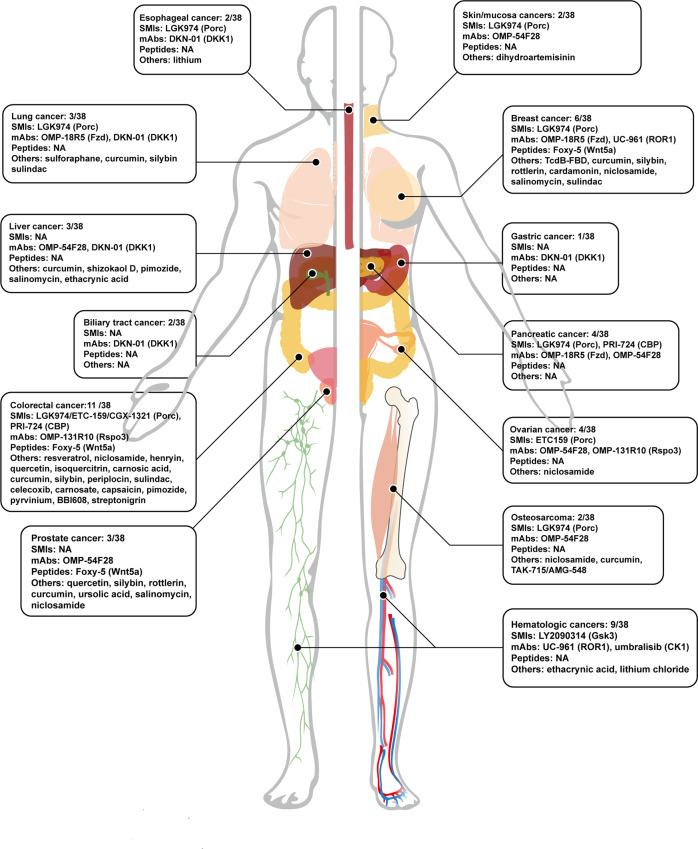
Wnt/β-catenin signaling has been broadly implicated in human cancers and experimental cancer models of animals. Aberrant activation of Wnt/β-catenin signaling is tightly linked with the increment of prevalence, advancement of malignant progression, development of poor prognostics, and even ascendence of the cancer-associated mortality. Early experimental investigations have proposed the theoretical potential that efficient repression of this signaling might provide promising therapeutic choices in managing various types of cancers. Up to date, many therapies targeting Wnt/β-catenin signaling in cancers have been developed, which is assumed to endow clinicians with new opportunities of developing more satisfactory and precise remedies for cancer patients with aberrant Wnt/β-catenin signaling. However, current facts indicate that the clinical translations of Wnt/β-catenin signaling-dependent targeted therapies have faced un-neglectable crises and challenges. Therefore, in this study, we systematically reviewed the most updated knowledge of Wnt/β-catenin signaling in cancers and relatively targeted therapies to generate a clearer and more accurate awareness of both the developmental stage and underlying limitations of Wnt/β-catenin-targeted therapies in cancers. Insights of this study will help readers better understand the roles of Wnt/β-catenin signaling in cancers and provide insights to acknowledge the current opportunities and challenges of targeting this signaling in cancers.
Overview
The claims and statistics of this paper haven’t been checked yet.
Free: it reads the open-access text and checks the first 5 claims that cite a source we can check. Create a free account to check every claim.
Integrity signals
Registry
Cites
Statistics
Figures

Verification
Claims the paper makes
The claims and statistics of this paper haven’t been checked yet.
Free: it reads the open-access text and checks the first 5 claims that cite a source we can check. Create a free account to check every claim.
Claims other papers make about this one
Each is checked against this paper’s own text: does it say what the citing paper says it does?
The source backs part of the claim, not all of it — or backs it for a different population, condition or comparison.
In the citing paper
“The inactivation of GSK3β disrupts the integrity and function of the destruction complex, thereby preventing β-catenin phosphorylation. As a result, unphosphorylated, stable β-catenin accumulates in the cytoplasm, translocates to the nucleus, and activates the transcription of its target genes, including c-Myc and Cyclin D1 [35, 46, 47, 52–55].”
From PPP1R18-mediated activation of Wnt/β-catenin and EMT is dependent on ERK signaling in clear cell renal cell carcinoma (2026) · cites this paper as [54]
Experimental — accuracy not yet measured
Self-check
Percentages, sums and reported differences re-computed from the paper’s own numbers.
The self-check needs the paper’s full text.
Citations
Cites
4 retracted
Xiu, D., Liu, G., Yu, S., Li, L., Zhao, G.-Q., Liu, L., & Li, X. (2019) · Journal of Experimental & Clinical Cancer Research · doi:10.1186/s13046-019-1100-8 · Cited by 63 · cited 1×
“With respect to its therapeutic potentials, direct silence of Wnt2 alleviated the xenograft breast cancer growth and rescued the malignance and the chemo-drugs resistance in breast cancers.(58,59)”
BackgroundRetractedWu, Y., Tran, T., Dwabe, S., Sarkissyan, M., Kim, J., Nava, M., Clayton, S., Pietras, R. J., Farias‐Eisner, R., & Vadgama, J. V. (2017) · Breast Cancer Research and Treatment · doi:10.1007/s10549-017-4211-y · Cited by 55 · cited 3×
“Furthermore, it has been implied to elevate the epithelium–mesenchyme transit (EMT) of breast cancers through Wnt/β-catenin.(62,63) In terms of therapeutic choices, the downregulation relieved the progression of CRC by reducing cancer cell proliferation and migration.”
BackgroundInfluentialRetractedXiu, D., Liu, G., Yu, S., Li, L., Zhao, G.-Q., Liu, L., & Li, X. (2021) · Journal of Experimental & Clinical Cancer Research · doi:10.1186/s13046-021-02121-3 · Cited by 44
RetractedLi, H., Yang, T., Ning, Q., Shang, D., Yao, Y., & Sun, Z. (2017) · Lung Cancer · doi:10.1016/j.lungcan.2017.03.016 · Cited by 3
RetractedComprehensive molecular characterization of human colon and rectal cancer
The Cancer Genome Atlas Network (2012) · Nature · doi:10.1038/nature11252 · Cited by 8,499
Wnt/β-Catenin Signaling in Development and Disease
Clevers, H. (2006) · Cell · doi:10.1016/j.cell.2006.10.018 · Cited by 5,568 · cited 1×
“INTRODUCTION As an evolutionarily conserved signaling that governs numerously vital embryonic and somatic processes, such as cell fate determination, organogenesis, tissue homeostasis, and a variety of pathological conditions, Wnt/β-catenin signaling also plays crucial roles in cancers.(1) Aberrant Wnt/β-catenin signa…”
Wnt/β-catenin signaling and disease
Clevers, H., & Nusse, R. (2012) · Cell · doi:10.1016/j.cell.2012.05.012 · Cited by 5,554 · cited 1×
“Aberrant Wnt/β-catenin signaling has been uncovered to be tightly woven with many aspects of cancers, including the onset, progression, malignant transformation, and so on.(2,3) Evidence-based medicine has further proved that the abnormal activation of this signaling showed nonnegligible effects on cancer-associated m…”
BackgroundWnt/β-Catenin Signaling, Disease, and Emerging Therapeutic Modalities
Nusse, R., & Clevers, H. (2017) · Cell · doi:10.1016/j.cell.2017.05.016 · Cited by 4,342
Activation of β-Catenin-Tcf Signaling in Colon Cancer by Mutations in β-Catenin or APC
Morin, P. J., Sparks, A. B., Korinek, V., Barker, N., Clevers, H., Vogelstein, B., & Kinzler, K. W. (1997) · Science · doi:10.1126/science.275.5307.1787 · Cited by 3,942
β-catenin is a target for the ubiquitin–proteasome pathway
Aberle, H., Bauer, A., Stappert, J., Kispert, A., & Kemler, R. (1997) · The EMBO Journal · doi:10.1093/emboj/16.13.3797 · Cited by 2,529
Research works printed but not linked: 4
- Schwarz-Romond T The DIX domain of Dishevelled confers Wnt signaling by dynamic polymerization Nat. Struct. Mol. Biol. 2007 14 484 492 10.1038/nsmb1247 17529994 · DOI · Paper page
- Hoey, T. (ed.) Development of FZD8-Fc (OMP-54 F28), aWnt signaling antagonist that inhibits tumor growth and reduces tumor initiating cell frequency. Presented at AACR Annual Meeting; 2013 April; Washington DC (2013).
- OncoMed Pharmaceuticals, Inc. A phase 1b dose escalation study of vantictumab (OMP-18R5) in combination with nab-paclitaxel and gemcitabine in patients with previously untreated stage IV pancreatic cancer. NCT02005315, 18R5-003R5. PMC7211194 31338636
- OncoMed Pharmaceuticals, Inc. A phase 1b dose escalation study of OMP-54F28 in combination with paclitaxel and carboplatin in patients with recurrent platinum-sensitive ovarian cancer. NCT02092363, 54F28-003. PMC7397408 31174889
Cited by
Items 701–781 of 781
Li, Z., Liu, Y., Huang, X., Wang, Q., Fu, R., Wen, X., Liu, J., & Zhang, L. (2024) · Figshare · doi:10.6084/m9.figshare.25744329
Li, Z., Liu, Y., Huang, X., Wang, Q., Fu, R., Wen, X., Liu, J., & Zhang, L. (2024) · Figshare · doi:10.6084/m9.figshare.25744452
CD73 IS A NOVEL REPRESSOR OF MUTANT Β-CATENIN IN ENDOMETRIAL CARCINOMAS
Hirsch, R. M. (2025) · Carolina Digital Repository (University of North Carolina at Chapel Hill) · doi:10.17615/y0qg-f592
FAM83A Promotes Lung Adenocarcinoma Progression by Modulating the GSK3β/β-Catenin Signaling Axis
徐, 成. (2025) · Advances in Clinical Medicine · doi:10.12677/acm.2025.15123631
Evaluating the prognostic value of Wnt signaling pathways in non-small cell lung cancer patients
Pancewicz, J., Golec, P., Sulewska, A., Charkiewicz, R., Niklińska, W., Chodorowski, P. M., & Kozlowski, M. (2025) · Advances in Medical Sciences · doi:10.1016/j.advms.2025.12.002
Lu, Z., & Lin, M. (2026) · Toxicology and Applied Pharmacology · doi:10.1016/j.taap.2026.117706
Galectin-1 and -3: intracellular pathways of signal transduction in carcinogenesis (lecture)
Serebryakova, V. A., Golovina, E. L., Владимировна, М. М., & Ваизова, О. Е. (2026) · Bulletin of Siberian Medicine · doi:10.20538/1682-0363-2025-4-184-193
“…связывается с факторами транскрипции семейства TCF/Lef и активирует специфические гены-мишени (c-Myc, CyclinD1, COX-2, MMP7, ITF-2), регулирую-щие пролиферацию, дифференцировку и миграцию клеток [28, 29] Обзоры и лекции каскад PI3K-Akt-GSK-3β, что приводит к накопле-нию β-катенина в ядре [30].”
Mao, D., Sun, J., Zhang, X., Wang, Z., & Zhang, Y. (2026) · APOPTOSIS · doi:10.1007/s10495-026-02259-5
“Moreover, β-catenin signaling plays a key role in regulating TAMs [36], and β-catenin small molecules disrupting the ILF2/ILF3-KLF16 mRNA interaction could selectively attenuate β-catenin signaling activation in CRC cells without affecting normal Wnt physiology [ 59].”
Investigating the oncogenic role of aberrant EZH2 in hepatoblastoma
Glaser, K., Depasquale, E. A. K., Berklite, L. E., Hickner, B. T., Rao, P., Patel, R. H., Badachhape, A., Roy, S., Schepers, E. J., Timchenko, N. A., et al. (2026) · Scientific Reports · doi:10.1038/s41598-026-38038-0
VGLL4 promotes hepatocellular carcinoma progression via the Wnt/β-catenin pathway
Wang, G., Chen, Z., & Pan, J. (2026) · Tissue and Cell · doi:10.1016/j.tice.2026.103391
RNA ‐binding protein RBMS1 : A new target for cancer diagnosis and treatment
Run, X., Jiang, S., Xu, K., Fan, Y., Chen, Y., Liu, Z., Miao, Z., & Tian, W. (2026) · Precision Medical Sciences · doi:10.1002/prm2.70027
Du, G., Li, B., Zhao, R., Tong, H., He, Y., & Ding, J. (2026) · bioRxiv (Cold Spring Harbor Laboratory) · doi:10.64898/2026.02.20.707140
“Although KRT17 has been shown to facilitate tumor progression in various malignancies (9), the mechanism by which KRT17 engages with oncogenic signaling pathways and whether it does so by post-transcriptionally regulating effectors that are central to the signal output remains poorly understood.”
Sun, J., Yang, X., Jiang, W., Ji, C., Wu, Y., Sun, H., Liu, X., Yamamoto, M., Tsukamoto, T., Nomura, S., et al. (2026) · Advanced Science · doi:10.1002/advs.202521746
Chengizkhan, G., Guruswamy, A., Sadhasivam, B., Balasubramanian, R., Muthusami, S., Ramalingam, S., Queimado, L., Ramachandran, I. K., & Ramachandran, I. (2026) · Elsevier eBooks · doi:10.1016/b978-0-443-22352-5.00009-0
Luo, R., Chen, J., Chen, Z., Wang, S., Liu, T., & Xu, Y. (2026) · Oncology Reports · doi:10.3892/or.2026.9106
“Wnt‑3a, a member of the Wnt family, activates the pathway, while glycogen synthase kinase 3 β (GSK‑3 β ), a negative regulator of the pathway, inhibits pathway activation by phosphorylating β ‑catenin and promoting its degradation (20,21).”
[Role and mechanism of Wnt9a in human and mouse chronic wound healing].
Jia, Y. H., Yuan, Y. X., Hu, D. H., & Guan, H. (2026) · PubMed · doi:10.3760/cma.j.cn501225-20241122-00457
Cytoplasmic Fidgetin Induces Noncanonical Activation of β-Catenin to Support Cancer Progression
Wang, H., Duan, J., Wang, J., Chen, Y., He, L., Huang, X., Wu, Z., & Wang, X. (2026) · Cancer Research · doi:10.1158/0008-5472.can-25-2427
cheng, P., Feng, X., huang, X., & JIN, J. (2026) · Discover Oncology · doi:10.1007/s12672-026-05764-w
Dual targeting of YAP1 and β-catenin: a therapeutic strategy for colorectal cancer
Eleanya, G. C., Oresanya, Z. O., Omoigberale, O. J., & Kanmodi, R. (2026) · Discover Chemistry. · doi:10.1007/s44371-026-00562-3
Zhou, C., & Shang, D. (2026) · International Journal of Molecular Sciences · doi:10.3390/ijms27083374
WNT-driven chromosomal instability as a biomarker for PORCN inhibitionPreprint
Garcia-Lopez, D., Zoufir, A., Hernando, B., Santamaría, P. G., Cádiz, A., Terraube, H. D. G., Madrid, L., Cullen, A. E., Woodcock, S. A., Piskorz, A., et al. (2026) · bioRxiv (Cold Spring Harbor Laboratory) · doi:10.64898/2026.04.13.718275
“Given its central role in driving tumorigenesis and its well-established involvement in resistance to treatments, WNT signalling has been an appealing target for drug discovery and development in cancer 10,11 .”
Targeted Therapies: Precision in Cancer Treatment
Kumar, M., Awasthi, A., Jindal, P., & Chauhan, D. (2026) · BENTHAM SCIENCE PUBLISHERS eBooks · doi:10.2174/9798898814144126010005
Chen, H., Zhang, X., LIAN, X., Wang, Z., Zhang, F., Zhang, J., Min, S., Yang, S., Wang, X., & Lian, C. (2026) · Translational Cancer Research · doi:10.21037/tcr-2026-1-0165
Liang, Y., Wang, X., Tian, R., Wang, X., Zhang, X., Wan, J., Wan, L., Zhang, X., & Ding, Y. (2026) · Anti-Cancer Drugs · doi:10.1097/cad.0000000000001822
Emerging roles of m 6 A modification in endodontic diseases: a systematic review
Liao, S., Guo, J., & Jia, R. (2026) · Epigenomics · doi:10.1080/17501911.2026.2667348
贾仙茹, Cui, B., & Liu, X. (2026) · Frontiers in Physiology · doi:10.3389/fphys.2026.1785500
Wang, S. Q., & Jin, L. (2026) · Frontiers in Oncology · doi:10.3389/fonc.2026.1769833
于燕妮, Ji, L., Li, J., Tian, Y., Wang, Z., Tu, Y., Zhen, H., & Xu, L. (2026) · Journal of Visualized Experiments · doi:10.3791/70882
Li, L., Yang, J., Liu, H., 岳玲玲, Cao, T., & Zeng, P. (2026) · Annals of Hematology · doi:10.1007/s00277-026-07071-4
“GSK-3β plays a crucial role in regulat - ing the Wnt/β-catenin and mTORC1 signaling pathways through LRP6 [19, 21 ].”
ATOH1 and NPAS1 are immune related prognostic biomarkers in colorectal cancer
Fang, Z., Hong, G., Wu, G., & Feng, Z. (2026) · Discover Oncology · doi:10.1007/s12672-026-05104-y
“11A) [13, 14], indicating involvement in mucosal differentiation and canonical WNT signaling.”
BET Inhibitors: Novel Approaches to Combatting Antimicrobial Resistance
Pollard, H. M. (2026) · e-space (Manchester Metropolitan University) · doi:10.83056/mmu.32484198
Zhuang, Y., Huang, Z., Liu, S., Xu, Y., Hou, G., Gao, D., Chen, T., Ma, B., Jiang, W., You, J., et al. (2026) · The ISME Journal · doi:10.1093/ismejo/wrag135
“…, Idh3a-c ), ultimately resulting in the cell’s inability to efficiently convert microbial-derived fuels into ATP required for development [ 43, In contrast, the suppression also targeted the Wnt/ β -catenin signaling pathway, which governs gut stem cell self-renewal and crypt proliferation [ 45].”
Zubair, M. S., Asbah, A., Latada, N. P., Sulastri, E., Syamsidi, A., Arwansyah, A., Maulana, S., Mudjahid, M., & Nainu, F. (2026) · South African Journal of Botany · doi:10.1016/j.sajb.2026.05.029
Sayed, A. E., & Azzi, A. (2026) · bioRxiv (Cold Spring Harbor Laboratory) · doi:10.64898/2026.06.05.730406
Elshafei, M., Pouwels, S., Aiolfi, A., Bona, D., Bonavina, L., Thaher, O., SCHOPPMANN, S. F., & Lipham, J. C. (2026) · Journal of Laparoendoscopic & Advanced Surgical Techniques · doi:10.1177/10926429261458598
Cai, Y., Wang, M., Qiu, R., Liu, S., Liu, T., & Wang, G. (2026) · Genes & Diseases · doi:10.1016/j.gendis.2026.102311
TCF/LEF family transcription factors: Molecular landscape and prognostic scoring in pan‐cancer
Yang, Z., Cai, D., Zhao, Z., Jian, Z., Shi, M., Chen, Y., Chen, J., Qu, C., & Cai, D. (2026) · Clinical and Translational Discovery · doi:10.1002/ctd2.70168
Jayaveeran, H. M., Rajagopal, P., Parthiban, M., Jayaraman, S., Varalakshmi, S., & Chandrasekaran, K. (2026) · Asian Pacific Journal of Cancer Prevention · doi:10.31557/apjcp.2026.27.6.2149
“…potential to modulation of NF-κB and PI3K/Akt pathways, the present study expands its mechanistic repertoire by identifying its regulatory effects on the Wnt/β-catenin and TGF-β pathways—two signaling cascades critically implicated in ovarian tumor initiation, progression, and metastasis [27].”
Reprogramming in delipidated adipocytes: metabolism, regulation and progress
Chang, Z., Liao, Y., & Jiang, W. (2026) · Cell Death Discovery · doi:10.1038/s41420-026-03199-4
Du, J., Zhang, W., Song, W., Zhang, Y., 角, 浩., Li, T., Feng, M., Zhu, F., & Dai, Y. (2026) · Translational Cancer Research · doi:10.21037/tcr-2026-0526
“APC mutations or loss of Axin lead to β -catenin stabilization, promoting its nuclear translocation and activation of transcriptional programs that drive cell proliferation, migration, and survival (33).”
Pandiyan, C. K., Narayanan, J., & Vellapandian, C. (2026) · Biosciences Biotechnology Research Asia · doi:10.13005/bbra/3514
Ausoni, S., Casarin, A., & Azzarello, G. (2026) · Cancers · doi:10.3390/cancers18142223
“Multiple signaling pathways converge to activate EMT programs [56], including TGF-β [57], WNT– β -catenin [58], and EGF/EGFR signaling [59].”
Yang, X. L., Wang, Y., Yi, Y., Yang, Y., & Wang, H. (2026) · Journal of Cell Communication and Signaling · doi:10.1002/ccs3.70094
“18 IARS2 is capable of stabilizing β-catenin, thereby enhancing cell proliferation and metastasis in pancreatic ductal adenocarcinoma.”
InfluentialSelf-citationYang, Y., Cheng, Z., Yang, J., Yang, P., Gao, H., Yan, B., Wang, X., Zhou, X., Chen, S., Wu, Z., et al. (2026) · Phytomedicine · doi:10.1016/j.phymed.2026.158588
Hu, H., Liu, Y., Deng, F., Wang, S., Xu, J., Zhang, J., Zhang, Y., 王良宏, Guo, P., Lu, T., et al. (2026) · Scientific Reports · doi:10.1038/s41598-026-62663-4
“For example, abnormal activation of the Wnt pathway has been observed in cancers such as osteosarcoma, prostate cancer, colorectal cancer, oral squamous cell carcinoma, and AML 32–36 .”
Sun, X., Zhang, H., Hu, Y. M., Jiao, S., Yao, Z., Yi, K., Gu, G., & Xu, X. (2026) · Cancer Medicine · doi:10.1002/cam4.72118
“Targeting the Wnt/β-catenin pathway is considered a new opportunity and challenge for CRC treatment [31, 41, 42].”
Li, L., Li, J., Zhao, X., Zhang, H., Song, Q., Dan, Y., Li, L., Wu, J., Yang, C., He, J., et al. (2026) · Technology in Cancer Research & Treatment · doi:10.1177/15330338261470918
“In addition to mitotic spindle dynamics, the Wnt/ β -catenin signaling pathway also plays an important role in the regulation of tumor proliferation, 73 as shown in Figure 2.”
Yan, R. (2026) · YorkSpace (York University)
Sun, W., Si, Y., Hong, L., Guo, Q., Lu, Z., Dong, A., Tang, Y., Li, E., He, W., Feng, S., et al. (2026) · Biochemical and Biophysical Research Communications · doi:10.1016/j.bbrc.2026.154364
Current therapeutic interventions to target cancer stem cells for metastasis
Arora, P., Bhatia, R., Sharma, S., Sharma, A., Chauhan, S. C., Singh, J., & Sharma, A. K. (2026) · International Journal of Clinical Oncology · doi:10.1007/s10147-026-03154-4
Zhai, Y., Sun, Z., Zhang, S., & Zhao, T. (2026) · Discover Oncology · doi:10.1007/s12672-026-05697-4
“Aberrant activation of Wnt/β-catenin pathways upregulates multiple genes governing cell proliferation, survival, apoptosis, and migration [68, 96].”
Wu, L., Wu, H., Zhou, Y.-T., Ou, G.-L., Sun, Y., Li, X., Zhen, Y.-H., Cao, K., & Li, H.-Y. (2026) · Cell Death and Disease · doi:10.1038/s41419-026-09161-7
“Subsequent activation of Wnt signaling did not further increase these effects (Fig.”
Ubiquitination in cancer: mechanisms, signaling networks and potential therapeutic opportunities
Xue, Y., Wu, H., & Liu, W. (2026) · Molecular Cancer · doi:10.1186/s12943-026-02768-6
Ji, K., Yu, R., Zhang, W., Yang, H., You, L., & Li, Z. (2026) · European Journal of Pharmacology · doi:10.1016/j.ejphar.2026.179195
Ma, G.-Y., Ren, L., Wang, Y.-F., Guo, J.-H., Feng, C.-X., Xing, S.-Q., Zhang, B.-J., Su, J. J., Liu, X.-F., Sun, J.-C., et al. (2026) · Journal of Pharmaceutical Analysis · doi:10.1016/j.jpha.2026.101750
Self-citationRen, M., Guihua, S. O. N. G., Xu, Y., Yu, S., Zhang, Y., Sun, M., & Zhang, B. (2026) · Frontiers in Cell and Developmental Biology · doi:10.3389/fcell.2026.1914253
“Persistent dysregulation of canonical Wnt/ β -catenin signaling is implicated in tumor initiation and progression (Yu et al., 2021).”
FOXD1 upregulates DARS2-mediated glycolysis to drive cisplatin resistance in bladder cancer
Li, X., Su, M., Luo, J., Han, D., Qing, L., Zhang, D., Liu, S., Liu, J., & 付光庆 (2026) · Urologic Oncology Seminars and Original Investigations · doi:10.1016/j.urolonc.2026.07.027
Research Progress on Signaling Pathways in Breast Cancer Bone Metastasis
Li, Y., Li, T., Liang, F., Kuang, L., Li, Y., & Li, H. (2026) · Oncology Research Featuring Preclinical and Clinical Cancer Therapeutics · doi:10.32604/or.2026.079898
“These strategies aim to inhibit aberrant activation of the Wnt/ β -catenin pathway, restore bone microenvironment homeostasis, and suppress tumor cell proliferation and invasion, thereby delaying or preventing the occurrence and progression of BC bone metastasis [29].”
Comprehensive somatic profiling of gastroenteropancreatic neuroendocrine neoplasms
Mohindroo, C., Agarwal, P., Lee, V., He, J., Anders, R. A., Bever, K., Laheru, D. A., & Jesus‐Acosta, A. D. (2026) · Endocrine Oncology · doi:10.1530/eo-26-0044
“These findings underscore the potential for precision therapies targeting mTOR, DNA repair, or Wnt pathways tailored to tumor-specific molecular profiles (35, 36, 37).”
Fu, A., Cai, J., Chen, R., Zou, X., Chen, Y., Fu, F., Zhang, W., Huang, L., Yuan, Y., Li, R., et al. (2026) · Briefings in Functional Genomics · doi:10.1093/bfgp/elag010
“The Wnt/beta-catenin pathway is a crucial regulator in the formation and progression of cancers, and its abnormal activation is intimately linked to the high incidence, mortality, and poor prognosis of malignancies [ 31].”
Lu, T., Xu, X., Jiang, Z., Yu, Q., & Xue, B. (2026) · Molecular Carcinogenesis · doi:10.1002/mc.70184
Chambers, A., Reeves, M., Shrestha, A. P., Yarrapatni, S., Duarte, S. M., & Zarrinpar, A. (2026) · Current Oncology · doi:10.3390/curroncol33100576
“For example, anti-Wnt2 antibodies can reduce ligand-driven Wnt signaling, while Frizzled-directed antibodies such as OMP-18R5/vantictumab prevent Wnt ligands from engaging their receptors [158].”
VWA2 fuels colon cancer growth and immune evasion through Wnt/β-catenin signaling
He, Y., Chen, J., Dong, H., Ren, X., Tian, T., Xie, W., & Yang, T. (2026) · iScience · doi:10.1016/j.isci.2026.117526
Oh, M. J., Jang, J. Y., Jeon, Y., Kim, G., Lee, H., Lee, J., Kim, J., Kim, H., Kim, M., Kwon, H., et al. (2026) · Molecular Oncology · doi:10.1002/1878-0261.70330
Dual CHK1 and WNT Inhibition as a Synergistic Therapy for Gastrointestinal Neuroendocrine Carcinoma
Kimura, H., Sato, Y., & Yachida, S. (2026) · Cancer Research Communications · doi:10.1158/2767-9764.crc-26-0351
Rare Germline Variants and Genetic Susceptibility to Pleural Mesothelioma: Moving Beyond DNA Repair
Herman, E. J., Debernardi, C., Hafeez, K. S., Devito, S., Lim, T. Y., Russo, A., Allione, A., Weiderpass, E., Agudo, A., Vecchia, M. L., et al. (2026) · doi:10.64898/2026.09.29.26364318
Explore the Regulatory Network of AKT signaling in Neural Crest Development and Cancer Biology
Xu, X. (2026) · Library, Museums and Press - UDSpace (University of Delaware)
Wurmser, A., Mao, L., Markevych, N., Agsu, G. G., Cao, Y., Zhang, Z., Jonaitis, M., de Winter, N., Simons, B. D., Pradeepa, M. M., et al. (2026) · bioRxiv (Cold Spring Harbor Laboratory) · doi:10.64898/2026.10.05.756771
Wang, Z., Shang, W., Li, J., Qiu, W., Zhou, W., Tian, X., 肖鹏, & 刘宏建 (2026) · Tissue and Cell · doi:10.1016/j.tice.2026.104013
Zhou, S., FENG, H., Ding, W., Cheng, Y., Ding, Y., Yang, G., Zhao, Y., & Zhou, M. (2026) · Journal of Nanobiotechnology · doi:10.1186/s12951-026-05142-2
Wnt signaling arranges the fate of lipid metabolism: The role of gut microbes
He, C., 刘春忻, Li, Y., Yin, J., Ma, J., & Yin, Y. (2026) · The Innovation Nutrition · doi:10.59717/j.xinn-nutri.2026.100039
Yu, Z., Zhou, Z.-Y., Yin, N., & Ge, H.-C. (2026) · Frontiers in Pharmacology · doi:10.3389/fphar.2026.1969337
“The Wnt/ β -catenin pathway is another important EMT-related target of flavonoids (Yu et al., 2021).”
Molecular pathogenesis of brain tumors
Sharma, A., Choudhary, A., Mohan, M., Mannan, A., Kaur, R., Singh, T. G., Singh, A. K., & Dikkatwar, M. S. (2026) · Elsevier eBooks · doi:10.1016/b978-0-443-44117-2.00003-7
Chaudhari, N., Prakash, N., Pradeep, G., Sonawane, S. G., Mahajan, A. M., & Yadav, R. (2026) · Journal of Oral and Maxillofacial Pathology · doi:10.4103/jomfp.jomfp_244_25
Nutraceuticals modulating Wnt/β-catenin and PI3K/mTOR kinase cascades in cancer therapeutics
Bohra, B., Chauhan, H., Rajput, M. S., Srivastava, A., Kumar, A., & Saxena, B. (2026) · Elsevier eBooks · doi:10.1016/b978-0-443-27544-9.00024-6
BindingDB Entry 50021338: Modulators for palmitoylation of proteins and small molecules.
BindingDB (2025) · UC San Diego · doi:10.7270/q2959p6h
Yu, L., Zhai, H., Luo, W., Li, Y., Gao, S., Yang, Y., & Dai, Z. (2026) · Pathology - Research and Practice · doi:10.1016/j.prp.2026.156739
Wang, T., Xu, X., Jin, C., & Zhong, Y. (2026) · Frontiers in Bioscience-Landmark · doi:10.31083/fbl52576
Metadata
- Authors
- Yu, F., Yu, C., Li, F., Zuo, Y., Wang, Y., Yao, L., Wu, C., Wang, C., & Ye, L.
- Affiliations
- Sichuan University (CN)
- Corresponding author
- Ye, Ling
- Venue
- Signal Transduction and Targeted Therapy
- Published
- 2021-08-30
- Volume
- 6
- Issue
- 1
- Pages
- 307-307
- ISSN
- 2059-3635 (ISSN-L)
- PMC
- PMC8403677
- OpenAlex
- W3198051187
- Cited by
- 734
- References
- 468
- Citations by year
- 2026: 106 · 2025: 234 · 2024: 200 · 2023: 139 · 2022: 53 · 2021: 2
- FWCI
- 10.57
- Type
- journal article
- Language
- en
- Open access
- gold
- doi.org
- Licence
- cc-by
- creativecommons.org/licenses/by/4.0 (tdm)
- creativecommons.org/licenses/by/4.0 (vor)
- Locations
- Signal Transduction and Targeted Therapy (publishedVersion, cc-by)
- Europe PMC (PubMed Central) (publishedVersion, other-oa)
- PubMed Central (publishedVersion, cc-by)
- PubMed (publishedVersion)
- DOAJ (DOAJ: Directory of Open Access Journals) (submittedVersion, cc-by-sa)
- Funders
- National Natural Science Foundation of China (81825005)
- State Key Laboratory of Oral Disease
- Topics
- Life Sciences › Biochemistry, Genetics and Molecular Biology › Molecular Biology › Wnt/β-catenin signaling in development and cancer
- Health Sciences › Medicine › Oncology › Colorectal Cancer Treatments and Studies
- Life Sciences › Biochemistry, Genetics and Molecular Biology › Molecular Biology › Signaling Pathways in Disease
- Keywords
- Wnt/β-catenin signaling, cancer, targeted therapy, aberrant signaling, malignant progression, prognosis, clinical translation, treatment resistance
- MeSH terms
- Humans, Neoplasm Proteins, Neoplasms, Wnt Proteins, beta Catenin, Wnt Signaling Pathway
About these checks
Registry, retraction, Cites and statistics results are computed, not judged, with one exception: a printed reference that no index lists is read once by a model before it counts as a citation error. Claims are extracted by a model and kept only when their quote appears verbatim in the text; each cited source is then checked, with a model’s help, for whether it says what the claim relies on. Those verdicts can be wrong — read the claim’s quote and the cited source before relying on one.
Statistics and arithmetic are recomputed, not judged.
Confidence bands are shown only for fields calibrated on our annotated test set. None is calibrated yet, so no band is shown.
What counts as a claim ›How we measure confidence ›How we check this ›
Are you an author, or do you see a problem with this page? Request a review
Data sources
Bibliographic data: Semantic Scholar, OpenAlex, Crossref.
Contains information from the Semantic Scholar Academic Graph Datasets, made available under the ODC Attribution License (ODC-BY 1.0).
Semantic Scholar’s data is described in: Kinney, R., et al. (2023). The Semantic Scholar Open Data Platform. arXiv:2301.10140.
