

The DOI matches its Crossref record; 611 of the 611 references it cites were found in a registry or an index.
Phototherapy in cancer treatment: strategies and challenges
Open accessAbstract
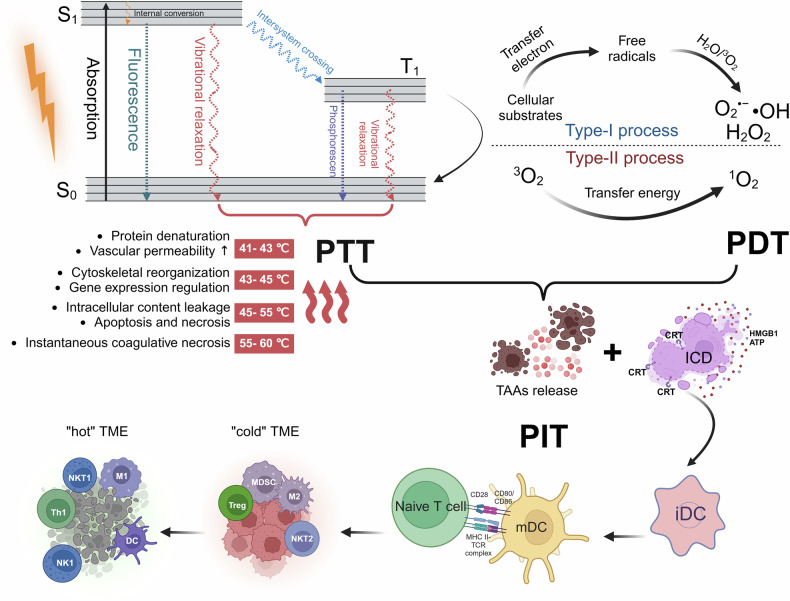
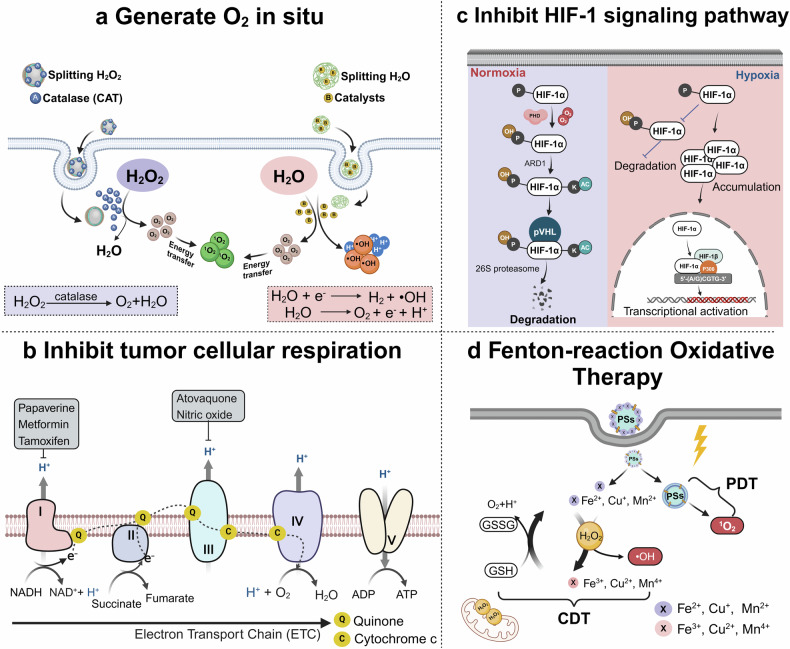
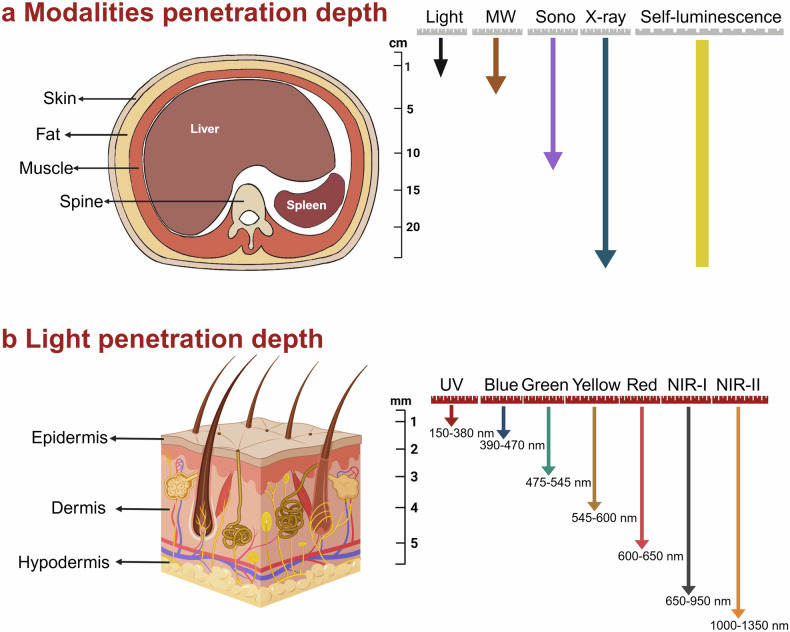
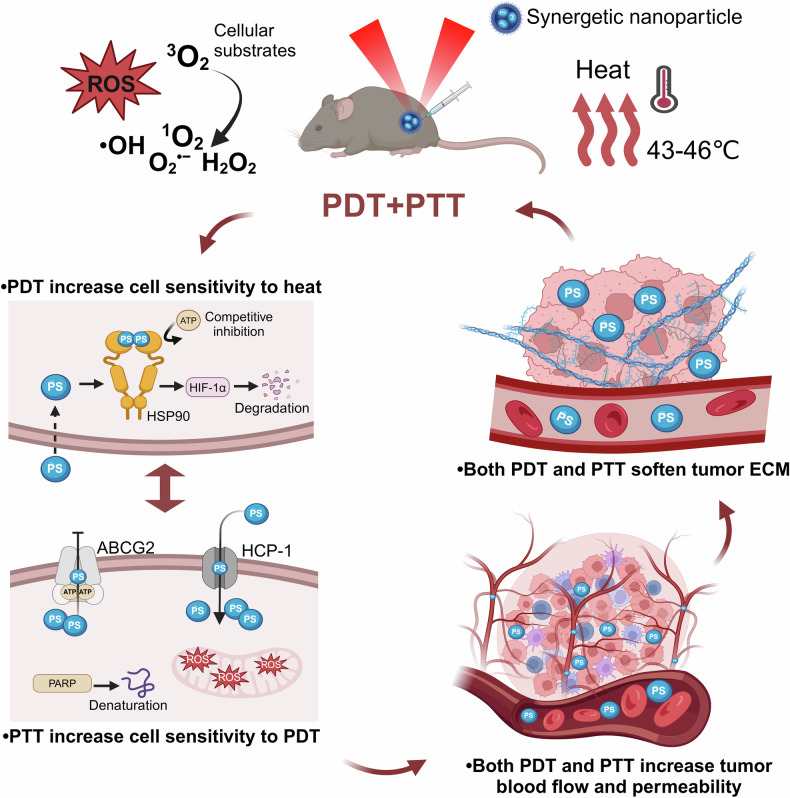
Phototherapy has emerged as a promising modality in cancer treatment, garnering considerable attention for its minimal side effects, exceptional spatial selectivity, and optimal preservation of normal tissue function. This innovative approach primarily encompasses three distinct paradigms: Photodynamic Therapy (PDT), Photothermal Therapy (PTT), and Photoimmunotherapy (PIT). Each of these modalities exerts its antitumor effects through unique mechanisms—specifically, the generation of reactive oxygen species (ROS), heat, and immune responses, respectively. However, significant challenges impede the advancement and clinical application of phototherapy. These include inadequate ROS production rates, subpar photothermal conversion efficiency, difficulties in tumor targeting, and unfavorable physicochemical properties inherent to traditional phototherapeutic agents (PTs). Additionally, the hypoxic microenvironment typical of tumors complicates therapeutic efficacy due to limited agent penetration in deep-seated lesions. To address these limitations, ongoing research is fervently exploring innovative solutions. The unique advantages offered by nano-PTs and nanocarrier systems aim to enhance traditional approaches’ effectiveness. Strategies such as generating oxygen in situ within tumors or inhibiting mitochondrial respiration while targeting the HIF-1α pathway may alleviate tumor hypoxia. Moreover, utilizing self-luminescent materials, near-infrared excitation sources, non-photoactivated sensitizers, and wireless light delivery systems can improve light penetration. Furthermore, integrating immunoadjuvants and modulating immunosuppressive cell populations while deploying immune checkpoint inhibitors holds promise for enhancing immunogenic cell death through PIT. This review seeks to elucidate the fundamental principles and biological implications of phototherapy while discussing dominant mechanisms and advanced strategies designed to overcome existing challenges—ultimately illuminating pathways for future research aimed at amplifying this intervention’s therapeutic efficacy.
Overview
The claims and statistics of this paper haven’t been checked yet.
Run the check — free, no account needed. It reads the open-access text and checks the sources it cites.
Integrity signals
Registry
Cites
Statistics
Figures
Verification
Claims the paper makes
The claims and statistics of this paper haven’t been checked yet.
Run the check — free, no account needed. It reads the open-access text and checks the sources it cites.
Claims other papers make about this one
Each is checked against this paper’s own text: does it say what the citing paper says it does?
The source backs part of the claim, not all of it — or backs it for a different population, condition or comparison.
In the citing paper
“Moreover, most existing PSs are limited by excitation in tissue penetration-restricted regions, low ROS yields, and the absence of real-time therapeutic monitoring226.”
From Organic small-molecule NIR-II fluorophores for tumor phototheranostics (2026) · cites this paper as [226]
Experimental — accuracy not yet measuredThe source backs part of the claim, not all of it — or backs it for a different population, condition or comparison.
In the citing paper
“Furthermore, hyperthermia (HT), although rarely used as a primary treatment, can enhance the selectivity and efficacy of chemotherapy or radiotherapy by inducing heat shock protein (HSP) expression and modulating the TME226.”
From Organic small-molecule NIR-II fluorophores for tumor phototheranostics (2026) · cites this paper as [226]
Experimental — accuracy not yet measured
Self-check
Percentages, sums and reported differences re-computed from the paper’s own numbers.
The self-check needs the paper’s full text.
Citations
Cites
1 retracted
Items 201–400 of 611
Zheng, F. Y., Chen, Z., Li, J., Wu, R., Zhang, B., Nie, G., Xie, Z., & Zhang, H. (2022) · Advanced Science · doi:10.1002/advs.202105231 · Cited by 294
Which cell death modality wins the contest for photodynamic therapy of cancer?
Mishchenko, T. A., Balalaeva, I. V., Gorokhova, A. A., Vedunova, M. V., & Krysko, D. V. (2022) · Cell Death and Disease · doi:10.1038/s41419-022-04851-4 · Cited by 293
Jiang, L., Bai, H., Liu, L., Lv, F., Ren, X., & Wang, S. (2019) · Angewandte Chemie International Edition · doi:10.1002/anie.201905884 · Cited by 289
Effects of hydrogen sulfide on mitochondrial function and cellular bioenergetics
Paul, B. D., Snyder, S. H., & Kashfi, K. (2020) · Redox Biology · doi:10.1016/j.redox.2020.101772 · Cited by 289
Pharmacologic Targeting of Hypoxia-Inducible Factors
Semenza, G. L. (2019) · Annual Review of Pharmacology and Toxicology · doi:10.1146/annurev-pharmtox-010818-021637 · Cited by 288
Zeng, J., Zhang, M., Peng, M., Gong, D., & Zhang, X. (2017) · Advanced Functional Materials · doi:10.1002/adfm.201705451 · Cited by 287
Targeting 3D Bladder Cancer Spheroids with Urease-Powered Nanomotors
Hortelão, A. C., Carrascosa, R., Murillo-Cremaes, N., Patiño, T., & Sánchez, S. (2019) · ACS Nano · doi:10.1021/acsnano.8b06610 · Cited by 287
Zhao, Y., Zhao, T., Cao, Y., Sun, J., Zhou, Q., Chen, H., Guo, S., Wang, Y., Zhen, Y., Liang, X., et al. (2021) · ACS Nano · doi:10.1021/acsnano.0c08790 · Cited by 285
Analysis of the Effects of Oxygen Supply and Demand on Hypoxic Fraction in Tumors
Secomb, T. W., Hsu, R., Ong, E. T., Gross, J. F., & Dewhirst, M. W. (1995) · Acta Oncologica · doi:10.3109/02841869509093981 · Cited by 276
Nile Red and Nile Blue: Applications and Syntheses of Structural Analogues
Martinez, V., & Henary, M. (2016) · Chemistry - A European Journal · doi:10.1002/chem.201601570 · Cited by 276
Yang, Z., Gao, D., Guo, X., Jin, L., Zheng, J., Wang, Y., Chen, S., Zheng, X., Zeng, L., Guo, M., et al. (2020) · ACS Nano · doi:10.1021/acsnano.0c07721 · Cited by 275
Ding, H., Yu, H., Dong, Y., Tian, R., Huang, G., Boothman, D. A., Sumer, B. D., & Gao, J. (2011) · Journal of Controlled Release · doi:10.1016/j.jconrel.2011.08.019 · Cited by 273
Wang, X., Zhang, Y., Wu, J., Zhang, Z., Liao, Q., Kang, Z., & Zhang, Y. (2021) · Chemical Reviews · doi:10.1021/acs.chemrev.1c00505 · Cited by 272
Lv, Z., Wei, H., Li, Q. F., Su, X., Liu, S., Zhang, K. Y., Lv, W. Y., Zhao, Q., Li, X., & Huang, W. (2017) · Chemical Science · doi:10.1039/c7sc03765a · Cited by 269
Programming cell pyroptosis with biomimetic nanoparticles for solid tumor immunotherapy
Zhao, P., Wang, M., Chen, M., Chen, Z., Peng, X., Zhou, F., Song, J., & Qu, J. (2020) · Biomaterials · doi:10.1016/j.biomaterials.2020.120142 · Cited by 264
Advances in anion transport and supramolecular medicinal chemistry
Davis, J. T., Gale, P. A., & Quesada, R. (2020) · Chemical Society Reviews · doi:10.1039/c9cs00662a · Cited by 264
Carbon‐Based Nanomaterials for Cancer Therapy via Targeting Tumor Microenvironment
Saleem, J., Wang, L., & Chen, C. (2018) · Advanced Healthcare Materials · doi:10.1002/adhm.201800525 · Cited by 263
Nanocomposite‐Based Photodynamic Therapy Strategies for Deep Tumor Treatment
Hu, J., Tang, Y., Elmenoufy, A. H., Xu, H., Cheng, Z., & Yang, X. (2015) · Small · doi:10.1002/smll.201501923 · Cited by 262
Photocatalytic Oxygen Evolution from Water Splitting
Lin, S., Huang, H., Ma, T., & Zhang, Y. (2020) · Advanced Science · doi:10.1002/advs.202002458 · Cited by 258
Chu, C., Lin, H., Liu, H., Wang, X., Wang, J., Zhang, P., Gao, H., Huang, C., Zeng, Y., Tan, Y., et al. (2017) · Advanced Materials · doi:10.1002/adma.201605928 · Cited by 257
Self-citationTheivanthiran, B., Evans, K. S., DeVito, N. C., Plebanek, M. P., Sturdivant, M., Wachsmuth, L. P., Salama, A. K. S., Kang, Y., Hsu, D. S., Balko, J. M., et al. (2020) · Journal of Clinical Investigation · doi:10.1172/jci133055 · Cited by 255
An NIR‐II‐Emissive Photosensitizer for Hypoxia‐Tolerant Photodynamic Theranostics
Li, L., Shao, C., Liu, T., Chao, Z., Chen, H., Xiao, F., He, H., Wei, Z., Zhu, Y., Wang, H., et al. (2020) · Advanced Materials · doi:10.1002/adma.202003471 · Cited by 254
Szczepański, M. J., Czystowska, M., Szajnik, M. E., Harasymczuk, M., Boyiadzis, M. M., Zagajewska, A. K. , Szyfter, W., Zeromski, J., & Whiteside, T. L. (2009) · Cancer Research · doi:10.1158/0008-5472.can-08-3838 · Cited by 253
Vankayala, R., Lin, C., Kalluru, P., Chiang, C., & Hwang, K. C. (2014) · Biomaterials · doi:10.1016/j.biomaterials.2014.03.065 · Cited by 252
Zheng, M., Zhao, P., Luo, Z., Gong, P., Zheng, C., Zhang, P., Yue, C., Gao, D., Ma, Y., & Cai, L. (2014) · ACS Applied Materials & Interfaces · doi:10.1021/am5004393 · Cited by 249
2D Ti2C (MXene) as a novel highly efficient and selective agent for photothermal therapy
Szuplewska, A., Kulpińska, D., Dybko, A., Jastrzębska, A., Wojciechowski, T., Rozmysłowska‐Wojciechowska, A., Chudy, M., Grabowska‐Jadach, I., Ziemkowska, W., Brzózka, Z., et al. (2019) · Materials Science and Engineering C · doi:10.1016/j.msec.2019.01.021 · Cited by 249
Wang, Z., Zhang, F., Shao, D., Chang, Z., Wang, L., Hu, H., Zheng, X., Li, X., Chen, F., Tu, Z., et al. (2019) · Advanced Science · doi:10.1002/advs.201901690 · Cited by 249
From Low to No O 2 -Dependent Hypoxia Photodynamic Therapy (hPDT): A New Perspective
Li, M., Xu, Y., Peng, X., & Kim, J. S. (2022) · Accounts of Chemical Research · doi:10.1021/acs.accounts.2c00531 · Cited by 246
Vankayala, R., Huang, Y., Kalluru, P., Chiang, C., & Hwang, K. C. (2013) · Small · doi:10.1002/smll.201302719 · Cited by 243
Trial watch: FDA-approved Toll-like receptor agonists for cancer therapy
Vacchelli, E., Galluzzi, L., Eggermont, A. M. M., Fridman, W. H., Galon, J., Sautès‐Fridman, C., Tartour, É., Zitvogel, L., & Kroemer, G. (2012) · OncoImmunology · doi:10.4161/onci.20931 · Cited by 242
Ultrasound‐Propelled Nanoporous Gold Wire for Efficient Drug Loading and Release
García‐Gradilla, V., Sattayasamitsathit, S., Soto, F., Kuralay, F., Yardımcı, C., Wiitala, D., Galarnyk, M., & Wang, J. (2014) · Small · doi:10.1002/smll.201401013 · Cited by 242
Photoactivatable Protherapeutic Nanomedicine for Cancer
Zhang, Y., Xu, C., Yang, X., & Pu, K. (2020) · Advanced Materials · doi:10.1002/adma.202002661 · Cited by 242
Yaraki, M. T., Liu, B., & Tan, Y. N. (2022) · Nano-Micro Letters · doi:10.1007/s40820-022-00856-y · Cited by 237
Domingues, C., Santos, A., Alvarez-Lorenzo, C., Concheiro, A., Jarak, I., Veiga, F., Barbosa, I., Dourado, M., & Figueiras, A. (2022) · ACS Nano · doi:10.1021/acsnano.2c00128 · Cited by 235
Tumor hypoxia as a driving force in genetic instability
Luoto, K. R., Kumareswaran, R., & Bristow, R. G. (2013) · Genome Integrity · doi:10.1186/2041-9414-4-5 · Cited by 234
Wu, D. Q., Wang, S., Yu, G., & Chen, X. S. (2020) · Angewandte Chemie International Edition · doi:10.1002/anie.202010281 · Cited by 234
Self-citationSelf-Delivery Nanomedicine for O2-Economized Photodynamic Tumor Therapy
Zhao, L., Zheng, R., Chen, H.-Q., Liu, L., Zhao, X., Liu, H., Qiu, X., Yu, X., Cheng, H. B., & Li, S. (2020) · Nano Letters · doi:10.1021/acs.nanolett.0c00047 · Cited by 230
The promise of sonodynamic therapy
Trendowski, M. R. (2013) · Cancer and Metastasis Reviews · doi:10.1007/s10555-013-9461-5 · Cited by 229
Wang, S., Lin, J., Wang, Z., et al. (2017) · Advanced Materials · doi:10.1002/adma.201701013 · Cited by 227
Chen, Q., Wang, C., Zhan, Z., He, W., Cheng, Z., Li, Y., & Liu, Z. (2014) · Biomaterials · doi:10.1016/j.biomaterials.2014.06.013 · Cited by 225
Vaccine Strategies to Improve Anti-cancer Cellular Immune Responses
Vermaelen, K. (2019) · Frontiers in Immunology · doi:10.3389/fimmu.2019.00008 · Cited by 223
Zhong, D., Li, W., Qi, Y., He, J., & Zhou, M. (2020) · Advanced Functional Materials · doi:10.1002/adfm.201910395 · Cited by 221
Photodynamic therapy (PDT) for malignant brain tumors – Where do we stand?
Quirk, B. J., Brandal, G., Donlon, S., Vera, J. C., Mang, T. S., Foy, A. B., Lew, S. M., Girotti, A. W., Jogal, S., LaViolette, P. S., et al. (2015) · Photodiagnosis and Photodynamic Therapy · doi:10.1016/j.pdpdt.2015.04.009 · Cited by 219
Sun, W., Zhou, Z., Pratx, G., Chen, X. S., & Chen, H. (2020) · Theranostics · doi:10.7150/thno.41578 · Cited by 219
Self-citationMorton, C. A., Szeimies, R., Basset‐Séguin, N., Calzavara‐Pinton, P., Gilaberte, Y., Hædersdal, M., Hofbauer, G. F. L., Hunger, R. E., Karrer, S., Piaserico, S., et al. (2019) · Journal of the European Academy of Dermatology and Venereology · doi:10.1111/jdv.16017 · Cited by 218
Kuo, W., Chen, H.-H., Chen, S., et al. (2016) · Biomaterials · doi:10.1016/j.biomaterials.2016.12.022 · Cited by 215
Metal-Based Photosensitizers as Inducers of Regulated Cell Death Mechanisms
Zhang, Y., Doan, B., & Gasser, G. (2023) · Chemical Reviews · doi:10.1021/acs.chemrev.3c00161 · Cited by 215
Gao, S., Zheng, P., Li, Z., Feng, X., Yan, W., Chen, S., Guo, W., Liu, D., Yang, X., Wang, S., et al. (2018) · Biomaterials · doi:10.1016/j.biomaterials.2018.06.007 · Cited by 214
In vivo wireless photonic photodynamic therapy
Bansal, A., Yang, F., Tian, X., Zhang, Y., & Ho, J. S. (2018) · Proceedings of the National Academy of Sciences · doi:10.1073/pnas.1717552115 · Cited by 211
Luo, T., Ni, K., Culbert, A. A., Lan, G., Li, Z., Jiang, X., Kaufmann, M., & Lin, W. (2020) · Journal of the American Chemical Society · doi:10.1021/jacs.0c02129 · Cited by 211
Photodynamic therapy for solid tumors: A review of the literature
Yanovsky, R. L., Bartenstein, D. W., Rogers, G. S., Isakoff, S. J., & Chen, S. T. (2019) · Photodermatology Photoimmunology & Photomedicine · doi:10.1111/phpp.12489 · Cited by 210
Workenhe, S. T., & Mossman, K. L. (2013) · Molecular Therapy · doi:10.1038/mt.2013.220 · Cited by 209
Chemical Tumor-Targeting of Nanoparticles Based on Metabolic Glycoengineering and Click Chemistry
Lee, S., Koo, H., Na, J. H., Han, S. J., Min, H. S., Lee, S. J., Kim, S. H., Yun, S. H., Jeong, S. Y., Kwon, I. C., et al. (2014) · ACS Nano · doi:10.1021/nn406584y · Cited by 207
Li, P., Chen, X., He, H., et al. (2017) · Advanced Materials · doi:10.1002/adma.201703119 · Cited by 207
Self-citationTao, D., Feng, L., Chao, Y., Liang, C., Song, X., Wang, H., Yang, K., & Liu, Z. (2018) · Advanced Functional Materials · doi:10.1002/adfm.201804901 · Cited by 207
Novohradský, V., Rovira, A., Hally, C., Galindo, A., Vigueras, G., Gandioso, A., Svitelova, M., Bresolí‐Obach, R., Kostrhunová, H., Marková, L., et al. (2019) · Angewandte Chemie International Edition · doi:10.1002/anie.201901268 · Cited by 207
Chauhan, V. P., Chen, I. X., Tong, R., Ng, M. R., Martin, J. D., Naxerova, K., Wu, M. W., Huang, P., Boucher, Y., Kohane, D. S., et al. (2019) · Proceedings of the National Academy of Sciences · doi:10.1073/pnas.1819889116 · Cited by 205
Ma, X., Ren, X., Guo, X., Fu, C., Wu, Q., Tan, L., Li, H., Zhang, W., Chen, X., Zhong, H., et al. (2019) · Biomaterials · doi:10.1016/j.biomaterials.2019.119223 · Cited by 205
Self-citationSalazar, R. A., Brillas, E., & Sirés, I. (2011) · Applied Catalysis B: Environmental · doi:10.1016/j.apcatb.2011.12.026 · Cited by 204
Investigation of water-soluble x-ray luminescence nanoparticles for photodynamic activation
Liu, Y., Chen, W., Wang, S., & Joly, A. G. (2008) · Applied Physics Letters · doi:10.1063/1.2835701 · Cited by 203
Self-citationTanaka, N., Kanatani, S., Tomer, R., Sahlgren, C., Kronqvist, P., Kaczyńska, D., Louhivuori, L. M., Kis, L. L., Lindh, C., Mitura, P., et al. (2017) · Nature Biomedical Engineering · doi:10.1038/s41551-017-0139-0 · Cited by 202
The Microenvironment Effect on the Generation of Reactive Oxygen Species by Pd−Bacteriopheophorbide
Vakrat-Haglili, Y., Weiner, L. M., Brumfeld, V., Brandis, A. S., Salomon, Y., Mcllroy, B., Wilson, B. C., Pawlak, A. M., Rôżanowska, M., Sarna, T., et al. (2005) · Journal of the American Chemical Society · doi:10.1021/ja046210j · Cited by 201
Supramolecular design in 2D covalent organic frameworks
Alahakoon, S. B., Diwakara, S. D., Thompson, C. M., et al. (2020) · Chemical Society Reviews · doi:10.1039/c9cs00884e · Cited by 198
Cheng, Y., Kong, X., Chang, Y., Feng, Y., Zheng, R., Wu, X., Xu, K., Gao, X., & Zhang, H. (2020) · Advanced Materials · doi:10.1002/adma.201908109 · Cited by 194
Nanoscale Metal–Organic Layers for Deeply Penetrating X‐ray‐Induced Photodynamic Therapy
Lan, G., Ni, K., Xu, R., Lu, K., Lin, Z., Chan, C., & Lin, W. (2017) · Angewandte Chemie International Edition · doi:10.1002/anie.201704828 · Cited by 193
Magnetic Targeting of Nanotheranostics Enhances Cerenkov Radiation-Induced Photodynamic Therapy
Ni, D., Ferreira, C. A., Barnhart, T. E., Quach, V., Yu, B., Jiang, D., Wei, W., Liu, H., Engle, J. W., Hu, P., et al. (2018) · Journal of the American Chemical Society · doi:10.1021/jacs.8b09374 · Cited by 193
Chen, D., Yu, Q. B., Huang, X., Dai, H., Luo, T., Shao, J., Chen, P., Chen, J., Huang, W., & Dong, X. (2020) · Small · doi:10.1002/smll.202001059 · Cited by 193
Shi, C. J., Li, M., Zhang, Z., Yao, Q., Shao, K., Xu, F., Xu, N., Li, H., Fan, J., Sun, W. C., et al. (2020) · Biomaterials · doi:10.1016/j.biomaterials.2020.119755 · Cited by 192
Shao, L., Zhang, R., Lu, J., Zhao, C., Deng, X., & Wu, Y. F. (2016) · ACS Applied Materials & Interfaces · doi:10.1021/acsami.6b11209 · Cited by 191
Nieto-Juárez, J. I., Pierzchła, K., Sienkiewicz, A., & Kohn, T. (2010) · Environmental Science & Technology · doi:10.1021/es903739f · Cited by 188
Multicolour light emission from chlorine-doped graphene quantum dots
Li, X., Lau, S. P., Tang, L., et al. (2013) · Journal of Materials Chemistry C · doi:10.1039/c3tc31473a · Cited by 186
X-Ray-Induced Nanoparticle-Based Photodynamic Therapy of Cancer
Zou, X., Yao, M., Ma, L., Hossu, M., Han, X., Juzenas, P., & Chen, W. (2014) · Nanomedicine · doi:10.2217/nnm.13.198 · Cited by 184
Self-citationHe, L., Nie, T., Xia, X., Liu, T., Huang, Y., Wang, X., & Chen, T. (2019) · Advanced Functional Materials · doi:10.1002/adfm.201901240 · Cited by 184
Lin, L., Wang, J., Song, J., Liu, Y., Zhu, G., Dai, Y., Shen, Z., Tian, R., Song, J., Wang, Z., et al. (2019) · Theranostics · doi:10.7150/thno.39831 · Cited by 184
Self-citationChen, Z., Wu, C., Yuan, Y., Xie, Z., Li, T., Huang, H., Li, S., Deng, J., Lin, H., Shi, Z., et al. (2023) · Journal of Nanobiotechnology · doi:10.1186/s12951-023-01903-5 · Cited by 183
Riggs, A. (1988) · Annual Review of Physiology · doi:10.1146/annurev.ph.50.030188.001145 · Cited by 180
Dual-Functional Supernanoparticles with Microwave Dynamic Therapy and Microwave Thermal Therapy
Wu, Q., Xia, N., Long, D., Tan, L., Rao, W., Yu, J., Fu, C., Ren, X., Li, H., Gou, L., et al. (2019) · Nano Letters · doi:10.1021/acs.nanolett.9b01735 · Cited by 179
Synthesis, self-assembly and applications of functional polymers based on porphyrins
Tian, J. H., & Zhang, W. (2019) · Progress in Polymer Science · doi:10.1016/j.progpolymsci.2019.05.002 · Cited by 177
Soltani, T., & Lee, B. (2016) · Chemical Engineering Journal · doi:10.1016/j.cej.2016.11.016 · Cited by 176
Red Blood Cell-Mimicking Micromotor for Active Photodynamic Cancer Therapy
Gao, C., Lin, Z., Wang, D., Wu, Z., Xie, H., & He, Q. Z. (2019) · ACS Applied Materials & Interfaces · doi:10.1021/acsami.9b07979 · Cited by 175
Physiologically Based Pharmacokinetic (PBPK) Modeling of Pharmaceutical Nanoparticles
Li, M., Zou, P., Tyner, K. M., & Lee, S. (2016) · The AAPS Journal · doi:10.1208/s12248-016-0010-3 · Cited by 174
Bioluminescence in analytical chemistry and in vivo imaging
Roda, A., Guardigli, M., Michelini, E., et al. (2008) · TrAC Trends in Analytical Chemistry · doi:10.1016/j.trac.2008.11.015 · Cited by 173
Host Immune Response to Infection and Cancer: Unexpected Commonalities
Goldszmid, R. S., Dzutsev, A., & Trinchieri, G. (2014) · Cell Host & Microbe · doi:10.1016/j.chom.2014.02.003 · Cited by 172
Zeng, L., Pan, Y., Tian, Y., Wang, X., Ren, W., Wang, S., Lu, G., & Wu, A. (2015) · Biomaterials · doi:10.1016/j.biomaterials.2015.04.006 · Cited by 171
Deng, Y., Song, P., Chen, X., Huang, Y., Hong, L., Jin, Q., & Ji, J. (2020) · ACS Nano · doi:10.1021/acsnano.0c01350 · Cited by 170
Self-citationClinical PD/PDT in North America: An historical review
Allison, R. R., Mota, H., & Sibata, C. (2004) · Photodiagnosis and Photodynamic Therapy · doi:10.1016/s1572-1000(04)00084-5 · Cited by 169
Gilson, R. C., Black, K. C. L., Lane, D. D., & Achilefu, S. A. (2017) · Angewandte Chemie International Edition · doi:10.1002/anie.201704458 · Cited by 169
Liu, Q., Xu, S., Niu, C., Li, M., He, D., Lu, Z., Ma, L., Na, N., Huang, F. Q., Jiang, H., et al. (2014) · Biosensors and Bioelectronics · doi:10.1016/j.bios.2014.08.052 · Cited by 168
Hsu, C., Chen, C., Yu, H., et al. (2012) · Biomaterials · doi:10.1016/j.biomaterials.2012.08.044 · Cited by 167
Tang, Z., Zhao, P., Ni, D., Liu, Y., Zhang, M., Wang, H., Zhang, H., Gao, H., Yao, Z., & Bu, W. (2018) · Materials Horizons · doi:10.1039/c8mh00627j · Cited by 165
Yang, Z., Wang, J., Liu, S., Li, X., Miao, L., Yang, B., Zhang, C., He, J., Ai, S., & Guan, W. (2020) · Biomaterials · doi:10.1016/j.biomaterials.2019.119580 · Cited by 165
Zhou, Y., Ren, X., Hou, Z., Wang, N., Jiang, Y., & Luan, Y. (2021) · Nanoscale Horizons · doi:10.1039/d0nh00480d · Cited by 165
Enhancement of anti-tumor immunity by photodynamic therapy
Gollnick, S. O., & Brackett, C. M. (2009) · Immunologic Research · doi:10.1007/s12026-009-8119-4 · Cited by 164
Zhu, D., Duo, Y., Suo, M., Zhao, Y., Xia, L., Zheng, Z., Yang, L., & Tang, B. Z. (2020) · Angewandte Chemie International Edition · doi:10.1002/anie.202003672 · Cited by 164
State-of-the-art advances of copper-based nanostructures in the enhancement of chemodynamic therapy
Hao, Y., Zhang, W., Gao, Y., Wei, Y., Shu, Y., & Wang, J. (2020) · Journal of Materials Chemistry B · doi:10.1039/d0tb02360d · Cited by 164
Siret, C., Collignon, A., Silvy, F., Robert, S., Cheyrol, T., André, P., Rigot, V., Iovanna, J., van de Pavert, S. A., Lombardo, D., et al. (2020) · Frontiers in Immunology · doi:10.3389/fimmu.2019.03070 · Cited by 163
X-ray induced photodynamic therapy with copper-cysteamine nanoparticles in mice tumors
Shrestha, S., Wu, J., Sah, B., Vanasse, A., Cooper, L. N., Ma, L., Li, G. L., Zheng, H., Chen, W., & Antosh, M. P. (2019) · Proceedings of the National Academy of Sciences · doi:10.1073/pnas.1900502116 · Cited by 160
Self-citationLi, X., Ferrel, G. L., Guerra, M. C., Hode, T., Lunn, J., Adalsteinsson, Ö., Nordquist, R. E., Liu, H., & Chen, W. R. (2011) · Photochemical & Photobiological Sciences · doi:10.1039/c0pp00306a · Cited by 158
Self-citationSelf-Monitoring Artificial Red Cells with Sufficient Oxygen Supply for Enhanced Photodynamic Therapy
Luo, Z., Zheng, M., Zhao, P., Chen, Z., Siu, F., Gong, P., Gao, G., Sheng, Z., Zheng, C., Ma, Y., et al. (2016) · Scientific Reports · doi:10.1038/srep23393 · Cited by 158
Wang, Y., Zhao, J., Chen, Z., et al. (2019) · Biomaterials · doi:10.1016/j.biomaterials.2019.119282 · Cited by 156
Platinum-carbon-integrated nanozymes for enhanced tumor photodynamic and photothermal therapy
Yang, Y., Zhu, D., Liu, Y., Jiang, B., Jiang, W., Yan, X., & Fan, K. (2020) · Nanoscale · doi:10.1039/d0nr02800b · Cited by 156
Yang, Y.-S., Hu, T., Bian, Y., Meng, F., Yu, S., Li, H., Zhang, Q., Gu, L., Weng, X., Tan, C., et al. (2023) · Advanced Materials · doi:10.1002/adma.202211205 · Cited by 156
Fan, X. H., Sun, J., Wang, F., Chu, Z., Wang, P., Dong, Y. Q., Hu, R., Tang, B. Z., & Zou, D. (2008) · Chemical Communications · doi:10.1039/b803539c · Cited by 154
Zhang, Y., Jia, Q., Nan, F., Wang, J., Liang, K., Li, J., Xue, X., Ren, H., Liu, W., Ge, J., et al. (2022) · Biomaterials · doi:10.1016/j.biomaterials.2022.121953 · Cited by 154
Zhang, J., Bowles, F. L., Bearden, D. W., et al. (2013) · Nature Chemistry · doi:10.1038/nchem.1748 · Cited by 152
Li, X., Zheng, B.-Y., Ke, M., Zhang, Y., Huang, J., & Yoon, J. (2017) · Theranostics · doi:10.7150/thno.18861 · Cited by 151
Zhang, K., Yu, Z., Meng, X., Zhao, W., Shi, Z., Yang, Z., Dong, H., & Zhang, X. (2019) · Advanced Science · doi:10.1002/advs.201900530 · Cited by 151
Gao, Z., Li, Y., Zhang, Y., Cheng, K., An, P., Chen, F., Chen, J., You, C., Zhu, Q. X., & Sun, B. (2019) · ACS Applied Materials & Interfaces · doi:10.1021/acsami.9b14958 · Cited by 151
A New X-Ray Activated Nanoparticle Photosensitizer for Cancer Treatment
Ma, L., Zou, X., & Chen, W. (2014) · Journal of Biomedical Nanotechnology · doi:10.1166/jbn.2014.1954 · Cited by 150
Self-citationXie, L., Tang, C., Wang, K., Du, G., Asiri, A. M., & Sun, X. (2016) · Small · doi:10.1002/smll.201602755 · Cited by 149
Advanced techniques for performing photodynamic therapy in deep-seated tissues
Sun, B., Rahmat, J. N., & Zhang, Y. (2022) · Biomaterials · doi:10.1016/j.biomaterials.2022.121875 · Cited by 148
Hypoxia: a Double-Edged Sword in Cancer Therapy
Manoochehri Khoshinani, H., Afshar, S., & Najafi, R. (2016) · Cancer Investigation · doi:10.1080/07357907.2016.1245317 · Cited by 147
Jin, J., Krishnamachary, B., Barnett, J. D., Chatterjee, S., Chang, D., Mironchik, Y., Wildes, F. B., Jaffee, E. M., Nimmagadda, S., & Bhujwalla, Z. M. (2019) · ACS Applied Materials & Interfaces · doi:10.1021/acsami.8b22309 · Cited by 147
Zhang, D., Ye, Z., Wei, L., Luo, H., & Xiao, L. (2019) · ACS Applied Materials & Interfaces · doi:10.1021/acsami.9b14084 · Cited by 147
Ancona, A., Dumontel, B., Garino, N., Demarco, B., Chatzitheodoridou, D., Fazzini, W., Engelke, H., & Cauda, V. (2018) · Nanomaterials · doi:10.3390/nano8030143 · Cited by 146
Exploiting Single Atom Iron Centers in a Porphyrin-like MOF for Efficient Cancer Phototherapy
Wang, L., Qu, X., Zhao, Y., et al. (2019) · ACS Applied Materials & Interfaces · doi:10.1021/acsami.9b11238 · Cited by 144
Recent advances in doping engineering of black phosphorus
Hu, H., Shi, Z., Khan, K., Cao, R., Liang, W., Tareen, A. K., Zhang, Y., Huang, W., Guo, Z., Luo, X., et al. (2020) · Journal of Materials Chemistry A · doi:10.1039/d0ta00416b · Cited by 144
Perfluorocarbon regulates the intratumoural environment to enhance hypoxia-based agent efficacy
Wang, W., Cheng, Y., Yu, P., Wang, H., Zhang, Y., Xu, H., Ye, Q., Yuan, A., Hu, Y., & Wu, J. (2019) · Nature Communications · doi:10.1038/s41467-019-09389-2 · Cited by 142
Bongaerts, E., Nawrot, T. S., Pee, T. V., Ameloot, M. M., & Bové, H. (2020) · Particle and Fibre Toxicology · doi:10.1186/s12989-020-00386-8 · Cited by 139
Reactive oxygen species: Reactions and detection from photosynthetic tissues
Mattila, H., Khorobrykh, S. A., Havurinne, V., & Tyystjärvi, E. (2015) · Journal of Photochemistry and Photobiology B Biology · doi:10.1016/j.jphotobiol.2015.10.001 · Cited by 138
Huang, K., Zhang, J., O’Neill, K. L., Gurumurthy, C. B., Quadros, R. M., Tu, Y., & Luo, X. (2016) · Journal of Biological Chemistry · doi:10.1074/jbc.m115.711051 · Cited by 136
Wang, P., Li, C., Wang, X., Xiong, W., Feng, X., Liu, Q., Leung, A. W., & Xu, C. (2015) · Ultrasonics Sonochemistry · doi:10.1016/j.ultsonch.2014.10.027 · Cited by 135
Functionalized Fullerenes in Photodynamic Therapy
Huang, Y., Sharma, S. K., Yin, R., Agrawal, T., Chiang, L. Y., & Hamblin, M. R. (2014) · Journal of Biomedical Nanotechnology · doi:10.1166/jbn.2014.1963 · Cited by 134
Pan, C., Ou, M., Cheng, Q., Zhou, Y., Yu, Y., Li, Z., Zhang, F., Xia, D., Mei, L., & Ji, X. (2019) · Advanced Functional Materials · doi:10.1002/adfm.201906466 · Cited by 134
Targeting myeloid cells in the tumor sustaining microenvironment
Schupp, J., Krebs, F. K., Zimmer, N., Trzeciak, E. R., Schuppan, D., & Tuettenberg, A. (2017) · Cellular Immunology · doi:10.1016/j.cellimm.2017.10.013 · Cited by 133
Xu, S., Wu, W., Cai, X., Zhang, C., Yuan, Y., Liang, J., Feng, G., Manghnani, P. N., & Liu, B. (2017) · Chemical Communications · doi:10.1039/c7cc04864e · Cited by 131
Cui, J., Zhang, F., Yan, D., Han, T., Wang, L., Wang, D., & Tang, B. Z. (2023) · Advanced Materials · doi:10.1002/adma.202302639 · Cited by 131
Role of delivery vehicles for photosensitizers in the photodynamic therapy of tumours
Reddi, E. (1997) · Journal of Photochemistry and Photobiology B Biology · doi:10.1016/s1011-1344(96)07404-0 · Cited by 130
Photodynamic Therapy for Non-Melanoma Skin Cancers
Cohen, D., & Lee, P. (2016) · Cancers · doi:10.3390/cancers8100090 · Cited by 128
Shining photocatalysis by gold-based nanomaterials
Zhu, H., Yuan, X. F., Yao, Q., & Xie, J. (2021) · Nano Energy · doi:10.1016/j.nanoen.2021.106306 · Cited by 127
Degradation of black phosphorus is contingent on UV–blue light exposure
Ahmed, T., Balendhran, S., Karim, M. N., et al. (2017) · npj 2D Materials and Applications · doi:10.1038/s41699-017-0023-5 · Cited by 126
Vetsika, E.-K., Koukos, A., & Kotsakis, A. (2019) · Cells · doi:10.3390/cells8121647 · Cited by 125
An update in clinical utilization of photodynamic therapy for lung cancer
Wang, K., Yu, B., & Pathak, J. L. (2020) · Journal of Cancer · doi:10.7150/jca.51537 · Cited by 125
Wang, H., Guo, Y., Wang, C., Jiang, X., Liu, H., Yuan, A., Yan, J., Hu, Y., & Wu, J. (2021) · Biomaterials · doi:10.1016/j.biomaterials.2020.120621 · Cited by 124
Tang, W., Yáng, Z., He, L., Deng, L., Fathi, P., Zhu, S., Li, L., Shen, B., Wang, Z., Jacobson, O., et al. (2021) · Nature Communications · doi:10.1038/s41467-020-20860-3 · Cited by 122
Self-citationWan, J., Zhang, X., Tang, D., Liu, T., & Xiao, H. (2023) · Advanced Materials · doi:10.1002/adma.202209799 · Cited by 122
Cerenkov luminescence imaging: physics principles and potential applications in biomedical sciences
Ciarrocchi, E., & Belcari, N. (2017) · EJNMMI Physics · doi:10.1186/s40658-017-0181-8 · Cited by 121
Functional two-dimensional black phosphorus nanostructures towards next-generation devices
Wang, M., Zhu, J., Zi, Y., et al. (2021) · Journal of Materials Chemistry A · doi:10.1039/d1ta02027g · Cited by 120
Therapeutic oxygen delivery by perfluorocarbon-based colloids
Krafft, M. P., & Riess, J. G. (2021) · Advances in Colloid and Interface Science · doi:10.1016/j.cis.2021.102407 · Cited by 120
Yang, Z., Chen, Q., Chen, J., Dong, Z., Zhang, R., Liu, J., & Liu, Z. (2018) · Small · doi:10.1002/smll.201803262 · Cited by 119
Self-citationAn NIR‐II Photothermally Triggered “Oxygen Bomb” for Hypoxic Tumor Programmed Cascade Therapy
Zhang, S., Li, Z., Wang, Q., Liu, Q., Yuan, W., Feng, W., & Li, F. (2022) · Advanced Materials · doi:10.1002/adma.202201978 · Cited by 119
EGFR-targeted photodynamic therapy by curcumin-encapsulated chitosan/TPP nanoparticles
Tsai, W.-H., Yu, K.-H., Huang, Y., & Lee, C.-I. (2018) · International Journal of Nanomedicine · doi:10.2147/ijn.s148305 · Cited by 118
Inflammasomes as molecular mediators of inflammation and cancer: Potential role in melanoma
Dunn, J. H., Ellis, L. Z., & Fujita, M. (2011) · Cancer Letters · doi:10.1016/j.canlet.2011.10.001 · Cited by 117
O 2 Economizer for Inhibiting Cell Respiration To Combat the Hypoxia Obstacle in Tumor Treatments
Yu, W., Liu, T., Zhang, M., Wang, Z., Ye, J., Li, C., Liu, W., Li, R., Feng, J. X., & Zhang, X. (2019) · ACS Nano · doi:10.1021/acsnano.8b07852 · Cited by 117
Ge, Y., Pan, X., Feng, W., Yao, Q., Jiang, F., Du, F., Zhou, X., Xie, J., & Yuan, X. F. (2023) · ACS Nano · doi:10.1021/acsnano.3c02370 · Cited by 117
Ultrasensitive DNA Origami Plasmon Sensor for Accurate Detection in Circulating Tumor DNAs
Chen, Z., Meng, C., Wang, X., Chen, J., Deng, J., Fan, T., Wang, L., Lin, H., Huang, H., Li, S., et al. (2024) · Laser & Photonics Review · doi:10.1002/lpor.202400035 · Cited by 117
Highly Loaded Hemoglobin Spheres as Promising Artificial Oxygen Carriers
Li, D., Yan, X., Wang, A., Jia, Y., & Li, J. (2012) · ACS Nano · doi:10.1021/nn301735u · Cited by 116
Li, L., Song, D., Qi, L., Jiang, M., Wu, Y., Gan, J., Cao, K., Li, Y., Bai, Y., & Zheng, T. (2021) · Cancer Letters · doi:10.1016/j.canlet.2021.07.014 · Cited by 116
Yu, C., Xuan, T., Chen, Y., Zhao, Z., Liu, X., Lian, G., & Li, H. (2016) · Journal of Alloys and Compounds · doi:10.1016/j.jallcom.2016.07.226 · Cited by 115
Cu(I)–Glutathione complex: A potential source of superoxide radicals generation
Speisky, H., Gómez, M., Carrasco‐Pozo, C., et al. (2008) · Bioorganic & Medicinal Chemistry · doi:10.1016/j.bmc.2008.05.026 · Cited by 114
Song, X., Gong, H., Liu, T., Cheng, L., Wang, C., Sun, X., Liang, C., & Liu, Z. (2014) · Small · doi:10.1002/smll.201401025 · Cited by 114
Ding, F., Liu, J., Ai, K., Xu, C., Mao, X., Liu, Z., & Xiao, H. (2023) · Advanced Materials · doi:10.1002/adma.202306419 · Cited by 114
Self-citationHuman Motion Driven Self-Powered Photodynamic System for Long-Term Autonomous Cancer Therapy
Liu, Z., Xu, L., Zheng, Q., Kang, Y., Shi, B., Jiang, D., Li, H., Qu, X., Fan, Y., Wang, Z. L., et al. (2020) · ACS Nano · doi:10.1021/acsnano.0c00675 · Cited by 113
Role of apoptosis and necrosis in cell death induced by nanoparticle-mediated photothermal therapy
Pattani, V. P., Shah, J., Atalis, A., Sharma, A., & Tunnell, J. W. (2015) · Journal of Nanoparticle Research · doi:10.1007/s11051-014-2822-3 · Cited by 112
Park, D. H., Lee, S. S., Park, S., et al. (2014) · European Journal of Cancer · doi:10.1016/j.ejca.2014.01.008 · Cited by 112
Role of various nanoparticles in photodynamic therapy and detection methods of singlet oxygen
Krajczewski, J., Rucińska, K., Townley, H. E., & Kudelski, A. (2019) · Photodiagnosis and Photodynamic Therapy · doi:10.1016/j.pdpdt.2019.03.016 · Cited by 112
Beyond Photo: Xdynamic Therapies in Fighting Cancer
Wang, S., Tian, R., Zhang, X., Cheng, G., Yu, P., Chang, J. K., & Chen, X. S. (2021) · Advanced Materials · doi:10.1002/adma.202007488 · Cited by 112
Self-citationA New Modality for Cancer Treatment—Nanoparticle Mediated Microwave Induced Photodynamic Therapy
Yao, M., Ma, L., Li, L., Zhang, J., Lim, R. X., Chen, W., & Zhang, Y. (2016) · Journal of Biomedical Nanotechnology · doi:10.1166/jbn.2016.2322 · Cited by 111
Self-citationRömer, F. M., Wiedwald, U., Strusch, T., et al. (2017) · RSC Advances · doi:10.1039/c6ra27505b · Cited by 111
Mitochondrial regulation of cell death: a phylogenetically conserved control
Galluzzi, L., Kepp, O., & Kroemer, G. (2016) · Microbial Cell · doi:10.15698/mic2016.03.483 · Cited by 110
Effect of different components of laser immunotherapy in treatment of metastatic tumors in rats.
Chen, W. R., Liu, H., Ritchey, J. W., Bartels, K. E., Lucroy, M. D., & Nordquist, R. E. (2002) · PubMed · Cited by 109
Self-citationHuang, X., Sheng, B., Tian, H., et al. (2022) · Acta Pharmaceutica Sinica B · doi:10.1016/j.apsb.2022.08.024 · Cited by 109
Lakshmanan, S. B., Zou, X., Hossu, M., et al. (2012) · Journal of Biomedical Nanotechnology · doi:10.1166/jbn.2012.1486 · Cited by 108
Durmuş, M., Yaman, H., Göl, C., et al. (2011) · Dyes and Pigments · doi:10.1016/j.dyepig.2011.02.007 · Cited by 107
Morton, C. A., Wulf, H. C., Szeimies, R., et al. (2015) · Journal of the European Academy of Dermatology and Venereology · doi:10.1111/jdv.12974 · Cited by 107
Zhou, J., Wang, W., Zhang, C.-Y., Ling, Y., Hong, X.-J., Su, Q., Li, W.-G., Mao, Z., Cheng, B., Tan, C., et al. (2022) · Biomaterials · doi:10.1016/j.biomaterials.2022.121757 · Cited by 107
Controlling the unfolded protein response-mediated life and death decisions in cancer
Maurel, M., McGrath, E. P., Mnich, K., Healy, S., Chevet, É., & Samali, A. (2015) · Seminars in Cancer Biology · doi:10.1016/j.semcancer.2015.03.003 · Cited by 106
The anti-oxidant capacity of tumour glycolysis
Sattler, U. G. A., & Mueller‐Klieser, W. (2009) · International Journal of Radiation Biology · doi:10.3109/09553000903258889 · Cited by 106
Magalhães, C. M., da Silva, J. C. G. E., & da Silva, L. P. (2016) · ChemPhysChem · doi:10.1002/cphc.201600270 · Cited by 106
Experimental Support for a Single Electron-Transfer Oxidation Mechanism in Firefly Bioluminescence
Branchini, B. R., Behney, C. E., Southworth, T. L., et al. (2015) · Journal of the American Chemical Society · doi:10.1021/jacs.5b03820 · Cited by 106
Niu, N., Yu, Y., Zhang, Z., Kang, M., Wang, L., Zhao, Z., Wang, D., & Tang, B. Z. (2022) · Chemical Science · doi:10.1039/d2sc01260j · Cited by 106
The Role of Photodynamic Therapy in Triggering Cell Death and Facilitating Antitumor Immunology
Tan, L., Shen, X., He, Z., et al. (2022) · Frontiers in Oncology · doi:10.3389/fonc.2022.863107 · Cited by 106
Li, R., Zhang, C., Xie, B., Yu, W., Qiu, W., Cheng, H. L., & Zhang, X. (2018) · Biomaterials · doi:10.1016/j.biomaterials.2018.12.017 · Cited by 105
Yamaguchi, S., Kobayashi, H., Narita, T., Kanehira, K., Sonezaki, S., Kubota, Y., Terasaka, S., & Iwasaki, Y. (2010) · Photochemistry and Photobiology · doi:10.1111/j.1751-1097.2010.00742.x · Cited by 104
Light Triggered Oxygen-Affording Engines for Repeated Hypoxia-Resistant Photodynamic Therapy
Zhou, T.-J., Xing, L., Fan, Y.-T., Cui, P.-F., & Jiang, H.-L. (2019) · Journal of Controlled Release · doi:10.1016/j.jconrel.2019.06.016 · Cited by 104
Jesus, S., Schmutz, M., Som, C., Borchard, G., Wick, P., & Borges, O. (2019) · Frontiers in Bioengineering and Biotechnology · doi:10.3389/fbioe.2019.00261 · Cited by 104
Quan, X., Zhang, Y., Chen, S., Zhao, Y., & Yang, F. (2006) · Journal of Molecular Catalysis A Chemical · doi:10.1016/j.molcata.2006.08.079 · Cited by 103
Acoustically modulated magnetic resonance imaging of gas-filled protein nanostructures
Lu, G. J., Farhadi, A., Szablowski, J. O., Lee‐Gosselin, A., Barnes, S. R., Lakshmanan, A., Bourdeau, R. W., & Shapiro, M. G. (2018) · Nature Materials · doi:10.1038/s41563-018-0023-7 · Cited by 103
Cucurmin, anticancer, & antitumor perspectives: A comprehensive review
Imran, M., Ullah, A., Saeed, F., Nadeem, M., Arshad, M. U., & Suleria, H. A. R. (2016) · Critical Reviews in Food Science and Nutrition · doi:10.1080/10408398.2016.1252711 · Cited by 101
Aggregation-induced emission luminogens for highly effective microwave dynamic therapy
Pandey, N. K., Xiong, W. H., Wang, L., Chen, W., Bui, B., Yang, J. Y., Amador, E. H., Chen, M., Xing, C., Athavale, A., et al. (2021) · Bioactive Materials · doi:10.1016/j.bioactmat.2021.05.031 · Cited by 101
Self-citationSupramolecular Nitric Oxide Depot for Hypoxic Tumor Vessel Normalization and Radiosensitization
Yang, C., Mu, G., Zhang, Y., Gao, Y., Zhang, W., Liu, J., Zhang, W., Li, P., Yang, L., Yang, Z., et al. (2022) · Advanced Materials · doi:10.1002/adma.202202625 · Cited by 101
Self-citationGüvener, N., Appold, L. C., Lorenzi, F. D., Golombek, S. K., Rizzo, L. Y., Lammers, T., & Kiessling, F. M. (2017) · Methods · doi:10.1016/j.ymeth.2017.05.018 · Cited by 100
Metal–organic complex-based chemodynamic therapy agents for cancer therapy
Hwang, E., & Jung, H. S. (2020) · Chemical Communications · doi:10.1039/d0cc03012k · Cited by 100
Drug radiotherapy combinations: Review of previous failures and reasons for future optimism
Higgins, G. S., O'Cathail, S. M., Muschel, R. J., & McKenna, W. G. (2015) · Cancer Treatment Reviews · doi:10.1016/j.ctrv.2014.12.012 · Cited by 99
Tissue physiology and the response to heat
Horsman, M. R. (2006) · International Journal of Hyperthermia · doi:10.1080/02656730600689066 · Cited by 99
Nagaya, T., Nakamura, Y., Okuyama, S., Ogata, F., Maruoka, Y., Choyke, P. L., & Kobayashi, H. (2017) · Molecular Cancer Research · doi:10.1158/1541-7786.mcr-17-0164 · Cited by 99
Chemiluminescence: From mechanism to applications in biological imaging and therapy
Wang, Z., Huang, J., Huang, J., Yu, B., Pu, K., & Xu, F. (2021) · Aggregate · doi:10.1002/agt2.140 · Cited by 99
Nanoparticle Self-Lighting Photodynamic Therapy for Cancer Treatment
Chen, W. (2008) · Journal of Biomedical Nanotechnology · doi:10.1166/jbn.2008.001 · Cited by 98
Self-citationMa, G., Zhang, X., Zhao, K., Zhang, S., Ren, K., Mu, M., Wang, C., Wang, X., Liu, H., Dong, J., et al. (2024) · ACS Nano · doi:10.1021/acsnano.3c10249 · Cited by 97
Exploration of Graphitic-C3N4 Quantum Dots for Microwave-Induced Photodynamic Therapy
Chu, X., Li, K. C., Guo, H., Zheng, H., Shuda, S., Wang, X., Zhang, J., Chen, W., & Zhang, Y. (2017) · ACS Biomaterials Science & Engineering · doi:10.1021/acsbiomaterials.7b00110 · Cited by 96
Self-citationObaid, G., Bano, S., Mallidi, S., Broekgaarden, M., Kuriakose, J., Silber, Z., Bulin, A., Wang, Y.-C., Mai, Z., Jin, W., et al. (2019) · Nano Letters · doi:10.1021/acs.nanolett.9b00859 · Cited by 96
Yokoi, K., Kojic, M., Milosevic, M., Tanei, T., Ferrari, M., & Ziemys, A. (2014) · Cancer Research · doi:10.1158/0008-5472.can-13-3494 · Cited by 95
Chudal, L., Pandey, N. K., Phan, J. B., Johnson, O., Lin, L., Yu, H., Shu, Y., Huang, Z., Xing, M., Liu, J. P., et al. (2020) · ACS Applied Bio Materials · doi:10.1021/acsabm.0c00098 · Cited by 95
Self-citationLiu, Z., Cao, T., Xue, Y., Li, M., Wu, M., Engle, J. W., He, Q., Cai, W., Lan, M., & Zhang, W. (2019) · Angewandte Chemie International Edition · doi:10.1002/anie.201914434 · Cited by 94
Fang, Z., Zhang, J., Shi, Z., Wang, L., Liu, Y., Wang, J., Jiang, J., Yang, D., Bai, H., Peng, B., et al. (2023) · Advanced Materials · doi:10.1002/adma.202301901 · Cited by 94
Wu, L., Lin, H., Cao, X., et al. (2024) · Angewandte Chemie International Edition · doi:10.1002/anie.202405937 · Cited by 94
Jensen, T. J., Vicente, M. G. H., Luguya, R. J., et al. (2010) · Journal of Photochemistry and Photobiology B Biology · doi:10.1016/j.jphotobiol.2010.05.007 · Cited by 93
Marangon, I., Silva, A., Guilbert, T., Kolosnjaj‐Tabi, J., Marchiol, C., Natkhunarajah, S., Chammings, F., Ménard‐Moyon, C., Bianco, A., Gennisson, J., et al. (2016) · Theranostics · doi:10.7150/thno.17574 · Cited by 93
A Flexi‐PEGDA Upconversion Implant for Wireless Brain Photodynamic Therapy
Teh, D. B. L., Bansal, A., Chai, C., Toh, T. B., Tucker, R. A. J., Gammad, G. G. L., Yeo, Y., Lei, Z., Zheng, X., Yang, F., et al. (2020) · Advanced Materials · doi:10.1002/adma.202001459 · Cited by 93
Polymeric photothermal agents for cancer therapy: recent progress and clinical potential
Du, C., Wu, X., He, M., Zhang, Y., Zhang, R., & Dong, C. (2020) · Journal of Materials Chemistry B · doi:10.1039/d0tb02659j · Cited by 93
Research works printed but not linked: 2
- Chudal, L. et al. Copper-cysteamine nanoparticles as a heterogeneous Fenton-like catalyst for highly selective cancer treatment. ACS Appl Bio Mater. 3, 1804–1814 (2020). · DOI
- Desouky, O., Ding, N. & Zhou, G. Targeted and non-targeted effects of ionizing radiation. J. Radiat. Res. Appl. Sci. 8, 247–254 (2015).
Cited by
Sorted by citations
Organic small-molecule NIR-II fluorophores for tumor phototheranostics
Xiang, D., Wang, Z., Zheng, H., Tang, Y., & Li, Q. (2026) · Light: Science & Applications · doi:10.1038/s41377-026-02212-w · Cited by 22
“However, the ef fi cacy of monotherapies is often restricted by the complex TME.”
Influential
Metadata
- Authors
- Cai, Y., Chai, T., Nguyen, W., Liu, J., Xiao, E., Ran, X., Ran, Y., Du, D., Chen, W., & Chen, X.
- Affiliations
- Second Xiangya Hospital of Central South University (CN)
- Tang Du Hospital (CN)
- Xi’an Jiaotong-Liverpool University (CN)
- Sichuan University (CN)
- Corresponding author
- Chen, Wei
- Chen, Xiangyu
- Venue
- Signal Transduction and Targeted Therapy
- Published
- 2025-04-02
- Volume
- 10
- Issue
- 1
- Pages
- 115-115
- ISSN
- 2059-3635 (ISSN-L)
- PMC
- PMC11961771
- OpenAlex
- W4409119844
- Cited by
- 453
- References
- 611
- Citations by year
- 2026: 319 · 2025: 134
- FWCI
- 36.48
- Type
- journal article
- Language
- en
- Open access
- gold
- doi.org
- Locations
- Signal Transduction and Targeted Therapy (publishedVersion, cc-by)
- Europe PMC (PubMed Central) (publishedVersion, cc-by)
- PubMed Central (publishedVersion, cc-by)
- PubMed (publishedVersion)
- DOAJ (DOAJ: Directory of Open Access Journals) (submittedVersion, cc-by-sa)
- Topics
- Physical Sciences › Engineering › Biomedical Engineering › Nanoplatforms for cancer theranostics
- Life Sciences › Biochemistry, Genetics and Molecular Biology › Cancer Research › Photodynamic Therapy Research Studies
- Health Sciences › Medicine › Oncology › Cancer Immunotherapy and Biomarkers
- Keywords
- phototherapy, photodynamic therapy, photothermal therapy, photoimmunotherapy, reactive oxygen species, tumor hypoxia, photothermal conversion efficiency, tumor targeting, nanocarriers, HIF-1α pathway, mitochondrial respiration inhibition, near-infrared excitation, immunoadjuvant, immunosuppressive cells, immune checkpoint inhibitors, immunogenic cell death, antitumor immunity
- MeSH terms
- Photothermal Therapy, Animals, Humans, Immunotherapy, Neoplasms, Photochemotherapy, Phototherapy, Photosensitizing Agents, Reactive Oxygen Species, Tumor Microenvironment
About these checks
Registry, retraction, Cites and statistics results are computed, not judged, with one exception: a printed reference that no index lists is read once by a model before it counts as a citation error. Claims are extracted by a model and kept only when their quote appears verbatim in the text; each cited source is then checked, with a model’s help, for whether it says what the claim relies on. Those verdicts can be wrong — read the claim’s quote and the cited source before relying on one.
Statistics and arithmetic are recomputed, not judged.
Confidence bands are shown only for fields calibrated on our annotated test set. None is calibrated yet, so no band is shown.
What counts as a claim ›How we measure confidence ›How we check this ›
Are you an author, or do you see a problem with this page? Request a review
