

Antiageing strategy for neurodegenerative diseases: from mechanisms to clinical advances
Open accessThe DOI matches its Crossref record; 546 of the 555 references it cites were found in a registry or an index, and 9 are not checked yet; 131 of the 460 sources its claims cite were checked for support.
Abstract
In the context of global ageing, the prevalence of neurodegenerative diseases and dementia, such as Alzheimer’s disease (AD), is increasing. However, the current symptomatic and disease-modifying therapies have achieved limited benefits for neurodegenerative diseases in clinical settings. Halting the progress of neurodegeneration and cognitive decline or even improving impaired cognition and function are the clinically meaningful goals of treatments for neurodegenerative diseases. Ageing is the primary risk factor for neurodegenerative diseases and their associated comorbidities, such as vascular pathologies, in elderly individuals. Thus, we aim to elucidate the role of ageing in neurodegenerative diseases from the perspective of a complex system, in which the brain is the core and peripheral organs and tissues form a holistic network to support brain functions. During ageing, the progressive deterioration of the structure and function of the entire body hampers its active and adaptive responses to various stimuli, thereby rendering individuals more vulnerable to neurodegenerative diseases. Consequently, we propose that the prevention and treatment of neurodegenerative diseases should be grounded in holistic antiageing and rejuvenation means complemented by interventions targeting disease-specific pathogenic events. This integrated approach is a promising strategy to effectively prevent, pause or slow down the progression of neurodegenerative diseases.
Verified 2026-10-05 · 9 references not checked yet
Overview
CoChat Summary
TL;DR
This review argues that because ageing is the primary risk factor for neurodegenerative diseases, treatment should be grounded in holistic antiageing and rejuvenation strategies across molecular, cellular, systemic and individual levels, complemented by interventions targeting disease-specific pathogenic events. It synthesizes preclinical and clinical evidence for such an integrated approach to preventing, pausing or slowing neurodegeneration.
Key findings
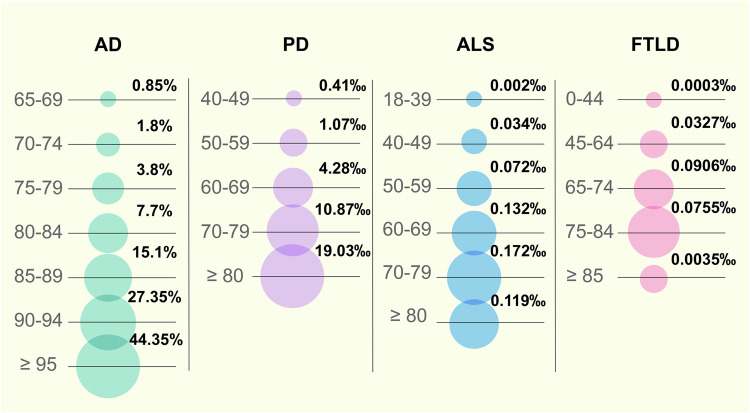
- Ageing is presented as an "accelerator" of neurodegeneration: AD prevalence rises from 5% at ages 65–74 to 13.1% at 75–84 and 33.2% at 85+ (US, 2022); PD prevalence rises from 41 per 100,000 at ages 40–49 to 1,903 per 100,000 at 80+; ALS prevalence is 0.2 per 100,000 at ages 18–39 versus 17.2 per 100,000 at 70–79.
- Comorbidities are the rule rather than the exception: in the ROS/MAP cohort, ~97% of persons with probable AD had other neurodegenerative or vascular comorbidities, and >86% of cognitively unimpaired older persons had vascular, AD or other degenerative comorbidities.
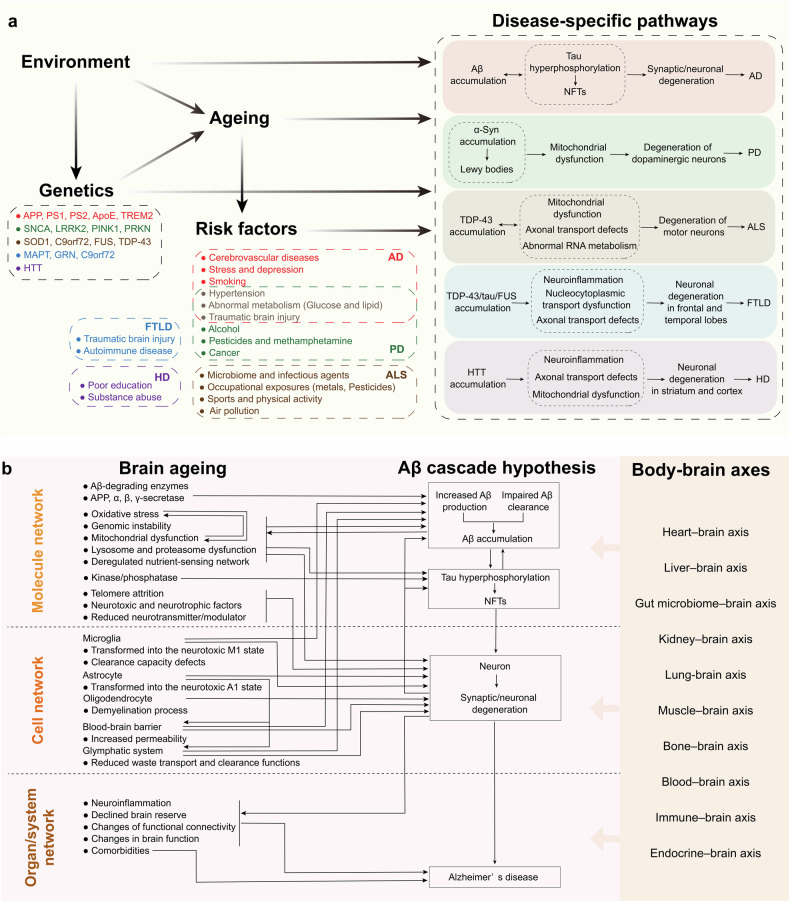
- The authors propose a complex adaptive systems (CAS) framework in which neurodegeneration arises from emergent homeostatic imbalance across molecular, cellular, organ and organismal scales, rather than from a single molecule or cell.
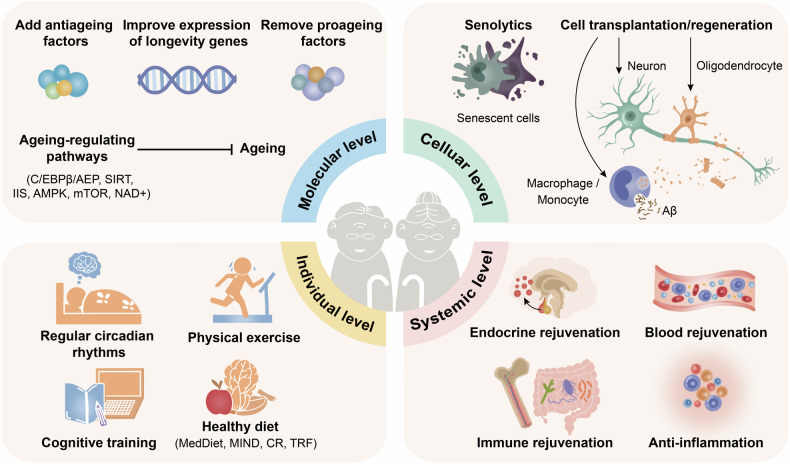
- Antiageing interventions are catalogued across levels: molecular (e.g., GDF11, klotho, metformin lowering epigenetic age by up to 6.1 years in the frontal lobe of monkeys; rapamycin/acarbose/phenylbutyrate cocktails), cellular (senolytics extending lifespan up to 35% in pre-ageing mice; young plasma extracellular vesicles increasing median lifespan 12.4%), systemic (young blood, bone marrow transplantation increasing maximum lifespan 30%, FMT, anti-inflammation such as IL-11 neutralization extending average mouse lifespan 24.9%), and individual (caloric restriction, exercise, sleep/diet; a multimodal diet-exercise-sleep intervention reversed epigenetic age by 3.2 years).
- Clinical trials reviewed include effective results for allopregnanolone, isoflavones, benfotiamine, fish oil/lipoic acid, and plasma exchange, while intranasal insulin, naproxen/celecoxib and nilotinib were ineffective; senolytics showed phase 1 safety in AD.
Methods
- Narrative review (no systematic search or meta-analytic protocol described) synthesizing epidemiological, mechanistic, preclinical and clinical literature on ageing and neurodegenerative diseases (AD, PD, ALS, FTLD, HD).
- Evidence drawn from population/epidemiological datasets (WHO, CDC, ROS/MAP, UK Biobank, CALERIE, REACT), animal and cell models, and a tabulated set of clinical trials (Table 2) with identifiers, phases and reported results.
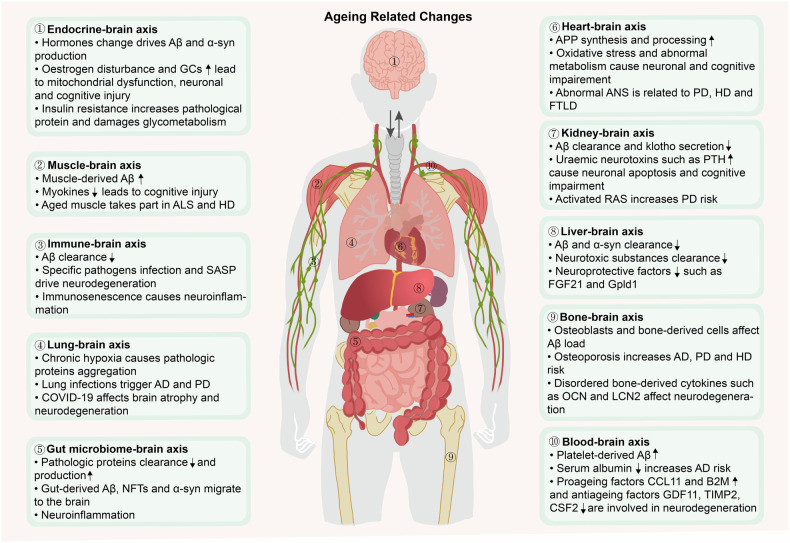
- Organizes evidence by mechanistic level (molecular, cellular, tissue/organ, circuit, functional), by body–brain axes (heart, liver, gut, kidney, lung, muscle, bone, blood, immune, endocrine), and by intervention level (molecular, cellular, systemic, individual).
Limitations
- Stated by the paper: most studies are conducted in artificially induced animal models (e.g., APP/PS1 mice) that do not reflect sporadic disease, since familial AD accounts for less than 5% of cases; such models may underestimate peripheral and brain ageing contributions.
- Stated by the paper: mouse, Drosophila and nematode lifespans are inadequate for modelling gradual human ageing, so antiageing therapies should be validated in longer-lived species (non-human primates, naked mole rats).
- Stated by the paper: the magnitude and duration of antiageing effects require long-term follow-up; individual heterogeneity (age, personality, comorbidities, lifestyle, education) is poorly understood; and side effects/adverse reactions are often downplayed.
- Evident from the text: as a narrative review without a systematic search strategy, selection of cited evidence may be subject to the authors' framing, and several cited clinical trials are ongoing with results not yet reported (blank entries in Table 2).
Model-written summary. Check it against the paper before relying on it.
Integrity signals
Registry
Cites
Statistics
Figures
Verification
Claims the paper makes
89 Valid · 5 Not valid · 242 Not checked · 87 Own results and interpretations
The cited sources support only part of this claim — read each source’s verdict below.
In the paper
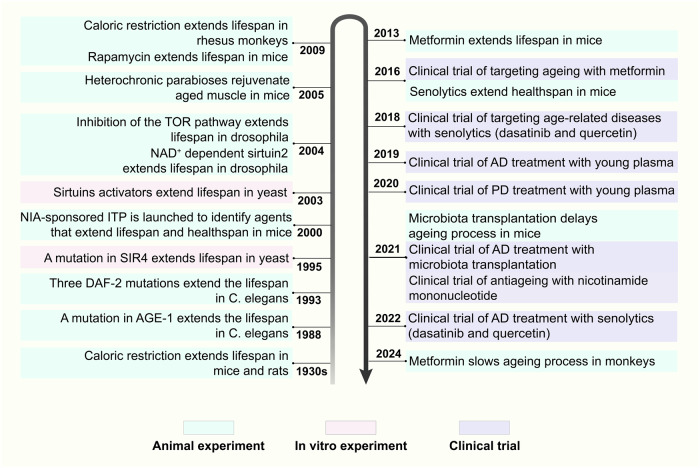
“Subsequent clinical trials have indicated that cognitive and behavioural improvements could be achieved through fecal microbiota transplantation (FMT) in patients with mild cognitive impairment as well as those suffering from PD.76,77”
§ Antiageing strategy for neurodegenerative diseases: from mechanisms to clinical advances > Milestone events of studies on antiageing strategies
What the sources say
- Partly supportedcites [76] Chen, X. et al. Preliminary evidence for developing safe and efficient fecal microbiota transplantation as potential treatment for aged related cognitive impairments. Front. Cell Infect. Microbiol. 13, 1103189 (2023). 37113132 PMC10127103 sourceExperimental — accuracy not yet measured
The Results section reports that, after FMT, cognitive scores in two patients with mild cognitive impairment improved slightly or were maintained, while daily-living scores improved. The paper does not report an FMT trial in patients with Parkinson’s disease or a distinct behavioural-improvement outcome. (LLM, conf=0.88)
- Partly supportedcites [77] Huang, H. et al. Fecal microbiota transplantation to treat Parkinson’s disease with constipation: A case report. Medicine 98, e16163 (2019). 31261545 PMC6616439 sourceExperimental — accuracy not yet measured
The Case presentation (page unavailable) reports reduced tremor and improved constipation after FMT in one patient with Parkinson’s disease. It does not report cognitive or behavioural improvements, study patients with mild cognitive impairment, or describe a clinical trial; the Discussion calls it a first attempt to treat PD with FMT. (LLM, conf=0.86)
hedgedstates a possible cause- Asserted: passes — The authors put it forward as true.
- Checkable: passes — It can be checked against evidence.
- Load-bearing: unclear — It is unclear whether the paper’s conclusions depend on it.
- Based: passes — The paper gives a reason why it holds.
- Rests on an assumption not shown here.
- Partly supported
The cited sources support only part of this claim — read each source’s verdict below.
In the paper
“Two recent clinical trials involving young plasma infusion in patients with AD and PD, respectively, have further validated this intervention strategy for neurodegenerative diseases.73,74”
§ Antiageing strategy for neurodegenerative diseases: from mechanisms to clinical advances > Milestone events of studies on antiageing strategies
What the sources say
- Partly supportedcites [73] Sha, S. J. et al. Safety, Tolerability, and Feasibility of Young Plasma Infusion in the Plasma for Alzheimer Symptom Amelioration Study: A Randomized Clinical Trial. JAMA Neurol. 76, 35–40 (2019). 30383097 PMC6439869 sourceExperimental — accuracy not yet measured
The Key Points identify a clinical trial of young-plasma infusions in patients with mild to moderate AD and report that the infusions were tolerated. The Discussion says the trial established safety and feasibility, but that efficacy could not be determined; it therefore does not validate young plasma as an effective intervention for AD. The separate PD trial is not assessed under this citation. (LLM, conf=0.88)
- Partly supportedcites [74] Parker, J. E. et al. Safety of Plasma Infusions in Parkinson’s Disease. Mov. Disord. 35, 1905–1913 (2020). 32633860 PMC7361360 sourceExperimental — accuracy not yet measured
The paper's Conclusions report that young plasma infusion was safe and feasible in people with PD, with preliminary signs of improvement. But the Discussion describes the study as an uncontrolled phase I trial and cautions that its improvement finding is preliminary; it does not validate young plasma as an effective treatment for PD or neurodegenerative diseases more broadly. This verdict addresses the PD trial attributed to this source, not the separately cited AD trial. (LLM, conf=0.90)
boostedstates a cause- Asserted: passes — The authors put it forward as true.
- Checkable: passes — It can be checked against evidence.
- Load-bearing: passes — The paper’s conclusions depend on it.
- Based: passes — The paper gives a reason why it holds.
- Rests on an assumption not shown here.
- Partly supported
Every source the paper cites for this claim was checked and supports it.
In the paper
“In 2009, rapamycin, an inhibitor of the mammalian target of rapamycin (mTOR) pathway, was shown to significantly extend the lifespan of mammals.58”
§ Antiageing strategy for neurodegenerative diseases: from mechanisms to clinical advances > Milestone events of studies on antiageing strategies
What the sources say
- Supportedcites [58] Harrison, D. E. et al. Rapamycin fed late in life extends lifespan in genetically heterogeneous mice. Nature 460, 392–395 (2009). 19587680 PMC2786175 source
The Abstract reports that rapamycin, an mTOR-pathway inhibitor, extended median and maximal lifespan in male and female mice. It also reports statistically significant survival benefits compared with controls (p < 0.0001). The mammalian evidence in this paper is specifically from mice. (LLM, conf=0.94)
plainstates a cause- Asserted: passes — The authors put it forward as true.
- Checkable: passes — It can be checked against evidence.
- Load-bearing: unclear — It is unclear whether the paper’s conclusions depend on it.
- Based: passes — The paper gives a reason why it holds.
- Supported
Every source the paper cites for this claim was checked and supports it.
In the paper
“The expression of aquaporin-4 (AQP4) in astrocytes significantly influences the transport and clearance functions of the glymphatic system.155”
§ Antiageing strategy for neurodegenerative diseases: from mechanisms to clinical advances > Systemic regulatory mechanisms of ageing in neurodegenerative diseases > Molecular and cellular networks of ageing in neurodegenerative diseases
What the sources say
- Supportedcites [155] Iliff, J. J. et al. A paravascular pathway facilitates CSF flow through the brain parenchyma and the clearance of interstitial solutes, including amyloid β. Sci. Transl. Med. 4, 147ra111 (2012). 22896675 PMC3551275 source
The DISCUSSION of our copy proposes the name 'glymphatic' for this para-arterial CSF influx / paravenous ISF clearance pathway and states that 'Interstitial bulk flow between these influx and efflux pathways depends upon trans-astrocytic water movement.' The RESULTS ('Astroglial water transport supports CSF flux into the parenchyma'; 'Astroglial water transport facilitates bulk ISF solute clearance from the parenchyma') show that in Aqp4-null mice TR-d3 movement from the paravascular space into the interstitium was effectively abolished and [3H]mannitol clearance was reduced by ~70%, with Aβ1-40 clearance reduced by ~55% (RESULTS, 'AQP4 facilitates the para-vascular clearance of interstitial amyloid β'). The paper also links the degree/polarization of AQP4 expression in periarterial versus perivenous astroglial endfeet to directional bulk flow (RESULTS; DISCUSSION, 'Role of AQP4 in paravascular pathway function'), covering both the transport and clearance limbs of the claim. (LLM, conf=0.90)
plainstates a cause- Asserted: passes — The authors put it forward as true.
- Checkable: passes — It can be checked against evidence.
- Load-bearing: unclear — It is unclear whether the paper’s conclusions depend on it.
- Based: passes — The paper gives a reason why it holds.
- Supported
The cited sources support only part of this claim — read each source’s verdict below.
In the paper
“The expression and functionality of proteins that form tight junctions between endothelial cells, such as occludin and claudin, are reduced.151,152”
§ Antiageing strategy for neurodegenerative diseases: from mechanisms to clinical advances > Systemic regulatory mechanisms of ageing in neurodegenerative diseases > Molecular and cellular networks of ageing in neurodegenerative diseases
What the sources say
- Partly supportedcites [151] Geng, J. et al. Blood-Brain Barrier Disruption Induced Cognitive Impairment Is Associated With Increase of Inflammatory Cytokine. Front. Aging Neurosci. 10, 129 (2018). 29867440 PMC5949351 sourceExperimental — accuracy not yet measured
The Results section reports reduced occludin and claudin-5 expression and disrupted tight-junction staining in 8-week diabetic rats compared with normal rats. The Discussion links these changes to impaired blood–brain barrier function. The paper does not establish that these changes occur with ageing; the eight weeks describe time after diabetes induction, not the rats’ age. Page numbers are unavailable in our copy. (LLM, conf=0.88)
- Partly supportedcites [152] Bony, B. A. et al. Claudin-1-Targeted Nanoparticles for Delivery to Aging-Induced Alterations in the Blood-Brain Barrier. ACS Nano 15, 18520–18531 (2021). 34748307 PMC9079187 sourceExperimental — accuracy not yet measured
The introductory passage says claudin-5 expression decreases during aging and links altered tight-junction protein expression to BBB leakiness. But the Conclusions report increased claudin-1 expression in aging brain endothelial cells, while Results and Discussion found no difference in total claudin-1 or claudin-5 protein levels between the mouse age groups studied. The supplied passages do not establish that occludin expression or tight-junction protein functionality generally decreases with age. Page numbers were not provided. (LLM, conf=0.88)
plainstates a cause- Asserted: passes — The authors put it forward as true.
- Checkable: passes — It can be checked against evidence.
- Load-bearing: passes — The paper’s conclusions depend on it.
- Based: passes — The paper gives a reason why it holds.
- Partly supported
177 more claims · 37 with their cited sources checked
Create a free account to see all 423 claims and to verify the 329 references still open.
- It may state two separate claims as one. 214
- Probably not a substantial claim. 45
Claims other papers make about this one
Each is checked against this paper’s own text: does it say what the citing paper says it does?
The cited source says what the claim attributes to it.
In the citing paper
“Increasingly, AD is being reframed as a systemic disorder linked to global aging processes rather than a purely localized brain disease [4,5].”
From Primary Cilia and Cardiovascular Risk Factors in Alzheimer's Disease (2025) · cites this paper as [5]
Self-check
Percentages, sums and reported differences re-computed from the paper’s own numbers.
Each contradiction between two passages listed here was confirmed by an independent check.
Rated minor: it would not touch a result — a value no result rests on, a p-value that stays on the same side of the significance level, or a conflict that is clerical, resolved elsewhere in the paper, or outside its own findings.
In the paper
§ Antiageing strategy for neurodegenerative diseases: from mechanisms to clinical advances > Antiageing strategies for neurodegenerative diseases: clinical trials > Neuroprotection
“Drugs such as PYC857 are being studied for their antioxidant and anti-inflammatory effects on treating ALS.”
§ Antiageing strategy for neurodegenerative diseases: from mechanisms to clinical advances > Antiageing strategies for neurodegenerative diseases: clinical trials
“| Anti-inflammation | PTC857 | NCT05349721 | ALS | Phase 2 | | |”
Rated minor: it would not touch a result — a value no result rests on, a p-value that stays on the same side of the significance level, or a conflict that is clerical, resolved elsewhere in the paper, or outside its own findings.
In the paper
§ Antiageing strategy for neurodegenerative diseases: from mechanisms to clinical advances > Systemic regulatory mechanisms of ageing in neurodegenerative diseases > Body‒brain axes in relation to ageing and neurodegenerative diseases
“Studies in humans have revealed that liver function decreases with age, as indicated by increased serum γ-glutamyl transpeptidase and alanine aminotransferase levels.219”
§ Antiageing strategy for neurodegenerative diseases: from mechanisms to clinical advances > References
“219. Dong, M. H., Bettencourt, R., Barrett-Connor, E. & Loomba, R. Alanine aminotransferase decreases with age: the Rancho Bernardo Study.”
Citations
Cites
1 retracted
RETRACTED: New intranasal and injectable gene therapy for healthy life extension
Jaijyan, D. K., Selariu, A., Cruz-Cosme, R., Tong, M., Yang, S., Stefa, A., Kekich, D., Sadoshima, J., Herbig, U., Tang, Q., et al. (2022) · Proceedings of the National Academy of Sciences · doi:10.1073/pnas.2121499119 · Cited by 57
RetractedStaging of brain pathology related to sporadic Parkinson’s disease
Braak, H., Tredici, K. D., Rüb, U., de Vos, R. A. I., Jansen Steur, E. N. H., & Braak, E. (2003) · Neurobiology of Aging · doi:10.1016/s0197-4580(02)00065-9 · Cited by 10,777 · cited 1×
“240 Correspondingly, truncal vagotomy prevents the spread of α -syn from the gut to the brain, which is associated with neurodegeneration and behavioural de fi cits.”
Neurotoxic reactive astrocytes are induced by activated microglia
Liddelow, S. A., Guttenplan, K. A., Clarke, L. E., Bennett, F. C., Bohlen, C. J., Schirmer, L., Bennett, M. L., Münch, A. E., Chung, W.-S., Peterson, T. C., et al. (2017) · Nature · doi:10.1038/nature21029 · Cited by 7,971 · cited 2×
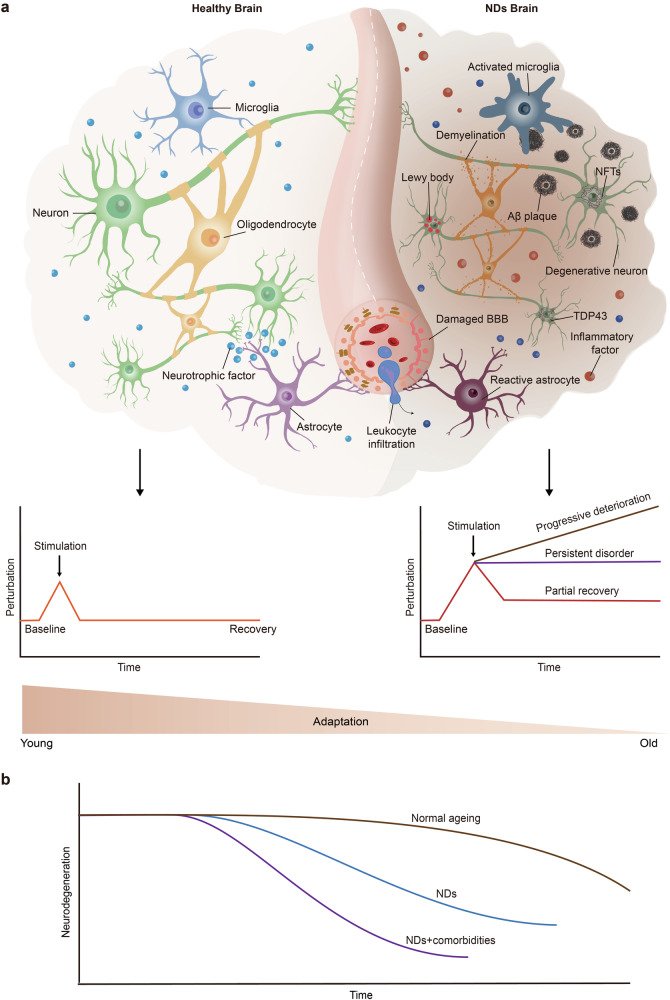
“145 During ageing, astrocytes spontaneously transform into a neurotoxic A1 state, 146 which in turn causes neuronal dysfunction.”
Alzheimer's disease: the amyloid cascade hypothesis
Hardy, J. A., & Higgins, G. A. (1992) · Science · doi:10.1126/science.1566067 · Cited by 7,484 · cited 1×
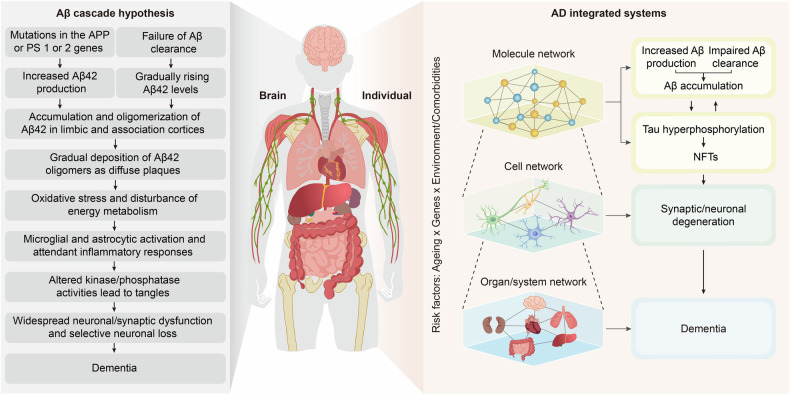
“30,87 This linear hypothesis elucidates the major pathologic outcomes that arise from imbalances in homoeostasis at various scales, from the molecular to the cellular and ultimately to the organ layers, as well as the interconnections among them.”
Hallmarks of aging: An expanding universe
López-Otín, C., Blasco, M. A., Partridge, L., Serrano, M., & Kroemer, G. (2023) · Cell · doi:10.1016/j.cell.2022.11.001 · Cited by 6,549 · cited 4×
“85 The hallmarks of brain ageing are broadly consistent with these hallmarks, but speci fi c characteristics have been identi fi ed, such as aberrant neural network activity and glial cell activation.”
InfluentialThe amyloid hypothesis of Alzheimer's disease at 25 years
Selkoe, D. J., & Hardy, J. (2016) · EMBO Molecular Medicine · doi:10.15252/emmm.201606210 · Cited by 6,164
Iliff, J. J., Wang, M., Liao, Y., Plogg, B. A., Peng, W., Gundersen, G. A., Benveniste, H., Vates, G. E., Deane, R., Goldman, S. A., et al. (2012) · Science Translational Medicine · doi:10.1126/scitranslmed.3003748 · Cited by 5,824
Lecanemab in early Alzheimer's disease
van Dyck, C. H., Swanson, C. J., Aisen, P., Bateman, R. J., Chen, C., Gee, M., Kanekiyo, M., Li, D., Reyderman, L., Cohen, S., et al. (2023) · New England Journal of Medicine · doi:10.1056/nejmoa2212948 · Cited by 5,678
A Unique Microglia Type Associated with Restricting Development of Alzheimer’s Disease
Keren-Shaul, H., Spinrad, A., Weiner, A., Matcovitch-Natan, O., Dvir-Szternfeld, R., Ulland, T. K., David, E., Baruch, K., Lara-Astaiso, D., Toth, B., et al. (2017) · Cell · doi:10.1016/j.cell.2017.05.018 · Cited by 5,493 · cited 1×
“135 The initial identi-fi cation of disease-associated microglia (DAM) occurred in the brain tissue of AD transgenic mice, 136 with subsequent research indicating that the prevalence of DAM cells increases with age.”
Inflamm‐aging: An Evolutionary Perspective on Immunosenescence
FRANCESCHI, C., BONAFÈ, M., VALENSIN, S., OLIVIERI, F., DE LUCA, M., OTTAVIANI, E., & DE BENEDICTIS, G. (2000) · Annals of the New York Academy of Sciences · doi:10.1111/j.1749-6632.2000.tb06651.x · Cited by 5,358
Research works printed but not linked: 1
- Gao, Y. et al. beta2-microglobulin functions as an endogenous NMDAR antagonist to impair synaptic function. Cell 186, 1026–1038 e1020 (2023). 36868208 · DOI · Paper page
Cited by
Voicu, V. A., Toader, C., Șerban, M., Covache-Busuioc, R.-A., & Ciurea, A. V. (2025) · Biomedicines · doi:10.3390/biomedicines13082025 · Cited by 70
“The emergence of functional disconnectivity—progressive loss of connectivity in neuronal circuits—occurs due to non-synaptic loss and the loss of a dynamic, self-organizing architecture of the factors that permit the integration of regions of the brain [163].”
Ткаченко, Г. М., Buyun, L., Kołodziejska, R., Kamiński, P., & Kurhaluk, N. (2025) · International Journal of Molecular Sciences · doi:10.3390/ijms26188907 · Cited by 55
“Unfortunately, current therapeutic options are very limited, with no interventions capable of halting or reversing the progression of these diseases [5].”
Li, Z., He, B., Li, Y., Liu, B.-F., Zhang, G., Liu, S., Hu, Y., & Li, Y. (2025) · ACS Nano · doi:10.1021/acsnano.5c04337 · Cited by 43
Goel, F. (2025) · Inflammopharmacology · doi:10.1007/s10787-025-01794-y · Cited by 39
“Since the number of elderly individuals is on the rise, the incidence of neurodegenerative diseases is also increasing and will continue to rise and will need cheaper and more effective therapeutic regimens (Jiang, Liu et al. 2025).”
HDACs in the Brain: From Chromatin Remodeling to Neurodegenerative Disease
Diniz, L. P., Pinheiro, P. D. S. M., Franco, L. S., & Gomes, F. C. A. (2025) · Cells · doi:10.3390/cells14171338 · Cited by 30
Plasma proteomic signatures of cellular aging predict human disease
Ding, D. Y., Bot, V. A., Chen, K. L., Groves, J. E., Pálovics, R., Masuda, D., Farinas, A., Oh, H. S., Wagner, V., Lu, N., et al. (2026) · Nature Medicine · doi:10.1038/s41591-026-04446-y · Cited by 30
Mitochondria Metabolism Regulates Glucose–Lipid Homeostasis in Neurodegenerative Diseases
Huang, J., Zhang, C., Huang, C. Z., Deng, K., Xiao, Y., Wei, G., Wu, M., & Lei, M. (2025) · Research · doi:10.34133/research.0912 · Cited by 27
“Traditional treatment strategies primarily focus on symptom control and intervention at single pathological points, resulting in limited clinical efficacy [ 174 ].”
Neuropharmacology of synaptic plasticity: pathways to cognitive resilience in healthy aging
Goel, F., Singh, P., Nand, S., & Yadav, D. K. (2026) · 3 Biotech · doi:10.1007/s13205-025-04673-z · Cited by 27
“The ability to utilize pharmacological interventions to modulate synaptic plasticity is an exciting new avenue for counteracting the effects of age-related cognitive decline and neurodegeneration (Jiang 2025).”
Jin, Y., Zhang, Y., Song, M., Zhou, J., Zhang, H., & Ding, Y. (2026) · Cell Biomaterials · doi:10.1016/j.celbio.2025.100344 · Cited by 24
Fu, X., Zhang, J., Xiao, Q., Li, T., Li, Q., Zhang, S., Zeng, W., Gong, M., Cai, P., Deng, Z., et al. (2026) · Alzheimer s & Dementia · doi:10.1002/alz.71150 · Cited by 22
Gao, B., Wang, L., Gong, J., Zhu, Z., Liu, Q., Han, Y., & Wang, H. (2025) · Frontiers in Aging Neuroscience · doi:10.3389/fnagi.2025.1579208 · Cited by 19
Immunosenescence: Molecular Mechanisms, Diseases, and Therapeutic Innovations
Gong, N., Pan, X., Deng, Y., Che, J., Bao, J., Wang, M., Xu, C., Liu, X., & Shi, Y. (2025) · MedComm · doi:10.1002/mco2.70515 · Cited by 18
“According to the 2021 World Alzheimer’s Report , over 55.2 million people globally are affected by dementia [416].”
InfluentialMurray, M. E., Smith, C., Menon, V., Keene, C. D., Lein, E. S., Hawrylycz, M., Aguzzi, A., Benedetti, B. L., Brose, K., Caetano-Anollés, K., et al. (2025) · Neuron · doi:10.1016/j.neuron.2025.06.014 · Cited by 17
“20,31,70 Scientific advances, like those uncovered by cryo-electron microscopy, 71–75 are the direct result of innovative approaches to investigate archival brain tissue.”
The Gut–brain–immune Triad in Neurodegeneration: An Integrated Perspective
Chakrabarti, S. K., & Chattopadhyay, D. (2025) · Journal of Translational Gastroenterology · doi:10.14218/jtg.2025.00027 · Cited by 16
Carnib, B. L., de Souza, E. A., Floresta, L. R. S., Lage, T. M., Pedro, I. D. R., Muniz, F. C., Silva, A. C. A., & de Oliveira, J. M. (2025) · Biomedicine & Pharmacotherapy · doi:10.1016/j.biopha.2025.118480 · Cited by 15
Loomba, M., Bansal, S., Singh, K. K., Mishra, P. K., Ghosh, S., Raghunath, M., Mishra, A. K., & Sinha, J. K. (2025) · Nutrients · doi:10.3390/nu17213493 · Cited by 15
“It also defines measurement targets for trials and clinical translation, including adiposity, inflammatory tone, barrier integrity, repair capacity, and biological age [52,98,99].”
Selenium and brain aging: A comprehensive review with a focus on hippocampal neurogenesis
Daneshpour, A., Leite, M. E. N., Wagner, K., Sabico, S., Al‐Daghri, N. M., Aldisi, D. A., König, D., López‐Gil, J. F., & Stubbs, B. (2025) · Ageing Research Reviews · doi:10.1016/j.arr.2025.102898 · Cited by 13
The Molecular Architecture of Neurodegeneration: An Integrative Overview of Convergent Mechanisms
Aranda-Abreu, G. E., Rojas-Durán, F., Hernández‐Aguilar, M. E., Herrera‐Covarrubias, D., Tlapa-Monge, L. R., & Mestizo-Gutiérrez, S. L. (2026) · NeuroSci · doi:10.3390/neurosci7010007 · Cited by 13
“Future strategies should prioritize early intervention, glial modulation, and personalized multi-drug regimens adapted to the specific stage and molecular profile of each disease [203,204].”
Goyal, P., Baldaniya, L. H., Tyagi, L. K., Joshi, K. K., Ballal, S., Sabarivani, A., Ray, S., Nathiya, D., Chauhan, A. S., Gulati, M., et al. (2026) · Brain Sciences · doi:10.3390/brainsci16020154 · Cited by 13
Therapeutic potential of mesenchymal stem cells in neurodegenerative diseases
Cui, C.-X., Shao, X.-N., Li, Y., Qiao, L., Lin, J., & Guan, L. (2025) · World Journal of Stem Cells · doi:10.4252/wjsc.v17.i8.107717 · Cited by 13
Babu, T., Mahendran, R., Ajitha, P., & Rajendran, S. (2025) · Scientific Reports · doi:10.1038/s41598-025-31179-8 · Cited by 12
Zhang, W., Li, S., Cui, Y., Lun, Y., Liu, H., & Li, M. (2026) · CNS Neuroscience & Therapeutics · doi:10.1002/cns.70754 · Cited by 12
Mass spectrometry-based human spatial omics: fundamentals, innovations, and applications
Yang, C.-C., Lin, C.-Y., Yuan, H.-Y., Huang, H., & Juan, H. (2026) · Journal of Biomedical Science · doi:10.1186/s12929-026-01219-0 · Cited by 12
“Several hypotheses regarding disease pathogenesis—such as the amyloid-beta (Aβ) hypothesis, the tau protein hypothesis, and the lipid and glucose metabolism dysfunction hypothesis—indicate that abnormal protein accumulation is closely associated with the onset of various NDs [172, 173].”
Pacca-Corrêa, J. B. L., Fernandes, B. M., Siqueira, M., Schafbenker, R., Baumart, G. J., Damico, I. V., Gomes, F. C. A., & Matias, I. C. P. (2026) · Neurochemical Research · doi:10.1007/s11064-026-04709-7 · Cited by 12
“Given the global increase in life expectancy and the socioeconomic burden of age-related diseases, elucidating the cellular mechanisms underlying brain aging has become a central focus of contemporary research [11–13].”
A deep joint-learning proteomics model for diagnosis of six conditions associated with dementia
An, L., Binette, A. P., Hristovska, I., Vilkaite, G., Xiao, Y., Zendehdel, R., Dong, Z., Smets, B., Saloner, R., Tasaki, S., et al. (2026) · Nature Medicine · doi:10.1038/s41591-026-04303-y · Cited by 12
Healthcare Complexities in Neurodegenerative Proteinopathies: A Narrative Review
Fereshtehnejad, S., & Lökk, J. (2025) · Healthcare · doi:10.3390/healthcare13151873 · Cited by 12
“There is currently no preventative therapy or intervention capable of halting or re-versing the pathological cascade in neurodegenerative diseases of aging [85].”
Shah, N., Natesan, G., & Gupta, R. (2025) · Cellular and Molecular Neurobiology · doi:10.1007/s10571-025-01601-w · Cited by 11
“The pathophysiological landscape of AD is governed by a multifactorial interplay of molecular and cellular disruptions that collectively lead to progressive neurodegeneration (Jiang et al. 2025a, b).”
Oporto-Colicoi, V., Sepúlveda-Lara, A., Marzuca-Nassr, G. N., & Sepúlveda, P. (2025) · International Journal of Molecular Sciences · doi:10.3390/ijms262211036 · Cited by 11
“In addition to enhancing cognitive function, RET also promotes protein synthesis, cellular growth [13,113], and healthier biological aging [114], which are key processes for preventing cognitive decline [115,116].”
Brain aging: Unlocking personalized strategies for cognitive resilience
Saliev, T. M. (2025) · Brain Network Disorders · doi:10.1016/j.bnd.2025.09.002 · Cited by 11
Non-canonical cell death in neurodegeneration: emerging mechanisms and therapeutic frontiers
Ercin, N., Beşli, N., Beker, M., & Kılıç, Ü. (2026) · APOPTOSIS · doi:10.1007/s10495-026-02260-y · Cited by 10
Muscarà, C., Gugliandolo, A., Mazzon, E., & Calì, G. (2025) · Antioxidants · doi:10.3390/antiox14070818 · Cited by 9
The Therapeutic Potential of Dietary Phytochemicals in Age-Related Neurodegenerative Disorders
Dareowolabi, B. O., Moon, E., & Kim, J. H. (2025) · Pharmaceuticals · doi:10.3390/ph18091268 · Cited by 9
“When proteostasis is disrupted, pathogenic proteins such as amyloid beta (A β ), α -synuclein, huntingtin, transactive response DNA-binding protein 43 (TDP-43), and hyperphosphorylated tau (p-tau) accumulate within the cell [13].”
InfluentialÇimentepe, M., Ünver, H., Necip, A., & Yıldırım, M. (2025) · Polyhedron · doi:10.1016/j.poly.2025.117861 · Cited by 10
Singh, U. K., Nahak, B. K., Chowdhury, J. R., Sharma, M. K., Parashar, P., & Lin, Z. (2026) · Advanced Healthcare Materials · doi:10.1002/adhm.202505154 · Cited by 9
p300 inhibition delays premature cellular senescence
Fede, E. D., Taci, E., Castiglioni, S., Rebellato, S., Ancona, S., Grazioli, P., Parodi, C., Colombo, E. A., Bernardelli, C., Lesma, E. A., et al. (2025) · npj Aging · doi:10.1038/s41514-025-00251-y · Cited by 8
“…could be explored for age-related disorders (e.g., neurodegenerative diseases); throughout the characterization of dysregulated gene environments associated with speci fi c diseases, we can potentially repurpose existing approved medications or elaborate combined-treatment strategies 49,50 .”
Korsapati, A. R., Korsapati, H. R., & Peddireddy, V. (2025) · Trends in Food Science & Technology · doi:10.1016/j.tifs.2025.105355 · Cited by 8
de Souza, P. C., Bezerra, T. P. W., Rêgo, M. J. B. D. M., & da Rosa, M. M. (2025) · The American Journal of Medicine · doi:10.1016/j.amjmed.2025.11.025 · Cited by 8
Salem, N. A., Mowaad, N. A., Elgohary, R., Salem, R. E., Salama, A., Nor, E., Salah, B., & Kishta, M. S. (2026) · International Journal of Biological Macromolecules · doi:10.1016/j.ijbiomac.2026.150853 · Cited by 8
You, W. (2025) · Health Science Reports · doi:10.1002/hsr2.71179 · Cited by 7
“Key vascular mechanisms such as atherosclerosis, chronic inflammation, and cerebral hypoperfusion can lead to structural and functional brain changes, including white matter hyper-intensities, microinfarcts, cortical thinning, and disruptions in neurovascular coupling [30, 31].”
Non-cationic carriers for siRNA delivery: Current progress and potential applications
Fan, M., Yang, X., Liu, Y., Xia, X., Ismail, M., & Zheng, M. (2025) · Journal of Controlled Release · doi:10.1016/j.jconrel.2025.114362 · Cited by 7
Neurogenesis Leads Early Development in ZebrafishPreprint
Wang, Z., Tian, L., & Li, B. (2025) · bioRxiv (Cold Spring Harbor Laboratory) · doi:10.1101/2025.11.12.687769 · Cited by 6
Jiang, Z., Wang, C., Song, X., Wang, Y., & Wei, W. (2025) · Analytica Chimica Acta · doi:10.1016/j.aca.2025.344343 · Cited by 5
Self-citationHe, Y., Wang, J., Tang, J., Lü, L., Chen, J., Xu, H., Li, X., Zhou, M., Xu, Y., & Wang, X. (2025) · Neuroepidemiology · doi:10.1159/000547389 · Cited by 5
“The continuous increase in rates with advancing age, peaking in the elderly, underscores the role of aging as a major risk factor for MND. Aging is associated with cumulative cellular damage, oxidative stress, and impaired autophagy, all of which can contribute to neurodegeneration [30].”
Self-citationKarakaya, A., Çevik, U. A., Kaya, B., Çiftci, B., Necip, A., Işık, M., Beydemir, Ş., Özkay, Y., & Kaplancıklı, Z. A. (2025) · ChemistryOpen · doi:10.1002/open.202500305 · Cited by 6
Genetic and epigenetic drivers of neurodegenerative disorders
Roy, K., Syed, M., Narad, P., & Sengupta, A. (2025) · Progress in brain research · doi:10.1016/bs.pbr.2025.08.002 · Cited by 5
Qian, Q., Fan, Z., Cheng, Y., Yang, Z., Feng, C., Ge, W., & Wang, H. (2025) · Environmental Chemistry and Ecotoxicology · doi:10.1016/j.enceco.2025.10.026 · Cited by 5
Borda, M. G., Lehtisalo, J., O'Hara‐Veintimilla, K., Ramírez‐Vélez, R., Rodríguez, F. B., PatricioBaldera, J., Ngandu, T., Solomon, A., Mangialasche, F., Pérez‐Zepeda, M. U., et al. (2026) · Alzheimer s & Dementia · doi:10.1002/alz.71043 · Cited by 5
Tekade, A. R., Shinde, R., Nimbalkar, J., Kadam, P., Aswar, M., & Shivakumar, H. N. (2026) · Journal of drug targeting · doi:10.1080/1061186x.2026.2671309 · Cited by 5
“…(aD)), oxidative stress, malfunction of the mitochondria, and neuroinflammation [3]. among neurodegenerative diseases, aD is the most prevalent [4,5], resulting in increasing cognitive impairment and memory loss, especially in elderly adults [6,7]. amyloid-beta plaques and hyperphosphorylated…”
Zhong, W., Zhu, G., Lu, D., Wang, L., Zhang, B., Su, Z., & Qin, Z. (2025) · Biochemical Pharmacology · doi:10.1016/j.bcp.2025.117034 · Cited by 4
Tseng, T., Liaw, C., Shiao, Y., Huang, Y.-I., Cheng, Y.-H., Chen, W.-C., & Tsai, K. (2025) · Frontiers in Pharmacology · doi:10.3389/fphar.2025.1673532 · Cited by 4
“As global populations continue to age, the incidence of neurodegenerative disorders such as Alzheimer ’ s disease (AD) has risen substantially (Jiang et al., 2025), underscoring the urgent need for novel therapeutic approaches that both preserve neuronal integrity and directly target disease-speci…”
Orthobiologics and Peptide Therapy for Central Nervous System Repair in Neurodegenerative Conditions
de Oliveira, C. A. A., Oliveira, B. S., de Oliveira, A. S., Loduca, R. D. D. S., Massella, C. R., & Santos, G. S. (2025) · Cells · doi:10.3390/cells14231853 · Cited by 4
“Both conditions impose a massive burden on patients, families, and health systems, with incidence rising steadily in parallel with global aging [1–3].”
Naffaa, M. M., & Independent Researcher, M. V. (2026) · AIMS neuroscience · doi:10.3934/neuroscience.2026004 · Cited by 4
Lakshmi, B. A., Buddolla, V., Gubbiyappa, K. S., Suneetha, M., & Kim, Y. J. (2026) · Progress in Neuro-Psychopharmacology and Biological Psychiatry · doi:10.1016/j.pnpbp.2026.111636 · Cited by 4
Vyavahare, S., Pawar, A., Sayyed, S. A., Shegar, N., Raykar, S., Doke, R. R., & Singh, S. (2026) · Journal of Biochemical and Molecular Toxicology · doi:10.1002/jbt.70750 · Cited by 4
Du, W., Wu, T., Fan, Y., & Zhao, M. (2025) · Neural Regeneration Research · doi:10.4103/nrr.nrr-d-25-00808 · Cited by 4
“Furthermore, neuroinflammation, reactive oxygen species (ROS), and mitochondrial dysfunction are involved in neuronal damage and contribute to neurodegeneration (Jiang et al., 2025).”
EEG Feature Extraction for Neurodegenerative Disease Diagnosis: A Review
Lee, D.-G., & Lee, S.-B. (2025) · Digital Health Research · doi:10.61499/dhr.2025.3.e5 · Cited by 4
Exploring the skin as an open window onto neurodegenerative diseases
Lozzi, F., Camera, E., Cardinali, G., & Nardo, A. D. (2025) · Translational Neurodegeneration · doi:10.1186/s40035-025-00522-4 · Cited by 4
“The most common and well-characterised NDDs are Alzheimer’s disease (AD), Parkinson’s disease (PD), amyotrophic lateral sclerosis (ALS), and Huntington’s disease (HD), which primarily affect the aging population [1, 4, 5].”
Exploring the Health Benefits of Coffee Bioactive Components and Their Mechanisms
Chen, W. (2025) · Theoretical and Natural Science · doi:10.54254/2753-8818/2025.au22998 · Cited by 3
From Tradition to Innovation: Acupuncture Therapies Targeting Ferroptosis in Neurological Disorders
Sun, H., Qian, H., Qian, H., & Qian, M. (2025) · Brain and Behavior · doi:10.1002/brb3.70827 · Cited by 3
Huang, Y., Ikawa, M., Nogami, M., Mori, T., Makino, A., Kitazaki, Y., Mizuno, T., Kosaka, H., Kiyono, Y., Nishiyama, Y., et al. (2025) · Journal of Neural Transmission · doi:10.1007/s00702-025-03081-0 · Cited by 3
“Since the world’s population is rapidly aging, the number of people aged 60 years and older is expected to increase from 1 to 2.1 billion by 2050 (Jiang et al. 2025).”
InfluentialUncovering the Complexity of Synucleinopathies: An Ongoing Tale Between Proteins and Lipids
Flores‐León, M., & Outeiro, T. F. (2025) · Movement Disorders · doi:10.1002/mds.70167 · Cited by 3
Dietary flavonoids for brain health: Molecular mechanisms and functional food applications
Sagan, J., Reszczyńska, E., Dresler, S., Feldo, M., Czelej-Wrzesień, M., & Hanaka, A. (2026) · Journal of Functional Foods · doi:10.1016/j.jff.2026.107357 · Cited by 3
Rejili, M., Al‐kuraishy, H. M., Shokr, M. M., & Batiha, G. E. (2026) · Biogerontology · doi:10.1007/s10522-026-10457-6 · Cited by 3
“The relationship between mTORC1 signaling and glymphatic function remains incompletely defined and should be interpreted with caution (Jiang et al. 2025; Hein et al. 2025).”
Yang, Z., Guo, C., Deng, Z., & Xue, X. (2026) · Food Science & Nutrition · doi:10.1002/fsn3.72167 · Cited by 3
Aldaghi, F. S., Siahpoosh, Z., Salehi, Z., Mashayekhi, F., & Sohrabnezhad, S. (2026) · Brain and Behavior · doi:10.1002/brb3.71615 · Cited by 3
Brain organoids and genome editing: A new era in understanding human brain development and disorders
Zhou, M., Cao, Y., Yue, K., Wu, W., Xie, Y., Hu, D., Zhao, J., Xu, F., Guo, J., Li, Z., et al. (2025) · Neural Regeneration Research · doi:10.4103/nrr.nrr-d-24-01546 · Cited by 3
“…million people worldwide were living with dementia, a condition broadly associated with many neurodegenerative and neurological diseases such as Alzheimer’s disease and the numbers were projected to increase to 78 million by 2030 and to 130 million by 2050 (Long et al., 2023; Jiang et al., 2025).”
Zhang, C., Yang, J., Gao, Y., Yang, X., Zou, S., & Yang, J. (2025) · Neural Networks · doi:10.1016/j.neunet.2025.107987 · Cited by 3
FDA vs. EMA: evaluating donanemab and the global debate on accelerated approvals
Pokhrel, P., Jindal, A., & Ahmed, Q. (2025) · Journal of Neurology · doi:10.1007/s00415-025-13131-y · Cited by 3
“Alzheimer’s disease, accounting for 60–80% of all dementia cases, underscores the critical importance of advancing disease-modifying treatments to address this growing burden [1].”
Wang, S., Yen, W.-C., Chen, Y., Shiu, J.-S., & Chen, M. (2025) · Nutrients · doi:10.3390/nu17152447 · Cited by 2
“Aging is strongly associated with cumulative oxidative stress and chronic inflammation, which contribute to tissue damage and neurodegeneration [1,2].”
Zheng, F. (2025) · Frontiers in Psychology · doi:10.3389/fpsyg.2025.1729306 · Cited by 2
“…not a trivial Zheng 10.3389/fpsyg.2025.1729306 Frontiers in Psychology 02 frontiersin.org matter; it represents a continuum from subjective cognitive decline (SCD) to mild cognitive impairment (MCI), potentially culminating in dementia (Aarsland et al., 2021; Jiang et al., 2025; Ma et al., 2025).”
InfluentialLi, J., Wu, N., Xiao, Y., & Xia, Y. (2025) · Neural Regeneration Research · doi:10.4103/nrr.nrr-d-25-01091 · Cited by 2
“The existence of overlapping pathological features between different NDDs suggests the possibility of common mechanisms and promotes research on early interventions, such as protein misfolding, neural regeneration therapy, and gene-based therapy (Jiang et al., 2025).”
InfluentialSheng, Z.-H., Chen, Y., Chen, M., Liang, S., Wang, J., Chen, Y., Li, R., Xia, B., Gou, K., Liu, S., et al. (2026) · Alzheimer s & Dementia · doi:10.1002/alz.71122 · Cited by 2
“55,75 This population-based cohort study demonstrated several significant However, several limitations should be acknowledged.”
Self-citationLanzillotta, S., Boccardi, V., Zulli, B., Napoli, A., Paolozzi, G., Angelini, R., Ruzicka, B., Fratini, F., Guazzarini, A. G., Scamosci, M., et al. (2026) · Neurobiology of Disease · doi:10.1016/j.nbd.2026.107291 · Cited by 2
He, Y., Li, J., Cong, L., Li, H., Wu, J., Liang, S., Peng, Y., Zhou, Y., & Wu, Y. (2026) · Frontiers in Immunology · doi:10.3389/fimmu.2026.1718673 · Cited by 2
Similar minds age alike: an MRI similarity approach for predicting age-related cognitive decline
Gerbolés, B. Z., Sun, J., Pineda, J. D., Volpe, G., Mijalkov, M., & Pereira, J. B. (2026) · npj Aging · doi:10.1038/s41514-026-00345-1 · Cited by 2
“This growing interest stems from the rising prevalence of age-related disorders and the urgent need to identify early markers that can detect deviations from normal brain aging 56 .”
Liu, X., Cui, C., Lv, J., & Zhang, Y. (2026) · Frontiers in Public Health · doi:10.3389/fpubh.2026.1735606 · Cited by 2
Hong, W., Qing, Y., & Liu, J. (2026) · Frontiers in Nutrition · doi:10.3389/fnut.2026.1779927 · Cited by 2
Self-citationGong, W., Wang, X., Zhang, W., Wang, H. H., Xiong, W., Li, Y., Wen, P., & Sun, Y. (2026) · Nutrients · doi:10.3390/nu18040671 · Cited by 2
“This trend is accompanied by a significant increase in the prevalence of age-related neurodegenerative diseases, such as Alzheimer’s disease (AD) and Parkinson’s disease (PD), which pose formidable challenges to global public health systems [8].”
Self-citationGuo, S., Fu, W., Wang, Y., Liu, Q., Li, J., Guo, K., & Zhang, H. (2026) · CNS Neuroscience & Therapeutics · doi:10.1002/cns.70807 · Cited by 2
Self-citationEpigenetic dynamics of cellular senescence: From mechanistic insights to precision senotherapy
Hu, X., Lai, W., Liu, M., & Wang, B. (2026) · Chinese Medical Journal · doi:10.1097/cm9.0000000000004042 · Cited by 2
“[176] Epigenetic dysregulation represents another critical dimen-sion driving neurodegeneration.”
Sleep Disorders in Neurodegenerative Diseases: Pathological Correlations and Underlying Mechanisms
Wang, Z., He, F., Li, L., Wang, W., Zhang, L., Tang, J., & Le, W. (2026) · Neuroscience Bulletin · doi:10.1007/s12264-026-01609-2 · Cited by 3
“NDDs represent a significant and growing public health challenge, particularly in aging populations worldwide [1].”
Juthi, S. S., Ansari, P., Ahmed, M. F., Khan, J. T., Seidel, V., Kumar, S., Kumari, R., McKillop, A. M., Abdel‐Wahab, Y. H. A., & Flatt, P. R. (2026) · Frontiers in Pharmacology · doi:10.3389/fphar.2026.1798309 · Cited by 2
“Baicalein also inhibits the activation of the NLRP3 inflammasome and downstream caspase-1/GSDMD signaling, overall reducing the release of neuroinflammatory mediators and mitigating neuronal damage (Zahoor et al., 2018; Rui et al., 2020; Balakrishnan et al., 2021; Jiang et al., 2025).”
Brain Aging and the Pursuit of Longevity: Biological Mechanisms and Clinical Implications
Han, M., Ko, S.-W., & Koh, S. (2026) · Aging and Disease · doi:10.14336/ad.2026.0269 · Cited by 2
Hao, J.-P., Cheng, Z.-Z., Wang, M., Zhu, Y.-P., Chen, N., Zhu, D., Zhang, L., Li, L., Li, L., Bai, Z., et al. (2026) · Journal of Neuroinflammation · doi:10.1186/s12974-026-03820-4 · Cited by 2
“The formidable and escalating challenge posed by neurodegenerative diseases, particularly AD, to global public health, underscores the urgent need for novel therapeutic strategies and a deeper understanding of underlying pathogenic mechanisms [27–29].”
Self-citationKaya, Y., & Kırboğa, K. K. (2026) · Frontiers in Human Neuroscience · doi:10.3389/fnhum.2026.1768774 · Cited by 4
“Thus, while aging represents a shared background condition, its interaction with specific risk profiles and molecular cascades determines the heterogeneity of neurodegenerative disease phenotypes (Figure 2) (Jiang et al., 2025) 0.50.”
InfluentialThe Dual Role of Glial Extracellular Vesicles in Neurodegeneration: Insights from iPSC-Based Models
Scrivo, A., Bernardino, L. I., & Consiglio, A. (2026) · International Journal of Molecular Sciences · doi:10.3390/ijms27125182 · Cited by 2
“Together, these alterations profoundly reshape the brain microenvironment and compromise global neural network functionality [8,9].”
Impact of sex differences on microglial function in Alzheimer’s disease
Figueiredo, E. V., Azevedo, C. V., Penitente, A. R., Pedrosa, V. R., da Silva, V. R. C., & Longo, B. M. (2026) · Alzheimer s Research & Therapy · doi:10.1186/s13195-026-02099-0 · Cited by 3
“Aging amplifies these processes by increasing systemic and central inflammatory tone, impairing cellular stress responses, and reducing overall resilience to neurodegenerative triggers [1, 2].”
Lin, Y., Tian, Y., Liu, H., Yuan, J., Dai, L., He, X., Zhu, S. M., Xu, X., Liu, B., & Liu, L. (2026) · Journal of Nanobiotechnology · doi:10.1186/s12951-026-04771-x · Cited by 2
“Neurodegenerative diseases are closely associated with aging [36].”
Gadhave, D. G., Jadhav, A. B., Waghamode, N., Khot, S. V., Khan, R., Hole, R. D., Dhobale, S. M., Aswar, M. K., & Paudel, K. R. (2026) · Advanced Healthcare Materials · doi:10.1002/adhm.71594 · Cited by 2
“The percentage of persons with AD in the US in 2022 ranged from 5% of those 65 to 74 years old, 13.1% of people 75 to 84 years old, and 33.2% of those 85, and beyond [12].”
InfluentialBatool, A., Ali, S., Rashid, A., Ahmad, M. U., Sana, S., & Campos, L. C. (2025) · World Journal of Microbiology and Biotechnology · doi:10.1007/s11274-025-04492-7 · Cited by 2
“Parkinson’s disease is the 2nd most prevalent neurodegenerative disorder affecting 2–3% of people aged above 65 years (Jiang et al. 2025 ).”
Editorial: The early detection of neurodegenerative diseases: an aging perspective
Abondio, P., Masi, M., & Wang, S. (2026) · Frontiers in Aging Neuroscience · doi:10.3389/fnagi.2025.1765664 · Cited by 2
Hou, W., Bi, S., Yang, G., Liu, L., Du, Y., Xue, H., Wang, J., Feng, Y., Xun, Y., Yu, N., et al. (2026) · arXiv (Cornell University) · doi:10.48550/arxiv.2603.25322 · Cited by 2
“Ensuring fairness in clinical AI is critical, as models may perform inconsistently across demographic groups due to underlying differences in brain structure, risk profiles, and disease prevalence by race, as well as distinct stages of neurodegeneration and comorbidity by age [54, 55].”
Self-citationPrimary Cilia and Cardiovascular Risk Factors in Alzheimer's Disease
Sunderman, C. L., Forero, K. V., Alorjani, Q., Buqaileh, R., Gallagher, G. M., Ventresca, S. M., Messer, W. S., & AbouAlaiwi, W. A. (2025) · Brain Sciences · doi:10.3390/brainsci15091004 · Cited by 1
“Increasingly, AD is being reframed as a systemic disorder linked to global aging processes rather than a purely localized brain disease [4,5].”
Simfukwe, C., An, S. S. A., & Youn, Y. C. (2025) · Journal of Clinical Medicine · doi:10.3390/jcm14124041 · Cited by 1
“As populations age, identifying early structural markers of cognitive decline has become critical for timely intervention and risk prediction [5].”
ER stress-driven unfolded protein response fuels aging-related tumor aggressiveness in gliomas
Shao, X., Guo, S., Yang, J., Dai, J., Cao, K., Cai, X., Song, T., Yao, S., Raza, U., & Chen, K. (2025) · Frontiers in Molecular Biosciences · doi:10.3389/fmolb.2025.1640038 · Cited by 1
Exploring Three Methods for Sampling Oral Microbiota in Older People: A Comparative Study
Pruntel, S. M., de Valk, H., Vissink, A., & Visser, A. (2025) · Applied Sciences · doi:10.3390/app151810297 · Cited by 1
Delta-opioid receptor–mediated neural protection and regeneration
Li, J., Xu, Y., Chao, Z., Khiati, L., & Xia, Y. (2025) · Neural Regeneration Research · doi:10.4103/nrr.nrr-d-25-00293 · Cited by 1
“Their incidence increases with age, particularly among individuals over 60 years old (Jiang et al., 2025).”
Abdel-Sater, K. A. (2025) · touchREVIEWS in Neurology · doi:10.17925/usn.2025.21.1.10 · Cited by 1
FAENet: Autoencoding-driven Feature Adaptation for Multi-class Brain Tissue Segmentation
Zhang, Y., Ma, Y., Zhao, F., Lai, R., Yan, T., & Liu, T. (2025) · ICME International Conference on Complex Medical Engineering (CME) · doi:10.1109/cme67420.2025.11239384 · Cited by 1
“The incidence of neurodegenerative diseases in the elderly population has increased significantly and has become a major public health problem [1].”
Blood–Brain Barrier Dysfunction in Neuroinflammation and Autophagy
Paul, M., & Dey, Y. N. (2025) · Springer eBooks · doi:10.1007/978-981-95-3945-1_6 · Cited by 1
Metadata
- Authors
- Jiang, Q., Liu, J., Huang, S., Wang, X.-Y., Chen, X., Liu, G.-H., Ye, K., Song, W., Masters, C. L., Wang, J., & Wang, Y.-J.
- Affiliations
- Army Medical University (CN)
- Chongqing Institute for Brain and Intelligence (CN)
- Chinese Academy of Sciences (CN)
- Wenzhou Medical University (CN)
- The University of Melbourne (AU)
- Corresponding author
- Masters, Colin L.
- Wang, Yan-Jiang
- ORCID
- Venue
- Signal Transduction and Targeted Therapy
- Published
- 2025-03-10
- Volume
- 10
- Issue
- 1
- Pages
- 76-76
- ISSN
- 2059-3635 (ISSN-L)
- PMC
- PMC11891338
- OpenAlex
- W4408266534
- Cited by
- 165
- References
- 553
- Citations by year
- 2026: 100 · 2025: 65
- FWCI
- 21.44
- Type
- journal article
- Language
- en
- Open access
- gold
- doi.org
- Licence
- cc-by
- creativecommons.org/licenses/by/4.0 (tdm)
- creativecommons.org/licenses/by/4.0 (vor)
- Locations
- Signal Transduction and Targeted Therapy (publishedVersion, cc-by)
- Europe PMC (PubMed Central) (publishedVersion, cc-by)
- PubMed Central (publishedVersion, cc-by)
- PubMed (publishedVersion)
- DOAJ (DOAJ: Directory of Open Access Journals) (submittedVersion, cc-by-sa)
- Minerva Access (University of Melbourne) (submittedVersion, cc-by)
- Topics
- Life Sciences › Neuroscience › Cellular and Molecular Neuroscience › Alzheimer's disease research and treatments
- Health Sciences › Medicine › Psychiatry and Mental health › Dementia and Cognitive Impairment Research
- Life Sciences › Neuroscience › Neurology › Neuroinflammation and Neurodegeneration Mechanisms
- Keywords
- neurodegenerative diseases, Alzheimer's disease, dementia, aging, cognitive decline, disease-modifying therapy, neuroprotection, vascular comorbidities, rejuvenation
- MeSH terms
- Aging, Alzheimer Disease, Brain, Humans, Neurodegenerative Diseases
About these checks
Registry, retraction, Cites and statistics results are computed, not judged, with one exception: a printed reference that no index lists is read once by a model before it counts as a citation error. Claims are extracted by a model and kept only when their quote appears verbatim in the text; each cited source is then checked, with a model’s help, for whether it says what the claim relies on. Those verdicts can be wrong — read the claim’s quote and the cited source before relying on one.
The claim verdicts this report counts are experimental: their accuracy is not yet measured.
A language model drew the claims from the paper on 2026-10-05, under version 3 of the claim definition (model deepseek-v4.1-flash, prompt extract-v3).
A second model labelled each claim on 2026-10-05 (model jev-1.13-20260917, definition revision gold-guideline-v0.2).
Cited sources are checked with a language model’s help (gpt-6-sol and qwen3.8-omni-flash).
Statistics and arithmetic are recomputed, not judged.
Confidence bands are shown only for fields calibrated on our annotated test set. None is calibrated yet, so no band is shown.
What counts as a claim ›How we measure confidence ›How we check this ›
Are you an author, or do you see a problem with this page? Request a review
Data sources
Bibliographic data: Semantic Scholar, OpenAlex, Crossref.
Contains information from the Semantic Scholar Academic Graph Datasets, made available under the ODC Attribution License (ODC-BY 1.0).
Semantic Scholar’s data is described in: Kinney, R., et al. (2023). The Semantic Scholar Open Data Platform. arXiv:2301.10140.
