

Antiageing strategy for neurodegenerative diseases: from mechanisms to clinical advances
Open accessThe DOI matches its Crossref record; 546 of the 555 references it cites were found in a registry or an index, and 9 are not checked yet; 131 of the 460 sources its claims cite were checked for support.
Abstract
In the context of global ageing, the prevalence of neurodegenerative diseases and dementia, such as Alzheimer’s disease (AD), is increasing. However, the current symptomatic and disease-modifying therapies have achieved limited benefits for neurodegenerative diseases in clinical settings. Halting the progress of neurodegeneration and cognitive decline or even improving impaired cognition and function are the clinically meaningful goals of treatments for neurodegenerative diseases. Ageing is the primary risk factor for neurodegenerative diseases and their associated comorbidities, such as vascular pathologies, in elderly individuals. Thus, we aim to elucidate the role of ageing in neurodegenerative diseases from the perspective of a complex system, in which the brain is the core and peripheral organs and tissues form a holistic network to support brain functions. During ageing, the progressive deterioration of the structure and function of the entire body hampers its active and adaptive responses to various stimuli, thereby rendering individuals more vulnerable to neurodegenerative diseases. Consequently, we propose that the prevention and treatment of neurodegenerative diseases should be grounded in holistic antiageing and rejuvenation means complemented by interventions targeting disease-specific pathogenic events. This integrated approach is a promising strategy to effectively prevent, pause or slow down the progression of neurodegenerative diseases.
Verified 2026-10-05 · 9 references not checked yet
Overview
CoChat Summary
TL;DR
This review argues that because ageing is the primary risk factor for neurodegenerative diseases, treatment should be grounded in holistic antiageing and rejuvenation strategies across molecular, cellular, systemic and individual levels, complemented by interventions targeting disease-specific pathogenic events. It synthesizes preclinical and clinical evidence for such an integrated approach to preventing, pausing or slowing neurodegeneration.
Key findings
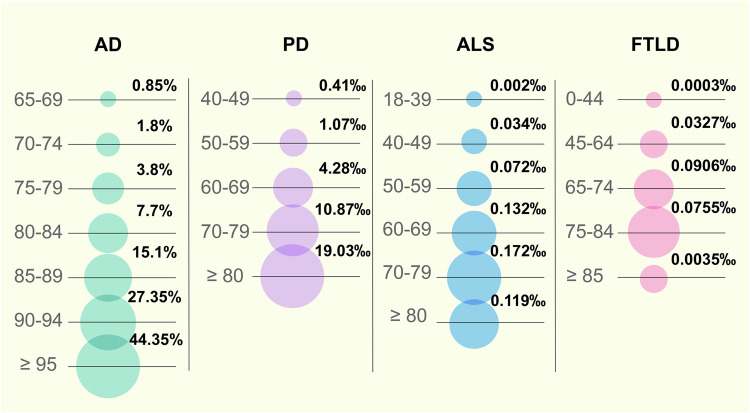
- Ageing is presented as an "accelerator" of neurodegeneration: AD prevalence rises from 5% at ages 65–74 to 13.1% at 75–84 and 33.2% at 85+ (US, 2022); PD prevalence rises from 41 per 100,000 at ages 40–49 to 1,903 per 100,000 at 80+; ALS prevalence is 0.2 per 100,000 at ages 18–39 versus 17.2 per 100,000 at 70–79.
- Comorbidities are the rule rather than the exception: in the ROS/MAP cohort, ~97% of persons with probable AD had other neurodegenerative or vascular comorbidities, and >86% of cognitively unimpaired older persons had vascular, AD or other degenerative comorbidities.
- The authors propose a complex adaptive systems (CAS) framework in which neurodegeneration arises from emergent homeostatic imbalance across molecular, cellular, organ and organismal scales, rather than from a single molecule or cell.
- Antiageing interventions are catalogued across levels: molecular (e.g., GDF11, klotho, metformin lowering epigenetic age by up to 6.1 years in the frontal lobe of monkeys; rapamycin/acarbose/phenylbutyrate cocktails), cellular (senolytics extending lifespan up to 35% in pre-ageing mice; young plasma extracellular vesicles increasing median lifespan 12.4%), systemic (young blood, bone marrow transplantation increasing maximum lifespan 30%, FMT, anti-inflammation such as IL-11 neutralization extending average mouse lifespan 24.9%), and individual (caloric restriction, exercise, sleep/diet; a multimodal diet-exercise-sleep intervention reversed epigenetic age by 3.2 years).
- Clinical trials reviewed include effective results for allopregnanolone, isoflavones, benfotiamine, fish oil/lipoic acid, and plasma exchange, while intranasal insulin, naproxen/celecoxib and nilotinib were ineffective; senolytics showed phase 1 safety in AD.
Methods
- Narrative review (no systematic search or meta-analytic protocol described) synthesizing epidemiological, mechanistic, preclinical and clinical literature on ageing and neurodegenerative diseases (AD, PD, ALS, FTLD, HD).
- Evidence drawn from population/epidemiological datasets (WHO, CDC, ROS/MAP, UK Biobank, CALERIE, REACT), animal and cell models, and a tabulated set of clinical trials (Table 2) with identifiers, phases and reported results.
- Organizes evidence by mechanistic level (molecular, cellular, tissue/organ, circuit, functional), by body–brain axes (heart, liver, gut, kidney, lung, muscle, bone, blood, immune, endocrine), and by intervention level (molecular, cellular, systemic, individual).
Limitations
- Stated by the paper: most studies are conducted in artificially induced animal models (e.g., APP/PS1 mice) that do not reflect sporadic disease, since familial AD accounts for less than 5% of cases; such models may underestimate peripheral and brain ageing contributions.
- Stated by the paper: mouse, Drosophila and nematode lifespans are inadequate for modelling gradual human ageing, so antiageing therapies should be validated in longer-lived species (non-human primates, naked mole rats).
- Stated by the paper: the magnitude and duration of antiageing effects require long-term follow-up; individual heterogeneity (age, personality, comorbidities, lifestyle, education) is poorly understood; and side effects/adverse reactions are often downplayed.
- Evident from the text: as a narrative review without a systematic search strategy, selection of cited evidence may be subject to the authors' framing, and several cited clinical trials are ongoing with results not yet reported (blank entries in Table 2).
Model-written summary. Check it against the paper before relying on it.
Integrity signals
Registry
Cites
Statistics
Figures
Verification
Claims the paper makes
89 Valid · 5 Not valid · 242 Not checked · 87 Own results and interpretations
The cited sources support only part of this claim — read each source’s verdict below.
In the paper
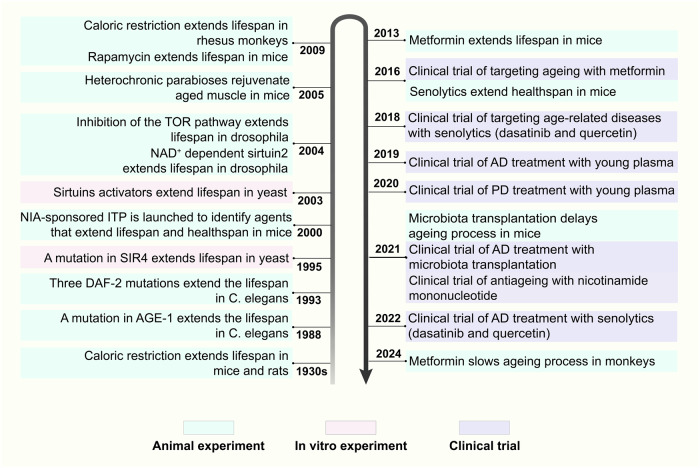
“Subsequent clinical trials have indicated that cognitive and behavioural improvements could be achieved through fecal microbiota transplantation (FMT) in patients with mild cognitive impairment as well as those suffering from PD.76,77”
§ Antiageing strategy for neurodegenerative diseases: from mechanisms to clinical advances > Milestone events of studies on antiageing strategies
What the sources say
- Partly supportedcites [76] Chen, X. et al. Preliminary evidence for developing safe and efficient fecal microbiota transplantation as potential treatment for aged related cognitive impairments. Front. Cell Infect. Microbiol. 13, 1103189 (2023). 37113132 PMC10127103 sourceExperimental — accuracy not yet measured
The Results section reports that, after FMT, cognitive scores in two patients with mild cognitive impairment improved slightly or were maintained, while daily-living scores improved. The paper does not report an FMT trial in patients with Parkinson’s disease or a distinct behavioural-improvement outcome. (LLM, conf=0.88)
- Partly supportedcites [77] Huang, H. et al. Fecal microbiota transplantation to treat Parkinson’s disease with constipation: A case report. Medicine 98, e16163 (2019). 31261545 PMC6616439 sourceExperimental — accuracy not yet measured
The Case presentation (page unavailable) reports reduced tremor and improved constipation after FMT in one patient with Parkinson’s disease. It does not report cognitive or behavioural improvements, study patients with mild cognitive impairment, or describe a clinical trial; the Discussion calls it a first attempt to treat PD with FMT. (LLM, conf=0.86)
hedgedstates a possible cause- Asserted: passes — The authors put it forward as true.
- Checkable: passes — It can be checked against evidence.
- Load-bearing: unclear — It is unclear whether the paper’s conclusions depend on it.
- Based: passes — The paper gives a reason why it holds.
- Rests on an assumption not shown here.
- Partly supported
The cited sources support only part of this claim — read each source’s verdict below.
In the paper
“Two recent clinical trials involving young plasma infusion in patients with AD and PD, respectively, have further validated this intervention strategy for neurodegenerative diseases.73,74”
§ Antiageing strategy for neurodegenerative diseases: from mechanisms to clinical advances > Milestone events of studies on antiageing strategies
What the sources say
- Partly supportedcites [73] Sha, S. J. et al. Safety, Tolerability, and Feasibility of Young Plasma Infusion in the Plasma for Alzheimer Symptom Amelioration Study: A Randomized Clinical Trial. JAMA Neurol. 76, 35–40 (2019). 30383097 PMC6439869 sourceExperimental — accuracy not yet measured
The Key Points identify a clinical trial of young-plasma infusions in patients with mild to moderate AD and report that the infusions were tolerated. The Discussion says the trial established safety and feasibility, but that efficacy could not be determined; it therefore does not validate young plasma as an effective intervention for AD. The separate PD trial is not assessed under this citation. (LLM, conf=0.88)
- Partly supportedcites [74] Parker, J. E. et al. Safety of Plasma Infusions in Parkinson’s Disease. Mov. Disord. 35, 1905–1913 (2020). 32633860 PMC7361360 sourceExperimental — accuracy not yet measured
The paper's Conclusions report that young plasma infusion was safe and feasible in people with PD, with preliminary signs of improvement. But the Discussion describes the study as an uncontrolled phase I trial and cautions that its improvement finding is preliminary; it does not validate young plasma as an effective treatment for PD or neurodegenerative diseases more broadly. This verdict addresses the PD trial attributed to this source, not the separately cited AD trial. (LLM, conf=0.90)
boostedstates a cause- Asserted: passes — The authors put it forward as true.
- Checkable: passes — It can be checked against evidence.
- Load-bearing: passes — The paper’s conclusions depend on it.
- Based: passes — The paper gives a reason why it holds.
- Rests on an assumption not shown here.
- Partly supported
Every source the paper cites for this claim was checked and supports it.
In the paper
“In 2009, rapamycin, an inhibitor of the mammalian target of rapamycin (mTOR) pathway, was shown to significantly extend the lifespan of mammals.58”
§ Antiageing strategy for neurodegenerative diseases: from mechanisms to clinical advances > Milestone events of studies on antiageing strategies
What the sources say
- Supportedcites [58] Harrison, D. E. et al. Rapamycin fed late in life extends lifespan in genetically heterogeneous mice. Nature 460, 392–395 (2009). 19587680 PMC2786175 source
The Abstract reports that rapamycin, an mTOR-pathway inhibitor, extended median and maximal lifespan in male and female mice. It also reports statistically significant survival benefits compared with controls (p < 0.0001). The mammalian evidence in this paper is specifically from mice. (LLM, conf=0.94)
plainstates a cause- Asserted: passes — The authors put it forward as true.
- Checkable: passes — It can be checked against evidence.
- Load-bearing: unclear — It is unclear whether the paper’s conclusions depend on it.
- Based: passes — The paper gives a reason why it holds.
- Supported
Every source the paper cites for this claim was checked and supports it.
In the paper
“The expression of aquaporin-4 (AQP4) in astrocytes significantly influences the transport and clearance functions of the glymphatic system.155”
§ Antiageing strategy for neurodegenerative diseases: from mechanisms to clinical advances > Systemic regulatory mechanisms of ageing in neurodegenerative diseases > Molecular and cellular networks of ageing in neurodegenerative diseases
What the sources say
- Supportedcites [155] Iliff, J. J. et al. A paravascular pathway facilitates CSF flow through the brain parenchyma and the clearance of interstitial solutes, including amyloid β. Sci. Transl. Med. 4, 147ra111 (2012). 22896675 PMC3551275 source
The DISCUSSION of our copy proposes the name 'glymphatic' for this para-arterial CSF influx / paravenous ISF clearance pathway and states that 'Interstitial bulk flow between these influx and efflux pathways depends upon trans-astrocytic water movement.' The RESULTS ('Astroglial water transport supports CSF flux into the parenchyma'; 'Astroglial water transport facilitates bulk ISF solute clearance from the parenchyma') show that in Aqp4-null mice TR-d3 movement from the paravascular space into the interstitium was effectively abolished and [3H]mannitol clearance was reduced by ~70%, with Aβ1-40 clearance reduced by ~55% (RESULTS, 'AQP4 facilitates the para-vascular clearance of interstitial amyloid β'). The paper also links the degree/polarization of AQP4 expression in periarterial versus perivenous astroglial endfeet to directional bulk flow (RESULTS; DISCUSSION, 'Role of AQP4 in paravascular pathway function'), covering both the transport and clearance limbs of the claim. (LLM, conf=0.90)
plainstates a cause- Asserted: passes — The authors put it forward as true.
- Checkable: passes — It can be checked against evidence.
- Load-bearing: unclear — It is unclear whether the paper’s conclusions depend on it.
- Based: passes — The paper gives a reason why it holds.
- Supported
The cited sources support only part of this claim — read each source’s verdict below.
In the paper
“The expression and functionality of proteins that form tight junctions between endothelial cells, such as occludin and claudin, are reduced.151,152”
§ Antiageing strategy for neurodegenerative diseases: from mechanisms to clinical advances > Systemic regulatory mechanisms of ageing in neurodegenerative diseases > Molecular and cellular networks of ageing in neurodegenerative diseases
What the sources say
- Partly supportedcites [151] Geng, J. et al. Blood-Brain Barrier Disruption Induced Cognitive Impairment Is Associated With Increase of Inflammatory Cytokine. Front. Aging Neurosci. 10, 129 (2018). 29867440 PMC5949351 sourceExperimental — accuracy not yet measured
The Results section reports reduced occludin and claudin-5 expression and disrupted tight-junction staining in 8-week diabetic rats compared with normal rats. The Discussion links these changes to impaired blood–brain barrier function. The paper does not establish that these changes occur with ageing; the eight weeks describe time after diabetes induction, not the rats’ age. Page numbers are unavailable in our copy. (LLM, conf=0.88)
- Partly supportedcites [152] Bony, B. A. et al. Claudin-1-Targeted Nanoparticles for Delivery to Aging-Induced Alterations in the Blood-Brain Barrier. ACS Nano 15, 18520–18531 (2021). 34748307 PMC9079187 sourceExperimental — accuracy not yet measured
The introductory passage says claudin-5 expression decreases during aging and links altered tight-junction protein expression to BBB leakiness. But the Conclusions report increased claudin-1 expression in aging brain endothelial cells, while Results and Discussion found no difference in total claudin-1 or claudin-5 protein levels between the mouse age groups studied. The supplied passages do not establish that occludin expression or tight-junction protein functionality generally decreases with age. Page numbers were not provided. (LLM, conf=0.88)
plainstates a cause- Asserted: passes — The authors put it forward as true.
- Checkable: passes — It can be checked against evidence.
- Load-bearing: passes — The paper’s conclusions depend on it.
- Based: passes — The paper gives a reason why it holds.
- Partly supported
177 more claims · 37 with their cited sources checked
Create a free account to see all 423 claims and to verify the 329 references still open.
- It may state two separate claims as one. 214
- Probably not a substantial claim. 45
Claims other papers make about this one
Each is checked against this paper’s own text: does it say what the citing paper says it does?
The cited source says what the claim attributes to it.
In the citing paper
“Increasingly, AD is being reframed as a systemic disorder linked to global aging processes rather than a purely localized brain disease [4,5].”
From Primary Cilia and Cardiovascular Risk Factors in Alzheimer's Disease (2025) · cites this paper as [5]
Self-check
Percentages, sums and reported differences re-computed from the paper’s own numbers.
Each contradiction between two passages listed here was confirmed by an independent check.
Rated minor: it would not touch a result — a value no result rests on, a p-value that stays on the same side of the significance level, or a conflict that is clerical, resolved elsewhere in the paper, or outside its own findings.
In the paper
§ Antiageing strategy for neurodegenerative diseases: from mechanisms to clinical advances > Antiageing strategies for neurodegenerative diseases: clinical trials > Neuroprotection
“Drugs such as PYC857 are being studied for their antioxidant and anti-inflammatory effects on treating ALS.”
§ Antiageing strategy for neurodegenerative diseases: from mechanisms to clinical advances > Antiageing strategies for neurodegenerative diseases: clinical trials
“| Anti-inflammation | PTC857 | NCT05349721 | ALS | Phase 2 | | |”
Rated minor: it would not touch a result — a value no result rests on, a p-value that stays on the same side of the significance level, or a conflict that is clerical, resolved elsewhere in the paper, or outside its own findings.
In the paper
§ Antiageing strategy for neurodegenerative diseases: from mechanisms to clinical advances > Systemic regulatory mechanisms of ageing in neurodegenerative diseases > Body‒brain axes in relation to ageing and neurodegenerative diseases
“Studies in humans have revealed that liver function decreases with age, as indicated by increased serum γ-glutamyl transpeptidase and alanine aminotransferase levels.219”
§ Antiageing strategy for neurodegenerative diseases: from mechanisms to clinical advances > References
“219. Dong, M. H., Bettencourt, R., Barrett-Connor, E. & Loomba, R. Alanine aminotransferase decreases with age: the Rancho Bernardo Study.”
Citations
Cites
1 retracted
RETRACTED: New intranasal and injectable gene therapy for healthy life extension
Jaijyan, D. K., Selariu, A., Cruz-Cosme, R., Tong, M., Yang, S., Stefa, A., Kekich, D., Sadoshima, J., Herbig, U., Tang, Q., et al. (2022) · Proceedings of the National Academy of Sciences · doi:10.1073/pnas.2121499119 · Cited by 57
RetractedStaging of brain pathology related to sporadic Parkinson’s disease
Braak, H., Tredici, K. D., Rüb, U., de Vos, R. A. I., Jansen Steur, E. N. H., & Braak, E. (2003) · Neurobiology of Aging · doi:10.1016/s0197-4580(02)00065-9 · Cited by 10,777 · cited 1×
“240 Correspondingly, truncal vagotomy prevents the spread of α -syn from the gut to the brain, which is associated with neurodegeneration and behavioural de fi cits.”
Neurotoxic reactive astrocytes are induced by activated microglia
Liddelow, S. A., Guttenplan, K. A., Clarke, L. E., Bennett, F. C., Bohlen, C. J., Schirmer, L., Bennett, M. L., Münch, A. E., Chung, W.-S., Peterson, T. C., et al. (2017) · Nature · doi:10.1038/nature21029 · Cited by 7,971 · cited 2×
“145 During ageing, astrocytes spontaneously transform into a neurotoxic A1 state, 146 which in turn causes neuronal dysfunction.”
Alzheimer's disease: the amyloid cascade hypothesis
Hardy, J. A., & Higgins, G. A. (1992) · Science · doi:10.1126/science.1566067 · Cited by 7,484 · cited 1×
“30,87 This linear hypothesis elucidates the major pathologic outcomes that arise from imbalances in homoeostasis at various scales, from the molecular to the cellular and ultimately to the organ layers, as well as the interconnections among them.”
Hallmarks of aging: An expanding universe
López-Otín, C., Blasco, M. A., Partridge, L., Serrano, M., & Kroemer, G. (2023) · Cell · doi:10.1016/j.cell.2022.11.001 · Cited by 6,549 · cited 4×
“85 The hallmarks of brain ageing are broadly consistent with these hallmarks, but speci fi c characteristics have been identi fi ed, such as aberrant neural network activity and glial cell activation.”
InfluentialThe amyloid hypothesis of Alzheimer's disease at 25 years
Selkoe, D. J., & Hardy, J. (2016) · EMBO Molecular Medicine · doi:10.15252/emmm.201606210 · Cited by 6,164
Iliff, J. J., Wang, M., Liao, Y., Plogg, B. A., Peng, W., Gundersen, G. A., Benveniste, H., Vates, G. E., Deane, R., Goldman, S. A., et al. (2012) · Science Translational Medicine · doi:10.1126/scitranslmed.3003748 · Cited by 5,824
Lecanemab in early Alzheimer's disease
van Dyck, C. H., Swanson, C. J., Aisen, P., Bateman, R. J., Chen, C., Gee, M., Kanekiyo, M., Li, D., Reyderman, L., Cohen, S., et al. (2023) · New England Journal of Medicine · doi:10.1056/nejmoa2212948 · Cited by 5,678
A Unique Microglia Type Associated with Restricting Development of Alzheimer’s Disease
Keren-Shaul, H., Spinrad, A., Weiner, A., Matcovitch-Natan, O., Dvir-Szternfeld, R., Ulland, T. K., David, E., Baruch, K., Lara-Astaiso, D., Toth, B., et al. (2017) · Cell · doi:10.1016/j.cell.2017.05.018 · Cited by 5,493 · cited 1×
“135 The initial identi-fi cation of disease-associated microglia (DAM) occurred in the brain tissue of AD transgenic mice, 136 with subsequent research indicating that the prevalence of DAM cells increases with age.”
Inflamm‐aging: An Evolutionary Perspective on Immunosenescence
FRANCESCHI, C., BONAFÈ, M., VALENSIN, S., OLIVIERI, F., DE LUCA, M., OTTAVIANI, E., & DE BENEDICTIS, G. (2000) · Annals of the New York Academy of Sciences · doi:10.1111/j.1749-6632.2000.tb06651.x · Cited by 5,358
Exercise training increases size of hippocampus and improves memory
Erickson, K. I., Voss, M. W., Prakash, R. S., Basak, C., Szabo, A., Chaddock, L., Kim, J. S., Heo, S., Alves, H., White, S. M., et al. (2011) · Proceedings of the National Academy of Sciences · doi:10.1073/pnas.1015950108 · Cited by 4,855
Dementia prevention, intervention, and care: 2024 report of the Lancet standing Commission
Livingston, G., Huntley, J., Liu, K. Y., Costafreda, S. G., Selbæk, G., Alladi, S., Ames, D., Banerjee, S., Burns, A., Brayne, C., et al. (2024) · The Lancet · doi:10.1016/s0140-6736(24)01296-0 · Cited by 3,860 · cited 1×
“377 Therefore, the antiageing interventions discussed herein primarily address the systemic effects of ageing.”
Small molecule activators of sirtuins extend Saccharomyces cerevisiae lifespan
Howitz, K. T., Bitterman, K. J., Cohen, H. Y., Lamming, D. W., Lavu, S., Wood, J. G., Zipkin, R. E., Chung, P., Kisielewski, A., Zhang, L.-L., et al. (2003) · Nature · doi:10.1038/nature01960 · Cited by 3,796 · cited 1×
“56 Additionally, inhibition of the target of rapamycin (TOR) pathway prolonged the lifespan in a 2004 study.”
Rapamycin fed late in life extends lifespan in genetically heterogeneous mice
Harrison, D. E., Strong, R., Sharp, Z. D., Nelson, J. F., Astle, C. M., Flurkey, K., Nadon, N. L., Wilkinson, J. E., Frenkel, K., Carter, C. S., et al. (2009) · Nature · doi:10.1038/nature08221 · Cited by 3,766 · cited 1×
“58 In 2004, nicotinamide adenine dinucleotide (NAD + )-dependent sir2 was con fi rmed to extend the lifespan of Drosophila by 10 – 20%.”
A C. elegans mutant that lives twice as long as wild type
Kenyon, C., Chang, J., Gensch, E., Rudner, A., & Tabtiang, R. (1993) · Nature · doi:10.1038/366461a0 · Cited by 3,387
Neuroinflammation and microglial activation in Alzheimer disease: where do we go from here?
Leng, F., & Edison, P. (2021) · Nature Reviews Neurology · doi:10.1038/s41582-020-00435-y · Cited by 3,179
DNA methylation-based biomarkers and the epigenetic clock theory of ageing
Horvath, S., & Raj, K. (2018) · Nature Reviews Genetics · doi:10.1038/s41576-018-0004-3 · Cited by 3,095 · cited 1×
“71 Antiageing strategies are increasingly being implemented in the context of AD and other neurodegenerative disorders.”
Naturally occurring p16Ink4a-positive cells shorten healthy lifespan
Baker, D. J., Childs, B. G., Durik, M., Wijers, M. E., Sieben, C. J., Zhong, J., A. Saltness, R., Jeganathan, K. B., Verzosa, G. C., Pezeshki, A., et al. (2016) · Nature · doi:10.1038/nature16932 · Cited by 2,876
mTOR at the nexus of nutrition, growth, ageing and disease
Liu, G. Y., & Sabatini, D. M. (2020) · Nature Reviews Molecular Cell Biology · doi:10.1038/s41580-019-0199-y · Cited by 2,737 · cited 1×
“116 The activity of mTOR in the brain increases with age, 117 substantially inhibiting autophagy, which could explain why pathological proteins are prone to accumulation.”
Self-citationKiernan, M. C., Vucic, S., Cheah, B. C., Turner, M. R., Eisen, A., Hardiman, O., Burrell, J. R., & Zoing, M. C. (2011) · The Lancet · doi:10.1016/s0140-6736(10)61156-7 · Cited by 2,603
Walker, F. O. (2007) · The Lancet · doi:10.1016/s0140-6736(07)60111-1 · Cited by 2,603
2024 Alzheimer's disease facts and figures
(2024) · Alzheimer's & Dementia · doi:10.1002/alz.13809 · Cited by 2,536
Oxidative stress hypothesis in Alzheimer’s disease
Markesbery, W. R. (1997) · Free Radical Biology and Medicine · doi:10.1016/s0891-5849(96)00629-6 · Cited by 2,383
2022 Alzheimer's disease facts and figures
(2022) · Alzheimer's & Dementia · doi:10.1002/alz.12638 · Cited by 2,341
Rejuvenation of aged progenitor cells by exposure to a young systemic environment
Conboy, I. M., Conboy, M. J., Wagers, A. J., Girma, E. R., Weissman, I. L., & Rando, T. A. (2005) · Nature · doi:10.1038/nature03260 · Cited by 2,287
Mitochondrial Complex I Deficiency in Parkinson's Disease
Schapira, A. H. V., Cooper, J. M., Dexter, D., Clark, J. B., Jenner, P., & Marsden, C. D. (1990) · Journal of Neurochemistry · doi:10.1111/j.1471-4159.1990.tb02325.x · Cited by 2,283
Caloric Restriction Delays Disease Onset and Mortality in Rhesus Monkeys
Colman, R. J., Anderson, R. M., Johnson, S. C., Kastman, E. K., Kosmatka, K. J., Beasley, T. M., Allison, D. B., Cruzen, C., Simmons, H. A., Kemnitz, J. W., et al. (2009) · Science · doi:10.1126/science.1173635 · Cited by 2,277 · cited 1×
“40 Since the mid-20th century, numerous ageing-related hypotheses and concepts have been proposed.”
The prevalence of Parkinson's disease: a systematic review and meta-analysis
Pringsheim, T., Jette, N., Frolkis, A., & Steeves, T. D. L. (2014) · Movement Disorders · doi:10.1002/mds.25945 · Cited by 2,188
Blood-brain barrier breakdown in the aging human hippocampus
Montagne, A., Barnes, S. R., Sweeney, M. D., Halliday, M. R., Sagare, A. P., Zhao, Z., Toga, A. W., Jacobs, R. E., Liu, C. Y., Amezcua, L., et al. (2015) · Neuron · doi:10.1016/j.neuron.2014.12.032 · Cited by 2,102
Mammalian Sirtuins: Biological Insights and Disease Relevance
Haigis, M. C., & Sinclair, D. A. (2010) · Annual Review of Pathology: Mechanisms of Disease · doi:10.1146/annurev.pathol.4.110807.092250 · Cited by 2,085 · cited 1×
“55 In 2003, small-molecule activators of sirtuins (SIRTs) extended the lifespan of yeast by 70%.”
Steinmetz, J. D., Seeher, K. M., Schiess, N., Nichols, E., Cao, B., Servili, C., Cavallera, V., Cousin, E., Hagins, H., Moberg, M. E., et al. (2024) · The Lancet Neurology · doi:10.1016/s1474-4422(24)00038-3 · Cited by 2,019
Sirtuin activators mimic caloric restriction and delay ageing in metazoans
Wood, J. G., Rogina, B., Lavu, S., Howitz, K., Helfand, S. L., Tatar, M., & Sinclair, D. (2004) · Nature · doi:10.1038/nature02789 · Cited by 1,868 · cited 1×
“59 Similarly, nicotinamide mononucleo-tide (NMN) is a direct precursor of NAD + , and the fi rst clinical trial of NMN was conducted in 2021.”
Olovnikov (1973) · doi:10.1016/0022-5193(73)90198-7 · Cited by 1,847
The ageing systemic milieu negatively regulates neurogenesis and cognitive function
Villeda, S. A., Luo, J., Mosher, K. I., Zou, B., Britschgi, M., Bieri, G., Stan, T. M., Fainberg, N., Ding, Z., Eggel, A., et al. (2011) · Nature · doi:10.1038/nature10357 · Cited by 1,763 · cited 2×
“310,320,321 In contrast, the levels of antiageing factors, such as GDF11, tissue inhibitor of metalloproteinase 2 (TIMP2) and granulocyte ‒ macrophage colony stimulating factor (CSF2), are reduced.”
Role of neuroinflammation in neurodegeneration development
Zhang, W., Xiao, D., Mao, Q., & Xia, H. (2023) · Signal Transduction and Targeted Therapy · doi:10.1038/s41392-023-01486-5 · Cited by 1,668
NAD+ metabolism and its roles in cellular processes during ageing
Covarrubias, A. J., Perrone, R., Grozio, A., & Verdin, E. (2021) · Nature Reviews Molecular Cell Biology · doi:10.1038/s41580-020-00313-x · Cited by 1,617
Limbic-predominant age-related TDP-43 encephalopathy (LATE): consensus working group report
Nelson, P. T., Dickson, D. W., Trojanowski, J. Q., Jack, C. R., Boyle, P. A., Arfanakis, K., Rademakers, R., Alafuzoff, I., Attems, J., Brayne, C., et al. (2019) · Brain · doi:10.1093/brain/awz099 · Cited by 1,547 · cited 1×
“109 The nutrient-sensing network is highly conserved throughout evolution and is deregulated during ageing.”
Impairment of paravascular clearance pathways in the aging brain
Kress, B. T., Iliff, J. J., Xia, M., Wang, M., Wei, H. S., Zeppenfeld, D., Xie, L., Kang, H., Xu, Q., Liew, J. A., et al. (2014) · Annals of Neurology · doi:10.1002/ana.24271 · Cited by 1,521 · cited 1×
“156,157 This inef fi ciency contributes to the accumulation of neurotoxic substances within the brain during ageing.”
Primary age-related tauopathy (PART): a common pathology associated with human aging
Crary, J. F., Trojanowski, J. Q., Schneider, J. A., Abisambra, J. F., Abner, E. L., Alafuzoff, I., Arnold, S. E., Attems, J., Beach, T. G., Bigio, E. H., et al. (2014) · Acta Neuropathologica · doi:10.1007/s00401-014-1349-0 · Cited by 1,467 · cited 1×
“…of misfolded proteins associated with neurodegenerative diseases, such as deposition of A β and α -syn, accumulation of hyperphosphorylation of tau (i.e. primarily ageing-related tauopathy, PART), 108 and pathology of TDP-43 (i.e. limbic predominant age-related TDP-43 encephalopathy, LATE).”
An overview of the immune system
Parkin, J., & Cohen, B. (2001) · The Lancet · doi:10.1016/s0140-6736(00)04904-7 · Cited by 1,460 · cited 1×
“326 Immunosenescence is characterized by dysfunctions in monocyte and neutrophil phagocytosis, decreased numbers of naive T cells, increased numbers of memory T cells, 327 and increased SASP secretion by these cells, 327,328 thereby weakening the immune response to foreign antigens.”
Meinhardt, J., Radke, J., Dittmayer, C., Franz, J., Thomas, C., Mothes, R., Laue, M., Schneider, J., Brünink, S., Greuel, S., et al. (2021) · Nature Neuroscience · doi:10.1038/s41593-020-00758-5 · Cited by 1,458 · cited 2×
“270,271 Autopsy evidences from COVID-19 patients directly demonstrated that SARS-CoV-2 enters the CNS partly through the olfactory mucosal-nervous milieu.”
Metformin improves healthspan and lifespan in mice
Martin-Montalvo, A., Mercken, E. M., Mitchell, S. J., Palacios, H. H., Mote, P. L., Scheibye-Knudsen, M., Gomes, A. P., Ward, T. M., Minor, R. K., Blouin, M.-J., et al. (2013) · Nature Communications · doi:10.1038/ncomms3192 · Cited by 1,445 · cited 1×
“53 The Food and Drug Administration (FDA) subsequently approved the clinical trial Targeting Ageing with Metformin (TAME).”
Inflammation and aging: signaling pathways and intervention therapies
Li, X., Li, C., Zhang, W., Wang, Y., Qian, P., & Huang, H. (2023) · Signal Transduction and Targeted Therapy · doi:10.1038/s41392-023-01502-8 · Cited by 1,443
Self-citationExercise induces hippocampal BDNF through a PGC-1α/FNDC5 pathway
Wrann, C. D., White, J. P., Salogiannnis, J., Laznik-Bogoslavski, D., Wu, J., Ma, D., Lin, J. D., Greenberg, M. E., & Spiegelman, B. M. (2013) · Cell Metabolism · doi:10.1016/j.cmet.2013.09.008 · Cited by 1,440
Kim, S., Kwon, S.-H., Kam, T.-I., Panicker, N., Karuppagounder, S. S., Lee, S., Lee, J. H., Kim, W. R., Kook, M., Foss, C. A., et al. (2019) · Neuron · doi:10.1016/j.neuron.2019.05.035 · Cited by 1,397 · cited 1×
“241,242 Additionally, peripheral LPS promotes TDP-43 mislocalization and aggregation, contributing to TDP-43 proteinopathies in neurodegenerative disorders, such as FTLD and ALS.”
From discoveries in ageing research to therapeutics for healthy ageing
Campisi, J., Kapahi, P., Lithgow, G. J., Melov, S., Newman, J. C., & Verdin, E. (2019) · Nature · doi:10.1038/s41586-019-1365-2 · Cited by 1,389
Regulation of lifespan in Drosophila by modulation of genes in the TOR signaling pathway
Kapahi, P., Zid, B. M., Harper, T., Koslover, D., Sapin, V., & Benzer, S. (2004) · Current Biology · doi:10.1016/j.cub.2004.03.059 · Cited by 1,293 · cited 1×
“57 In 2009, rapamycin, an inhibitor of the mammalian target of rapamycin (mTOR) pathway, was shown to signi fi cantly extend the lifespan of mammals.”
APOE4 leads to blood–brain barrier dysfunction predicting cognitive decline
Montagne, A., Nation, D. A., Sagare, A. P., Barisano, G., Sweeney, M. D., Chakhoyan, A., Pachicano, M., Joe, E., Nelson, A. R., D’Orazio, L. M., et al. (2020) · Nature · doi:10.1038/s41586-020-2247-3 · Cited by 1,281 · cited 1×
“156,157 This inef fi ciency contributes to the accumulation of neurotoxic substances within the brain during ageing.”
Senolytics in idiopathic pulmonary fibrosis: Results from a first-in-human, open-label, pilot study
Justice, J. N., Nambiar, A. M., Tchkonia, T., LeBrasseur, N. K., Pascual, R., Hashmi, S. K., Prata, L., Masternak, M. M., Kritchevsky, S. B., Musi, N., et al. (2019) · EBioMedicine · doi:10.1016/j.ebiom.2018.12.052 · Cited by 1,261
Hallmarks of Brain Aging: Adaptive and Pathological Modification by Metabolic States
Mattson, M. P., & Arumugam, T. V. (2018) · Cell Metabolism · doi:10.1016/j.cmet.2018.05.011 · Cited by 1,242
Normal aging induces A1-like astrocyte reactivity
Clarke, L. E., Liddelow, S. A., Chakraborty, C., Münch, A. E., Heiman, M., & Barres, B. A. (2018) · Proceedings of the National Academy of Sciences · doi:10.1073/pnas.1800165115 · Cited by 1,237 · cited 1×
“145 During ageing, astrocytes spontaneously transform into a neurotoxic A1 state, 146 which in turn causes neuronal dysfunction.”
Impact of intermittent fasting on health and disease processes
Mattson, M. P., Longo, V. D., & Harvie, M. (2017) · Ageing Research Reviews · doi:10.1016/j.arr.2016.10.005 · Cited by 1,187
Ageing, neurodegeneration and brain rejuvenation
Wyss-Coray, T. (2016) · Nature · doi:10.1038/nature20411 · Cited by 1,147 · cited 1×
“391 Neutralizing antibody treatment or gene editing to lower circulating levels of CCL11 and B2M alleviates neuroin-fl ammation and age-related cognitive decline.”
Cellular senescence and senolytics: the path to the clinic
Chaib, S., Tchkonia, T., & Kirkland, J. L. (2022) · Nature Medicine · doi:10.1038/s41591-022-01923-y · Cited by 1,134
cGAS–STING drives ageing-related inflammation and neurodegeneration
Gulen, M. F., Samson, N., Keller, A., Schwabenland, M., Liu, C., Glück, S., Thacker, V. V., Favre, L., Mangeat, B., Kroese, L. J., et al. (2023) · Nature · doi:10.1038/s41586-023-06373-1 · Cited by 1,104
Young blood reverses age-related impairments in cognitive function and synaptic plasticity in mice
Villeda, S. A., Plambeck, K. E., Middeldorp, J., Castellano, J. M., Mosher, K. I., Luo, J., Smith, L. K., Bieri, G., Lin, K., Berdnik, D., et al. (2014) · Nature Medicine · doi:10.1038/nm.3569 · Cited by 1,081
Mitochondrial dysfunction in cell senescence and aging
Miwa, S., Kashyap, S., Chini, E., & von Zglinicki, T. (2022) · Journal of Clinical Investigation · doi:10.1172/jci158447 · Cited by 1,061
The cholinergic system in aging and neuronal degeneration
Schliebs, R., & Arendt, T. (2011) · Behavioural Brain Research · doi:10.1016/j.bbr.2010.11.058 · Cited by 1,047 · cited 1×
“38 Notably, these events are intricately linked to the ageing process and synergistically contribute to the pathogenesis of AD.”
Vascular and Neurogenic Rejuvenation of the Aging Mouse Brain by Young Systemic Factors
Katsimpardi, L., Litterman, N. K., Schein, P. A., Miller, C. M., Loffredo, F. S., Wojtkiewicz, G. R., Chen, J. W., Lee, R. T., Wagers, A. J., & Rubin, L. L. (2014) · Science · doi:10.1126/science.1251141 · Cited by 1,037 · cited 1×
“72 Two recent clinical trials involving young plasma infusion in patients with AD and PD, respectively, have further validated this intervention strategy for neurodegenerative diseases.”
Bocklandt, S., Lin, W., Sehl, M. E., Sánchez, F. J., Sinsheimer, J. S., Horvath, S., & Vilain, E. (2011) · PLoS ONE · doi:10.1371/journal.pone.0014821 · Cited by 1,012 · cited 1×
“68 Later, the metabolomic ageing clock and transcriptomic ageing clock were published to explain ageing-related clinical traits.”
Mrdjen, D., Pavlovic, A., Hartmann, F. J., Schreiner, B., Utz, S. G., Leung, B. P., Lelios, I., Heppner, F. L., Kipnis, J., Merkler, D., et al. (2018) · Immunity · doi:10.1016/j.immuni.2018.01.011 · Cited by 1,010 · cited 1×
“137 High-throughput sequencing revealed that the expression of genes related to cell migration and cytoskeletal protein homoeostasis in aged microglia changed signi fi cantly, 138 explaining the decrease in microglial migration caused by ageing.”
Friedman, D. B., & Johnson, T. E. (1988) · Genetics · doi:10.1093/genetics/118.1.75 · Cited by 1,010 · cited 1×
“51 Similarly, the Daf-2 mutation doubled the lifespan of this species in 1993.”
Aging in COVID-19: Vulnerability, immunity and intervention
Chen, Y., Klein, S. L., Garibaldi, B. T., Li, H., Wu, C., Osevala, N. M., Li, T., Margolick, J. B., Pawelec, G., & Leng, S. X. (2021) · Ageing Research Reviews · doi:10.1016/j.arr.2020.101205 · Cited by 1,007 · cited 1×
“276,277 These processes are commonly associated with ageing and also implicated in the pathogenesis of neurodegenerative diseases.”
Franceschi, C., Garagnani, P., Vitale, G., Capri, M., & Salvioli, S. (2017) · Trends in Endocrinology & Metabolism · doi:10.1016/j.tem.2016.09.005 · Cited by 997
Clonally expanded CD8 T cells patrol the cerebrospinal fluid in Alzheimer’s disease
Gate, D., Saligrama, N., Leventhal, O., Yang, A. C., Unger, M. S., Middeldorp, J., Chen, K., Lehallier, B., Channappa, D., De Los Santos, M. B., et al. (2020) · Nature · doi:10.1038/s41586-019-1895-7 · Cited by 992
Zhang, P., Kishimoto, Y., Grammatikakis, I., Gottimukkala, K., Cutler, R. G., Zhang, S., Abdelmohsen, K., Bohr, V. A., Misra Sen, J., Gorospe, M., et al. (2019) · Nature Neuroscience · doi:10.1038/s41593-019-0372-9 · Cited by 977
An aged immune system drives senescence and ageing of solid organs
Yousefzadeh, M. J., Flores, R. R., Zhu, Y., Schmiechen, Z. C., Brooks, R. W., Trussoni, C. E., Cui, Y., Angelini, L., Lee, K.-A., McGowan, S. J., et al. (2021) · Nature · doi:10.1038/s41586-021-03547-7 · Cited by 972 · cited 2×
“Notably, the selective induction of immune cell ageing increases the levels of the ageing markers p16 and p21 in multiple organs, including the brain, 328 thereby highlighting the crucial roles played by the immune system in the process of ageing.”
Self-citationThe epidemiology of Parkinson's disease
Ben-Shlomo, Y., Darweesh, S., Llibre-Guerra, J., Marras, C., San Luciano, M., & Tanner, C. (2024) · The Lancet · doi:10.1016/s0140-6736(23)01419-8 · Cited by 967
Alzheimer’s disease: risk factors and potentially protective measures
Silva, M. V. F., Loures, C. D. M. G., Alves, L. C. V., de Souza, L. C., Borges, K. B. G., & Carvalho, M. D. G. (2019) · Journal of Biomedical Science · doi:10.1186/s12929-019-0524-y · Cited by 937
Exercise-linked FNDC5/irisin rescues synaptic plasticity and memory defects in Alzheimer’s models
Lourenco, M. V., Frozza, R. L., de Freitas, G. B., Zhang, H., Kincheski, G. C., Ribeiro, F. C., Gonçalves, R. A., Clarke, J. R., Beckman, D., Staniszewski, A., et al. (2019) · Nature Medicine · doi:10.1038/s41591-018-0275-4 · Cited by 935 · cited 1×
“287 Irisin has also been revealed to increase telomerase activity to extend the lifespan.”
The central role of DNA damage in the ageing process
Schumacher, B., Pothof, J., Vijg, J., & Hoeijmakers, J. H. J. (2021) · Nature · doi:10.1038/s41586-021-03307-7 · Cited by 907 · cited 1×
“102 These impairments can disrupt gene expression and cellular function.”
Molecular Interplay between Mammalian Target of Rapamycin (mTOR), Amyloid-β, and Tau
Caccamo, A., Majumder, S., Richardson, A., Strong, R., & Oddo, S. (2010) · Journal of Biological Chemistry · doi:10.1074/jbc.m110.100420 · Cited by 881 · cited 1×
“118 Furthermore, seven mammalian SIRTs, namely, sirtuin1 to sirtuin7, have been identi fi ed.”
Association of Lifestyle and Genetic Risk With Incidence of Dementia
Lourida, I., Hannon, E., Littlejohns, T. J., Langa, K. M., Hyppönen, E., Kuzma, E., & Llewellyn, D. J. (2019) · JAMA · doi:10.1001/jama.2019.9879 · Cited by 881
The sirtuin family in health and disease
Wu, Q.-J., Zhang, T.-N., Chen, H.-H., Yu, X.-F., Lv, J.-L., Liu, Y.-Y., Liu, Y.-S., Zheng, G., Zhao, J.-Q., Wei, Y.-F., et al. (2022) · Signal Transduction and Targeted Therapy · doi:10.1038/s41392-022-01257-8 · Cited by 862 · cited 1×
“119 SIRT1, one of the most valuable targets, deacety-lates protein substrates to exert neuroprotective effects, maintaining neural integrity.”
Hypothalamic programming of systemic ageing involving IKK-β, NF-κB and GnRH
Zhang, G., Li, J., Purkayastha, S., Tang, Y., Zhang, H., Yin, Y., Li, B., Liu, G., & Cai, D. (2013) · Nature · doi:10.1038/nature12143 · Cited by 834
Self-citationKellar, D., & Craft, S. (2020) · The Lancet Neurology · doi:10.1016/s1474-4422(20)30231-3 · Cited by 832 · cited 1×
“356,357 Moreover, hyperglycaemia aggravates the phosphorylation and aggregation of α -syn, neuroin fl ammation and dopaminergic neuronal loss in PD mice.”
The gut microbiome as a modulator of healthy ageing
Ghosh, T. S., Shanahan, F., & O’Toole, P. W. (2022) · Nature Reviews Gastroenterology & Hepatology · doi:10.1038/s41575-022-00605-x · Cited by 817
A systemic view of Alzheimer disease — insights from amyloid-β metabolism beyond the brain
Wang, J., Gu, B. J., Masters, C. L., & Wang, Y.-J. (2017) · Nature Reviews Neurology · doi:10.1038/nrneurol.2017.111 · Cited by 808 · cited 1×
“312 Platelets, which are responsible for approximately 90% of circulating A β , 313 are overactivated with ageing 314,315 and are reported to release more A β and subsequently induce A β deposition in the brain and cognitive impairment.”
Self-citationCentral obesity and increased risk of dementia more than three decades later
Whitmer, R. A., Gustafson, D. R., Barrett-Connor, E., Haan, M. N., Gunderson, E. P., & Yaffe, K. (2008) · Neurology · doi:10.1212/01.wnl.0000306313.89165.ef · Cited by 803 · cited 1×
“370,371 Epidemiological study has found that midlife central obesity increases risk of dementia as high as 3.6 times, 372 possibly by activating systemic in fl ammation, thus worsening astrogliosis, microgliosis, neuroin fl ammation and A β pathology.”
InfluentialNAD+ in Brain Aging and Neurodegenerative Disorders
Lautrup, S., Sinclair, D. A., Mattson, M. P., & Fang, E. F. (2019) · Cell Metabolism · doi:10.1016/j.cmet.2019.09.001 · Cited by 790
Benefits of Metformin in Attenuating the Hallmarks of Aging
Kulkarni, A. S., Gubbi, S., & Barzilai, N. (2020) · Cell Metabolism · doi:10.1016/j.cmet.2020.04.001 · Cited by 766
Hayflick, his limit, and cellular ageing
Shay, J. W., & Wright, W. E. (2000) · Nature Reviews Molecular Cell Biology · doi:10.1038/35036093 · Cited by 764
Brain metabolism in health, aging, and neurodegeneration
Camandola, S., & Mattson, M. P. (2017) · The EMBO Journal · doi:10.15252/embj.201695810 · Cited by 752
The cost of Alzheimer's disease in China and re‐estimation of costs worldwide
Jia, J., Wei, C., Chen, S., Li, F., Tang, Y., Qin, W., Zhao, L., Jin, H., Xu, H., Wang, F., et al. (2018) · Alzheimer's & Dementia · doi:10.1016/j.jalz.2017.12.006 · Cited by 752 · cited 1×
“5 For example, the global costs of dementia are expected to increase nearly tenfold to $9.12 trillion from 2015 to 2050, 6 and a similar situation is predicted for other neurodegenerative diseases.”
InfluentialSelf-citationTranscriptomic analysis of purified human cortical microglia reveals age-associated changes
Galatro, T. F., Holtman, I. R., Lerario, A. M., Vainchtein, I. D., Brouwer, N., Sola, P. R., Veras, M. M., Pereira, T. F., Leite, R. E. P., Möller, T., et al. (2017) · Nature Neuroscience · doi:10.1038/nn.4597 · Cited by 741
Impact of multiple pathologies on the threshold for clinically overt dementia
Kapasi, A., DeCarli, C., & Schneider, J. A. (2017) · Acta Neuropathologica · doi:10.1007/s00401-017-1717-7 · Cited by 739 · cited 1×
“183 These comorbidities are also affected by ageing and promote the progression of AD and dementia.”
The blood-brain barrier in aging and neurodegeneration
Knox, E. G., Aburto, M. R., Clarke, G., Cryan, J. F., & O’Driscoll, C. M. (2022) · Molecular Psychiatry · doi:10.1038/s41380-022-01511-z · Cited by 738 · cited 1×
“153 A key change is the increased permeability of the BBB. 154 The enhanced permeability facilitates the easier entry of potentially detrimental substances, such as toxins and pathogens, into the brain.”
Emerging roles of oxidative stress in brain aging and Alzheimer's disease
Ionescu-Tucker, A., & Cotman, C. W. (2021) · Neurobiology of Aging · doi:10.1016/j.neurobiolaging.2021.07.014 · Cited by 737
The transcriptional landscape of age in human peripheral blood
Peters, M. J., Joehanes, R., Pilling, L. C., Schurmann, C., Conneely, K. N., Powell, J., Reinmaa, E., Sutphin, G. L., Zhernakova, A., Schramm, K., et al. (2015) · Nature Communications · doi:10.1038/ncomms9570 · Cited by 725 · cited 1×
“69,70 Steve Horvath et al. formally proposed the epigenetic clock in 2018.”
SIRT1 and aging related signaling pathways
Chen, C., Zhou, M., Ge, Y., & Wang, X. (2020) · Mechanisms of Ageing and Development · doi:10.1016/j.mad.2020.111215 · Cited by 683 · cited 2×
“126,396,397 The expression of the transcription factor C/EBP β has been found to increase with age, resulting in the activation of AEP (also known as δ -secretase) transcription and ultimately leading to excitatory neurotoxicity and a shortened lifespan.”
Self-citationSkull and vertebral bone marrow are myeloid cell reservoirs for the meninges and CNS parenchyma
Cugurra, A., Mamuladze, T., Rustenhoven, J., Dykstra, T., Beroshvili, G., Greenberg, Z. J., Baker, W., Papadopoulos, Z., Drieu, A., Blackburn, S., et al. (2021) · Science · doi:10.1126/science.abf7844 · Cited by 681 · cited 1×
“…peripheral blood to penetrate the blood-brain barrier (BBB) and choroid plexus and enter the brain, 345,346 Additionally, immune cells originating from the cranial bone marrow migrate to the meninges, 347 thereby promoting neuroin fl ammation and neuronal dysfunction while inhibiting neurogenesis.”
Ageing hallmarks exhibit organ-specific temporal signatures
Schaum, N., Lehallier, B., Hahn, O., Pálovics, R., Hosseinzadeh, S., Lee, S. E., Sit, R., Lee, D. P., Losada, P. M., Zardeneta, M. E., et al. (2020) · Nature · doi:10.1038/s41586-020-2499-y · Cited by 671
Current and projected future economic burden of Parkinson’s disease in the U.S.
Yang, W., Hamilton, J. L., Kopil, C., Beck, J. C., Tanner, C. M., Albin, R. L., Ray Dorsey, E., Dahodwala, N., Cintina, I., Hogan, P., et al. (2020) · npj Parkinson's Disease · doi:10.1038/s41531-020-0117-1 · Cited by 657 · cited 1×
“7,8 The ageing process is accompanied by the accumulation of genetic mutations and epigenetic changes, which gradually disrupt functional homoeostasis at the molecular and cellular levels, leading to loss of proteostasis and abnormal mitochondrial function.”
Rejuvenation of Regeneration in the Aging Central Nervous System
Ruckh, J. M., Zhao, J.-W., Shadrach, J. L., van Wijngaarden, P., Rao, T. N., Wagers, A. J., & Franklin, R. J. M. (2012) · Cell Stem Cell · doi:10.1016/j.stem.2011.11.019 · Cited by 649 · cited 1×
“432 In addition, macrophages remove myelin debris to promote myelin regeneration and reverse the age-related dedifferentiation of oligodendrocytes, 433 whereas monocyte enrichment increases monocyte in fi ltration in the brain, resulting in the engulfment of A β deposits.”
Mitophagy in human health, ageing and disease
Picca, A., Faitg, J., Auwerx, J., Ferrucci, L., & D’Amico, D. (2023) · Nature Metabolism · doi:10.1038/s42255-023-00930-8 · Cited by 635 · cited 1×
“190 These vulnerabilities are particularly pronounced in the dopaminergic neurons of the substantia nigra due to their high metabolic demand and reliance on mitochondrial function.”
Organ aging signatures in the plasma proteome track health and disease
Oh, H. S.-H., Rutledge, J., Nachun, D., Pálovics, R., Abiose, O., Moran-Losada, P., Channappa, D., Urey, D. Y., Kim, K., Sung, Y. J., et al. (2023) · Nature · doi:10.1038/s41586-023-06802-1 · Cited by 634
Heterogeneous aging across multiple organ systems and prediction of chronic disease and mortality
Tian, Y. E., Cropley, V., Maier, A. B., Lautenschlager, N. T., Breakspear, M., & Zalesky, A. (2023) · Nature Medicine · doi:10.1038/s41591-023-02296-6 · Cited by 618 · cited 1×
“207 The progression of age-related heart changes plays a pivotal role in the onset and progression of neurodegenerative diseases.”
The Aging Cardiovascular System
Paneni, F., Diaz Cañestro, C., Libby, P., Lüscher, T. F., & Camici, G. G. (2017) · Journal of the American College of Cardiology · doi:10.1016/j.jacc.2017.01.064 · Cited by 618
Kim, M.-S., Kim, Y., Choi, H., Kim, W., Park, S., Lee, D., Kim, D. K., Kim, H. J., Choi, H., Hyun, D.-W., et al. (2020) · Gut · doi:10.1136/gutjnl-2018-317431 · Cited by 614 · cited 1×
“460 Similarly, transplantation of healthy human faecal microbiota protects integrity of the BBB and reduces the entry of gut-derived harmful substances into the brain, thereby alleviating neuroin fl ammation and neurodegeneration in PD mice.”
Age-related myelin degradation burdens the clearance function of microglia during aging
Safaiyan, S., Kannaiyan, N., Snaidero, N., Brioschi, S., Biber, K., Yona, S., Edinger, A. L., Jung, S., Rossner, M. J., & Simons, M. (2016) · Nature Neuroscience · doi:10.1038/nn.4325 · Cited by 604 · cited 1×
“158 Senescent microglia actively secrete proin-fl ammatory cytokines, which further leads to activation of astrocyte and neuronal apoptosis.”
Aging and functional brain networks
Tomasi, D., & Volkow, N. D. (2012) · Molecular Psychiatry · doi:10.1038/mp.2011.81 · Cited by 578 · cited 1×
“164 Imaging studies have revealed a decrease in the fraction of action-plan-coding neurons and the action plan signal of individual neurons in the medial prefrontal cortex (mPFC), leading to impaired working memory coding and recurrent connectivity.”
van der Kolk, N. M., de Vries, N. M., Kessels, R. P. C., Joosten, H., Zwinderman, A. H., Post, B., & Bloem, B. R. (2019) · The Lancet Neurology · doi:10.1016/s1474-4422(19)30285-6 · Cited by 565
Hypothalamic stem cells control ageing speed partly through exosomal miRNAs
Zhang, Y., Kim, M. S., Jia, B., Yan, J., Zuniga-Hertz, J. P., Han, C., & Cai, D. (2017) · Nature · doi:10.1038/nature23282 · Cited by 564
Protective effects of NSAIDs on the development of Alzheimer disease
Vlad, S. C., Miller, D. R., Kowall, N. W., & Felson, D. T. (2008) · Neurology · doi:10.1212/01.wnl.0000311269.57716.63 · Cited by 535 · cited 6×
“The phagocytic capacity of aged peripheral myeloid cells decreases during ageing and in AD, 329,330 and adaptive immune cells produce a disordered antibody pro fi le, leading to impaired A β clearance.”
InfluentialExenatide and the treatment of patients with Parkinson's disease
Aviles-Olmos, I., Dickson, J., Kefalopoulou, Z., Djamshidian, A., Ell, P., Soderlund, T., Whitton, P., Wyse, R., Isaacs, T., Lees, A., et al. (2013) · Journal of Clinical Investigation · doi:10.1172/jci68295 · Cited by 529 · cited 1×
“523 Although the relationship between metformin and AD is contradictory, several clinical studies suggest that long-term metformin therapy is associated with a lower risk of neurodegenerative diseases.”
Schenkman, M., Moore, C. G., Kohrt, W. M., Hall, D. A., Delitto, A., Comella, C. L., Josbeno, D. A., Christiansen, C. L., Berman, B. D., Kluger, B. M., et al. (2018) · JAMA Neurology · doi:10.1001/jamaneurol.2017.3517 · Cited by 515
Cellular senescence in brain aging and neurodegenerative diseases: evidence and perspectives
Baker, D. J., & Petersen, R. C. (2018) · Journal of Clinical Investigation · doi:10.1172/jci95145 · Cited by 514 · cited 1×
“130 Brain ageing also involves functional and structural changes in various glial cells.”
Huntington’s Disease: Mechanisms of Pathogenesis and Therapeutic Strategies
Jimenez-Sanchez, M., Licitra, F., Underwood, B. R., & Rubinsztein, D. C. (2017) · Cold Spring Harbor Perspectives in Medicine · doi:10.1101/cshperspect.a024240 · Cited by 507
Age-related alterations in the dynamic behavior of microglia
Damani, M. R., Zhao, L., Fontainhas, A. M., Amaral, J., Fariss, R. N., & Wong, W. T. (2011) · Aging Cell · doi:10.1111/j.1474-9726.2010.00660.x · Cited by 504 · cited 1×
“The states of microglia, such as telomerase activity, 131 morphology and distribution pattern, 132 degree of activation, 133 cell migration and the speed of the response to in fl ammation, 134 signi fi cantly change with ageing.”
β2-microglobulin is a systemic pro-aging factor that impairs cognitive function and neurogenesis
Smith, L. K., He, Y., Park, J.-S., Bieri, G., Snethlage, C. E., Lin, K., Gontier, G., Wabl, R., Plambeck, K. E., Udeochu, J., et al. (2015) · Nature Medicine · doi:10.1038/nm.3898 · Cited by 500
Nonlinear dynamics of multi-omics profiles during human aging
Shen, X., Wang, C., Zhou, X., Zhou, W., Hornburg, D., Wu, S., & Snyder, M. P. (2024) · Nature Aging · doi:10.1038/s43587-024-00692-2 · Cited by 500
López-Otín, C., & Kroemer, G. (2021) · Cell · doi:10.1016/j.cell.2020.11.034 · Cited by 499 · cited 1×
“83,84 During ageing, adaptive responses are weakened due to de fi cits in the CAS network.”
Mutation in the silencing gene S/R4 can delay aging in S. cerevisiae
Kennedy, B. K., Austriaco, N. R., Zhang, J., & Guarente, L. (1995) · Cell · doi:10.1016/0092-8674(95)90499-9 · Cited by 499
Horowitz, A. M., Fan, X., Bieri, G., Smith, L. K., Sanchez-Diaz, C. I., Schroer, A. B., Gontier, G., Casaletto, K. B., Kramer, J. H., Williams, K. E., et al. (2020) · Science · doi:10.1126/science.aaw2622 · Cited by 496
Myelin dysfunction drives amyloid-β deposition in models of Alzheimer’s disease
Depp, C., Sun, T., Sasmita, A. O., Spieth, L., Berghoff, S. A., Nazarenko, T., Overhoff, K., Steixner-Kumar, A. A., Subramanian, S., Arinrad, S., et al. (2023) · Nature · doi:10.1038/s41586-023-06120-6 · Cited by 493 · cited 1×
“180 Cerebral vessels, especially microvessels are responsible for the exchange of substances between the brain and the blood.”
Revisiting the cholinergic hypothesis in the development of Alzheimer's disease
Craig, L. A., Hong, N. S., & McDonald, R. J. (2011) · Neuroscience & Biobehavioral Reviews · doi:10.1016/j.neubiorev.2011.03.001 · Cited by 486 · cited 1×
“36 These frameworks suggest that the pathophysiology of AD is characterized by phosphorylated tau accumulation and propagation, 31 heightened in fl ammatory responses, dysregulation of oxidative stress (related to mitochondrial dysfunction), 37 alongside a gradual decline in cholinergic function.”
Combs, C. K., Johnson, D. E., Karlo, J. C., Cannady, S. B., & Landreth, G. E. (2000) · The Journal of Neuroscience · doi:10.1523/jneurosci.20-02-00558.2000 · Cited by 483
The circadian clock and pathology of the ageing brain
Kondratova, A. A., & Kondratov, R. V. (2012) · Nature Reviews Neuroscience · doi:10.1038/nrn3208 · Cited by 482 · cited 1×
“488 Likewise, CR triples the median and maximal remaining lifespans of progeroid mice, strongly retarding numerous aspects of accelerated ageing.”
Role of gut-brain axis, gut microbial composition, and probiotic intervention in Alzheimer's disease
Kesika, P., Suganthy, N., Sivamaruthi, B. S., & Chaiyasut, C. (2021) · Life Sciences · doi:10.1016/j.lfs.2020.118627 · Cited by 479
Reversal of epigenetic aging and immunosenescent trends in humans.
Fahy, G. M., Brooke, R. T., Watson, J. P., Good, Z., Vasanawala, S. S., Maecker, H., Leipold, M. D., Lin, D. T. S., Kobor, M. S., & Horvath, S. (2019) · Aging Cell · doi:10.1111/acel.13028 · Cited by 477 · cited 1×
“533 Molecular replacement trials The plasma of young individuals contains numerous antiageing factors that exert neuroprotective effects, such as anti-in fl ammatory and neurotrophic properties.”
Age and aerobic exercise training effects on whole body and muscle protein metabolism
Short, K. R., Vittone, J. L., Bigelow, M. L., Proctor, D. N., & Nair, K. S. (2004) · American Journal of Physiology-Endocrinology and Metabolism · doi:10.1152/ajpendo.00366.2003 · Cited by 470
The quest to slow ageing through drug discovery
Partridge, L., Fuentealba, M., & Kennedy, B. K. (2020) · Nature Reviews Drug Discovery · doi:10.1038/s41573-020-0067-7 · Cited by 468
Human umbilical cord plasma proteins revitalize hippocampal function in aged mice
Castellano, J. M., Mosher, K. I., Abbey, R. J., McBride, A. A., James, M. L., Berdnik, D., Shen, J. C., Zou, B., Xie, X. S., Tingle, M., et al. (2017) · Nature · doi:10.1038/nature22067 · Cited by 445 · cited 1×
“322 In in vitro experiments, thrombospondin-4 (THBS4) and SPARC-like protein 1 (SPARCL1) act directly on neurons to stimulate synapse formation and enhance synaptic responses.”
Yousef, H., Czupalla, C. J., Lee, D., Chen, M. B., Burke, A. N., Zera, K. A., Zandstra, J., Berber, E., Lehallier, B., Mathur, V., et al. (2019) · Nature Medicine · doi:10.1038/s41591-019-0440-4 · Cited by 442 · cited 1×
“320,392 Additionally, vascular cell adhesion molecule 1 (VCAM1) and acid sphingomye-linase (ASM) play a curcial role in destroying the cerebrovascular system, 393,394 while cyclophilin A (CyPA) decreases the levels of synapse-related proteins such as the NMDAR subunit NR2B and synaptophysin.”
Nicotinamide mononucleotide increases muscle insulin sensitivity in prediabetic women
Yoshino, M., Yoshino, J., Kayser, B. D., Patti, G. J., Franczyk, M. P., Mills, K. F., Sindelar, M., Pietka, T., Patterson, B. W., Imai, S.-I., et al. (2021) · Science · doi:10.1126/science.abe9985 · Cited by 439 · cited 2×
“60 Additionally, a phase 2 clinical trial in which a combination of metabolic activators (L-serine, N-acetyl cysteine, nicotinamide riboside, and L-carnitine tartrate) was used reported improved AD-related metabolic parameters and an approximately 20% increase in cognitive performance, although…”
Inflammaging and Anti-Inflammaging: The Role of Cytokines in Extreme Longevity
Minciullo, P. L., Catalano, A., Mandraffino, G., Casciaro, M., Crucitti, A., Maltese, G., Morabito, N., Lasco, A., Gangemi, S., & Basile, G. (2016) · Archivum Immunologiae et Therapiae Experimentalis · doi:10.1007/s00005-015-0377-3 · Cited by 433
Mou, Y., Du, Y., Zhou, L., Yue, J., Hu, X., Liu, Y., Chen, S., Lin, X., Zhang, G., Xiao, H., et al. (2022) · Frontiers in Immunology · doi:10.3389/fimmu.2022.796288 · Cited by 432
Exercise plasma boosts memory and dampens brain inflammation via clusterin
De Miguel, Z., Khoury, N., Betley, M. J., Lehallier, B., Willoughby, D., Olsson, N., Yang, A. C., Hahn, O., Lu, N., Vest, R. T., et al. (2021) · Nature · doi:10.1038/s41586-021-04183-x · Cited by 422
Major Shifts in Glial Regional Identity Are a Transcriptional Hallmark of Human Brain Aging
Soreq, L., Rose, J., Soreq, E., Hardy, J., Trabzuni, D., Cookson, M. R., Smith, C., Ryten, M., Patani, R., & Ule, J. (2017) · Cell Reports · doi:10.1016/j.celrep.2016.12.011 · Cited by 419 · cited 2×
“140,141 During the ageing process, astrocytes exhibit ageing-related phenotypes, such as an increased stress response, reduced telomere length and mitochondrial activity, 142 and their ability to maintain neuronal activity and promote the proliferation of neural precursor cells is also signi fi…”
Kwon, D., & Belsky, D. W. (2021) · GeroScience · doi:10.1007/s11357-021-00480-5 · Cited by 410
Ogrodnik, M., Evans, S. A., Fielder, E., Victorelli, S., Kruger, P., Salmonowicz, H., Weigand, B. M., Patel, A. D., Pirtskhalava, T., Inman, C. L., et al. (2021) · Aging Cell · doi:10.1111/acel.13296 · Cited by 405
Neuroprotective Mechanisms of Resveratrol in Alzheimer’s Disease: Role of SIRT1
Gomes, B. A. Q., Silva, J. P. B., Romeiro, C. F. R., dos Santos, S. M., Rodrigues, C. A., Gonçalves, P. R., Sakai, J. T., Mendes, P. F. S., Varela, E. L. P., & Monteiro, M. C. (2018) · Oxidative Medicine and Cellular Longevity · doi:10.1155/2018/8152373 · Cited by 403 · cited 1×
“414 Correspondingly, the sirtuin family adjusts pathways related to mitochondrial biogenesis and dysfunction, oxidative stress and α -syn aggregation in individuals with PD. 415 Unexpect-edly, SIRT regulates TDP-43 posttranslational modi fi cations, reducing the aggregation propensity via…”
Mechanisms of cognitive dysfunction in CKD
Viggiano, D., Wagner, C. A., Martino, G., Nedergaard, M., Zoccali, C., Unwin, R., & Capasso, G. (2020) · Nature Reviews Nephrology · doi:10.1038/s41581-020-0266-9 · Cited by 392 · cited 1×
“257 Due to the activation of the renin-angiotensin system in aged kidneys, there is an increase in angiotensin II levels which acts on angiotensin II type 1 receptors in the substantia nigra and striatum.”
Resurrection of endogenous retroviruses during aging reinforces senescence
Liu, X., Liu, Z., Wu, Z., Ren, J., Fan, Y., Sun, L., Cao, G., Niu, Y., Zhang, B., Ji, Q., et al. (2023) · Cell · doi:10.1016/j.cell.2022.12.017 · Cited by 390
Self-citationThe prevalence of mental disorders in older people in Western countries – a meta-analysis
Volkert, J., Schulz, H., Härter, M., Wlodarczyk, O., & Andreas, S. (2013) · Ageing Research Reviews · doi:10.1016/j.arr.2012.09.004 · Cited by 390 · cited 1×
“173,174 In conclusion, the hallmarks of brain ageing involve multiple factors, ultimately leading to a decline in overall nervous system function.”
Gut microbial molecules in behavioural and neurodegenerative conditions
Needham, B. D., Kaddurah-Daouk, R., & Mazmanian, S. K. (2020) · Nature Reviews Neuroscience · doi:10.1038/s41583-020-00381-0 · Cited by 379 · cited 1×
“233 The microbiota and its metabolites are altered during ageing; for example, the abundance of the anti-in fl ammatory bacterium Faecalibacterium decreases, whereas that of proin fl ammatory Fusobacterium increases, leading to intestinal in fl ammation.”
The first long-lived mutants: discovery of the insulin/IGF-1 pathway for ageing
Kenyon, C. (2011) · Philosophical Transactions of the Royal Society B: Biological Sciences · doi:10.1098/rstb.2010.0276 · Cited by 376
Targeting the biology of aging with mTOR inhibitors
Mannick, J. B., & Lamming, D. W. (2023) · Nature Aging · doi:10.1038/s43587-023-00416-y · Cited by 372 · cited 1×
“116 The activity of mTOR in the brain increases with age, 117 substantially inhibiting autophagy, which could explain why pathological proteins are prone to accumulation.”
ALS Genetics: Gains, Losses, and Implications for Future Therapies
Kim, G., Gautier, O., Tassoni-Tsuchida, E., Ma, X. R., & Gitler, A. D. (2020) · Neuron · doi:10.1016/j.neuron.2020.08.022 · Cited by 370 · cited 1×
“192 The cellular capacity for ef fi cient traf fi cking and clearance of misfolded proteins diminishes with age, resulting in the accumulation of toxic proteins and hastening the demise of motor neurons.”
Parker, A., Romano, S., Ansorge, R., Aboelnour, A., Le Gall, G., Savva, G. M., Pontifex, M. G., Telatin, A., Baker, D., Jones, E., et al. (2022) · Microbiome · doi:10.1186/s40168-022-01243-w · Cited by 368
The Immunologic Theory of Aging
(1971) · The Gerontologist · doi:10.1093/geront/11.1_part_1.95 · Cited by 368
Molecular mechanisms underlying nucleotide repeat expansion disorders
Malik, I., Kelley, C. P., Wang, E. T., & Todd, P. K. (2021) · Nature Reviews Molecular Cell Biology · doi:10.1038/s41580-021-00382-6 · Cited by 363
McCay, C. M., Maynard, L. A., Sperling, G., & Barnes, L. L. (1939) · The Journal of Nutrition · doi:10.1093/jn/18.1.1 · Cited by 362
Fitzgerald, K. N., Hodges, R., Hanes, D., Stack, E., Cheishvili, D., Szyf, M., Henkel, J., Twedt, M. W., Giannopoulou, D., Herdell, J., et al. (2021) · Aging · doi:10.18632/aging.202913 · Cited by 361
Hypothesis: Tau pathology is an initiating factor in sporadic Alzheimer's disease
Arnsten, A. F. T., Datta, D., Del Tredici, K., & Braak, H. (2021) · Alzheimer's & Dementia · doi:10.1002/alz.12192 · Cited by 361 · cited 2×
“36 These frameworks suggest that the pathophysiology of AD is characterized by phosphorylated tau accumulation and propagation, 31 heightened in fl ammatory responses, dysregulation of oxidative stress (related to mitochondrial dysfunction), 37 alongside a gradual decline in cholinergic function.”
Alzheimer's disease: From immunotherapy to immunoprevention
Jucker, M., & Walker, L. C. (2023) · Cell · doi:10.1016/j.cell.2023.08.021 · Cited by 353
Nordihydroguaiaretic acid and aspirin increase lifespan of genetically heterogeneous male mice
Strong, R., Miller, R. A., Astle, C. M., Floyd, R. A., Flurkey, K., Hensley, K. L., Javors, M. A., Leeuwenburgh, C., Nelson, J. F., Ongini, E., et al. (2008) · Aging Cell · doi:10.1111/j.1474-9726.2008.00414.x · Cited by 349 · cited 1×
“478,479 Additionally, plant extracts, such as resveratrol and ginkgo biloba extract, have been demonstrated to effectively delay the ageing process of animal organs, i.e. the liver and ovarian.”
The physiology of endocrine systems with ageing
van den Beld, A. W., Kaufman, J.-M., Zillikens, M. C., Lamberts, S. W. J., Egan, J. M., & van der Lely, A. J. (2018) · The Lancet Diabetes & Endocrinology · doi:10.1016/s2213-8587(18)30026-3 · Cited by 349 · cited 2×
“349 Clinical research on this mechanism shows promise.”
Myelin degeneration and diminished myelin renewal contribute to age-related deficits in memory
Wang, F., Ren, S.-Y., Chen, J.-F., Liu, K., Li, R.-X., Li, Z.-F., Hu, B., Niu, J.-Q., Xiao, L., Chan, J. R., et al. (2020) · Nature Neuroscience · doi:10.1038/s41593-020-0588-8 · Cited by 348
A test of evolutionary theories of senescence
Rose, M., & Charlesworth, B. (1980) · Nature · doi:10.1038/287141a0 · Cited by 344
Virus exposure and neurodegenerative disease risk across national biobanks
Levine, K. S., Leonard, H. L., Blauwendraat, C., Iwaki, H., Johnson, N., Bandres-Ciga, S., Ferrucci, L., Faghri, F., Singleton, A. B., & Nalls, M. A. (2023) · Neuron · doi:10.1016/j.neuron.2022.12.029 · Cited by 341
Exercise benefits on Alzheimer’s disease: State-of-the-science
Valenzuela, P. L., Castillo-García, A., Morales, J. S., de la Villa, P., Hampel, H., Emanuele, E., Lista, S., & Lucia, A. (2020) · Ageing Research Reviews · doi:10.1016/j.arr.2020.101108 · Cited by 337
Huntingtin Lowering Strategies for Disease Modification in Huntington’s Disease
Tabrizi, S. J., Ghosh, R., & Leavitt, B. R. (2019) · Neuron · doi:10.1016/j.neuron.2019.01.039 · Cited by 337
Microglia Phenotypes in Aging and Neurodegenerative Diseases
Wendimu, M. Y., & Hooks, S. B. (2022) · Cells · doi:10.3390/cells11132091 · Cited by 336
Senolytic therapy in mild Alzheimer's disease: a phase 1 feasibility trial
Gonzales, M. M., Garbarino, V. R., Kautz, T. F., Palavicini, J. P., Lopez-Cruzan, M., Dehkordi, S. K., Mathews, J. J., Zare, H., Xu, P., Zhang, B., et al. (2023) · Nature Medicine · doi:10.1038/s41591-023-02543-w · Cited by 334 · cited 2×
“80”
Amyloid β-Peptide Is Transported on Lipoproteins and Albumin in Human Plasma
Biere, A. L., Ostaszewski, B., Stimson, E. R., Hyman, B. T., Maggio, J. E., & Selkoe, D. J. (1996) · Journal of Biological Chemistry · doi:10.1074/jbc.271.51.32916 · Cited by 331
FSH blockade improves cognition in mice with Alzheimer’s disease
Xiong, J., Kang, S. S., Wang, Z., Liu, X., Kuo, T.-C., Korkmaz, F., Padilla, A., Miyashita, S., Chan, P., Zhang, Z., et al. (2022) · Nature · doi:10.1038/s41586-022-04463-0 · Cited by 329 · cited 1×
“353 Additionally, oestrogen de fi ciency is more likely to induce the accumulation of A β and α - syn in the brain.”
Self-citationPlatelets Are the Primary Source of Amyloid β-Peptide in Human Blood
Chen, M., Inestrosa, N. C., Ross, G. S., & Fernandez, H. L. (1995) · Biochemical and Biophysical Research Communications · doi:10.1006/bbrc.1995.2103 · Cited by 320
Orr, M., Gonzales, M., Garbarino, V., Kautz, T., Palavicini, J., Lopez-Cruzan, M., Dehkordi, S. K., Mathews, J., Zare, H., Xu, P., et al. (2023) · doi:10.21203/rs.3.rs-2809973/v1 · Cited by 319
Restricted diet delays accelerated ageing and genomic stress in DNA-repair-deficient mice
Vermeij, W. P., Dollé, M. E. T., Reiling, E., Jaarsma, D., Payan-Gomez, C., Bombardieri, C. R., Wu, H., Roks, A. J. M., Botter, S. M., van der Eerden, B. C., et al. (2016) · Nature · doi:10.1038/nature19329 · Cited by 315
Microbiota from young mice counteracts selective age-associated behavioral deficits
Boehme, M., Guzzetta, K. E., Bastiaanssen, T. F. S., van de Wouw, M., Moloney, G. M., Gual-Grau, A., Spichak, S., Olavarría-Ramírez, L., Fitzgerald, P., Morillas, E., et al. (2021) · Nature Aging · doi:10.1038/s43587-021-00093-9 · Cited by 313
Lee, J., & Kim, H.-J. (2022) · Frontiers in Aging Neuroscience · doi:10.3389/fnagi.2022.931536 · Cited by 310
Effects of aging and sensory loss on glial cells in mouse visual and auditory cortices
Tremblay, M., Zettel, M. L., Ison, J. R., Allen, P. D., & Majewska, A. K. (2012) · Glia · doi:10.1002/glia.22287 · Cited by 309 · cited 1×
“The states of microglia, such as telomerase activity, 131 morphology and distribution pattern, 132 degree of activation, 133 cell migration and the speed of the response to in fl ammation, 134 signi fi cantly change with ageing.”
Gpr158 mediates osteocalcin’s regulation of cognition
Khrimian, L., Obri, A., Ramos-Brossier, M., Rousseaud, A., Moriceau, S., Nicot, A.-S., Mera, P., Kosmidis, S., Karnavas, T., Saudou, F., et al. (2017) · Journal of Experimental Medicine · doi:10.1084/jem.20171320 · Cited by 308
Coppé, J.-P., Patil, C. K., Rodier, F., Sun, Y., Muñoz, D. P., Goldstein, J., Nelson, P. S., Desprez, P.-Y., & Campisi, J. (2008) · PLoS Biology · doi:10.1371/journal.pbio.0060301 · Cited by 302 · cited 1×
“62 In 2016, the elimination of senescent cells by senolytics in mice extended the healthy lifespan, 63 and the fi rst clinical trial was conducted in 2018.”
Kopp, K. O., Glotfelty, E. J., Li, Y., & Greig, N. H. (2022) · Pharmacological Research · doi:10.1016/j.phrs.2022.106550 · Cited by 298
A single heterochronic blood exchange reveals rapid inhibition of multiple tissues by old blood
Rebo, J., Mehdipour, M., Gathwala, R., Causey, K., Liu, Y., Conboy, M. J., & Conboy, I. M. (2016) · Nature Communications · doi:10.1038/ncomms13363 · Cited by 291 · cited 1×
“309 Exposing a young mouse to plasma from old mice impairs synaptic plasticity, neurogenesis and cognition, 310,311 suggesting that aged blood contributes to brain ageing.”
Dendritic spine changes associated with normal aging
Dickstein, D. L., Weaver, C. M., Luebke, J. I., & Hof, P. R. (2013) · Neuroscience · doi:10.1016/j.neuroscience.2012.09.077 · Cited by 289 · cited 1×
“127 A reduction in synaptic density has been observed, which impacts neural communication.”
Mammalian/mechanistic target of rapamycin (mTOR) complexes in neurodegeneration
Querfurth, H., & Lee, H.-K. (2021) · Molecular Neurodegeneration · doi:10.1186/s13024-021-00428-5 · Cited by 288 · cited 2×
“418 Due to enhanced autophagy, rapamycin can ameliorate the changes in locomotor performance and reduce HTT aggregation in the brains of Drosophila HD models, 419 while rapamycin has also been shown to be neuroprotective in ALS and FTD. 420 Previous studies have revealed that AD/PD and type 2 diabetes mellitus share s…”
Shinto, L., Quinn, J., Montine, T., Dodge, H. H., Woodward, W., Baldauf-Wagner, S., Waichunas, D., Bumgarner, L., Bourdette, D., Silbert, L., et al. (2013) · Journal of Alzheimer's Disease · doi:10.3233/jad-130722 · Cited by 288 · cited 1×
“527,528 Hormone supplementation or regulation Various hormones are closely linked to maintaining the normal function of the central nervous system.”
The Prevalence and Incidence of Frontotemporal Dementia: a Systematic Review
Hogan, D. B., Jetté, N., Fiest, K. M., Roberts, J. I., Pearson, D., Smith, E. E., Roach, P., Kirk, A., Pringsheim, T., & Maxwell, C. J. (2016) · Canadian Journal of Neurological Sciences / Journal Canadien des Sciences Neurologiques · doi:10.1017/cjn.2016.25 · Cited by 285
Metabolomic markers reveal novel pathways of ageing and early development in human populations
Menni, C., Kastenmüller, G., Petersen, A. K., Bell, J. T., Psatha, M., Tsai, P.-C., Gieger, C., Schulz, H., Erte, I., John, S., et al. (2013) · International Journal of Epidemiology · doi:10.1093/ije/dyt094 · Cited by 282 · cited 1×
“69,70 Steve Horvath et al. formally proposed the epigenetic clock in 2018.”
Lee, H., Fenster, R. J., Pineda, S. S., Gibbs, W. S., Mohammadi, S., Davila-Velderrain, J., Garcia, F. J., Therrien, M., Novis, H. S., Gao, F., et al. (2020) · Neuron · doi:10.1016/j.neuron.2020.06.021 · Cited by 279
Osorio, F. G., Bárcena, C., Soria-Valles, C., Ramsay, A. J., de Carlos, F., Cobo, J., Fueyo, A., Freije, J. M. P., & López-Otín, C. (2012) · Genes & Development · doi:10.1101/gad.197954.112 · Cited by 276
Evidence That Aging And Amyloid Promote Microglial Cell Senescence
Flanary, B. E., Sammons, N. W., Nguyen, C., Walker, D., & Streit, W. J. (2007) · Rejuvenation Research · doi:10.1089/rej.2006.9096 · Cited by 272 · cited 1×
“The states of microglia, such as telomerase activity, 131 morphology and distribution pattern, 132 degree of activation, 133 cell migration and the speed of the response to in fl ammation, 134 signi fi cantly change with ageing.”
Exercise sustains the hallmarks of health
Qiu, Y., Fernández-García, B., Lehmann, H. I., Li, G., Kroemer, G., López-Otín, C., & Xiao, J. (2023) · Journal of Sport and Health Science · doi:10.1016/j.jshs.2022.10.003 · Cited by 270
Cognition and Memory after Covid-19 in a Large Community Sample
Hampshire, A., Azor, A., Atchison, C., Trender, W., Hellyer, P. J., Giunchiglia, V., Husain, M., Cooke, G. S., Cooper, E., Lound, A., et al. (2024) · New England Journal of Medicine · doi:10.1056/nejmoa2311330 · Cited by 268 · cited 1×
“284 Similarly, COVID-19 exacerbates both motor and nonmotor symptoms in PD patients, particularly urinary issues and fatigue.”
Female Sex and Alzheimer's Risk: The Menopause Connection
Scheyer, O., Rahman, A., Hristov, H., Berkowitz, C., Isaacson, R. S., Diaz Brinton, R., & Mosconi, L. (2018) · The Journal of Prevention of Alzheimer's Disease · doi:10.14283/jpad.2018.34 · Cited by 268 · cited 1×
“354,355 In addition, insulin resistance affects the clearance of A β , the hyperphosphorylation of tau, and glucose metabolism and enhances the aberrant expression of α -syn.”
Nilotinib Effects in Parkinson’s disease and Dementia with Lewy bodies
Pagan, F., Hebron, M., Valadez, E. H., Torres-Yaghi, Y., Huang, X., Mills, R. R., Wilmarth, B. M., Howard, H., Dunn, C., Carlson, A., et al. (2016) · Journal of Parkinson’s Disease · doi:10.3233/jpd-160867 · Cited by 265 · cited 1×
“515,516 Nilotinib, proven to improve mitochondrial function, 517 and clinical trials have been initiated to explore its application in PD. 518,519 Metabolic and nutritional regulation The metabolism of glucose, lipids, proteins and vitamins in the body supplies energy and nutrients to the organism…”
Prevalence and Incidence of Huntington's Disease: An Updated Systematic Review and Meta‐Analysis
Medina, A., Mahjoub, Y., Shaver, L., & Pringsheim, T. (2022) · Movement Disorders · doi:10.1002/mds.29228 · Cited by 265
Microglia and the aging brain: are senescent microglia the key to neurodegeneration?
Angelova, D. M., & Brown, D. R. (2019) · Journal of Neurochemistry · doi:10.1111/jnc.14860 · Cited by 262 · cited 1×
“178 Astrocytes play a crucial role in providing neurons with energy and neurotrophic factors, while also being involved in the regulation of the BBB funciton and in fl ammatory processes.”
Platelet factors attenuate inflammation and rescue cognition in ageing
Schroer, A. B., Ventura, P. B., Sucharov, J., Misra, R., Chui, M. K. K., Bieri, G., Horowitz, A. M., Smith, L. K., Encabo, K., Tenggara, I., et al. (2023) · Nature · doi:10.1038/s41586-023-06436-3 · Cited by 252
Alzheimer’s pathogenic mechanisms and underlying sex difference
Zhu, D., Montagne, A., & Zhao, Z. (2021) · Cellular and Molecular Life Sciences · doi:10.1007/s00018-021-03830-w · Cited by 250 · cited 1×
“465 Hormone therapy has achieved some progress in the treatment of neurodegenerative diseases.”
Shin, J. Y., Park, H. J., Kim, H. N., Oh, S. H., Bae, J.-S., Ha, H.-J., & Lee, P. H. (2014) · Autophagy · doi:10.4161/auto.26508 · Cited by 243 · cited 1×
“300 Furthermore, changes in bone-derived cytokines during ageing may also be implicated in several neurodegenerative diseases.”
Deficiency of parkin and PINK1 impairs age-dependent mitophagy in Drosophila
Cornelissen, T., Vilain, S., Vints, K., Gounko, N., Verstreken, P., & Vandenberghe, W. (2018) · eLife · doi:10.7554/elife.35878 · Cited by 239
Medical, surgical, and physical treatments for Parkinson's disease
Foltynie, T., Bruno, V., Fox, S., Kühn, A. A., Lindop, F., & Lees, A. J. (2024) · The Lancet · doi:10.1016/s0140-6736(23)01429-0 · Cited by 239
Inhibition of IL-11 signalling extends mammalian healthspan and lifespan
Widjaja, A. A., Lim, W.-W., Viswanathan, S., Chothani, S., Corden, B., Dasan, C. M., Goh, J. W. T., Lim, R., Singh, B. K., Tan, J., et al. (2024) · Nature · doi:10.1038/s41586-024-07701-9 · Cited by 238 · cited 1×
“476 Nonsteroidal anti-in fl ammatory drugs (NSAIDs), such as ibuprofen, reduce neuroin fl ammation and the senescent cell burden, resulting in signi fi cant improvements in cognitive function in premature mice.”
The influence of skeletal muscle on systemic aging and lifespan
Demontis, F., Piccirillo, R., Goldberg, A. L., & Perrimon, N. (2013) · Aging Cell · doi:10.1111/acel.12126 · Cited by 238
Beeri, M. S., Leugrans, S. E., Delbono, O., Bennett, D. A., & Buchman, A. S. (2021) · Journal of the American Geriatrics Society · doi:10.1111/jgs.17206 · Cited by 237 · cited 1×
“291 However, the exact mechanisms underlying this relationship remain unclear.”
Molecular and Cellular Basis of Neurodegeneration in Alzheimer’s Disease
Jeong, S. (2017) · Molecules and Cells · doi:10.14348/molcells.2017.0096 · Cited by 233
Hou, Y.-F., Shan, C., Zhuang, S.-Y., Zhuang, Q.-Q., Ghosh, A., Zhu, K.-C., Kong, X.-K., Wang, S.-M., Gong, Y.-L., Yang, Y.-Y., et al. (2021) · Microbiome · doi:10.1186/s40168-020-00988-6 · Cited by 231 · cited 1×
“303 308 Blood ‒ brain axis .”
Self-citationObesity and aging: Molecular mechanisms and therapeutic approaches
Santos, A. L., & Sinha, S. (2021) · Ageing Research Reviews · doi:10.1016/j.arr.2021.101268 · Cited by 230
Phase I/II randomized trial of aerobic exercise in Parkinson disease in a community setting
Uc, E. Y., Doerschug, K. C., Magnotta, V., Dawson, J. D., Thomsen, T. R., Kline, J. N., Rizzo, M., Newman, S. R., Mehta, S., Grabowski, T. J., et al. (2014) · Neurology · doi:10.1212/wnl.0000000000000644 · Cited by 230
Lavasani, M., Robinson, A. R., Lu, A., Song, M., Feduska, J. M., Ahani, B., Tilstra, J. S., Feldman, C. H., Robbins, P. D., Niedernhofer, L. J., et al. (2012) · Nature Communications · doi:10.1038/ncomms1611 · Cited by 229 · cited 1×
“432 In addition, macrophages remove myelin debris to promote myelin regeneration and reverse the age-related dedifferentiation of oligodendrocytes, 433 whereas monocyte enrichment increases monocyte in fi ltration in the brain, resulting in the engulfment of A β deposits.”
Type 2 Diabetes as a Determinant of Parkinson's Disease Risk and Progression
Chohan, H., Senkevich, K., Patel, R. K., Bestwick, J. P., Jacobs, B. M., Bandres Ciga, S., Gan‐Or, Z., & Noyce, A. J. (2021) · Movement Disorders · doi:10.1002/mds.28551 · Cited by 228 · cited 1×
“…in ALS and FTD. 420 Previous studies have revealed that AD/PD and type 2 diabetes mellitus share some pathological commonalities, strongly suggesting the role of antidiabetic drugs in treating neurodegenerative diseases, 421,422 and the most common high-pro fi le drugs are metformin and GLP-1 RAs.”
Metformin decelerates aging clock in male monkeys
Yang, Y., Lu, X., Liu, N., Ma, S., Zhang, H., Zhang, Z., Yang, K., Jiang, M., Zheng, Z., Qiao, Y., et al. (2024) · Cell · doi:10.1016/j.cell.2024.08.021 · Cited by 227 · cited 2×
“61 GLP-1 is an incretin hormone that targets insulin signalling to lower sugar levels, and glucagon-like peptide-1 receptor agonists (GLP-1 RAs) are widely used to alleviate oxidative stress, chronic in fl ammation, cellular senescence and apoptosis.”
Self-citationα-synuclein Induces Mitochondrial Dysfunction through Spectrin and the Actin Cytoskeleton
Ordonez, D. G., Lee, M. K., & Feany, M. B. (2018) · Neuron · doi:10.1016/j.neuron.2017.11.036 · Cited by 227 · cited 18×
“Among them, mitochondrial dysfunction and bioenergetic failure have been implicated as primary mechanisms for the development of PD. 187 Dopaminergic neurons are more vulnerable to the age-related loss of mitochondrial function, resulting in bioenergetic stress due to their highly rami fi ed processes that harbour dens…”
InfluentialCircadian autophagy drives iTRF-mediated longevity
Ulgherait, M., Midoun, A. M., Park, S. J., Gatto, J. A., Tener, S. J., Siewert, J., Klickstein, N., Canman, J. C., Ja, W. W., & Shirasu-Hiza, M. (2021) · Nature · doi:10.1038/s41586-021-03934-0 · Cited by 226 · cited 1×
“487 Normalization of the dysregulated circadian clock may decelerate brain ageing.”
Liu, Y.-H., Chen, Y., Wang, Q.-H., Wang, L.-R., Jiang, L., Yang, Y., Chen, X., Li, Y., Cen, Y., Xu, C., et al. (2022) · JAMA Neurology · doi:10.1001/jamaneurol.2022.0461 · Cited by 225
Self-citation
Research works printed but not linked: 1
- Gao, Y. et al. beta2-microglobulin functions as an endogenous NMDAR antagonist to impair synaptic function. Cell 186, 1026–1038 e1020 (2023). 36868208 · DOI · Paper page
Cited by
Voicu, V. A., Toader, C., Șerban, M., Covache-Busuioc, R.-A., & Ciurea, A. V. (2025) · Biomedicines · doi:10.3390/biomedicines13082025 · Cited by 70
“The emergence of functional disconnectivity—progressive loss of connectivity in neuronal circuits—occurs due to non-synaptic loss and the loss of a dynamic, self-organizing architecture of the factors that permit the integration of regions of the brain [163].”
Ткаченко, Г. М., Buyun, L., Kołodziejska, R., Kamiński, P., & Kurhaluk, N. (2025) · International Journal of Molecular Sciences · doi:10.3390/ijms26188907 · Cited by 55
“Unfortunately, current therapeutic options are very limited, with no interventions capable of halting or reversing the progression of these diseases [5].”
Li, Z., He, B., Li, Y., Liu, B.-F., Zhang, G., Liu, S., Hu, Y., & Li, Y. (2025) · ACS Nano · doi:10.1021/acsnano.5c04337 · Cited by 43
Goel, F. (2025) · Inflammopharmacology · doi:10.1007/s10787-025-01794-y · Cited by 39
“Since the number of elderly individuals is on the rise, the incidence of neurodegenerative diseases is also increasing and will continue to rise and will need cheaper and more effective therapeutic regimens (Jiang, Liu et al. 2025).”
HDACs in the Brain: From Chromatin Remodeling to Neurodegenerative Disease
Diniz, L. P., Pinheiro, P. D. S. M., Franco, L. S., & Gomes, F. C. A. (2025) · Cells · doi:10.3390/cells14171338 · Cited by 30
Metadata
- Authors
- Jiang, Q., Liu, J., Huang, S., Wang, X.-Y., Chen, X., Liu, G.-H., Ye, K., Song, W., Masters, C. L., Wang, J., & Wang, Y.-J.
- Affiliations
- Army Medical University (CN)
- Chongqing Institute for Brain and Intelligence (CN)
- Chinese Academy of Sciences (CN)
- Wenzhou Medical University (CN)
- The University of Melbourne (AU)
- Corresponding author
- Masters, Colin L.
- Wang, Yan-Jiang
- ORCID
- Venue
- Signal Transduction and Targeted Therapy
- Published
- 2025-03-10
- Volume
- 10
- Issue
- 1
- Pages
- 76-76
- ISSN
- 2059-3635 (ISSN-L)
- PMC
- PMC11891338
- OpenAlex
- W4408266534
- Cited by
- 165
- References
- 553
- Citations by year
- 2026: 100 · 2025: 65
- FWCI
- 21.44
- Type
- journal article
- Language
- en
- Open access
- gold
- doi.org
- Licence
- cc-by
- creativecommons.org/licenses/by/4.0 (tdm)
- creativecommons.org/licenses/by/4.0 (vor)
- Locations
- Signal Transduction and Targeted Therapy (publishedVersion, cc-by)
- Europe PMC (PubMed Central) (publishedVersion, cc-by)
- PubMed Central (publishedVersion, cc-by)
- PubMed (publishedVersion)
- DOAJ (DOAJ: Directory of Open Access Journals) (submittedVersion, cc-by-sa)
- Minerva Access (University of Melbourne) (submittedVersion, cc-by)
- Topics
- Life Sciences › Neuroscience › Cellular and Molecular Neuroscience › Alzheimer's disease research and treatments
- Health Sciences › Medicine › Psychiatry and Mental health › Dementia and Cognitive Impairment Research
- Life Sciences › Neuroscience › Neurology › Neuroinflammation and Neurodegeneration Mechanisms
- Keywords
- neurodegenerative diseases, Alzheimer's disease, dementia, aging, cognitive decline, disease-modifying therapy, neuroprotection, vascular comorbidities, rejuvenation
- MeSH terms
- Aging, Alzheimer Disease, Brain, Humans, Neurodegenerative Diseases
About these checks
Registry, retraction, Cites and statistics results are computed, not judged, with one exception: a printed reference that no index lists is read once by a model before it counts as a citation error. Claims are extracted by a model and kept only when their quote appears verbatim in the text; each cited source is then checked, with a model’s help, for whether it says what the claim relies on. Those verdicts can be wrong — read the claim’s quote and the cited source before relying on one.
The claim verdicts this report counts are experimental: their accuracy is not yet measured.
A language model drew the claims from the paper on 2026-10-05, under version 3 of the claim definition (model deepseek-v4.1-flash, prompt extract-v3).
A second model labelled each claim on 2026-10-05 (model jev-1.13-20260917, definition revision gold-guideline-v0.2).
Cited sources are checked with a language model’s help (gpt-6-sol and qwen3.8-omni-flash).
Statistics and arithmetic are recomputed, not judged.
Confidence bands are shown only for fields calibrated on our annotated test set. None is calibrated yet, so no band is shown.
What counts as a claim ›How we measure confidence ›How we check this ›
Are you an author, or do you see a problem with this page? Request a review
Data sources
Bibliographic data: Semantic Scholar, OpenAlex, Crossref.
Contains information from the Semantic Scholar Academic Graph Datasets, made available under the ODC Attribution License (ODC-BY 1.0).
Semantic Scholar’s data is described in: Kinney, R., et al. (2023). The Semantic Scholar Open Data Platform. arXiv:2301.10140.
