

Cerebral organoids reveal early cortical maldevelopment in schizophrenia-computational anatomy and genomics, role of FGFR1
Open accessThe DOI matches its Crossref record; 62 of the 62 references it cites were found in a registry or an index.
Abstract
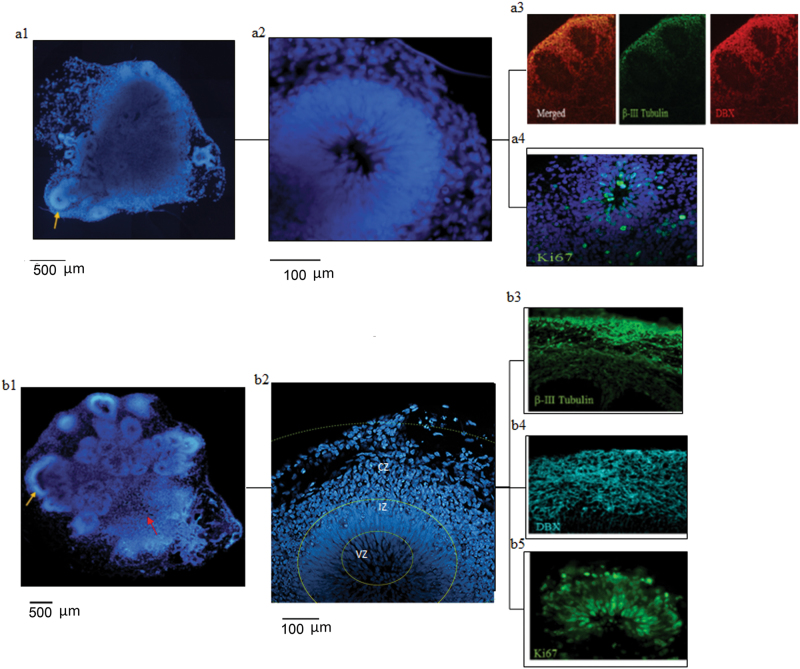
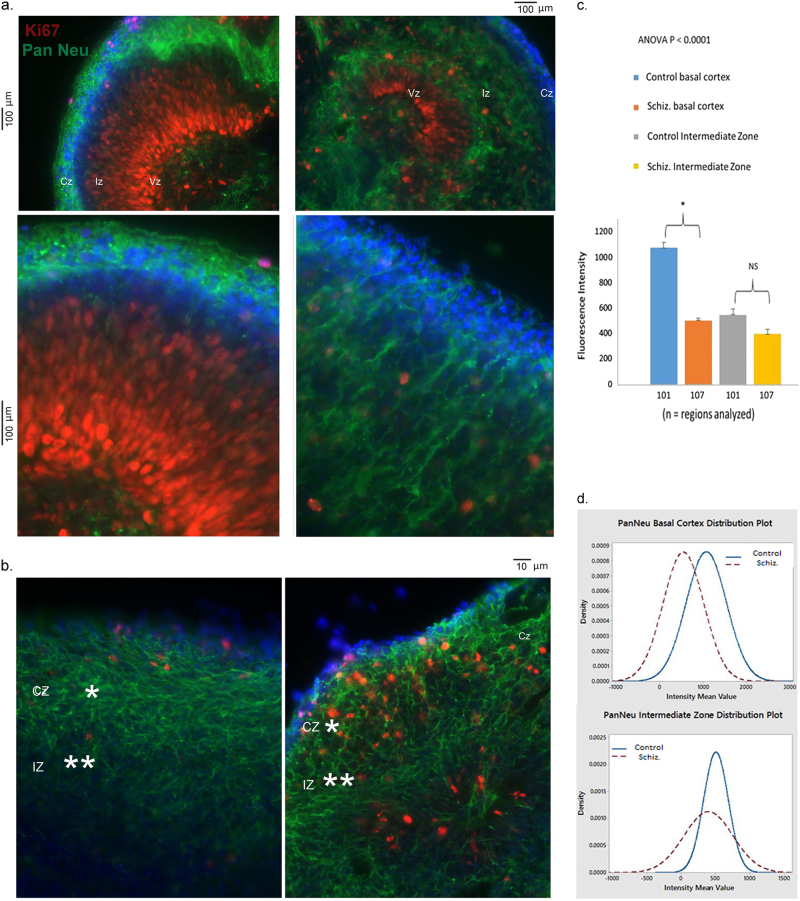
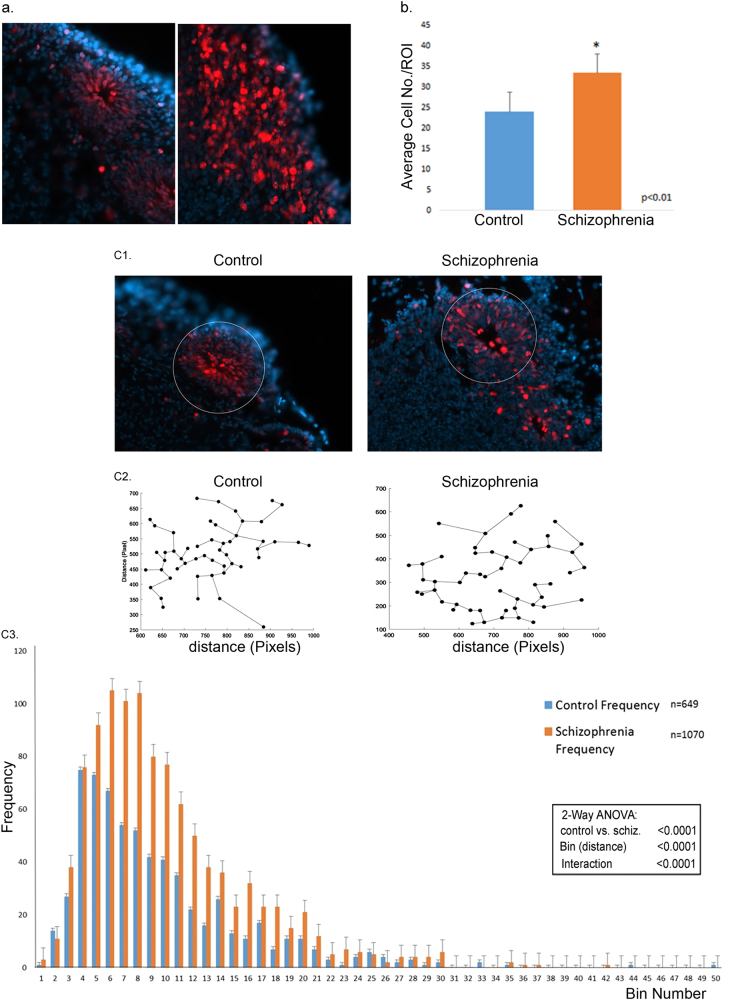
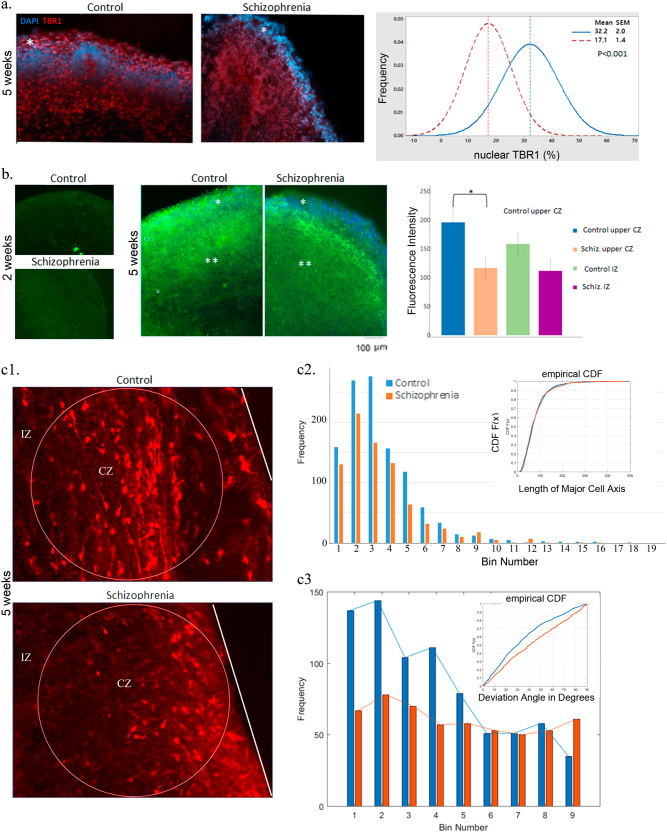
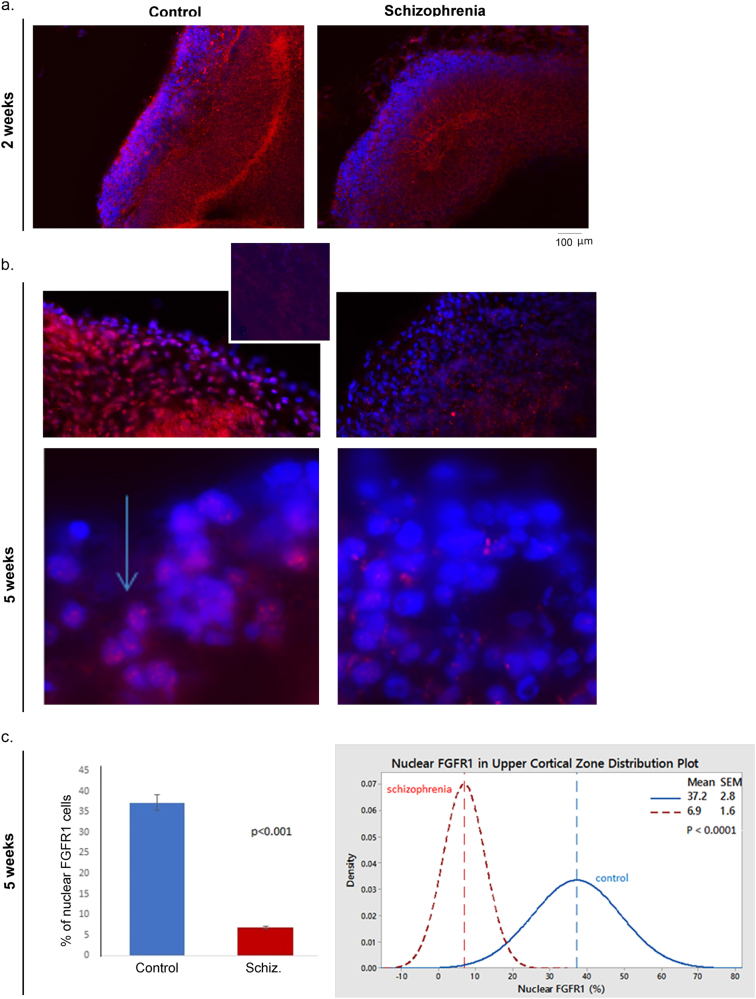
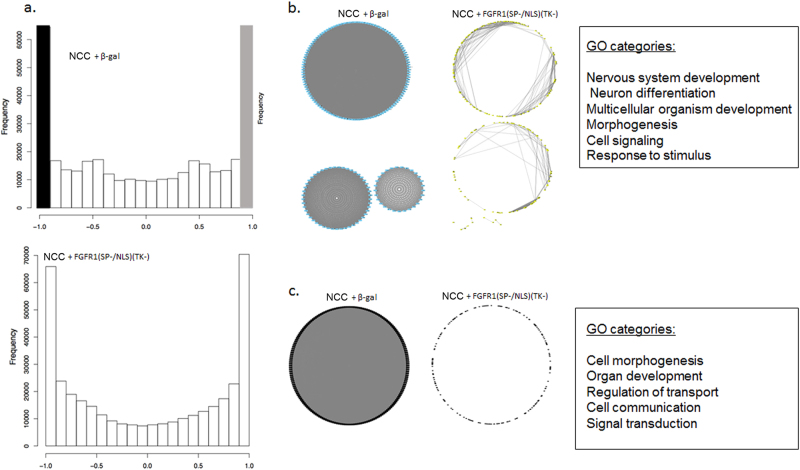
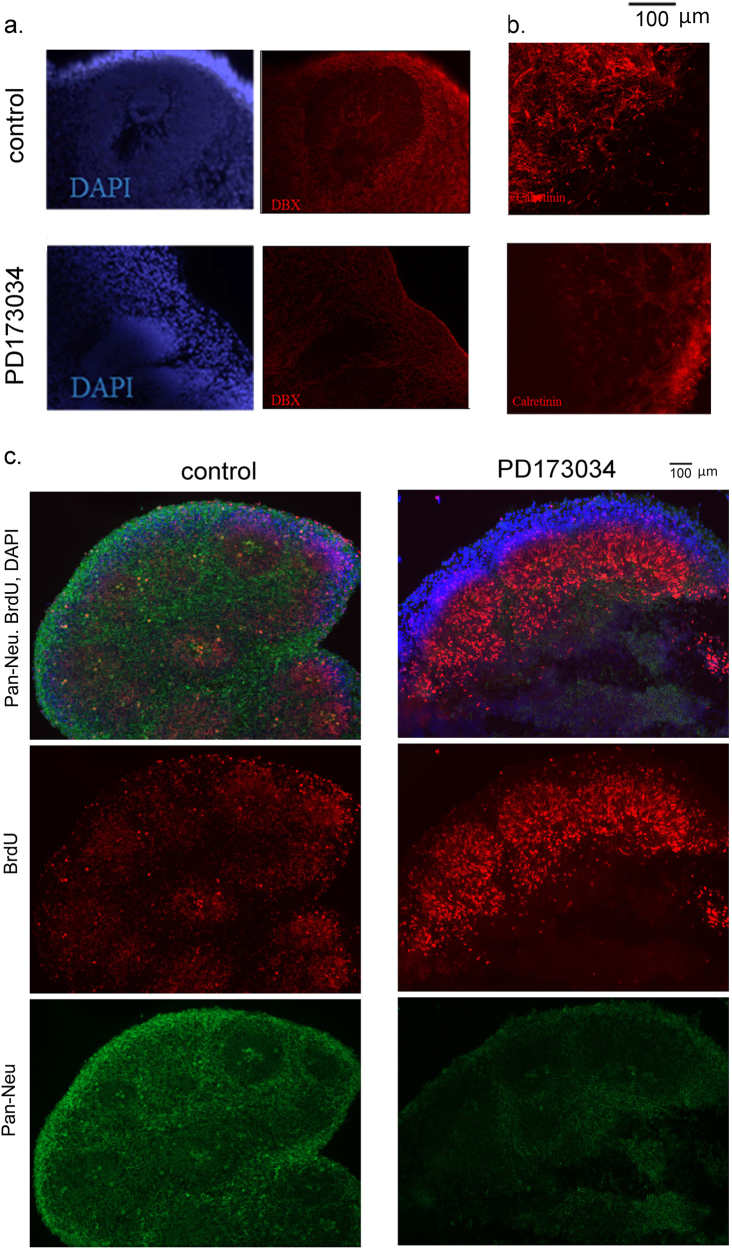
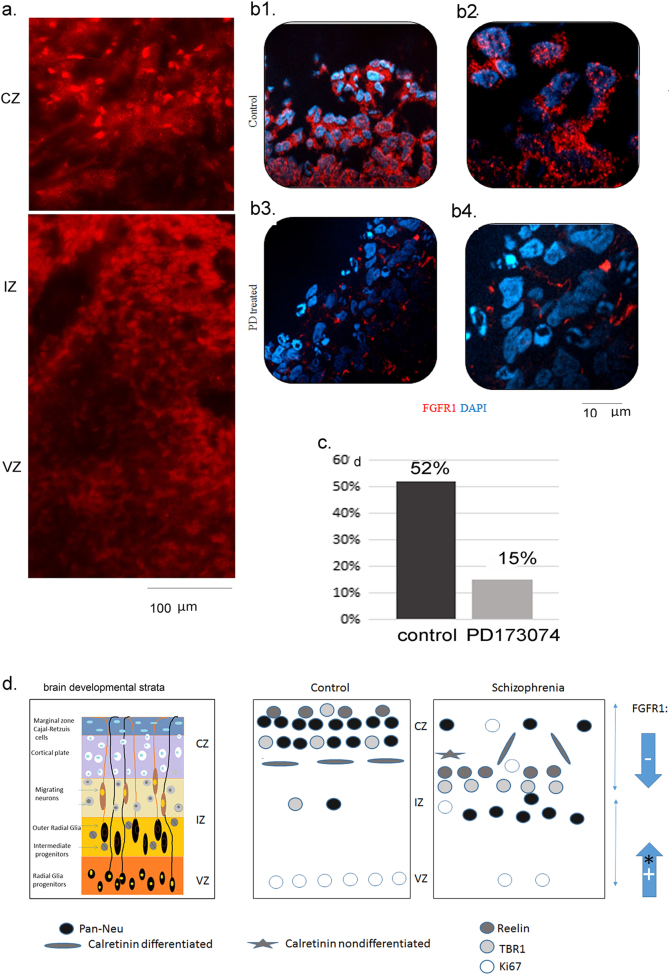
Studies of induced pluripotent stem cells (iPSCs) from schizophrenia patients and control individuals revealed that the disorder is programmed at the preneuronal stage, involves a common dysregulated mRNA transcriptome, and identified Integrative Nuclear FGFR1 Signaling a common dysregulated mechanism. We used human embryonic stem cell (hESC) and iPSC-derived cerebral organoids from four controls and three schizophrenia patients to model the first trimester of in utero brain development. The schizophrenia organoids revealed an abnormal scattering of proliferating Ki67+ neural progenitor cells (NPCs) from the ventricular zone (VZ), throughout the intermediate (IZ) and cortical (CZ) zones. TBR1 pioneer neurons and reelin, which guides cortico-petal migration, were restricted from the schizophrenia cortex. The maturing neurons were abundantly developed in the subcortical regions, but were depleted from the schizophrenia cortex. The decreased intracortical connectivity was denoted by changes in the orientation and morphology of calretinin interneurons. In schizophrenia organoids, nuclear (n)FGFR1 was abundantly expressed by developing subcortical cells, but was depleted from the neuronal committed cells (NCCs) of the CZ. Transfection of dominant negative and constitutively active nFGFR1 caused widespread disruption of the neuro-ontogenic gene networks in hESC-derived NPCs and NCCs. The fgfr1 gene was the most prominent FGFR gene expressed in NPCs and NCCs, and blocking with PD173074 reproduced both the loss of nFGFR1 and cortical neuronal maturation in hESC cerebral organoids. We report for the first time, progression of the cortical malformation in schizophrenia and link it to altered FGFR1 signaling. Targeting INFS may offer a preventive treatment of schizophrenia.
Overview
The claims and statistics of this paper haven’t been checked yet.
Free: it reads the open-access text and checks the first 5 claims that cite a source we can check. Create a free account to check every claim.
Integrity signals
Registry
Cites
Statistics
Figures
Verification
Claims the paper makes
The claims and statistics of this paper haven’t been checked yet.
Free: it reads the open-access text and checks the first 5 claims that cite a source we can check. Create a free account to check every claim.
Claims other papers make about this one
Each is checked against this paper’s own text: does it say what the citing paper says it does?
The source backs part of the claim, not all of it — or backs it for a different population, condition or comparison.
In the citing paper
“Using cerebral organoids, Stachowiak et al., 2017, showed that schizophrenia organoids displayed an abnormal pattern of Ki67+ neural progenitor cells from the ventricular, intermediate, and cortical zones not observed in 2D cultures [64].”
From Utility of iPSC-Derived Cells for Disease Modeling, Drug Development, and Cell Therapy (2022) · cites this paper as [64]
Experimental — accuracy not yet measured
Self-check
Percentages, sums and reported differences re-computed from the paper’s own numbers.
The self-check needs the paper’s full text.
Citations
Cites
Cerebral organoids model human brain development and microcephaly
Lancaster, M. A., Renner, M., Martin, C.-A., Wenzel, D., Bicknell, L. S., Hurles, M. E., Homfray, T., Penninger, J. M., Jackson, A. P., & Knoblich, J. A. (2013) · Nature · doi:10.1038/nature12517 · Cited by 5,372
Generation of cerebral organoids from human pluripotent stem cells
Lancaster, M. A., & Knoblich, J. A. (2014) · Nature Protocols · doi:10.1038/nprot.2014.158 · Cited by 1,823 · cited 3×
“Using the protocol of Lancaster et al.,40 in which the first step, an efficient generation of EBs, was modified as in Brennand et al.,33 we successfully generated cerebral organoids from hESCs (H9 and HUES8 lines) and from seven human iPSC lines.”
MethodInfluentialItskovitz-Eldor, J., Schuldiner, M., Karsenti, D., Eden, A., Yanuka, O., Amit, M., Soreq, H., & Benvenisty, N. (2000) · Molecular Medicine · doi:10.1007/bf03401776 · Cited by 1,500
Modelling schizophrenia using human induced pluripotent stem cells
Brennand, K. J., Simone, A., Jou, J., Gelboin-Burkhart, C., Tran, N., Sangar, S., Li, Y., Mu, Y., Chen, G., Yu, D., et al. (2011) · Nature · doi:10.1038/nature09915 · Cited by 1,375
Self-citationFOXG1-Dependent Dysregulation of GABA/Glutamate Neuron Differentiation in Autism Spectrum Disorders
Mariani, J., Coppola, G., Zhang, P., Abyzov, A., Provini, L., Tomasini, L., Amenduni, M., Szekely, A., Palejev, D., Wilson, M., et al. (2015) · Cell · doi:10.1016/j.cell.2015.06.034 · Cited by 1,149
Multilineage differentiation from human embryonic stem cell lines
Odorico, J. S., Kaufman, D. S., & Thomson, J. A. (2001) · Stem Cells · doi:10.1634/stemcells.19-3-193 · Cited by 969
The Neurodevelopmental Hypothesis of Schizophrenia, Revisited
Fatemi, S. H., & Folsom, T. D. (2009) · Schizophrenia Bulletin · doi:10.1093/schbul/sbn187 · Cited by 860
White Matter Changes in Schizophrenia: Evidence for Myelin-Related Dysfunction
Davis, K. L., Stewart, D. G., Friedman, J. I., Buchsbaum, M., Harvey, P. D., Hof, P. R., Buxbaum, J., & Haroutunian, V. (2003) · Archives of General Psychiatry · doi:10.1001/archpsyc.60.5.443 · Cited by 793
The utility of Ki-67 and BrdU as proliferative markers of adult neurogenesis
Kee, N., Sivalingam, S., Boonstra, R., & Wojtowicz, J. M. (2002) · Journal of Neuroscience Methods · doi:10.1016/s0165-0270(02)00007-9 · Cited by 775
Three-dimensional organotypic culture: experimental models of mammalian biology and disease
Shamir, E. R., & Ewald, A. J. (2014) · Nature Reviews Molecular Cell Biology · doi:10.1038/nrm3873 · Cited by 719
Research works printed but not linked: 2
- Brennand K Phenotypic differences in hiPSC NPCs derived from patients with schizophrenia Mol. Psychiatry 2015 20 361 368 10.1038/mp.2014.22 24686136 PMC4182344 · DOI · Paper page
- Narla ST Common developmental genome deprogramming in schizophrenia - Role of Integrative Nuclear FGFR1 Signaling (INFS) Schizophr. Res. 2017 185 17 32 10.1016/j.schres.2016.12.012 28094170 PMC5507209 · DOI
Cited by
Population-scale single-cell RNA-seq profiling across dopaminergic neuron differentiation
Jerber, J., Seaton, D. D., Cuomo, A. S. E., Kumasaka, N., Haldane, J., Steer, J., Patel, M., Pearce, D., Andersson, M., Bonder, M. J., et al. (2021) · Nature Genetics · doi:10.1038/s41588-021-00801-6 · Cited by 300
Genetics of human brain development
Zhou, Y., Song, H., & Ming, G.-L. (2024) · Nature Reviews Genetics · doi:10.1038/s41576-023-00626-5 · Cited by 166
“…growth, cell adhesion and synapse formation, among others) 133,151,152 and FGFR1 (which encodes a receptor tyrosine kinase for the growth factor FGF to regulate cell signalling) 153 in schizophrenia, and WWOX (which encodes an oxidoreductase enzyme) in epileptic encephalopathy 154 (Table 1 and Fig.”
Modelling human brain development and disease with organoids
Birtele, M., Lancaster, M. A., & Quadrato, G. (2024) · Nature Reviews Molecular Cell Biology · doi:10.1038/s41580-024-00804-1 · Cited by 189
Moral Limits of Brain Organoid Research
Koplin, J. J., & Savulescu, J. (2019) · Journal of Law, Medicine & Ethics · doi:10.1177/1073110519897789 · Cited by 154
Kathuria, A., Lopez-Lengowski, K., Jagtap, S., McPhie, D. L., Perlis, R. H., Cohen, B. M., & Karmacharya, R. (2020) · JAMA Psychiatry · doi:10.1001/jamapsychiatry.2020.0196 · Cited by 166
3D Bioprinting of Neural Tissues
Cadena, M., Ning, L., King, A. T., Hwang, B., Jin, L., Serpooshan, V., & Sloan, S. A. (2020) · Advanced Healthcare Materials · doi:10.1002/adhm.202001600 · Cited by 158
Stem Cells, Genome Editing, and the Path to Translational Medicine
Soldner, F., & Jaenisch, R. (2018) · Cell · doi:10.1016/j.cell.2018.09.010 · Cited by 142
“, 2018), schizophrenia (Srikanth et al., 2018; Stachowiak et al., 2017) and Zika infection on neonatal brain development (reviewed in (Qian et al.”
Aiding and Abetting Anhedonia: Impact of Inflammation on the Brain and Pharmacological Implications
Lucido, M. J., Bekhbat, M., Goldsmith, D. R., Treadway, M. T., Haroon, E., Felger, J. C., & Miller, A. H. (2021) · Pharmacological Reviews · doi:10.1124/pharmrev.120.000043 · Cited by 138
“This method has already been applied to the study of schizophrenia (Stachowiak et al., 2017; Kathuria et al., 2020), and active research is expanding to conditions with more neurodiversity, including depression (Grossert et al.”
MethodThree-dimensional modeling of human neurodegeneration: brain organoids coming of age
Grenier, K., Kao, J., & Diamandis, P. (2019) · Molecular Psychiatry · doi:10.1038/s41380-019-0500-7 · Cited by 133
“Stachowiak and colleagues used iPSCs from three control and four schizophrenia patients to grow cerebral organoids and model the first trimester of development [23].”
BackgroundBrain organoid formation on decellularized porcine brain ECM hydrogels
Simsa, R., Rothenbücher, T., Gürbüz, H., Ghosheh, N., Emneus, J., Jenndahl, L., Kaplan, D. L., Bergh, N., Serrano, A. M., & Fogelstrand, P. (2021) · PLOS ONE · doi:10.1371/journal.pone.0245685 · Cited by 114
Arzua, T., Yan, Y., Jiang, C., Logan, S., Allison, R. L., Wells, C. W., Kumar, S. N., Schäfer, R., & Bai, X. (2020) · Translational Psychiatry · doi:10.1038/s41398-020-01029-4 · Cited by 104
Advancing Drug Discovery for Neurological Disorders Using iPSC-Derived Neural Organoids
Costamagna, G., Comi, G. P., & Corti, S. P. (2021) · International Journal of Molecular Sciences · doi:10.3390/ijms22052659 · Cited by 99
The Application of Brain Organoids: From Neuronal Development to Neurological Diseases
Shou, Y., Liang, F., Xu, S., & Li, X. (2020) · Frontiers in Cell and Developmental Biology · doi:10.3389/fcell.2020.579659 · Cited by 101
“In turn, it also shows that rebuilding FGFR1 in developing cortical neurons can inhibit developmental abnormalities (Stachowiak et al., 2017).”
BackgroundInnovations in 3D Tissue Models of Human Brain Physiology and Diseases
Lovett, M. L., Nieland, T. J. F., Dingle, Y. L., & Kaplan, D. L. (2020) · Advanced Functional Materials · doi:10.1002/adfm.201909146 · Cited by 91
Ni, P., Noh, H., Park, G.-H., Shao, Z., Guan, Y., Park, J. M., Yu, S., Park, J. S., Coyle, J. T., Weinberger, D. R., et al. (2019) · Molecular Psychiatry · doi:10.1038/s41380-019-0423-3 · Cited by 88
CNS organoids: an innovative tool for neurological disease modeling and drug neurotoxicity screening
Chhibber, T., Bagchi, S., Lahooti, B., Verma, A., Al-Ahmad, A., Paul, M. K., Pendyala, G., & Jayant, R. D. (2020) · Drug Discovery Today · doi:10.1016/j.drudis.2019.11.010 · Cited by 77
“They also observed that altered fibroblast growth factor receptor (FGFR)1 signaling pathways led to the progression of cortical malformation in schizophrenia [51].”
BackgroundNeural Lineage Differentiation From Pluripotent Stem Cells to Mimic Human Brain Tissues
Hong, Y. J., & Do, J. T. (2019) · Frontiers in Bioengineering and Biotechnology · doi:10.3389/fbioe.2019.00400 · Cited by 75
“Regarding neuropsychiatric diseases, a schizophrenia model organoid exhibited increased proliferation and abnormal premature migration of NPCs, resulting in malformation of the cortical region (Stachowiak et al., 2017).”
BackgroundFrontal lobe alterations in schizophrenia: a review
Mubarik, A., & Tohid, H. (2016) · Trends in Psychiatry and Psychotherapy · doi:10.1590/2237-6089-2015-0088 · Cited by 79
Sebastian, R., Jin, K., Pavon, N., Bansal, R., Potter, A., Song, Y., Babu, J., Gabriel, R., Sun, Y., Aronow, B., et al. (2023) · Nature Communications · doi:10.1038/s41467-023-39420-6 · Cited by 73
“…brain organoids from human induced pluripotent stem cells (iPSCs) representing a heterogeneous population of SCZ individuals, studies showed that there exists differentially regulated transcriptomic pro fi les 26 , neuronal synaptic transmission defects 27 , and early cortical maldevelopment 28 .”
A Long Non-coding RNA DGCR5 May Contribute to Regulating Expression of Schizophrenia-Related Genes
Meng, Q., Wang, K.-L., Brunetti, T., Xia, Y., Jiao, C., Dai, R.-J., Fitzgerald, D., Thomas, A., Jay, L., Eckart, H., et al. (2018) · Science Translational Medicine · doi:10.1126/scitranslmed.aat6912 · Cited by 67
Utility of iPSC-Derived Cells for Disease Modeling, Drug Development, and Cell Therapy
Nicholson, M. W., Ting, C.-Y., Chan, D. Z. H., Cheng, Y.-C., Lee, Y.-C., Hsu, C.-C., Huang, C.-Y., & Hsieh, P. C. H. (2022) · Cells · doi:10.3390/cells11111853 · Cited by 65
“They have also contributed greatly to the understanding of many psychiatric disorders such schizophrenia and autism spectrum disorder [63,64].”
BackgroundA beginner’s guide on the use of brain organoids for neuroscientists: a systematic review
Mulder, L., Depla, J. A., Sridhar, A., Wolthers, K. C., Pajkrt, D., & de Sá, R. V. (2023) · Stem Cell Research & Therapy · doi:10.1186/s13287-023-03302-x · Cited by 74
Schizophrenia genomics: genetic complexity and functional insights
Sullivan, P. F., Yao, S., & Hjerling‐Leffler, J. (2024) · Nature reviews. Neuroscience · doi:10.1038/s41583-024-00837-7 · Cited by 79
Youhanna, S. C., Kemas, A. M., Preiss, L. C., Zhou, Y., Shen, J. X., Cakal, S. D., Paqualini, F. S., Goparaju, S. K., Shafagh, R. Z., Lind, J. U., et al. (2022) · Pharmacological Reviews · doi:10.1124/pharmrev.120.000238 · Cited by 67
Bodnar, B., Zhang, Y., Liu, J., Lin, Y., Wang, P., Wei, Z., Saribas, S., Zhu, Y., Li, F., Wang, X., et al. (2021) · Frontiers in Cellular Neuroscience · doi:10.3389/fncel.2021.682272 · Cited by 54
“…et al., 2017; Mellios et al., 2018; Gouder et al., 2019; Sun et al., 2019), neuropsychiatric disorders such as schizophrenia (Srikanth et al., 2015; Stachowiak et al., 2017; Ye et al., 2017; De Vrij et al., 2019; Kathuria et al., 2020), structural and migration disorders such as microencephaly and…”
BackgroundModeling of Hypoxic Brain Injury through 3D Human Neural Organoids
Kim, M. S., Kim, D., Kang, H. K., Kook, M. G., Choi, S. W., & Kang, K. (2021) · Cells · doi:10.3390/cells10020234 · Cited by 57
“Via this inside-out process, early-born neurons occupy the inner layers, while late-born neurons migrate out toward the edge and occupy the superficial cortical layers [35].”
BackgroundhiPSC-derived neural stem cells from patients with schizophrenia induce an impaired angiogenesis
Casas, B. S., Vitória, G., do Costa, M. N., da Costa, R. M., Trindade, P., Maciel, R. D. M., Nelson Navarrete, N., Rehen, S. K., & Palma, V. (2018) · Translational Psychiatry · doi:10.1038/s41398-018-0095-9 · Cited by 61
Modeling neurological disorders using brain organoids
Zhang, D. Y., Song, H., & Ming, G. (2020) · Seminars in Cell and Developmental Biology · doi:10.1016/j.semcdb.2020.05.026 · Cited by 54
Notaras, M. J., Lodhi, A., Fang, H., Greening, D. W., & Colak, D. (2021) · Translational Psychiatry · doi:10.1038/s41398-021-01664-5 · Cited by 58
“, FGFR1 [28] including neurotrophic growth factors and their receptors in Scz progenitors and neurons [1]), immune-related alterations (e.”
BackgroundResultInfluentialThe iPSC perspective on schizophrenia
Räsänen, N., Tiihonen, J., Koskuvi, M., Lehtonen, Š., & Koıstınaho, J. (2021) · Trends in Neurosciences · doi:10.1016/j.tins.2021.11.002 · Cited by 62
“In an earlier study by the same group [23], similar cortical disorganization accompanied by reduced expression of the ECM protein reelin was detected in organoids derived from iPSCs of three patients with schizophrenia (Figure 2).”
InfluentialAdvancing preclinical models of psychiatric disorders with human brain organoid cultures
Dixon, T. A., & Muotri, A. R. (2022) · Molecular Psychiatry · doi:10.1038/s41380-022-01708-2 · Cited by 54
“This study overall suggests interneuron directionality may disrupt cortical connections and suggests a nuclear fibroblast growth factor receptor 1 dysregulation on neuro-ontologic gene programming [122].”
BackgroundModeling Psychiatric Disorder Biology with Stem Cells
Das, D., Feuer, K., Wahbeh, M., & Avramopoulos, D. (2020) · Current Psychiatry Reports · doi:10.1007/s11920-020-01148-1 · Cited by 48
Makrygianni, E. A., & Chrousos, G. P. (2021) · Frontiers in Physiology · doi:10.3389/fphys.2021.621970 · Cited by 55
“Brain organoids have also been generated to model Rett syndrome (Mellios et al., 2018), tuberous sclerosis (TS) (Blair et al., 2018) and schizophrenia (Stachowiak et al., 2017; Kathuria et al., 2020).”
MethodNotaras, M. J., Lodhi, A., Barrio-Alonso, E., Foord, C., Rodrick, T. C., Jones, D. R., Fang, H., Greening, D. W., & Colak, D. (2021) · Molecular Psychiatry · doi:10.1038/s41380-021-01189-9 · Cited by 48
Region Specific Brain Organoids to Study Neurodevelopmental Disorders
Susaimanickam, P. J., Kiral, F. R., & Park, I. (2022) · International Journal of Stem Cells · doi:10.15283/ijsc22006 · Cited by 49
“11 microduplication PS (24) FGFR1 PS (25) Autism spectrum disorder CHD8 GM (26) Down syndrome Trisomy 21 PS (27) Rett syndrome MeCP2 PS (28) GM1 gangliosidosis GLB1 GM (29) GM2 gangliosidosis/ Sandhoff disease HEXB PS (30) Other neural disorders modeled Alzheimer’s disease PSN1 PS (31) APOE4 GM (32, 33) Frontotemporal…”
BackgroundRecent Trends and Perspectives in Cerebral Organoids Imaging and Analysis
Martin, C. B., Simon-Chane, C., Clouchoux, C., & Histace, A. (2021) · Frontiers in Neuroscience · doi:10.3389/fnins.2021.629067 · Cited by 46
“It has been used on fluorescent cerebral organoid images to count cells (Stachowiak et al., 2017).”
BackgroundMethodInfluentialiPSCs-Based Neural 3D Systems: A Multidimensional Approach for Disease Modeling and Drug Discovery
Costamagna, G., Andreoli, L., Corti, S. P., & Faravelli, I. (2019) · Cells · doi:10.3390/cells8111438 · Cited by 44
“For example, iPSC-derived forebrain organoids from SCZ patients show disrupted neocorticogenesis [58].”
BackgroundProgress in iPSC-Based Modeling of Psychiatric Disorders
Hoffmann, A., Ziller, M. J., & Spengler, D. (2019) · International Journal of Molecular Sciences · doi:10.3390/ijms20194896 · Cited by 39
“[24] investigated brain organoids generated from iPSCs of 109”
BackgroundMethodInfluentialStankovic, I., Notaras, M. J., Wolujewicz, P., Lu, T. M., Lis, R., Ross, M. E., & Colak, D. (2024) · Translational Psychiatry · doi:10.1038/s41398-024-02740-2 · Cited by 43
“The scRNA-seq analysis revealed higher expression of common endothelial markers including, adhesion markers (PECAM1, CDH5), tight junction marker CLDN5, and growth factor receptor FLT1 in SCZ brain organoids (Fig.”
BackgroundNeurotoxicity of phenylalanine on human iPSC-derived cerebral organoids
Kim, J., Lee, S., Lee, J., Park, J., Kim, K. H., Ko, J. M., Park, S.-H., Kim, S., Mook‐Jung, I., & Lee, J. Y. (2022) · Molecular Genetics and Metabolism · doi:10.1016/j.ymgme.2022.04.005 · Cited by 38
Kim, H., Kim, H. R., Seong, P., Arora, D., Shin, D., Park, W., & Park, J. (2021) · Animals · doi:10.3390/ani11082241 · Cited by 40
Optogenetics in the Era of Cerebral Organoids
Shiri, Z., Simorgh, S., Naderi, S., & Baharvand, H. (2019) · Trends in biotechnology · doi:10.1016/j.tibtech.2019.05.009 · Cited by 39
Induced Pluripotent Stem Cells in Psychiatry: An Overview and Critical Perspective
Angeles, A. D. L., Fernando, M. B., Hall, N., Brennand, K., Harrison, P. J., Maher, B. J., Weinberger, D. R., & Tunbridge, E. M. (2021) · Biological Psychiatry · doi:10.1016/j.biopsych.2021.04.008 · Cited by 38
“A few studies have compared 3D models derived from patients [with autism (10), schizophrenia (11), or bipolar disorder (12)] versus control subjects.”
Self-citationJacob, F., Schnoll, J. G., Song, H., & Ming, G. (2021) · Current topics in developmental biology/Current Topics in Developmental Biology · doi:10.1016/bs.ctdb.2020.12.011 · Cited by 39
Benson, C. A., Powell, H. R., Liput, M., Dinham, S., Freedman, D. A., Ignatowski, T. A., Stachowiak, E. K., & Stachowiak, M. K. (2020) · Frontiers in Cellular Neuroscience · doi:10.3389/fncel.2020.00233 · Cited by 32
“In SZ organoids, as shown previously (Stachowiak et al., 2017) the nuclear presence of FGFR1 in the CZ was reduced, while it appeared increased in the IZ.”
BackgroundMethodResultSelf-citationZilocchi, M., Broderick, K., Phanse, S., Aly, K. A., & Babu, M. (2020) · Computational and Structural Biotechnology Journal · doi:10.1016/j.csbj.2020.09.008 · Cited by 34
“As an example, brain organoids were derived from SZ patients to characterize pathogenic mechanisms during the first trimester of an in-utero brain development [90].”
BackgroundBalan, S., Toyoshima, M., & Yoshikawa, T. (2018) · Neurobiology of Disease · doi:10.1016/j.nbd.2018.04.021 · Cited by 33
Compartmentalized Devices as Tools for Investigation of Human Brain Network Dynamics
Fantuzzo, J. A., Hart, R. P., Zahn, J. D., & Pang, Z. P. (2018) · Developmental Dynamics · doi:10.1002/dvdy.24665 · Cited by 34
de Sá, R. V., Luna, M. C., & Pasterkamp, R. J. (2021) · Tissue Engineering Part C Methods · doi:10.1089/ten.tec.2020.0337 · Cited by 33
“39 A notable exception are motor neuron diseases (MNDs) for which the application of organoids is still in its infancy.”
Hippocampal regenerative medicine: neurogenic implications for addiction and mental disorders
Peyton, L., Oliveros, A., Choi, D., & Jang, M. (2021) · Experimental & Molecular Medicine · doi:10.1038/s12276-021-00587-x · Cited by 35
Brain Organoids: Filling the Need for a Human Model of Neurological Disorder
Jalink, P., & Caiazzo, M. (2021) · Biology · doi:10.3390/biology10080740 · Cited by 33
Patient-Derived In Vitro Models of Microglial Function and Synaptic Engulfment in Schizophrenia
Sheridan, S. D., Horng, J. E., & Perlis, R. H. (2022) · Biological Psychiatry · doi:10.1016/j.biopsych.2022.01.004 · Cited by 31
Reaching into the toolbox: Stem cell models to study neuropsychiatric disorders
Whiteley, J. T., Fernandes, S., Sharma, A., Mendes, A. P. D., Racha, V., Benassi, S. K., & Marchetto, M. C. (2022) · Stem Cell Reports · doi:10.1016/j.stemcr.2021.12.015 · Cited by 33
Hříbková, H., Svoboda, O., Bartečků, E., Zelinková, J., Hořínková, J., Lacinová, Ľ., Piskáček, M., Lipový, B., Provazník, I., Glover, J. C., et al. (2022) · Frontiers in Cellular Neuroscience · doi:10.3389/fncel.2022.830757 · Cited by 35
García‐León, J. A., Vitórica, J., & Gutiérrez, A. (2019) · Future Medicinal Chemistry · doi:10.4155/fmc-2018-0520 · Cited by 32
Kathuria, A., Lopez-Lengowski, K., McPhie, D. L., Cohen, B. M., & Karmacharya, R. (2023) · Discover Mental Health · doi:10.1007/s44192-023-00031-8 · Cited by 33
“1 3 cerebral organoids are also being utilized for the study of disease biology, including examination of transcriptomic profiles [35, 36].”
MethodStem cell models of schizophrenia, what have we learned and what is the potential?
Moslem, M., Olive, J. F., & Falk, A. (2018) · Schizophrenia Research · doi:10.1016/j.schres.2018.12.023 · Cited by 28
Interfacing brain organoids with precision medicine and machine learning
Zheng, H., Feng, Y., Tang, J., & Ma, S. (2022) · Cell Reports Physical Science · doi:10.1016/j.xcrp.2022.100974 · Cited by 28
Nanonetworking in the Terahertz Band and Beyond
Jornet, J. M., & Sangwan, A. (2023) · IEEE Nanotechnology Magazine · doi:10.1109/mnano.2023.3262105 · Cited by 28
“For example, many neuro-developmental diseases (such as Schizophrenia) or neurodegenerative diseases (such as Parkinson’s or Alzheimer’s disease) are the results of a communication problem at the cellular or the genomic levels [20].”
BackgroundAdorján, I., Sun, B., Feher, V., Tyler, T., Veres, D. S., Chance, S. A., & Szele, F. G. (2020) · Frontiers in Neuroanatomy · doi:10.3389/fnana.2020.581685 · Cited by 25
“Recent advances studying neuronal differentiation from SCH patientspecific iPSCs demonstrated that CR-ip interneurons exhibited impaired connectivity in cerebral organoids (Stachowiak et al., 2017).”
BackgroundBhattacharya, A., Choi, W. W. Y., Muffat, J., & Li, Y. (2021) · Journal of Molecular Biology · doi:10.1016/j.jmb.2021.167386 · Cited by 24
Primary Cilia–An Underexplored Topic in Major Mental Illness
Pruski, M., & Lang, B. (2019) · Frontiers in Psychiatry · doi:10.3389/fpsyt.2019.00104 · Cited by 26
“FGFR1 dysregulation can upregulate developmental pathways involved in neurogenesis and downregulate those involved in oligodendrogenesis (136), and data suggests that it can also lead to cortical maldevelopment (137), though the dysregulation of this pathway still awaits confirmation in a larger patient sample.”
BackgroundMethodInfluentialMa, C., Seong, H., Li, X., Yu, X., Xu, S., & Li, Y. (2022) · Stem Cells International · doi:10.1155/2022/2150680 · Cited by 30
“Altered ability for deriving the NMJ synapse and cell diversity that exert autonomous and noncell autonomous effects on motor neurons Schizophrenia (Scz) cerebral [144] In the Scz organoids, the progenitor survival significantly changed led to disruption of neurogenesis, ultimately generating fewer neurons within deve…”
BackgroundMethodInfluentialA Simple Procedure for Creating Scalable Phenotypic Screening Assays in Human Neurons
Sridharan, B., Hubbs, C., Llamosas, N., Kılınç, M., Singhera, F. U., Willems, E., Piper, D. R., Scampavia, L. D., Rumbaugh, G., & Spicer, T. (2019) · Scientific Reports · doi:10.1038/s41598-019-45265-1 · Cited by 23
Cerebral Organoids and Antisense Oligonucleotide Therapeutics: Challenges and Opportunities
Lange, J., Zhou, H., & McTague, A. (2022) · Frontiers in Molecular Neuroscience · doi:10.3389/fnmol.2022.941528 · Cited by 23
Human-Induced Pluripotent Stem Cell Technology: Toward the Future of Personalized Psychiatry
Alciati, A., Reggiani, A. M., Caldirola, D., & Perna, G. (2022) · Journal of Personalized Medicine · doi:10.3390/jpm12081340 · Cited by 28
Current advancements of modelling schizophrenia using patient-derived induced pluripotent stem cells
Dubonyte, U., Asenjo-Martínez, A., Werge, T. M., Lage, K., & Kirkeby, A. (2022) · Acta Neuropathologica Communications · doi:10.1186/s40478-022-01460-2 · Cited by 24
Song, L., Yan, Y., Marzano, M., & Li, Y. (2019) · Cells · doi:10.3390/cells8040299 · Cited by 22
Human iPSC-Derived Glia as a Tool for Neuropsychiatric Research and Drug Development
Heider, J., Vogel, S., Volkmer, H., & Breitmeyer, R. (2021) · International Journal of Molecular Sciences · doi:10.3390/ijms221910254 · Cited by 26
Choudhary, A., Peles, D., Nayak, R., Mizrahi, L., & Stern, S. (2022) · Schizophrenia Research · doi:10.1016/j.schres.2022.11.001 · Cited by 21
Brain Organoids: Expanding Our Understanding of Human Development and Disease
Chuye, L. E. B., Dimitri, A. J., Desai, A., Handelmann, C. R., Bae, Y., Johari, P., Jornet, J. M., Klejbor, I., Stachowiak, M. K., & Stachowiak, E. K. (2018) · Results and problems in cell differentiation · doi:10.1007/978-3-319-93485-3_8 · Cited by 25
“Figure 8.2b shows stained sections of the organoids developed in our lab using modi fi ed protocol (Stachowiak et al. 2017).”
InfluentialSelf-citationWhat Makes Organoids Good Models of Human Neurogenesis?
Yang, Q., Hong, Y., Zhao, T., Song, H., & Ming, G. (2022) · Frontiers in Neuroscience · doi:10.3389/fnins.2022.872794 · Cited by 28
“…2017; Ye et al., 2017; Mellios et al., 2018; Srikanth et al., 2018; Johnstone et al., 2019; Sun et al., 2019; Kang et al., 2021), schizophrenia (Stachowiak et al., 2017; Qian et al., 2020), microcephaly (Lancaster et al., 2013), macrocephaly (Li et al., 2017) and lissencephaly (Bershteyn et…”
BackgroundVillanueva, R. (2023) · Frontiers in Psychiatry · doi:10.3389/fpsyt.2023.1178494 · Cited by 22
“The panel of regulated genes includes components of the Wnt and cAMP signaling pathways (56), and regulation of the FGFR1 receptor (65, 66).”
BackgroundWerner, J. M., & Gillis, J. (2024) · PLoS Biology · doi:10.1371/journal.pbio.3002912 · Cited by 24
Silveira, A. C. C., Antunes, A. S. L. M., Athié, M. C. P., da Silva, B. F., dos Santos, J. V. R., Canateli, C., Fontoura, M. A., Pinto, A. D. S., Pimentel‐Silva, L. R., Avansini, S. H., et al. (2024) · Frontiers in Neuroscience · doi:10.3389/fnins.2024.1340345 · Cited by 25
Brain Organoids: Tiny Mirrors of Human Neurodevelopment and Neurological Disorders
Yadav, A., Seth, B., & Chaturvedi, R. K. (2020) · The Neuroscientist · doi:10.1177/1073858420943192 · Cited by 19
Cellular Models in Schizophrenia Research
Abashkin, D. A., Kurishev, A. O., Karpov, D. S., & Голимбет, В. Е. (2021) · International Journal of Molecular Sciences · doi:10.3390/ijms22168518 · Cited by 23
“Stimulating the NFkB pathway with the smallmolecule activators SRI-22772 and SRI-22782 or the overexpression of p65 corrected the cell proliferation [96].”
BackgroundChestnykh, D., Mühle, C., Schumacher, F., Kalinichenko, L. S., Löber, S., Gmeiner, P., Alzheimer, C., von Hörsten, S., Kleuser, B., Uebe, S., et al. (2025) · Molecular Psychiatry · doi:10.1038/s41380-025-02893-6 · Cited by 20
Analysis of Light Propagation on Physiological Properties of Neurons for Nanoscale Optogenetics
Wirdatmadja, S., Johari, P., Desai, A., Bae, Y., Stachowiak, E. K., Stachowiak, M. K., Jornet, J. M., & Balasubramaniam, S. (2019) · IEEE Transactions on Neural Systems and Rehabilitation Engineering · doi:10.1109/tnsre.2019.2891271 · Cited by 21
“Neural progenitor cells (NPCs) differentiated from human embryonic stem cells were cultured as described in [36] and [37].”
Self-citationDecker, B., Liput, M., Abdellatif, H., Yergeau, D. A., Bae, Y., Jornet, J. M., Stachowiak, E. K., & Stachowiak, M. K. (2020) · International Journal of Molecular Sciences · doi:10.3390/ijms22010347 · Cited by 20
Self-citationLevchenko, А., Kanapin, A. A., Samsonova, A. A., Fedorenko, O. Y., Kornetova, E. G., Nurgaliev, T., Mazo, G. E., Semke, A. V., Kibitov, A. O., Bokhan, N. A., et al. (2020) · Progress in Neuro-Psychopharmacology and Biological Psychiatry · doi:10.1016/j.pnpbp.2020.110134 · Cited by 19
The abiding relevance of mouse models of rare mutations to psychiatric neuroscience and therapeutics
Gogos, J. A., Crabtree, G. W., & Diamantopoulou, A. (2019) · Schizophrenia Research · doi:10.1016/j.schres.2019.03.018 · Cited by 15
Unterholzner, J., Millischer, V., Wotawa, C., Sawa, A., & Lanzenberger, R. R. (2021) · The International Journal of Neuropsychopharmacology · doi:10.1093/ijnp/pyab037 · Cited by 17
“…organoids were used to provide insights into early brain development in SCZ, implicating a loss of nuclear FGFR1 with impaired cortical development (Stachowiak et al., 2017) and a dysregulation of genes involved in neurodevelopment and synapse biology (Kathuria et al., 2020b) as disease…”
MethodRegenerative Neurology and Regenerative Cardiology: Shared Hurdles and Achievements
Mitrečić, D., Hribljan, V., Jagečić, D., Isaković, J., Lamberto, F., Horánszky, A., Zana, M., Földes, G., Zavan, B., Pivoriūnas, A., et al. (2022) · International Journal of Molecular Sciences · doi:10.3390/ijms23020855 · Cited by 14
“Whole brain (cerebral) patient-derived organoids were used to model microcephaly, macrocephaly (Sandhoff disease), periventricular heteroplasia, schizophrenia, Alzheimer Disease and other neural disorders [76,78,79].”
MethodEmerging Three‐Dimensional Integrated Systems for Biomimetic Neural In Vitro Cultures
Seiti, M., Ginestra, P. S., Ceretti, E., Ferraris, E., & Ranga, A. (2022) · Advanced Materials Interfaces · doi:10.1002/admi.202101297 · Cited by 13
Stem Cells for Improving the Treatment of Neurodevelopmental Disorders
Donegan, J. N., & Lodge, D. (2020) · Stem Cells and Development · doi:10.1089/scd.2019.0265 · Cited by 11
“Nuclear fibroblast growth factor receptor 1 (nFGFR1) has been implicated in neuronal differentiation and schizophrenia-derived organoids that express less nFGFR1 in cortical zones [99].”
BackgroundModelling Protein Synthesis as A Biomarker in Fragile X Syndrome Patient-Derived Cells
Pal, R., & Bhattacharya, A. (2019) · Brain Sciences · doi:10.3390/brainsci9030059 · Cited by 15
“These have been found to mimic neural development and incorporate structural and functional deficits in diseased samples [93,94].”
BackgroundModeling neurodegenerative diseases with brain organoids: from development to disease applications
Larriba-González, T., García-Martín, M., Ojeda-Hernández, D. D., Rincón-Cerrada, P., Martín-Blanco, L., Benito‐Martín, M. S., Selma-Calvo, B., de la Fuente-Martín, S., Matías‐Guiu, J. A., Matías‐Guiu, J., et al. (2025) · Frontiers in Cell and Developmental Biology · doi:10.3389/fcell.2025.1663286 · Cited by 13
Multiscale engineering of brain organoids for disease modeling
Xu, C., Alameri, A., Leong, W., Johnson, E., Chen, Z., Xu, B., & Leong, K. W. (2024) · Advanced Drug Delivery Reviews · doi:10.1016/j.addr.2024.115344 · Cited by 16
Advances in construction and modeling of functional neural circuits in vitro
Chow, S. Y. A., Hu, H., Osaki, T., Levi, T., & Ikeuchi, Y. (2022) · Neurochemical Research · doi:10.1007/s11064-022-03682-1 · Cited by 13
Genetics of Alcohol Use Disorder: A Role for Induced Pluripotent Stem Cells?
Prytkova, I., Goate, A., Hart, R. P., & Slesinger, P. A. (2018) · Alcoholism Clinical and Experimental Research · doi:10.1111/acer.13811 · Cited by 12
Functional genomics in stem cell models: considerations and applications
Shevade, K., Peddada, S., Mader, K., & Przybyla, L. (2023) · Frontiers in Cell and Developmental Biology · doi:10.3389/fcell.2023.1236553 · Cited by 14
Directional Persistence of Cell Migration in Schizophrenia Patient-Derived Olfactory Cells
Tee, J. Y., & Mackay‐Sim, A. (2021) · International Journal of Molecular Sciences · doi:10.3390/ijms22179177 · Cited by 12
“In vitro functional studies indicate that cell migration is affected in patient-derived iPS cell-derived neural progenitor cells [12] and in cerebral organoids generated from patient-derived, iPS cell-derived neurons [15].”
BackgroundStoeklé, H., Ivasilevitch, A., Marignac, G., & Hervé, C. (2021) · Cell Adhesion & Migration · doi:10.1080/19336918.2021.1996749 · Cited by 12
Brain organoids and insights on human evolution
Muotri, A. R. (2019) · F1000Research · doi:10.12688/f1000research.18495.1 · Cited by 12
Dutta, A., Karanth, S. S., Bhattacharya, M., Liput, M., Augustyniak, J., Cheung, M., Stachowiak, E. K., & Stachowiak, M. K. (2020) · Scientific Reports · doi:10.1038/s41598-020-77929-8 · Cited by 13
Self-citationTranscriptomic and genetic analysis suggests a role for mitochondrial dysregulation in schizophreniaPreprint
Bast, L., Yao, S., Martínez‐López, J. A., Memic, F., French, H., Valiukonyte, M., Karlsson, R., Wen, J., Song, J., Zhang, R., et al. (2025) · medRxiv · doi:10.1101/2025.03.14.25323827 · Cited by 14
α7 nicotinic acetylcholine receptors regulate radial glia fate in the developing human cortex
Mukhtar, T., Siebert, C., Wang, Y. J., Pebworth, M.-P., White, M. L., Wu, T., Huang, T., Zuo, G., Ross, J. M., Baltazar, J., et al. (2025) · Nature Communications · doi:10.1038/s41467-025-61167-5 · Cited by 11
“Previous organoidstudies have shown morphological abnormalities, including reduced size of neural progenitor-rich rosettes, altered proliferation, and reduction in neuron numbers in organoids derived from schizophrenia patients compared to healthy controls 104,105 .”
Modeling hypothalamic pathophysiology in vitro for metabolic, circadian, and sleep disorders
Leal, H., Carvalhas-Almeida, C., Álvaro, A. R., & Cavadas, C. (2024) · Trends in Endocrinology and Metabolism · doi:10.1016/j.tem.2024.01.001 · Cited by 10
Modeling Somatic Mutations Associated With Neurodevelopmental Disorders in Human Brain Organoids
Deb, B. K., & Bateup, H. S. (2022) · Frontiers in Molecular Neuroscience · doi:10.3389/fnmol.2021.787243 · Cited by 10
“, 2013), schizophrenia (Stachowiak et al., 2017; Khan et al., 2020), and other disorders.”
Metadata
- Authors
- Stachowiak, E. K., Benson, C. A., Narla, S. T., Dimitri, A., Chuye, L. E. B., Dhiman, S., Harikrishnan, K., Elahi, S., Freedman, D., Brennand, K. J., Sarder, P., & Stachowiak, M. K.
- Affiliations
- University at Buffalo, State University of New York (US)
- SUNY Fredonia (US)
- Icahn School of Medicine at Mount Sinai (US)
- Corresponding author
- Stachowiak, E. K.
- Stachowiak, M. K.
- Venue
- Translational Psychiatry
- Published
- 2017-11-17
- Volume
- 7
- Issue
- 11
- Pages
- 6-6
- ISSN
- 2158-3188 (ISSN-L)
- PMC
- PMC5802550
- OpenAlex
- W2769649226
- Cited by
- 179
- References
- 62
- Citations by year
- 2026: 8 · 2025: 15 · 2024: 23 · 2023: 13 · 2022: 30 · 2021: 36 · 2020: 22 · 2019: 18 · 2018: 13
- FWCI
- 5.92
- Type
- journal article
- Language
- en
- Open access
- gold
- doi.org
- Licence
- cc-by
- creativecommons.org/licenses/by/4.0 (tdm)
- creativecommons.org/licenses/by/4.0 (vor)
- Locations
- Translational Psychiatry (publishedVersion, cc-by)
- PubMed Central (publishedVersion, cc-by)
- PubMed (publishedVersion)
- Funders
- National Science Foundation (1706050, 1555720)
- New York Stem Cell Foundation
- New York State Department of Health (NYSTEM C026415, C026714)
- Lee Foundation
- New York State Stem Cell Science (C026415, C026714, C026714, C026415)
- National Institutes of Health (MH101454, R01-MH101454)
- National Institute of Mental Health (R01MH106056, R01MH101454)
- National Institute of Allergy and Infectious Diseases (T35AI089693)
- Division of Chemical, Bioengineering, Environmental, and Transport Systems (CBET-1555720, CBET-1706050)
- Topics
- Life Sciences › Biochemistry, Genetics and Molecular Biology › Molecular Biology › Pluripotent Stem Cells Research
- Life Sciences › Neuroscience › Developmental Neuroscience › Neurogenesis and neuroplasticity mechanisms
- Health Sciences › Medicine › Psychiatry and Mental health › Schizophrenia research and treatment
- Keywords
- schizophrenia, brain organoids, FGFR1 signaling, neural progenitor cells, reelin, calretinin interneurons, cortical connectivity, PD173074, induced pluripotent stem cells, human embryonic stem cells, intracortical connectivity
- MeSH terms
- Reelin Protein, Cerebral Cortex, Humans, Interneurons, Schizophrenia, Receptor, Fibroblast Growth Factor, Type 1, Embryonic Stem Cells, Calbindin 2
About these checks
Registry, retraction, Cites and statistics results are computed, not judged, with one exception: a printed reference that no index lists is read once by a model before it counts as a citation error. Claims are extracted by a model and kept only when their quote appears verbatim in the text; each cited source is then checked, with a model’s help, for whether it says what the claim relies on. Those verdicts can be wrong — read the claim’s quote and the cited source before relying on one.
Statistics and arithmetic are recomputed, not judged.
Confidence bands are shown only for fields calibrated on our annotated test set. None is calibrated yet, so no band is shown.
What counts as a claim ›How we measure confidence ›How we check this ›
Are you an author, or do you see a problem with this page? Request a review
Data sources
Bibliographic data: Semantic Scholar, OpenAlex, Crossref.
Contains information from the Semantic Scholar Academic Graph Datasets, made available under the ODC Attribution License (ODC-BY 1.0).
Semantic Scholar’s data is described in: Kinney, R., et al. (2023). The Semantic Scholar Open Data Platform. arXiv:2301.10140.
