

Evolving concepts in bone infection: redefining "biofilm", "acute vs. chronic osteomyelitis", "the immune proteome" and "local antibiotic therapy"
Open accessThe DOI matches its Crossref record; 275 of the 275 references it cites were found in a registry or an index.
Abstract
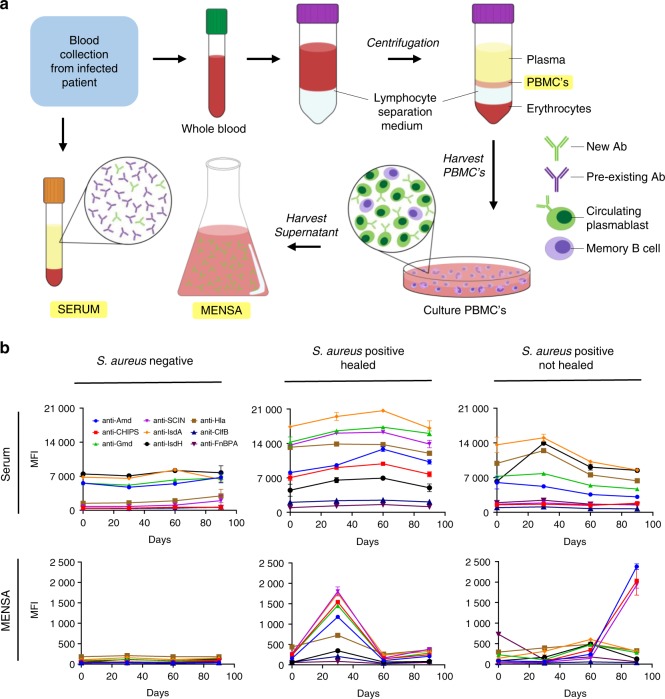
Osteomyelitis is a devastating disease caused by microbial infection of bone. While the frequency of infection following elective orthopedic surgery is low, rates of reinfection are disturbingly high.Staphylococcus aureus is responsible for the majority of chronic osteomyelitis cases and is often considered to be incurable due to bacterial persistence deep within bone. Unfortunately, there is no consensus on clinical classifications of osteomyelitis and the ensuing treatment algorithm. Given the high patient morbidity, mortality, and economic burden caused by osteomyelitis, it is important to elucidate mechanisms of bone infection to inform novel strategies for prevention and curative treatment. Recent discoveries in this field have identified three distinct reservoirs of bacterial biofilm including:Staphylococcal abscess communities in the local soft tissue and bone marrow, glycocalyx formation on implant hardware and necrotic tissue, and colonization of the osteocyte-lacuno canalicular network (OLCN) of cortical bone. In contrast,S. aureus intracellular persistence in bone cells has not been substantiated in vivo, which challenges this mode of chronic osteomyelitis. There have also been major advances in our understanding of the immune proteome against S. aureus, from clinical studies of serum antibodies and media enriched for newly synthesized antibodies (MENSA), which may provide new opportunities for osteomyelitis diagnosis, prognosis, and vaccine development. Finally, novel therapies such as antimicrobial implant coatings and antibiotic impregnated 3D-printed scaffolds represent promising strategies for preventing and managing this devastating disease. Here, we review these recent advances and highlight translational opportunities towards a cure.
Overview
The claims and statistics of this paper haven’t been checked yet.
Free: it reads the open-access text and checks the first 5 claims that cite a source we can check. Create a free account to check every claim.
Integrity signals
Registry
Cites
Statistics
Figures
Verification
Claims the paper makes
The claims and statistics of this paper haven’t been checked yet.
Free: it reads the open-access text and checks the first 5 claims that cite a source we can check. Create a free account to check every claim.
Claims other papers make about this one
Each is checked against this paper’s own text: does it say what the citing paper says it does?
The source backs part of the claim, not all of it — or backs it for a different population, condition or comparison.
In the citing paper
“Infected bone defects (IBDs) pose an arduous orthopedic healthcare challenge due to their complex pathophysiology: resilient biofilms and intracellular pathogens that evade conventional antibiotics, an immunosuppressive microenvironment that impairs bone regeneration, and large defects that are difficult to heal following surgical debridement [1,2].”
From Nanocatalytic magnesium osteoimplants with biodegradable self-adaptive interfaces for therapeutic repair of infected bone defects (2026) · cites this paper as [2]
Experimental — accuracy not yet measuredThe source backs part of the claim, not all of it — or backs it for a different population, condition or comparison.
In the citing paper
“Current treatments relying on debridement and antibiotics face limitations including antibiotic resistance and inability to eradicate biofilms or intracellular pathogens [2,3].”
From Nanocatalytic magnesium osteoimplants with biodegradable self-adaptive interfaces for therapeutic repair of infected bone defects (2026) · cites this paper as [2]
Experimental — accuracy not yet measuredThe source backs part of the claim, not all of it — or backs it for a different population, condition or comparison.
In the citing paper
“Moreover, existing implants lack targeted antimicrobial capability against biofilm-associated and intracellular pathogens [2,8].”
From Nanocatalytic magnesium osteoimplants with biodegradable self-adaptive interfaces for therapeutic repair of infected bone defects (2026) · cites this paper as [2]
Experimental — accuracy not yet measured
Self-check
Percentages, sums and reported differences re-computed from the paper’s own numbers.
The self-check needs the paper’s full text.
Citations
Cites
1 retracted
Genetic requirements for Staphylococcus aureus abscess formation and persistence in host tissues
Cheng, A. G., Kim, H. K., Burts, M. L., Krausz, T., Schneewind, O., & Missiakas, D. M. (2009) · The FASEB Journal · doi:10.1096/fj.09-135467 · Cited by 437 · cited 1×
“As a result, abscesses rarely resolve without exogenous antimicrobial treatment.(64) Peri-prosthetic abscess formation begins with neutrophil recruitment to the site of an acute infection, stimulated by the local release of cytokines and chemokines by host cells.”
BackgroundRetractedBacterial Biofilms: A Common Cause of Persistent Infections
Costerton, J. W., Stewart, P. S., & Greenberg, E. P. (1999) · Science · doi:10.1126/science.284.5418.1318 · Cited by 12,167 · cited 1×
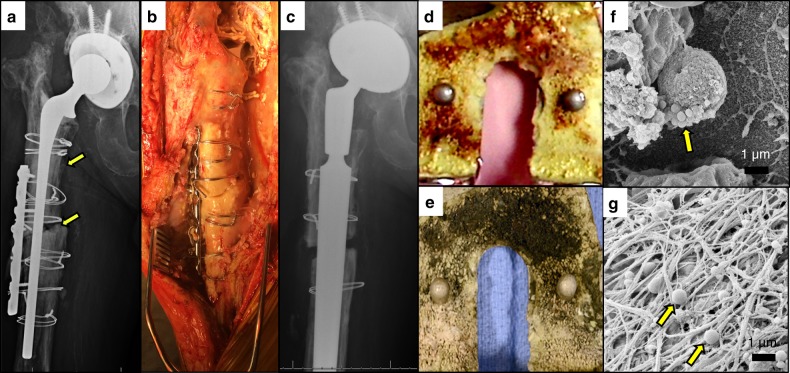
“aureus is its ability to form biofilm matrices embedded with phenotypically altered bacterial cells.(77) As an adaptive response to environmental stress, unicellular bacteria often form biofilms to survive in a protected, multi-cellular community that is resistant to host immune response and antibiotic therapy.”
BackgroundFlemming, H.-C., & Wingender, J. (2010) · Nature Reviews Microbiology · doi:10.1038/nrmicro2415 · Cited by 10,137 · cited 1×
“2h), which encase the bacterial cells to mediate adhesion, provide mechanical stability and retain essential nutrients and enzymes.(78) As the biofilm matures, it becomes a complex and heterogeneous structure containing protected pods of bacteria (Fig.”
BackgroundPattern Recognition Receptors and Inflammation
Takeuchi, O., & Akira, S. (2010) · Cell · doi:10.1016/j.cell.2010.01.022 · Cited by 8,895
Mizgerd, J. P., Kubo, H., Kutkoski, G. J., Bhagwan, S. D., Scharffetter-Kochanek, K., Beaudet, A. L., & Doerschuk, C. M. (1997) · The Journal of Experimental Medicine · doi:10.1084/jem.186.8.1357 · Cited by 7,306
Bacterial biofilms: from the Natural environment to infectious diseases
Hall-Stoodley, L., Costerton, J. W., & Stoodley, P. (2004) · Nature Reviews Microbiology · doi:10.1038/nrmicro821 · Cited by 7,143
Staphylococcus aureus Infections
Lowy, F. D. (1998) · New England Journal of Medicine · doi:10.1056/nejm199808203390806 · Cited by 6,005
Mechanisms of biofilm resistance to antimicrobial agents
Mah, T.-F. C., & O'Toole, G. A. (2001) · Trends in Microbiology · doi:10.1016/s0966-842x(00)01913-2 · Cited by 3,921 · cited 1×
“For these reasons, bacteria within biofilms become very resistant to antimicrobial treatment and can survive drug dosing up to 1 000 times greater than their planktonic phenotype.(87) In addition to conferring long-term bacterial survival, biofilms can cause immense damage to the surrounding host tissue.”
BackgroundZimmerli, W., Trampuz, A., & Ochsner, P. E. (2004) · New England Journal of Medicine · doi:10.1056/nejmra040181 · Cited by 3,116
Global, regional, and national causes of child mortality in 2008: a systematic analysis
Black, R. E., Cousens, S., Johnson, H. L., Lawn, J. E., Rudan, I., Bassani, D. G., Jha, P., Campbell, H., Walker, C. F., Cibulskis, R., et al. (2010) · The Lancet · doi:10.1016/s0140-6736(10)60549-1 · Cited by 3,058 · cited 1×
“Antibiotic resistance is estimated to causes 10 million deaths/year by the year 2050.(226,227) This suggests that significant attention should be directed to the development of novel antimicrobial classes to circumvent the constantly evolving bacterial resistance mechanisms.”
Background
Cited by
Items 101–200 of 665
Sokhi, U. K., Xia, Y., Sosa, B. R., Turajane, K., Nishtala, S. N., Pannellini, T., Bostrom, M. P., Carli, A. V., Yang, X., & Ivashkiv, L. B. (2020) · Journal of Bone and Mineral Research · doi:10.1002/jbmr.4489 · Cited by 45
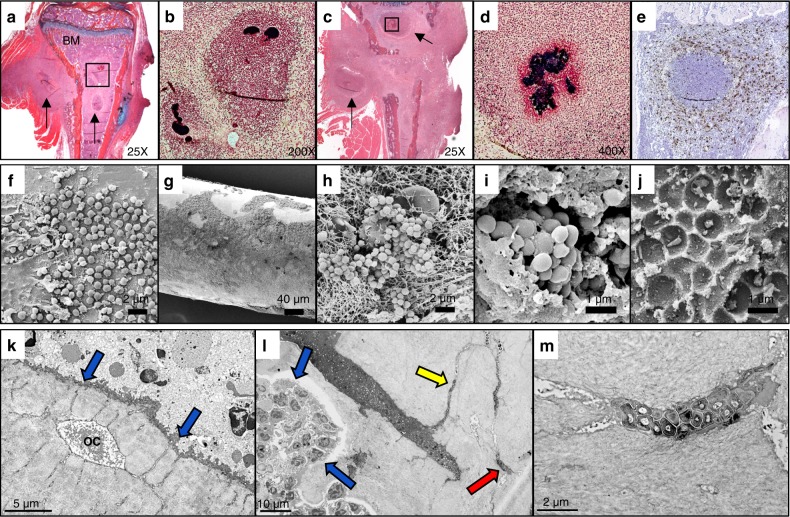
“aureus can be sequestered in glycocalyx on implants and necrotic tissue, in abscess communities in the soft tissues and bone marrow, and within the canalicular network of the cortical bone.((20,27)) These sequestered bacteria detach and disperse into surrounding tissues and enter a planktonic phase, thus maintaining a…”
BackgroundInfluentialInfection-responsive long-term antibacterial bone plates for open fracture therapy
Zhang, L., Yang, Y., Xiong, Y., Zhao, Y., Xiu, Z., Ren, H., Zhang, K., Duan, S., Chen, Y., & Xu, F.-J. (2023) · Bioactive Materials · doi:10.1016/j.bioactmat.2023.01.002 · Cited by 45
Toward Designing of Anti-infective Hydrogels for Orthopedic Implants: From Lab to Clinic
Garg, D., Matai, I., & Sachdev, A. (2021) · ACS Biomaterials Science & Engineering · doi:10.1021/acsbiomaterials.0c01408 · Cited by 45
Wang, M., Yang, Y., Chi, G., Yuan, K., Zhou, F., Dong, L., Liu, H., Zhou, Q., Gong, W., Yang, S., et al. (2021) · Journal of Materials Chemistry B · doi:10.1039/d1tb00387a · Cited by 45
The Mycobiome: Cancer Pathogenesis, Diagnosis, and Therapy
Gamal, A., Elshaer, M. Y. S., Alabdely, M. H., Kadry, A., McCormick, T. S., & Ghannoum, M. A. (2022) · Cancers · doi:10.3390/cancers14122875 · Cited by 46
Jin, L., Liu, H., Wang, C., Mao, C., Wu, S., Zhang, Y., Li, Z., Zhu, S., Jiang, H., Cui, Z., et al. (2024) · Advanced Materials · doi:10.1002/adma.202410917 · Cited by 44
Osteomyelitis, Oxidative Stress and Related Biomarkers
Massaccesi, L., Galliera, E., Pellegrini, A., Banfi, G., & Romanelli, M. M. C. (2022) · Antioxidants · doi:10.3390/antiox11061061 · Cited by 44
Shen, Y., Xu, Y., Yu, Z., Chen, G., Chen, B., & Liao, L. (2024) · ACS Nano · doi:10.1021/acsnano.3c10697 · Cited by 43
Functional Hydrogel Interfaces for Cartilage and Bone Regeneration
Cao, Y., Liu, C., Ye, W., Zhao, T., & Fu, F. (2025) · Advanced Healthcare Materials · doi:10.1002/adhm.202403079 · Cited by 44
Qiao, Y., Wu, S., Zheng, Y., Wang, C., Li, Z., Zhang, Y., Zhu, S., Jiang, H., Cui, Z., & Liu, X. (2023) · Advanced Science · doi:10.1002/advs.202300084 · Cited by 43
Wang, S., He, W., Wang, H., Liu, D., Wang, M., Yang, H., Pan, G., & Li, B. (2023) · Bioactive Materials · doi:10.1016/j.bioactmat.2023.07.018 · Cited by 43
A comprehensive review of pathology and treatment of staphylococcus aureus osteomyelitis
Song, M., Sun, J., Lv, K., Li, J., Shi, J., & Xu, Y. (2025) · Clinical and Experimental Medicine · doi:10.1007/s10238-025-01595-1 · Cited by 45
“The S. aureus located inside the OLCN are inaccessible to immune cells due to surrounding dense mineral matrix of cortical bone [17,27].”
InfluentialIsdB antibody–mediated sepsis following S. aureus surgical site infection
Nishitani, K., Ishikawa, M., Morita, Y., Yokogawa, N., Xie, C. L., Bentley, K. L. D. M., Ito, H., Kates, S. L., Daiss, J. L., & Schwarz, E. M. (2020) · JCI Insight · doi:10.1172/jci.insight.141164 · Cited by 42
“18) in their blood and internal organs (19).”
BackgroundSelf-citationInterleukin-27 and Its Diverse Effects on Bacterial Infections
Morita, Y., Masters, E. A., Schwarz, E. M., & Muthukrishnan, G. (2021) · Frontiers in Immunology · doi:10.3389/fimmu.2021.678515 · Cited by 42
Self-citationAguilera-Correa, J. J., Gisbert-Garzarán, M., Mediero, A., Carias-Cálix, R. A., Jiménez‐Jiménez, C., Esteban, J., & Vallet‐Regí, M. (2021) · Acta Biomaterialia · doi:10.1016/j.actbio.2021.10.014 · Cited by 42
Zhang, Y., Cheng, Y., Zhao, Z., Jiang, S., Zhang, Y., Li, J., Huang, S., Wang, W., Xue, Y., Li, A., et al. (2024) · Advanced Materials · doi:10.1002/adma.202304991 · Cited by 41
Vantucci, C. E., Ahn, H. H., Fulton, T. M., Schenker, M. L., Pradhan, P., Wood, L. B., Guldberg, R. E., Roy, K., & Willett, N. J. (2020) · Biomaterials · doi:10.1016/j.biomaterials.2020.120405 · Cited by 41
Wang, Z., Tang, Y., Wang, P., Cheng, Z., Chen, F., Lu, Y., Wu, Y., Xie, Z., Wu, D., Cai, Z., et al. (2023) · Advanced Functional Materials · doi:10.1002/adfm.202307286 · Cited by 41
Bui, T. I., Gill, A. L., Mooney, R. A., & Gill, S. R. (2022) · Microbiology Spectrum · doi:10.1128/spectrum.00170-22 · Cited by 40
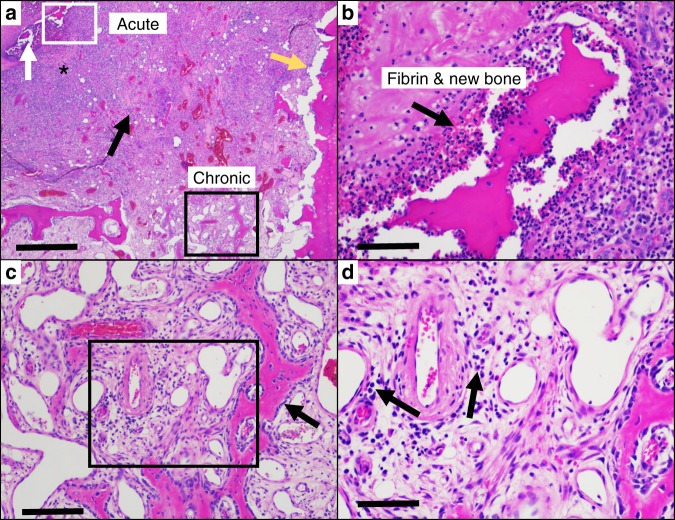
“as a fibrotic marrow and periosteal reactive bone formation (50).”
BackgroundSelf-citationJin, L., Liu, X., Zheng, Y., Zhang, Y., Li, Z., Zhu, S., Jiang, H., Cui, Z., & Wu, S. (2023) · ACS Nano · doi:10.1021/acsnano.3c05130 · Cited by 39
Hurdle technology using encapsulated enzymes and essential oils to fight bacterial biofilms
Mechmechani, S., Khelissa, S., Gharsallaoui, A., Omari, K. E., Hamzé, M., & Chihib, N. (2022) · Applied Microbiology and Biotechnology · doi:10.1007/s00253-022-11875-5 · Cited by 39
Jin, Y., Liu, H., Chu, L., Yang, J., Li, X., Zhou, H., Jiang, H., Shi, L., Weeks, J., Rainbolt, J., et al. (2024) · Bioactive Materials · doi:10.1016/j.bioactmat.2024.05.040 · Cited by 38
Self-citationSheehy, E. J., von Deimling, C., Ryan, E. J., Widaa, A., Donnell, P. O., Ryan, A., Chen, G., Brady, R. T., López‐Noriega, A., Zeiter, S., et al. (2024) · Biomaterials · doi:10.1016/j.biomaterials.2024.122774 · Cited by 38
Staphylococcus aureus Strain-Dependent Biofilm Formation in Bone-Like Environment
Lamret, F., Varin-Simon, J., Velard, F., Terryn, C., Mongaret, C., Colin, M., Gangloff, S. C., & Reffuveille, F. (2021) · Frontiers in Microbiology · doi:10.3389/fmicb.2021.714994 · Cited by 37
Artificial Bone Materials for Infected Bone Defects: Advances in Antimicrobial Functions
Ying, D., Zhang, T., Qi, M., Han, B., & Dong, B. (2025) · ACS Biomaterials Science & Engineering · doi:10.1021/acsbiomaterials.4c01940 · Cited by 37
Guo, H., Song, Q., Mei, S., Xue, Z., Li, J., & Ning, T. (2023) · PeerJ · doi:10.7717/peerj.16162 · Cited by 37
“Patients with osteomyelitis are more difficult to treat clinically because bacteria are usually able to invade the reticular structure of the bone cell space and evade debridement and antibiotic action ( Ji et al., 2014 ; De Mesy et al., 2018 ; Masters et al., 2019 ).”
BackgroundZoller, S. D., Hegde, V. V., Burke, Z. D. C., Park, H. Y., Ishmael, C. R., Blumstein, G. W., Sheppard, W. L., Hamad, C. D., Loftin, A. H., Johansen, D., et al. (2020) · Bone Research · doi:10.1038/s41413-020-00118-w · Cited by 36
Ren, Y., Weeks, J., Xue, T., Rainbolt, J., Bentley, K. L. D. M., Shu, Y., Liu, Y., Masters, E. A., Cherian, P., McKenna, C. E., et al. (2023) · Bone Research · doi:10.1038/s41413-023-00287-4 · Cited by 35
Self-citationYuan, Y., Li, H., Song, Y., Zhang, D., Wang, Z., Yi, X., Qi, B., Zhang, X., Jiang, P., & Yu, A. (2024) · Advanced Materials · doi:10.1002/adma.202408473 · Cited by 35
Roper, P. M., Shao, C. G., & Novack, D. V. (2020) · Cells · doi:10.3390/cells9102157 · Cited by 36
Álvarez, E., González, B., Lozano, D., Doadrio, A. L., Colilla, M., & Izquierdo‐Barba, I. (2021) · Pharmaceutics · doi:10.3390/pharmaceutics13122033 · Cited by 35
“In addition, the bacteria existing into the biofilm are especially pathogenic due to their phenotypic diversity, which confers resistance to antimicrobial treatment, making the dose of drugs to be administered up to 1000 times greater than that necessary for their planktonic phenotype [9,12].”
BackgroundZhang, Z., Liu, P., Wang, W., Wang, S., Li, B., Li, J., Yang, B., Li, M., Li, Q., Yang, H., et al. (2022) · Frontiers in Microbiology · doi:10.3389/fmicb.2022.923735 · Cited by 35
Li, J., Cheung, W., Chow, S. K., Ip, M., Leung, S. S. Y., & Wong, R. M. Y. (2022) · Bone and Joint Research · doi:10.1302/2046-3758.1110.bjr-2021-0495.r3 · Cited by 35
Campbell, M. J., Beenken, K. E., Ramírez, A. M., & Smeltzer, M. S. (2023) · Virulence · doi:10.1080/21505594.2023.2175496 · Cited by 35
Wang, J., Zhang, Q., Wang, H., Liu, C., Jiang, L., Liu, W., Wu, Y., Wang, Y., Vivian, V., Yan, H., et al. (2024) · Biomaterials · doi:10.1016/j.biomaterials.2024.122899 · Cited by 34
Musso, N., Stracquadanio, S., Costantino, A., Lazzaro, L., Stefani, S., & Bongiorno, D. (2021) · Pathogens · doi:10.3390/pathogens10020239 · Cited by 35
Role of Animal Models to Advance Research of Bacterial Osteomyelitis
Billings, C., & Anderson, D. E. (2022) · Frontiers in Veterinary Science · doi:10.3389/fvets.2022.879630 · Cited by 34
Bourget-Murray, J., Horton, I., Morris, J., Bureau, A., Garceau, S. P., Abdelbary, H., & Grammatopoulos, G. A. (2022) · Bone & Joint Open · doi:10.1302/2633-1462.312.bjo-2022-0138.r1 · Cited by 34
Jensen, L. K., Birch, J. M., Jensen, H. E., Kirketerp‐Møller, K., & Gottlieb, H. (2023) · Apmis · doi:10.1111/apm.13312 · Cited by 34
“tial debridement and aggressive antimicrobial therapy, high reinfection rates have been reported after both PJI and DFO revision surgery, respectively [1, 2].”
BackgroundInfluentialGuo, Z., Liu, H., Wang, W., Hu, Z., Li, X., Chen, H., Wang, K., Li, Z., Yuan, C., & Ge, X. (2024) · Biomimetics · doi:10.3390/biomimetics9110656 · Cited by 34
“However, a signi fi cant drawback of Ti and its alloys is their lack of inherent antibacterial properties, which poses challenges in clinical Implant-associated infections (IAIs) are a leading cause of implant failure, posing substantial risks to patients [5,6].”
Xu, Y., Wang, L., Guo, D., Wang, Y., Liu, X., Sun, Y., Wang, R., Sun, L., Jiang, P., Liu, Q., et al. (2025) · npj Biofilms and Microbiomes · doi:10.1038/s41522-025-00681-2 · Cited by 33
“Theinternalizationof Theinternalizationof S. aureus into host phagocytic and nonphagocytic cells allows it to persist as a reservoir for recurrent septic arthritis 45,46 .”
Orthopedic Implant Infection Management: Prevention, Barrier Breakthrough, and Immunomodulation
Yi, J., Chen, Z., Li, R., Xu, Z., Song, Y., Fan, Q., Wang, J., & Chai, W. (2025) · ACS Nano · doi:10.1021/acsnano.4c17509 · Cited by 33
Scialla, S., Martuscelli, G., Nappi, F., Singh, S., Iervolino, A., Larobina, D., Ambrosio, L., & Raucci, M. G. (2021) · Polymers · doi:10.3390/polym13101556 · Cited by 32
Engineered bacteriophages: A panacea against pathogenic and drug resistant bacteria
Kakkar, A., Kandwal, G., Nayak, T., Jaiswal, L. K., Srivastava, A., & Gupta, A. (2024) · Heliyon · doi:10.1016/j.heliyon.2024.e34333 · Cited by 31
“However, compared to the control, the impact was only about a 0.48 log decrease [108].”
BackgroundInfluentialFan, M., Ren, Y., Zhu, Y., Zhang, H., Li, S., Liu, C., Lv, H., Chu, L., Hou, Z., Zhang, Y., et al. (2024) · Bioactive Materials · doi:10.1016/j.bioactmat.2024.10.009 · Cited by 31
“Osteomyelitis, an orthopaedical infectious disease characterized by osteolysis and bone destruction, arises from pathogenic bacteria [1 – 4].”
BackgroundWang, L., Fu, H., Zhao, J., Liu, Z., Chen, S., Zhang, C., Hu, P., Wang, J., Shi, J., & Jia, W. (2025) · ACS Nano · doi:10.1021/acsnano.5c04595 · Cited by 32
Intracellular survival of Staphylococcus aureus in macrophages during osteomyelitis
Lathram, W. A., & Radka, C. D. (2025) · Virulence · doi:10.1080/21505594.2025.2553789 · Cited by 32
Xia, W., Li, N., Shan, H., Lin, Y., Yin, F., Yu, X., & Zhou, Z. (2021) · ACS Infectious Diseases · doi:10.1021/acsinfecdis.1c00280 · Cited by 32
Nanotechnology in the Diagnosis and Treatment of Osteomyelitis
Zapata, D., Higgs, J., Wittholt, H., Chittimalli, K., Brooks, A. E., & Mulinti, P. (2022) · Pharmaceutics · doi:10.3390/pharmaceutics14081563 · Cited by 31
Ong, R., Cornish, J., & Wen, J. (2022) · BioMetals · doi:10.1007/s10534-022-00455-9 · Cited by 31
Li, J., Wong, R. M. Y., Chung, Y. L., Leung, S. S. Y., Chow, S. K., Ip, M., & Cheung, W.-H. (2022) · Bone and Joint Research · doi:10.1302/2046-3758.112.bjr-2021-0299.r1 · Cited by 30
Approaches to Biofunctionalize Polyetheretherketone for Antibacterial: A Review
Wang, Y., Zhang, S., Nie, B., Qu, X., & Yue, B. (2022) · Frontiers in Bioengineering and Biotechnology · doi:10.3389/fbioe.2022.895288 · Cited by 30
Wang, M., Yao, J., Shen, S., Heng, C., Zhang, Y., Yang, T., & Zheng, X. (2022) · Nano Research · doi:10.1007/s12274-022-4644-4 · Cited by 30
Ford, C. A., Spoonmore, T. J., Gupta, M. K., Duvall, C. L., Guelcher, S. A., & Cassat, J. E. (2020) · Journal of Orthopaedic Research® · doi:10.1002/jor.24948 · Cited by 30
A critical view of antimicrobial peptides: exploring their potential and the barriers to realization
Dad, N., Elsawy, M. A., Humphreys, G. J., Pluen, A., Lu, J. R., & McBain, A. J. (2025) · Journal of Applied Microbiology · doi:10.1093/jambio/lxaf087 · Cited by 31
Recent Advances in Multifunctional Hydrogels for the Treatment of Osteomyelitis
Xin, W., Gao, Y., & Yue, B. (2022) · Frontiers in Bioengineering and Biotechnology · doi:10.3389/fbioe.2022.865250 · Cited by 29
“These drawbacks of PMMA bone cements have prompted the development of novel vehicles for topical drug delivery and dead space management, with the following criteria: 1) biocompatibility, 2) biodegradability, 3) suitable drug elution kinetics (i.e., burst release followed by sustained release at concentrations higher…”
BackgroundInfluential3D-printed dual drug delivery nanoparticleloaded hydrogels to combat antibiotic-resistant bacteria
Martínez-Pérez, D. M., Guarch-Pérez, C., Purbayanto, M. A. K., Choińska, E., Riool, M., Zaat, S. A. J., & Święszkowski, W. (2023) · International Journal of Bioprinting · doi:10.18063/ijb.683 · Cited by 30
“The majority of infections caused by orthopedic devices are brought on by opportunistic pathogens and bacteria found in the skin microbiota [2] .”
InfluentialNanomaterial in controlling biofilms and virulence of microbial pathogens
Tungare, K., Gupta, J., Bhori, M., Garse, S., Kadam, A., Jha, P., Jobby, R., Amanullah, M. R., & Vijayakumar, S. (2024) · Microbial Pathogenesis · doi:10.1016/j.micpath.2024.106722 · Cited by 29
Han, L., Huang, Z., Zhu, M. C., Zhu, Y., & Li, H. (2021) · Ceramics International · doi:10.1016/j.ceramint.2021.11.243 · Cited by 28
Superhydrophilic PLGA-Graft-PVP/PC Nanofiber Membranes for the Prevention of Epidural Adhesion
Fan, Q., Wu, H., & Kong, Q. (2022) · International Journal of Nanomedicine · doi:10.2147/ijn.s356250 · Cited by 28
“The Degradation Behavior of PLGA-g-PVP/PC NFm To reduce the risk of infection by implants, appropriate degradation was also needed.(26) During wound repair at the surgical site, the tissue undergoes the inflammatory phase and the new tissue formation phase within 4 weeks.”
MethodBakadia, B. M., Zheng, R., Ahmed, A. A. Q., Shi, Z., Babidi, B. L., Sun, T., Li, Y., & Yang, G. (2024) · Advanced Healthcare Materials · doi:10.1002/adhm.202304572 · Cited by 28
Kates, S. L., Owen, J. R., Beck, C. A., Xie, C. L., Muthukrishnan, G., Daiss, J. L., & Schwarz, E. M. (2020) · Journal of Bone and Joint Surgery · doi:10.2106/jbjs.20.00029 · Cited by 28
Self-citationAsghar, S., Khan, I. U., Salman, S., Khalid, S. H., Ashfaq, R., & Vandamme, T. (2021) · Advanced Drug Delivery Reviews · doi:10.1016/j.addr.2021.114019 · Cited by 28
Detection to Disruption: A Comprehensive Review of Bacterial Biofilms and Therapeutic Advances
Maroju, P. A., Sidhu, A. S., Motaganahalli, A. R., Minto, R. E., Zor, F., Kelley-Patteson, C., Rahimi, R., Hassanein, A. H., & Sinha, M. (2026) · Antibiotics · doi:10.3390/antibiotics15040396 · Cited by 28
Hexapeptide decorated β-cyclodextrin delivery system for targeted therapy of bone infection
Sun, T. S., Hu, D., Guo, Z., Gong, H., Xin, Q., Mu, Y., Weng, J., Li, J., & Chen, X. (2022) · Journal of Controlled Release · doi:10.1016/j.jconrel.2022.11.047 · Cited by 27
Microenvironmentally enhanced supramolecular hydrogels reverse multiple dilemmas in bone infection
Han, Z., Lu, S., Cao, J., Sun, S., Yang, N., Cheng, S., Huang, X., Wu, J., Li, J., & Cheng, L. (2024) · Materials Today · doi:10.1016/j.mattod.2024.11.007 · Cited by 28
Zhou, H., Yang, S., Wei, D., Liang, C., Yang, Q., Yang, H., Wang, D., Li, M., & Yang, L. (2021) · Materials Science and Engineering C · doi:10.1016/j.msec.2021.112241 · Cited by 27
Stimuli-responsive Hydrogels for Targeted Antibiotic Delivery in Bone Tissue Engineering
Kumar, J., Tolepbergenova, M., Musayev, A., Aizhan, D., Бегимбекова, Л. М., Kumar, H., Gulnar, T., Kumar, P., & Khan, S. (2025) · AAPS PharmSciTech · doi:10.1208/s12249-025-03218-0 · Cited by 27
“Bone infections, particularly osteomyelitis, represent a significant clinical challenge due to their chronic nature, resistance to systemic antibiotics, and difficulty in eradicating biofilms on implant surfaces [1].”
Masters, E. A., Hao, S. P., Kenney, H. M., Morita, Y., Galloway, C. A., Bentley, K. L. D. M., Ricciardi, B. F., Boyce, B. F., Schwarz, E. M., & Oh, I. C. (2020) · Journal of Orthopaedic Research® · doi:10.1002/jor.24962 · Cited by 27
Self-citationCurrent osteomyelitis mouse models, a systematic review
Guarch-Pérez, C., Riool, M., & Zaat, S. A. J. (2021) · European Cells and Materials · doi:10.22203/ecm.v042a22 · Cited by 26
Gehrke, A.-K. E., Bertelli, A. M., Ledo, C., Gonzalez, C. D., Llana, M. N., Blanco, C., Sordelli, D. O., Putman, N. E., Cassat, J. E., Delpino, M. V., et al. (2022) · Antimicrobial Agents and Chemotherapy · doi:10.1128/aac.01140-22 · Cited by 26
Sukmarini, L., Atikana, A., & Hertiani, T. (2023) · Journal of Natural Medicines · doi:10.1007/s11418-023-01754-2 · Cited by 27
“…such as contact lenses [4], joints and heart valve prostheses [5, 6], central venous and urinary catheters [7–10], and dental implants [11–14], or tissues, including those associated with gum periodontitis [15], bone osteomyelitis [16, 17], surgical sites, diabetes, and burn wounds [18–20].”
Research progress on biodegradable polymeric platforms for targeting antibiotics to the bone
Zegre, M., Poljańska, E., Caetano, L. A., Gonçalves, L., & Bettencourt, A. (2023) · International Journal of Pharmaceutics · doi:10.1016/j.ijpharm.2023.123584 · Cited by 27
Chen, Y., Chen, Q., Fu, F.-S., Yan, J.-H., Su, J., Zhang, X., & Yu, A. (2025) · ACS Nano · doi:10.1021/acsnano.5c01600 · Cited by 25
Huang, S., Wu, Y., Zhao, H., Song, K., Liu, Y., Mao, J., & Li, Q. (2025) · Journal of Advanced Research · doi:10.1016/j.jare.2025.06.011 · Cited by 25
Wu, S., Qin, F., & Meng, Y. (2025) · Nanoscale Horizons · doi:10.1039/d5nh00378d · Cited by 25
Zhang, R., Stehle, Y. Y., Chen, L., Zeng, K., Lin, M., Wang, C., Zhang, H., Yang, J., Hu, D., Huang, M., et al. (2025) · Biomaterials · doi:10.1016/j.biomaterials.2025.123642 · Cited by 25
Schmitz, M. G. J., Riool, M., de Boer, L., Vrehen, A. F., Bartels, P. A. A., Zaat, S. A. J., & Dankers, P. Y. W. (2023) · Advanced Materials Technologies · doi:10.1002/admt.202201846 · Cited by 25
López-Gónzalez, I., Hernández-Heredia, A. B., Rodríguez‐López, M. I., Auñón, D., Boudifa, M., Gabaldón, J. A., & Meseguer‐Olmo, L. (2023) · Pharmaceutics · doi:10.3390/pharmaceutics15061763 · Cited by 25
“), as a first step, treatment r quires the imultaneous removal of the implant and intravenous and local antibiotherapy maintenance until normalization of biochemical parameters, as well as the performance of osteoarticular reconstruction surgery as required by the case [5].”
BackgroundTriggerable biomaterials‐based osteomyelitis theranostics
Li, L., Yin, Y., Zhang, S., Yang, J., Li, P., Zhou, H., & Li, J. (2024) · BMEMat · doi:10.1002/bmm2.12081 · Cited by 26
Adjei‐Sowah, E., Peng, Y. H., Weeks, J., Jonason, J. H., Bentley, K. L. D. M., Masters, E. A., Morita, Y., Muthukrishnan, G., Cherian, P., Hu, X., et al. (2021) · Antibiotics · doi:10.3390/antibiotics10060732 · Cited by 25
“aureus infection of bone is incurable [9].”
Self-citationGajdošová, V., Strachota, B., Strachota, A., Michálková, D., Krejčíková, S., Fulín, P., Nyč, O., Břínek, A., Zemek, M., & Šlouf, M. (2022) · Materials · doi:10.3390/ma15031101 · Cited by 25
“The fully biodegradable TPS/PCL/ATB systems are being developed in collaboration with a local hospital for the treatment of strong local infects, such as osteomyelitis [35].”
BackgroundMethodInfluentialGuarch-Pérez, C., Shaqour, B., Riool, M., Verleije, B., Beyers, K., Vervaet, C., Cos, P., & Zaat, S. A. J. (2022) · Pharmaceutics · doi:10.3390/pharmaceutics14071363 · Cited by 25
“The bacterial species Staphylococcus aureus and Staphylococcus epidermidis are the most common pathogens associated with orthopedic infections [2,3].”
BackgroundOxygen‐Immunomodulated Nanocatalysts Enhance Anti‐Infection by Trained Immunity
Ruan, Z., Shi, T., Guo, Z., Zhu, Y., Wang, W., Ma, Y., Ding, C., Zhang, Y., Wang, X., Chen, Y., et al. (2025) · Advanced Functional Materials · doi:10.1002/adfm.202509454 · Cited by 25
Jensen, L. K., Jensen, H. E., Blirup-Plum, S. A., Bue, M., Hanberg, P., Kvich, L., Aalbæk, B., López, Y., Soto, S. M., Douloudi, M., et al. (2022) · Materialia · doi:10.1016/j.mtla.2022.101473 · Cited by 24
Ren, Y., Xue, T., Rainbolt, J., Bentley, K. L. D. M., Galloway, C. A., Liu, Y., Cherian, P., Neighbors, J. D., Hofstee, M. I., Ebetino, F. H., et al. (2022) · Frontiers in Cellular and Infection Microbiology · doi:10.3389/fcimb.2022.910970 · Cited by 24
“As a result, these bacteria become physically separated from host phagocytes that are too large to enter the OLCN (de Mesy Bentley et al., 2017; Masters et al., 2019; Masters et al., 2022).”
BackgroundSelf-citationMorita, Y., Saito, M., Rangel‐Moreno, J., Franchini, A. M., Owen, J. R., Martinez, J. C., Daiss, J. L., Bentley, K. L. D. M., Kates, S. L., Schwarz, E. M., et al. (2022) · Bone Research · doi:10.1038/s41413-022-00228-7 · Cited by 24
Self-citationIdentification of Staphylococcus aureus Penicillin Binding Protein 4 (PBP4) Inhibitors
Young, M., Walsh, D. J., Masters, E. A., Gondil, V. S., Laskey, E., Klaczko, M. E., Awad, H. A., McGrath, J. L., Schwarz, E. M., Melander, C., et al. (2022) · Antibiotics · doi:10.3390/antibiotics11101351 · Cited by 25
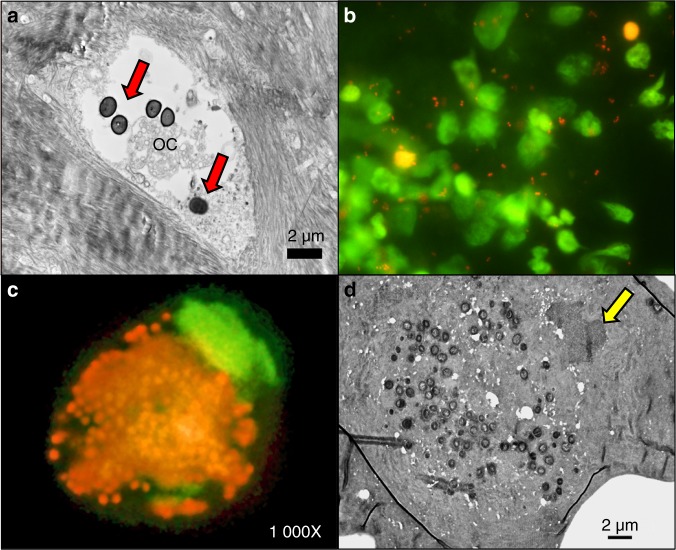
“Such colonization is hypothesized to serve as a reservoir for re-occurring infection [29,30], and requires modulation of the organism’s cell wall components in a manner that allows otherwise 1 μm staphylococci to deform to approximately half their wild type size to successfully invade and colonize the narrow confines…”
BackgroundSelf-citationBanducci, E., Muderis, M. A., Lu, W. Y.-R., & Bested, S. R. (2023) · Bone & Joint Open · doi:10.1302/2633-1462.47.bjo-2022-0117.r1 · Cited by 24
Tomizawa, T., Nishitani, K., Ito, H., Okae, Y., Morita, Y., Doi, K., Saito, M., Ishie, S., Yoshida, S., Murata, K., et al. (2020) · Journal of Orthopaedic Research® · doi:10.1002/jor.24956 · Cited by 24
Self-citationNanoscience-Led Antimicrobial Surface Engineering to Prevent Infections
Zare, M., Zare, M., Butler, J. A., & Ramakrishna, S. (2021) · ACS Applied Nano Materials · doi:10.1021/acsanm.1c00466 · Cited by 24
Rossi, F., Cattò, C., Mugnai, G., Villa, F., & Forlani, F. (2021) · Antioxidants · doi:10.3390/antiox10060919 · Cited by 24
Sliepen, J., Corrigan, R. A., Dudareva, M., Wouthuyzen‐Bakker, M., Rentenaar, R. J., Atkins, B. L., Govaert, G. A. M., McNally, M., & IJpma, F. F. A. (2022) · Antibiotics · doi:10.3390/antibiotics11101330 · Cited by 24
Landersdorfer, C. B., Kinzig, M., Höhl, R., Kempf, P., Nation, R. L., & Sörgel, F. (2020) · ACS Pharmacology & Translational Science · doi:10.1021/acsptsci.0c00045 · Cited by 23
Kim, D., Ito, T., Hara, A. T., Li, Y., Kreth, J., & Koo, H. (2022) · Molecular Oral Microbiology · doi:10.1111/omi.12394 · Cited by 23
Sabater-Martos, M., Verdejo, M. Á., Morata, L., Muñoz-Mahamud, E., Guerra-Farfán, E., Martínez-Pastor, J. C., & Soriano, À. (2023) · Arthroplasty · doi:10.1186/s42836-023-00166-7 · Cited by 23
Jiang, C., Zhu, G., & Liu, Q. (2024) · Frontiers in Bioengineering and Biotechnology · doi:10.3389/fbioe.2024.1375266 · Cited by 24
Yang, W., Chen, C., Chen, X., Zhu, G., Du, W., Qing, L., Wu, P., Wang, Z., Tang, J., & Xie, H. (2025) · Bioactive Materials · doi:10.1016/j.bioactmat.2025.04.014 · Cited by 24
Muthukrishnan, G., Beck, C. A., Owen, J. R., Xie, C. L., Kates, S. L., & Daiss, J. L. (2020) · Journal of Orthopaedic Research® · doi:10.1002/jor.24955 · Cited by 22
Self-citationXia, W., He, W., Luo, T., & Tang, N. (2021) · Annals of Palliative Medicine · doi:10.21037/apm-21-3406 · Cited by 22
Metadata
- Authors
- Masters, E. A., Trombetta, R. P., de Mesy Bentley, K. L., Boyce, B. F., Gill, A. L., Gill, S. R., Nishitani, K., Ishikawa, M., Morita, Y., Ito, H., Bello-Irizarry, S. N., Ninomiya, M., Brodell, J. D., Lee, C. C., Hao, S. P., Oh, I., Xie, C., Awad, H. A., Daiss, J. L., Owen, J. R., Kates, S. L., Schwarz, E. M., & Muthukrishnan, G.
- Affiliations
- University of Rochester Medicine (US)
- Kyoto University (JP)
- Virginia Commonwealth University Medical Center (US)
- Corresponding author
- Schwarz, Edward M.
- ORCID
- Masters, Elysia A.
- Trombetta, Ryan P.
- Boyce, Brendan F
- Gill, Ann Lindley
- Gill, Steven R.
- Nishitani, Kohei
- Ishikawa, Masahiro
- Morita, Yugo
- Ito, Hiromu
- Ninomiya, Mark
- Brodell, James D.
- Lee, Charles C.
- Hao, Stephanie P.
- Oh, Irvin
- Xie, Chao
- Awad, Hani A.
- Daiss, John L.
- Owen, John R.
- Kates, Stephen L.
- Schwarz, Edward M.
- Muthukrishnan, Gowrishankar
- Venue
- Bone Research
- Published
- 2019-07-15
- Volume
- 7
- Issue
- 1
- Pages
- 20-20
- ISSN
- 2095-4700 (ISSN-L)
- 2095-6231
- PMC
- PMC6804538
- OpenAlex
- W2959071814
- Semantic Scholar
- e050fbf236fc8e3356c100a29eaca07668635d74
- Cited by
- 575
- References
- 273
- Citations by year
- 2026: 85 · 2025: 98 · 2024: 82 · 2023: 86 · 2022: 94 · 2021: 73 · 2020: 54 · 2019: 2
- FWCI
- 11.50
- Type
- journal article
- Language
- en
- Open access
- gold
- doi.org
- Licence
- cc-by
- creativecommons.org/licenses/by/4.0 (tdm)
- creativecommons.org/licenses/by/4.0 (vor)
- Locations
- Bone Research (publishedVersion, cc-by)
- Europe PMC (PubMed Central) (publishedVersion, cc-by)
- PubMed Central (publishedVersion, cc-by)
- PubMed (publishedVersion)
- Funders
- U.S. Department of Health & Human Services | NIH | National Institute of Arthritis and Musculoskeletal and Skin Diseases (P50 AR072000, P30 AR069655, R01 AR43510, R01 AG049994, P30 AR061307, T32 AR53459, R21 AR074571, R21 AR073321, R21 AR500710, P30 AR069655-01 Pilot, R01 AI119646)
- AO Foundation (Clinical Priority Program)
- Amedica Inc
- Bristol-Myers Squibb
- Astellas Pharma
- Asahi Kasei Pharma Corporation
- Bristol-Myers, Astellas and Asahi-Kasei
- Goldstein Award from the Department of Orthopaedics, University of Rochester, Rochester, NY
- Topics
- Health Sciences › Medicine › Surgery › Orthopedic Infections and Treatments
- Life Sciences › Biochemistry, Genetics and Molecular Biology › Molecular Biology › Bacterial biofilms and quorum sensing
- Health Sciences › Medicine › Infectious Diseases › Antimicrobial Resistance in Staphylococcus
- Keywords
- osteomyelitis, bone infection, bacterial biofilms, Staphylococcus aureus, chronic osteomyelitis, serum antibodies, implant-associated infection, vaccine development
About these checks
Registry, retraction, Cites and statistics results are computed, not judged, with one exception: a printed reference that no index lists is read once by a model before it counts as a citation error. Claims are extracted by a model and kept only when their quote appears verbatim in the text; each cited source is then checked, with a model’s help, for whether it says what the claim relies on. Those verdicts can be wrong — read the claim’s quote and the cited source before relying on one.
Statistics and arithmetic are recomputed, not judged.
Confidence bands are shown only for fields calibrated on our annotated test set. None is calibrated yet, so no band is shown.
What counts as a claim ›How we measure confidence ›How we check this ›
Are you an author, or do you see a problem with this page? Request a review
Data sources
Bibliographic data: Semantic Scholar, OpenAlex, Crossref.
Contains information from the Semantic Scholar Academic Graph Datasets, made available under the ODC Attribution License (ODC-BY 1.0).
Semantic Scholar’s data is described in: Kinney, R., et al. (2023). The Semantic Scholar Open Data Platform. arXiv:2301.10140.
