

Evolving concepts in bone infection: redefining "biofilm", "acute vs. chronic osteomyelitis", "the immune proteome" and "local antibiotic therapy"
Open accessThe DOI matches its Crossref record; 275 of the 275 references it cites were found in a registry or an index.
Abstract
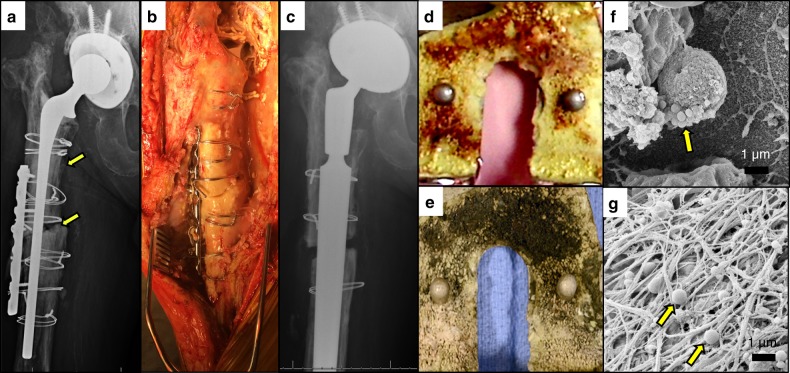
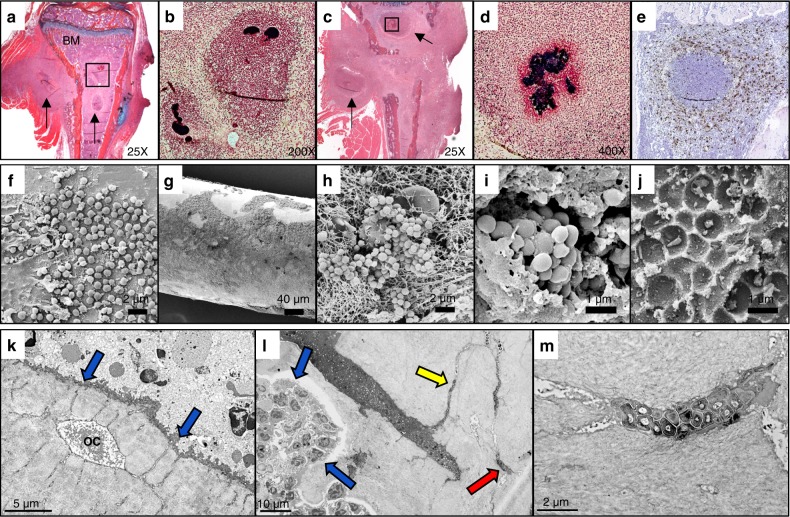
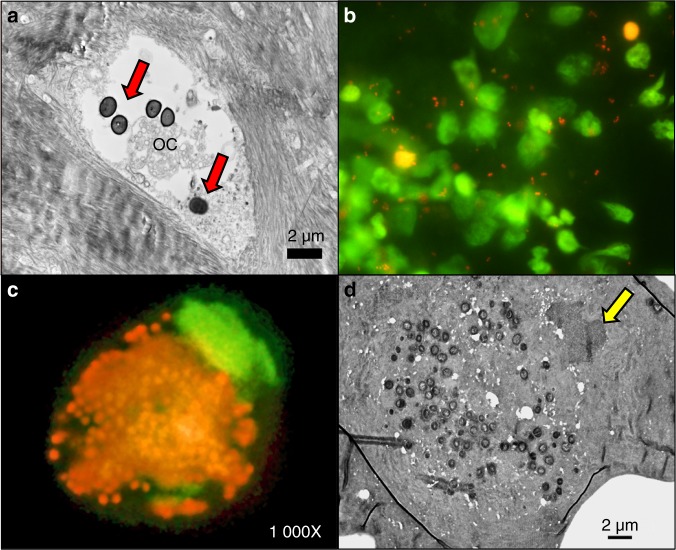
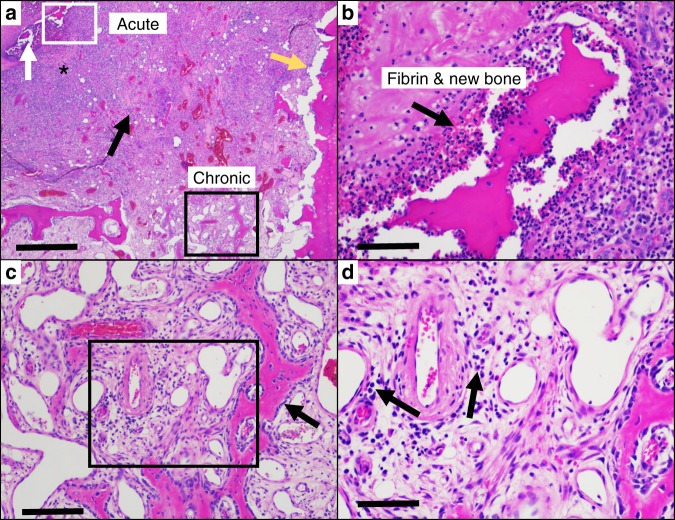
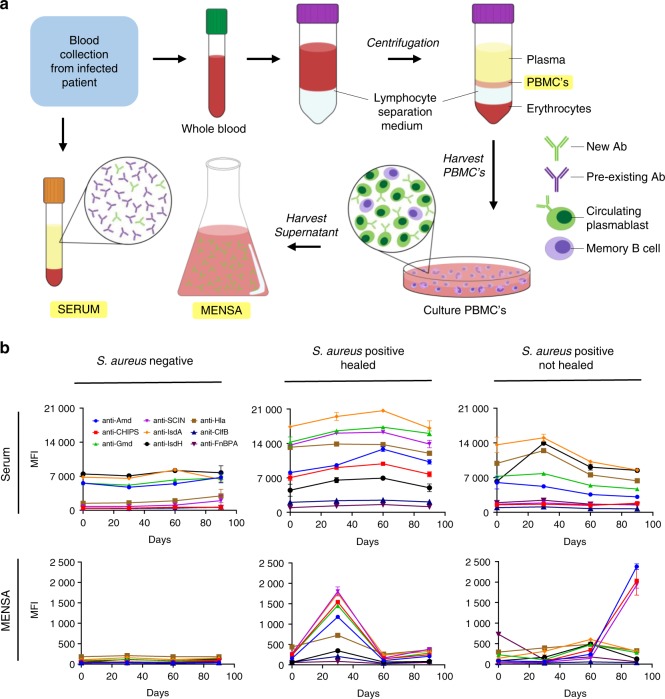
Osteomyelitis is a devastating disease caused by microbial infection of bone. While the frequency of infection following elective orthopedic surgery is low, rates of reinfection are disturbingly high.Staphylococcus aureus is responsible for the majority of chronic osteomyelitis cases and is often considered to be incurable due to bacterial persistence deep within bone. Unfortunately, there is no consensus on clinical classifications of osteomyelitis and the ensuing treatment algorithm. Given the high patient morbidity, mortality, and economic burden caused by osteomyelitis, it is important to elucidate mechanisms of bone infection to inform novel strategies for prevention and curative treatment. Recent discoveries in this field have identified three distinct reservoirs of bacterial biofilm including:Staphylococcal abscess communities in the local soft tissue and bone marrow, glycocalyx formation on implant hardware and necrotic tissue, and colonization of the osteocyte-lacuno canalicular network (OLCN) of cortical bone. In contrast,S. aureus intracellular persistence in bone cells has not been substantiated in vivo, which challenges this mode of chronic osteomyelitis. There have also been major advances in our understanding of the immune proteome against S. aureus, from clinical studies of serum antibodies and media enriched for newly synthesized antibodies (MENSA), which may provide new opportunities for osteomyelitis diagnosis, prognosis, and vaccine development. Finally, novel therapies such as antimicrobial implant coatings and antibiotic impregnated 3D-printed scaffolds represent promising strategies for preventing and managing this devastating disease. Here, we review these recent advances and highlight translational opportunities towards a cure.
Overview
The claims and statistics of this paper haven’t been checked yet.
Free: it reads the open-access text and checks the first 5 claims that cite a source we can check. Create a free account to check every claim.
Integrity signals
Registry
Cites
Statistics
Figures
Verification
Claims the paper makes
The claims and statistics of this paper haven’t been checked yet.
Free: it reads the open-access text and checks the first 5 claims that cite a source we can check. Create a free account to check every claim.
Claims other papers make about this one
Each is checked against this paper’s own text: does it say what the citing paper says it does?
The source backs part of the claim, not all of it — or backs it for a different population, condition or comparison.
In the citing paper
“Infected bone defects (IBDs) pose an arduous orthopedic healthcare challenge due to their complex pathophysiology: resilient biofilms and intracellular pathogens that evade conventional antibiotics, an immunosuppressive microenvironment that impairs bone regeneration, and large defects that are difficult to heal following surgical debridement [1,2].”
From Nanocatalytic magnesium osteoimplants with biodegradable self-adaptive interfaces for therapeutic repair of infected bone defects (2026) · cites this paper as [2]
Experimental — accuracy not yet measuredThe source backs part of the claim, not all of it — or backs it for a different population, condition or comparison.
In the citing paper
“Current treatments relying on debridement and antibiotics face limitations including antibiotic resistance and inability to eradicate biofilms or intracellular pathogens [2,3].”
From Nanocatalytic magnesium osteoimplants with biodegradable self-adaptive interfaces for therapeutic repair of infected bone defects (2026) · cites this paper as [2]
Experimental — accuracy not yet measuredThe source backs part of the claim, not all of it — or backs it for a different population, condition or comparison.
In the citing paper
“Moreover, existing implants lack targeted antimicrobial capability against biofilm-associated and intracellular pathogens [2,8].”
From Nanocatalytic magnesium osteoimplants with biodegradable self-adaptive interfaces for therapeutic repair of infected bone defects (2026) · cites this paper as [2]
Experimental — accuracy not yet measured
Self-check
Percentages, sums and reported differences re-computed from the paper’s own numbers.
The self-check needs the paper’s full text.
Citations
Cites
1 retracted
Genetic requirements for Staphylococcus aureus abscess formation and persistence in host tissues
Cheng, A. G., Kim, H. K., Burts, M. L., Krausz, T., Schneewind, O., & Missiakas, D. M. (2009) · The FASEB Journal · doi:10.1096/fj.09-135467 · Cited by 437 · cited 1×
“As a result, abscesses rarely resolve without exogenous antimicrobial treatment.(64) Peri-prosthetic abscess formation begins with neutrophil recruitment to the site of an acute infection, stimulated by the local release of cytokines and chemokines by host cells.”
BackgroundRetractedBacterial Biofilms: A Common Cause of Persistent Infections
Costerton, J. W., Stewart, P. S., & Greenberg, E. P. (1999) · Science · doi:10.1126/science.284.5418.1318 · Cited by 12,167 · cited 1×
“aureus is its ability to form biofilm matrices embedded with phenotypically altered bacterial cells.(77) As an adaptive response to environmental stress, unicellular bacteria often form biofilms to survive in a protected, multi-cellular community that is resistant to host immune response and antibiotic therapy.”
BackgroundFlemming, H.-C., & Wingender, J. (2010) · Nature Reviews Microbiology · doi:10.1038/nrmicro2415 · Cited by 10,137 · cited 1×
“2h), which encase the bacterial cells to mediate adhesion, provide mechanical stability and retain essential nutrients and enzymes.(78) As the biofilm matures, it becomes a complex and heterogeneous structure containing protected pods of bacteria (Fig.”
BackgroundPattern Recognition Receptors and Inflammation
Takeuchi, O., & Akira, S. (2010) · Cell · doi:10.1016/j.cell.2010.01.022 · Cited by 8,895
Mizgerd, J. P., Kubo, H., Kutkoski, G. J., Bhagwan, S. D., Scharffetter-Kochanek, K., Beaudet, A. L., & Doerschuk, C. M. (1997) · The Journal of Experimental Medicine · doi:10.1084/jem.186.8.1357 · Cited by 7,306
Bacterial biofilms: from the Natural environment to infectious diseases
Hall-Stoodley, L., Costerton, J. W., & Stoodley, P. (2004) · Nature Reviews Microbiology · doi:10.1038/nrmicro821 · Cited by 7,143
Staphylococcus aureus Infections
Lowy, F. D. (1998) · New England Journal of Medicine · doi:10.1056/nejm199808203390806 · Cited by 6,005
Mechanisms of biofilm resistance to antimicrobial agents
Mah, T.-F. C., & O'Toole, G. A. (2001) · Trends in Microbiology · doi:10.1016/s0966-842x(00)01913-2 · Cited by 3,921 · cited 1×
“For these reasons, bacteria within biofilms become very resistant to antimicrobial treatment and can survive drug dosing up to 1 000 times greater than their planktonic phenotype.(87) In addition to conferring long-term bacterial survival, biofilms can cause immense damage to the surrounding host tissue.”
BackgroundZimmerli, W., Trampuz, A., & Ochsner, P. E. (2004) · New England Journal of Medicine · doi:10.1056/nejmra040181 · Cited by 3,116
Global, regional, and national causes of child mortality in 2008: a systematic analysis
Black, R. E., Cousens, S., Johnson, H. L., Lawn, J. E., Rudan, I., Bassani, D. G., Jha, P., Campbell, H., Walker, C. F., Cibulskis, R., et al. (2010) · The Lancet · doi:10.1016/s0140-6736(10)60549-1 · Cited by 3,058 · cited 1×
“Antibiotic resistance is estimated to causes 10 million deaths/year by the year 2050.(226,227) This suggests that significant attention should be directed to the development of novel antimicrobial classes to circumvent the constantly evolving bacterial resistance mechanisms.”
Background
Cited by
Items 301–400 of 665
Bourget-Murray, J., Tubin, N., Bureau, A., Morris, J., Azad, M. A., Abdelbary, H., Grammatopoulos, G. A., & Garceau, S. P. (2024) · The Journal of Arthroplasty · doi:10.1016/j.arth.2024.03.054 · Cited by 11
Advances in the targeted theragnostics of osteomyelitis caused by Staphylococcus aureus
Abdulrehman, T., Qadri, S. M., Haik, Y., Sultan, A. A., Skariah, S., Kumar, S., Mendoza, Z., Yadav, K. K., Titus, A., & Shameer, K. (2024) · Archives of Microbiology · doi:10.1007/s00203-024-04015-2 · Cited by 12
“Despite treatment strategies, S. aureus infections recur over time (Masters et al. 2019).”
Blanc, L. L., Alric, B., Rollin, R., Xénard, L., Finn, L. R., Goussard, S., Mazenq, L., Ingersoll, M. A., Piel, M., Tinevez, J.-Y., et al. (2026) · Nature Communications · doi:10.1038/s41467-026-76492-6 · Cited by 11
“This leads to chronic osteomyelitis cases, a major challenge in orthopedics 33 .”
İnceoğlu, S., Botimer, G. D., & Maskiewicz, V. K. (2020) · Journal of Orthopaedic Research® · doi:10.1002/jor.24919 · Cited by 11
Roper, P. M., Eichelberger, K. R., Cox, L., O'Connor, L. D., Shao, C. G., Ford, C. A., Fritz, S. A., Cassat, J. E., & Novack, D. V. (2021) · Infection and Immunity · doi:10.1128/iai.00180-21 · Cited by 10
Treatment of Fracture-Related Infections
Morgenstern, M., Clauss, M., Sendi, P., Cadosch, D., Osinga, R., & Metsemakers, W. (2022) · Springer eBooks · doi:10.1007/978-3-030-95906-7_40 · Cited by 10
The Use of Calcium Phosphate Bioceramics for the Treatment of Osteomyelitis
Oliveira, C. S., Neguț, I., & Bita, B. I. (2024) · Ceramics · doi:10.3390/ceramics7040113 · Cited by 10
Ngoc, D. N., Latalski, M., Danielewicz, A., Szponder, T., Wessely‐Szponder, J., & Mazur, E. D. (2025) · Journal of Functional Biomaterials · doi:10.3390/jfb16030090 · Cited by 10
“Therefore, developing biocompatible alternatives to antibiotics is crucial for effective bone infection treatment [43,49].”
Yang, B., Su, J., Wu, J., Wang, Z., Hu, J. J., Yang, M., Lin, Y., Jin, M., Bai, X., Yu, B., et al. (2025) · Nature Communications · doi:10.1038/s41467-025-63551-7 · Cited by 10
“The adjusted criteria incorporated key features of both clinical osteomyelitis 78 and a mouse model of implant-associated S. aureus osteomyelitis 27 .”
Li, J., Zhang, Y., Liu, Y., Xu, Y., Xu, H., Ling, Q., Tian, Z., Ling, C., Tang, Z., Kiram, A., et al. (2026) · Nature Communications · doi:10.1038/s41467-025-68036-1 · Cited by 10
“Additionally, the bacterial bio fi lm formed on the implant is a major challenge in FRI management, serving as a persistent reservoir for reinfection 34,35 .”
Beenken, K. E., Campbell, M. J., Reyes-Pardo, H., O’Brien, C. A., & Smeltzer, M. S. (2026) · Clinical Microbiology Reviews · doi:10.1128/cmr.00259-25 · Cited by 11
Elliott, J. T., Henderson, E. R., Streeter, S. S., Demidov, V. V., Han, X., Tang, Y., Sottosanti, J. S., Bateman, L. M., Brůža, P., Jiang, S., et al. (2023) · Molecular-Guided Surgery: Molecules, Devices, and Applications · doi:10.1117/12.2661243 · Cited by 10
Magruder, M. L., Parsa, S., Gordon, A. M., Ng, M. K., & Wong, C. H. J. (2023) · Hip International · doi:10.1177/11207000231214768 · Cited by 10
Huang, J., Tang, Y., Wang, P., Liang, Z. Q., Ren, H., Cheng, Z., Huang, H., Wang, Z., Wu, Y., Xie, Z., et al. (2024) · Chemical Engineering Journal · doi:10.1016/j.cej.2024.152073 · Cited by 10
Coleman, H. J., Yang, Q., Robert, A., Padgette, H. M., Funke, H. H., Catalano, C. E., & Randolph, T. W. (2024) · Journal of Pharmaceutical Sciences · doi:10.1016/j.xphs.2024.08.005 · Cited by 10
Nanomechanical properties of zirconium anodized in a mixture of electrolytes with fluoride ions
Pantazi, A. G., Vardaki, M., Mihai, G. V., Totea, G., Demetrescu, I., & Enăchescu, M. (2020) · Journal of the mechanical behavior of biomedical materials/Journal of mechanical behavior of biomedical materials · doi:10.1016/j.jmbbm.2020.104084 · Cited by 10
Dense drug-eluting biodegradable Fe-Ag nanocomposites
Sharipova, A. F., Unger, R. E., Sosnik, A., & Gutmanas, E. Y. (2021) · Materials & Design · doi:10.1016/j.matdes.2021.109660 · Cited by 10
Bone infection: a clinical priority for clinicians, scientists and educators
Moriarty, T. F., Muthukrishnan, G., Daiss, J. L., Xie, C. L., Nishitani, K., Morita, Y., Awad, H. A., Bentley, K. L. D. M., Masters, E., Bui, T. I., et al. (2021) · European Cells and Materials · doi:10.22203/ecm.v042a21 · Cited by 10
Self-citationOptimization of Quantitative Analysis of Biofilm Cell from Pipe Materials
Papciak, D., Domoń, A., Zdeb, M., Skwarczyńska, A., & Konkol, J. (2021) · Coatings · doi:10.3390/coatings11111286 · Cited by 11
An Engineered Multimodular Enzybiotic against Methicillin-Resistant Staphylococcus aureus
Manoharadas, S., Altaf, M., Alrefaei, A. F., Ahmad, N., Hussain, S. A., & Alrayes, B. F. (2021) · Life · doi:10.3390/life11121384 · Cited by 10
“The prevalence of MRSA often complicates the situation with biofilm formation on the surgical implants [20,21].”
BackgroundYu, H., Wang, L., Huang, K., Guo, Q., Lin, B., Liu, Y., Yu, M., & Ma, G. (2022) · Journal of Orthopaedic Research® · doi:10.1002/jor.25279 · Cited by 10
“Osteomyelitis is an acute or chronic inflammatory bone disease with high disability rate.(1,2) Bacterial and fungal infection are important pathogenic factors for osteomyelitis.”
BackgroundPathogenetic features of chronic osteomyelitis treatment
Rimashevskiy, D. V., Akhtyamov, I. F., Fedulichev, P. N., Zaalan, W., Абдулгамидович, У. К., Basith, A., Moldakulov, J. M., & Zinoviev, M. P. (2021) · Genij Ortopedii · doi:10.18019/1028-4427-2021-27-5-628-635 · Cited by 10
“It is encouraging that some anti-S. aureus mAbs have been currently under preclinical and clinical studies [29].”
InfluentialX-ray versus magnetic resonance imaging in diabetic foot osteomyelitis: a clinical comparison.
Gariani, K., Lebowitz, D., Kressmann, B., Gariani, J., & Uçkay, I. (2021) · Current Diabetes Reviews · doi:10.2174/1573399816999200729124134 · Cited by 9
Heckmann, N. D., Culler, M. W., Atallah, L. M., Mont, M. A., Lieberman, J. R., & Parvizi, J. (2025) · The Journal of Arthroplasty · doi:10.1016/j.arth.2025.10.033 · Cited by 9
Emerging strategies in bone tissue engineering
Radhakrishnan, A., Sreekumaran, S., Anjali, S., Rajalekshmi, R., & Saravana, R. P. (2022) · Elsevier eBooks · doi:10.1016/b978-0-12-824064-9.00013-7 · Cited by 9
Egbulefu, F. J., Yang, J., Segreti, J. C., Sporer, S. M., Chen, A. F., Austin, M. S., & Valle, C. J. D. (2022) · Arthroplasty Today · doi:10.1016/j.artd.2022.07.015 · Cited by 9
Periprosthetic Joint Infection as a Socio-Economic Problem of Modern Orthopedics
Божкова, С. А., Муртузалиевич, Т. Р., & Алексеевич, А. В. (2024) · Annals of the Russian academy of medical sciences · doi:10.15690/vramn8370 · Cited by 10
Crosslinked hybrid polymer/ceramic composite coatings for the controlled release of clindamycin
Słota, D., Urbaniak, M. M., Tomaszewska, A., Niziołek, K., Włodarczyk, M., Florkiewicz, W., Szwed, A., Krupa, A., & Sobczak‐Kupiec, A. (2024) · Biomaterials Science · doi:10.1039/d4bm00055b · Cited by 9
Dual-Loaded Chitosan-Based Nanoparticles: A Novel approach for treating polymicrobial osteomyelitis
Zegre, M., Barros, J., David, A. B., Fialho, L., Ferraz, M. P., Monteiro, F. J., Caetano, L. A., Gonçalves, L., & Bettencourt, A. (2025) · International Journal of Pharmaceutics · doi:10.1016/j.ijpharm.2025.125480 · Cited by 9
Wang, Y., Jin, L., Wang, C., Liu, H., Mao, C., Liu, X., Li, Z., Zhu, S., Jiang, H., Cui, Z., et al. (2025) · Small · doi:10.1002/smll.202500915 · Cited by 9
Kreis, C., Aschenbrenner, F. K., Guenther, D., Tholema-Hans, N., Köppe, J., Roßlenbroich, S. B., Raschke, M. J., & Fuchs, T. (2022) · Scientific Reports · doi:10.1038/s41598-022-07673-8 · Cited by 9
Correlation Analysis between Chronic Osteomyelitis and Bacterial Biofilm
Huang, K., Lin, B., Liu, Y., Ren, H., & Guo, Q. (2022) · Stem Cells International · doi:10.1155/2022/9433847 · Cited by 9
“Osteonecrosis, sclerosis, and fistulas are common clinical signs of chronic osteomyelitis and patients are at risk of decay and recurrence of infection [5].”
BackgroundRetractedFracture-Related infection - the role of the surgeon and surgery in prevention and treatment
Valderrama-Molina, C. O., & Pesántez, R. F. (2022) · Journal of orthopaedic surgery · doi:10.1177/10225536221118520 · Cited by 9
Klose, A. M., Daiss, J. L., Ho, L., Beck, C. A., Striemer, C. C., Muthukrishnan, G., & Miller, B. L. (2021) · Analytical Chemistry · doi:10.1021/acs.analchem.1c02658 · Cited by 9
Self-citationBotros, M., Bentley, K. L. D. M., Schloemann, D. T., Saito, M., Constantine, R., Ricciardi, B. F., & Muthukrishnan, G. (2024) · Journal of Orthopaedic Research® · doi:10.1002/jor.25929 · Cited by 8
Self-citationSitompul, J., Rahma, M. N., Afandi, F., Elamin, K. M., Mohammed, A., & Wathoni, N. (2026) · International Journal of Nanomedicine · doi:10.2147/ijn.s598705 · Cited by 8
Campbell, M. J., Beenken, K. E., Spencer, H. J., Jayana, B. L., Hester, H., Sahukhal, G. S., Elasri, M. O., & Smeltzer, M. S. (2023) · Microbiology Spectrum · doi:10.1128/spectrum.03147-23 · Cited by 8
Pathophysiology of Bone and Joint Infections
Frigui, S., Chebbi, Y., & Achour, W. (2024) · Springer eBooks · doi:10.1007/978-3-031-54888-8_1 · Cited by 8
Advances in antimicrobial orthopaedic devices and FDA regulatory challenges
Kazemzadeh‐Narbat, M., Memic, A., McGowan, K. B., Memić, A., & Tamayol, A. (2024) · Progress in Biomedical Engineering · doi:10.1088/2516-1091/ad5cb1 · Cited by 9
Chandler, C. C., Clair, A. J., Metcalf, R. W., Hietpas, K. T., Fehring, T. K., & Otero, J. E. (2025) · The Journal of Arthroplasty · doi:10.1016/j.arth.2025.02.068 · Cited by 8
Sebastian, S., Malhotra, R., Sreenivas, V., Kapil, A., & Dhawan, B. (2020) · Indian Journal of Medical Microbiology · doi:10.1016/j.ijmmb.2020.12.004 · Cited by 8
Jia, Z., Wen, M., Xiong, P., Yan, J., Zhou, W., Cheng, Y., & Zheng, Y. (2021) · Materials Science and Engineering C · doi:10.1016/j.msec.2021.112025 · Cited by 8
Moradi, M., Mohabatkar, H., Behbahani, M., & Dini, G. (2022) · Arabian Journal of Chemistry · doi:10.1016/j.arabjc.2022.104274 · Cited by 8
Wu, Y., Cai, Z., Zhang, Y., Zheng, Y., Liao, L., & Jia, Z. (2026) · Bioactive Materials · doi:10.1016/j.bioactmat.2025.12.018 · Cited by 7
“Current treatments relying on debridement and antibiotics face limitations including antibiotic resistance and inability to eradicate biofilms or intracellular pathogens [2,3].”
InfluentialRelapsed boyhood tibia polymicrobial osteomyelitis linked to dermatophytosis: a case report
Kong, P., Ren, Y., Yang, J., Fu, W., Liu, Z., Li, Z., He, W., Wang, Y., Zheng, Z., Ding, M., et al. (2022) · BMC Surgery · doi:10.1186/s12893-022-01600-4 · Cited by 7
“Discussion and conclusions S aureus is responsible for the majority of osteomyelitis cases [2, 10].”
BackgroundSelf-citationWu, H., Lin, Y., Lin, Y., Deng, M., Hou, J., Liu, D., Cui, Z., Guan, D., Wang, J., & Yu, B. (2024) · Chemical Engineering Journal · doi:10.1016/j.cej.2024.151209 · Cited by 7
Development of phenyl‐urea‐based small molecules that target penicillin‐binding protein 4
Gondil, V. S., Butman, H. S., Young, M., Walsh, D. J., Narkhede, Y. B., Zeiler, M. J., Crow, A. H., Carpenter, M. E., Mardikar, A., Melander, R. J., et al. (2024) · Chemical Biology & Drug Design · doi:10.1111/cbdd.14569 · Cited by 7
“…difficult to eradicate, typically requiring two-stage surgical intervention to remove the infected implant, debridement of the surrounding tissue, packing the infection site with antibiotic-laden beads, followed by implant replacement and long-term antibiotic treatment (Masters et al., 2019).”
BackgroundSekar, A., Fan, Y., Tierney, P., McCanne, M., Jones, P., Malick, F. B., Kannambadi, D. D., Wannomae, K. K., Inverardi, N., Muratoglu, O. K., et al. (2024) · ACS Infectious Diseases · doi:10.1021/acsinfecdis.4c00409 · Cited by 7
Honegger, A., Schweizer, T. A., Achermann, Y., & Bosshard, P. P. (2025) · Antibiotics · doi:10.3390/antibiotics14010025 · Cited by 7
“Not indicated for They are believed to be one of the major factors involved in infection persistence and recurrence [37,38]. on cartilage Polyhexanide (0.1%), betaine H O - Cleaning, irrigation, and moisturizing of acute, chronic, burns When treating these SACs with the irrigation solutions, we…”
InfluentialQiao, Y., Sang, Z., Zhang, T., Liu, X., He, Q., Qin, J., Liu, Z., Qian, X., Zheng, Y., Zheng, Y., et al. (2025) · Advanced Materials · doi:10.1002/adma.202502693 · Cited by 7
Dielectric and Magnetic Composites of Fe3O4@APNs for Superior Microwave Thermal Effect
Zhan, Y.-L., Wen, K.-C., Li, Z. W., Sun, P., & Li, F. (2023) · ACS Biomaterials Science & Engineering · doi:10.1021/acsbiomaterials.3c01341 · Cited by 7
Biofilms and Acute and Chronic Infections
Nag, M., Lahiri, D., Mukherjee, D., Garai, S., Banerjee, R., & Ray, R. R. (2021) · Springer eBooks · doi:10.1007/978-981-16-0745-5_4 · Cited by 7
Hardt, S., Leopold, V. J., Khakzad, T., Pumberger, M., Perka, C., & Hipfl, C. (2021) · Journal of Clinical Medicine · doi:10.3390/jcm11010036 · Cited by 7
“Insufficient debridement of possible devitalized bone with biofilm residues [43] might have contributed to reinfection, which was not apparent in the interim period but later following reimplantation.”
BackgroundSherchand, S. P., Adhikari, R. P., Muthukrishnan, G., Kanipakala, T., Owen, J. R., Xie, C. L., Aman, M. J., Proctor, R. A., Schwarz, E. M., & Kates, S. L. (2022) · Frontiers in Cellular and Infection Microbiology · doi:10.3389/fcimb.2022.876898 · Cited by 7
“, 2018), (3) intracellular infection including “Trojan horse” macrophages (Masters et al., 2019; Nishitani et al., 2020), and (4) the ability to colonize the osteocyticcanalicular network of live cortical bone (de Mesy Bentley et al.”
BackgroundSelf-citationMandal, S., Tannert, A., Ebert, C., Guliev, R. R., Ozegowski, Y., Carvalho, L., Wildemann, B., Eiserloh, S., Coldewey, S. M., Löffler, B., et al. (2023) · International Journal of Molecular Sciences · doi:10.3390/ijms24119762 · Cited by 7
“It was found to use various strategies, such as the formation of a biofilm and abscesses in soft tissue or bone marrow, colonization of the osteocyte-lacuno canalicular networks, intracellular persistence, and the formation of small colony variants with reduced metabolism [14].”
BackgroundBlersch, B. P., Sax, F. H., Mederake, M., Benda, S., Schuster, P., & Fink, B. (2024) · Antibiotics · doi:10.3390/antibiotics13060524 · Cited by 7
“Persistent osteitis can be another explanation for these reinfections [42,43].”
BackgroundMeghwani, H., Rangel‐Moreno, J., Sandercock, K. M., Saito, M., McDonald, K. A., Kraft, C. M., Constantine, R., Lenigk, S., Rodriguez, A., Kates, S. L., et al. (2025) · mBio · doi:10.1128/mbio.01413-25 · Cited by 6
Self-citationLuo, S., Jiang, Y., Dong, Z., Peng, X., Shi, S., Luo, Z., Tao, S., & Wei, J. (2024) · Scientific Reports · doi:10.1038/s41598-024-73492-8 · Cited by 6
Vanvelk, N., Bentley, K. L. D. M., Verhofstad, M. H. J., Metsemakers, W., Moriarty, T. F., & Siverino, C. (2024) · Journal of Orthopaedic Research® · doi:10.1002/jor.25988 · Cited by 6
Analysis of the microbial landscape in patients with periprosthetic infection of the hip joint
Михайлович, Е. А., Bogdanova, N. A., Матвеева, Е. Л., & Георгиевна, Г. А. (2025) · Genij Ortopedii · doi:10.18019/1028-4427-2025-31-3-307-313 · Cited by 6
Liu, Z., Jin, G., Zhi, Y., Ge, S., Wang, D., Li, J., Li, Y., & Zhang, Y.-H. (2025) · Frontiers in Medicine · doi:10.3389/fmed.2025.1669180 · Cited by 6
Liu, J., Ou, S., Wen, J., Xia, C., Yang, Y., Qu, Y., Li, J., Yang, R., Zen, W., Qi, Y., et al. (2025) · International Immunopharmacology · doi:10.1016/j.intimp.2025.115744 · Cited by 6
Sebastian, S., Huang, J., Liu, Y., Tandberg, F., Collin, M., Puthia, M., & Raina, D. B. (2023) · Journal of Orthopaedic Research® · doi:10.1002/jor.25650 · Cited by 6
Karau, M. J., Mandrekar, J. N., Lehoux, D. E., Schuch, R., Cassino, C., & Patel, R. (2023) · BMC Research Notes · doi:10.1186/s13104-023-06468-y · Cited by 6
Deckey, D. G., Boddu, S. P., Verhey, J. T., Doxey, S. A., Spangehl, M. J., Clarke, H. D., & Bingham, J. S. (2024) · The Journal of Arthroplasty · doi:10.1016/j.arth.2024.03.058 · Cited by 6
Силантьева, Т. А., Михайлович, Е. А., & Triapichnikov, A. S. (2021) · Traumatology and Orthopedics of Russia · doi:10.21823/2311-2905-2021-27-2-84-98 · Cited by 6
Leonenko, V. N., Kaliberda, Y. E., Muravyeva, Y. V., & Artyukh, V. A. (2022) · Journal of Personalized Medicine · doi:10.3390/jpm12081216 · Cited by 6
“PJI Treatment Methods Currently, a number of researchers consider the two-stage revision total joint replacement method as the most effective from the infection eradication point of view [3,8].”
BackgroundA Nanoporous 3D-Printed Scaffold for Local Antibiotic Delivery
Ahangar, P., Li, J., Nkindi, L. S., Mohammadrezaee, Z., Cooke, M. E., Martineau, P. A., Weber, M. H., Saade, E., Nateghi, N., & Rosenzweig, D. H. (2023) · Micromachines · doi:10.3390/mi15010083 · Cited by 6
Harrison, Z. L., Pace, L. R., Brown, M. N., Beenken, K. E., Smeltzer, M. S., Bumgardner, J. D., Haggard, W. O., & Jennings, J. A. (2021) · Journal of Orthopaedic Research® · doi:10.1002/jor.24986 · Cited by 6
Zong, Y., Shan, H., Yin, F., Ma, X., Jiang, C., Wang, N., Zhou, L., Lin, Y., Zhou, Z., & Yu, X. (2021) · Journal of Inflammation Research · doi:10.2147/jir.s307316 · Cited by 6
Selecting a high‐dose antibiotic‐laden cement knee spacer
Hollyer, I., Ivanov, D. V., Kappagoda, S., Lowenberg, D. W., Goodman, S. B., & Amanatullah, D. F. (2023) · Journal of Orthopaedic Research® · doi:10.1002/jor.25570 · Cited by 6
Wu, H., Wang, X., Shen, J., Wei, Z., Wang, S., Xu, T., Luo, F., & Xie, Z. (2024) · The Bone & Joint Journal · doi:10.1302/0301-620x.106b7.bjj-2023-0778.r2 · Cited by 5
Unlocking the potential of stimuli-responsive injectable hydrogels for bone healing applications
Mamun, A. A., Shamiya, Y., Hasan, A., & Paul, A. (2025) · Frontiers in Biomaterials Science · doi:10.3389/fbiom.2025.1641339 · Cited by 5
Scolari, I. R., & Granero, G. E. (2025) · Regenerative medicine reports . · doi:10.4103/regenmed.regenmed-d-25-00025 · Cited by 5
Baldauf, B. J., Cemin, R., Biffi, M., Rapacciuolo, A., Zucchelli, G., Bongiorni, M. G., Casorelli, E., Mitacchione, G., Hohendanner, F., Durante‐Mangoni, E., et al. (2025) · Journal of Cardiovascular Development and Disease · doi:10.3390/jcdd12100406 · Cited by 5
Ren, Z., Zhang, Y., Liu, Y., & Wang, G. (2025) · International Journal of Nanomedicine · doi:10.2147/ijn.s548765 · Cited by 5
“7 Furthermore, they hinder direct antibiotic contact with bacteria at the infection site, thus reducing their efficacy.”
Chen, H., Huang, L., Li, X., Du, J., Wang, Z., Lu, C., Zheng, P., Nie, C., Yin, M., Zhu, W., et al. (2025) · Acta Biomaterialia · doi:10.1016/j.actbio.2025.11.048 · Cited by 5
Zhao, M., Rong, D., Chen, L., Cai, S., Lu, Y., Dai, J., Zhang, Y., Wei, X., Yang, X., & Wu, Q. (2026) · Microorganisms · doi:10.3390/microorganisms14020344 · Cited by 5
He, X., Li, Y. H., Xiang, Z., Wu, Y., Zhou, J., Tang, P., Ji, X., Huang, Z., Xu, J., Wang, W., et al. (2026) · Journal of Controlled Release · doi:10.1016/j.jconrel.2026.114686 · Cited by 5
Su, J., Liang, X., Yang, J., Dong, X., Chen, Y., Tan, X., Li, Z., Song, Y., Zhang, H., Dai, H., et al. (2026) · Bioactive Materials · doi:10.1016/j.bioactmat.2026.04.041 · Cited by 5
“The uncontrolled proliferation of bacterial biofilms creates a barrier that isolates the infection from the outside, complicating further treatment [12].”
Jensen, N., Jensen, H. E., Aalbæk, B., Blirup-Plum, S. A., Soto, S. M., Cepas, V., López, Y., Gabasa, Y., Gutiérrez‐del‐Río, I., Villar, C. J., et al. (2022) · Frontiers in Microbiology · doi:10.3389/fmicb.2022.950855 · Cited by 5
“Most preclinical in vivo studies aiming to investigate the prophylactic effect of antimicrobial interventions show a 0.3–4.5 log-reduction in tissue and implant CFU number (Masters et al., 2019).”
BackgroundInfluentialPark, S. Y., Lee, H.-J., Kim, H., Kim, D., Lee, S., & Yoon, H. (2023) · Antibiotics · doi:10.3390/antibiotics12091444 · Cited by 5
Puetzler, J., Vallejo-Díaz, A., Gosheger, G., Schulze, M., Arens, D., Zeiter, S., Siverino, C., Richards, R. G., & Moriarty, T. F. (2024) · Bone and Joint Research · doi:10.1302/2046-3758.133.bjr-2023-0077.r2 · Cited by 5
Vijayakumar, N., Venkatraman, S. K., Nedunchezhian, S. T., Mohan, S., Magesvaran, M. K., Genasan, K., Alex, R. A., Abraham, J., & Swamiappan, S. (2025) · Journal of Science Advanced Materials and Devices · doi:10.1016/j.jsamd.2025.100951 · Cited by 5
Jaekel, C., Windolf, C. D., Sager, M., Wollschläger, L. M., Hoffmanns, M. A., & Grassmann, J. P. (2022) · European Journal of Trauma and Emergency Surgery · doi:10.1007/s00068-022-01894-2 · Cited by 5
“The harmful effects of SA in this network is leading to cell death of the osteocytes, which influences the entire bone metabolism and is resulting in chronic osteitis [2, 5].”
BackgroundInfluentialSchulze, M., Nonhoff, M., Hasselmann, J., Fobker, M., Niemann, S., Theil, C., Gosheger, G., & Puetzler, J. (2023) · Pharmaceutics · doi:10.3390/pharmaceutics15122670 · Cited by 5
Owen, J., Campbell, M., Mott, M., Beck, C., Xie, C. L., Muthukrishnan, G., Daiss, J. L., Schwarz, E., & Kates, S. L. (2021) · European Cells and Materials · doi:10.22203/ecm.v042a12 · Cited by 5
“…clinical studies have established that the infection rate following elective orthopaedic surgery cannot be reduced below ~ 1 %, and that there are host specific factors that render this small population susceptible to infection (Masters et al., 2019; Ricciardi et al., 2020; Schwarz et al., 2019).”
BackgroundSelf-citationAdvanced microscopies for the study of motility behavior in predating Myxococcus xanthus
Rombouts, S. (2021) · theses.fr (ABES) · doi:10.70675/878d2581z340dz4dcdz9096zb809379f14a5 · Cited by 5
Saito, M., McDonald, K. A., Grier, A. K., Meghwani, H., Rangel‐Moreno, J., Kenney, H. M., Becerril‐Villanueva, E., Gamboa‐Domínguez, A., Bruno, J., Beck, C. A., et al. (2026) · Communications Medicine · doi:10.1038/s43856-026-01835-9 · Cited by 4
Self-citationJin, L., Liu, H., Mao, C., Wang, C., Wu, S., Lai, K. W., Zhang, Y., Li, Z., Zhu, S., Jiang, H., et al. (2025) · Journal of Material Science and Technology · doi:10.1016/j.jmst.2025.01.044 · Cited by 4
A rapid-release pure iodine coating on titanium implants to mitigate acute periprosthetic infections
Zhang, Y., Liang, J., Chen, Q., Huang, X., Wang, W., Chen, J.-S., & Yang, X. D. (2025) · Frontiers in Bioengineering and Biotechnology · doi:10.3389/fbioe.2025.1590411 · Cited by 4
Shi, J., Chen, W., Zhao, X., Liu, D., Lu, K., Xu, Y., Xia, T., Yuan, Z., He, J., Li, B., et al. (2025) · Advanced Functional Materials · doi:10.1002/adfm.202517239 · Cited by 4
Guo, P., Buttaro, B. A., Xue, H.-Y., Tran, N. T. H., & Wong, H. L. (2025) · International Journal of Pharmaceutics · doi:10.1016/j.ijpharm.2025.126539 · Cited by 4
Xu, L., Chen, X., Cao, Z., Zheng, G., Li, Z., Yang, X., Xie, H., & Chen, S. (2026) · Regenerative Biomaterials · doi:10.1093/rb/rbag061 · Cited by 4
Xu, J., Hu, J., Liu, S., Wang, J., Ma, Z., Guo, S., Li, M., & Zhang, E. (2024) · Advanced Engineering Materials · doi:10.1002/adem.202401273 · Cited by 4
Phage therapy: A primer for orthopaedic trauma surgeons
Chen, B., Moriarty, T. F., Metsemakers, W., & Chittò, M. (2024) · Injury · doi:10.1016/j.injury.2024.111847 · Cited by 4
Staphylococcus aureus Behavior on Artificial Surfaces Mimicking Bone Environment
Lemaire, A., Varin-Simon, J., Lamret, F., Dubus, M., Kerdjoudj, H., Velard, F., Gangloff, S. C., & Reffuveille, F. (2023) · Pathogens · doi:10.3390/pathogens12030384 · Cited by 4
“However, contamination during surgery, from a hematogenous way or from an infected adjacent tissue could lead to infection on the bone site [4].”
BackgroundNanoclay Hydrogel Microspheres with a Sandwich‐Like Structure for Complex Tissue Infection Treatment
Han, K., Chen, J., Han, Q., Sun, L., Dong, X., Shi, G., Yang, R., Wei, W., & Cheng, Y. (2024) · Macromolecular Bioscience · doi:10.1002/mabi.202400027 · Cited by 4
Xiong, Y., Wang, R., Zheng, J., Fang, D., He, P., Liu, S., Lin, Z., Chen, X., Chen, C., Shang, Y., et al. (2024) · European Journal of Medicinal Chemistry · doi:10.1016/j.ejmech.2024.116770 · Cited by 4
Khatibzadeh, S. M., Dahlgren, L. A., Caswell, C. C., Ducker, W. A., Werre, S. R., & Bogers, S. H. (2024) · PLoS ONE · doi:10.1371/journal.pone.0312917 · Cited by 4
“Antimicrobial resistant infections arise in clinical patients for reasons including chronic infections containing mature biofilms [6,108], following prolonged antimicrobial pre-treatment in which adaptive resistance develops [27], or polymicrobial infections [22,28,109].”
Background
Metadata
- Authors
- Masters, E. A., Trombetta, R. P., de Mesy Bentley, K. L., Boyce, B. F., Gill, A. L., Gill, S. R., Nishitani, K., Ishikawa, M., Morita, Y., Ito, H., Bello-Irizarry, S. N., Ninomiya, M., Brodell, J. D., Lee, C. C., Hao, S. P., Oh, I., Xie, C., Awad, H. A., Daiss, J. L., Owen, J. R., Kates, S. L., Schwarz, E. M., & Muthukrishnan, G.
- Affiliations
- University of Rochester Medicine (US)
- Kyoto University (JP)
- Virginia Commonwealth University Medical Center (US)
- Corresponding author
- Schwarz, Edward M.
- ORCID
- Masters, Elysia A.
- Trombetta, Ryan P.
- Boyce, Brendan F
- Gill, Ann Lindley
- Gill, Steven R.
- Nishitani, Kohei
- Ishikawa, Masahiro
- Morita, Yugo
- Ito, Hiromu
- Ninomiya, Mark
- Brodell, James D.
- Lee, Charles C.
- Hao, Stephanie P.
- Oh, Irvin
- Xie, Chao
- Awad, Hani A.
- Daiss, John L.
- Owen, John R.
- Kates, Stephen L.
- Schwarz, Edward M.
- Muthukrishnan, Gowrishankar
- Venue
- Bone Research
- Published
- 2019-07-15
- Volume
- 7
- Issue
- 1
- Pages
- 20-20
- ISSN
- 2095-4700 (ISSN-L)
- 2095-6231
- PMC
- PMC6804538
- OpenAlex
- W2959071814
- Semantic Scholar
- e050fbf236fc8e3356c100a29eaca07668635d74
- Cited by
- 575
- References
- 273
- Citations by year
- 2026: 85 · 2025: 98 · 2024: 82 · 2023: 86 · 2022: 94 · 2021: 73 · 2020: 54 · 2019: 2
- FWCI
- 11.50
- Type
- journal article
- Language
- en
- Open access
- gold
- doi.org
- Licence
- cc-by
- creativecommons.org/licenses/by/4.0 (tdm)
- creativecommons.org/licenses/by/4.0 (vor)
- Locations
- Bone Research (publishedVersion, cc-by)
- Europe PMC (PubMed Central) (publishedVersion, cc-by)
- PubMed Central (publishedVersion, cc-by)
- PubMed (publishedVersion)
- Funders
- U.S. Department of Health & Human Services | NIH | National Institute of Arthritis and Musculoskeletal and Skin Diseases (P50 AR072000, P30 AR069655, R01 AR43510, R01 AG049994, P30 AR061307, T32 AR53459, R21 AR074571, R21 AR073321, R21 AR500710, P30 AR069655-01 Pilot, R01 AI119646)
- AO Foundation (Clinical Priority Program)
- Amedica Inc
- Bristol-Myers Squibb
- Astellas Pharma
- Asahi Kasei Pharma Corporation
- Bristol-Myers, Astellas and Asahi-Kasei
- Goldstein Award from the Department of Orthopaedics, University of Rochester, Rochester, NY
- Topics
- Health Sciences › Medicine › Surgery › Orthopedic Infections and Treatments
- Life Sciences › Biochemistry, Genetics and Molecular Biology › Molecular Biology › Bacterial biofilms and quorum sensing
- Health Sciences › Medicine › Infectious Diseases › Antimicrobial Resistance in Staphylococcus
- Keywords
- osteomyelitis, bone infection, bacterial biofilms, Staphylococcus aureus, chronic osteomyelitis, serum antibodies, implant-associated infection, vaccine development
About these checks
Registry, retraction, Cites and statistics results are computed, not judged, with one exception: a printed reference that no index lists is read once by a model before it counts as a citation error. Claims are extracted by a model and kept only when their quote appears verbatim in the text; each cited source is then checked, with a model’s help, for whether it says what the claim relies on. Those verdicts can be wrong — read the claim’s quote and the cited source before relying on one.
Statistics and arithmetic are recomputed, not judged.
Confidence bands are shown only for fields calibrated on our annotated test set. None is calibrated yet, so no band is shown.
What counts as a claim ›How we measure confidence ›How we check this ›
Are you an author, or do you see a problem with this page? Request a review
Data sources
Bibliographic data: Semantic Scholar, OpenAlex, Crossref.
Contains information from the Semantic Scholar Academic Graph Datasets, made available under the ODC Attribution License (ODC-BY 1.0).
Semantic Scholar’s data is described in: Kinney, R., et al. (2023). The Semantic Scholar Open Data Platform. arXiv:2301.10140.
