

Evolving concepts in bone infection: redefining "biofilm", "acute vs. chronic osteomyelitis", "the immune proteome" and "local antibiotic therapy"
Open accessThe DOI matches its Crossref record; 275 of the 275 references it cites were found in a registry or an index.
Abstract
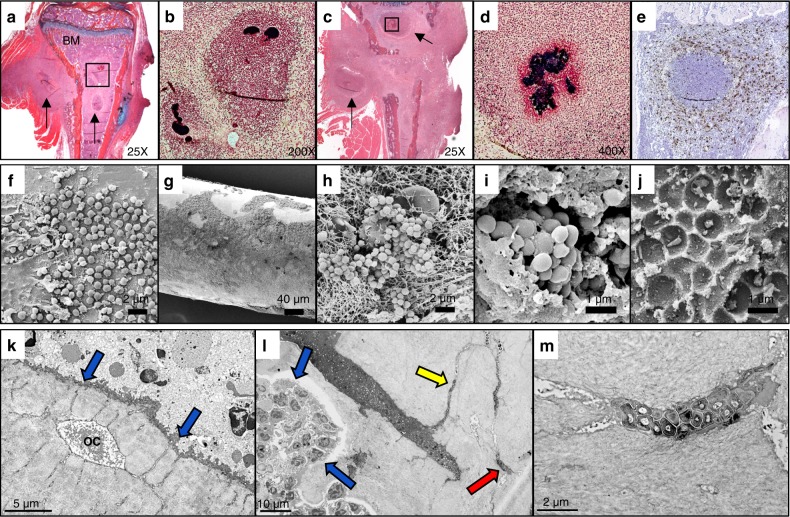
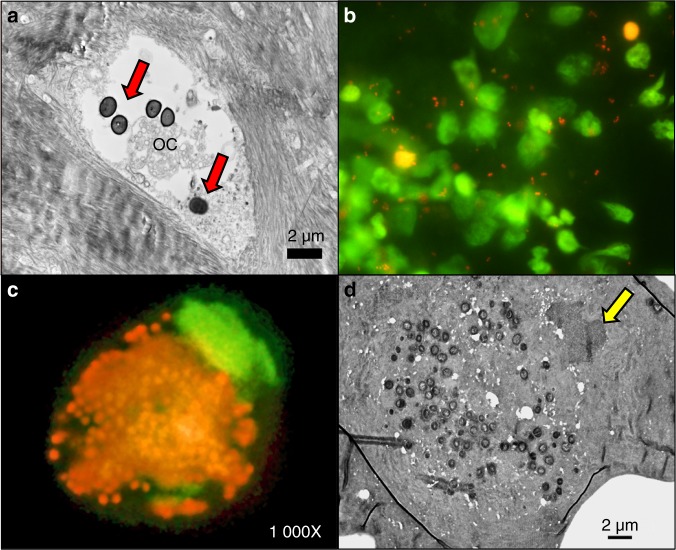
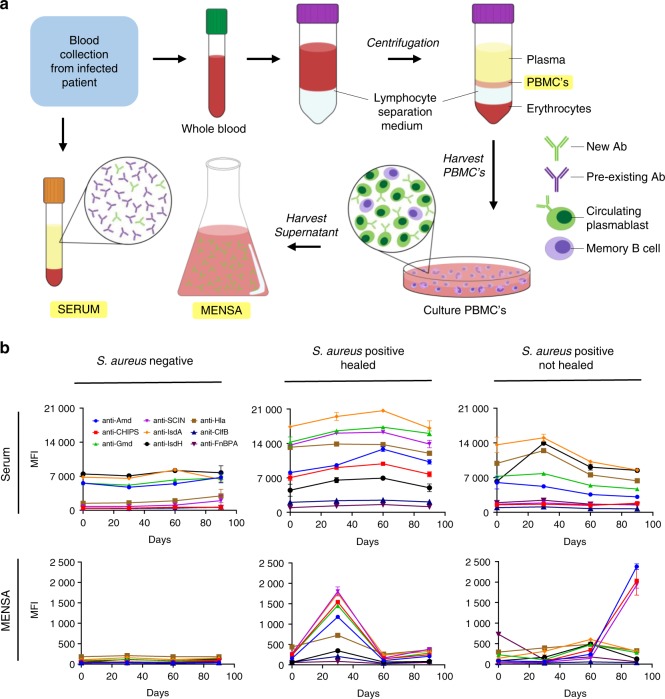
Osteomyelitis is a devastating disease caused by microbial infection of bone. While the frequency of infection following elective orthopedic surgery is low, rates of reinfection are disturbingly high.Staphylococcus aureus is responsible for the majority of chronic osteomyelitis cases and is often considered to be incurable due to bacterial persistence deep within bone. Unfortunately, there is no consensus on clinical classifications of osteomyelitis and the ensuing treatment algorithm. Given the high patient morbidity, mortality, and economic burden caused by osteomyelitis, it is important to elucidate mechanisms of bone infection to inform novel strategies for prevention and curative treatment. Recent discoveries in this field have identified three distinct reservoirs of bacterial biofilm including:Staphylococcal abscess communities in the local soft tissue and bone marrow, glycocalyx formation on implant hardware and necrotic tissue, and colonization of the osteocyte-lacuno canalicular network (OLCN) of cortical bone. In contrast,S. aureus intracellular persistence in bone cells has not been substantiated in vivo, which challenges this mode of chronic osteomyelitis. There have also been major advances in our understanding of the immune proteome against S. aureus, from clinical studies of serum antibodies and media enriched for newly synthesized antibodies (MENSA), which may provide new opportunities for osteomyelitis diagnosis, prognosis, and vaccine development. Finally, novel therapies such as antimicrobial implant coatings and antibiotic impregnated 3D-printed scaffolds represent promising strategies for preventing and managing this devastating disease. Here, we review these recent advances and highlight translational opportunities towards a cure.
Overview
The claims and statistics of this paper haven’t been checked yet.
Free: it reads the open-access text and checks the first 5 claims that cite a source we can check. Create a free account to check every claim.
Integrity signals
Registry
Cites
Statistics
Figures
Verification
Claims the paper makes
The claims and statistics of this paper haven’t been checked yet.
Free: it reads the open-access text and checks the first 5 claims that cite a source we can check. Create a free account to check every claim.
Claims other papers make about this one
Each is checked against this paper’s own text: does it say what the citing paper says it does?
The source backs part of the claim, not all of it — or backs it for a different population, condition or comparison.
In the citing paper
“Infected bone defects (IBDs) pose an arduous orthopedic healthcare challenge due to their complex pathophysiology: resilient biofilms and intracellular pathogens that evade conventional antibiotics, an immunosuppressive microenvironment that impairs bone regeneration, and large defects that are difficult to heal following surgical debridement [1,2].”
From Nanocatalytic magnesium osteoimplants with biodegradable self-adaptive interfaces for therapeutic repair of infected bone defects (2026) · cites this paper as [2]
Experimental — accuracy not yet measuredThe source backs part of the claim, not all of it — or backs it for a different population, condition or comparison.
In the citing paper
“Current treatments relying on debridement and antibiotics face limitations including antibiotic resistance and inability to eradicate biofilms or intracellular pathogens [2,3].”
From Nanocatalytic magnesium osteoimplants with biodegradable self-adaptive interfaces for therapeutic repair of infected bone defects (2026) · cites this paper as [2]
Experimental — accuracy not yet measuredThe source backs part of the claim, not all of it — or backs it for a different population, condition or comparison.
In the citing paper
“Moreover, existing implants lack targeted antimicrobial capability against biofilm-associated and intracellular pathogens [2,8].”
From Nanocatalytic magnesium osteoimplants with biodegradable self-adaptive interfaces for therapeutic repair of infected bone defects (2026) · cites this paper as [2]
Experimental — accuracy not yet measured
Self-check
Percentages, sums and reported differences re-computed from the paper’s own numbers.
The self-check needs the paper’s full text.
Citations
Cites
1 retracted
Genetic requirements for Staphylococcus aureus abscess formation and persistence in host tissues
Cheng, A. G., Kim, H. K., Burts, M. L., Krausz, T., Schneewind, O., & Missiakas, D. M. (2009) · The FASEB Journal · doi:10.1096/fj.09-135467 · Cited by 437 · cited 1×
“As a result, abscesses rarely resolve without exogenous antimicrobial treatment.(64) Peri-prosthetic abscess formation begins with neutrophil recruitment to the site of an acute infection, stimulated by the local release of cytokines and chemokines by host cells.”
BackgroundRetractedBacterial Biofilms: A Common Cause of Persistent Infections
Costerton, J. W., Stewart, P. S., & Greenberg, E. P. (1999) · Science · doi:10.1126/science.284.5418.1318 · Cited by 12,167 · cited 1×
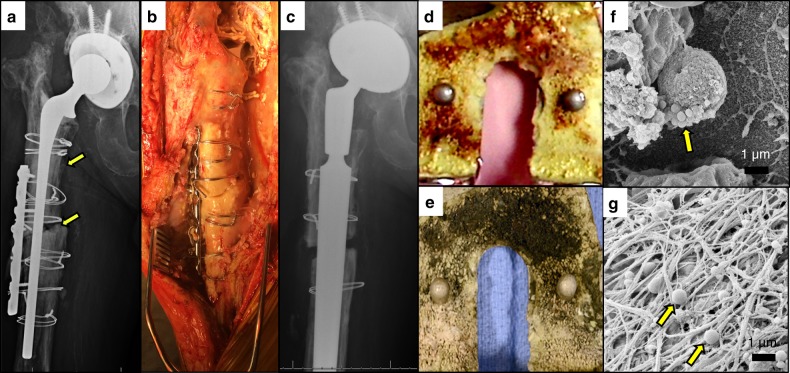
“aureus is its ability to form biofilm matrices embedded with phenotypically altered bacterial cells.(77) As an adaptive response to environmental stress, unicellular bacteria often form biofilms to survive in a protected, multi-cellular community that is resistant to host immune response and antibiotic therapy.”
BackgroundFlemming, H.-C., & Wingender, J. (2010) · Nature Reviews Microbiology · doi:10.1038/nrmicro2415 · Cited by 10,137 · cited 1×
“2h), which encase the bacterial cells to mediate adhesion, provide mechanical stability and retain essential nutrients and enzymes.(78) As the biofilm matures, it becomes a complex and heterogeneous structure containing protected pods of bacteria (Fig.”
BackgroundPattern Recognition Receptors and Inflammation
Takeuchi, O., & Akira, S. (2010) · Cell · doi:10.1016/j.cell.2010.01.022 · Cited by 8,895
Mizgerd, J. P., Kubo, H., Kutkoski, G. J., Bhagwan, S. D., Scharffetter-Kochanek, K., Beaudet, A. L., & Doerschuk, C. M. (1997) · The Journal of Experimental Medicine · doi:10.1084/jem.186.8.1357 · Cited by 7,306
Bacterial biofilms: from the Natural environment to infectious diseases
Hall-Stoodley, L., Costerton, J. W., & Stoodley, P. (2004) · Nature Reviews Microbiology · doi:10.1038/nrmicro821 · Cited by 7,143
Staphylococcus aureus Infections
Lowy, F. D. (1998) · New England Journal of Medicine · doi:10.1056/nejm199808203390806 · Cited by 6,005
Mechanisms of biofilm resistance to antimicrobial agents
Mah, T.-F. C., & O'Toole, G. A. (2001) · Trends in Microbiology · doi:10.1016/s0966-842x(00)01913-2 · Cited by 3,921 · cited 1×
“For these reasons, bacteria within biofilms become very resistant to antimicrobial treatment and can survive drug dosing up to 1 000 times greater than their planktonic phenotype.(87) In addition to conferring long-term bacterial survival, biofilms can cause immense damage to the surrounding host tissue.”
BackgroundZimmerli, W., Trampuz, A., & Ochsner, P. E. (2004) · New England Journal of Medicine · doi:10.1056/nejmra040181 · Cited by 3,116
Global, regional, and national causes of child mortality in 2008: a systematic analysis
Black, R. E., Cousens, S., Johnson, H. L., Lawn, J. E., Rudan, I., Bassani, D. G., Jha, P., Campbell, H., Walker, C. F., Cibulskis, R., et al. (2010) · The Lancet · doi:10.1016/s0140-6736(10)60549-1 · Cited by 3,058 · cited 1×
“Antibiotic resistance is estimated to causes 10 million deaths/year by the year 2050.(226,227) This suggests that significant attention should be directed to the development of novel antimicrobial classes to circumvent the constantly evolving bacterial resistance mechanisms.”
Background
Cited by
Items 201–300 of 665
Qin, B., Dong, H., Tang, X., Liu, Y., Feng, G., Wu, S., & Zhang, H. (2023) · International Journal of Biological Macromolecules · doi:10.1016/j.ijbiomac.2023.127233 · Cited by 22
Fungal footprints in oral cancer: unveiling the oral mycobiome
Monteiro, J. S., Kaushik, K., de Arruda, J. A. A., Georgakopoulou, E. A., Vieira, A. T., Silva, T. A., Devadiga, D., Anyanechi, C. E., & Shetty, S. S. (2024) · Frontiers in Oral Health · doi:10.3389/froh.2024.1360340 · Cited by 22
Jin, M., Wu, X., Hu, J. J., Chen, Y., Yang, B., Cheng, C., Yang, M., & Zhang, X. (2024) · PLoS Pathogens · doi:10.1371/journal.ppat.1012437 · Cited by 22
Silica-Polymer Composites as the Novel Antibiotic Delivery Systems for Bone Tissue Infection
Skwira, A., Szewczyk, A., Konopacka, A., Gorska‐Arcisz, M., Majda, D., Sądej, R., & Prokopowicz, M. (2019) · Pharmaceutics · doi:10.3390/pharmaceutics12010028 · Cited by 22
“Staphylococcus aureus strains have been the most frequently isolated pathogens from the site of infection in bone tissue [28].”
BackgroundRong, Z., Chen, X., Qin, L., Wang, X., Luo, F., Zou, Q., & Zeng, H. (2025) · Frontiers in Cellular and Infection Microbiology · doi:10.3389/fcimb.2025.1592086 · Cited by 22
Lee, C., Southgate, R., Jiao, C., Gersz, E., Owen, J., Kates, S. L., Beck, C., Xie, C. L., Daiss, J. L., Post, V., et al. (2020) · European Cells and Materials · doi:10.22203/ecm.v039a06 · Cited by 21
“…dosing regimen of anti-Gmd mAb immunotherapy for chronic osteomyelitis, for which the standard of care is 6 to 8 weeks of i.v. antibiotic therapy (Masters et al., 2019), the decay of circulating anti-Gmd antibodies was assessed within this patient cohort, over their 1-year treatment period.”
MethodSelf-citationChopra, V., Thomas, J., Chauhan, G., Kaushik, S., Rajput, S., Guha, R., Chattopadhyay, N., Martinez-Chapa, S. O., & Ghosh, D. (2022) · ACS Applied Nano Materials · doi:10.1021/acsanm.1c04126 · Cited by 21
Muthukrishnan, G., Soin, S. P., Beck, C. A., Grier, A., Brodell, J. D., Lee, C. C., Ackert‐Bicknell, C. L., Lee, F. E.-H., Schwarz, E. M., & Daiss, J. L. (2020) · ImmunoHorizons · doi:10.4049/immunohorizons.2000024 · Cited by 22
“The resulting culture supernatant MENSA was harvested, aliquoted, and maintained at280°C for long term storage (25, 36).”
MethodSelf-citationFrom wearables to implantables—clinical drive and technical challenges
Kassanos, P., Rosa, B. M. G., Keshavarz, M., & Yang, G. (2020) · Elsevier eBooks · doi:10.1016/b978-0-12-819246-7.00002-4 · Cited by 22
Campoccia, D., Ravaioli, S., Mirzaei, R., Bua, G., Daglia, M., & Arciola, C. R. (2023) · International Journal of Molecular Sciences · doi:10.3390/ijms242317042 · Cited by 20
“In 2019, Masters et al. [9] described three pathogenically distinct reservoirs of biofilm bacteria in osteomyelitis: glycocalyx on the implant, colonization of osteocyte lacuno-canalicular network, and staphylococcal abscess communities (SACs).”
BackgroundShi, X., Wu, Y., Tang, L., Yin, Z., Shi, J. Y., Wu, X., & Xu, Y. (2024) · Chemical Engineering Journal · doi:10.1016/j.cej.2024.155337 · Cited by 20
Micro/nanorobots in antimicrobial therapy: Addressing challenges of antibiotic resistance
Chen, X., Li, Y., Wang, C., Chen, Z., Xu, Z., Xia, F., Yan, Y., & Gao, M. (2025) · Materials Today Bio · doi:10.1016/j.mtbio.2025.101936 · Cited by 20
“Epidemiological data indicate that approximately 80 % of chronic bacterial infections [73], such as osteomyelitis [74], cystic fibrosis-related lung infections [75], dental plaque [76], urinary tract infections [77], and ear infections [77,78], are associated with biofilm formation.”
The application of ceragenins to orthopedic surgery and medicine
Dao, A., Mills, R. J., Kamble, S., Savage, P. B., Little, D. G., & Schindeler, A. (2020) · Journal of Orthopaedic Research® · doi:10.1002/jor.24615 · Cited by 20
Brodell, J. D., Kozakiewicz, L. N., Hoffman, S. L., & Oh, I. C. (2020) · Foot & Ankle International · doi:10.1177/1071100720962480 · Cited by 20
Self-citationSumrall, E. T., Hofstee, M. I., Arens, D., Röhrig, C., Baertl, S., Gehweiler, D., Schmelcher, M., Loessner, M. J., Zeiter, S., Richards, R. G., et al. (2021) · Antibiotics · doi:10.3390/antibiotics10101186 · Cited by 21
Hofstee, M. I., Siverino, C., Saito, M., Meghwani, H., Tapia-Dean, J., Arveladze, S., Hildebrand, M., Rangel‐Moreno, J., Riool, M., Zeiter, S., et al. (2024) · JBMR Plus · doi:10.1093/jbmrpl/ziad005 · Cited by 19
Self-citationElahpour, N., Niesner, I. C. C., Abdellaoui, N., Holzapfel, B. M., Gritsch, L., Jallot, É., Mayer‐Wagner, S., & Lao, J. (2024) · Advanced Materials Interfaces · doi:10.1002/admi.202400068 · Cited by 22
The DAIR-procedure in fracture-related infection–When and how
Baertl, S., Rupp, M., & Alt, V. (2024) · Injury · doi:10.1016/j.injury.2024.111977 · Cited by 19
Aparicio-Blanco, J., López-Torres, I. I., Alonso-Berenguel, M., Torres‐Suárez, A. I., & Martín‐Sabroso, C. (2024) · European Journal of Pharmaceutical Sciences · doi:10.1016/j.ejps.2024.106940 · Cited by 19
Aminnezhad, S., Hama, N. H., Hasan, A. H., Bagheri, F., & Alavi, M. (2025) · International Journal of Biological Macromolecules · doi:10.1016/j.ijbiomac.2025.140331 · Cited by 19
Mesoporous silica pellets as bifunctional bone drug delivery system for cefazolin
Szewczyk, A., Skwira, A., Konopacka, A., Sądej, R., Walker, G., & Prokopowicz, M. (2020) · International Journal of Pharmaceutics · doi:10.1016/j.ijpharm.2020.119718 · Cited by 19
Bennett, R. C., Oh, M. W., Kuo, S. H., Belo, Y., Maron, B., Malach, E., Lin, J., Hayouka, Z., & Lau, G. W. (2021) · ACS Infectious Diseases · doi:10.1021/acsinfecdis.0c00871 · Cited by 19
Advances in cell membrane-encapsulated biomaterials for tissue repair and regeneration
Gao, W., & Xiao, Y. (2022) · Applied Materials Today · doi:10.1016/j.apmt.2022.101389 · Cited by 19
Xue, Y., Zhao, Z., Zhao, Y., Wang, C., Shen, S., Qiu, Z., Cui, R., Zhou, S., Fang, L., Chen, Z., et al. (2022) · Nanoscale · doi:10.1039/d2nr02149h · Cited by 19
Lower limb post-traumatic osteomyelitis: a systematic review of clinical outcomes
Rodham, P. L., Panteli, M., Vun, J. S. H., Harwood, P. J., & Giannoudis, P. V. (2022) · European Journal of Orthopaedic Surgery & Traumatology · doi:10.1007/s00590-022-03364-2 · Cited by 19
Kawsar, M. A., Zhao, C., Mao, F., Yu, Z., & Zhang, Y. (2025) · Antibiotics · doi:10.3390/antibiotics14090924 · Cited by 18
“Moreover, the prolonged local administration of high-dose antibiotics can result in host cytotoxicity, bone tissue damage, and the emergence of resistant bacterial strains factors that significantly compromise healing [227,228].”
Ceccarelli, G., Perciballi, B., Russo, A., Martini, P., Marchetti, F., Capparuccia, M. R., Iaiani, G., Fabris, S., Ciccozzi, M., Villani, C., et al. (2023) · Antibiotics · doi:10.3390/antibiotics12050937 · Cited by 19
“However, it should be underlined that LS is able to mark active infectious processes, but it is not clear if it also adequately traces the presence of mature biofilms that are highly tolerant to host immune defenses [34,35].”
BackgroundYekani, M., Dizaj, S. M., Sharifi, S., Sedaghat, H., Saffari, M., & Memar, M. Y. (2024) · Heliyon · doi:10.1016/j.heliyon.2024.e38392 · Cited by 18
Zhou, H., Ren, Y., Zou, K., Jin, Y., Liu, H., Jiang, H., Shi, L., Sheng, X., Weeks, J., Wang, H., et al. (2024) · Advanced Healthcare Materials · doi:10.1002/adhm.202403261 · Cited by 18
Self-citationAntibiotic Elution from Cement Spacers and Its Influencing Factors
Fink, B., & Tetsworth, K. D. (2025) · Antibiotics · doi:10.3390/antibiotics14070705 · Cited by 18
“The bolus of antibiotics in the first phase is immediately delivered to eradicate any bacteria, presumably followed by sustained drug release well above the MIC to kill any remaining bacteria [35].”
Dubus, M., Varin-Simon, J., Prada, P., Scomazzon, L., Reffuveille, F., Alem, H., Boulmedais, F., Mauprivez, C., Rammal, H., & Kerdjoudj, H. (2020) · Biomaterials Science · doi:10.1039/d0bm00962h · Cited by 18
Osteomyelitis: Focus on Conventional Treatments and Innovative Drug Delivery Systems
Gallarate, M., Chirio, D., Chindamo, G., Peira, E., & Sapino, S. (2020) · Current Drug Delivery · doi:10.2174/1567201817666200915093224 · Cited by 18
Qayoom, I., Srivastava, E., & Kumar, A. (2022) · Biomaterials Advances · doi:10.1016/j.bioadv.2022.213133 · Cited by 18
Yu, Q., Chen, H., Li, M., Wang, C., Fan, H., Li, W., Li, X., Zhang, J., & Lu, M. (2025) · Biomaterials · doi:10.1016/j.biomaterials.2025.123567 · Cited by 17
Guo, X. (2023) · Journal of Biochemical and Molecular Toxicology · doi:10.1002/jbt.23298 · Cited by 17
Yang, B., Shu, W., Hu, J. J., Wang, Z., Wu, J., Su, J., Tan, J., Yu, B., & Zhang, X. (2024) · International Journal of Biological Sciences · doi:10.7150/ijbs.93592 · Cited by 17
“…including biofilm formation on the surface of implanted materials, secretion of abundant virulence factors, modification of cell wall components to enhance antibiotic resistance, and internalization into host cells or the osteocyte-lacuno canalicular network (OLCN) within bone tissue [7-10].”
BackgroundMethodGarg, D., Kumar, D., Paliwal, S., Pinnaka, A. K., Sachdev, A., & Matai, I. (2024) · International Journal of Biological Macromolecules · doi:10.1016/j.ijbiomac.2024.134961 · Cited by 17
Peez, C., Chen, B., Henssler, L., Chittò, M., Onsea, J., Verhofstad, M. H. J., Arens, D., Constant, C., Zeiter, S., Obremskey, W. T., et al. (2025) · Frontiers in Cellular and Infection Microbiology · doi:10.3389/fcimb.2025.1547250 · Cited by 17
Hipfl, C., Carganico, T., Leopold, V. J., Perka, C., Müller, M., & Hardt, S. (2021) · The Journal of Arthroplasty · doi:10.1016/j.arth.2021.02.040 · Cited by 17
Hofstee, M. I., Riool, M., Gieling, F., Stenger, V., Constant, C., Nehrbass, D., Zeiter, S., Richards, R. G., Zaat, S. A. J., & Moriarty, T. F. (2021) · European Cells and Materials · doi:10.22203/ecm.v041a49 · Cited by 17
“…pseudocapsule, it appears that the fibrin pseudocapsule serves to prevent infiltration of immune cells into the SAC and that its formation is one of the key S. aureus mechanisms to escape from host responses, as previously suggested (Cheng et al., 2011; Masters et al., 2019; Thomer et al., 2016b).”
BackgroundQiu, G., Wu, H., Huang, M., Ma, T., Schneider, A., Oates, T. W., Weir, M. D., Xu, H. H. K., & Zhao, L. (2021) · Materials Science and Engineering C · doi:10.1016/j.msec.2021.112306 · Cited by 17
Anderson, G. M., Osorio, C., Berns, E. M., Masood, U., Alsoof, D., McDonald, C. L., Zhang, A. S., Younghein, J. A., Kuris, E. O., Telfeian, A. E., et al. (2022) · Journal of Clinical Medicine · doi:10.3390/jcm11123481 · Cited by 17
Seebach, E., Elschner, T., Kraus, F. V., Souto‐Carneiro, M., & Kubatzky, K. F. (2023) · Inflammation · doi:10.1007/s10753-023-01824-3 · Cited by 17
Antibacterial CATH‐2 Peptide Coating to Prevent Bone Implant‐Related Infection
Keikhosravani, P., Jahanmard, F., Bollen, T. L., Nazmi, K., Veldhuizen, E. J. A., Gonugunta, P., Anusuyadevi, P. R., van der Wal, B. C. H., Vogely, H. C., Bikker, F. J., et al. (2023) · Advanced Materials Technologies · doi:10.1002/admt.202300500 · Cited by 17
Radwan, N. H., Nasr, M., Ishak, R. A. H., & Awad, G. A. S. (2021) · International Journal of Pharmaceutics · doi:10.1016/j.ijpharm.2021.120662 · Cited by 17
Immunomodulatory Biomaterials for Bone and Soft Tissue Chronic Inflammation Diseases
Li, Y., Xie, X., Ding, C., Zhang, S., Hu, L., Mi, B., Liu, M., & Liu, G. (2025) · Small Science · doi:10.1002/smsc.202500260 · Cited by 16
Paleczny, J., Brożyna, M., Dudek-Wicher, R. K., Dydak, K., Oleksy-Wawrzyniak, M., Madziala, M. A., Bartoszewicz, M., & Junka, A. (2022) · International Journal of Molecular Sciences · doi:10.3390/ijms231911564 · Cited by 17
Role of Biosurfactants in Biofilm Prevention and Disruption
Malakar, C., Deka, S., & Kalita, M. C. (2023) · Springer eBooks · doi:10.1007/978-3-031-21682-4_22 · Cited by 16
Xu, T., Cheng, H., Pei, H., Wang, J., Shi, Y., Zhang, X., & Huang, D. (2024) · Advanced Science · doi:10.1002/advs.202409979 · Cited by 16
Dudek-Wicher, R. K., Paleczny, J., Kowalska−Krochmal, B., Szymczyk‐Ziółkowska, P., Pachura, N., Szumny, A. J., & Brożyna, M. (2021) · Pathogens · doi:10.3390/pathogens10050515 · Cited by 16
“Bacterial biofilm is implicated in such chronic diseases, s ch as for example non-healing wounds or osteomyelitis [22].”
BackgroundInfluentialBottagisio, M., Palombella, S., Lopa, S., Sangalli, F., Savadori, P., Biagiotti, M., Sideratou, Z., Tsiourvas, D., & Lovati, A. B. (2023) · Frontiers in Cellular and Infection Microbiology · doi:10.3389/fcimb.2022.1056912 · Cited by 16
“, 2022) able to eradicate bacteria, to prevent the prime step of biofilm formation and bacterial adherence (Masters et al., 2019), and to permit an efficient bony bridging.”
BackgroundAntibacterial peptides-loaded bioactive materials for the treatment of bone infection
Gan, W., Cui, Y., Liu, H., Tian, Y., Li, S., Fan, Y., Sun, S., Wu, D., & Peng, C. (2023) · Colloids and Surfaces B Biointerfaces · doi:10.1016/j.colsurfb.2023.113255 · Cited by 16
Lamret, F., Lemaire, A., Lagoutte, M., Varin-Simon, J., Abraham, L., Colin, M., Braux, J., Velard, F., Gangloff, S. C., & Reffuveille, F. (2023) · Biofilm · doi:10.1016/j.bioflm.2023.100120 · Cited by 16
Qayoom, I., Prasad, A., Srivastava, E., Fazili, K. M., Nussler, A. K., & Kumar, A. (2023) · Biomaterials Advances · doi:10.1016/j.bioadv.2023.213714 · Cited by 16
In vitro co-culture models for the assessment of orthopedic antibacterial biomaterials
Eijkel, B. I. M., Apachitei, I., Fratila-Apachitei, L. E., & ZADPOOR, A. A. (2024) · Frontiers in Bioengineering and Biotechnology · doi:10.3389/fbioe.2024.1332771 · Cited by 16
Emerging implications of bacterial biofilm in cancer biology: Recent updates and major perspectives
Kushwaha, M., Nukala, V., Singh, A. K., Makharia, G. K., Mohan, A., Kumar, A., & Dalal, N. (2024) · Gut Microbes Reports · doi:10.1080/29933935.2024.2339270 · Cited by 16
Research progress of implantable materials in antibacterial treatment of bone infection
Xiang, B., Jiang, J., Wang, H., & Song, L. (2025) · Frontiers in Bioengineering and Biotechnology · doi:10.3389/fbioe.2025.1586898 · Cited by 15
Sekar, A., Malick, F. B., Deepak, S., Inverardi, N., Murugesan, D., Muratoglu, O. K., & Oral, E. (2025) · npj Biofilms and Microbiomes · doi:10.1038/s41522-025-00754-2 · Cited by 16
“Todate, S.aureus has been reported in three distinct bio fi lm reservoirs within the implant, joint, and bone environments 31 .”
Algethami, J. S., Hassan, M. S., Amna, T., Alqarni, L. S., Alhamami, M. A. M., & Seliem, A. F. (2023) · Materials · doi:10.3390/ma16093314 · Cited by 15
Vatankhah, M., Dadashzadeh, S., Mahboubi, A., Haeri, A., Alaee, K. J., Naeini, S. B. M., & Abbasian, Z. (2023) · Journal of Liposome Research · doi:10.1080/08982104.2023.2220805 · Cited by 15
“In osteomyelitis, Staphylococcus species is responsible for approximately 75%, mainly S. aureus which nearly half of the cases are due to methicillin-resistant S. aureus (MRSA) (Ford and Cassat 2017, Gogia et al. 2009, Masters et al. 2019).”
BackgroundAshar, H. K., Singh, A., Ektate, K., More, S., & Ranjan, A. (2023) · International Journal of Hyperthermia · doi:10.1080/02656736.2023.2211278 · Cited by 15
“Eradication of biofilms from implant materials is a challenging aspect of orthopedic surgery [3].”
BackgroundMethodInfluentialMohammadzadeh, M., Goli, M., Shahrebabaki, K. E., Golshirazi, A., & Labbaf, S. (2025) · Bioprinting · doi:10.1016/j.bprint.2025.e00421 · Cited by 15
Dong, S., Yang, Y., Deng, J., Jia, Y., Liu, P., Chen, Z., He, J., Bai, W., Wang, W., Ge, Q., et al. (2025) · Chemical Engineering Journal · doi:10.1016/j.cej.2025.165164 · Cited by 15
Bone mineral as a drug-seeking moiety and a waste dump: a review
Raina, D. B., Liu, Y., Jacobson, O. L. P., Tanner, K. E., Tägil, M., & Lidgren, L. (2020) · Bone and Joint Research · doi:10.1302/2046-3758.910.bjr-2020-0097.r1 · Cited by 15
Antibiotics Limit Adaptation of Drug-Resistant Staphylococcus aureus to Hypoxia
Hull, R. C., Wright, R. C. T., Sayers, J. R., Sutton, J. A. F., Rzaska, J., Foster, S. J., Brockhurst, M. A., & Condliffe, A. M. (2022) · Antimicrobial Agents and Chemotherapy · doi:10.1128/aac.00926-22 · Cited by 15
“elitis (26), and diabetic foot ulcers (27), resulting in phenotypic changes to bacteria”
BackgroundThe use of combination therapy for the improvement of colistin activity against bacterial biofilm
Jalil, A. T., Alrawe, R. T. A., Al-Saffar, M. A., Shaghnab, M. L., Merza, M. S., Abosaooda, M., & Latef, R. (2023) · Brazilian Journal of Microbiology · doi:10.1007/s42770-023-01189-7 · Cited by 15
“Additionally, bacterial biofilm leads to antibiotic resistance and is responsible for prolonged antibiotic treatment and an aggressive surgical approach in osteomyelitis [95, 96].”
Nanofibers in the treatment of osteomyelitis and bone regeneration
Silva, G. L. G. E., Monteiro, M. S. D. S. D. B., Matos, A. P. D. S., Santos‐Oliveira, R., Kenechukwu, F. C., & Ricci‐Júnior, E. (2021) · Journal of Drug Delivery Science and Technology · doi:10.1016/j.jddst.2021.102999 · Cited by 15
Herzenberg, J. E., Elhessy, A. H., Rivera, J. C., Shu, H. T., Andrews, T.-J., & Conway, J. D. (2022) · Strategies in Trauma and Limb Reconstruction · doi:10.5005/jp-journals-10080-1554 · Cited by 15
“Clin Orthop Relat Res 2016;474(3):643–651.”
BackgroundLiu, C.-G., Li, D., Gao, X., Ma, T., Zhang, K., & Liu, D. (2024) · International Immunopharmacology · doi:10.1016/j.intimp.2024.111815 · Cited by 14
Surfactants’ Interplay with Biofilm Development in Staphylococcus and Candida
Aonofriesei, F. (2024) · Pharmaceutics · doi:10.3390/pharmaceutics16050657 · Cited by 14
“Biofilms augment pathogen colonization and the incidence of systemic or superficial infections, particularly in immunocompromised patients [13,14].”
BackgroundArnold, S. R., Giordano, V., Obremskey, W. T., Schwarz, E. M., Smeltzer, M. S., Novack, D. V., & Cassat, J. E. (2026) · Nature Reviews Disease Primers · doi:10.1038/s41572-026-00707-9 · Cited by 15
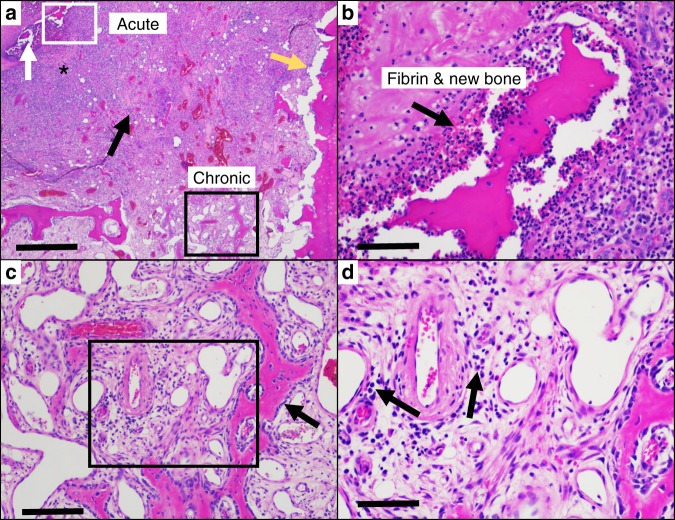
“However, the precise temporal cutoffs of acute osteomyelitis versus chronic osteomyelitis are not well defined nor agreed upon, and histological features conventionally associated with chronic osteomyelitis can be present in patients who have temporally acute disease 8 .”
Self-citationRizzi, F. R., Fanizza, E., Giancaspro, M., Depalo, N., Curri, M. L., González, B., Colilla, M., Izquierdo‐Barba, I., & Vallet‐Regí, M. (2024) · Microporous and Mesoporous Materials · doi:10.1016/j.micromeso.2024.113414 · Cited by 13
Wu, X., Guan, X., Cheng, C., Deng, Z., Zeng, L., Ma, Y., Xie, Y., & Zheng, Q. (2025) · Molecular Medicine · doi:10.1186/s10020-025-01274-7 · Cited by 13
“…clearance, critically overlook the immune metabolic reprogramming of cells in the bone microenvironment that perpetuates microbial persistence (Masters et al. 2019, 2022), resulting in persistent infection and treatment-refractory recurrence (18–25% at the 5-year follow-up) (Trampuz A et al.…”
Shuai, C., Yu, Z., Qi, F., He, T., Zhang, D., Shuai, X., & Yang, M. X. (2025) · ACS Applied Bio Materials · doi:10.1021/acsabm.5c01000 · Cited by 13
Bacterial Nanocellulose‐Chitosan‐Gelatin‐Hydroxyapatite Scaffolds for Bone Tissue Engineering
Phatchayawat, P. P., Yodmuang, S., & Phisalaphong, M. K. M. (2025) · Macromolecular Bioscience · doi:10.1002/mabi.202500299 · Cited by 13
“Although autogenous and allogenic grafts remain the gold standard for bone reconstruction, they are hindered by significant drawbacks, such as morbidity at the donor site, potential immune rejection, and limited availability [3, 4].”
Wang, C., Xu, C., Li, J., Wu, T., Guo, K., Wang, B., Ai, J., Ma, L., Gu, B., & Ma, Y. (2025) · Bioactive Materials · doi:10.1016/j.bioactmat.2025.11.043 · Cited by 14
“Bone infection specimens (e.g., synovial fluid) contain abundant dead leukocytes, necrotic tissue fragments, and fibrinogen [18].”
Managing Bone Infections Beyond Systemic Antibiotics: A Scoping Review
Polyzou, E., Gavatha, M., Efthymiou, D., Papageorgiou, D., Ntalaki, E., Stavropoulos, N. A., & Akinosoglou, K. (2026) · Pathogens · doi:10.3390/pathogens15020201 · Cited by 13
“However, vaccine candidates targeting S. aureus have thus far failed to demonstrate effective clinical protection, with several trials showing limited efficacy or unfavorable outcomes [179].”
Hofstee, M. I., Heider, A., Häckel, S., Constant, C., Riool, M., Richards, R. G., Moriarty, T. F., & Zaat, S. A. J. (2021) · Pathogens · doi:10.3390/pathogens10111446 · Cited by 13
“Moreover, immunosuppressive regulatory T cells (Tregs) [3,18] and antiinflammatory M2 macrophages [3,19] were observed surrounding the abscesses.”
BackgroundIsguven, S., Fitzgerald, K., Delaney, L., Harwood, M., Schaer, T., & Hickok, N. (2022) · European Cells and Materials · doi:10.22203/ecm.v043a03 · Cited by 13
“In patients presenting clinical signs of a PJI, DAIR is often attempted to avoid more invasive interventions required with a one- or two-stage implant exchange (Cobo et al., 2011; Masters et al., 2019).”
BackgroundWhitely, M. E., Helms, S. M., Muire, P. J., Lofgren, A. L., Lopez, R. A., & Wenke, J. C. (2022) · Journal of Orthopaedic Surgery and Research · doi:10.1186/s13018-022-03199-x · Cited by 13
Sulovari, A., Ninomiya, M. J., Beck, C. A., Ricciardi, B. F., Ketonis, C., Mesfin, A., Kaplan, N. B., Soin, S. P., McDowell, S. M., Mahmood, B., et al. (2020) · Journal of Orthopaedic Research® · doi:10.1002/jor.24935 · Cited by 13
Self-citationBentley, K. L. D. M., Galloway, C. A., Muthukrishnan, G., Echternacht, S. R., Masters, E. A., Zeiter, S., Schwarz, E. M., & Leckenby, J. I. (2021) · Journal of Orthopaedic Research® · doi:10.1002/jor.24968 · Cited by 13
“Furthermore, we propose that bacterial secretion of lactic acid and proteases leads to demineralization of the bone and organic matrix digestion respectively, serving as an inexhaustible nutrient source supporting the proliferative phase beyond the life of the host.(6,7) To formally test these hypotheses, ultrastructu…”
BackgroundSelf-citationLipof, J. S., Jones, C. M. C., Daiss, J. L., & Oh, I. C. (2021) · Journal of Orthopaedic Research® · doi:10.1002/jor.25001 · Cited by 13
“Surgical procedures performed were irrigation and debridement,(11) toe or ray amputation,(12) calcanectomies,(4) and below‐knee amputation.(1) There were 9 acute (<3 weeks), 4 subacute (3–6 weeks) and 16 chronic (>6 weeks) DFUs.”
Self-citationToward Bactericidal Enhancement of Additively Manufactured Titanium Implants
Fang, Y., Attarilar, S., Yang, Z., Wei, G., Fu, Y., & Wang, L. (2021) · Coatings · doi:10.3390/coatings11060668 · Cited by 13
“Bacterial biofilms are resistant to antimicrobial treatments and evade host defenses by providing a physical barrier [7].”
BackgroundBillings, C., & Anderson, D. E. (2022) · Bioengineering · doi:10.3390/bioengineering9020065 · Cited by 14
“Histology may also demonstrate the presence of both chronic and acute changes in a single specimen [65], highlighting the progressive nature of osteomyelitis.”
BackgroundInfluentialPrakash, S., Pattukumar, V., Thirumurugan, D., Saravanan, R., Singh, C. R., Immanuel, G., & Ramasubburayan, R. (2023) · Process Biochemistry · doi:10.1016/j.procbio.2023.10.011 · Cited by 13
Eltawila, A. M., Hassan, M. N., Safaan, S. M., El‐Fattah, A. A., Zakaria, O., El-Khordagui, L. K., & Kandil, S. H. (2021) · Journal of Biomedical Materials Research Part B Applied Biomaterials · doi:10.1002/jbm.b.34824 · Cited by 12
Unnikrishnan, V., Venugopal, A., Sivadasan, S. B., Fernandez, F. B., Sabareeswaran, A., R, H. V. P., & Valappil, M. P. (2022) · International Journal of Pharmaceutics · doi:10.1016/j.ijpharm.2022.121535 · Cited by 12
Agrawal, M., Yadav, A. L., Takkar, S., Kulshreshtha, R., Nandan, B., & Srivastava, R. K. (2023) · International Journal of Pharmaceutics · doi:10.1016/j.ijpharm.2023.122611 · Cited by 12
Hu, X., Tang, J., Yu, H., Yang, H., Lu, X., & Zheng, D. (2023) · Frontiers in Bioengineering and Biotechnology · doi:10.3389/fbioe.2023.1249706 · Cited by 12
Shokri, M., Kharaziha, M., Tafti, S. H. A., Dalili, F., Aghdam, R. M., Ghiassi, S. R., & Eslaminejad, M. B. (2024) · Biomaterials Science · doi:10.1039/d4bm00377b · Cited by 12
Novel strategies to diagnose prosthetic or native bone and joint infections
van Belkum, A., Gros, M.-F., Ferry, T., Lustıg, S., Laurent, F. J., Durand, G., Jay, C., Rochas, O., & Ginocchio, C. C. (2021) · Expert Review of Anti-infective Therapy · doi:10.1080/14787210.2021.1967745 · Cited by 12
Transcriptomic identification of genes expressed in invasive S. aureus diabetic foot ulcer infection
Agidigbi, T. S., Kwon, H., Knight, J., Zhao, D., Lee, F. Y., & Oh, I. C. (2023) · Frontiers in Cellular and Infection Microbiology · doi:10.3389/fcimb.2023.1198115 · Cited by 11
“aureus infection with the use of immunoassay techniques have shown some potential for clinical application, but there are certain limitations (Masters et al., 2019; Choi et al., 2021; Hao et al., 2021; Fritz et al., 2022).”
BackgroundSelf-citationCai, Y., Hu, H., Chen, Y., Li, J., Zhang, C., Yuan, X., Li, W., Huang, C., Lin, Y., Zhang, Z., et al. (2025) · Drug Resistance Updates · doi:10.1016/j.drup.2025.101295 · Cited by 12
Nanomaterial-mediated antibiotic delivery: a novel strategy for osteomyelitis therapy
Cheng, S., Meng, X.-H., Li, Z., Han, H.-H., & Zhang, Y. (2025) · Frontiers in Bioengineering and Biotechnology · doi:10.3389/fbioe.2025.1671151 · Cited by 12
Buie, T., Whitely, M. E., McCune, J. T., Lan, Z., Jose, A., Balakrishnan, A., Wenke, J. C., & Cosgriff‐Hernandez, E. (2021) · Journal of Biomedical Materials Research Part A · doi:10.1002/jbm.a.37210 · Cited by 11
Orthopedic management of pubic symphysis osteomyelitis: a case series
Shu, H. T., Elhessy, A. H., Conway, J. D., Burnett, A. L. “., & Shafiq, B. (2021) · Journal of Bone and Joint Infection · doi:10.5194/jbji-6-273-2021 · Cited by 11
“…and antimicrobial agents, reduce antibiotic penetrance, and result in a change in bacterial metabolic activity to a more sessile state, which can reduce nutrient dependance and increase resistance to reactive oxygen species (Brady et al., 2008; Masters et al., 2019; Zimmerli and Sendi, 2017).”
BackgroundInfluentialElsheikh, A. A., Hashish, A., Kamal, M., El-Mohammadi, S., & Ismael, Y. (2022) · European Journal of Orthopaedic Surgery & Traumatology · doi:10.1007/s00590-022-03429-2 · Cited by 11
Silva, G. L. G. E., Monteiro, M. S. D. S. D. B., Garófalo, D. D. A., Dias, M. L., Rossi, A. M., Tude, E. M. O., Cardoso, V. D. S., Vermelho, A. B., Matos, A. P. D. S., Santos‐Oliveira, R., et al. (2023) · Journal of Drug Delivery Science and Technology · doi:10.1016/j.jddst.2023.104780 · Cited by 11
CRISPRi-Mediated Gene Silencing in Biofilm Cycle and Quorum Sensing
Arora, A. (2024) · Springer eBooks · doi:10.1007/978-981-99-8529-6_6 · Cited by 11
Metadata
- Authors
- Masters, E. A., Trombetta, R. P., de Mesy Bentley, K. L., Boyce, B. F., Gill, A. L., Gill, S. R., Nishitani, K., Ishikawa, M., Morita, Y., Ito, H., Bello-Irizarry, S. N., Ninomiya, M., Brodell, J. D., Lee, C. C., Hao, S. P., Oh, I., Xie, C., Awad, H. A., Daiss, J. L., Owen, J. R., Kates, S. L., Schwarz, E. M., & Muthukrishnan, G.
- Affiliations
- University of Rochester Medicine (US)
- Kyoto University (JP)
- Virginia Commonwealth University Medical Center (US)
- Corresponding author
- Schwarz, Edward M.
- ORCID
- Masters, Elysia A.
- Trombetta, Ryan P.
- Boyce, Brendan F
- Gill, Ann Lindley
- Gill, Steven R.
- Nishitani, Kohei
- Ishikawa, Masahiro
- Morita, Yugo
- Ito, Hiromu
- Ninomiya, Mark
- Brodell, James D.
- Lee, Charles C.
- Hao, Stephanie P.
- Oh, Irvin
- Xie, Chao
- Awad, Hani A.
- Daiss, John L.
- Owen, John R.
- Kates, Stephen L.
- Schwarz, Edward M.
- Muthukrishnan, Gowrishankar
- Venue
- Bone Research
- Published
- 2019-07-15
- Volume
- 7
- Issue
- 1
- Pages
- 20-20
- ISSN
- 2095-4700 (ISSN-L)
- 2095-6231
- PMC
- PMC6804538
- OpenAlex
- W2959071814
- Semantic Scholar
- e050fbf236fc8e3356c100a29eaca07668635d74
- Cited by
- 575
- References
- 273
- Citations by year
- 2026: 85 · 2025: 98 · 2024: 82 · 2023: 86 · 2022: 94 · 2021: 73 · 2020: 54 · 2019: 2
- FWCI
- 11.50
- Type
- journal article
- Language
- en
- Open access
- gold
- doi.org
- Licence
- cc-by
- creativecommons.org/licenses/by/4.0 (tdm)
- creativecommons.org/licenses/by/4.0 (vor)
- Locations
- Bone Research (publishedVersion, cc-by)
- Europe PMC (PubMed Central) (publishedVersion, cc-by)
- PubMed Central (publishedVersion, cc-by)
- PubMed (publishedVersion)
- Funders
- U.S. Department of Health & Human Services | NIH | National Institute of Arthritis and Musculoskeletal and Skin Diseases (P50 AR072000, P30 AR069655, R01 AR43510, R01 AG049994, P30 AR061307, T32 AR53459, R21 AR074571, R21 AR073321, R21 AR500710, P30 AR069655-01 Pilot, R01 AI119646)
- AO Foundation (Clinical Priority Program)
- Amedica Inc
- Bristol-Myers Squibb
- Astellas Pharma
- Asahi Kasei Pharma Corporation
- Bristol-Myers, Astellas and Asahi-Kasei
- Goldstein Award from the Department of Orthopaedics, University of Rochester, Rochester, NY
- Topics
- Health Sciences › Medicine › Surgery › Orthopedic Infections and Treatments
- Life Sciences › Biochemistry, Genetics and Molecular Biology › Molecular Biology › Bacterial biofilms and quorum sensing
- Health Sciences › Medicine › Infectious Diseases › Antimicrobial Resistance in Staphylococcus
- Keywords
- osteomyelitis, bone infection, bacterial biofilms, Staphylococcus aureus, chronic osteomyelitis, serum antibodies, implant-associated infection, vaccine development
About these checks
Registry, retraction, Cites and statistics results are computed, not judged, with one exception: a printed reference that no index lists is read once by a model before it counts as a citation error. Claims are extracted by a model and kept only when their quote appears verbatim in the text; each cited source is then checked, with a model’s help, for whether it says what the claim relies on. Those verdicts can be wrong — read the claim’s quote and the cited source before relying on one.
Statistics and arithmetic are recomputed, not judged.
Confidence bands are shown only for fields calibrated on our annotated test set. None is calibrated yet, so no band is shown.
What counts as a claim ›How we measure confidence ›How we check this ›
Are you an author, or do you see a problem with this page? Request a review
Data sources
Bibliographic data: Semantic Scholar, OpenAlex, Crossref.
Contains information from the Semantic Scholar Academic Graph Datasets, made available under the ODC Attribution License (ODC-BY 1.0).
Semantic Scholar’s data is described in: Kinney, R., et al. (2023). The Semantic Scholar Open Data Platform. arXiv:2301.10140.
