

Evolving concepts in bone infection: redefining "biofilm", "acute vs. chronic osteomyelitis", "the immune proteome" and "local antibiotic therapy"
Open accessThe DOI matches its Crossref record; 275 of the 275 references it cites were found in a registry or an index.
Abstract
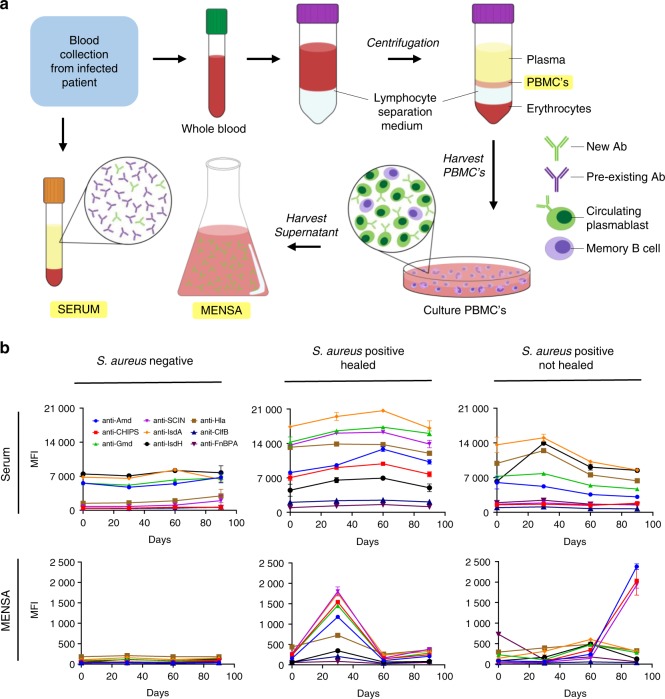
Osteomyelitis is a devastating disease caused by microbial infection of bone. While the frequency of infection following elective orthopedic surgery is low, rates of reinfection are disturbingly high.Staphylococcus aureus is responsible for the majority of chronic osteomyelitis cases and is often considered to be incurable due to bacterial persistence deep within bone. Unfortunately, there is no consensus on clinical classifications of osteomyelitis and the ensuing treatment algorithm. Given the high patient morbidity, mortality, and economic burden caused by osteomyelitis, it is important to elucidate mechanisms of bone infection to inform novel strategies for prevention and curative treatment. Recent discoveries in this field have identified three distinct reservoirs of bacterial biofilm including:Staphylococcal abscess communities in the local soft tissue and bone marrow, glycocalyx formation on implant hardware and necrotic tissue, and colonization of the osteocyte-lacuno canalicular network (OLCN) of cortical bone. In contrast,S. aureus intracellular persistence in bone cells has not been substantiated in vivo, which challenges this mode of chronic osteomyelitis. There have also been major advances in our understanding of the immune proteome against S. aureus, from clinical studies of serum antibodies and media enriched for newly synthesized antibodies (MENSA), which may provide new opportunities for osteomyelitis diagnosis, prognosis, and vaccine development. Finally, novel therapies such as antimicrobial implant coatings and antibiotic impregnated 3D-printed scaffolds represent promising strategies for preventing and managing this devastating disease. Here, we review these recent advances and highlight translational opportunities towards a cure.
Overview
The claims and statistics of this paper haven’t been checked yet.
Free: it reads the open-access text and checks the first 5 claims that cite a source we can check. Create a free account to check every claim.
Integrity signals
Registry
Cites
Statistics
Figures
Verification
Claims the paper makes
The claims and statistics of this paper haven’t been checked yet.
Free: it reads the open-access text and checks the first 5 claims that cite a source we can check. Create a free account to check every claim.
Claims other papers make about this one
Each is checked against this paper’s own text: does it say what the citing paper says it does?
The source backs part of the claim, not all of it — or backs it for a different population, condition or comparison.
In the citing paper
“Infected bone defects (IBDs) pose an arduous orthopedic healthcare challenge due to their complex pathophysiology: resilient biofilms and intracellular pathogens that evade conventional antibiotics, an immunosuppressive microenvironment that impairs bone regeneration, and large defects that are difficult to heal following surgical debridement [1,2].”
From Nanocatalytic magnesium osteoimplants with biodegradable self-adaptive interfaces for therapeutic repair of infected bone defects (2026) · cites this paper as [2]
Experimental — accuracy not yet measuredThe source backs part of the claim, not all of it — or backs it for a different population, condition or comparison.
In the citing paper
“Current treatments relying on debridement and antibiotics face limitations including antibiotic resistance and inability to eradicate biofilms or intracellular pathogens [2,3].”
From Nanocatalytic magnesium osteoimplants with biodegradable self-adaptive interfaces for therapeutic repair of infected bone defects (2026) · cites this paper as [2]
Experimental — accuracy not yet measuredThe source backs part of the claim, not all of it — or backs it for a different population, condition or comparison.
In the citing paper
“Moreover, existing implants lack targeted antimicrobial capability against biofilm-associated and intracellular pathogens [2,8].”
From Nanocatalytic magnesium osteoimplants with biodegradable self-adaptive interfaces for therapeutic repair of infected bone defects (2026) · cites this paper as [2]
Experimental — accuracy not yet measured
Self-check
Percentages, sums and reported differences re-computed from the paper’s own numbers.
The self-check needs the paper’s full text.
Citations
Cites
1 retracted
Genetic requirements for Staphylococcus aureus abscess formation and persistence in host tissues
Cheng, A. G., Kim, H. K., Burts, M. L., Krausz, T., Schneewind, O., & Missiakas, D. M. (2009) · The FASEB Journal · doi:10.1096/fj.09-135467 · Cited by 437 · cited 1×
“As a result, abscesses rarely resolve without exogenous antimicrobial treatment.(64) Peri-prosthetic abscess formation begins with neutrophil recruitment to the site of an acute infection, stimulated by the local release of cytokines and chemokines by host cells.”
BackgroundRetractedBacterial Biofilms: A Common Cause of Persistent Infections
Costerton, J. W., Stewart, P. S., & Greenberg, E. P. (1999) · Science · doi:10.1126/science.284.5418.1318 · Cited by 12,167 · cited 1×
“aureus is its ability to form biofilm matrices embedded with phenotypically altered bacterial cells.(77) As an adaptive response to environmental stress, unicellular bacteria often form biofilms to survive in a protected, multi-cellular community that is resistant to host immune response and antibiotic therapy.”
BackgroundFlemming, H.-C., & Wingender, J. (2010) · Nature Reviews Microbiology · doi:10.1038/nrmicro2415 · Cited by 10,137 · cited 1×
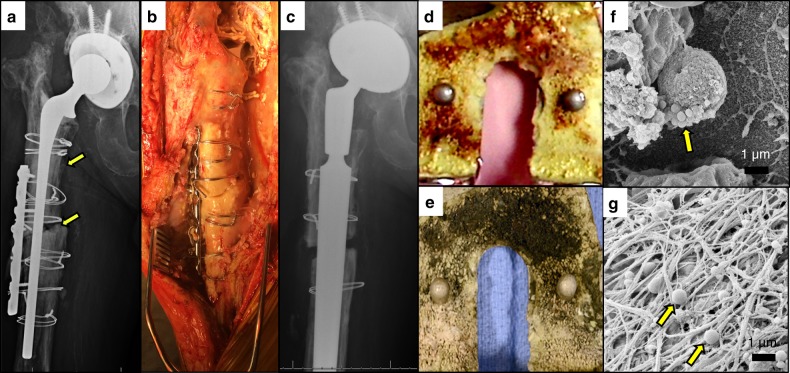
“2h), which encase the bacterial cells to mediate adhesion, provide mechanical stability and retain essential nutrients and enzymes.(78) As the biofilm matures, it becomes a complex and heterogeneous structure containing protected pods of bacteria (Fig.”
BackgroundPattern Recognition Receptors and Inflammation
Takeuchi, O., & Akira, S. (2010) · Cell · doi:10.1016/j.cell.2010.01.022 · Cited by 8,895
Mizgerd, J. P., Kubo, H., Kutkoski, G. J., Bhagwan, S. D., Scharffetter-Kochanek, K., Beaudet, A. L., & Doerschuk, C. M. (1997) · The Journal of Experimental Medicine · doi:10.1084/jem.186.8.1357 · Cited by 7,306
Bacterial biofilms: from the Natural environment to infectious diseases
Hall-Stoodley, L., Costerton, J. W., & Stoodley, P. (2004) · Nature Reviews Microbiology · doi:10.1038/nrmicro821 · Cited by 7,143
Staphylococcus aureus Infections
Lowy, F. D. (1998) · New England Journal of Medicine · doi:10.1056/nejm199808203390806 · Cited by 6,005
Mechanisms of biofilm resistance to antimicrobial agents
Mah, T.-F. C., & O'Toole, G. A. (2001) · Trends in Microbiology · doi:10.1016/s0966-842x(00)01913-2 · Cited by 3,921 · cited 1×
“For these reasons, bacteria within biofilms become very resistant to antimicrobial treatment and can survive drug dosing up to 1 000 times greater than their planktonic phenotype.(87) In addition to conferring long-term bacterial survival, biofilms can cause immense damage to the surrounding host tissue.”
BackgroundZimmerli, W., Trampuz, A., & Ochsner, P. E. (2004) · New England Journal of Medicine · doi:10.1056/nejmra040181 · Cited by 3,116
Global, regional, and national causes of child mortality in 2008: a systematic analysis
Black, R. E., Cousens, S., Johnson, H. L., Lawn, J. E., Rudan, I., Bassani, D. G., Jha, P., Campbell, H., Walker, C. F., Cibulskis, R., et al. (2010) · The Lancet · doi:10.1016/s0140-6736(10)60549-1 · Cited by 3,058 · cited 1×
“Antibiotic resistance is estimated to causes 10 million deaths/year by the year 2050.(226,227) This suggests that significant attention should be directed to the development of novel antimicrobial classes to circumvent the constantly evolving bacterial resistance mechanisms.”
BackgroundNasal carriage of Staphylococcus aureus: epidemiology, underlying mechanisms, and associated risks
Kluytmans, J., van Belkum, A., & Verbrugh, H. (1997) · Clinical Microbiology Reviews · doi:10.1128/cmr.10.3.505 · Cited by 2,595 · cited 1×
“aureus is an extremely versatile opportunistic pathogen that can infect nearly every organ system in the human body causing life-threatening disease,(22) while maintaining the ability to asymptomatically colonize 20%–60% of individuals.(23) The invasive success of S.”
BackgroundOsmon, D. R., Berbari, E. F., Berendt, A. R., Lew, D., Zimmerli, W., Steckelberg, J. M., Rao, N., Hanssen, A., & Wilson, W. R. (2013) · Clinical Infectious Diseases · doi:10.1093/cid/cis803 · Cited by 2,266
Treatment of Infections Associated with Surgical Implants
Darouiche, R. O. (2004) · New England Journal of Medicine · doi:10.1056/nejmra035415 · Cited by 2,257
Lew, D. P., & Waldvogel, F. A. (2004) · The Lancet · doi:10.1016/s0140-6736(04)16727-5 · Cited by 1,883
Prevalence of Total Hip and Knee Replacement in the United States
Maradit Kremers, H., Larson, D. R., Crowson, C. S., Kremers, W. K., Washington, R. E., Steiner, C. A., Jiranek, W. A., & Berry, D. J. (2015) · The Journal of Bone and Joint Surgery-American Volume · doi:10.2106/jbjs.n.01141 · Cited by 1,723
Economic Burden of Periprosthetic Joint Infection in the United States
Kurtz, S. M., Lau, E., Watson, H., Schmier, J. K., & Parvizi, J. (2012) · The Journal of Arthroplasty · doi:10.1016/j.arth.2012.02.022 · Cited by 1,702 · cited 1×
“62 billion by 2020.(16) These data are consistent with the conclusions from the 2018 International Consensus Meeting on Musculoskeletal Infection, which found that the incidences of infection for all orthopedic subspecialties range from 0.”
ResultAdhesion, invasion and evasion: the many functions of the surface proteins of Staphylococcus aureus
Foster, T. J., Geoghegan, J. A., Ganesh, V. K., & Höök, M. (2014) · Nature Reviews Microbiology · doi:10.1038/nrmicro3161 · Cited by 1,533 · cited 2×
“As the acronym suggests, MSCRAMMs are proteins localized at the microbial cell surface that are capable of binding ligands found in the extracellular matrix, such as fibronectin, fibrinogen, and collagen.(75) Adhesion of the bacterial cells to a substrate allows for subsequent proliferation and colonization of the reg…”
BackgroundNanosilver as a new generation of nanoproduct in biomedical applications
Chaloupka, K., Malam, Y., & Seifalian, A. M. (2010) · Trends in Biotechnology · doi:10.1016/j.tibtech.2010.07.006 · Cited by 1,451 · cited 1×
“The mechanism of action of silver is a result of biologically active ions released from its surface producing a toxic effect.(181,182) Silver toxicity arises from three mechanisms.”
BackgroundCosterton, J. W., Geesey, G. G., & Cheng, K.-J. (1978) · Scientific American · doi:10.1038/scientificamerican0178-86 · Cited by 1,441
Clinical relevance of the ESKAPE pathogens
Pendleton, J. N., Gorman, S. P., & Gilmore, B. F. (2013) · Expert Review of Anti-infective Therapy · doi:10.1586/eri.13.12 · Cited by 1,423 · cited 1×
“aureus infection can be attributed to its arsenal of virulence factors and resistance mechanisms including secreted toxins,(24) adherence as a means of immune evasion,(25) biofilm formation,(26,27) the creation of slow growing small colony variant (SCV) subpopulations,(28,29) and the development of antimicrobial resis…”
BackgroundPeriprosthetic Joint Infection: The Incidence, Timing, and Predisposing Factors
Pulido, L., Ghanem, E., Joshi, A., Purtill, J. J., & Parvizi, J. (2008) · Clinical Orthopaedics & Related Research · doi:10.1007/s11999-008-0209-4 · Cited by 1,366
In Vitro Cytotoxicity of Nanoparticles in Mammalian Germline Stem Cells
Braydich-Stolle, L., Hussain, S., Schlager, J. J., & Hofmann, M.-C. (2005) · Toxicological Sciences · doi:10.1093/toxsci/kfi256 · Cited by 1,247
Immune evasion by staphylococci
Foster, T. J. (2005) · Nature Reviews Microbiology · doi:10.1038/nrmicro1289 · Cited by 1,222 · cited 1×
“aureus to circumvent components of host immune system.(165,166) The second generation of antibody-based biologics, currently in preclinical development, target multiple antigens with essential functions for S.”
BackgroundMSCRAMM-MEDIATED ADHERENCE OF MICROORGANISMS TO HOST TISSUES
Patti, J. M., Allen, B. L., McGavin, M. J., & Höök, M. (1994) · Annual Review of Microbiology · doi:10.1146/annurev.mi.48.100194.003101 · Cited by 1,191 · cited 1×
“aureus osteomyelitis begins with bacterial cell adhesion to extracellular matrix components known as Microbial Surface Components Recognizing Adhesive Matrix Molecules (MSCRAMMs).(74) As the acronym suggests, MSCRAMMs are proteins localized at the microbial cell surface that are capable of binding ligands found in the…”
BackgroundInfection-induced NETosis is a dynamic process involving neutrophil multitasking in vivo
Yipp, B. G., Petri, B., Salina, D., Jenne, C. N., Scott, B. N. V., Zbytnuik, L. D., Pittman, K., Asaduzzaman, M., Wu, K., Meijndert, H. C., et al. (2012) · Nature Medicine · doi:10.1038/nm.2847 · Cited by 1,169 · cited 1×
“Activated neutrophils proceed to combat extracellular bacteria by phagocytosis, degranulation, and generation of neutrophil extracellular traps (NETosis).(65) Concurrently, S.”
BackgroundZimmerli, W. (1998) · JAMA · doi:10.1001/jama.279.19.1537 · Cited by 1,079 · cited 1×
“Historically, DAIR has shown success rates as low as 14%,(42) and as high as 100%.(43) More recent studies have found DAIR success rates in appropriate patients to be ~70%–75%.”
BackgroundReview of titanium surface modification techniques and coatings for antibacterial applications
Chouirfa, H., Bouloussa, H., Migonney, V., & Falentin-Daudré, C. (2019) · Acta Biomaterialia · doi:10.1016/j.actbio.2018.10.036 · Cited by 1,031 · cited 1×
“Although these topics are beyond the scope of this review, the interested reader is referred to other comprehensive reviews.(229,230) Dead space management As discussed previously, implant-associated osteomyelitis commonly occurs in TJR or trauma cases where the insertion of implants is attributed to the contiguous sp…”
BackgroundInfection Burden for Hip and Knee Arthroplasty in the United States
Kurtz, S. M., Lau, E., Schmier, J., Ong, K. L., Zhao, K., & Parvizi, J. (2008) · The Journal of Arthroplasty · doi:10.1016/j.arth.2007.10.017 · Cited by 1,006
Osteomyelitis: A Review of Clinical Features, Therapeutic Considerations and Unusual Aspects
Waldvogel, F. A., Medoff, G., & Swartz, M. N. (1970) · New England Journal of Medicine · doi:10.1056/nejm197001222820406 · Cited by 988
agr-Mediated Dispersal of Staphylococcus aureus Biofilms
Boles, B. R., & Horswill, A. R. (2008) · PLoS Pathogens · doi:10.1371/journal.ppat.1000052 · Cited by 963 · cited 2×
“During the initial phase of biofilm formation, the agr system responds to the local abundance of self-produced autoinducing peptides (AIPs)(81,82) by expressing genes associated with colonization including protein A, coagulase, and fibronectinbinding protein(83) resulting in robust biofilm formation.(79) As the concen…”
BackgroundInfection after Total Hip Arthroplasty. A Study of the Treatment of One Hundred and Six Infections*
TSUKAYAMA, D. T., ESTRADA, R., & GUSTILO, R. B. (1996) · The Journal of Bone & Joint Surgery · doi:10.2106/00004623-199604000-00005 · Cited by 957
Alt, V., Bechert, T., Steinrücke, P., Wagener, M., Seidel, P., Dingeldein, E., Domann, E., & Schnettler, R. (2004) · Biomaterials · doi:10.1016/j.biomaterials.2003.10.078 · Cited by 952 · cited 1×
“epidermis (MRSE), and MRSA, compared to gentamicin-impregnated bone cement.(187) While bone cement eluting silver nanoparticles does not appear to be cytotoxic to fibroblast cells, silver salt-eluting bone cement is confirmed to be highly cytotoxic.”
BackgroundTotal Knee Arthroplasty Volume, Utilization, and Outcomes Among Medicare Beneficiaries, 1991-2010
Cram, P., Lu, X., Kates, S. L., Singh, J. A., Li, Y., & Wolf, B. R. (2012) · JAMA · doi:10.1001/2012.jama.11153 · Cited by 919
Self-citationYamanaka, M., Hara, K., & Kudo, J. (2005) · Applied and Environmental Microbiology · doi:10.1128/aem.71.11.7589-7593.2005 · Cited by 905 · cited 1×
“First, silver ions bound to the cell wall create morphological irregularities causing cell lysis and release of intracellular contents.(183) Second, silver ions bound to sulfhydryl groups of proteins or DNA impair essential metabolic pathways and inhibit DNA replication.”
BackgroundOxidative stress-dependent toxicity of silver nanoparticles in human hepatoma cells
Kim, S., Choi, J. E., Choi, J., Chung, K.-H., Park, K., Yi, J., & Ryu, D.-Y. (2009) · Toxicology in Vitro · doi:10.1016/j.tiv.2009.06.001 · Cited by 884
Antibiotic resistance in Staphylococcus aureus. Current status and future prospects
Foster, T. J. (2017) · FEMS Microbiology Reviews · doi:10.1093/femsre/fux007 · Cited by 845 · cited 1×
“aureus with antibiotics is a challenge because the pathogen has extraordinary abilities to develop resistance against antibiotics.(150) Immunotherapies may be effective adjuvants with antibiotics for combating hard-to-treat osteomyelitis.”
BackgroundInflammatory bone loss: pathogenesis and therapeutic intervention
Redlich, K., & Smolen, J. S. (2012) · Nature Reviews Drug Discovery · doi:10.1038/nrd3669 · Cited by 830 · cited 1×
“This leads to activation and differentiation of osteoclasts, while stimulating increased RANKL production by osteoblasts shifting the RANKL/OPG ratio in favor of bone resorption.(88) Recent studies have shown that host signaling through MyD88 and IL-1R is necessary for the control of infection but paradoxically contri…”
BackgroundThe Classic: A Clinical Staging System for Adult Osteomyelitis
Cierny, G., Mader, J. T., & Penninck, J. J. (2003) · Clinical Orthopaedics and Related Research · doi:10.1097/01.blo.0000088564.81746.62 · Cited by 801
Community-acquired meticillin-resistant Staphylococcus aureus: an emerging threat
Zetola, N., Francis, J. S., Nuermberger, E. L., & Bishai, W. R. (2005) · The Lancet Infectious Diseases · doi:10.1016/s1473-3099(05)70112-2 · Cited by 791
Staphylococcus aureus Biofilms Prevent Macrophage Phagocytosis and Attenuate Inflammation In Vivo
Thurlow, L. R., Hanke, M. L., Fritz, T., Angle, A., Aldrich, A., Williams, S. H., Engebretsen, I. L., Bayles, K. W., Horswill, A. R., & Kielian, T. (2011) · The Journal of Immunology · doi:10.4049/jimmunol.1002794 · Cited by 704
Otto, M. (2014) · Current Opinion in Microbiology · doi:10.1016/j.mib.2013.11.004 · Cited by 643
Gurunathan, S., Han, J. W., Kwon, D.-N., & Kim, J.-H. (2014) · Nanoscale Research Letters · doi:10.1186/1556-276x-9-373 · Cited by 642 · cited 1×
“These mechanisms of action also prevent biofilm formation by inhibiting the production of exopolysaccharides, which is a required prerequisite for biofilm formation.(186) Due to its successful application in various fields, silver has been used to directly coat orthopedic implants, added to bone cement(187,188) and in…”
BackgroundHow Staphylococcus aureus biofilms develop their characteristic structure
Periasamy, S., Joo, H.-S., Duong, A. C., Bach, T.-H. L., Tan, V. Y., Chatterjee, S. S., Cheung, G. Y. C., & Otto, M. (2012) · Proceedings of the National Academy of Sciences · doi:10.1073/pnas.1115006109 · Cited by 640 · cited 1×
“The agr regulon is a welldescribed two-component peptide quorum-sensing system that utilizes cell–cell communication to facilitate dynamic expression of an array of virulence genes, including those responsible for biofilm formation.(79,80) During the initial phase of biofilm formation, the agr system responds to the l…”
BackgroundPathogenesis of Foreign Body Infection: Description and Characteristics of an Animal Model
Zimmerli, W., Waldvogel, F. A., Vaudaux, P., & Nydegger, U. E. (1982) · Journal of Infectious Diseases · doi:10.1093/infdis/146.4.487 · Cited by 630
Regulation of exoprotein gene expression in Staphylococcus aureus by agr
Recsei, P., Kreiswirth, B., O'Reilly, M., Schlievert, P., Gruss, A., & Novick, R. P. (1986) · Molecular and General Genetics MGG · doi:10.1007/bf00330517 · Cited by 618
Staphylococcal manipulation of host immune responses
Thammavongsa, V., Kim, H. K., Missiakas, D., & Schneewind, O. (2015) · Nature Reviews Microbiology · doi:10.1038/nrmicro3521 · Cited by 598 · cited 1×
“aureus to circumvent components of host immune system.(165,166) The second generation of antibody-based biologics, currently in preclinical development, target multiple antigens with essential functions for S.”
BackgroundChen, W., Liu, Y., Courtney, H. S., Bettenga, M., Agrawal, C. M., Bumgardner, J. D., & Ong, J. L. (2006) · Biomaterials · doi:10.1016/j.biomaterials.2006.07.003 · Cited by 594
Silver-ion-mediated reactive oxygen species generation affecting bactericidal activity
Park, H.-J., Kim, J. Y., Kim, J., Lee, J.-H., Hahn, J.-S., Gu, M. B., & Yoon, J. (2009) · Water Research · doi:10.1016/j.watres.2008.12.002 · Cited by 579 · cited 1×
“And lastly, silver has been observed to produce excessive ROS causing oxidative damage.(185) These mechanisms of action also prevent biofilm formation by inhibiting the production of exopolysaccharides, which is a required prerequisite for biofilm formation.”
BackgroundStaphylococcal Osteomyelitis: Disease Progression, Treatment Challenges, and Future Directions
Kavanagh, N., Ryan, E. J., Widaa, A., Sexton, G., Fennell, J., O'Rourke, S., Cahill, K. C., Kearney, C. J., O'Brien, F. J., & Kerrigan, S. W. (2018) · Clinical Microbiology Reviews · doi:10.1128/cmr.00084-17 · Cited by 547 · cited 2×
“)(176,177) prompt a detrimental inflammatory reaction.(130,178) In order to halt the ultimate development of PJI, implants are treated with physical and chemical modifications to prevent the first and cardinal step of infection, bacterial adherence.”
BackgroundInfection after fracture fixation: Current surgical and microbiological concepts
Metsemakers, W. J., Kuehl, R., Moriarty, T. F., Richards, R. G., Verhofstad, M. H. J., Borens, O., Kates, S., & Morgenstern, M. (2018) · Injury · doi:10.1016/j.injury.2016.09.019 · Cited by 544
Self-citationThe molecular mechanisms of copper and silver ion disinfection of bacteria and viruses
Thurman, R. B., Gerba, C. P., & Bitton, G. (1989) · Critical Reviews in Environmental Control · doi:10.1080/10643388909388351 · Cited by 530 · cited 1×
“Second, silver ions bound to sulfhydryl groups of proteins or DNA impair essential metabolic pathways and inhibit DNA replication.(184) And lastly, silver has been observed to produce excessive ROS causing oxidative damage.”
BackgroundStulberg, J. J. (2010) · JAMA · doi:10.1001/jama.2010.841 · Cited by 529
Impact of silver nanoparticles on human cells: Effect of particle size
Liu, W., Wu, Y., Wang, C., Li, H. C., Wang, T., Liao, C. Y., Cui, L., Zhou, Q. F., Yan, B., & Jiang, G. B. (2010) · Nanotoxicology · doi:10.3109/17435390.2010.483745 · Cited by 505 · cited 1×
“Because of silver toxicity observed in vitro and in vivo, additional studies are needed to investigate ideal formulations and effective concentrations for the safe clinical use of silver.(202) In addition to silver, antibiotics have also been thoroughly investigated for incorporation into implant coatings.”
BackgroundStaphylococcus aureus: new evidence for intracellular persistence
Garzoni, C., & Kelley, W. L. (2009) · Trends in Microbiology · doi:10.1016/j.tim.2008.11.005 · Cited by 474 · cited 1×
“The role of intracellular persistence in chronic osteomyelitis disease pathology remains a subject of intense debate because of a lack of compelling in vivo evidence.(98,99) Intracellular persistence of S.”
BackgroundANTIBIOTIC-LOADED BONE CEMENT FOR INFECTION PROPHYLAXIS IN TOTAL JOINT REPLACEMENT
JIRANEK, W. A., HANSSEN, A. D., & GREENWALD, A. S. (2006) · The Journal of Bone and Joint Surgery-American Volume · doi:10.2106/00004623-200611000-00024 · Cited by 411 · cited 1×
“This is detrimental because ideally a cement spacer remains in situ for 6 weeks and the subtherapeutic antibiotic concentrations can lead to microorganism resistance to the incorporated drug.(252,253) The noneluting surface of spacers can also be a substrate for bacterial colonization and biofilm formation.”
BackgroundPineda, C., Espinosa, R., & Pena, A. (2009) · Seminars in Plastic Surgery · doi:10.1055/s-0029-1214160 · Cited by 409
Lazzarini, L., Mader, J. T., & Calhoun, J. H. (2004) · The Journal of Bone & Joint Surgery · doi:10.2106/00004623-200410000-00028 · Cited by 400 · cited 1×
“CLASSIFICATION OF ACUTE AND CHRONIC OSTEOMYELITIS Many factors can increase the risk of osteomyelitis including: diabetes, obesity, malignancy, immune deficiencies, substance abuse, malnutrition, and trauma.(41,125) Due to large variations in patient populations, bimodal age distribution (most patients are younger tha…”
BackgroundRole of the accessory gene regulator (agr) in pathogenesis of staphylococcal osteomyelitis
Gillaspy, A. F., Hickmon, S. G., Skinner, R. A., Thomas, J. R., Nelson, C. L., & Smeltzer, M. S. (1995) · Infection and Immunity · doi:10.1128/iai.63.9.3373-3380.1995 · Cited by 400 · cited 2×
“aureus has the ability to attach to and colonize both the tissues of the musculoskeletal system and orthopedic implants.(84,85,174,175) S.”
BackgroundIntracellular staphylococcus aureus: Live-in and let die
Fraunholz, M., & Sinha, B. (2012) · Frontiers in Cellular and Infection Microbiology · doi:10.3389/fcimb.2012.00043 · Cited by 377 · cited 1×
“Once internalized, the bacteria can survive cell death by preventing fusion of the phagolysosome, escaping the endosome into the cytoplasm or resistance to cellular enzymes.(104,105) In the context of osteomyelitis, osteoblasts have been the primary host cell investigated for intracellular persistence because of their…”
BackgroundFowler, V. G., Allen, K. B., Moreira, E. D., Moustafa, M., Isgro, F., Boucher, H. W., Corey, G. R., Carmeli, Y., Betts, R., Hartzel, J. S., et al. (2013) · JAMA · doi:10.1001/jama.2013.3010 · Cited by 372 · cited 1×
“aureus bacteremia.(154) This clinical trial and several others were either terminated abruptly by the FDA or showed no efficacy in humans.”
BackgroundAltankov, G., Grinnell, F., & Groth, T. (1996) · Journal of Biomedical Materials Research · doi:10.1002/(sici)1097-4636(199603)30:3<385::aid-jbm13>3.0.co;2-j · Cited by 360
Pathogenesis of Staphylococcus aureus Abscesses
Kobayashi, S. D., Malachowa, N., & DeLeo, F. R. (2015) · The American Journal of Pathology · doi:10.1016/j.ajpath.2014.11.030 · Cited by 351 · cited 1×
“Staphylococcal Abscess communities (SACs) SACs are most commonly observed in skin,(61) but can be formed in virtually every tissue type following dissemination.(62) Typically described as a host-induced mechanism for infection control, abscess formation is actually a dynamic process controlled by both host and pathoge…”
BackgroundEffect of various concentrations of antibiotics on osteogenic cell viability and activity
Rathbone, C. R., Cross, J. D., Brown, K. V., Murray, C. K., & Wenke, J. C. (2011) · Journal of Orthopaedic Research · doi:10.1002/jor.21343 · Cited by 344 · cited 1×
“These antibiotics are typically chosen because of their broad-spectrum activity, compatibility with polymerization of PMMA, minimal host tissue toxicity, and widespread bioavailability.(241,242) Despite these characteristics, a universal caveat of antibiotic-laden PMMA spacers is their poor drug release kinetics.”
BackgroundStaphylococcus aureus Biofilms Promote Horizontal Transfer of Antibiotic Resistance
Savage, V. J., Chopra, I., & O'Neill, A. J. (2013) · Antimicrobial Agents and Chemotherapy · doi:10.1128/aac.02008-12 · Cited by 340 · cited 1×
“aureus in a biofilm can display variable growth rates, altered oxygen, and nutrient dependence and acquired virulence mechanisms via horizontal gene transfer.(86) For these reasons, bacteria within biofilms become very resistant to antimicrobial treatment and can survive drug dosing up to 1 000 times greater than thei…”
BackgroundHardes, J., von Eiff, C., Streitbuerger, A., Balke, M., Budny, T., Henrichs, M. P., Hauschild, G., & Ahrens, H. (2010) · Journal of Surgical Oncology · doi:10.1002/jso.21498 · Cited by 337 · cited 1×
“6% infection reduction in patients with bone sarcoma treated with silver-coated implants.(198) While these results appear promising, a serious concern for the application of silver in osteomyelitis treatment is systemic(192,199) and cellular(200,201) toxicity, documented in clinical cases of neuropathy(192) and myoclo…”
BackgroundBiomaterials approaches to treating implant-associated osteomyelitis
Inzana, J. A., Schwarz, E. M., Kates, S. L., & Awad, H. A. (2016) · Biomaterials · doi:10.1016/j.biomaterials.2015.12.012 · Cited by 333
Self-citationGentamicin coating of metallic implants reduces implant-related osteomyelitis in rats
Lucke, M., Schmidmaier, G., Sadoni, S., Wildemann, B., Schiller, R., Haas, N. P., & Raschke, M. (2003) · Bone · doi:10.1016/s8756-3282(03)00050-4 · Cited by 332
Contribution of Coagulases towards Staphylococcus aureus Disease and Protective Immunity
Cheng, A. G., McAdow, M., Kim, H. K., Bae, T., Missiakas, D. M., & Schneewind, O. (2010) · PLoS Pathogens · doi:10.1371/journal.ppat.1001036 · Cited by 324 · cited 1×
“SACs can begin to form as early as 4 days following infection.(71) In early stages of SAC formation S.”
BackgroundAre bloodstream leukocytes Trojan Horses for the metastasis of Staphylococcus aureus?
Thwaites, G. E., & Gant, V. (2011) · Nature Reviews Microbiology · doi:10.1038/nrmicro2508 · Cited by 320 · cited 1×
“aureus invasion without triggering a bactericidal respiratory burst, creating circulating cells that facilitate bacterial metastasis to immune privileged sites.(118) Intracellular persistence within macrophages is particularly concerning because of this leukocyte’s longer life span and ability to travel through the ho…”
BackgroundSchwarz, E. M., Parvizi, J., Gehrke, T., Aiyer, A., Battenberg, A., Brown, S. A., Callaghan, J. J., Citak, M., Egol, K., Garrigues, G. E., et al. (2019) · Journal of Orthopaedic Research · doi:10.1002/jor.24293 · Cited by 318 · cited 5×
“” Interested readers are encouraged to review these proceedings online.(13)”
BackgroundInfluentialSelf-citationMuraille, E., Leo, O., & Moser, M. (2014) · Frontiers in Immunology · doi:10.3389/fimmu.2014.00603 · Cited by 311 · cited 1×
“Intracellular persistence within macrophages is particularly concerning because of this leukocyte’s longer life span and ability to travel through the host circulatory system.(119) In addition to persistent and recurrent infection, sepsis is a significant concern in implant-associated osteomyelitis.”
BackgroundA play in four acts: Staphylococcus aureus abscess formation
Cheng, A. G., DeDent, A. C., Schneewind, O., & Missiakas, D. (2011) · Trends in Microbiology · doi:10.1016/j.tim.2011.01.007 · Cited by 310 · cited 2×
“While innate immune cells actively sequester infected tissue and associated pathogens within an abscess, in doing so, they confer protection to pathogens at the core of the abscess.(63) The formation of an abscess creates a physical barrier that prevents immune cell penetration and facilitates long-term bacterial pers…”
BackgroundTreatment of Infection with Débridement and Retention of the Components following Hip Arthroplasty*
CROCKARELL, J. R., HANSSEN, A. D., OSMON, D. R., & MORREY, B. F. (1998) · The Journal of Bone & Joint Surgery · doi:10.2106/00004623-199809000-00009 · Cited by 308
Bedair, H., Ting, N., Jacovides, C., Saxena, A., Moric, M., Parvizi, J., & Della Valle, C. J. (2011) · Clinical Orthopaedics & Related Research · doi:10.1007/s11999-010-1433-2 · Cited by 308
Control of Phagocytosis by Microbial Pathogens
Uribe-Querol, E., & Rosales, C. (2017) · Frontiers in Immunology · doi:10.3389/fimmu.2017.01368 · Cited by 306 · cited 1×
“Once internalized, the bacteria can survive cell death by preventing fusion of the phagolysosome, escaping the endosome into the cytoplasm or resistance to cellular enzymes.(104,105) In the context of osteomyelitis, osteoblasts have been the primary host cell investigated for intracellular persistence because of their…”
BackgroundThe role of intraoperative frozen sections in revision total joint arthroplasty.
Feldman, D. S., Lonner, J. H., Desai, P., & Zuckerman, J. D. (1995) · The Journal of Bone & Joint Surgery · doi:10.2106/00004623-199512000-00003 · Cited by 296
Antibiotic-loaded acrylic cement: current concepts.
Hw, B., Elson, R. A., & Heinert, K. (1984) · PubMed · Cited by 288
LONNER, J. H., DESAI, P., DICESARE, P. E., STEINER, G., & ZUCKERMAN, J. D. (1996) · The Journal of Bone & Joint Surgery · doi:10.2106/00004623-199610000-00014 · Cited by 286
Healthcare-associated bloodstream infection: A distinct entity? Insights from a large U.S. database*
Shorr, A. F., Tabak, Y. P., Killian, A. D., Gupta, V., Liu, L. Z., & Kollef, M. H. (2006) · Critical Care Medicine · doi:10.1097/01.ccm.0000239121.09533.09 · Cited by 286 · cited 2×
“aureus remains the leading and most deadly cause of bacteremia in the United States.(120) In a postmortem examination study of patients who died from S.”
BackgroundPeltola, H., Pääkkönen, M., Kallio, P., & Kallio, M. J. T. (2010) · Pediatric Infectious Disease Journal · doi:10.1097/inf.0b013e3181f55a89 · Cited by 283
Osteomyelitis: A Review of Clinical Features, Therapeutic Considerations and Unusual Aspects
Waldvogel, F. A., Medoff, G., & Swartz, M. N. (1970) · New England Journal of Medicine · doi:10.1056/nejm197001292820507 · Cited by 278
Methicillin-resistant Staphylococcus aureus in Community-acquired Skin Infections
Moran, G. J., Amii, R. N., Abrahamian, F. M., & Talan, D. A. (2005) · Emerging Infectious Diseases · doi:10.3201/eid1106.040641 · Cited by 278
Staphylococcus aureus Small‐Colony Variants Are Adapted Phenotypes for Intracellular Persistence
Tuchscherr, L., Heitmann, V., Hussain, M., Viemann, D., Roth, J., von Eiff, C., Peters, G., Becker, K., & Löffler, B. (2010) · The Journal of Infectious Diseases · doi:10.1086/656047 · Cited by 275
Etiology of Implant Orthopedic Infections: A Survey on 1027 Clinical Isolates
Arciola, C. R., An, Y. H., Campoccia, D., Donati, M. E., & Montanaro, L. (2005) · The International Journal of Artificial Organs · doi:10.1177/039139880502801106 · Cited by 274 · cited 2×
“An astounding 75% of osteomyelitis cases are caused by pathogens of the Staphylococcus genus.(17,18) Specifically, Staphylococcus aureus is the most common pathogen isolated from”
BackgroundEXPERIMENTAL STAPHYLOCOCCAL INFECTIONS IN THE SKIN OF MAN
Elek, S. D. (1956) · Annals of the New York Academy of Sciences · doi:10.1111/j.1749-6632.1956.tb36626.x · Cited by 272
de Mesy Bentley, K. L., Trombetta, R., Nishitani, K., Bello-Irizarry, S. N., Ninomiya, M., Zhang, L., Chung, H. L., McGrath, J. L., Daiss, J. L., Awad, H. A., et al. (2017) · Journal of Bone and Mineral Research · doi:10.1002/jbmr.3055 · Cited by 262 · cited 7×
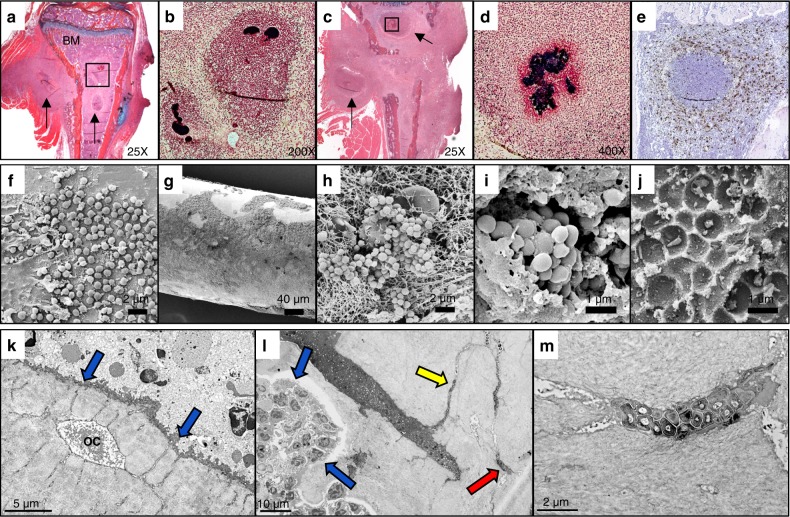
“aureus osteomyelitis.(93) TEM micrographs showed S.”
BackgroundInfluentialSelf-citationZecconi, A., & Scali, F. (2013) · Immunology Letters · doi:10.1016/j.imlet.2013.01.004 · Cited by 256
Co-evolutionary aspects of human colonisation and infection by Staphylococcus aureus
VANBELKUM, A., MELLES, D., NOUWEN, J., VANLEEUWEN, W., VANWAMEL, W., VOS, M., WERTHEIM, H., & VERBRUGH, H. (2009) · Infection, Genetics and Evolution · doi:10.1016/j.meegid.2008.09.012 · Cited by 251
Clement, S., Vaudaux, P., Francois, P., Schrenzel, J., Huggler, E., Kampf, S., Chaponnier, C., Lew, D., & Lacroix, J. (2005) · The Journal of Infectious Diseases · doi:10.1086/432735 · Cited by 245 · cited 1×
“aureus is capable of surviving within professional and non-professional phagocytes including, macrophages, neutrophils, fibroblasts, keratinocytes, epithelial cells, and endothelial cells.(101,102) Internalization can be triggered through initial attachment to host cell surface-associated proteins using MSCRAMMs.”
BackgroundControlled release of antibiotics from coated orthopedic implants
Price, J. S., Tencer, A. F., Arm, D. M., & Bohach, G. A. (1996) · Journal of Biomedical Materials Research · doi:10.1002/(sici)1097-4636(199603)30:3<281::aid-jbm2>3.0.co;2-m · Cited by 243
Where does a Staphylococcus aureus vaccine stand?
Fowler, V. G., & Proctor, R. A. (2014) · Clinical Microbiology and Infection · doi:10.1111/1469-0691.12570 · Cited by 241
Antibiotic-Loaded Cement in Orthopedic Surgery: A Review
Bistolfi, A., Massazza, G., Verné, E., Massè, A., Deledda, D., Ferraris, S., Miola, M., Galetto, F., & Crova, M. (2011) · ISRN Orthopedics · doi:10.5402/2011/290851 · Cited by 239 · cited 1×
“Gentamicin and vancomycin are the most commonly used antibiotics in PMMA spacers for implant-associated osteomyelitis.(240) These antibiotics are typically chosen because of their broad-spectrum activity, compatibility with polymerization of PMMA, minimal host tissue toxicity, and widespread bioavailability.”
Background‘Magic bullets’ for bone diseases: progress in rational design of bone-seeking medicinal agents
Zhang, S., Gangal, G., & Uludağ, H. (2007) · Chem. Soc. Rev. · doi:10.1039/b512310k · Cited by 237 · cited 1×
“Alternative strategies have also investigated the conjugation of bisphosphonates to conventional antibiotics, such as fluoroquinolones and glycopeptides,(224) for systemic or local delivery to bone infection sites offering drug depot release kinetics near the bone surface.(225) However, an alarming issue associated wi…”
BackgroundStaphylococcus aureus Small Colony Variants in Prosthetic Joint Infection
Sendi, P., Rohrbach, M., Graber, P., Frei, R., Ochsner, P. E., & Zimmerli, W. (2006) · Clinical Infectious Diseases · doi:10.1086/507633 · Cited by 232 · cited 1×
“Administration of antibiotics in low concentrations can trigger the formation of antibiotic-resistant pathogens and SCVs, leading to recurrence of infection.(29) Additionally, beads and bone cement spacers that are no longer eluting antibiotics provide additional surfaces for biofilm formation.”
BackgroundMin, J., Choi, K. Y., Dreaden, E. C., Padera, R. F., Braatz, R. D., Spector, M., & Hammond, P. T. (2016) · ACS Nano · doi:10.1021/acsnano.6b00087 · Cited by 232
The management of peri-prosthetic infection in total joint arthroplasty
Toms, A. D., Davidson, D., Masri, B. A., & Duncan, C. P. (2006) · The Journal of Bone and Joint Surgery. British volume · doi:10.1302/0301-620x.88b2.17058 · Cited by 229
Ferguson, J. Y., Dudareva, M., Riley, N. D., Stubbs, D., Atkins, B. L., & McNally, M. A. (2014) · The Bone & Joint Journal · doi:10.1302/0301-620x.96b6.32756 · Cited by 227
Treatment Algorithms for Chronic Osteomyelitis
Walter, G., Kemmerer, M., Kappler, C., & Hoffmann, R. (2012) · Deutsches Ärzteblatt international · doi:10.3238/arztebl.2012.0257 · Cited by 226 · cited 1×
“An astounding 75% of osteomyelitis cases are caused by pathogens of the Staphylococcus genus.(17,18) Specifically, Staphylococcus aureus is the most common pathogen isolated from”
BackgroundMaintenance of Hardware After Early Postoperative Infection Following Fracture Internal Fixation
Berkes, M., Obremskey, W. T., Scannell, B., Ellington, J. K., Hymes, R. A., & Bosse, M. (2010) · The Journal of Bone and Joint Surgery-American Volume · doi:10.2106/jbjs.i.00470 · Cited by 223
Recurrent infections and immune evasion strategies of Staphylococcus aureus
Kim, H. K., Thammavongsa, V., Schneewind, O., & Missiakas, D. (2012) · Current Opinion in Microbiology · doi:10.1016/j.mib.2011.10.012 · Cited by 221
Antibiotic-loaded Acrylic Cement: Current Concepts
BUCHHOLZ, H. W., ELSON, R. A., & HEINERT, K. (1984) · Clinical Orthopaedics and Related Research · doi:10.1097/00003086-198411000-00014 · Cited by 218 · cited 1×
“aureus was the most commonly encountered organism, and that the 5-year success (survival) rate was only 77%.(36) Remarkably, the results from the 2018 International Consensus Meeting on Musculoskeletal Infections reported no changes in PJI infection rates, the primary pathogen, treatment algorithm, and poor outcomes,…”
BackgroundElution of gentamicin and vancomycin from polymethylmethacrylate beads and hip spacers in vivo
Anagnostakos, K., Wilmes, P., Schmitt, E., & Kelm, J. (2009) · Acta Orthopaedica · doi:10.3109/17453670902884700 · Cited by 211 · cited 1×
“Additionally, drug release profiles of antibiotics from PMMA demonstrate an initial burst release within the first 24 h followed by a rapid decrease in release rates.(250,251) This is detrimental because ideally a cement spacer remains in situ for 6 weeks and the subtherapeutic antibiotic concentrations can lead to mi…”
BackgroundFielding, G., & Bose, S. (2013) · Acta Biomaterialia · doi:10.1016/j.actbio.2013.07.009 · Cited by 211
Local Antibiotic Therapy in Osteomyelitis
Gogia, J., Meehan, J., Di Cesare, P., & Jamali, A. (2009) · Seminars in Plastic Surgery · doi:10.1055/s-0029-1214162 · Cited by 207 · cited 1×
“Antibiotic-eluting PMMA bone cement spacers are a necessity due to the limited blood flow to the site of infection and the ability to deliver high concentrations of select antibiotics with low systemic exposure.(231) These spacers remain within the patient for 1–10 weeks and are typically removed in a second procedure…”
BackgroundChen, W., Oh, S., Ong, A. P., Oh, N., Liu, Y., Courtney, H. S., Appleford, M., & Ong, J. L. (2007) · Journal of Biomedical Materials Research Part A · doi:10.1002/jbm.a.31197 · Cited by 206
The responses of macrophages in interaction with neutrophils that undergo NETosis
Nakazawa, D., Shida, H., Kusunoki, Y., Miyoshi, A., Nishio, S., Tomaru, U., Atsumi, T., & Ishizu, A. (2016) · Journal of Autoimmunity · doi:10.1016/j.jaut.2015.08.018 · Cited by 199
Wafa, H., Grimer, R. J., Reddy, K., Jeys, L., Abudu, A., Carter, S. R., & Tillman, R. M. (2015) · The Bone & Joint Journal · doi:10.1302/0301-620x.97b2.34554 · Cited by 196 · cited 1×
“4% for the uncoated-control group.(197) Similarly, in another case-controlled study, Hardes et al.”
ResultProphylactic use of antibiotic bone cement
Bourne, R. B. (2004) · The Journal of Arthroplasty · doi:10.1016/j.arth.2004.03.005 · Cited by 195
Baltensperger, M., Grätz, K., Bruder, E., Lebeda, R., Makek, M., & Eyrich, G. (2004) · Journal of Cranio-Maxillofacial Surgery · doi:10.1016/j.jcms.2003.07.008 · Cited by 190 · cited 1×
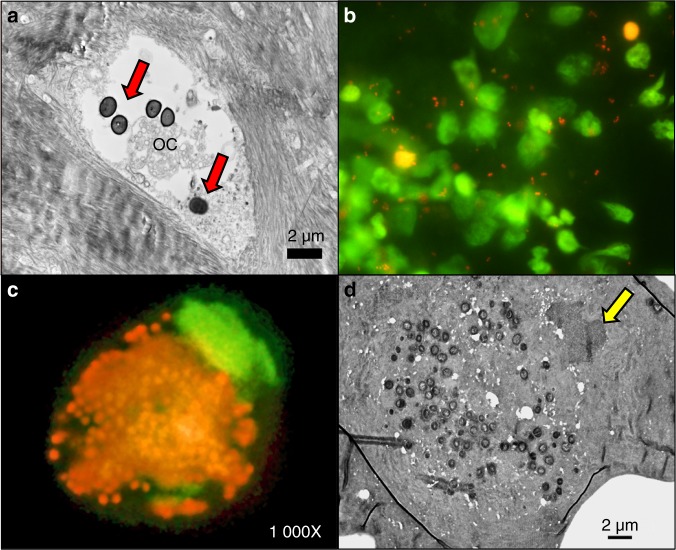
“Other methods of classification, accessory to disease duration and clinical signs, include modalities of radiographic imaging.(128,129) Radiography plays a vital role in the diagnosis of 1 000X 2 μm”
MethodSteckelberg, J. M., & Osmon, D. R. (2014) · Infections Associated with Indwelling Medical Devices · doi:10.1128/9781555818067.ch9 · Cited by 189
Nishitani, K., Sutipornpalangkul, W., de Mesy Bentley, K. L., Varrone, J. J., Bello‐Irizarry, S. N., Ito, H., Matsuda, S., Kates, S. L., Daiss, J. L., & Schwarz, E. M. (2015) · Journal of Orthopaedic Research · doi:10.1002/jor.22907 · Cited by 189 · cited 3×
“aureus has the ability to attach to and colonize both the tissues of the musculoskeletal system and orthopedic implants.(84,85,174,175) S.”
BackgroundSelf-citationSilver nanoparticles and their orthopaedic applications
Brennan, S. A., Ní Fhoghlú, C., Devitt, B. M., O’Mahony, F. J., Brabazon, D., & Walsh, A. (2015) · The Bone & Joint Journal · doi:10.1302/0301-620x.97b5.33336 · Cited by 187 · cited 1×
“The mechanism of action of silver is a result of biologically active ions released from its surface producing a toxic effect.(181,182) Silver toxicity arises from three mechanisms.”
BackgroundIs Staphylococcus aureus an intracellular pathogen?
Lowy, F. D. (2000) · Trends in Microbiology · doi:10.1016/s0966-842x(00)01803-5 · Cited by 186 · cited 1×
“The role of intracellular persistence in chronic osteomyelitis disease pathology remains a subject of intense debate because of a lack of compelling in vivo evidence.(98,99) Intracellular persistence of S.”
BackgroundHébert, A., Sayasith, K., Sénéchal, S., Dubreuil, P., & Lagacé, J. (2000) · FEMS Microbiology Letters · doi:10.1111/j.1574-6968.2000.tb09402.x · Cited by 184 · cited 1×
“aureus is capable of surviving within professional and non-professional phagocytes including, macrophages, neutrophils, fibroblasts, keratinocytes, epithelial cells, and endothelial cells.(101,102) Internalization can be triggered through initial attachment to host cell surface-associated proteins using MSCRAMMs.”
BackgroundDryla, A., Prustomersky, S., Gelbmann, D., Hanner, M., Bettinger, E., Kocsis, B., Kustos, T., Henics, T., Meinke, A., & Nagy, E. (2005) · Clinical and Vaccine Immunology · doi:10.1128/cdli.12.3.387-398.2005 · Cited by 183
Moriarty, T. F., Kuehl, R., Coenye, T., Metsemakers, W.-J., Morgenstern, M., Schwarz, E. M., Riool, M., Zaat, S. A. J., Khana, N., Kates, S. L., et al. (2016) · EFORT Open Reviews · doi:10.1302/2058-5241.1.000037 · Cited by 181 · cited 1×
“Although these topics are beyond the scope of this review, the interested reader is referred to other comprehensive reviews.(229,230) Dead space management As discussed previously, implant-associated osteomyelitis commonly occurs in TJR or trauma cases where the insertion of implants is attributed to the contiguous sp…”
BackgroundSelf-citationSaeed, K., McLaren, A. C., Schwarz, E. M., Antoci, V., Arnold, W. V., Chen, A. F., Clauss, M., Esteban, J., Gant, V., Hendershot, E., et al. (2019) · Journal of Orthopaedic Research · doi:10.1002/jor.24229 · Cited by 181 · cited 1×
“Remarkably, the results from the 2018 International Consensus Meeting on Musculoskeletal Infections reported no changes in PJI infection rates, the primary pathogen, treatment algorithm, and poor outcomes, since this original standard of care was established half a century ago.(8,13,37) However, there have been recent…”
BackgroundSelf-citationStatus of vaccine research and development of vaccines for Staphylococcus aureus
Giersing, B. K., Dastgheyb, S., Modjarrad, K., & Moorthy, V. (2016) · Vaccine · doi:10.1016/j.vaccine.2016.03.110 · Cited by 180
IntracellularStaphylococcus aureus: A MECHANISM FOR THE INDOLENCE OF OSTEOMYELITIS
Ellington, J. K., Harris, M., Webb, L., Smith, B. P., Smith, T. L., Tan, K., & Hudson, M. (2003) · Journal of Bone and Joint Surgery - British Volume · doi:10.1302/0301-620x.85b6.13509 · Cited by 179
Novel Insights into Staphylococcus aureus Deep Bone Infections: the Involvement of Osteocytes
Yang, D., Wijenayaka, A. R., Solomon, L. B., Pederson, S. M., Findlay, D. M., Kidd, S. P., & Atkins, G. J. (2018) · mBio · doi:10.1128/mbio.00415-18 · Cited by 179
Models matter: the search for an effective Staphylococcus aureus vaccine
Salgado-Pabón, W., & Schlievert, P. M. (2014) · Nature Reviews Microbiology · doi:10.1038/nrmicro3308 · Cited by 178
Osteomyelitis treated with gentamicin-PMMA beads: 100 patients followed for 1–12 years
Walenkamp, G. H. I. M., Kleijn, L. L. A., & de Leeuw, M. (1998) · Acta Orthopaedica Scandinavica · doi:10.3109/17453679808997790 · Cited by 178
Ricciardi, B. F., Muthukrishnan, G., Masters, E., Ninomiya, M., Lee, C. C., & Schwarz, E. M. (2018) · Current Reviews in Musculoskeletal Medicine · doi:10.1007/s12178-018-9501-4 · Cited by 178
Self-citationChallenges for a Universal Staphylococcus aureus Vaccine
Proctor, R. A. (2012) · Clinical Infectious Diseases · doi:10.1093/cid/cis033 · Cited by 177
Diagnosis of infection by frozen section during revision arthroplasty
Athanasou, N., Pandey, R., de Steiger, R., Crook, D., & Smith, P. (1995) · The Journal of Bone and Joint Surgery. British volume · doi:10.1302/0301-620x.77b1.7822391 · Cited by 175
Kuiper, J. W. P., Vos, S. J. (., Saouti, R., Vergroesen, D. A., Graat, H. C. A., Debets-Ossenkopp, Y. J., Peters, E. J. G., & Nolte, P. A. (2013) · Acta Orthopaedica · doi:10.3109/17453674.2013.823589 · Cited by 174
Romanò, C. L., Logoluso, N., Meani, E., Romanò, D., Vecchi, E. D., Vassena, C., & Drago, L. (2014) · The Bone & Joint Journal · doi:10.1302/0301-620x.96b6.33014 · Cited by 174
Ellington, J. K., Harris, M. B., Hudson, M., Vishin, S., Webb, L. X., & Sherertz, R. J. (2005) · Journal of Orthopaedic Research® · doi:10.1002/jor.20003 · Cited by 172
Inferring Reasons for the Failure of Staphylococcus aureus Vaccines in Clinical Trials
Bagnoli, F., Bertholet, S., & Grandi, G. (2012) · Frontiers in Cellular and Infection Microbiology · doi:10.3389/fcimb.2012.00016 · Cited by 172 · cited 1×
“aureus infections in humans.(153) For instance, a phase 2 clinical trial of an IsdB active vaccine (Merck’s V710), in which 8000 patients undergoing heart valve replacement were randomized to placebo or the vaccine, had to be stopped due to a five-fold increase in fatal and adverse outcomes in the vaccinated individua…”
BackgroundHake, M. E., Young, H., Hak, D. J., Stahel, P. F., Hammerberg, E. M., & Mauffrey, C. (2015) · Injury · doi:10.1016/j.injury.2015.05.008 · Cited by 169
Belt, H. V. D., Neut, D., Schenk, W., Horn, J. R. V., Mei, H. C. V. D., & Busscher, H. J. (2000) · Acta Orthopaedica Scandinavica · doi:10.1080/000164700317362280 · Cited by 168
Prophylactic use of antibiotic bone cement
Hanssen, A. D. (2004) · The Journal of Arthroplasty · doi:10.1016/j.arth.2004.04.006 · Cited by 165
Edwards, A. M., Potts, J. R., Josefsson, E., & Massey, R. C. (2010) · PLoS Pathogens · doi:10.1371/journal.ppat.1000964 · Cited by 164 · cited 1×
“aureus via fibronectin bridging to α5β1 integrins and subsequent cytoskeletal reorganization in endothelial cells.(103) Once internalized, the bacteria can survive cell death by preventing fusion of the phagolysosome, escaping the endosome into the cytoplasm or resistance to cellular enzymes.”
BackgroundTsang, S. J., Ting, J., Simpson, H., & Gaston, P. (2017) · The Bone & Joint Journal · doi:10.1302/0301-620x.99b11.bjj-2017-0088.r1 · Cited by 160
Moskowitz, J. S., Blaisse, M. R., Samuel, R. E., Hsu, H.-P., Harris, M. B., Martin, S. D., Lee, J. C., Spector, M., & Hammond, P. T. (2010) · Biomaterials · doi:10.1016/j.biomaterials.2010.04.011 · Cited by 159
Early expression of SCIN and CHIPS drives instant immune evasion by Staphylococcus aureus
Rooijakkers, S. H. M., Ruyken, M., van Roon, J., van Kessel, K. P. M., van Strijp, J. A. G., & van Wamel, W. J. B. (2006) · Cellular Microbiology · doi:10.1111/j.1462-5822.2006.00709.x · Cited by 157
Molecular Mechanisms of agr Quorum Sensing in Virulent Staphylococci
George, E. A., & Muir, T. W. (2007) · ChemBioChem · doi:10.1002/cbic.200700023 · Cited by 156
A systematic review of animal models for Staphylococcus aureus osteomyelitis
601 Elmwood Ave, B. 6., Reizner, W., Hunter, J., O’Malley, N., Southgate, R., Schwarz, E., & Kates, S. L. (2014) · European Cells and Materials · doi:10.22203/ecm.v027a15 · Cited by 156
Self-citationLi, D., Gromov, K., Søballe, K., Puzas, J. E., O'Keefe, R. J., Awad, H., Drissi, H., & Schwarz, E. M. (2008) · Journal of Orthopaedic Research · doi:10.1002/jor.20452 · Cited by 154
Self-citationRisk of Reinfection After Treatment of Infected Total Knee Arthroplasty
Cochran, A. R., Ong, K. L., Lau, E., Mont, M. A., & Malkani, A. L. (2016) · The Journal of Arthroplasty · doi:10.1016/j.arth.2016.03.028 · Cited by 150 · cited 2×
“2%), whereas patients who underwent two-stage revision had the lowest rate of recurrence (19%) at 1 year.(59) Regardless of the treatment chosen, rates of reinfection are alarmingly high, suggesting the need for continued research on novel diagnostics and therapeutics to combat recurrent infection.”
BackgroundHall, A. E., Domanski, P. J., Patel, P. R., Vernachio, J. H., Syribeys, P. J., Gorovits, E. L., Johnson, M. A., Ross, J. M., Hutchins, J. T., & Patti, J. M. (2003) · Infection and Immunity · doi:10.1128/iai.71.12.6864-6870.2003 · Cited by 145
Rouha, H., Badarau, A., Visram, Z. C., Battles, M. B., Prinz, B., Magyarics, Z., Nagy, G., Mirkina, I., Stulik, L., Zerbs, M., et al. (2015) · mAbs · doi:10.4161/19420862.2014.985132 · Cited by 143 · cited 1×
“aureus in murine sepsis and pneumonia models.(167) Other neutralizing antibodies that target essential S.”
BackgroundTreatment of acute periprosthetic infections with prosthesis retention: Review of current concepts
Kuiper, J. W. P., Willink, R. T., Moojen, D. J. F., van den Bekerom, M. P., & Colen, S. (2014) · World Journal of Orthopedics · doi:10.5312/wjo.v5.i5.667 · Cited by 141
The in vitro elution characteristics of antibiotic-loaded CMW and Palacos-R bone cements
Penner, M. J., Duncan, C. P., & Masri, B. A. (1999) · The Journal of Arthroplasty · doi:10.1016/s0883-5403(99)90128-6 · Cited by 140
Yu, X.-Q., Robbie, G. J., Wu, Y., Esser, M. T., Jensen, K., Schwartz, H. I., Bellamy, T., Hernandez-Illas, M., & Jafri, H. S. (2017) · Antimicrobial Agents and Chemotherapy · doi:10.1128/aac.01020-16 · Cited by 140
Adhesion of Staphylococcus to orthopaedic metals, an in vivo study
Sheehan, E. C., McKenna, J., Mulhall, K. J., Marks, P., & McCormack, D. (2003) · Journal of Orthopaedic Research® · doi:10.1016/s0736-0266(03)00152-9 · Cited by 137 · cited 3×
“Incorporation of silver nanoparticles into bone cement has shown increased antibacterial activity against various strains, including Staphylococcus epidermidis, methicillin-resistant S. epidermis (MRSE), and MRSA, compared to gentamicin-impregnated bone cement.187 While bone cement eluting silver nanoparticles does no…”
BackgroundTowards the immune proteome of Staphylococcus aureus – The anti-S. aureus antibody response
Holtfreter, S., Kolata, J., & Bröker, B. M. (2009) · International Journal of Medical Microbiology · doi:10.1016/j.ijmm.2009.10.002 · Cited by 136
Microbiology of Acute and Chronic Osteomyelitis and Antibiotic Treatment
Dym, H., & Zeidan, J. H. (2017) · Dental Clinics of North America · doi:10.1016/j.cden.2016.12.001 · Cited by 135 · cited 1×
“Other methods of classification, accessory to disease duration and clinical signs, include modalities of radiographic imaging.(128,129) Radiography plays a vital role in the diagnosis of 1 000X 2 μm”
MethodFrançois, B., Mercier, E., Gonzalez, C., Asehnoune, K., Nseir, S., Fiancette, M., Desachy, A., Plantefève, G., Meziani, F., de Lame, P.-A., et al. (2018) · Intensive Care Medicine · doi:10.1007/s00134-018-5229-2 · Cited by 132
Alexander, E., & Hudson, M. C. (2001) · Applied Microbiology and Biotechnology · doi:10.1007/s002530100703 · Cited by 128
Lewis, G. (2008) · Journal of Biomedical Materials Research Part B Applied Biomaterials · doi:10.1002/jbm.b.31220 · Cited by 127 · cited 1×
“This is detrimental because ideally a cement spacer remains in situ for 6 weeks and the subtherapeutic antibiotic concentrations can lead to microorganism resistance to the incorporated drug.(252,253) The noneluting surface of spacers can also be a substrate for bacterial colonization and biofilm formation.”
BackgroundIn Vitro Release of Antibiotics from Commercial PMMA Beads and Articulating Hip Spacers
Moojen, D. J. F., Hentenaar, B., Vogely, H. C., Verbout, A. J., Castelein, R. M., & Dhert, W. J. A. (2008) · The Journal of Arthroplasty · doi:10.1016/j.arth.2007.08.020 · Cited by 127 · cited 1×
“Additionally, drug release profiles of antibiotics from PMMA demonstrate an initial burst release within the first 24 h followed by a rapid decrease in release rates.(250,251) This is detrimental because ideally a cement spacer remains in situ for 6 weeks and the subtherapeutic antibiotic concentrations can lead to mi…”
BackgroundThe depot administration of penicillin G and gentamicin in acrylic bone cement.
Hoff, S. F., Fitzgerald, R. H., & Kelly, P. J. (1981) · The Journal of Bone & Joint Surgery · doi:10.2106/00004623-198163050-00015 · Cited by 125
Outcome of a Second Two-stage Reimplantation for Periprosthetic Knee Infection
Azzam, K. A., McHale, K. J., Austin, M. S., Purtill, J. J., & Parvizi, J. (2009) · Clinical Orthopaedics and Related Research · doi:10.1007/s11999-009-0739-4 · Cited by 124 · cited 1×
“TREATMENT OF PERI-PJI Although the rate of infection in primary hip and knee arthroplasties is low, rates of reinfection are reported as high as 40%.(13,15) These infections frequently result in implant failure due to devastating effects on bone and soft tissue, requiring hardware removal for successful treatment.”
BackgroundPharmacokinetics, uses, and limitations of vancomycin-loaded bone cement
Chohfi, M., Langlais, F. L., Fourastier, J., Minet, J., Thomazeau, H., & Cormier, M. (1998) · International Orthopaedics · doi:10.1007/s002640050235 · Cited by 123
Release of gentamicin from acrylic bone cement
Bunetel, L., Segui, A., Cormier, M., Percheron, E., & Langlais, F. (1989) · Clinical Pharmacokinetics · doi:10.2165/00003088-198917040-00006 · Cited by 123
Stewart, S., Barr, S., Engiles, J. B., Hickok, N. J., Shapiro, I. M., Richardson, D. W., Parvizi, J., & Schaer, T. P. (2012) · Journal of Bone and Joint Surgery · doi:10.2106/jbjs.k.00886 · Cited by 123 · cited 1×
“Vancomycin, commonly used to treat MRSA infections, has also been incorporated into implant coatings.(212,215,219) Additional antibiotics such as fosfomycin,(204) doxycycline,(209) minocycline,(20) rifampin,(20) colistin, daptomycin, and cefoxitin have also been incorporated into implant coatings.”
BackgroundWarren, H. S., Tompkins, R. G., Moldawer, L. L., Seok, J., Xu, W., Mindrinos, M. N., Maier, R. V., Xiao, W., & Davis, R. W. (2014) · Proceedings of the National Academy of Sciences · doi:10.1073/pnas.1414857111 · Cited by 121
Antimicrobial Activity against Intraosteoblastic Staphylococcus aureus
Valour, F., Trouillet‐Assant, S., Riffard, N., Tasse, J., Flammier, S., Rasigade, J., Chidiac, C., Vandenesch, F., Ferry, T., & Laurent, F. J. (2015) · Antimicrobial Agents and Chemotherapy · doi:10.1128/aac.04359-14 · Cited by 117
Sedghizadeh, P. P., Sun, S., Junka, A., Richard, E., Sadrerafi, K., Mahabady, S., Bakhshalian, N., Tjokro, N. O., Bartoszewicz, M., Oleksy-Wawrzyniak, M., et al. (2017) · Journal of Medicinal Chemistry · doi:10.1021/acs.jmedchem.6b01615 · Cited by 117
Phillips, P. L., Yang, Q., Davis, S., Sampson, E. M., Azeke, J. I., Hamad, A., & Schultz, G. S. (2015) · International Wound Journal · doi:10.1111/iwj.12142 · Cited by 115 · cited 1×
“As a result of its nonspecific biocidal activity, silver has been used in various industrial, healthcare, and domestic applications most commonly in the topical chemoprophylaxis of burns either as a topical cream or antimicrobial wound dressing.(180) The mechanism of action of silver is a result of biologically active…”
BackgroundGentamycin delivered from a PDLLA coating of metallic implants
Vester, H., Wildemann, B., Schmidmaier, G., Stöckle, U., & Lucke, M. (2010) · Injury · doi:10.1016/j.injury.2010.05.010 · Cited by 115
Chronic Osteomyelitis with Staphylococcus aureus Deformation in Submicron Canaliculi of Osteocytes
Bentley, K. L. D. M., MacDonald, A., Schwarz, E. M., & Oh, I. C. (2018) · JBJS Case Connector · doi:10.2106/jbjs.cc.17.00154 · Cited by 115 · cited 6×
“Most recently, invasion of the OLCN has been confirmed in clinical bone samples from patients with diabetic foot ulcers and underlying osteomyelitis.(94) S.”
BackgroundInfluentialSelf-citationIn vivo internalization of Staphylococcus aureus by embryonic chick osteoblasts
Reilly, S. S., Hudson, M. C., Kellam, J. F., & Ramp, W. K. (2000) · Bone · doi:10.1016/s8756-3282(99)00239-2 · Cited by 113 · cited 1×
“aureus.(116) We have studied the pathogenesis of S.”
BackgroundRecent lessons for the management of bone and joint infections
Kaplan, S. L. (2013) · Journal of Infection · doi:10.1016/j.jinf.2013.09.014 · Cited by 112 · cited 1×
“aureus (MRSA) strains.(21) For these reasons, S.”
Bryan, A. J., Abdel, M. P., Sanders, T. L., Fitzgerald, S. F., Hanssen, A. D., & Berry, D. J. (2017) · Journal of Bone and Joint Surgery · doi:10.2106/jbjs.16.01103 · Cited by 112 · cited 1×
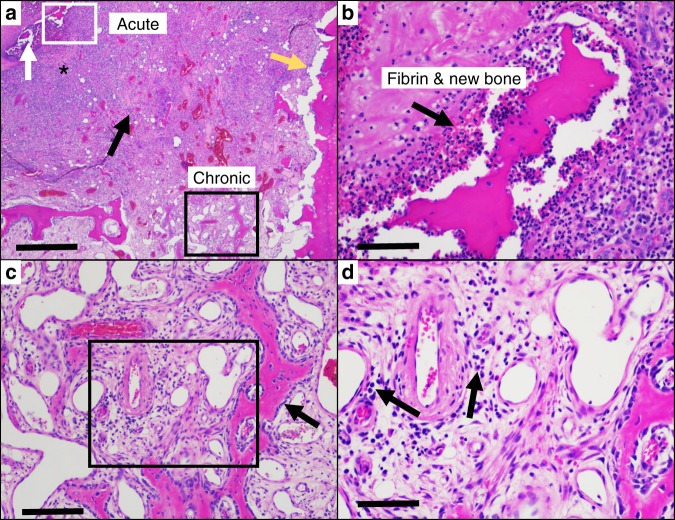
“Principles of curative surgery in implant-associated osteomyelitis involve a variety of factors including infection severity, the infecting pathogen, and the condition of the patient.(38) In the case of “acute” or low-level infection without complicating factors, such as significant comorbidity or loosening of the pro…”
BackgroundBorkhuu, B., Borowski, A., Shah, S. A., Littleton, A. G., DABNEY, K. W., & Miller, F. (2008) · Spine · doi:10.1097/brs.0b013e31818786ff · Cited by 111
Tschudin‐Sutter, S., Frei, R., Dangel, M., Jakob, M., Balmelli, C., Schaefer, D. J., Weisser, M., Elzi, L., Battegay, M., & Widmer, A. F. (2016) · Clinical Microbiology and Infection · doi:10.1016/j.cmi.2016.01.004 · Cited by 110
Antibacterial activity of antibiotics in acrylic bone cement
Picknell, B., Mizen, L., & Sutherland, R. (1977) · The Journal of Bone and Joint Surgery. British volume · doi:10.1302/0301-620x.59b3.408356 · Cited by 108
NEUROPATHY CAUSED BY SILVER ABSORPTION FROM ARTHROPLASTY CEMENT
Vik, H., Andersen, K.-J., Julshamn, K., & Todnem, K. (1985) · The Lancet · doi:10.1016/s0140-6736(85)92230-5 · Cited by 105 · cited 1×
“While bone cement eluting silver nanoparticles does not appear to be cytotoxic to fibroblast cells, silver salt-eluting bone cement is confirmed to be highly cytotoxic.(191,192) A study investigating the direct application of silver to Kirschner-wires (K-wires) inserted into S.”
BackgroundDifferential responses of osteoblasts and macrophages upon Staphylococcus aureus infection
Hamza, T., & Li, B. (2014) · BMC Microbiology · doi:10.1186/s12866-014-0207-5 · Cited by 105 · cited 1×
“aureus, researchers found that macrophages contained 100-fold more live bacteria than osteoblasts, and that osteoblasts were significantly less viable.(121) This result suggests Evolving concepts in bone infection EA Masters et al.”
BackgroundAn, Y. H., Friedman, R. J., Draughn, R. A., Smith, E. A., Nicholson, J. H., & John, J. F. (1995) · Journal of Microbiological Methods · doi:10.1016/0167-7012(95)00051-8 · Cited by 104 · cited 1×
“aureus has the ability to attach to and colonize both the tissues of the musculoskeletal system and orthopedic implants.(84,85,174,175) S.”
BackgroundGarzoni, C., & Kelley, W. L. (2011) · EMBO Molecular Medicine · doi:10.1002/emmm.201100123 · Cited by 103
A Randomized Study of a Monoclonal Antibody (Pagibaximab) to Prevent Staphylococcal Sepsis
Weisman, L. E., Thackray, H. M., Steinhorn, R. H., Walsh, W. F., Lassiter, H. A., Dhanireddy, R., Brozanski, B. S., Palmer, K. G., Trautman, M. S., ESCOBEDO, M. B., et al. (2011) · PEDIATRICS · doi:10.1542/peds.2010-3081 · Cited by 103
Introduction: Proceedings of International Consensus on Orthopedic Infections
Parvizi, J., Gehrke, T. A., Mont, M. A., & Callaghan, J. J. (2018) · The Journal of Arthroplasty · doi:10.1016/j.arth.2018.09.038 · Cited by 103
Barth, R. E., Vogely, H. C., Hoepelman, A. I. M., & Peters, E. J. G. (2011) · International Journal of Antimicrobial Agents · doi:10.1016/j.ijantimicag.2011.03.008 · Cited by 102 · cited 1×
“Additionally, beads and bone cement spacers that are no longer eluting antibiotics provide additional surfaces for biofilm formation.(58) Finally, the risk of reinfection increases with each additional revision surgery.”
BackgroundNanofibers and Nanoparticles for Orthopaedic Surgery Applications
Nair, L. S., & Laurencin, C. T. (2008) · Journal of Bone and Joint Surgery · doi:10.2106/jbjs.g.01520 · Cited by 100 · cited 1×
“Silver is often studied as an antimicrobial coating due to its broad spectrum activity against Gram-positive and Gram-negative bacteria, fungi, and viruses.(179) As a result of its nonspecific biocidal activity, silver has been used in various industrial, healthcare, and domestic applications most commonly in the topi…”
BackgroundMyoclonic status epilepticus following repeated oral ingestion of colloidal silver
Mirsattari, S. M., Hammond, R. R., Sharpe, M. D., Leung, F. Y., & Young, G. B. (2004) · Neurology · doi:10.1212/01.wnl.0000120671.73335.ec · Cited by 97 · cited 1×
“While these results appear promising, a serious concern for the application of silver in osteomyelitis treatment is systemic(192,199) and cellular(200,201) toxicity, documented in clinical cases of neuropathy(192) and myoclonic status epilepticus.(199) Because of silver toxicity observed in vitro and in vivo, addition…”
BackgroundSilver oxide-containing hydroxyapatite coating has in vivo antibacterial activity in the rat tibia
Akiyama, T., Miyamoto, H., Yonekura, Y., Tsukamoto, M., Ando, Y., Noda, I., Sonohata, M., & Mawatari, M. (2013) · Journal of Orthopaedic Research® · doi:10.1002/jor.22357 · Cited by 95 · cited 1×
“investigated the antimicrobial activity of titanium rods coated with HA or silver (Ag)-HA in a murine model of MRSA osteomyelitis and found that Ag-HA-coated rods showed increased antimicrobial activity and increased bone formation compared to HA-coated rods.(193) Clinical studies have also shown that coating implants…”
ResultHebert, A. M. (2000) · FEMS Microbiology Letters · doi:10.1016/s0378-1097(00)00455-9 · Cited by 95
Diefenbeck, M., Schrader, C., Gras, F., Mückley, T., Schmidt, J., Zankovych, S., Bossert, J., Jandt, K. D., Völpel, A., Sigusch, B. W., et al. (2016) · Biomaterials · doi:10.1016/j.biomaterials.2016.05.039 · Cited by 95 · cited 1×
“demonstrated that plasma chemically oxidized titanium rods coated with gentamicin and gentamicin+tannic acid showed 100% and 90% protection in a rat tibia infection model.(214) Additionally, Metsemakers et al.”
BackgroundHeterogeneity of the humoral immune response following Staphylococcus aureus bacteremia
Verkaik, N. J., Boelens, H. A. M., de Vogel, C. P., Tavakol, M., Bode, L. G. M., Verbrugh, H. A., van Belkum, A., & van Wamel, W. J. B. (2010) · European Journal of Clinical Microbiology & Infectious Diseases · doi:10.1007/s10096-010-0888-0 · Cited by 93
Mohamed, W. A., Sommer, U., Sethi, S., Domann, E., Thormann, U., Schutz, I., Lips, K., Chakraborty, T., Schnettler, R., & Alt, V. (2014) · European Cells and Materials · doi:10.22203/ecm.v028a18 · Cited by 93
Osteoadsorptive Bisphosphonate Derivatives of Fluoroquinolone Antibacterials
Herczegh, P., Buxton, T. B., McPherson, J. C., Kovács-Kulyassa, Á., Brewer, P. D., Sztaricskai, F., Stroebel, G. G., Plowman, K. M., Fǎrcaşiu, D., & Hartmann, J. F. (2002) · Journal of Medicinal Chemistry · doi:10.1021/jm0105326 · Cited by 88
Weisman, L. E., Thackray, H. M., Garcia-Prats, J. A., Nesin, M., Schneider, J. H., Fretz, J., Kokai-Kun, J. F., Mond, J. J., Kramer, W. G., & Fischer, G. W. (2009) · Antimicrobial Agents and Chemotherapy · doi:10.1128/aac.01565-08 · Cited by 88
Lee, F. E.-H., Halliley, J. L., Walsh, E. E., Moscatiello, A. P., Kmush, B. L., Falsey, A. R., Randall, T. D., Kaminiski, D. A., Miller, R. K., & Sanz, I. (2011) · The Journal of Immunology · doi:10.4049/jimmunol.1002932 · Cited by 86
Synthesis of silver-incorporated hydroxyapatite nanocomposites for antimicrobial implant coatings
Liu, X., Mou, Y., Wu, S., & Man, H. C. (2013) · Applied Surface Science · doi:10.1016/j.apsusc.2013.02.130 · Cited by 86 · cited 1×
“Due to its successful application in various fields, silver has been used to directly coat orthopedic implants, added to bone cement(187,188) and incorporated into hydroxyapatite (HA) coatings of replacements.(189,190) However, the true efficacy and safety of silver is still debated in orthopedic applications.”
BackgroundSalam, A. M., & Quave, C. L. (2018) · mSphere · doi:10.1128/msphere.00500-17 · Cited by 85
Hua, L., Cohen, T. S., Shi, Y., Datta, V., Hilliard, J. J., Tkaczyk, C., Suzich, J., Stover, C. K., & Sellman, B. R. (2015) · Antimicrobial Agents and Chemotherapy · doi:10.1128/aac.00510-15 · Cited by 84
Bosse, M. J., Gruber, H. E., & Ramp, W. K. (2005) · JBJS Case Connector · doi:10.2106/jbjs.d.02649 · Cited by 84 · cited 4×
“AUREUS INTRACELLULAR PERSISTENCE IN OSTEOMYELITIS As mentioned above, the interspersed periods of bacterial quiescence in chronic osteomyelitis has been a perturbing problem that is readily documented over the years.(32,33,97) A particularly interesting case of S.”
BackgroundInfluentialHoughton, T. J., Tanaka, K. S. E., Kang, T., Dietrich, E., Lafontaine, Y., Delorme, D., Ferreira, S. S., Viens, F., Arhin, F. F., Sarmiento, I., et al. (2008) · Journal of Medicinal Chemistry · doi:10.1021/jm801007z · Cited by 84
Holmberg, A. H., Þórhallsdóttir, V. G., Robertsson, O., W‐Dahl, A., & Stefánsdóttir, A. (2015) · Acta Orthopaedica · doi:10.3109/17453674.2015.1026756 · Cited by 84
Induction of antibodies by Staphylococcus aureus nasal colonization in young children
Verkaik, N. J., Lebon, A., de Vogel, C. P., Hooijkaas, H., Verbrugh, H. A., Jaddoe, V. W. V., Hofman, A., Moll, H. A., van Belkum, A., & van Wamel, W. J. B. (2009) · Clinical Microbiology and Infection · doi:10.1111/j.1469-0691.2009.03073.x · Cited by 84 · cited 1×
“most patients due to asymptomatic carriage.(136,139) Additionally, prior exposure due to infection confounds reliable diagnosis of S.”
BackgroundVarshney, A. K., Kuzmicheva, G. A., Lin, J., Sunley, K. M., Bowling, R. A., Kwan, T.-Y., Mays, H. R., Rambhadran, A., Zhang, Y., Martin, R. L., et al. (2018) · PLoS ONE · doi:10.1371/journal.pone.0190537 · Cited by 84
Bibbo, C., & Patel, D. V. (2006) · Foot & Ankle International · doi:10.1177/107110070602700702 · Cited by 83
Mechanisms of Neutralization of a Human Anti-α-toxin Antibody
Oganesyan, V., Peng, L., Damschroder, M. M., Cheng, L., Sadowska, A., Tkaczyk, C., Sellman, B. R., Wu, H., & Dall'Acqua, W. F. (2014) · Journal of Biological Chemistry · doi:10.1074/jbc.m114.601328 · Cited by 83
Valour, F., Rasigade, J., Trouillet‐Assant, S., Gagnaire, J., Bouaziz, A., Karsenty, J., Lacour, C., Bes, M., Lustıg, S., Bénet, T., et al. (2015) · Clinical Microbiology and Infection · doi:10.1016/j.cmi.2015.01.026 · Cited by 83 · cited 1×
“aureus,(107,111,112) and bacterial cell gene expression.(113) Hamza et al.”
BackgroundPutnam, N. E., Fulbright, L. E., Curry, J. M., Ford, C. A., Petronglo, J. R., Hendrix, A. S., & Cassat, J. E. (2019) · PLOS Pathogens · doi:10.1371/journal.ppat.1007744 · Cited by 83 · cited 1×
“Recent studies have shown that host signaling through MyD88 and IL-1R is necessary for the control of infection but paradoxically contributes to pathological bone loss.(89) Furthermore, ex vivo and in vitro studies have shown that various bacterial organisms have the ability independently degrade bone tissue in the ab…”
BackgroundUrish, K. L., DeMuth, P. W., Craft, D. W., Haider, H., & Davis, C. M. (2013) · The Journal of Arthroplasty · doi:10.1016/j.arth.2013.12.012 · Cited by 81
Integrated molecular imaging reveals tissue heterogeneity driving host-pathogen interactions
Cassat, J. E., Moore, J. L., Wilson, K. J., Stark, Z., Prentice, B. M., Van de Plas, R., Perry, W. J., Zhang, Y., Virostko, J., Colvin, D. C., et al. (2018) · Science Translational Medicine · doi:10.1126/scitranslmed.aan6361 · Cited by 80
Cited by
Beyond Risk: Bacterial Biofilms and Their Regulating Approaches
Muhammad, M. H., Idris, A. L., Fan, X., Guo, Y., Yu, Y., Jin, X., Qiu, J., Guan, X., & Huang, T. (2020) · Frontiers in Microbiology · doi:10.3389/fmicb.2020.00928 · Cited by 860
Godoy-Gallardo, M., Eckhard, U., Delgado, L. M., de Roo Puente, Y. J. D., Hoyos-Nogués, M., Gil, F. J., & Perez, R. A. (2021) · Bioactive Materials · doi:10.1016/j.bioactmat.2021.04.033 · Cited by 857
Skeletal infections: microbial pathogenesis, immunity and clinical management
Masters, E. A., Ricciardi, B. F., Bentley, K. L. D. M., Moriarty, T. F., Schwarz, E. M., & Muthukrishnan, G. (2022) · Nature Reviews Microbiology · doi:10.1038/s41579-022-00686-0 · Cited by 735
Self-citationWang, R., Shi, M., Xu, F., Qiu, Y., Zhang, P., Shen, K., Zhao, Q., Yu, J., & Zhang, Y. (2020) · Nature Communications · doi:10.1038/s41467-020-18267-1 · Cited by 441
Biofilms: Formation, drug resistance and alternatives to conventional approaches
Mirghani, R., Saba, T., Khaliq, H., Mitchell, J., Do, L., Chambi, L., Diaz, K., Kennedy, T., Alkassab, K., Huynh, T., et al. (2022) · AIMS Microbiology · doi:10.3934/microbiol.2022019 · Cited by 333
Metadata
- Authors
- Masters, E. A., Trombetta, R. P., de Mesy Bentley, K. L., Boyce, B. F., Gill, A. L., Gill, S. R., Nishitani, K., Ishikawa, M., Morita, Y., Ito, H., Bello-Irizarry, S. N., Ninomiya, M., Brodell, J. D., Lee, C. C., Hao, S. P., Oh, I., Xie, C., Awad, H. A., Daiss, J. L., Owen, J. R., Kates, S. L., Schwarz, E. M., & Muthukrishnan, G.
- Affiliations
- University of Rochester Medicine (US)
- Kyoto University (JP)
- Virginia Commonwealth University Medical Center (US)
- Corresponding author
- Schwarz, Edward M.
- ORCID
- Masters, Elysia A.
- Trombetta, Ryan P.
- Boyce, Brendan F
- Gill, Ann Lindley
- Gill, Steven R.
- Nishitani, Kohei
- Ishikawa, Masahiro
- Morita, Yugo
- Ito, Hiromu
- Ninomiya, Mark
- Brodell, James D.
- Lee, Charles C.
- Hao, Stephanie P.
- Oh, Irvin
- Xie, Chao
- Awad, Hani A.
- Daiss, John L.
- Owen, John R.
- Kates, Stephen L.
- Schwarz, Edward M.
- Muthukrishnan, Gowrishankar
- Venue
- Bone Research
- Published
- 2019-07-15
- Volume
- 7
- Issue
- 1
- Pages
- 20-20
- ISSN
- 2095-4700 (ISSN-L)
- 2095-6231
- PMC
- PMC6804538
- OpenAlex
- W2959071814
- Semantic Scholar
- e050fbf236fc8e3356c100a29eaca07668635d74
- Cited by
- 575
- References
- 273
- Citations by year
- 2026: 85 · 2025: 98 · 2024: 82 · 2023: 86 · 2022: 94 · 2021: 73 · 2020: 54 · 2019: 2
- FWCI
- 11.50
- Type
- journal article
- Language
- en
- Open access
- gold
- doi.org
- Licence
- cc-by
- creativecommons.org/licenses/by/4.0 (tdm)
- creativecommons.org/licenses/by/4.0 (vor)
- Locations
- Bone Research (publishedVersion, cc-by)
- Europe PMC (PubMed Central) (publishedVersion, cc-by)
- PubMed Central (publishedVersion, cc-by)
- PubMed (publishedVersion)
- Funders
- U.S. Department of Health & Human Services | NIH | National Institute of Arthritis and Musculoskeletal and Skin Diseases (P50 AR072000, P30 AR069655, R01 AR43510, R01 AG049994, P30 AR061307, T32 AR53459, R21 AR074571, R21 AR073321, R21 AR500710, P30 AR069655-01 Pilot, R01 AI119646)
- AO Foundation (Clinical Priority Program)
- Amedica Inc
- Bristol-Myers Squibb
- Astellas Pharma
- Asahi Kasei Pharma Corporation
- Bristol-Myers, Astellas and Asahi-Kasei
- Goldstein Award from the Department of Orthopaedics, University of Rochester, Rochester, NY
- Topics
- Health Sciences › Medicine › Surgery › Orthopedic Infections and Treatments
- Life Sciences › Biochemistry, Genetics and Molecular Biology › Molecular Biology › Bacterial biofilms and quorum sensing
- Health Sciences › Medicine › Infectious Diseases › Antimicrobial Resistance in Staphylococcus
- Keywords
- osteomyelitis, bone infection, bacterial biofilms, Staphylococcus aureus, chronic osteomyelitis, serum antibodies, implant-associated infection, vaccine development
About these checks
Registry, retraction, Cites and statistics results are computed, not judged, with one exception: a printed reference that no index lists is read once by a model before it counts as a citation error. Claims are extracted by a model and kept only when their quote appears verbatim in the text; each cited source is then checked, with a model’s help, for whether it says what the claim relies on. Those verdicts can be wrong — read the claim’s quote and the cited source before relying on one.
Statistics and arithmetic are recomputed, not judged.
Confidence bands are shown only for fields calibrated on our annotated test set. None is calibrated yet, so no band is shown.
What counts as a claim ›How we measure confidence ›How we check this ›
Are you an author, or do you see a problem with this page? Request a review
Data sources
Bibliographic data: Semantic Scholar, OpenAlex, Crossref.
Contains information from the Semantic Scholar Academic Graph Datasets, made available under the ODC Attribution License (ODC-BY 1.0).
Semantic Scholar’s data is described in: Kinney, R., et al. (2023). The Semantic Scholar Open Data Platform. arXiv:2301.10140.
