

Mechanical regulation of bone remodeling
Open accessThe DOI matches its Crossref record; 237 of the 238 references it cites were found in a registry or an index.
Abstract
Bone remodeling is a lifelong process that gives rise to a mature, dynamic bone structure via a balance between bone formation by osteoblasts and resorption by osteoclasts. These opposite processes allow the accommodation of bones to dynamic mechanical forces, altering bone mass in response to changing conditions. Mechanical forces are indispensable for bone homeostasis; skeletal formation, resorption, and adaptation are dependent on mechanical signals, and loss of mechanical stimulation can therefore significantly weaken the bone structure, causing disuse osteoporosis and increasing the risk of fracture. The exact mechanisms by which the body senses and transduces mechanical forces to regulate bone remodeling have long been an active area of study among researchers and clinicians. Such research will lead to a deeper understanding of bone disorders and identify new strategies for skeletal rejuvenation. Here, we will discuss the mechanical properties, mechanosensitive cell populations, and mechanotransducive signaling pathways of the skeletal system.
Overview
The claims and statistics of this paper haven’t been checked yet.
Free: it reads the open-access text and checks the first 5 claims that cite a source we can check. Create a free account to check every claim.
Integrity signals
Registry
Cites
Statistics
Figures
Verification
Claims the paper makes
The claims and statistics of this paper haven’t been checked yet.
Free: it reads the open-access text and checks the first 5 claims that cite a source we can check. Create a free account to check every claim.
Claims other papers make about this one
Each is checked against this paper’s own text: does it say what the citing paper says it does?
The source backs part of the claim, not all of it — or backs it for a different population, condition or comparison.
In the citing paper
“Muscle-derived mechanical loading activates mechanosensors in osteocytes and osteoblast-lineage cells, including integrins and Piezo1, thereby inducing Ca2+-dependent signaling and Wnt/β-catenin-associated osteogenic pathways that promote osteoblast activity [47,48]”
From Interorgan Communications in Skeletal Pathophysiology: From Molecular Pathways to Multidisciplinary Therapies (2026) · cites this paper as [48]
Experimental — accuracy not yet measured
Self-check
Percentages, sums and reported differences re-computed from the paper’s own numbers.
The self-check needs the paper’s full text.
Citations
Cites
Hynes (2002) · doi:10.1016/s0092-8674(02)00971-6 · Cited by 8,606
Role of YAP/TAZ in mechanotransduction
Dupont, S., Morsut, L., Aragona, M., Enzo, E., Giulitti, S., Cordenonsi, M., Zanconato, F., Le Digabel, J., Forcato, M., Bicciato, S., et al. (2011) · Nature · doi:10.1038/nature10137 · Cited by 5,979 · cited 2×
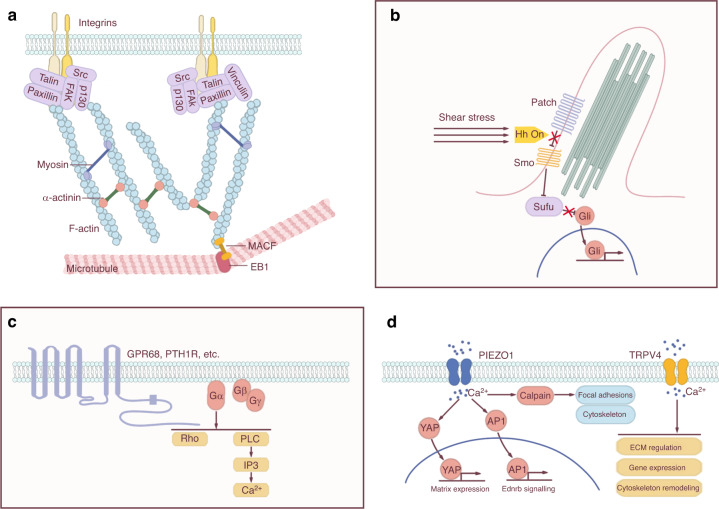
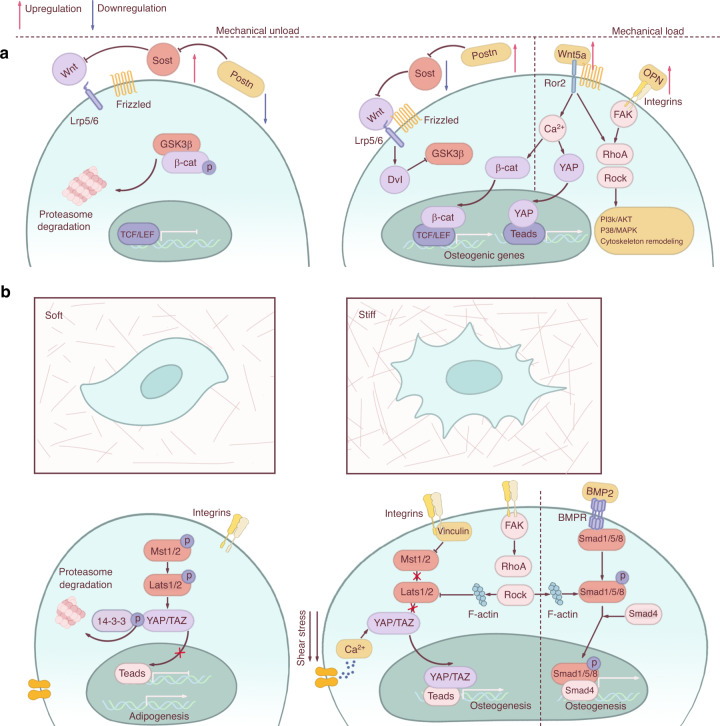
“In contrast, a separate study found that overexpression of a constitutively active YAP mutant in MSCs promotes osteogenesis more than adipogenesis, even under soft matrix conditions.(186) Additionally, YAP overexpression has been reported to inhibit both the osteogenic and adipogenic abilities of MSCs through inhibiti…”
BackgroundWnt/β-catenin signaling and disease
Clevers, H., & Nusse, R. (2012) · Cell · doi:10.1016/j.cell.2012.05.012 · Cited by 5,554
Piezo1 and Piezo2 Are Essential Components of Distinct Mechanically Activated Cation Channels
Coste, B., Mathur, J., Schmidt, M., Earley, T. J., Ranade, S., Petrus, M. J., Dubin, A. E., & Patapoutian, A. (2010) · Science · doi:10.1126/science.1193270 · Cited by 3,316 · cited 1×
“identified prominent mechanosensitive cation PIEZO channels (PIEZO1/2) using RNA interference profiles in a mouse neuroblastoma cell line.(104) Although the PIEZO1 protein shares only 42% sequence homology with its homolog PIEZO2, their structures are similar: a three-bladed, propeller-like trimer with an extracellula…”
Backgroundβ-catenin is a target for the ubiquitin–proteasome pathway
Aberle, H., Bauer, A., Stappert, J., Kispert, A., & Kemler, R. (1997) · The EMBO Journal · doi:10.1093/emboj/16.13.3797 · Cited by 2,529
Focal adhesion kinase: in command and control of cell motility.
Mitra, S. K., Hanson, D. A., & Schlaepfer, D. D. (2005) · Nature Reviews Molecular Cell Biology · doi:10.1038/nrm1549 · Cited by 2,335
WNT signaling in bone homeostasis and disease: From human mutations to treatments
Baron, R., & Kneissel, M. (2013) · Nature Medicine · doi:10.1038/nm.3074 · Cited by 2,093
Non-muscle myosin II takes centre stage in cell adhesion and migration
Vicente-Manzanares, M., Ma, X., Adelstein, R. S., & Horwitz, A. R. (2009) · Nature Reviews Molecular Cell Biology · doi:10.1038/nrm2786 · Cited by 2,032 · cited 1×
“The activity and assembly of myosin II are regulated by the phosphorylation of its light and heavy chains through numerous kinases in diverse regulatory pathways, including myosin light chain kinase (MLCK; activated by Ca/ calmodulin), Rho kinase, citron kinase (activated by RhoA), and myotonic dystrophy kinase-relate…”
BackgroundHuang, J., Wu, S., Barrera, J., Matthews, K., & Pan, D. (2005) · Cell · doi:10.1016/j.cell.2005.06.007 · Cited by 1,863 · cited 1×
“LATS1/2 directly phosphorylates YAP and TAZ at multiple sites, thereby inhibiting their nuclear localization.(178) Phosphorylated YAP/TAZ is sequestered in the cytoplasm by interaction with the 14–3–3 protein and then degraded by the ubiquitin-proteasome system (Fig.”
BackgroundReduced cell motility and enhanced focal adhesion contact formation in cells from FAK-deficient mice
llić, D., Furuta, Y., Kanazawa, S., Takeda, N., Sobue, K., Nakatsuji, N., Nomura, S., Fujimoto, J., Okada, M., Yamamoto, T., et al. (1995) · Nature · doi:10.1038/377539a0 · Cited by 1,830
Research works printed but not linked: 1
- Wolff JDas Gesetz der transformation der Knochen A Hirshwald 1892 1 1 152
Cited by
Items 101–200 of 734
Wu, L., Pei, X., Dou, Q., Su, Z., Qin, Y., Liu, C., Zhao, L., Tan, Y., Chen, Z., Fan, Y., et al. (2024) · ACS Applied Materials & Interfaces · doi:10.1021/acsami.4c06318 · Cited by 26
Liang, L., Li, X., Liang, H., Zhang, J., Lu, Q., Zhou, G., Tang, J., & Li, X. (2025) · Regenerative Biomaterials · doi:10.1093/rb/rbaf091 · Cited by 25
Farashah, M. S. G., Mohammadi, A., Javadi, M., Rad, J. S., Shakouri, S. K., Meshgi, S., & Roshangar, L. (2023) · Cell and Tissue Banking · doi:10.1007/s10561-022-10066-w · Cited by 25
Liu, R., Jiao, Y., Huang, M., Zou, N.-Y., He, C., Huang, M., Chen, K.-X., He, W.-Z., Liu, L., Sun, Y.-C., et al. (2024) · Theranostics · doi:10.7150/thno.93269 · Cited by 25
“The absence of mechanical stimulation has a substantial detrimental impact on fracture healing [23, 45-48].”
BackgroundMechanically Matched Heart-on-a-Chip Platform Mediated Maturation of Excitation–Contraction Coupling
Han, J., Xu, X., Li, J., Zhang, H., Su, W., Wang, K., Li, H., Xu, Z., Chen, J., Cai, X., et al. (2025) · ACS Nano · doi:10.1021/acsnano.5c06655 · Cited by 24
Self-citationMoga, R.-A., Olteanu, C. D., Buru, S. M., Botez, M. D., & Delean, A. G. (2023) · Medicina · doi:10.3390/medicina59081462 · Cited by 24
The role and mechanism of RNA-binding proteins in bone metabolism and osteoporosis
Wu, J., Niu, L., Yang, K., Xu, J., Zhang, D., Ling, J., Xia, P., Wu, Y., Liu, X., Liu, J., et al. (2024) · Ageing Research Reviews · doi:10.1016/j.arr.2024.102234 · Cited by 24
Dong, Y., Hu, Y., Hu, X., Wang, L., Shen, X., Tian, H., Li, M., Luo, Z. Y., & Cai, C.-Y. (2025) · Materials Horizons · doi:10.1039/d4mh01237b · Cited by 25
Self-citationJin, K., Sun, T.-C., Zhou, Z.-X., Li, J. C., Zhao, Y. D., Fan, W., Yan, J. W., Huang, G.-Y., Huang, W., & Liu, Y. (2025) · Nature Communications · doi:10.1038/s41467-025-63623-8 · Cited by 23
“Bone is a highly dynamic tissue that adapts to mechanical stimuli by remolding its mass and structure 55,56 .”
Jin, G. (2026) · International Journal of Molecular Sciences · doi:10.3390/ijms27020694 · Cited by 26
“Bones provide rigid levers, joints allow controlled mobility, and tendons and ligaments ensure efficient force transmission and joint stability [11,12].”
Li, L., Ji, J., Ren, H. J., Gao, L., Li, X., Li, N., Zhang, S., Tang, K., Li, Z., Ren, W., et al. (2026) · The Innovation · doi:10.1016/j.xinn.2026.101307 · Cited by 25
“97,99,100 For the case of osteoporosis and other bone metabolic diseases, abnormal mechanical stimuli to osteocytes result in a reduced cellular elastic modulus and stiffness, which, in turn, weakens their ability to resist deformation.”
Self-citationLIPUS as a potential strategy for periodontitis treatment: A review of the mechanisms
Aimaijiang, M., Liu, Y., Zhang, Z., Qin, Q., Liu, M., abulikemu, P., Liu, L., & Zhou, Y. (2023) · Frontiers in Bioengineering and Biotechnology · doi:10.3389/fbioe.2023.1018012 · Cited by 24
“When the bone is subjected to mechanical loading, it promotes bone remodeling by enhancing the production and metabolism of osteoclasts and osteoblasts (Wang et al., 2022a).”
BackgroundMechanical protein polycystin-1 directly regulates osteoclastogenesis and bone resorption
Huang, M., Zhou, J., Li, X., Liu, R., Jiang, Y., Chen, K., Jiao, Y., Yin, X., Liu, L., Sun, Y., et al. (2024) · Science Bulletin · doi:10.1016/j.scib.2024.04.044 · Cited by 22
“However, recent studies have suggested that osteoclasts can directly sense mechanical stress and activate down-stream pathways, thus affecting osteoclastogenesis independent of the action of osteocytes [10,11].”
BackgroundFunctionalized metal-organic framework and MOF-derived materials for bone regeneration applications
Fan, Y., Long, C., Cai, Y., Hu, Y., & Peng, L. (2025) · Frontiers in Bioengineering and Biotechnology · doi:10.3389/fbioe.2025.1645657 · Cited by 22
Perin, M., Chinigò, G., Genova, T., Mussano, F. D., & Munaron, L. (2023) · Antioxidants · doi:10.3390/antiox12030689 · Cited by 22
Xie, J., Xu, Y., Liu, X., Long, L., Chen, J., Huang, C., Shao, Y., Cai, Z., Zhang, Z., Zhou, R., et al. (2024) · eLife · doi:10.7554/elife.89613 · Cited by 22
Peng, Z., Mai, Z., Xiao, F., Liu, G., Wang, Y., Xie, S., & Ai, H. (2022) · Annals of Translational Medicine · doi:10.21037/atm-22-2753 · Cited by 22
“…mechanosensitive signaling pathways are activated, including Ca 2+ signaling pathway, MAPK signaling pathway, Wnt/ β -catenin signaling pathway, BMP2 signaling pathway, which translate mechanical stimuli into biochemical signals to regulate the growth, migration, and differentiation of cell (12).”
Engineering immunomodulatory hydrogels and cell-laden systems towards bone regeneration
Nadine, S., Correia, C. R., & Mano, J. F. (2022) · Biomaterials Advances · doi:10.1016/j.bioadv.2022.213058 · Cited by 22
Robustness and diversity of disordered structures on sound absorption and deformation resistance
Liu, Y., Xia, B., Liu, K., Zhou, Y., & Wei, K. (2024) · Journal of the Mechanics and Physics of Solids · doi:10.1016/j.jmps.2024.105751 · Cited by 21
Injectable microgel and micro-granular hydrogels for bone tissue engineering
Moghaddam, M. M., Jooybar, E., & Imani, R. (2025) · Biofabrication · doi:10.1088/1758-5090/adcc58 · Cited by 22
Liu, L., Zhang, Z., Aimaijiang, M., Liu, M., Huang, L., Pan, Z., Liu, S., Qi, S., Zhang, X., Wang, H., et al. (2022) · Nano Letters · doi:10.1021/acs.nanolett.2c04078 · Cited by 21
Advances in the mechanism for steroid-induced osteonecrosis of the femoral head
Zhou, R., Bian, Y., Cai, X., Sun, H., Lv, Z., Xu, Y., Wang, Y., Wang, H., Zhu, W., Feng, B., et al. (2026) · Bone Research · doi:10.1038/s41413-025-00477-2 · Cited by 21
“33 34 – 36 Bone-central nervous system (CNS) communication Recent studies have revealed that the CNS plays a critical role in regulating bone sensations and metabolism.”
Barik, D., Shyamal, S., Das, K., Jena, S., & Dash, M. (2023) · Advanced Healthcare Materials · doi:10.1002/adhm.202301959 · Cited by 20
Ji, H., Pan, Q., Cao, R., Li, Y., Yang, Y., Chen, S., Gu, Y., Qian, D., Guo, Y., Wang, L., et al. (2024) · Heliyon · doi:10.1016/j.heliyon.2024.e25601 · Cited by 20
“Bone is a mature, dynamic but stable connective tissue, and bone remodeling bone formation by osteoblasts and bone resorption by osteoclasts are in equilibrium [25].”
BackgroundSelf-citationShao, X., Wu, Y., Ding, M., Chen, X., Zhou, T., Huang, C., Wang, X., Zong, C., Liu, Y., Tian, L., et al. (2024) · Ceramics International · doi:10.1016/j.ceramint.2024.05.488 · Cited by 20
Ghuloum, F. I., Johnson, C. A., Galdo, N. A. R., & Amer, M. H. (2022) · Materials Today Bio · doi:10.1016/j.mtbio.2022.100502 · Cited by 19
Mechanical and biological characteristics of 3D-printed auxetic structure in bone tissue engineering
Geng, X., Yao, Y., Huang, H., Li, Q., Wang, L., & Fan, Y. (2025) · Journal of Biomechanics · doi:10.1016/j.jbiomech.2025.112685 · Cited by 19
Self-citationLiquid biopsies in primary and secondary bone cancers
Ucci, A., Rucci, N., & Ponzetti, M. (2022) · Cancer Drug Resistance · doi:10.20517/cdr.2022.17 · Cited by 19
Targeting Ferroptosis: Emerging Insights into Osteoporosis Mechanisms
Yang, H., Ru, K., Liu, S., Zhu, C., Qian, A., & Chen, Z. (2025) · Biology · doi:10.3390/biology14081062 · Cited by 19
Gläser, N., Schröder, M., Barcik, J. P., Haffner‐Luntzer, M., & Wehrle, E. (2025) · Frontiers in Bioengineering and Biotechnology · doi:10.3389/fbioe.2025.1652897 · Cited by 18
GLP-1 receptor agonists and the risk of fragility fractures in older adults with type 2 diabetes
Meron, M. K., Hornik‐Lurie, T., Twig, G., & Rotman‐Pikielny, P. (2026) · The Journal of Clinical Endocrinology & Metabolism · doi:10.1210/clinem/dgag056 · Cited by 18
Zhu, Z., Lin, Y., Li, L., Liu, K., Wen, W., Ding, S., Liu, M., Lu, L., Zhou, C., & Luo, B. (2023) · ACS Applied Materials & Interfaces · doi:10.1021/acsami.3c13336 · Cited by 18
Yun, C., Yuan, Z., Haddaoui-Drissi, R. E., Ni, R. G., Xiao, Y., Qi, Z., Shang, J., & Lin, X. (2025) · Pharmaceutics · doi:10.3390/pharmaceutics17060757 · Cited by 18
Magnesium Ascorbyl Phosphate Promotes Bone Formation Via CaMKII Signaling
Xie, Y., Bao, Z., Wang, Z., Du, D., Chen, G., Liu, C., Wang, H., Feng, N., Xiao, X., Wang, S., et al. (2023) · Journal of Bone and Mineral Research · doi:10.1002/jbmr.4820 · Cited by 18
“loss are primarily caused by an imbalance between bone formation by osteoblasts and bone resorption by osteoclasts((1,2)) and”
BackgroundLou, X., Zhou, Q., Dong, Z., Bai, L., Su, J., & Yue, H. (2025) · Journal of Orthopaedic Translation · doi:10.1016/j.jot.2025.07.010 · Cited by 17
“Additionally, bone exhibits dynamic remodeling regulated by mechanical cues, which profoundly influence cell differentiation, matrix deposition, and tissue maturation [19].”
Liu, Y., Zhou, Z., Lu, G., Zhang, X., Shi, D., Tong, L., Chen, C., Tuan, R. S., & Li, Z. A. (2025) · Acta Biomaterialia · doi:10.1016/j.actbio.2025.05.037 · Cited by 18
Sclerostin's role in bone–muscle crosstalk and osteoporosis pathogenesis
Shahid, H., Morya, V. K., & Noh, K.-C. (2025) · Osteoporosis and Sarcopenia · doi:10.1016/j.afos.2025.06.004 · Cited by 17
“Bone modeling is critical to survival, as it helps shape the bone according to varying mechanical demands during growth and aging, involving mechanisms that regulate bone resorption and formation on cortical and cancellous surfaces [34].”
Ouyang, L., He, X., Liao, Y., Zhou, X., Liao, J., Lin, Z., Xie, X., Hu, W., Zhang, W., Al-Smadi, F., et al. (2026) · Bone Research · doi:10.1038/s41413-025-00482-5 · Cited by 17
Huang, L., Jiao, Y., Xia, H., Li, H., Yu, J., Que, Y., Zeng, Z., Fan, C., Wang, C., Yang, C., et al. (2024) · Journal of Orthopaedic Translation · doi:10.1016/j.jot.2024.07.014 · Cited by 17
Peev, S., Yotsova, R. V., & Parushev, I. D. (2024) · Biomimetics · doi:10.3390/biomimetics9110672 · Cited by 17
Bone Regeneration: Mini-Review and Appealing Perspectives
Grill, S. L., Brouillet, F., & Drouet, C. (2025) · Bioengineering · doi:10.3390/bioengineering12010038 · Cited by 17
Toward a clear relationship between mechanical signals and bone adaptation
Wang, C., Fu, R., & Yang, H. (2025) · Mechanobiology in Medicine · doi:10.1016/j.mbm.2025.100115 · Cited by 18
“200,204 When bones are subjected to external mechanical stimuli, osteocytes can work in conjunction by signaling osteoclasts and osteoblasts to optimize bone mass and structure.”
Singh, S., Yadav, S. K., Meena, V. K., Vashisth, P., & Kalyanasundaram, D. (2023) · ACS Biomaterials Science & Engineering · doi:10.1021/acsbiomaterials.3c00436 · Cited by 17
Bishop, R. T., Miller, A. K., Froid, M., Nerlakanti, N., Li, T., Frieling, J. S., Nasr, M. M., Nyman, K. J., Sudalagunta, P. R., Canevarolo, R. R., et al. (2024) · Nature Communications · doi:10.1038/s41467-024-46594-0 · Cited by 16
“1a) 32,33 .”
Dabaliz, A., Mahmoud, H. S., AlMutawa, R., & Mohammad, K. S. (2025) · Biomedicines · doi:10.3390/biomedicines13071640 · Cited by 16
“The RANKL:OPG balance—primarily set by osteocytes and osteoblasts—determines osteoclast differentiation and is finely tuned by mechanical loading and hormonal cues [68,69].”
Paek, K., Woo, S., Song, S. J., Kim, M. K., Yi, K., Chung, S. H., & Kim, J. A. (2024) · Biofabrication · doi:10.1088/1758-5090/ad2a7e · Cited by 16
Mechanical induction of osteoanabolic Wnt1 promotes osteoblast differentiation via Plat
Ahmad, M., Haffner‐Luntzer, M., Schoppa, A., Najafova, Z., Lukic, T., Yorgan, T. A., Amling, M., Schinke, T., & Ignatius, A. A. (2024) · The FASEB Journal · doi:10.1096/fj.202301424rr · Cited by 18
“15,36,55,56 A better understanding of the mechanisms underlying this response can help develop os-teoanabolic therapies.”
BackgroundThe Role of Aryl Hydrocarbon Receptor in Bone Biology
Vyavahare, S. S., Ahluwalia, P. K., Gupta, S. K., Kolhe, R. B., Hill, W., Hamrick, M. W., Isales, C. M., & Fulzele, S. (2024) · International Journal of Tryptophan Research · doi:10.1177/11786469241246674 · Cited by 16
“29 It is crucial to uphold equilibrium between the rates of bone formation and bone resorption.”
BackgroundTan, K., Wang, J., Su, X., Zheng, Y., & Li, W. (2024) · Progress in Orthodontics · doi:10.1186/s40510-024-00530-6 · Cited by 16
“Bone metabolism maintains homeostasis by continuously regulating the RANKL/ OPG ratio [10, 11].”
BackgroundRole and mechanism of Integrin α5β1 in bone formation and disease
Li, X., Hu, G., Guo, J., Chang, B., Yi, X., & Yao, T. (2025) · Frontiers in Cell and Developmental Biology · doi:10.3389/fcell.2025.1632710 · Cited by 16
Hypoxia Pathway in Osteoporosis: Laboratory Data for Clinical Prospects
Wang, J., Zhao, B., Che, J., & Shang, P. (2023) · International Journal of Environmental Research and Public Health · doi:10.3390/ijerph20043129 · Cited by 16
Walle, M., Whittier, D. E., Schenk, D., Atkins, P. R., Blauth, M., Zysset, P. K., Lippuner, K., Müller, R., & Collins, C. J. (2023) · Bone · doi:10.1016/j.bone.2023.116780 · Cited by 17
The Critical Role of Transcription Factor RUNX2 in Bone Mechanobiology
Katsianou, M. A., Gargalionis, A. N., Papavassiliou, K. A., Margoni, A., Papavassiliou, A. G., & Basdra, E. K. (2025) · Cells · doi:10.3390/cells15010050 · Cited by 16
“FAK phosphorylation and potentiation of the downstream effectors MAPK ERK and p38 enhance RUNX2 activity [30].”
Cho, E., Che, X., Ang, M. J., Cheon, S., Lee, J., Kim, K. S., Lee, C. H., Lee, S.-Y., Yang, H., Moon, C., et al. (2023) · eLife · doi:10.7554/elife.80122 · Cited by 15
Wasi, M., Chu, T., Guerra, R. M., Kooker, R., Maldonado, K., Li, X., Lin, C.-Y., Song, X., Xiong, J., You, L., et al. (2024) · Bone · doi:10.1016/j.bone.2024.117235 · Cited by 16
Self-citationCystic fibrosis-related bone disease: an update on screening, diagnosis, and treatment
Cobb, C., Wu, M., & Tangpricha, V. (2025) · Therapeutic Advances in Endocrinology and Metabolism · doi:10.1177/20420188251328210 · Cited by 15
“54 57 PwCF may engage in low rates of exercise due to exercise intolerance, which is thought to be multi-factorial in origin brought on by cardiopulmonary limitations and metabolic and oxygen utilization impairment.”
Novel Epigenetic Modulation Chitosan-Based Scaffold as a Promising Bone Regenerative Material
Sukpaita, T., Chirachanchai, S., Chanamuangkon, T., Nampuksa, K., Monmaturapoj, N., Sumrejkanchanakij, P., Pimkhaokham, A., & Ampornaramveth, R. S. (2022) · Cells · doi:10.3390/cells11203217 · Cited by 15
Ogura, H., Nakamura, T., Ishii, T., Saito, A. M., Onodera, S., Yamaguchi, A., Nishii, Y., & Azuma, T. (2023) · Biochemical and Biophysical Research Communications · doi:10.1016/j.bbrc.2023.149145 · Cited by 15
Wei, Q., Ouyang, M., Guo, X., Fu, X., Liu, T., Luo, Y., Tang, H., Yang, Y. S., Gao, X., & Mao, H. (2024) · European Journal of Pharmacology · doi:10.1016/j.ejphar.2024.176666 · Cited by 14
Fluid shear stress-mediated Piezo1 alleviates osteocyte apoptosis by activating the PI3K/Akt pathway
Zhan, H., Xie, D., Yan, Z., Yi, Z., Xiang, D., Niu, Y., Liang, X., Geng, B., Wu, M., Xia, Y., et al. (2024) · Biochemical and Biophysical Research Communications · doi:10.1016/j.bbrc.2024.150391 · Cited by 14
Wang, Y. L., & Shen, J.-T. (2024) · Journal of Applied Biomaterials & Functional Materials · doi:10.1177/22808000241266487 · Cited by 14
“7 In addition, the recruitment of MSCs and bone progenitors is observed, resulting in the specialization of MSCs into osteoblasts.”
Kontogianni, G., Loukelis, K., Bonatti, A. F., Batoni, E., Maria, C. D., Vozzi, G., Naseem, R., Dalgarno, K. W., Shin, H., Vitale‐Brovarone, C., et al. (2025) · Biomaterials Research · doi:10.34133/bmr.0135 · Cited by 15
Chewing-Activated TRPV4/PIEZO1– HIF-1α –Zn Axes in a Rat Periodontal Complex
Wang, Y., Lee, B. H., Yang, Z., Ho, T. J., Ci, H., Jackson, B. P., Punshon, T., Wang, B., Levy, J., & Ho, S. P. (2025) · Journal of Dental Research · doi:10.1177/00220345241294001 · Cited by 14
Hu, X., Chen, M., Yang, H., Wei, H., Zhou, B., Li, M., Luo, Z. Y., Cai, K., & Hu, Y. (2025) · ACS Nano · doi:10.1021/acsnano.5c08912 · Cited by 14
Exercise, Epigenetics, and Body Composition: Molecular Connections
Williams, A., Wadsworth, D. D., & Geetha, T. (2025) · Cells · doi:10.3390/cells14191553 · Cited by 14
Evaluating material-driven regeneration in a tissue engineered human in vitro bone defect model
de Wildt, B. W. M., Cramer, E. E. A., de Silva, L. S., Ito, K., Gawlitta, D., & Hofmann, S. (2022) · Bone · doi:10.1016/j.bone.2022.116597 · Cited by 14
Satô, A., Suzuki, S., Yuan, H., Fahreza, R. R., Wang, X., Nemoto, E., Saito, M., & Yamada, S. (2023) · International Journal of Molecular Sciences · doi:10.3390/ijms24020970 · Cited by 14
Tian, J.-Q., Wei, T.-F., Wei, Y.-R., Xiao, F., He, X.-S., Lin, K. C., Lü, S., He, X., He, W., Wei, Q., et al. (2023) · Frontiers in Cell and Developmental Biology · doi:10.3389/fcell.2023.1251634 · Cited by 14
Dang, A. T., Ono, M., Wang, Z., Tosa, I., Hara, E. S., Mikai, A., Kitagawa, W., Yonezawa, T., Kuboki, T., & Oohashi, T. (2024) · International Journal of Molecular Sciences · doi:10.3390/ijms25126648 · Cited by 14
“It has been demonstrated that this lacunar–canalicular network acts as a mechano-sensing system [10–12] that regulates bone remodeling not only by controlling osteoblast and osteoclast function but also by modulating the gradient of ionic substitutions in bone mineralization [13–15].”
BackgroundXu, H., Wang, L., Zhu, X., Zhang, H., Chen, H., & Zhang, H. (2024) · Journal of Traditional and Complementary Medicine · doi:10.1016/j.jtcme.2024.03.013 · Cited by 13
“12,34,35 There is currently no effective treatment for the specific cause of the condition, and a number of emerging non-surgical treatments have limitations that prevent their widespread use in the clinic.”
BackgroundSelf-citationMacrophage heterogeneity in bone metastasis
Guo, J., Ma, R., & Qian, B. (2024) · Journal of bone oncology · doi:10.1016/j.jbo.2024.100598 · Cited by 13
“Furthermore, osteoblasts secrete RANKL, a factor promoting osteoclastogenesis [37], which activates osteoclasts, prolongs their lifespan through cell division and generation of a distinct type of cells termed osteomorphs [38].”
BackgroundOsteostaticytes: A novel osteoclast subset couples bone resorption and bone formation
Wei, Z.-Y., Zhou, J., Shen, J., Sun, D., Gao, T., Liu, Q., Wu, H., Wang, X. H., Wang, S., Xiao, S., et al. (2024) · Journal of Orthopaedic Translation · doi:10.1016/j.jot.2024.06.010 · Cited by 13
“In bone remodelling, the well-orchestrated coupling phase maintains bone homeostasis, including balanced bone resorption and formation, appropriate regulation of calcium and phosphorus metabolism, and regulation of individual bone cell activity [27].”
BackgroundFixation Failure in Osteoporotic Bone: A Review of Complications and Outcomes
Mukhopadhaya, J., & Bhadani, J. S. (2024) · Indian Journal of Orthopaedics · doi:10.1007/s43465-024-01316-y · Cited by 13
“It follows a cyclical pattern with four main phases [20]: 1.”
Xu, C., Cheng, P., Wang, J., Zhang, B., Shang, P., Lv, Y., & Jie, Q. (2025) · Research · doi:10.34133/research.0707 · Cited by 13
Vijayakumar, S., Parimalakrishnan, S., Anand, D. P., Monisha, S., Vishnuvarthini, & Ramamurthy, V. A. (2025) · International Journal of Basic & Clinical Pharmacology · doi:10.18203/2319-2003.ijbcp20251847 · Cited by 13
Feng, N., Liu, C., Zhu, Y., Cai, S., Xie, Y., Wang, Z., Wang, H., Xiao, G., Long, H., & Peng, S. (2025) · Experimental & Molecular Medicine · doi:10.1038/s12276-025-01503-3 · Cited by 13
“Furthermore, many earlier investigations have consistently demonstrated the involvement of the PI3K – AKT signaling pathway in the regulation of macrophage activation and polarization 43,44 .”
Liu, Y., Li, L., Zhan, X., Hong, S., Chang, S., Huang, G., Pan, S.-T., Liu, Y., Li, L., Zhan, X., et al. (2025) · Biomaterials Advances · doi:10.1016/j.bioadv.2025.214497 · Cited by 13
Adaptive smart hydrogels driving precision bone healing in pathological contexts
Huang, H., Xiao, T., Li, Y., Ning, C., Tan, G., & Zhou, L. (2026) · Journal of Controlled Release · doi:10.1016/j.jconrel.2026.114617 · Cited by 13
Li, H., Zhang, S., Feng, C., Cheng, F., Han, Y., Wang, M., Zhou, S., Shao, W., Chen, W., Chen, J., et al. (2026) · International Journal of Biological Sciences · doi:10.7150/ijbs.124507 · Cited by 14
“Among these, osteoblasts represent one of the mechanosensitive cell populations that translate mechanical cues into osteogenic responses [25, 26].”
Alloisio, G., Becerril, D., Luce, M., Ciaccio, C., Marini, S., Cricenti, A., & Gioia, M. (2023) · International Journal of Molecular Sciences · doi:10.3390/ijms24097686 · Cited by 13
Tmem161a regulates bone formation and bone strength through the P38 MAPK pathway
Nagai, T., Sekimoto, T., Kurogi, S., Ohta, T., Miyazaki, S., Yamaguchi, Y., Tajima, T., Chosa, E., Imasaka, M., Yoshinobu, K., et al. (2023) · Scientific Reports · doi:10.1038/s41598-023-41837-4 · Cited by 13
“Cortical bone is a dense external layer of bone critical for weight bearing due to its high resistance to bending and torsion 25 .”
Prevention and Co-Management of Breast Cancer-Related Osteoporosis Using Resveratrol
Meyer, C., Brockmueller, A., Buhrmann, C., & Shakibaei, M. (2024) · Nutrients · doi:10.3390/nu16050708 · Cited by 13
Gut microbiota-derived butyrate enhances exercise-induced bone mineral density in humans
Dou, X., Fu, P., Zhang, Y., Zhang, Y., Ning, K., Yang, B., Yang, X., Niu, Y., Wang, D., & Xu, H. (2025) · Mechanobiology in Medicine · doi:10.1016/j.mbm.2025.100124 · Cited by 12
“37 Here, our study eliminated the potential confounding factors such as gender, age, and BMI and demonstrated that exercise, including spontaneous activity, can effectively increase BMD in healthy individuals.”
Li, Z., Guo, Z., Yang, Z., Yang, B., Hu, Y., Xie, X., Zong, Z., Chen, Z., Zhang, K., Zhao, P., et al. (2025) · Cell Reports · doi:10.1016/j.celrep.2025.115611 · Cited by 12
Parmenter, A. L., Newham, E., Sharma, A., Disney, C., Deyhle, H., Bosi, F., Terrill, N. J., Bay, B. K., Pitsillides, A. A., Gupta, H. S., et al. (2025) · Cell Biomaterials · doi:10.1016/j.celbio.2025.100151 · Cited by 12
Xue, H., Shen, X.-L., Wang, Z., Bi, H., Xu, H., Wu, J., Cui, R., & Liu, M.-W. (2025) · International Journal of Molecular Medicine · doi:10.3892/ijmm.2025.5601 · Cited by 12
“5) (141,142).”
Turkestani, N. N. A., Cevidanes, L., Bianchi, J., Sugai, J. V., Gurgel, M., Rodríguez, J. P., Hatfield, E. R., Philips, K., Benavides, E., Soki, F. N., et al. (2025) · Osteoarthritis and Cartilage · doi:10.1016/j.joca.2025.08.002 · Cited by 12
Liu, S., Liu, H. J., Yang, Q., Tang, X., Liu, L., Liu, Y. Z., Ying, W., Lin, Y., & Luo, E. (2026) · ACS Applied Materials & Interfaces · doi:10.1021/acsami.5c21375 · Cited by 12
Imaging cellular activity across all organs reveals body-wide circuits
Ruetten, V. M. S., Zheng, W., Siwanowicz, I., Mensh, B. D., Eddison, M., Hu, A., Chi, Y., Lemire, A. L., Guo, C., Kadobianskyi, M., et al. (2026) · Nature · doi:10.1038/s41586-026-10979-6 · Cited by 12
Effect of Uniaxial Compression Frequency on Osteogenic Cell Responses in Dynamic 3D Cultures
Kontogianni, G., Loukelis, K., Bonatti, A. F., Batoni, E., Maria, C. D., Naseem, R., Dalgarno, K. W., Vozzi, G., MacManus, D. B., Mondal, S. K., et al. (2023) · Bioengineering · doi:10.3390/bioengineering10050532 · Cited by 12
Abnosi, M. H., Sargolzaei, J., & Nazari, F. (2023) · PubMed Central · doi:10.22074/cellj.2023.1999110.1263 · Cited by 12
“Bones undergo dynamic self-renovation attributed to activity governed by bone cells, osteoblasts, and osteoclasts (5).”
Jang, Y., Lee, H., Cho, Y. J., Choi, E., Kim, B., Jo, S., Kim, B. J., Ko, Y. J., & Lim, W. (2023) · International Journal of Molecular Medicine · doi:10.3892/ijmm.2023.5334 · Cited by 12
“RANKL‑mediated regulation of osteoclast proliferation, differentiation and func‑ tion dictate the degree of skeletal remodeling, a process that maintains calcium homeostasis and removes accumulated aged or weakened bone (2).”
BackgroundSousa, M. G. D. C., Balbinot, G. D. S., Subbiah, R., Visalakshan, R. M., Tahayeri, A., Verde, M. E. Q. L., Athirasala, A., Romanowicz, G. E., Guldberg, R. E., & Bertassoni, L. E. (2023) · Biomaterials Advances · doi:10.1016/j.bioadv.2024.213805 · Cited by 12
Saranya, I., & Selvamurugan, N. (2024) · Life Sciences · doi:10.1016/j.lfs.2024.122969 · Cited by 12
Steinberg, T., Dieterle, M. P., & Tomakidi, P. (2022) · International Journal of Molecular Sciences · doi:10.3390/ijms23095288 · Cited by 12
Strategies for fabricating multi-material bone tissue constructs
Waidi, Y. O. (2025) · Bioprinting · doi:10.1016/j.bprint.2025.e00405 · Cited by 11
Resende-Coelho, A., Ali, M. M., James, A., Warren, A. D., Gatrell, L. B., Kadhim, I., Fu, Q., Xiong, J., Onal, M., & Almeida, M. (2025) · Aging · doi:10.18632/aging.206213 · Cited by 11
Akbari, S., & Khazaeinejad, P. (2025) · Results in Engineering · doi:10.1016/j.rineng.2025.104687 · Cited by 11
Role of Masticatory Force in Modulating Jawbone Immunity and Bone Homeostasis: A Review
Song, Y., Yao, J., Liu, Y., & Guo, L. (2025) · International Journal of Molecular Sciences · doi:10.3390/ijms26104478 · Cited by 11
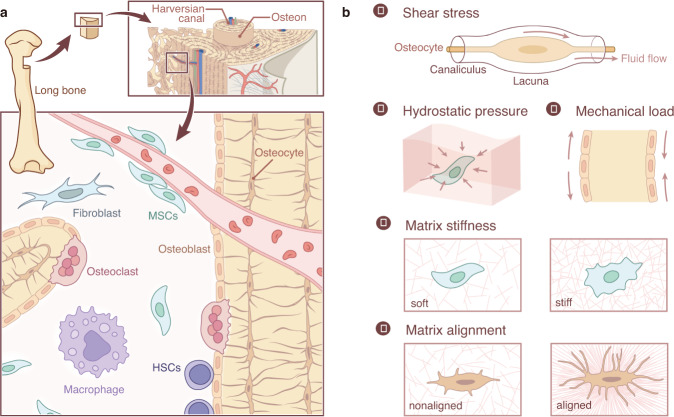
“Os-teocytes, connected through dendrites to form a complete network within the bone matrix, detect FSS and other stimuli, including matrix stiffness and hydrostatic pressure [8,83,84].”
Deng, H., & Wan, D. (2025) · PeerJ · doi:10.7717/peerj.19310 · Cited by 11
Metadata
- Authors
- Wang, L., You, X., Zhang, L., Zhang, C., & Zou, W.
- Affiliations
- Shanghai Jiao Tong University (CN)
- Chinese Academy of Sciences (CN)
- Corresponding author
- Zou, Weiguo
- Venue
- Bone Research
- Published
- 2022-02-18
- Volume
- 10
- Issue
- 1
- Pages
- 16-16
- ISSN
- 2095-4700 (ISSN-L)
- 2095-6231
- PMC
- PMC8857305
- OpenAlex
- W4212785156
- Semantic Scholar
- 819acc6a65ff622a02556e3cbc0c91ce3e7b054c
- Cited by
- 641
- References
- 238
- Citations by year
- 2026: 187 · 2025: 204 · 2024: 137 · 2023: 82 · 2022: 30
- FWCI
- 11.78
- Type
- journal article
- Language
- en
- Open access
- gold
- doi.org
- Licence
- cc-by
- creativecommons.org/licenses/by/4.0 (tdm)
- creativecommons.org/licenses/by/4.0 (vor)
- Locations
- Bone Research (publishedVersion, cc-by)
- PubMed Central (publishedVersion, cc-by)
- PubMed (publishedVersion)
- DOAJ (DOAJ: Directory of Open Access Journals) (submittedVersion, cc-by-sa)
- Funders
- National Natural Science Foundation of China (81725010, 81991512, 82102554, XDB19000000, 81672119)
- Chinese Academy of Sciences (HYZHXM01025, XDB19000000)
- Topics
- Life Sciences › Biochemistry, Genetics and Molecular Biology › Molecular Biology › Bone Metabolism and Diseases
- Health Sciences › Medicine › Orthopedics and Sports Medicine › Bone health and osteoporosis research
- Life Sciences › Biochemistry, Genetics and Molecular Biology › Cell Biology › Cellular Mechanics and Interactions
- Keywords
- bone remodeling, mechanical regulation, mechanotransduction, bone homeostasis, osteoblasts, osteoclasts, bone formation, bone resorption, disuse osteoporosis, fracture risk, mechanosensitive cells, bone mechanical properties, skeletal adaptation
About these checks
Registry, retraction, Cites and statistics results are computed, not judged, with one exception: a printed reference that no index lists is read once by a model before it counts as a citation error. Claims are extracted by a model and kept only when their quote appears verbatim in the text; each cited source is then checked, with a model’s help, for whether it says what the claim relies on. Those verdicts can be wrong — read the claim’s quote and the cited source before relying on one.
Statistics and arithmetic are recomputed, not judged.
Confidence bands are shown only for fields calibrated on our annotated test set. None is calibrated yet, so no band is shown.
What counts as a claim ›How we measure confidence ›How we check this ›
Are you an author, or do you see a problem with this page? Request a review
Data sources
Bibliographic data: Semantic Scholar, OpenAlex, Crossref.
Contains information from the Semantic Scholar Academic Graph Datasets, made available under the ODC Attribution License (ODC-BY 1.0).
Semantic Scholar’s data is described in: Kinney, R., et al. (2023). The Semantic Scholar Open Data Platform. arXiv:2301.10140.
