

Mechanical regulation of bone remodeling
Open accessThe DOI matches its Crossref record; 237 of the 238 references it cites were found in a registry or an index.
Abstract
Bone remodeling is a lifelong process that gives rise to a mature, dynamic bone structure via a balance between bone formation by osteoblasts and resorption by osteoclasts. These opposite processes allow the accommodation of bones to dynamic mechanical forces, altering bone mass in response to changing conditions. Mechanical forces are indispensable for bone homeostasis; skeletal formation, resorption, and adaptation are dependent on mechanical signals, and loss of mechanical stimulation can therefore significantly weaken the bone structure, causing disuse osteoporosis and increasing the risk of fracture. The exact mechanisms by which the body senses and transduces mechanical forces to regulate bone remodeling have long been an active area of study among researchers and clinicians. Such research will lead to a deeper understanding of bone disorders and identify new strategies for skeletal rejuvenation. Here, we will discuss the mechanical properties, mechanosensitive cell populations, and mechanotransducive signaling pathways of the skeletal system.
Overview
The claims and statistics of this paper haven’t been checked yet.
Free: it reads the open-access text and checks the first 5 claims that cite a source we can check. Create a free account to check every claim.
Integrity signals
Registry
Cites
Statistics
Figures
Verification
Claims the paper makes
The claims and statistics of this paper haven’t been checked yet.
Free: it reads the open-access text and checks the first 5 claims that cite a source we can check. Create a free account to check every claim.
Claims other papers make about this one
Each is checked against this paper’s own text: does it say what the citing paper says it does?
The source backs part of the claim, not all of it — or backs it for a different population, condition or comparison.
In the citing paper
“Muscle-derived mechanical loading activates mechanosensors in osteocytes and osteoblast-lineage cells, including integrins and Piezo1, thereby inducing Ca2+-dependent signaling and Wnt/β-catenin-associated osteogenic pathways that promote osteoblast activity [47,48]”
From Interorgan Communications in Skeletal Pathophysiology: From Molecular Pathways to Multidisciplinary Therapies (2026) · cites this paper as [48]
Experimental — accuracy not yet measured
Self-check
Percentages, sums and reported differences re-computed from the paper’s own numbers.
The self-check needs the paper’s full text.
Citations
Cites
Hynes (2002) · doi:10.1016/s0092-8674(02)00971-6 · Cited by 8,606
Role of YAP/TAZ in mechanotransduction
Dupont, S., Morsut, L., Aragona, M., Enzo, E., Giulitti, S., Cordenonsi, M., Zanconato, F., Le Digabel, J., Forcato, M., Bicciato, S., et al. (2011) · Nature · doi:10.1038/nature10137 · Cited by 5,979 · cited 2×
“In contrast, a separate study found that overexpression of a constitutively active YAP mutant in MSCs promotes osteogenesis more than adipogenesis, even under soft matrix conditions.(186) Additionally, YAP overexpression has been reported to inhibit both the osteogenic and adipogenic abilities of MSCs through inhibiti…”
BackgroundWnt/β-catenin signaling and disease
Clevers, H., & Nusse, R. (2012) · Cell · doi:10.1016/j.cell.2012.05.012 · Cited by 5,554
Piezo1 and Piezo2 Are Essential Components of Distinct Mechanically Activated Cation Channels
Coste, B., Mathur, J., Schmidt, M., Earley, T. J., Ranade, S., Petrus, M. J., Dubin, A. E., & Patapoutian, A. (2010) · Science · doi:10.1126/science.1193270 · Cited by 3,316 · cited 1×
“identified prominent mechanosensitive cation PIEZO channels (PIEZO1/2) using RNA interference profiles in a mouse neuroblastoma cell line.(104) Although the PIEZO1 protein shares only 42% sequence homology with its homolog PIEZO2, their structures are similar: a three-bladed, propeller-like trimer with an extracellula…”
Backgroundβ-catenin is a target for the ubiquitin–proteasome pathway
Aberle, H., Bauer, A., Stappert, J., Kispert, A., & Kemler, R. (1997) · The EMBO Journal · doi:10.1093/emboj/16.13.3797 · Cited by 2,529
Focal adhesion kinase: in command and control of cell motility.
Mitra, S. K., Hanson, D. A., & Schlaepfer, D. D. (2005) · Nature Reviews Molecular Cell Biology · doi:10.1038/nrm1549 · Cited by 2,335
WNT signaling in bone homeostasis and disease: From human mutations to treatments
Baron, R., & Kneissel, M. (2013) · Nature Medicine · doi:10.1038/nm.3074 · Cited by 2,093
Non-muscle myosin II takes centre stage in cell adhesion and migration
Vicente-Manzanares, M., Ma, X., Adelstein, R. S., & Horwitz, A. R. (2009) · Nature Reviews Molecular Cell Biology · doi:10.1038/nrm2786 · Cited by 2,032 · cited 1×
“The activity and assembly of myosin II are regulated by the phosphorylation of its light and heavy chains through numerous kinases in diverse regulatory pathways, including myosin light chain kinase (MLCK; activated by Ca/ calmodulin), Rho kinase, citron kinase (activated by RhoA), and myotonic dystrophy kinase-relate…”
BackgroundHuang, J., Wu, S., Barrera, J., Matthews, K., & Pan, D. (2005) · Cell · doi:10.1016/j.cell.2005.06.007 · Cited by 1,863 · cited 1×
“LATS1/2 directly phosphorylates YAP and TAZ at multiple sites, thereby inhibiting their nuclear localization.(178) Phosphorylated YAP/TAZ is sequestered in the cytoplasm by interaction with the 14–3–3 protein and then degraded by the ubiquitin-proteasome system (Fig.”
BackgroundReduced cell motility and enhanced focal adhesion contact formation in cells from FAK-deficient mice
llić, D., Furuta, Y., Kanazawa, S., Takeda, N., Sobue, K., Nakatsuji, N., Nomura, S., Fujimoto, J., Okada, M., Yamamoto, T., et al. (1995) · Nature · doi:10.1038/377539a0 · Cited by 1,830
Aragona, M., Panciera, T., Manfrin, A., Giulitti, S., Michielin, F., Elvassore, N., Dupont, S., & Piccolo, S. (2013) · Cell · doi:10.1016/j.cell.2013.07.042 · Cited by 1,651 · cited 1×
“F-actin serves as both an element of mechanosensing and an effector of mechanotransduction and is the predominant regulator of YAP (Yes-associated protein) and TAZ (transcriptional coactivator with PDZ-binding motif).(33) These two transcriptional regulators can respond to a broad range of mechanical cues, bridging me…”
BackgroundMechanobiology of YAP and TAZ in physiology and disease
Panciera, T., Azzolin, L., Cordenonsi, M., & Piccolo, S. (2017) · Nature Reviews Molecular Cell Biology · doi:10.1038/nrm.2017.87 · Cited by 1,461 · cited 1×
“These two transcriptional regulators can respond to a broad range of mechanical cues, bridging mechanical signals between the ECM and the cells within the matrix.(34,35) Accordingly, the ECM constitutes a well-established mechanical niche for bone cells.”
BackgroundFAK–Src signalling through paxillin, ERK and MLCK regulates adhesion disassembly
Webb, D. J., Donais, K., Whitmore, L. A., Thomas, S. M., Turner, C. E., Parsons, J. T., & Horwitz, A. F. (2004) · Nature Cell Biology · doi:10.1038/ncb1094 · Cited by 1,385
Piezo1 integration of vascular architecture with physiological force
Li, J., Hou, B., Tumova, S., Muraki, K., Bruns, A., Ludlow, M. J., Sedo, A., Hyman, A. J., McKeown, L., Young, R. S., et al. (2014) · Nature · doi:10.1038/nature13701 · Cited by 1,223 · cited 1×
“In vertebrates, loss of PIEZO1 is lethal, causing malformation of blood vessels during embryonic development.(106) The conditional loss of PIEZO1 in smooth muscle resulted in hypertension-dependent arterial remodeling dysfunction in mice.”
BackgroundThe NASA Twins Study: A multidimensional analysis of a year-long human spaceflight
Garrett-Bakelman, F. E., Darshi, M., Green, S. J., Gur, R. C., Lin, L., Macias, B. R., McKenna, M. J., Meydan, C., Mishra, T., Nasrini, J., et al. (2019) · Science · doi:10.1126/science.aau8650 · Cited by 1,128
Osteocytes, mechanosensing and Wnt signaling
Bonewald, L. F., & Johnson, M. L. (2008) · Bone · doi:10.1016/j.bone.2007.12.224 · Cited by 1,076 · cited 1×
“β-catenin heterozygous mice also had impaired responses to mechanical loading.(165) Osteoblasts derived from LRP5 G171V (Wnt signaling activation) transgenic mice exhibited increased expression of Wnt/β-catenin target genes under physiological conditions.”
BackgroundYap1 acts downstream of α-catenin to control epidermal proliferation
Schlegelmilch, K., Mohseni, M., Kirak, O., Pruszak, J., Rodriguez, J. R., Zhou, D., Kreger, B. T., Vasioukhin, V., Avruch, J., Brummelkamp, T. R., et al. (2011) · Cell · doi:10.1016/j.cell.2011.02.031 · Cited by 1,036
TAZ, a Transcriptional Modulator of Mesenchymal Stem Cell Differentiation
Hong, J.-H., Hwang, E. S., McManus, M. T., Amsterdam, A., Tian, Y., Kalmukova, R., Mueller, E., Benjamin, T., Spiegelman, B. M., Sharp, P. A., et al. (2005) · Science · doi:10.1126/science.1110955 · Cited by 1,009 · cited 1×
“TAZ can also promote osteogenesis and inhibit adipogenesis by acting as a RUNX2 coactivator and PPARγ inhibitor.(195) In vivo, osteoblastspecific overexpression of TAZ promoted bone formation with higher expression of RUNX2.”
BackgroundCooper, J., & Giancotti, F. G. (2019) · Cancer Cell · doi:10.1016/j.ccell.2019.01.007 · Cited by 945
The transient receptor potential family of ion channels
Nilius, B., & Owsianik, G. (2011) · Genome Biology · doi:10.1186/gb-2011-12-3-218 · Cited by 919 · cited 1×
“This superfamily can be divided into 7 subgroups that respond to different stimuli, including mechanical forces.(126) Among them, TRPV4 serves as a regulator of bone metabolism, a determinant of bone strength, and a potential risk predictor for fractures through the regulation of bone matrix mineralization and intraco…”
BackgroundTargeting the Hippo pathway in cancer, fibrosis, wound healing and regenerative medicine
Dey, A., Varelas, X., & Guan, K.-L. (2020) · Nature Reviews Drug Discovery · doi:10.1038/s41573-020-0070-z · Cited by 860 · cited 6×
“196 Recently, a mouse model of combinatorial YAP/TAZ ablation in skeletal lineage cells (OsterixCre) showed allele dose-dependent perinatal skeletal deformity, demonstrating that YAP and TAZ have concordant functions in osteoblast lineage cells.188 YAP/TAZ depletion and acute YAP/ TAZ–TEAD inhibition reduced osteogeni…”
BackgroundInfluentialHippo pathway regulation by cell morphology and stress fibers
Wada, K.-I., Itoga, K., Okano, T., Yonemura, S., & Sasaki, H. (2011) · Development · doi:10.1242/dev.070987 · Cited by 849 · cited 1×
“These two transcriptional regulators can respond to a broad range of mechanical cues, bridging mechanical signals between the ECM and the cells within the matrix.(34,35) Accordingly, the ECM constitutes a well-established mechanical niche for bone cells.”
BackgroundTargeted ablation of osteocytes induces osteoporosis with defective mechanotransduction.
Tatsumi, S., Ishii, K., Amizuka, N., Li, M., Kobayashi, T., Kohno, K., Ito, M., Takeshita, S., & Ikeda, K. (2007) · Cell Metabolism · doi:10.1016/j.cmet.2007.05.001 · Cited by 848 · cited 2×
“These mice have been shown to be resistant to unloading-induced bone loss, providing strong evidence for the role of osteocytes in mechanotransduction.(13) Osteoclast activity was also increased in these mice due to upregulated expression of RANKL, a cytokine associated with osteoclast development.”
BackgroundBasu, S., Totty, N. F., Irwin, M. S., Sudol, M., & Downward, J. (2003) · Molecular Cell · doi:10.1016/s1097-2765(02)00776-1 · Cited by 843
Piezo2 is required for Merkel-cell mechanotransduction
Woo, S.-H., Ranade, S., Weyer, A. D., Dubin, A. E., Baba, Y., Qiu, Z., Petrus, M., Miyamoto, T., Reddy, K., Lumpkin, E. A., et al. (2014) · Nature · doi:10.1038/nature13251 · Cited by 779
An atlas of genetic influences on osteoporosis in humans and mice
23andMe Research Team, Morris, J. A., Kemp, J. P., Youlten, S. E., Laurent, L., Logan, J. G., Chai, R. C., Vulpescu, N. A., Forgetta, V., Kleinman, A., et al. (2019) · Nature Genetics · doi:10.1038/s41588-018-0302-x · Cited by 773 · cited 1×
“Several single-nucleotide polymorphisms (SNPs) of PIEZO1 were associated with osteoporosis and fractures in an atlas of genetic influences on osteoporosis.(120) Patients with osteoporosis showed reduced levels of PIEZO1 protein, and conditional knockout of PIEZO1 in osteoblast lineage cells disrupted osteogenesis by r…”
BackgroundHippo promotes proliferation arrest and apoptosis in the Salvador/Warts pathway
Udan, R. S., Kango-Singh, M., Nolo, R., Tao, C., & Halder, G. (2003) · Nature Cell Biology · doi:10.1038/ncb1050 · Cited by 747 · cited 1×
“In mammals, MST1/2 form heterodimers with SAV1 through their C-terminal SARAH domains, after which MST1/2 can phosphorylate SAV1, MOB1, and LATS1/2 kinase.(176,177) LATS1/2 directly phosphorylates YAP and TAZ at multiple sites, thereby inhibiting their nuclear localization.”
BackgroundWang, Y., Wan, C., Deng, L., Liu, X., Cao, X., Gilbert, S. R., Bouxsein, M. L., Faugere, M.-C., Guldberg, R. E., Gerstenfeld, L. C., et al. (2007) · Journal of Clinical Investigation · doi:10.1172/jci31581 · Cited by 733 · cited 1×
“Osteoblast-specific deletion of HIF-1α in mice resulted in thinner bones with reduced vascularization, whereas deletion of the E3 ligase von Hippel-Lindau protein (pVHL) promoted bone vascularization.(212) Further studies will undoubtedly continue to reveal transcription factors involved in metabolic and hypoxic modul…”
BackgroundBeyond the gap: functions of unpaired connexon channels
Goodenough, D. A., & Paul, D. L. (2003) · Nature Reviews Molecular Cell Biology · doi:10.1038/nrm1072 · Cited by 729
Alternative Wnt Signaling Activates YAP/TAZ
Park, H. W., Kim, Y. C., Yu, B., Moroishi, T., Mo, J.-S., Plouffe, S. W., Meng, Z., Lin, K. C., Yu, F.-X., Alexander, C. M., et al. (2015) · Cell · doi:10.1016/j.cell.2015.07.013 · Cited by 705 · cited 1×
“TAZ was reported to contribute to osteogenic differentiation by modulating the canonical Wnt pathway.(193,194) TAZ can also promote osteogenesis and inhibit adipogenesis by acting as a RUNX2 coactivator and PPARγ inhibitor.”
BackgroundMechanosensation of cyclical force by PIEZO1 is essential for innate immunity
Solis, A. G., Bielecki, P., Steach, H. R., Sharma, L., Harman, C. C. D., Yun, S., de Zoete, M. R., Warnock, J. N., To, S. D. F., York, A. G., et al. (2019) · Nature · doi:10.1038/s41586-019-1485-8 · Cited by 678 · cited 1×
“This change in turn stabilizes HIF1α, thus facilitating the transcription of proinflammatory genes.(210) Mechanical forces can also activate Ras/ERK-mediated mitogen-activated protein kinase (MAPK) signaling, promoting HIF-1α expression in osteoblasts.”
BackgroundPiezo2 is the principal mechanotransduction channel for proprioception
Woo, S.-H., Lukacs, V., de Nooij, J. C., Zaytseva, D., Criddle, C. R., Francisco, A., Jessell, T. M., Wilkinson, K. A., & Patapoutian, A. (2015) · Nature Neuroscience · doi:10.1038/nn.4162 · Cited by 660 · cited 1×
“PIEZO2 has essential roles in gentle touch(115) and proprioception.(116) It also senses airway stretches and mediates lung inflationinduced apnea.”
BackgroundStretch-activated ion channel Piezo1 directs lineage choice in human neural stem cells
Pathak, M. M., Nourse, J. L., Tran, T., Hwe, J., Arulmoli, J., Le, D. T. T., Bernardis, E., Flanagan, L. A., & Tombola, F. (2014) · Proceedings of the National Academy of Sciences · doi:10.1073/pnas.1409802111 · Cited by 657
Mechanosensing is critical for axon growth in the developing brain
Koser, D. E., Thompson, A. J., Foster, S. K., Dwivedy, A., Pillai, E. K., Sheridan, G. K., Svoboda, H., Viana, M., Costa, L. D. F., Guck, J., et al. (2016) · Nature Neuroscience · doi:10.1038/nn.4394 · Cited by 649
Force Generation, Transmission, and Integration during Cell and Tissue Morphogenesis
Lecuit, T., Lenne, P.-F., & Munro, E. (2011) · Annual Review of Cell and Developmental Biology · doi:10.1146/annurev-cellbio-100109-104027 · Cited by 621 · cited 1×
“Previous studies have reviewed the assembly of actin filaments in detail.(141) A key characteristic of the crosslinked actin network is its ability to stiffen when strained by external or internal forces.”
BackgroundmiR-214 targets ATF4 to inhibit bone formation
Wang, X., Guo, B., Li, Q., Peng, J., Yang, Z., Wang, A., Li, D., Hou, Z., Lv, K., Kan, G., et al. (2013) · Nature Medicine · doi:10.1038/nm.3026 · Cited by 559 · cited 1×
“In animal models, mechanical loading and unloading can be achieved by cyclic pressure on long bones, different exercise devices, and tail suspension.(229,230) Nevertheless, these models alone are not enough to ultimately determine the changes in cell morphology, genes, and hormones in a weightless environment.”
BackgroundElementary Ca 2+ Signals Through Endothelial TRPV4 Channels Regulate Vascular Function
Sonkusare, S. K., Bonev, A. D., Ledoux, J., Liedtke, W., Kotlikoff, M. I., Heppner, T. J., Hill-Eubanks, D. C., & Nelson, M. T. (2012) · Science · doi:10.1126/science.1216283 · Cited by 552
Conformational Regulation of Integrin Structure and Function
Shimaoka, M., Takagi, J., & Springer, T. A. (2002) · Annual Review of Biophysics and Biomolecular Structure · doi:10.1146/annurev.biophys.31.101101.140922 · Cited by 538 · cited 1×
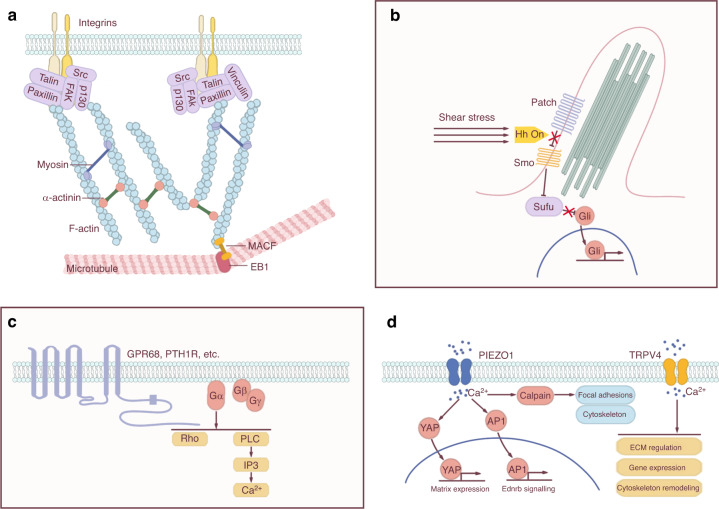
“A series of structural studies have shown that integrins have two allosteric conformations, and their activation is mediated by conformational changes that shift the heterodimer from a low-affinity (inactive) state to a high-affinity (active) state.(43,44) Integrin aggregation leads to the recruitment and phosphorylat…”
BackgroundMechanosensation and transduction in osteocytes
Klein-Nulend, J., Bakker, A. D., Bacabac, R. G., Vatsa, A., & Weinbaum, S. (2013) · Bone · doi:10.1016/j.bone.2012.10.013 · Cited by 528
Mechanical sensing protein PIEZO1 regulates bone homeostasis via osteoblast-osteoclast crosstalk
Wang, L., You, X., Lotinun, S., Zhang, L., Wu, N., & Zou, W. (2020) · Nature Communications · doi:10.1038/s41467-019-14146-6 · Cited by 526 · cited 4×
“In our own study, we observed very subtle differences in osteogenesis and strong hyperactivity of osteoclasts in osteoblastic PIEZO1-deficient mice.(123) Our data support the hypothesis that insensitivity to mechanical loading causes dysregulated crosstalk between osteoblasts and osteoclasts, leading to bone loss.”
BackgroundResultInfluentialSelf-citationWnt/β-Catenin Signaling Is a Normal Physiological Response to Mechanical Loading in Bone
Robinson, J. A., Chatterjee-Kishore, M., Yaworsky, P. J., Cullen, D. M., Zhao, W., Li, C., Kharode, Y., Sauter, L., Babij, P., Brown, E. L., et al. (2006) · Journal of Biological Chemistry · doi:10.1016/s0021-9258(19)84086-3 · Cited by 521 · cited 1×
“Moreover, LRP5 G171V transgenic mice showed more robust bone formation in response to loading, with an elevated expression of genes downstream of the Wnt signaling pathway, than wild-type mice.(166) Similarly, the anabolic response of bone to mechanical loading was enhanced in the ulnae of mice lacking the Wnt inhibit…”
BackgroundPIEZOs mediate neuronal sensing of blood pressure and the baroreceptor reflex
Zeng, W.-Z., Marshall, K. L., Min, S., Daou, I., Chapleau, M. W., Abboud, F. M., Liberles, S. D., & Patapoutian, A. (2018) · Science · doi:10.1126/science.aau6324 · Cited by 493
G protein-coupled receptors sense fluid shear stress in endothelial cells
Chachisvilis, M., Zhang, Y.-L., & Frangos, J. A. (2006) · Proceedings of the National Academy of Sciences · doi:10.1073/pnas.0607224103 · Cited by 491
O’Conor, C. J., Leddy, H. A., Benefield, H. C., Liedtke, W. B., & Guilak, F. (2014) · Proceedings of the National Academy of Sciences · doi:10.1073/pnas.1319569111 · Cited by 487
Molecular mechanosensors in osteocytes
Qin, L., Liu, W., Cao, H., & Xiao, G. (2020) · Bone Research · doi:10.1038/s41413-020-0099-y · Cited by 484 · cited 1×
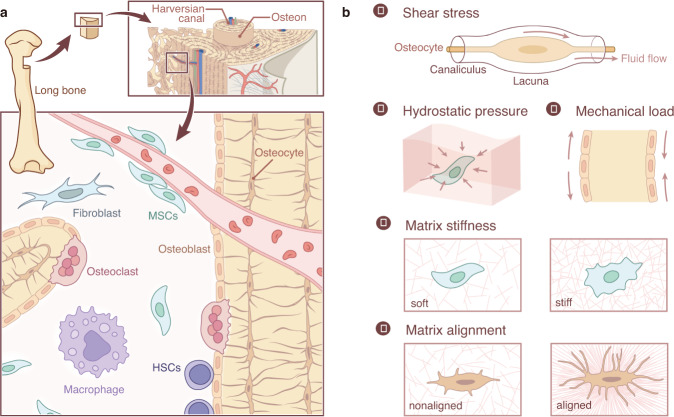
“The mechanosensitive characteristics of osteocytes in the regulation of bone homeostasis have been discussed in detail elsewhere.(10,11) During mechanical loading, poroelastic interactions within the lacunar-canalicular system (LCS) result in fluid flow that is primarily sensed by osteocytes.”
BackgroundPrimary cilia mediate mechanosensing in bone cells by a calcium-independent mechanism
Malone, A. M. D., Anderson, C. T., Tummala, P., Kwon, R. Y., Johnston, T. R., Stearns, T., & Jacobs, C. R. (2007) · Proceedings of the National Academy of Sciences · doi:10.1073/pnas.0700636104 · Cited by 477 · cited 2×
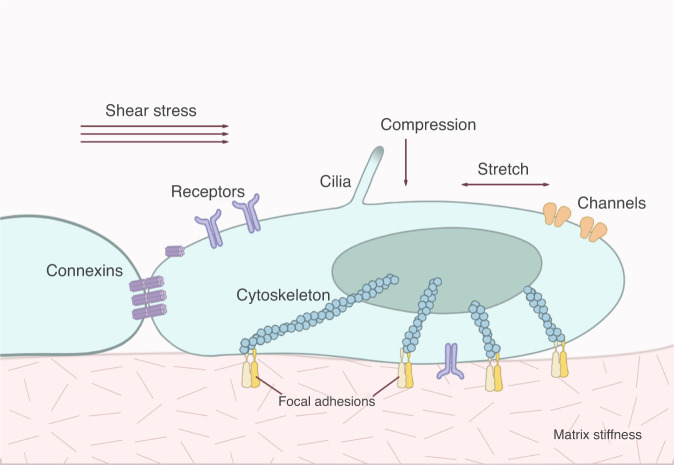
“Cilia protrude into the extracellular space, where they use unique mechanisms to sense their mechanical environments.80 The primary cilium is a potentially important mechanosensitive structure in bone cells81 that can sense FSS and mediate mechanotransduction in osteocytes.82–84 Cilium formation is positively correlat…”
BackgroundLee, W., Leddy, H. A., Chen, Y., Lee, S. H., Zelenski, N. A., McNulty, A. L., Wu, J., Beicker, K. N., Coles, J., Zauscher, S., et al. (2014) · Proceedings of the National Academy of Sciences · doi:10.1073/pnas.1414298111 · Cited by 460 · cited 1×
“In chondrocytes, PIEZO1 and PIEZO2 can act redundantly to mediate injury-induced osteoarthritis.(119) In vivo studies have demonstrated the indispensability of PIEZO1 in the osteoblastic lineage, albeit with various phenotypes.”
BackgroundFocal adhesion kinase suppresses Rho activity to promote focal adhesion turnover
Ren, X.-D., Kiosses, W. B., Sieg, D. J., Otey, C. A., Schlaepfer, D. D., & Schwartz, M. A. (2000) · Journal of Cell Science · doi:10.1242/jcs.113.20.3673 · Cited by 458
Morin-Kensicki, E. M., Boone, B. N., Howell, M., Stonebraker, J. R., Teed, J., Alb, J. G., Magnuson, T. R., O'Neal, W., & Milgram, S. L. (2006) · Molecular and Cellular Biology · doi:10.1128/mcb.26.1.77-87.2006 · Cited by 429
The mechanosensitive Piezo1 channel is required for bone formation
Sun, W., Chi, S., Li, Y., Ling, S., Tan, Y., Xu, Y., Jiang, F., Li, J., Liu, C., Zhong, G., et al. (2019) · eLife · doi:10.7554/elife.47454 · Cited by 429 · cited 1×
“Patients with osteoporosis showed reduced levels of PIEZO1 protein, and conditional knockout of PIEZO1 in osteoblast lineage cells disrupted osteogenesis by repressing RUNX2, COL1, and OCN expression.(121) Two other research groups found increased osteoclast activity in two Cre-induced osteoblastic lineage PIEZO1 knoc…”
BackgroundPiezo2 senses airway stretch and mediates lung inflation-induced apnoea
Nonomura, K., Woo, S.-H., Chang, R. B., Gillich, A., Qiu, Z., Francisco, A. G., Ranade, S. S., Liberles, S. D., & Patapoutian, A. (2017) · Nature · doi:10.1038/nature20793 · Cited by 428
Localized Stabilization of Microtubules by Integrin- and FAK-Facilitated Rho Signaling
Palazzo, A. F., Eng, C. H., Schlaepfer, D. D., Marcantonio, E. E., & Gundersen, G. G. (2004) · Science · doi:10.1126/science.1091325 · Cited by 416 · cited 3×
“Rho-family GTPases are molecular ‘switches’ that control the assembly and disassembly of actin cytoskeletal structures (stress fibers, lamellipodia, and filopodia).(57,58) RhoA, a member of the Rho family, has been widely implicated in mechanosensitive signaling pathways.”
BackgroundGardel, M. L., Nakamura, F., Hartwig, J. H., Crocker, J. C., Stossel, T. P., & Weitz, D. A. (2006) · Proceedings of the National Academy of Sciences · doi:10.1073/pnas.0504777103 · Cited by 412 · cited 1×
“A key characteristic of the crosslinked actin network is its ability to stiffen when strained by external or internal forces.(142,143) Myosin II can guide the assembly patterns of actin filaments and exhibit mechanical stress-dependent kinetics.”
BackgroundStress-stiffening-mediated stem-cell commitment switch in soft responsive hydrogels
Das, R. K., Gocheva, V., Hammink, R., Zouani, O. F., & Rowan, A. E. (2016) · Nature Materials · doi:10.1038/nmat4483 · Cited by 406
Zaidi, S. K., Sullivan, A. J., Medina, R., Ito, Y., van Wijnen, A. J., Stein, J. L., Lian, J. B., & Stein, G. S. (2004) · The EMBO Journal · doi:10.1038/sj.emboj.7600073 · Cited by 398 · cited 1×
“YAP has been reported to suppress osteogenesis through the repression of RUNX2 transcriptional activity in response to Src family kinases.(191) In contrast, a separate study found that overexpression of a constitutively active YAP mutant in MSCs promotes osteogenesis more than adipogenesis, even under soft matrix cond…”
BackgroundLecanda, F., Warlow, P. M., Sheikh, S., Furlan, F., Steinberg, T. H., & Civitelli, R. (2000) · The Journal of Cell Biology · doi:10.1083/jcb.151.4.931 · Cited by 395 · cited 1×
“Cx43 mice exhibited osteoblast dysfunction, delayed mineralization, and craniofacial abnormalities.(70) Conditional deletion of Cx43 by Col1 (2.”
BackgroundZhou, T., Gao, B., Fan, Y., Liu, Y., Feng, S., Cong, Q., Zhang, X., Zhou, Y., Yadav, P. S., Lin, J., et al. (2020) · eLife · doi:10.7554/elife.52779 · Cited by 392
Gq‐coupled receptors as mechanosensors mediating myogenic vasoconstriction
Mederos y Schnitzler, M., Storch, U., Meibers, S., Nurwakagari, P., Breit, A., Essin, K., Gollasch, M., & Gudermann, T. (2008) · The EMBO Journal · doi:10.1038/emboj.2008.233 · Cited by 382
RAP2 mediates mechanoresponses of the Hippo pathway
Meng, Z., Qiu, Y., Lin, K. C., Kumar, A., Placone, J. K., Fang, C., Wang, K.-C., Lu, S., Pan, M., Hong, A. W., et al. (2018) · Nature · doi:10.1038/s41586-018-0444-0 · Cited by 377 · cited 6×
“196 Recently, a mouse model of combinatorial YAP/TAZ ablation in skeletal lineage cells (OsterixCre) showed allele dose-dependent perinatal skeletal deformity, demonstrating that YAP and TAZ have concordant functions in osteoblast lineage cells.188 YAP/TAZ depletion and acute YAP/ TAZ–TEAD inhibition reduced osteogeni…”
BackgroundInfluentialStructure and mechanogating of the mammalian tactile channel PIEZO2
Wang, L., Zhou, H., Zhang, M., Liu, W., Deng, T., Zhao, Q., Li, Y., Lei, J., Li, X., & Xiao, B. (2019) · Nature · doi:10.1038/s41586-019-1505-8 · Cited by 373 · cited 1×
“Although the PIEZO1 protein shares only 42% sequence homology with its homolog PIEZO2, their structures are similar: a three-bladed, propeller-like trimer with an extracellular cap-like structure embedded in the center and an intracellular beam connecting to the central pore.(105) In vertebrates, loss of PIEZO1 is let…”
BackgroundSelf-citationTRPV4-Mediated Calcium Influx Regulates Terminal Differentiation of Osteoclasts
Masuyama, R., Vriens, J., Voets, T., Karashima, Y., Owsianik, G., Vennekens, R., Lieben, L., Torrekens, S., Moermans, K., Vanden Bosch, A., et al. (2008) · Cell Metabolism · doi:10.1016/j.cmet.2008.08.002 · Cited by 372 · cited 1×
“TRPV4 is additionally expressed in osteoclasts, where it can activate NFATc1 signaling to regulate terminal differentiation and cell activity through Ca influx.(139) Autophagy, which can support osteoclast function, is also regulated by TRPV4.”
BackgroundOsteocytes as mechanosensors in the inhibition of bone resorption due to mechanical loading
You, L., Temiyasathit, S., Lee, P., Kim, C. H., Tummala, P., Yao, W., Kingery, W., Malone, A. M., Kwon, R. Y., & Jacobs, C. R. (2008) · Bone · doi:10.1016/j.bone.2007.09.047 · Cited by 359
Piezo1 in Smooth Muscle Cells Is Involved in Hypertension-Dependent Arterial Remodeling
Retailleau, K., Duprat, F., Arhatte, M., Ranade, S. S., Peyronnet, R., Martins, J. R., Jodar, M., Moro, C., Offermanns, S., Feng, Y., et al. (2015) · Cell Reports · doi:10.1016/j.celrep.2015.09.072 · Cited by 355
Stimulation of Piezo1 by mechanical signals promotes bone anabolism
Li, X., Han, L., Nookaew, I., Mannen, E., Silva, M. J., Almeida, M., & Xiong, J. (2019) · eLife · doi:10.7554/elife.49631 · Cited by 353 · cited 1×
“Two other research groups found increased osteoclast activity in two Cre-induced osteoblastic lineage PIEZO1 knockout systems (Prx1-Cre and Dmp1-Cre).(122,123) In our own study, we observed very subtle differences in osteogenesis and strong hyperactivity of osteoclasts in osteoblastic PIEZO1-deficient mice.”
BackgroundDepartment of Oral Cell Biology, R. I. M., Klein-Nulend, J., Bacabac, R., & Bakker, A. (2012) · European Cells and Materials · doi:10.22203/ecm.v024a20 · Cited by 336
The tension mounts: Stress fibers as force-generating mechanotransducers
Burridge, K., & Wittchen, E. S. (2013) · Journal of Cell Biology · doi:10.1083/jcb.201210090 · Cited by 334
Active fluidization of polymer networks through molecular motors
Humphrey, D., Duggan, C., Saha, D., Smith, D., & Käs, J. (2002) · Nature · doi:10.1038/416413 · Cited by 330
The SWI/SNF complex is a mechanoregulated inhibitor of YAP and TAZ
Chang, L., Azzolin, L., Di Biagio, D., Zanconato, F., Battilana, G., Lucon Xiccato, R., Aragona, M., Giulitti, S., Panciera, T., Gandin, A., et al. (2018) · Nature · doi:10.1038/s41586-018-0658-1 · Cited by 327 · cited 1×
“The SWI/SNF chromatin-remodeling complex can interact directly with purified F-actin(184) and inhibit YAP/TAZ through ARID1A in response to mechanical stiffness.(185) YAP/TAZ are also functionally required for the differentiation of MSCs in response to ECM stiffness; conversely, the expression of activated YAP overrul…”
BackgroundGPR68 Senses Flow and Is Essential for Vascular Physiology
Xu, J., Mathur, J., Vessières, E., Hammack, S., Nonomura, K., Favre, J., Grimaud, L., Petrus, M., Francisco, A., Li, J., et al. (2018) · Cell · doi:10.1016/j.cell.2018.03.076 · Cited by 311
A Quantitative Analysis of Contractility in Active Cytoskeletal Protein Networks
Bendix, P. M., Koenderink, G. H., Cuvelier, D., Dogic, Z., Koeleman, B. N., Brieher, W. M., Field, C. M., Mahadevan, L., & Weitz, D. A. (2008) · Biophysical Journal · doi:10.1529/biophysj.107.117960 · Cited by 310
Shear Stress Induces Osteogenic Differentiation of Human Mesenchymal Stem Cells
Yourek, G., McCormick, S. M., Mao, J. J., & Reilly, G. C. (2010) · Regenerative Medicine · doi:10.2217/rme.10.60 · Cited by 303 · cited 1×
“FSS increased the expression of osteogenic genes in mesenchymal stem cells.(20,21) Similarly, oscillatory fluid flow led to specific gene expression in BMSCs in a manner dependent on the magnitude, frequency, and duration of shear stress.”
BackgroundIntegrin activation takes shape
Liddington, R. C., & Ginsberg, M. H. (2002) · The Journal of Cell Biology · doi:10.1083/jcb.200206011 · Cited by 303 · cited 1×
“A series of structural studies have shown that integrins have two allosteric conformations, and their activation is mediated by conformational changes that shift the heterodimer from a low-affinity (inactive) state to a high-affinity (active) state.(43,44) Integrin aggregation leads to the recruitment and phosphorylat…”
BackgroundGlomerulocystic kidney disease in mice with a targeted inactivation of Wwtr1
Hossain, Z., Ali, S. M., Ko, H. L., Xu, J., Ng, C. P., Guo, K., Qi, Z., Ponniah, S., Hong, W., & Hunziker, W. (2007) · Proceedings of the National Academy of Sciences · doi:10.1073/pnas.0605266104 · Cited by 297 · cited 1×
“Notably, global YAP deletion in mice was embryonic lethal due to impaired yolk sac vasculogenesis,(189) whereas global TAZ knockout mice survived to maturity with only modest skeletal defects and polycystic kidney disease.(190) This evidence shows that YAP and TAZ have exclusive, gene-specific functions.”
BackgroundMechanosensation and transduction in osteocytes
Bonewald, L. F. (2006) · BoneKEy-Osteovision · doi:10.1138/20060233 · Cited by 283
Frost, H. M. (2000) · Journal of Bone and Mineral Metabolism · doi:10.1007/s007740070001 · Cited by 283
Regulation of the Hippo–YAP pathway by protease-activated receptors (PARs)
Mo, J.-S., Yu, F.-X., Gong, R., Brown, J. H., & Guan, K.-L. (2012) · Genes & Development · doi:10.1101/gad.197582.112 · Cited by 282
Sen, B., Xie, Z., Case, N., Ma, M., Rubin, C., & Rubin, J. (2008) · Endocrinology · doi:10.1210/en.2008-0687 · Cited by 281
ACF7 Regulates Cytoskeletal-Focal Adhesion Dynamics and Migration and Has ATPase Activity
Wu, X., Kodama, A., & Fuchs, E. (2008) · Cell · doi:10.1016/j.cell.2008.07.045 · Cited by 281 · cited 1×
“Loss of MACF1 leads to aberrant microtubule organization, tight junction instability, and impaired wound closure in vitro.(147,148) As MACF1 expression decreases under mechanical unloading conditions in vitro and in vivo, MACF1 is considered a mechanosensitive structure.”
BackgroundMatthews, B. D., Thodeti, C. K., Tytell, J. D., Mammoto, A., Overby, D. R., & Ingber, D. E. (2010) · Integrative Biology · doi:10.1039/c0ib00034e · Cited by 280
Articular cartilage and biomechanical properties of the long bones in Frzb‐knockout mice
Lories, R. J. U., Peeters, J., Bakker, A., Tylzanowski, P., Derese, I., Schrooten, J., Thomas, J. T., & Luyten, F. P. (2007) · Arthritis & Rheumatism · doi:10.1002/art.23137 · Cited by 271
Oscillatory fluid flow affects human marrow stromal cell proliferation and differentiation
Li, Y. J., Batra, N. N., You, L., Meier, S. C., Coe, I. A., Yellowley, C. E., & Jacobs, C. R. (2004) · Journal of Orthopaedic Research · doi:10.1016/j.orthres.2004.04.002 · Cited by 270 · cited 3×
“Multiple mechanical forces can drive the proliferation and differentiation of BMSCs.15,16 According to several in vitro studies,17–19 mechanical forces can also induce substantial changes in the osteoblast cytoskeleton, cell and nucleus morphology, and volume.”
BackgroundMechanically activated ion channel PIEZO1 is required for lymphatic valve formation
Nonomura, K., Lukacs, V., Sweet, D. T., Goddard, L. M., Kanie, A., Whitwam, T., Ranade, S. S., Fujimori, T., Kahn, M. L., & Patapoutian, A. (2018) · Proceedings of the National Academy of Sciences · doi:10.1073/pnas.1817070115 · Cited by 267
Murakami, M., Nakagawa, M., Olson, E. N., & Nakagawa, O. (2005) · Proceedings of the National Academy of Sciences · doi:10.1073/pnas.0509109102 · Cited by 263
Smith, S. M., Wastney, M. E., O'Brien, K. O., Morukov, B. V., Larina, I. M., Abrams, S. A., Davis-Street, J. E., Oganov, V., & Shackelford, L. C. (2005) · Journal of Bone and Mineral Research · doi:10.1359/jbmr.041105 · Cited by 252 · cited 2×
“During space flight, increased bone resorption results in the loss of calcium and minerals in the bone, altering the endocrine regulation of calcium metabolism.(124,214) Based on these observations, osteoclasts might be presumed to modulate bone quality by sensing mechanical forces directly or by receiving signals fro…”
BackgroundIntegrin Expression and Function on Human Osteoblast-like Cells
Gronthos, S., Stewart, K., Graves, S. E., Hay, S., & Simmons, P. J. (1997) · Journal of Bone and Mineral Research · doi:10.1359/jbmr.1997.12.8.1189 · Cited by 251
Kimura, N., Matsuo, R., Shibuya, H., Nakashima, K., & Taga, T. (2000) · Journal of Biological Chemistry · doi:10.1074/jbc.m908622199 · Cited by 240 · cited 1×
“Alternatively, BMP2 signaling can be mediated by the TAK1-p38 kinase pathway.(198) BMP2 deficiency in osteoblasts results in osteopenia and bone strength reduction.”
BackgroundMechanical stress-activated integrin α5β1 induces opening of connexin 43 hemichannels
Batra, N., Burra, S., Siller-Jackson, A. J., Gu, S., Xia, X., Weber, G. F., DeSimone, D., Bonewald, L. F., Lafer, E. M., Sprague, E., et al. (2012) · Proceedings of the National Academy of Sciences · doi:10.1073/pnas.1115967109 · Cited by 240
Ishijima, M., Rittling, S. R., Yamashita, T., Tsuji, K., Kurosawa, H., Nifuji, A., Denhardt, D. T., & Noda, M. (2001) · The Journal of Experimental Medicine · doi:10.1084/jem.193.3.399 · Cited by 240 · cited 1×
“Osteoblasts and osteoclasts were not altered in OPN knockout mice during unloading, suggesting that OPN is a prerequisite for the activation of osteoclastic bone resorption and the reduction in osteoblastic bone formation in this condition.(53) As mentioned above, FAK is the primary protein that integrates extracellul…”
BackgroundWang, Y.-K., Yu, X., Cohen, D. M., Wozniak, M. A., Yang, M. T., Gao, L., Eyckmans, J., & Chen, C. S. (2012) · Stem Cells and Development · doi:10.1089/scd.2011.0293 · Cited by 236 · cited 1×
“In turn, RhoA/ROCK activity and associated cytoskeletal tension regulate hMSC commitment to the BMPinduced osteogenic phenotype.(200) The osteogenesis induced by BMP2 also depends on matrix stiffness.”
BackgroundSkeletal changes during and after spaceflight
Vico, L., & Hargens, A. (2018) · Nature Reviews Rheumatology · doi:10.1038/nrrheum.2018.37 · Cited by 236 · cited 1×
“5% of volumetric bone mineral density in the weight-bearing bones due to increased bone resorption and decreased bone formation.(3,4) In addition, longterm bed rest and paralysis can substantially reduce the mechanical stress placed on the bone, thus resulting in disuse osteoporosis.”
BackgroundRando, O. J., Zhao, K., Janmey, P., & Crabtree, G. R. (2002) · Proceedings of the National Academy of Sciences · doi:10.1073/pnas.032662899 · Cited by 228
Piezo1 is a mechanically activated ion channel and mediates pressure induced pancreatitis
Romac, J. M.-J., Shahid, R. A., Swain, S. M., Vigna, S. R., & Liddle, R. A. (2018) · Nature Communications · doi:10.1038/s41467-018-04194-9 · Cited by 228 · cited 1×
“PIEZOs can also sense blood pressure,(109,110) dictate neural stem cell differentiation and axon growth in the developing brain by sensing substrate stiffness,(111,112) and mediate pressure-induced pancreatitis.(113) In the brain, PIEZO1 distribution is affected by nanotopography, with consequences for hippocampal neu…”
BackgroundMechanical stress‐mediated Runx2 activation is dependent on Ras/ERK1/2 MAPK signaling in osteoblasts
Kanno, T., Takahashi, T., Tsujisawa, T., Ariyoshi, W., & Nishihara, T. (2007) · Journal of Cellular Biochemistry · doi:10.1002/jcb.21249 · Cited by 227 · cited 1×
“Mechanical forces can also activate Ras/ERK-mediated mitogen-activated protein kinase (MAPK) signaling, promoting HIF-1α expression in osteoblasts.(211) Osteoblast-specific deletion of HIF-1α in mice resulted in thinner bones with reduced vascularization, whereas deletion of the E3 ligase von Hippel-Lindau protein (pV…”
BackgroundECM Compliance Regulates Osteogenesis by Influencing MAPK Signaling Downstream of RhoA and ROCK
Khatiwala, C. B., Kim, P. D., Peyton, S. R., & Putnam, A. J. (2009) · Journal of Bone and Mineral Research · doi:10.1359/jbmr.081240 · Cited by 226 · cited 1×
“ECM stiffness can regulate the activity and expression of RUNX2 through the activation of RhoA/Rho-associated protein kinase (ROCK) and its downstream ERK signaling pathway, thereby promoting osteogenesis.(59) The RhoA signaling pathway can also activate the Akt and p38/MAPK signaling pathways, establishing a connecti…”
BackgroundCaillot-Augusseau, A., Lafage-Proust, M.-H., Soler, C., Pernod, J., Dubois, F., & Alexandre, C. (1998) · Clinical Chemistry · doi:10.1093/clinchem/44.3.578 · Cited by 218 · cited 1×
“Nevertheless, the precise contributions of bone formation and resorption to microgravity-induced bone loss remain to be fully elucidated.(214,217,218) During space flight, increased bone resorption results in the loss of calcium and minerals in the bone, altering the endocrine regulation of calcium metabolism.”
BackgroundShear stress–induced endothelial adrenomedullin signaling regulates vascular tone and blood pressure
Iring, A., Jin, Y.-J., Albarrán-Juárez, J., Siragusa, M., Wang, S., Dancs, P. T., Nakayama, A., Tonack, S., Chen, M., Künne, C., et al. (2019) · Journal of Clinical Investigation · doi:10.1172/jci123825 · Cited by 217
A systematic review and meta-analysis of bone loss in space travelers
Stavnichuk, M., Mikolajewicz, N., Corlett, T., Morris, M., & Komarova, S. V. (2020) · npj Microgravity · doi:10.1038/s41526-020-0103-2 · Cited by 217 · cited 1×
“Nevertheless, the precise contributions of bone formation and resorption to microgravity-induced bone loss remain to be fully elucidated.(214,217,218) During space flight, increased bone resorption results in the loss of calcium and minerals in the bone, altering the endocrine regulation of calcium metabolism.”
BackgroundSOX2 Regulates YAP1 to Maintain Stemness and Determine Cell Fate in the Osteo-Adipo Lineage
Seo, E., Basu-Roy, U., Gunaratne, P. H., Coarfa, C., Lim, D.-S., Basilico, C., & Mansukhani, A. (2013) · Cell Reports · doi:10.1016/j.celrep.2013.05.029 · Cited by 216 · cited 1×
“Additionally, YAP overexpression has been reported to inhibit both the osteogenic and adipogenic abilities of MSCs through inhibition of Wnt/β-catenin signaling by interfering with β-catenin and inducing Dkk1 expression.(192) TAZ was reported to contribute to osteogenic differentiation by modulating the canonical Wnt…”
BackgroundAttachment of Osteocyte Cell Processes to the Bone Matrix
McNamara, L. M., Majeska, R. J., Weinbaum, S., Friedrich, V., & Schaffler, M. B. (2009) · The Anatomical Record · doi:10.1002/ar.20869 · Cited by 212 · cited 2×
“Osteocytes on stiff ECM tend to pull harder than those on soft ECM, thus increasing the tension on force-bearing elements such as F-actin.(31,32) F-actin serves as both an element of mechanosensing and an effector of mechanotransduction and is the predominant regulator of YAP (Yes-associated protein) and TAZ (transcri…”
BackgroundExpression of Functional Gap Junctions and Regulation by Fluid Flow in Osteocyte-Like MLO-Y4 Cells
Cheng, B., Zhao, S., Luo, J., Sprague, E., Bonewald, L. F., & Jiang, J. X. (2001) · Journal of Bone and Mineral Research · doi:10.1359/jbmr.2001.16.2.249 · Cited by 211 · cited 4×
“Early research also suggested that fluid flow has stimulatory effects on MLO-Y4 cells, encompassing cellular morphology, opening of gap junctions, protein expression, and redistribution of Cx43.(69) These complex results derived from different systems may be attributable to the dual functions of Cx43 in gap junctions…”
BackgroundInfluentialTang, Y., Feinberg, T., Keller, E. T., Li, X.-Y., & Weiss, S. J. (2016) · Nature Cell Biology · doi:10.1038/ncb3394 · Cited by 210
Regulation of human osteoblast integrin expression by orthopedic implant materials
Sinha, R. K., & Tuan, R. S. (1996) · Bone · doi:10.1016/8756-3282(96)00044-0 · Cited by 202
Cambré, I., Gaublomme, D., Burssens, A., Jacques, P., Schryvers, N., De Muynck, A., Meuris, L., Lambrecht, S., Carter, S., de Bleser, P., et al. (2018) · Nature Communications · doi:10.1038/s41467-018-06933-4 · Cited by 194 · cited 1×
“In vivo, monocytes, the progenitors of bone-resorbing osteoclasts, were recruited by CXCL1 and CCL2 produced by mesenchymal stem cells treated with mechanical forces.(221) Our recent study found that loss of PIEZO1 in osteoblastic lineage cells leads to a deterioration of the bone structure and quality due to increase…”
BackgroundCilium structure, assembly, and disassembly regulated by the cytoskeleton
Mirvis, M., Stearns, T., & James Nelson, W. (2018) · Biochemical Journal · doi:10.1042/bcj20170453 · Cited by 190 · cited 1×
“Cilia protrude into the extracellular space, where they use unique mechanisms to sense their mechanical environments.(80) The primary cilium is a potentially important mechanosensitive structure in bone cells(81) that can sense FSS and mediate mechanotransduction in osteocytes.”
BackgroundUda, Y., Azab, E., Sun, N., Shi, C., & Pajevic, P. D. (2017) · Current Osteoporosis Reports · doi:10.1007/s11914-017-0373-0 · Cited by 190
Osteocyte necrosis triggers osteoclast-mediated bone loss through macrophage-inducible C-type lectin
Andreev, D., Liu, M., Weidner, D., Kachler, K., Faas, M., Grüneboom, A., Schlötzer-Schrehardt, U., Muñoz, L. E., Steffen, U., Grötsch, B., et al. (2020) · Journal of Clinical Investigation · doi:10.1172/jci134214 · Cited by 188 · cited 1×
“Recently, osteoclasts were shown to sense the damage-associated molecular patterns (DAMPs) released by necrotic osteocytes.(14) Thus, mechanical unloadingassociated bone loss could be a result of crosstalk between osteocytes and osteoclasts.”
BackgroundArnsdorf, E. J., Tummala, P., & Jacobs, C. R. (2009) · PLoS ONE · doi:10.1371/journal.pone.0005388 · Cited by 183
Primary Cilia‐Mediated Mechanotransduction in Human Mesenchymal Stem Cells
Hoey, D. A., Tormey, S., Ramcharan, S., O'Brien, F. J., & Jacobs, C. R. (2012) · STEM CELLS · doi:10.1002/stem.1235 · Cited by 181
Wu, X., Shen, Q.-T., Oristian, D. S., Lu, C. P., Zheng, Q., Wang, H.-W., & Fuchs, E. (2011) · Cell · doi:10.1016/j.cell.2010.12.033 · Cited by 180
Mechanoresponsive stem cells acquire neural crest fate in jaw regeneration
Ransom, R. C., Carter, A. C., Salhotra, A., Leavitt, T., Marecic, O., Murphy, M. P., Lopez, M. L., Wei, Y., Marshall, C. D., Shen, E. Z., et al. (2018) · Nature · doi:10.1038/s41586-018-0650-9 · Cited by 178 · cited 1×
“During mandibular distraction osteogenesis, a surgery that separates the jaw bone to correct an undersized lower jaw, mechanical stress activates new bone formation via FAK in skeletal stem cells.(61) In osteocytes, sclerostin (Sost) can be repressed by mechanical loading through the histone deacetylases HDAC4 and HDA…”
BackgroundA Cytoskeletal Demolition Worker: Myosin II Acts as an Actin Depolymerization Agent
Haviv, L., Gillo, D., Backouche, F., & Bernheim-Groswasser, A. (2008) · Journal of Molecular Biology · doi:10.1016/j.jmb.2007.09.066 · Cited by 175
Skeletal cell YAP and TAZ combinatorially promote bone development
Kegelman, C. D., Mason, D. E., Dawahare, J. H., Horan, D. J., Vigil, G. D., Howard, S. S., Robling, A. G., Bellido, T. M., & Boerckel, J. D. (2018) · The FASEB Journal · doi:10.1096/fj.201700872r · Cited by 175 · cited 3×
“Recently, a mouse model of combinatorial YAP/TAZ ablation in skeletal lineage cells (OsterixCre) showed allele dose-dependent perinatal skeletal deformity, demonstrating that YAP and TAZ have concordant functions in osteoblast lineage cells.(188) YAP/TAZ depletion and acute YAP/ TAZ–TEAD inhibition reduced osteogenic…”
BackgroundInfluentialG protein-coupled receptors: mutations and endocrine diseases
Vassart, G., & Costagliola, S. (2011) · Nature Reviews Endocrinology · doi:10.1038/nrendo.2011.20 · Cited by 169
Chung, D. J., Castro, C. H. M., Watkins, M., Stains, J. P., Chung, M. Y., Szejnfeld, V. L., Willecke, K., Theis, M., & Civitelli, R. (2006) · Journal of Cell Science · doi:10.1242/jcs.03162 · Cited by 169 · cited 1×
“3 kb)-Cre or Dmp1 (8 kb)-Cre resulted in bone loss and osteoblast function impairment.(71,72) Regarding mechanical responsiveness, Grimston et al.”
BackgroundRoles of TRPV4 and piezo channels in stretch-evoked Ca 2+ response in chondrocytes
Du, G., Li, L., Zhang, X., Liu, J., Hao, J., Zhu, J., Wu, H., Chen, W., & Zhang, Q. (2019) · Experimental Biology and Medicine · doi:10.1177/1535370219892601 · Cited by 168
Round versus flat: Bone cell morphology, elasticity, and mechanosensing
Bacabac, R. G., Mizuno, D., Schmidt, C. F., MacKintosh, F. C., Van Loon, J. J. W. A., Klein-Nulend, J., & Smit, T. H. (2008) · Journal of Biomechanics · doi:10.1016/j.jbiomech.2008.01.031 · Cited by 167
McAllister, T. N., Du, T., & Frangos, J. A. (2000) · Biochemical and Biophysical Research Communications · doi:10.1006/bbrc.2000.2467 · Cited by 164 · cited 1×
“FSS also stimulates nitric oxide (NO) and prostaglandin E2 (PGE2) production in bone marrow-derived preosteoclast-like cells.(25) Studies of ion channels also provide evidence of the mechanosensitive capabilities of osteoclasts.”
BackgroundCyclic Stretch Enhances Gap Junctional Communication Between Osteoblastic Cells
Ziambaras, K., Lecanda, F., Steinberg, T. H., & Civitelli, R. (1998) · Journal of Bone and Mineral Research · doi:10.1359/jbmr.1998.13.2.218 · Cited by 163 · cited 2×
“8 cell line).(68) Another study found that FSS can drive intracellular Cx43 redistribution from a location Integrins”
BackgroundKim, C. H., You, L., Yellowley, C. E., & Jacobs, C. R. (2006) · Bone · doi:10.1016/j.bone.2006.05.017 · Cited by 158 · cited 1×
“Mesenchymal stem cells or osteocytes exposed to oscillatory fluid flow could significantly inhibit osteoclastogenesis in a coculture system.(219,220) In vivo, monocytes, the progenitors of bone-resorbing osteoclasts, were recruited by CXCL1 and CCL2 produced by mesenchymal stem cells treated with mechanical forces.”
BackgroundHDAC5 Controls MEF2C-Driven Sclerostin Expression in Osteocytes
Wein, M. N., Spatz, J., Nishimori, S., Doench, J., Root, D., Babij, P., Nagano, K., Baron, R., Brooks, D., Bouxsein, M., et al. (2015) · Journal of Bone and Mineral Research · doi:10.1002/jbmr.2381 · Cited by 158 · cited 2×
“During mandibular distraction osteogenesis, a surgery that separates the jaw bone to correct an undersized lower jaw, mechanical stress activates new bone formation via FAK in skeletal stem cells.61 In osteocytes, sclerostin (Sost) can be repressed by mechanical loading through the histone deacetylases HDAC4 and HDAC5.”
BackgroundBlumenthal, N. R., Hermanson, O., Heimrich, B., & Shastri, V. P. (2014) · Proceedings of the National Academy of Sciences · doi:10.1073/pnas.1412740111 · Cited by 157 · cited 1×
“In the brain, PIEZO1 distribution is affected by nanotopography, with consequences for hippocampal neuron–astrocyte interactions.(114) PIEZO2 has essential roles in gentle touch(115) and proprioception.”
BackgroundCollagen Cross-Link Excretion during Space Flight and Bed Rest1
Smith, S. M., Nillen, J. L., LeBlanc, A., Lipton, A., Demers, L. M., Lane, H. W., & Leach, C. S. (1998) · The Journal of Clinical Endocrinology & Metabolism · doi:10.1210/jcem.83.10.5169 · Cited by 157
Matrix-specific Suppression of Integrin Activation in Shear Stress Signaling
Orr, A. W., Ginsberg, M. H., Shattil, S. J., Deckmyn, H., & Schwartz, M. A. (2006) · Molecular Biology of the Cell · doi:10.1091/mbc.e06-04-0289 · Cited by 157
The role of the cytoskeleton in sensing changes in gravity by nonspecialized cells
Vorselen, D., Roos, W. H., MacKintosh, F. C., Wuite, G. J. L., & van Loon, J. J. W. A. (2013) · The FASEB Journal · doi:10.1096/fj.13-236356 · Cited by 155 · cited 1×
“Microgravity can cause cytoskeletal depolymerization and changes in the array and direction of microfilaments and microtubules.(153) In osteoblasts, microgravity induces actin microfilament disruption, thus reducing BMP2-induced activation and translocation of Smad1/5/8 and RUNX2 expression in MC3T3-E1 cells.”
BackgroundEffect of BMP-2 from matrices of different stiffnesses for the modulation of stem cell fate
Zouani, O. F., Kalisky, J., Ibarboure, E., & Durrieu, M. (2013) · Biomaterials · doi:10.1016/j.biomaterials.2012.12.007 · Cited by 151
The primary cilium functions as a mechanical and calcium signaling nexus
Lee, K. L., Guevarra, M. D., Nguyen, A. M., Chua, M. C., Wang, Y., & Jacobs, C. R. (2015) · Cilia · doi:10.1186/s13630-015-0016-y · Cited by 149 · cited 1×
“A previous study reported that FSS in the lacuna activates TRPV4, but not PIEZO1, to increase calcium concentration in the cell plasma.(129) TRPV4 also mediates oscillatory fluid shear-induced calcium signaling and osteogenic gene (Cox2 and Opn) expression in BMSCs(132) and plays a critical role in controlling aligned…”
BackgroundBonnet, N., Conway, S. J., & Ferrari, S. L. (2012) · Proceedings of the National Academy of Sciences · doi:10.1073/pnas.1203085109 · Cited by 149 · cited 1×
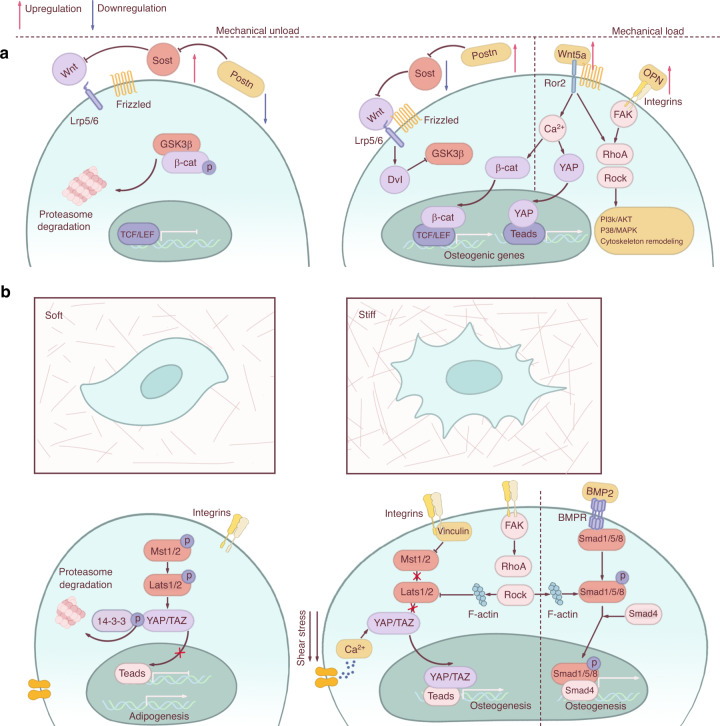
“4a).(171) Together, these data support the hypothesis that Wnt/β-catenin signaling is a physiological response to loading and that activation of the Wnt/ β-catenin pathway enhances the sensitivity of osteoblasts/ osteocytes to mechanical loading.”
BackgroundZhang, Y., Paul, E. M., Sathyendra, V., Davison, A., Sharkey, N., Bronson, S., Srinivasan, S., Gross, T. S., & Donahue, H. J. (2011) · PLoS ONE · doi:10.1371/journal.pone.0023516 · Cited by 148 · cited 1×
“showed that the Credependent loss of Cx43 in osteocytes/osteoblasts by Ocn-Cre increases osteolytic function via regulation of the RANKL/OPG ratio (a critical determinant of bone mass) and enhancement of the anabolic response to mechanical loading.(74) Lloyd et al.”
BackgroundBMP‐2 Signaling and Mechanotransduction Synergize to Drive Osteogenic Differentiation via YAP/TAZ
Wei, Q., Holle, A. W., Li, J., Posa, F., Biagioni, F., Croci, O., Benk, A. S., Young, J. L., Noureddine, F., Deng, J., et al. (2020) · Advanced Science · doi:10.1002/advs.201902931 · Cited by 143 · cited 2×
“4b).(203) Thus, osteogenesis in C2C12 cells may be under the control of synergistic cooperation between multiple transcription factors and the mechanical environment.”
BackgroundAguirre, J. I., Plotkin, L. I., Gortazar, A. R., Millan, M. M., O'Brien, C. A., Manolagas, S. C., & Bellido, T. (2007) · Journal of Biological Chemistry · doi:10.1074/jbc.m702231200 · Cited by 140
Pardo, S. J., Patel, M. J., Sykes, M. C., Platt, M. O., Boyd, N. L., Sorescu, G. P., Xu, M., van Loon, J. J. W. A., Wang, M. D., & Jo, H. (2005) · American Journal of Physiology-Cell Physiology · doi:10.1152/ajpcell.00222.2004 · Cited by 138
Helix 8 is the essential structural motif of mechanosensitive GPCRs
Erdogmus, S., Storch, U., Danner, L., Becker, J., Winter, M., Ziegler, N., Wirth, A., Offermanns, S., Hoffmann, C., Gudermann, T., et al. (2019) · Nature Communications · doi:10.1038/s41467-019-13722-0 · Cited by 134 · cited 2×
“Moreover, disrupting H8 structural integrity via amino acid mutations impairs the mechanosensitivity it imparts.(98) Activation of a GPCR via a canonical pathway, such as the binding of its agonist, causes a conformational change that activates its guanine nucleotide exchange (GEF) activity toward one of the possible…”
BackgroundMechanically-sensitive miRNAs bias human mesenchymal stem cell fate via mTOR signalling
Frith, J. E., Kusuma, G. D., Carthew, J., Li, F., Cloonan, N., Gomez, G. A., & Cooper-White, J. J. (2018) · Nature Communications · doi:10.1038/s41467-017-02486-0 · Cited by 132 · cited 1×
“Both miR-100-5p and miR-143-3p significantly enhanced osteogenesis in a 3D soft hydrogel.(209) These data indicate that modulation of miRNA signaling and substrate stiffness can direct MSC lineage commitment and provide a novel approach for bone regeneration.”
BackgroundCorrigan, M. A., Johnson, G. P., Stavenschi, E., Riffault, M., Labour, M.-N., & Hoey, D. A. (2018) · Scientific Reports · doi:10.1038/s41598-018-22174-3 · Cited by 130 · cited 3×
“In BMSCs with defective primary cilia, TRPV4 is insensitive to mechanical activation.(132) Mutations in TRPV4 are associated with human bone diseases,(137) and TRPV4 knockout mice showed insensitivity to hind limb unloading.”
BackgroundInfluentialSantos, A., Bakker, A. D., Zandieh‐Doulabi, B., Hogervorst, J. M. A., & Klein‐Nulend, J. (2009) · Biochemical and Biophysical Research Communications · doi:10.1016/j.bbrc.2009.11.064 · Cited by 125 · cited 2×
“Mechanical loading activates the β-catenin signaling pathway through a mechanism involving nitric oxide, FAK, and the Akt signaling pathway.(161) Mechanical strain induces MSCs away from adipogenic differentiation and toward osteogenic differentiation through preservation of β-catenin in the nucleus.”
BackgroundNeogenin Regulation of BMP-Induced Canonical Smad Signaling and Endochondral Bone Formation
Zhou, Z., Xie, J., Lee, D., Liu, Y., Jung, J., Zhou, L., Xiong, S., Mei, L., & Xiong, W.-C. (2010) · Developmental Cell · doi:10.1016/j.devcel.2010.06.016 · Cited by 124 · cited 1×
“4b).(197) Alternatively, BMP2 signaling can be mediated by the TAK1-p38 kinase pathway.”
BackgroundISHIDA, T., TAKAHASHI, M., CORSON, M. A., & BERK, B. C. (1997) · Annals of the New York Academy of Sciences · doi:10.1111/j.1749-6632.1997.tb51984.x · Cited by 123
Transient receptor potential vanilloid 4 deficiency suppresses unloading‐induced bone loss
Mizoguchi, F., Mizuno, A., Hayata, T., Nakashima, K., Heller, S., Ushida, T., Sokabe, M., Miyasaka, N., Suzuki, M., Ezura, Y., et al. (2008) · Journal of Cellular Physiology · doi:10.1002/jcp.21374 · Cited by 122 · cited 1×
“Mutations in TRPV4 are associated with human bone diseases,(137) and TRPV4 knockout mice showed insensitivity to hind limb unloading.(138) Loss of TRPV4 in mice also repressed the increased bone resorption during unloading.”
BackgroundTelomere Length Dynamics and DNA Damage Responses Associated with Long-Duration Spaceflight
Luxton, J. J., McKenna, M. J., Lewis, A. M., Taylor, L. E., George, K. A., Dixit, S. M., Moniz, M., Benegas, W., MacKay, M. J., Mozsary, C., et al. (2020) · Cell Reports · doi:10.1016/j.celrep.2020.108457 · Cited by 120
Thompson, C. L., Chapple, J. P., & Knight, M. M. (2014) · Osteoarthritis and Cartilage · doi:10.1016/j.joca.2013.12.016 · Cited by 116
Hoey, D. A., Kelly, D. J., & Jacobs, C. R. (2011) · Biochemical and Biophysical Research Communications · doi:10.1016/j.bbrc.2011.07.072 · Cited by 115 · cited 2×
“Cilia protrude into the extracellular space, where they use unique mechanisms to sense their mechanical environments.80 The primary cilium is a potentially important mechanosensitive structure in bone cells81 that can sense FSS and mediate mechanotransduction in osteocytes.82–84 Cilium formation is positively correlat…”
BackgroundCanonical Wnt signalling activates TAZ through PP1A during osteogenic differentiation
Byun, M. R., Hwang, J.-H., Kim, A. R., Kim, K. M., Hwang, E. S., Yaffe, M. B., & Hong, J.-H. (2014) · Cell Death and Differentiation · doi:10.1038/cdd.2014.8 · Cited by 114 · cited 1×
“TAZ was reported to contribute to osteogenic differentiation by modulating the canonical Wnt pathway.(193,194) TAZ can also promote osteogenesis and inhibit adipogenesis by acting as a RUNX2 coactivator and PPARγ inhibitor.”
BackgroundGrimston, S. K., Brodt, M. D., Silva, M. J., & Civitelli, R. (2008) · Journal of Bone and Mineral Research · doi:10.1359/jbmr.080222 · Cited by 114 · cited 1×
“3 kb)-Cre reduces the anabolic response to mechanical loading in vivo.(73) In contrast, Zhang et al.”
BackgroundStavenschi, E., Labour, M.-N., & Hoey, D. A. (2017) · Journal of Biomechanics · doi:10.1016/j.jbiomech.2017.02.002 · Cited by 113
A Structural View of Integrin Activation and Signaling
Giancotti, F. G. (2003) · Developmental Cell · doi:10.1016/s1534-5807(03)00034-0 · Cited by 112 · cited 1×
“Each subunit is a single-span transmembrane glycoprotein composed of a large extracellular segment containing the ligand-binding site, a transmembrane fragment, and a short cytoplasmic domain that mediates interaction with the cytoskeleton or intracellular signaling proteins (except for integrin β4).(37) Previous stud…”
BackgroundFifty Years of Human Space Travel: Implications for Bone and Calcium Research
Smith, S. M., Abrams, S. A., Davis-Street, J. E., Heer, M., O'Brien, K. O., Wastney, M. E., & Zwart, S. R. (2014) · Annual Review of Nutrition · doi:10.1146/annurev-nutr-071813-105440 · Cited by 111
Lloyd, S. A., Lewis, G. S., Zhang, Y., Paul, E. M., & Donahue, H. J. (2012) · Journal of Bone and Mineral Research · doi:10.1002/jbmr.1687 · Cited by 107 · cited 1×
“performed unloading experiments with hindlimb suspension, showing that Cx43 deficiency in osteocytes and osteoblasts protects against trabecular bone loss during mechanical unloading; the effects on cortical bone are more complex, preserving bone formation while potentially allowing relative structural and material ch…”
MethodAbsence of Cx43 selectively from osteocytes enhances responsiveness to mechanical force in mice
Bivi, N., Pacheco‐Costa, R., Brun, L. R., Murphy, T. R., Farlow, N. R., Robling, A. G., Bellido, T., & Plotkin, L. I. (2013) · Journal of Orthopaedic Research · doi:10.1002/jor.22341 · Cited by 106 · cited 4×
“Their data show that loading induces a greater increase in the periosteal bone formation rate in Cx43 (Dmp1 (8 kb)-Cre) mice than in control mice, resulting in a higher mineralizing surface and enhanced mineral apposition rate.(72) These researchers further demonstrated that loss of Cx43 in osteocytes promotes the str…”
BackgroundInfluentialProteomic analysis of human dental cementum and alveolar bone
Salmon, C. R., Tomazela, D. M., Ruiz, K. G. S., Foster, B. L., Paes Leme, A. F., Sallum, E. A., Somerman, M. J., & Nociti, F. H. (2013) · Journal of Proteomics · doi:10.1016/j.jprot.2013.08.016 · Cited by 103 · cited 1×
“This composition can effectively maintain the mechanical properties of bone.(6) Mature bone consists primarily of trabecular bone and cortical bone.”
BackgroundFourel, L., Valat, A., Faurobert, E., Guillot, R., Bourrin‐Reynard, I., Ren, K., Lafanéchère, L., Planus, E., Picart, C., & Albigès‐Rizo, C. (2016) · The Journal of Cell Biology · doi:10.1083/jcb.201508018 · Cited by 101
Disruption of Kif3a in osteoblasts results in defective bone formation and osteopenia
Qiu, N., Xiao, Z., Cao, L., Buechel, M. M., David, V., Roan, E., & Quarles, L. D. (2012) · Journal of Cell Science · doi:10.1242/jcs.095893 · Cited by 97
Adverse effects of strenuous exercise: a densitometric and histomorphometric study in the rat
Bourrin, S., Genty, C., Palle, S., Gharib, C., & Alexandre, C. (1994) · Journal of Applied Physiology · doi:10.1152/jappl.1994.76.5.1999 · Cited by 97
Gilchrist, C. L., Leddy, H. A., Kaye, L., Case, N. D., Rothenberg, K. E., Little, D., Liedtke, W., Hoffman, B. D., & Guilak, F. (2019) · Proceedings of the National Academy of Sciences · doi:10.1073/pnas.1811095116 · Cited by 96 · cited 1×
“TRPV4 also mediates oscillatory fluid shear-induced calcium signaling and osteogenic gene (Cox2 and Opn) expression in BMSCs(132) and plays a critical role in controlling aligned collagen assembly by these cells.(133) Furthermore, TRPV4 activation in BMSCs accelerates collagen deposition and mineralization.”
BackgroundMoore, E. R., Zhu, Y. X., Ryu, H.-S., & Jacobs, C. R. (2018) · Stem Cell Research & Therapy · doi:10.1186/s13287-018-0930-1 · Cited by 95 · cited 1×
“Periosteal osteochondroprogenitors directly sense FSS and differentiate into bone-forming osteoblasts via their primary cilia, and this response is almost entirely lost when the primary cilia are absent.(86) The abrogation of primary cilia in cultured mouse osteoblastic cells (MC3T3-E1 cell line) or MLO-Y4 cells also…”
BackgroundPeriostin expression contributes to cortical bone loss during unloading
Gerbaix, M., Vico, L., Ferrari, S., & Bonnet, N. (2014) · Bone · doi:10.1016/j.bone.2014.10.011 · Cited by 91 · cited 1×
“reduces Sost expression and increases Postn expression, while the opposite is true for unloading.(169,170) Loss of Postn in mice caused bone loss, which was reversed by an anti-Sost antibody.”
BackgroundLee, D.-Y., Yeh, C.-R., Chang, S., Lee, P.-L., Chien, S., Cheng, C., & Chiu, J. (2008) · Journal of Bone and Mineral Research · doi:10.1359/jbmr.080302 · Cited by 91
Song, F., Jiang, D., Wang, T., Wang, Y., Lou, Y., Zhang, Y., Ma, H., & Kang, Y. (2017) · BioMed Research International · doi:10.1155/2017/6027402 · Cited by 91 · cited 1×
“In this case, largemagnitude loading exhibits an inhibitory effect on the PI3K/Akt pathway, resulting in the accumulation of GSK-3β and phosphorylation of β-catenin.(174) Inhibition of FAK or PI3K can abolish the fluid flow-induced stabilization of β-catenin and consequently inactivate the Wnt/β-catenin pathway in ost…”
BackgroundShao, Y. Y., Wang, L., Welter, J. F., & Ballock, R. T. (2011) · Bone · doi:10.1016/j.bone.2011.08.033 · Cited by 90 · cited 1×
“3b).(91) In the tendon enthesis, unloading and overloading led to cilium assembly and disassembly, respectively.”
BackgroundSelf-citationWang, Y., Wang, K., Hu, Z., Zhou, H., Zhang, L., Wang, H., Li, G., Zhang, S., Cao, X., & Shi, F. (2018) · Cell Death and Disease · doi:10.1038/s41419-018-1153-1 · Cited by 88
Self-citationCombinatorial morphogenetic and mechanical cues to mimic bone development for defect repair
Herberg, S., McDermott, A. M., Dang, P. N., Alt, D. S., Tang, R., Dawahare, J. H., Varghai, D., Shin, J., McMillan, A., Dikina, A. D., et al. (2019) · Science Advances · doi:10.1126/sciadv.aax2476 · Cited by 86
A FAK/HDAC5 signaling axis controls osteocyte mechanotransduction
Sato, T., Verma, S., Andrade, C. D. C., Omeara, M., Campbell, N., Wang, J. S., Cetinbas, M., Lang, A., Ausk, B. J., Brooks, D. J., et al. (2020) · Nature Communications · doi:10.1038/s41467-020-17099-3 · Cited by 86 · cited 2×
“Similarly, pharmacologic FAK catalytic inhibition reduces Sost mRNA expression in vitro and in vivo.(63) FAK also responds to nonmechanical signals, thus overriding mechanical stimuli.”
BackgroundLloyd, S. A., Loiselle, A. E., Zhang, Y., & Donahue, H. J. (2013) · Bone · doi:10.1016/j.bone.2013.07.022 · Cited by 84 · cited 1×
“These protective effects of Cx43 deficiency may be due to Sost-mediated suppression of cortical bone formation and decreased cortical osteoclast activity during unloading.(76) Another research group found that the absence of Cx43 in osteocytes enhances responsiveness to mechanical force in mice.”
BackgroundWei, W., Bianchi, F., Wang, Y.-K., Tang, M., Ye, H., & Glitsch, M. D. (2018) · Current Biology · doi:10.1016/j.cub.2018.10.046 · Cited by 83 · cited 1×
“For example, GPR68 can respond to extracellular acidification during membrane stretching, with its level of activity reflecting both the extent of membrane stretching and the degree of acidification.(102) There is also evidence that mechanical forces act synergistically with parathyroid hormone PTH (1-34) to regulate…”
BackgroundGertz, M. L., Chin, C. R., Tomoiaga, D., MacKay, M., Chang, C., Butler, D., Afshinnekoo, E., Bezdan, D., Schmidt, M. A., Mozsary, C., et al. (2020) · Cell Reports · doi:10.1016/j.celrep.2020.108429 · Cited by 83
Role of the polycytin‐primary cilia complex in bone development and mechanosensing
Xiao, Z. S., & Quarles, L. D. (2010) · Annals of the New York Academy of Sciences · doi:10.1111/j.1749-6632.2009.05239.x · Cited by 82
Kuroda, M., Wada, H., Kimura, Y., Ueda, K., & Kioka, N. (2017) · Journal of Cell Science · doi:10.1242/jcs.194779 · Cited by 82 · cited 5×
“Multiple mechanical forces can drive the proliferation and differentiation of BMSCs.15,16 According to several in vitro studies,17–19 mechanical forces can also induce substantial changes in the osteoblast cytoskeleton, cell and nucleus morphology, and volume.”
BackgroundInfluentialTao, H., Zhu, M. S., Lau, K. M., Whitley, O. K. W., Samani, M., Xiao, X., Chen, X. X., Hahn, N. A., Liu, W., Valencia, M., et al. (2018) · Nature Communications · doi:10.1038/s41467-019-09540-z · Cited by 82 · cited 2×
“Interestingly, loss of YAP/TAZ also decreased PIEZO1 expression.(118) In chondrocytes, PIEZO1 and PIEZO2 can act redundantly to mediate injury-induced osteoarthritis.”
BackgroundMechanical stimulus alters conformation of type 1 parathyroid hormone receptor in bone cells
Zhang, Y., Frangos, J. A., & Chachisvilis, M. (2009) · American Journal of Physiology-Cell Physiology · doi:10.1152/ajpcell.00549.2008 · Cited by 80 · cited 1×
“There is also evidence that mechanical forces act synergistically with parathyroid hormone PTH (1-34) to regulate bone growth.(103) GPCRs are critical for the survival and proliferation of skeletal cells in response to surrounding stimuli, and these studies highlight their importance in mechanosensitivity alongside th…”
BackgroundSonam, S., Sathe, S. R., Yim, E. K. F., Sheetz, M. P., & Lim, C. T. (2016) · Scientific Reports · doi:10.1038/srep20415 · Cited by 80
The role of integrin αVβ3 in osteocyte mechanotransduction
Haugh, M. G., Vaughan, T. J., & McNamara, L. M. (2015) · Journal of the Mechanical Behavior of Biomedical Materials · doi:10.1016/j.jmbbm.2014.11.001 · Cited by 78
Patterns of integrin expression in a human mandibular explant model of osteoblast differentiation
Bennett, J. H., Carter, D. H., Alavi, A., Beresford, J. N., & Walsh, S. (2001) · Archives of Oral Biology · doi:10.1016/s0003-9969(00)00114-x · Cited by 77
Shi, W., Gao, Y., Wang, Y., Zhou, J., Wei, Z., Ma, X., Ma, H., Xian, C. J., Wang, J., & Chen, K. (2017) · Journal of Biological Chemistry · doi:10.1074/jbc.m117.809517 · Cited by 77 · cited 1×
“Reconstruction of the primary cilia may be a potential strategy for preventing bone loss caused by microgravity.(79,93,94)”
BackgroundLiu, Y., Bhat, R. A., Seestaller-Wehr, L. M., Fukayama, S., Mangine, A., Moran, R. A., Komm, B. S., Bodine, P. V. N., & Billiard, J. (2007) · Molecular Endocrinology · doi:10.1210/me.2006-0342 · Cited by 76 · cited 1×
“Overexpression of Ror2 has also been reported to enhance osteogenesis.(173) These studies provide evidence that noncanonical Wnt signaling pathways also participate in mechanotransduction.”
BackgroundMin, S., Kang, H. K., Jung, S. Y., Jang, D. H., & Min, B. (2017) · Cell Death and Differentiation · doi:10.1038/cdd.2017.153 · Cited by 74 · cited 1×
“VnP-16 also inhibits bone resorption by restraining JNK-c-Fos-NFATc1-induced osteoclast differentiation and αvβ3 integrin-c-Src-PYK2-mediated resorptive function.(65) These investigations address the importance of FAK as a core hub in skeletal mechanobiology.”
BackgroundYang, W., Guo, D., Harris, M. A., Cui, Y., Gluhak‐Heinrich, J., Wu, J., Chen, X., Skinner, C., Nyman, J. S., Edwards, J., et al. (2013) · Journal of Cell Science · doi:10.1242/jcs.118596 · Cited by 70 · cited 1×
“BMP2 deficiency in osteoblasts results in osteopenia and bone strength reduction.(199) BMP2 is also involved in mechanotransduction.”
BackgroundHu, K., Sun, H., Gui, B., & Sui, C. (2017) · Biomedicine & Pharmacotherapy · doi:10.1016/j.biopha.2017.04.094 · Cited by 68 · cited 4×
“This superfamily can be divided into 7 subgroups that respond to different stimuli, including mechanical forces.126 Among them, TRPV4 serves as a regulator of bone metabolism, a determinant of bone strength, and a potential risk predictor for fractures through the regulation of bone matrix mineralization and intracort…”
BackgroundInfluentialSun-mediated mechanical LINC between nucleus and cytoskeleton regulates βcatenin nuclear access
Uzer, G., Bas, G., Sen, B., Xie, Z., Birks, S., Olcum, M., McGrath, C., Styner, M., & Rubin, J. (2018) · Journal of Biomechanics · doi:10.1016/j.jbiomech.2018.04.013 · Cited by 68
Cao, B., Dai, X., & Wang, W. (2018) · Journal of Cellular Physiology · doi:10.1002/jcp.27432 · Cited by 68
Clonal Hematopoiesis Before, During, and After Human Spaceflight
Mencia-Trinchant, N., MacKay, M. J., Chin, C. R., Afshinnekoo, E., Foox, J., Meydan, C., Butler, D., Mozsary, C., Vernice, N. A., Darby, C. A., et al. (2020) · Cell Reports · doi:10.1016/j.celrep.2020.108458 · Cited by 68
Role for β1 integrins in cortical osteocytes during acute musculoskeletal disuse
Phillips, J. A., Almeida, E. A. C., HILL, E., Aguirre, J. I., Rivera, M. F., NACHBANDI, I., Wronski, T. J., van der Meulen, M. C. H., & Globus, R. K. (2008) · Matrix Biology · doi:10.1016/j.matbio.2008.05.003 · Cited by 67
Kang, S. S., Shin, S. H., Auh, C.-K., & Chun, J. (2012) · Experimental & Molecular Medicine · doi:10.3858/emm.2012.44.12.080 · Cited by 66
Osteoblast-Targeted Overexpression of TAZ Increases Bone Mass In Vivo
Yang, J., Cho, S. W., An, J. H., Jung, J. Y., Kim, S. W., Kim, S. Y., Kim, J. E., & Shin, C. S. (2013) · PLoS ONE · doi:10.1371/journal.pone.0056585 · Cited by 66 · cited 2×
“YAP has been reported to suppress osteogenesis through the repression of RUNX2 transcriptional activity in response to Src family kinases.191 In contrast, a separate study found that overexpression of a constitutively active YAP mutant in MSCs promotes osteogenesis more than adipogenesis, even under soft matrix condit…”
BackgroundRhoA-Mediated Signaling in Mechanotransduction of Osteoblasts
Hamamura, K., Swarnkar, G., Tanjung, N., Cho, E., Li, J., Na, S., & Yokota, H. (2012) · Connective Tissue Research · doi:10.3109/03008207.2012.671398 · Cited by 66 · cited 1×
“The RhoA signaling pathway can also activate the Akt and p38/MAPK signaling pathways, establishing a connection between integrins and phosphoinositide 3-kinase (PI3K)/MAPK signaling pathways.(60) FAK-mediated mechanotransduction in skeletal stem cells activates new bone formation.”
BackgroundSilencing of miR-138-5p sensitizes bone anabolic action to mechanical stimuli
Chen, Z., Zhao, F., Liang, C., Hu, L., Li, D., Zhang, Y., Yin, C., Chen, L., Wang, L., Lin, X., et al. (2020) · Theranostics · doi:10.7150/thno.53009 · Cited by 66 · cited 1×
“Further studies showed that miR-138-5p can directly target MACF1 to inhibit osteoblast differentiation.(208) Both miR-100-5p and miR-143-3p significantly enhanced osteogenesis in a 3D soft hydrogel.”
BackgroundSelf-citationMechanical stress directly suppresses osteoclast differentiation in RAW264.7 cells
Suzuki, N., Yoshimura, Y., Deyama, Y., Suzuki, K., & Kitagawa, Y. (2008) · International Journal of Molecular Medicine · doi:10.3892/ijmm.21.3.291 · Cited by 65
Liu, L., Zong, C., Li, B., Shen, D., Tang, Z., Chen, J., Zheng, Q., Tong, X., Gao, C., & Wang, J. (2012) · Journal of Tissue Engineering and Regenerative Medicine · doi:10.1002/term.1498 · Cited by 64
Shi, W., Xie, Y., He, J., Zhou, J., Gao, Y., Wei, W., Ding, N., Ma, H., Xian, C. J., Chen, K., et al. (2017) · Scientific Reports · doi:10.1038/s41598-017-02049-9 · Cited by 64 · cited 1×
“Reconstruction of the primary cilia may be a potential strategy for preventing bone loss caused by microgravity.(79,93,94)”
BackgroundTakata, S., & Yasui, N. (2001) · PubMed · Cited by 64
Diet and Exercise: a Match Made in Bone
Willems, H. M. E., van den Heuvel, E. G. H. M., Schoemaker, R., Klein‐Nulend, J., & Bakker, A. D. (2017) · Current Osteoporosis Reports · doi:10.1007/s11914-017-0406-8 · Cited by 60
Hu, L., Su, P., Yin, C., Zhang, Y., Li, R., Yan, K. H., Chen, Z., Li, D., Zhang, G., Wang, L., et al. (2017) · Journal of Cellular Physiology · doi:10.1002/jcp.26059 · Cited by 58
Self-citationAbsence of Dap12 and the αvβ3 integrin causes severe osteopetrosis
Zou, W., & Teitelbaum, S. L. (2015) · Journal of Cell Biology · doi:10.1083/jcb.201410123 · Cited by 54
Self-citationYin, C., Zhang, Y., Hu, L., Tian, Y. E., Chen, Z., Li, D., Zhao, F., Su, P., Ma, X., Zhang, G., et al. (2017) · Journal of Cellular Physiology · doi:10.1002/jcp.26374 · Cited by 54
Self-citationThe Role of Connexin Channels in the Response of Mechanical Loading and Unloading of Bone
Riquelme, M. A., Cardenas, E. R., Xu, H., & Jiang, J. X. (2020) · International Journal of Molecular Sciences · doi:10.3390/ijms21031146 · Cited by 53 · cited 1×
“Diverse connexins are expressed in bone cells, with connexin 43 (Cx43) being one of the most abundant subtypes expressed in osteoblasts, osteocytes, and osteoclasts.(67) Mechanical stretching can increase the abundance of phosphorylated Cx43 without changing its mRNA expression level in osteoblast-like cells (ROS 17/2.”
BackgroundPhysiological mechanisms and therapeutic potential of bone mechanosensing
Xiao, Z., & Quarles, L. D. (2015) · Reviews in Endocrine and Metabolic Disorders · doi:10.1007/s11154-015-9313-4 · Cited by 52
Li, P., Bian, X., Liu, C., Wang, S., Guo, M., Tao, Y., & Huo, B. (2017) · Cell Calcium · doi:10.1016/j.ceca.2017.12.001 · Cited by 52 · cited 1×
“Blockage of STIM1 or TRPV4 at these respective stages caused a reduction in FSS-induced Ca oscillations to almost undetectable levels, thus indicating that STIM1 and TRPV4 may act as mechanosensitive ion channels for osteoclasts.(26) Another recent study showed that fluid flow-derived mechanical stimuli can enhance or…”
BackgroundNovel insights into TRPV4 function in the kidney
Pochynyuk, O. M., Zaika, O., O’Neil, R. G., & Mamenko, M. (2012) · Pflügers Archiv - European Journal of Physiology · doi:10.1007/s00424-012-1190-z · Cited by 50
Primary cilia as the nexus of biophysical and hedgehog signaling at the tendon enthesis
Fang, F., Schwartz, A. G., Moore, E. R., Sup, M. E., & Thomopoulos, S. (2020) · Science Advances · doi:10.1126/sciadv.abc1799 · Cited by 50 · cited 1×
“Tendon-specific (ScxCre) conditional deletion of the ciliary gene IFT88 caused fibrocartilaginous tendon and weaker mineralized cortical bone through the regulation of hedgehog (Hh) signaling.(92) The abolition of primary cilia from bone cells also attenuated bone formation in microgravity.”
BackgroundChondrocyte primary cilia shorten in response to osmotic challenge and are sites for endocytosis
Rich, D. R., & Clark, A. L. (2012) · Osteoarthritis and Cartilage · doi:10.1016/j.joca.2012.04.017 · Cited by 49 · cited 1×
“In articular cartilage, the cilia of chondrocytes responded to compressioninduced osmotic changes.(89,90) Indian hedgehog (Ihh) signaling, important in chondrocyte proliferation and differentiation, increased when growth plate chondrocytes were exposed to hydrostatic compression, but this enhanced signaling was abroga…”
BackgroundShear stress inhibits IL-17A-mediated induction of osteoclastogenesis via osteocyte pathways
Liao, C., Cheng, T., Wang, S., Zhang, C., Jin, L., & Yang, Y. (2017) · Bone · doi:10.1016/j.bone.2017.04.003 · Cited by 49 · cited 1×
“Mesenchymal stem cells or osteocytes exposed to oscillatory fluid flow could significantly inhibit osteoclastogenesis in a coculture system.(219,220) In vivo, monocytes, the progenitors of bone-resorbing osteoclasts, were recruited by CXCL1 and CCL2 produced by mesenchymal stem cells treated with mechanical forces.”
BackgroundSelf-citationMechanosensitive miRNAs and Bone Formation
Chen, Z., Zhang, Y., Liang, C., Chen, L., Zhang, G., & Qian, A. (2017) · International Journal of Molecular Sciences · doi:10.3390/ijms18081684 · Cited by 49 · cited 1×
“Among the noncoding RNAs, miRNAs specifically have been reported to mediate mechanical force transduction during osteogenesis.(204) Under simulated microgravity conditions, for example, miR-139-3p and the lncRNA ODSM coordinately regulated the differentiation and apoptosis of MC3T3E1 cells,(205) while the miR-30 famil…”
Background
Research works printed but not linked: 1
- Wolff, J. Das Gesetz der transformation der Knochen. A Hirshwald 1, 1–152 (1892).
Cited by
Ma, Q., Yang, H., Zhao, Y., Li, X., Ding, J., Qu, S., Liu, Q., Hu, Z., Li, R., Tao, Q., et al. (2025) · Advanced Science · doi:10.1002/advs.202405835 · Cited by 246
The RANK–RANKL–OPG System: A Multifaceted Regulator of Homeostasis, Immunity, and Cancer
León-Oliva, D. D., Barrena-Blázquez, S., Jiménez-Álvarez, L., Fraile‐Μartinez, O., Montero, C. G., López-González, L., Torres‐Carranza, D., García-Puente, L. M., Carranza, S. T., Álvarez-Mon, M. Á., et al. (2023) · Medicina · doi:10.3390/medicina59101752 · Cited by 192
“This helps maintain bone strength, repair microdamage, and regulate calcium levels in the body [27,28].”
BackgroundWang, T., Ouyang, H., Luo, Y., Xue, J., Wang, E., Zhang, L., Zhou, Z., Liu, Z., Li, X., Tan, S., et al. (2024) · Science Advances · doi:10.1126/sciadv.adi6799 · Cited by 161
“However, the BD area often lacks an endogenous electric field because it cannot sense mechanical stimuli, leading to disruption of the microenvironment ( 7 ).”
Self-citationFarjaminejad, S., Farjaminejad, R., Hasani, M., Garcia-Godoy, F., Abdouss, M., Marya, A., Harsoputranto, A., & Jamilian, A. (2024) · Polymers · doi:10.3390/polym16233303 · Cited by 158
Chmielewska, A., & Dean, D. (2023) · Acta Biomaterialia · doi:10.1016/j.actbio.2023.11.011 · Cited by 149
Metadata
- Authors
- Wang, L., You, X., Zhang, L., Zhang, C., & Zou, W.
- Affiliations
- Shanghai Jiao Tong University (CN)
- Chinese Academy of Sciences (CN)
- Corresponding author
- Zou, Weiguo
- Venue
- Bone Research
- Published
- 2022-02-18
- Volume
- 10
- Issue
- 1
- Pages
- 16-16
- ISSN
- 2095-4700 (ISSN-L)
- 2095-6231
- PMC
- PMC8857305
- OpenAlex
- W4212785156
- Cited by
- 641
- References
- 238
- Citations by year
- 2026: 187 · 2025: 204 · 2024: 137 · 2023: 82 · 2022: 30
- FWCI
- 11.78
- Type
- journal article
- Language
- en
- Open access
- gold
- doi.org
- Licence
- cc-by
- creativecommons.org/licenses/by/4.0 (tdm)
- creativecommons.org/licenses/by/4.0 (vor)
- Locations
- Bone Research (publishedVersion, cc-by)
- PubMed Central (publishedVersion, cc-by)
- PubMed (publishedVersion)
- DOAJ (DOAJ: Directory of Open Access Journals) (submittedVersion, cc-by-sa)
- Funders
- National Natural Science Foundation of China (81725010, 81991512, 82102554, XDB19000000, 81672119)
- Chinese Academy of Sciences (HYZHXM01025, XDB19000000)
- Topics
- Life Sciences › Biochemistry, Genetics and Molecular Biology › Molecular Biology › Bone Metabolism and Diseases
- Health Sciences › Medicine › Orthopedics and Sports Medicine › Bone health and osteoporosis research
- Life Sciences › Biochemistry, Genetics and Molecular Biology › Cell Biology › Cellular Mechanics and Interactions
- Keywords
- bone remodeling, mechanical regulation, mechanotransduction, bone homeostasis, osteoblasts, osteoclasts, bone formation, bone resorption, disuse osteoporosis, fracture risk, mechanosensitive cells, bone mechanical properties, skeletal adaptation
About these checks
Registry, retraction, Cites and statistics results are computed, not judged, with one exception: a printed reference that no index lists is read once by a model before it counts as a citation error. Claims are extracted by a model and kept only when their quote appears verbatim in the text; each cited source is then checked, with a model’s help, for whether it says what the claim relies on. Those verdicts can be wrong — read the claim’s quote and the cited source before relying on one.
Statistics and arithmetic are recomputed, not judged.
Confidence bands are shown only for fields calibrated on our annotated test set. None is calibrated yet, so no band is shown.
What counts as a claim ›How we measure confidence ›How we check this ›
Are you an author, or do you see a problem with this page? Request a review
Data sources
Bibliographic data: Semantic Scholar, OpenAlex, Crossref.
Contains information from the Semantic Scholar Academic Graph Datasets, made available under the ODC Attribution License (ODC-BY 1.0).
Semantic Scholar’s data is described in: Kinney, R., et al. (2023). The Semantic Scholar Open Data Platform. arXiv:2301.10140.
