

3D microfluidic liver cultures as a physiological preclinical tool for hepatitis B virus infection
Open accessThe DOI matches its Crossref record; 56 of the 56 references it cites were found in a registry or an index.
Abstract
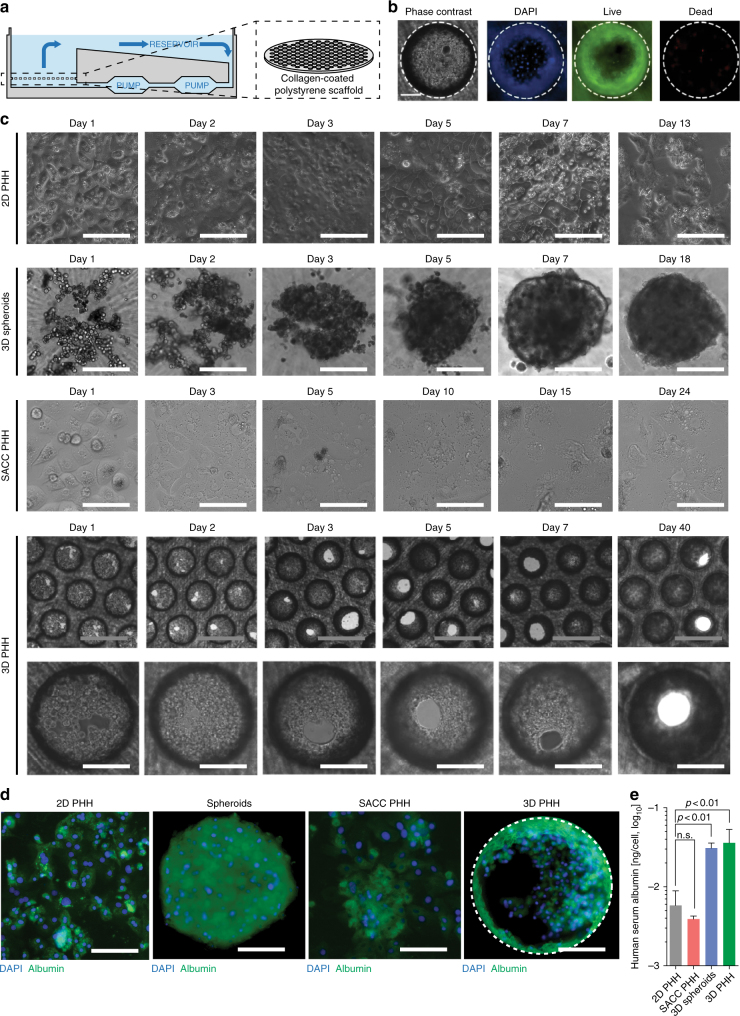
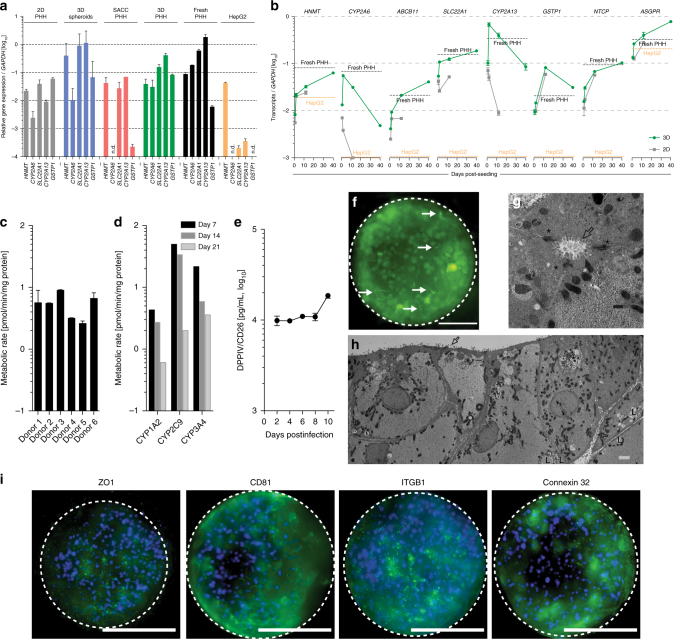
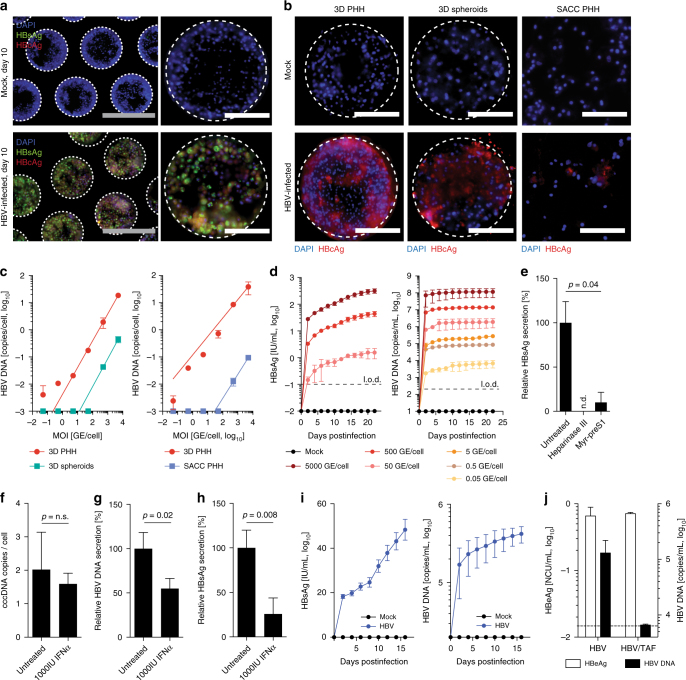
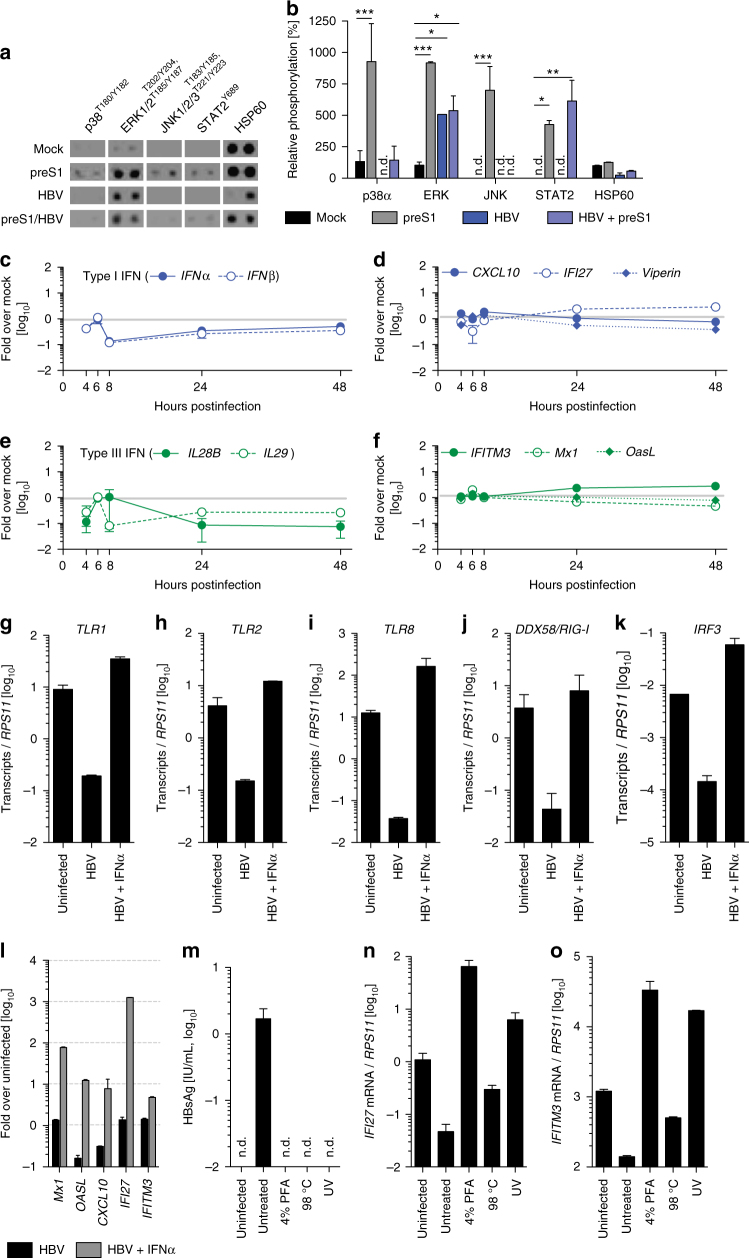
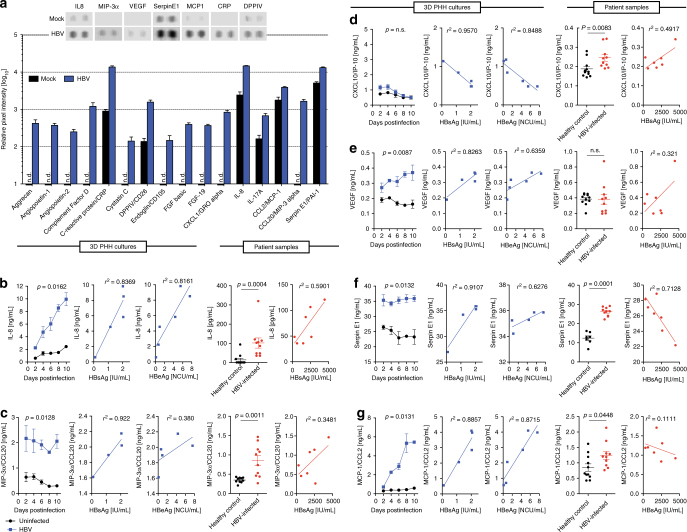
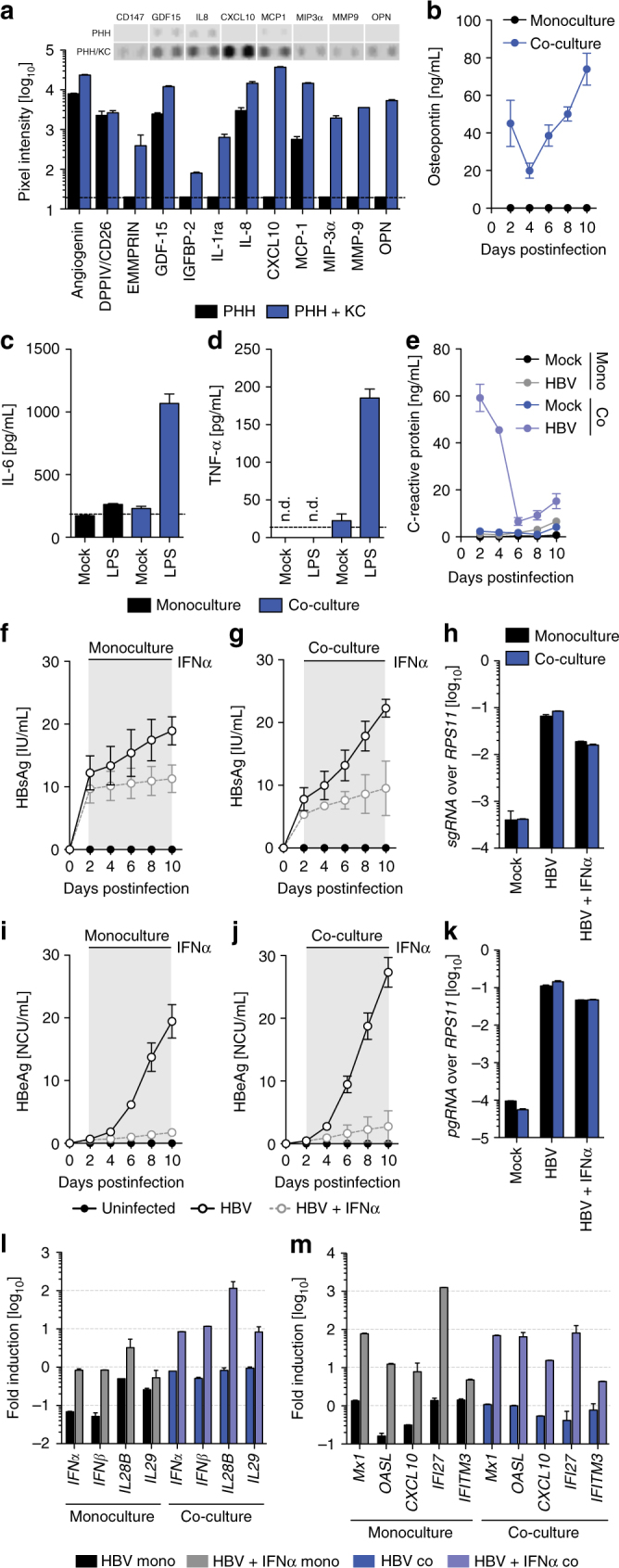
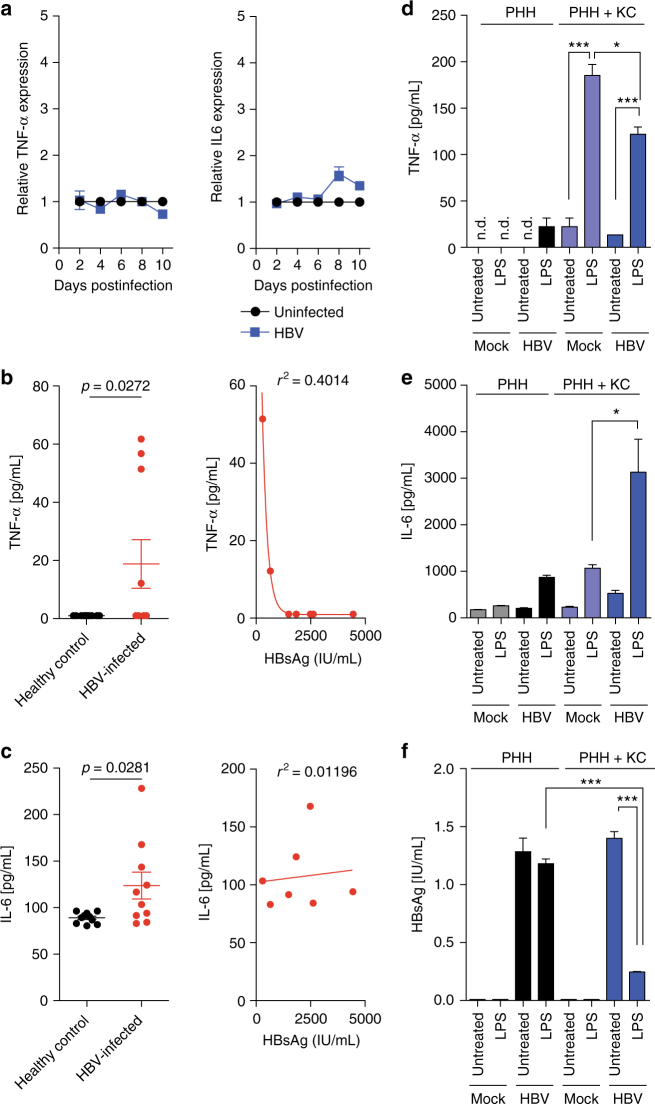
With more than 240 million people infected, hepatitis B virus (HBV) is a major health concern. The inability to mimic the complexity of the liver using cell lines and regular primary human hepatocyte (PHH) cultures pose significant limitations for studying host/pathogen interactions. Here, we describe a 3D microfluidic PHH system permissive to HBV infection, which can be maintained for at least 40 days. This system enables the recapitulation of all steps of the HBV life cycle, including the replication of patient-derived HBV and the maintenance of HBV cccDNA. We show that innate immune and cytokine responses following infection with HBV mimic those observed in HBV-infected patients, thus allowing the dissection of pathways important for immune evasion and validation of biomarkers. Additionally, we demonstrate that the co-culture of PHH with other non-parenchymal cells enables the identification of the cellular origin of immune effectors, thus providing a valuable preclinical platform for HBV research.
Overview
The claims and statistics of this paper haven’t been checked yet.
Free: it reads the open-access text and checks the first 5 claims that cite a source we can check. Create a free account to check every claim.
Integrity signals
Registry
Cites
Statistics
Figures
Verification
Claims the paper makes
The claims and statistics of this paper haven’t been checked yet.
Free: it reads the open-access text and checks the first 5 claims that cite a source we can check. Create a free account to check every claim.
Claims other papers make about this one
Each is checked against this paper’s own text: does it say what the citing paper says it does?
In the citing paper
“The platform faithfully reconstitutes all phases of the viral life cycle and thereby affords mechanistic dissection of HBV immune evasion strategies that confound clinical intervention.”
From Constructing biomimetic microenvironments for liver regeneration (2025) · doi:10.1186/s12951-025-03729-9 · cites this paper as [67]
In the citing paper
“Prieto et al. employed a single-channel chip seeded with primary rat hepatocytes and demonstrated efficient infection by adenovirus-delivered HBV genomes, with subsequent release of viral DNA into the medium [67].”
From Constructing biomimetic microenvironments for liver regeneration (2025) · doi:10.1186/s12951-025-03729-9 · cites this paper as [67]
Self-check
Percentages, sums and reported differences re-computed from the paper’s own numbers.
The self-check needs the paper’s full text.
Citations
Cites
C-reactive protein: a critical update
Pepys, M. B., & Hirschfield, G. M. (2003) · Journal of Clinical Investigation · doi:10.1172/jci18921 · Cited by 3,503
C-reactive protein: a critical update
Pepys, M. B., & Hirschfield, G. M. (2003) · Journal of Clinical Investigation · doi:10.1172/jci200318921 · Cited by 3,436
Schweitzer, A., Horn, J., Mikolajczyk, R. T., Krause, G., & Ott, J. J. (2015) · The Lancet · doi:10.1016/s0140-6736(15)61412-x · Cited by 2,742
Yan, H., Zhong, G., Xu, G., He, W., Jing, Z., Gao, Z., Huang, Y., Qi, Y., Peng, B., Wang, H., et al. (2012) · eLife · doi:10.7554/elife.00049 · Cited by 2,115
Genomic analysis of the host response to hepatitis C virus infection
Su, A. I., Pezacki, J. P., Wodicka, L., Brideau, A. D., Supekova, L., Thimme, R., Wieland, S., Bukh, J., Purcell, R. H., Schultz, P. G., et al. (2002) · Proceedings of the National Academy of Sciences · doi:10.1073/pnas.202608199 · Cited by 1,161
Molecular biology of hepatitis B virus infection
Seeger, C., & Mason, W. S. (2015) · Virology · doi:10.1016/j.virol.2015.02.031 · Cited by 866
Bell, C. C., Hendriks, D. F. G., Moro, S. M. L., Ellis, E., Walsh, J., Renblom, A., Fredriksson Puigvert, L., Dankers, A. C. A., Jacobs, F., Snoeys, J., et al. (2016) · Scientific Reports · doi:10.1038/srep25187 · Cited by 739
Genomic analysis of the host response to hepatitis B virus infection
Wieland, S., Thimme, R., Purcell, R. H., & Chisari, F. V. (2004) · Proceedings of the National Academy of Sciences · doi:10.1073/pnas.0401771101 · Cited by 652
Belloni, L., Allweiss, L., Guerrieri, F., Pediconi, N., Volz, T., Pollicino, T., Petersen, J., Raimondo, G., Dandri, M., & Levrero, M. (2012) · Journal of Clinical Investigation · doi:10.1172/jci58847 · Cited by 577
Bertoletti, A., & Ferrari, C. (2012) · Gut · doi:10.1136/gutjnl-2011-301073 · Cited by 477
Cited by
Human organs-on-chips for disease modelling, drug development and personalized medicine
Ingber, D. E. (2022) · Nature Reviews Genetics · doi:10.1038/s41576-022-00466-9 · Cited by 1,589
A global scientific strategy to cure hepatitis B
Revill, P. A., Chisari, F. V., Block, J. M., Dandri, M., Gehring, A. J., Guo, H., Hu, J., Kramvis, A., Lampertico, P., Janssen, H. L. A., et al. (2019) · The Lancet Gastroenterology & Hepatology · doi:10.1016/s2468-1253(19)30119-0 · Cited by 508
Human disease models in drug development
Loewa, A., Feng, J. J., & Hedtrich, S. (2023) · Nature Reviews Bioengineering · doi:10.1038/s44222-023-00063-3 · Cited by 331
Deng, J., Wei, W., Chen, Z., Lin, B., Zhao, W., Luo, Y., & Zhang, X. (2019) · Micromachines · doi:10.3390/mi10100676 · Cited by 229
3D cell culture models: Drug pharmacokinetics, safety assessment, and regulatory consideration
Wang, H., Brown, P. C., Chow, E. C. Y., Ewart, L., Ferguson, S. S., Fitzpatrick, S., Freedman, B. S., Guo, G. L., Hedrich, W., Heyward, S., et al. (2021) · Clinical and Translational Science · doi:10.1111/cts.13066 · Cited by 212
Microfluidic organ-on-a-chip models of human liver tissue
Moradi, E., Jalili-Firoozinezhad, S., & Solati-Hashjin, M. (2020) · Acta Biomaterialia · doi:10.1016/j.actbio.2020.08.041 · Cited by 204
Nie, Y.-Z., Zheng, Y.-W., Miyakawa, K., Murata, S., Zhang, R.-R., Sekine, K., Ueno, Y., Takebe, T., Wakita, T., Ryo, A., et al. (2018) · EBioMedicine · doi:10.1016/j.ebiom.2018.08.014 · Cited by 184
“To explore the host consequences of viral infection,we infected thedifferentiated hiPSC-LOswith different doses of the virus: 0 GEq (genome equivalent)/cell (non-HBV), 500 GEq/cell (low dose), and 5000 GEq/cell (high dose) [28, 29], and analyzed the changes in infected hiPSC-LOs.”
MethodAdvances in Engineering Human Tissue Models
Moysidou, C.-M., Barberio, C., & Owens, R. M. (2021) · Frontiers in Bioengineering and Biotechnology · doi:10.3389/fbioe.2020.620962 · Cited by 179
Application of 3D bioprinting in the prevention and the therapy for human diseases
Yi, H.-G., Kim, H., Kwon, J., Choi, Y.-J., Jang, J., & Cho, D.-W. (2021) · Signal Transduction and Targeted Therapy · doi:10.1038/s41392-021-00566-8 · Cited by 164
“Adapted from Ortega-Prieto et al.(113) b Gut-on-a-chip for the study of Coxsackie B1 Virus (CVB1) infection.”
MethodLauschke, V. M., Shafagh, R. Z., Hendriks, D. F. G., & Ingelman‐Sundberg, M. (2019) · Biotechnology Journal · doi:10.1002/biot.201800347 · Cited by 153
Thacker, V. V., Sharma, K., Dhar, N., Mancini, G.-F., Sordet-Dessimoz, J., & McKinney, J. D. (2021) · The EMBO Reports · doi:10.15252/embr.202152744 · Cited by 142
“In the context of infectious diseases, this allows for studies of cell dynamics (Villenave et al, 2017; Thacker et al, 2020), infection tropism (Ortega-Prieto et al, 2018) and the role of physiological factors in disease pathogenesis in more native settings (Grassart et al, 2019).”
Recurrent Urinary Tract Infection: A Mystery in Search of Better Model Systems
Murray, B. O., Flores, C., Williams, C., Flusberg, D. A., Marr, E. E., Kwiatkowska, K. M., Charest, J. L., Isenberg, B. C., & Rohn, J. L. (2021) · Frontiers in Cellular and Infection Microbiology · doi:10.3389/fcimb.2021.691210 · Cited by 186
In vitro and ex vivo systems at the forefront of infection modeling and drug discovery
Shi, D., Mi, G., Wang, M., & Webster, T. J. (2018) · Biomaterials · doi:10.1016/j.biomaterials.2018.10.030 · Cited by 159
“Towards this end, a 3D microfluidic primary human hepatocyte (PHH) culture was developed as a physiological relevant preclinical platform for studying HBV infections [209].”
BackgroundCell and Animal Models for Studying Hepatitis B Virus Infection and Drug Development
Hu, J., Lin, Y., Chen, P., Watashi, K., & Wakita, T. (2018) · Gastroenterology · doi:10.1053/j.gastro.2018.06.093 · Cited by 134
Human Organs-on-Chips for Virology
Tang, H., Abouleila, Y., Si, L., Ortega-Prieto, A. M., Mummery, C. L., Ingber, D. E., & Mashaghi, A. (2020) · Trends in Microbiology · doi:10.1016/j.tim.2020.06.005 · Cited by 113
“These liver cultures mimicked the hepatic sinusoid microarchitecture and were functionally stable for up to 40 days, as shown by high albumin expression [32].”
BackgroundSelf-citationRecent innovations in cost-effective polymer and paper hybrid microfluidic devices
Zhou, W., Dou, M., Timilsina, S. S., Xu, F., & Li, X. (2021) · Lab on a Chip · doi:10.1039/d1lc00414j · Cited by 119
Journey of organ on a chip technology and its role in future healthcare scenario
Singh, D., Mathur, A. K., Arora, S., Roy, S., & Mahindroo, N. (2022) · Applied Surface Science Advances · doi:10.1016/j.apsadv.2022.100246 · Cited by 132
Microfluidic Tissue Engineering and Bio‐Actuation
Filippi, M., Buchner, T., Yaşa, Ö., Weirich, S., & Katzschmann, R. K. (2022) · Advanced Materials · doi:10.1002/adma.202108427 · Cited by 133
Breakthroughs and Applications of Organ-on-a-Chip Technology
Koyilot, M. C., Natarajan, P., Hunt, C. R., Sivarajkumar, S., Roy, R., Joglekar, S. S., Pandita, S., Tong, C. W.-C., Marakkar, S., Subramanian, L., et al. (2022) · Cells · doi:10.3390/cells11111828 · Cited by 117
Organ-on-a-chip engineering: Toward bridging the gap between lab and industry
Ramadan, Q., & Zourob, M. M. (2020) · Biomicrofluidics · doi:10.1063/5.0011583 · Cited by 113
Verrier, E. R., Yim, S.-A., Heydmann, L., Saghire, H. E., Bach, C., Turon‐Lagot, V., Mailly, L., Durand, S., Lucifora, J., Durantel, D., et al. (2018) · Hepatology · doi:10.1002/hep.30054 · Cited by 114
Liu, S., Kumari, S., He, H., Mishra, P., Singh, B. N., Singh, D., Liu, S., Srivastava, P., & Li, C. (2023) · Biosensors and Bioelectronics · doi:10.1016/j.bios.2023.115285 · Cited by 112
Wang, P., Jin, L., Zhang, M., Wu, Y., Duan, Z., Guo, Y., Wang, C., Guo, Y., Chen, W., Liao, Z., et al. (2023) · Nature Biomedical Engineering · doi:10.1038/s41551-023-01054-w · Cited by 126
“Recently, several organ chip models have been used to study viruses, including hepatitis B virus 39 , pseudorabies virus 40,41 , Ebola virus 42 and influenza virus 43,44 , and to test host responses to SARS-CoV-2 infection 44–49 .”
Rubiano, A., Indapurkar, A., Yokosawa, R., Miedzik, A., Rosenzweig, B., Arefin, A., Moulin, C. M., Dame, K., Hartman, N., Volpe, D. A., et al. (2021) · Clinical and Translational Science · doi:10.1111/cts.12969 · Cited by 96
Self-citationModelling the endocrine pancreas in health and disease
Bakhti, M., Böttcher, A., & Lickert, H. (2018) · Nature Reviews Endocrinology · doi:10.1038/s41574-018-0132-z · Cited by 126
Kim, S. K., Kim, Y. H., Park, S., & Cho, S.-W. (2021) · Acta Biomaterialia · doi:10.1016/j.actbio.2021.03.002 · Cited by 94
When Hepatitis B Virus Meets Interferons
Tan, G., Song, H., Xu, F., & Cheng, G. (2018) · Frontiers in Microbiology · doi:10.3389/fmicb.2018.01611 · Cited by 99
Wang, J., Wang, C., Xu, N., Liu, Z.-F., Pang, D.-W., & Zhang, Z.-L. (2019) · Biomaterials · doi:10.1016/j.biomaterials.2019.119367 · Cited by 88
Organ-on-chip models for infectious disease research
Alonso‐Román, R., Mosig, A. S., Figge, M. T., Papenfort, K., Eggeling, C., Schacher, F. H., Hube, B., & Gresnigt, M. S. (2024) · Nature Microbiology · doi:10.1038/s41564-024-01645-6 · Cited by 101
“The liver-on-chip recapitulated observations made in patients regarding both viral and human biomarkers 41 .”
Integration of Extracellular Matrices into Organ‐on‐Chip Systems
Kutluk, H., Bastounis, E. E., & Constantinou, I. (2023) · Advanced Healthcare Materials · doi:10.1002/adhm.202203256 · Cited by 84
Microfluidic systems for hydrodynamic trapping of cells and clusters
Luan, Q., Macaraniag, C., Zhou, J., & Papautsky, I. (2020) · Biomicrofluidics · doi:10.1063/5.0002866 · Cited by 87
A Microphysiological System for Studying Nonalcoholic Steatohepatitis
Kostrzewski, T., Maraver, P., Ouro‐Gnao, L., Levi, A., Snow, S., Miedzik, A., Rombouts, K., & Hughes, D. (2020) · Hepatology Communications · doi:10.1002/hep4.1450 · Cited by 77
Self-citationKönig, A., Yang, J., Jo, E., Park, K.-H. P., Kim, H., Than, T. T., Song, X., Qi, X., Dai, X., Park, S., et al. (2019) · Journal of Hepatology · doi:10.1016/j.jhep.2019.04.010 · Cited by 76
“self-assembling co-cultures (SACC) of PHHs with nonparenchymal liver cells, as well as a 3D microfluidic PHH system, can support persistent infection with cell culture and purified patient-derived HBV strains for 5-6 weeks, but no amplification and spread of HBV has been observed to date, and both models depend on hum…”
BackgroundExperimental liver models: From cell culture techniques to microfluidic organs‐on‐chip
Polidoro, M. A., Ferrari, E., Marzorati, S., Lleò, A., & Rasponi, M. (2021) · Liver International · doi:10.1111/liv.14942 · Cited by 82
Deng, J., Zhang, X., Chen, Z., Luo, Y., Lu, Y., Liu, T., Wu, Z., Jin, Y., Zhao, W., & Lin, B. (2019) · Biomicrofluidics · doi:10.1063/1.5070088 · Cited by 70
Microfluidic Organ-on-a-Chip Devices for Liver Disease Modeling In Vitro
Kanabekova, P., Kadyrova, A., & Kulsharova, G. (2022) · Micromachines · doi:10.3390/mi13030428 · Cited by 70
Modeling nonalcoholic fatty liver disease on a liver lobule chip with dual blood supply
Du, K., Li, S., Li, C., Li, P., Miao, C., Luo, T., Qiu, B., & Ding, W. (2021) · Acta Biomaterialia · doi:10.1016/j.actbio.2021.07.013 · Cited by 69
Microfluidic Organs-on-a-Chip for Modeling Human Infectious Diseases
Wang, Y., Wang, P., & Qin, J. (2021) · Accounts of Chemical Research · doi:10.1021/acs.accounts.1c00411 · Cited by 70
Ekert, J. E., Deakyne, J., Pribul-Allen, P., Terry, R., Schofield, C., Jeong, C. G., Storey, J., Mohamet, L., Francis, J., Naidoo, A., et al. (2020) · SLAS DISCOVERY · doi:10.1177/2472555220923332 · Cited by 68
In Vitro Models for the Study of Liver Biology and Diseases: Advances and Limitations
Kaur, S., Kidambi, S., Ortega-Ribera, M., Thuy, L. T. T., Nieto, N., Cogger, V. C., Xie, W.-F., Tacke, F., & Gracia-Sancho, J. (2023) · Cellular and Molecular Gastroenterology and Hepatology · doi:10.1016/j.jcmgh.2022.11.008 · Cited by 65
Engineering Liver Microtissues for Disease Modeling and Regenerative Medicine
Huang, D. (., Gibeley, S. B., Xu, C., Xiao, Y., Celik, O., Ginsberg, H. N., & Leong, K. W. (2020) · Advanced Functional Materials · doi:10.1002/adfm.201909553 · Cited by 65
On-Chip Construction of Liver Lobules with Self-Assembled Perfusable Hepatic Sinusoid Networks
Ya, S., Ding, W., Li, S., Du, K., Zhang, Y., Li, C., Liu, J., Li, F., Li, P., Luo, T., et al. (2021) · ACS Applied Materials & Interfaces · doi:10.1021/acsami.1c00794 · Cited by 61
Sunildutt, N., Parihar, P., Salih, A. R. C., Lee, S. H., & Choi, K. H. (2023) · Frontiers in Pharmacology · doi:10.3389/fphar.2023.1139229 · Cited by 71
“The results demonstrate the potential of this system to investigate the mechanisms underlying HBV infection and to test novel therapies (Ortega-Prieto et al., 2018).”
BackgroundVurat, M. T., Şeker, Ş., Lalegül‐Ülker, Ö., Parmaksız, M., Elçin, A. E., & Elçin, Y. M. (2020) · Genes & Diseases · doi:10.1016/j.gendis.2020.11.011 · Cited by 65
Youhanna, S. C., Kemas, A. M., Preiss, L. C., Zhou, Y., Shen, J. X., Cakal, S. D., Paqualini, F. S., Goparaju, S. K., Shafagh, R. Z., Lind, J. U., et al. (2022) · Pharmacological Reviews · doi:10.1124/pharmrev.120.000238 · Cited by 67
The E3 Ubiquitin Ligase TRIM21 Promotes HBV DNA Polymerase Degradation
Mu, T., Zhao, X., Zhu, Y., Fan, H., & Tang, H. (2020) · Viruses · doi:10.3390/v12030346 · Cited by 55
“Hepatitis B virus (HBV) infection is a global health problem, with more than 240 million people with chronic HBV infection worldwide, which is closely related to the development of hepatic fibrosis, cirrhosis and hepatocellular carcinoma [1,2].”
BackgroundBiomaterials and Culture Systems for Development of Organoid and Organ-on-a-Chip Models
D’Costa, K. A., Kosic, M., Lam, A., Moradipour, A., Zhao, Y., & Radisic, M. (2020) · Annals of Biomedical Engineering · doi:10.1007/s10439-020-02498-w · Cited by 55
In vitro immunity: an overview of immunocompetent organ-on-chip models
Morrison, A. I., Sjoerds, M. J., Vonk, L. A., Gibbs, S., & Koning, J. J. (2024) · Frontiers in Immunology · doi:10.3389/fimmu.2024.1373186 · Cited by 61
Multi-organ-on-a-chip for pharmacokinetics and toxicokinetic study of drugs
Sung, J. H. (2021) · Expert Opinion on Drug Metabolism & Toxicology · doi:10.1080/17425255.2021.1908996 · Cited by 59
Kostrzewski, T., Snow, S., Battle, A. L., Peel, S., Ahmad, Z., Basak, J., Surakala, M., Bornot, A., Lindgren, J., Ryaboshapkina, M., et al. (2021) · Communications Biology · doi:10.1038/s42003-021-02616-x · Cited by 52
Self-citationShpichka, A. I., Bikmulina, P. Y., Peshkova, M., Kosheleva, N. V., Михайловна, З. И., Zahmatkesh, E., Rad, N. K., Lipina, M., Голубева, Е. Н., Butnaru, D. V., et al. (2024) · International Journal of Bioprinting · doi:10.18063/ijb.v6i4.302 · Cited by 53
Human Organoids and Organs‐on‐Chips for Addressing COVID‐19 Challenges
Wang, Y., Wang, P., & Qin, J. (2022) · Advanced Science · doi:10.1002/advs.202105187 · Cited by 51
Organoids‐On‐a‐Chip for Personalized Precision Medicine
Man, Y., Liu, Y., Chen, Q., Zhang, Z., Li, M., Xu, L., Tan, Y., & Liu, Z. (2024) · Advanced Healthcare Materials · doi:10.1002/adhm.202401843 · Cited by 58
Jose, A., Kulkarni, P., Thilakan, J., Munisamy, M., Malhotra, A. G., Singh, J., Kumar, A., Rangnekar, V. M., Arya, N., & Rao, M. (2024) · Molecular Cancer · doi:10.1186/s12943-023-01916-6 · Cited by 56
“D in vitro tumor models, secretomes include cytokines, chemokines, and growth factors that are detected using immunoassays [91].”
BackgroundState-of-the-art liver disease research using liver-on-a-chip
Deguchi, S., & Takayama, K. (2022) · Inflammation and Regeneration · doi:10.1186/s41232-022-00248-0 · Cited by 46
“Abbreviations 2D: Two-dimensional; 3D: Three-dimensional; APAP: Acetaminophen; ES: Embryonic stem; FFAs: Free fatty acids; GWAS: Genome-wide association studies; HBcAg: Hepatitis B core antigen; HBsAg: Hepatitis B surface antigen; HBV: Hepatitis B virus; HCV: Hepatitis C virus; HSCs: Hepatic stellate cells; iPS: Induc…”
MethodInfluentialDing, S., Liu, H., Liu, L., Ma, L., Chen, Z. B., Zhu, M., Liu, L., Zhang, X., Hao, H., Zuo, L., et al. (2024) · Cell Death and Disease · doi:10.1038/s41419-023-06412-9 · Cited by 50
Analysis of cellular biomolecules and behaviors using microfluidic chip and fluorescence method
Li, N., Zhang, W., Li, Y., & Lin, J. (2019) · TrAC Trends in Analytical Chemistry · doi:10.1016/j.trac.2019.05.029 · Cited by 46
New Frontiers for Biofabrication and Bioreactor Design in Microphysiological System Development
Parrish, J., Lim, K. S., Zhang, B., Radisic, M., & Woodfield, T. B. F. (2019) · Trends in biotechnology · doi:10.1016/j.tibtech.2019.04.009 · Cited by 47
“The CNBio Single/Multi Organ-on-a-ChipTM plates (CNBio) operated according to a similar principle, adding docking-station capabilities to maintain a microplate footprint while supporting up to 12 tissue scaffolds as single-tissue body replicates [75,76] or interconnected in multitissue circuits as demonstrated with ti…”
Exploiting CRISPR Cas9 in Three-Dimensional Stem Cell Cultures to Model Disease
Gopal, S., Rodrigues, A. L., & Dordick, J. S. (2020) · Frontiers in Bioengineering and Biotechnology · doi:10.3389/fbioe.2020.00692 · Cited by 51
Deguchi, S., Tsuda, M., Kosugi, K., Sakamoto, A., Mimura, N., Negoro, R., Sano, E., Nobe, T., Maeda, K., Kusuhara, H., et al. (2021) · ACS Biomaterials Science & Engineering · doi:10.1021/acsbiomaterials.1c00642 · Cited by 39
Immunopathogenesis of HBV Infection
Wu, J., Han, M., Li, J., Yang, X., & Yang, D. (2019) · Advances in experimental medicine and biology · doi:10.1007/978-981-13-9151-4_4 · Cited by 43
Organ-on-chip applications in drug discovery: an end user perspective
Clapp, N., Amour, A., Rowan, W. C., & Candarlioglu, P. L. (2021) · Biochemical Society Transactions · doi:10.1042/bst20210840 · Cited by 47
Winer, B. Y., Gaska, J. M., Lipkowitz, G., Bram, Y., Parekh, A., Parsons, L. R., Leach, R. W., Jindal, R., Cho, C. H., Shrirao, A. B., et al. (2019) · Hepatology · doi:10.1002/hep.30815 · Cited by 41
Application of microphysiological systems in biopharmaceutical research and development
Peterson, N. C., Mahalingaiah, P. K., Fullerton, A., & Di Piazza, M. (2020) · Lab on a Chip · doi:10.1039/c9lc00962k · Cited by 39
Refining Host-Pathogen Interactions: Organ-on-Chip Side of the Coin
Baddal, B., & Marrazzo, P. (2021) · Pathogens · doi:10.3390/pathogens10020203 · Cited by 42
“the replication of patient-derived HBV and the maintenance of HBV covalently closed circular DNA (cccDNA) [51].”
BackgroundOrgans-on-Chips Platforms Are Everywhere: A Zoom on Biomedical Investigation
Zommiti, M., Connil, N., Tahrioui, A., Groboillot, A., Barbey, C., Konto‐Ghiorghi, Y., Lesouhaitier, O., Chevalier, S., & Feuilloley, M. G. J. (2022) · Bioengineering · doi:10.3390/bioengineering9110646 · Cited by 47
Academic User View: Organ-on-a-Chip Technology
Busek, M., Aizenshtadt, A., Amirola-Martinez, M., Delon, L., & Krauss, S. (2022) · Biosensors · doi:10.3390/bios12020126 · Cited by 37
Nanotherapeutic Systems for Delivering Cancer Vaccines: Recent Advances
Beg, S., Alharbi, K. S., Alruwaili, N. K., Alotaibi, N. H., Almalki, W. H., Alenezi, S. K., Altowayan, W. M., Alshammari, M. S., & Rahman, M. (2020) · Nanomedicine · doi:10.2217/nnm-2020-0046 · Cited by 39
Xiao, R., Lv, T., Tu, X., Li, P., Wang, T., Dong, H., Tu, P., & Ai, X. (2021) · Biotechnology and Bioengineering · doi:10.1002/bit.27931 · Cited by 38
Synthesizing living tissues with microfluidics
Zheng, W., & Jiang, X. (2018) · Accounts of Chemical Research · doi:10.1021/acs.accounts.8b00417 · Cited by 35
Recent advances in liver‐on‐chips: Design, fabrication, and applications
Qiu, L., Kong, B., Kong, T., & Wang, H. (2023) · Smart Medicine · doi:10.1002/smmd.20220010 · Cited by 44
Baker, T. K., Vleet, T. R. V., Mahalingaiah, P. K. S., Grandhi, T. S. P., Evers, R., Ekert, J. E., Gosset, J. R., Chacko, S. A., & Kopec, A. K. (2023) · Drug Metabolism and Disposition · doi:10.1124/dmd.123.001510 · Cited by 42
Raimondi, M. T., Donnaloja, F., Barzaghini, B., Bocconi, A., Conci, C., Parodi, V., Jacchetti, E., & Carelli, S. (2020) · Theranostics · doi:10.7150/thno.47406 · Cited by 37
“four times longer than conventional non-perfused cultures [70].”
BackgroundInfluentialOrgan‐on‐chip to investigate host‐pathogens interactions
Feaugas, T., & Sauvonnet, N. (2021) · Cellular Microbiology · doi:10.1111/cmi.13336 · Cited by 36
Sheng, Q., Liu, B., Wang, X. D., Hua, L., Zhao, S.-C., Sun, X.-Z., Li, M., Zhang, X., Wang, J.-X., & Hu, P.-L. (2025) · Archives of Toxicology · doi:10.1007/s00204-025-04169-y · Cited by 45
“Furthermore, co-culture models incorporating immune cells have successfully simulated hepatic fibrosis progression under profibrotic stimuli (Ortega-Prieto et al. 2018).”
A dog oviduct-on-a-chip model of serous tubal intraepithelial carcinoma
Ferraz, M. D. A. M. M., Nagashima, J. B., Venzac, B., Gac, S. L., & Songsasen, N. (2020) · Scientific Reports · doi:10.1038/s41598-020-58507-4 · Cited by 39
Rao, S., Hossain, T., & Mahmoudi, T. (2021) · Cancer Letters · doi:10.1016/j.canlet.2021.02.024 · Cited by 37
Human Three-Dimensional Hepatic Models: Cell Type Variety and Corresponding Applications
Xu, Q. (2021) · Frontiers in Bioengineering and Biotechnology · doi:10.3389/fbioe.2021.730008 · Cited by 39
Revolutionizing the female reproductive system research using microfluidic chip platform
Yan, J., Wu, T., Zhang, J., Gao, Y., Wu, J., & Wang, S. (2023) · Journal of Nanobiotechnology · doi:10.1186/s12951-023-02258-7 · Cited by 38
Biomaterials-based formulations and surfaces to combat viral infectious diseases
Kumari, S., & Chatterjee, K. (2021) · APL Bioengineering · doi:10.1063/5.0029486 · Cited by 31
3D Hepatic Organoid-Based Advancements in LIVER Tissue Engineering
Panwar, A., Das, P., & Tan, L. P. (2021) · Bioengineering · doi:10.3390/bioengineering8110185 · Cited by 36
Engineering organ-on-a-chip systems to model viral infections
Shahabipour, F., Satta, S., Mahmoodi, M., Sun, A., de Barros, N. R., Li, S., Hsiai, T. K., & Ashammakhi, N. A. (2023) · Biofabrication · doi:10.1088/1758-5090/ac6538 · Cited by 34
“Reproduced from [16].”
InfluentialOgoke, O., Maloy, M. H., & Parashurama, N. (2020) · Biological reviews/Biological reviews of the Cambridge Philosophical Society · doi:10.1111/brv.12650 · Cited by 30
“These mixed-culture spheroids exhibited enhanced functions with co-culture, similar to adult hepatocytes (Ortega-Prieto et al., 2018).”
Backgroundde Dios-Figueroa, G. T., Aguilera-Márquez, J. D. R., Camacho-Villegas, T. A., & Lugo-Fabres, P. H. (2021) · Biomedicines · doi:10.3390/biomedicines9060602 · Cited by 35
“The study moved forward with a liver-on-a-chip designed for long-term outcomes of HBV and other hepatotropic pathogens and drug tests [85].”
BackgroundChu, J. T. S., & Lamers, M. M. (2024) · npj Viruses · doi:10.1038/s44298-024-00017-5 · Cited by 37
The Influence of Chronic Liver Diseases on Hepatic Vasculature: A Liver-on-a-chip Review
Özkan, A., Stolley, D. L., Cressman, E. N. K., McMillin, M., DeMorrow, S., Yankeelov, T. E., & Rylander, M. N. (2020) · Micromachines · doi:10.3390/mi11050487 · Cited by 31
Developing Liver Microphysiological Systems for Biomedical Applications
Wang, J., Wu, X., Zhao, J., Ren, H., & Zhao, Y. (2024) · Advanced Healthcare Materials · doi:10.1002/adhm.202302217 · Cited by 27
Microfluidics for 3D Cell and Tissue Cultures: Microfabricative and Ethical Aspects Updates
Limongi, T., Guzzi, F., Parrotta, E. I., Candeloro, P., Scalise, S., Lucchino, V., Gentile, F., Tirinato, L., Coluccio, M. L., Torre, B., et al. (2022) · Cells · doi:10.3390/cells11101699 · Cited by 29
State-of-the-art advancements in Liver-on-a-chip (LOC): Integrated biosensors for LOC
Liu, M., Xiang, Y., Yang, Y., Long, X., Xiao, Z., Nan, Y., Jiang, Y., Qiu, Y., Huang, Q., & Ai, K. (2022) · Biosensors and Bioelectronics · doi:10.1016/j.bios.2022.114758 · Cited by 28
Liver organoids: Current advances and future applications for hepatology
Kim, Y., Kang, M., Mamo, M. G., Adisasmita, M., Huch, M., & Choi, D. (2025) · Clinical and Molecular Hepatology · doi:10.3350/cmh.2024.1040 · Cited by 26
Emerging trends in modeling human liver disease in vitro
Underhill, G. H., & Khetani, S. R. (2019) · APL Bioengineering · doi:10.1063/1.5119090 · Cited by 30
"Liver-on-a-Chip" Cultures of Primary Hepatocytes and Kupffer Cells for Hepatitis B Virus Infection
Ortega‐Prieto, A. M., Skelton, J. K., Cherry, C. J., Briones-Orta, M. A., Hateley, C., & Dorner, M. (2019) · Journal of Visualized Experiments · doi:10.3791/58333 · Cited by 28
Self-citationZai, W., Hu, K., Ye, J., Ding, J., Huang, C. B., Li, Y., Fang, Z., Wu, M., Wang, C., Chen, J., et al. (2022) · Microbiology Spectrum · doi:10.1128/spectrum.01328-21 · Cited by 28
The Interface of Gene Editing with Regenerative Medicine
Farag, V., Devey, E. A., & Leong, K. W. (2024) · Engineering · doi:10.1016/j.eng.2024.10.019 · Cited by 31
Hu, W., Wang, Y., Han, J., Zhang, W., Chen, J., Li, X., & Wang, L. (2025) · Biomaterials Science · doi:10.1039/d4bm01273a · Cited by 30
Harnessing the Potential of Stem Cells for Disease Modeling: Progress and Promises
Argentati, C., Tortorella, I., Bazzucchi, M., Morena, F., & Martino, S. (2020) · Journal of Personalized Medicine · doi:10.3390/jpm10010008 · Cited by 25
Kostyusheva, A., Kostyushev, D. S., Brezgin, S., Zarifyan, D., Volchkova, E. V., & Chulanov, V. (2019) · Molecular Biology · doi:10.1134/s0026893319010072 · Cited by 25
Hippo Pathway Counter-Regulates Innate Immunity in Hepatitis B Virus Infection
Luo, X., Zhang, R., Lu, M., Liu, S., Baba, H. A., Gerken, G., Wedemeyer, H. H., & Broering, R. (2021) · Frontiers in Immunology · doi:10.3389/fimmu.2021.684424 · Cited by 24
Wang, N., Wang, J., Meng, X., Bao, Y., Wang, S., & Li, T. (2018) · Scientific Reports · doi:10.1038/s41598-018-29848-y · Cited by 23
The Construction and Application of Three‐Dimensional Biomaterials
Wang, J., Yu, Y., Guo, J., Lu, W. D., Wei, Q., & Zhao, Y. (2020) · Advanced Biosystems · doi:10.1002/adbi.201900238 · Cited by 24
Metadata
- Authors
- Ortega-Prieto, A. M., Skelton, J. K., Wai, S. N., Large, E., Lussignol, M., Vizcay-Barrena, G., Hughes, D., Fleck, R. A., Thursz, M., Catanese, M. T., & Dorner, M.
- Affiliations
- Imperial College London (GB)
- CN Bio Innovations (United Kingdom) (GB)
- King's College London (GB)
- Corresponding author
- Dorner, M.
- Venue
- Nature Communications
- Published
- 2018-02-14
- Volume
- 9
- Issue
- 1
- Pages
- 682-682
- ISSN
- 2041-1723 (ISSN-L)
- PMC
- PMC5813240
- OpenAlex
- W2782129578
- Cited by
- 236
- References
- 56
- Citations by year
- 2026: 12 · 2025: 15 · 2024: 30 · 2023: 26 · 2022: 29 · 2021: 51 · 2020: 35 · 2019: 27 · 2018: 11
- FWCI
- 24.21
- Type
- journal article
- Language
- en
- Open access
- gold
- doi.org
- Licence
- cc-by
- creativecommons.org/licenses/by/4.0 (tdm)
- creativecommons.org/licenses/by/4.0 (vor)
- Locations
- Nature Communications (publishedVersion, cc-by)
- Europe PMC (PubMed Central) (publishedVersion, cc-by)
- PubMed Central (publishedVersion, cc-by)
- PubMed (publishedVersion)
- RePEc: Research Papers in Economics (submittedVersion)
- DOAJ (DOAJ: Directory of Open Access Journals) (submittedVersion)
- DOAJ (DOAJ: Directory of Open Access Journals) (submittedVersion, cc-by-sa)
- Research Portal (King's College London) (submittedVersion, cc-by)
- Repositorio Institucional de la Universidad de Málaga (University of Málaga) (submittedVersion, cc-by)
- Spiral (Imperial College London) (submittedVersion, cc-by)
- Funders
- Wellcome Trust (104771, 104771/Z/14/Z)
- National Institute for Health and Care Research
- NIHR Imperial Biomedical Research Centre
- H2020 European Research Council (637304)
- Topics
- Health Sciences › Medicine › Epidemiology › Hepatitis B Virus Studies
- Health Sciences › Medicine › Hepatology › Liver physiology and pathology
- Physical Sciences › Engineering › Biomedical Engineering › 3D Printing in Biomedical Research
- Keywords
- hepatitis B virus, primary human hepatocytes, HBV life cycle, HBV cccDNA, innate immune response, cytokine response, immune evasion, biomarkers, non-parenchymal cells, co-culture, host-pathogen interaction, preclinical models
- MeSH terms
- Adult, Aged, Animals, Cells, Cultured, Female, Hepatitis B, Hepatitis B virus, Humans, Infant, Kupffer Cells, Liver, Male, Middle Aged, Virus Replication, Reproducibility of Results, Coculture Techniques, Hepatocytes, NIH 3T3 Cells, Microfluidics, Cell Line, Tumor, Mice, Host-Pathogen Interactions, Hep G2 Cells
About these checks
Registry, retraction, Cites and statistics results are computed, not judged, with one exception: a printed reference that no index lists is read once by a model before it counts as a citation error. Claims are extracted by a model and kept only when their quote appears verbatim in the text; each cited source is then checked, with a model’s help, for whether it says what the claim relies on. Those verdicts can be wrong — read the claim’s quote and the cited source before relying on one.
Statistics and arithmetic are recomputed, not judged.
Confidence bands are shown only for fields calibrated on our annotated test set. None is calibrated yet, so no band is shown.
What counts as a claim ›How we measure confidence ›How we check this ›
Are you an author, or do you see a problem with this page? Request a review
Data sources
Bibliographic data: Semantic Scholar, OpenAlex, Crossref.
Contains information from the Semantic Scholar Academic Graph Datasets, made available under the ODC Attribution License (ODC-BY 1.0).
Semantic Scholar’s data is described in: Kinney, R., et al. (2023). The Semantic Scholar Open Data Platform. arXiv:2301.10140.
