

The DOI matches its Crossref record; 82 of the 82 references it cites were found in a registry or an index.
Arsenic targets Pin1 and cooperates with retinoic acid to inhibit cancer-driving pathways and tumor-initiating cells
Open accessAbstract
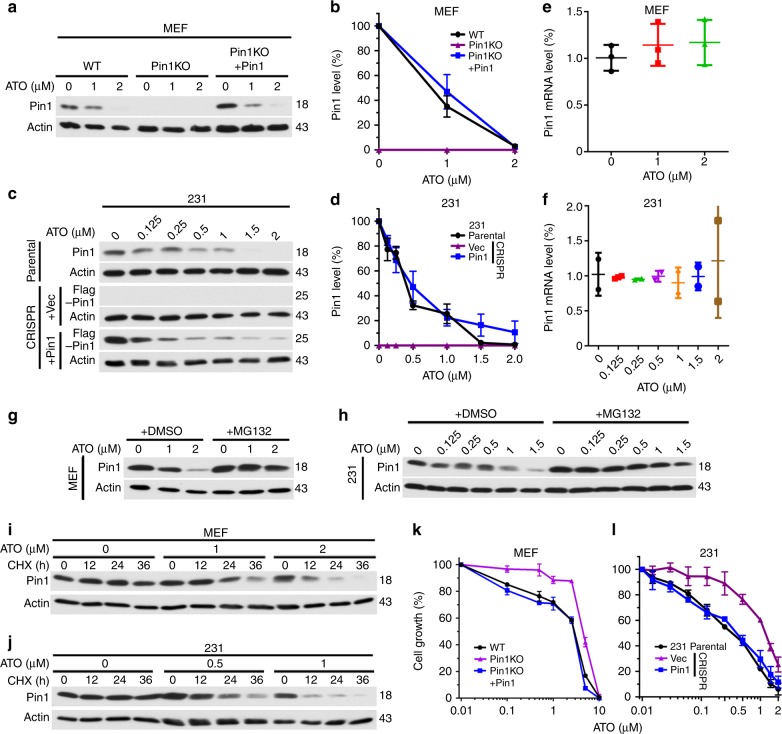
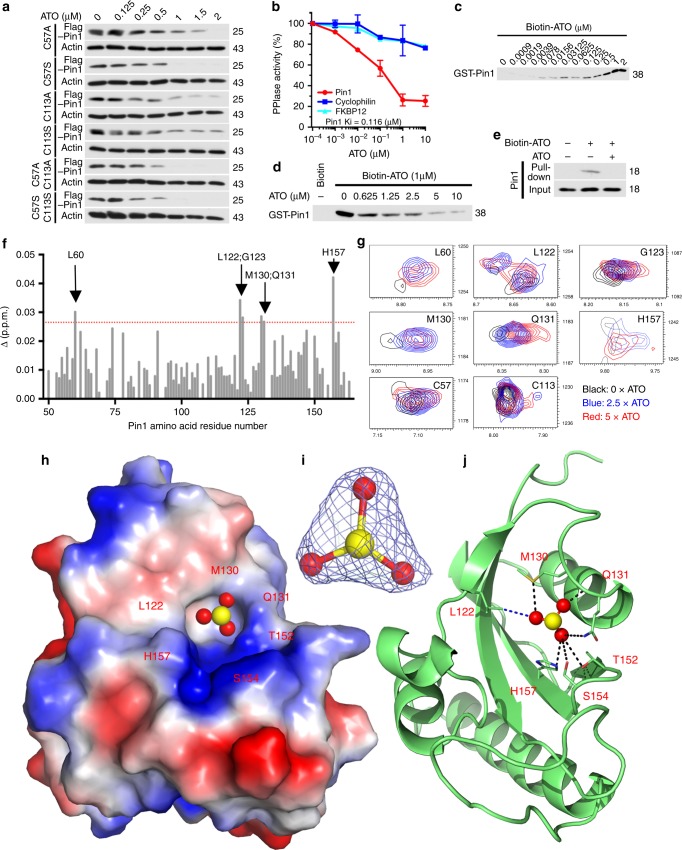
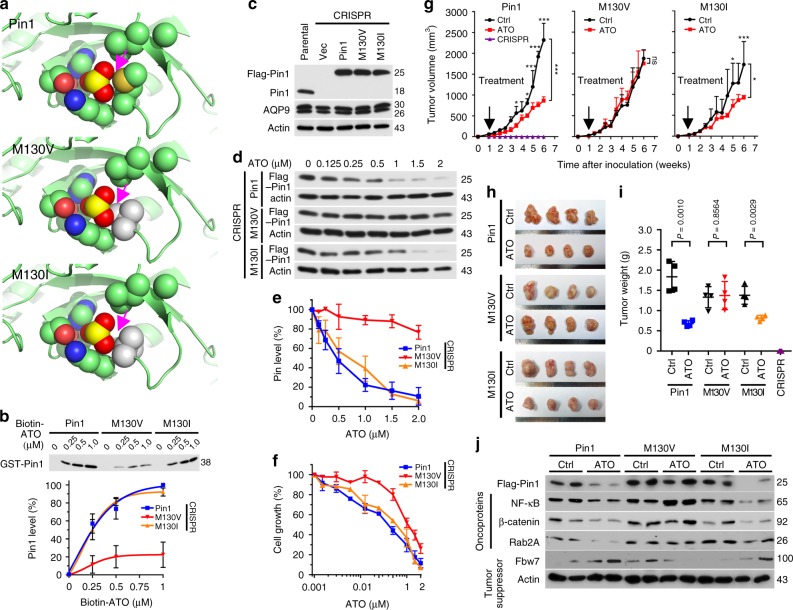
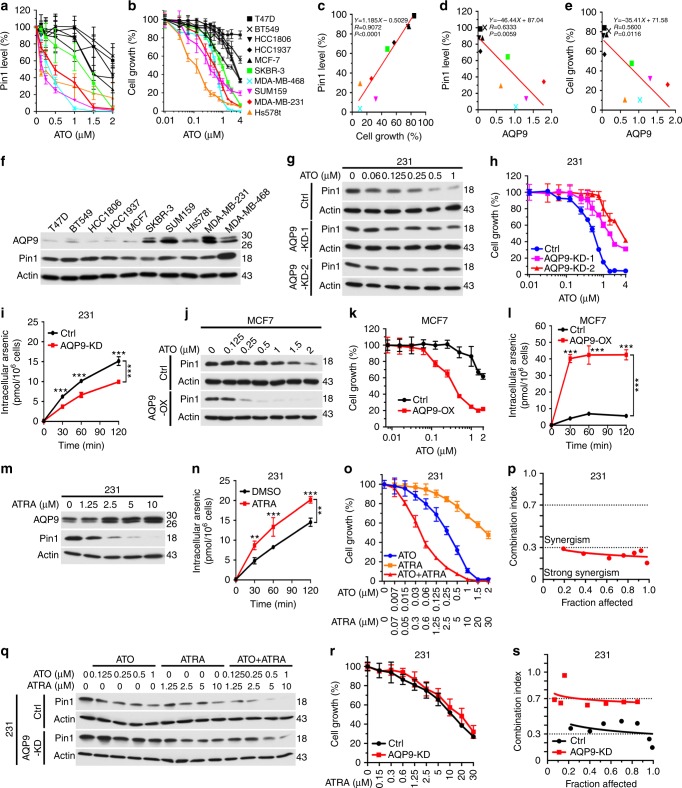
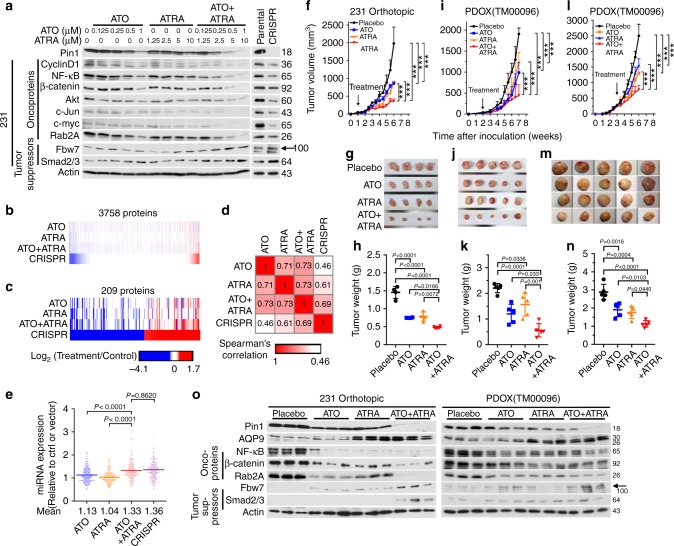
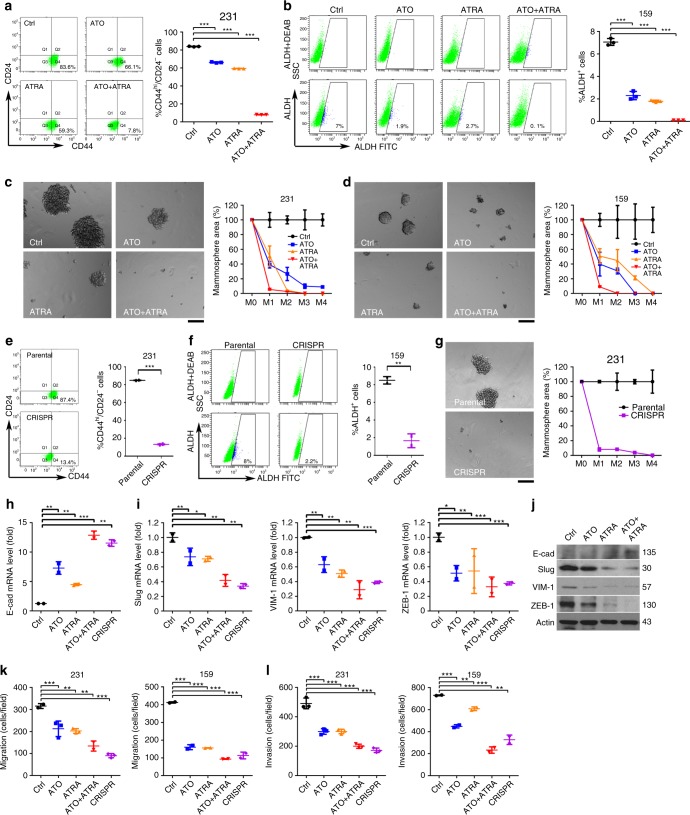
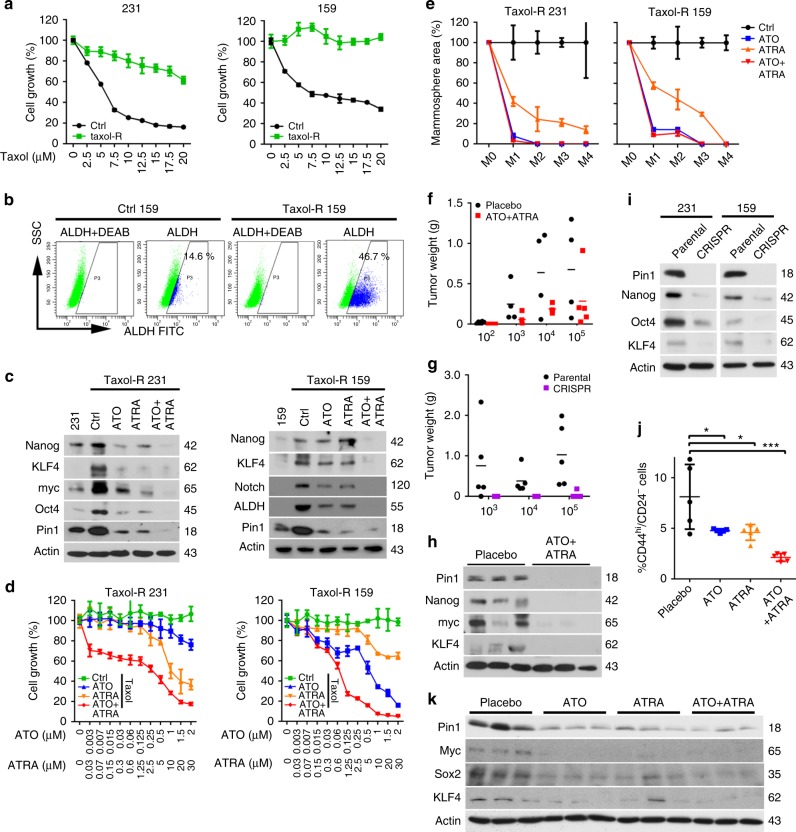
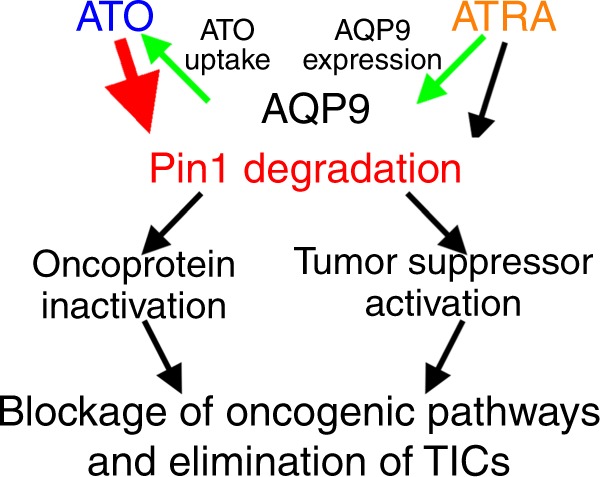
Arsenic trioxide (ATO) and all-trans retinoic acid (ATRA) combination safely cures fatal acute promyelocytic leukemia, but their mechanisms of action and efficacy are not fully understood. ATRA inhibits leukemia, breast, and liver cancer by targeting isomerase Pin1, a master regulator of oncogenic signaling networks. Here we show that ATO targets Pin1 and cooperates with ATRA to exert potent anticancer activity. ATO inhibits and degrades Pin1, and suppresses its oncogenic function by noncovalent binding to Pin1’s active site. ATRA increases cellular ATO uptake through upregulating aquaporin-9. ATO and ATRA, at clinically safe doses, cooperatively ablate Pin1 to block numerous cancer-driving pathways and inhibit the growth of triple-negative breast cancer cells and tumor-initiating cells in cell and animal models including patient-derived orthotopic xenografts, like Pin1 knockout, which is substantiated by comprehensive protein and microRNA analyses. Thus, synergistic targeting of Pin1 by ATO and ATRA offers an attractive approach to combating breast and other cancers.
Overview
The claims and statistics of this paper haven’t been checked yet.
Run the check — free, no account needed. It reads the open-access text and checks the sources it cites.
Integrity signals
Registry
Cites
Statistics
Figures
Verification
Claims the paper makes
The claims and statistics of this paper haven’t been checked yet.
Run the check — free, no account needed. It reads the open-access text and checks the sources it cites.
Claims other papers make about this one
Each is checked against this paper’s own text: does it say what the citing paper says it does?
The cited source says what the claim attributes to it.
In the citing paper
“The antitumoral activity of RA (enhanced by cooperation with arsenic trioxide)11 was due to inhibition and degradation of prolyl isomerase Pin1, which has a critical role in coordinating multiple phosphorylation events during oncogenesis12.”
From Advances and challenges in retinoid delivery systems in regenerative and therapeutic medicine (2020) · cites this paper as [11]
In the citing paper
“RA promoted terminal differentiation of leukemic cells while reducing their proliferation.”
From Advances and challenges in retinoid delivery systems in regenerative and therapeutic medicine (2020) · cites this paper as [11]
Self-check
Percentages, sums and reported differences re-computed from the paper’s own numbers.
The self-check needs the paper’s full text.
Citations
Cites
Hallmarks of Cancer: The Next Generation
Hanahan, D., & Weinberg, R. A. (2011) · Cell · doi:10.1016/j.cell.2011.02.013 · Cited by 66,590
Phaser crystallographic software
McCoy, A. J., Grosse-Kunstleve, R. W., Adams, P. D., Winn, M. D., Storoni, L. C., & Read, R. J. (2007) · Journal of Applied Crystallography · doi:10.1107/s0021889807021206 · Cited by 20,612
MicroRNA expression profiles classify human cancers
Lü, J., Getz, G. A., Miska, E. A., Alvarez-Saavedra, E., Lamb, J., Peck, D., Sweet-Cordero, A., Ebert, B. L., Mak, R. H., Ferrando, A. A., et al. (2005) · Nature · doi:10.1038/nature03702 · Cited by 9,637
The Epithelial-Mesenchymal Transition Generates Cells with Properties of Stem Cells
Mani, S. A., Guo, W., Liao, M.-J., Eaton, E. N., Ayyanan, A., Zhou, A. Y., Brooks, M. W., Reinhard, F., Zhang, C. C., Shipitsin, M. V., et al. (2008) · Cell · doi:10.1016/j.cell.2008.03.027 · Cited by 8,839
Chou, T.-C., & Talalay, P. (1984) · Advances in Enzyme Regulation · doi:10.1016/0065-2571(84)90007-4 · Cited by 7,178
DNA targeting specificity of RNA-guided Cas9 nucleases
Hsu, P. D., Scott, D. A., Weinstein, J. A., Ran, F. A., Konermann, S., Agarwala, V., Li, Y., Fine, E. J., Wu, X., Shalem, O., et al. (2013) · Nature Biotechnology · doi:10.1038/nbt.2647 · Cited by 4,741
Foulkes, W. D., Smith, I. E., & Reis-Filho, J. S. (2010) · New England Journal of Medicine · doi:10.1056/nejmra1001389 · Cited by 4,719
Tumour stem cells and drug resistance
Dean, M., Fojo, T., & Bates, S. (2005) · Nature reviews. Cancer · doi:10.1038/nrc1590 · Cited by 3,668
Transitions between epithelial and mesenchymal states: acquisition of malignant and stem cell traits
Polyak, K., & Weinberg, R. A. (2009) · Nature Reviews Cancer · doi:10.1038/nrc2620 · Cited by 3,302
The CCPN data model for NMR spectroscopy: Development of a software pipeline
Vranken, W., Boucher, W., Stevens, T. J., Fogh, R. H., Pajon, A., Llinás, M., Ulrich, E. L., Markley, J. L., Ionides, J., & Laue, E. D. (2005) · Proteins Structure Function and Bioinformatics · doi:10.1002/prot.20449 · Cited by 3,222
Cited by
Sorted by citations
Mutant p53 as a guardian of the cancer cell
Mantovani, F., Collavin, L., & Sal, G. D. (2018) · Cell Death and Differentiation · doi:10.1038/s41418-018-0246-9 · Cited by 820
Targeting Pin1 renders pancreatic cancer eradicable by synergizing with immunochemotherapy
Koikawa, K., Kibe, S., Suizu, F., Sekino, N., Kim, N., Manz, T. D., Pinch, B. J., Akshinthala, D., Verma, A., Gaglia, G., et al. (2021) · Cell · doi:10.1016/j.cell.2021.07.020 · Cited by 243
Self-citationSulfopin is a covalent inhibitor of Pin1 that blocks Myc-driven tumors in vivo
Dubiella, C., Pinch, B. J., Koikawa, K., Zaidman, D., Poon, E., Manz, T. D., Nabet, B., He, S., Resnick, E., Rogel, A., et al. (2021) · Nature Chemical Biology · doi:10.1038/s41589-021-00786-7 · Cited by 163
Self-citationChuang, L. I. U., Sun, S., Feng, Q., Wu, G., Wu, Y., Kong, N., Yu, Z., Yao, J., Zhang, X., Chen, W., et al. (2021) · Advanced Materials · doi:10.1002/adma.202102054 · Cited by 147
Role of Hedgehog Signaling in Breast Cancer: Pathogenesis and Therapeutics
Galdo, N. A. R., Montero, Á. L., & Wertheimer, E. V. (2019) · Cells · doi:10.3390/cells8040375 · Cited by 145
Chuang, L. I. U., Shin, J. W., Son, S., Choe, Y., Farokhzad, N., Tang, Z., Xiao, Y., Kong, N., Xie, T., Kim, J. S., et al. (2020) · Chemical Society Reviews · doi:10.1039/d0cs01175d · Cited by 141
Advances and challenges in retinoid delivery systems in regenerative and therapeutic medicine
Ferreira, R., Napoli, J., Enver, T., Bernardino, L., & Ferreira, L. (2020) · Nature Communications · doi:10.1038/s41467-020-18042-2 · Cited by 138
Arsenic in medicine: past, present and future
Paul, N. P., Galván, A. E., Yoshinaga-Sakurai, K., Rosen, B. P., & Yoshinaga, M. (2022) · BioMetals · doi:10.1007/s10534-022-00371-y · Cited by 120
Liang, C., Qiao, G., Liu, Y., Tian, L., Hui, N., Li, J., Ma, Y., Han, L., Zhao, Q., Cao, W., et al. (2021) · European Journal of Medicinal Chemistry · doi:10.1016/j.ejmech.2021.113451 · Cited by 124
Saikosaponin D exhibits anti-leukemic activity by targeting FTO/m6A signaling
Sun, K., Du, Y., Hou, Y., Zhao, M., Li, J., Du, Y., Zhang, L., Chen, C., Yang, H., Yan, F., et al. (2021) · Theranostics · doi:10.7150/thno.55574 · Cited by 109
Self-citationMolecular crosstalk between cancer and neurodegenerative diseases
Seo, J., & Park, M. (2019) · Cellular and Molecular Life Sciences · doi:10.1007/s00018-019-03428-3 · Cited by 109
Current Trends in ATRA Delivery for Cancer Therapy
Giuli, M. V., Hanieh, P. N., Giuliani, E., Rinaldi, F., Marianecci, C., Screpanti, I., Checquolo, S., & Carafa, M. (2020) · Pharmaceutics · doi:10.3390/pharmaceutics12080707 · Cited by 97
Identification of a potent and selective covalent Pin1 inhibitor
Pinch, B. J., Doctor, Z. M., Nabet, B., Browne, C. M., Seo, H., Mohardt, M. L., Kozono, S., Lian, X., Manz, T. D., Chun, Y., et al. (2020) · Nature Chemical Biology · doi:10.1038/s41589-020-0550-9 · Cited by 90
Self-citationSteel, T. R., Walsh, F. P., Wieczorek, A., Hanif, M., & Hartinger, C. G. (2021) · Coordination Chemistry Reviews · doi:10.1016/j.ccr.2021.213890 · Cited by 80
PIN1 in Cell Cycle Control and Cancer
Cheng, C.-W., & Tse, E. (2018) · Frontiers in Pharmacology · doi:10.3389/fphar.2018.01367 · Cited by 65
Jiang, Y., Shen, X., Zhi, F., Wen, Z., Gao, Y., Xu, J., Yang, B., & Bai, Y. (2023) · Cell Death Discovery · doi:10.1038/s41420-023-01558-z · Cited by 63
Death-Associated Protein Kinase 1 as a Promising Drug Target in Cancer and Alzheimer’s Disease
Chen, D., Zhou, X. Z., & Lee, T. H. (2018) · Recent Patents on Anti-Cancer Drug Discovery · doi:10.2174/1574892814666181218170257 · Cited by 61
Self-citationSelf-activated arsenic manganite nanohybrids for visible and synergistic thermo/immuno-arsenotherapy
Zhai, Y., Liu, M., Yang, T., Luo, J., Wei, C., Shen, J., Xue, S., Ke, H., Sun, P., Guo, M., et al. (2022) · Journal of Controlled Release · doi:10.1016/j.jconrel.2022.08.054 · Cited by 59
Classic and Variants APLs, as Viewed from a Therapy Response
Geoffroy, M., & de Thé, H. (2020) · Cancers · doi:10.3390/cancers12040967 · Cited by 57
Wang, Y., Chen, Y., Zhang, H., Chen, J., Cao, J., Chen, N., Li, X., & Sun, C. (2020) · Food and Chemical Toxicology · doi:10.1016/j.fct.2020.111811 · Cited by 51
Self-citationSulfamate Acetamides as Self-Immolative Electrophiles for Covalent Ligand-Directed Release Chemistry
Reddi, R. N., Rogel, A., Gabizon, R., Rawale, D. G., Harish, B., Marom, S., Tivon, B., Arbel, Y. S., Gurwicz, N., Oren, R., et al. (2023) · Journal of the American Chemical Society · doi:10.1021/jacs.2c08853 · Cited by 50
Arsenic trioxide targets Hsp60, triggering degradation of p53 and survivin
Hu, X., Li, H., Ip, T. K.-Y., Cheung, H. Y. F., Koohi‐Moghadam, M., Wang, H., Yang, X., Tritton, D. N., Wang, Y., Wang, Y., et al. (2021) · Chemical Science · doi:10.1039/d1sc03119h · Cited by 49
Prolyl Isomerase Pin1 in Human Cancer: Function, Mechanism, and Significance
Pu, W., Zheng, Y., & Peng, Y. (2020) · Frontiers in Cell and Developmental Biology · doi:10.3389/fcell.2020.00168 · Cited by 49
Retinoids in hematology: a timely revival?
Geoffroy, M., Esnault, C., & de Thé, H. (2021) · Blood · doi:10.1182/blood.2020010100 · Cited by 46
Zhu, Q., Liang, P., Meng, H., Li, F., Miao, W., Chu, C., Wang, W., Li, D., Chen, C., Shi, Y., et al. (2024) · Nature Communications · doi:10.1038/s41467-023-44349-x · Cited by 44
Self-citationFLT3-ITD impedes retinoic acid, but not arsenic, responses in murine acute promyelocytic leukemias
Esnault, C., Rahmé, R., Rice, K. L., Berthier, C., Gaillard, C. M., Quentin, S., Maubert, A.-L., Kogan, S. C., & de Thé, H. (2019) · Blood · doi:10.1182/blood-2018-07-866095 · Cited by 44
Targeting prolyl isomerase Pin1 as a promising strategy to overcome resistance to cancer therapies
Wu, W., Xue, X., Chen, Y., Zheng, N., & Wang, J. (2022) · Pharmacological Research · doi:10.1016/j.phrs.2022.106456 · Cited by 43
Self-citationZhao, Y., Zang, G., Yin, T., Ma, X., Zhou, L., Wu, L. J., Daniel, R. A., Wang, Y., Qiu, J., & Wang, G. (2020) · Bioactive Materials · doi:10.1016/j.bioactmat.2020.08.018 · Cited by 43
Luo, M., Zheng, F., Chen, W., Liang, Z.-M., Chandramouly, G., Tan, J., Willis, N. A., Chen, C.-H., Taveira, M. D. O., Zhou, X. Z., et al. (2020) · Cancer Research · doi:10.1158/0008-5472.can-19-2739 · Cited by 40
Self-citationVulnerabilities in mIDH2 AML confer sensitivity to APL-like targeted combination therapy
Mugoni, V., Panella, R., Cheloni, G., Chen, M., Pozdnyakova, O., Stroopinsky, D., Guarnerio, J., Monteleone, E., Lee, J. D., Mendez, L., et al. (2019) · Cell Research · doi:10.1038/s41422-019-0162-7 · Cited by 41
Yang, L., Li, J., Zang, G., Song, S., Sun, Z., Li, X., Li, Y., Xie, Z., Zhang, G., Gui, N., et al. (2022) · Bioengineering & Translational Medicine · doi:10.1002/btm2.10375 · Cited by 39
Zhang, A., Tao, W., Zhai, K., Fang, X., Huang, Z., Yu, J. S., Sloan, A. E., Rich, J. N., Zhou, W., & Bao, S. (2020) · Neuro-Oncology · doi:10.1093/neuonc/noaa150 · Cited by 39
Yang, Y., Li, Y., Li, R., & Wang, Z. (2024) · Frontiers in Pharmacology · doi:10.3389/fphar.2024.1338725 · Cited by 39
Retinoic acid signaling in development and differentiation commitment and its regulatory topology
Wu, D., Khan, F. A., Zhang, K., Pandupuspitasari, N. S., Negara, W., Guan, K., Sun, F., & Huang, C. (2023) · Chemico-Biological Interactions · doi:10.1016/j.cbi.2023.110773 · Cited by 37
Li, J., Wang, X., Guo, Y., Zhang, Y., Zhu, A., Zeng, W., Di, L., & Wang, R. (2023) · Chemical Engineering Journal · doi:10.1016/j.cej.2023.144692 · Cited by 37
Oncogenic Hijacking of the PIN1 Signaling Network
Zannini, A., Rustighi, A., Campaner, E., & Sal, G. D. (2019) · Frontiers in Oncology · doi:10.3389/fonc.2019.00094 · Cited by 37
Huang, S., Chen, Y., Liang, Z.-M., Li, N., Liu, Y., Zhu, Y., Liao, D., Zhou, X. Z., Lu, K. P., Yao, Y., et al. (2019) · Frontiers in Cell and Developmental Biology · doi:10.3389/fcell.2019.00322 · Cited by 35
Self-citationLiu, Y., Yu, F., Dai, S., Meng, T., Zhu, Y., Qiu, G., Wen, L., Zhou, X., Yuan, H., & Hu, F. (2021) · Molecular Pharmaceutics · doi:10.1021/acs.molpharmaceut.1c00220 · Cited by 35
Self-citationChang, K., Yin, J.-Z., Huang, H., Li, B., & Yang, M. (2020) · Translational Lung Cancer Research · doi:10.21037/tlcr-20-467 · Cited by 34
Saeed, U., & Piracha, Z. Z. (2023) · Frontiers in Microbiology · doi:10.3389/fmicb.2023.921653 · Cited by 33
Targeting Pin1 for Modulation of Cell Motility and Cancer Therapy
Chuang, H.-H., Zhen, Y., Tsai, Y.-C., Chuang, C., Huang, M., Hsiao, M., & Yang, C. (2021) · Biomedicines · doi:10.3390/biomedicines9040359 · Cited by 34
Zhang, Z., Yu, W.-X., Zheng, M., Liao, X., Wang, J., Yang, D., Lu, W., Wang, L., Zhang, S., Liu, H., et al. (2019) · Molecular Cancer Therapeutics · doi:10.1158/1535-7163.mct-19-0656 · Cited by 30
Self-citationRoles of peptidyl-prolyl isomerase Pin1 in disease pathogenesis
Li, J., Mo, C., Guo, Y., Zhang, B., Feng, X., Si, Q., Wu, X., Zhao, Z., Gong, L., He, D., et al. (2021) · Theranostics · doi:10.7150/thno.45889 · Cited by 32
Development of Pin1 Inhibitors and their Potential as Therapeutic Agents
Nakatsu, Y., Matsunaga, Y., Ueda, K., Yamamotoya, T., Inoue, Y., Inoue, M.-K., Mizuno, Y., Kushiyama, A., Ono, H., Fujishiro, M., et al. (2018) · Current Medicinal Chemistry · doi:10.2174/0929867325666181105120911 · Cited by 26
Targeting Protein Folding: A Novel Approach for the Treatment of Pathogenic Bacteria
Scheuplein, N. J., Bzdyl, N. M., Kibble, E. A., Lohr, T., Holzgrabe, U., & Sarkar‐Tyson, M. (2020) · Journal of Medicinal Chemistry · doi:10.1021/acs.jmedchem.0c00911 · Cited by 27
Ueda, K., Nakatsu, Y., Yamamotoya, T., Ono, H., Inoue, Y., Inoue, M., Mizuno, Y., Matsunaga, Y., Kushiyama, A., Sakoda, H., et al. (2019) · Oncotarget · doi:10.18632/oncotarget.26691 · Cited by 25
Zhang, K., Lin, H., Mao, J., Luo, X., Wei, R., Su, Z., Zhou, B., Li, D., Gao, J., & Shan, H. (2019) · Biomaterials Science · doi:10.1039/c9bm00216b · Cited by 25
Song, Z., Zhang, J., Xu, Q., Shi, D., Yao, X., & Fang, J. (2021) · Journal of Medicinal Chemistry · doi:10.1021/acs.jmedchem.1c01441 · Cited by 24
He, S., Li, L., Jin, R., & Lu, X. (2023) · Journal of Medicinal Chemistry · doi:10.1021/acs.jmedchem.3c00390 · Cited by 26
Targeting PIN1 as a Therapeutic Approach for Hepatocellular Carcinoma
Cheng, C.-W., & Tse, E. (2020) · Frontiers in Cell and Developmental Biology · doi:10.3389/fcell.2019.00369 · Cited by 24
Liu, L., Zhu, R., Li, J., Pei, Y., Wang, S., Xu, P., Wang, M., Wen, Y., Zhang, H., Du, D., et al. (2022) · Journal of Medicinal Chemistry · doi:10.1021/acs.jmedchem.1c01686 · Cited by 23
Post-translational Modifications of the Peptidyl-Prolyl Isomerase Pin1
Chen, D., Wang, L., & Lee, T. H. (2020) · Frontiers in Cell and Developmental Biology · doi:10.3389/fcell.2020.00129 · Cited by 23
Su, Y., Li, Z., Li, Q., Guo, X., Zhang, H., Li, Y., Meng, Z., Huang, S., & Hu, Z. (2024) · Theranostics · doi:10.7150/thno.99633 · Cited by 22
Engineering 2D Arsenic‐Phosphorus Theranostic Nanosheets
Hu, R., Dai, C., Wang, C., Lin, J., Hu, H., Li, Z., Lin, H., Ding, L., Chen, Y., & Zhang, B. (2021) · Advanced Functional Materials · doi:10.1002/adfm.202101660 · Cited by 22
Self-citationChallenges and Chances in the Preclinical to Clinical Translation of Anticancer Metallodrugs
Poetsch, I., Baier, D., Keppler, B. K., & Berger, W. (2019) · Royal Society of Chemistry eBooks · doi:10.1039/9781788016452-00308 · Cited by 22
Chen, C., Li, Q., Xing, L., Zhou, M., Luo, C., Li, S., Li, L., & Huang, Y. (2021) · Nano Research · doi:10.1007/s12274-021-3923-9 · Cited by 21
Self-citationDiscovery of potent PROTAC degraders of Pin1 for the treatment of acute myeloid leukemia
Shi, Y., Liu, M., Li, M., Mao, Y., Ma, J., Long, R., Xu, M., Yang, Y., Wang, W., Zhou, Y., et al. (2024) · Chemical Science · doi:10.1039/d3sc06558h · Cited by 21
Yan, J., Hanif, S., Zhang, D., Ismail, M., Wang, X., Li, Q., Shi, B., Muhammad, P., & Wu, H. (2022) · ACS Applied Materials & Interfaces · doi:10.1021/acsami.2c12076 · Cited by 20
Advances in glioma-associated oncogene (GLI) inhibitors for cancer therapy
Zhang, M., Gao, L., Ye, Y., & Li, X. (2021) · Investigational New Drugs · doi:10.1007/s10637-021-01187-2 · Cited by 18
The relevance of arsenic speciation analysis in health & medicine
Virk, R. K., Garla, R., Kaushal, N., Bansal, M. P., Garg, M. L., & Mohanty, B. P. (2023) · Chemosphere · doi:10.1016/j.chemosphere.2023.137735 · Cited by 19
PIN1 and CDK1 cooperatively govern pVHL stability and suppressive functions
Chen, J., Li, M., Liu, Y., Guan, T., Yang, X., Wen, Y., Zhu, Y., Xiao, Z., Shen, X., Zhang, H., et al. (2023) · Cell Death and Differentiation · doi:10.1038/s41418-023-01128-x · Cited by 18
Mutual promotion of co-condensation of KRAS G-quadruplex and a well-folded protein HMGB1
Wang, Y., Cao, K., Zong, M., Yuan, S., Zhang, N., & Liu, Y. (2023) · Nucleic Acids Research · doi:10.1093/nar/gkad938 · Cited by 18
The regulatory role of Pin1 in neuronal death
Xiong, K., Wang, S., & Hu, X. (2022) · Neural Regeneration Research · doi:10.4103/1673-5374.341043 · Cited by 19
A Pin1/PML/P53 axis activated by retinoic acid in NPM-1c acute myeloid leukemia
Hleihel, R., Hajj, H. E., Wu, H.-C., Berthier, C., Zhu, H., Massoud, R., Chakhachiro, Z. I., El-Sabban, M. E., de Thé, H., & Bazarbachi, A. A. (2021) · Haematologica · doi:10.3324/haematol.2020.274878 · Cited by 17
Perspectives of TrxR1-based cancer therapies
Arnér, E. S. J. (2019) · Elsevier eBooks · doi:10.1016/b978-0-12-818606-0.00031-6 · Cited by 17
Du, L., Wang, X., Cui, G., & Xu, B. (2020) · Bioorganic & Medicinal Chemistry · doi:10.1016/j.bmc.2020.115878 · Cited by 17
Integrin αvβ3 Receptor Overexpressing on Tumor-Targeted Positive MRI-Guided Chemotherapy
Khatik, R., Wang, Z., Zhi, D., Kiran, S., Dwivedi, P., Liang, G., Qiu, B., & Yang, Q. (2019) · ACS Applied Materials & Interfaces · doi:10.1021/acsami.9b16648 · Cited by 16
Lee, J., & Levin, D. E. (2019) · Molecular Biology of the Cell · doi:10.1091/mbc.e19-04-0228 · Cited by 15
Guo, Y., Lu, Y., Yi-Yang, J., Hui-Nan, Q., Da, Q., Xin-Qi, W., Pei-Ye, S., Jin, X., Xu, W., Dong, Y., et al. (2020) · Aging and Disease · doi:10.14336/ad.2019.0415 · Cited by 14
ATRA promotes PD-L1 expression to control gastric cancer immune surveillance
Ma, Z., Ding, Y.-L., Jing, J., Du, L., Zhang, X.-Y., Liu, H., & He, P. (2022) · European Journal of Pharmacology · doi:10.1016/j.ejphar.2022.174822 · Cited by 14
Chin, L., Kumana, C. R., Kwong, Y., & Gill, H. (2022) · Pharmaceutics · doi:10.3390/pharmaceutics14091945 · Cited by 16
Fang, S., Hu, C., Xu, L., Cui, J., Li, T., Gong, M., Wang, Y., He, Y., He, T., & Bi, Y. (2020) · PubMed Central · Cited by 14
Zhao, J., Yuan, X.-K., Luo, R.-Z., Wang, L., Gu, W., Yamane, D., & Feng, H. (2023) · Frontiers in Immunology · doi:10.3389/fimmu.2023.1107239 · Cited by 14
Li, L., Zhu, R., Zhou, H., Cui, C., Xiao, Y., Liu, Y., Yin, Y., Li, Y., Feng, R., Katz, J. P., et al. (2023) · Advanced Science · doi:10.1002/advs.202207458 · Cited by 13
Reciprocal antagonism of PIN1-APC/CCDH1 governs mitotic protein stability and cell cycle entry
Ke, S., Dang, F., Wang, L., Chen, J.-Y., Naik, M. T., Li, W., Thavamani, A., Kim, N., Naik, N. M., Sui, H., et al. (2024) · Nature Communications · doi:10.1038/s41467-024-47427-w · Cited by 15
Self-citationPin1-Catalyzed Conformation Changes Regulate Protein Ubiquitination and Degradation
Jeong, J., Usman, M., Li, Y., Zhou, X. Z., & Lu, K. P. (2024) · Cells · doi:10.3390/cells13090731 · Cited by 14
Self-citationShi, L., Lu, J., Xia, X., Liu, X., Li, H., Li, X., Zhu, J., Li, X., Sun, H., & Yang, X. (2024) · Chemical Science · doi:10.1039/d4sc01294a · Cited by 14
Xin, X. J., Zou, J., Zou, T., Shang, H., & Sun, L. (2018) · Evidence-based Complementary and Alternative Medicine · doi:10.1155/2018/8485670 · Cited by 13
Jin, M. L., Wu, L., Chen, S., Cai, R., Dai, Y., Yang, H., Tang, L., & Li, Y. (2020) · Cell Death Discovery · doi:10.1038/s41420-020-00330-x · Cited by 13
Zhao, Q. C., Dong, X., Zhu, C., Zhang, Y., Fang, C., Zhou, X., Zhang, K., & Zhou, H. (2023) · Chemical Engineering Journal · doi:10.1016/j.cej.2023.145556 · Cited by 13
Self-citationRetinoic acid attenuates cardiac injury induced by hyperglycemia in pre- and post-delivery mice
Liu, Y., Zhao, J., Lü, M., Wang, H., & Tang, F. (2019) · Canadian Journal of Physiology and Pharmacology · doi:10.1139/cjpp-2019-0009 · Cited by 13
Yuan, S., Yang, X., Bremmer, A., Wang, Y., Li, S., Chen, Y., You, Y., & Hu, Q. (2025) · Proceedings of the National Academy of Sciences · doi:10.1073/pnas.2507711122 · Cited by 12
Self-citationKim, K., Park, P., & Lee, J. H. (2019) · Journal of Pharmaceutical and Biomedical Analysis · doi:10.1016/j.jpba.2019.112780 · Cited by 12
Lee, Y. M., Teoh, D. E.-J., Yeung, K., & Liou, Y. (2022) · Frontiers in Cell and Developmental Biology · doi:10.3389/fcell.2022.956071 · Cited by 12
Liu, Y., Yue, J., Ren, Z., He, M., Wang, A., Xie, J., Li, T., Liu, G., He, X., Ge, S., et al. (2023) · Toxicology and Applied Pharmacology · doi:10.1016/j.taap.2023.116798 · Cited by 11
Lu, K. P., & Zhou, X. Z. (2024) · Science Signaling · doi:10.1126/scisignal.adi8743 · Cited by 12
Self-citationThe Pin1-CaMKII-AMPA Receptor Axis Regulates Epileptic Susceptibility
Hou, X., Yang, F., Li, A., Zhao, D., Ma, N., Chen, L., Lin, S., Lin, Y., Wang, L., Yan, X., et al. (2021) · Cerebral Cortex · doi:10.1093/cercor/bhab004 · Cited by 11
Self-citationMicroRNA–Gene Interactions Impacted by Toxic Metal(oid)s during EMT and Carcinogenesis
Tran, F., Lee, E., Cuddapah, S., Choi, B. H., & Dai, W. (2022) · Cancers · doi:10.3390/cancers14235818 · Cited by 11
Duan, X., Xu, W., Li, H., Wang, M., Wang, W., Lu, H., Zhang, Y., & Han, X. (2022) · Journal of Hepatocellular Carcinoma · doi:10.2147/jhc.s388077 · Cited by 11
Effect of arsenic trioxide on cervical cancer and its mechanisms
Zhang, L., Zhou, Y., Kong, J., Zhang, L., Yuan, M., Xian, S., Wang, Y., Cheng, Y., & Yang, X. (2020) · Experimental and Therapeutic Medicine · doi:10.3892/etm.2020.9299 · Cited by 11
Nayek, U., Acharya, S., & Salam, A. A. A. (2023) · RSC Advances · doi:10.1039/d3ra05987a · Cited by 10
Manoochehri, H., Farrokhnia, M., Sheykhhasan, M., Mahaki, H., & Tanzadehpanah, H. (2024) · Heliyon · doi:10.1016/j.heliyon.2024.e34300 · Cited by 10
Metal Complexes as Drugs and Therapeutic Agents
Zhou, Y. Y., Ip, T. K.-Y., Zhang, Q., Li, H., & Sun, H. (2020) · Elsevier eBooks · doi:10.1016/b978-0-08-102688-5.00018-0 · Cited by 10
Probing conformational transitions of PIN1 from L. major during chemical and thermal denaturation
Biswas, G., Ghosh, S., Raghuraman, H., & Banerjee, R. (2020) · International Journal of Biological Macromolecules · doi:10.1016/j.ijbiomac.2020.03.166 · Cited by 10
A bibliometric analysis of PIN1 and cell death
Zhang, J., Ni, S.-Y., Tan, Y.-T., Luo, J., & Wang, S. (2022) · Frontiers in Cell and Developmental Biology · doi:10.3389/fcell.2022.1043725 · Cited by 10
Recent advances of Pin1 inhibitors as potential anticancer agents
Bai, Y., Yuan, Z., Yuan, S., & He, Z. (2024) · Bioorganic Chemistry · doi:10.1016/j.bioorg.2024.107171 · Cited by 9
Differential metabolism of arsenicals regulates Fps1-mediated arsenite transport
Lee, J., & Levin, D. E. (2021) · The Journal of Cell Biology · doi:10.1083/jcb.202109034 · Cited by 9
Wu, C., Sun, C., Liu, G., Qin, Y., Xue, X., Wu, X., Wang, Q., Liu, J., Ye, Z., Li, Q., et al. (2022) · Frontiers in Oncology · doi:10.3389/fonc.2022.850155 · Cited by 9
Zhang, H., He, Z., Deng, P., Lu, M., Zhou, C., Yang, L., & Yu, Z. (2022) · Toxicology Research · doi:10.1093/toxres/tfac040 · Cited by 9
Critical Role of Aquaporins in Cancer: Focus on Hematological Malignancies
Allegra, A., Cicero, N., Mirabile, G., Cancemi, G., Tonacci, A., Musolino, C., & Gangemi, S. (2022) · Cancers · doi:10.3390/cancers14174182 · Cited by 9
Metadata
- Authors
- Kozono, S., Lin, Y.-M., Seo, H.-S., Pinch, B., Lian, X., Qiu, C., Herbert, M. K., Chen, C.-H., Tan, L., Gao, Z. J., Massefski, W., Doctor, Z. M., Jackson, B. P., Chen, Y., Dhe-Paganon, S., Lu, K. P., & Zhou, X. Z.
- Affiliations
- Beth Israel Deaconess Medical Center (US)
- Dana-Farber Cancer Institute (US)
- Harvard University (US)
- Fujian Medical University (CN)
- Broad Institute (US)
- Dartmouth College (US)
- Corresponding author
- Lu, Kun Ping
- Zhou, Xiao Zhen
- ORCID
- Venue
- Nature Communications
- Published
- 2018-08-09
- Volume
- 9
- Issue
- 1
- Pages
- 3069-3069
- ISSN
- 2041-1723 (ISSN-L)
- PMC
- PMC6085299
- OpenAlex
- W2886147882
- Cited by
- 168
- References
- 82
- Citations by year
- 2026: 8 · 2025: 16 · 2024: 23 · 2023: 28 · 2022: 20 · 2021: 22 · 2020: 28 · 2019: 18 · 2018: 5
- FWCI
- 6.49
- Type
- journal article
- Language
- en
- Open access
- gold
- doi.org
- Locations
- Nature Communications (publishedVersion, cc-by)
- Europe PMC (PubMed Central) (publishedVersion, other-oa)
- PubMed Central (publishedVersion, cc-by)
- PubMed (publishedVersion)
- RePEc: Research Papers in Economics (submittedVersion)
- DOAJ (DOAJ: Directory of Open Access Journals) (submittedVersion, cc-by-sa)
- DOAJ (DOAJ: Directory of Open Access Journals) (submittedVersion)
- Funders
- U.S. Department of Health & Human Services | National Institutes of Health (R01CA167677, R01CA205153)
- Topics
- Life Sciences › Biochemistry, Genetics and Molecular Biology › Molecular Biology › Signaling Pathways in Disease
- Life Sciences › Biochemistry, Genetics and Molecular Biology › Molecular Biology › Retinoids in leukemia and cellular processes
- Health Sciences › Medicine › Oncology › Cancer-related Molecular Pathways
- Keywords
- arsenic trioxide, all-trans retinoic acid, Pin1, isomerase, drug synergy, AQP9, triple-negative breast cancer, cancer stem cells, acute promyelocytic leukemia, protein degradation, microRNA, patient-derived xenografts
- MeSH terms
- NIMA-Interacting Peptidylprolyl Isomerase, Arsenic Trioxide, Animals, Antineoplastic Agents, Female, Fibroblasts, Humans, Mice, Inbred BALB C, Neoplasm Transplantation, Neoplasms, Magnetic Resonance Spectroscopy, Tretinoin, Signal Transduction, Leukemia, Promyelocytic, Acute, Gene Expression Regulation, Neoplastic, Mice, Knockout, Gene Expression Profiling, Proteomics, Cell Proliferation, Mice
About these checks
Registry, retraction, Cites and statistics results are computed, not judged, with one exception: a printed reference that no index lists is read once by a model before it counts as a citation error. Claims are extracted by a model and kept only when their quote appears verbatim in the text; each cited source is then checked, with a model’s help, for whether it says what the claim relies on. Those verdicts can be wrong — read the claim’s quote and the cited source before relying on one.
Statistics and arithmetic are recomputed, not judged.
Confidence bands are shown only for fields calibrated on our annotated test set. None is calibrated yet, so no band is shown.
What counts as a claim ›How we measure confidence ›How we check this ›
Are you an author, or do you see a problem with this page? Request a review
