

Cell cycle-resolved chromatin proteomics reveals the extent of mitotic preservation of the genomic regulatory landscape
Open accessThe DOI matches its Crossref record; 92 of the 93 references it cites were found in a registry or an index.
Abstract
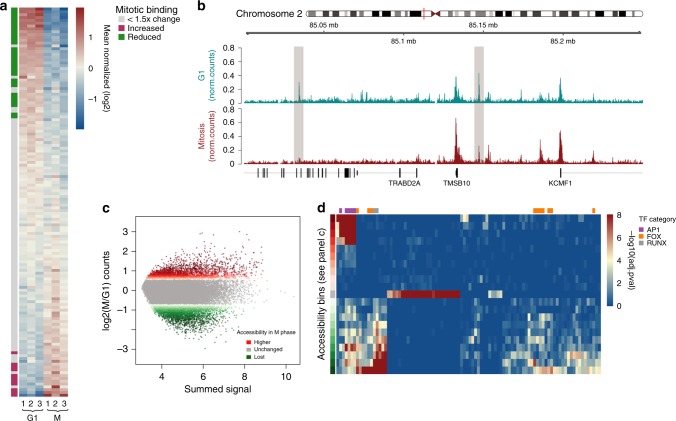
Regulation of transcription, replication, and cell division relies on differential protein binding to DNA and chromatin, yet it is unclear which regulatory components remain bound to compacted mitotic chromosomes. By utilizing the buoyant density of DNA–protein complexes after cross-linking, we here develop a mass spectrometry-based approach to quantify the chromatin-associated proteome at separate stages of the cell cycle. While epigenetic modifiers that promote transcription are lost from mitotic chromatin, repressive modifiers generally remain associated. Furthermore, while proteins involved in transcriptional elongation are evicted, most identified transcription factors are retained on mitotic chromatin to varying degrees, including core promoter binding proteins. This predicts conservation of the regulatory landscape on mitotic chromosomes, which we confirm by genome-wide measurements of chromatin accessibility. In summary, this work establishes an approach to study chromatin, provides a comprehensive catalog of chromatin changes during the cell cycle, and reveals the degree to which the genomic regulatory landscape is maintained through mitosis.
Overview
The claims and statistics of this paper haven’t been checked yet.
Free: it reads the open-access text and checks the first 5 claims that cite a source we can check. Create a free account to check every claim.
Integrity signals
Registry
Cites
Statistics
Figures
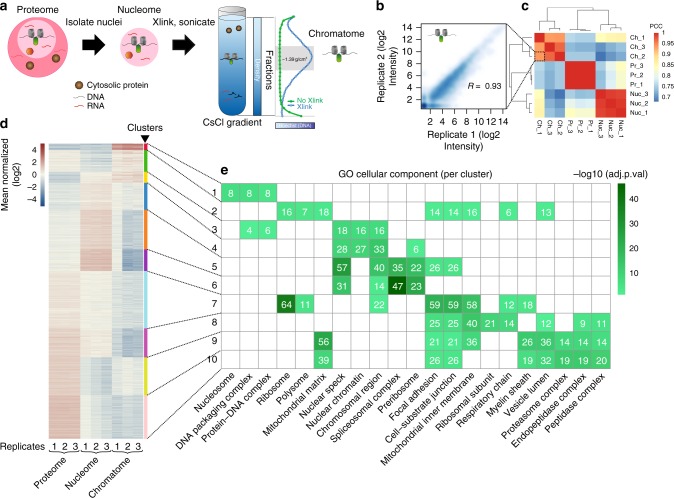
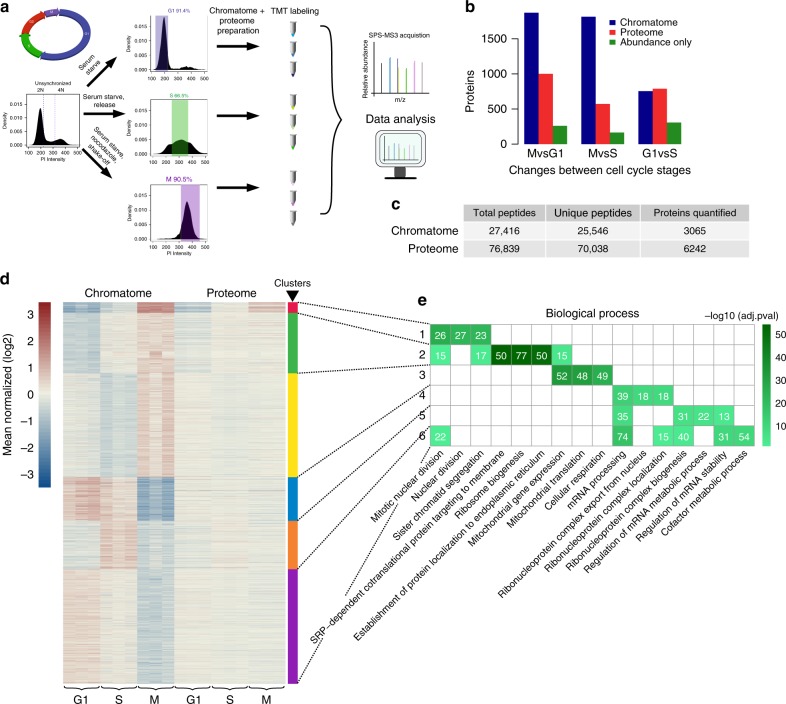
Verification
Claims the paper makes
The claims and statistics of this paper haven’t been checked yet.
Free: it reads the open-access text and checks the first 5 claims that cite a source we can check. Create a free account to check every claim.
Claims other papers make about this one
Each is checked against this paper’s own text: does it say what the citing paper says it does?
The cited source says what the claim attributes to it.
In the citing paper
“Mitotic retention of regulatory components (Fig. 2c), including transcription factors and some of the epigenetic machineries described above 38,39 , has been well-documented in recent years 40,41 .”
From Advances in epigenetics link genetics to the environment and disease (2019) · cites this paper as [39]
Self-check
Percentages, sums and reported differences re-computed from the paper’s own numbers.
The self-check needs the paper’s full text.
Citations
Cites
Controlling the False Discovery Rate: A Practical and Powerful Approach to Multiple Testing
Benjamini, Y., & Hochberg, Y. (1995) · Journal of the Royal Statistical Society Series B: Statistical Methodology · doi:10.1111/j.2517-6161.1995.tb02031.x · Cited by 109,482
limma powers differential expression analyses for RNA-sequencing and microarray studies
Ritchie, M. E., Phipson, B., Wu, D., Hu, Y., Law, C. W., Shi, W., & Smyth, G. K. (2015) · Nucleic Acids Research · doi:10.1093/nar/gkv007 · Cited by 40,458
clusterProfiler: an R Package for Comparing Biological Themes Among Gene Clusters
Yu, G., Wang, L.-G., Han, Y., & He, Q.-Y. (2012) · OMICS: A Journal of Integrative Biology · doi:10.1089/omi.2011.0118 · Cited by 36,259
Cutadapt removes adapter sequences from high-throughput sequencing reads
Martin, M. (2011) · EMBnet.journal · doi:10.14806/ej.17.1.200 · Cited by 33,889
Modern Applied Statistics with S
Venables, W. N., & Ripley, B. D. (2002) · Statistics and Computing · doi:10.1007/978-0-387-21706-2 · Cited by 24,305
Model-based Analysis of ChIP-Seq (MACS)
Zhang, Y., Liu, T., Meyer, C. A., Eeckhoute, J., Johnson, D. S., Bernstein, B. E., Nusbaum, C., Myers, R. M., Brown, M., Li, W., et al. (2008) · Genome Biology · doi:10.1186/gb-2008-9-9-r137 · Cited by 18,386
An integrated encyclopedia of DNA elements in the human genome
The ENCODE Project Consortium (2012) · Nature · doi:10.1038/nature11247 · Cited by 18,072
Cox, J., & Mann, M. (2008) · Nature Biotechnology · doi:10.1038/nbt.1511 · Cited by 14,855
Heinz, S., Benner, C., Spann, N., Bertolino, E., Lin, Y. C., Laslo, P., Cheng, J. X., Murre, C., Singh, H., & Glass, C. K. (2010) · Molecular Cell · doi:10.1016/j.molcel.2010.05.004 · Cited by 13,382
Chromatin modifications and their function
Kouzarides, T. (2007) · Cell · doi:10.1016/j.cell.2007.02.005 · Cited by 10,883
Clustering by Passing Messages Between Data Points
Frey, B. J., & Dueck, D. (2007) · Science · doi:10.1126/science.1136800 · Cited by 6,758 · cited 1×
“Of these 137 TFs, only ~24% (29) are depleted from mitotic chromatin (≥1.”
Backgroundvoom: precision weights unlock linear model analysis tools for RNA-seq read counts
Law, C. W., Chen, Y., Shi, W., & Smyth, G. K. (2014) · Genome Biology · doi:10.1186/gb-2014-15-2-r29 · Cited by 6,155
Rappsilber, J., Mann, M., & Ishihama, Y. (2007) · Nature Protocols · doi:10.1038/nprot.2007.261 · Cited by 4,641
Software for Computing and Annotating Genomic Ranges
Lawrence, M., Huber, W., Pagès, H., Aboyoun, P., Carlson, M., Gentleman, R., Morgan, M. T., & Carey, V. J. (2013) · PLoS Computational Biology · doi:10.1371/journal.pcbi.1003118 · Cited by 4,398
ATAC-seq: a method for assaying chromatin accessibility genome-wide
Buenrostro, J. D., Wu, B., Chang, H. Y., & Greenleaf, W. J. (2015) · Current Protocols in Molecular Biology · doi:10.1002/0471142727.mb2129s109 · Cited by 3,289
Thompson, A., Schäfer, J., Kuhn, K., Kienle, S., Schwarz, J., Schmidt, G., Neumann, T., & Hamon, C. (2003) · Analytical Chemistry · doi:10.1021/ac0262560 · Cited by 2,378
ChIP-seq guidelines and practices of the ENCODE and modENCODE consortia
Landt, S. G., Marinov, G. K., Kundaje, A., Kheradpour, P., Pauli, F., Batzoglou, S., Bernstein, B. E., Bickel, P., Brown, J. B., Cayting, P., et al. (2012) · Genome Research · doi:10.1101/gr.136184.111 · Cited by 2,033
Krämer, W. (2003) · Computational Statistics & Data Analysis · Cited by 1,858
A quantitative atlas of mitotic phosphorylation
Dephoure, N., Zhou, C., Villén, J., Beausoleil, S. A., Bakalarski, C. E., Elledge, S. J., & Gygi, S. P. (2008) · Proceedings of the National Academy of Sciences · doi:10.1073/pnas.0805139105 · Cited by 1,608
Mitotic kinases as regulators of cell division and its checkpoints
Nigg, E. A. (2001) · Nature Reviews Molecular Cell Biology · doi:10.1038/35048096 · Cited by 1,547
McAlister, G. C., Nusinow, D. P., Jedrychowski, M. P., Wühr, M., Huttlin, E. L., Erickson, B. K., Rad, R., Haas, W., & Gygi, S. P. (2014) · Analytical Chemistry · doi:10.1021/ac502040v · Cited by 1,263
Giresi, P. G., Kim, J., McDaniell, R. M., Iyer, V. R., & Lieb, J. D. (2007) · Genome Research · doi:10.1101/gr.5533506 · Cited by 955
Mathelier, A., Fornes, O., Arenillas, D. J., Chen, C.-Y., Denay, G., Lee, J., Shi, W., Shyr, C., Tan, G., Worsley-Hunt, R., et al. (2016) · Nucleic Acids Research · doi:10.1093/nar/gkv1176 · Cited by 937
Camera: a competitive gene set test accounting for inter-gene correlation
Wu, D., & Smyth, G. K. (2012) · Nucleic Acids Research · doi:10.1093/nar/gks461 · Cited by 891
ChromEMT: Visualizing 3D chromatin structure and compaction in interphase and mitotic cells
Ou, H. D., Phan, S., Deerinck, T. J., Thor, A., Ellisman, M. H., & O’Shea, C. C. (2017) · Science · doi:10.1126/science.aag0025 · Cited by 868
The control of DNA repair by the cell cycle
Hustedt, N., & Durocher, D. (2017) · Nature Cell Biology · doi:10.1038/ncb3452 · Cited by 738
Target-Decoy Search Strategy for Mass Spectrometry-Based Proteomics
Elias, J. E., & Gygi, S. P. (2010) · Methods in Molecular Biology · doi:10.1007/978-1-60761-444-9_5 · Cited by 644
Solomon, M. J., Larsen, P. L., & Varshavsky, A. (1988) · Cell · doi:10.1016/s0092-8674(88)90469-2 · Cited by 630 · cited 1×
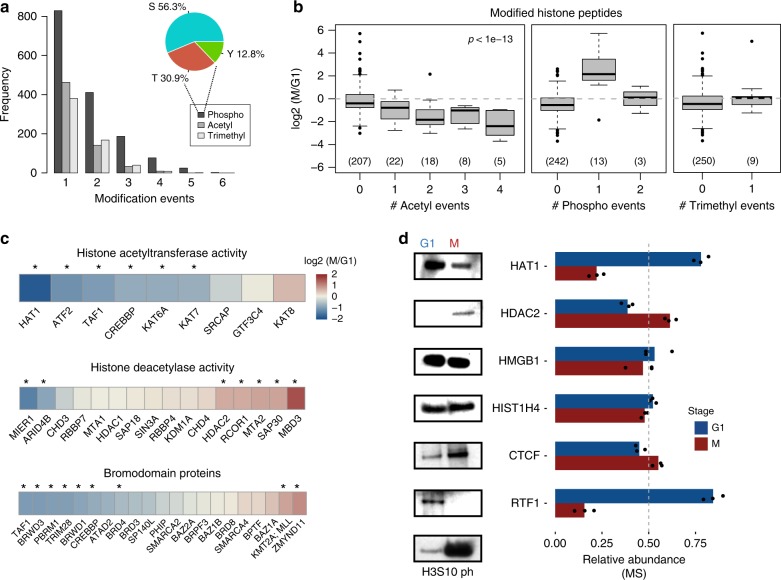
“# Acetyl events (207) (22) (18) (8) (5) p < 1e−13 b”
Takahashi, Y., Rayman, J. B., & Dynlacht, B. D. (2000) · Genes & Development · doi:10.1101/gad.14.7.804 · Cited by 621
Analysis of Chromatin Structure byin VivoFormaldehyde Cross-Linking
Orlando, V., Strutt, H., & Paro, R. (1997) · Methods · doi:10.1006/meth.1996.0407 · Cited by 606
Wang, Y., Yang, F., Gritsenko, M. A., Wang, Y., Clauss, T., Liu, T., Shen, Y., Monroe, M. E., Lopez‐Ferrer, D., Reno, T., et al. (2011) · PROTEOMICS · doi:10.1002/pmic.201000722 · Cited by 598
Pioneer transcription factors in cell reprogramming
Iwafuchi-Doi, M., & Zaret, K. S. (2014) · Genes & Development · doi:10.1101/gad.253443.114 · Cited by 597
ROAST: rotation gene set tests for complex microarray experiments
Wu, D., Lim, E., Vaillant, F., Asselin-Labat, M.-L., Visvader, J. E., & Smyth, G. K. (2010) · Bioinformatics · doi:10.1093/bioinformatics/btq401 · Cited by 560
Ruijtenberg, S., & van den Heuvel, S. (2016) · Cell Cycle · doi:10.1080/15384101.2015.1120925 · Cited by 553
Addressing Accuracy and Precision Issues in iTRAQ Quantitation
Karp, N. A., Huber, W., Sadowski, P. G., Charles, P. D., Hester, S. V., & Lilley, K. S. (2010) · Molecular & Cellular Proteomics · doi:10.1074/mcp.m900628-mcp200 · Cited by 495
APCluster: an R package for affinity propagation clustering
Bodenhofer, U., Kothmeier, A., & Hochreiter, S. (2011) · Bioinformatics · doi:10.1093/bioinformatics/btr406 · Cited by 479
Displacement of sequence-specific transcription factors from mitotic chromatin
Martínez-Balbás, M. A., Dey, A., Rabindran, S. K., Ozato, K., & Wu, C. (1995) · Cell · doi:10.1016/0092-8674(95)90231-7 · Cited by 454
Mitotic repression of the transcriptional machinery
Gottesfeld, J. (1997) · Trends in Biochemical Sciences · doi:10.1016/s0968-0004(97)01045-1 · Cited by 368
Ohta, S., Wills, J. C., Sánchez‐Pulido, L., Alves, F. D. L., Wood, L., Chen, Z. A., Platani, M., Fischer, L., Hudson, D. F., Ponting, C. P., et al. (2010) · Cell · doi:10.1016/j.cell.2010.07.047 · Cited by 339
QuasR: quantification and annotation of short reads in R
Gaidatzis, D., Lerch, A., Hahne, F., & Stadler, M. B. (2015) · Bioinformatics · doi:10.1093/bioinformatics/btu781 · Cited by 314
AnimalTFDB: a comprehensive animal transcription factor database
Zhang, H.-M., Chen, H., Liu, W., Liu, H., Gong, J., Wang, H., & Guo, A.-Y. (2012) · Nucleic Acids Research · doi:10.1093/nar/gkr965 · Cited by 300
A dynamic mode of mitotic bookmarking by transcription factors
Teves, S. S., An, L., Hansen, A. S., Xie, L., Darzacq, X., & Tjian, R. (2016) · eLife · doi:10.7554/elife.22280 · Cited by 271
Verheijen, R., Kuijpers, H. J. H., Driel, R. V., Beck, J. L. M., Dierendonck, J. H. V., Brakenhoff, G. J., & Ramaekers, F. C. S. (1989) · Journal of Cell Science · doi:10.1242/jcs.92.4.531 · Cited by 261
Tissue-Specific Mitotic Bookmarking by Hematopoietic Transcription Factor GATA1
Kadauke, S., Udugama, M. I., Pawlicki, J. M., Achtman, J. C., Jain, D. P., Cheng, Y., Hardison, R. C., & Blobel, G. A. (2012) · Cell · doi:10.1016/j.cell.2012.06.038 · Cited by 233
Regulating DNA Replication in Eukarya
Siddiqui, K., On, K. F., & Diffley, J. F. X. (2013) · Cold Spring Harbor Perspectives in Biology · doi:10.1101/cshperspect.a012930 · Cited by 229
Proteomics reveals dynamic assembly of repair complexes during bypass of DNA cross-links
Räschle, M., Smeenk, G., Hansen, R. K., Temu, T., Oka, Y., Hein, M. Y., Nagaraj, N., Long, D. T., Walter, J. C., Hofmann, K., et al. (2015) · Science · doi:10.1126/science.1253671 · Cited by 228
Bookmarking by specific and nonspecific binding of FoxA1 pioneer factor to mitotic chromosomes
Caravaca, J. M., Donahue, G., Becker, J. S., He, X., Vinson, C., & Zaret, K. S. (2013) · Genes & Development · doi:10.1101/gad.206458.112 · Cited by 218
Kruhlak, M. J., Hendzel, M. J., Fischle, W., Bertos, N. R., Hameed, S., Yang, X.-J., Verdin, E., & Bazett-Jones, D. P. (2001) · Journal of Biological Chemistry · doi:10.1074/jbc.m100290200 · Cited by 207
Condensed mitotic chromatin is accessible to transcription factors and chromatin structural proteins
Chen, D., Dundr, M., Wang, C., Leung, A., Lamond, A., Misteli, T., & Huang, S. (2005) · The Journal of Cell Biology · doi:10.1083/jcb.200407182 · Cited by 200
Histone modifications and mitosis: countermarks, landmarks, and bookmarks
Wang, F., & Higgins, J. M. G. (2013) · Trends in Cell Biology · doi:10.1016/j.tcb.2012.11.005 · Cited by 186
Mitotic bookmarking by transcription factors
Kadauke, S., & Blobel, G. A. (2013) · Epigenetics & Chromatin · doi:10.1186/1756-8935-6-6 · Cited by 167
Marking of active genes on mitotic chromosomes
Michelotti, E. F., Sanford, S., & Levens, D. (1997) · Nature · doi:10.1038/42282 · Cited by 166
Sequential Entry of Components of Gene Expression Machinery into Daughter Nuclei
Prasanth, K. V., Bubulya, P. A., Prasanth, S. G., & Spector, D. L. (2003) · Molecular Biology of the Cell · doi:10.1091/mbc.e02-10-0669 · Cited by 165
Establishment and maintenance of heritable chromatin structure during early Drosophila embryogenesis
Blythe, S. A., & Wieschaus, E. F. (2016) · eLife · doi:10.7554/elife.20148 · Cited by 164
Ahrné, E., Glatter, T., Viganò, C., Schubert, C. V., Nigg, E. A., & Schmidt, A. (2016) · Journal of Proteome Research · doi:10.1021/acs.jproteome.6b00066 · Cited by 163
A role for mitotic bookmarking of SOX2 in pluripotency and differentiation
Deluz, C., Friman, E. T., Strebinger, D., Benke, A., Raccaud, M., Callegari, A., Leleu, M., Manley, S., & Suter, D. M. (2016) · Genes & Development · doi:10.1101/gad.289256.116 · Cited by 159
Mitotic binding of Esrrb marks key regulatory regions of the pluripotency network
Festuccia, N., Dubois, A., Vandormael-Pournin, S., Gallego Tejeda, E., Mouren, A., Bessonnard, S., Mueller, F., Proux, C., Cohen-Tannoudji, M., & Navarro, P. (2016) · Nature Cell Biology · doi:10.1038/ncb3418 · Cited by 158
Association of human TFIID–promoter complexes with silenced mitotic chromatin in vivo
Christova, R., & Oelgeschläger, T. (2001) · Nature Cell Biology · doi:10.1038/ncb733 · Cited by 153
TBP Dynamics in Living Human Cells: Constitutive Association of TBP with Mitotic Chromosomes
Chen, D., Hinkley, C. S., Henry, R. W., & Huang, S. (2002) · Molecular Biology of the Cell · doi:10.1091/mbc.01-10-0523 · Cited by 151
Chromosome condensation and decondensation during mitosis
Antonin, W., & Neumann, H. (2016) · Current Opinion in Cell Biology · doi:10.1016/j.ceb.2016.01.013 · Cited by 149
Widespread Mitotic Bookmarking by Histone Marks and Transcription Factors in Pluripotent Stem Cells
Liu, Y., Pelham-Webb, B., Di Giammartino, D. C., Li, J., Kim, D., Kita, K., Saiz, N., Garg, V., Doane, A., Giannakakou, P., et al. (2017) · Cell Reports · doi:10.1016/j.celrep.2017.04.067 · Cited by 140
Pallier, C., Scaffidi, P., Chopineau-Proust, S., Agresti, A., Nordmann, P., Bianchi, M. E., & Marechal, V. (2003) · Molecular Biology of the Cell · doi:10.1091/mbc.e02-09-0581 · Cited by 137
Parsons, G., & Spencer, C. A. (1997) · Molecular and Cellular Biology · doi:10.1128/mcb.17.10.5791 · Cited by 121
3D-CLEM Reveals that a Major Portion of Mitotic Chromosomes Is Not Chromatin
Booth, D. G., Beckett, A. J., Molina, O., Samejima, I., Masumoto, H., Kouprina, N., Larionov, V., Prior, I. A., & Earnshaw, W. C. (2016) · Molecular Cell · doi:10.1016/j.molcel.2016.10.009 · Cited by 120
Genome accessibility is widely preserved and locally modulated during mitosis
Hsiung, C. C.-S., Morrissey, C. S., Udugama, M., Frank, C. L., Keller, C. A., Baek, S., Giardine, B., Crawford, G. E., Sung, M.-H., Hardison, R. C., et al. (2015) · Genome Research · doi:10.1101/gr.180646.114 · Cited by 118
Liang, K., Woodfin, A. R., Slaughter, B. D., Unruh, J. R., Box, A. C., Rickels, R. A., Gao, X., Haug, J. S., Jaspersen, S. L., & Shilatifard, A. (2015) · Molecular Cell · doi:10.1016/j.molcel.2015.09.021 · Cited by 117
A phospho/methyl switch at histone H3 regulates TFIID association with mitotic chromosomes
Varier, R. A., Outchkourov, N. S., de Graaf, P., van Schaik, F. M. A., Ensing, H. J. L., Wang, F., Higgins, J. M. G., Kops, G. J. P. L., & Timmers, H. T. M. (2010) · The EMBO Journal · doi:10.1038/emboj.2010.261 · Cited by 101
Chromatin enrichment for proteomics
Kustatscher, G., Wills, K. L. H., Furlan, C., & Rappsilber, J. (2014) · Nature Protocols · doi:10.1038/nprot.2014.142 · Cited by 94
Lake, R. J., Tsai, P.-F., Choi, I., Won, K.-J., & Fan, H.-Y. (2014) · PLoS Genetics · doi:10.1371/journal.pgen.1004204 · Cited by 91
Tackling the epigenome: challenges and opportunities for collaboration
Satterlee, J. S., Schübeler, D., & Ng, H. (2010) · Nature Biotechnology · doi:10.1038/nbt1010-1039 · Cited by 91
Self-citationRizkallah, R., & Hurt, M. M. (2009) · Molecular Biology of the Cell · doi:10.1091/mbc.e09-04-0264 · Cited by 84
Formaldehyde Cross-Linking for Studying Nucleosomal Dynamics
Jackson, V. E. (1999) · Methods · doi:10.1006/meth.1998.0724 · Cited by 83
A Polycomb Group Protein Is Retained at Specific Sites on Chromatin in Mitosis
Follmer, N. E., Wani, A. H., & Francis, N. J. (2012) · PLoS Genetics · doi:10.1371/journal.pgen.1003135 · Cited by 79
Proteomics of a fuzzy organelle: interphase chromatin
Kustatscher, G., Hégarat, N., Wills, K. L. H., Furlan, C., Wills, J. C., Hochegger, H., & Rappsilber, J. (2014) · The EMBO Journal · doi:10.1002/embj.201387614 · Cited by 79
Bookmarking genes for activation in condensed mitotic chromosomes
John, S., & Workman, J. L. (1998) · BioEssays · doi:10.1002/(sici)1521-1878(199804)20:4<275::aid-bies1>3.0.co;2-p · Cited by 77
Plk1 Phosphorylation of Orc2 Promotes DNA Replication under Conditions of Stress
Song, B., Liu, X. S., Davis, K., & Liu, X. (2011) · Molecular and Cellular Biology · doi:10.1128/mcb.06110-11 · Cited by 73
Aoto, T., Saitoh, N., Sakamoto, Y., Watanabe, S., & Nakao, M. (2008) · Journal of Biological Chemistry · doi:10.1074/jbc.m709322200 · Cited by 71
Shraibman, B., Kadosh, D. M., Barnea, E., & Admon, A. (2016) · Molecular & Cellular Proteomics · doi:10.1074/mcp.m116.060350 · Cited by 71
Fonseca, J. P., Steffen, P. A., Müller, S., Lu, J., Sawicka, A., Seiser, C., & Ringrose, L. (2012) · Genes & Development · doi:10.1101/gad.184648.111 · Cited by 70
McManus, K. J., & Hendzel, M. J. (2006) · Biochemistry and Cell Biology · doi:10.1139/o06-086 · Cited by 68
Klimmeck, D., Hansson, J., Raffel, S., Vakhrushev, S. Y., Trumpp, A., & Krijgsveld, J. (2012) · Molecular & Cellular Proteomics · doi:10.1074/mcp.m111.016790 · Cited by 66
Proteomics to study DNA-bound and chromatin-associated gene regulatory complexes
Wierer, M., & Mann, M. (2016) · Human Molecular Genetics · doi:10.1093/hmg/ddw208 · Cited by 66
Human mutations affect the epigenetic/bookmarking function of HNF1B
Lerner, J., Bagattin, A., Verdeguer, F., Makinistoglu, M. P., Garbay, S., Felix, T., Heidet, L., & Pontoglio, M. (2016) · Nucleic Acids Research · doi:10.1093/nar/gkw467 · Cited by 62
Raccaud, M., & Suter, D. M. (2017) · FEBS Letters · doi:10.1002/1873-3468.12828 · Cited by 60
Saiwaki, T., Kotera, I., Sasaki, M., Takagi, M., & Yoneda, Y. (2005) · Experimental Cell Research · doi:10.1016/j.yexcr.2005.04.010 · Cited by 53
Sp1 and Sp3 foci distribution throughout mitosis
He, S., & Davie, J. (2006) · Journal of Cell Science · doi:10.1242/jcs.02829 · Cited by 41
Fanti, L., Perrini, B., Piacentini, L., Berloco, M. F., Marchetti, E., Palumbo, G., & Pimpinelli, S. (2007) · Chromosoma · doi:10.1007/s00412-007-0123-7 · Cited by 38
The Contribution of Mass Spectrometry-Based Proteomics to Understanding Epigenetics
Noberini, R., Sigismondo, G., & Bonaldi, T. (2015) · Epigenomics · doi:10.2217/epi.15.108 · Cited by 38
Salt Fractionation of Nucleosomes for Genome-Wide Profiling
Teves, S. S., & Henikoff, S. (2012) · Methods in Molecular Biology · doi:10.1007/978-1-61779-477-3_25 · Cited by 37
Graded requirement for the spliceosome in cell cycle progression
Karamysheva, Z. N., Díaz-Martínez, L. A., Warrington, R. T., & Yu, H. (2015) · Cell Cycle · doi:10.1080/15384101.2015.1039209 · Cited by 32
Chuang, L. S. H., Khor, J. M., Lai, S. K., Garg, S., Krishnan, V., Koh, C.-G., Lee, S. H., & Ito, Y. (2016) · Proceedings of the National Academy of Sciences · doi:10.1073/pnas.1523157113 · Cited by 24
Ohta, S., Montano-Gutierrez, L. F., Alves, F. D. L., Ogawa, H., Iyo, T., Sato, N., Morrison, C. G., Takeda, S., Hudson, D. F., Rappsilber, J., et al. (2016) · Molecular & Cellular Proteomics · doi:10.1074/mcp.m116.057885 · Cited by 22
Protocol to Determine Mitotic Index by FACS
Zhu, H. (2012) · BIO-PROTOCOL · doi:10.21769/bioprotoc.196 · Cited by 2
Cited by
Advances in epigenetics link genetics to the environment and disease
Cavalli, G., & Heard, E. (2019) · Nature · doi:10.1038/s41586-019-1411-0 · Cited by 1,509
Modulation of cellular processes by histone and non-histone protein acetylation
Shvedunova, M., & Akhtar, A. (2022) · Nature Reviews Molecular Cell Biology · doi:10.1038/s41580-021-00441-y · Cited by 936
Mechanisms and Functions of Chromosome Compartmentalization
Hildebrand, E. M., & Dekker, J. (2020) · Trends in Biochemical Sciences · doi:10.1016/j.tibs.2020.01.002 · Cited by 268
“In this case, many of the protein-protein interactions required for phase separation are likely disrupted by transient cell-cycle regulated phosphorylation and other post-translational modifications that occur during mitosis, such as H3S10 phosphorylation [76].”
BackgroundTranscription Factors and DNA Play Hide and Seek
Suter, D. M. (2020) · Trends in Cell Biology · doi:10.1016/j.tcb.2020.03.003 · Cited by 160
A mitotic chromatin phase transition prevents perforation by microtubules
Schneider, M. W. G., Gibson, B. A., Otsuka, S., Spicer, M. F. D., Petrovic, M., Blaukopf, C., Langer, C. C. H., Batty, P., Nagaraju, T., Doolittle, L. K., et al. (2022) · Nature · doi:10.1038/s41586-022-05027-y · Cited by 126
Metadata
- Authors
- Ginno, P. A., Burger, L., Seebacher, J., Iesmantavicius, V., & Schübeler, D.
- Affiliations
- Friedrich Miescher Institute (CH)
- SIB Swiss Institute of Bioinformatics (CH)
- University of Basel (CH)
- Corresponding author
- Schübeler, Dirk
- Venue
- Nature Communications
- Published
- 2018-10-02
- Volume
- 9
- Issue
- 1
- Pages
- 4048-4048
- ISSN
- 2041-1723 (ISSN-L)
- PMC
- PMC6168604
- OpenAlex
- W2892790175
- Cited by
- 91
- References
- 93
- Citations by year
- 2026: 6 · 2025: 11 · 2024: 8 · 2023: 13 · 2022: 13 · 2021: 17 · 2020: 13 · 2019: 9 · 2018: 1
- FWCI
- 3.82
- Type
- journal article
- Language
- en
- Open access
- gold
- doi.org
- Licence
- cc-by
- creativecommons.org/licenses/by/4.0 (tdm)
- creativecommons.org/licenses/by/4.0 (vor)
- Locations
- Nature Communications (publishedVersion, cc-by)
- Europe PMC (PubMed Central) (publishedVersion, cc-by)
- PubMed Central (publishedVersion, cc-by)
- PubMed (publishedVersion)
- RePEc: Research Papers in Economics (submittedVersion)
- DOAJ (DOAJ: Directory of Open Access Journals) (submittedVersion, cc-by-sa)
- DOAJ (DOAJ: Directory of Open Access Journals) (submittedVersion)
- Funders
- European Commission
- H2020 European Research Council (667951)
- Topics
- Life Sciences › Biochemistry, Genetics and Molecular Biology › Molecular Biology › Genomics and Chromatin Dynamics
- Physical Sciences › Chemistry › Spectroscopy › Advanced Proteomics Techniques and Applications
- Life Sciences › Biochemistry, Genetics and Molecular Biology › Molecular Biology › Chromatin Remodeling and Cancer
- Keywords
- mitotic chromatin, chromatin proteome, cell cycle, mitosis, chromatin accessibility, epigenetic regulators, transcription factors, transcription elongation, protein-DNA complex
- MeSH terms
- Cell Cycle, Chromatin, Gene Expression Regulation, Humans, Mass Spectrometry, Transcription Factors, Proteomics, Cell Line, Tumor
About these checks
Registry, retraction, Cites and statistics results are computed, not judged, with one exception: a printed reference that no index lists is read once by a model before it counts as a citation error. Claims are extracted by a model and kept only when their quote appears verbatim in the text; each cited source is then checked, with a model’s help, for whether it says what the claim relies on. Those verdicts can be wrong — read the claim’s quote and the cited source before relying on one.
Statistics and arithmetic are recomputed, not judged.
Confidence bands are shown only for fields calibrated on our annotated test set. None is calibrated yet, so no band is shown.
What counts as a claim ›How we measure confidence ›How we check this ›
Are you an author, or do you see a problem with this page? Request a review
Data sources
Bibliographic data: Semantic Scholar, OpenAlex, Crossref.
Contains information from the Semantic Scholar Academic Graph Datasets, made available under the ODC Attribution License (ODC-BY 1.0).
Semantic Scholar’s data is described in: Kinney, R., et al. (2023). The Semantic Scholar Open Data Platform. arXiv:2301.10140.
