

KRAS-specific inhibition using a DARPin binding to a site in the allosteric lobe
Open accessThe DOI matches its Crossref record; 38 of the 38 references it cites were found in a registry or an index.
Abstract
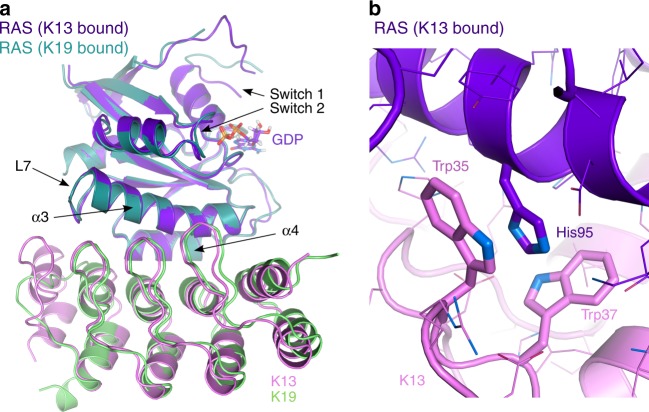
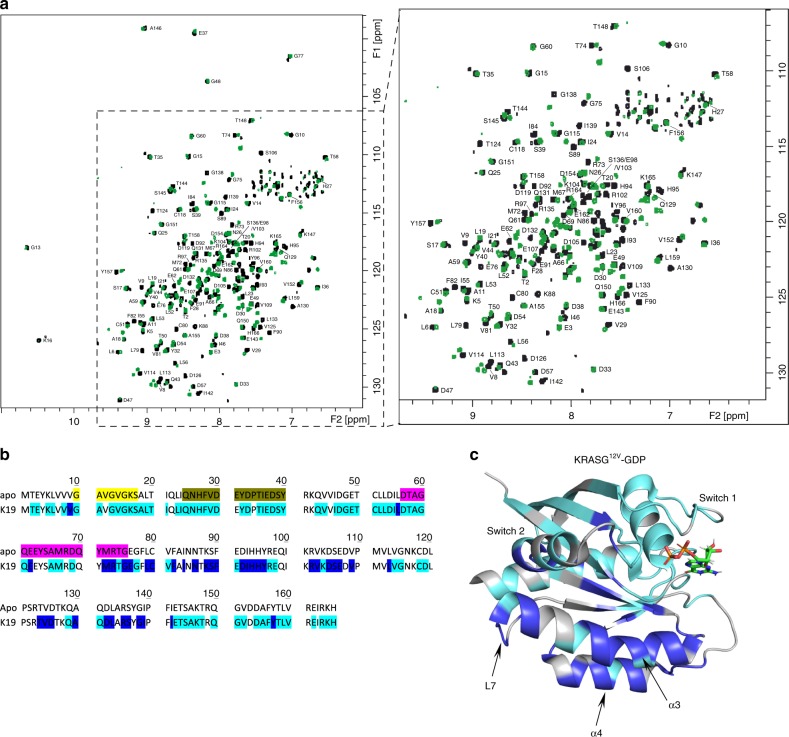
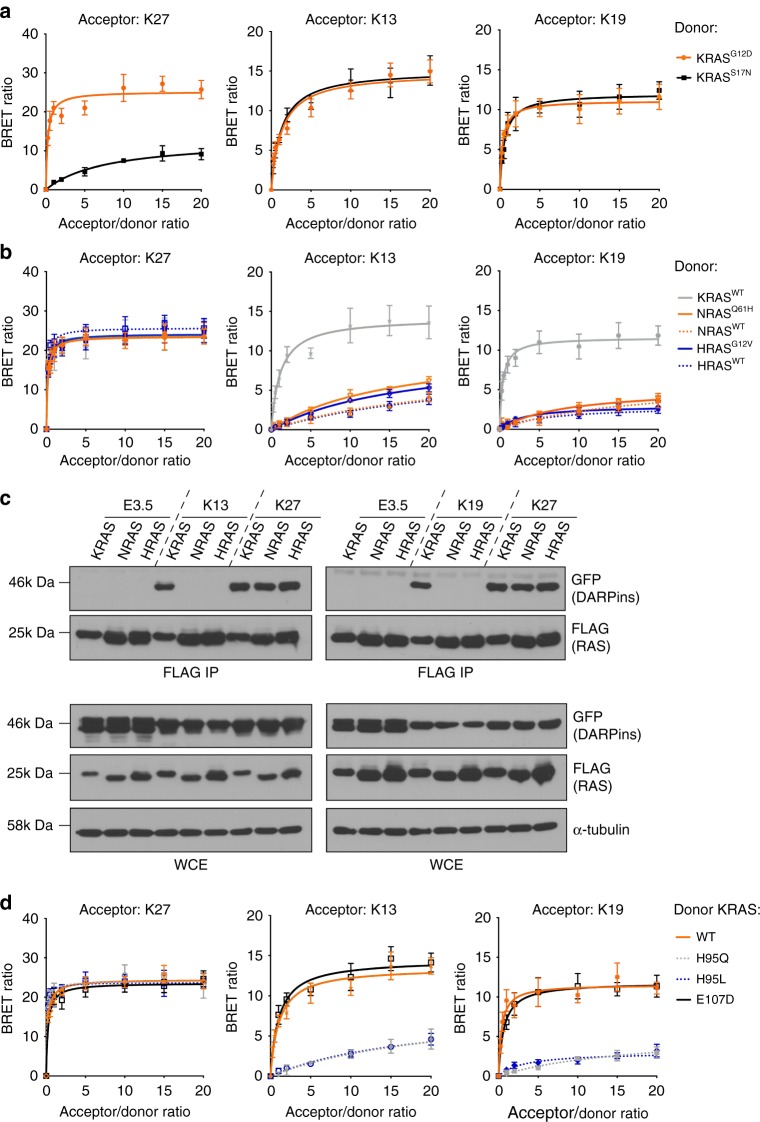
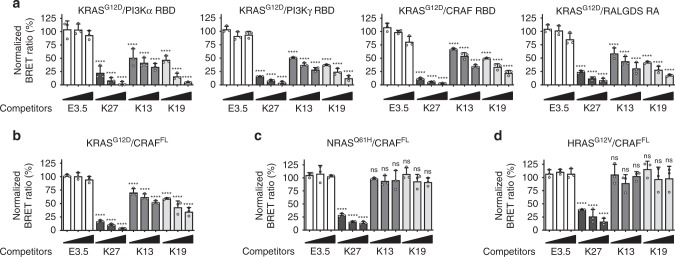
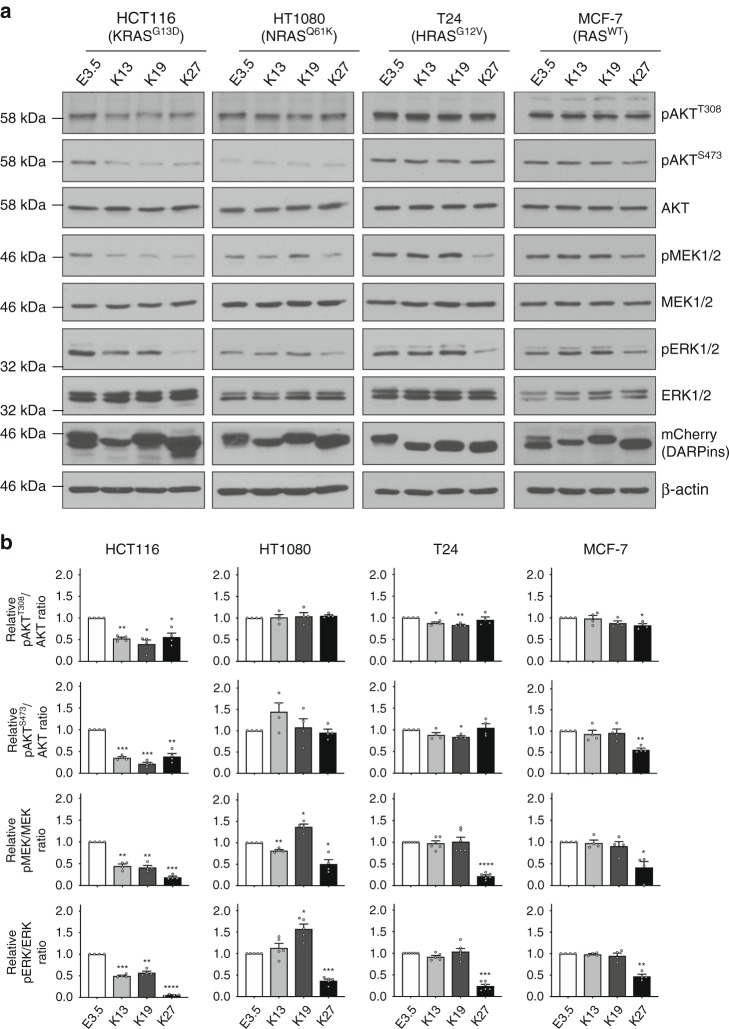
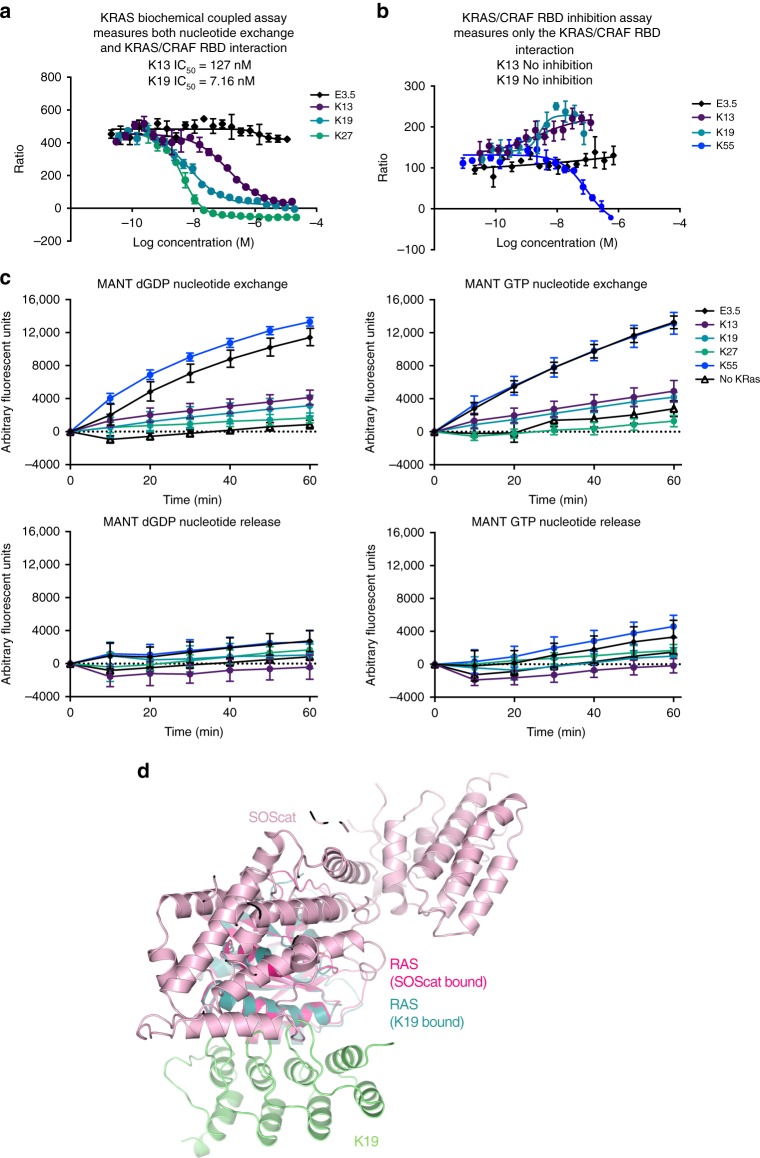
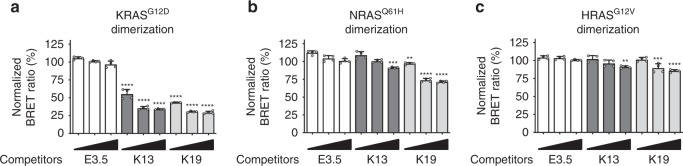
Inhibiting the RAS oncogenic protein has largely been through targeting the switch regions that interact with signalling effector proteins. Here, we report designed ankyrin repeat proteins (DARPins) macromolecules that specifically inhibit the KRAS isoform by binding to an allosteric site encompassing the region around KRAS-specific residue histidine 95 at the helix α3/loop 7/helix α4 interface. We show that these DARPins specifically inhibit KRAS/effector interactions and the dependent downstream signalling pathways in cancer cells. Binding by the DARPins at that region influences KRAS/effector interactions in different ways, including KRAS nucleotide exchange and inhibiting KRAS dimerization at the plasma membrane. These results highlight the importance of targeting the α3/loop 7/α4 interface, a previously untargeted site in RAS, for specifically inhibiting KRAS function.
Overview
The claims and statistics of this paper haven’t been checked yet.
Free: it reads the open-access text and checks the first 5 claims that cite a source we can check. Create a free account to check every claim.
Integrity signals
Registry
Cites
Statistics
Figures
Verification
Claims the paper makes
The claims and statistics of this paper haven’t been checked yet.
Free: it reads the open-access text and checks the first 5 claims that cite a source we can check. Create a free account to check every claim.
Claims other papers make about this one
Each is checked against this paper’s own text: does it say what the citing paper says it does?
The cited source says what the claim attributes to it.
In the citing paper
“These include DARPins [71], cyclic peptides [72], KRAS–RAF protein–protein interaction inhibitors [73], and KRAS–GAP molecular glue-based approaches [74].”
From Precision Targeting of KRAS-Mutant Cancers: Beyond G12C Toward G12D and Pan-RAS Therapeutic Strategies (2026) · cites this paper as [71]
Self-check
Percentages, sums and reported differences re-computed from the paper’s own numbers.
The self-check needs the paper’s full text.
Citations
Cites
Drugging the undruggable RAS: Mission Possible?
Cox, A. D., Fesik, S. W., Kimmelman, A. C., Luo, J., & Der, C. J. (2014) · Nature Reviews Drug Discovery · doi:10.1038/nrd4389 · Cited by 1,997
The emerging mechanisms of isoform-specific PI3K signalling
Vanhaesebroeck, B., Guillermet-Guibert, J., Graupera, M., & Bilanges, B. (2010) · Nature Reviews Molecular Cell Biology · doi:10.1038/nrm2882 · Cited by 1,767
Targeting KRAS mutant cancers with a covalent G12C-specific inhibitor
Janes, M. R., Zhang, J., Li, L.-S., Hansen, R., Peters, U., Guo, X., Chen, Y., Babbar, A., Firdaus, S. J., Darjania, L., et al. (2018) · Cell · doi:10.1016/j.cell.2018.01.006 · Cited by 1,172
RAS isoforms and mutations in cancer at a glance
Hobbs, G. A., Der, C. J., & Rossman, K. L. (2016) · Journal of Cell Science · doi:10.1242/jcs.182873 · Cited by 973
The structural basis of the activation of Ras by Sos
Boriack-Sjodin, P. A., Margarit, S. M., Bar-Sagi, D., & Kuriyan, J. (1998) · Nature · doi:10.1038/28548 · Cited by 799
Stephen, A. G., Esposito, D., Bagni, R. K., & McCormick, F. (2014) · Cancer Cell · doi:10.1016/j.ccr.2014.02.017 · Cited by 795
RAS Interaction with PI3K: More Than Just Another Effector Pathway
Castellano, E., & Downward, J. (2011) · Genes & Cancer · doi:10.1177/1947601911408079 · Cited by 762
Selective inhibition of oncogenic KRAS output with small molecules targeting the inactive state
Patricelli, M. P., Janes, M. R., Li, L.-S., Hansen, R., Peters, U., Kessler, L. V., Chen, Y., Kucharski, J. M., Feng, J., Ely, T., et al. (2016) · Cancer Discovery · doi:10.1158/2159-8290.cd-15-1105 · Cited by 759
Allele-specific inhibitors inactivate mutant KRAS G12C by a trapping mechanism
Lito, P., Solomon, M., Li, L.-S., Hansen, R., & Rosen, N. (2016) · Science · doi:10.1126/science.aad6204 · Cited by 691
Maurer, T., Garrenton, L. S., Oh, A., Pitts, K., Anderson, D. J., Skelton, N. J., Fauber, B. P., Pan, B., Malek, S., Stokoe, D., et al. (2012) · Proceedings of the National Academy of Sciences · doi:10.1073/pnas.1116510109 · Cited by 618
Cited by
The current understanding of KRAS protein structure and dynamics
Pantsar, T. (2020) · Computational and Structural Biotechnology Journal · doi:10.1016/j.csbj.2019.12.004 · Cited by 282
A potent KRAS macromolecule degrader specifically targeting tumours with mutant KRAS
Bery, N., Miller, A., & Rabbitts, T. (2020) · Nature Communications · doi:10.1038/s41467-020-17022-w · Cited by 132
Self-citationTherapeutic targeting of RAS: New hope for drugging the “undruggable”
Khan, I., Rhett, J. M., & O'Bryan, J. P. (2020) · Biochimica et Biophysica Acta (BBA) - Molecular Cell Research · doi:10.1016/j.bbamcr.2019.118570 · Cited by 110
Intracellular Protein Delivery: Approaches, Challenges, and Clinical Applications
Chan, A., & Tsourkas, A. (2024) · BME Frontiers · doi:10.34133/bmef.0035 · Cited by 99
“Notably, DARPinK27 [54] and DARPinK19 [55] are potent pan-RAS and pan-KRAS inhibitors, respectively.”
Targeting small GTPases: emerging grasps on previously untamable targets, pioneered by KRAS
Yin, G., Huang, J., Petela, J., Jiang, H., Zhang, Y., Gong, S., Wu, J., Liu, B., Shi, J., & Gao, Y. (2023) · Signal Transduction and Targeted Therapy · doi:10.1038/s41392-023-01441-4 · Cited by 82
“Other DARPins, K13 and K19, bind to helix α3-loop 7-α4 in the allosteric lobe of KRAS and inhibit downstream signaling through interruption of GEF-mediated activation, dimerization, and possible allosteric perturbations on conformation of switch regions.(308) NS1 monobody, a synthetic binding protein, binds to α4-β6-α…”
BackgroundLim, S., Khoo, R., Juang, Y.-C., Gopal, P., Zhang, H., Yeo, C., Peh, K. M., Teo, J., Ng, S., Henry, B., et al. (2021) · ACS Central Science · doi:10.1021/acscentsci.0c01337 · Cited by 80
Opportunities and challenges of protein-based targeted protein degradation
Shen, F., & Dassama, L. M. K. (2023) · Chemical Science · doi:10.1039/d3sc02361c · Cited by 74
“87 It has been reported that DARPin K19 speci cally inhibits KRAS by binding to an allosteric site that includes the region around KRAS-speci c residue histidine 95 at the helix a 3/loop 7/helix a 4 interface.”
DARPins: Promising Scaffolds for Theranostics
Shilova, O. N., & Deyev, S. M. (2019) · Acta Naturae · doi:10.32607/20758251-2019-11-4-42-53 · Cited by 104
Resistance looms for KRAS G12C inhibitors and rational tackling strategies
Zhang, J., Zhang, J., Liu, Q., Fan, X., Leung, E. L., Yao, X., & Liu, L. (2021) · Pharmacology & Therapeutics · doi:10.1016/j.pharmthera.2021.108050 · Cited by 57
Simanshu, D. K., Philips, M. R., & Hancock, J. F. (2023) · Molecular Cell · doi:10.1016/j.molcel.2023.03.008 · Cited by 55
Folding and Stability of Ankyrin Repeats Control Biological Protein Function
Kumar, A., & Balbach, J. (2021) · Biomolecules · doi:10.3390/biom11060840 · Cited by 59
“DARPins directly impair the KRAS/effector interactions and thus the KRAS nucleotide exchange and KRAS dimerization at the plasma membrane [65].”
BackgroundHasib, A., HENNAYAKE, C. K., Bracy, D. P., Bugler-Lamb, A. R., Lantier, L., Khan, F., Ashford, M. L. J., McCrimmon, R. J., Wasserman, D. H., & Kang, L. (2019) · American Journal of Physiology-Endocrinology and Metabolism · doi:10.1152/ajpendo.00215.2019 · Cited by 50
“AF6127, 1:1,000; R&D Systems, UK) (21); p-Akt(Ser473) (9), p-Akt(Thr308) (9), total Akt (9), p-GSK-3 (Ser9) (43), total GSK-3 (53) (cat. nos.”
Castells-Graells, R., Meador, K., Arbing, M. A., Sawaya, M. R., Gee, M., Cascio, D., Gleave, E., Debreczeni, J. É., Breed, J., Leopold, K., et al. (2023) · Proceedings of the National Academy of Sciences · doi:10.1073/pnas.2305494120 · Cited by 48
“As imaged here by cryo - EM, the KRAS protein matches closely to known structures of KRAS - GDP reported in previous X - ray crystallography studies (30, 31).”
Self-citationLipid Nanoparticle Delivery of Small Proteins for Potent In Vivo RAS Inhibition
Haley, R. M., Chan, A., Billingsley, M. M., Gong, N., Padilla, M. S., Kim, E. H., Wang, H. H., Yin, D., Wangensteen, K. J., Tsourkas, A., et al. (2023) · ACS Applied Materials & Interfaces · doi:10.1021/acsami.3c01501 · Cited by 46
RAS-inhibiting biologics identify and probe druggable pockets including an SII-α3 allosteric site
Haza, K. Z., Martin, H. L., Rao, A., Turner, A. L., Saunders, S. E., Petersen, B., Tiede, C., Tipping, K., Tang, A. A., Ajayi, M., et al. (2021) · Nature Communications · doi:10.1038/s41467-021-24316-0 · Cited by 41
From Concepts to Inhibitors: A Blueprint for Targeting Protein–Protein Interactions
Hong, S. H., Nguyễn, T. T., Ongkingco, J. F., Nazzaro, A., & Arora, P. S. (2025) · Chemical Reviews · doi:10.1021/acs.chemrev.5c00046 · Cited by 46
Exploring switch II pocket conformation of KRAS(G12D) with mutant-selective monobody inhibitors
Akkapeddi, P., Hattori, T., Khan, I. M., Glasser, E., Koide, A., Ketavarapu, G., Whaby, M., Zuberi, M., Teng, K. W., Lefler, J. E., et al. (2023) · Proceedings of the National Academy of Sciences · doi:10.1073/pnas.2302485120 · Cited by 40
Approaches to inhibiting oncogenic K-Ras
Gorfe, A. A., & Cho, K. (2019) · Small GTPases · doi:10.1080/21541248.2019.1655883 · Cited by 38
“Many ligands that directly bind to the allosteric sites of K-Ras and modulate its functions have been reported [58,63,65,69,70], including small-molecules [58,70,71], peptidomimetics [72,73], monobodies [74], and even DARPins [75,76].”
BackgroundRAS Nanoclusters: Dynamic Signaling Platforms Amenable to Therapeutic Intervention
Van, Q. N., Prakash, P., Shrestha, R., Balius, T. E., Turbyville, T. J., & Stephen, A. G. (2021) · Biomolecules · doi:10.3390/biom11030377 · Cited by 38
Direct K-Ras Inhibitors to Treat Cancers: Progress, New Insights, and Approaches to Treat Resistance
Nussinov, R., & Jang, H. (2023) · The Annual Review of Pharmacology and Toxicology · doi:10.1146/annurev-pharmtox-022823-113946 · Cited by 34
Chaperone-assisted structure elucidation with DARPins
Mittl, P. R. E., Erñst, P., & Plückthun, A. (2020) · Current Opinion in Structural Biology · doi:10.1016/j.sbi.2019.12.009 · Cited by 33
Delineating the RAS Conformational Landscape
Parker, M. I., Meyer, J. E., Golemis, E. A., & Dunbrack (2022) · Cancer Research · doi:10.1158/0008-5472.can-22-0804 · Cited by 30
Biology, pathology, and therapeutic targeting of RAS
Rhett, J. M., Khan, I., & O’Bryan, J. P. (2020) · Advances in cancer research · doi:10.1016/bs.acr.2020.05.002 · Cited by 31
“The recent isolation of several tool biologics that target the α4-α5 (Spencer-Smith, et al., 2017) and the α3-α4 dimerization interfaces (Bery et al., 2019) provided additional support for the role of dimerization in RAS function.”
BackgroundPEG Linker Improves Antitumor Efficacy and Safety of Affibody-Based Drug Conjugates
Li, Q., Li, W., Xu, K., Xing, Y., Shi, H., Jing, Z., Li, S., & Hong, Z. (2021) · International Journal of Molecular Sciences · doi:10.3390/ijms22041540 · Cited by 29
Shin, C., Kim, S. S., & Jo, Y. H. (2021) · Molecular Therapy — Oncolytics · doi:10.1016/j.omto.2021.08.005 · Cited by 28
Thermal Shift Assay for Small GTPase Stability Screening: Evaluation and Suitability
Kopra, K., Valtonen, S., Mahran, R., Kapp, J. N., Hassan, N., Gillette, W., Dennis, B., Li, L., Westover, K. D., Plückthun, A., et al. (2022) · International Journal of Molecular Sciences · doi:10.3390/ijms23137095 · Cited by 32
Structure-based inhibitor design of mutant RAS proteins—a paradigm shift
Nyíri, K., Koppány, G., & Vértessy, B. G. (2020) · Cancer and Metastasis Reviews · doi:10.1007/s10555-020-09914-6 · Cited by 27
“Allosteric lobe of KRAS Competitive inhibition of GEF Antibody-like protein 6H46, 6H47 DARPin K13, DARPin K19 Bery-2019 [68]”
BackgroundUnderstand KRAS and the Quest for Anti-Cancer Drugs
Han, C. W., Jeong, M. S., & Jang, S. B. (2021) · Cells · doi:10.3390/cells10040842 · Cited by 29
“, NS1, DARPin K13, and BI-2852) target the α4–α5 dimerization interface for inhibitions between oncogene KRAS and downstream effectors [61,62].”
BackgroundSalmonella-based platform for efficient delivery of functional binding proteins to the cytosol
Chabloz, A., Schaefer, J. V., Kozieradzki, I., Cronin, S. J. F., Strebinger, D., Macaluso, F., Wald, J., Rabbitts, T. H., Plückthun, A., Marlovits, T. C., et al. (2020) · Communications Biology · doi:10.1038/s42003-020-1072-4 · Cited by 27
Self-citationWallon, L., Khan, I., Teng, K. W., Koide, A., Zuberi, M., Li, J., Ketavarapu, G., Traaseth, N. J., O’Bryan, J. P., & Koide, S. (2022) · Proceedings of the National Academy of Sciences · doi:10.1073/pnas.2204481119 · Cited by 26
Monobodies as tool biologics for accelerating target validation and druggable site discovery
Akkapeddi, P., Teng, K. W., & Koide, S. (2021) · RSC Medicinal Chemistry · doi:10.1039/d1md00188d · Cited by 24
Proteome-scale induced proximity screens reveal highly potent protein degraders and stabilizersPreprint
Poirson, J., Dhillon, A., Cho, H., Lam, M. H. Y., Alerasool, N., Lacoste, J., Mizan, L., & Taipale, M. (2022) · bioRxiv (Cold Spring Harbor Laboratory) · doi:10.1101/2022.08.15.503206 · Cited by 24
“…work has uncovered a handful of additional proteins amenable to TPD or TPS either by chemical proof-of-concept molecules or as protein fusions (Bery et al., 2019; Bussiere et al., 2020; Henning et al., 2022b; Kanner et al., 2020; Lim et al., 2020; Spradlin et al., 2019; Ward et al., 2019; Wei…”
BackgroundRAS Nanoclusters Selectively Sort Distinct Lipid Headgroups and Acyl Chains
Zhou, Y., Gorfe, A. A., & Hancock, J. F. (2021) · Frontiers in Molecular Biosciences · doi:10.3389/fmolb.2021.686338 · Cited by 23
“Another important membrane property is curvature, which defines cell morphology and plays key roles in cell migration and intracellular trafficking (Baumgart et al., 2011; Bigay and Antonny, 2012; McMahon and Boucrot, 2015).”
BackgroundGenetically Encoded Epoxide Warhead for Precise and Versatile Covalent Targeting of Proteins
Zhang, J., Wang, X., Huang, Q., Ye, J., & Wang, J. (2024) · Journal of the American Chemical Society · doi:10.1021/jacs.4c03974 · Cited by 20
The Role of Interleukin-37 in the Pathogenesis of Allergic Diseases
Shilovskiy, I. P., Dyneva, M. E., Kurbacheva, O. M., Kudlay, D. A., & Khaitov, M. R. (2019) · Acta Naturae · doi:10.32607/20758251-2019-11-4-54-64 · Cited by 21
Inhibition of RAS: proven and potential vulnerabilities
Zuberi, M., Khan, I., & O’Bryan, J. P. (2020) · Biochemical Society Transactions · doi:10.1042/bst20190023 · Cited by 21
Targeting the “undruggable” RAS with biologics
Whaby, M., Khan, I., & O’Bryan, J. P. (2022) · Advances in cancer research · doi:10.1016/bs.acr.2021.07.006 · Cited by 24
Targeting the ‘Undruggable’ Driver Protein, KRAS, in Epithelial Cancers: Current Perspective
Lam, K. K., Wong, S. H., & Cheah, P. Y. (2023) · Cells · doi:10.3390/cells12040631 · Cited by 19
“[73] engineered the K19 DARPin peptide which specifically bind to KRAS encompassing His-95 but not HRAS and NRAS.”
BackgroundTargeted protein degradation using chimeric human E2 ubiquitin-conjugating enzymes
Taylor, J. D., Barrett, N., Cuesta, S. M., Cassidy, K. B., Pachl, F., Dodgson, J., Patel, R. J., Eriksson, T. M., Riley, A., Burrell, M. R., et al. (2024) · Communications Biology · doi:10.1038/s42003-024-06803-4 · Cited by 20
Self-citationTisi, R., Gaponenko, V., Vanoni, M., & Sacco, E. (2020) · Biomolecules · doi:10.3390/biom10111535 · Cited by 19
Géraud, M., Cristini, A., Salimbeni, S., Béry, N., Jouffret, V., Russo, M. V., Ajello, A. C., Martinez, L. F., Marinello, J., Cordelier, P., et al. (2024) · Cell Reports · doi:10.1016/j.celrep.2024.114214 · Cited by 20
Correlation of O2 transport on the micro and macro scale.
Honig, C. R., & Gayeski, T. E. (1982) · PubMed · Cited by 18
Therapeutic Potential of Intrabodies for Cancer Immunotherapy: Current Status and Future Directions
Böldicke, T. W. (2022) · Antibodies · doi:10.3390/antib11030049 · Cited by 21
“Therefore, using intrabodies that have been selected against intracellular neoantigens, for example against HRASG12V [28–30] KRASG12D, KRASG13D, KRASQ61H, KRASG12V, NRASQ61R [31], H- and K-Ras G12V [32], p21Ras [33] and KRASG12V [34], might be very important for developing advanced phase clinical studies.”
BackgroundMethodInfluentialBéry, N., Bataille, C. J. R., Russell, A. J., Hayes, A., Raynaud, F. I., Milhas, S., Anand, S., Tulmin, H., Miller, A., & Rabbitts, T. H. (2021) · Science Advances · doi:10.1126/sciadv.abg1950 · Cited by 17
“, single-chain Fragment variable (scFv) (12–14) or intracellular domain antibodies (iDAbs) (9, 10, 15)] and other intracellular antibody–like formats (16, 17).”
BackgroundSelf-citationRAS Dimers: The Novice Couple at the RAS-ERK Pathway Ball
Herrero, A., & Crespo, P. (2021) · Genes · doi:10.3390/genes12101556 · Cited by 18
“The interaction between DARPins and KRAS involves the α3 and α4 helices, impedes KRAS dimerization, and has a suppressive effect on mutant KRAS-driven cancer cells [93].”
Whaby, M., Wallon, L., Mazzei, M., Khan, I., Teng, K. W., Koide, S., & O’Bryan, J. P. (2022) · Journal of Biological Chemistry · doi:10.1016/j.jbc.2022.102661 · Cited by 19
“Additionally, the K13 and K19 DARPins inhibit KRAS via binding of the α3-α4 allosteric lobe and disrupting RAS dimer/nanoclusters (17).”
BackgroundInfluentialTargeting the KRAS α4-α5 allosteric interface inhibits pancreatic cancer tumorigenesis
Khan, I., MarElia, C. B., Lefler, J. E., Zuberi, M., Denbaum, E., Koide, A., Connor, D. M., Broome, A., Pécot, T., Timmers, C. D., et al. (2021) · Small GTPases · doi:10.1080/21541248.2021.1906621 · Cited by 15
Cytosolic Delivery of Small Protein Scaffolds Enables Efficient Inhibition of Ras and Myc
Chan, A., Wang, H. H., Haley, R. M., Song, C., Gonzalez-Martinez, D., Bugaj, L. J., Mitchell, M. J., & Tsourkas, A. (2022) · Molecular Pharmaceutics · doi:10.1021/acs.molpharmaceut.1c00798 · Cited by 15
Kumar, M., Joshi, G., Chatterjee, J., & Kumar, R. (2020) · Current Topics in Medicinal Chemistry · doi:10.2174/1568026620666200207100227 · Cited by 15
NMR in integrated biophysical drug discovery for RAS: past, present, and future
Marshall, C. B., KleinJan, F., Gebregiworgis, T., Lee, K., Fang, Z., Eves, B. J., Liu, N. F., Gasmi-Seabrook, G. M. C., Enomoto, M., & Ikura, M. (2020) · Journal of Biomolecular NMR · doi:10.1007/s10858-020-00338-6 · Cited by 16
“2003; Guillard 2017; Bery 2019).”
Intracellular Antibodies for Drug Discovery and as Drugs of the Future
Rabbitts, T. H. (2023) · Antibodies · doi:10.3390/antib12010024 · Cited by 17
“Similarly, RAS isoforms have been distinguished by a DARPin that selectively binds to the allosteric lobe of KRAS compared to an iDAb that binds the effector domains of H, K and NRAS [28].”
BackgroundSelf-citationIsmail, M., Martin, S. R., George, R., Houghton, F., Kelly, G. P., Chaleil, R. A. G., Anastasiou, P., Wang, X., O’Reilly, N., Federico, S., et al. (2023) · Scientific Reports · doi:10.1038/s41598-023-28756-0 · Cited by 15
Targeting Ras with protein engineering
Tomazini, A., & Shifman, J. M. (2023) · Oncotarget · doi:10.18632/oncotarget.28469 · Cited by 16
Antibody-Based Approaches to Target Pancreatic Tumours
Sorbara, M., Cordelier, P., & Béry, N. (2022) · Antibodies · doi:10.3390/antib11030047 · Cited by 17
Therapeutic peptides targeting the Ras superfamily
Hurd, C. A., Mott, H. R., & Owen, D. (2020) · Peptide Science · doi:10.1002/pep2.24165 · Cited by 11
Ras Multimers on the Membrane: Many Ways for a Heart-to-Heart Conversation
Özdemir, E. S., Koester, A. M., & Nan, X. (2022) · Genes · doi:10.3390/genes13020219 · Cited by 11
“In addition, small peptides such as the NS1 monobody [98], designed ankyrin repeat proteins (DARPins) [99], or a natural inhibitor of Ras named DIRAS family GTPase 3 (DiRAS3) (or ARHI) [100] that bind Ras at a putative dimer interface and presumably block Ras dimerization also inhibit Raf-MAPK and in some cases PI3K-A…”
BackgroundLee, K. (2024) · International Journal of Molecular Sciences · doi:10.3390/ijms25052530 · Cited by 10
Cayron, C., & Guillermet‐Guibert, J. (2020) · Clinics and Research in Hepatology and Gastroenterology · doi:10.1016/j.clinre.2020.05.021 · Cited by 8
Blocking C-terminal processing of KRAS4b via a direct covalent attack on the CaaX-box cysteine
Maciag, A. E., Yang, Y., Sharma, A. K., Turner, D. M., DeHart, C. J., Abdelkarim, H., Fan, L., Smith, B. P., Kumari, V., Dyba, M. D., et al. (2025) · Proceedings of the National Academy of Sciences · doi:10.1073/pnas.2410766122 · Cited by 8
“It has been shown that the engineered RAS binding effectors K13 and K19 Darpins bind to the α 3 - loop7 - α 4 region of KRAS and inhibit protein function ( 29 ) by not only preventing RAS dimerization and clustering, but also by impacting nucleotide exchange ( 29 , 30 ).”
Jung, Y. H., Choi, Y., Seo, H., Seo, M., & Kim, H. (2023) · Biochemical and Biophysical Research Communications · doi:10.1016/j.bbrc.2023.01.019 · Cited by 7
Gómez‐Gutierrez, P., Rubio, J., & Pérez, J. J. (2023) · Journal of Chemical Information and Modeling · doi:10.1021/acs.jcim.3c01212 · Cited by 7
Experimental variables determine the outcome of RAS-RAS interactions
Zhou, Z., Nguyen, T.-L., Li, X.-X., Poujol, C., Berlinska, E., Michelina, S. V., Kapp, J. N., Plückthun, A., Winslow, M. M., Ambrogio, C., et al. (2024) · Journal of Biological Chemistry · doi:10.1016/j.jbc.2024.107859 · Cited by 7
Discovery of SOCS7 as a versatile E3 ligase for protein-based degraders
Cornebois, A., Sorbara, M., Cristol, M., Vigne, E., Cordelier, P., Even-Desrumeaux, K., & Béry, N. (2024) · iScience · doi:10.1016/j.isci.2024.109802 · Cited by 10
Umbaugh, C. S., Groth, M., Erkut, C., Lee, K.-S., Marinho, J., Linder, S., Iser, F., Kapp, J. N., Schroeter, P., Dolaner, S., et al. (2025) · Science Advances · doi:10.1126/sciadv.adu2796 · Cited by 6
Non-Immunoglobulin Synthetic Binding Proteins for Oncology
David, T. I., Pestov, N. B., Korneenko, T. V., & Barlev, N. A. (2023) · Biochemistry (Moscow) · doi:10.1134/s0006297923090043 · Cited by 7
“Certain DARPins, which specifically inhibit the KRAS isoform by binding to the allosteric site spanning the region around the KRAS-specific histidine residue 95, specifically inhibit the KRAS/effector interaction, and signaling pathways dependent on it in the cancer cells [117].”
BackgroundbioPROTACs establish RAS as a degradable target and provide novel RAS biology insightsPreprint
Lim, S., Khoo, R., Juang, Y.-C. A., Gopal, P., Zhang, H., Yeo, C., Peh, K. M., Teo, J., Ng, S., Henry, B., et al. (2020) · bioRxiv (Cold Spring Harbor Laboratory) · doi:10.1101/2020.06.26.174565 · Cited by 6
Béry, N., & Rabbitts, T. H. (2022) · BIO-PROTOCOL · doi:10.21769/bioprotoc.4324 · Cited by 5
Self-citationRAS–membrane interaction and oligomerization: there is more than meets the eye
Sianoya, A. C., Bhardwaj, V. K., & Gorfe, A. A. (2025) · Biochemical Society Transactions · doi:10.1042/bst20253030 · Cited by 5
“Along this line, a small protein (NS1) that binds at the α4-α5 interface and designed ankyrin repeat proteins that target the α3-α4 interface inhibit oncogenic RAS signaling, presumably by disrupting oligomer formation [81,113].”
Engineered protein circuits for cancer therapyPreprint
Lu, A. C., Moeller, L., Moore, S., Ho, K., Tobin, V., Qiang, A., Zhang, E., Li, Z., Wang, M., Xia, S., et al. (2025) · bioRxiv (Cold Spring Harbor Laboratory) · doi:10.1101/2025.04.16.647665 · Cited by 8
Biochemical and biophysical characterization of the RAS family small GTPase protein DiRAS3
SAITOH, T., Kim, H.-N., Narita, R., Ohtsuka, I., Mo, W., Lee, K., Enomoto, M., Gasmi-Seabrook, G. M. C., Marshall, C. B., & Ikura, M. (2023) · Protein Expression and Purification · doi:10.1016/j.pep.2023.106361 · Cited by 3
Sorbara, M., & Béry, N. (2021) · Biochemical Society Transactions · doi:10.1042/bst20201059 · Cited by 2
Emerging biologic modalities for targeted protein degradation
Caldwell, A. G., Parmar, H., & Zhang, X. (2026) · Journal of Biological Chemistry · doi:10.1016/j.jbc.2026.111248 · Cited by 3
“Although these DARPins could bind wild-type KRAS, they did not inhibit its function (52).”
Using genetics to inform the pharmacological targeting of neuroendocrine neoplasms
Clift, A. K., & Frilling, A. (2020) · Endocrine Related Cancer · doi:10.1530/erc-20-0074 · Cited by 3
Keller, L., Tardy, C., Ligat, L., Pennec, S. L., Béry, N., Koraïchi, F., Chinestra, P., David, M., Gence, R., Favre, G., et al. (2022) · Frontiers in Immunology · doi:10.3389/fimmu.2022.980539 · Cited by 5
“Intracellular functionality of domain antibodies or alternative scaffolds have been assessed by numerous approaches, such as fluorescent twohybrid (52) or BRET (30, 53) assays which allow, due to their reversibility, a dynamic quantification of the protein-protein interaction.”
Béry, N., Favre, G., & Olichon, A. (2020) · STAR Protocols · doi:10.1016/j.xpro.2020.100249 · Cited by 3
Photoswitchable binders enable temporal dissection of endogenous protein functionPreprint
Westberg, M., Song, D., Duong, V. T., Fernández, D., Huang, P., & Lin, M. Z. (2023) · bioRxiv (Cold Spring Harbor Laboratory) · doi:10.1101/2023.09.14.557687 · Cited by 2
Alshahrani, M., Parikh, V., Foley, B., & Verkhivker, G. M. (2025) · Biomolecules · doi:10.3390/biom15060819 · Cited by 2
“Likewise, the critical role of H95 in allosteric modulation, as predicted computationally, has been experimentally validated for both K13 and K19 [33].”
InfluentialKapp, J. N., Verdurmen, W. P. R., Schaefer, J. V., Kopra, K., Nagy‐Davidescu, G., Richard, É., Nokin, M., Erñst, P., Tamaskovic, R., Schwill, M., et al. (2025) · Molecular Oncology · doi:10.1002/1878-0261.70061 · Cited by 3
“Additionally, a KRAS-specific, nucleotide-state agnostic DARPin was reported to recognize the allosteric lobe [31].”
Brønsted-basic small molecules activate GTP hydrolysis in KRAS-Q61 mutants
Wang, Y., Chen, S., Cao, Y., Wu, Y., 施仲达, Wang, C. D., Norinskiy, M. A., Celik, H., & Zhang, Z. (2026) · Nature Chemical Biology · doi:10.1038/s41589-026-02291-1 · Cited by 2
The evolution of RAS structural biology
Simanshu, D. K., & Knox, J. E. (2024) · Elsevier eBooks · doi:10.1016/b978-0-443-21861-3.00012-7 · Cited by 1
Briseño-Díaz, P., Vélez-Uriza, D. E., Cruz-Nova, P., Bello, M., Correa‐Basurto, J., Hernández‐Rivas, R., Bonilla, M. D. R. T., & Vargas, M. A. (2021) · IntechOpen eBooks · doi:10.5772/intechopen.93402 · Cited by 3
Data from Delineating the RAS Conformational Landscape
Parker, M. I., Meyer, J. E., Golemis, E. A., & Dunbrack (2023) · doi:10.1158/0008-5472.c.6513960.v1 · Cited by 1
Alshahrani, M., Parikh, V., Foley, B., & Verkhivker, G. M. (2025) · bioRxiv (Cold Spring Harbor Laboratory) · doi:10.1101/2025.05.19.654934 · Cited by 1
Brønsted-basic small molecules activate GTP hydrolysis in Ras Q61 mutantsPreprint
Wang, Y., Chen, S., Wu, Y., Cao, Y., Shi, Z., Norinskiy, M. A., Wang, C. D., Celik, H., & Zhang, Z. (2025) · bioRxiv (Cold Spring Harbor Laboratory) · doi:10.1101/2025.11.04.686643 · Cited by 1
Kano, Y. (2026) · International Journal of Molecular Sciences · doi:10.3390/ijms27135796
“These include DARPins [71], cyclic peptides [72], KRAS–RAF protein–protein interaction inhibitors [73], and KRAS–GAP molecular glue-based approaches [74].”
The structural basis of allosteric communication networks of Ras GTPases and their oncogenic mutants
Volmar, A. Y. (2020) · Digital Repository Service (Northeastern University) · doi:10.17760/d20398260
Data from Delineating the RAS Conformational Landscape
Parker, M. I., Meyer, J. E., Golemis, E. A., & Dunbrack (2023) · doi:10.1158/0008-5472.c.6513960
Non-immunoglobulin synthetic binding proteins for oncology
David, T. I., Pestov, N. B., Korneenko, T. V., & Barlev, N. A. (2023) · Biochemistry (Moscow) · doi:10.31857/s032097252309004x
Protocol to identify E3 ligases amenable to biodegraders using a cell-based screening
Sorbara, M., Cristol, M., Cornebois, A., Even-Desrumeaux, K., Cordelier, P., & Béry, N. (2024) · STAR Protocols · doi:10.1016/j.xpro.2024.103413 · Cited by 2
Vorobev, K. P., Stepovaya, E. A., Nosareva, O. L., Спирина, Л. В., & Nagaitsev, V. М. (2025) · Kazan medical journal · doi:10.17816/kmj685457
Rajitha Rajeshwar, T., Lagergren, J. H., Smith, J. C., & Demerdash, O. (2025) · Biophysical Journal · doi:10.1016/j.bpj.2025.12.011
Ma, X., Vaillant, F., Deepagan, V. G., Schoffer, K. L., Rezazadeh‐Shojaee, F., Pang, J., Baldwin, C. A., Murphy, J. M., Silke, J., Tanzer, M. C., et al. (2026) · Cell chemical biology · doi:10.1016/j.chembiol.2026.03.005
Sala, J. I. P. (2026) · Research Connections · doi:10.1093/rescon/vmag036
The NanoBridge system for targeted post-translational modification of challenging proteinsPreprint
Shen, F., Merino-Chavez, O. D., Dai, S., Alfonso, S. A., & Dassama, L. M. K. (2026) · bioRxiv (Cold Spring Harbor Laboratory) · doi:10.64898/2026.06.08.730974
Deshmukh, A., Desai, S. A., Patel, V. P., Pund, H., & Kawade, M. (2026) · International Immunopharmacology · doi:10.1016/j.intimp.2026.117082
Intracellular protein binders for imaging, control and future therapeutics
Barykina, N. V., & Verkhusha, V. V. (2026) · Nature Biomedical Engineering · doi:10.1038/s41551-026-01768-7
Multimodal allostery in a single-domain proteinPreprint
Ma, Y., Jin, Q., Lehner, B., & Weng, C. (2026) · bioRxiv (Cold Spring Harbor Laboratory) · doi:10.64898/2026.09.14.750605
Szalai, T. V., Bajusz, D., Orgován, Z., Ábrányi‐Balogh, P., Gadanecz, M., Imre, T., Grant, E. K., Bush, J. T., Kolossváry, I., & Keserű, G. M. (2026) · bioRxiv (Cold Spring Harbor Laboratory) · doi:10.64898/2026.10.07.757394
Metadata
- Authors
- Bery, N., Legg, S., Debreczeni, J., Breed, J., Embrey, K., Stubbs, C., Kolasinska-Zwierz, P., Barrett, N., Marwood, R., Watson, J., Tart, J., Overman, R., Miller, A., Phillips, C., Minter, R., & Rabbitts, T. H.
- Affiliations
- AstraZeneca (United Kingdom) (GB)
- John Radcliffe Hospital (GB)
- Corresponding author
- Rabbitts, Terence H.
- ORCID
- Venue
- Nature Communications
- Published
- 2019-06-13
- Volume
- 10
- Issue
- 1
- Pages
- 2607-2607
- ISSN
- 2041-1723 (ISSN-L)
- PMC
- PMC6565726
- OpenAlex
- W2950908936
- Semantic Scholar
- 8a85ec6fe06ef91f864183fa7c9abfaa40f7a94a
- Cited by
- 97
- References
- 38
- Citations by year
- 2026: 9 · 2025: 11 · 2024: 8 · 2023: 20 · 2022: 12 · 2021: 13 · 2020: 17 · 2019: 6
- FWCI
- 3.97
- Type
- journal article
- Language
- en
- Open access
- gold
- doi.org
- Licence
- cc-by
- creativecommons.org/licenses/by/4.0 (tdm)
- creativecommons.org/licenses/by/4.0 (vor)
- Locations
- Nature Communications (publishedVersion, cc-by)
- Europe PMC (PubMed Central) (publishedVersion, cc-by)
- PubMed Central (publishedVersion, cc-by)
- PubMed (publishedVersion)
- HAL (submittedVersion, cc-by)
- HAL (submittedVersion)
- RePEc: Research Papers in Economics (submittedVersion)
- DOAJ (DOAJ: Directory of Open Access Journals) (submittedVersion)
- DOAJ (DOAJ: Directory of Open Access Journals) (submittedVersion, cc-by-sa)
- Funders
- Wellcome Trust (099246/Z/12/Z)
- RCUK | Medical Research Council (MR/J000612/1)
- Topics
- Life Sciences › Biochemistry, Genetics and Molecular Biology › Molecular Biology › Protein Kinase Regulation and GTPase Signaling
- Life Sciences › Biochemistry, Genetics and Molecular Biology › Molecular Biology › Protein Tyrosine Phosphatases
- Life Sciences › Biochemistry, Genetics and Molecular Biology › Molecular Biology › Melanoma and MAPK Pathways
- Keywords
- KRAS inhibition, DARPin, allosteric site, oncogenic Ras
- MeSH terms
- Allosteric Site, Antineoplastic Agents, Cell Membrane, Drug Screening Assays, Antitumor, Histidine, Humans, Isoenzymes, Neoplasms, Protein Binding, Drug Design, Signal Transduction, Proto-Oncogene Proteins p21(ras), Ankyrin Repeat, Peptide Library, Cell Line, Tumor, Protein Multimerization, HEK293 Cells
About these checks
Registry, retraction, Cites and statistics results are computed, not judged, with one exception: a printed reference that no index lists is read once by a model before it counts as a citation error. Claims are extracted by a model and kept only when their quote appears verbatim in the text; each cited source is then checked, with a model’s help, for whether it says what the claim relies on. Those verdicts can be wrong — read the claim’s quote and the cited source before relying on one.
Statistics and arithmetic are recomputed, not judged.
Confidence bands are shown only for fields calibrated on our annotated test set. None is calibrated yet, so no band is shown.
What counts as a claim ›How we measure confidence ›How we check this ›
Are you an author, or do you see a problem with this page? Request a review
Data sources
Bibliographic data: Semantic Scholar, OpenAlex, Crossref.
Contains information from the Semantic Scholar Academic Graph Datasets, made available under the ODC Attribution License (ODC-BY 1.0).
Semantic Scholar’s data is described in: Kinney, R., et al. (2023). The Semantic Scholar Open Data Platform. arXiv:2301.10140.
