

The DOI matches its Crossref record; 94 of the 96 references it cites were found in a registry or an index.
Transcriptomic profiling of skeletal muscle adaptations to exercise and inactivity
Open accessPublished version of a preprint
Abstract
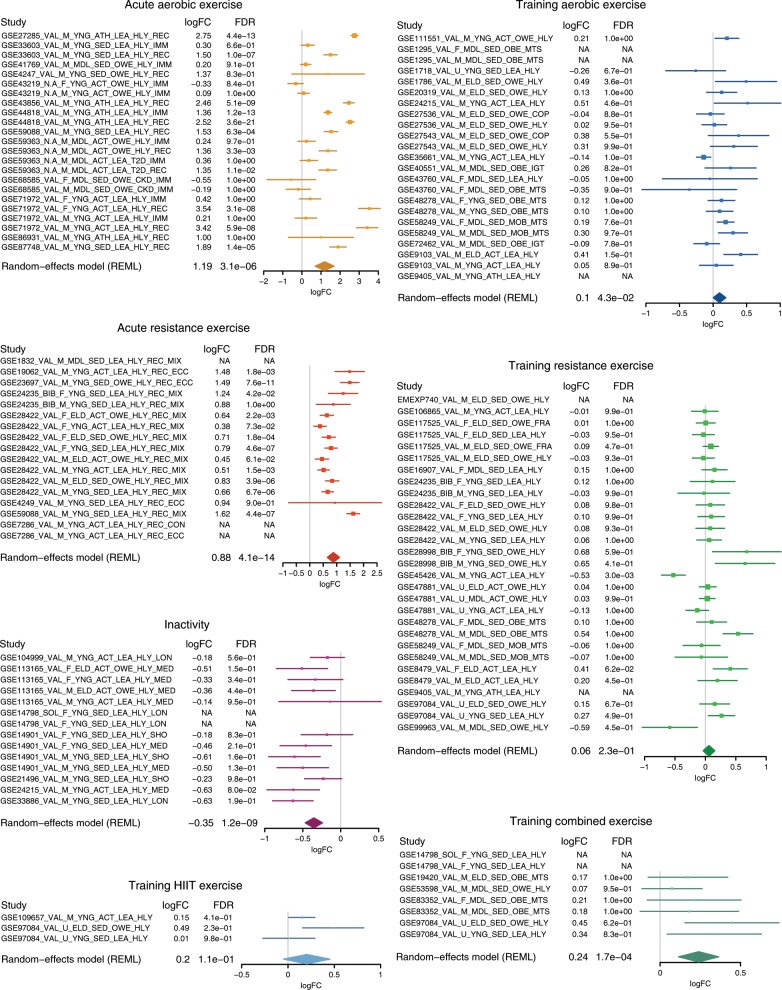
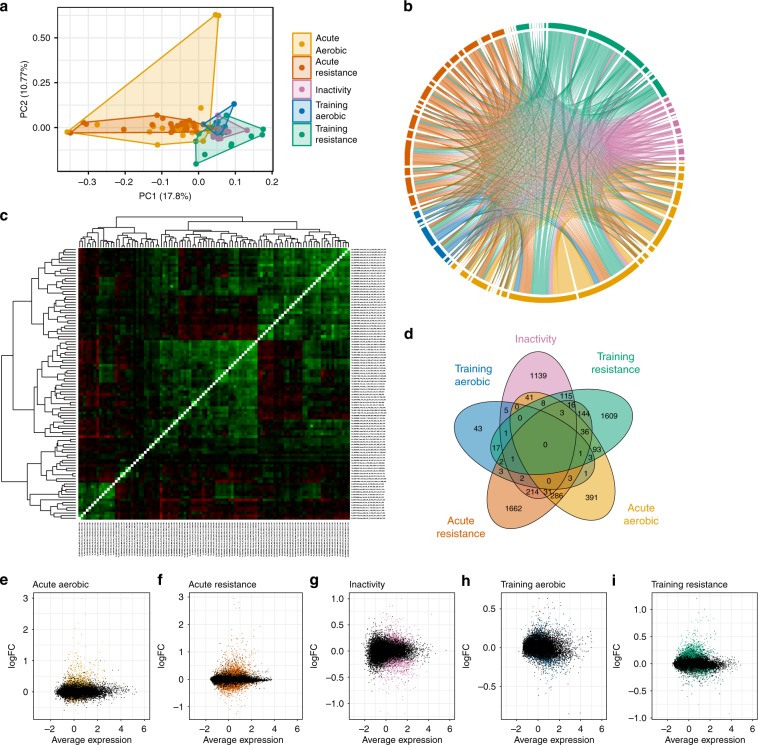
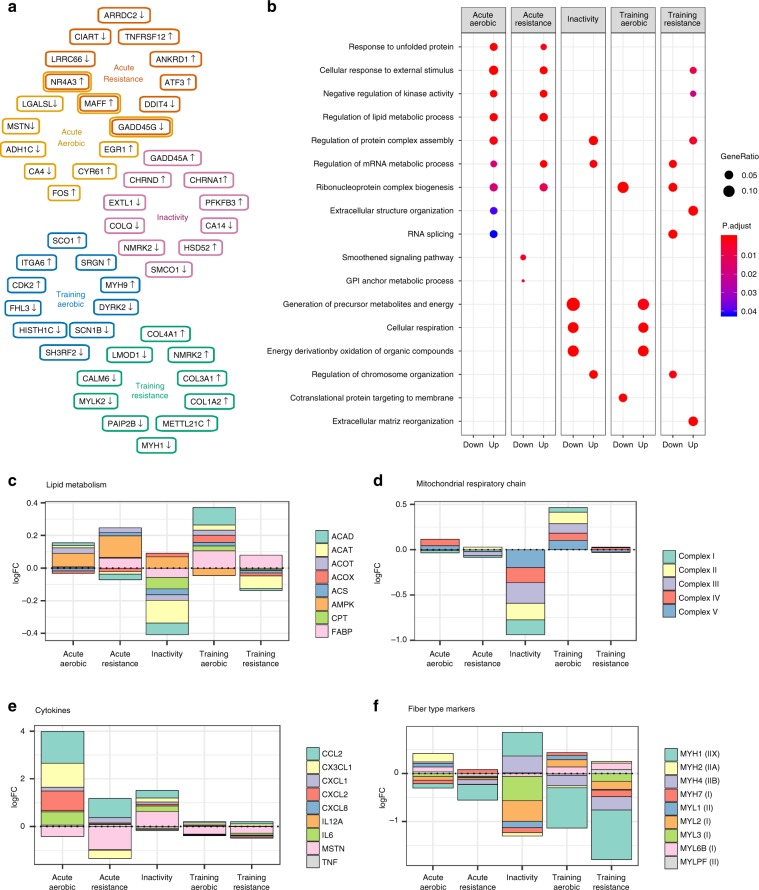
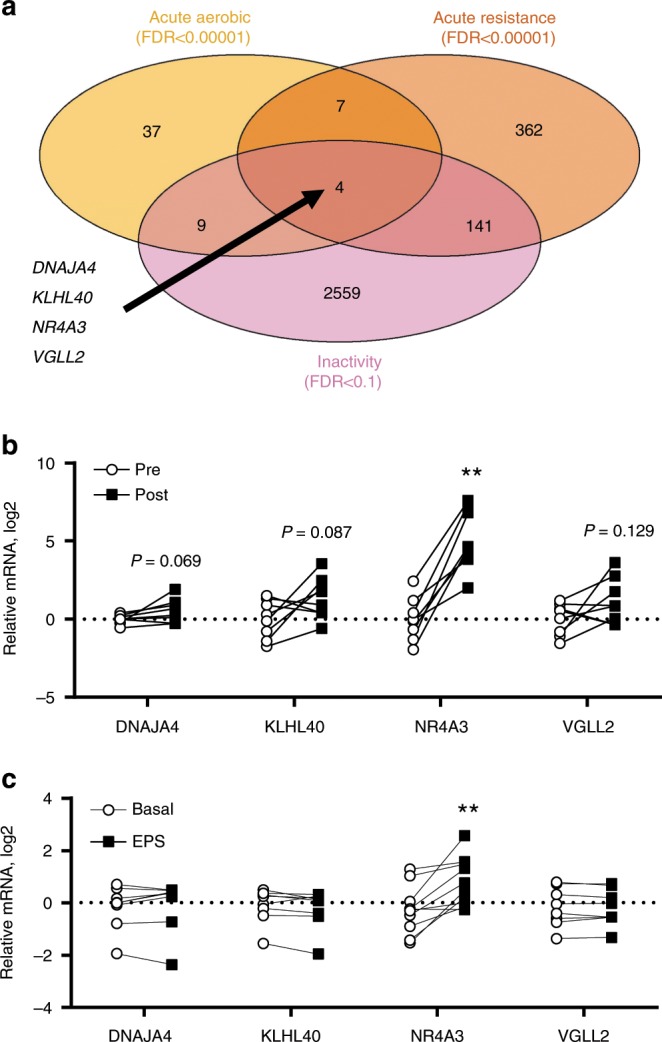
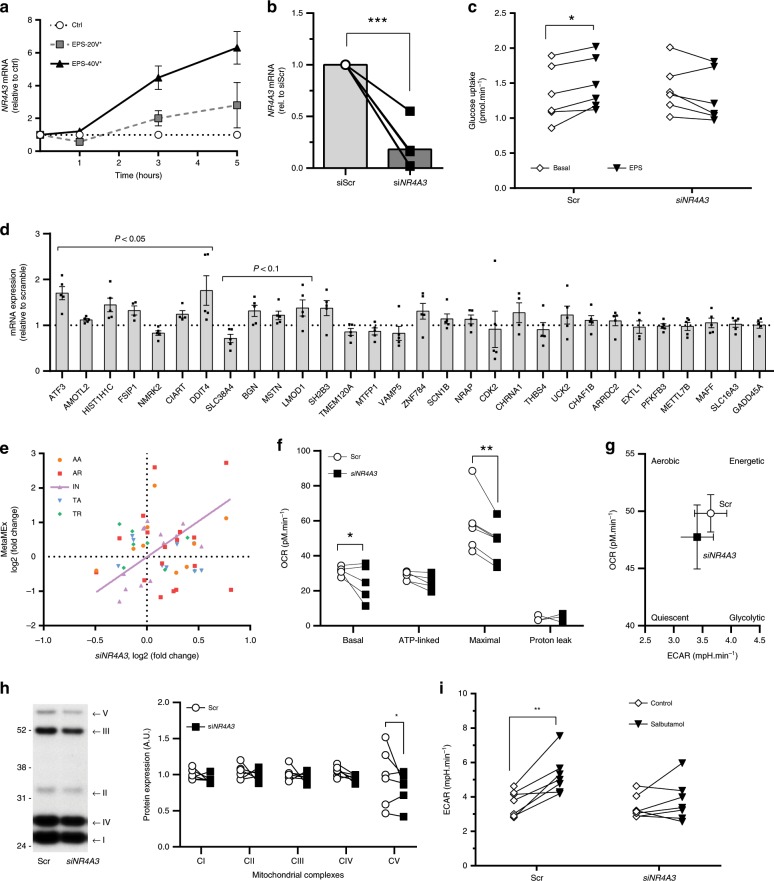
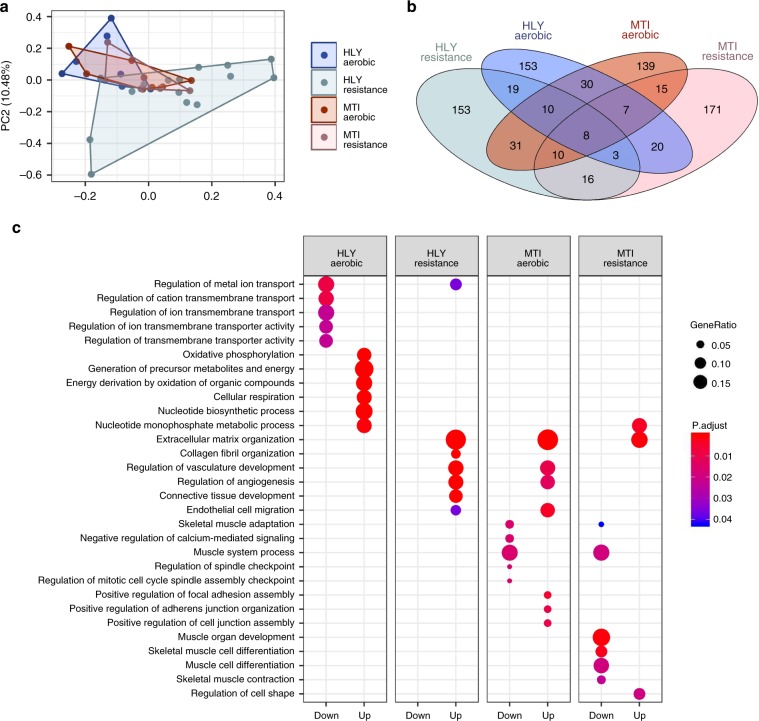
The molecular mechanisms underlying the response to exercise and inactivity are not fully understood. We propose an innovative approach to profile the skeletal muscle transcriptome to exercise and inactivity using 66 published datasets. Data collected from human studies of aerobic and resistance exercise, including acute and chronic exercise training, were integrated using meta-analysis methods ( www.metamex.eu ). Here we use gene ontology and pathway analyses to reveal selective pathways activated by inactivity, aerobic versus resistance and acute versus chronic exercise training. We identify NR4A3 as one of the most exercise- and inactivity-responsive genes, and establish a role for this nuclear receptor in mediating the metabolic responses to exercise-like stimuli in vitro. The meta-analysis (MetaMEx) also highlights the differential response to exercise in individuals with metabolic impairments. MetaMEx provides the most extensive dataset of skeletal muscle transcriptional responses to different modes of exercise and an online interface to readily interrogate the database.
Overview
The claims and statistics of this paper haven’t been checked yet.
Run the check — free, no account needed. It reads the open-access text and checks the sources it cites.
Integrity signals
Registry
Cites
Statistics
Figures
Verification
Claims the paper makes
The claims and statistics of this paper haven’t been checked yet.
Run the check — free, no account needed. It reads the open-access text and checks the sources it cites.
Claims other papers make about this one
Each is checked against this paper’s own text: does it say what the citing paper says it does?
The cited source says what the claim attributes to it.
In the citing paper
“After resistance exercise, myostatin expression significantly decreases in human skeletal muscle (meta-analysis of human biopsy studies, [191]).”
From Effects of Skeletal Muscle Hypertrophy on Fat Mass and Glucose Homeostasis in Humans and Animals: A Narrative Review with Systematic Literature Search (2025) · cites this paper as [191]
Self-check
Percentages, sums and reported differences re-computed from the paper’s own numbers.
The self-check needs the paper’s full text.
Citations
Cites
Moderated estimation of fold change and dispersion for RNA-seq data with DESeq2
Love, M. I., Huber, W., & Anders, S. (2014) · Genome Biology · doi:10.1186/s13059-014-0550-8 · Cited by 95,106
limma powers differential expression analyses for RNA-sequencing and microarray studies
Ritchie, M. E., Phipson, B., Wu, D., Hu, Y., Law, C. W., Shi, W., & Smyth, G. K. (2015) · Nucleic Acids Research · doi:10.1093/nar/gkv007 · Cited by 40,458
clusterProfiler: an R Package for Comparing Biological Themes Among Gene Clusters
Yu, G., Wang, L.-G., Han, Y., & He, Q.-Y. (2012) · OMICS: A Journal of Integrative Biology · doi:10.1089/omi.2011.0118 · Cited by 36,259
Conducting Meta-Analyses in R with the metafor Package
Viechtbauer, W. (2010) · Journal of Statistical Software · doi:10.18637/jss.v036.i03 · Cited by 20,464
Lack of Exercise Is a Major Cause of Chronic Diseases
Booth, F. W., Roberts, C. K., & Laye, M. J. (2012) · Comprehensive Physiology · doi:10.1002/cphy.c110025 · Cited by 2,575
Exercise Metabolism and the Molecular Regulation of Skeletal Muscle Adaptation
Egan, B., & Zierath, J. R. (2013) · Cell Metabolism · doi:10.1016/j.cmet.2012.12.012 · Cited by 2,084
Self-citationBoulé, N. G., Haddad, E., Kenny, G. P., Wells, G. A., & Sigal, R. J. (2001) · JAMA · doi:10.1001/jama.286.10.1218 · Cited by 1,889
Wilmot, E. G., Edwardson, C. L., Achana, F. A., Davies, M. J., Gorely, T., Gray, L. J., Khunti, K., Yates, T., & Biddle, S. J. H. (2012) · Diabetologia · doi:10.1007/s00125-012-2677-z · Cited by 1,789
A framework for oligonucleotide microarray preprocessing
Carvalho, B. S., & Irizarry, R. A. (2010) · Bioinformatics · doi:10.1093/bioinformatics/btq431 · Cited by 1,554
AMPK: Sensing Glucose as well as Cellular Energy Status
Lin, S., & Hardie, D. G. (2017) · Cell Metabolism · doi:10.1016/j.cmet.2017.10.009 · Cited by 1,198
Cited by
Sorted by citations
Items 301–400 of 458
Boulinguiez, A., Dhiab, J., Crisol, B., Muraine, L., Gaut, L., Rouxel, C., Flaire, J., Mouigni, H., Lemaître, M., Giroux, B., et al. (2024) · Journal of Cachexia Sarcopenia and Muscle · doi:10.1002/jcsm.13546 · Cited by 2
Martin, R. A., Zhang, X., Viggars, M. R., Sanford, J. A., Taylor, Z. W., Hansen, J., Clair, G., Douglas, C. M., Hesketh, S. J., Adkins, J., et al. (2025) · American Journal of Physiology-Cell Physiology · doi:10.1152/ajpcell.00575.2024 · Cited by 3
Relationship Between METTL21C Gene Expression and Exercise in Human Skeletal Muscle: A Meta-Analysis
Baek, K., Kim, J., & Yoo, J. (2021) · Exercise Science · doi:10.15857/ksep.2021.30.1.102 · Cited by 3
MuscleAtlasExplorer: a web service for studying gene expression in human skeletal muscle
Asplund, O., Rung, J., Groop, L., Prasad, R. B., & Hansson, O. (2020) · Database · doi:10.1093/database/baaa111 · Cited by 3
Smith, L., Anderson, C. V., Withanage, M. H. H., Koch, A. D., Roberts, T. J., & Liebl, A. L. (2022) · Journal of Comparative Physiology B · doi:10.1007/s00360-022-01441-w · Cited by 3
Potential Implications of Exercise Training on Pannexin Expression and Function
Wakefield, B., & Peñuela, S. (2022) · Journal of Vascular Research · doi:10.1159/000527240 · Cited by 4
Myotube hypertrophy is associated with cancer-like metabolic reprogramming and limited by PHGDHPreprint
Stadhouders, L. E. M., Verbrugge, S. A. J., Smith, J. A. B., Gabriel, B. M., Hammersen, T. D., Kolijn, D., Vogel, I. S. P., Mohamed, A. D., de Wit, G. M. J., Offringa, C., et al. (2020) · bioRxiv (Cold Spring Harbor Laboratory) · doi:10.1101/2020.12.01.403949 · Cited by 3
Self-citationTaylor, D. F., Reisman, E. G., GARNHAM, A. P., Barrès, R., Hoffman, N. J., Hawley, J. A., Caruana, N. J., & Bishop, D. J. (2025) · bioRxiv (Cold Spring Harbor Laboratory) · doi:10.1101/2025.08.17.667354 · Cited by 4
Self-citationder Stede, T. V., Moreno‐Justicia, R., de Casteele, F. V., Lievens, E., de Loock, A. V., Vandecauter, J., Merseburger, P., den Eynden, J. V., Haver, D. V., Staes, A., et al. (2025) · bioRxiv (Cold Spring Harbor Laboratory) · doi:10.1101/2025.09.17.676778 · Cited by 3
Systems modeling of mitochondrial dynamics in different exercise regimesPreprint
Khalilimeybodi, A., Qiao, L., Leung, A., McCulloch, A. D., Schenk, S., & Rangamani, P. (2025) · bioRxiv (Cold Spring Harbor Laboratory) · doi:10.1101/2025.10.27.684912 · Cited by 3
Impact of Acute Endurance Exercise on Alternative Splicing in Skeletal Muscle
Ahn, A., Kim, J. J., Slusher, A. L., Ying, J. Y., Zhang, E. Y., & Ludlow, A. T. (2025) · FASEB BioAdvances · doi:10.1096/fba.2025-00007 · Cited by 4
PRR14 mediates mechanotransduction and regulates myofiber identity via MEF2C in skeletal muscle
Yang, M., Wang, J., Liu, Z., & Li, Z. (2024) · Metabolism · doi:10.1016/j.metabol.2024.156109 · Cited by 2
Shirai, T., Uemichi, K., Takemasa, T., & Kitaoka, Y. (2025) · Experimental Physiology · doi:10.1113/ep092394 · Cited by 2
Resistance training and cardiovascular health: epigenetic regulation
Silva, J. G., Rodrigues, L. F., Torres, T., Caria, A. C. I., Oliveira, E. M., & Fernandes, T. M. (2026) · Frontiers in Physiology · doi:10.3389/fphys.2025.1701689 · Cited by 3
Regulation of PERM1 and select target genes in human skeletal muscle following fasting and exercise
Menezes, E. S., Islam, H., Arhen, B. B., Wu, Z., Pacitti, L. J., Silva, N. M. L. E., Chiarot, A., NG, S. Y., Wilkinson, J., Nederveen, J. P., et al. (2026) · Applied Physiology, Nutrition, and Metabolism · doi:10.1139/apnm-2025-0401 · Cited by 2
Carollo, L., Lawson, E. A., Stanley, T. L., Wang, J., Bhattacharya, R., Bishop, D. J., Carmichael, O. T., Esser, K. A., Febbraio, M. A., Fielding, R. A., et al. (2026) · American Journal of Clinical Nutrition · doi:10.1016/j.ajcnut.2026.101262 · Cited by 3
Self-citationSchranner, D., Wackerhage, H., Weinisch, P., Schlegel, J., Bremer, S., Scherr, J., Römisch-Margl, W., Riermeier, A., Zelger, O., Stöcker, F., et al. (2026) · Sports Medicine - Open · doi:10.1186/s40798-026-00989-z · Cited by 2
der Stede, T. V., Moreno‐Justicia, R., de Casteele, F. V., Lievens, E., de Loock, A. V., Vandecauter, J., Merseburger, P., den Eynden, J. V., Haver, D. V., Staes, A., et al. (2026) · The Journal of Physiology · doi:10.1113/jp290082 · Cited by 5
Ketogenic Diet and Exercise Improve Peripheral Neuropathy in a Mouse Model of Metabolic Syndrome
Eid, S., Jaisil, P., Guo, K., Hayes, J. M., Pacut, C. M., Rigan, D. M., Carter, A., Teener, S. J., Kim, B., Kiriluk, C., et al. (2026) · Diabetes · doi:10.2337/db25-1015 · Cited by 2
Παπανικολάου, Κ., Yadav, A., Mankowski, R. T., Alexander, M. S., Gamboa, J. L., Thalacker‐Mercer, A. E., Dungan, C. M., & Englund, D. A. (2026) · American Journal of Physiology-Cell Physiology · doi:10.1152/ajpcell.00876.2025 · Cited by 2
Machine Learning Application in Genomic, Exercise, and Vital Datasets
Baek, K., Park, J.-J., & Gim, J. (2021) · Exercise Science · doi:10.15857/ksep.2021.30.2.131 · Cited by 2
Eight-Week Aerobic Training Activates Extracellular Matrix Biogenesis in Human Skeletal Muscle
Lednev, E. M., Lysenko, E. A., Zgoda, V. G., Gazizova, G. R., Shagimardanova, E. I., Makhnovskii, P. A., Виноградова, О. Л., Дубров, В. Э., & Викторович, П. Д. (2023) · Human Physiology · doi:10.1134/s0362119722600436 · Cited by 2
Impact of exercise and fasting on mitochondrial regulators in human muscle
Menezes, E. S., Islam, H., Arhen, B. B., Simpson, C. A., McGlory, C., & Gurd, B. J. (2024) · Translational Exercise Biomedicine · doi:10.1515/teb-2024-0014 · Cited by 2
Neto, I. V. D. S., Pinto, A. P., de Andrade, R. V., Veiga-Souza, F. H., de Souza, P. E. N., Assis, V., Tibana, R. A., Neves, R. V. P., Rosa, T. D. S., Prestes, J., et al. (2024) · The Journal of Nutritional Biochemistry · doi:10.1016/j.jnutbio.2024.109747 · Cited by 4
Transcriptomic Evidence of Immune Modulation in Subjects With Chronic Trypanosoma cruzi Infection
Ros-Lucas, A., Gabaldón-Figueira, J. C., Martínez-Peinado, N., Losada, I., Posada, E., Escabia, E., Martín‐Mur, B., Gut, M. O., Esteve‐Codina, A., Gascón, J., et al. (2024) · The Journal of Infectious Diseases · doi:10.1093/infdis/jiae429 · Cited by 2
Boykin, J. R., Steiner, J. L., Laskin, G. R., Roberts, M. D., Vied, C., Willis, C. R. G., Etheridge, T., & Gordon, B. S. (2024) · American Journal of Physiology-Regulatory, Integrative and Comparative Physiology · doi:10.1152/ajpregu.00224.2024 · Cited by 2
Chirino, T. Y. W., Joisten, N., Zimmer, P., & Proschinger, S. (2024) · Translational Exercise Biomedicine · doi:10.1515/teb-2024-0037 · Cited by 2
Systematic identification of exercise-induced anti-aging processes involving intron retention
Kodama, H., Iijima, H., & Matsui, Y. (2025) · The Journals of Gerontology Series A · doi:10.1093/gerona/glaf146 · Cited by 2
Aird, T. P., Farquharson, A. J., Drew, J. E., & Carson, B. P. (2021) · Experimental Physiology · doi:10.1113/ep089557 · Cited by 2
Maasar, M., Turner, D., Gorski, P., Seaborne, R. A., Strauss, J., Shepherd, S., Cocks, M., Pillon, N. J., Zierath, J., Hulton, A., et al. (2020) · bioRxiv · doi:10.1101/2020.09.11.292805 · Cited by 3
Self-citationKuhnen, G., Russomanno, T. G., Murgia, M., Pillon, N. J., Schönfelder, M., & Wackerhage, H. (2022) · Research Square · doi:10.21203/rs.3.rs-1519277/v1 · Cited by 2
Self-citationResponse of circulating miRNAs to acute exercise: A systematic Review and Meta-AnalysisPreprint
MacGregor, K. A., Moran, C. N., Broome, S. C., Owen, P. J., Lamon, S., & Hiam, D. (2022) · medRxiv · doi:10.1101/2022.12.20.22283756 · Cited by 2
Smith, J. A. B., Gabriel, B. M., Abdelmoez, A. M., Savikj, M., Wright, S. C., Koutsilieri, S., Barrès, R., Lauschke, V. M., Krook, A., Zierath, J. R., et al. (2024) · bioRxiv (Cold Spring Harbor Laboratory) · doi:10.1101/2024.03.11.584422 · Cited by 2
Self-citationThe Age-Dependent Resident Myonuclear Multi-Omic Response to a Skeletal Muscle Hypertrophic StimulusPreprint
Koopmans, P. J., Jones, R. G., Cabrera, A. R., da Silva, F. M., Greene, N. P., McCarthy, J. J., Ismaeel, A., Wen, Y., & Murach, K. A. (2025) · bioRxiv (Cold Spring Harbor Laboratory) · doi:10.1101/2025.10.29.685384 · Cited by 2
Keshishian, H., Many, G. M., Smith, G. R., Clark, N. M., Iyer, G. R., Hart, P., Lindholm, M. E., Montalvo, S., Zhang, Z., Jin, C. A., et al. (2026) · bioRxiv (Cold Spring Harbor Laboratory) · doi:10.64898/2026.03.04.705181 · Cited by 2
Exercise Training Attenuates the Muscle Mitochondria Genomic Response to Bed Rest
Cotter, J. A., Plaza‐Florido, A., Adams, G. R., Haddad, F., Scott, J. M., Everett, M. E., Ploutz‐Snyder, L. L., & Radom‐Aizik, S. (2024) · Medicine & Science in Sports & Exercise · doi:10.1249/mss.0000000000003457 · Cited by 1
Irisin’s Mechanism of Action and Levels in Physiological and Pathological Conditions
Tarboush, N. A., Alsharaeh, T., & Alawaisheh, I. (2024) · Jordan Medical Journal · doi:10.35516/jmj.v58i2.565 · Cited by 1
Jasker, B., Dodd, D. J., Peek, C. B., & Griffith, G. (2025) · Frontiers in Physiology · doi:10.3389/fphys.2025.1546458 · Cited by 1
Transcriptomic responses of equine skeletal muscle to acute exercise in a hot environment
Takahashi, K., Shirai, T., Mukai, K., Ebisuda, Y., Sugiyama, F., Yoshida, T., & Kitaoka, Y. (2025) · Physiological Genomics · doi:10.1152/physiolgenomics.00200.2024 · Cited by 1
Mechanotransduction in Skeletal Muscle
Chatzinikita, E., Maridaki, M. D., & Philippou, Α. (2025) · Springer eBooks · doi:10.1007/978-3-031-44270-4_7 · Cited by 1
Muscle Plasticity, Adaptation and Epigenetics
Jarvis, J. C. (2025) · Advances in experimental medicine and biology · doi:10.1007/978-3-031-88361-3_20 · Cited by 1
The long non-coding RNA landscape of endurance exercise training
Bonilauri, B., Smith, G. R., Raja, A. N., Jimenez‐Morales, D., Ahmed, A., Jin, C. A., Sparks, L. M., Walsh, M. J., Montgomery, S. B., Adkins, J. N., et al. (2026) · Molecular Metabolism · doi:10.1016/j.molmet.2026.102358 · Cited by 1
Ribeiro, F. S., Jannig, P. R., Labeit, S., & Moriscot, A. S. (2025) · Journal of Cachexia Sarcopenia and Muscle · doi:10.1002/jcsm.70119 · Cited by 1
Régnier, K., Beaupre, L. P. R., Coccimiglio, I. F., McColl, T. J., Clarke, D. C., & Gurd, B. J. (2026) · Genes · doi:10.3390/genes17010110 · Cited by 1
Cross-Platform Transcriptomic Analysis of 40 Human and Rodent Skeletal Muscle Exerkines
Taha, H. B., Robbins, N., Zoha, F.-S., Zhu, S., Vivek, N., & Bogoniewski, A. (2026) · Muscles · doi:10.3390/muscles5010015 · Cited by 1
Mueller, B., Fox, C. D., Parry, H. A., Mesquita, P. H. C., Vann, C. G., Ruple, B. A., Sexton, C. L., Godwin, J. S., McIntosh, M. C., Beck, D. T., et al. (2026) · Experimental Physiology · doi:10.1113/ep093172 · Cited by 1
Jiang, H., Inoue, S., Hatakeyama, J., & Moriyama, H. (2026) · Redox Biology · doi:10.1016/j.redox.2026.104186 · Cited by 1
Chen, G., Zhao, S. S., Chinoy, H., Lilleker, J. B., Liu, W., Li, Y., Morris, A. P., & Lamb, J. A. (2026) · EBioMedicine · doi:10.1016/j.ebiom.2026.106274 · Cited by 2
Bridging the gap: multi-omic insights into exercise responses in postmenopausal women
Aiyanna, R. K., Wang, S., Grolaux, R., Reisman, E. G., Jones, B., & Eynon, N. (2026) · American Journal of Physiology-Endocrinology and Metabolism · doi:10.1152/ajpendo.00172.2026 · Cited by 1
Angleri, V., Damas, F., Stotzer, U. S., Selistre-de-Araújo, H. S., Santanielo, N., Soligon, S. D., Costa, L. A. R., Lixandrão, M. E., Conceição, M. S., VECHIN, F. C., et al. (2022) · Muscles · doi:10.3390/muscles1010002 · Cited by 1
Targeting Hub Genes Involved in Muscle Injury Induced by Jumping Load Based on Transcriptomics
Shi, X.-L., Wang, Y., Liu, H., & Han, R. (2023) · DNA and Cell Biology · doi:10.1089/dna.2022.0285 · Cited by 1
Mahnič, N., Geremia, A., Straub, T., Zorzato, S., Schönfelder, M., von Lüttichau, I., Steiger, K., Saller, M. M., Blaauw, B., & Wackerhage, H. (2023) · Journal of Cancer Research and Clinical Oncology · doi:10.1007/s00432-023-05447-x · Cited by 1
Lin, W., & Hsu, T. (2024) · Biochemical and Biophysical Research Communications · doi:10.1016/j.bbrc.2024.149494 · Cited by 1
Paulucio, D., Ramirez-Sanchez, C., Velasque, R., Xavier, R., Monnerat, G., Dill, A., da Silveira, J. C., Andrade, G. M., Meirelles, F. V., Dornelas-Ribeiro, M., et al. (2024) · Genes · doi:10.3390/genes15081088 · Cited by 1
Lamia, S. N., Davis, C. S., Macpherson, P. C. D., Willingham, T. B., Zhang, Y., Liu, C., Iannucci, L. E., Ganji, E., Harden, D., Bhattacharya, I., et al. (2024) · The FASEB Journal · doi:10.1096/fj.202401664rr · Cited by 1
Orozco, C. A., González‐Giraldo, Y., Bonilla, D. A., & Forero, D. A. (2022) · Meta Gene · doi:10.1016/j.mgene.2022.101012 · Cited by 1
Jacques, M., Landen, S., Alvarez‐Romero, J., Hiam, D., Schittenhelm, R. B., Hanchapola, I., Shah, A. D., & Eynon, N. (2022) · bioRxiv (Cold Spring Harbor Laboratory) · doi:10.1101/2022.07.11.499662 · Cited by 1
Dynamic Transcriptomic Network Responses to Divergent Acute Exercise Challenges in Young AdultsPreprint
Lavin, K. M., Graham, Z., McAdam, J. S., O’Bryan, S. M., Drummer, D. J., Bell, M. B., Kelley, C. J., Lixandrão, M. E., Peoples, B., Tuggle, S. C., et al. (2022) · bioRxiv (Cold Spring Harbor Laboratory) · doi:10.1101/2022.09.14.507939 · Cited by 1
Acute Exercise Rewires the Proteomic Landscape of Human Immune CellsPreprint
Walzik, D., Joisten, N., Metcalfe, A. J., Proschinger, S., Schenk, A., Wenzel, C., Henneberg, A., Schneider, M., Calderazzo, S., Groll, A., et al. (2025) · SSRN Electronic Journal · doi:10.2139/ssrn.5143717 · Cited by 1
DNA Methylation Dynamics of Dose-dependent Acute Exercise, Training Adaptation, and DetrainingPreprint
Hariharan, M., Patel, S., Song, H., Rehman, A., Barragan, C., Bartlett, A., Castanon, R., Nery, J. R., Rothenberg, V., Chen, H., et al. (2025) · bioRxiv (Cold Spring Harbor Laboratory) · doi:10.1101/2025.04.22.650067 · Cited by 1
A network-based atlas of human skeletal muscle agingPreprint
Stokes, T., Lim, C., Ali, M., Mcleod, J. C., Gisby, J., Mariniello, K., Crossland, H., Sharif, J.-A., Deane, C. S., Moseley, T., et al. (2026) · medRxiv · doi:10.64898/2026.02.15.26346348 · Cited by 1
Epigenetic Effects of Exercise on Human Skeletal Muscle
Jacques, M., Landen, S., Palmer, A. S., & Eynon, N. (2021) · Elsevier eBooks · doi:10.1016/b978-0-12-813156-5.00025-x
Vepkhvadze, T. F., Vorotnikov, A. V., & Popov, D. V. (2021) · Biochemistry (Moscow) · doi:10.31857/s0320972521050080
Zhao, Y., & Guo, M. (2021) · Revista Brasileira de Medicina do Esporte · doi:10.1590/1517-8692202127022021_0024
Hong, N., Park, Y., You, S. C., & Rhee, Y. (2021) · Springer eBooks · doi:10.1007/978-3-030-58080-3_328-1
Hong, N., Park, Y., You, S. C., & Rhee, Y. (2022) · Springer eBooks · doi:10.1007/978-3-030-64573-1_328
Time-dependent Effects of Moderate- and High-intensity Exercises on Myocardial Transcriptomics
Li, S., Ma, J., Pang, X., Liang, Y., Li, X., Wang, M., Yuan, J., Pan, Y., Fu, Y., & Laher, I. (2022) · International Journal of Sports Medicine · doi:10.1055/a-1885-4115
Tryptophan recovery index as a new biomarker for fitness
Pichler, A., Meinitzer, A., Enko, D., Schober, P. H., Singer, G., Castellani, C., Herrmann, M., Holasek, S. J., Till, H., & Windhaber, J. (2022) · EXCLI journal · doi:10.17179/excli2022-4889
Franssen, W. M. A. (2022) · Research Publications (Maastricht University) · doi:10.26481/dis.20221121wf · Cited by 1
Pgc-1α is an exercise-responsive regulator of myosteatosis in older individualsPreprint
Iijima, H., Ambrosio, F., & Matsui, Y. (2023) · bioRxiv (Cold Spring Harbor Laboratory) · doi:10.1101/2023.02.07.527478
Transcription factors in human skeletal muscle associated with single and regular strength exercises
Lednev, E. M., Makhnovskii, P. A., Vepkhvadze, T. F., Sultanov, R., Zhelankin, A. V., Каныгина, А. В., Popov, D., & Generozov, E. V. (2023) · Medicine of Extreme Situations · doi:10.47183/mes.2023.031
Roles of Skeletal Muscle in Development: A Bioinformatics and Systems Biology Overview
Milanese, J., Marcotte, R., Costain, W. J., Kablar, B., & Drouin, S. (2023) · Advances in anatomy, embryology and cell biology · doi:10.1007/978-3-031-38215-4_2
A 24-hour perspective on insulin resistance
Harmsen, J. (2023) · Research Publications (Maastricht University) · doi:10.26481/dis.20231213jh
Ham, D. J., Semeraro, M., Berger, B. M., Lin, S., Maino, E., Oliveri, F., & Rüegg, M. A. (2024) · bioRxiv (Cold Spring Harbor Laboratory) · doi:10.1101/2024.03.13.584777
Eight-Week Aerobic Training Activates Extracellular Matrix Biogenesis in Human Skeletal Muscle
Lednev, E. M., Lysenko, E. A., Zgoda, V. G., Gazizova, G. R., Shagimardanova, E. I., Makhnovskii, P. A., Виноградова, О. Л., Дубров, В. Э., & Викторович, П. Д. (2023) · Human Physiology · doi:10.31857/s013116462210023x
Reduced beta-hydroxybutyrate disposal after ketogenic diet feeding in micePreprint
Cousineau, C. M., Snyder, D., Redd, J. R., Turner, S., Carr, T., & Bridges, D. (2024) · bioRxiv (Cold Spring Harbor Laboratory) · doi:10.1101/2024.05.16.594369
Barshick, M., Ely, K., Mogge, K. C., Chance, L. M., & Johnson, S. (2025) · Animals · doi:10.3390/ani15020215
Acute exercise rewires the proteomic landscape of human immune cellsPreprint
Walzik, D., Joisten, N., Metcalfe, A. J., Proschinger, S., Schenk, A., Wenzel, C., Henneberg, A., Schneider, M., Calderazzo, S., Groll, A., et al. (2025) · medRxiv · doi:10.1101/2025.01.30.25321196
Identification and Analysis of Exercise-Related Gene Biomarkers in Sarcopenia
Yu, S., Wang, M., Zhao, S., & Zhou, Z. (2024) · International Congress on Image and Signal Processing (CISP) · doi:10.1109/cisp-bmei64163.2024.10906121
The response of the skeletal muscle transcriptome to exercise in chronic kidney diseasePreprint
Baker, L. A., Graham-Brown, M. P. M., Wilkinson, T. J., Smith, A. C., & Watson, E. L. (2025) · bioRxiv (Cold Spring Harbor Laboratory) · doi:10.1101/2025.04.25.650585
Tischer, D., Schranner, D., Kallabis, S., Braunsperger, A., Schönfelder, M., Gnad, T., Jost, P. J., Nesic, S., Renziehausen, F., Fester, L., et al. (2025) · bioRxiv (Cold Spring Harbor Laboratory) · doi:10.1101/2025.05.28.656129
Kleckner, A. S., Mocci, E., Clingan, C. L., Youngblood, S. M., Rosenblatt, P., Tkaczuk, K. H. R., Kleckner, I. R., & Dorsey, S. G. (2025) · European Journal of Cancer Care · doi:10.1155/ecc/1092518
Lactate in Anaphylaxis: 100 Years On
Borzova, E. Y., & Gibbs, B. F. (2025) · Sports Medicine · doi:10.1007/s40279-025-02273-8
The Role of Epigenetic Mechanisms in Skeletal Muscle Aging
Babayeva, Z. (2025) · NATURE AND SCIENCE · doi:10.36719/2707-1146/58/4-7
McColl, T. J., Zhang, R., Dugourd, A. J. F., Sáez-Rodríguez, J., & Clarke, D. C. (2025) · bioRxiv (Cold Spring Harbor Laboratory) · doi:10.1101/2025.10.11.681841
Ciotlos, D. L., Hanks, S. C., Varshney, A., Erdos, M. R., Manickam, N., Stringham, H. M., Orchard, P., Hill‐Burns, E. M., Narisu, N., Bonnycastle, L. L., et al. (2025) · bioRxiv (Cold Spring Harbor Laboratory) · doi:10.1101/2025.10.27.683567
Chen, J.-Y., Brotto, M. A. P., Darabi, R., & Kumar, A. (2025) · Frontiers in Physiology · doi:10.3389/fphys.2025.1711795
Muscle Fiber- and Cell Type-Specificity of Training Adaptation in Male MicePreprint
Dilbaz, S., Baraldo, M., Škrinjar, P., Furrer, R., Adak, V., Stein, A., Steurer, S. A., Santos, G., & Handschin, C. (2025) · bioRxiv (Cold Spring Harbor Laboratory) · doi:10.1101/2025.11.04.686534
Gries, K. J., McGraw, J. E., Goetz-Sutinen, E. C., Grimm, J., Baranowski, J. B., & Berres, M. E. (2025) · American Journal of Physiology-Endocrinology and Metabolism · doi:10.1152/ajpendo.00379.2025
Geiger, C., Needhamsen, M., Emanuelsson, E. B., Norrbom, J., Steindorf, K., Sundberg, C. J., Reitzner, S. M., & Lindholm, M. E. (2024) · Figshare · doi:10.6084/m9.figshare.26743394
Kiiskilä, J., Jokelainen, J., Kytövuori, L., Mikkola, I., Härkönen, P. K., Keinänen-Kiukaanniemi, S., & Majamaa, K. (2021) · Figshare · doi:10.6084/m9.figshare.13633112
liu, P., Zhang, M., Gao, H., Han, S., Liu, J., Sun, X., & Zhao, L. (2024) · Figshare · doi:10.6084/m9.figshare.26596883
Kiiskilä, J., Jokelainen, J., Kytövuori, L., Mikkola, I., Härkönen, P. K., Keinänen-Kiukaanniemi, S., & Majamaa, K. (2021) · Figshare · doi:10.6084/m9.figshare.13633106
Gautvik, K. M., Olstad, O. K., Raue, U., Gautvik, V. T., Kvernevik, K. J., Utheim, T. P., Ravnum, S., Kirkegaard, C., Wiig, H., Jones, G., et al. (2022) · Figshare · doi:10.6084/m9.figshare.21258273
Geiger, C., Needhamsen, M., Emanuelsson, E. B., Norrbom, J., Steindorf, K., Sundberg, C. J., Reitzner, S. M., & Lindholm, M. E. (2024) · Figshare · doi:10.6084/m9.figshare.26743391
Geiger, C., Needhamsen, M., Emanuelsson, E. B., Norrbom, J., Steindorf, K., Sundberg, C. J., Reitzner, S. M., & Lindholm, M. E. (2024) · Figshare · doi:10.6084/m9.figshare.26743400
Geiger, C., Needhamsen, M., Emanuelsson, E. B., Norrbom, J., Steindorf, K., Sundberg, C. J., Reitzner, S. M., & Lindholm, M. E. (2024) · Figshare · doi:10.6084/m9.figshare.26743397
Makhnovskii, P. A., Gusev, O. A., Bokov, R. O., Gazizova, G. R., Vepkhvadze, T. F., Lysenko, E. A., Vinogradova, O. L., Kolpakov, F. A., & Викторович, П. Д. (2022) · Figshare · doi:10.6084/m9.figshare.20364047
Metadata
- Authors
- Pillon, N. J., Gabriel, B. M., Dollet, L., Smith, J. A. B., Sardón Puig, L., Botella, J., Bishop, D. J., Krook, A., & Zierath, J. R.
- Affiliations
- Karolinska Institutet (SE)
- Victoria University (AU)
- University of Copenhagen (DK)
- Corresponding author
- Zierath, Juleen R.
- ORCID
- Venue
- Nature Communications
- Published
- 2020-01-24
- Volume
- 11
- Issue
- 1
- Pages
- 470-470
- ISSN
- 2041-1723 (ISSN-L)
- PMC
- PMC6981202
- OpenAlex
- W3002380642
- Cited by
- 457
- References
- 96
- Citations by year
- 2026: 77 · 2025: 74 · 2024: 84 · 2023: 54 · 2022: 74 · 2021: 60 · 2020: 33
- FWCI
- 5.29
- Type
- journal article
- Language
- en
- Open access
- gold
- doi.org
- Locations
- Nature Communications (publishedVersion, cc-by)
- bioRxiv (Cold Spring Harbor Laboratory) (acceptedVersion, cc-by-nc-nd)
- Europe PMC (PubMed Central) (publishedVersion, cc-by)
- PubMed Central (publishedVersion, cc-by)
- PubMed (publishedVersion)
- Research at the University of Copenhagen (University of Copenhagen) (publishedVersion, cc-by)
- Victoria University Research Repository (Victoria University) (submittedVersion, cc-by)
- Aberdeen University Research Archive (Aberdeen University) (submittedVersion, other-oa)
- RePEc: Research Papers in Economics (submittedVersion)
- DOAJ (DOAJ: Directory of Open Access Journals) (submittedVersion, cc-by-sa)
- DOAJ (DOAJ: Directory of Open Access Journals) (submittedVersion)
- Deakin Research Online (Deakin University) (submittedVersion)
- Figshare (submittedVersion, cc-by)
- Funders
- Wenner-Gren Foundation
- Judith Jane Mason and Harold Stannett Williams Memorial Foundation
- European Commission (675610, 704978, 2015-00165)
- European Foundation for the Study of Diabetes
- Karolinska Institutet (2009-1068)
- Novo Nordisk (NNF18CC0034900)
- Stockholms Läns Landsting (SLL20170159, NNF14OC0011493, SLL20150517)
- Vetenskapsrådet (2015-00165, 2018-02389, 2018-02389, P2018-0097, 2015-00165, 2018-, NNF14OC0011493, 2009–1068)
- Centrum för idrottsforskning (P2018-0097)
- Novo Nordisk Fonden (NNF17OC0030088, NNF19OC0055072, NNF15SA0018346, NNF 18 CC0034900, NNF14OC0011493, NNF14OC0009941)
- Novo Nordisk Foundation Center for Basic Metabolic Research (NNF14OC0011493, NNF 18 CC0034900, NNF17OC0030088)
- Australian Research Council (DP140104165)
- H2020 Marie Skłodowska-Curie Actions (675610, NNF18CC0034900, 704978)
- Topics
- Life Sciences › Biochemistry, Genetics and Molecular Biology › Molecular Biology › Muscle Physiology and Disorders
- Health Sciences › Medicine › Physiology (medical) › Cardiovascular and exercise physiology
- Life Sciences › Biochemistry, Genetics and Molecular Biology › Genetics › Genetics and Physical Performance
- Keywords
- skeletal muscle transcriptome, exercise training, physical inactivity, aerobic exercise, resistance training, NR4A3, nuclear receptors, metabolic response, metabolic dysfunction
- MeSH terms
- Adaptation, Physiological, DNA-Binding Proteins, Humans, Receptors, Steroid, Receptors, Thyroid Hormone, Exercise, Muscle, Skeletal, Gene Expression Profiling, Gene Regulatory Networks, Resistance Training, Sedentary Behavior, Gene Ontology
About these checks
Registry, retraction, Cites and statistics results are computed, not judged, with one exception: a printed reference that no index lists is read once by a model before it counts as a citation error. Claims are extracted by a model and kept only when their quote appears verbatim in the text; each cited source is then checked, with a model’s help, for whether it says what the claim relies on. Those verdicts can be wrong — read the claim’s quote and the cited source before relying on one.
Statistics and arithmetic are recomputed, not judged.
Confidence bands are shown only for fields calibrated on our annotated test set. None is calibrated yet, so no band is shown.
What counts as a claim ›How we measure confidence ›How we check this ›
Are you an author, or do you see a problem with this page? Request a review
