

VEGA is an interpretable generative model for inferring biological network activity in single-cell transcriptomics
Open accessThe DOI matches its Crossref record; 49 of the 51 references it cites were found in a registry or an index.
Abstract
Deep learning architectures such as variational autoencoders have revolutionized the analysis of transcriptomics data. However, the latent space of these variational autoencoders offers little to no interpretability. To provide further biological insights, we introduce a novel sparse Variational Autoencoder architecture, VEGA (VAE Enhanced by Gene Annotations), whose decoder wiring mirrors user-provided gene modules, providing direct interpretability to the latent variables. We demonstrate the performance of VEGA in diverse biological contexts using pathways, gene regulatory networks and cell type identities as the gene modules that define its latent space. VEGA successfully recapitulates the mechanism of cellular-specific response to treatments, the status of master regulators as well as jointly revealing the cell type and cellular state identity in developing cells. We envision the approach could serve as an explanatory biological model for development and drug treatment experiments.
Overview
The claims and statistics of this paper haven’t been checked yet.
Free: it reads the open-access text and checks the first 5 claims that cite a source we can check. Create a free account to check every claim.
Integrity signals
Registry
Cites
Statistics
Figures
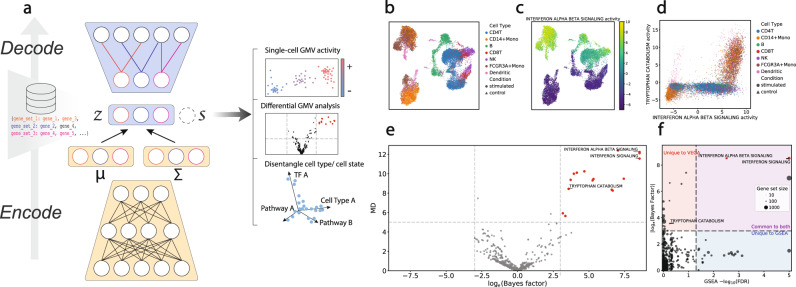
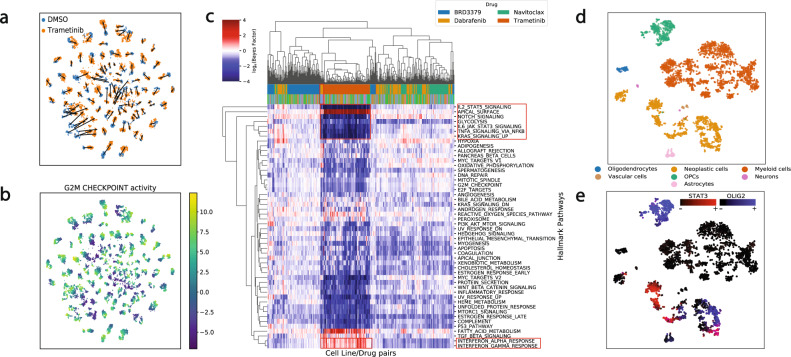
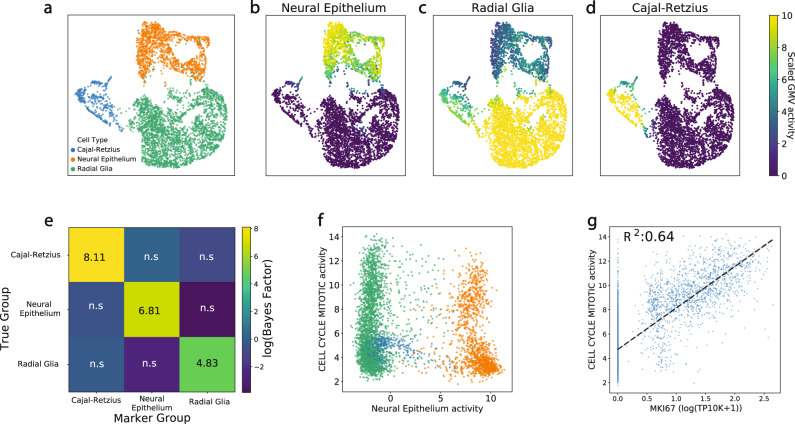
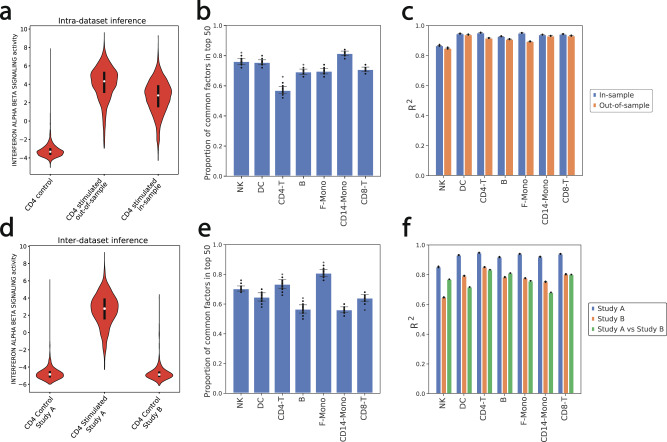
Verification
Claims the paper makes
The claims and statistics of this paper haven’t been checked yet.
Free: it reads the open-access text and checks the first 5 claims that cite a source we can check. Create a free account to check every claim.
Claims other papers make about this one
Each is checked against this paper’s own text: does it say what the citing paper says it does?
The cited source says what the claim attributes to it.
In the citing paper
“VEGA can aid the disentanglement of cell types and states while robustly performing out-of-distribution predictions.”
From A mini-review on perturbation modelling across single-cell omic modalities (2024) · cites this paper as [56]
The cited source says what the claim attributes to it.
In the citing paper
“The common approach for biological model design is to construct a neural network architecture that is restrained by biological pathways, specifically connecting target gene nodes with pathway nodes, including models of P-NET [116], pmVAE [163], VEGA [164], and LDVAE [165].”
From Challenges in AI-driven Biomedical Multimodal Data Fusion and Analysis (2025) · cites this paper as [164]
In the citing paper
“Concerning the latter, compared to scGEN, VEGA sacrifices predictive performance for biological interpretability of the latent space.”
From A mini-review on perturbation modelling across single-cell omic modalities (2024) · cites this paper as [56]
Self-check
Percentages, sums and reported differences re-computed from the paper’s own numbers.
The self-check needs the paper’s full text.
Citations
Cites
Scikit-learn: Machine Learning in Python
Pedregosa, F., Varoquaux, G., Gramfort, A., Michel, V., Thirion, B., Grisel, O., Blondel, M., Müller, A., Nothman, J., Louppe, G., et al. (2012) · arXiv · doi:10.48550/arxiv.1201.0490 · Cited by 71,016
Subramanian, A., Tamayo, P., Mootha, V. K., Mukherjee, S., Ebert, B. L., Gillette, M. A., Paulovich, A., Pomeroy, S. L., Golub, T. R., Lander, E. S., et al. (2005) · Proceedings of the National Academy of Sciences · doi:10.1073/pnas.0506580102 · Cited by 53,625
(2008) · Journal of Machine Learning Research · Cited by 33,051
Harris, C. R., Millman, K. J., van der Walt, S. J., Gommers, R., Virtanen, P., Cournapeau, D., Wieser, E., Taylor, J., Berg, S., Smith, N. J., et al. (2020) · Nature · doi:10.1038/s41586-020-2649-2 · Cited by 23,826
Reducing the dimensionality of data with neural networks
Hinton, G. E., & Salakhutdinov, R. R. (2006) · Science · doi:10.1126/science.1127647 · Cited by 20,928
Auto-Encoding Variational Bayes
Kingma, D. P., & Welling, M. (2013) · arXiv · doi:10.48550/arxiv.1312.6114 · Cited by 20,067 · cited 4×
“More recently, deep generative models such as variational autoencoders 7 (VAEs) have proven to be extremely useful for the probabilistic modeling of single-cell transcriptomes, such as scVI and scGen 8 – 10 .”
BackgroundMethodInfluentialHarris, C., Millman, K., van der Walt, S., Gommers, R., Virtanen, P., Cournapeau, D., Wieser, E., Taylor, J., Berg, S., Smith, N., et al. (2020) · RePEc: Research Papers in Economics · Cited by 17,844
The Molecular Signatures Database Hallmark Gene Set Collection
Liberzon, A., Birger, C., Thorvaldsdóttir, H., Ghandi, M., Mesirov, J. P., & Tamayo, P. (2015) · Cell Systems · doi:10.1016/j.cels.2015.12.004 · Cited by 13,807
Kass, R. E., & Raftery, A. E. (1995) · Journal of the American Statistical Association · doi:10.1080/01621459.1995.10476572 · Cited by 12,558
SCANPY: large-scale single-cell gene expression data analysis
Wolf, F. A., Angerer, P., & Theis, F. J. (2018) · Genome Biology · doi:10.1186/s13059-017-1382-0 · Cited by 8,881
Research works printed but not linked: 1
- Baldi, P. Autoencoders, unsupervised learning, and deep architectures. Proc. Mach. Learn. Res.27, 37_49 (2012).
Cited by
Hu, T., Allam, M., Cai, S., Henderson, W. E., Yueh, B., Alici-Garipcan, A., Ievlev, A. V., Afkarian, M., Beyaz, S., & Coskun, A. F. (2023) · Nature Communications · doi:10.1038/s41467-023-43917-5 · Cited by 204
“On the other hand, single-cell analysis methods such as VEGA 25 , scDHA 26 , scMM 27 , SPADE 28 , DPT 29 , Squidpy 30 , Athena 31 , and SPEX 32 were developed for latent embedding generation, cell lineage reconstruction, and spatial analysis.”
Biologically informed deep learning to query gene programs in single-cell atlases
Lotfollahi, M., Rybakov, S., Hrovatin, K., Hediyeh-zadeh, S., Talavera-López, C., Misharin, A. V., & Theis, F. J. (2023) · Nature Cell Biology · doi:10.1038/s41556-022-01072-x · Cited by 100
Explainable artificial intelligence for omics data: a systematic mapping study
Toussaint, P. A., Leiser, F., Thiebes, S., Schlesner, M., Brors, B., & Sunyaev, A. (2023) · Briefings in Bioinformatics · doi:10.1093/bib/bbad453 · Cited by 130
“One especially promising approach is VEGA, a variational autoencoder architecture with enhanced transparency provided by including gene annotations [82].”
BackgroundBiologically informed deep learning to infer gene program activity in single cells
Lotfollahi, M., Rybakov, S., Hrovatin, K., Hediyeh-zadeh, S., Talavera-López, C., Misharin, A. V., & Theis, F. J. (2022) · doi:10.1101/2022.02.05.479217 · Cited by 100
Quantitative characterization of cell niches in spatially resolved omics data
Birk, S., Bonafonte-Pardàs, I., Feriz, A. M., Boxall, A. R., Agirre, E., Memi, F., Maguza, A., Yadav, A., Armingol, E., Fan, R., et al. (2025) · Nature Genetics · doi:10.1038/s41588-025-02120-6 · Cited by 143
Wysocka, M., Wysocki, O., Zufferey, M., Landers, D., & Freitas, A. (2023) · BMC Bioinformatics · doi:10.1186/s12859-023-05262-8 · Cited by 105
Challenges in AI-driven Biomedical Multimodal Data Fusion and Analysis
Liu, J., Cen, X., Yi, C., Wang, F.-A., Ding, J., Cheng, J., Wu, Q., Gai, B., Zhou, Y., He, R., et al. (2025) · Genomics, Proteomics & Bioinformatics · doi:10.1093/gpbjnl/qzaf011 · Cited by 75
Advances and applications in single-cell and spatial genomics
Wang, J., Ye, F., Chai, H., Jiang, Y., Wang, T., Ran, X., Xia, Q., Xu, Z., Fu, Y., Zhang, G., et al. (2024) · Science China Life Sciences · doi:10.1007/s11427-024-2770-x · Cited by 79
clusterMaker2: a major update to clusterMaker, a multi-algorithm clustering app for Cytoscape
Utriainen, M., & Morris, J. H. (2023) · BMC Bioinformatics · doi:10.1186/s12859-023-05225-z · Cited by 74
A mini-review on perturbation modelling across single-cell omic modalities
Gavriilidis, G. I., Vasileiou, V., Orfanou, A., Ishaque, N., & Psomopoulos, F. (2024) · Computational and Structural Biotechnology Journal · doi:10.1016/j.csbj.2024.04.058 · Cited by 54
“VEGA [56] , (VAE enhanced by gene annotations), is a VAE featuring a sparse linear decoder guided by biological networks guided by gene module membership as recorded in gene annotation databases (e.g., Gene Ontology, PANTHER, MolSigDB, or Reactome).”
MethodDoncevic, D., & Herrmann, C. (2023) · Bioinformatics · doi:10.1093/bioinformatics/btad387 · Cited by 51
“As computation of the posterior is intractable, the optimization objective of the VAE, like of other variational inference methods, is the evidence lower bound (ELBO) 12,32 :”
MethodAutoencoder neural networks enable low dimensional structure analyses of microbial growth dynamics
Baig, Y., Ma, H. R., Xu, H. Z., & You, L. (2023) · Nature Communications · doi:10.1038/s41467-023-43455-0 · Cited by 64
“Already, exploiting the “ latent structure ” of datasets through such regularized autoencoder representations is the critical fi rst stage for most modern ML techniquesspanning audioprocessing, single-cellmulti-omics,and computer vision 29 – 36 .”
siVAE: interpretable deep generative models for single-cell transcriptomes
Choi, Y., Li, R., & Quon, G. (2023) · Genome biology · doi:10.1186/s13059-023-02850-y · Cited by 58
“Seninge L, Anastopoulos I, Ding H, Stuart J. VEGA is an interpretable generative model for inferring biological network activity in single-cell transcriptomics.”
MethodDesigning interpretable deep learning applications for functional genomics: a quantitative analysis
van Hilten, A., Katz, S., Saccenti, E., Niessen, W. J., & Roshchupkin, G. V. (2024) · Briefings in Bioinformatics · doi:10.1093/bib/bbae449 · Cited by 44
“As hidden nodes represent biological entities in sparse networks, such as GO terms [122] or gene modules [69, 70], their activation can be directly interpreted as their activity.”
InfluentialInferring pattern-driving intercellular flows from single-cell and spatial transcriptomics
Almet, A. A., Tsai, Y., Watanabe, M., & Nie, Q. H. (2024) · Nature Methods · doi:10.1038/s41592-024-02380-w · Cited by 46
A Roadmap for a Consensus Human Skin Cell Atlas and Single-Cell Data Standardization
Almet, A. A., Yuan, H., Annusver, K., Ramos, R., Liu, Y., Wiedemann, J., Sorkin, D. H., Xu, N., Sonkoly, E., Haniffa, M. A., et al. (2023) · Journal of Investigative Dermatology · doi:10.1016/j.jid.2023.03.1679 · Cited by 34
An Overview of Deep Generative Models in Functional and Evolutionary Genomics
Yelmen, B., & Jay, F. (2023) · Annual Review of Biomedical Data Science · doi:10.1146/annurev-biodatasci-020722-115651 · Cited by 41
“Alternatively, the architecture of DGMs is sometimes modified to enhance interpretability, for example, by encouraging a correspondence between cell and gene embed-dings (56) or by using gene annotations to guide the network connections (59).”
MethodA spectrum of explainable and interpretable machine learning approaches for genomic studies
Conard, A. M., DenAdel, A., & Crawford, L. A. (2023) · Wiley Interdisciplinary Reviews Computational Statistics · doi:10.1002/wics.1617 · Cited by 41
“Seninge et al. (2021) developed the VAE Enhanced by Gene Annotations (VEGA), which uses a linear decoder that is sparsified using a mask matrix generated from annotated gene sets.”
Deep convolutional and conditional neural networks for large-scale genomic data generation
Yelmen, B., Decelle, A., Boulos, L. L., Szatkownik, A., Furtlehner, C., Charpiat, G., & Jay, F. (2023) · PLoS Computational Biology · doi:10.1371/journal.pcbi.1011584 · Cited by 44
“Especially since the introduction of generative adversarial networks (GANs) in the preceding decade [12], generative modelling has become a widely-researched subject with a diverse scope of applications such as image and text generation [13, 14], dimensionality reduction [15] and imputation [16].”
BackgroundInterpretable deep learning in single-cell omics
Wagle, M. M., Long, S., Chen, C., Liu, C., & Yang, P. (2024) · Bioinformatics · doi:10.1093/bioinformatics/btae374 · Cited by 37
“VEGA utilizes prior knowledge of gene modules for designing an interpretable latent space in variational autoencoders and subsequently detecting active modules from models trained on scRNA-seq data (Seninge et al. 2021).”
MethodAttention-based deep clustering method for scRNA-seq cell type identification
Li, S., Guo, H., Zhang, S., Li, Y., & Li, M. (2023) · PLoS Computational Biology · doi:10.1371/journal.pcbi.1011641 · Cited by 35
“Concurrently, the incorporation of prior knowledge, which aids in establishing cellular relationships [49], holds promise as valuable information for constructing deep learning models [50].”
BackgroundPAUSE: principled feature attribution for unsupervised gene expression analysis
Janizek, J. D., Spiro, A. E., Çelik, S., Blue, B. W., RUSSELL, J. C., Lee, T.-I., Kaeberlin, M., & Lee, S. (2023) · Genome biology · doi:10.1186/s13059-023-02901-4 · Cited by 29
“This approach is taken by methods such as VEGA (VAE Enhanced by Gene Annotations) [21], which masks the weights in the linear decoder of a variational autoencoder (VAE) so that each latent variable is only connected to genes in the pathway represented by that latent variable.”
BackgroundMethodMetaSEM: Gene Regulatory Network Inference from Single-Cell RNA Data by Meta-Learning
Zhang, Y., Wang, M., Wang, Z., Liu, Y., Xiong, S., & Zou, Q. (2023) · International Journal of Molecular Sciences · doi:10.3390/ijms24032595 · Cited by 26
“The unsupervised approach facilitates GRN inference without a ground-truth label, such as VEGA [14] and DeepSEM [15].”
MethodMOSim: bulk and single-cell multilayer regulatory network simulator
Monzó, C., Aguerralde‐Martin, M., Martínez-Mira, C., Arzalluz-Luque, Á., Conesa, A., & Tarazona, S. (2025) · Briefings in Bioinformatics · doi:10.1093/bib/bbaf110 · Cited by 23
“Examples of VAE models for single-cell data include scGen [19], VEGA [20], siVAE [21], scVAE [22], scDHA [23], scVI [24], manatee [25], and ScInfoVAE [26].”
Deep Learning of radiology-genomics integration for computational oncology: A mini review
Wang, F., Li, Y., & Zeng, T. (2024) · Computational and Structural Biotechnology Journal · doi:10.1016/j.csbj.2024.06.019 · Cited by 27
Unifying multi-sample network inference from prior knowledge and omics data with CORNETO
Rodríguez-Mier, P., Garrido‐Rodríguez, M., Gábor, A., & Sáez-Rodríguez, J. (2025) · Nature Machine Intelligence · doi:10.1038/s42256-025-01069-9 · Cited by 34
“CORNETO bridges data-driven methods 25,26 and traditional PKN-based approaches, which typically focus on individual samples, such as flux balance analysis (FBA), sparse FBA (sFBA), iMAT (Integrative Metabolic Analysis Tool) for metabolic networks 27 , CAR-NIVAL (CAusal Reasoning for Network…”
Visible neural networks for multi-omics integration: a critical review
Selby, D., Jakhmola, R., Sprang, M., Großmann, G., Raki, H., Maani, N., Pavliuk, D., Ewald, J., & Vollmer, S. J. (2025) · Frontiers in Artificial Intelligence · doi:10.3389/frai.2025.1595291 · Cited by 26
Beyond the black box with biologically informed neural networks
Selby, D., Sprang, M., Ewald, J., & Vollmer, S. J. (2025) · Nature Reviews Genetics · doi:10.1038/s41576-025-00826-1 · Cited by 27
“BINNs are not limited to supervised learning tasks; biologically informed variational autoencoders — a form of unsupervised learning model — have also been used to analyse cellular processes and aid drug development 7 .”
Interpretation for Variational Autoencoder Used to Generate Financial Synthetic Tabular Data
Wu, J., Plataniotis, K. N., Liu, L., Amjadian, E., & Lawryshyn, Y. (2023) · Algorithms · doi:10.3390/a16020121 · Cited by 27
Pathway-guided architectures for interpretable AI in biological research
Zhou, Q. F., Madala, N. S., & Huang, C. L. (2025) · Computational and Structural Biotechnology Journal · doi:10.1016/j.csbj.2025.10.063 · Cited by 21
“In VEGA (VAE Enhanced by Gene Annotations) [112 ] , decoder connections (latent variables to genes) are guided by gene module membership in pathway databases, where the weights can be used to rank gene importance within a biological module.”
Sadria, M., & Layton, A. T. (2025) · Genome biology · doi:10.1186/s13059-025-03519-4 · Cited by 33
“We also evaluated scVAEDer’s performance against VEGA [63].”
Interpretation, extrapolation and perturbation of single cells
Dimitrov, D., Schrod, S., Rohbeck, M., & Stegle, O. (2026) · Nature Reviews Genetics · doi:10.1038/s41576-025-00920-4 · Cited by 38
Deep generative models in single-cell omics
Rivero-García, I., Torres, M., & Sánchez‐Cabo, F. (2024) · Computers in Biology and Medicine · doi:10.1016/j.compbiomed.2024.108561 · Cited by 14
IRnet: Immunotherapy response prediction using pathway knowledge-informed graph neural network
Jiang, Y., Immadi, M. S., Wang, D., Zeng, S., On Chan, Y., Zhou, J., Xu, D., & Joshi, T. (2025) · Journal of Advanced Research · doi:10.1016/j.jare.2024.07.036 · Cited by 12
Towards virtual sample generation with various data conditions: A comprehensive review
Jiang, Y., Ma, X., & Li, X. (2024) · Information Fusion · doi:10.1016/j.inffus.2024.102874 · Cited by 15
Benchmark of embedding-based methods for accurate and transferable prediction of drug response
Jia, P., Hu, R., & Zhao, Z. (2023) · Briefings in Bioinformatics · doi:10.1093/bib/bbad098 · Cited by 12
SoCube: an innovative end-to-end doublet detection algorithm for analyzing scRNA-seq data
Zhang, H., Lu, M., Lin, G., Zheng, L., Zhang, W., Xu, Z., & Zhu, F. (2023) · Briefings in Bioinformatics · doi:10.1093/bib/bbad104 · Cited by 13
Strategies to include prior knowledge in omics analysis with deep neural networks
Thapa, K., Kinali, M., Pei, S., Luna, A., & Babur, Ö. (2025) · Patterns · doi:10.1016/j.patter.2025.101203 · Cited by 17
Martínez-Enguita, D., Dwivedi, S. K., Jörnsten, R. J., & Gustafsson, M. (2023) · Briefings in Bioinformatics · doi:10.1093/bib/bbad293 · Cited by 11
“For instance, deep undercomplete or variational AE architectures, such as scETM [24], VEGA [25], LDVAE [26], scMVAE [27], scIAE [28] or VASC [29], have been used to analyze single-cell transcriptomic data and identify cellular and gene signatures.”
Methodde Weerd, H. A., Guala, D., Gustafsson, M., Synnergren, J., Tegner, J. N., Lubovac-Pilav, Z., & Magnusson, R. (2024) · Patterns · doi:10.1016/j.patter.2024.101093 · Cited by 11
“In Seninge et al., 47 a VAE was built to compress gene expression data to study gene modularity.”
Genetic Studies Through the Lens of Gene Networks
Subirana-Granés, M., Hoffman, J., Zhang, H., Akirtava, C., Nandi, S., Fotso, K., & Pividori, M. (2025) · Annual Review of Biomedical Data Science · doi:10.1146/annurev-biodatasci-103123-095355 · Cited by 14
“Methods such as non-negative matrix factorization and variational autoencoders (VAEs) have demonstrated the ability to extract biologically meaningful gene modules, which represent groups of genes with coordinated expression under speci�c conditions (12).”
MethodscFormer: A Universal Representation Learning Approach for Single-Cell Data Using TransformersPreprint
Cui, H., Wang, C., Maan, H., Duan, N., & Wang, B. (2022) · bioRxiv (Cold Spring Harbor Laboratory) · doi:10.1101/2022.11.20.517285 · Cited by 13
“…cell embed-dings across datasets (Lopez et al., 2018; Gayoso et al., 2021; Lotfollahi et al., 2022), infer cell types (Zhang et al., 2019), analyze gene regulatory networks (Seninge et al., 2021), and predict genetic perturbation responses (Lotfollahi et al., 2019; 2021; Yu & Welch, 2022).”
BackgroundPathway-based analyses of gene expression profiles at low doses of ionizing radiation
Luo, X., Niyakan, S., Johnstone, P. R., McCorkle, S., Park, G., López, V., Yoo, S., Dougherty, E. R., Qian, X., Alexander, F. J., et al. (2024) · Frontiers in Bioinformatics · doi:10.3389/fbinf.2024.1280971 · Cited by 9
“For the encoder and decoder architectures, we have followed the instructions in the original VEGA paper (Seninge et al., 2021b): The encoder is composed of two layers of fully connected nodes with the input number of features being the same as the number of genes in the gene expression dataset and…”
MethodChen, H., Lu, Y., Dai, Z., Yang, Y., Li, Q., & Rao, Y. (2024) · Briefings in Bioinformatics · doi:10.1093/bib/bbae314 · Cited by 10
“The original MIX-seq dataset was downloaded from https:// figshare.com/s/139f64b495dea9d88c70, and we utilized the processed one in Seninge et al. [25].”
BackgroundMethodInfluentialWang, L., Nie, R., Zhang, J., & Cai, J. (2022) · BMC Bioinformatics · doi:10.1186/s12859-022-05098-8 · Cited by 9
Schuster, V., & Krogh, A. (2023) · Bioinformatics · doi:10.1093/bioinformatics/btad497 · Cited by 10
“Even though these approaches have their shortcomings [7], they have shown great success in a multitude of applications such as single-cell RNA-sequencing (scRNA-seq) [8, 9], image and surface generation [10, 11], and natural language processing [10, 12].”
BackgroundIn silico generation of gene expression profiles using diffusion models
Lacan, A., André, R., Sébag, M., & Hanczar, B. (2026) · BMC Bioinformatics · doi:10.1186/s12859-026-06470-8 · Cited by 8
“Interestingly enough, the latent representation of VAEs and GANs were also leveraged to capture biologically relevant features for cancer-related tasks (Way and Greene, 2018) and interpretations of biological pathways (Seninge et al. , 2021).”
Rodov, A., Baniadam, H., Zeiser, R., Amit, I., Yosef, N., Wertheimer, T., & Ingelfinger, F. (2025) · European Journal of Immunology · doi:10.1002/eji.202451234 · Cited by 10
Deep Learning for Clustering Single-cell RNA-seq Data
Zhu, Y., Bai, L., Ning, Z., Fu, W., Liu, J., Jiang, L., Fei, S., Gong, S., Lu, L., Deng, M., et al. (2022) · Current Bioinformatics · doi:10.2174/1574893618666221130094050 · Cited by 6
Davidson, N. R., Zhang, F., & Greene, C. S. (2025) · PLoS Computational Biology · doi:10.1371/journal.pcbi.1012742 · Cited by 9
“These methods can be directly trained to capture a specific source of variation 29–35 or post-hoc-interpreted after training 36–40 .”
Interpretable deep generative models for genomicsPreprint
Choi, Y., Li, R., & Quon, G. (2021) · bioRxiv (Cold Spring Harbor Laboratory) · doi:10.1101/2021.09.15.460498 · Cited by 6
Gomez, C., Uhrig, L., Frouin, V., Duchesnay, É., Jarraya, B., & Grigis, A. (2024) · Scientific Reports · doi:10.1038/s41598-024-76695-1 · Cited by 10
Pancotti, C., Rollo, C., Codicè, F., Birolo, G., Fariselli, P., & Sanavia, T. (2024) · Bioinformatics · doi:10.1093/bioinformatics/btae320 · Cited by 10
“…a hybrid architecture with a nonlinear encoder and a linear de-coder have been applied in the context of single-cell RNA-seq and transcriptomic data (Svensson et al. 2020, Seninge et al. 2021), achieving great success due to their explainability while preserving powerful performance capabilities.”
Biologically Interpretable VAE with Supervision for Transcriptomics Data Under Ordinal PerturbationsPreprint
Niyakan, S., Yoon, B.-J., Qian, X., & Luo, X. (2024) · bioRxiv (Cold Spring Harbor Laboratory) · doi:10.1101/2024.03.28.587231 · Cited by 6
“…directly modify the VAE architecture, where the neuron connections mirror the user-provided gene-pathway maps and the hidden layers consist of nodes capturing the biological pathway-level activities such as VEGA (Seninge et al., 2021), pmVAE (Gut et al., 2021) and scETM (Zhao et al., 2021) models.”
BackgroundMethodResultInfluentialGomez, C., Grigis, A., Uhrig, L., & Jarraya, B. (2022) · Lecture notes in computer science · doi:10.1007/978-3-031-16431-6_40 · Cited by 4
Activity-dependent transcriptional programs in memory regulate motor recovery after stroke
Joy, M. T., & Carmichael, S. T. (2024) · Communications Biology · doi:10.1038/s42003-024-06723-3 · Cited by 4
“VAEs can model complex relationships and non-linearities and retain biological patterns between conditions and have been shown to offer better biological insights 48,49 .”
Principled feature attribution for unsupervised gene expression analysisPreprint
Janizek, J. D., Spiro, A. E., Celik, S., Blue, B. W., Russell, J., Lee, T.-I., Kaeberlin, M., & Lee, S.-I. (2022) · bioRxiv · doi:10.1101/2022.05.03.490535 · Cited by 2
“This approach is taken by methods such as VEGA (VAE Enhanced by Gene Annotations) [21], which masks the weights in the linear decoder of a variational autoencoder (VAE) so that each latent variable is only connected to genes in the pathway represented by that latent variable.”
BackgroundMethodmEthAE: an Explainable AutoEncoder for methylation dataPreprint
Katz, S., dos Santos, V. A. P. M., Saccenti, E., & Roshchupkin, G. V. (2023) · bioRxiv (Cold Spring Harbor Laboratory) · doi:10.1101/2023.07.18.549496 · Cited by 5
“Autoencoders, and variations thereof, are versatile deep learning frameworks capable of non-linear dimensionality reduction [13–15], clustering [15], data generation and imputation [16–18], and performing classification and regression tasks [19, 20].”
BackgroundUnified knowledge-driven network inference from omics dataPreprint
Rodríguez-Mier, P., Garrido‐Rodríguez, M., Gábor, A., & Sáez-Rodríguez, J. (2024) · bioRxiv (Cold Spring Harbor Laboratory) · doi:10.1101/2024.10.26.620390 · Cited by 4
He, Y., Li, S., Lan, H., Long, W., Zhai, S., Li, M., & Wen, Z. (2025) · International Journal of Molecular Sciences · doi:10.3390/ijms26094365 · Cited by 5
“Similarly to VNNs, which incorporate prior biological knowledge through sparsely connected decoding structures [50,51], the sparse decoder in our model introduce prior biological knowledge based on predefined pathway–gene associations.”
Meta graphical lasso: uncovering hidden interactions among latent mechanisms
Maruhashi, K., Kashima, H., Miyano, S., & Park, H. (2024) · Scientific Reports · doi:10.1038/s41598-024-68959-7 · Cited by 3
Decoding cell fate: integrated experimental and computational analysis at the single-cell level
Zhou, Y., Hou, S., Miao, X., Zhang, G., Li, Z., Zhang, D., Lin, Y., & Lin, Y. (2025) · Bioinformatics · doi:10.1093/bioinformatics/btaf603 · Cited by 4
“…perturbation effects in a cell-type-specific manner (Kana et al. 2023, Weinberger et al. 2023), and integrating biological insights from gene annotations (Seninge et al. 2021), ontology information (Doncevic and Herrmann 2023), or functional enrichment analysis (Geiger-Schuller et al. 2023).”
Paylar, B., Längkvist, M., Jaß, J., & Olsson, P. (2023) · Biology · doi:10.3390/biology12050692 · Cited by 3
“The work by [28] utilized a rule-based evolutionary machine learning system for classification of microarray cancer datasets and biologically-constrained architecture [29,30].”
MethodZhang, W., Wu, C., Xing, F., Mingfeng, J., Yixuan, Z., Liu, Q., Shi, Z., & Dai, Q. (2024) · Briefings in Bioinformatics · doi:10.1093/bib/bbae018 · Cited by 4
“As cell type detection is essential to inform the selection of target molecules and pathways, deep neural networks have been widely employed in downstream tasks such as cell type annotation and cell clustering [1, 2].”
BackgroundJoas, M. J., Jurenaite, N., Praščević, D., Scherf, N., & Ewald, J. (2025) · Nature Computational Science · doi:10.1038/s43588-025-00916-4 · Cited by 5
“Prior work noted the instability of biologically informed neural networks 30 , and dropout was introduced to counter feature–ontology overlaps 6,8 .”
InfluentialIdentification of cell types, states and programs by learning gene set representationsPreprint
Hediyeh-zadeh, S., Whitfield, H. J., Kharbanda, M., Curion, F., Bhuva, D. D., Theis, F. J., & Davis, M. J. (2023) · bioRxiv (Cold Spring Harbor Laboratory) · doi:10.1101/2023.09.08.556842 · Cited by 3
Biologically Informed Variational Inference Enables Interpretable Cell Phenotyping and DiscoveryPreprint
Arnoldt, L., zu Belzen, J. U., Herrmann, L., Nguyen, K., Ishaque, N., Theis, F. J., Wild, B., & Eils, R. (2025) · bioRxiv (Cold Spring Harbor Laboratory) · doi:10.1101/2025.06.10.657924 · Cited by 4
A systematic characterization of fibroblast subtypes and heterogeneity
Zhu, X. H., Kang, H., Zhao, Z., & Jia, P. (2025) · iScience · doi:10.1016/j.isci.2025.113915 · Cited by 2
Multiprintf: privacy-preserving multimodal fusion for scalable NFT market analysis
Victor, K., Xia, Q., Zhang, W., Xia, H., Gao, J., & Leaticia, K. S. B. (2025) · Multimedia Systems · doi:10.1007/s00530-025-02079-8 · Cited by 2
Target discovery and drug design in the era of artificial intelligence
Fleming, P., & Ivanov, A. A. (2026) · Medicinal Chemistry Research · doi:10.1007/s00044-026-03562-1 · Cited by 5
“Variational autoencoders (VAEs) have similarly been applied to learn biologically meaningful representations from large transcriptomic compendia, enabling downstream inference and prediction tasks relevant to target discovery [46, 47].”
Yang, Y., Seninge, L., Wang, Z., Oro, A. E., Stuart, J. M., & Ding, H. (2024) · Scientific Reports · doi:10.1038/s41598-024-62620-z · Cited by 2
Self-citationHsieh, K., Zhang, K., Chu, Y., Yu, L., Li, X., Hu, N., Kawosa, I., Pilie, P. G., Bhattacharya, P. K., Zhi, D., et al. (2025) · Briefings in Bioinformatics · doi:10.1093/bib/bbaf296 · Cited by 3
Recovering time-varying networks from single-cell data
Hasanaj, E., Póczos, B., & Bar‐Joseph, Z. (2025) · Bioinformatics · doi:10.1093/bioinformatics/btaf210 · Cited by 5
“In the deep learning literature, f is sometimes modeled us-ing autoencoders (Seninge et al. 2021, Shu et al. 2021, Wang et al. 2023a).”
de Weerd, H. A., Guala, D., Gustafsson, M., Synnergren, J., Tegner, J. N., Lubovac-Pilav, Z., & Magnusson, R. (2023) · bioRxiv (Cold Spring Harbor Laboratory) · doi:10.1101/2023.10.03.560661 · Cited by 2
“In Seninge et al. (2021) [38], a VAE was built to compress gene expression data to study gene modularity.”
MethodFriedrich, V. D., Neier, K. E., Müller, K., Fogal, B., Loncová, Z., Rade, M., Shoaib, M., Koehl, U., Hoyt, K., Pande, P., et al. (2025) · Frontiers in Immunology · doi:10.3389/fimmu.2025.1603716 · Cited by 1
Integrative Learning of Disentangled Representations from Single-Cell RNA-Sequencing Datasets
Novella-Rausell, C., Peters, D. J. M., & Mahfouz, A. E. (2026) · Computational and Structural Biotechnology Journal · doi:10.34133/csbj.0015 · Cited by 2
“While recent methods such as linearly decoded VAE (LDVAE) [ 19 ], VAE enhanced by gene annotations (VEGA) [ 20 ], and siVAE [ 21 ] have introduced linear decoders or interpretable architectures to address this challenge, they do not inherently structure the latent space into shared and private…”
Yang, Y., McCullough, C. G., Seninge, L., Guo, L., Kwon, W.-J., Zhang, Y., Li, N. Y., Gaddam, S., Pan, C., Zhen, H. H., et al. (2023) · bioRxiv (Cold Spring Harbor Laboratory) · doi:10.1101/2023.10.24.563664 · Cited by 1
Self-citationRadig, J., Droit, R., Doncevic, D., Li, A., Bui, D. T., Herfurth, L., Kühn, T., & Herrmann, C. (2025) · bioRxiv (Cold Spring Harbor Laboratory) · doi:10.1101/2025.06.23.661046 · Cited by 1
Martínez-Enguita, D., Hillerton, T., Åkesson, J., Jörnsten, R. J., & Gustafsson, M. (2025) · bioRxiv (Cold Spring Harbor Laboratory) · doi:10.1101/2025.10.13.681970 · Cited by 1
Chen, H., Lu, Y., Zhao, Y., Dai, Z., Wang, F. L., Li, Q., Rao, Y., & Li, Y. (2025) · bioRxiv (Cold Spring Harbor Laboratory) · doi:10.1101/2025.11.27.691023 · Cited by 2
Martínez-Enguita, D., Dwivedi, S. K., Jörnsten, R. J., & Gustafsson, M. (2023) · bioRxiv (Cold Spring Harbor Laboratory) · doi:10.1101/2023.03.07.531501
“For instance, deep undercomplete or variational AE architectures, such as scETM [24], VEGA [25], LDVAE [26], scMVAE [27], scIAE [28], or VASC [29] have been used to analyze single-cell transcriptomic data and identify cellular and gene signatures.”
MethodPrediction of context-specific regulatory programs and pathways using interpretable deep learningPreprint
Doncevic, D., Alvarez, C. R., Li, A., Zhang, Y., Bachmann, A., Noack, K., & Herrmann, C. (2024) · bioRxiv (Cold Spring Harbor Laboratory) · doi:10.1101/2024.11.06.622202 · Cited by 2
Špendl, M., Curk, T., & Zupan, B. (2025) · Lecture notes in computer science · doi:10.1007/978-3-031-78977-9_16 · Cited by 1
Advances in single-cell perturbation modeling
Qi, X., Zhao, L., Chen, R., & Zhao, Y. C. (2025) · Chinese Science Bulletin (Chinese Version) · doi:10.1360/csb-2025-0682
Liu, R., Hu, S., Dong, G., Kan, T., Shi, J., Wang, J., Zhou, J., He, Z., & Ying, X. (2025) · Genomics Proteomics & Bioinformatics · doi:10.1093/gpbjnl/qzaf117
“For example, LDVAE, scETM, VEGA, and siVAE [15,16,18,19] explain genomic features by leveraging the relationship between the neural network layers.”
Role-based Representation Learning of Multi-Relational Graph with Node Attributes
Xie, Z., Zhang, C., Wang, S., Liao, J., & Feng, C. (2025) · International Journal of Pattern Recognition and Artificial Intelligence · doi:10.1142/s0218001425520408
Additional file 4 of PAUSE: principled feature attribution for unsupervised gene expression analysis
Janizek, J. D., Spiro, A. E., Çelik, S., Blue, B. W., Russell, J. C., Lee, T.-I., Kaeberlin, M., & Lee, S. (2024) · Figshare · doi:10.6084/m9.figshare.26583564
Additional file 2 of PAUSE: principled feature attribution for unsupervised gene expression analysis
Janizek, J. D., Spiro, A. E., Çelik, S., Blue, B. W., Russell, J. C., Lee, T.-I., Kaeberlin, M., & Lee, S. (2024) · Figshare · doi:10.6084/m9.figshare.26583558
Additional file 3 of PAUSE: principled feature attribution for unsupervised gene expression analysis
Janizek, J. D., Spiro, A. E., Çelik, S., Blue, B. W., Russell, J. C., Lee, T.-I., Kaeberlin, M., & Lee, S. (2024) · Figshare · doi:10.6084/m9.figshare.26583561
Additional file 1 of siVAE: interpretable deep generative models for single-cell transcriptomes
Choi, Y., Li, R., & Quon, G. (2023) · Figshare · doi:10.6084/m9.figshare.22615894
Wysocka, M., Wysocki, O., Zufferey, M., Landers, D., & Freitas, A. (2024) · Figshare · doi:10.6084/m9.figshare.26589750
Wang, L., Nie, R., Zhang, J., & Cai, J. (2024) · Figshare · doi:10.6084/m9.figshare.26553392
Additional file 2 of siVAE: interpretable deep generative models for single-cell transcriptomes
Choi, Y., Li, R., & Quon, G. (2023) · Figshare · doi:10.6084/m9.figshare.22615897
Wysocka, M., Wysocki, O., Zufferey, M., Landers, D., & Freitas, A. (2024) · Figshare · doi:10.6084/m9.figshare.26589753
Additional file 1 of PAUSE: principled feature attribution for unsupervised gene expression analysis
Janizek, J. D., Spiro, A. E., Çelik, S., Blue, B. W., Russell, J. C., Lee, T.-I., Kaeberlin, M., & Lee, S. (2024) · Figshare · doi:10.6084/m9.figshare.26583555
Massignani, E., Tichshenko, N., Velghe, K., & Martens, L. (2026) · bioRxiv (Cold Spring Harbor Laboratory) · doi:10.64898/2026.01.20.700550
“VAE models have successfully been used to perform denoising and dimensionality reduction in transcriptomics and proteomics data, and to infer functional associations between proteins [16,40].”
Visualizing the multidimensional landscape of biological variation in modern microscopy
Müller, G. A., Göpel, T., Scherf, N., & Huisken, J. (2026) · Frontiers in Bioinformatics · doi:10.3389/fbinf.2026.1757489 · Cited by 2
“…and inter-individual variability: Deep generative models, particularly variational autoencoders, learn latent trait representations from high-dimensional data and enable simulation of phenotypic diversity in, e.g., single-cell transcriptomics (Treppner et al., 2022; Seninge et al., 2021).”
Transcriptomics data generation with deep generative models
Lacan, A. (2025) · theses.fr (ABES) · doi:10.70675/4bbb4d4fzed5ez4f41z86f4zf6f892f9e3e8
The development and application of deep learning for stem cell research
Li, Z., Zhang, W., Wu, Y., Ye, Y., Chen, Y., Wu, J., & Chen, D. (2026) · Journal of genetics and genomics/Journal of Genetics and Genomics · doi:10.1016/j.jgg.2026.05.008
Metadata
- Authors
- Seninge, L., Anastopoulos, I., Ding, H., & Stuart, J.
- Affiliations
- University of California, Santa Cruz (US)
- Corresponding author
- Ding, Hongxu
- Stuart, Joshua
- Venue
- Nature Communications
- Published
- 2021-09-28
- Volume
- 12
- Issue
- 1
- Pages
- 5684-5684
- ISSN
- 2041-1723 (ISSN-L)
- PMC
- PMC8478947
- OpenAlex
- W3204708585
- Cited by
- 107
- References
- 51
- Citations by year
- 2026: 16 · 2025: 29 · 2024: 27 · 2023: 28 · 2022: 5 · 2021: 2
- FWCI
- 5.02
- Type
- journal article
- Language
- en
- Open access
- gold
- doi.org
- Licence
- cc-by
- creativecommons.org/licenses/by/4.0 (tdm)
- creativecommons.org/licenses/by/4.0 (vor)
- Locations
- Nature Communications (publishedVersion, cc-by)
- PubMed Central (publishedVersion, cc-by)
- PubMed (publishedVersion)
- RePEc: Research Papers in Economics (submittedVersion)
- DOAJ (DOAJ: Directory of Open Access Journals) (submittedVersion, cc-by-sa)
- eScholarship (California Digital Library) (submittedVersion)
- eScholarship (California Digital Library) (submittedVersion, cc-by)
- Funders
- California Institute for Regenerative Medicine (GC1R-06673-C, GC1R-06673)
- Seagate Technology
- National Institutes of Health
- National Institute of Mental Health (R01MH120295)
- National Cancer Institute (U24CA210990)
- National Institute of General Medical Sciences (R01GM109031)
- Topics
- Life Sciences › Biochemistry, Genetics and Molecular Biology › Molecular Biology › Single-cell and spatial transcriptomics
- Life Sciences › Biochemistry, Genetics and Molecular Biology › Molecular Biology › Gene Regulatory Network Analysis
- Life Sciences › Biochemistry, Genetics and Molecular Biology › Molecular Biology › Bioinformatics and Genomic Networks
- Keywords
- Vega, interpretable generative models, single-cell transcriptomics, gene modules, latent space interpretability, gene regulatory networks, cell identity, cell states, drug response, master regulators
- MeSH terms
- Deep Learning, RNA-Seq, Animals, Humans, Models, Genetic, Mice, Gene Regulatory Networks, Single-Cell Analysis, Datasets as Topic
About these checks
Registry, retraction, Cites and statistics results are computed, not judged, with one exception: a printed reference that no index lists is read once by a model before it counts as a citation error. Claims are extracted by a model and kept only when their quote appears verbatim in the text; each cited source is then checked, with a model’s help, for whether it says what the claim relies on. Those verdicts can be wrong — read the claim’s quote and the cited source before relying on one.
Statistics and arithmetic are recomputed, not judged.
Confidence bands are shown only for fields calibrated on our annotated test set. None is calibrated yet, so no band is shown.
What counts as a claim ›How we measure confidence ›How we check this ›
Are you an author, or do you see a problem with this page? Request a review
Data sources
Bibliographic data: Semantic Scholar, OpenAlex, Crossref.
Contains information from the Semantic Scholar Academic Graph Datasets, made available under the ODC Attribution License (ODC-BY 1.0).
Semantic Scholar’s data is described in: Kinney, R., et al. (2023). The Semantic Scholar Open Data Platform. arXiv:2301.10140.
